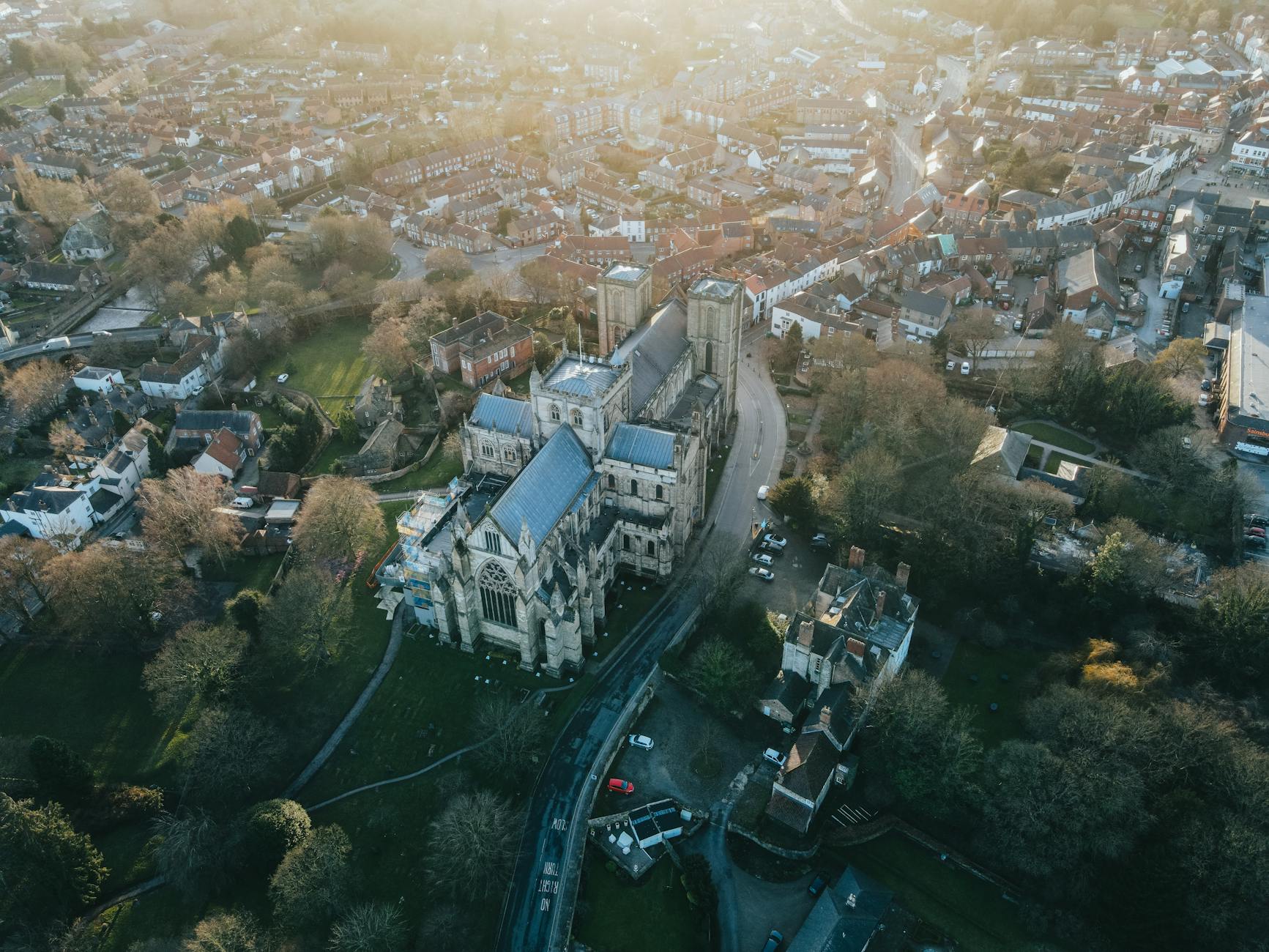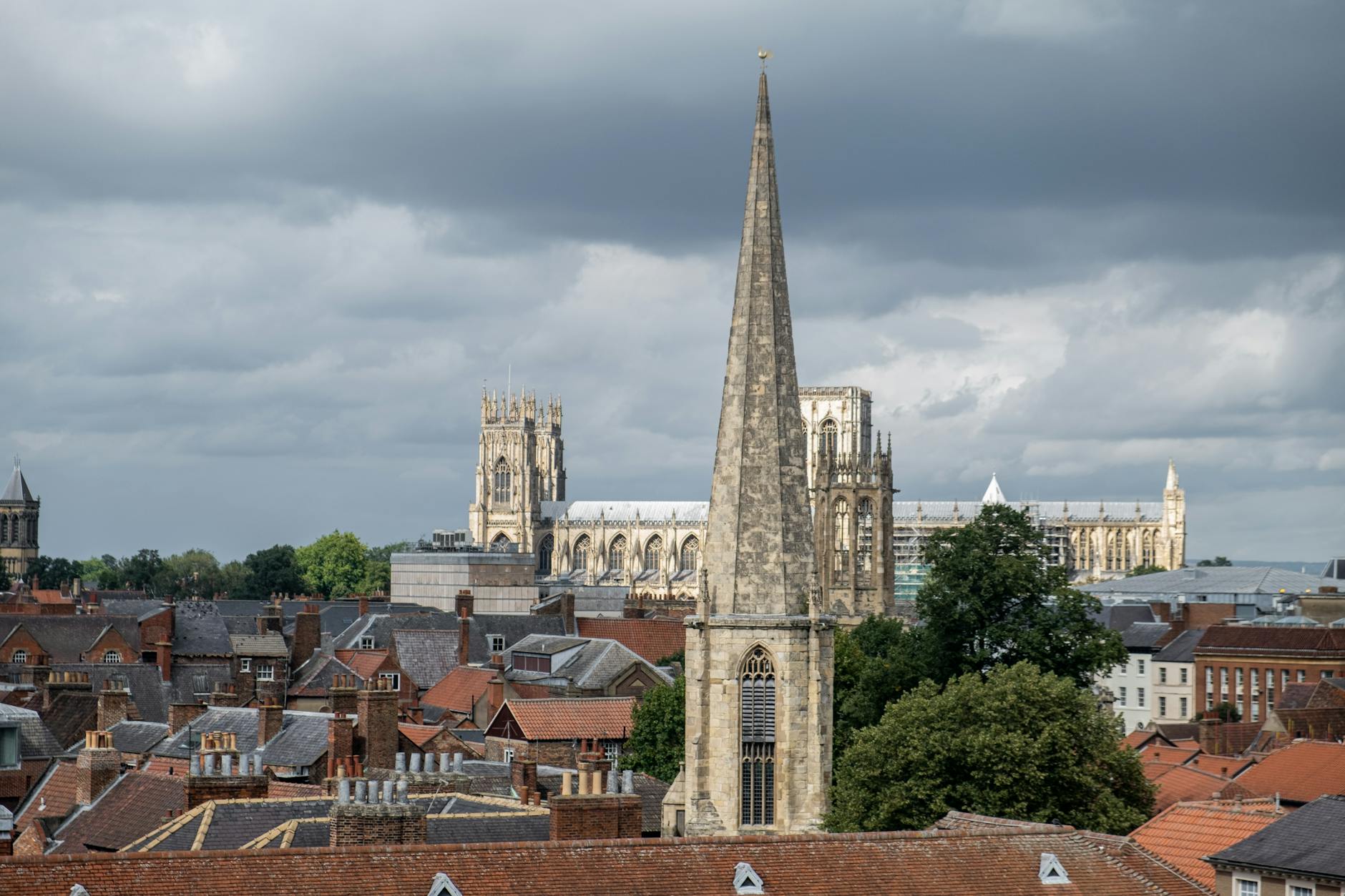
York is easy to flatten into a heritage errand: one cathedral, one old street, one pub, one tidy overnight. That reading undersells it badly. The city can support a genuinely strong short stay with walls, lanes, good hotels, pubs, layered history, and a density of atmosphere that can feel unusually complete for its size. But York is also one of those places where timing matters almost as much as content. The same street can feel cinematic at one hour and theme-parked at another. That is why York works best when the traveler chooses the base and daily route deliberately. Crowd logic is part of the city, not an afterthought.
How York works
York works through sequence and timing. It is compact enough to feel easy, but that ease is deceptive because the city is unusually sensitive to crowd concentration. One bad time slot can flatten a beautiful quarter into a procession; one good one can make the same place feel almost private. The strongest York trips understand that the city is less about distance than about order: when you do the walls, when you enter the old core, when you retreat for lunch, when you leave the most obvious corridors behind and let the city breathe again. York feels stronger when used strategically, not just enthusiastically.
- York is governed by timing as much as by geography.
- The best version of the city comes from sequence, not speed.
- Crowd logic is one of York’s main planning realities.
Best time to visit
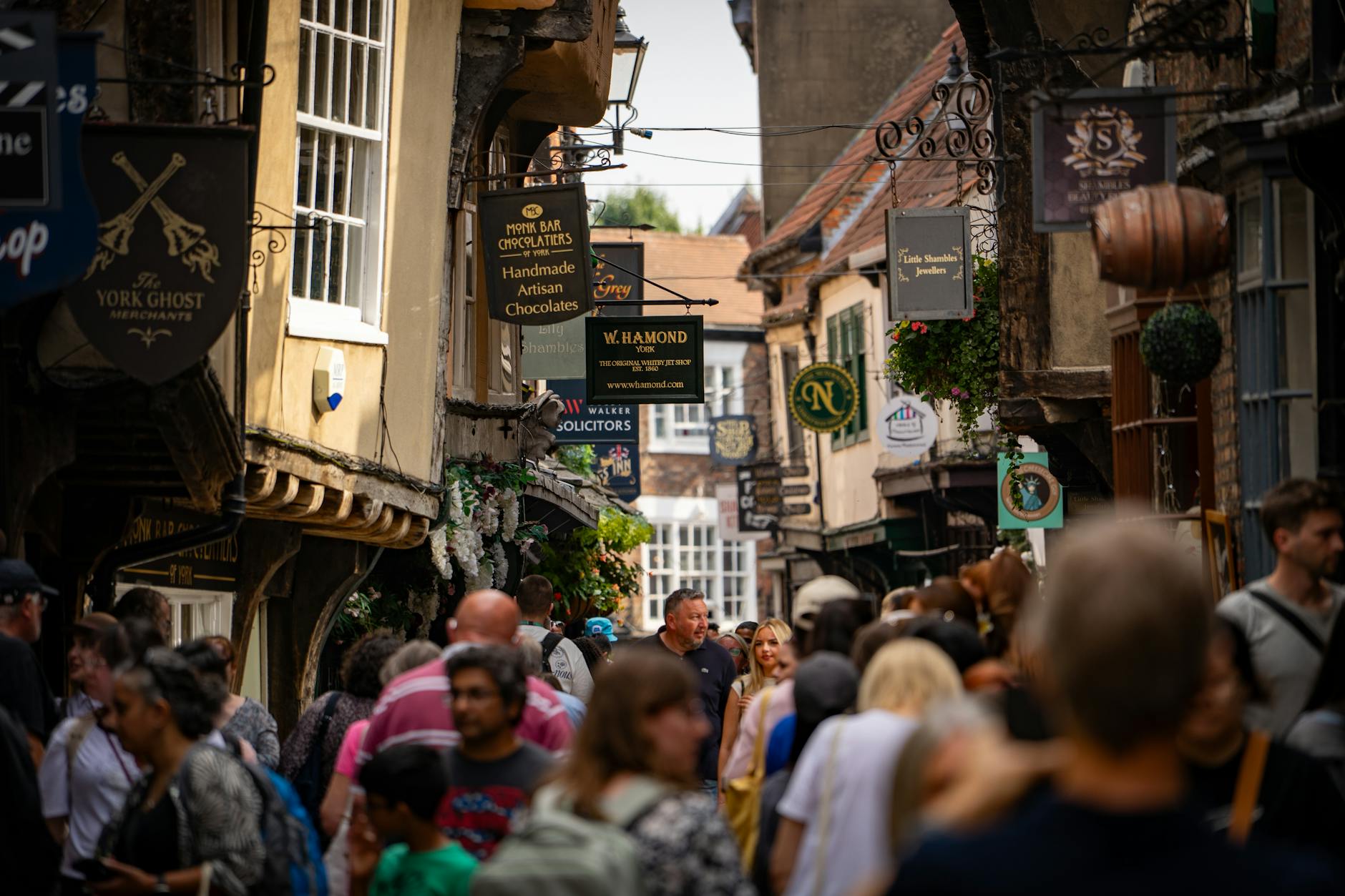
Late spring and early autumn are often the easiest periods because the city is comfortable to walk and the crowd level is usually more manageable than peak summer. Summer can still work, but it raises the cost of weak planning because York’s compactness amplifies every crowd problem. Winter can also be strong for travelers who want atmosphere, pubs, and a more hotel-led old-city stay without the same daytime pressure. York rewards choosing the season for the kind of York you actually want.
- Late spring and early autumn are usually York’s cleanest answer.
- Peak periods raise the value of better booking and better timing.
- Season and crowd level shape the stay together.
Arriving and getting around
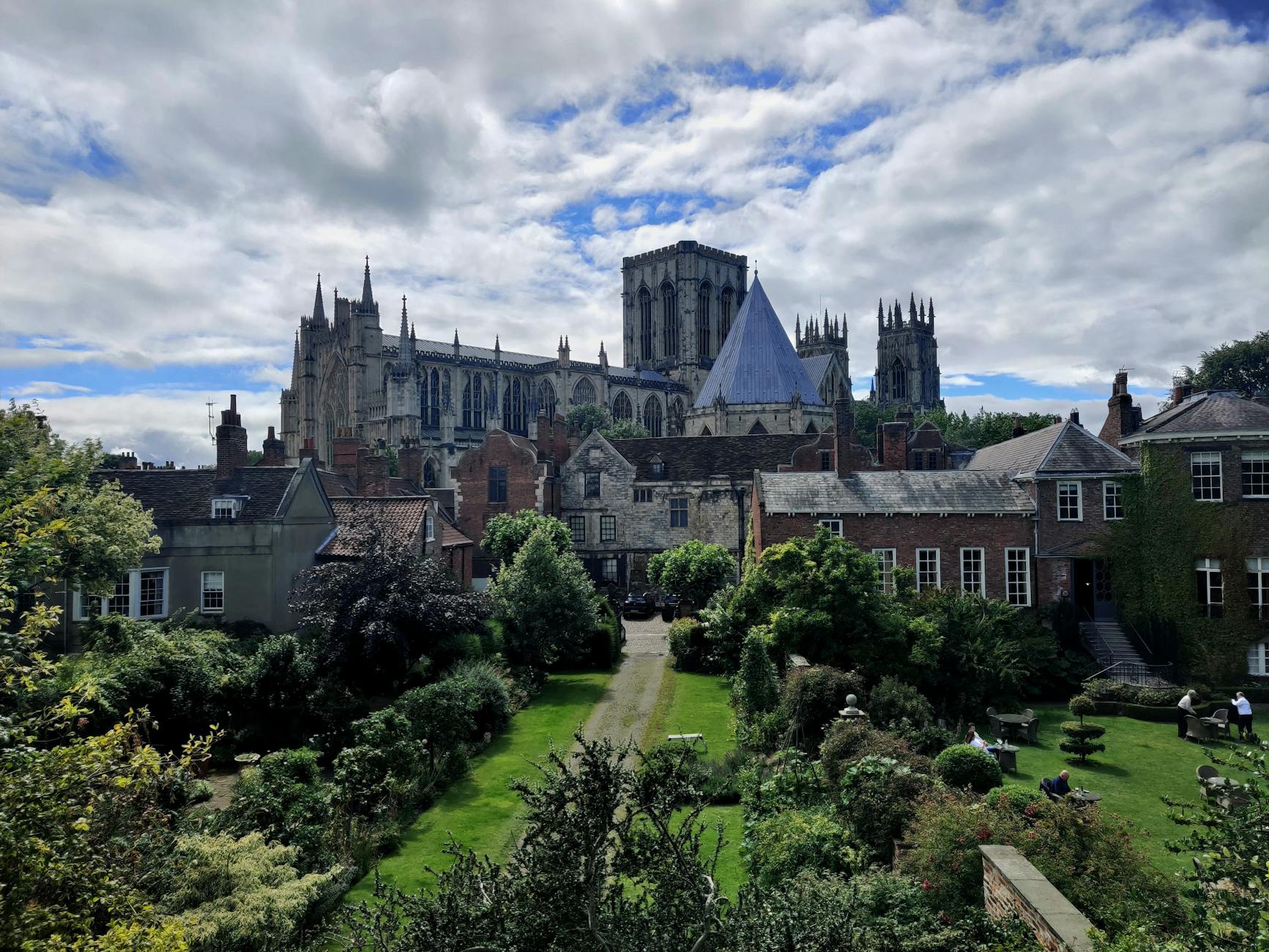
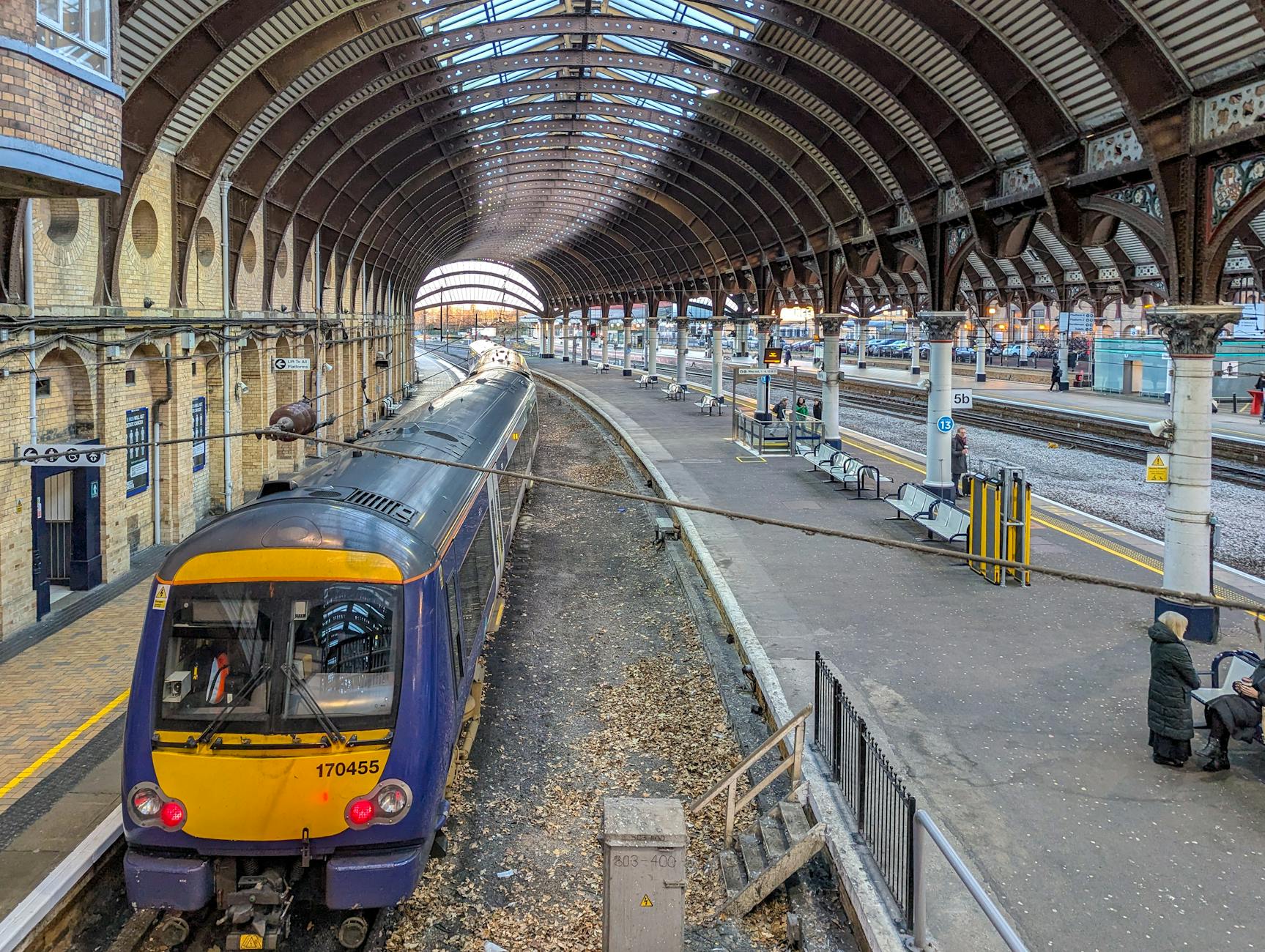
York arrival should stay clean, especially if the traveler is tired or trying to preserve a short stay. Once in the city, the strongest version usually comes from tighter daily clusters rather than vague wander-until-it-works travel. York is easy on the map, but it is still a city where one bad time slot or one weak base can affect the entire feel of the day. Walkability is an advantage, not an excuse to stop thinking.
- Treat the first leg seriously in York.
- Keep the city in tighter daily clusters.
- Do not mistake walkability for structure-free travel.
Where to stay
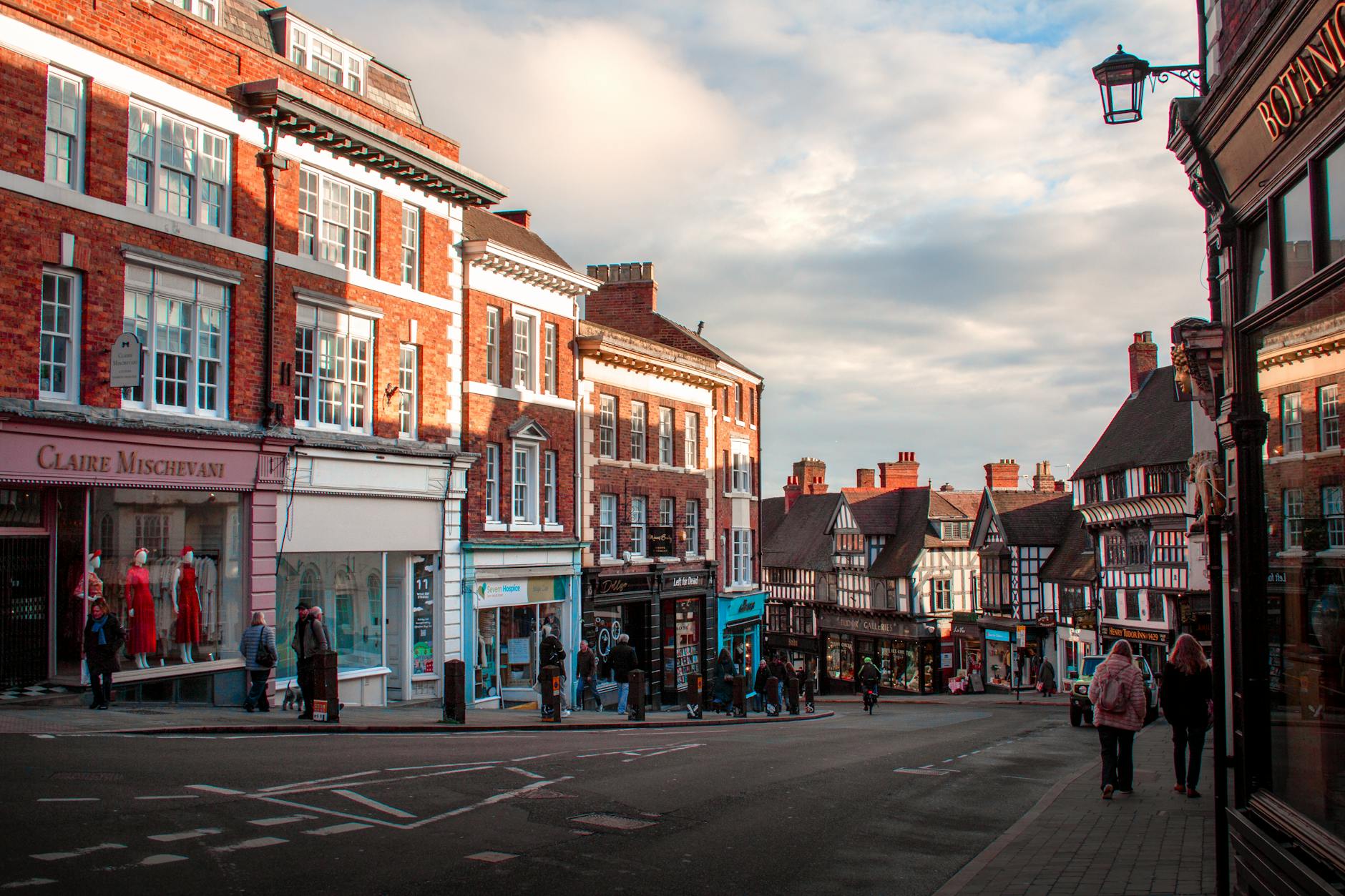
The hotel decision is one of the main York decisions. Different stay areas create different versions of the city: more polished, more atmospheric, more practical, or more crowd-exposed. Scenic and practical are not always the same thing in York because some of the most evocative parts of the city become the least relaxing when the crowd pattern is wrong. A stronger hotel usually pays back quickly in ease, quieter mornings, and cleaner evenings.
- The base matters enormously in York.
- Scenic and practical are not always the same thing.
- A stronger hotel usually pays back quickly.
The Yorks that matter most
There is heritage-forward York, where the medieval image and the old-city fabric lead the stay. There is pub-and-weekend York, where social rhythm matters more. There is also quieter York, where the traveler wants the city’s atmosphere without being swallowed by its obvious visitor pattern. These versions overlap, but the city improves once the traveler decides which one is leading rather than wandering into all of them at once.
- Each version of York feels different.
- Neighborhood choice shapes both tone and usability.
- Choose intentionally rather than generically.
What York does best
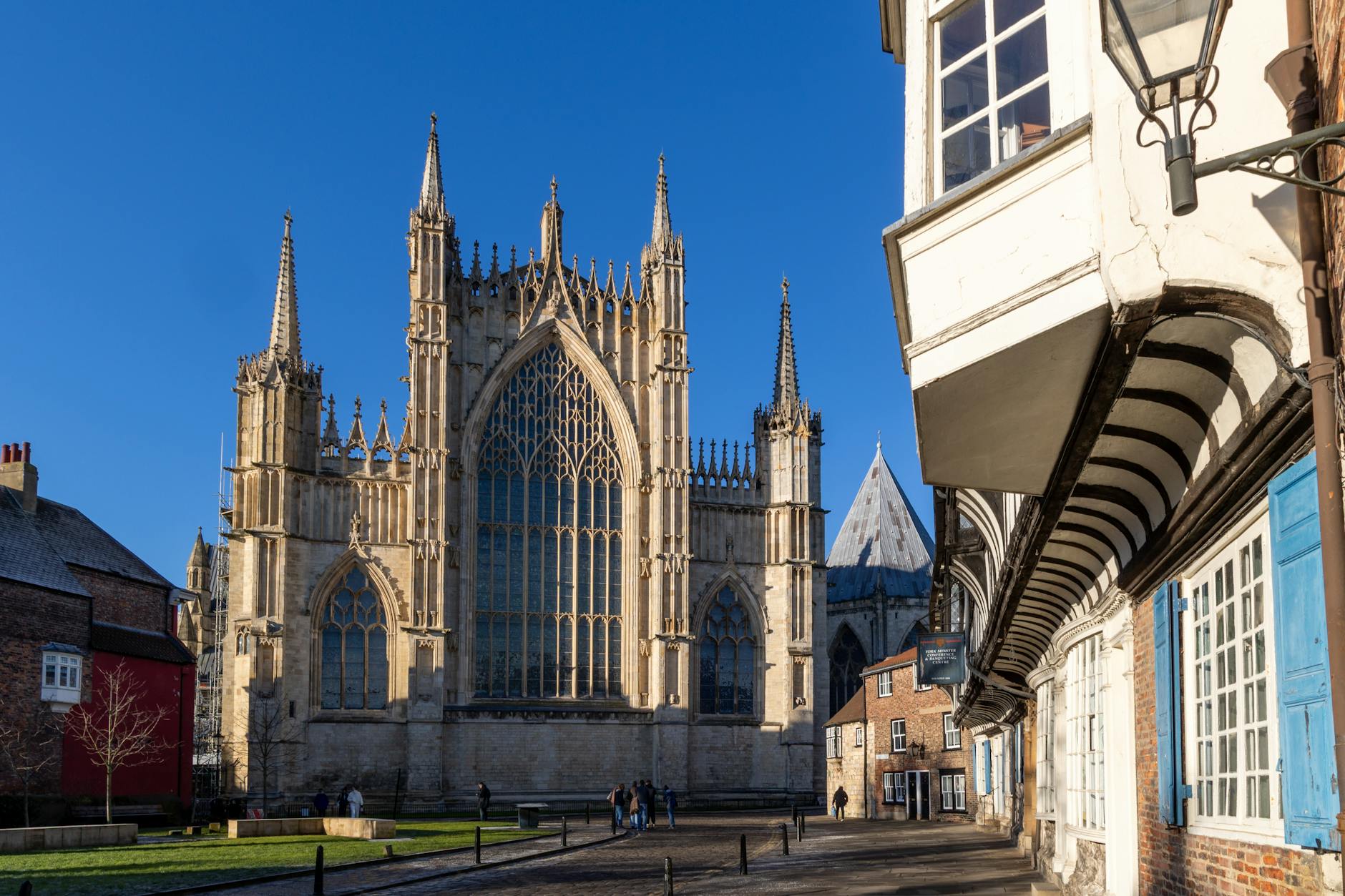
York excels at giving travelers a highly concentrated version of English urban atmosphere. It can feel old, enclosed, pub-rich, and richly legible without requiring giant-capital scale. That makes it one of the UK’s highest-upside short stays. The city’s gift is that it can feel complete very quickly. The catch is that too many visitors mistake that completeness for ease of planning. In reality, York rewards timing, pacing, and a better base more than first-timers usually assume.
- York is one of the UK’s most concentrated high-return short stays.
- Its atmosphere is strongest when the trip is timed rather than merely walked.
- The city rewards clean logistics more than its easy scale suggests.
Food
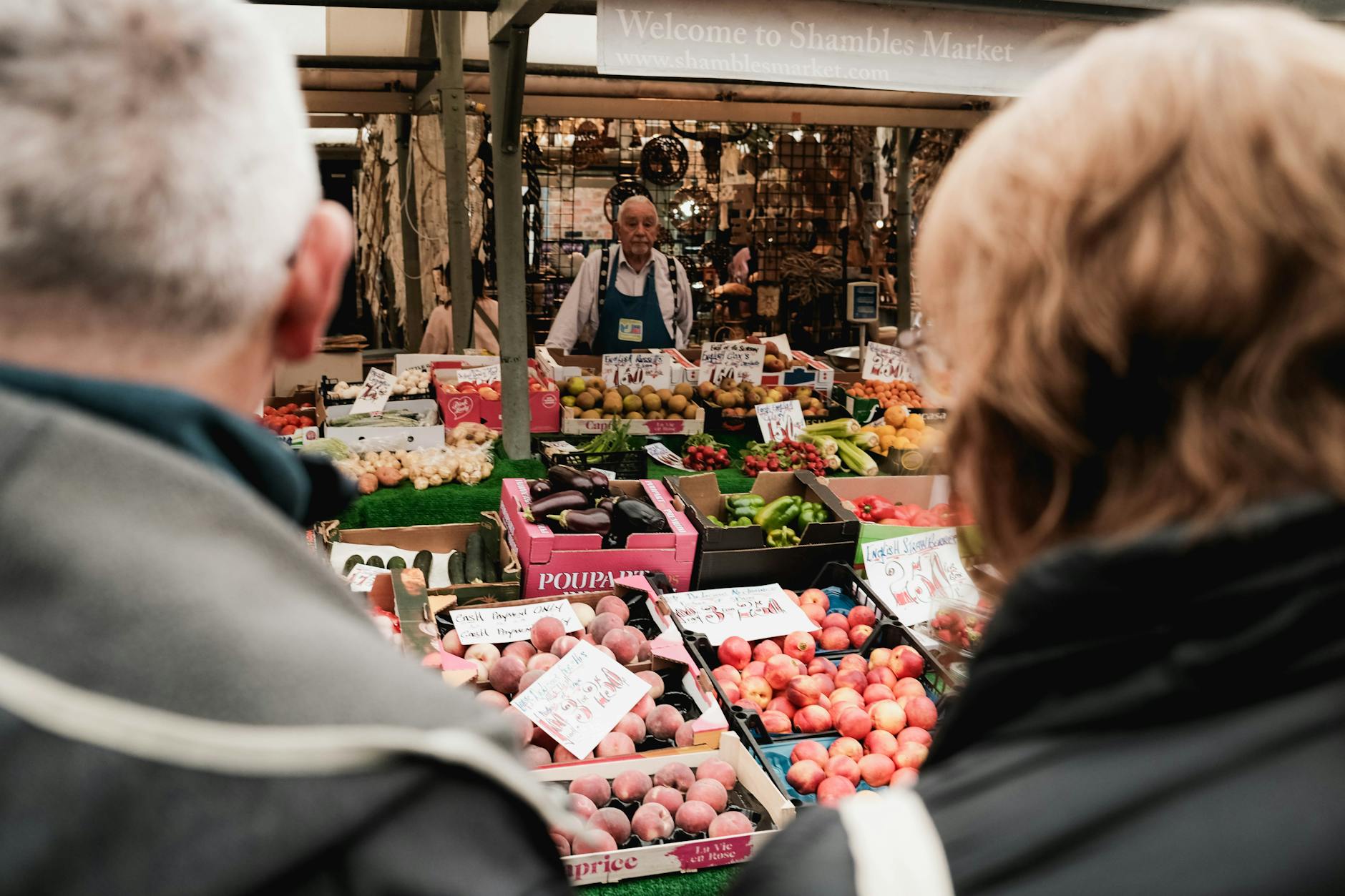
York works best when meals support the base and shape of the day rather than becoming one more excuse to overextend the route or get caught in the obvious crowd pattern. The better York food day usually comes from allowing one neighborhood or corridor to carry lunch, tea, pub, and dinner more naturally rather than trying to chase the city in fragments.
- Food should fit the route in York.
- Meals work best by district and by pace.
- Keep dining aligned with the stay.
Nightlife
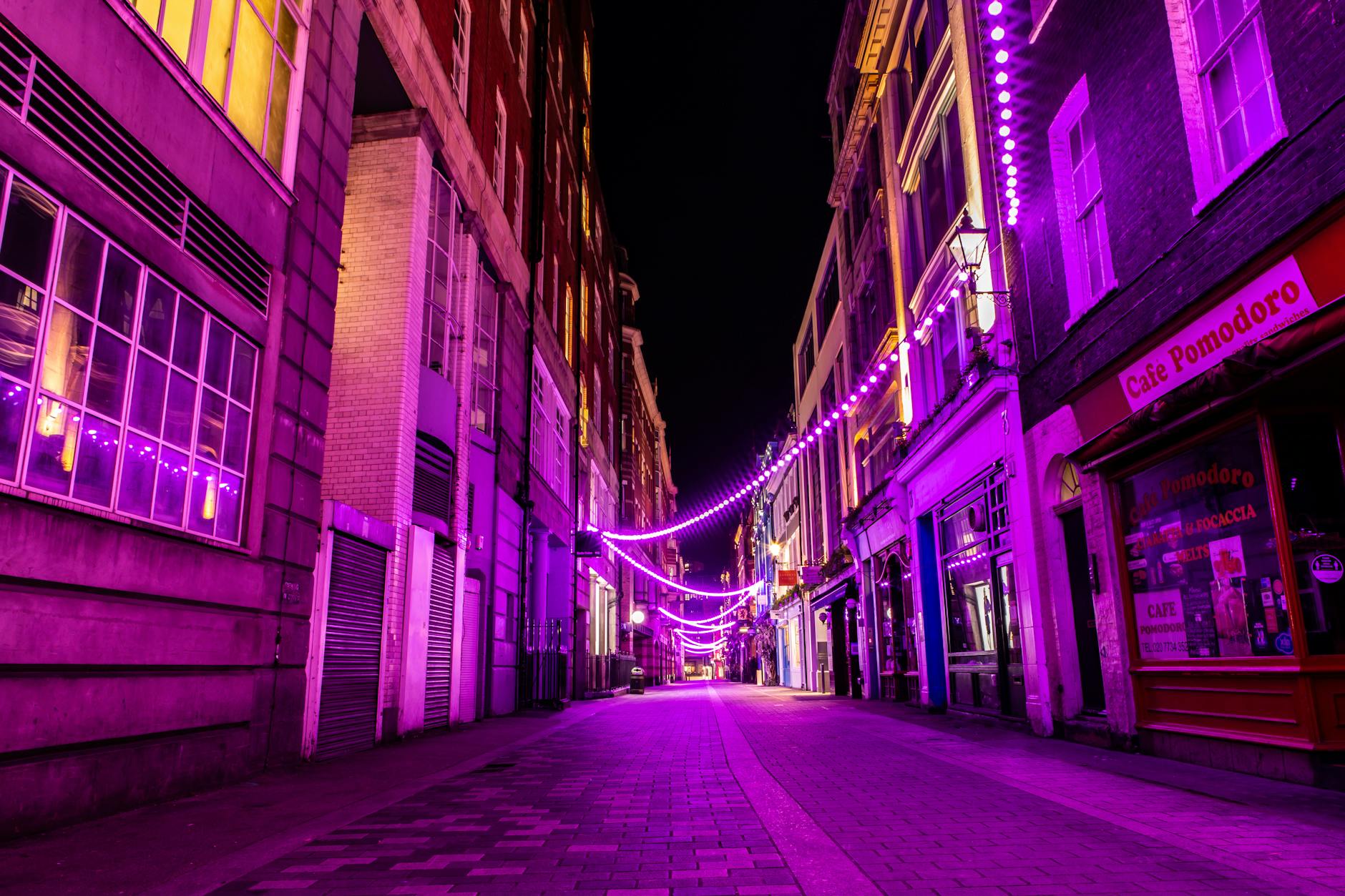
York after dark is more about district atmosphere, dinners, pubs, and bars than one giant nightlife identity. The city can feel especially good at night when the day crowd thins and the streets recover some of their character. The route home still matters once the day gets long because the wrong base can undo that gain quickly.
- A good base improves the evening dramatically in York.
- Know what kind of night you actually want.
- The route back still matters.
Etiquette and local norms
York rewards measured, respectful travel. The city is easy to enjoy, but travelers still do better when they move with awareness rather than crowd-blind leisure autopilot. York often gives more back when the traveler slows down, stops clogging shared space, and allows the city’s pace to exist on its own terms.
- Respect York’s pace.
- Crowd awareness matters.
- A measured posture improves the stay.
Blunt advice
The biggest York mistake is treating it like a postcard that will somehow arrange itself around your arrival. Travelers show up at the busiest hour, drift with the crowd, sleep in the wrong place, and then decide the city was charming but overhandled. The second mistake is trying to solve poor timing with more walking. York is best when the traveler is a little more tactical than the city’s soft image suggests.
- Timing is half the product in York.
- Do not surrender the stay to whatever the crowd is doing.
- A stronger base and a smarter sequence change the city materially.