Chennai is one of the Indian cities most often judged by someone else's fantasy.
Start Here
People arrive expecting a northern-India grammar of travel: monumental compression, obvious tourism theater, dramatic old-city spectacle, and a quick sense that the city is performing itself for the visitor. Chennai does not do that. It is bigger, flatter, hotter, more workaday, and more internally coded than many first-time travelers expect. If you ask it to be Jaipur, Delhi, or even Kochi, it will disappoint you. If you let it be Chennai, it becomes one of the most intelligent and revealing urban entries into South India.
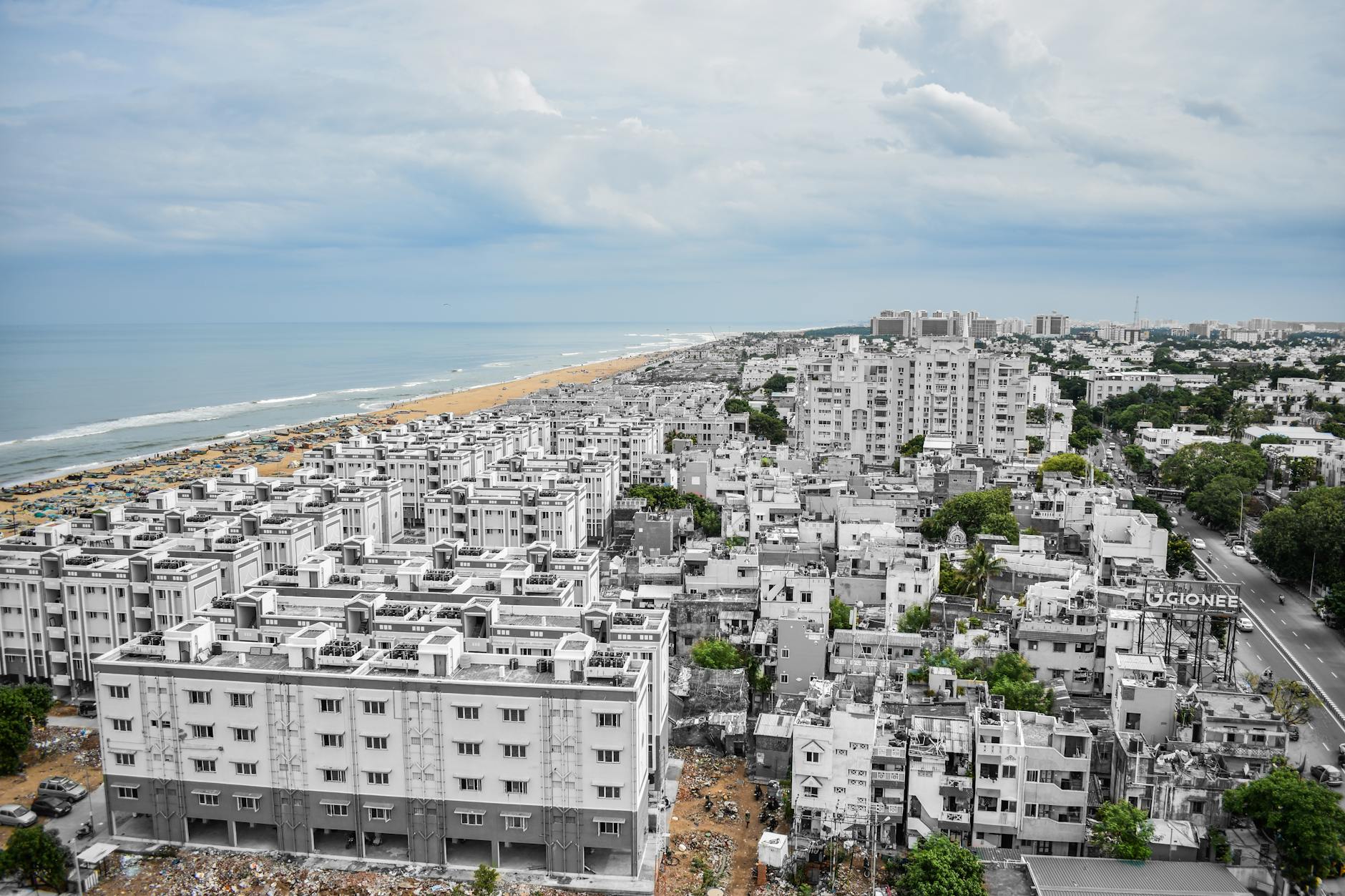
This is a serious coastal Tamil city. It is a city of temples, colleges, hospitals, traffic, neighborhoods, Carnatic music, Bharatanatyam lineages, filter coffee, business districts, sea air, old colonial institutions, beach evenings, and everyday routine. It is not compact. It is not particularly indulgent toward bad planning. It is not a city that gives up its value in one afternoon. But it offers something that more immediately seductive places often cannot: a direct encounter with a living regional culture at full scale.
The first mistake is to assume Chennai is only a gateway. The second is to assume that because it is a gateway, it does not need interpretation. In practice, a great deal depends on why you are there. A music lover, a temple-and-neighborhood traveler, a business visitor headed to OMR, a medical traveler, and a family visiting institutions or relatives may all need completely different versions of Chennai. The city makes sense once that is admitted.
The strongest first trip usually begins by giving Chennai the dignity of specificity. Mylapore is not interchangeable with Adyar. Guindy is not a cultural base. Marina is not a resort beach. OMR may be the right hotel corridor for work, but it is the wrong answer for someone hoping to feel the old Tamil city. Egmore, with the Government Museum and older institutional core nearby, tells a different story again. Chennai is one of those cities where an attractive hotel in the wrong district can damage the whole trip.
The climate is also part of the city's structure. Heat and humidity are not a side note. They determine when to walk, when to sit, when to eat, when to cross town, and when to stop pretending the itinerary is stronger than the body. Chennai is often rewarding in the morning, demanding in the middle of the day, and emotionally legible again in the evening. Once you accept that, the city becomes easier to use and easier to like.
What Chennai does exceptionally well is reveal South India not as a scenic backdrop but as a living civic world. Music season, temple streets, formal institutions, political memory, strong coffee, precise food culture, and the sea's presence all give the city a seriousness that many visitors miss on first contact. Chennai is not a leisure city in the simplest sense. It is a real city that can be used for leisure if you stop asking it to make itself easier than it is.
The city in one sentence: Chennai is a large, humid, coastal Tamil city where the best first trip comes from choosing the right district, respecting the climate, and treating Mylapore, Marina, institutions, food, and routine as parts of one serious urban culture rather than as scattered attractions.
Quick Verdict
Best for: South India first-timers, culture travelers, music and dance travelers, medical and academic travel, business travel with some curiosity, and visitors who like large regional cities more than postcard tourism.
Not ideal for: travelers who need compact sightseeing density, people who want effortless neighborhood hopping, or anyone expecting a resort beach or a softened heritage quarter.
Ideal first visit: 2 to 4 full days, depending on purpose.
Minimum worthwhile stay: 2 nights.
Best overall months: December through February.
Best shoulder-season logic: late November or early March if you can manage some heat but want slightly less peak pressure.
Biggest planning mistake: choosing your hotel without first deciding which Chennai you actually need.
One thing to prioritize: district fit.
One thing to leave flexible: outdoor walking and beach time, because the weather should lead that decision.
The blunt version: Chennai is not an easy city, but it is a rich and deeply intelligent one if you plan it around purpose, geography, and climate instead of generic tourism instincts.
Who Will Love Chennai?
Chennai suits travelers who can appreciate a city for how it lives rather than only for how it displays itself. If you enjoy cities where food, language, religion, institutions, and routine are inseparable from the travel experience, Chennai has a great deal to offer.
It is especially good for visitors who want to understand South India in an urban register. Chennai is not simply a launch point to temple towns, Mahabalipuram, Pondicherry, or the interior. It is one of the places where Tamil urban culture is easiest to encounter at scale.
Travelers with a reason to be in the city often get more from Chennai than leisure-only visitors at first. Business, medicine, study, or family usually forces a more realistic relationship to neighborhoods and routine, and Chennai rewards realism. Once that practical layer is understood, the city opens up.
It is also strong for culture travelers who care about classical music, dance, religious continuity, museum collections, and districts that still feel inhabited instead of curated. Chennai's cultural value is often cumulative rather than theatrical.
The city is less ideal for travelers who want one neatly walkable center with obvious visual payoffs every half hour. Chennai gives rewards, but it rarely gives them in that format.
Chennai at a Glance
| Question | Practical Answer |
|---|---|
| Main airport | Chennai International Airport |
| Best first-time cultural base | Mylapore or nearby central-south districts |
| Best first-time practical base | Guindy or an airport/business-aligned district if obligations dominate |
| Best large public landmark | Marina Beach |
| Best museum anchor | Government Museum, Egmore |
| Best high-culture anchor | Kalakshetra and the broader music-and-dance world |
| Best way to understand the city | district by district, not attraction by attraction |
| Metro usefulness | strong on selected corridors, not a full substitute for planning |
| Car needed? | not strictly, but cars are often useful |
| Main city challenge | scale plus heat |
| Emergency number | 112 |
| Tap water | do not assume it suits visitors without normal caution |
| Currency | Indian rupee |
| Power plugs | Type C, D, and M are common |
2026 Visitor Notes
The Airport Is Genuinely Well Integrated By Indian Standards
Official airport transport information emphasizes that Chennai Airport is well connected to the city by cab, bus, metro, and suburban rail.[1] That does not mean every hotel is equally convenient. It does mean the first move into the city is usually easier here than in many Indian metros.
The Metro Is Useful, But Only If It Matches Your Geography
Chennai Metro Rail's official project status and line-map material confirm the existing Phase I network and the Airport-bound Corridor I/Blue Line alignment.[3][2] This is genuinely helpful for airport, Guindy, Central, and selected cross-city moves. It does not magically erase the city's scale.
Marina Is A Civic Ritual, Not A Swim Beach
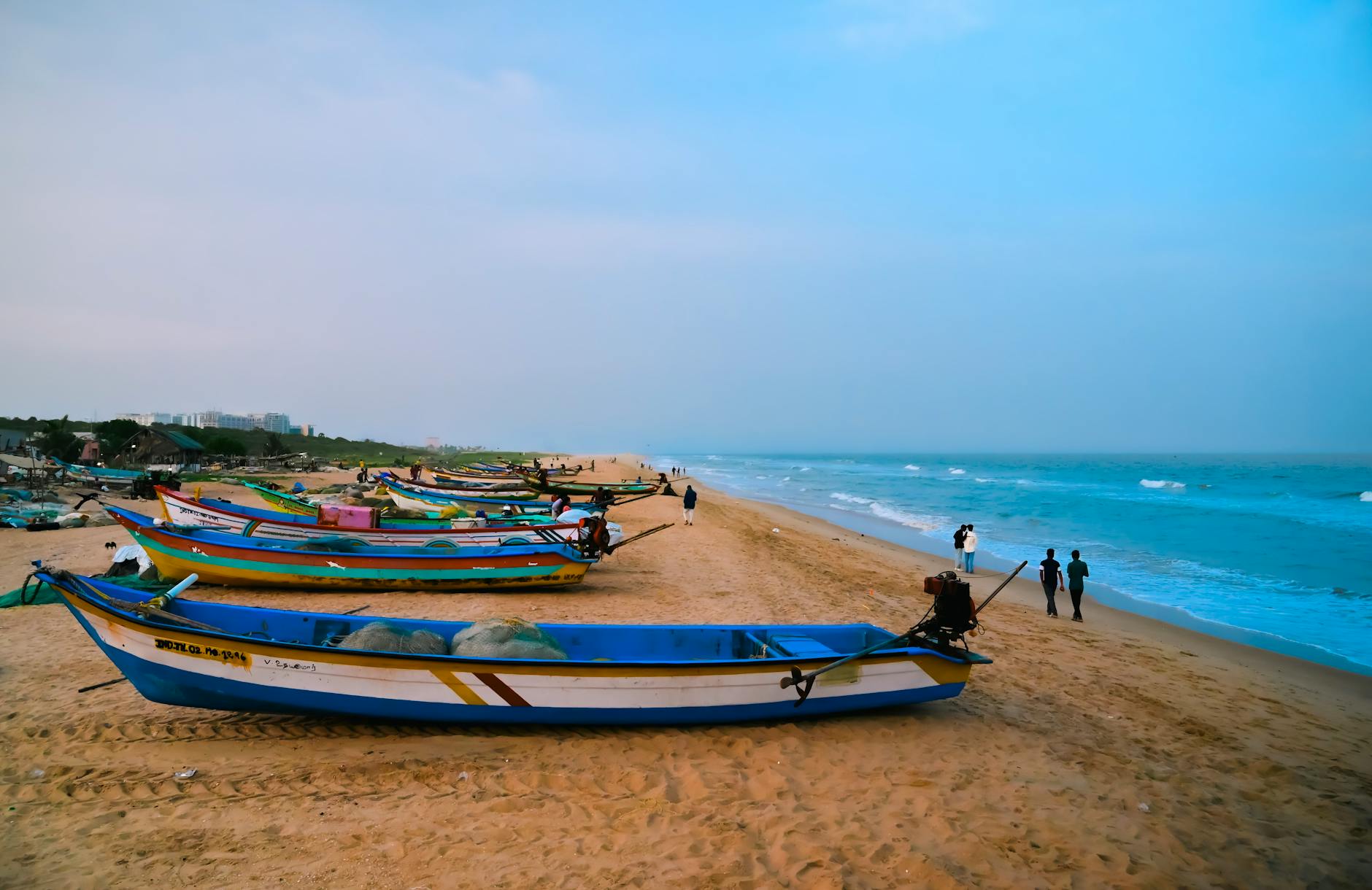
The official Chennai district page on Marina makes the city's relationship to the beach very clear: this is a major public urban coastline best used for walking and evening life, and the undercurrent is strong enough that entering the sea should not be treated casually.[4]
Chennai's Museum Culture Is More Serious Than Many First-Timers Expect
The Government Museum's official material shows a large state museum campus in Egmore with archaeology, art, anthropology, geology, zoology, botany, and other sections spread across multiple buildings.[5] That matters because Chennai's intellectual life is not just an abstract quality. It has institutions behind it.
Chennai's High Culture Still Has Physical Anchors
Kalakshetra's official campus-visit page continues to describe the institution as a major artistic landmark set on a large, sea-adjacent southern Chennai campus.[6] Even if you do not build your whole trip around it, Chennai's dance-and-music seriousness is easier to feel once you recognize that such institutions are part of the city, not just brochure language.
District Logic Matters More Here Than In Many Leisure Cities
Chennai works when you accept that Mylapore, Egmore, Guindy, Adyar, and OMR are different propositions. The city does not reward vague centrality.
How to Understand Chennai
Chennai works through five forces.
The first is Tamil cultural continuity. Religion, food, performance, and language shape the city visibly and daily.
The second is district separation. Chennai is not one unified visitor zone. Each area solves a different problem.
The third is coastal rhythm. The sea matters emotionally, climatically, and socially, especially at the Marina.
The fourth is institutional life. Museums, colleges, hospitals, offices, and cultural bodies are central to how the city functions.
The fifth is climate discipline. The city cannot be used well if you treat heat as an afterthought.
The Five Chennais A Visitor Actually Meets
Mylapore Chennai: temple streets, older Tamil urban texture, food, and one of the city's strongest cultural entry points.
Marina Chennai: public coastline, walking, crowds, memory, and evening civic life rather than resort behavior.[4]
Institutional Chennai: Egmore, museums, colleges, classical culture, and the city's serious knowledge and cultural infrastructure.[5][6]
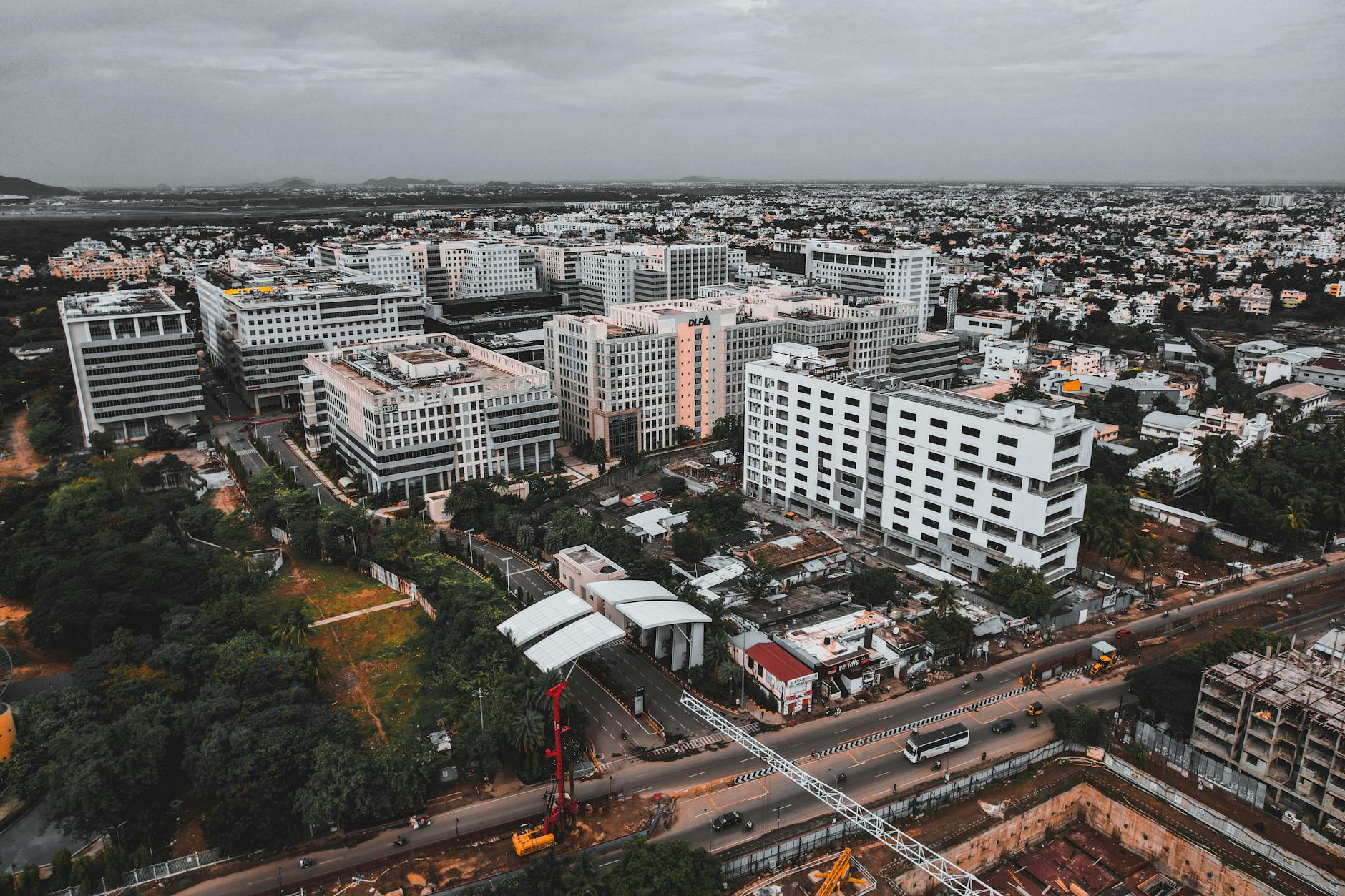
Business Chennai: Guindy, airport logic, office corridors, and the practical version of the city many visitors actually need.
Outer-Corridor Chennai: OMR, Sholinganallur, and the long, purpose-built stretches where work may justify a base but leisure usually does not.[3]
The Main Mental Shift
Do not ask, "What are the top things to see in Chennai?" Ask, "Which Chennai fits this trip, and what part of the city do I still owe real time to?" That is the more useful planning question.
What Chennai Does Better Than People Think
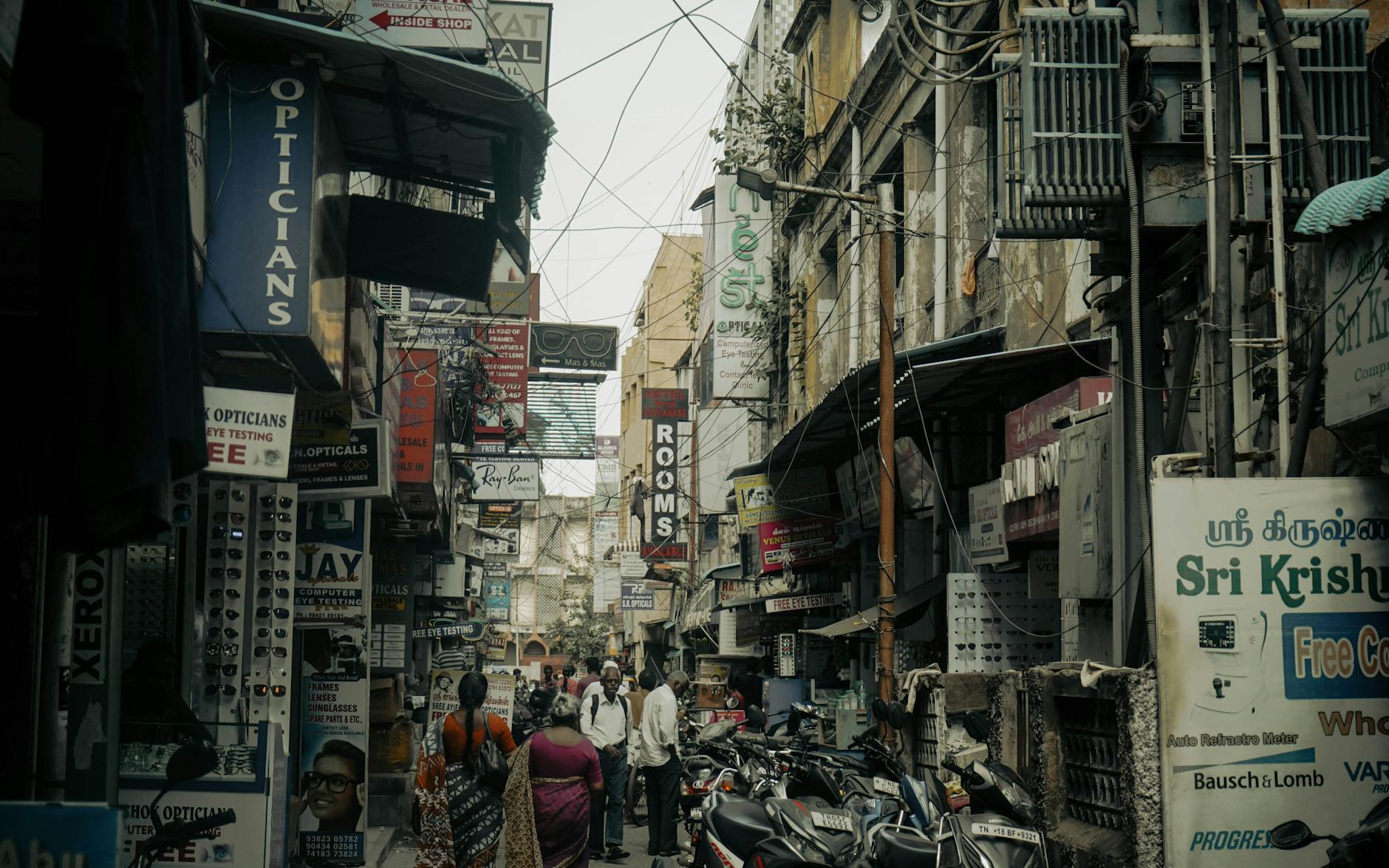
Chennai is better than people think at revealing daily South India. Many visitors come looking for isolated attractions and miss the continuity of meals, coffee, prayer, clothing, and performance culture.
It is also better than people think at intellectual and institutional depth. Museums, universities, artistic lineages, and major civic institutions give the city real weight.
Another underrated strength is routine pleasure. Chennai is a city of good breakfasts, evening sea air, district-specific food, and habits that can become part of the trip quickly.
The city is also stronger than people think at purposeful travel. Medical, academic, and business stays can still become rich if you understand where cultural value sits in relation to your obligations.
Finally, Chennai is better than people think at teaching travelers how Tamil Nadu feels before the rest of the state begins.
Where Chennai Fits in a South India Trip
Chennai fits a South India trip best as the city that teaches you how to read the region before you start reducing it to temple towns, beach names, or hill-station relief.
That matters because many first-time South India itineraries still use Chennai only as a transport necessity. Travelers land there, sleep if they must, and leave for somewhere they imagine is more properly “South Indian.” That is a mistake. Chennai is not the compromise before the real thing begins. It is one of the real things.
Used properly, Chennai works in four especially strong ways.
The first is as a cultural entry city. It teaches the rhythms of Tamil urban life: coffee, temple movement, language, food discipline, climate adaptation, and the difference between devotional, institutional, and business geographies.
The second is as a mixed-purpose city. Few Indian metros so clearly reveal how business, medicine, family, and culture all coexist in one travel ecosystem.
The third is as a repeat-India city. Once you stop expecting every major Indian city to perform sightseeing for you in the same register, Chennai becomes much easier to appreciate.
The fourth is as a deceleration city. It can slow travelers down before they move onward into Tamil Nadu, and that slowing is often good for the whole trip.
What Chennai is not is a place you should judge by whether it gives you an easy half-day. The city requires interpretation, and that is exactly why it repays serious time.
Chennai Versus Bengaluru
This comparison matters because both cities often appear in South India itineraries shaped by work, migration, medicine, education, and repeat visits to India.
Bengaluru generally wins on immediate livability for outsiders. It feels greener in its best districts, easier to socialize in casually, and more legible to travelers who want a contemporary café-and-neighborhood city.
Chennai is more regionally specific and more culturally anchored. It feels hotter, flatter, more serious, and less eager to soften itself for the visitor. That can make it harder at first contact. It can also make it more revealing if your goal is to understand a real South Indian metropolis rather than only spend time in a pleasant urban district.
The right question is not which city is better. It is what kind of urban truth you want. Bengaluru often gives a smoother modern Indian city break. Chennai gives a deeper Tamil city.
First-Time Visitors Versus Repeat Visitors
First-time visitors often spend too much energy deciding whether Chennai is interesting enough, attractive enough, or easy enough. That uncertainty weakens the stay.
Repeat visitors usually do better because they stop asking the city to prove itself through obvious set pieces. They choose a better base. They know that Mylapore carries more weight than a generic central hotel. They understand that one good beach evening can matter more than another cross-city transfer. They let routine become part of the city rather than seeing routine as lost time.
This is one reason Chennai often improves on a second visit. The first may still be negotiating the city’s terms. The second often begins to use them.
Best Time to Visit Chennai
Chennai is usable all year, but not all seasons offer the same product.
Best Overall Months
December through February are the easiest first-time months. The climate is still warm, but the city is more physically manageable.
Music Season
December is especially interesting because the city's classical music-and-dance identity often becomes more visible, even for visitors who are not attending programs every night. This is one of the times Chennai feels most unmistakably itself.
Late Winter and Early Spring
January and February are still strong. March starts to demand more heat management than many first-timers expect.
Hot Season
April and May are difficult for many leisure travelers. The city can still work, but it requires shorter outdoor windows, stronger hotel discipline, and more realistic energy management.
Monsoon and Transitional Weather
Rain does not cancel Chennai, but it changes the day's structure. Coastal weather and road conditions become more significant, and outdoor planning needs more flexibility.
Cooler-Season Chennai Versus Hot-Season Chennai
Cooler-season Chennai is easier not because the city changes identity, but because the body stops having to negotiate it every hour. Mylapore walking, museum movement, and even the emotional pleasure of Marina all become more available when the heat is not constantly rewriting the route.
Hot-season Chennai can still be worthwhile, especially if the trip is obligation-led or the traveler already understands the city. But it demands stronger hotels, earlier starts, slower middays, and much less ego. A route that sounds efficient on paper can become foolish by lunchtime.
How Many Days You Need
One Night
Enough for an obligation. Rarely enough for understanding.
Two Nights
The minimum respectable first stay. This gives you one real city day and enough margin around arrival or departure.
Three Nights
Ideal for many first-time visitors, especially if the trip mixes cultural time with practical obligations.
Four Days Or More
Useful if you want museums, music, more district variety, or a softer pace before moving deeper into Tamil Nadu.
Why One Proper City Day Matters
Travelers often assume Chennai can be understood through one temple district, one beach outing, one meal, and one practical errand. That is enough to have contact with the city. It is not enough to understand it.
A proper Chennai day lets the city itself carry weight. One district needs to be walked with patience. One meal needs to belong to the day rather than interrupt it. The climate needs to shape the route instead of being fought. Evening needs a chance to happen. Without that day, Chennai can seem fragmented. With it, the city’s internal logic becomes much clearer.
Where to Stay in Chennai
Hotel choice in Chennai is strategic, not decorative.
Fast Answer
For a leisure-first first trip, stay in or around Mylapore or in a central-south district that keeps Mylapore, Marina, and the museum-and-culture side workable. Stay in Guindy, near the airport, or along OMR only if your actual obligations justify it.
Neighborhood Decision Table
| Traveler Type | Best Area |
|---|---|
| First-time culture traveler | Mylapore or nearby central-south district |
| Business traveler | Guindy or business-aligned corridor |
| Medical or institution-led stay | as close as possible to the real daily obligation |
| Airport-dependent short stay | airport or Guindy side |
| OMR tech traveler | OMR only if work is truly there |
Mylapore Side
Best for: culture, food, first-time leisure, and feeling the city. Why it works: it gives access to a more legible Tamil Chennai. Tradeoff: not the easiest answer for every business or airport-heavy route. Best use: the strongest default leisure base.
Egmore and Adjacent Central Areas
Best for: museum access, certain institutional trips, and travelers who want somewhat more central positioning without abandoning culture. Why it works: it connects well to older institutional Chennai.[5] Tradeoff: less intimate than Mylapore as a first emotional base. Best use: balanced practical-cultural stays.
Guindy / Airport Side
Best for: short work trips, airport convenience, and selected business or medical routines. Why it works: it reduces commute pain. Tradeoff: the city may never feel culturally persuasive if you stay here and do not cross out intentionally. Best use: obligation-led stays.
Why The Base Matters More Than Visitors Expect
In Chennai, the hotel is not just a place to recover from the city. It is one of the things deciding what city you will get.
Stay in the wrong district and Chennai may feel like traffic, humidity, and one tired outing per day. Stay in the right district and the city starts organizing itself more intelligently around you. A Mylapore-adjacent base creates a different Chennai from Guindy. Egmore gives you a different intellectual and institutional entry point. OMR may be exactly correct for work and entirely wrong for a leisure-first first visit.
This is why “central enough” is not a useful standard here. The base must fit the reason for being in the city.
Area Profiles
Mylapore: best for cultural first contact, food, and district walking.
Marina-adjacent districts: best for sea-edge access and evening movement, though not necessarily for every hotel decision.
Egmore: best for museum and older institutional Chennai.
Guindy / airport / OMR: best for practical necessity, not romance.
Neighborhood Guide: Where to Explore, Not Just Sleep
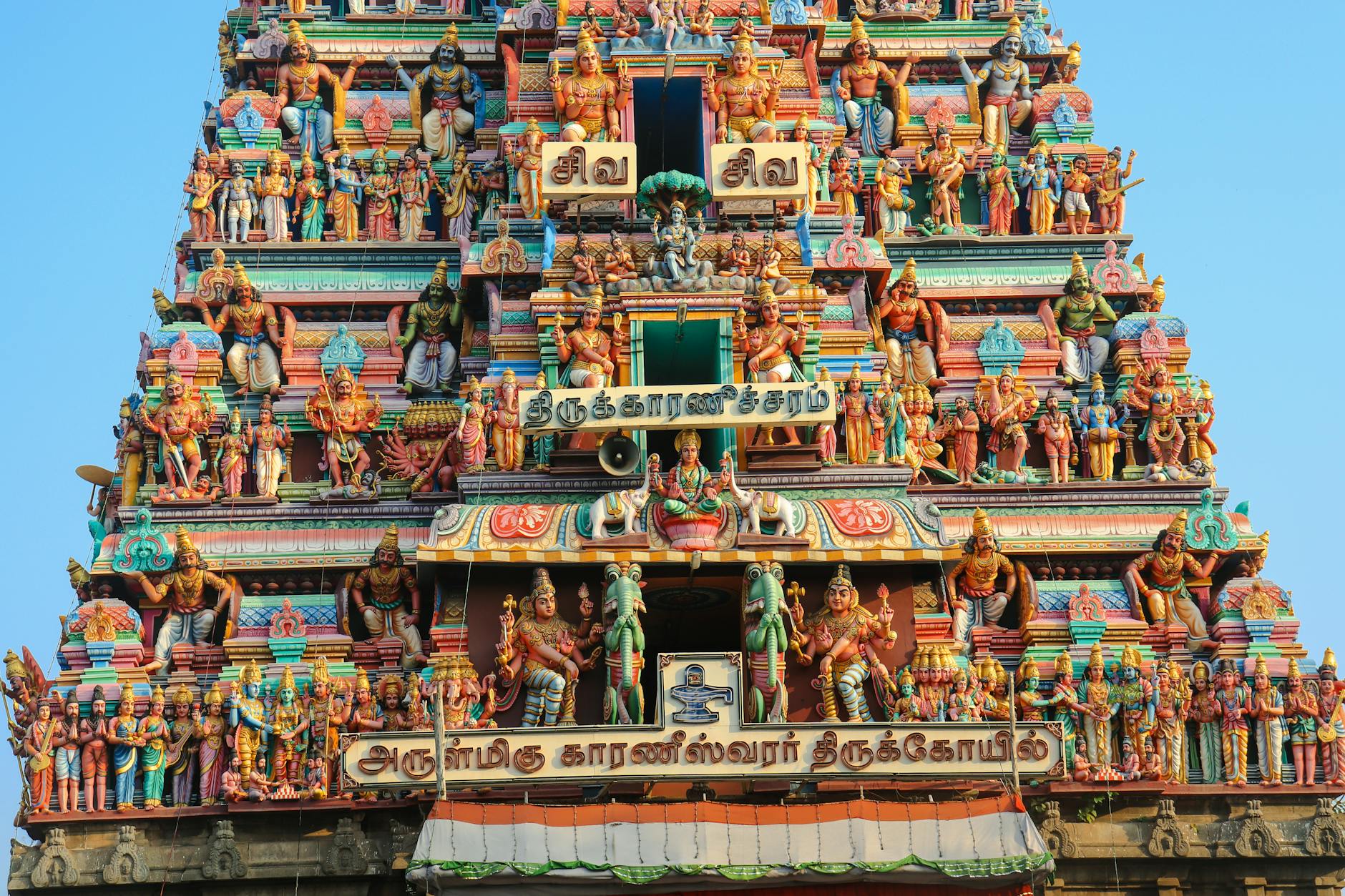
Mylapore is where many first-time visitors should begin because it gives Chennai density of feeling without demanding that the whole city make sense at once. Temple streets, shops, food, and ordinary urban life create an immediately usable frame.
Marina is important not because it is a beach vacation zone, but because it shows how Chennai meets the sea. Morning walkers, evening crowds, monuments, long perspective, and the refusal of the place to become a private leisure product are all part of the point.[4]
Egmore adds another layer: the Chennai of museums, institutions, and older state-cultural authority. This matters because Chennai's seriousness is not only devotional or culinary. It is also archival and educational.[5]
Kalakshetra and the southern cultural belt show a quieter but extremely important side of the city, where dance, artistic training, and disciplined aesthetics remain part of lived cultural infrastructure rather than festival packaging.[6]
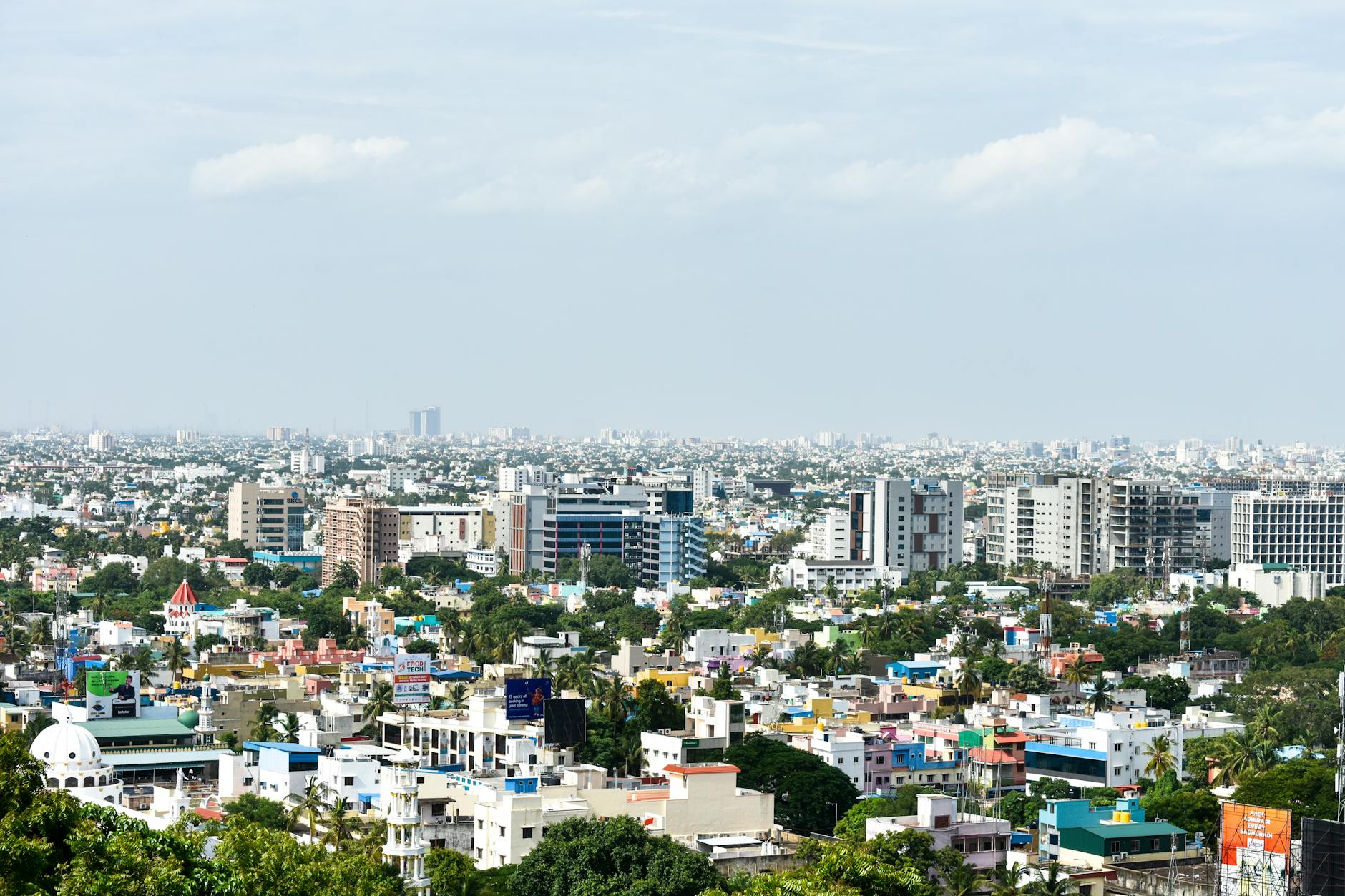
Day Chennai Versus Evening Chennai
Daytime Chennai is often where the city feels most demanding. Heat, traffic, institutional errands, long roads, and the flatness of distance can all make it seem harder than it really is. This is when bad planning is punished fastest.
Evening Chennai is different. Marina begins to make emotional sense. Neighborhood food becomes more convincing. Some districts soften. The city’s social life stops competing with the climate quite so aggressively. This is one reason weak Chennai trips underperform: they use the city only during its most difficult hours and never let it become legible again in the evening.
Why Chennai's Flatness Is Not A Weakness
Many first-time visitors misread Chennai because they are looking for vertical drama or one tightly staged monumental core. Chennai does not work that way. Its power is horizontal. It lives in district spread, routines, coastline, institution after institution, and the feeling of a city that has grown by accumulation rather than by scenic concentration.
Once that is understood, the flatness stops feeling like lack. It starts feeling like truth.
The Best Things to Do in Chennai
- Stay in the right district before doing anything else.
- Use Marina as a city experience, especially early or late in the day, not as a swimming plan.[4]
- Give Mylapore enough time to feel like a district instead of a temple stop.
- Use the Government Museum if you want Chennai's intellectual and historical seriousness to become visible.[5]
- If culture is the point, recognize Kalakshetra and the classical-arts world as part of the city's real identity.[6]
- Let food and coffee do some of the explanatory work.
Itineraries
If You Have One Full Day
Base the day around one district and one anchor. Mylapore plus Marina is often the cleanest first-time answer, with one museum or institutional stop if the weather and energy allow.
If You Have Two Full Days
Use the first day for Mylapore and the sea-facing Chennai experience. Use the second for museum-and-institution Chennai or for the city section closest to your real obligation.
If You Have Three Full Days
Add one slower day. Chennai improves when one day is allowed to become about meals, coffee, a shorter cultural outing, and rest from the heat rather than constant city-crossing.
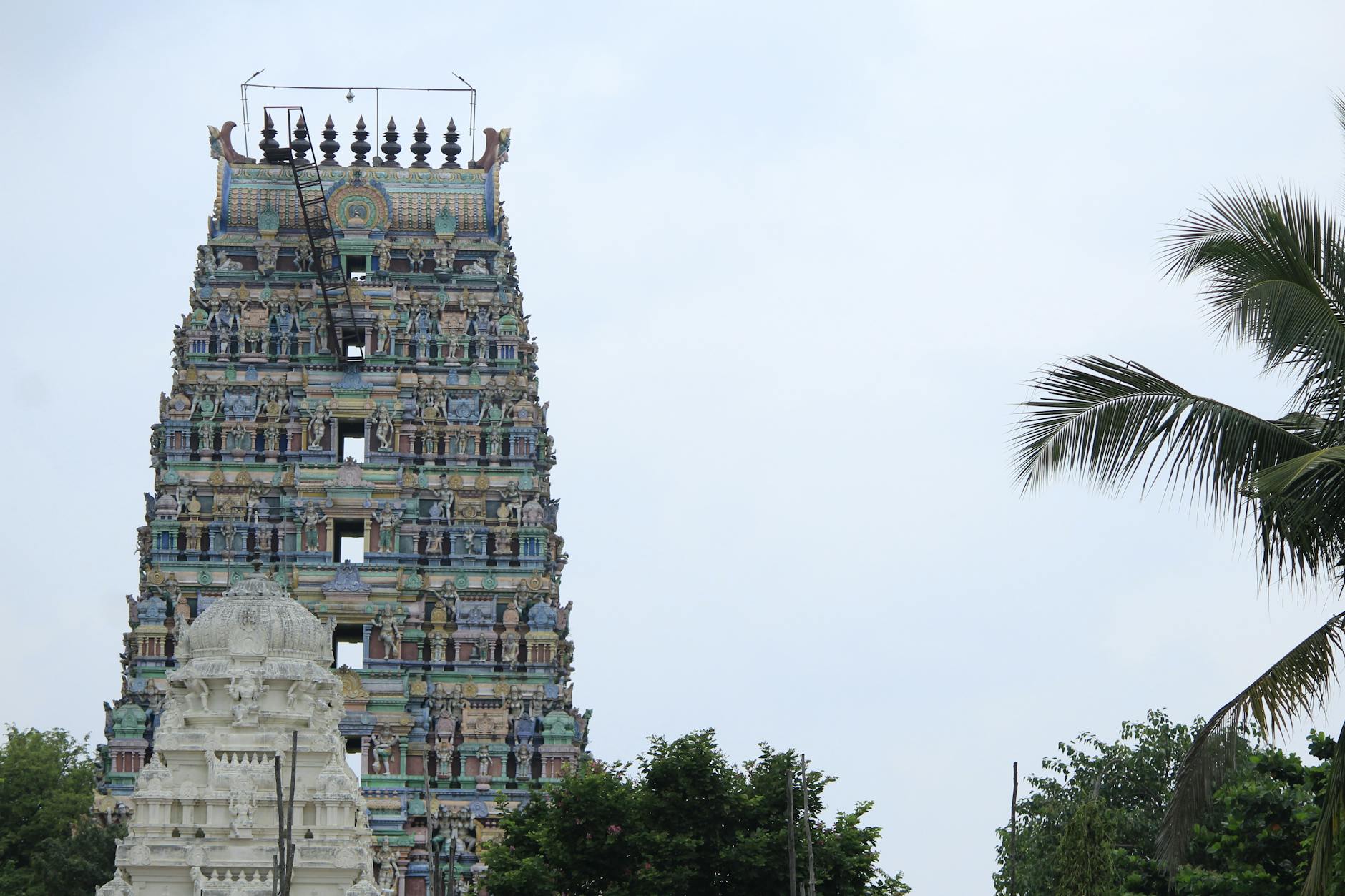
Itineraries By Traveler Type
Culture-first traveler: Mylapore, Marina, Government Museum, and one music-or-dance-related anchor.
Business traveler: stay close to work, but salvage one evening or morning for Marina or Mylapore so the city does not become only conference rooms and traffic.
Medical or family visitor: reduce commute first, then build small, realistic city blocks rather than ambitious sightseeing.
South India route opener: use Chennai to acclimate, then continue onward once Tamil Nadu begins making emotional sense.
Food and Drink
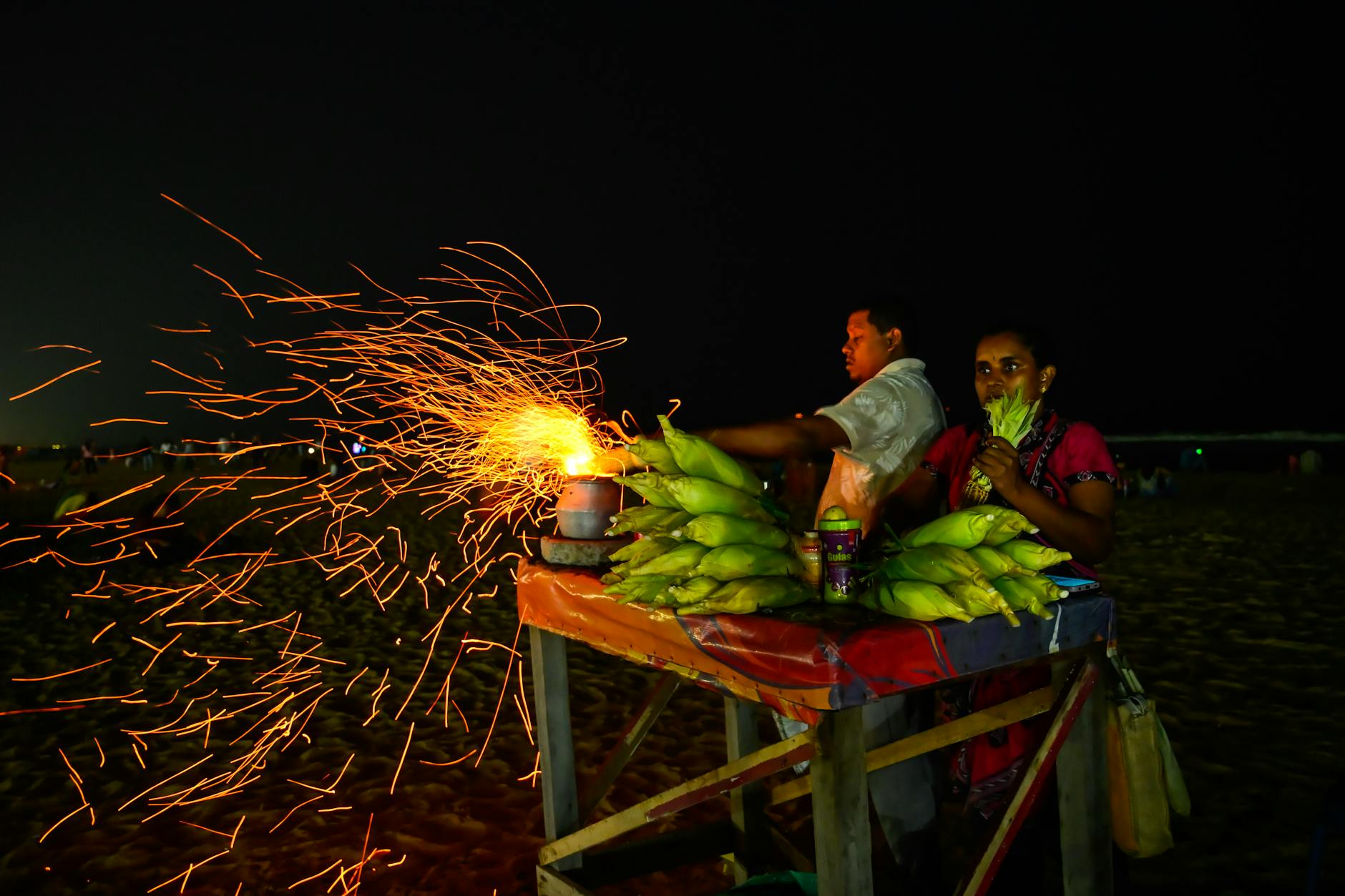
Chennai is one of the Indian cities where routine eating can matter as much as destination dining. Filter coffee, breakfast tiffin, vegetarian meals, seafood, and district-specific habits often explain more about the city than formal lists of famous restaurants.
The key is to eat by geography. A great meal in the wrong district at the wrong hour can cost too much in traffic and heat. Chennai rewards local competence more than culinary maximalism.
Why Food Is Structural, Not Decorative
In Chennai, food is not just what fills the time between attractions. It is part of how the city teaches you what it is.
Breakfast matters because mornings are one of Chennai’s best working hours. Coffee matters because coffee is part of the city’s cultural texture, not merely refreshment. Lunch matters because a badly timed lunch can break the day under heat. Dinner matters because evening is when the city often becomes most likable. This is why food planning here should follow climate and geography rather than only reputation.
Getting Around
Chennai is workable, but it is not frictionless.
The airport is well connected, and the metro is genuinely useful on the corridors it serves.[1][3] But this is still a city where taxis and cars frequently make sense, especially when heat or repeated obligations matter more than theoretical transit efficiency.
Use the metro when it clearly improves the route. Use cars when they clearly reduce strain. Do not turn getting around into a purity test.
Why Chennai Often Works Better Than It Sounds
If you describe Chennai lazily, it can sound like a difficult combination of humidity, traffic, broad roads, practical obligations, and a few scattered cultural sites. That summary misses the point.
Chennai works because its meals, temples, institutions, neighborhoods, and coastline all support one another. It is a city of continuity more than spectacle. Once you stop looking for a dramatic reveal and start using the right district at the right hour, the city becomes much more persuasive than its summary suggests.
Why Chennai Often Improves On The Second Visit
On a first visit, many travelers are still deciding whether Chennai is a gateway, an obligation, or a destination. That uncertainty makes the trip provisional.
On a second visit, the city often gets better quickly. You know whether the base should be in Mylapore, Egmore, or near work. You know how much Marina you actually want. You stop trying to make every hour culturally productive. You begin to appreciate the city’s seriousness instead of asking it for tourism theater.
How Chennai Changes Over The Course Of A Stay
On arrival, Chennai can feel harder than it is. The scale is broad, the weather is direct, and the first impressions are often practical rather than charming. Some travelers conclude too quickly that the city has less to offer than other Indian metros.
By the second day, if the base is right and the route is honest, Chennai begins to separate into meaningful parts. Mylapore no longer feels interchangeable with the rest of the city. Marina starts reading as a civic coastline rather than only an enormous beach. Museums and cultural institutions feel structural rather than optional. The hotel begins to matter as a tool rather than just relief.
By the third day, Chennai often becomes more convincing precisely because it is no longer being asked to be easy. The city’s strength lies in routine, return, and specificity. That is when it starts to feel rewarding rather than merely instructive.
Why Movement Changes The Meaning Of Chennai
In Chennai, movement is not just a logistical problem to be solved. It is one of the things that determines whether the city feels coherent or punishing.
If every transfer is long, late, hot, and unnecessary, Chennai starts feeling hostile. If movement is grouped intelligently, the same city begins to feel disciplined and legible. A morning in Mylapore followed by lunch nearby and an evening at Marina is one Chennai. A day that ricochets from OMR to Egmore to Adyar to the beach for no serious reason is another. The difference is not only comfort. It is comprehension.
That is why transport choices matter here more than ideology. Walk when walking reveals a district. Use the metro when the corridor is clearly right. Use cars when they save the day from pointless exhaustion. Let the route serve the city rather than your idea of travel purity.
Why Chennai Should Not Be Overprogrammed
Chennai tempts first-time visitors into one of two errors: doing too little because the city seemed too hard, or doing too much because the map looked flatter than the experience actually is.
Overprogramming is the more dangerous mistake. Too many neighborhoods in one day, too much midday walking, too many “must-eat” stops across incompatible districts, and too much optimism about weather all make Chennai feel thinner, not richer. The city improves when one district gets time to accumulate and when at least one part of the day remains open enough for rest, coffee, unexpected temple or street life, or a slower evening by the sea.
The stronger Chennai trip is edited, not maximal.
Why Chennai Rewards A Chosen Lane
Chennai does not require every traveler to want the same city. In fact, it becomes much stronger once you admit that different trips should privilege different versions of it.
A culture-heavy visitor may build the stay around Mylapore, music, museums, and one carefully used coastal evening. A business traveler may need Guindy or OMR first and then one properly protected block of real Chennai so the trip does not collapse into conference rooms. A medical or family visitor may need the city mainly to function well, with only short windows for pleasure. A repeat India traveler may care less about landmarks than about coffee, district fit, and how Tamil urban life feels over several days.
The point is not to produce the perfectly balanced Chennai. The point is to choose your lane and let the rest of the city support it. Once that happens, Chennai stops feeling like a difficult set of conditions and starts feeling like a place with its own exact intelligence.
What To Skip
Skip the instinct to stay on OMR just because the hotel looks newer if your actual trip is about Chennai culture.
Skip treating Marina like a resort beach.[4]
Skip trying to cross the city repeatedly in peak heat for marginal sightseeing gains.
Skip asking Chennai to feel instantly easy.
Common Mistakes
The first mistake is hotel mismatch.
The second is underestimating heat and humidity.
The third is mistaking cultural subtlety for lack of interest.
The fourth is using Chennai only as an arrival label before escaping to somewhere more obviously touristic.
The fifth is forgetting that routine and district fit are part of the travel product here.
My Blunt Advice
If this is your first leisure-focused Chennai trip, choose a base that lets you feel Mylapore and the sea-side city without making every outing into a commute. Then let the city teach you how much slower, hotter, and more specific it is than your first assumption.
Chennai is not supposed to charm you through simplification. Its value lies in how fully it remains itself: Tamil, institutional, coastal, devout, caffeinated, artistic, and unsentimental. Meet it on those terms and it becomes far more rewarding than its reputation suggests.
Source Notes
- 1. Chennai International Airport, official transport page: [https://chennaiairport.in/transport/](https://chennaiairport.in/transport/)
- 2. Chennai Metro Rail, official line map page: [https://chennaimetrorail.org/metro-line-map/](https://chennaimetrorail.org/metro-line-map/)
- 3. Chennai Metro Rail, official project status page: [https://chennaimetrorail.org/project-status/](https://chennaimetrorail.org/project-status/)
- 4. Chennai District, official Marina Beach page: [https://chennai.nic.in/tourist-place/marina/](https://chennai.nic.in/tourist-place/marina/)
- 5. Government Museum, Chennai, official about page: [https://govtmuseumchennai.org/about-us](https://govtmuseumchennai.org/about-us)
- 6. Kalakshetra Foundation, official campus visit page: [https://kalakshetra.in/booking/campus-visit/](https://kalakshetra.in/booking/campus-visit/)