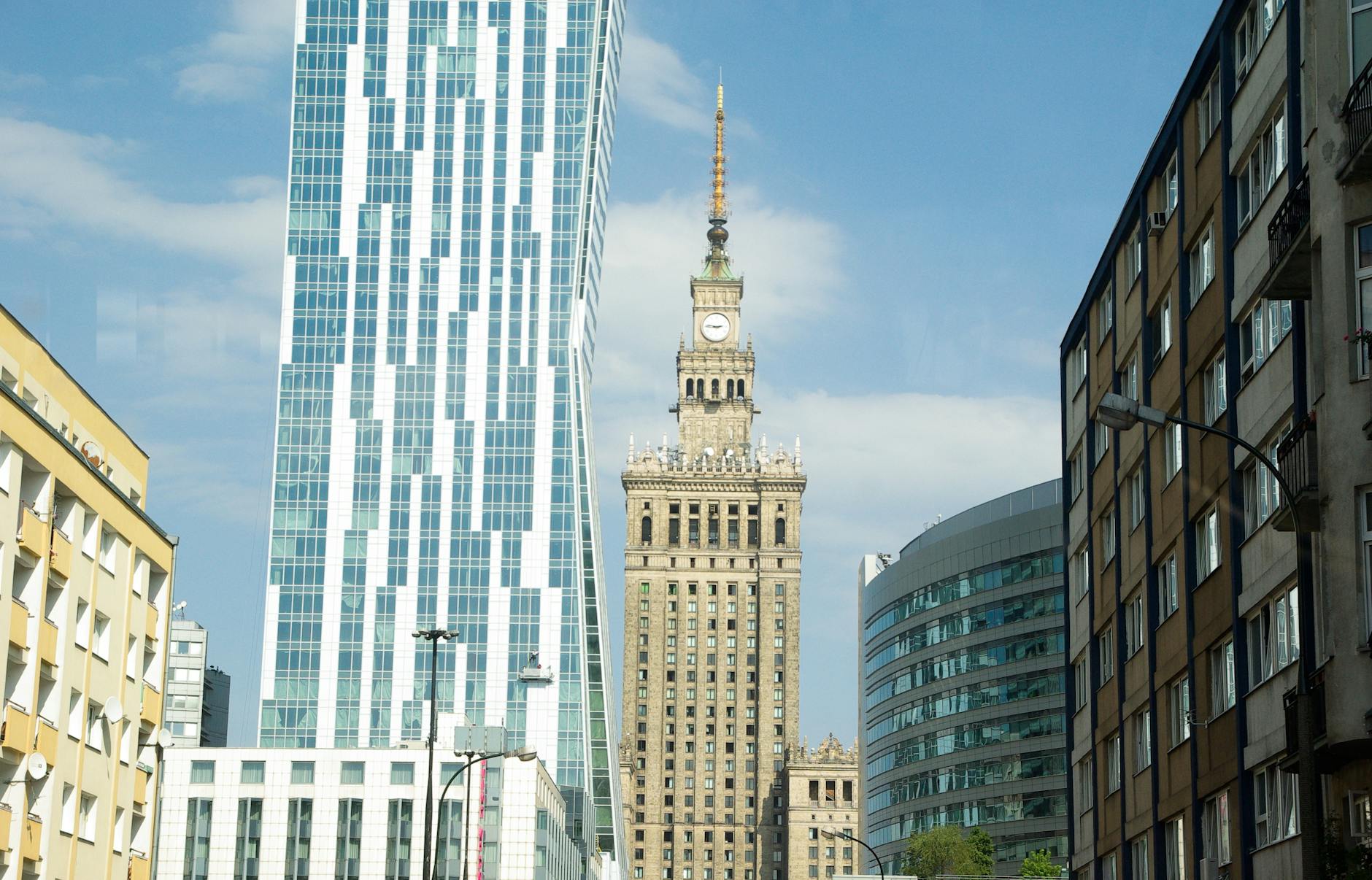
Warsaw is not the easiest European capital to summarize, which is exactly why it deserves a better guide than the usual checklist.
Start Here
Many visitors arrive with the wrong frame. They expect either a pretty old town like Kraków, a gray post-communist business city, or a heavy history lesson wrapped in concrete. Warsaw contains pieces of all three, but none of them is the whole city. The real Warsaw is more layered, more self-invented, more moving, and more alive than its reputation suggests. It is a city rebuilt from near-total destruction, but not trapped by that story. It is a capital of memory and argument, of museums and milk bars, of royal avenues and glass towers, of Chopin concerts and late-night craft beer, of Jewish history and postwar absence, of wide socialist boulevards and intimate courtyards, of right-bank grit and left-bank polish, of parks large enough to change the mood of a day.
The most important thing to understand about Warsaw is that it is not a museum city pretending to be untouched. It is a city that had to decide what to restore, what to reinvent, what to leave scarred, and what to build anew. That makes it less immediately postcard-pretty than some capitals, but also more intellectually and emotionally interesting. The Old Town is beautiful, but it is also a reconstruction. The Palace of Culture is an icon, but also a political object. The museums are excellent, but they are not decoration: they are how the city talks to itself about catastrophe, survival, identity, and modern Poland. The Vistula is not just a river; it is a line between very different versions of Warsaw. The best trip lets these contradictions sit together.
This guide is designed for travelers who want more than “see the Old Town and eat pierogi.” It explains where to stay, how to move around, how to plan the big museums without turning the trip into homework, where the city feels most local, when to visit, what to book ahead, how to eat well, how to use Warsaw as a base for day trips, what to skip, and how to appreciate the city on its own terms.
Warsaw in one sentence: Warsaw is a rebuilt, restless, park-filled, historically charged capital where royal grandeur, wartime memory, socialist scale, contemporary design, serious museums, excellent public transport, and unexpectedly good food combine into one of Europe’s most underrated city breaks.
Basic data
| Population | About 1.86 million in the city; metro about 3.2 million |
|---|---|
| Area | 517 km2 |
| Major religions | Roman Catholic heritage with growing secular and minority-faith communities |
| Political system | Capital city government inside a parliamentary republic |
| Economic system | High-income mixed economy led by finance, business services, technology, government, and culture |
Quick Verdict
| Question | Answer |
|---|---|
| Best for | History lovers, museum travelers, architecture watchers, food-curious visitors, value-minded city breakers, solo travelers, families with older kids, Chopin fans, Jewish heritage travelers, World War II context, parks, cafés, design, nightlife, and travelers who like cities with real contemporary life. |
| Not ideal for | Visitors who want a compact fairy-tale city, nonstop old-world charm, Mediterranean weather, beach vacation energy, or every major sight within a five-minute walk. Warsaw is rewarding, but it asks you to move around and pay attention. |
| Ideal first visit | 3 full days. Two days is enough for Old Town, Royal Route, one major museum, and Łazienki. Four or five days lets you add POLIN, Praga, Wilanów, the Vistula, food neighborhoods, and a day trip. |
| Best months | May, June, September, and early October for comfortable walking; July and August for river life and long evenings; December for Christmas atmosphere; winter for lower prices and serious museum time if you can handle cold and short days. |
| Best first-timer base | Śródmieście for convenience, Old Town/New Town for atmosphere, Powiśle for river and café life, Centrum/Marszałkowska for transit, Wola for modern hotels and business-travel ease, Praga for character if you are comfortable with a less polished base. |
| Biggest planning mistake | Treating Warsaw as “Kraków but bigger.” It is not. Warsaw is better planned by districts and themes: Royal Route, Old Town, Jewish Warsaw, wartime Warsaw, parks and palaces, Praga, river, modern center. |
| One thing to book ahead | POLIN if you want a timed, focused museum visit; Copernicus Science Centre with children; popular Chopin concerts; high-demand restaurants; and any guided Jewish history, Warsaw Uprising, or Praga tour with a strong guide. |
| One thing to leave unscheduled | A long walk through Łazienki, a Vistula evening, a café pause in Powiśle, or a slow wander through Praga’s courtyards and streets. |
| Best free pleasures | Old Town and New Town walks, Łazienki gardens, Saxon Garden, Vistula boulevards, right-bank beaches in summer, Krakowskie Przedmieście, University Library gardens when open, and many museum free-entry days. |
| Most important warning | Warsaw’s best experiences are spread out. Do not plan your days by map distance alone. Use the metro, trams, and buses, and group sights by area. |
The Move
For a first trip, structure Warsaw around one deep history experience, one royal/green experience, one contemporary neighborhood, and one unstructured evening. That gives you the city’s emotional range without making the visit feel like a school assignment.
Who Will Love Warsaw?
You will probably love Warsaw if you want:
- A capital with substance rather than a city designed only around tourism.
- First-rate history museums, especially around World War II, Jewish life, communism, national identity, and the reconstruction of a city.
- Big parks and long walking routes that change from grand avenue to palace garden to riverfront to postindustrial neighborhoods.
- A city where you can eat cheaply at milk bars, well at modern Polish restaurants, globally in Vietnamese, Georgian, Ukrainian, Middle Eastern, vegan, and contemporary European places, and ambitiously at Michelin-listed restaurants.
- Good value compared with Paris, London, Amsterdam, Zurich, or Copenhagen.
- A city that is safe, orderly, and easy to navigate by public transport, but still textured enough to feel like a real place.
- A destination that rewards reading, reflection, walking, and curiosity.
You may be underwhelmed if you want:
- A compact old center where every street looks historic.
- A city you can understand in one afternoon.
- Warm-weather café culture all year.
- A purely romantic weekend with no heavy history.
- A place where the main sights are all beautiful in the conventional sense.
Warsaw’s beauty is not always immediate. Sometimes it is in a rebuilt façade. Sometimes it is in a courtyard shrine. Sometimes it is in a tram window as socialist blocks give way to glass towers. Sometimes it is in a museum that makes you rethink what “reconstruction” means. Sometimes it is in a bowl of żurek on a cold day or in a summer crowd along the Vistula. The city’s great reward is that it keeps becoming more interesting the longer you look.
Warsaw at a Glance
| Practical | Detail |
|---|---|
| Country | Poland. Warsaw is the capital and the country’s political, business, academic, and cultural center. |
| Region | Masovian Voivodeship, in east-central Poland, on the Vistula River. |
| Language | Polish. English is widely used in hotels, museums, restaurants, younger service contexts, and visitor-facing businesses, but less guaranteed with older residents or in purely local places. |
| Currency | Polish złoty, usually written PLN or zł. Poland is in the EU but not the eurozone. Do not assume euros will be accepted. |
| Cards vs cash | Cards and contactless payment are widely accepted. Carry some cash for small bakeries, markets, older milk bars, churches, lockers, tips, and backup. |
| Time zone | Central European Time, UTC+1; Central European Summer Time, UTC+2 during daylight saving. |
| Main airport | Warsaw Chopin Airport, WAW, close to the city and well connected by train and bus. |
| Secondary airport | Warsaw Modlin Airport, WMI, farther north-west and used by some low-cost flights. Budget more time for transfers. |
| Main rail station | Warszawa Centralna. Other useful stations include Warszawa Gdańska, Warszawa Zachodnia, Warszawa Wschodnia, and Warszawa Śródmieście. |
| Entry rules | Poland is in the Schengen Area. Many non-EU visitors can enter visa-free for short stays, while others need a Schengen visa. The standard Schengen short-stay rule is up to 90 days in any 180-day period, subject to nationality and visa status. |
| Schengen systems | The EU Entry/Exit System has replaced manual passport stamping at external Schengen borders, and ETIAS is scheduled to begin in the last quarter of 2026 for visa-exempt travelers. Use official EU sites only. |
| Electricity | 230V, 50Hz. Type C and Type E plugs are used. |
| Tap water | Generally safe to drink. Many locals still prefer filtered or bottled water, but tap water is fine in normal urban conditions. |
| Emergency number | 112 for general emergency. Poland also uses 997 police, 998 fire, and 999 ambulance. |
| Best transport apps | Jakdojade for public transport planning and tickets, Google Maps/Apple Maps for walking and transit, and the WTP/Warsaw Public Transport site for official fares and rules. |
| Best local orientation | Think in zones: Old Town/New Town, Royal Route, Centrum, Powiśle, Wola, Mokotów, Żoliborz, Praga, Wilanów, and the Vistula. |
Local Logic
Warsaw is not a “wander until you stumble into everything” city. It is a district-and-transit city. The best days are built around clusters: Old Town plus Royal Route, POLIN plus Muranów, Łazienki plus Ujazdów/Mokotów, Praga plus the Vistula, Wola plus Warsaw Rising Museum, Wilanów as a half-day palace trip.
2026 Visitor Notes
Entry and Border Systems
Poland follows Schengen short-stay rules. For many visa-exempt travelers, that means up to 90 days in any 180-day period across the Schengen Area, not 90 days per country. Travelers who need a Schengen visa should apply through the proper official channel based on itinerary and residence.
The EU Entry/Exit System is now part of Schengen external-border processing. ETIAS, the pre-travel authorization for visa-exempt visitors to participating European countries, is scheduled to begin in the last quarter of 2026. Before it goes live, do not pay unofficial websites claiming to sell ETIAS authorization.
Public Transport Fares
Warsaw’s public transport remains one of the city’s best bargains. In Zone 1, which covers the core areas most visitors use, the official Warsaw Public Transport tariff lists a 75-minute ticket at 4.40 zł, a 24-hour ticket at 15 zł, and a 72-hour ticket at 36 zł. Validate paper tickets and understand whether you need Zone 1 or Zones 1+2, especially for suburban trips.
Warsaw Pass
The Warsaw Pass is available in 24-, 48-, and 72-hour versions and can make sense for heavy museum travelers who plan a dense schedule. It is not automatically worth buying. Compare the included attractions against your realistic pace. Warsaw’s museums are substantial; rushing through four serious museums in a day just to “get value” is a bad bargain.
Big Museum Planning
POLIN, the Warsaw Rising Museum, the Royal Castle, Copernicus Science Centre, Wilanów, Łazienki interiors, and the National Museum all reward advance planning. Some are emotionally heavy; some are best with children; some have free days that bring crowds. Check closing days carefully. Tuesday closures are common at several major institutions.
Chopin in 2026
Warsaw’s open-air Chopin tradition in Royal Łazienki is a highlight of warm-weather visits. In 2026, the official Łazienki announcement notes that the 67th Chopin Concert season inaugurates at the Chopin Monument on July 5, with recorded Chopin music offered on Sundays from May 17 to June 28 near the Palace on the Isle. Always check the current season schedule before building a trip around it.
How to Understand Warsaw
The City’s Core Identity
Warsaw’s identity is built on three linked facts:
- It was a royal and political capital long before the twentieth century.
- It was devastated during World War II, including the destruction that followed the 1944 Warsaw Uprising.
- It rebuilt itself physically, politically, culturally, and economically with a mix of reconstruction, socialist planning, post-1989 capitalism, and contemporary European ambition.
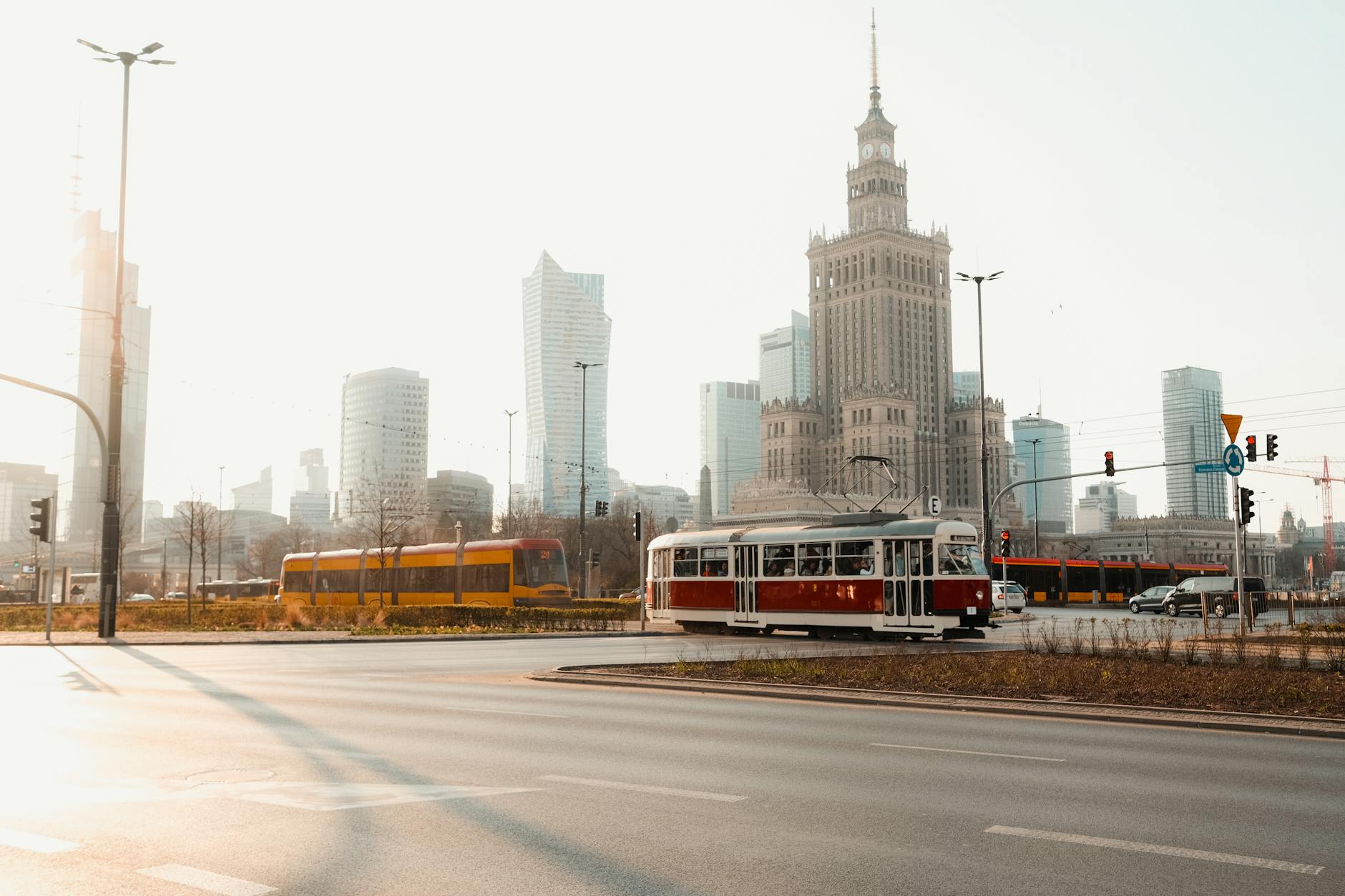
That history explains why Warsaw does not look like many other European capitals. The Old Town looks old but is largely postwar reconstruction. The Royal Route preserves and reinterprets prewar elegance. Muranów sits on the former Jewish district and the Warsaw Ghetto. Wola, once industrial and working-class, now mixes war memory, office towers, apartment blocks, museums, and business hotels. Praga retains fragments of older urban fabric because it escaped some of the destruction that hit the left bank. The Palace of Culture and Science dominates the skyline as a Stalinist gift that many Varsovians have hated, used, defended, mocked, and learned to navigate around. New towers are changing the center again.
This is not a city where “authentic” means untouched. Authentic Warsaw is the tension between memory and reinvention.
The City’s Layout
The Vistula River divides Warsaw into the more central, historically institutional left bank and the more alternative, residential, and historically rougher-edged right bank.
On the left bank:
- Old Town and New Town hold the most atmospheric historic core.
- Royal Route connects Castle Square, Krakowskie Przedmieście, Nowy Świat, Ujazdów, Łazienki, and conceptually Wilanów.
- Śródmieście/Centrum is the practical center: trains, hotels, offices, shops, the Palace of Culture, metro, restaurants, and nightlife pockets.
- Powiśle slopes toward the river and mixes cafés, university life, boulevards, and culture.
- Wola is the old industrial west transformed into business districts, museums, and residential towers.
- Mokotów is large, leafy, residential, and local, with good restaurants and cafés in pockets.
- Żoliborz is calmer, greener, and more residential, with interwar modernist charm.
- Wilanów is far enough south to feel like a palace-and-park excursion.
On the right bank:
- Praga-Północ has surviving older streets, courtyards, churches, vodka-factory redevelopment, street art, creative venues, and rougher texture.
- Praga-Południe/Saska Kępa is more residential and leafy, with cafés, embassies, restaurants, and a relaxed neighborhood feel.
- Vistula beaches and wild riverbank areas give Warsaw a summer personality that surprises first-timers.
The City’s Rhythm
Warsaw is a working capital first and a visitor city second. That is part of its appeal.
Weekday mornings are commuter-heavy. Lunch can be brisk and practical. Evenings vary by district: Nowy Świat and Śródmieście are active; Powiśle fills with students and professionals; Wola empties in some office-heavy pockets but has destination restaurants and bars; Praga has a looser, more alternative rhythm. Sundays can be pleasant for parks, walks, cafés, and some museums, but always check opening hours.
Meal times are flexible compared with Spain or Italy. Lunch often runs from noon to mid-afternoon. Dinner can be 6–9pm, later in trendier restaurants and bars. Reservations matter for better restaurants on Friday and Saturday nights. Milk bars and cafeteria-style Polish places are better for breakfast and lunch than for late dinner.
Warsaw’s Central Contrasts
Warsaw becomes more legible when you look for contrasts:
- Rebuilt Old Town vs. surviving Praga streets.
- Royal palaces vs. socialist monumental scale.
- Wartime memory vs. contemporary nightlife.
- Polish national narratives vs. Jewish absence and remembrance.
- Business-district glass vs. courtyard shrines.
- Elegant parks vs. raw riverbanks.
- Milk bars vs. tasting menus.
- Chopin salons vs. warehouse clubs.
First-Timer Mistake
Do not judge Warsaw only by the first ten minutes outside Warszawa Centralna. The station area is useful but not the city’s soul. Give Warsaw a day of walking and one major museum before deciding what you think.
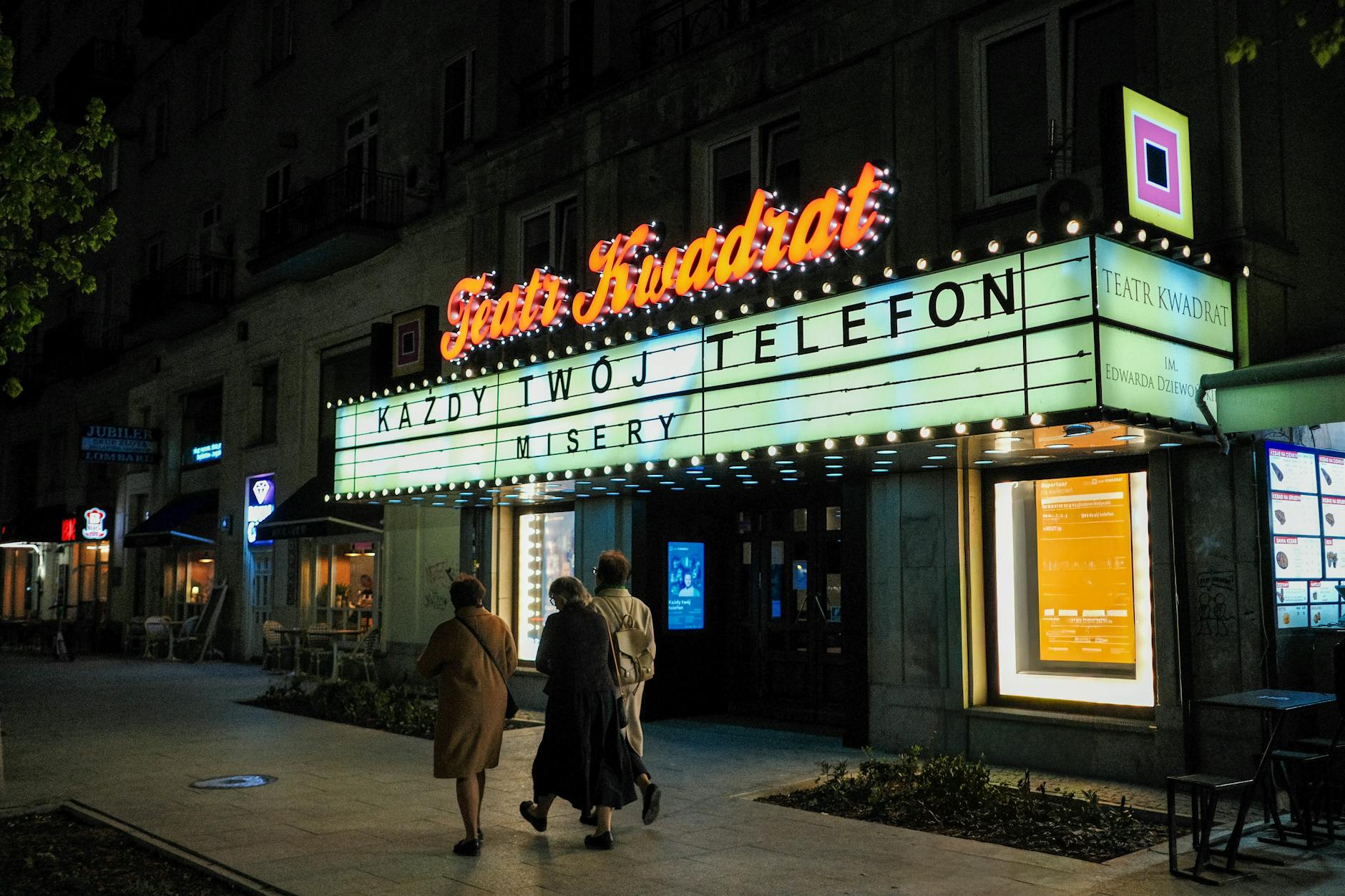
Best Time to Visit Warsaw
The Short Answer
The best overall months are May, June, September, and early October. You get good walking weather, parks at their best, outdoor seating, manageable crowds, and enough daylight to enjoy the city without summer heat or winter darkness.
July and August can be excellent if you like long evenings, river life, outdoor events, and warm-weather energy. Hotels can be good value compared with business-heavy months, but weather may be hot or stormy.
December is atmospheric, especially around lights, markets, museums, concerts, and winter food, but daylight is short and weather can be gray.
January and February are best for budget travelers and museum-heavy visitors who do not mind cold.
Season by Season
Spring: March to May
Spring begins unevenly. March can still feel wintry. April is changeable. May is often one of the best months of the year, with parks greening, terraces opening, and the city’s mood lifting.
Best for: walking, parks, lower shoulder-season prices, museums without peak crowds, cafés, early river walks.
Watch for: Easter closures, chilly evenings, rain, changing event schedules.
The move: Visit Łazienki in late spring, then walk north through Ujazdów and down the Royal Route when the city is in bloom.
Summer: June to August
Summer brings long days, festivals, outdoor bars, Vistula life, river beaches, late walks, and a more relaxed city rhythm. It can also bring heat, thunderstorms, and occasional smoky or humid days.
Best for: Vistula boulevards, open-air concerts, parks, bike rides, terraces, Praga evenings, family travel.
Watch for: heat in exposed areas, air-conditioning differences in older buildings, major events, restaurant summer closures in some cases.
The move: Do your heavy museum or palace visit in the late morning or early afternoon, then save the Vistula and parks for evening.
Autumn: September to November
September is excellent. Early October can be beautiful. November is darker, colder, and more introspective, but serious museum travelers may appreciate the mood.
Best for: history-focused trips, food, museums, comfortable walking, lower crowds.
Watch for: shorter days, rain, All Saints’ Day around November 1, colder evenings.
The move: Pair a major museum with a warm Polish lunch, then take a golden-hour walk through Old Town or Łazienki.
Winter: December to February
Winter Warsaw is not cozy in the Prague/Vienna postcard sense, but it has its own atmosphere: lights, churches, concerts, steaming soups, serious museums, and cheaper hotel rates outside peak holiday dates.
Best for: budget travelers, museum trips, Christmas lights, Chopin concerts, hearty Polish food, fewer crowds.
Watch for: short days, icy sidewalks, gray weather, holiday closures, very cold spells.
The move: Plan one outdoor anchor per day, not four. Then let museums, cafés, and restaurants carry the trip.
Month-by-Month Snapshot
| Month | Verdict |
|---|---|
| January | Cold, dark, often good value. Best for museums and quiet travel. |
| February | Still cold, slightly brighter. Good for budget trips and indoor culture. |
| March | Transitional and unpredictable. Better late in the month. |
| April | Spring begins, but weather swings. Easter can affect hours. |
| May | One of the best months: green parks, good walking, outdoor life returning. |
| June | Excellent: long days, warm evenings, strong all-around choice. |
| July | Lively and summery; good for Vistula life but sometimes hot. |
| August | Relaxed, warm, good for parks and riverfront; check business/restaurant closures. |
| September | Perhaps the best single month: warm enough, less peak-summer intensity. |
| October | Good early, colder later; autumn color can be lovely. |
| November | Gray but worthwhile for museums, history, and lower prices. |
| December | Festive, cold, short days, good atmosphere if you plan around closures. |
How Many Days You Need
One Day
One day is enough for a serious taste, not enough to understand Warsaw.
Best plan: Old Town, Castle Square, Krakowskie Przedmieście, Nowy Świat, a Polish lunch, Łazienki or POLIN, and a view from the Palace of Culture or a Vistula evening.
Skip: Wilanów, deep Praga, multiple museums, day trips.
Two Days
Two days gives you the classic first visit.
Day 1: Old Town, Royal Route, Royal Castle or Palace of Culture view, dinner in Śródmieście or Powiśle.
Day 2: POLIN or Warsaw Rising Museum, Łazienki, Vistula or Praga evening.
This is the official-tourism-style minimum, but you will feel the tradeoffs.
Three Days
Three days is the ideal first-timer length.
You can do:
- Old Town and Royal Route.
- One major history museum.
- Łazienki and/or Wilanów.
- Praga or Powiśle.
- Food, cafés, and a proper evening.
This is the sweet spot for most city-break travelers.
Four to Five Days
Four or five days lets Warsaw breathe. Add:
- POLIN and Warsaw Rising Museum without rushing.
- Wilanów Palace.
- Praga and Saska Kępa.
- Museum of Modern Art or National Museum.
- Copernicus Science Centre with kids.
- Jewish heritage walking route.
- A day trip to Żelazowa Wola, Łódź, Treblinka, Nieborów and Arkadia, or Kampinos National Park.
One Week
A week works if you love history, museums, food, slow neighborhoods, and regional day trips. Warsaw is not too thin for a week, but you need to broaden the trip beyond “top sights.”
Add:
- A day in Łódź.
- A Chopin-focused excursion to Żelazowa Wola.
- Treblinka with a responsible guide.
- Kampinos for nature.
- A deep Praga day.
- Food markets, neighborhoods, galleries, and music.
The Move
For three days, choose either POLIN or Warsaw Rising Museum as your main heavy museum on Day 2, then choose the other only if you have enough emotional and physical bandwidth. Both are important. Doing them back-to-back can make the trip feel punishing.
Where to Stay in Warsaw
The Short Answer
For most first-time visitors, stay in Śródmieście, around Nowy Świat, Krakowskie Przedmieście, Centrum, or Powiśle. You will have easy access to the Royal Route, Old Town, transit, restaurants, cafés, and train connections.
Stay in Old Town/New Town for atmosphere, especially if you want evening walks and do not mind fewer hotel choices and some cobblestones.
Stay in Wola for modern hotels, business comfort, proximity to the Warsaw Rising Museum, and good value, but choose carefully near transit.
Stay in Praga only if you want character, nightlife, and right-bank texture, and you are comfortable with a less polished environment.
Stay in Mokotów or Żoliborz for a calmer, more residential visit, especially on a repeat trip.
Neighborhood Decision Tree
| You want... | Stay in... |
|---|---|
| Maximum convenience for a first visit | Śródmieście/Centrum, Nowy Świat, Powiśle |
| Historic atmosphere | Old Town or New Town |
| Best mix of cafés, river, university energy | Powiśle |
| Modern hotels and business-travel practicality | Wola or Centrum |
| Nightlife and restaurants | Śródmieście, Powiśle, parts of Wola, Praga |
| A quieter residential base | Mokotów, Żoliborz, Saska Kępa |
| Lower prices with decent access | Wola, Praga, parts of Mokotów |
| Families | Powiśle, Śródmieście near parks, Żoliborz, Mokotów, Saska Kępa |
| Mobility-friendly terrain and transport | Centrum/Śródmieście near metro or tram stops; avoid cobblestone-heavy Old Town if step-free access is critical |
| A second-time visitor experience | Praga, Żoliborz, Mokotów, Saska Kępa |
Best Areas in Detail
Śródmieście / Centrum
Best for: first-timers, transport, business travelers, short stays, museum access, easy logistics.
Śródmieście is the practical center, and Centrum is the most convenient part of it. You will be near Warszawa Centralna, the Palace of Culture, metro stations, tram lines, shops, restaurants, and plenty of hotels. It is not always charming, but it works.
Why stay here:
- Excellent transport.
- Easy airport and train access.
- Many hotel choices.
- Good base for both Old Town and southern sights.
- Strong restaurant and café options.
Why not:
- Some blocks feel busy, commercial, or architecturally chaotic.
- The immediate station area is useful but not romantic.
- Traffic and big-road crossings can reduce charm.
Perfect for: first-time visitors with 2–3 days, solo travelers, business-plus-leisure trips, and people who value convenience over atmosphere.
Nowy Świat / Krakowskie Przedmieście / Royal Route
Best for: classic Warsaw atmosphere, walking, dining, culture, first-time ease.
This is one of the best balances in the city. You are close to the Royal Route, Old Town, University of Warsaw, churches, cafés, restaurants, and cultural sights. Nowy Świat has energy; Krakowskie Przedmieście has grandeur.
Why stay here:
- Beautiful walking route.
- Easy access to Old Town.
- Good restaurant density.
- Strong evening atmosphere.
- Convenient without feeling purely commercial.
Why not:
- Can be noisy on weekend nights in some pockets.
- Prices can be higher.
- Fewer large modern hotel options than around Centrum/Wola.
Perfect for: couples, first-timers, culture travelers, and anyone who wants to walk out into the city rather than commute into it.
Old Town and New Town
Best for: historic atmosphere, evening walks, short romantic stays, photography, first-time visitors who prioritize charm.
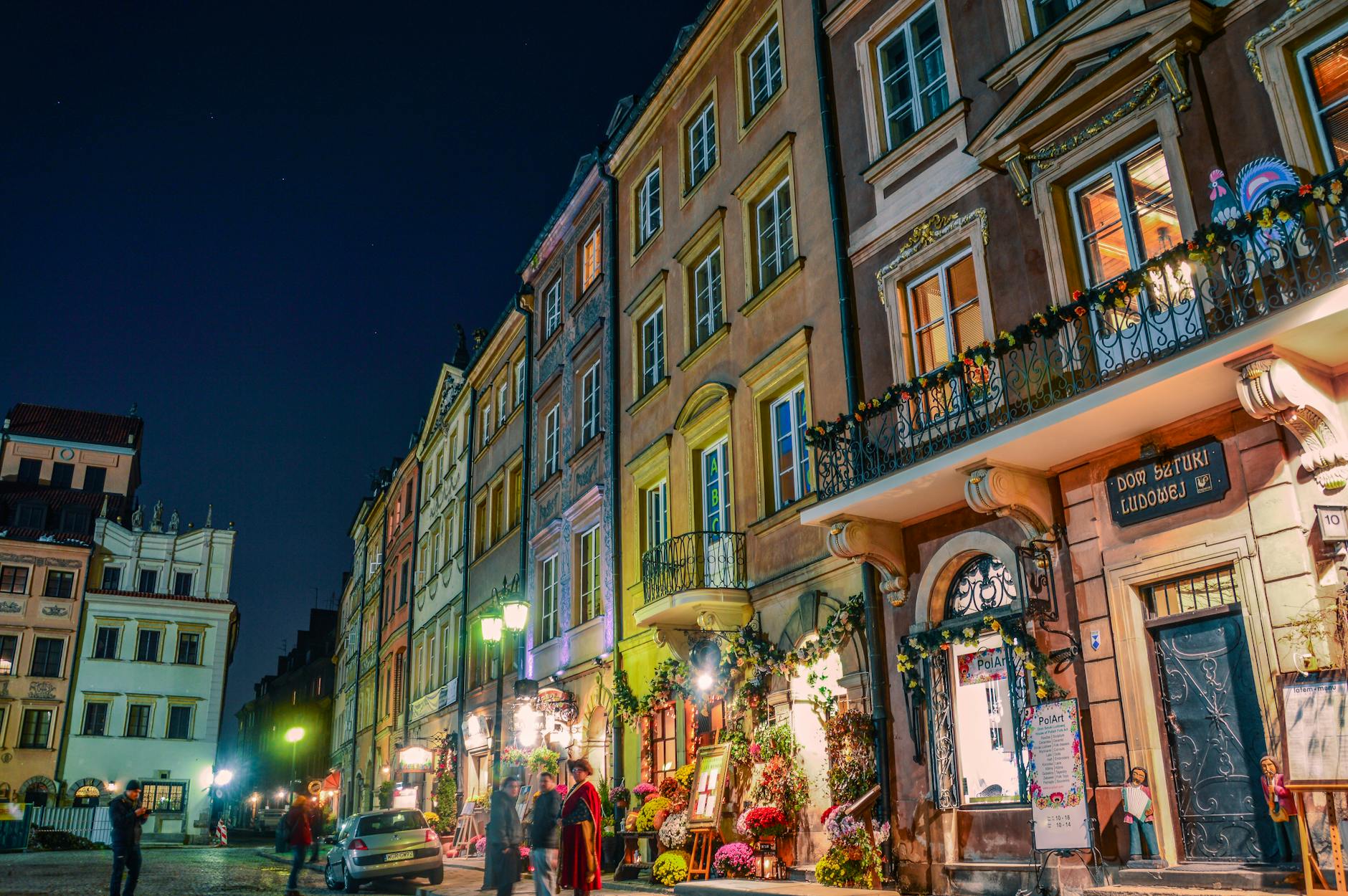
Warsaw’s Old Town is a UNESCO-listed reconstruction and one of the city’s most symbolically important places. Staying here can be lovely at night after day-trippers leave, especially around New Town’s quieter streets.
Why stay here:
- Maximum atmosphere.
- Beautiful evening and morning walks.
- Near Royal Castle, Castle Square, Old Town Market Square, New Town churches, and the Barbican.
- Good for travelers who want a historic setting.
Why not:
- Cobblestones, stairs, older buildings, and limited vehicle access can complicate luggage and accessibility.
- Dining can be touristy if you choose lazily.
- Transit is slightly less convenient than Centrum or Royal Route.
- It is not the best base for every part of Warsaw.
Perfect for: atmosphere-first travelers, couples, photographers, and people who do not mind trading convenience for setting.
Powiśle
Best for: cafés, river life, students, relaxed evenings, families, summer trips, repeat visitors.
Powiśle sits between the escarpment and the Vistula. It has the University Library, Copernicus Science Centre, river boulevards, cafés, restaurants, and a softer, younger mood than the business center. It is one of Warsaw’s most appealing bases if you like neighborhoods that feel lived-in but still central.
Why stay here:
- Great for river walks.
- Good food and café scene.
- Close to Copernicus Science Centre and University Library gardens.
- Pleasant in summer.
- Easy access to Royal Route and Old Town by walking or transit.
Why not:
- Fewer large hotels.
- Some areas are hilly because of the escarpment.
- Nightlife can be active near the river in summer.
Perfect for: couples, families, café people, summer visitors, and travelers who want Warsaw to feel human-scale.
Wola
Best for: modern hotels, business travel, value, Warsaw Rising Museum, skyline views, transit if chosen well.
Wola has changed dramatically. It is where old factories, war memory, office towers, apartment developments, business hotels, and new restaurants collide. It can be convenient and comfortable, but some blocks are better for sleeping than wandering.
Why stay here:
- Good modern hotels.
- Often better value than the Royal Route.
- Close to Warsaw Rising Museum.
- Increasingly good food and nightlife.
- Useful metro and tram access in many areas.
Why not:
- Some parts feel corporate or construction-heavy.
- Not all streets are scenic.
- You need to check exact location carefully.
Perfect for: business travelers, value-minded visitors, modern-hotel people, and anyone who likes cities in transition.
Praga-Północ
Best for: character, nightlife, street art, history, alternative Warsaw, repeat visitors.
Praga is Warsaw’s most mythologized right-bank district. It has surviving prewar streets, shrines, courtyards, churches, industrial relics, creative redevelopment, and nightlife. It is also uneven. Some areas are polished and visitor-friendly; others are gritty and residential.
Why stay here:
- Strong character.
- Good for nightlife and alternative culture.
- Close to Polish Vodka Museum and Koneser complex.
- Different perspective on the city.
- Often better prices.
Why not:
- Less polished than left-bank areas.
- Some streets feel empty or rough late at night.
- Not ideal for nervous first-time visitors or families seeking maximum ease.
Perfect for: confident urban travelers, repeat visitors, nightlife travelers, and people who like neighborhoods with texture.
Mokotów
Best for: local life, longer stays, restaurants, parks, residential calm, business trips near offices.
Mokotów is large and varied, from elegant old villas and green streets to office districts and apartment blocks. It is not the best base for a first-time two-day trip, but it can be excellent for longer stays.
Why stay here:
- Local feel.
- Good cafés and restaurants in pockets.
- Parks and residential calm.
- Often good apartment rentals.
- Metro access in parts.
Why not:
- Too spread out to choose blindly.
- Some parts are inconvenient for sightseeing.
- Not as atmospheric for a first visit.
Perfect for: longer stays, families, remote workers, and repeat visitors.
Żoliborz
Best for: calm, greenery, interwar charm, local restaurants, repeat visitors.
Żoliborz is one of Warsaw’s most pleasant residential areas, with leafy streets, modernist architecture, cafés, and a slower rhythm. It works best if you are comfortable using metro/trams and do not need to be in the center constantly.
Why stay here:
- Quiet and green.
- Good local atmosphere.
- Access to northern sights and transport.
- Less touristy.
Why not:
- Not ideal for a first-time short stay.
- Fewer hotels.
- Requires more intentional transit use.
Perfect for: repeat visitors, families, slow travelers, and anyone who wants Warsaw as a livable city rather than just sights.
Hotel Booking Mistakes
- Booking near “Warsaw Central” without checking whether the exact block is pleasant.
- Staying at the airport to save money unless you truly have an early flight.
- Choosing a cheap apartment far from metro or tram lines.
- Assuming Old Town is the most convenient base for all sights.
- Ignoring elevators in older buildings.
- Not checking air-conditioning in summer.
- Booking Praga without understanding the specific micro-location.
- Forgetting that Warsaw’s best districts are spread out, so transit access matters more than theoretical centrality.
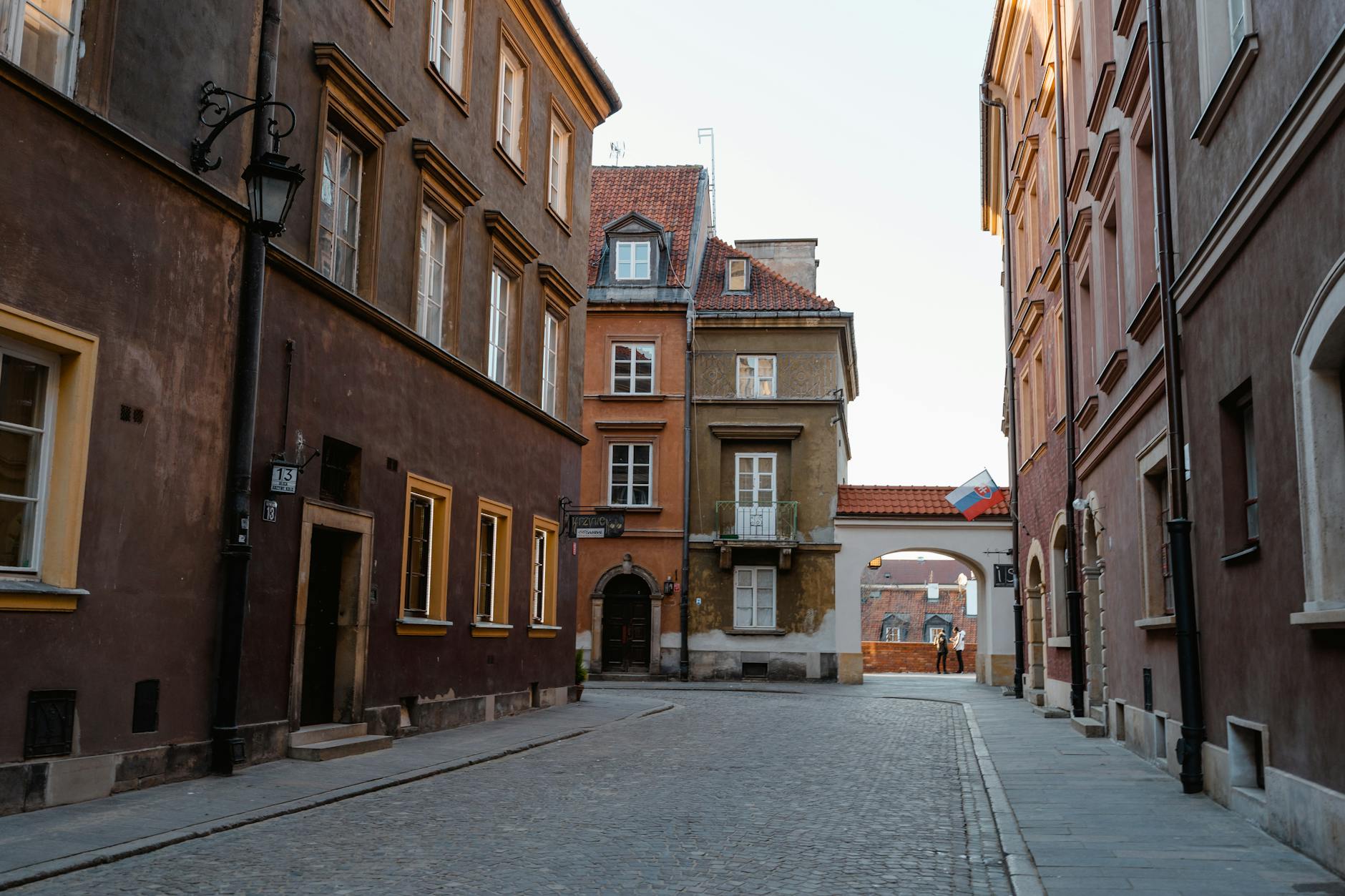
Neighborhood Guide
Old Town and New Town
One-sentence identity: Warsaw’s symbolic heart: rebuilt, beautiful, historically charged, and best appreciated when you understand that reconstruction is part of the story.
Start at Castle Square, look at the Royal Castle, and remember that you are standing in a place where political power, wartime destruction, and postwar reconstruction overlap. The Old Town Market Square is the postcard core, but the best walk continues through quieter lanes, the Barbican, New Town Market Square, churches, and viewpoints over the Vistula.
Best things to do:
- Royal Castle.
- Castle Square.
- Old Town Market Square.
- Barbican and city walls.
- St. John’s Archcathedral.
- New Town churches and streets.
- Museum of Warsaw.
- Vistula viewpoints from the escarpment.
Best time: early morning for photos, late afternoon for light, evening for atmosphere after tour groups thin.
Pair it with: Royal Route, Vistula boulevards, POLIN by transit or taxi, Praga by tram/metro.
Skip if: you only want “authentic medieval untouched fabric.” The point here is not untouched age; it is civic reconstruction.
Royal Route: Krakowskie Przedmieście and Nowy Świat
One-sentence identity: Warsaw’s grand processional spine, where royal history, churches, palaces, universities, cafés, and public life come together.
The Royal Route is essential. It is not a single attraction but a way of reading Warsaw. Walk from Castle Square through Krakowskie Przedmieście, past churches and palaces, toward Nowy Świat, then continue toward Ujazdów and Łazienki if you have energy.
Best things to do:
- Presidential Palace exterior.
- University of Warsaw area.
- Church of the Holy Cross, associated with Chopin’s heart.
- Nowy Świat cafés and restaurants.
- Side streets around Foksal and Chmielna.
- Detours to the National Museum and Museum of Modern Art.
Best time: late morning into afternoon, or early evening for strolling.
The move: Do not rush the Royal Route as a transit corridor. Use it as a walk with pauses: coffee, church interior, courtyard, shop, side street, then dinner.
Śródmieście / Centrum
One-sentence identity: Warsaw’s practical, busy, sometimes messy center, where train stations, towers, shops, socialist architecture, hotels, and nightlife all collide.
Centrum is not the prettiest Warsaw, but it is important. The Palace of Culture and Science is unavoidable, and the area around it tells a lot about postwar planning, post-1989 capitalism, and current development.
Best things to do:
- Palace of Culture viewing terrace.
- Museum of Modern Art.
- National Museum.
- Złote Tarasy for practical shopping.
- Marszałkowska and Świętokrzyska for urban scale.
- Restaurants and bars around Nowogrodzka, Poznańska, Wilcza, and nearby streets.
Best time: anytime for transit; sunset or evening for views from the Palace of Culture.
Skip if: you want only charm. But do not skip it entirely; this is part of Warsaw’s actual identity.
Powiśle
One-sentence identity: A relaxed, café-filled, river-adjacent district where Warsaw feels younger, greener, and more informal.
Powiśle is one of the easiest neighborhoods to like. It connects the university, the escarpment, the Vistula, Copernicus Science Centre, river boulevards, and plenty of places to eat and drink. It is a great decompression zone after heavy museums.
Best things to do:
- University Library gardens.
- Copernicus Science Centre.
- Vistula boulevards.
- Cafés and casual restaurants.
- Walk up or down the escarpment.
- Evening by the river in summer.
Best time: late afternoon and evening, especially in warm months.
The move: Pair Copernicus or University Library gardens with a Vistula walk and dinner in Powiśle. This is one of Warsaw’s easiest half-days.
Wola
One-sentence identity: Former industrial and working-class Warsaw remade into a skyline district, with some of the city’s most important wartime memory.
Wola can feel disjointed, but it matters. The Warsaw Rising Museum is here, as are modern hotels, offices, restaurants, and signs of the city’s rapid transformation. It is one of the best districts for understanding Warsaw as a living capital rather than a preserved destination.
Best things to do:
- Warsaw Rising Museum.
- Warsaw Spire and nearby business district.
- Norblin Factory and other redevelopment areas.
- Modern restaurants and bars.
- Jewish cemetery nearby, if approached respectfully.
Best time: daytime for museum and context; evening for restaurants in developed pockets.
First-timer mistake: treating Wola as only a hotel district. It is more interesting if you connect its industrial past, wartime trauma, and current skyline boom.
Muranów
One-sentence identity: A postwar district built over the ruins of Jewish Warsaw and the Warsaw Ghetto, anchored by one of Europe’s most important Jewish history museums.
Muranów is not conventionally scenic, but it is essential. POLIN Museum sits near the Monument to the Ghetto Heroes, and the neighborhood around it is a landscape of absence, reconstruction, and memory.
Best things to do:
- POLIN Museum of the History of Polish Jews.
- Monument to the Ghetto Heroes.
- Umschlagplatz memorial.
- Remnants and markers of the Warsaw Ghetto.
- Jewish Historical Institute nearby in the broader central area.
Best time: morning or early afternoon for POLIN, with enough mental energy.
Responsible travel note: This is not a “dark tourism content” neighborhood. Move slowly, read markers, and avoid performative photography at memorial sites.
Praga-Północ
One-sentence identity: Right-bank Warsaw with surviving prewar texture, creative redevelopment, religious landmarks, street art, courtyards, nightlife, and rough edges.
Praga is often marketed as Warsaw’s “authentic” district, but that can flatten it. It is layered: working-class history, surviving buildings, Orthodox and Catholic churches, postindustrial venues, revitalization, poverty, nightlife, and new money all coexist.
Best things to do:
- Koneser complex and Polish Vodka Museum.
- Ząbkowska Street.
- Praga Museum.
- St. Florian’s Cathedral.
- Orthodox Cathedral of St. Mary Magdalene.
- Street art and courtyards, preferably with a guide.
- Neon Museum in broader Praga/SOHO context if open and on your route.
Best time: late afternoon into evening for atmosphere, but use judgment at night.
The move: Visit Praga with a walking guide if you care about context. Otherwise, focus on Koneser, Ząbkowska, and a few main streets rather than wandering randomly through residential courtyards.
Saska Kępa
One-sentence identity: Leafy, residential, quietly stylish right-bank Warsaw with cafés, embassies, villas, and a slower rhythm.
Saska Kępa is a lovely antidote to heavy sightseeing. Francuska Street is the main café/restaurant spine, and the area works well with the National Stadium, river paths, or Praga/South Bank exploration.
Best for: repeat visitors, families, long lunches, slow afternoons.
Łazienki / Ujazdów
One-sentence identity: Warsaw’s elegant green belt of parks, palaces, embassies, monuments, museums, and long walks.
Łazienki is one of Warsaw’s greatest pleasures. It is not just a park; it is a royal landscape with water, pavilions, peacocks, palaces, sculpture, and Chopin memory. Nearby Ujazdów adds embassies, contemporary art, and refined avenues.
Best things to do:
- Łazienki gardens.
- Palace on the Isle.
- Chopin Monument.
- Summer Chopin concerts.
- Ujazdowski Castle area.
- Agrykola paths.
Best time: morning for quiet, late afternoon for atmosphere, Sundays in Chopin season for music.
Wilanów
One-sentence identity: A palace-and-garden excursion that shows Warsaw’s royal and aristocratic side beyond the center.
Wilanów is farther south and should be treated as a half-day, not a quick stop. The palace, gardens, and surrounding area are especially good when weather is pleasant.
Best for: palace lovers, gardens, families, slower days, repeat visitors.
Skip if: you have only one day in Warsaw or dislike palace interiors.
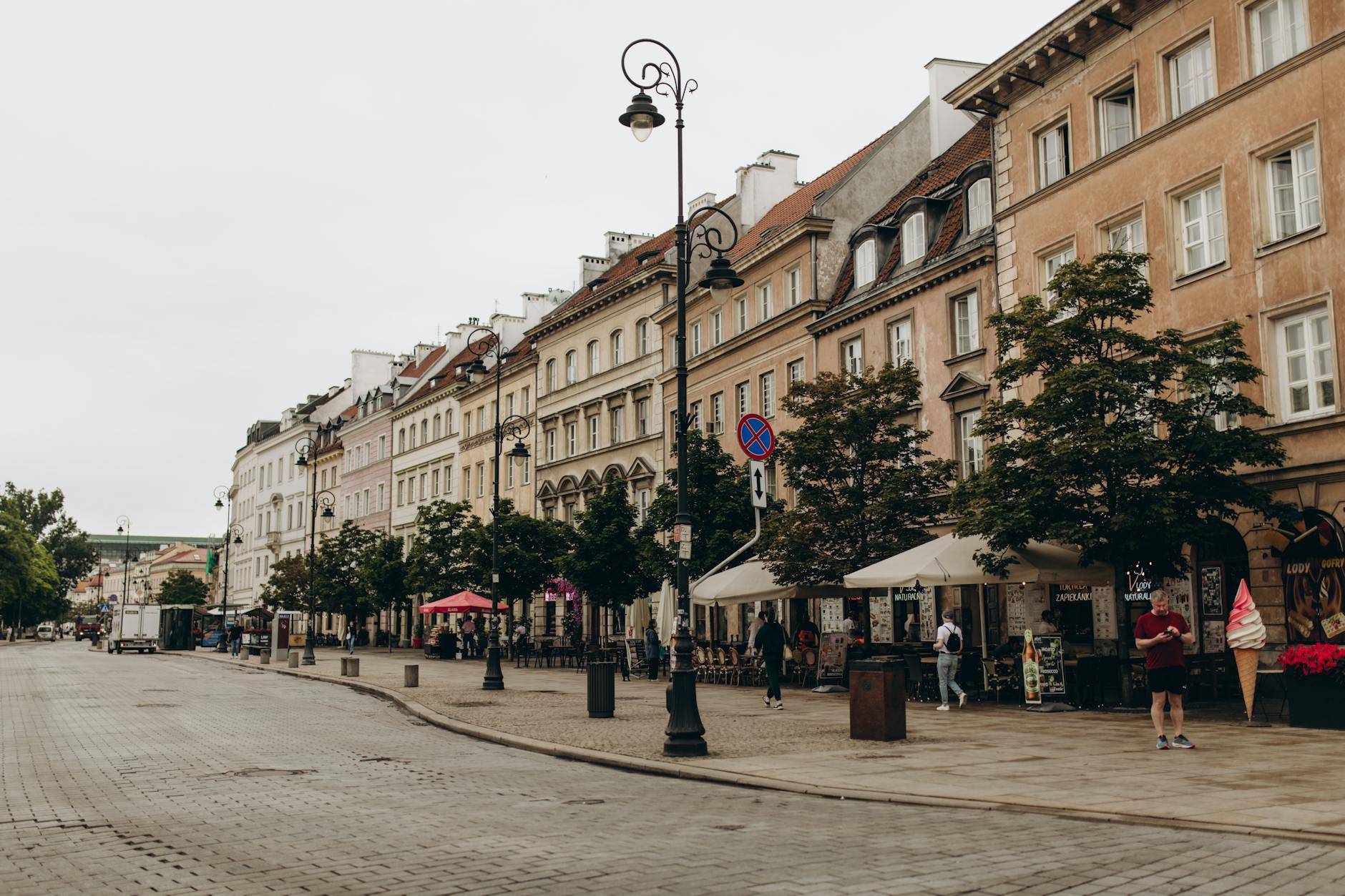
Best Things to Do
1. Walk the Old Town and Understand the Reconstruction
What it is: Warsaw’s historic core, reconstructed after wartime destruction and now one of the city’s symbolic centers.
Why it matters: The Old Town is not just pretty. It is a statement about memory, civic identity, and the decision to rebuild what had been destroyed.
Time needed: 2–3 hours for a good walk; half a day if adding the Royal Castle or Museum of Warsaw.
Best time: Early morning, late afternoon, or evening.
Worth it? Absolutely, but only if you understand the story. Without context, it can feel like a pleasant but small old town. With context, it becomes one of Europe’s most extraordinary reconstruction landscapes.
Pair it with: Royal Castle, Royal Route, Vistula viewpoints, New Town.
2. Visit the Royal Castle
What it is: The former residence of Polish rulers, reconstructed and furnished as a major museum.
Why it matters: It links Warsaw to royal, parliamentary, artistic, and national history. It also helps explain how the city used art, archives, and memory to reconstruct itself.
Time needed: 1.5–2.5 hours.
Best for: history lovers, art lovers, first-timers, rainy days.
Skip if: You dislike palace interiors and have limited time. See the exterior and use that time for POLIN or Łazienki instead.
Common mistake: Visiting without audio guide or context. The rooms are more meaningful when you understand the political and reconstruction story.
3. Walk the Royal Route
What it is: The grand historic axis from Castle Square through Krakowskie Przedmieście and Nowy Świat toward Łazienki and Wilanów.
Why it matters: It is Warsaw’s most elegant urban walk and the easiest way to connect royal, religious, university, café, and public life.
Time needed: 2 hours for Castle Square to Nowy Świat; half a day if continuing south with stops.
Best time: Late morning, afternoon, or early evening.
The move: Start at Castle Square, walk south, stop for coffee, peek into churches, continue to Nowy Świat, and decide whether to push toward Łazienki or save it for another day.
4. Spend Real Time at POLIN Museum
What it is: A major museum telling the thousand-year history of Polish Jews.
Why it matters: Warsaw cannot be understood without Jewish history. POLIN is not only a Holocaust museum; it is a broad, ambitious, deeply designed museum about Jewish life, culture, diversity, catastrophe, memory, and continuity.
Time needed: 3 hours minimum; 4–5 if you are serious.
Best for: history travelers, Jewish heritage travelers, museum lovers, thoughtful first-timers.
Skip if: You have no mental energy for a major museum. Do not rush it as a box-checking exercise.
Pair it with: Ghetto Heroes Monument, Muranów walk, Umschlagplatz memorial, Jewish Historical Institute.
First-timer mistake: Scheduling POLIN and Warsaw Rising Museum on the same day without a long break. Both are powerful and heavy.
5. Visit the Warsaw Rising Museum
What it is: A museum dedicated to the 1944 Warsaw Uprising.
Why it matters: The Uprising is central to Warsaw’s identity, memory, and postwar story. The museum is immersive and emotionally charged.
Time needed: 2–3 hours.
Best for: World War II history, Polish history, visitors who want to understand the city’s destruction and reconstruction.
Skip if: You are sensitive to immersive wartime presentation or already have a very heavy history day.
Pair it with: Wola walk, Old Town reconstruction context, Powiśle/Vistula decompression afterward.
6. Give Łazienki Park a Slow Half-Day
What it is: Warsaw’s great royal park, with gardens, water, palaces, pavilions, sculpture, and Chopin’s monument.
Why it matters: Łazienki shows a different Warsaw: elegant, green, reflective, and deeply beloved by locals.
Time needed: 2–4 hours.
Best time: Morning, late afternoon, or Sunday in Chopin season.
Worth it? Very. Even travelers who are tired of museums usually love it.
The move: Do not treat Łazienki as one statue and a photo. Walk the paths, sit by the water, and let the city slow down.
7. See the City from the Palace of Culture and Science
What it is: Warsaw’s most famous high-rise and most politically loaded landmark, with a viewing terrace on the 30th floor.
Why it matters: Love it or hate it, the Palace of Culture is Warsaw’s skyline anchor. The view helps you understand how sprawling and varied the city is.
Time needed: 45–75 minutes.
Best time: Sunset or after dark.
Worth it? Yes for first-timers, especially if visibility is good.
Better alternative? For contemporary skyline-bar energy, consider a rooftop bar, but the Palace itself is historically more interesting.
8. Explore Powiśle and the Vistula
What it is: The riverfront and adjacent neighborhood of cafés, culture, students, science, and summer life.
Why it matters: This is where Warsaw feels loose and contemporary, especially in warm weather.
Time needed: 2 hours to half a day.
Best time: Late afternoon and evening.
Pair it with: Copernicus Science Centre, University Library gardens, Museum of Modern Art, Old Town viewpoint.
9. Cross to Praga
What it is: Right-bank Warsaw with surviving architecture, postindustrial complexes, street art, churches, nightlife, and local texture.
Why it matters: It complicates the standard Warsaw narrative. Praga feels different from the polished left bank and helps you understand the city’s physical and social variety.
Time needed: 2–4 hours; more if adding museums and dinner.
Best time: Afternoon into evening.
Worth it? Yes for curious travelers; not essential for a one-day visit.
Local logic: Praga is best with context. A good walking tour can make it far more meaningful.
10. Visit Wilanów Palace
What it is: A baroque royal residence and gardens south of the center.
Why it matters: It shows Warsaw’s aristocratic and royal side beyond the reconstructed center.
Time needed: Half-day including transport.
Best time: Good weather, spring through autumn, or winter lights season if active.
Skip if: You have only two days and are not especially interested in palaces.
11. Go to the Copernicus Science Centre
What it is: A large interactive science museum on the river.
Why it matters: It is one of Warsaw’s best family attractions and a strong rainy-day option.
Time needed: 3–4 hours.
Best for: families, teens, science lovers, rainy days.
Book ahead? Yes, especially weekends, school holidays, and planetarium shows.
12. Use Warsaw’s Museum Free Days Strategically
Warsaw has many free museum entry days. This can save money, but popular museums can be busier. Use free days for smaller museums or flexible visits; pay for major museums if your schedule is tight and you want control.
13. Hear Chopin
Warsaw is Chopin’s city in ways both obvious and subtle: churches, salons, museums, monuments, concerts, and summer park recitals.
Best options:
- Open-air concerts in Łazienki during season.
- Small evening salon concerts in Old Town or central venues.
- Chopin Museum if you are musically inclined.
- Church of the Holy Cross for a brief but meaningful stop.
The move: Do one Chopin experience, not five, unless music is a central theme of your trip.
14. Eat at a Milk Bar
Milk bars are cafeteria-style Polish eateries associated with affordable, simple, traditional food. Some are old-school; some have been modernized; some are beloved precisely because they are practical rather than charming.
Order pierogi, soup, naleśniki, placki ziemniaczane, kotlet, kompot, or whatever looks good. Expect efficiency, not fuss.
Worth it? Yes, at least once, especially for lunch.
15. Visit a Contemporary Food Hall or Redeveloped Factory Space
Warsaw has several postindustrial or market-style places where restaurants, bars, shops, and events gather. These are useful for groups, rainy evenings, and visitors who want a modern local-social scene.
Good types to look for:
- Revitalized factory complexes.
- Food halls.
- Craft beer bars.
- Casual multi-cuisine dining spaces.
- Design shops and bookstores.
Worth it? Yes, but do not mistake them for the whole city. Pair them with older neighborhoods and history.
Warsaw Itineraries
One Perfect Day in Warsaw
Morning: Old Town and Royal Castle area
Start at Castle Square. Walk through the Old Town before it gets busy: Royal Castle exterior, Old Town Market Square, Barbican, New Town, and a viewpoint over the Vistula. If you like palace interiors, visit the Royal Castle. If not, keep walking and save time for museums or parks.
Lunch: Polish classics
Eat near the Royal Route or Nowy Świat, but avoid the most obvious tourist menus on the Old Town Market Square unless you have a specific recommendation.
Afternoon: Royal Route and Łazienki
Walk Krakowskie Przedmieście and Nowy Świat. Continue by bus, tram, taxi, or foot toward Łazienki. Spend at least 90 minutes in the park.
Evening: Powiśle or Palace of Culture view
Choose a Vistula/Powiśle evening in warm months or a Palace of Culture viewing terrace and dinner in Śródmieście in colder weather.
Cut if tired: Royal Castle interiors or Łazienki south-end walking.
Rain plan: Royal Castle, National Museum, POLIN, or Warsaw Rising Museum.
Two Days in Warsaw
Day 1: Classic Warsaw
- Old Town and Castle Square.
- Royal Castle or Museum of Warsaw.
- Royal Route walk.
- Nowy Świat lunch.
- Łazienki Park.
- Dinner in Śródmieście or Powiśle.
Day 2: Memory and Modern City
- POLIN Museum or Warsaw Rising Museum.
- Lunch in Muranów, Wola, or Centrum depending on museum choice.
- Palace of Culture viewing terrace or Museum of Modern Art/National Museum.
- Vistula walk or Praga evening.
The move: Choose one heavy museum per day. Let the second afternoon be lighter.
Three Days in Warsaw
Day 1: Old Town, Royal Route, and Łazienki
Classic city orientation. Keep it walk-heavy and atmospheric.
Day 2: Jewish Warsaw and Contemporary Center
Spend the morning and early afternoon at POLIN and nearby memorials. After a break, visit the Palace of Culture viewing terrace or Museum of Modern Art. Dinner in Centrum, Powiśle, or Wola.
Day 3: Wola, Praga, and the River
Visit the Warsaw Rising Museum in the morning. Rest over lunch. Cross to Praga in the afternoon, focusing on Koneser, Ząbkowska, churches, or a guided walk. End with the Vistula, Saska Kępa, or a modern Polish dinner.
Why this works: It gives you royal Warsaw, rebuilt Warsaw, Jewish Warsaw, wartime Warsaw, contemporary Warsaw, right-bank Warsaw, and green/river Warsaw.
Four Days in Warsaw
Add a Wilanów half-day and a slower food/café/shopping afternoon.
Suggested Day 4:
- Morning: Wilanów Palace and gardens.
- Lunch: return toward Mokotów or Saska Kępa.
- Afternoon: National Museum, University Library gardens, or shopping/design.
- Evening: Chopin concert, craft beer, or a relaxed dinner.
Five Days in Warsaw
Use the fifth day for either:
- A day trip to Łódź.
- Żelazowa Wola for Chopin.
- Treblinka with a responsible guide.
- Kampinos National Park.
- A deep food/neighborhood day through Mokotów, Żoliborz, and Powiśle.
Food Lover’s Warsaw
Morning: Polish bakery, coffee, or breakfast market if operating.
Lunch: Milk bar or modern Polish casual restaurant.
Afternoon: Food hall, market, chocolate/pastry stop, or vodka/history tasting.
Dinner: Modern Polish, Georgian, Ukrainian, Vietnamese, vegan Polish, or Michelin-listed splurge.
Late: Craft beer, cocktail bar, or summer river bar.
Museum Lover’s Warsaw
Do not overpack. Recommended sequence:
- Day 1: Royal Castle or Museum of Warsaw.
- Day 2: POLIN.
- Day 3: Warsaw Rising Museum.
- Day 4: National Museum or Museum of Modern Art.
- Day 5: Copernicus, Praga Museum, Polish Vodka Museum, or a niche museum.
Family-Friendly Warsaw
Best anchors:
- Copernicus Science Centre.
- Łazienki Park.
- Vistula boulevards.
- Old Town walk with ice cream.
- Palace of Culture viewing terrace.
- Wilanów gardens.
- Railway or technology museums depending on age.
Avoid: two heavy wartime museums on the same trip unless children are old enough and prepared.
Rainy-Day Warsaw
- POLIN.
- Warsaw Rising Museum.
- Royal Castle.
- National Museum.
- Museum of Modern Art.
- Copernicus Science Centre.
- Cafés and bookshops.
- Food hall dinner.
- Chopin concert.
Summer-Heat Warsaw
- Start early in Old Town.
- Spend midday in museums or shaded parks.
- Use transit instead of long exposed walks.
- Save Vistula and Łazienki for evening.
- Book accommodation with air-conditioning.
Food and Drink
Warsaw’s Food Identity
Warsaw is one of Central Europe’s more interesting food cities because it combines several layers:
- Polish home cooking and milk-bar traditions.
- Royal, noble, and festive Polish dishes.
- Jewish culinary memory, though not always easy to find in everyday form.
- Communist-era cafeterias and nostalgia foods.
- Post-1989 global restaurants.
- Vietnamese food connected to one of Poland’s significant immigrant communities.
- Georgian, Ukrainian, Middle Eastern, Korean, Japanese, Italian, and modern European dining.
- A surprisingly strong vegan and vegetarian scene.
- Contemporary Polish chefs reinterpreting local ingredients.
The key is not to eat only pierogi. Pierogi are good, but Warsaw’s food scene is much wider.
What to Eat
Pierogi
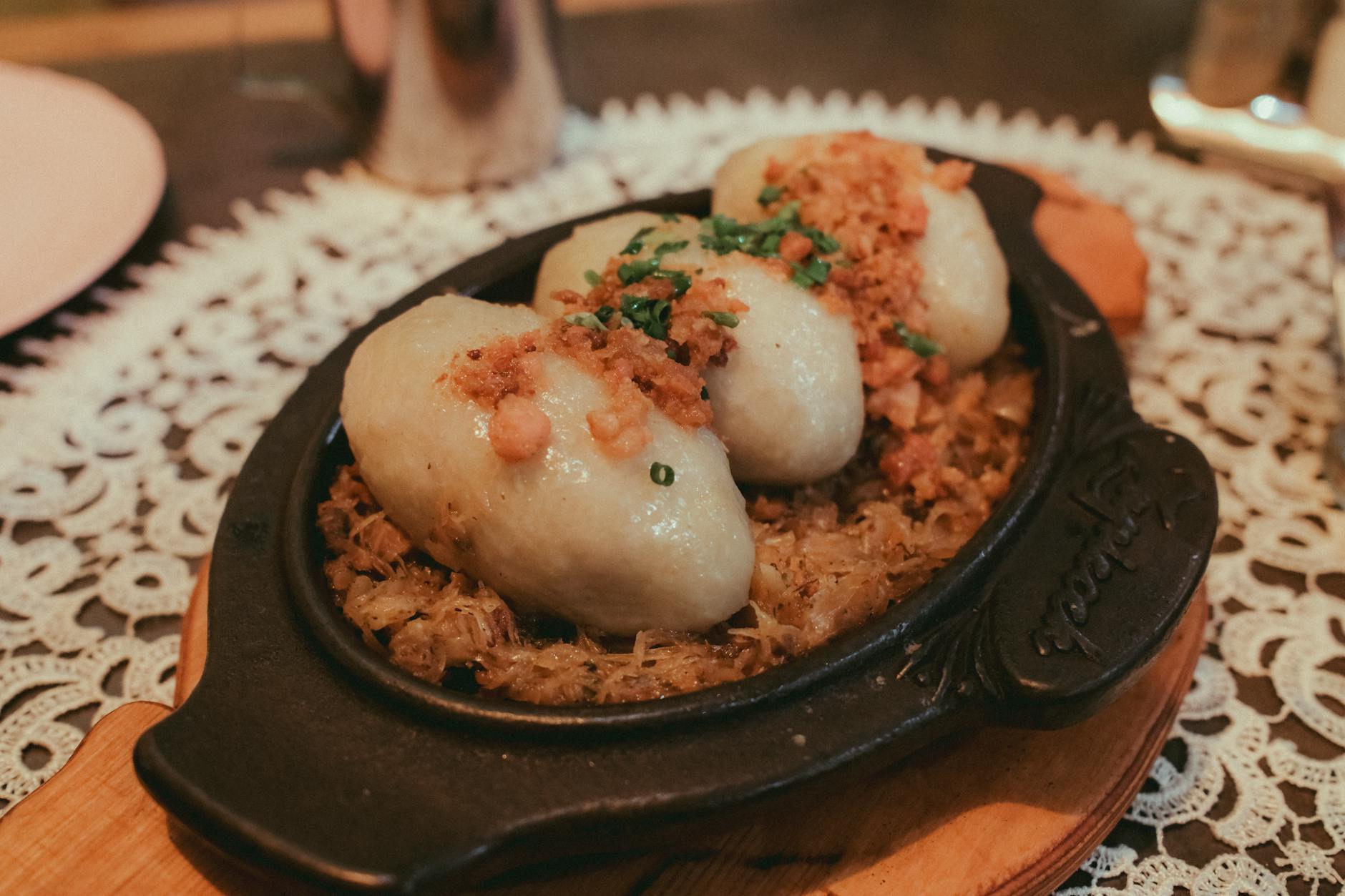
Dumplings with fillings such as potato and cheese, meat, cabbage and mushroom, buckwheat, spinach, fruit, or modern variations.
Try them: at a traditional Polish restaurant, milk bar, or specialist pierogi place.
Local tip: Ruskie pierogi are not “Russian” in the modern political sense; the name is historically connected to Ruthenian/Rus’ regions.
Żurek
Sour rye soup often served with sausage and egg. Excellent in cold weather.
Best for: a hearty lunch or starter.
Barszcz
Beet soup, sometimes clear with small dumplings called uszka, especially associated with Christmas Eve, or served in other forms.
Bigos
Hunter’s stew with sauerkraut, meat, and slow-cooked richness. Better in cool weather than summer heat.
Placki ziemniaczane
Potato pancakes, often served with sour cream, mushroom sauce, goulash, or sugar depending on style.
Gołąbki
Cabbage rolls filled with meat and rice or vegetarian alternatives.
Kotlet schabowy
Breaded pork cutlet, often compared to schnitzel, served with potatoes and salad.
Naleśniki
Polish pancakes/crepes, sweet or savory.
Pączki
Polish doughnuts, often filled with rose jam or other fillings. Great with coffee.
Sernik and szarlotka
Cheesecake and apple cake. Both are common dessert choices.
Vodka, nalewki, and craft beer
Polish vodka culture is real, but it is not the whole drinks scene. Warsaw also has strong cocktail bars, craft beer, wine bars, and nonalcoholic options.
Where to Eat by Situation
| Situation | Best approach |
|---|---|
| First lunch | Milk bar or casual Polish restaurant. Keep it simple and traditional. |
| First dinner | Modern Polish restaurant or lively neighborhood place in Śródmieście/Powiśle. |
| Budget meal | Milk bar, bakery, lunch special, Vietnamese spot, Georgian bakery/restaurant, casual pierogi place. |
| Family meal | Casual Polish, pizza, Georgian, food hall, or restaurant near parks. |
| Solo meal | Milk bars, ramen, bars with counters, cafés, food halls, casual modern Polish. |
| Splurge | Michelin-listed or ambitious contemporary Polish/European restaurant; book ahead. |
| Vegetarian/vegan | Warsaw is unusually strong for plant-based dining, including vegan Polish classics. |
| Late-night food | Central kebab, pizza, casual bars, some food-hall or nightlife-area options. |
| Cold-weather comfort | Soup, pierogi, bigos, żurek, roasted meats, potato pancakes. |
| Summer | Outdoor terraces, Vistula bars, lighter modern Polish, cafés, ice cream. |
Milk Bars: How to Use Them
A milk bar, or bar mleczny, is not a hipster brunch concept, even if some have become stylish. It is a Polish cafeteria tradition offering simple, filling, inexpensive food.
How it works:
- Check the board or menu.
- Order at the counter.
- Pay.
- Take a receipt or number.
- Collect food when called or directed.
- Bus your tray if that is the local flow.
What to expect:
- Basic interiors.
- Fast service.
- Polish menu terms.
- Low prices.
- Busy lunch hours.
- Little ceremony.
The move: Go for lunch, not a romantic dinner. Order soup plus pierogi or pancakes and treat it as a cultural experience, not just cheap food.
Vegetarian and Vegan Warsaw
Warsaw is much better for vegetarians and vegans than many visitors expect. You can find vegan versions of Polish classics, plant-based comfort food, vegan bakeries, ramen, Vietnamese, Middle Eastern, Indian, and modern cafés.
Good areas to look:
- Śródmieście.
- Powiśle.
- Mokotów.
- Saska Kępa.
- Praga/Koneser area.
Coffee, Bakeries, and Sweets
Warsaw has a strong café scene, from elegant old-style rooms to third-wave coffee shops. Bakeries are useful for quick breakfasts. Look for pączki, drożdżówki, sernik, makowiec, szarlotka, and seasonal pastries.
Drinks and Nightlife
Warsaw nightlife is varied rather than concentrated in one simple strip.
Best areas:
- Powiśle and Vistula for summer bars and casual evenings.
- Nowy Świat / Śródmieście for central bars and restaurants.
- Pawilony area for compact student/nightlife energy, though it can be rough-edged and crowded.
- Wola for newer restaurants, bars, and food-hall-style evenings.
- Praga for alternative venues and late-night character.
- Saska Kępa and Mokotów for calmer wine bars and restaurants.
Safety note: Warsaw is generally safe, but use normal city judgment late at night. Watch drinks, use licensed taxis/rideshares, and avoid isolated areas after heavy drinking.
Getting Around
The Short Answer
Use Warsaw’s public transport. It is affordable, broad, and practical. The metro is easy, trams are useful, buses fill gaps, and local trains help with airport and suburban routes. Taxis and rideshares are useful at night, with luggage, or for awkward cross-town routes, but you do not need a car.
Arriving at Warsaw Chopin Airport
Warsaw Chopin Airport is close to the city. Official airport information notes that public transport connects the airport with the center by buses and SKM trains, with travel time to the Centrum stop around 30 minutes.
Best options:
- Train/SKM: useful for Central/Śródmieście-area connections and certain rail stations.
- Bus 175: classic airport-to-center route via major central stops.
- Taxi: convenient with luggage or late arrivals. Use official airport taxi/rideshare pickup rules and avoid touts.
- Rideshare: available, but pickup zones and pricing can change; follow app instructions carefully.
The move: If your hotel is near a train/metro/tram connection and you arrive during normal hours, public transport is easy. If you arrive late with luggage, take an official taxi or rideshare.
Arriving at Warsaw Modlin Airport
Modlin is farther away and less convenient than Chopin. Do not treat it as “just another Warsaw airport.”
Typical options:
- Train plus airport shuttle bus between Modlin railway station and the terminal.
- Direct coach/bus services when operating.
- Taxi or private transfer, usually much more expensive.
The move: Before booking a cheap flight to Modlin, price the transfer time and cost. A cheaper fare can become less attractive if arrival is late or departure is early.
Public Transport Basics
Warsaw Public Transport includes:
- Metro.
- Trams.
- Buses.
- SKM urban rail.
- Some integrated local rail connections.
Most visitors stay within Zone 1. Zone 2 matters for some suburban trips, certain accommodation choices, and extended routes.
Common tickets:
- 20-minute ticket for short hops.
- 75-minute ticket for Zone 1.
- 90-minute ticket for Zones 1+2.
- 24-hour ticket.
- 72-hour ticket.
- Weekend tickets.
- Group tickets in some categories.
Validate paper tickets. Do not assume buying a ticket equals activation if it requires validation.
Metro
Warsaw’s metro has two lines and is the easiest system for visitors to understand.
- M1: north-south line, useful for Centrum, Politechnika, Wilanowska, Młociny, etc.
- M2: east-west line, useful for Wola, Świętokrzyska, Nowy Świat-Uniwersytet, Centrum Nauki Kopernik, Stadion Narodowy, and Praga.
The metro is clean, fast, and useful, but not comprehensive. You will still use trams and buses.
Trams and Buses
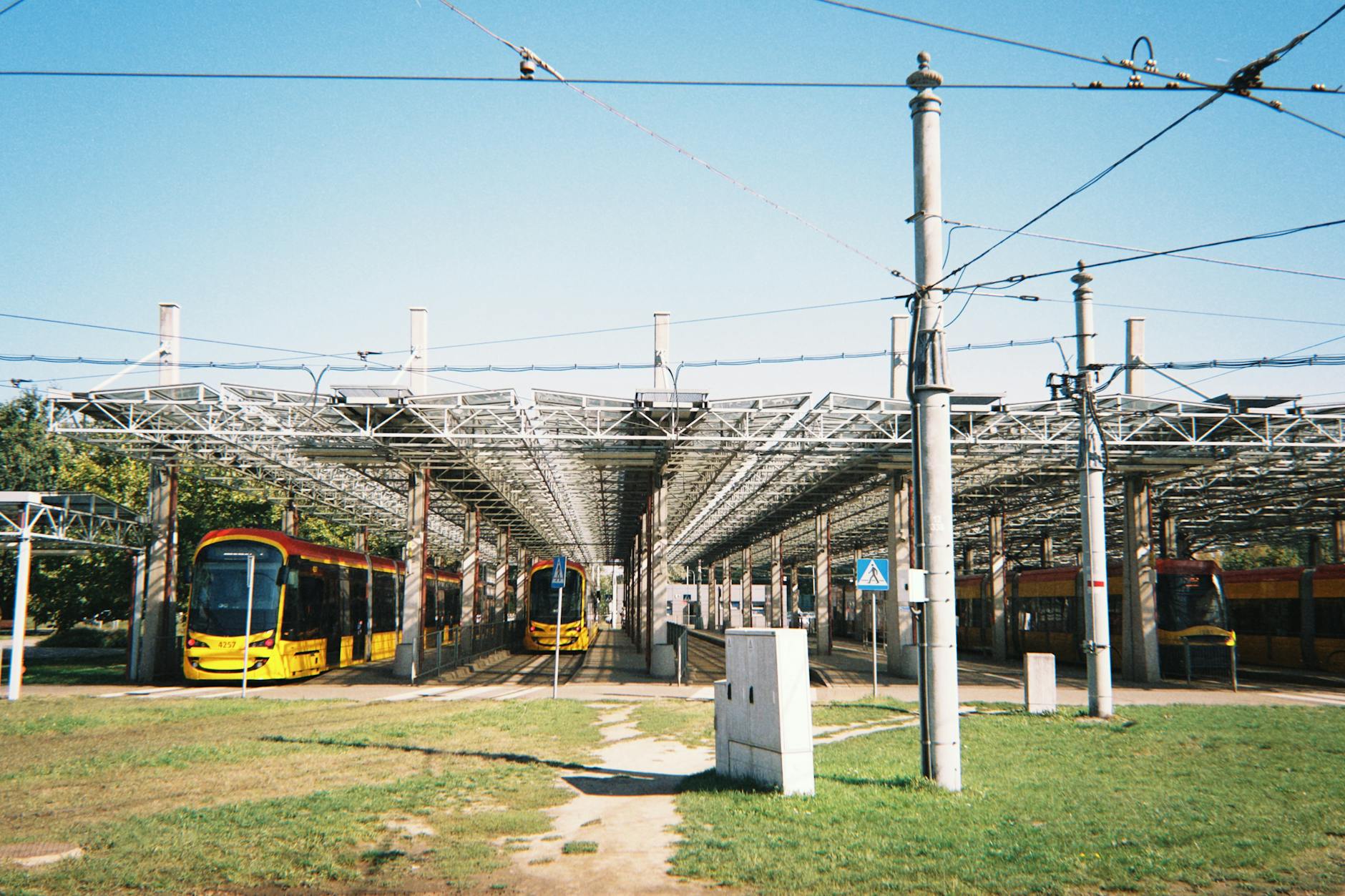
Trams are often the best way to move through central Warsaw while seeing the city. Buses are essential for routes not covered by metro/tram, including some airport and Wilanów connections.
Use Jakdojade or official journey planners. Warsaw’s network is logical once you trust the apps.
Walking
Warsaw is walkable in clusters, not end-to-end.
Good walking areas:
- Old Town/New Town.
- Royal Route.
- Łazienki and Ujazdów.
- Powiśle and Vistula boulevards.
- Saska Kępa.
- Parts of Praga.
- Żoliborz.
Less pleasant walking:
- Large road crossings around Centrum.
- Some Wola office corridors.
- Long exposed routes in summer or winter.
- Distances that look modest on a map but cross multi-lane roads or dead zones.
Taxis and Rideshare
Taxis and app-based rides are useful, especially at night, in bad weather, with luggage, or for late returns from Praga or Saska Kępa.
Tips:
- Use official taxi ranks or reputable apps.
- Avoid unsolicited drivers at airports and stations.
- Confirm destination and estimated fare if not using an app.
- At night, apps are often easier than hailing.
Bikes and Scooters
Warsaw has bike infrastructure and seasonal public-bike options, but first-timers should use bikes selectively. The Vistula, parks, and some river routes are good. Big roads and tram tracks require attention.
Driving and Rental Cars
Do not rent a car for Warsaw itself. Parking, traffic, one-way streets, and urban driving make it unnecessary. Rent only if leaving the city for rural or regional destinations not well served by train or organized tours.
Budget and Costs
The Short Answer
Warsaw is good value by major European-capital standards, but it is no longer “cheap” in every category. Hotels, popular restaurants, specialty coffee, cocktails, and central apartments can cost more than first-timers expect. Public transport, milk bars, museums compared with Western Europe, bakeries, casual food, and many parks remain strong value.
Typical Daily Budgets
| Traveler type | Daily estimate excluding flights |
|---|---|
| Shoestring | 180–300 zł if staying in hostel/dorm or very cheap room, eating simply, using public transport, and prioritizing free sights. |
| Budget | 300–500 zł with budget hotel/private room, milk bars/casual meals, a museum or two, and transit. |
| Mid-range | 500–850 zł with a comfortable hotel, casual-to-good restaurants, museums, cafés, and occasional taxi. |
| Comfortable | 850–1,400 zł with a strong hotel, good dinners, paid attractions, taxis, and cocktails. |
| Luxury | 1,400 zł+ with high-end hotels, fine dining, private guides, transfers, and premium experiences. |
These are rough editorial planning ranges, not quotes. Warsaw pricing changes quickly by season, conference demand, and exchange rates.
Where Warsaw Is Good Value
- Public transport.
- Milk bars and lunch specials.
- Many museums compared with Western Europe.
- Parks and river walks.
- Mid-range hotels outside peak business/event dates.
- Local bakeries and casual cafés.
- Many cultural events.
Where Costs Surprise Visitors
- High-end restaurants.
- Central hotels in busy periods.
- Cocktails and wine bars.
- Modern apartment rentals with fees.
- Private guided tours.
- Taxis to/from Modlin.
- Multiple paid museums in one day.
Best Value Moves
- Stay near good transit rather than directly in Old Town.
- Use 24-hour or 72-hour transit tickets if moving around a lot.
- Eat the main meal at lunch.
- Use milk bars for one traditional meal.
- Use museum free-entry days carefully.
- Buy coffee/bakery breakfast instead of hotel breakfast if overpriced.
- Choose one or two major paid museums instead of rushing through five.
- Walk the Royal Route, Łazienki gardens, and Vistula for free.
Splurge-Worthy
- A genuinely good guide for Jewish Warsaw, Praga, or the Warsaw Uprising.
- One strong modern Polish dinner.
- A central hotel if you only have two days.
- A Chopin concert in a good venue.
- A private transfer for awkward late Modlin arrivals.
Usually Not Worth It
- Hop-on hop-off buses unless mobility or time constraints make them useful.
- Tourist-trap restaurants on the most obvious Old Town squares.
- A Warsaw Pass bought without a realistic museum schedule.
- Renting a car for city sightseeing.
- Cramming museums to “maximize value.”
Safety, Health, and Scams
General Safety
Warsaw is generally a safe city for visitors using normal urban awareness. The U.S. State Department rates Poland at its lowest advisory level, “Exercise normal precautions,” and major government travel advisories focus more on ordinary precautions, petty theft, border/regional considerations, and situational awareness than on high-risk tourist crime.
That said, Warsaw is still a large city. Petty theft can happen in stations, crowded transit, nightlife areas, busy tourist spots, and around major events. Alcohol-related problems are more likely late at night than during normal sightseeing.
Areas and Situations to Watch
- Crowded trams, buses, metro platforms, and stations.
- Warszawa Centralna and nearby busy commercial zones, especially at night.
- Nightlife strips after midnight.
- Isolated riverbank areas late at night.
- Unlicensed taxis or drivers soliciting at airports/stations.
- Very quiet side streets in unfamiliar districts after heavy drinking.
Common Scams and Annoyances
Taxi overcharging
Avoid unsolicited drivers. Use official taxi ranks, reputable apps, or hotel-called taxis.
Pickpocketing
Most likely in crowds, transit, stations, tourist spots, and events. Keep phones and wallets secure.
Bad currency exchange
Avoid airport or tourist-zone exchange desks with poor rates. Use bank ATMs or reputable kantor exchange offices, and check rates before committing.
Restaurant tourist traps
Watch menus in the most obvious Old Town locations. Check prices before ordering, especially for drinks.
Nightlife issues
As in many cities, be cautious with aggressive promoters, unclear drink prices, and any venue that feels designed to trap drunk tourists.
Health Practicalities
- Tap water is generally safe.
- Pharmacies are common; look for “apteka.”
- Emergency number: 112.
- Travel insurance is wise, especially for non-EU travelers.
- Winter requires good shoes for ice and slush.
- Summer heat can be real; carry water and take transit between exposed areas.
- Air quality can be worse in colder months, especially during stagnant weather.
Solo Travelers
Warsaw is a good solo city: affordable, easy transit, strong cafés, museums, and safe daytime walking. Solo diners will be fine in casual restaurants, bars, food halls, and milk bars. At night, use the same caution you would in Berlin, Prague, or Budapest.
Solo Women Travelers
Most solo women travelers will find Warsaw manageable and relatively comfortable. Stick to central, well-connected areas for accommodation, use apps or official taxis late at night, and avoid isolated river stretches or empty streets after drinking.
LGBTQ+ Travelers
Warsaw has LGBTQ+ venues, events, and communities, and central areas can feel broadly urban and tolerant. Poland’s politics and social attitudes are more complicated than the most liberal Western European capitals, so LGBTQ+ travelers should use normal situational awareness, especially outside nightlife/community spaces or in more conservative contexts.
Accessibility and Mobility
The Short Answer
Warsaw is more accessible than many older European capitals in transit infrastructure, especially with metro stations and modern buses/trams, but it still has obstacles: cobblestones in Old Town, older buildings, winter ice, construction, uneven sidewalks, underpasses, and some museum or restaurant limitations.
Public Transport Accessibility
Official Warsaw tourism information notes that every metro station can be reached by elevator between street level and platform, and the vast majority of stops are accessible. Warsaw Public Transport also publishes accessibility information and works to support passengers with reduced mobility.
Practical advice:
- Use metro where possible for predictable step-free access.
- Check elevator status before relying on a specific station.
- Modern trams and buses are generally easier than older rolling stock.
- Allow extra transfer time.
- Use taxis/rideshare when snow, ice, construction, or fatigue make transit harder.
Airport Accessibility
Warsaw Chopin Airport provides free PRM assistance for passengers with reduced mobility, but assistance should be arranged through the airline/airport process in advance when possible.
Neighborhood Accessibility
| Area | Accessibility notes |
|---|---|
| Centrum/Śródmieście | Generally practical, but large roads, underpasses, and construction can be annoying. Good transit. |
| Old Town | Atmospheric but cobblestone-heavy; some slopes, steps, and older buildings. Difficult for some wheelchairs and strollers. |
| Royal Route | Better than Old Town in many stretches, but still watch surfaces and crowds. |
| Łazienki | Paths are generally pleasant, but distances are large and surfaces vary. |
| Powiśle/Vistula | Boulevards can be accessible in parts; escarpment routes can involve slopes or stairs. |
| Praga | Uneven sidewalks and older buildings in some areas; choose routes carefully. |
| Wilanów | Palace/garden accessibility should be checked before visiting; grounds are large. |
Best Accessible Strategy
Stay near a metro station in Śródmieście, Powiśle, Wola, or Centrum. Use metro and short taxi rides. Build each day around one major attraction and one nearby walk rather than long cross-town routes.
Strollers
Families with strollers should be fine in most modern areas and parks, but Old Town cobblestones, stairs, underpasses, and winter conditions can be frustrating. Bring a sturdy stroller rather than a tiny-wheeled travel model if you plan lots of walking.
Families, Solo Travelers, LGBTQ+ Travelers, and Special Considerations
Warsaw with Kids
Warsaw is better for families than its reputation suggests. It has big parks, interactive museums, river walks, simple food, good transit, and enough variety to keep children from being dragged through only history sites.
Best family activities:
- Copernicus Science Centre.
- Łazienki Park.
- Wilanów gardens.
- Old Town walk with snacks.
- Palace of Culture viewing terrace.
- Vistula boulevards.
- Railway/technology/military museums depending on age and interests.
- Saska Kępa cafés and parks.
What to avoid with younger kids:
- Too many heavy war/history museums.
- Long exposed walks in summer heat or winter cold.
- Late-night Praga wandering.
- Overambitious day trips.
Family pacing tip: Start with an outdoor walk, do one museum, take a proper lunch break, then end in a park or river area.
Teen Travelers
Teens may like:
- Warsaw Rising Museum if they are history-minded.
- POLIN with enough context.
- Praga street art and Koneser.
- Vistula summer scene.
- Palace of Culture view.
- Food halls.
- Shopping around Centrum.
- Copernicus Science Centre.
- Contemporary art and design.
Older Travelers
Warsaw can work well for older travelers because transit is good and taxis are not as expensive as in many Western capitals. Choose a central hotel with elevator, avoid cobblestone-heavy lodging in Old Town if mobility is limited, and plan museum-heavy days with rest breaks.
Remote Workers and Longer Stays
Warsaw is a strong remote-work city: good internet, cafés, coworking spaces, apartment stock, transport, food variety, and lower costs than many Western European capitals. Best longer-stay districts include Powiśle, Mokotów, Żoliborz, Wola near transit, Saska Kępa, and parts of Śródmieście.
Jewish Heritage Travelers
Plan carefully and respectfully. Warsaw’s Jewish history is vast, and much of what matters is not visually obvious. Consider a specialist guide for the former ghetto, Muranów, Jewish cemetery, Praga Jewish sites, and memorial landscapes. POLIN is essential, but it is only the beginning.
World War II History Travelers
Key places include:
- Warsaw Rising Museum.
- POLIN and ghetto memorials.
- Old Town reconstruction sites.
- Pawiak Prison Museum.
- Palmiry memorial/cemetery outside the city.
- Treblinka as a day trip with proper context.
Do not reduce Warsaw to wartime trauma. Balance history with parks, food, contemporary neighborhoods, and daily life.
Shopping and Souvenirs
What Warsaw Is Good For
- Polish design.
- Posters and graphic art.
- Books and maps.
- Amber jewelry, with caution and reputable shops.
- Ceramics and folk-inspired crafts.
- Vodka and nalewki, subject to customs rules.
- Polish sweets and chocolate.
- Linen, home goods, and design-store objects.
- Contemporary fashion from local designers.
Best Shopping Areas
Nowy Świat and Royal Route
Good for central browsing, gifts, bookstores, cafés, and souvenir shops. Choose carefully to avoid generic mass-produced souvenirs.
Mysia / Śródmieście design pockets
Look for local fashion, design, books, and concept stores in central side streets.
Hala Koszyki and similar food/design spaces
Good for food gifts, casual browsing, and group-friendly meals.
Praga and Koneser
Good for more alternative gifts, vodka-related experiences, design, and street-art-adjacent wandering.
Shopping centers
Złote Tarasy, Westfield Arkadia, and others are practical for mainstream shopping, weather escapes, SIM cards, electronics, and last-minute needs.
What Not to Buy
- Fake “folk” souvenirs with no connection to Polish makers.
- Cheap amber from dubious sellers.
- Soviet memorabilia that may be exploitative, fake, or legally complicated depending on item.
- Food or alcohol you cannot legally bring home.
The Move
Buy one serious Polish design/poster/book item instead of a bag of generic souvenirs. Warsaw’s visual culture is strong; do not waste the opportunity on airport trinkets.
Arts, Culture, History, and Context
A Traveler’s Short History of Warsaw
Warsaw began as a Mazovian settlement and grew into a political center. Its rise accelerated when Poland’s royal and political gravity shifted from Kraków toward Warsaw in the late sixteenth and early seventeenth centuries. Over time, the city became associated with the Polish-Lithuanian Commonwealth, royal power, parliament, Enlightenment culture, and national life.
The partitions of Poland placed Warsaw under foreign rule, and the nineteenth century layered imperial Russian influence, uprisings, repression, industrial growth, and cultural resistance onto the city. Warsaw’s identity as a capital of a nation without sovereignty was crucial: culture, language, religion, education, music, and memory carried political weight.
Before World War II, Warsaw was a major Jewish city and a diverse urban center. The German occupation devastated that world. The Warsaw Ghetto, deportations, resistance, the Ghetto Uprising of 1943, and the Warsaw Uprising of 1944 are central to the city’s twentieth-century story. After the 1944 uprising, the Germans systematically destroyed much of the city. Postwar Warsaw had to be rebuilt under communist rule, which shaped its architecture, planning, housing, monuments, and public life.
After 1989, Warsaw transformed rapidly into a capitalist, European, globalizing capital. The skyline changed, businesses arrived, neighborhoods redeveloped, and the city became both richer and more unequal. Today’s Warsaw is still debating memory, identity, public space, transport, housing, heritage, and development. That is why it feels alive.
Museums Worth Prioritizing
| Museum | Best for | Time needed | Notes |
|---|---|---|---|
| POLIN Museum | Jewish history, Polish history, deep context | 3–5 hrs | Essential, but do not rush. Closed Tuesdays. |
| Warsaw Rising Museum | 1944 Uprising, WWII, city identity | 2–3 hrs | Powerful and immersive. Closed Tuesdays. |
| Royal Castle | Royal history, reconstruction, art | 1.5–2.5 hrs | Strong first-visit choice. |
| National Museum | Polish and European art | 1.5–3 hrs | Good for art lovers and rainy days. |
| Museum of Modern Art | Contemporary Warsaw and art | 1–2.5 hrs | Important for the new city center story. |
| Copernicus Science Centre | Families, interactive science | 3–4 hrs | Book ahead. |
| Museum of Warsaw | City history and objects | 1.5–3 hrs | Best paired with Old Town. |
| Praga Museum | Right-bank local context | 1–1.5 hrs | Good before/after a Praga walk. |
| Polish Vodka Museum | Food/drink culture, Praga/Koneser | 1–1.5 hrs | Better with a guided visit/tasting if interested. |
| Chopin Museum | Music lovers | 1–2 hrs | Best for travelers with real Chopin interest. |
Books, Films, and Music to Prepare
Consider reading or watching around these themes:
- Warsaw before World War II.
- Polish Jewish history.
- The Warsaw Ghetto.
- The Warsaw Uprising.
- Postwar reconstruction.
- Communist-era Poland.
- Solidarity and 1989.
- Contemporary Polish literature and cinema.
- Chopin’s life and music.
You do not need to become an expert before visiting. But Warsaw rewards even a little preparation.
Etiquette and Cultural Norms
- Say dzień dobry for hello/good day and dziękuję for thank you.
- In churches, be respectful: quiet voices, modest behavior, no intrusive photography during services.
- At memorials, behave as you would in a cemetery: no silly posing, loud calls, or casual climbing.
- Queueing is normal; do not push.
- Tipping around 10% is common in restaurants when service is good, but check whether service is already included.
- Polish service can be direct rather than effusive. Do not mistake efficiency for rudeness.
- If discussing politics, war, Russia, Ukraine, communism, religion, or Polish-Jewish history, listen more than you speak unless you know the context well.
Seasonal and Month-by-Month Guide
Spring
Spring is when Warsaw becomes easy to like. Parks matter here, and when the trees turn green, the city softens dramatically.
Best spring experiences:
- Łazienki gardens.
- Royal Route walks.
- Vistula boulevards.
- Old Town without summer peak crowds.
- Museum days mixed with outdoor cafés.
- Early seasonal markets.
Packing: layers, umbrella, light jacket, comfortable shoes.
Summer
Summer unlocks Warsaw’s outdoor personality.
Best summer experiences:
- Vistula riverbanks and beaches.
- Outdoor bars and events.
- Long evenings in Powiśle.
- Łazienki and Chopin season.
- Saska Kępa and Mokotów terraces.
- Bike rides and parks.
Packing: light clothes, sunscreen, water bottle, rain layer, comfortable sandals/shoes, and a nicer outfit for restaurants.
Autumn
Autumn is excellent for museums and walking. September is especially strong.
Best autumn experiences:
- POLIN and Warsaw Rising Museum.
- Łazienki in changing leaves.
- Royal Route without summer heat.
- Polish comfort food.
- Concerts and cultural programming.
Packing: layers, jacket, scarf by late autumn, rain gear.
Winter
Winter Warsaw is serious, gray, and sometimes beautiful. It is best for travelers who enjoy museums, music, food, and lower prices.
Best winter experiences:
- Royal Castle and museums.
- Christmas lights and markets.
- Warm Polish soups and dumplings.
- Concerts.
- Palace of Culture view on a clear day.
- Cafés and bookstores.
Packing: warm coat, hat, gloves, scarf, waterproof shoes with traction.
Day Trips and Side Trips from Warsaw
Żelazowa Wola
Best for: Chopin fans, music travelers, garden lovers.
Żelazowa Wola is associated with Fryderyk Chopin’s birthplace. It is a gentle, meaningful excursion if Chopin is central to your Warsaw visit.
Time needed: half-day to full day depending on transport.
Worth it? Yes for Chopin lovers; less essential for general first-timers.
Łódź
Best for: industrial heritage, street art, film history, alternative city energy, architecture.
Łódź is one of Poland’s most interesting urban side trips: textile factories, brick industrial complexes, Piotrkowska Street, film culture, Jewish and multicultural history, and major redevelopment.
Time needed: full day.
Worth it? Strong choice for urbanists and repeat visitors.
Treblinka
Best for: serious Holocaust history travelers.
Treblinka requires respectful planning. It is not a casual add-on. Go with a good guide or do serious reading in advance.
Time needed: full day.
Worth it? Important, but emotionally heavy.
Nieborów and Arkadia
Best for: palaces, gardens, countryside, art/history travelers.
A quieter aristocratic side trip with palace and romantic garden landscapes.
Time needed: half to full day.
Kampinos National Park
Best for: nature, walking, forests, fresh air.
Kampinos offers a nature escape from the city, with forest trails and wartime memorial context in parts.
Time needed: half to full day.
Kraków as a Day Trip?
Possible by fast train, but not ideal. Kraków deserves at least one or two nights. A Warsaw-to-Kraków day trip is exhausting and reduces both cities. If you have only one extra day, choose a closer trip unless Kraków is your only chance.
Gdańsk as a Day Trip?
Technically possible with fast trains, but better as an overnight or separate stop. Gdańsk is too rich to treat as a quick checkmark.
What to Skip
Skip: Trying to “do Warsaw” in one rushed museum day
Better: choose one major museum and one neighborhood walk. Warsaw is heavy if you stack too much history without air.
Skip: Eating every meal in Old Town
Better: use Old Town for atmosphere, then eat in Śródmieście, Powiśle, Wola, Praga, Mokotów, or Saska Kępa.
Skip: Treating the Palace of Culture as only ugly or only beautiful
Better: see it as an object of politics, memory, skyline, utility, resentment, affection, and daily navigation.
Skip: Random Praga wandering with no context
Better: focus on a route, join a guided walk, or combine Koneser, Ząbkowska, churches, and a specific restaurant/bar.
Skip: Buying Warsaw Pass automatically
Better: calculate based on your actual plan. It can save money for museum-heavy visitors, but Warsaw’s best museums deserve time.
Skip: Renting a car
Better: use public transport and taxis. Rent only for regional destinations where it truly helps.
Skip: Assuming Modlin is convenient
Better: factor transfer time and late-night logistics before booking the flight.
Skip: Only visiting Old Town
Better: Old Town plus Royal Route plus Łazienki plus one major museum plus one contemporary district.
Common Mistakes
- Comparing Warsaw to Kraków too quickly. They are different trips. Warsaw is a capital, not a preserved medieval showpiece.
- Booking the wrong area. Transit access matters more than a vague “central” label.
- Overloading on heavy museums. POLIN and Warsaw Rising Museum both deserve space.
- Underestimating distances. Warsaw is broad. Use transit.
- Eating on autopilot in tourist zones. Better food is usually a short walk away.
- Skipping parks. Łazienki is not optional on a first good-weather trip.
- Ignoring Praga entirely. You miss a different Warsaw.
- Wandering Praga carelessly at night. Texture is not the same as theme-park safety.
- Not checking museum closure days. Tuesday closures can wreck lazy planning.
- Treating the Vistula as scenery only. In summer, the river is part of the city’s social life.
- Forgetting cash completely. Cards are common, but a little cash helps.
- Booking Modlin flights without transfer planning. Early and late flights can be annoying.
- Trying to day-trip to Kraków and back as if Poland were tiny. Possible is not the same as wise.
- Missing free museum days but also overusing them. Free days save money but can cost time.
- Not learning three Polish words. Dzień dobry, proszę, and dziękuję go a long way.
Responsible Travel
Warsaw’s history is not content. Treat memorials, cemeteries, former ghetto sites, uprising sites, and Jewish heritage locations with seriousness.
Practical responsible travel moves:
- Use local guides for complex history.
- Support museums and cultural institutions with tickets or donations.
- Do not pose performatively at memorials.
- Avoid treating Praga poverty or decay as a photo safari.
- Eat beyond tourist zones.
- Use public transport.
- Respect residential courtyards.
- Be quiet in churches.
- Learn basic Polish greetings.
- Read before visiting Holocaust and wartime sites.
- Do not reduce Poland or Warsaw to one era of suffering.
Warsaw is a living city, not a backdrop for tragedy tourism. Let the city be modern, funny, stylish, ordinary, and alive too.
Packing List
Year-Round
- Comfortable walking shoes.
- Compact umbrella or rain jacket.
- Day bag with secure pockets.
- Reusable water bottle.
- EU plug adapter, Type C/E compatible.
- Portable charger.
- Museum-friendly layers.
- Small amount of cash in złoty.
- Any prescription medicine in original packaging.
Spring
- Light jacket.
- Sweater or fleece.
- Rain layer.
- Shoes that handle wet pavement.
Summer
- Breathable clothing.
- Sunglasses.
- Sunscreen.
- Water bottle.
- Light rain layer.
- Air-conditioned hotel or apartment if heat-sensitive.
- Picnic blanket if planning parks/river.
Autumn
- Jacket.
- Layers.
- Scarf by late October/November.
- Waterproof shoes.
Winter
- Warm coat.
- Hat, gloves, scarf.
- Thermal layers if sensitive to cold.
- Waterproof shoes with traction.
- Lip balm and moisturizer.
What Not to Pack
- A rental car mindset.
- Too many dressy clothes unless you have upscale dining or business plans.
- Only tiny dress shoes; Warsaw requires walking.
- Euros as your main cash.
- An itinerary with no slack.
FAQ
Is Warsaw worth visiting?
Yes. Warsaw is one of Europe’s most underrated capitals, especially for travelers who like history, museums, food, architecture, parks, and cities with real contemporary life. It is less conventionally pretty than Kraków or Prague, but deeper and more surprising than many visitors expect.
How many days do you need in Warsaw?
Three full days is the best first visit. Two days is workable but compressed. Four or five days lets you add Praga, Wilanów, more museums, and a day trip.
What is the best area to stay in Warsaw?
For most first-timers, Śródmieście, Royal Route/Nowy Świat, Centrum, or Powiśle. Old Town is atmospheric but less practical. Wola is good for modern hotels and value if near transit.
Is Warsaw safe?
Yes, generally. Use normal precautions for pickpockets, nightlife, taxis, and late-night isolated areas. Poland is rated at a low travel-advisory level by major government sources, but ordinary city awareness still matters.
Is Warsaw expensive?
It is good value compared with many Western European capitals but not dirt cheap. Hotels, cocktails, high-end dining, and central apartments can add up. Public transport, milk bars, parks, and many museums remain good value.
Do I need a car in Warsaw?
No. Public transport is good, taxis are available, and driving/parking is unnecessary for city sightseeing.
Is the Old Town original?
Much of Warsaw’s Old Town was reconstructed after World War II. That does not make it fake. The reconstruction is one of the most important parts of Warsaw’s story.
Which is better, POLIN or Warsaw Rising Museum?
Both are important. POLIN is broader and essential for understanding Polish Jewish history. Warsaw Rising Museum is central to understanding the 1944 Uprising and the city’s destruction. If you can only do one, choose based on your interests. Do not rush either.
Can I visit Auschwitz from Warsaw?
It is possible but not recommended as a simple day trip. Auschwitz is much closer to Kraków and deserves careful, respectful planning. From Warsaw, consider Treblinka for a closer Holocaust-history site, ideally with a guide.
Is Warsaw good for families?
Yes, especially with Copernicus Science Centre, Łazienki, Wilanów, parks, river walks, and simple food. Be selective with heavy history museums depending on children’s ages.
What should I book ahead?
Copernicus Science Centre, popular restaurants, guided history tours, Chopin concerts, and sometimes major museums or special exhibitions. Also book good central hotels early during events.
What should I skip with only two days?
Skip Wilanów unless palaces are a priority. Skip far-flung day trips. Skip multiple heavy museums. Focus on Old Town, Royal Route, Łazienki, one major museum, and one contemporary neighborhood.
Final Planning Shortcuts
Best First-Timer Plan
Stay in Śródmieście, Nowy Świat, Powiśle, or Centrum. Spend Day 1 on Old Town, Royal Route, and Łazienki. Spend Day 2 on POLIN or Warsaw Rising Museum plus Palace of Culture or Powiśle. Spend Day 3 on the other major museum, Praga, and the Vistula.
Best Food Plan
Eat one milk-bar lunch, one modern Polish dinner, one international neighborhood meal, one bakery breakfast, one café afternoon, and one summer river or food-hall evening.
Best History Plan
Do Royal Castle/Old Town reconstruction, POLIN, Warsaw Rising Museum, and a guided Jewish Warsaw or Praga walk. Leave time afterward for parks and food.
Best Romantic Plan
Stay near Royal Route, Old Town, or Powiśle. Walk Old Town at night, have dinner off Nowy Świat, spend a slow afternoon in Łazienki, book a Chopin concert, and end one evening by the Vistula.
Best Family Plan
Stay near Powiśle, Centrum, or a good metro/tram line. Do Copernicus, Łazienki, Old Town, Palace of Culture view, Wilanów gardens, and only one serious history museum if children are old enough.
Best Budget Plan
Stay near metro/tram outside the most expensive tourist pockets. Use 24- or 72-hour public transport tickets. Eat at milk bars, bakeries, lunch specials, and casual international spots. Use free walks, parks, Vistula, and museum free-entry days.
Source Notes
This guide was drafted with current logistics checked against official or primary sources where possible, including:
- Warsaw Official Tourist Portal / Go2Warsaw: visitor orientation, public transport overview, accessible Warsaw, Warsaw Pass, suggested itineraries, Chopin in Warsaw, family travel, free museums, and city attractions.
- Warsaw Public Transport / WTP: current ticket tariff and public transport rules.
- Warsaw Chopin Airport: official airport access, public transport, and passenger assistance information.
- Warsaw Modlin Airport: official train/shuttle and bus access information.
- European Union travel sources: Schengen visa policy, Entry/Exit System, and ETIAS timing.
- Polish Ministry of Foreign Affairs / gov.pl: visa and entry-rule context.
- U.S. State Department, UK FCDO, Canadian travel advice, and Polish Police: safety, emergency, and travel-advisory framing.
- POLIN Museum, Warsaw Rising Museum, Royal Castle, Royal Łazienki Museum, Wilanów Palace, Copernicus Science Centre, Palace of Culture and Science, National Museum, and Museum of Modern Art: ticketing, opening-hour, and visitor-planning context.
- MICHELIN Guide and Go2Warsaw food pages: restaurant and food-scene context, including modern dining and vegetarian/vegan coverage.
For publication, each price, opening hour, closure day, event date, attraction rule, accessibility feature, and transport fare should be rechecked close to the live publish date.