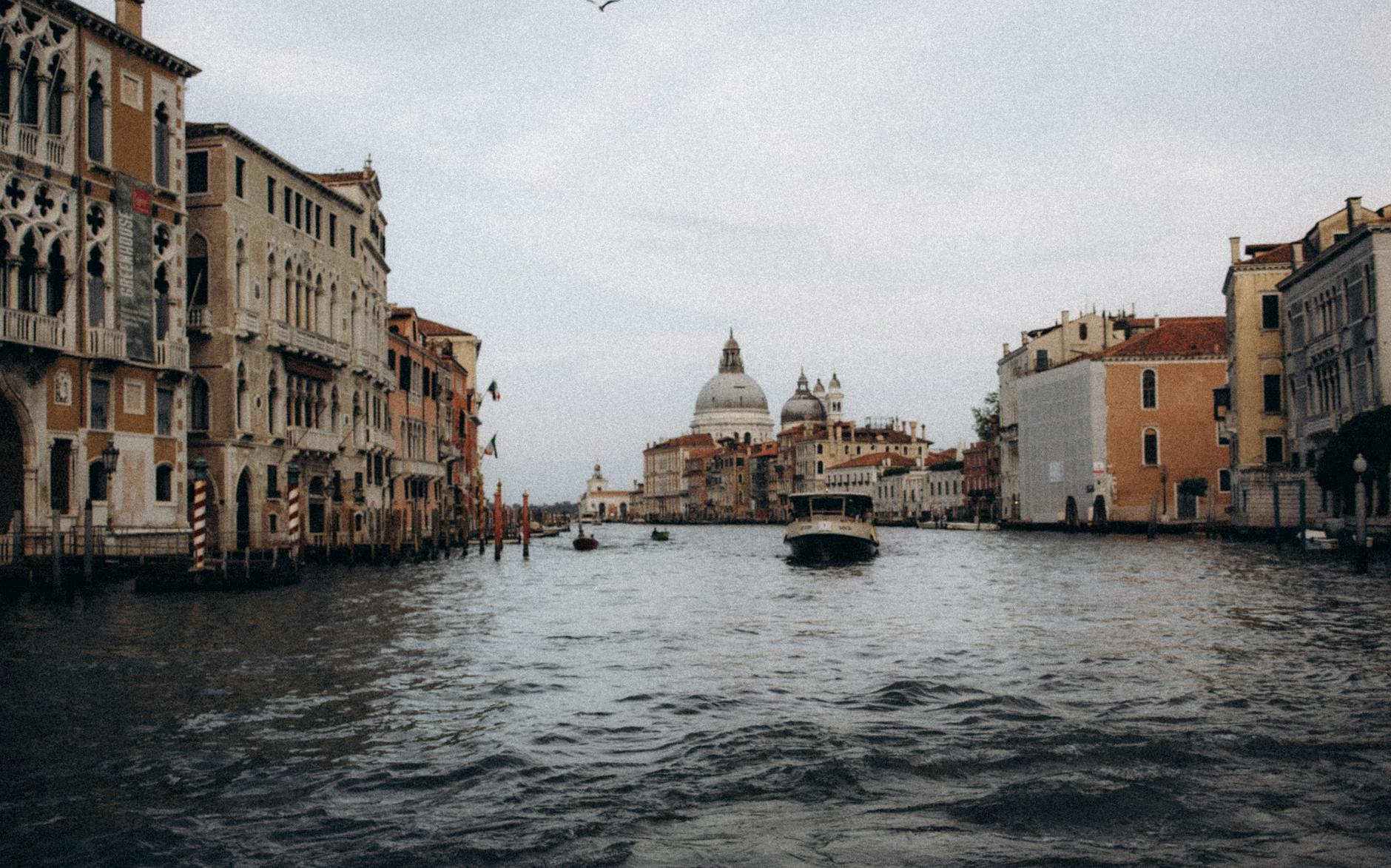
Venice is one of the few cities in the world where beauty can actually make people stupid. They arrive already convinced the place will be magical, and because the visual case is so overwhelming, they stop thinking operationally. They assume any route will be charming, any district will be atmospheric, any hotel inside the lagoon will count as "central," and any hour will be good enough for San Marco. Then they spend half the trip trapped in crowds, hauling luggage over bridges, or walking an hour for no real reason except that the map looked small.
Start Here
This is not because Venice is disappointing. It is because Venice is specific. It is not a generic historic center with canals added for drama. It is a city of sestieri, thresholds, and timing. The route from Santa Lucia or Piazzale Roma to the hotel matters. Whether you stay in Cannaregio, Dorsoduro, San Polo, San Marco, or Giudecca matters. The difference between 8:00 a.m. Venice and 1:00 p.m. Venice matters. The difference between one beautifully chosen vaporetto ride and six lazy ones matters. Venice does not forgive vague planning simply because it is beautiful. If anything, beauty makes the penalties more irritating.
That is what weak Venice trips get wrong. They build the whole stay around the city's most overused image: San Marco, Rialto, gondolas, and the idea that losing yourself is automatically the best way to use the place. Sometimes getting a little lost is wonderful. But a stay built entirely on drift usually becomes expensive in time, energy, and mood. The stronger Venice trip understands sequence. It protects the arrival. It picks one neighborhood that still feels inhabited. It uses the major monuments early or late. It lets the city empty a little before asking the visitor to fall in love with it.
Venice is also a city of subtraction. You do not need to see every church, every museum, every island, every bridge. You need to feel the city changing through the day. Morning delivery Venice, midday bottleneck Venice, washed-light afternoon Venice, and evening Venice, when the city exhales and the tourist theater briefly loses its dominance. That is when the place becomes miraculous again. Not because the monuments changed, but because the city reappeared around them.
The best Venice trip is not huge. It is exact. One good base. One smart arrival. One San Marco chapter handled without self-sabotage. One real neighborhood day. One meal that belongs to Venice rather than to the tourist current. One or two vaporetto rides used as punctuation, not as proof of participation. Once you do that, Venice stops being a famous background and becomes a living urban experience with its own real tempo.
The city in one sentence: Venice is a visually overwhelming but highly specific city where the best first trip comes from choosing the right sestiere, respecting crowd timing, and using boats and walking strategically instead of treating the whole lagoon as one giant postcard.
Quick Verdict
Best for: couples, solo travelers, first-time Italy trips, art and architecture travelers, short high-impact city breaks, photographers, and anyone who likes cities with overwhelming physical identity.
Not ideal for: travelers with major mobility limitations who want a bridge-heavy stay, people who hate crowds but insist on midday San Marco, or anyone who believes drifting without structure is always the smartest Venice plan.
Ideal first visit: 2 to 3 full days.
Minimum worthwhile stay: 2 full days, if at least one is protected from pure landmark churn.
Best overall months: April, May, late September, October, and selected winter periods for mood-led travelers.
Best winter case: late autumn through winter for atmosphere, quieter passages, and hotel-heavy city use, assuming you actually like colder moodier cities.
Biggest planning mistake: choosing the wrong district or arrival strategy and then spending the whole trip paying for it in small ways.
One thing to prioritize: the base. In Venice, district choice can change the entire emotional quality of the trip.
One thing to leave flexible: how much of the lagoon you want to include beyond the core city. Venice is usually stronger when it stays tighter than first-time visitors expect.
The blunt version: Venice is still one of the world's great urban experiences if you use it carefully, and one of the easiest cities to reduce to crowds and inconvenience if you let famous images do all the planning.
Who Will Love Venice?
Venice suits travelers who respond to cities with total physical identity. There is nothing neutral about this place. The absence of cars, the compression of stone and water, the maze of calle and campi, the sound of boats replacing street noise, the sense that the city is both fragile and theatrically self-possessed at once: all of this hits immediately and very hard.
It works especially well for couples because few cities are better at rewarding a short, exact trip. A strong Venice day can include one important monument or museum, one neighborhood walk with no hurry, one long lunch or cicchetti stop, one purposeful vaporetto ride, and an evening when the streets calm down enough for the city to become emotionally legible again. That is a very high return on two or three days.
Solo travelers also do extremely well here. Venice is safe-feeling in the practical urban sense most travelers mean, visually rich enough that solo wandering never feels thin, and compact enough that you can steadily build confidence in how the city works. It is also one of those places where solitude does not feel like absence. Being alone in Venice often feels like being allowed to hear the city better.
The city is especially rewarding for travelers interested in the relationship between maritime power and urban form. Venice is not just beautiful. It is a former republic built through trade, wealth, ceremony, and engineered spectacle. Doge's Palace, San Marco, the Grand Canal, the Arsenal memory, and even the minor campi all carry that long political-commercial story.
It is less ideal for travelers who want a frictionless luxury city where logistics are invisible. Venice asks you to care about bridges, boat stops, arrival timing, tide awareness in some seasons, and the physical reality of moving through a car-free city. If that sounds engaging, you are in the right place.
Venice at a Glance
| Question | Practical Answer |
|---|---|
| Main airport | Venice Marco Polo Airport |
| Best first airport move for many travelers | ACTV 5 AeroBus to Piazzale Roma or Alilaguna, depending hotel position[1][2] |
| Airport bus time to Piazzale Roma | About 20 minutes on the 5 AeroBus[1] |
| Public transport backbone | Walking plus selective vaporetto use |
| Main travel card worth knowing | ACTV timed transport passes |
| Official city pass ecosystem | Venezia Unica |
| Best first-time base | Cannaregio, Dorsoduro, or San Polo |
| Most overexposed zone | San Marco at the wrong hour |
| Signature major monument pair | St. Mark's Basilica and Doge's Palace |
| Best all-weather cultural anchor | Doge's Palace or Accademia / museum time depending taste |
| Biggest practical variable | crowd timing |
| Car needed? | No, and not useful inside the historic city |
| Currency | Euro |
| Emergency number | 112 |
| Tap water | Safe to drink |
| Power plugs | Type C, F, and L |
2026 Visitor Notes
The Airport Arrival Is A Real Part Of The Trip
Venezia Unica's official Marco Polo Airport page explains the two most important arrival logics clearly: the ACTV 5 AeroBus to Piazzale Roma in about 20 minutes, or the Alilaguna water connection depending where in Venice you are staying.[1][2] This is not trivia. The quality of your first leg shapes the mood of the entire stay.
Vaporetto Passes Only Make Sense On The Right Venice
Venezia Unica's public-transport pages and ticket listings show the current scale of ACTV pricing: the standard 75-minute ticket, then 1-day, 2-day, 3-day, and 7-day timed passes, with the current public prices listed from €25, €35, €45, and €65 respectively for the main day-based passes.[3][4] That does not mean every traveler should automatically buy one. Venice is a walking city first.
St. Mark's Basilica Is More Structured Than Many First-Timers Assume
The official Basilica di San Marco site treats the Basilica, Pala d'Oro, museum, loggia, and campanile as distinct visitable components, and its visitor information still publishes timed opening conditions and separate admission structure.[5][6] In other words: this is not a casual "look if the line seems short" attraction on a crowded trip.
Doge's Palace Is Better Used As A Serious Compound Visit
The official Doge's Palace ticket information notes that palace tickets can also include access to Museo Correr, the National Archaeological Museum, and the Monumental Rooms of the Marciana Library.[7] That matters because the palace works best as more than a symbolic stop in Piazza San Marco.
Walking Is Free, But Bad Walking Is Expensive
Venice is small enough to tempt false economy. People refuse boats on principle, drag bags over multiple bridges, or keep recrossing the city because it all looks close. This is one of those places where a single smart vaporetto ride can improve the day more than an extra hour of "authentic" foot travel.
The City Changes Radically By Hour
This is not generic advice. It is a Venice fact. Some of the same routes can feel transcendent early and intolerable at midday. If you do not plan around that, Venice can seem worse than it is.
How to Understand Venice
Venice works through five forces.
The first is the arrival threshold. You do not enter Venice the way you enter other cities. Station, Piazzale Roma, lagoon transfer, boat line, bridge sequence: all of that is part of the city.
The second is the sestieri logic. Cannaregio, San Polo, Dorsoduro, Santa Croce, Castello, and San Marco are not just labels on a tourist map. They create different versions of the city.
The third is timing. Few cities are changed so dramatically by hour, crowd pulse, or day-trip pressure.
The fourth is water as movement and image. Canals are not only scenery. They structure how the city works, where the crowds go, and how you should think about distance.
The fifth is the evening reset. Venice often becomes itself again after the peak flows ease. Night is not an afterthought here. It is a correction.
The Five Venices A Visitor Actually Meets
Monument Venice: San Marco, Doge's Palace, Basilica, and the city of global recognition.
Neighborhood Venice: Cannaregio, Dorsoduro, parts of Castello, and the more breathable city of ordinary movement.
Water Venice: Grand Canal, vaporetto routes, lagoon edges, and the version of Venice understood through transport.
Arrival Venice: station steps, Piazzale Roma, first bridge, first canal shock, and the intensely operational first chapter of the trip.
Evening Venice: quieter calli, dimmer campi, better dinners, and the city after it has shed some of its theatrical crowd burden.
The Main Mental Shift
Do not ask, "What are the must-sees in Venice?" Ask, "Which Venice am I inhabiting right now?" Monument Venice, neighborhood Venice, water Venice, evening Venice. That question immediately improves the stay.
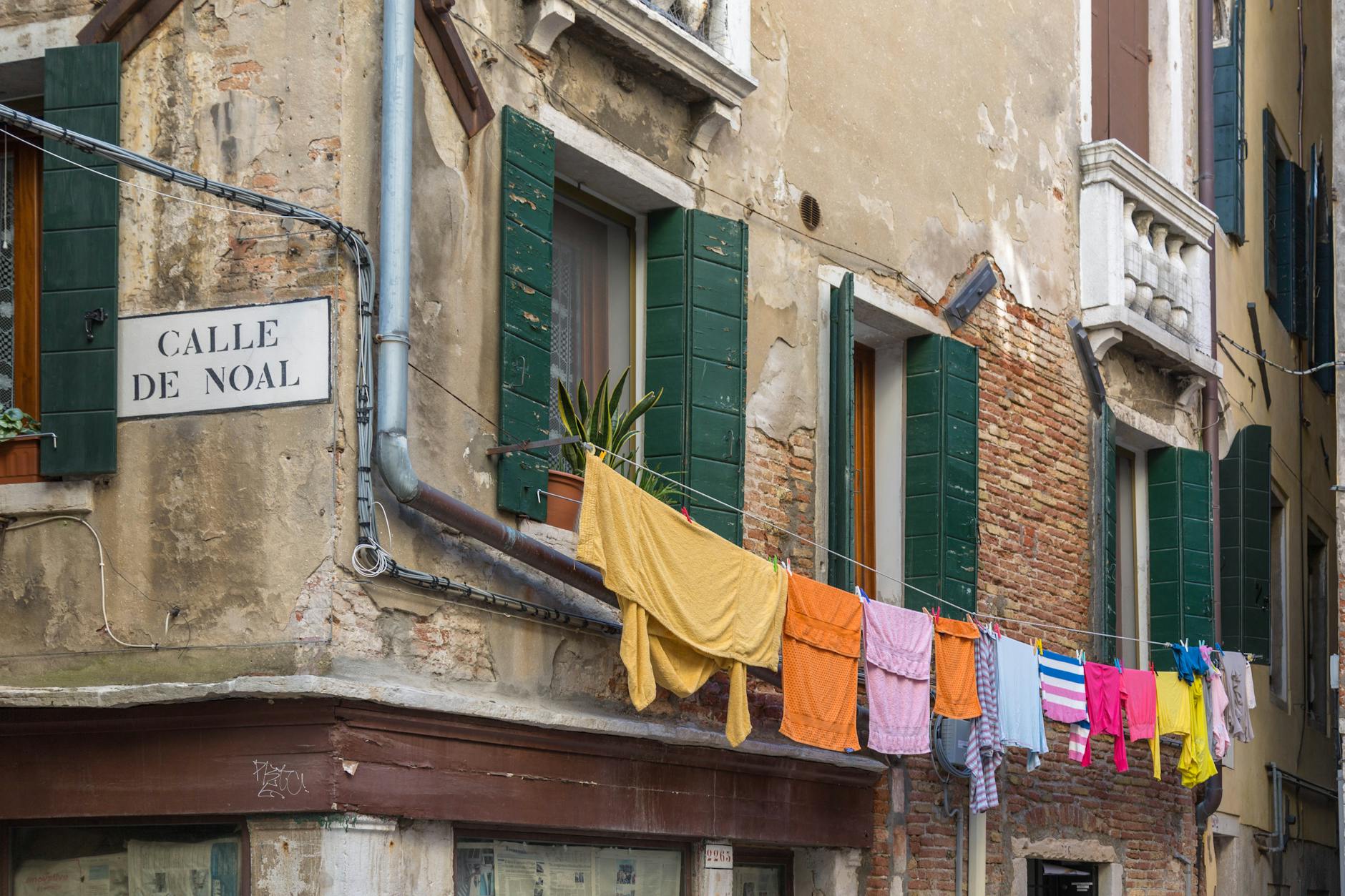
What Venice Does Better Than People Think
Venice is unusually good at becoming less obvious the longer you stay. Most people assume the city gives everything away on arrival. In fact, its deeper value often appears only after the famous images are done and you begin to understand the quieter logic of districts and routes.
It is also better than many first-time visitors expect at supporting a disciplined short stay. Because the city is small and the identity is so strong, even two or three days can feel complete if built properly.
Another underrated strength is how much evening improves the place. Daytime Venice can feel performed. Evening Venice can feel returned.
The city is also very strong at making the route itself meaningful. A vaporetto line, a bridge sequence, a canal-side walk, or a return through quieter backstreets can carry as much value as a single museum room.
Finally, Venice does total physical difference better than almost any city on earth. Even its flaws are unforgettable because they occur in such a singular setting.
Best Time to Visit Venice
Venice is a year-round city, but never a neutral one. Tide, crowd pressure, event periods, and weather all meaningfully alter the experience.
Best Overall Months
April, May, late September, and October are often the strongest first-visit windows. The city remains atmospheric while usually feeling more workable than in the most punishing summer peaks.
Summer
Summer Venice can still be beautiful, but it is far less forgiving. Heat, crowd intensity, and daytime bottlenecks make weak hotel logic and weak timing feel worse fast. If you go in summer, the answer is not panic. It is earlier starts, better rooms, and fewer ambitions per day.
Autumn
Autumn often suits Venice very well. The city can feel more composed, more legible, and slightly closer to its own real scale once the heaviest summer churn has softened.
Winter
Winter Venice is a mood city. Fog, cold stone, quieter passages, and stronger interior life can make the place extraordinary for the right traveler. It is a weaker choice for anyone chasing bright postcard Venice and outdoor sprawl all day.
Spring
Spring is arguably the easiest season in which to understand why Venice still works so powerfully. Light, walkability, and urban mood often line up beautifully.
Month-by-Month Guidance
January: quiet, moody, and excellent for atmosphere-led travelers. February: still wintry, sometimes magical, occasionally event-shaped by Carnival timing. March: transitional and increasingly attractive. April: one of the best overall choices. May: excellent for a first visit. June: still strong, but crowd costs rise. July: beautiful and more punitive. August: usable, but only with discipline. September: one of the smartest times to go. October: often excellent. November: quieter, moodier, more interior-led. December: very strong for romance and hotel-heavy city use.
How Many Days You Need
One Day
Enough for a shock of beauty, not enough for Venice to stop feeling like a set of famous pictures.
Two Days
The minimum respectable stay. One day should cover the monument logic cleanly. The other should belong to neighborhood Venice.
Three Days
Ideal for a first visit. This gives room for San Marco, one or two serious monuments, one real neighborhood day, and enough evening time for the city to correct itself.
Four To Five Days
Very good if you want slower lagoon edges, extra museums, or a more hotel-and-meal-focused stay without leaving Venice's historic core too quickly.
One Week
Excellent if Venice anchors a Veneto route, provided the city itself still gets several undistracted days.
Where to Stay in Venice
Where you stay matters almost more than in any other city because arrival, bridges, and route friction are constant.
Fast Answer
For most first-time visitors, stay in Cannaregio, Dorsoduro, or San Polo, with Santa Croce also useful for certain arrival-heavy trips. Choose San Marco lodging only if you are confident the symbolic centrality is worth the extra pressure and cost.
Neighborhood Decision Table
| Traveler Type | Best Area |
|---|---|
| First-time couple | Dorsoduro or Cannaregio |
| Better arrival/departure logic | Santa Croce or Cannaregio side |
| Maximum postcard traveler | San Marco edge, carefully chosen |
| Quieter neighborhood traveler | Cannaregio |
| Art-and-museum traveler | Dorsoduro |
| Repeat visitor | Castello, Giudecca, or deeper Cannaregio |
Cannaregio
One of the best first-time answers. It can still feel deeply Venetian while being calmer, more breathable, and often easier on the arrival-and-return logic than the most exposed center.
Dorsoduro
A superb choice for travelers who want art, good walking, and a more elegant, less bottlenecked Venice. It often gives a finer balance between beauty and livability.
San Polo and Santa Croce
These can work very well if you want centrality without total San Marco overload. Santa Croce is especially practical for shorter stays with luggage realities.
San Marco
This is the mythic answer, and sometimes the right one. But it is not automatically the best one. Too many travelers buy symbolic centrality when what they actually needed was strategic calm.
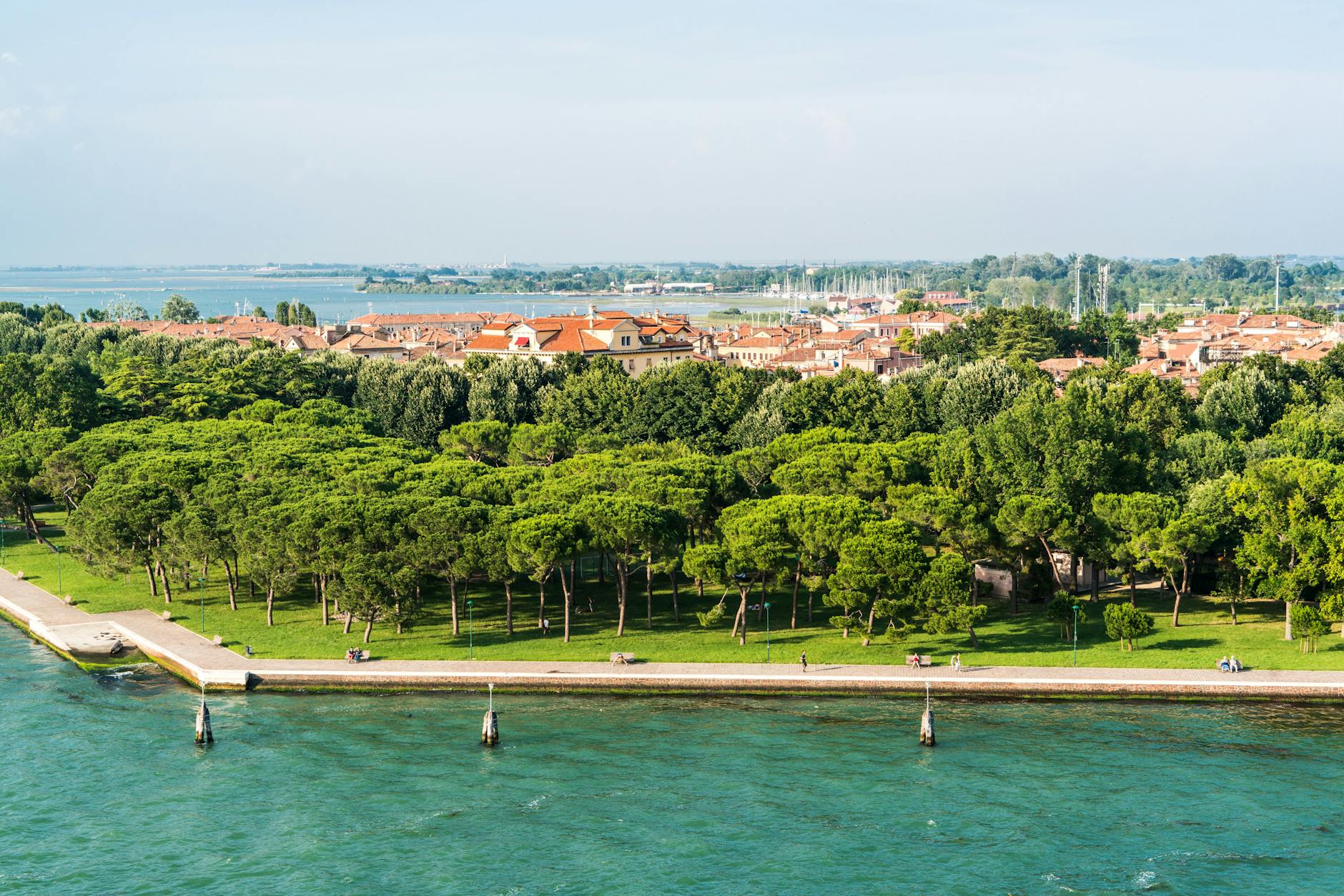
Area Profiles
San Marco
The stage set: essential, overexposed, still worth doing with control.
Cannaregio
Breathable, inhabited, and often the smartest first base.
Dorsoduro
Refined, art-linked, and one of the city's best balances of beauty and pace.
San Polo / Santa Croce
Central but often more practical than visitors assume.
Neighborhood Guide: Where to Explore, Not Just Sleep
San Marco early: do the great set piece before the city fully turns into a queue system.
Rialto and its approaches: strong, but best treated as passage and scene rather than all-day destination.
Cannaregio backstreets: one of the best places to understand that Venice is still a city and not only a performance.
Dorsoduro walks: ideal for travelers who want Venice to feel elegant instead of compressed.
Fondamente and lagoon edges: useful for restoring physical space after too much narrow-route intensity.
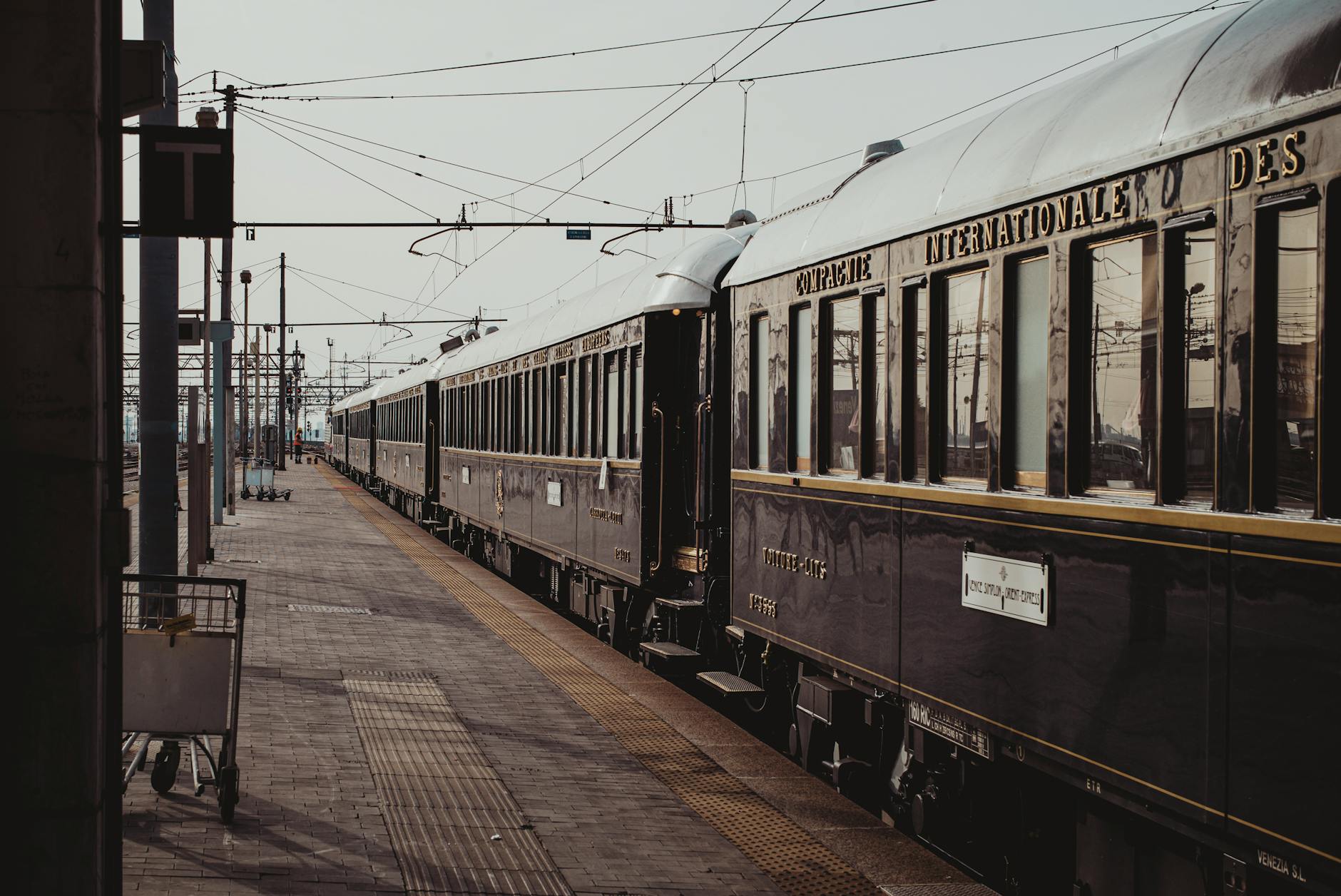
The Best Things to Do in Venice
Do San Marco Properly
That means early, deliberate, and with real planning around Basilica and Doge's Palace, not just drifting into the square when everyone else does.[5][6][7]
Use One Grand Canal Vaporetto Ride Well
You do not need to ride endlessly. One well-timed route can explain the city more effectively than repeated boat dependence.
Let One Day Belong To A Neighborhood
Cannaregio or Dorsoduro should be allowed to act as more than filler between icons.
Choose Your Museum Load Carefully
Doge's Palace can be major enough on its own. More is not always better here.
Give Evening Venice A Full Chance
This city often becomes comprehensible only after the thickest day-tripper energy drains away.
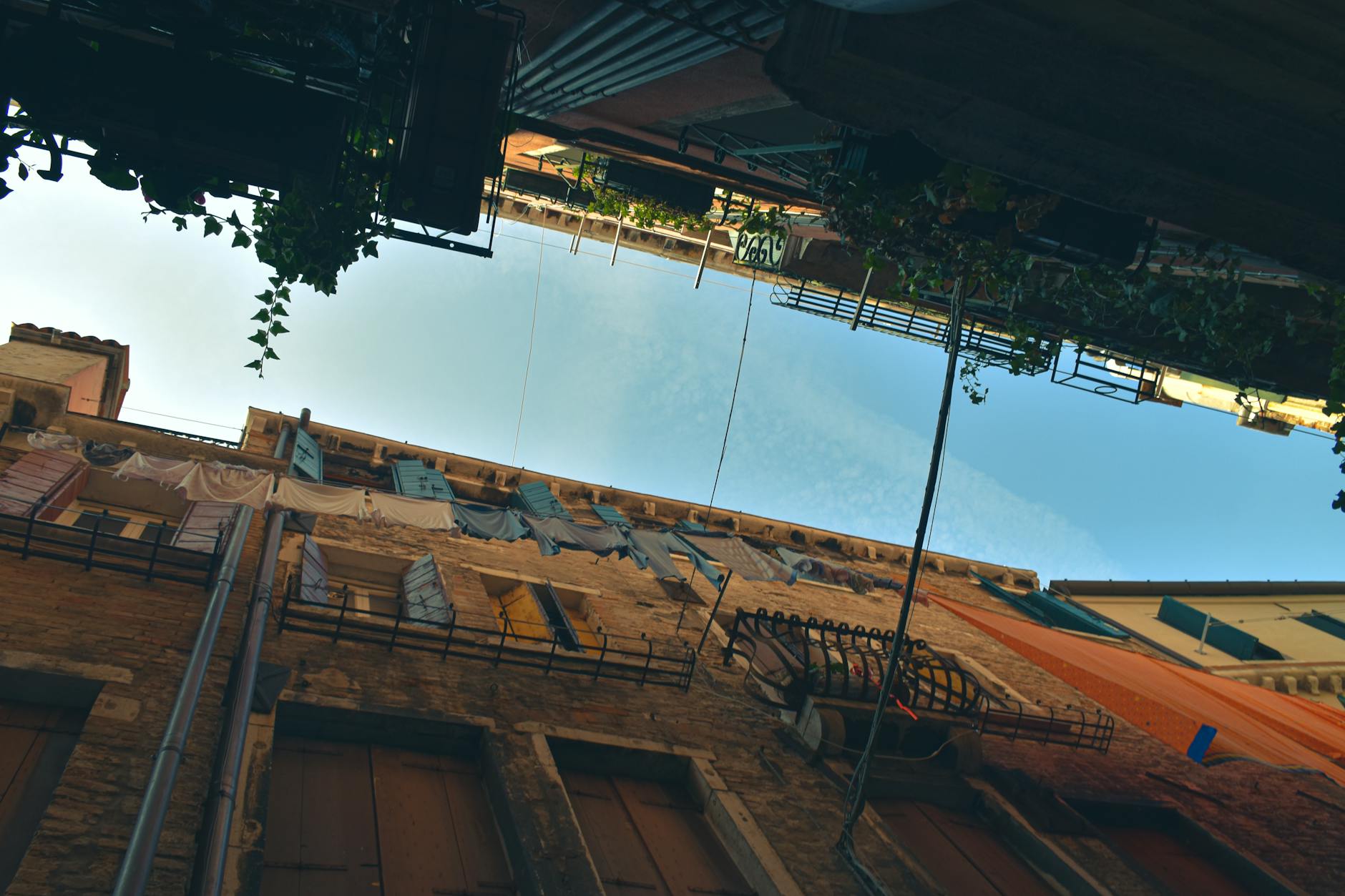
Itineraries
The Best First 48 Hours
Day 1: arrival handled smartly, a contained first walk, one evening neighborhood meal, and no overambitious monument chase.
Day 2: San Marco early, Doge's Palace or Basilica done properly, then a corrective afternoon in a quieter sestiere.
The Best First 72 Hours
Day 1: arrival and atmospheric Venice. Day 2: monument Venice. Day 3: neighborhood and water Venice, with one decisive vaporetto or lagoon-edge move.
If You Only Have One Full Day
Do San Marco early, choose one major monument seriously, and then spend the rest of the day escaping the city you just saw most tourists mistake for the whole place.
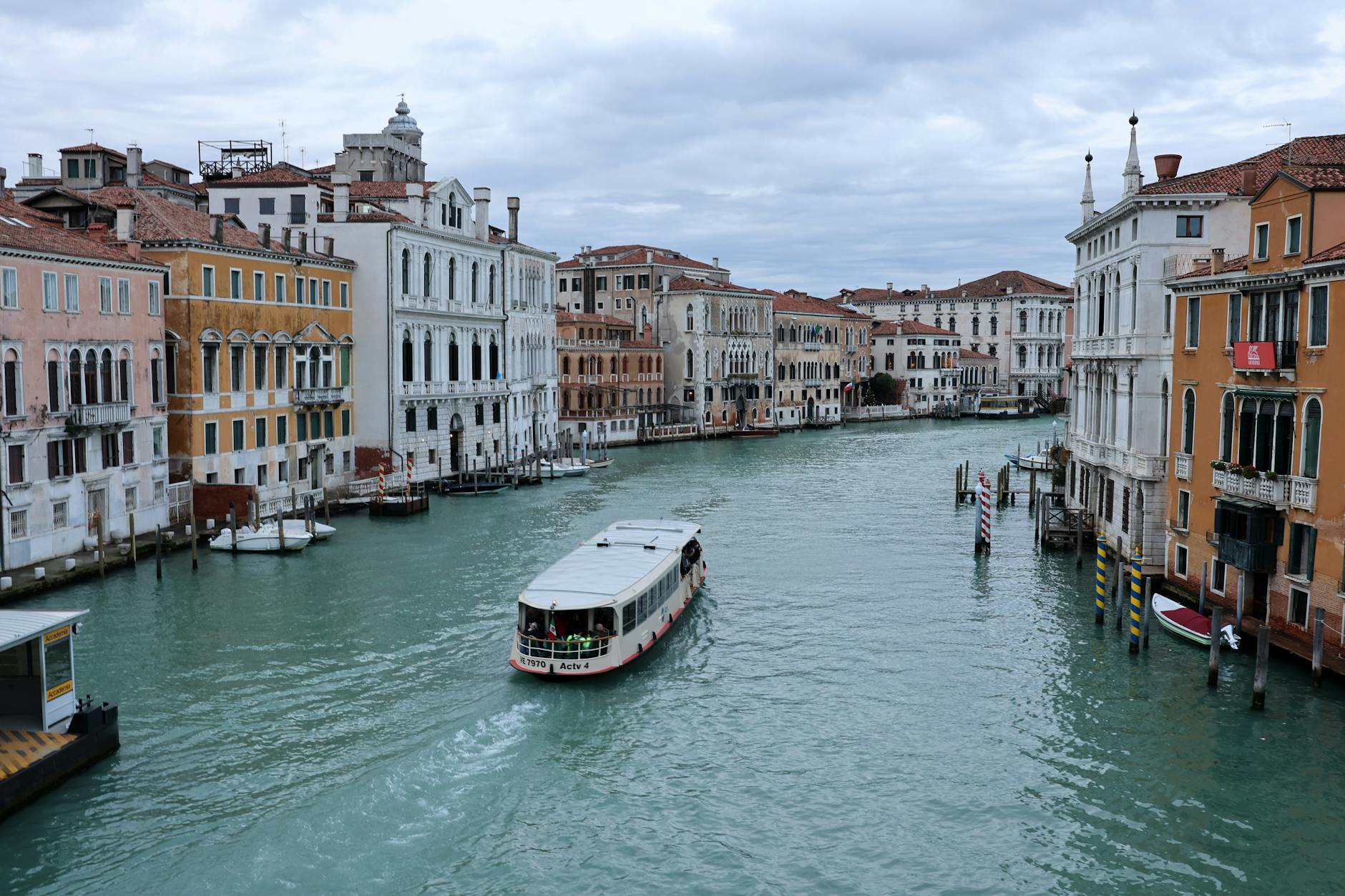
Itineraries By Traveler Type
For First-Time Italy Travelers
Do not try to force Venice into your usual city habits. Its transport and timing logic are different. Respect that early.
For Couples
Buy the better-located room, protect one long evening walk, and let one meal happen away from the most obvious routes.
For Art And History Travelers
Use Doge's Palace and one or two additional institutions well, but do not let museum accumulation crowd out the city itself.
For Repeat Visitors
Reduce San Marco time dramatically and let the sestieri carry the trip.
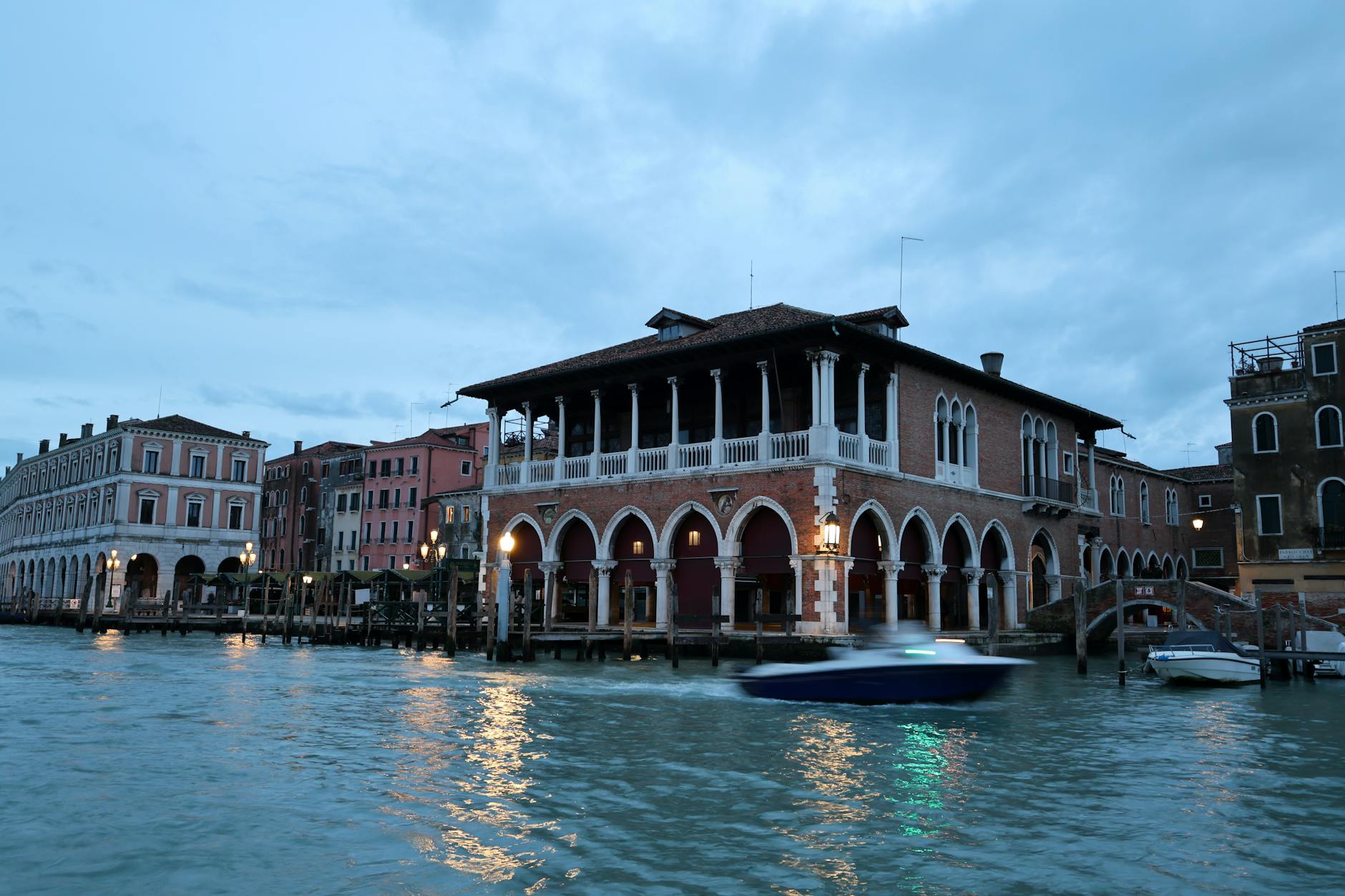
Food and Drink
Venice is better at food and bar life than weak first-time itineraries often suggest, but only once you stop eating according to landmark panic. The city is full of places where people fuel up badly because they are too tired, too overplanned, or too trapped in the most famous corridors to make a better choice.
The strongest Venice version of eating usually involves lower-stress routes, more neighborhood feeling, and enough calm to let cicchetti, wine, or a longer dinner become part of the city's texture rather than emergency refueling. Venice does not need gastronomic maximalism. It needs good judgment and better geography.
This is also a city where evening appetite matters. A meal taken after the city has quieted slightly can feel like part of Venice's recovery from its own daytime theater.
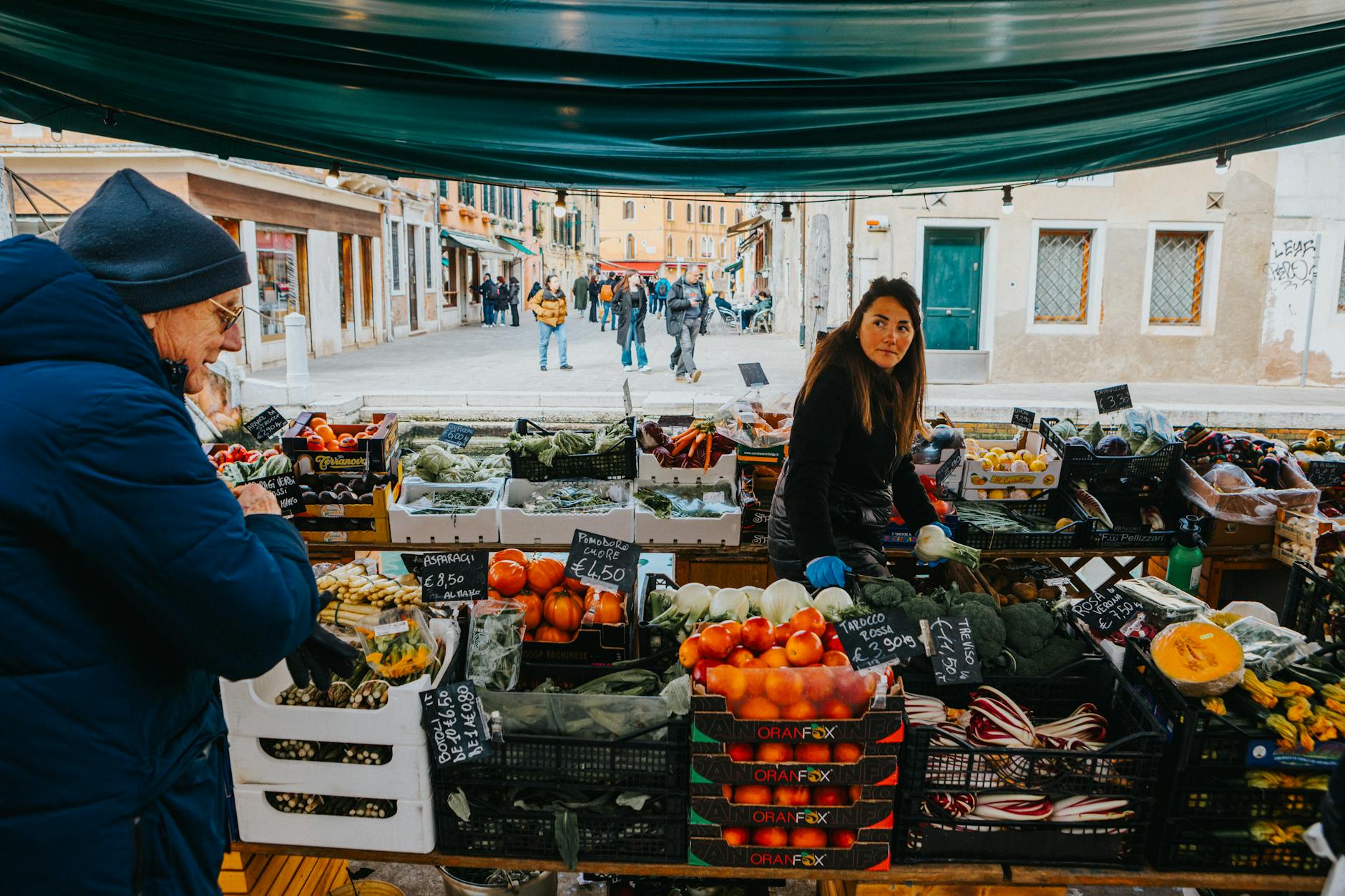
Getting Around
Venice is a walking city first and a vaporetto city second. That order matters. The boats are useful, sometimes essential, and occasionally transformative. But they are not automatically the answer to every movement problem.
Venezia Unica's public-transport information makes clear how extensive the water-bus system is, but also how it sits within a larger structure of walking, ferrying, buses, and airport transfers.[3] The smartest first-time approach is simple: walk most of the city, use one or two key vaporetto rides strategically, and treat your arrival and departure transport as serious planning tasks rather than small details.
San Marco, Vaporetto Logic, And The Problem Of Romantic Drift
Venice sells the idea that drift is enough. Sometimes it is. A wrong turn can be wonderful here. But a whole trip built on drift usually means you are letting the most crowd-shaped parts of the city decide your day for you.
San Marco is the clearest example. It is one of the world's great public stages and also one of the easiest places to visit at the wrong time. Vaporetto use can be similar. A smart ride can be revelatory. Repeated default dependence can mean you never quite learned the city on foot.
The better Venice trip accepts that romance works best with discipline. Venice is not less magical when used intelligently. It is more magical, because the city gets a chance to reveal itself outside its most overphotographed bottlenecks.
Common Mistakes
- Choosing a symbolic hotel location instead of a strategically good one.
- Treating the arrival leg like disposable transit.
- Overusing San Marco and Rialto at peak times.
- Buying vaporetto passes without knowing how much walking you actually want.
- Building the stay around drift alone.
- Mistaking crowd pressure for authentic Venice.
- Eating too many meals inside the most obvious current.
My Blunt Advice
Stay in Cannaregio or Dorsoduro unless you have a real reason not to. Protect the arrival. Do San Marco early. Walk more than you boat, but boat more intelligently than your instincts first suggest. Give one day to a neighborhood and one evening to a quieter Venice. Stop confusing disorientation with depth.
That is when the city becomes extraordinary again. Not because the famous pieces disappeared, but because they finally sit inside a real urban experience. Venice is not just a miracle to look at. It is a city to use carefully. When you do, almost nowhere else feels remotely comparable.
Where Venice Fits in an Italy Trip
Venice holds a special place in Italy because it is one of the few destinations that can justify building an entire trip around itself and also function brilliantly as one sharply concentrated stop inside a larger route. What it does not do well is act like a generic Italian city. The moment you ask Venice to behave like Florence, Rome, or Bologna, planning starts to go wrong.
For a first Italy trip, Venice usually works in one of three roles.
The first is as an opening shock city. If you begin here, the country announces itself through total difference: no cars, water instead of streets, ceremonial public space, and a spatial logic unlike anywhere else in Europe. This can be a superb beginning because Venice instantly tells the traveler that ordinary urban instincts need adjusting.
The second is as a mid-route counterpoint. After Rome or Florence, Venice often feels less like one more art city and more like a total environmental break. It changes not just what you see, but how you move, arrive, eat, and think about time.
The third is as a finale city. Ending a trip in Venice can be extremely effective because the place strips travel down to essentials: one bag, one vaporetto line, one neighborhood, one last evening walk. It makes closure feel architectural.
Venice is slightly weaker only when it is treated as a rushed box to tick between bigger Italian names. In those cases, the city becomes a transfer burden plus a few famous images. Used properly, though, Venice is one of Italy's highest-yield destinations precisely because it does not need much time to become unforgettable. It only needs precise time.
Venice Versus Florence, Rome, and Amsterdam
Venice improves the moment you compare it accurately.
Against Florence, Venice is less about concentrated cultural proof and more about total environmental control. Florence asks you to manage attention among masterpieces. Venice asks you to manage movement through a city that never stops being itself. Florence's danger is overconsumption. Venice's danger is operational vagueness.
Against Rome, Venice is smaller, stranger, and less forgiving of improvisation. Rome can absorb drift because it is an enormous city of overlapping systems. Venice cannot. It is too spatially exact for that. But Venice also asks less total energy. A strong two-or-three-day Venice stay can feel more complete than a short Rome stay because the city has such a decisive physical identity.
Against Amsterdam, the comparison is superficially tempting and mostly wrong. Both are water cities, both have canals, both can be walked beautifully. But Amsterdam is a normal city with canals as structure. Venice is a lagoon city whose whole metabolism depends on water. Amsterdam feels coherent and modern beneath its beauty. Venice feels improbable and historical beneath everything. If Amsterdam is readable through urban logic, Venice is readable through thresholds, bottlenecks, and ceremonial staging.
The point is not to decide which city is more beautiful. The point is to understand what Venice uniquely asks. It asks for planning that respects fragility, crowd timing, and district choice. It rewards people who know that one exact day here can be worth more than several generic ones elsewhere.
First-Time Visitors Versus Repeat Visitors
Venice is magnificent on a first visit, but the second visit is often when the city becomes truly intelligent.
First-timers naturally focus on the globally recognized skeleton: San Marco, Doge's Palace, Rialto, a Grand Canal ride, perhaps one church or museum, and one broad attempt at "getting lost." That is a fair start. The city should be met through its strongest forms at least once.
Repeat visitors usually do something different. They reduce the symbolic load. San Marco becomes a brief morning claim rather than a whole day. The hotel gets better. The route gets tighter. A neighborhood like Cannaregio or Dorsoduro begins to carry more of the trip than the square everyone already knows. Arrival becomes calmer. Even food improves, because the whole stay is no longer being organized by monument panic.
For first-timers, the right question is: what is the most coherent way to meet Venice's major forms without letting them flatten the rest of the city? For return visitors, the better question becomes: which Venice have I still not properly inhabited?
That might mean winter Venice, when mood overtakes spectacle. It might mean Giudecca or deeper Castello. It might mean fewer museums and more water-edge walking. It might simply mean a better room in a quieter district and one less compulsive crossing of the Grand Canal.
This is one reason Venice often leaves first-time visitors slightly divided: dazzled but also tired, amazed but slightly overmanaged by crowds. The second visit often resolves that conflict. You already trust the city to be beautiful. Now you can start using it well.
Summer Venice Versus Shoulder-Season Venice
Venice is strongly seasonal not because it stops working in summer, but because crowd density and heat radically change the cost of bad decisions.
Shoulder-season Venice is the version many first-timers should aim for. In April, May, late September, and October, the city is still active and luminous, but walking remains more pleasurable, hotel value improves slightly relative to summer peaks, and the emotional gap between early morning and midday is less punishing. Venice remains crowded, of course, but the city is easier to edit.
Summer Venice is still visually overwhelming, but it is much less forgiving. Midday routes thicken, vaporetti feel more strategic or more irritating depending on your plan, hotel air-conditioning quality matters a great deal, and one wrong decision about when to enter San Marco can shape the whole day badly. Summer does not invalidate Venice. It simply makes discipline non-optional.
The main summer mistake is to confuse a small map with a light city. Venice may be compact, but in heavy heat and crowd pressure, every bridge sequence costs more, every bottleneck lasts longer, and every unnecessary detour weakens the evening.
In shoulder season, Venice lets more of its beauty act as pleasure rather than as logistical compensation. If dates are flexible, this is the better choice for almost everyone.
Why the Base Matters More Than Almost Anywhere
In many cities, a hotel is mostly about convenience. In Venice, it is about psychology, arrival cost, daily route shape, and whether the city remains magical or becomes faintly annoying.
Choose the wrong base and every bridge becomes a tax. Every return for a rest becomes a debate. Every evening gets slightly harder than it should. Every airport or train transfer carries unnecessary resentment. This is why symbolic centrality is such a dangerous Venice metric. "Close to San Marco" is not automatically a compliment if what you actually bought was constant crowd pressure and a worse arrival.
That is why Cannaregio and Dorsoduro are such strong first-time answers. They can still feel deeply Venetian while offering more breathable movement and better odds that the city will begin each day at the right scale. San Polo and parts of Santa Croce can work very well for practical centrality. San Marco only really makes sense when you are sure the symbolic value outweighs the cost.
The best test is simple: when you leave the hotel, are you entering a version of Venice you want to repeat several times a day? If yes, the base is probably right. If the answer is "it is famous, but I already feel processed," then the base is wrong no matter how central it looked on paper.
Why One Proper Venice Day Matters
Venice is often broken into fragments too aggressively. People arrive midday, push through Rialto, do San Marco at the busiest possible hour, squeeze in one vaporetto, and tell themselves they have understood the city. What they have actually understood is crowd choreography.
One proper Venice day changes that. By "proper," I mean a day where the city itself governs the structure from morning through night. That might mean early San Marco, one major interior, a controlled retreat into Dorsoduro or Cannaregio, and an evening where Venice finally has room to become itself again. Or it might mean a neighborhood-led day with almost no monumental pressure at all, just water movement, district life, and one decisive boat ride.
The point is continuity. Venice only becomes legible when you stop treating it like a set of unrelated postcard stations. A proper day reveals how monument Venice, water Venice, neighborhood Venice, and evening Venice are all related. Fragmented half-days keep the city in image mode.
If you only have one full day, make it disciplined. If you have two or three, make sure at least one day belongs more to Venice as a city than to Venice as an obligation.
Day Venice Versus Evening Venice
Venice may change by hour more dramatically than any other major city in Europe.
Day Venice is often performative. This is when arrival flows, cruise or day-trip pressure, selfie corridors, queue systems, and bottleneck routes are most active. It is also when the monuments do their explanatory work. The city's power is absolutely real in daylight, but it is often mediated by other people's itineraries.
Evening Venice is the counterspell. Once the thickest current drains away, the acoustics change, the calli widen emotionally even when they do not widen physically, and the city often reappears as a place rather than a spectacle line. This is when a long walk can matter more than another ticket and when dinner can start feeling like part of the city instead of part of travel maintenance.
Many weak Venice trips fail because they spend every bit of energy inside daytime pressure and then use the evening only as recovery. But evening is often when Venice becomes most comprehensible. The city feels less like a famous machine and more like an inhabited improbability.
A strong first trip should therefore protect at least one true evening: a slower dinner, a better-chosen walk, and no insistence on one last "must-see." Venice often wins its case after dark.
Why San Marco Should Not Own the Whole Trip
San Marco is one of the world's great urban stages. It should absolutely dominate part of a Venice stay. It should not dominate your understanding of the city.
Because it is so famous, people build Venice around it almost entirely. Everything becomes an approach to the square, a retreat from the square, or a comparison with the square. The result is a city flattened into its most exposed image.
The problem is not that San Marco is overfamous. It deserves its fame. The problem is that Venice has other necessary registers. Cannaregio shows you social and spatial looseness. Dorsoduro lets beauty breathe. Santa Croce and San Polo often remind you that useful centrality can be preferable to symbolic centrality. Even a single correct vaporetto ride can explain more than another hour looping near the same iconic set piece.
The best use of San Marco is to treat it as a high-intensity chapter rather than as the whole book. Give it precision. Then let the rest of the city answer it.
Why Venice Often Improves on the Second Visit
Venice often gets better after the first trip because the first trip is so vulnerable to cliché. The city arrives preloaded in the imagination, and people spend enormous effort verifying that the famous images are real. Of course they are. The question is what happens after that verification ends.
On the second visit, you no longer need Venice to prove itself. You already know the Grand Canal is extraordinary. You already know San Marco can stun. That frees you to care more about the hotel, the arrival route, the district, the hour, the meal, and the quieter passages. In other words, it frees you to care about Venice as a lived city rather than as a test of recognition.
This is when Venice often becomes more emotional. The big forms remain, but they sit inside a calmer use pattern. You are less likely to overboat, overcross, or overqueue. You begin to understand that one less attraction can equal one much stronger day.
In that sense, Venice is a city that rewards operational humility. The second visit usually works better because the traveler stops trying to consume miracle and starts trying to inhabit it.
How Venice Changes Over the Course of a Stay
On arrival, Venice often feels almost too immediately itself. The first canal, the first bridge, the first narrowing of the street, the first glimpse of stone meeting water: the city can seem to deliver its whole argument at once. That first impression is powerful, but it is not complete.
By the second day, if the trip is going well, the city begins to differentiate. You stop thinking of "Venice" as a single visual state and start noticing which sestiere you are in, which routes feel breathable, which ones feel processed, and which waterside sequences are worth repeating. The city becomes less of an image and more of a system.
By the third day, Venice often relaxes into its best form. You no longer need to ask whether it is beautiful. That frees you to ask whether the day is good. You know when to walk, when to boat, when to stop, and when to let evening carry more than monuments do. The trip becomes less about proof and more about timing.
That is why two full days are the minimum respectable stay and three are often ideal. The first day confirms the miracle. The second explains the structure. The third, if you have it, gives you the city.
Source Notes
- 1. Venezia Unica, "Marco Polo Airport." https://www.veneziaunica.it/en/content/marco-polo-airport
- 2. Venezia Unica, "ALILAGUNA - Water transfer Marco Polo Airport/Venice." https://www.veneziaunica.it/en/buy-tickets/airport-transfers-marco-polo-and-canova/alilaguna-water-transfer-marco-polo-airport-venice
- 3. Venezia Unica, "Public Transport." https://www.veneziaunica.it/en/getting-around-venice/public-transport
- 4. Venezia Unica, "ACTV - 3 days Transport." https://www.veneziaunica.it/en/buy-tickets/public-trasport-in-venice/actv-3-days-transport
- 5. Basilica di San Marco, official site. https://www.basilicasanmarco.it/en/
- 6. Basilica di San Marco, "Opening times." https://www.basilicasanmarco.it/informazioni-per-i-turisti/orari-di-apertura/?lang=en&vid=none
- 7. Doge's Palace Venice - Official Website, "Tickets." https://palazzoducale.visitmuve.it/en/pianifica-la-tua-visita/tickets/