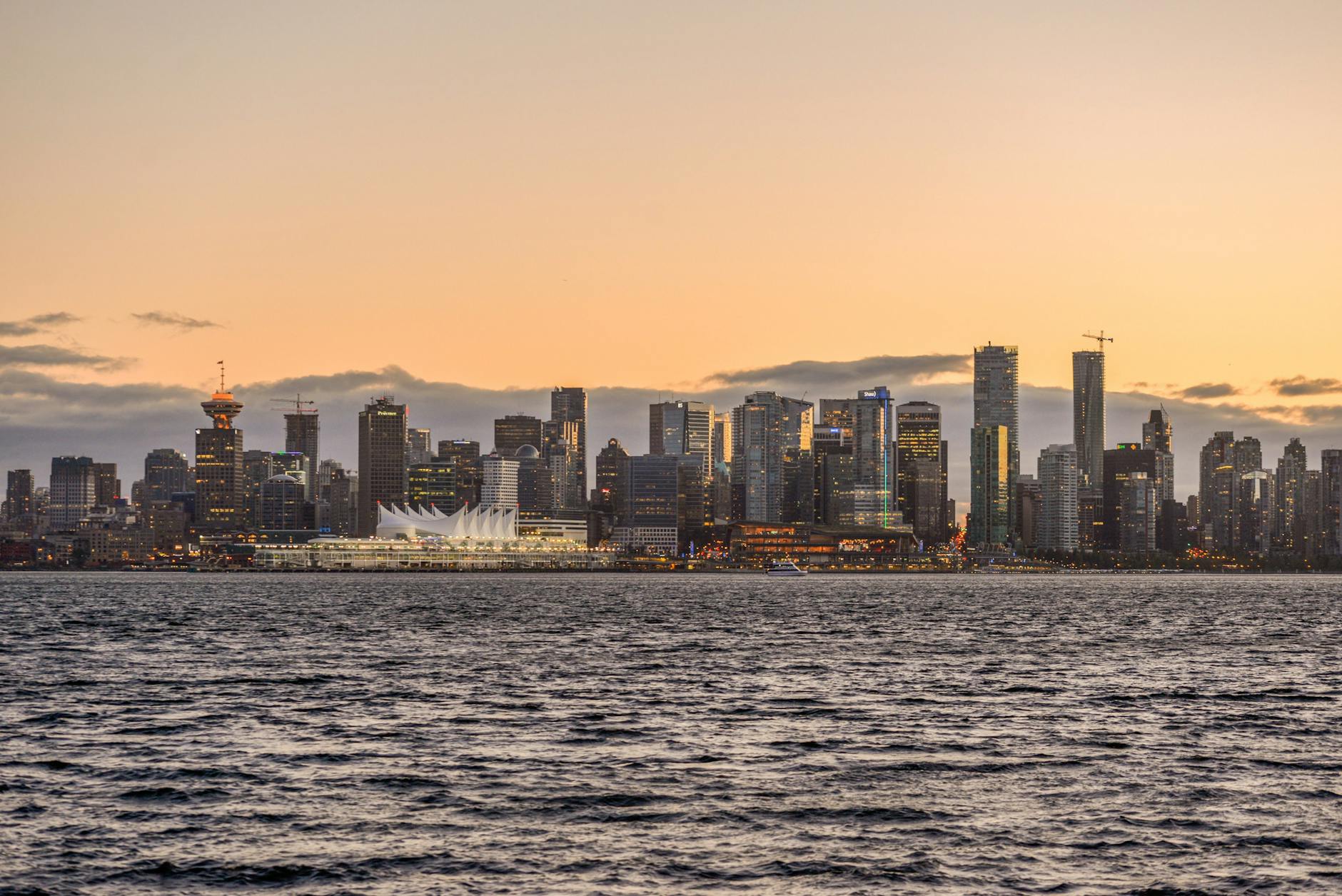
Vancouver is one of the rare cities that can be weakened by its own beauty.
Start Here
The skyline, the harbor, the mountains, the seaplanes, the polished glass, the forest edge, the seawall, the soft grey light, the sudden clear day when everything sharpens at once: all of it is so photogenic that people start assuming the trip will build itself. That is the danger. Vancouver is not difficult in the way giant capitals are difficult. It is difficult because it encourages vagueness. Travelers assume any nice hotel downtown will do, that city days can be improvised around weather without consequence, that mountain scenery and seawall walking will somehow cover for thin neighborhood choices, and that every day trip opportunity deserves equal attention. The result is often a trip that feels beautiful but strangely under-authored.
The stronger Vancouver stay begins with a clearer question: is this primarily an urban trip with scenery around it, or a scenic trip with city comfort attached? Vancouver can support both. It does not support confusion between them very well. The city is at its best when you choose your ratio on purpose. If you want a restorative city stay with food, walking, water views, and a few measured excursions, Vancouver can feel almost impossibly graceful. If you want to prove that city, park, seawall, mountain, suspension bridge, market, museum, and ferry district can all fit into one day, the grace disappears fast.
What makes Vancouver distinct is not just that it is pretty. Plenty of places are pretty. Vancouver's particular strength is edge condition. Downtown stands beside water rather than behind it. Stanley Park interrupts the city with actual forest mass. The seawall turns scenic movement into daily infrastructure. Neighborhoods like Kitsilano, Mount Pleasant, Main Street, Commercial Drive, and parts of East Vancouver complicate the glass-and-mountain image with more grounded urban life. Granville Island gives the city one of its best mixed civic-commercial spaces. And across all of it sits the weather, which is not an accessory but one of the city's main authors.
That weather deserves respect. Vancouver is not only a summer city. In fact, part of its character comes from how well it handles wetness, cloud, and changing light. But a visitor who ignores seasonality will build the wrong trip. Rain alters the emotional weight of the seawall. Grey light can make downtown feel elegant or thin depending on the route. Summer can make the city feel almost too easy, which invites overconfidence. The best Vancouver trip is often the one that keeps enough flexibility to let the day recompose itself.
This is also a city where "nature access" can become a lazy substitute for urban judgment. Yes, the mountains are close. Yes, the park is spectacular. Yes, the water is everywhere. But Vancouver is not only an outdoor backdrop. It has one of North America's more interesting Pacific food cultures, a serious connection to Asian urban life and migration, meaningful Indigenous presence and history, and a set of neighborhoods that reward anyone willing to move beyond the downtown comfort zone. The point is not to reject the scenery. The point is to stop letting the scenery do all the explanatory work.
The city in one sentence: Vancouver is a water-edged, mountain-framed city where the best first trip comes from combining seawall and park time with serious neighborhood choices, weather-aware pacing, and just enough scenery-led movement to sharpen the city rather than replace it.
Basic data
| Population | About 680,000 in the city; metro about 2.7 million |
|---|---|
| Area | 115 km2 |
| Major religions | Christianity, Buddhism, Sikhism, Islam, Hinduism, and a large secular population |
| Political system | Mayor-council city government inside a federal parliamentary constitutional monarchy |
| Economic system | Advanced mixed market economy led by trade, technology, film, finance, tourism, and services |
Quick Verdict
Best for: couples, solo travelers, first-time western Canada trips, food-focused city breaks, soft-outdoors travelers, summer visits, shoulder-season urban stays, and anyone who likes polished cities that still have real park and waterfront depth.
Not ideal for: travelers who need low hotel prices, people who want a dense old-city center, or anyone expecting nonstop nightlife intensity.
Ideal first visit: 3 to 4 full days.
Minimum worthwhile stay: 2 full days.
Best overall months: June, July, September, and early October.
Best winter case: if you want a city break with museums, food, waterfront walks between showers, and mountain adjacency rather than guaranteed sunshine.
Biggest planning mistake: letting "we can always just walk the seawall" replace an actual city plan.
One thing to prioritize: the base. Downtown Vancouver is not all the same.
One thing to leave flexible: the day's scenic component. Clouds and rain can change what deserves your time.
The blunt version: Vancouver can be one of the most elegant short city stays in North America, but only if you deliberately balance urban life with scenery instead of assuming the scenery is enough.
Who Will Love Vancouver?
Vancouver works best for travelers who like cities that breathe. It is very good for people who want a base that feels civilized from the first hour: air that usually feels cleaner, water always nearby, parks that are not ornamental, and neighborhoods where meals can carry as much value as any formal attraction.
It is especially strong for couples because the city supports a very specific kind of trip structure: a good hotel, a seawall morning, one museum or market anchor, one district for dinner, and a late-day view that does not require heroic effort. Vancouver can feel romantic, but in a low-pressure way. The city does not demand that every moment become an event.
Solo travelers also do well. Vancouver is easy to navigate, highly walkable in the core districts, and strong on cafés, parks, public market spaces, and urban wandering. It also feels relatively forgiving if a day changes shape because of weather.
Food travelers tend to do very well because Vancouver's real power lies partly in its Pacific vocabulary: seafood, Asian diasporic depth, strong casual restaurants, neighborhood cafés, and a less showy but very real dining culture. The city often feeds better than its scenic branding suggests.
The city is less ideal for travelers who want either a grand historic center or a low-budget urban blowout. Vancouver is not cheap, and its pleasures are often subtle. If you need either old-world density or constant nightlife adrenaline, other cities may land harder.
Vancouver at a Glance
| Question | Practical Answer |
|---|---|
| Main airport | Vancouver International Airport (YVR) |
| Simplest airport transfer | Canada Line to downtown |
| Official airport-to-city time | Under 30 minutes to downtown by Canada Line |
| Main transport system | TransLink |
| Easiest visitor payment | Contactless card/mobile wallet or Compass fare media |
| Best first-time base | Downtown, West End, Coal Harbour, or Yaletown edge |
| Best walk | Stanley Park seawall loop or longer seawall sections |
| Signature civic attraction | Stanley Park and the seawall |
| Signature market district | Granville Island |
| Best major museum outside downtown | MOA at UBC |
| Best way to understand the city | By edges: park, seawall, harbor, and neighborhoods beyond the core |
| Car needed? | No |
| Emergency number | 911 |
| Tap water | Safe to drink |
| Currency | Canadian dollar |
| Power plugs | Type A and B |
2026 Visitor Notes
YVR To Downtown Is Straightforward Enough That You Should Use It
YVR's official public transportation page states that the Canada Line connects YVR to downtown Vancouver in under 30 minutes, with the station centrally located between the airport's international and domestic terminals.[1][2] For most first-time visitors staying downtown, this is the clean arrival move.
Vancouver Transit Is Visitor-Friendly By North American Standards
TransLink's visitor guidance makes clear that visitors can use one-time Compass tickets, Compass Cards, or contactless credit/debit cards and mobile wallets, and that the Canada Line is the standard link between YVR and the city.[3][4] That ease is one of Vancouver's major strengths, so use it instead of overdefaulting to rideshare.
The Seawall Is Not Just A Nice Walk
The City of Vancouver's official seawall page describes the route as a 28 km uninterrupted seaside greenway, while the Stanley Park portion alone is framed as one of the city's defining walking and cycling experiences.[6][7] This matters because seawall time is not filler in Vancouver; it is part of how the city explains itself.
Stanley Park Deserves To Be Treated As Real Urban Forest, Not Mere Parkland
The city's official Stanley Park page describes it as a 400-hectare West Coast rainforest with beaches, wildlife, trails, and cultural landmarks.[5] That is why shortchanging the park is one of the easiest first-timer mistakes.
Granville Island Is Still One Of The Strongest Mixed-Use Visitor Spaces In The City
Destination Vancouver and Granville Island's own market history material both reinforce the same point: Granville Island works because it combines food, retail, culture, and waterfront movement in a former industrial setting that has genuinely been repurposed well.[8][9] It is touristy, yes, but also one of the city's most coherent public-commercial environments.
MOA Is Worth The Extra Distance If You Care About Cultural Depth
UBC's Museum of Anthropology is not an afterthought. Its official materials emphasize its Northwest Coast collections, architecture, and sea-to-sky setting.[10][11] That makes it one of the clearest ways to complicate a surface-level Vancouver trip.
How to Understand Vancouver
Vancouver works through five forces.
The first is edge geography. Water, forest, harbor, mountains, and downtown all press against one another. The city is not strongest in its center alone, but in the contact points between zones.
The second is controlled polish. Vancouver often looks highly composed, and sometimes it is. But the best version of the city is not sterile. It comes alive when the polished core is balanced by neighborhoods with stronger local grain.
The third is weather authorship. Light, mist, rain, and clear days each produce a different Vancouver. A good plan expects this and adjusts.
The fourth is Pacific urbanism. The city's food, migration patterns, architecture, and daily texture are all shaped by the Pacific world more than by eastern Canadian templates.
The fifth is scenic temptation. Vancouver constantly invites you to believe that a view is a substitute for a route. Sometimes it is not.
The Five Vancouvers A First-Time Visitor Actually Meets
Downtown Vancouver: hotels, harbor views, business towers, shopping, and the city's easiest first entry point.
Seawall Vancouver: walking, cycling, joggers, harbor light, Stanley Park, English Bay, and the place where the city feels most physically itself.
Neighborhood Vancouver: Kitsilano, Mount Pleasant, Main Street, Commercial Drive, and other districts that prevent the city from becoming only a scenic shell.
Market Vancouver: Granville Island, food halls, cafés, and the version of the city where its Pacific appetite shows up most accessibly.
Cultural Vancouver: MOA, downtown galleries, Indigenous and Pacific perspectives, and the version of the city that asks for more than surface admiration.
The Main Mental Shift
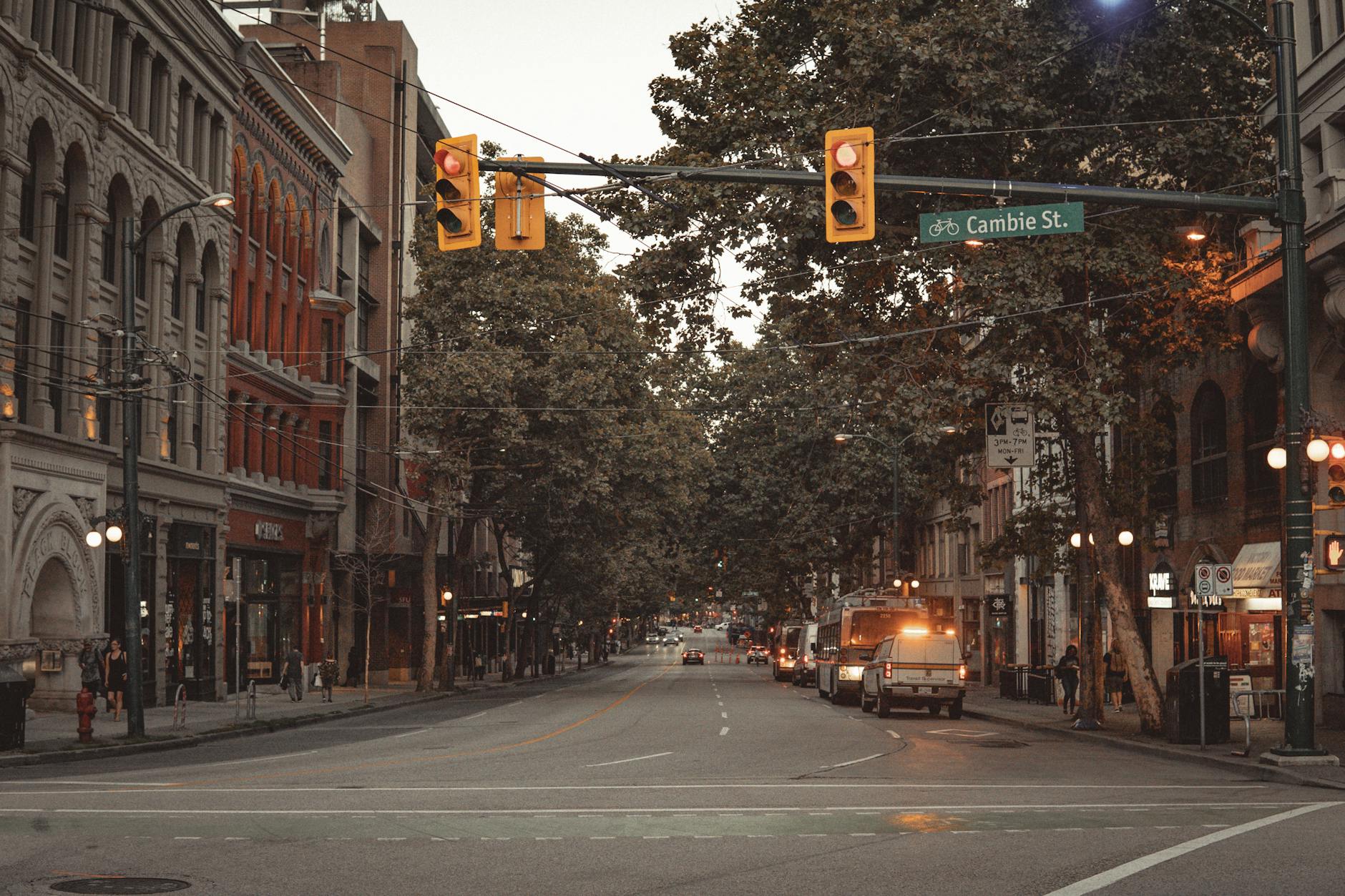
Do not ask, "What are the top Vancouver sights?" Ask, "Which Vancouver am I using today?" Seawall Vancouver, neighborhood Vancouver, market Vancouver, cultural Vancouver. Once you do that, the city stops feeling vague.
What Vancouver Does Better Than People Think
Vancouver is better than people think at short restorative stays. Many cities are exciting but depleting. Vancouver can be replenishing without becoming boring, which is rarer than it sounds.
It is also better than people think at food below the luxury tier. The city absolutely has polished dining, but one of its real strengths is the way good casual food appears across neighborhoods with very little drama.
Another underrated strength is urban movement with scenery built in. The seawall, waterfront transit, and compact walkable districts allow the city to feel scenic without forcing visitors into fully separate sightseeing containers.
The city is also strong at weather-responsive travel. On paper, that sounds like a burden. In practice, it often makes the trip feel more alive, because a clear morning or a silver-grey afternoon genuinely changes what deserves priority.
Finally, Vancouver is better than people think at not over-annotating itself. Some cities explain their charm too loudly. Vancouver often asks you to notice.
Best Time to Visit Vancouver
Vancouver is usable year-round, but not emotionally identical in every season.
Best Overall Months
June, July, September, and early October are the broadest recommendations. These are the months when the seawall, park, patios, market spaces, and neighborhood walking all work most naturally together.
Summer
Summer is Vancouver at its easiest. Long days, dry weather, and open water views make the city feel almost too agreeable. The risk is that visitors assume all good days here are automatic.
Shoulder Season
September and early October are often especially strong because the city retains much of its outdoor usability while feeling slightly calmer and more textured than peak summer.
Winter
Winter suits travelers who understand that Vancouver is not trying to become a snow-globe city. It is a rain-and-light city then. If you like harbors, cafés, seafood, short walks between showers, and mountain visibility when it appears, winter can be excellent.
Spring
Spring is transitional and weather-sensitive, but often rewarding if you like gardens, fresh green edges, and lower-pressure city use.
Month-by-Month Guidance
January: wet, moody, and best for urban-calm travelers. February: similar, with occasional clearer spells. March: transitional and variable. April: improving, though not reliably dry. May: increasingly strong, greener and more usable. June: one of the best months. July: peak easy-Vancouver season. August: still excellent, sometimes busier and pricier. September: arguably the smartest month. October: very good early, more weather-shaped late. November: greyer, more interior, still usable if expectations are right. December: atmospheric and rain-aware.
How Many Days You Need
Two Days
Enough for one downtown/seawall day and one neighborhood/market day.
Three Days
The best short first visit. This gives you Stanley Park and the seawall, Granville Island plus another district, and one deeper city or cultural layer.
Four Days
Ideal for most travelers. You can include MOA or a broader neighborhood sweep without flattening the city into transit.
Five Days Or More
Useful if you want to widen into North Shore or other regional scenery while still letting Vancouver itself remain the point.
Where to Stay in Vancouver
Where you stay matters because downtown Vancouver contains several different trip types inside a small area.
Fast Answer
For most first-time visitors, stay in Downtown, the West End, Coal Harbour, or Yaletown edge. These areas give the cleanest balance of walking, seawall access, and transit.
Neighborhood Decision Table
| Traveler Type | Best Area |
|---|---|
| First-time visitor | Downtown or West End |
| Scenic-hotel trip | Coal Harbour |
| Food-and-city balance | Yaletown edge or downtown with easy transit |
| Park-and-walk priority | West End |
| Short stay with no fuss | Downtown core near Canada Line or Waterfront links |
West End
Best for: seawall users, park lovers, and people who want a softer residential layer near downtown. Why it works: Stanley Park, English Bay, and downtown access all align. Tradeoff: fewer of the glossy central-business conveniences than the core. Best use: one of the smartest first-time bases.
Coal Harbour
Best for: polished harbor views, sleek hotels, and an elegant first impression. Why it works: the waterfront access is excellent, and the area makes scenic Vancouver feel immediate. Tradeoff: it can feel too composed if that is all you see. Best use: couples and short stays.
Downtown Core
Best for: convenience, shopping, transit, and efficient first visits. Why it works: you can get almost anywhere easily. Tradeoff: not every block is equally atmospheric. Best use: logistical efficiency.
Yaletown Edge
Best for: restaurants, a polished neighborhood feel, and quick access to False Creek routes. Why it works: it gives some texture without leaving the central system. Tradeoff: can skew upscale and a bit self-aware. Best use: food-first travelers.
Area Profiles
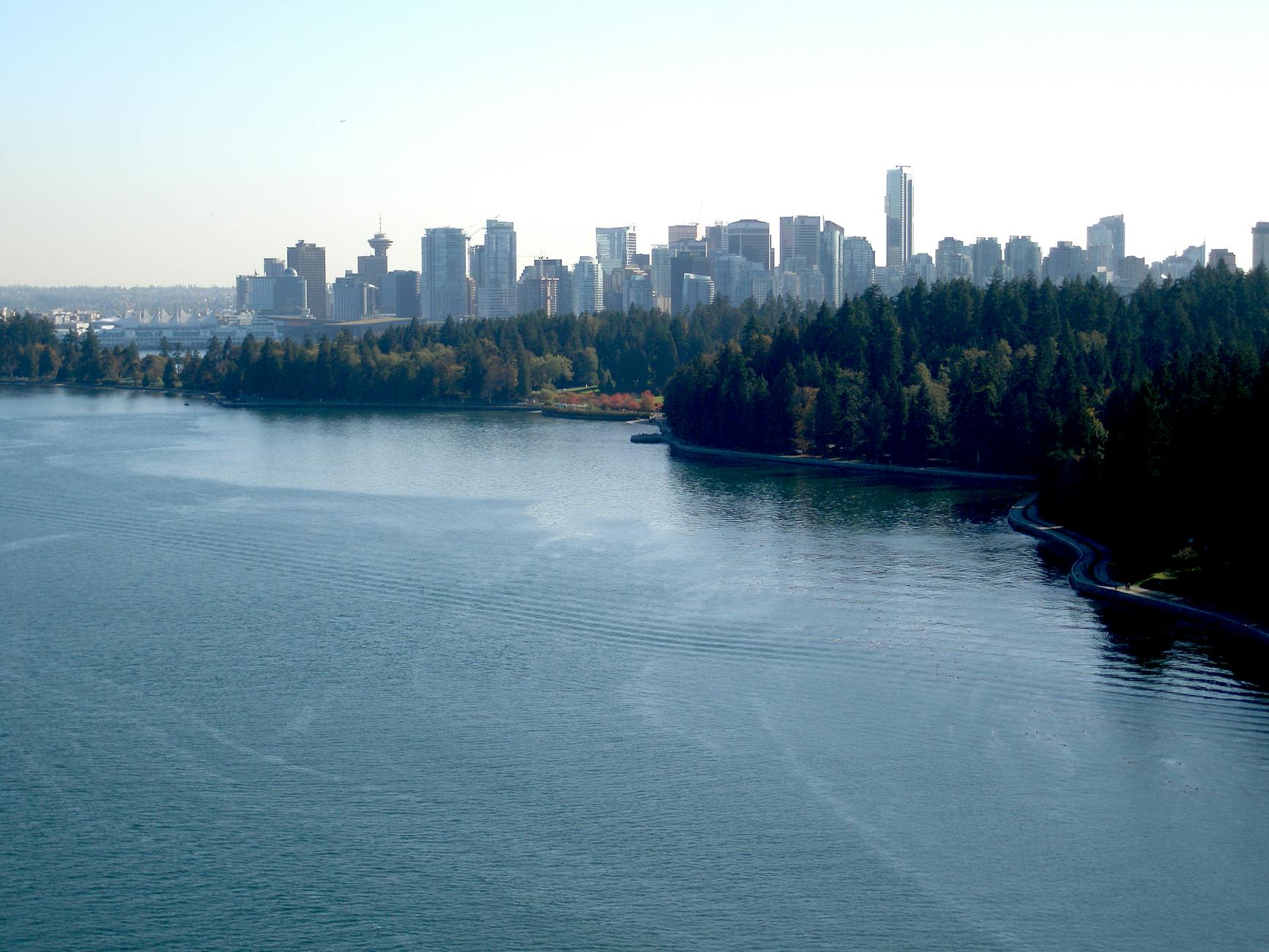
West End: best for park-and-water access. Coal Harbour: best for elegant harbor-facing stays. Downtown core: best for frictionless centrality. Yaletown: best for sleek dining and False Creek access. Kitsilano and beyond: better for exploring than for a default first-time base.
Neighborhood Guide: Where to Explore, Not Just Sleep
Downtown matters because it gives Vancouver its first clean read, but it should not monopolize the trip. The city becomes more convincing once you start moving along edges.
The West End is one of the best areas in the city for first-timers because it mediates between downtown polish and park-life ease. It helps Vancouver feel livable rather than purely scenic.
Stanley Park is not a side attraction but a structural one. The City of Vancouver's own materials make clear how large and ecologically significant it remains, and how central the seawall is to using it well.[5][7]
Granville Island deserves a real slot rather than a drive-by because it is one of the few places where Vancouver's food, market, craft, and waterfront energies all meet effectively.[8][9]
Kitsilano, Mount Pleasant, Main Street, and Commercial Drive are where the city stops being a postcard and starts becoming a real urban system. They are useful precisely because they complicate the downtown image.
MOA at UBC is the major outlier worth the distance if you care about cultural depth and Northwest Coast collections.[10][11]
The Best Things to Do in Vancouver
- Walk or cycle meaningful stretches of the seawall.[6][7]
- Give Stanley Park enough time to feel like forest, not just scenery.[5]
- Use Granville Island as a real market-and-waterfront district.[8][9]
- Spend at least one half-day outside the polished core in a real neighborhood district.
- Take the Canada Line seriously as part of an elegant arrival and departure pattern.[1][3]
- Make the trip to MOA if cultural context matters to you.[10]
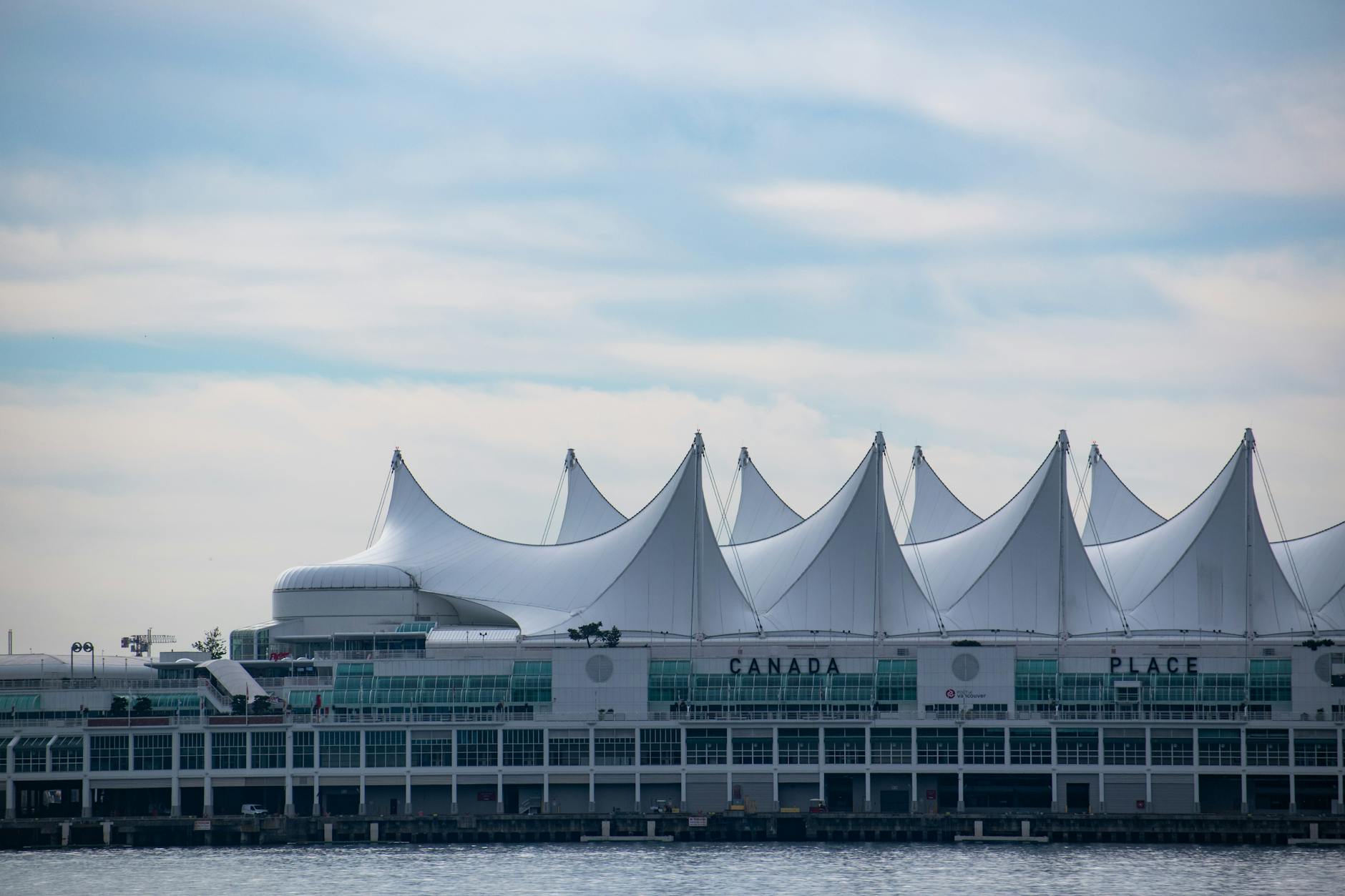
Itineraries
If You Have Two Days
Use day one for downtown, Stanley Park, and the seawall. Use day two for Granville Island plus one or two neighborhoods, depending on weather and appetite.
If You Have Three Days
Add one deeper cultural or neighborhood day: MOA, Main Street/Mount Pleasant, or a longer city-and-water pattern that does not rush.
If You Have Four Days
Ideal for many first visits. This lets you use one day for scenic Vancouver, one for food-and-neighborhood Vancouver, one for Granville/False Creek logic, and one for MOA or a more exploratory district day.
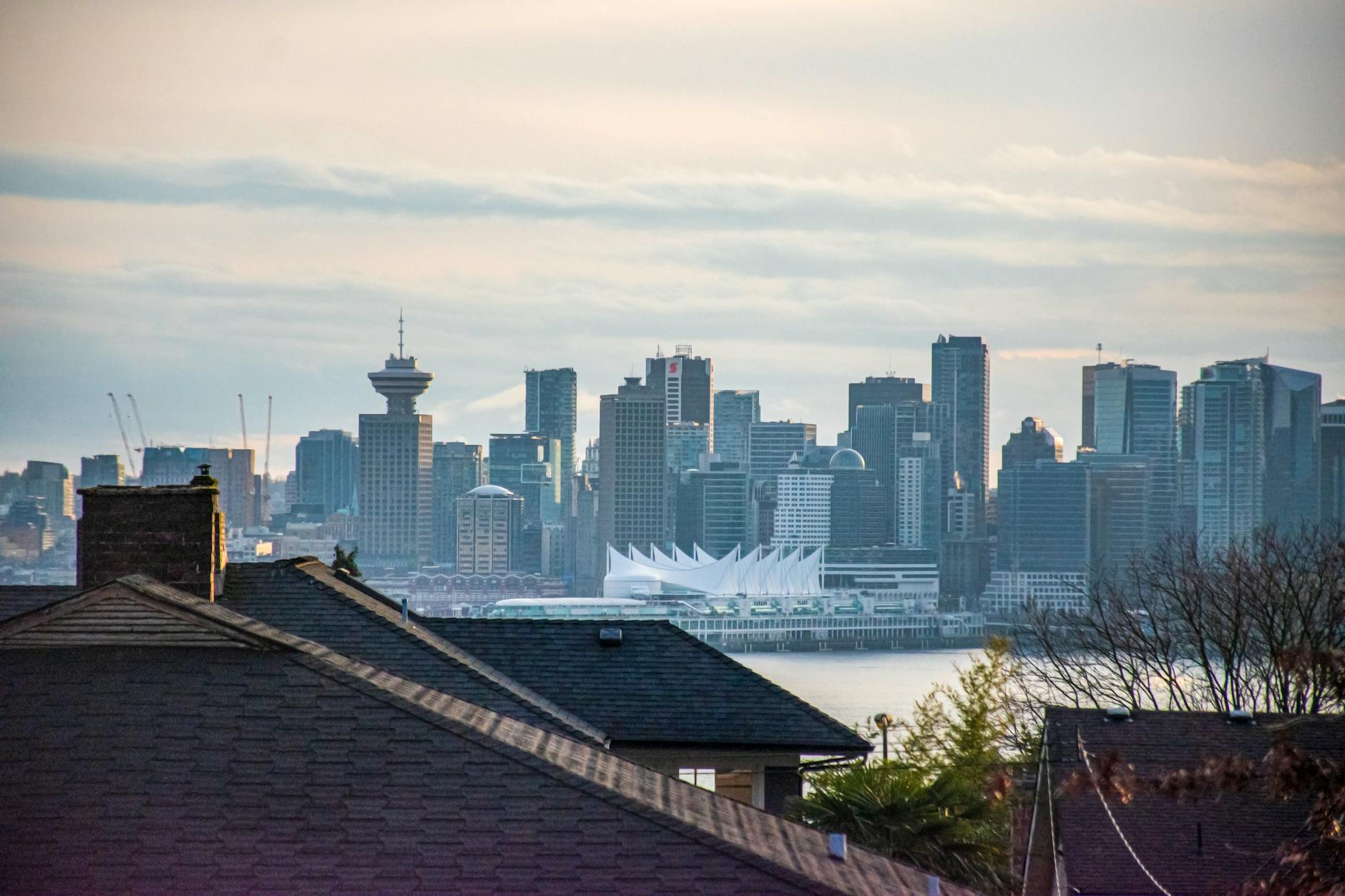
Itineraries By Traveler Type
For Couples
Stay in Coal Harbour or the West End, build around seawall light, one very good dinner, and one market or museum anchor. Vancouver is strongest when it remains low-pressure.
For Solo Travelers
Use transit confidently, treat the seawall as orientation, and make one neighborhood per half day the core rule. The city supports solo travel very naturally.
For Food-First Travelers
Granville Island plus neighborhood dining is the right backbone. Scenic walking should support the meals, not replace them.
For Scenic-First Travelers
Do not make the mistake of seeing only views. The city needs at least one serious neighborhood day to feel complete.
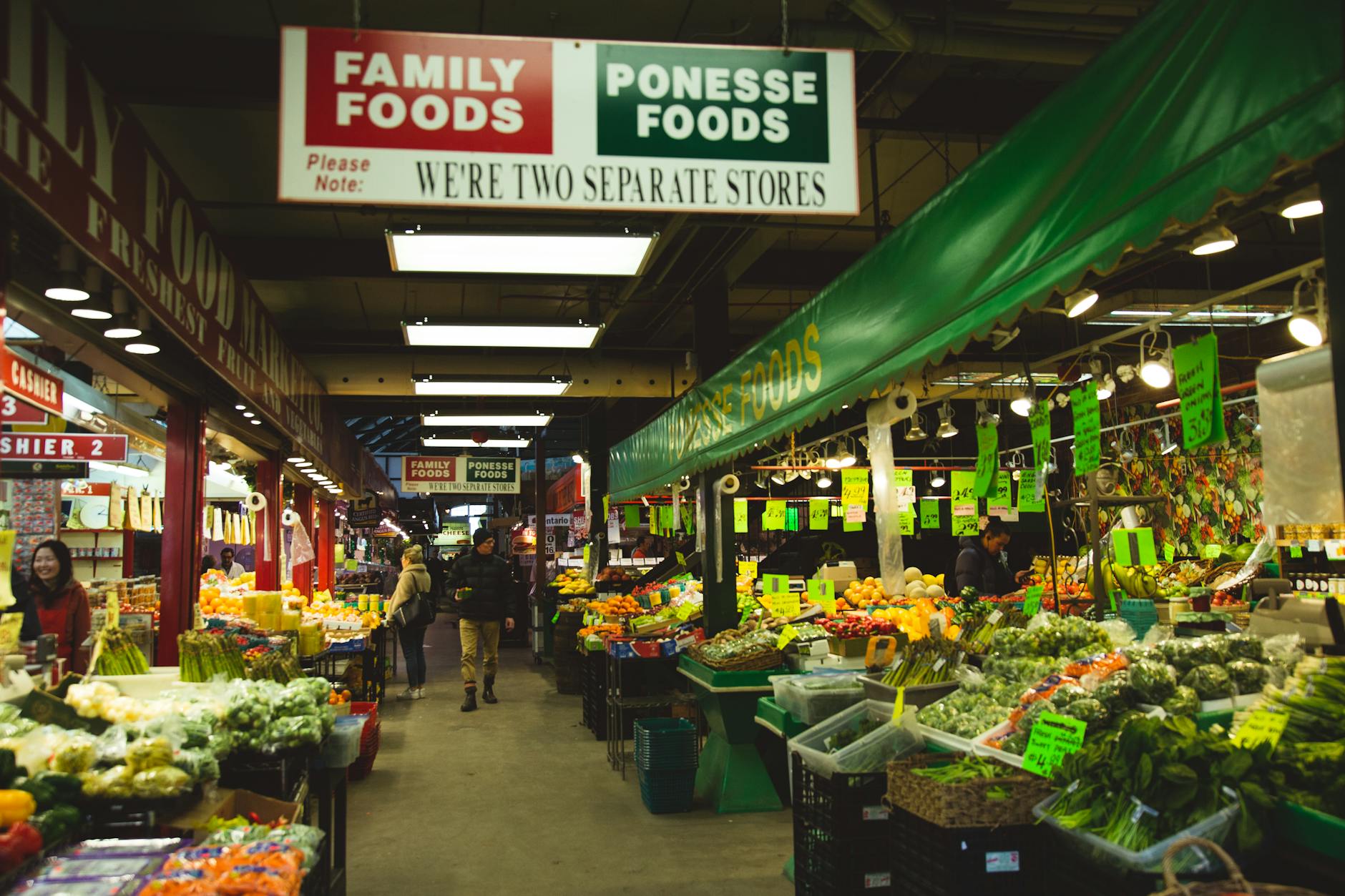
Food and Drink
Vancouver's food culture is one of the main reasons the city succeeds beyond its scenery. The city is especially good at Pacific and Asian-inflected urban eating: seafood, Japanese, Chinese regional depth, casual cafés, bakeries, and polished-but-not-overwrought neighborhood restaurants.
The trap is to let views outrank meals. A good harbor-facing drink can be lovely, but one excellent neighborhood meal usually explains more of Vancouver than a generic scenic reservation ever will. The city feeds best when you choose the district first and the table second.
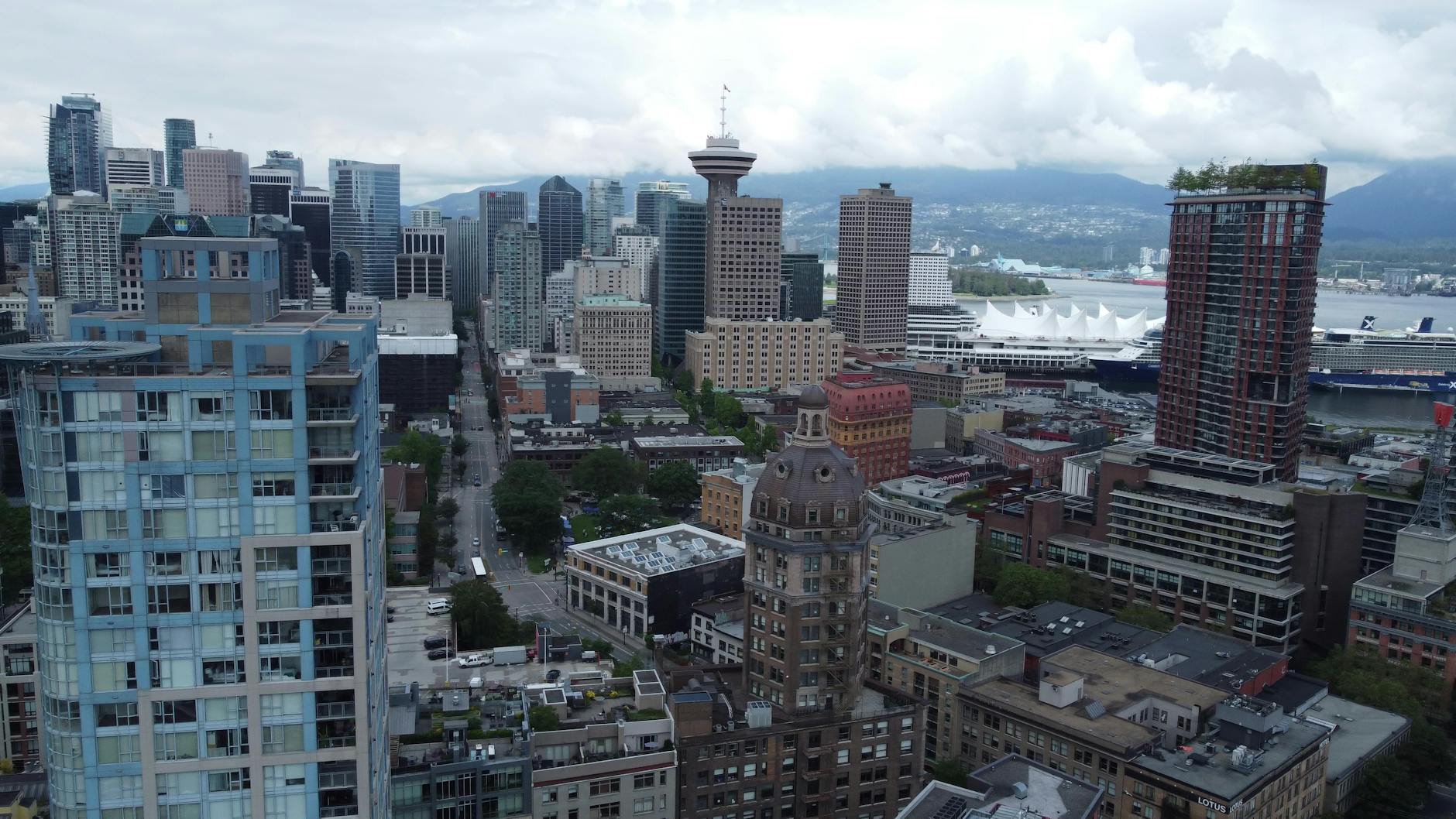
Getting Around
Vancouver is unusually visitor-friendly by North American standards. The airport link is clean, transit payment is simple, and the core neighborhoods connect well enough that you can move through much of the city without much friction.[1][3][4]
Walking matters too. The city is best read on foot along the seawall, around downtown edges, and through selected neighborhoods. You do not need a car for a standard first trip, and in many cases the car only complicates the stay.
What To Skip
Skip letting downtown stand in for the whole city. Skip assuming one scenic restaurant equals a real Vancouver food experience. Skip trying to do every postcard location in one day. Skip treating rain as a deal-breaker rather than a routing variable.
Common Mistakes
- Choosing a generic downtown hotel without thinking about which edge matters most.
- Underweighting neighborhoods outside the polished core.
- Spending too little time in Stanley Park.
- Using the seawall only as a photo backdrop.
- Confusing a view with a plan.
My Blunt Advice
Vancouver is not a city to attack. It is a city to tune properly. Choose your balance between urban life and scenery. Stay somewhere that serves that balance. Use transit, the seawall, and one or two neighborhoods with intention.
If you do that, Vancouver can feel almost improbably composed: water, forest, food, glass, rain, mountain outline, and a sense that the whole place is holding itself just a little more gracefully than most cities manage.
Where Vancouver Fits in a Canada Trip
Vancouver plays a very specific role in a Canada itinerary, and it is a role that first-time visitors often misunderstand. The city is not Canada's grand historic capital, and it is not a monument-heavy place that overwhelms you with formal cultural landmarks every hour. It is the country's most convincing Pacific-edge city: one that succeeds by combining serious urban livability with immediate access to water, parkland, and a broader scenic imagination. If Montreal often wins on historic texture and Toronto on big-city weight, Vancouver wins on balance.
That balance matters because it determines how many days the city deserves. Travelers sometimes treat Vancouver as a transition point before the mountains, Vancouver Island, Whistler, or an Alaska cruise. It can do that job. But when used only that way, the city is usually under-read. A well-used Vancouver stay is not just a buffer between larger scenic ambitions. It is a reset city, a place where movement can feel clean, meals can matter, and urban life remains calm enough to be restorative.
For a first western Canada trip, Vancouver is often best used in one of three ways.
The first is as a short but serious opening city: three or four days to recover from arrival, settle into the time zone, walk the seawall, explore a few neighborhoods, and build confidence before larger regional movement. This is the cleanest use for many international travelers because Vancouver is unusually forgiving after a long flight.
The second is as an urban counterweight to the Rockies. Banff, Jasper, and other mountain destinations can become visually overwhelming if everything in the itinerary is scenic in the same high-drama way. Vancouver provides a different register: lower pressure, more culinary depth, more water than altitude, and a softer rhythm between large landscape moments.
The third is as a finishing city. This works particularly well if the broader trip has involved driving, ferries, mountain weather, or changing accommodations. Ending in Vancouver allows the trip to resolve into something polished and easy rather than exhausting itself with one last logistical push.
The city is slightly less essential if your main goal is historic Canada or French Canada. It is also not the best place in the country for travelers who want to minimize costs. But for people who want a city that feels composed, healthy, and scenically alert without being either provincial or frantic, Vancouver remains one of Canada's best uses of time.
Vancouver Versus Seattle, Victoria, and Banff
Vancouver gets misunderstood partly because visitors compare it to the wrong places in the wrong way.
The most common comparison is Seattle. They share water, mountain adjacency, grey-weather atmosphere, and Pacific urban identity. But the experience is not the same. Seattle is denser in mood, more aggressively topographical in places, and often stronger on music-history mythology and neighborhood edge. Vancouver is cleaner in transit experience, calmer in public rhythm, more polished in its waterfront presentation, and often more immediately "easy" for a visitor. If Seattle is a city that asks you to enjoy its grain and contradictions, Vancouver is a city that asks you to notice how gracefully its systems meet.
Then there is Victoria, which some travelers wrongly treat as interchangeable because both are in British Columbia and both can look photogenic on first glance. Victoria is smaller, gentler, more overtly visitor-facing, and more explicitly legible as a provincial capital with a harbor-centered old-world softness. Vancouver is larger, more metropolitan, more Asian-Pacific in its cultural life, more architecturally contemporary, and much more dependent on selected district choices. Victoria is easier to "get" in one pass. Vancouver is the richer city if you are willing to route it properly.
The third comparison is Banff, though that is less a city comparison than an itinerary comparison. Many travelers implicitly ask whether Vancouver is only the civilized prelude to a much more scenic Rockies experience. The answer is no. Banff is sharper, grander, more immediately cinematic, and more purely landscape-led. Vancouver is stronger when you want scenery integrated into daily life rather than elevated above it. Banff dazzles. Vancouver settles into you.
This matters because the wrong comparison produces the wrong plan. If you expect Vancouver to perform like Seattle, you may wish it were rougher. If you expect it to perform like Banff, you may wish it were more dramatic. If you expect it to perform like Victoria, you may wish it were more quaint. The stronger move is to let Vancouver be what it actually is: an urban Pacific edge city where calm, water, food, weather, and movement matter more than headline spectacle.
First-Time Visitors Versus Repeat Visitors
Vancouver is good on a first visit and often better on a second one.
First-time visitors naturally build around the obvious skeleton: downtown, Stanley Park, the seawall, Granville Island, and perhaps one museum or one outward-looking neighborhood. This is not wrong. In fact, it is the correct first outline. The city's basic gifts are real and deserve their time. If you skip the seawall, underuse the park, or refuse to let the waterfront orient you, you are fighting the city rather than reading it.
But repeat visitors usually discover that Vancouver deepens when the "musts" stop owning every decision. The second visit is often when people use one neighborhood more fully, stay in a slightly different part of downtown, give themselves a wetter day without panic, or stop feeling obliged to convert every clear interval into a major scenic errand. That is when Vancouver's composure really starts to register.
For first-timers, the right question is: what is the most elegant version of the classic Vancouver outline? For return visitors, the question becomes: which version of Vancouver have I not really used yet?
That might mean more time in the West End instead of pure downtown. It might mean treating Main Street or Mount Pleasant as a meaningful half-day rather than a meal corridor. It might mean a cultural deepening day at MOA plus UBC's sea-facing atmosphere. It might mean a rain-shaped day of cafés, small walks, and late light rather than a nonstop scenic harvest.
This is also why Vancouver often produces better memories than immediate post-trip summaries. During the trip, it can feel almost too smooth. Later, people remember the harbor light, the seawall curve, the sense of usable space, the meal that anchored a district, and the way the city allowed energy to recover instead of only being spent.
Rainy Vancouver Versus Clear-Sky Vancouver
Many first-time visitors imagine that Vancouver exists in a binary: either you are lucky and get sunshine, or you are unlucky and get "bad weather." That is the wrong framework. Vancouver is one of those cities where weather is not simply a condition layered over the place. It is part of the place's actual authorship.
Clear-sky Vancouver is the version that fills postcards and persuades skeptical visitors instantly. Mountain outlines harden. The harbor becomes brighter and cleaner. Seaplanes look theatrical. Stanley Park feels almost too beautiful to be urban. On those days, the city can seem effortless. That is precisely why travelers become overconfident and build overfull days. Sunshine makes Vancouver look frictionless; it is better to use that ease for depth, not for overreach.
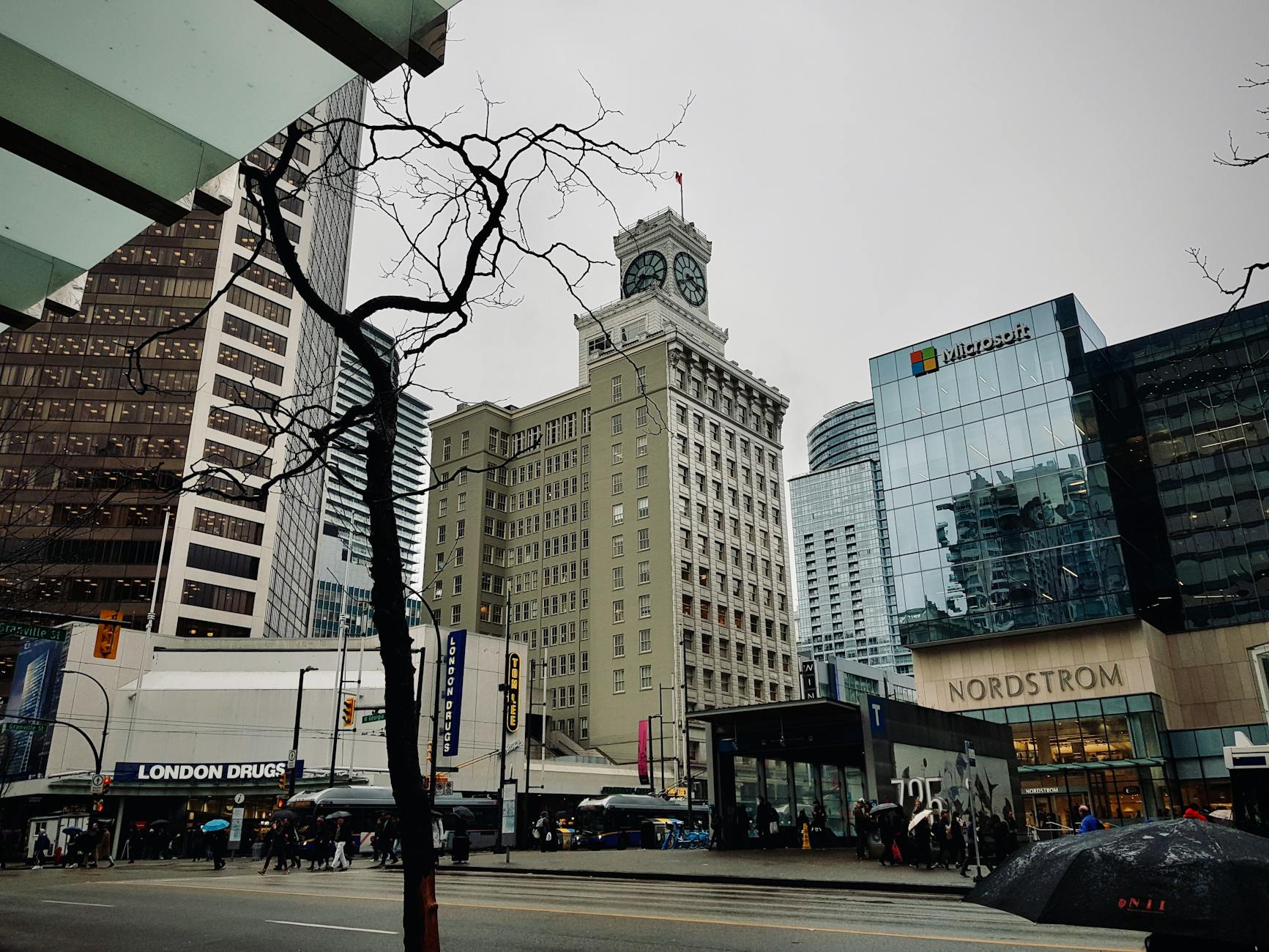
Rainy Vancouver is the version that teaches whether you actually understand the city. In wet weather, the glass core can feel elegant or thin depending on the route. The seawall can feel meditative, silver, and deeply atmospheric, or it can feel pointless if you brought the wrong expectations. Granville Island often gets stronger in mixed weather because its market energy becomes more useful than purely scenic. The right hotel lobby, café, or neighborhood lunch starts to matter more. Distances that looked trivial in sunshine suddenly need editing.
The best visitors do not ask weather to prove the city. They ask the weather to reveal which Vancouver belongs to that day.
On a clear day, longer park and water movement deserve priority. On a wet day, district concentration matters more than range. On a mixed day, Vancouver is often best used in sequences: outdoor edge, interior pause, outdoor edge again. That pattern can make the city feel richer than a full day of unbroken brightness because you actually notice transitions.
This is also why overbooking scenic activities can weaken the trip. Vancouver is not a place where every day should be forced into mountain access or panoramic proof. Sometimes the right rainy-day Vancouver is not "salvaged" at all. It is simply a different, more interior, more reflective city than the one people came expecting.
Why the Base Matters More Than Visitors Expect
In many cities, hotel choice mainly affects convenience and price. In Vancouver, it also affects emotional tone.
Stay in the wrong part of downtown and the city can feel merely efficient. Stay on the right edge and it feels breathable. This is not because distances are huge. It is because Vancouver's strongest experiences are edge experiences: harbor edge, park edge, seawall edge, neighborhood edge. If your hotel requires too much neutral walking before the city becomes itself, you start every day in the wrong rhythm.
That is why the West End works so well. It lets park access, English Bay atmosphere, and downtown usability all reinforce one another. Coal Harbour works for a different reason: it front-loads polished beauty and harbor calm. Yaletown works when meals and False Creek movement matter. The downtown core works best when the trip is short and logistical clarity is worth more than romance.
There is also a practical point here. Vancouver is expensive enough that the instinct to "save a little on the room and just move around" can backfire. A poorly located hotel in a city like this extracts its cost from mood, not just from minutes. A strong base makes spontaneous seawall use easier, allows a quick return before dinner, gives bad-weather days a center of gravity, and helps the trip feel authored even when not much is formally scheduled.
The best test is simple: can you leave the hotel and feel like Vancouver has already begun within a few minutes? If yes, the base is probably right. If not, the city may remain more abstract than it should.
Why One Proper Vancouver Day Matters
Vancouver is often weakened by being broken into fragments. Travelers arrive late, walk a bit of Coal Harbour, sleep, go to Whistler, return, spend a partial morning at Granville Island, then leave for Vancouver Island or the airport. On paper, that can look like "having done Vancouver." In practice, it rarely allows the city to cohere.
One proper Vancouver day changes that. By "proper," I mean a day where the city itself is the point from morning through evening, not merely the container around two separate excursions. You begin with one large physical read of the place, perhaps through Stanley Park and the seawall. You let lunch belong to a real district rather than a convenience gap. You allow at least one non-scenic layer, such as a neighborhood walk, cultural stop, or market district. And you leave room for evening light rather than exhausting the day by late afternoon.
That single complete day teaches you more than several scattered windows. It reveals how harbor, park, district, transit, food, and weather interact. It also prevents the common mistake of deciding too early that Vancouver is either shallow or perfect. It is neither. It is a city of relationships between parts, and those relationships only appear when time is given without interruption.
If you only have one full day, make it elegant. Do not try to solve the whole region. Use the city as a city. If you have more than one full day, even better: the first can establish the skeleton and the second can supply the grain.
Day Vancouver Versus Evening Vancouver
Some cities live most vividly in daylight. Others wait for night. Vancouver needs both, but not for the same reasons.
Day Vancouver is about legibility. You see the harbor lines, mountain shape, seawall traffic, neighborhood distinctions, and the daily social use of parks and public spaces. The city explains itself through movement. Morning is especially good because the light is often softer, the waterfront feels cleaner, and even busy places still have a little breathing room.
Evening Vancouver is subtler. This is not a city that suddenly becomes maximal at night. Its strength is not sheer nighttime intensity. Instead, evening lets the city gather itself differently. Dinner districts become more decisive. The harbor grows quieter. Reflections matter more. The West End softens. Yaletown becomes more obviously curated. Coal Harbour can feel almost improbably polished. Even a simple post-dinner waterfront walk can make the whole day resolve.
This is one reason rushed day-trip logic fails Vancouver. If you leave before evening, you only get the city in explanatory mode. If you stay through dinner and after, you begin to understand its emotional tone. That tone is part of the reason people like Vancouver more than they sometimes expected to.
A good first trip should therefore include at least one evening that is not just "back at the hotel after sightseeing." Give the city a proper dinner district. Give the waterfront a second look after dark. Let the day end outside. Vancouver benefits from that final register.
Why the Seawall Should Not Own the Whole Trip
The seawall is one of Vancouver's greatest urban assets. It is also one of the easiest things to overuse conceptually.
Because it is beautiful, accessible, and photogenic, travelers start treating it as if it can stand in for broader city knowledge. If they walked part of the seawall, saw the skyline, and passed through Stanley Park, they feel they have grasped the city. What they have really grasped is Vancouver's strongest edge.
That edge is essential, but it is not the whole story. Without neighborhoods, the city can seem too smooth. Without Granville Island or another mixed social-commercial environment, it can seem too visually resolved. Without a serious meal beyond the generic scenic corridor, it can seem oddly noncommittal. Without cultural depth, especially at MOA if that matters to you, it can remain a place of surfaces rather than histories.
The best use of the seawall is as framework, not total content. Use it to orient the trip, clear your head, connect districts, or give form to a morning. Then let another part of Vancouver complicate what the water just made look easy.
This is particularly important for travelers who love walking. In many cities, long walking is the surest road to understanding. In Vancouver, long walking is excellent, but if too much of it stays on the same photogenic edge, you may gain serenity without gaining enough range.
Why Vancouver Often Improves on the Second Visit
Vancouver often has a delayed effect on people because its pleasures are more relational than confrontational. The city does not always insist on itself in the way Paris, Tokyo, Rome, or New York do. Instead, it accumulates value through use.
On the second visit, the airport arrival feels even easier. The seawall is no longer an obligation but a return. You stop worrying about whether Granville Island is "too touristy" and simply decide whether it fits that day. You know that weather is not an emergency. You begin choosing districts for appetite and mood rather than checklist logic. This is when Vancouver starts to feel not just pretty, but intelligently habitable.
That does not mean the first visit is weak. It means the city is less about revelation than confirmation. What it confirms is that a well-designed urban life near water, forest, and Pacific weather has genuine travel value. Some people experience that instantly. Others need to come back once the postcard layer has relaxed.
If a first visit leaves you thinking, "That was calmer and more polished than I expected," that is not faint praise. That is often the start of Vancouver making its case.
How Vancouver Changes Over the Course of a Stay
On arrival, Vancouver often reads as clean, efficient, and beautiful. The airport transfer is simple. The skyline is legible. The water is near. Everything feels organized. This first impression is strong, but also incomplete.
By the second day, the city usually starts to separate into zones: not just downtown, but downtown versus West End; not just water, but English Bay versus False Creek versus Coal Harbour; not just scenery, but scenery plus actual district choice. This is the stage where Vancouver becomes more than a handsome first impression.
By the third day, if the trip is going well, you stop asking whether the city is "worth it" and start using it more instinctively. A wet morning no longer feels like lost time. A second harbor walk no longer feels repetitive. A meal in the right neighborhood starts carrying more weight than another panoramic viewpoint. The trip becomes less about acquisition and more about calibration.
That is why Vancouver often needs at least three full days to feel complete to a first-time visitor. The city does not reveal itself through accumulation of attractions as much as through improved judgment. The better you choose, the better it gets.
Source Notes
- 1. YVR, official public transportation page: [https://www.yvr.ca/en/passengers/transportation/public-transportation](https://www.yvr.ca/en/passengers/transportation/public-transportation)
- 2. YVR, official Canada Line train-to-city page: [https://www.yvr.ca/en/passengers/shop-dine-and-services/387](https://www.yvr.ca/en/passengers/shop-dine-and-services/387)
- 3. TransLink, official visiting Vancouver page: [https://www.translink.ca/rider-guide/visiting-vancouver](https://www.translink.ca/rider-guide/visiting-vancouver)
- 4. TransLink, official Compass Card page: [https://www.translink.ca/compasscard.html](https://www.translink.ca/compasscard.html)
- 5. City of Vancouver, official Stanley Park page: [https://vancouver.ca/parks-recreation-culture/stanley-park.aspx](https://vancouver.ca/parks-recreation-culture/stanley-park.aspx)
- 6. City of Vancouver, official seawall page: [https://vancouver.ca/parks-recreation-culture/seawall.aspx](https://vancouver.ca/parks-recreation-culture/seawall.aspx)
- 7. City of Vancouver, official Stanley Park seawall walk page: [https://vancouver.ca/parks-recreation-culture/stanley-park-seawall.aspx](https://vancouver.ca/parks-recreation-culture/stanley-park-seawall.aspx)
- 8. Destination Vancouver, official Granville Island neighborhood page: [https://www.destinationvancouver.com/vancouver/neighbourhoods/granville-island/](https://www.destinationvancouver.com/vancouver/neighbourhoods/granville-island/)
- 9. Granville Island, official Public Market history and hours page: [https://granvilleisland.com/history/the-public-market](https://granvilleisland.com/history/the-public-market)
- 10. Museum of Anthropology at UBC, official museum site: [https://moa.ubc.ca/](https://moa.ubc.ca/)
- 11. Visit UBC, official MOA visitor page: [https://visit.ubc.ca/see-and-do/museums-and-art-galleries/museum-of-anthropology/](https://visit.ubc.ca/see-and-do/museums-and-art-galleries/museum-of-anthropology/)