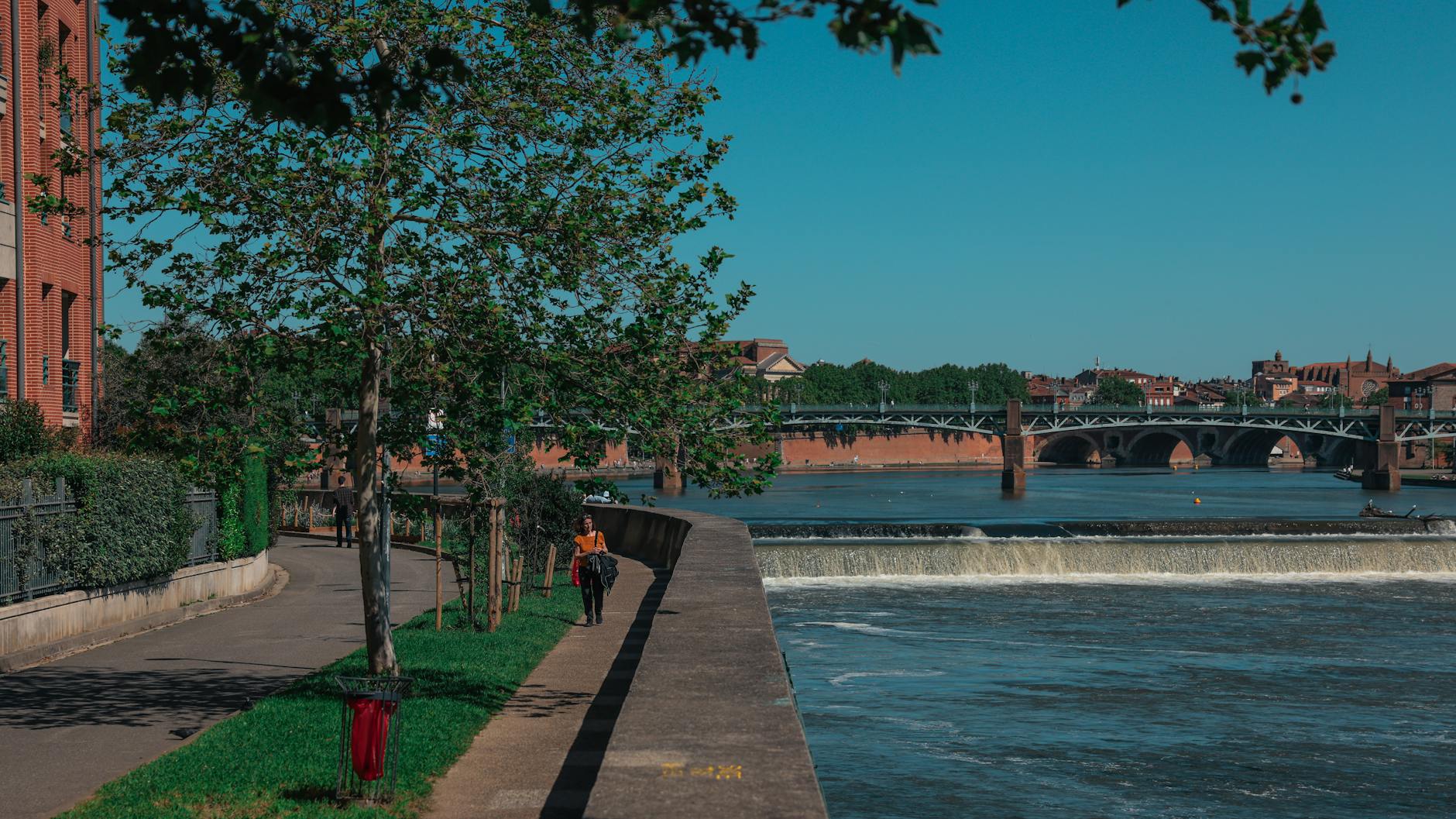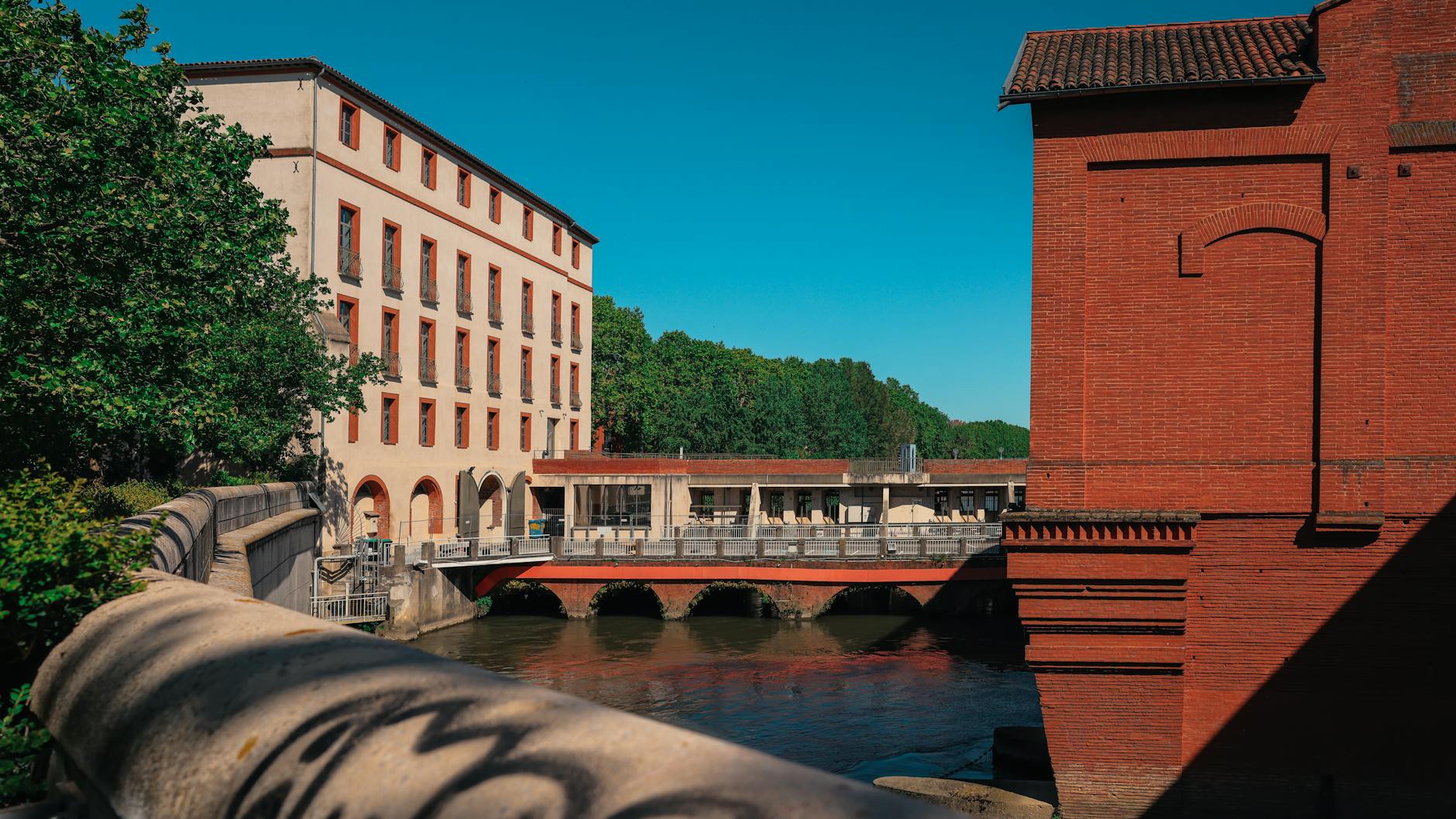
Toulouse is easy to underrate because it lives in the shadow of easier travel clichés: Paris for grandeur, Provence for atmosphere, Bordeaux for wine, the Riviera for image. That leaves Toulouse oddly free to be itself, and that is exactly why it can make such a satisfying trip. The city has architectural coherence, serious food, a strong café and market culture, and a lived-in urban rhythm that feels more like an actual French city than a stage set arranged for visitors. Its brick glow, river edges, student energy, and southwestern confidence create a place that is warmer and more grounded than many first-time travelers expect. The best Toulouse trip does not apologize for being in Toulouse. It builds around neighborhoods, long meals, river walks, museum hours, small design discoveries, and a hotel base that allows the city’s texture to accumulate over several days. Treated that way, Toulouse can feel far richer than more obvious secondary-city picks because it still behaves like a real city first and a travel object second.
How Toulouse works
Toulouse is not a checklist city. It is a city of atmosphere, civic confidence, and accumulation. You feel it in the brick facades that change color across the day, in the way the Garonne and Canal du Midi shape movement, and in the balance between old-city beauty and a contemporary student-and-aerospace economy that keeps the place from feeling preserved in amber. The stay improves when the traveler stops searching for one blockbuster sequence and instead allows districts, river edges, churches, markets, museums, and long meals to build a fuller picture. Toulouse is elegant, but it is not performative. That is part of the appeal.
- Toulouse rewards attention more than speed.
- The city is stronger as an atmosphere-rich stay than as a monument hunt.
- Its appeal comes from lived urban texture, not from one dominant sight.
Best time to visit
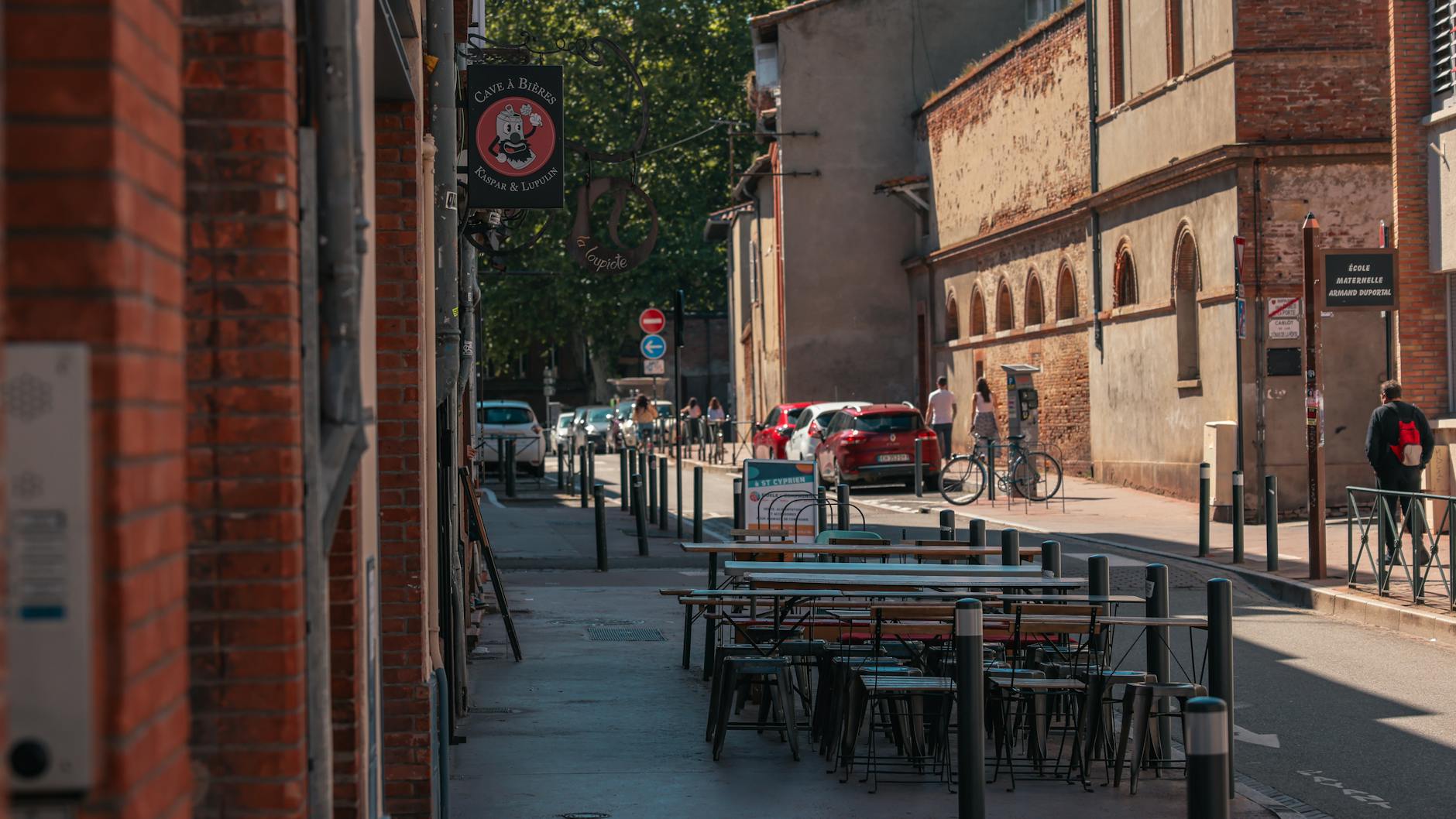
Late spring and early autumn are often the cleanest Toulouse windows because the light flatters the city, terraces are active, and walking the center feels pleasurable rather than effortful. Summer can still work well, especially for travelers who like late dinners and a more open-air rhythm, but heat can flatten midday energy. Winter is not a dead season here, yet it changes the trip into more of a food, museum, church, and café city. Toulouse still functions in colder months, but it asks for a tighter route and a better hotel.
- May, June, September, and early October are especially strong.
- Summer is viable but requires a calmer midday rhythm.
- Cooler months work best when the trip leans cultural and culinary.
Arriving and getting around
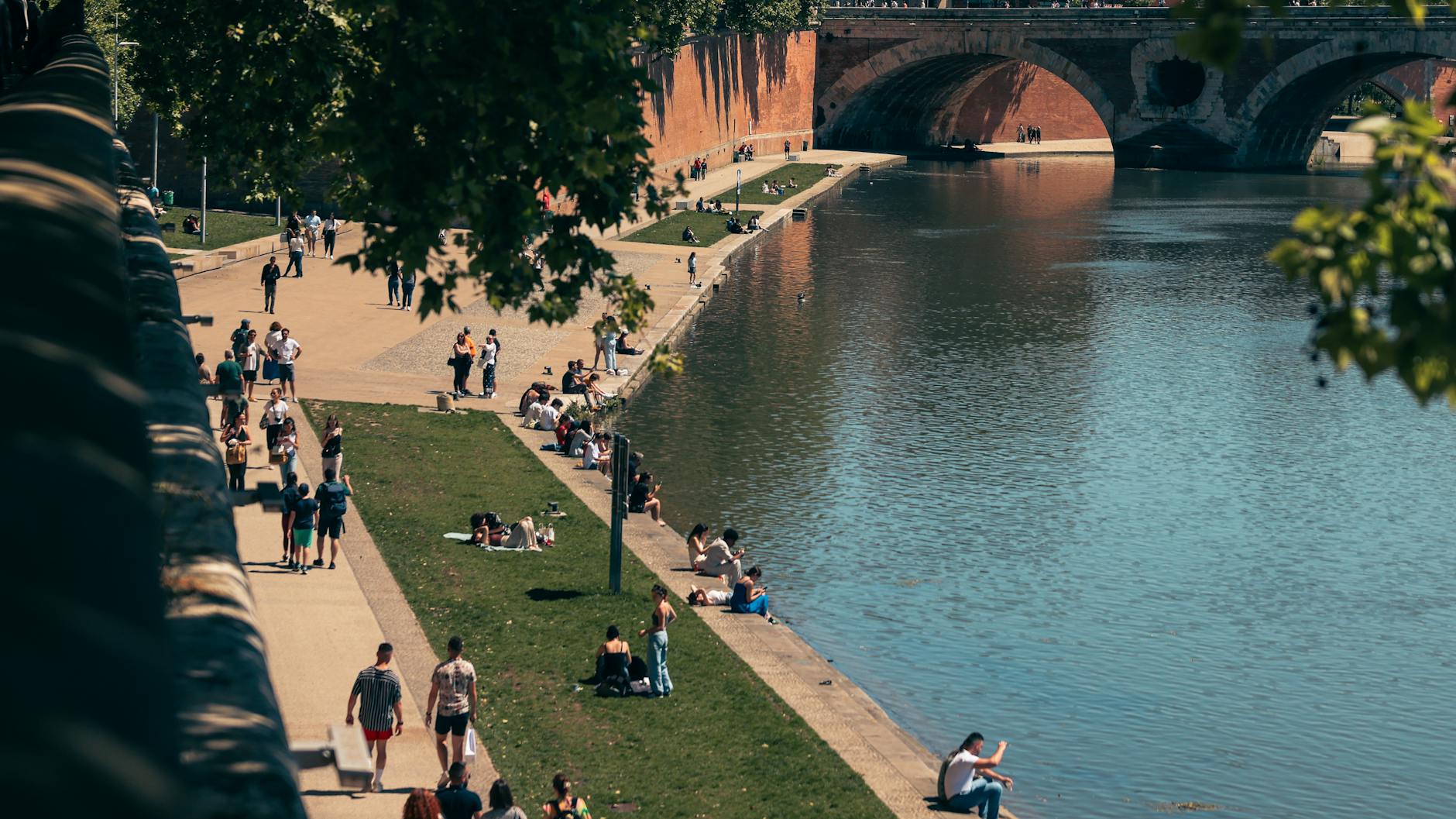
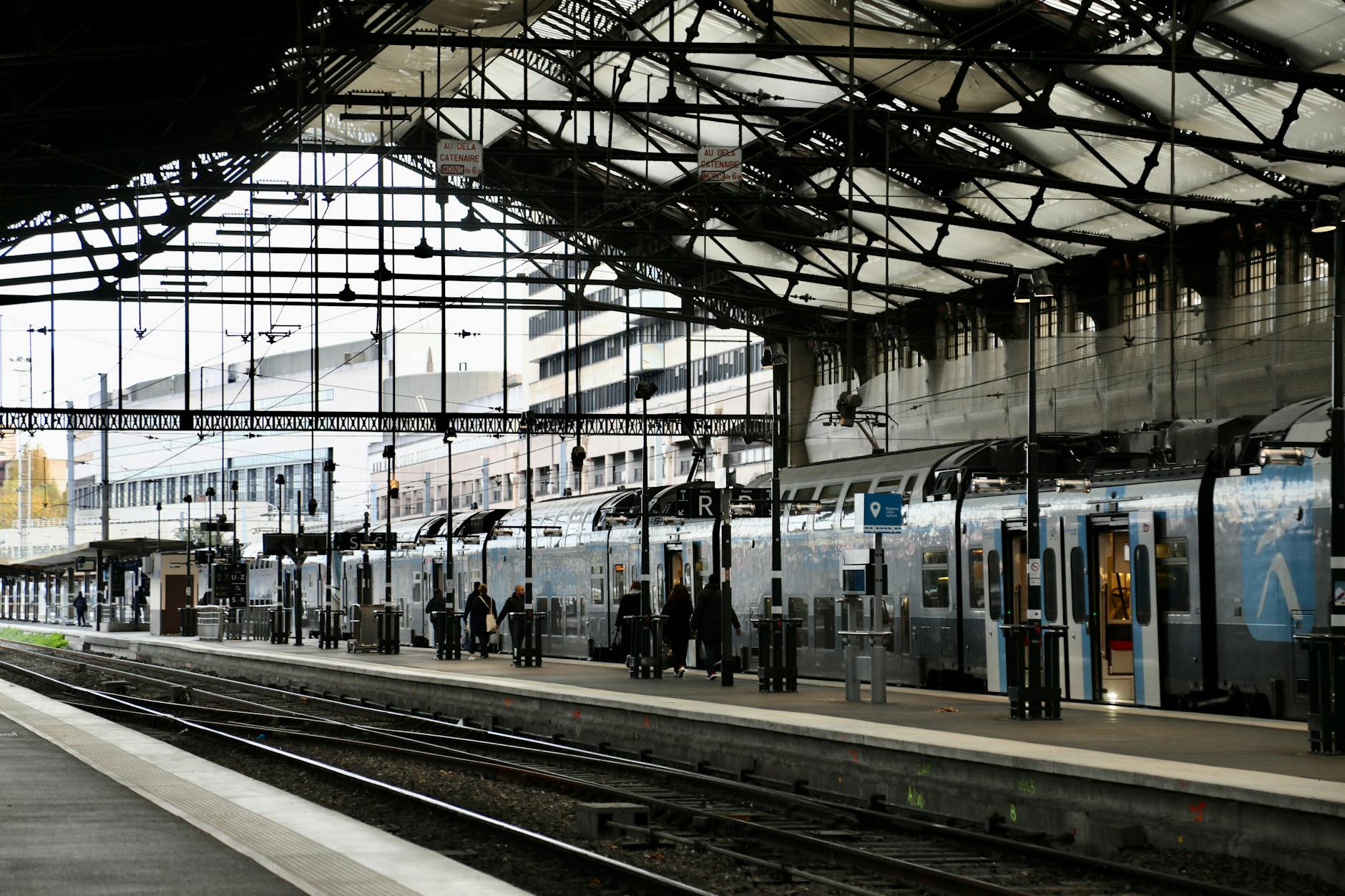
Toulouse is straightforward enough that visitors can underestimate how much hotel geography still matters. Arrival is usually easy to solve, but the quality of the stay depends on whether you are positioned to walk naturally through the center rather than commuting into it emotionally and physically. Much of the city’s pleasure comes from moving on foot between squares, churches, river views, covered markets, shops, and cafés. Public transport can support the stay, but it should not be doing the main interpretive work. Toulouse is best when your route feels graceful from the first coffee to the last dinner.
- Choose a base that lets walking carry most of the trip.
- The city is better experienced in linked neighborhood sequences than in scattered hops.
- Transport should support the stay, not define it.
Where to stay
The hotel decision in Toulouse is mostly about tone. A base near the historic center makes the city feel handsome, connected, and easy to inhabit. A more polished address can make the trip feel quietly luxurious without requiring grand-hotel theatrics. A more residential-feeling base can work for return visitors or longer stays, but first-time travelers usually benefit from staying close enough to the old core that the city reveals itself almost immediately. Toulouse is a place where a good room in the right position pays back in mood, not just convenience.
- For most travelers, central positioning is worth paying for.
- The right base makes Toulouse feel fluid and intimate.
- A weak location can make the city seem flatter than it is.
Neighborhoods that matter most
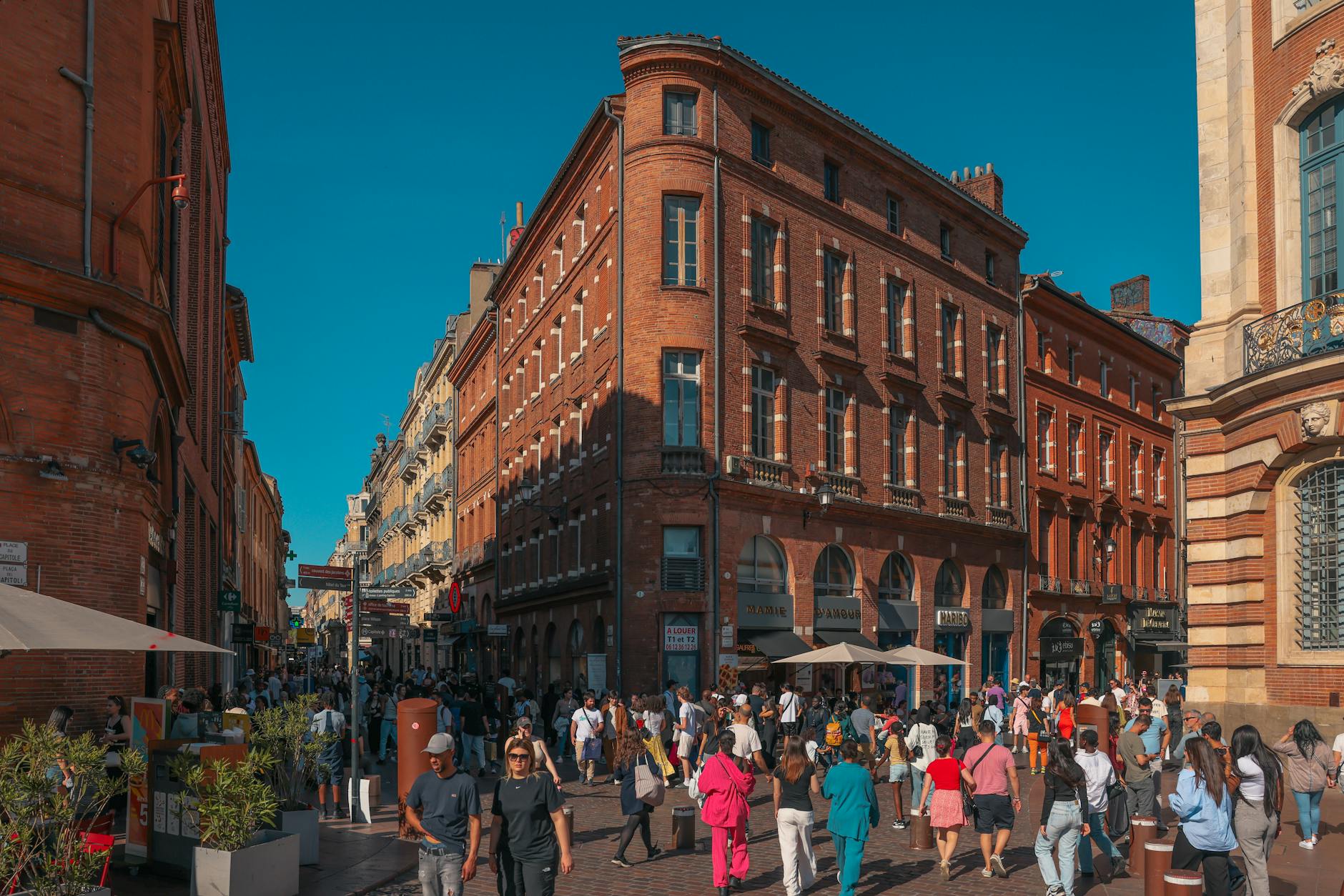
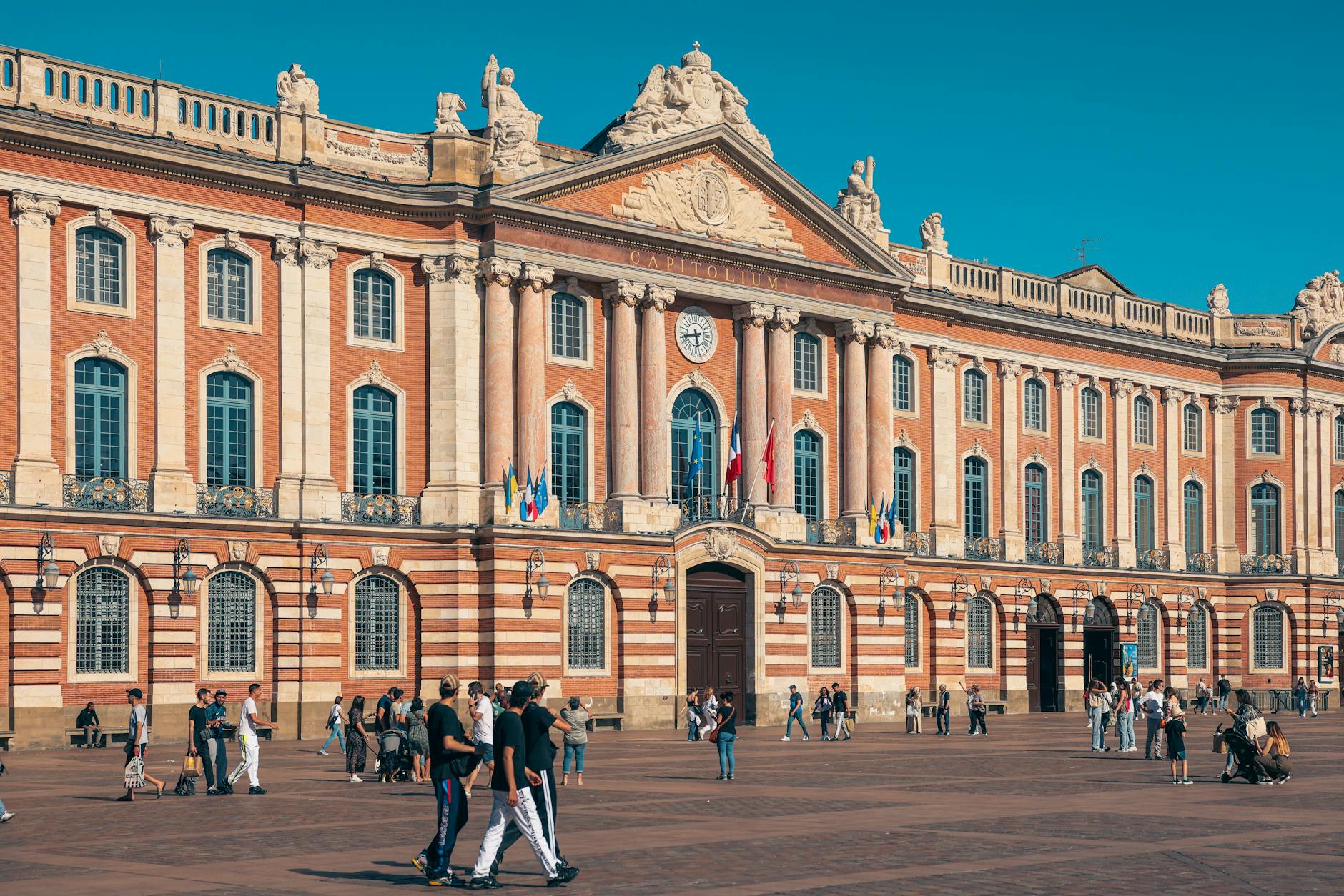
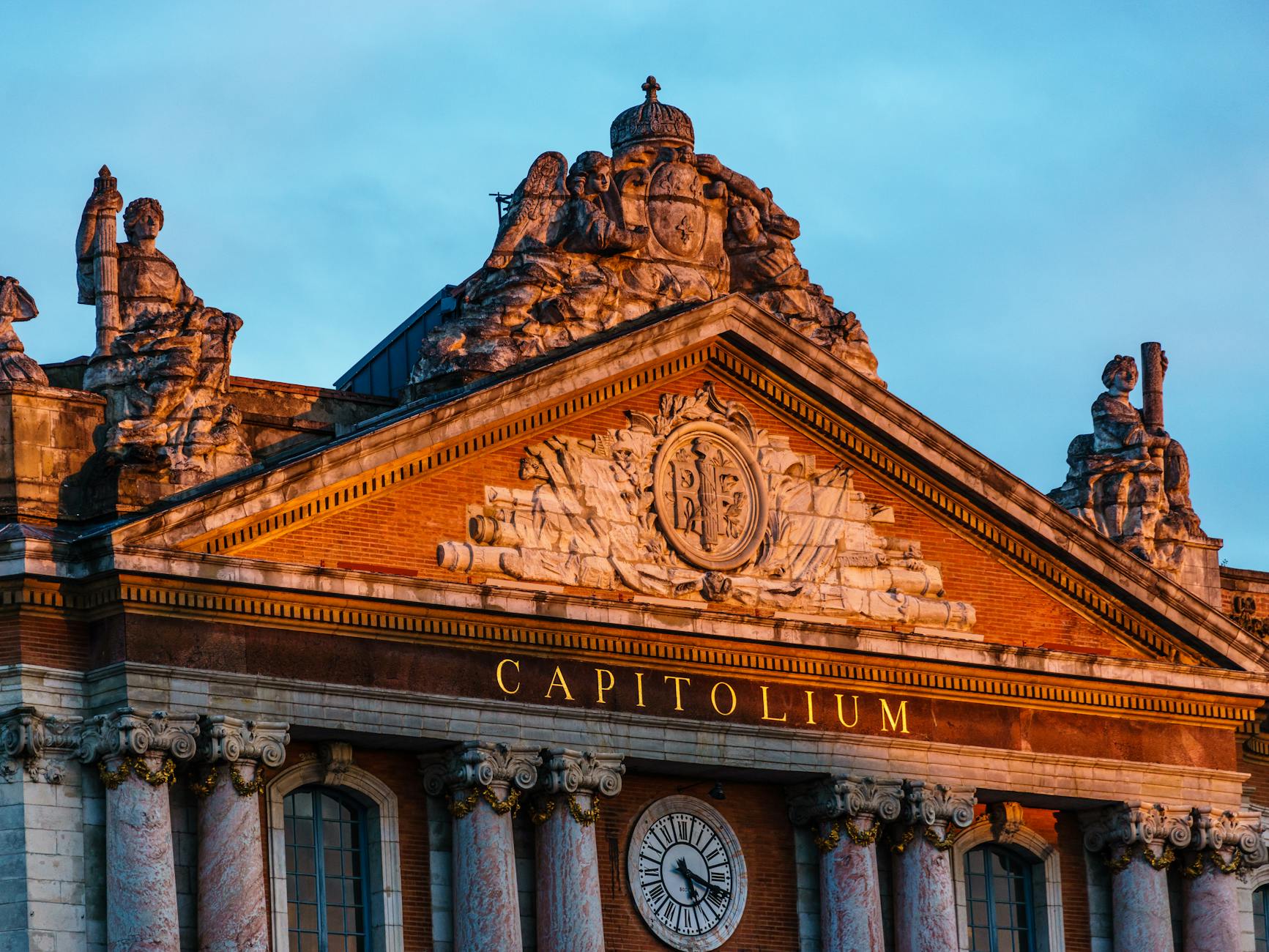
The area around the Capitole gives the most immediate version of Toulouse: civic grandeur, shopping, easy movement, and proximity to many of the city’s essential streets. Saint-Étienne and nearby sections feel more refined and composed, with a quieter elegance that suits travelers who want a more polished tone. Carmes and adjacent streets offer one of the city’s most satisfying blends of food, daily life, and walkable urban texture. Along the river, especially toward the Pont Neuf side, Toulouse becomes more scenic and open. These are not radically separate worlds, but they do create meaningfully different stays.
- Capitole is the clearest first-time anchor.
- Carmes and Saint-Étienne often produce a richer stay than generic center-only booking.
- River adjacency adds atmosphere if the base still keeps the core walkable.
What Toulouse does best
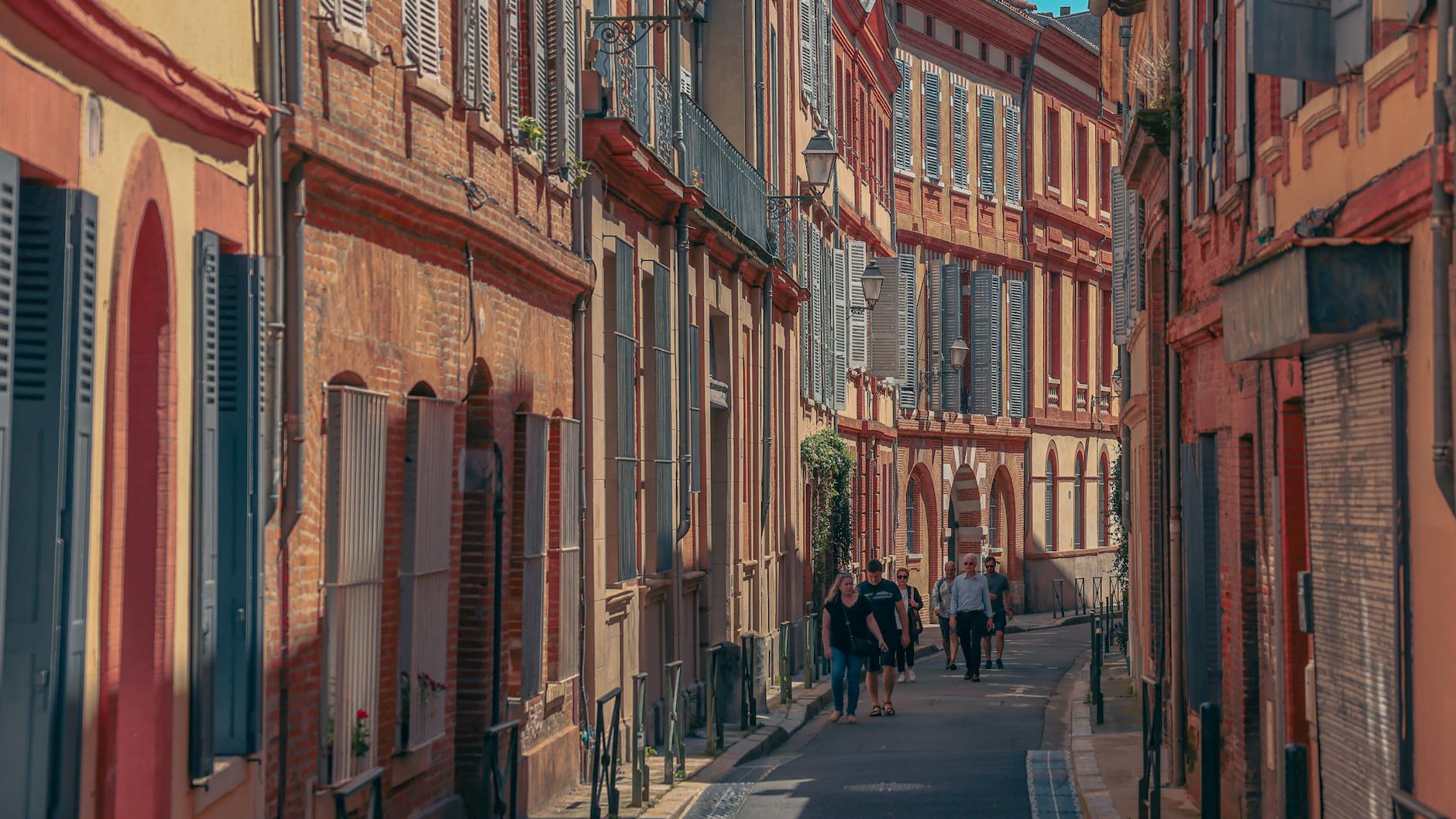
Toulouse excels at being a fully satisfying French city without requiring a prestige narrative. It offers churches, courtyards, river views, markets, museums, food culture, and the kind of daily urban beauty that can fill several days without strain. It is especially good for travelers who want a place with substance but not constant crowd pressure. Toulouse also handles mixed travel motives well: a little architecture, a little shopping, a little culinary focus, a little slow wandering. The city supports that balance better than many places that are technically more famous, which is exactly why it can feel so rewarding to travelers tired of overperformed French-city itineraries.
- Toulouse is ideal for travelers who want quality without spectacle overload.
- It supports a broad but coherent urban trip.
- The city is stronger when allowed to remain edited and unhurried.
Food
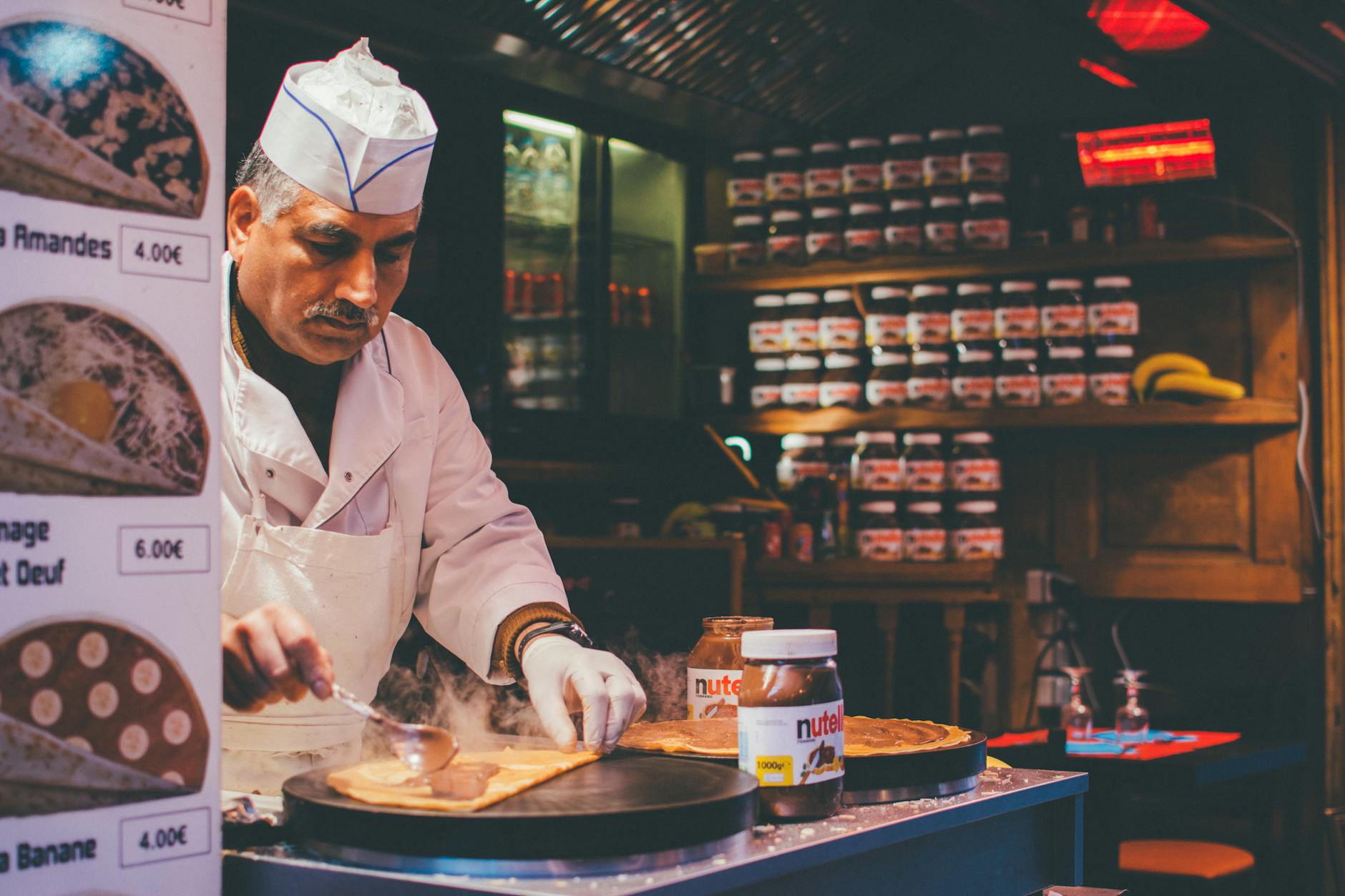
Toulouse is a genuinely rewarding food city, but not in a frantic reservation-collector way. The best meals tend to grow naturally from the district you are already inhabiting, whether that means a market-led lunch, a careful southwestern dinner, or a café stop that feels woven into the day rather than inserted for content. This is a city where appetite should stay connected to walking and place. Travelers who chase only headline tables can miss the deeper pleasure, which is Toulouse’s combination of regional seriousness and urban ease.
- Southwestern identity gives Toulouse more culinary personality than many visitors expect.
- The best eating usually comes from strong local rhythm rather than from overplanning every meal.
- Markets, cafés, and mid-level restaurants often matter as much as one big dinner.
Nightlife
Toulouse after dark is lively without needing to become a performance city. The student population keeps energy in circulation, but the evening can be shaped in several ways: wine-first and conversational, terrace-led and social, or more classically bar-and-late-dinner oriented. A base in the right district makes this feel organic. A weakly placed hotel turns the evening into a logistics question. Toulouse is not usually at its best when the traveler tries to force maximal nightlife; it is better when dinner, walking, and one or two strong evening decisions carry the night cleanly.
- The city offers social energy without demanding a party-trip frame.
- Evening quality depends heavily on district choice.
- Toulouse nights are strongest when they stay elegant rather than overambitious.
Etiquette and local norms
Toulouse is relaxed by French city standards, but not careless. Basic courtesies still matter, especially in shops, restaurants, and everyday service interactions. The city rewards travelers who enter spaces with a little awareness, who do not confuse southern warmth with anything-goes casualness, and who allow meals and public places to unfold at local speed. In practice, the norm is simple: be alert, be polite, and do not behave as if the city exists only to absorb visitor impulse.
- Politeness still improves almost every interaction.
- Let the city’s cadence shape your behavior rather than rushing through it.
- Southern warmth is real, but it is not permission for sloppiness.
Blunt advice
The biggest Toulouse mistake is using it like filler between more famous places. The second is planning it like a generic center-city overnight and then concluding there is not much there. Toulouse requires a little attention and rewards it quickly. Book the right base, leave room for long walks and long meals, and stop asking the city to impersonate Paris or Provence. When travelers let Toulouse be its own thing, it often becomes one of the most satisfying stops in the wider trip.
- Do not demote Toulouse before you arrive.
- Treat the hotel and district decision seriously.
- This city improves when you stop comparing it and start inhabiting it.