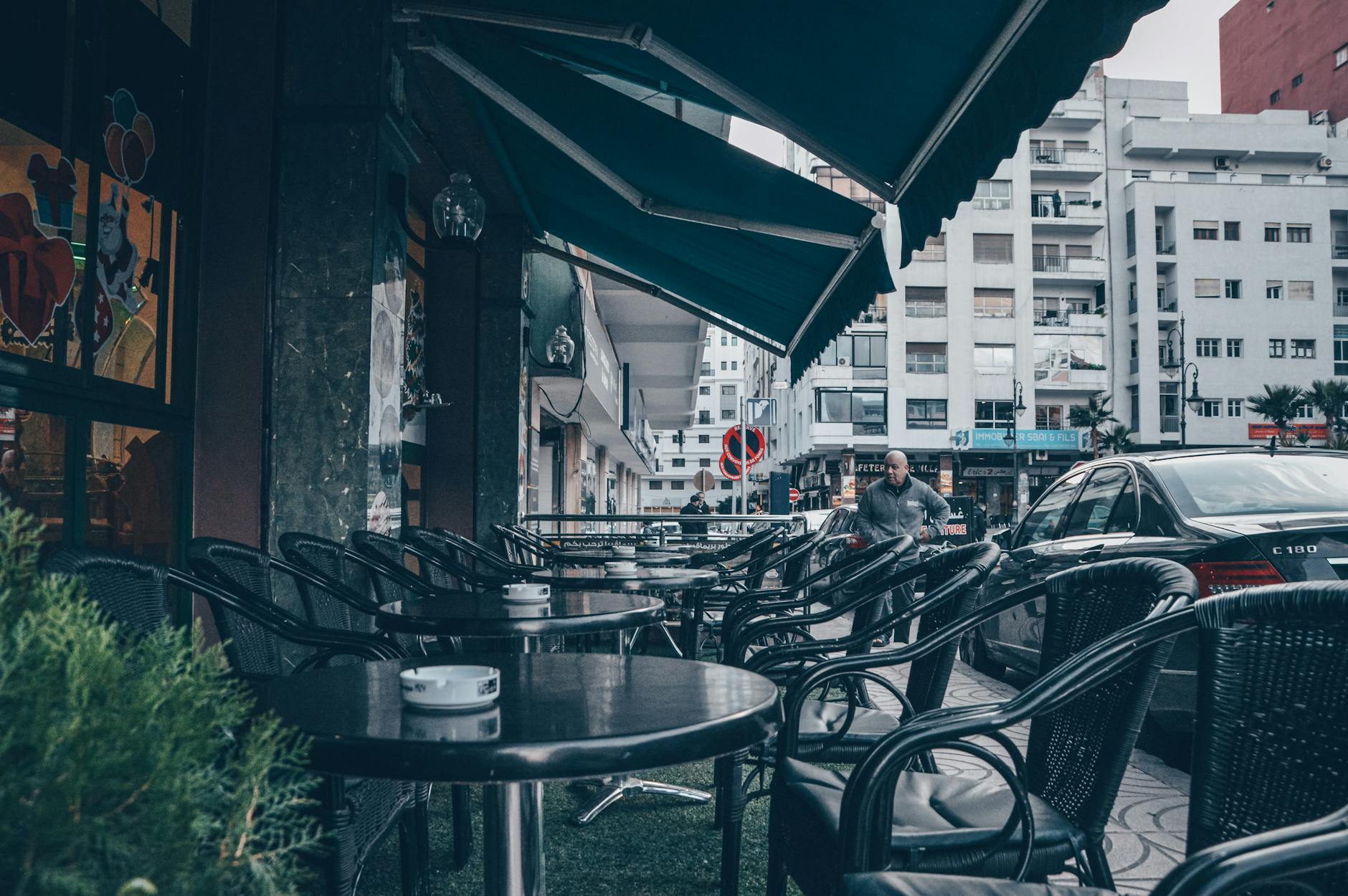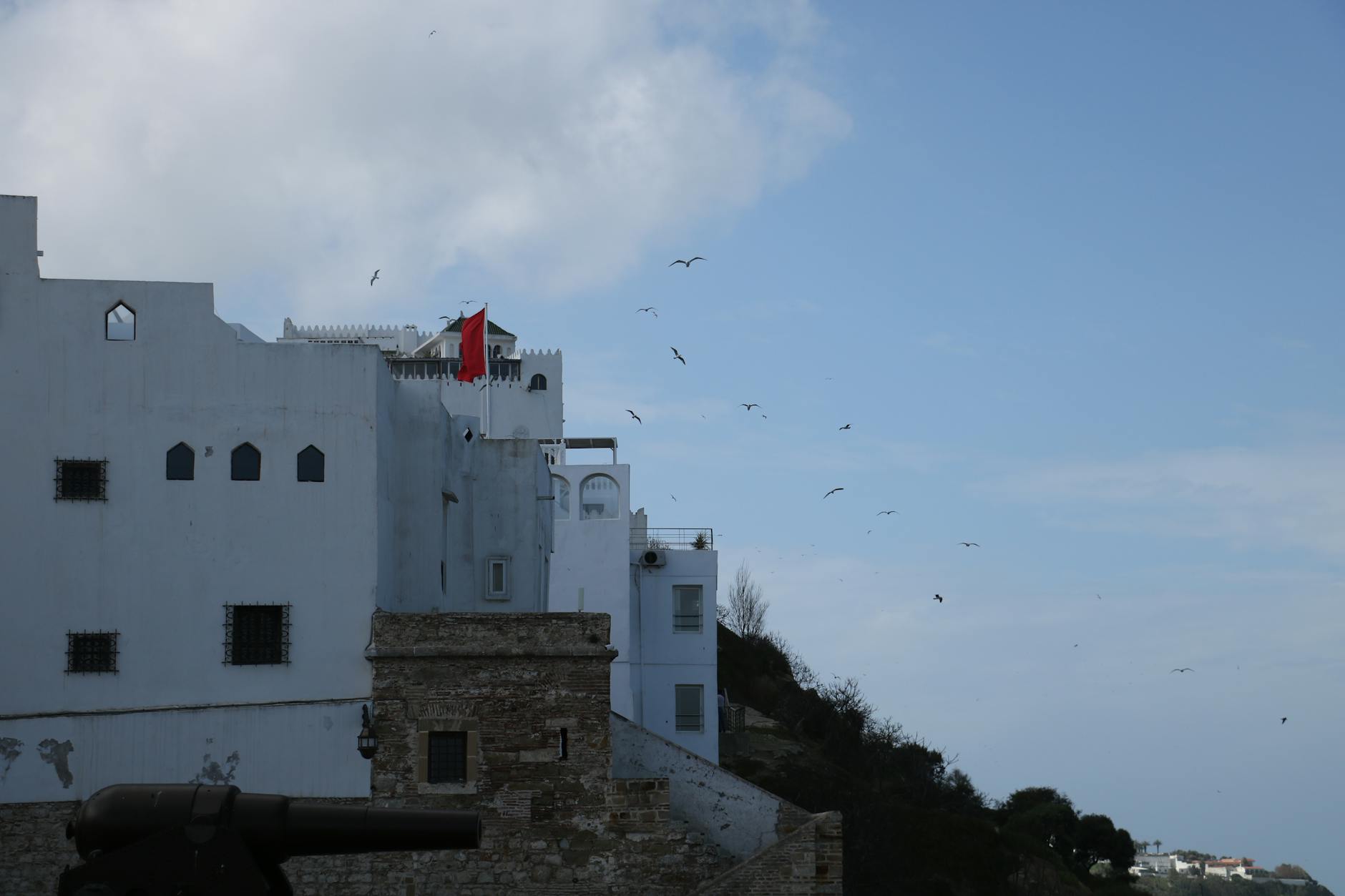
Tangier may be one of the world’s most over-narrated cities. Before they arrive, travelers already have a story in mind: bohemian Tangier, spy-novel Tangier, gateway Tangier, literary Tangier, decadent Tangier, ferry-port Tangier. Most of those stories contain a sliver of truth and very little operational usefulness. The real city is more interesting than the mythology but also less forgiving of lazy planning. Tangier is windy, sloped, coastal, atmospheric, and sometimes unexpectedly polished. It can feel glamorous, transitional, frayed, or deeply romantic depending on where you sleep and how you move. The city is best when the traveler stops trying to inhabit a legend and starts shaping a stay. Tangier rewards people who know that mood alone is not a plan.
How Tangier works
Tangier works through contrast. The city can feel maritime and theatrical, local and cosmopolitan, polished and frayed, all within the same afternoon. That is part of its magic, but also part of its risk. Travelers who expect one unified product often end up confused. The stronger approach is to accept that Tangier is built from districts, gradients, views, and mood changes. Some parts are about elevation and outlook. Others are about port energy, denser streets, or cafés where the city seems to watch itself. Tangier becomes compelling when these pieces are chosen intentionally instead of encountered by accident.
- Tangier is strongest when read as a city of contrasts rather than a single mood.
- District choice determines whether the city feels elegant, rougher, or simply confusing.
- Intentionality makes Tangier far more rewarding.
Best time to visit
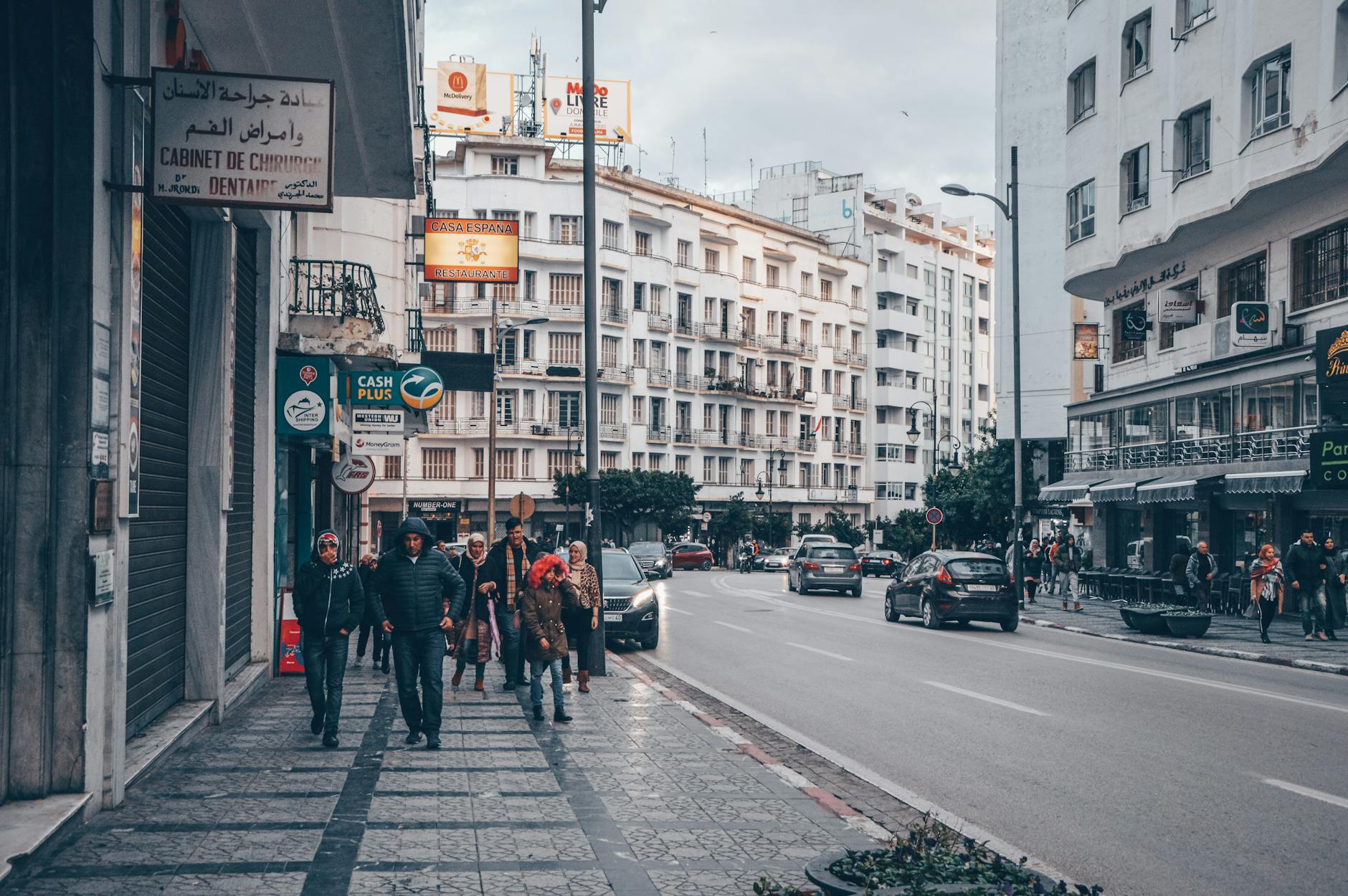
Milder seasons are usually the cleanest answer because Tangier is a city where weather is part of the atmosphere, not just background conditions. Wind, sea light, and temperature affect how long you want to stay outside, how enjoyable the climbs feel, and whether the coast is adding pleasure or simply exposure. The city can still work outside ideal windows, but weak weather reveals weak planning very quickly. Tangier is partly a weather city, and travelers who accept that tend to shape better stays.
- Milder conditions make Tangier’s coastal identity much easier to enjoy.
- Weather influences mood and route quality as much as comfort.
- A stronger base becomes even more important in rougher conditions.
Arriving and getting around
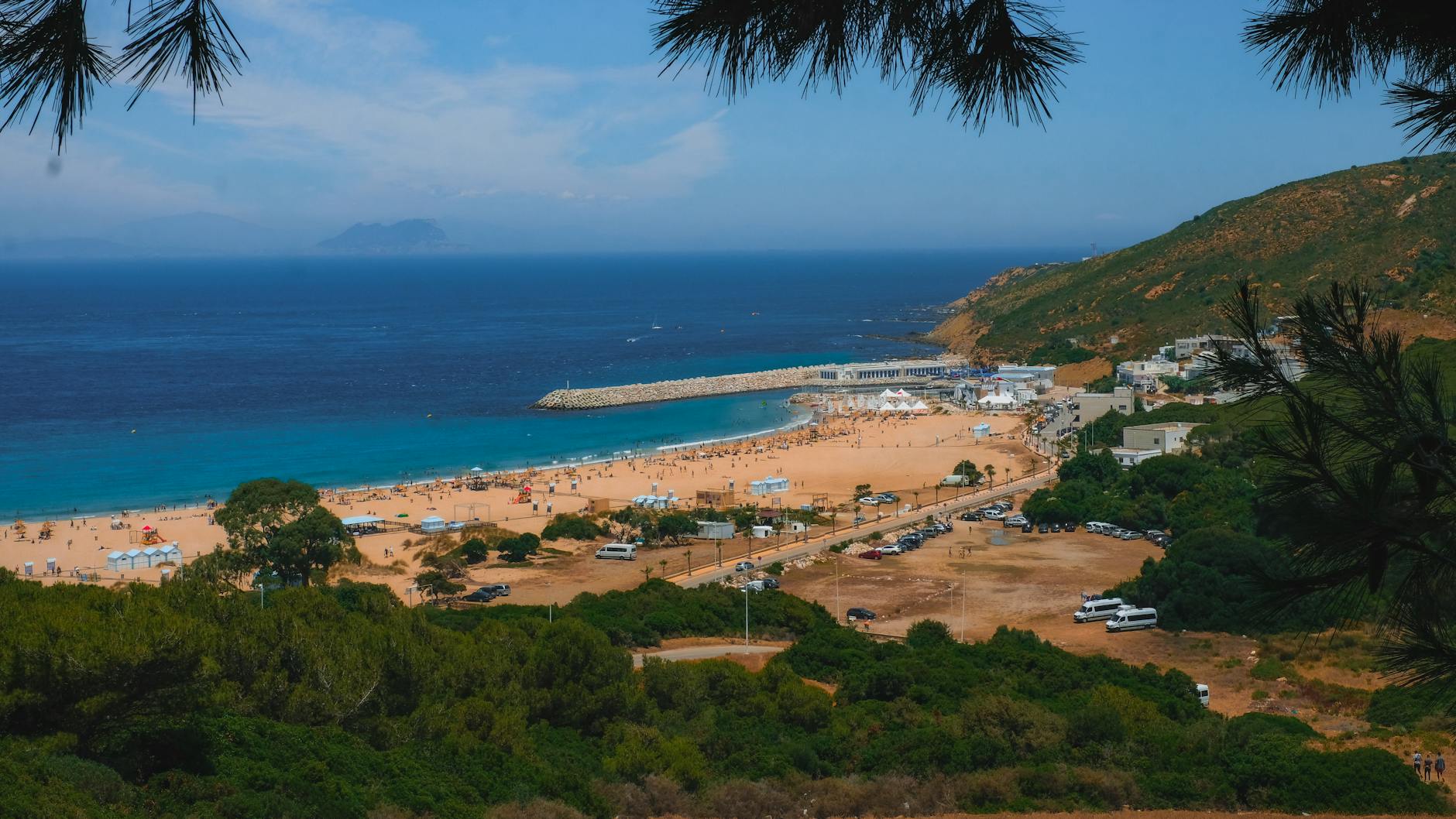
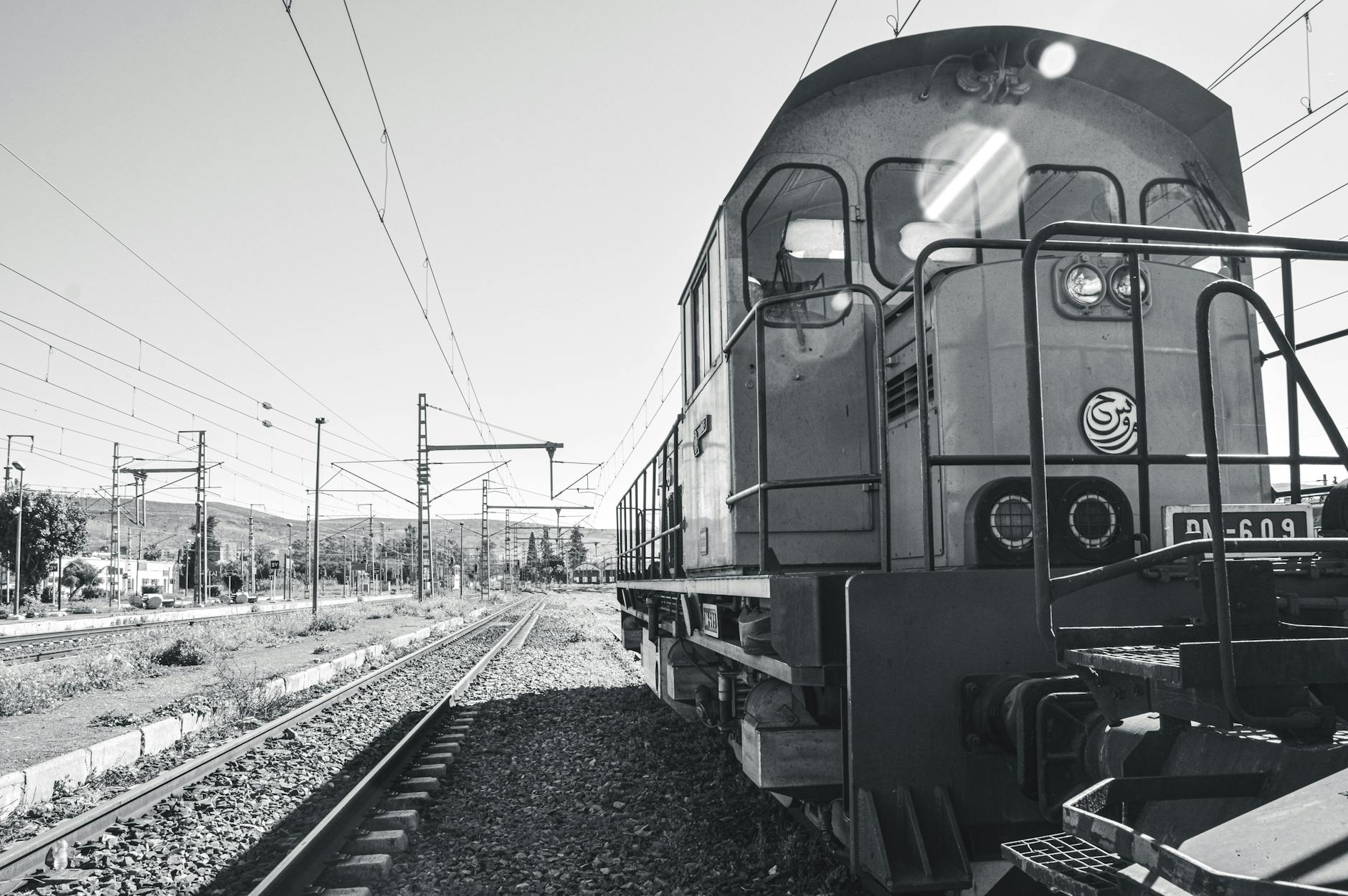
Tangier arrival should be handled cleanly because the city is not at its best when the first impression is confusion layered on fatigue. Once in place, the strongest Tangier usually comes from tighter daily clusters. The city’s slopes, density changes, and shifting tone mean that open-ended wandering can become tiring faster than it sounds on paper. Tangier feels far richer when the day has a shape: one quarter, one set of views, one meal that belongs to that quarter, one return that still leaves energy for the evening. Atmosphere needs structure to become pleasure instead of drag.
- Protect the arrival and the first hotel transfer carefully.
- Keep Tangier in manageable daily clusters.
- Do not mistake vague wandering for sophistication.
Where to stay
In Tangier, the hotel is not just a bed. It is part of the interpretation of the city. A room with views and polish can make Tangier feel cinematic in the best way. A more practical but less atmospheric base may suit some routes but can flatten the city’s emotional payoff. Conversely, an atmospheric stay in the wrong position can turn every day into a fatigue test. The right hotel here balances tone and usability. It gives you a morning Tangier worth waking into and an evening Tangier worth returning to.
- The hotel strongly influences whether Tangier feels glamorous, tiring, or merely transitional.
- Scenic and practical do not always point to the same base.
- A well-chosen hotel is one of the highest-return decisions in the city.
The Tangiers that matter most
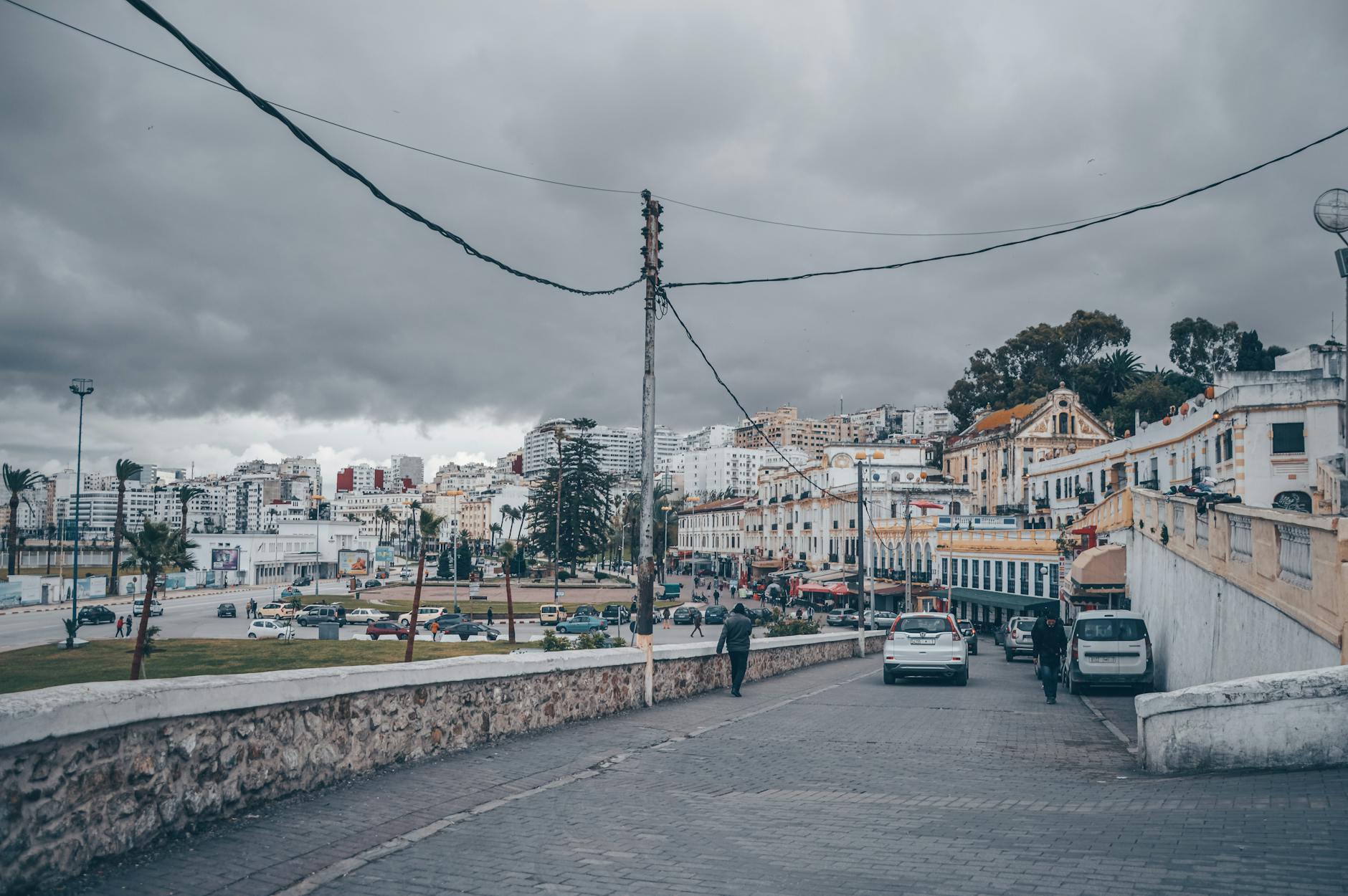
There is literary Tangier, all terrace views, cafés, memory, and the temptation to narrate the city instead of inhabiting it. There is working-port Tangier, where ferries, trade, and urban edge shape the feel of the stay. There is polished Tangier, where hotels and sea air create a more controlled elegance. There is also contemporary Tangier, less mythic and more simply urban. None of these are false. The mistake is believing one of them tells the whole story. Tangier improves when the traveler decides which face of the city they want in the foreground and lets the rest appear as contrast instead of confusion.
- Tangier contains several competing but valid identities.
- The trip strengthens when one face of the city leads.
- Trying to hold every Tangier at once often weakens the stay.
What Tangier does best
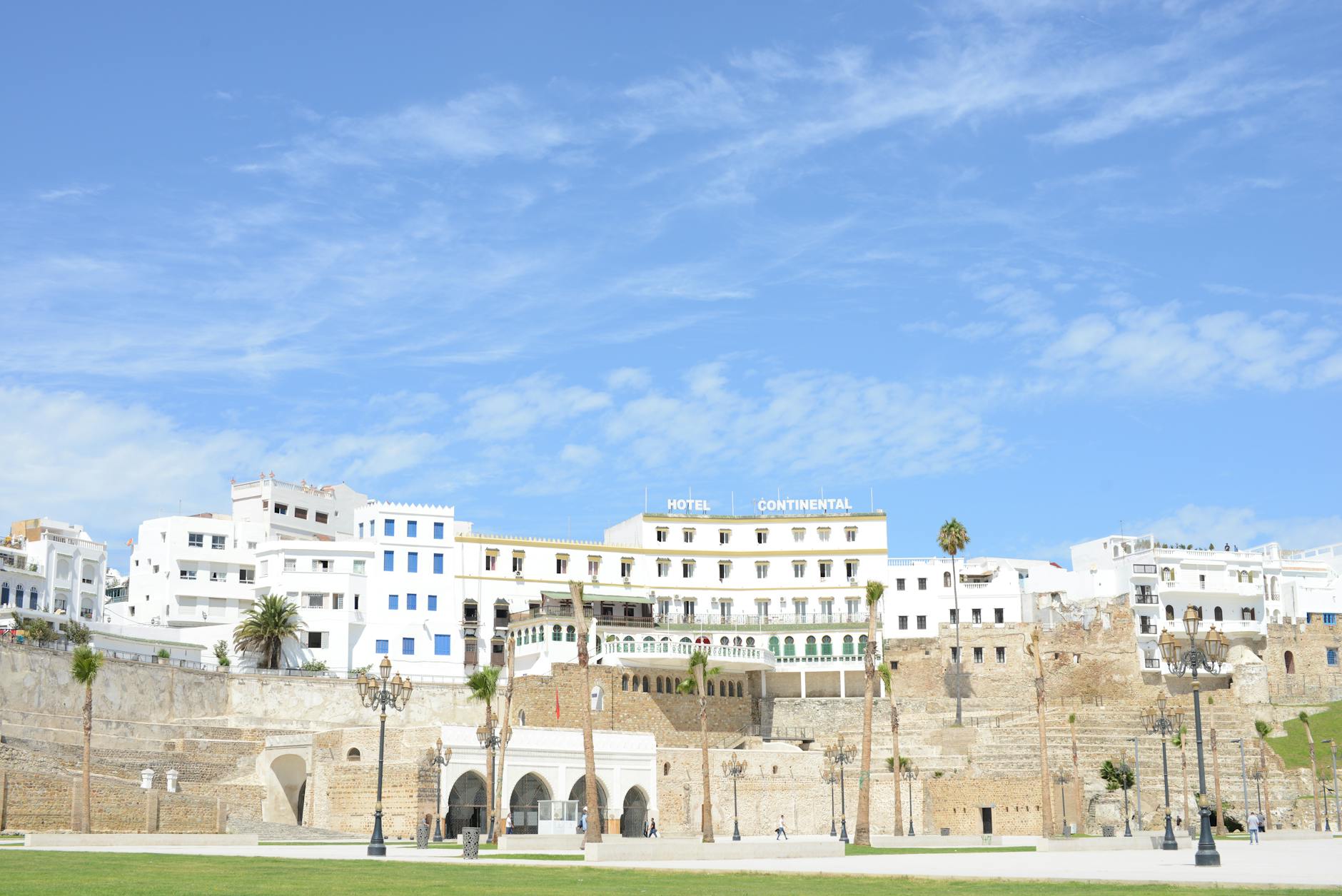
Tangier excels at giving travelers a Morocco that feels open to the sea and to Europe without ceasing to be Moroccan. It is one of the country’s best destinations for people who want atmosphere with horizon, urban texture with salt air, and a city that remains slightly elusive even when it is working well. Tangier is not tidy, and that is part of its advantage. The best version of the city feels layered rather than polished flat. What matters is having enough structure around that layer-cake complexity that the stay remains usable.
- Tangier is uniquely strong at blending Moroccan city life with maritime openness.
- Its ambiguity is part of the reward, provided the trip is well-shaped.
- The city is high-upside for travelers who appreciate mood with structure.
Food
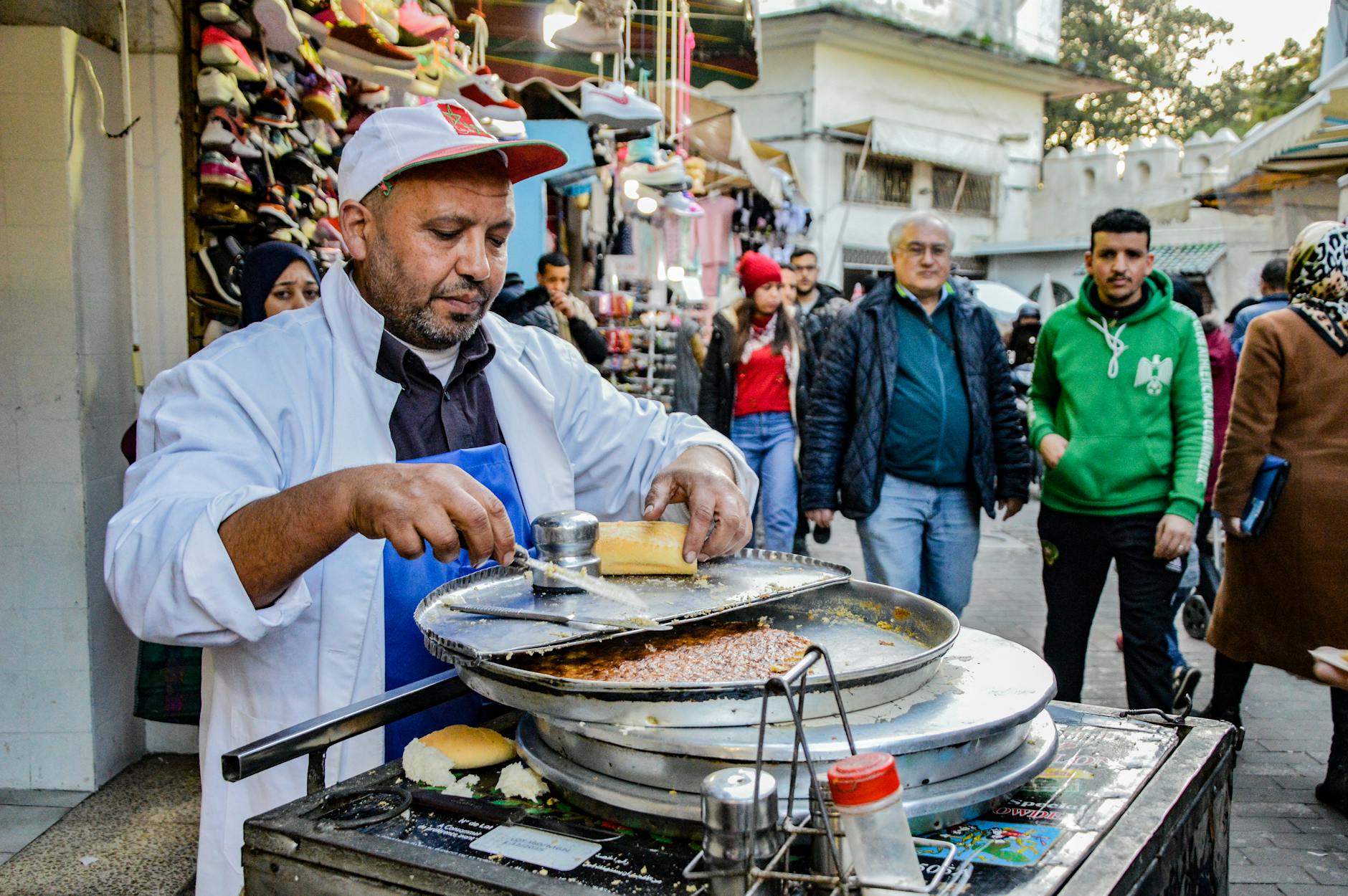
Tangier’s food is best used to deepen the city’s mood rather than distract from it. A café with a view, seafood at the right hour, a dinner chosen for district fit rather than internet hype, and the occasional long pause are all more valuable here than aggressive reservation strategy. Tangier improves when meals feel inevitable, as though they emerged from the neighborhood and the weather, not from a frantic hunt. The city’s dining should anchor the route, not fragment it.
- Meals in Tangier work best when they belong to the district and the hour.
- Food should intensify atmosphere rather than generate extra logistics.
- A calmer dining strategy often produces a richer city experience.
Nightlife
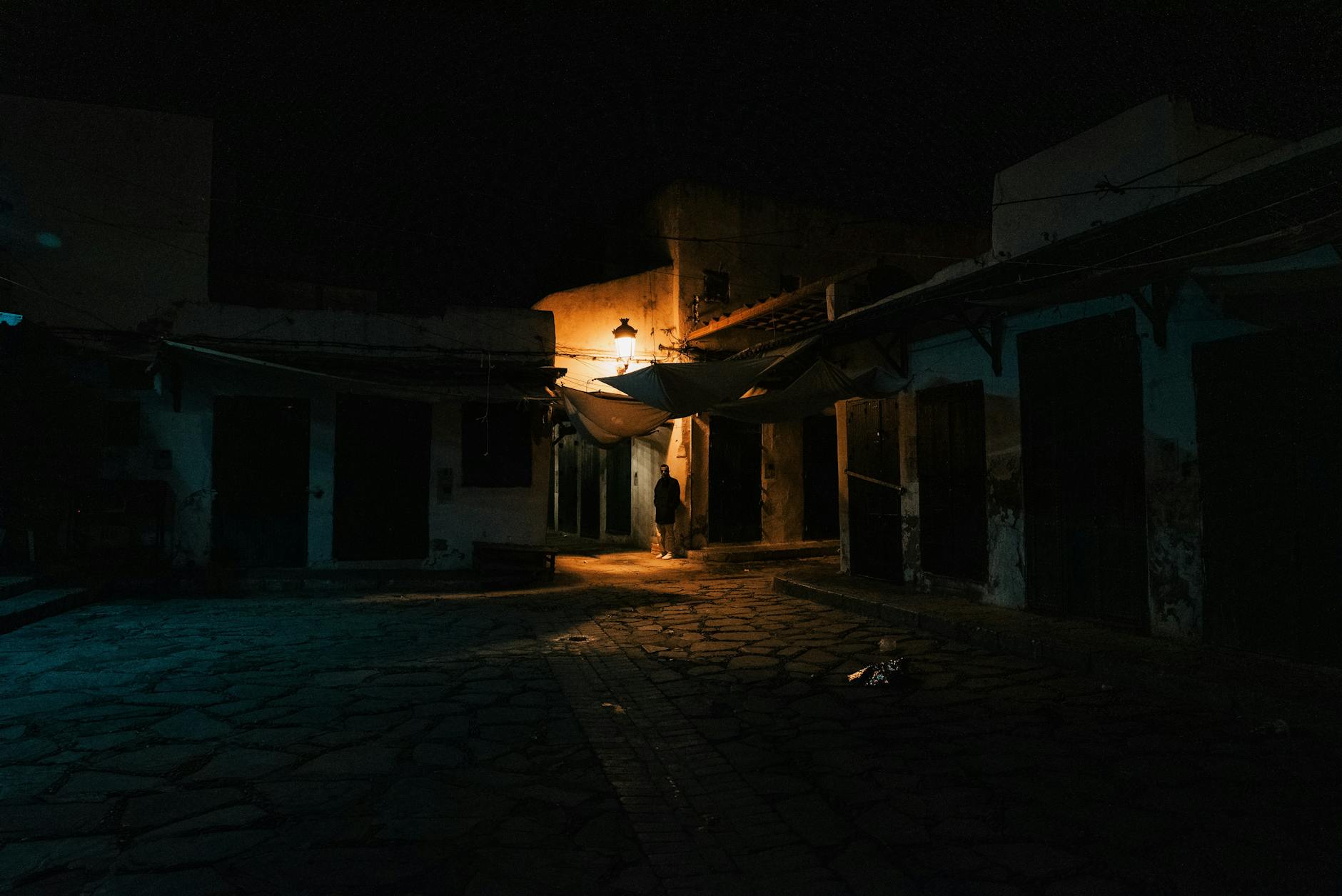
Tangier after dark is about tone more than volume. A good evening here might mean a polished hotel terrace, a bar with a sense of history, a dinner that keeps the city’s maritime mood alive, and a route home that feels coherent rather than awkward. Not every Tangier trip needs nightlife, but every one does need an evening identity. The city is strongest when the night feels like the mature continuation of the day rather than an unrelated search for stimulation.
- Tangier is stronger at atmospheric evenings than at all-purpose nightlife.
- The right base can transform the city after dark.
- Evenings should extend the day’s mood rather than fight it.
Etiquette and local norms
Tangier rewards observant travel. Public tone, dress, how you carry yourself in denser areas, and whether you approach the city with curiosity rather than self-conscious performance all matter. Tangier can become a stage set in the minds of visitors; that is precisely what should be resisted. The city gives more to travelers who pay attention and less to those trying to act out a version of Tangier they brought with them.
- Observation matters more than performance in Tangier.
- Respect for tone and setting improves the stay materially.
- The city rewards people who are present rather than theatrical.
Blunt advice
The biggest Tangier mistake is arriving in love with the myth and then failing to build a functional trip. The second is choosing a poor base and blaming the city for the fatigue that follows. Tangier is best when the traveler is a little less romantic before arrival and a little more romantic once the logistics are under control. Stop narrating the city in advance. Choose the right district, shape the day properly, and let Tangier earn its own mystique.
- Do not substitute myth for planning.
- The base and route matter enormously in Tangier.
- The city rewards disciplined travelers with a taste for complexity.