Last logistics check: May 24, 2026. Prices, hours, entry rules, and transport details can change; verify time-sensitive items before booking.
Start Here
Taipei is one of Asia’s great soft-power cities: not the loudest, not the biggest, not the most aggressively cinematic, but one of the easiest to love deeply. It is a city of night markets and mountain trails, polished malls and incense-heavy temples, hot springs and high-speed trains, bubble tea and beef noodle soup, clean metro stations and chaotic scooter streams, Japanese-era streets and postwar Chinese institutions, tech wealth and neighborhood breakfast shops that still open before dawn.
The mistake is treating Taipei as a one- or two-sight city: Taipei 101, night market, done. The better version of the trip is slower and more layered. You ride the MRT out to a mountain gondola. You spend a morning with imperial bronzes and jade at the National Palace Museum. You drink tea above the city in Maokong. You eat breakfast in a fluorescent shop where the line moves fast and everyone knows what they want. You wander Dadaocheng’s old trading streets, climb Elephant Mountain at sunset, soak in Beitou, and realize the city’s best quality is not spectacle but livability.
Taipei in one sentence: Taipei is a city where the pleasures are precise, affordable, and cumulative: a bowl here, a trail there, a temple courtyard, a tea house, a bookstore, a night market, a hot spring, a clean train home.
Basic data
| Population | About 2.5 million in the city; metro about 7 million |
|---|---|
| Area | 272 km2 |
| Major religions | Buddhism, Taoism, folk religion, Christianity, and a large secular population |
| Political system | Special municipality inside a semi-presidential republic |
| Economic system | High-income mixed economy led by technology, finance, services, trade, and culture |
Quick Verdict
Best for: food lovers, solo travelers, first-time Asia travelers, night-market grazers, tea drinkers, urban walkers, hot-spring fans, families, hikers, train travelers, people who like big-city convenience without big-city hostility.
Not ideal for: travelers seeking beach-resort weather, ancient monumental ruins, all-night nightlife on the scale of Bangkok or Seoul, grand European-style architecture, or a city that explains itself instantly.
Ideal first trip length: 4 to 5 days. Three days works if you stay central and plan tightly. A full week lets you add Beitou, Maokong, Tamsui, Jiufen, Pingxi, and Yangmingshan without rushing.
Best time to visit: late October to April for the most comfortable urban sightseeing. November and December are especially strong. Spring is beautiful but can be damp. Summer is hot, humid, storm-prone, and still very enjoyable if you plan mornings, air-conditioned afternoons, and night markets.
Biggest planning mistake: staying somewhere inconvenient because Taipei looks small on a map. The MRT is excellent, but your hotel should still sit near a useful station.
One thing to book ahead: Taipei 101 Observatory around sunset, National Palace Museum if you want a guided tour, hot-spring rooms in Beitou on weekends, and popular restaurants or fine-dining meals.
One thing to leave unscheduled: night-market wandering. Taipei rewards appetite more than rigid checklists.
The move: Choose one anchor per day, then build the day around neighborhoods. Taipei is easy to cross by train, but it is better when experienced in clusters.
First-Time Visitor? Start Here
For a first visit, stay in Zhongshan, Da’an, Xinyi, or Ximending, depending on your style. Zhongshan is the best all-rounder: central, polished, well-connected, good for restaurants and cafés, and easier than Ximending at night. Da’an is the best choice for food, local life, parks, and a more relaxed stay. Xinyi is best for Taipei 101, shopping, luxury hotels, and skyline views. Ximending is best if you want neon, youth culture, late-night energy, and easy access to old Taipei.
The essential first-timer route is simple: spend one day in old Taipei and Ximending, one day around Taipei 101 and Elephant Mountain, one day at the National Palace Museum plus Shilin or Beitou, and one day split between Dadaocheng, Yongkang Street, and a night market. Add Maokong, Tamsui, Jiufen, or Yangmingshan if you have more time.
Do not overbuild your Taipei itinerary. The city’s attractions are enjoyable, but the intervals between them are often the best part: the station bakeries, the tiny tea shops, the temple courtyards, the morning markets, the convenience stores with surprisingly good snacks, the clean riverside bike paths, the mountain views that appear between apartment towers.
First-timer shortcut:
| Question | Best answer |
|---|---|
| Best first area to stay | Zhongshan or Da’an |
| Best skyline moment | Elephant Mountain at sunset or Taipei 101 Observatory |
| Best museum | National Palace Museum |
| Best old-city walk | Dadaocheng and Dihua Street |
| Best temple | Longshan Temple |
| Best easy food night | Ningxia or Raohe Night Market |
| Best half-day escape | Beitou hot springs or Maokong tea houses |
| Best day trip | Jiufen + Jinguashi, or Pingxi/Shifen if you prefer rail villages |
| Best transit tool | EasyCard or iPASS, plus Google Maps and the Taipei Metro map |
| Best planning rule | Group by MRT line and neighborhood |
First-timer mistake: Treating Shilin Night Market as mandatory. It is famous, but not always the best night-market experience. Many visitors prefer Ningxia for food focus or Raohe for atmosphere and a clean one-street layout.
How to Understand Taipei
Taipei Is a Basin City
Taipei sits in a basin ringed by green hills. That geography matters. The mountains are not decorative background; they shape the city’s weather, views, day trips, and rhythm. Taipei can feel humid and still in summer, misty and atmospheric in winter, and suddenly dramatic when clouds lift from the hills after rain.
The city’s most useful mental map is not “north, south, east, west” but old west, modern east, leafy south, museum-and-hot-spring north, and day-trip mountains beyond.
Old West, Modern East
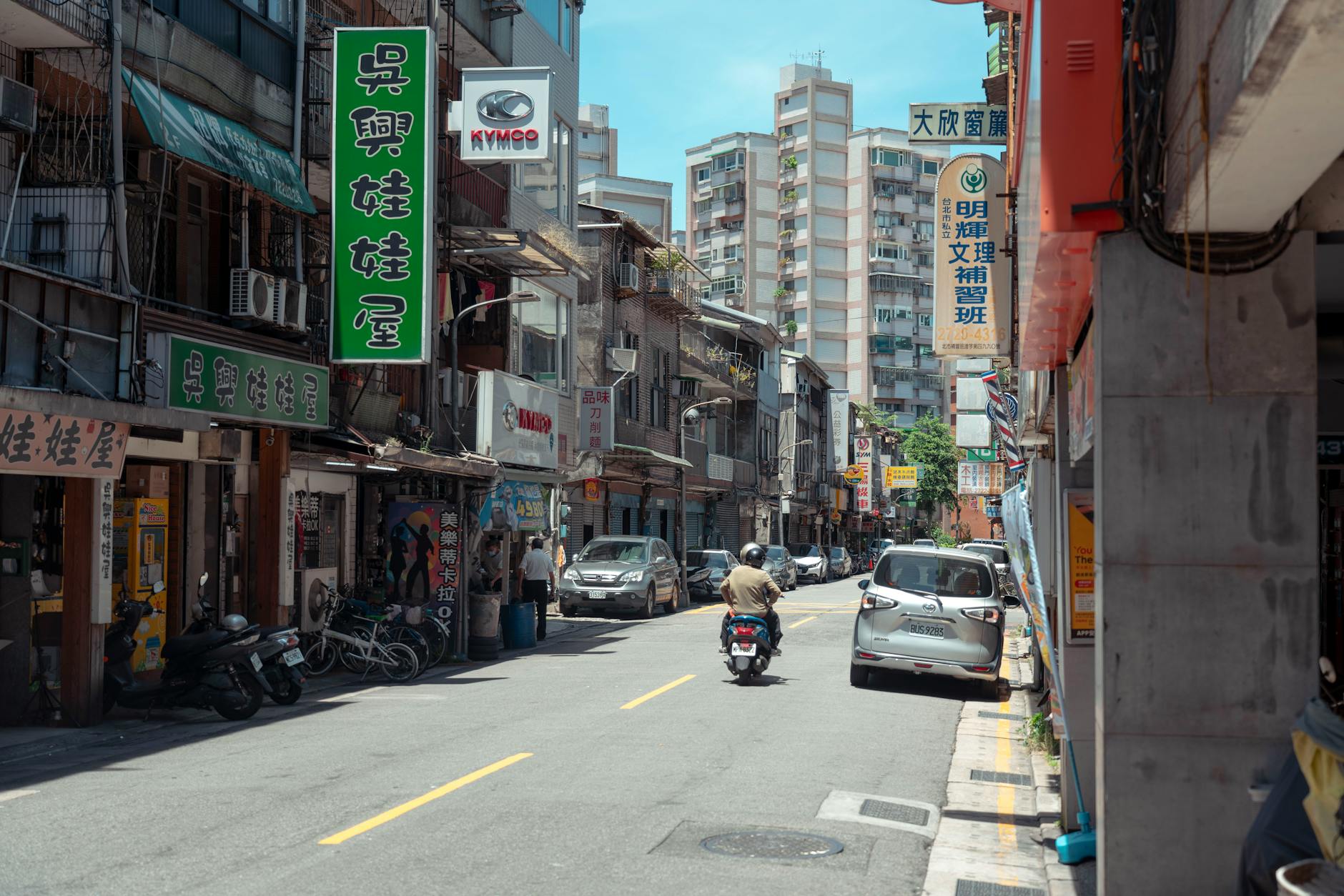
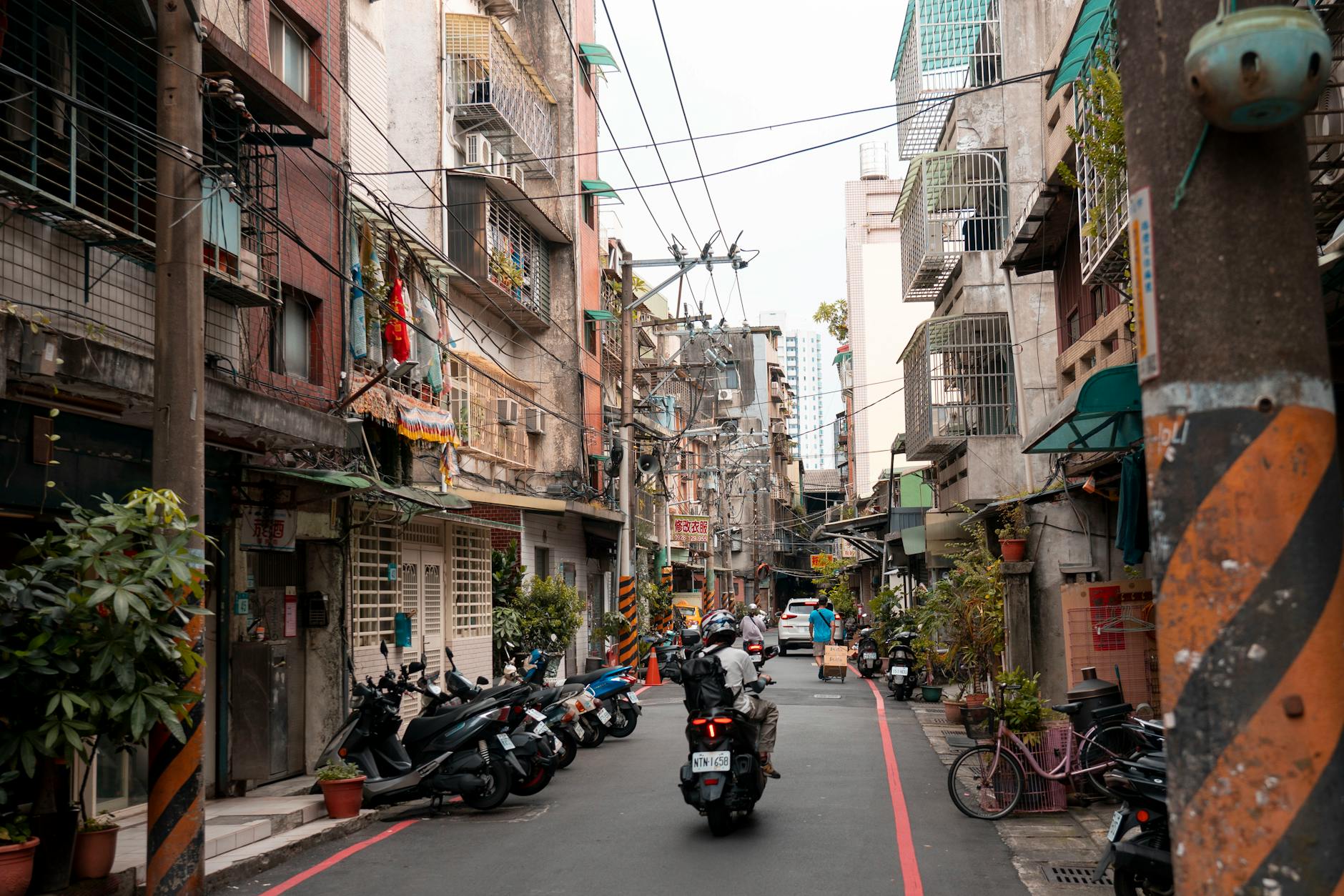
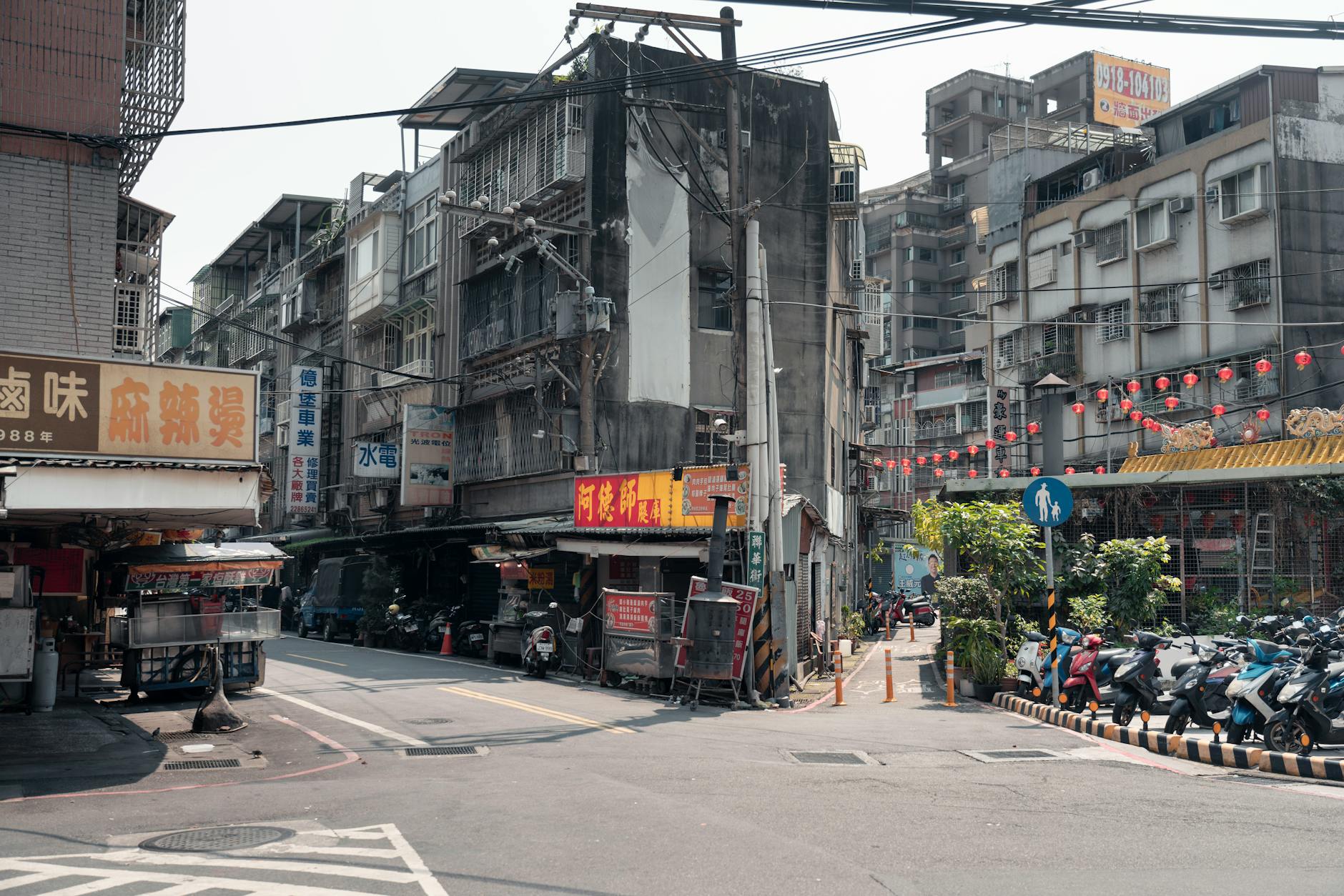
Western Taipei is older, denser, and more historic. This is where you find Wanhua, Longshan Temple, Ximending, Dadaocheng, Dihua Street, Taipei Main Station, and much of the city’s early commercial texture. It is the Taipei of arcades, temples, herbal shops, fabric streets, old snack stalls, and layers of Japanese colonial, Qing-era, and postwar history.
Eastern Taipei is newer, wealthier, cleaner-lined, and more international. Xinyi is the city’s commercial showpiece, with Taipei 101, luxury malls, department stores, hotels, and restaurants. Da’an and Zhongshan sit between these worlds: lived-in, central, and full of restaurants, boutiques, parks, cafés, and apartments.
Local logic: Taipei’s best trip usually moves from west to east and back again. Spend mornings in older neighborhoods, afternoons in museums or cafés, evenings at night markets or skyline viewpoints.
The City Works by MRT
Taipei’s MRT is the skeleton of the trip. Most visitor planning should begin with stations, not addresses. A hotel that is a three-minute walk from a good station is dramatically better than a hotel that is “central” but a 15-minute walk from transit in sticky weather.
Useful visitor lines include:
- Red Line: Taipei Main Station, Zhongshan, Shilin, Beitou, Tamsui, Da’an Park, Taipei 101/Xiangshan.
- Blue Line: Taipei Main Station, Ximending, Zhongxiao shopping areas, Sun Yat-sen Memorial Hall, City Hall, Nangang.
- Green Line: Songshan, Nanjing Fuxing, Zhongshan, Ximen, Chiang Kai-shek Memorial Hall, Gongguan.
- Brown Line: Songshan Airport, Zhongshan Junior High School, Technology Building, Taipei Zoo, Maokong Gondola access.
- Orange Line: Useful for some New Taipei connections and transfers.
Taipei Is Not Just Taipei City
The visitor experience bleeds into New Taipei City constantly. Tamsui, Banqiao, Jiufen, Pingxi, Shifen, Houtong, Wulai, and many northern-coast trips are outside Taipei proper but part of the practical trip. Do not let municipal boundaries confuse you. The region functions as a connected metro area.
The City’s Rhythm
Taipei wakes early. Breakfast shops are important. Office neighborhoods move quickly in the morning, cafés fill midmorning, malls and boutiques wake later, and night markets hit their stride after dark. Dinner can be early by East Asian standards compared with Korea or Japan, but snacking continues late.
Mondays can be awkward for museums and cultural venues. Weather is a real planning factor. Rain does not ruin Taipei, but it changes the ideal day. When it rains, switch to museums, malls, cafés, bookstores, hot springs, and covered arcades. When the sky clears, go immediately to Elephant Mountain, Maokong, Tamsui, or a riverside walk.
The move: Keep a “clear-weather list” and a “rain list.” Taipei is much easier when you let weather decide the order.
Essential Planning Snapshot
| Item | Practical answer |
|---|---|
| Country / jurisdiction | Taiwan, Republic of China |
| Language | Mandarin Chinese; Taiwanese Hokkien is widely heard; English is common in hotels, transit, and tourist zones but not universal |
| Currency | New Taiwan dollar, written NT$ or TWD |
| Payment | Cards are common in hotels, malls, larger restaurants, and chains; cash remains useful for night markets, small eateries, temples, and taxis |
| Best transit card | EasyCard or iPASS |
| Main international airport | Taiwan Taoyuan International Airport, usually called Taoyuan Airport or TPE |
| City airport | Taipei Songshan Airport, useful for some domestic and regional flights |
| Airport-to-city default | Taoyuan Airport MRT to Taipei Main Station |
| Emergency numbers | Police 110; fire/ambulance 119; emergency call 112; travel information hotline 0800-011-765 |
| Tap water | Treated, but many locals boil or filter it; bottled water and refill points are easy to find |
| Plugs | Type A and B, generally 110V |
| Tipping | Not expected in everyday settings; service charges appear in some restaurants/hotels |
| Best apps | Google Maps, Taipei Metro Go, YouBike, Uber, Line, translation app, weather app |
| Best visitor habit | Carry cash, transit card, umbrella, and tissues |
Entry Basics
Many nationalities can enter Taiwan visa-free for short visits, with allowed durations varying by passport. Taiwan also requires visitors to complete an online immigration arrival card within three days before arrival. Always check the Bureau of Consular Affairs and National Immigration Agency rules for your exact passport before travel.
Internet and eSIMs
Taipei is easy for connectivity. eSIMs work for many travelers, and physical SIM counters at Taoyuan Airport are straightforward. The city has good mobile coverage, but a local data connection is genuinely useful for maps, translation, transport, restaurant hours, and typhoon or earthquake alerts.
Cash and ATMs
Cards are fine for mid-range and luxury travel, but Taipei is not a cashless city. Bring or withdraw cash for night markets, old-school breakfast shops, temple donations, smaller tea houses, taxis, and some local restaurants. ATMs are common in convenience stores and banks.
First-timer mistake: Arriving with only a credit card and assuming all food stalls accept it. The best cheap food in Taipei still often runs on cash.
Best Time to Visit
Best Overall Months
November, December, March, and April are the best all-around months for most visitors. The weather is generally more comfortable than summer, the city is active, and outdoor walks become more pleasant.
Best Weather Months
Late autumn and early winter are the sweet spot: late October through December. Skies can be clearer, humidity is lower, and the city feels built for wandering.
Best Value Months
January, March, and shoulder periods outside major holidays can offer better value. Avoid assuming Lunar New Year will be a bargain: it can bring closures, family travel, and altered hours.
Summer in Taipei
Summer can be fun but demanding. Expect heat, humidity, sudden rain, and the possibility of typhoons. The upside: night markets feel alive, mango shaved ice tastes exactly right, and you can structure days around air-conditioning and evening food.
The move in summer: Do outdoor activities early, use museums or malls in the hottest hours, then eat and walk at night.
Winter in Taipei
Winter is mild by temperature but can feel damp and gray. Pack layers. Beitou hot springs, museums, bookstores, tea houses, and long eating days all shine in winter.
Rainy-Day Taipei
Rain is not a reason to waste a day. Good rainy-day choices include the National Palace Museum, Taipei 101, Huashan 1914 Creative Park, Songshan Cultural and Creative Park, underground malls near Taipei Main Station, department-store food courts, cafés in Zhongshan and Da’an, Beitou hot springs, and covered market grazing.
How Many Days You Need
One Day
One day is enough for a quick taste but not enough to understand Taipei. Choose either old Taipei plus a night market, or Taipei 101 plus Elephant Mountain plus Yongkang Street.
Two Days
Two days lets you cover the classic first-timer loop: old west Taipei, Taipei 101, one major museum or temple, and at least one night market. It is short but satisfying.
Three Days
Three days is the minimum for a proper first visit. You can add the National Palace Museum, Beitou, Maokong, or Tamsui depending on your interests.
Four to Five Days
This is the ideal range. You get the city’s contrast: old streets, modern skyline, museum depth, night markets, hot springs, tea mountains, and one day trip.
One Week
A week is excellent. Taipei becomes a base for northern Taiwan: Jiufen, Pingxi/Shifen, Keelung, Yangmingshan, Tamsui, Wulai, and maybe Yilan. You can also go deeper into food, cafés, bookstores, hot springs, and neighborhood walks.
Longer
For slow travelers and remote workers, Taipei is one of the easiest cities in Asia to settle into: safe, efficient, food-rich, and well-connected. The danger is comfort. You may keep adding “just one more week.”
Where to Stay
The Short Answer
For most first-time visitors, Zhongshan is the safest all-around choice. It is central, well-connected, good for food, comfortable at night, and useful for both old Taipei and modern Taipei. Da’an is better if you want leafy streets, local restaurants, cafés, parks, and a less touristy base. Xinyi is best for luxury, skyline views, Taipei 101, and shopping. Ximending is best for youth energy, late-night food, and old-city access, but it is louder and more chaotic.
Neighborhood Decision Tree
| Traveler type | Best area |
|---|---|
| First-time visitor who wants balance | Zhongshan |
| Food lover | Da’an, Yongkang, Zhongshan, or Ximending/Wanhua |
| Luxury traveler | Xinyi or Zhongshan |
| Night-market grazer | Zhongshan, Ximending, Songshan, or near Ningxia |
| Family | Da’an, Zhongshan, Xinyi, or Beitou for a slower stay |
| Solo traveler | Zhongshan, Da’an, Ximending |
| Shopper | Xinyi, Zhongxiao, Zhongshan, Ximending |
| Hot-spring traveler | Beitou |
| Day-trip rail traveler | Taipei Main Station / Zhongzheng, but choose carefully |
| Budget traveler | Ximending, Taipei Main area, some New Taipei areas |
| Mobility-conscious traveler | Xinyi, Zhongshan, Da’an near MRT; avoid hilly or remote bases |
Zhongshan
Best for: first-timers, couples, food, cafés, design shops, easy transit.
Zhongshan is the “I want Taipei to be easy” neighborhood. It has MRT access, good hotels, Japanese restaurants, cocktail bars, boutiques, cafés, department stores, and quick connections to Taipei Main Station, Dadaocheng, Shilin, Beitou, and Xinyi. It feels central without feeling as hectic as Ximending or Taipei Main.
Why stay here: It works for nearly everyone. You can eat well, shop casually, walk comfortably, and reach most visitor areas without complicated transfers.
Why not stay here: It is not the most dramatic-looking neighborhood, and some streets are more commercial than charming.
Perfect day nearby: Coffee in Zhongshan, walk to the Museum of Contemporary Art or nearby boutiques, lunch around Chifeng Street, afternoon in Dadaocheng, evening at Ningxia Night Market.
Da’an
Best for: food lovers, café people, longer stays, parks, local rhythm.
Da’an is one of Taipei’s most livable districts. It has Da’an Forest Park, Yongkang Street, universities nearby, strong restaurant density, excellent cafés, and a quieter residential feel than Xinyi or Ximending. It is a great base if you want to feel like you are staying in a city rather than consuming a tourist zone.
Why stay here: It is comfortable, central, and full of everyday pleasures.
Why not stay here: It has fewer dramatic landmarks at the doorstep, and hotel supply can be more scattered.
The move: Stay near Dongmen, Da’an, Zhongxiao Fuxing, or Technology Building depending on your itinerary.
Xinyi
Best for: luxury, shopping, skyline, Taipei 101, business travel, clean convenience.
Xinyi is Taipei’s modern showpiece: Taipei 101, luxury malls, high-end hotels, rooftop bars, international restaurants, and polished public spaces. It is not the city’s most intimate area, but it is useful, clean, and impressive.
Why stay here: Best hotels, best skyline, easiest Taipei 101 access, good for first-time comfort.
Why not stay here: It can feel more global than specifically Taiwanese. Budget food and older neighborhood texture require short transit rides.
Perfect day nearby: Late morning at Sun Yat-sen Memorial Hall, lunch in Xinyi, afternoon shopping or Taipei 101, sunset at Elephant Mountain, dinner in Xinyi or Da’an.
Ximending / Wanhua
Best for: nightlife-lite, youth culture, street food, old Taipei access, budget hotels.
Ximending is loud, bright, walkable, and fun. It is Taipei’s youth-culture zone: shops, theaters, snacks, bubble tea, claw machines, LGBTQ+ bars nearby, and constant movement. Wanhua around Longshan Temple is older, rougher around the edges, and more historically layered.
Why stay here: Great for energy, late-night wandering, budget options, and old-city sightseeing.
Why not stay here: It can be noisy, touristy, crowded, and less restful.
Safety note: The area is generally manageable, but Wanhua has a few streets that feel grittier at night. Use normal urban judgment.
Taipei Main Station / Zhongzheng
Best for: rail connections, short stays, day trips, practical transit.
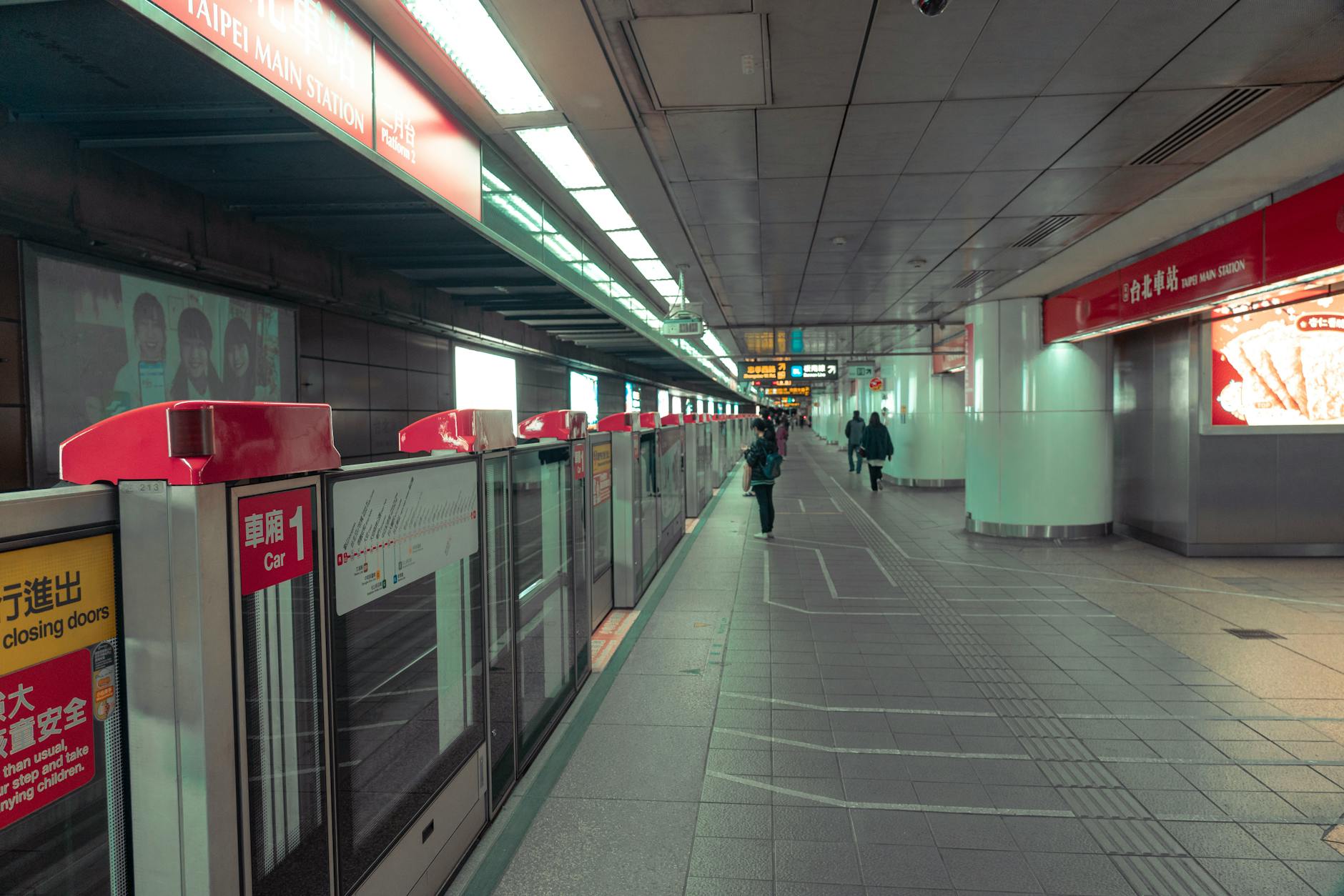
Taipei Main is the region’s transport hub. It connects MRT, TRA trains, High Speed Rail, airport rail, underground malls, buses, and taxis. It is useful but can be confusing, especially underground.
Why stay here: Perfect for early trains, airport transfers, and day trips.
Why not stay here: The station complex is disorienting, the surrounding hotel quality varies, and the area can feel utilitarian.
First-timer mistake: Booking “near Taipei Main Station” and assuming that means charming. It usually means practical.
Songshan / Raohe
Best for: Raohe Night Market, slightly quieter hotels, Songshan station access, eastern city convenience.
Songshan is practical and food-friendly. It is less central than Zhongshan or Da’an but good if you want to be near Raohe Night Market or have a specific hotel deal.
Shilin
Best for: National Palace Museum access, Shilin Night Market, families, northern Taipei.
Shilin is useful for the National Palace Museum, the children’s amusement park, the science education center, and access north toward Beitou and Yangmingshan. It is not the best overall base for first-timers unless your itinerary emphasizes northern Taipei.
Beitou
Best for: hot springs, slower stays, couples, repeat visitors.
Beitou feels like a side trip inside the city. It is wonderful for hot springs and a gentler pace, but it is not the best base for first-timers who want to cover the whole city. Stay here for one night if you want a hot-spring hotel experience.
Tamsui
Best for: waterfront atmosphere, sunsets, slow travel, repeat visitors.
Tamsui is lovely, but it is far for a first-timer base. Visit for an afternoon and sunset rather than sleeping there unless you are intentionally slowing down.
Neighborhood Guide
Xinyi: The Skyline District
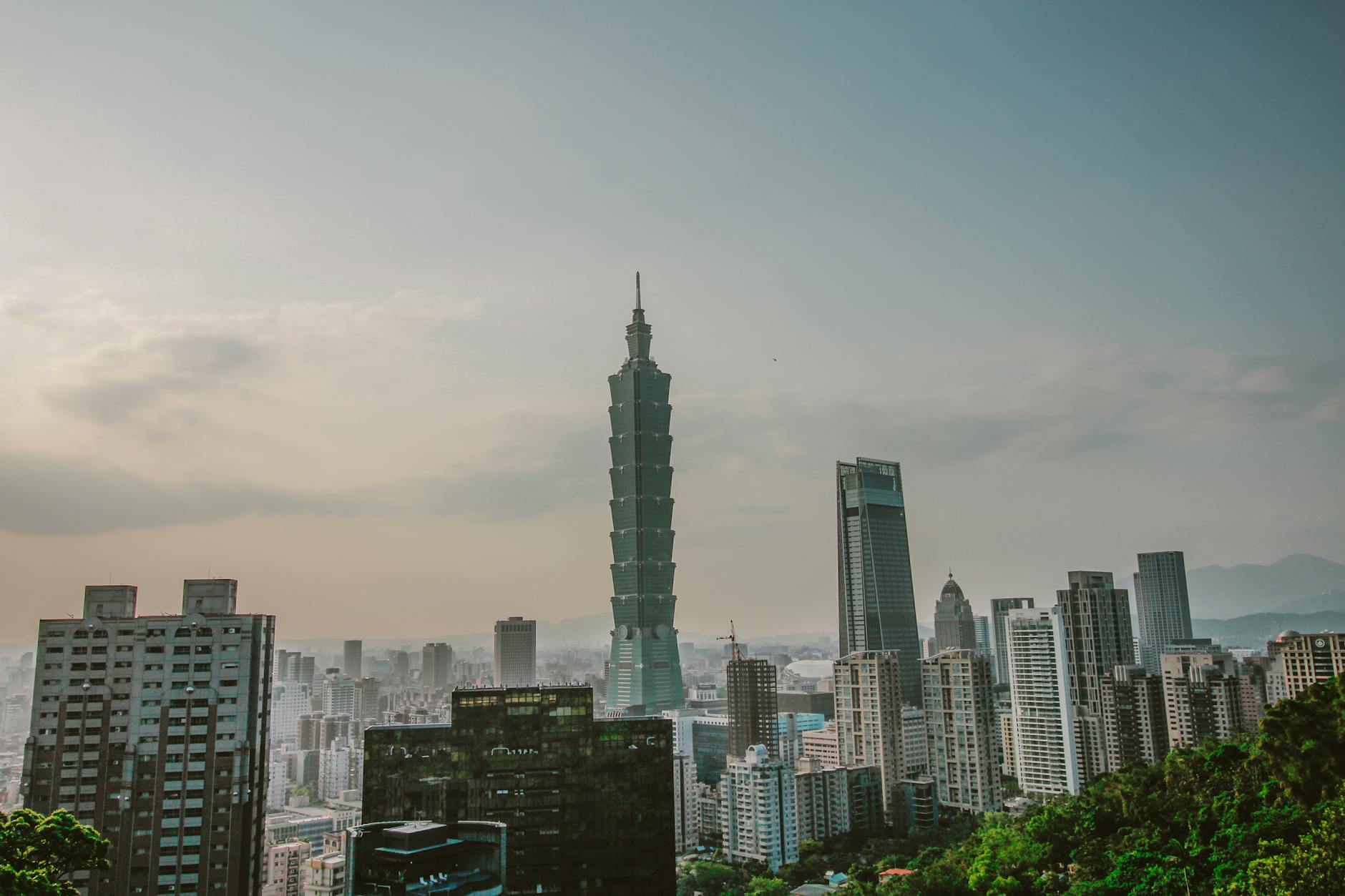
Xinyi is where Taipei turns vertical. Taipei 101 dominates the skyline, but the area is more than one tower: it is malls, restaurants, cinema complexes, public plazas, luxury hotels, and polished sidewalks.
Best time to visit: late afternoon into evening.
Do: Taipei 101 Observatory, Taipei 101 Mall, Sun Yat-sen Memorial Hall, Eslite-style shopping where available, Elephant Mountain.
Skip if: you want old temples and street texture. Xinyi is clean, useful, and visually impressive, but not intimate.
Pair it with: Da’an dinner, Raohe Night Market, or Elephant Mountain.
One perfect walk: Start at Sun Yat-sen Memorial Hall, walk toward Taipei 101, wander the mall area, ride or walk toward Xiangshan, climb Elephant Mountain for sunset, return to Xinyi for dinner.
Da’an and Yongkang: Food, Parks, and Everyday Taipei
Da’an is where many visitors begin to imagine living in Taipei. Yongkang Street has famous restaurants, tea shops, mango ice, cafés, and souvenir stops. Da’an Forest Park gives the city breathing room.
Best time to visit: late morning through dinner.
Do: Yongkang Street, Da’an Forest Park, cafés, dumplings, beef noodles, tea shops, small boutiques.
Pair it with: Chiang Kai-shek Memorial Hall, Xinyi, or Gongguan.
The move: Use Yongkang as a meal district, not a checklist district. Come hungry, leave room for a second snack.
Zhongshan: Cafés, Boutiques, and Central Ease
Zhongshan is Taipei’s balanced base: commercial but not sterile, central but not overwhelming, food-rich but not dominated by one attraction. Chifeng Street and the lanes around Zhongshan Station are good for boutiques, coffee, and casual wandering.
Best time to visit: afternoon into evening.
Do: cafés, small shops, Museum of Contemporary Art, nearby department stores, restaurants, bars.
Pair it with: Dadaocheng, Ningxia Night Market, Taipei Main Station, Shilin.
Ximending: Neon, Youth Culture, and Late-Night Snacks
Ximending is Taipei’s pop-culture playground. It is not subtle. That is the point. It works best at night, when the crowds, lights, snacks, and performance energy make the streets feel theatrical.
Best time to visit: evening.
Do: street snacks, bubble tea, shopping, Red House area, cinema streets, LGBTQ+ bar zone, people-watching.
Skip if: you dislike crowds, noise, or teen retail energy.
Pair it with: Longshan Temple, Bopiliao Historic Block, Dadaocheng, Taipei Main Station.
Wanhua and Longshan Temple: Old Taipei With Edges
Wanhua is one of Taipei’s oldest districts. Longshan Temple is the essential stop: active, smoky, ornate, and emotionally alive in a way that many static monuments are not. This is a place of worship, not a stage set.
Best time to visit: morning or early evening.
Do: Longshan Temple, Bopiliao Historic Block, traditional snack shops, old streets.
Etiquette: Be quiet, do not block worshippers, avoid intrusive photography, and remember that rituals are not performances for visitors.
Dadaocheng and Dihua Street: Trading-House Taipei
Dadaocheng is one of Taipei’s most rewarding walking areas. Dihua Street is lined with old merchant houses, dry-goods shops, tea sellers, fabric stores, Chinese medicine shops, restored cafés, and design boutiques. It can feel touristy in pieces, but the underlying commercial history remains real.
Best time to visit: late morning to late afternoon; early evening for riverside.
Do: Dihua Street, Xiahai City God Temple, tea shops, fabric market area, riverside sunset, Lunar New Year market if visiting before the holiday.
Pair it with: Ningxia Night Market or Zhongshan.
The move: Walk Dihua slowly. The best experience is browsing, not rushing to a “top sight.”
Zhongzheng: Institutions and Memorial Spaces
Zhongzheng contains Chiang Kai-shek Memorial Hall, government buildings, museums, parks, and the transit intensity of Taipei Main Station. The Memorial Hall is visually impressive and historically complicated, which makes it more interesting than a simple photo stop.
Best time to visit: morning or late afternoon.
Do: Chiang Kai-shek Memorial Hall, National Theater and Concert Hall exterior, 228 Peace Memorial Park, National Taiwan Museum, Taipei Main Station underground malls.
Shilin and Tianmu: Museums, Markets, and Northern Taipei
Shilin is often associated with its night market, but its real strategic value is northern access. The National Palace Museum sits beyond the MRT station by bus/taxi; Tianmu has international residential energy, cafés, and access toward Yangmingshan.
Do: National Palace Museum, Shilin Night Market, Taipei Children’s Amusement Park, National Taiwan Science Education Center.
Pair it with: Beitou or Yangmingshan if you plan carefully.
Beitou: Hot Springs in the City
Beitou is one of Taipei’s great gifts: a hot-spring district reachable by MRT. The area around Xinbeitou has steam, museums, bathhouses, Japanese-era atmosphere, and a slower pace.
Best time to visit: cool months, rainy days, or late afternoon.
Do: Beitou Hot Spring Museum, Thermal Valley, public or private hot-spring bath, library, slow lunch.
Etiquette: Follow bathing rules exactly. Shower before entering, respect gender-separated spaces where applicable, and check whether swimwear is required or prohibited.
Tamsui: River, Sunset, and Old Port Energy
At the northern end of the Red Line, Tamsui is Taipei’s classic waterfront escape. It is popular, snacky, and best in the golden hour.
Do: riverside walk, Fort San Domingo, old street snacks, ferry to Bali, sunset.
Skip if: you only have two days. It is pleasant but not essential for a short first visit.
Wenshan and Maokong: Gondola, Tea, and Green Edges
Wenshan is the gateway to Taipei Zoo and the Maokong Gondola. Maokong itself is a tea-house area in the hills, best when skies are clear and you want a city break without leaving the city.
Do: Maokong Gondola, tea houses, Taipei Zoo, Zhinan Temple, light hikes.
Weather note: Gondola operations can change in bad weather, so check before going.
Best Things to Do
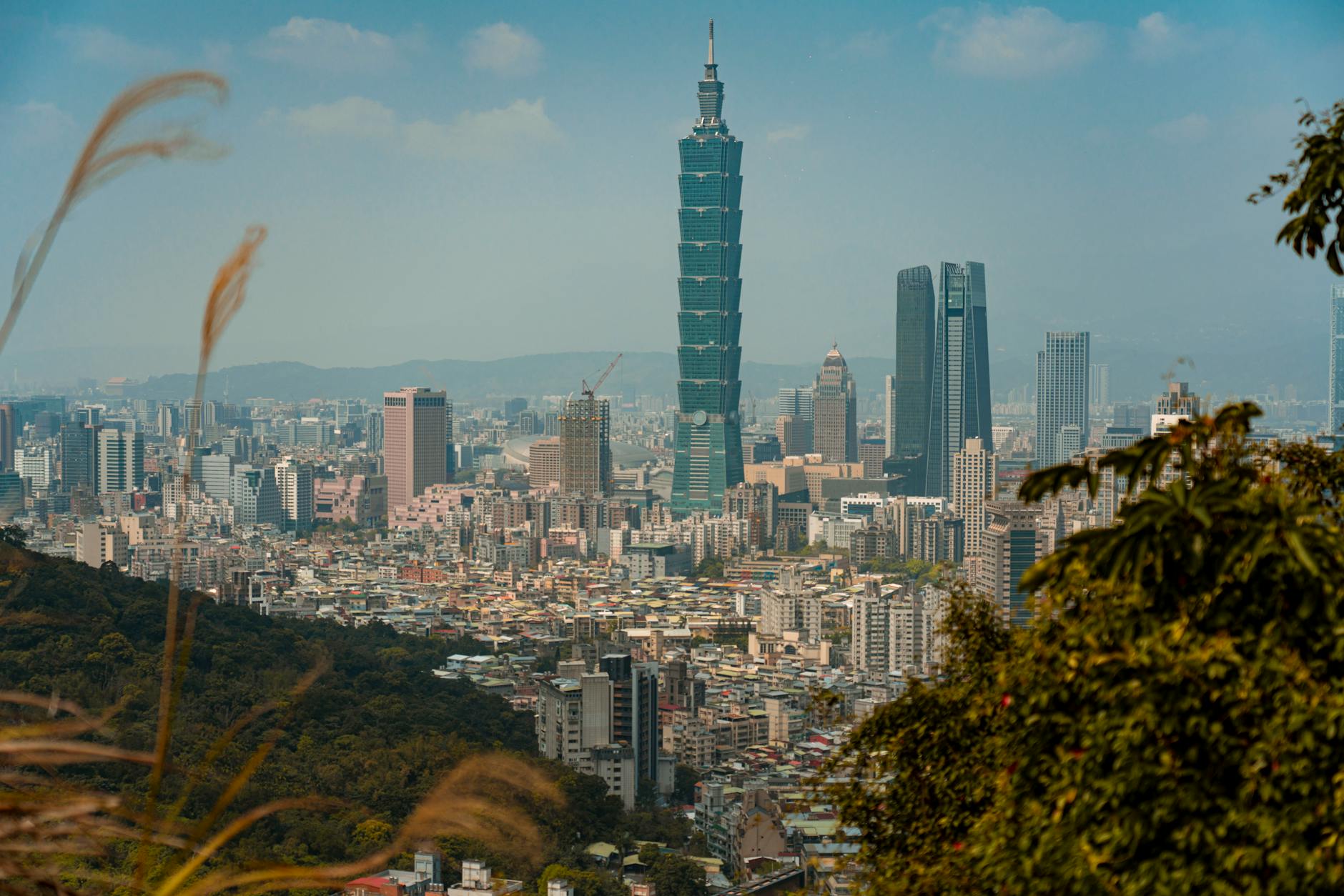
1. See Taipei From Taipei 101
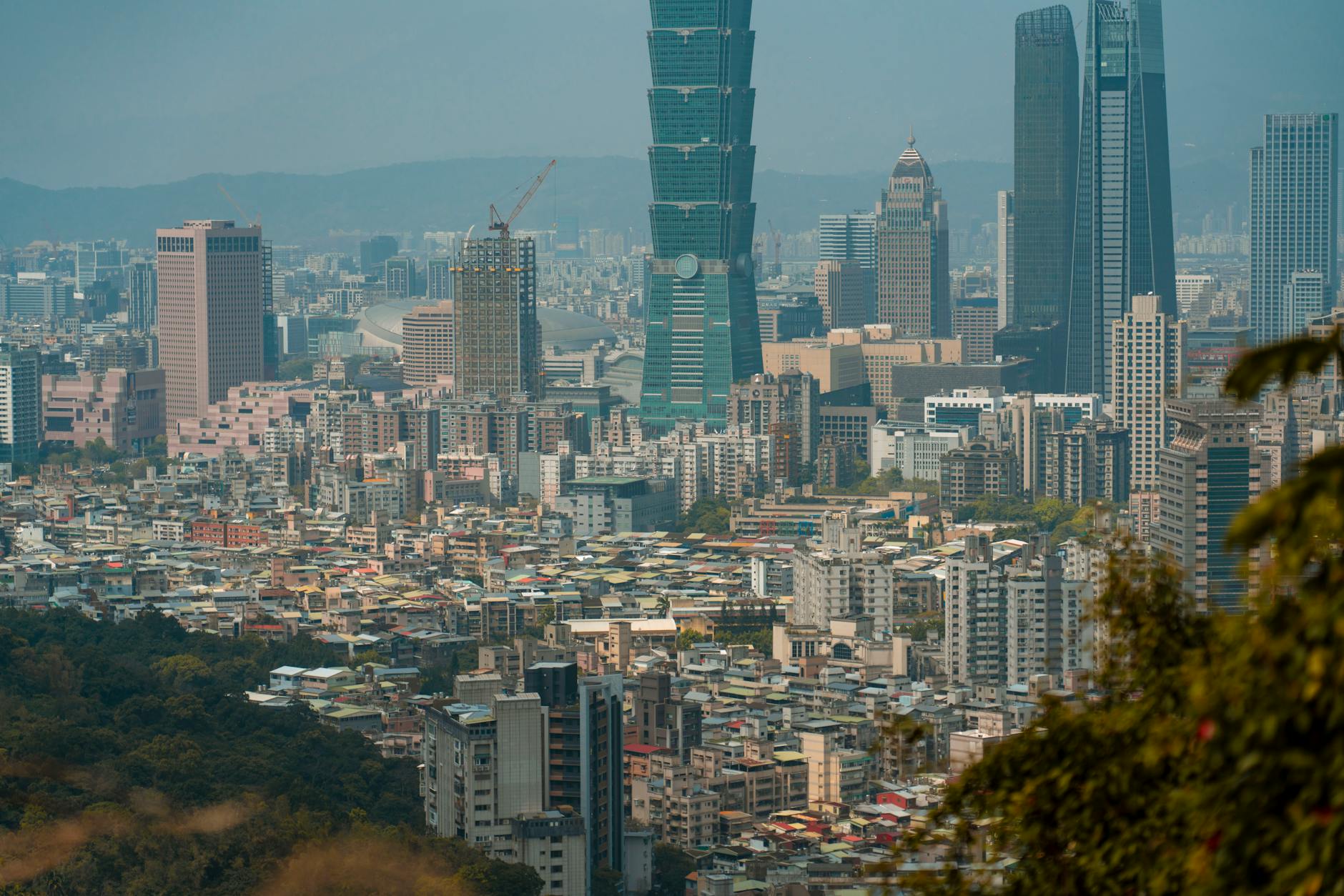
Taipei 101 is not just a tall building; it is Taipei’s international symbol. The observatory gives you the basin layout in one glance: city grid, green hills, river curves, highways, towers, and weather moving over the mountains.
Worth it? Yes for first-timers, skyline lovers, architecture fans, and anyone who wants a clear mental map of the city.
Skip if: visibility is poor, you hate observatories, or you would rather see the tower from Elephant Mountain.
Best time: late afternoon into sunset, but that is also peak demand.
Book ahead: recommended for prime times.
Pair it with: Xinyi shopping, Sun Yat-sen Memorial Hall, Elephant Mountain, or a Da’an dinner.
2. Climb Elephant Mountain
Elephant Mountain, or Xiangshan, is the classic free skyline view. The climb is short but sweaty, with stairs that feel longer than they look. The reward is the postcard angle of Taipei 101 rising from the city.
Worth it? Absolutely if you can handle stairs.
Best time: late afternoon, sunset, or after dark.
Bring: water, mosquito repellent in warm months, and patience for photo spots.
First-timer mistake: Arriving at sunset with no water and expecting solitude.
3. Eat Your Way Through a Night Market
Night markets are not one thing. They differ by layout, food quality, crowd, and mood.
Ningxia Night Market: compact, food-focused, ideal for first-timers who want to eat efficiently.
Raohe Night Market: atmospheric one-street market by Songshan Ciyou Temple, excellent for a first night.
Shilin Night Market: famous, sprawling, busy, best for scale and variety but not always the top food experience.
Tonghua / Linjiang Night Market: convenient from Xinyi and Da’an, good if staying east.
Huaxi / Guangzhou Street area: old-school Wanhua atmosphere, more niche.
The move: Choose one market per night, arrive hungry, walk the full length once before committing, then eat in rounds.
4. Visit Longshan Temple
Longshan Temple is one of Taipei’s most important active temples. It is ornate, crowded, smoky, and moving. The experience is strongest when you slow down and observe respectfully.
Worth it? Essential.
Best time: early morning or early evening.
Pair it with: Bopiliao Historic Block and Ximending.
5. Spend Half a Day at the National Palace Museum
The National Palace Museum is Taipei’s great collection museum, especially for Chinese imperial art, ceramics, bronzes, calligraphy, painting, jade, and court objects. It is not in the easiest location, but it is worth the ride.
Worth it? Essential for art, history, and culture travelers; still worthwhile for many first-timers.
How long: 2.5 to 4 hours.
Best strategy: Do not try to see everything. Pick highlights, take breaks, and use an audio guide or guided tour if you want context.
Pair it with: Shilin, Beitou, or a quieter dinner back in Zhongshan.
6. Walk Dadaocheng and Dihua Street
Dadaocheng is the best old-commerce walk in Taipei. It is where dry goods, tea, traditional medicine, fabrics, restored townhouses, and modern design shops overlap.
Worth it? Very.
Best for: walkers, shoppers, photographers, cultural context, tea.
Pair it with: Xiahai City God Temple and Ningxia Night Market.
7. Soak in Beitou
Beitou is the city’s hot-spring escape. You can visit as a half-day trip or book a hot-spring hotel for a more indulgent stay.
Worth it? Yes, especially in cool or rainy weather.
Best for: couples, solo decompression, families with older kids, slow travelers.
Common mistake: Going only to look at Thermal Valley and skipping the actual soak.
8. Ride the Maokong Gondola and Drink Tea
The gondola rises from Taipei Zoo into the hills, ending in Maokong, a tea-growing and tea-house area. On a clear day, it gives one of the best low-effort escapes in Taipei.
Worth it? Yes if the weather is good.
Best time: late afternoon into evening, but check operating hours and weather.
Pair it with: Taipei Zoo, Zhinan Temple, or a slow tea-house meal.
9. Explore Yongkang Street
Yongkang is touristy because it works. Dumplings, mango ice, tea, cafés, beef noodles, souvenir shops, and small streets make it one of Taipei’s easiest food neighborhoods.
Worth it? Yes, but do not turn it into a single-restaurant pilgrimage.
The move: Eat lightly at multiple places instead of waiting too long for one famous name.
10. Take the Red Line to Tamsui
Tamsui is a riverfront outing: snacks, old streets, historic sites, ferries, and sunset. It is not a must for very short trips, but it is an easy pleasure with four or more days.
Best time: late afternoon.
Pair it with: Beitou only if you start early; otherwise give Tamsui its own relaxed half-day.
11. Wander Huashan 1914 and Songshan Cultural Park
These creative parks repurpose industrial spaces into exhibition, design, retail, cinema, and event venues. They are not always essential, but they are excellent rainy-day or flexible-plan stops.
Worth it? Depends on current exhibitions and your interest in design, shops, and cultural venues.
12. Visit Taipei Zoo
Taipei Zoo is large, affordable, and easy to combine with Maokong. It is especially useful for families or animal lovers.
Best strategy: Go early, then ride the gondola later in the day if weather allows.
13. Cycle the Riverside Paths
Taipei has extensive riverside bike paths that show a different city: floodplains, bridges, parks, sports fields, and skyline angles. YouBike makes short rides easy after setup.
Best for: mild weather days, active travelers, families with confident cyclists.
Caution: City-street cycling is not as comfortable as riverside cycling. Use dedicated paths when possible.
14. Use Convenience Stores Properly
This sounds minor. It is not. Taipei’s convenience stores are part of travel infrastructure: ATMs, snacks, drinks, umbrellas, ticket pickup, bathrooms in some locations, hot food, coffee, and emergency supplies.
The move: Learn one nearby 7-Eleven or FamilyMart on day one. It will solve problems.
Itineraries
One Perfect Day in Taipei
Morning: Start at Longshan Temple before crowds build. Walk through nearby Wanhua streets and Bopiliao Historic Block. Continue or ride to Ximending for snacks and street energy.
Lunch: Eat around Ximending or head to Yongkang Street for dumplings, beef noodles, and dessert.
Afternoon: Go to Taipei 101 and Xinyi. Visit the observatory if visibility is good.
Sunset: Climb Elephant Mountain for the skyline view.
Evening: Eat at Raohe Night Market or Tonghua Night Market.
Cut if tired: Skip Taipei 101 interior and just view it from Elephant Mountain.
Rain plan: Replace Elephant Mountain with National Palace Museum or a department-store food hall plus Taipei 101 Observatory if visibility is acceptable.
Two Days in Taipei
Day 1: Old Taipei, Food, and Neon
Morning at Longshan Temple, Bopiliao, and Wanhua. Lunch in Ximending. Afternoon in Dadaocheng and Dihua Street. Evening at Ningxia Night Market.
Day 2: Skyline, Parks, and Modern Taipei
Morning at Chiang Kai-shek Memorial Hall and Yongkang Street. Afternoon in Da’an or Xinyi. Sunset at Elephant Mountain. Dinner in Xinyi, Da’an, or Raohe.
Three Days in Taipei
Day 1: Old West Taipei
Longshan Temple, Ximending, Dadaocheng, Ningxia.
Day 2: National Palace Museum and Northern Taipei
National Palace Museum in the morning. Shilin or Beitou in the afternoon. Hot spring or night market in the evening.
Day 3: Xinyi, Da’an, and Maokong
Yongkang breakfast/lunch, Taipei 101, Elephant Mountain, or Maokong if skies are clear. Night market at Raohe or Tonghua.
Four Days in Taipei
Add a dedicated Beitou + Tamsui day:
Morning hot springs and Beitou museums. Afternoon ride to Tamsui. Walk the waterfront, snack, and stay for sunset. Return on the Red Line.
Five Days in Taipei
Add Jiufen + Jinguashi or Pingxi/Shifen:
- Choose Jiufen/Jinguashi for old mining-town streets, mountain-sea views, teahouses, and atmosphere.
- Choose Pingxi/Shifen for rail villages, waterfalls, lantern culture, and a more spread-out day.
One Week in Taipei
A full week can look like this:
- Old Taipei, Ximending, Longshan, Ningxia.
- Xinyi, Taipei 101, Elephant Mountain, Da’an.
- National Palace Museum, Shilin, Beitou.
- Maokong, Taipei Zoo or tea houses, Gongguan.
- Jiufen and Jinguashi.
- Tamsui, Bali, riverside biking.
- Flexible day: Yangmingshan, Wulai, Keelung, extra food neighborhoods, museums, shopping.
Food-Lover Itinerary
Day 1: Traditional breakfast, Dadaocheng dry goods, Ningxia Night Market.
Day 2: Yongkang Street, tea, mango ice, hot pot dinner.
Day 3: Taipei Main / Zhongshan cafés, beef noodles, Raohe Night Market.
Day 4: Morning market, Maokong tea, late-night fried chicken or soy milk.
Rule: Do not reserve every meal. Taipei’s casual eating is too good for that.
Family Itinerary
Day 1: Taipei Zoo and Maokong Gondola.
Day 2: Chiang Kai-shek Memorial Hall plaza, Da’an Forest Park, Yongkang snacks.
Day 3: National Taiwan Science Education Center or children’s attractions in Shilin, then an easy night market.
Day 4: Beitou hot springs or Tamsui waterfront.
Family move: Choose hotels near MRT stations with elevators. Taipei is stroller-manageable in many areas, but station exits and older sidewalks vary.
Rainy-Day Itinerary
Morning at National Palace Museum. Lunch in Shilin or Zhongshan. Afternoon at Taipei 101, a mall, a bookstore, or Huashan 1914. Evening hot pot, beef noodles, or covered/compact night-market grazing if rain lightens.
Second-Time Visitor Itinerary
Skip the greatest hits unless you loved them. Spend time in Dadaocheng, Gongguan, Wenshan, Nangang, Tianmu, Wulai, Keelung, small museums, riverside cycling, tea houses, and neighborhood breakfast shops.
Food and Drink
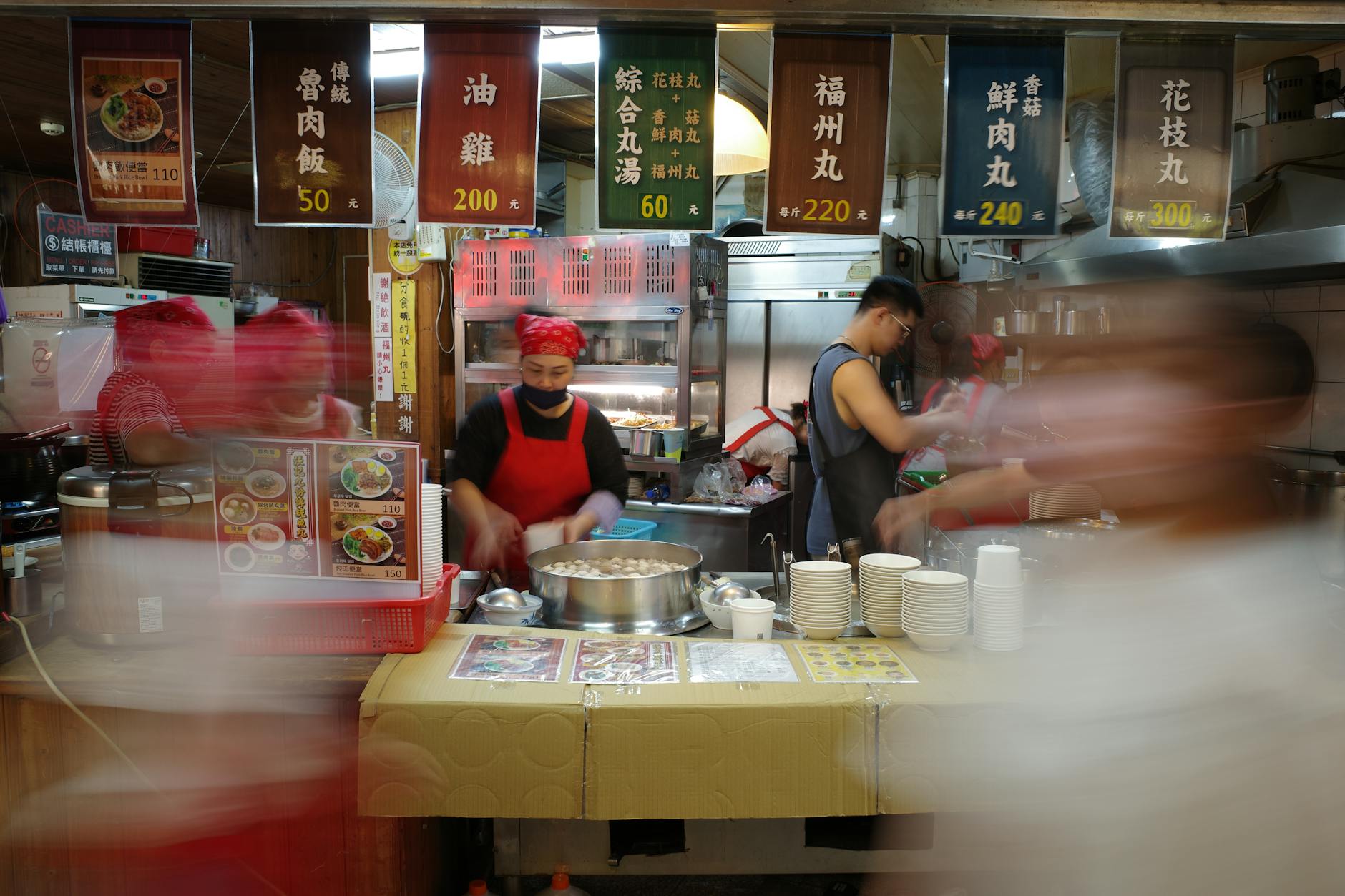
Taipei is a food city before it is a sightseeing city. The best meals are not always formal. Some of the most memorable food comes from breakfast counters, night-market stalls, noodle shops, dumpling houses, bakeries, convenience-store snacks, tea stands, and neighborhood restaurants where the décor is beside the point.
Taipei Food Philosophy
Eat in layers. One big restaurant meal per day is enough. The rest should be snacks, markets, tea, fruit, bakeries, and casual bowls. Taipei rewards grazing.
The move: Never arrive at a night market full. Never pass a good breakfast shop just because it is not on your list.
What to Eat
Taiwanese Breakfast
Taiwanese breakfast is a genre: soy milk, dan bing egg crepes, fan tuan rice rolls, scallion pancakes, turnip cake, fried dough, buns, and egg sandwiches. It is cheap, fast, and essential.
Best time: early morning.
First-timer tip: Pointing works, but learning a few names helps.
Beef Noodle Soup
Taiwan’s beef noodle soup can be clear-broth, braised, spicy, mild, thick-noodled, or refined. It is a comfort dish and a point of pride.
Worth seeking out: Yes. Try at least one serious bowl.
Lu Rou Fan
Braised pork rice is small, rich, and deeply satisfying. It is often a side or small meal rather than a giant entrée.
Gua Bao
A steamed bun folded around pork belly, pickled greens, peanut powder, and cilantro. Sometimes called a Taiwanese hamburger, though that undersells it.
Oyster Omelet
A night-market classic: eggs, oysters, greens, starch, and sauce. Texture can surprise first-timers.
Stinky Tofu
Fermented, fried, steamed, or stewed tofu with a smell that announces itself before you arrive. Try it with an open mind.
Worth it? Yes if you like strong flavors and food experiences. No shame if you do not.
Scallion Pancake
Crispy, chewy, oily, and perfect as a snack. Add egg if offered.
Xiao Long Bao and Dumplings
Taipei has famous soup dumplings and many less famous but excellent dumpling options. Big-name restaurants are polished; smaller places can be just as satisfying.
Hot Pot
A Taipei social meal. Choose broth, meats, vegetables, dipping sauces, and pace yourself. Great in winter and rainy weather.
Fried Chicken
Large fried chicken cutlets, popcorn chicken, and salty crispy chicken are late-night Taipei staples.
Mango Shaved Ice
Best in warm months, but available widely. The classic version is ice, mango, condensed milk or syrup, and sometimes ice cream.
Pineapple Cakes
The standard edible souvenir. Quality varies; seek bakeries with good butter aroma and balanced filling.
Bubble Tea
Taiwan is the home base for bubble tea culture. Try classic milk tea with pearls, but do not stop there. Tea shops offer fruit teas, pure teas, cheese foam, taro, brown sugar, and seasonal drinks.
Best Night Markets by Situation
| Market | Best for | Caveat |
|---|---|---|
| Ningxia | Efficient food crawl | Compact and crowded |
| Raohe | Atmosphere and first-time visitors | Can bottleneck at entrance |
| Shilin | Fame and scale | Not always best food-to-crowd ratio |
| Tonghua / Linjiang | Convenient from Xinyi/Da’an | Less iconic but useful |
| Nanjichang | More local food focus | Slightly less obvious for first-timers |
| Huaxi / Guangzhou | Old Wanhua feel | Not for everyone late at night |
Where to Eat by Situation
Best first dinner: Raohe or Ningxia Night Market if you are energetic; a casual beef-noodle or dumpling meal if jet-lagged.
Best rainy-night meal: hot pot.
Best solo meal: beef noodles, dumplings, lu rou fan, breakfast shops, food courts, ramen, or night markets.
Best family meal: dumplings, hot pot, food courts, Taipei 101/Xinyi restaurants, or Din Tai Fung-style polished restaurants.
Best splurge: modern Taiwanese tasting menus, high-end hot pot, Japanese restaurants, or hotel dining with skyline views.
Best snack zones: Ximending, Yongkang, Dadaocheng, Raohe, Ningxia, Gongguan.
Food Practicalities
Many casual places have menus on walls, QR codes, or order sheets. Some English exists in tourist-heavy areas; not everywhere. Bring a translation app. At food stalls, watch what locals order and point politely. Lines usually move fast. Do not hold up a stall while debating every option.
Tipping is not expected in casual dining. Some restaurants add a service charge. Water may not automatically appear at small eateries. Napkins can be limited. Carry tissues.
First-timer mistake: Waiting two hours for one famous restaurant while skipping five excellent nearby options.
Tea, Coffee, and Drinks
Taipei is a serious tea city and a strong café city. Tea culture ranges from quick bubble-tea stands to quiet tea houses, Maokong mountain tea, old shops in Dadaocheng, and refined tastings. Coffee is also excellent, especially in Zhongshan, Da’an, and residential lanes.
Alcohol is available but not the center of Taipei’s social life in the way food and tea are. Cocktail bars exist, craft beer exists, and nightlife areas exist, but many memorable Taipei evenings are snack-and-walk nights rather than bar-hopping nights.
Getting Around
Arrival: Taoyuan Airport to Taipei
The default airport transfer is the Taoyuan Airport MRT. Express trains connect Taoyuan Airport and Taipei Main Station in roughly 35 to 38 minutes from the airport terminals, while commuter trains take about 50 minutes because they stop more often. The line is clean, luggage-friendly, and much easier than traffic for many arrivals.
Best for: most travelers arriving during operating hours.
Use a taxi if: you arrive late, have heavy luggage, are staying far from Taipei Main Station, are traveling with young children, or have a group.
Airport transfer mistake: Assuming Taipei Main Station is a simple station. It is a large multi-system complex. Give yourself time and follow signs carefully.
Songshan Airport
Taipei Songshan Airport is inside the city and connected by MRT. If you arrive there, the transfer is much simpler than Taoyuan. It is especially useful for domestic flights and some regional routes.
MRT
Taipei’s MRT is clean, safe, and easy to use. Fares are distance-based. Visitor passes exist, but many travelers do well with an EasyCard or iPASS.
Key rules:
- No eating or drinking inside paid MRT areas.
- Queue where marked.
- Offer priority seats to those who need them.
- Tap in and tap out.
- Pay attention to the final train time if staying out late.
EasyCard and iPASS
Get a stored-value card early. It works on MRT, buses, some trains, convenience stores, YouBike, and small purchases. You can buy and top up cards at stations and convenience stores.
The move: Load enough value that you do not think about it every ride, but do not overfill at the end of the trip.
Buses
Buses fill in gaps the MRT does not cover, including the National Palace Museum and some hill areas. They are useful but less intuitive than the MRT. Google Maps generally works well.
Taxis and Rideshare
Taxis are useful, especially for the National Palace Museum, late-night returns, families, and rain. Uber operates in Taipei. Most taxis are honest, but language can be a barrier. Have your destination in Chinese if possible.
YouBike
YouBike is excellent for short rides and riverside paths. Visitors should set up the app or card linkage before relying on it. For Taipei City, standard YouBike 2.0 pricing is low, but rules and insurance requirements can change, so check the official app/site during setup.
Best use: riverside riding, short station-to-neighborhood hops, parks, Tamsui/Bali, Da’an, university areas.
Avoid: heavy traffic streets unless you are comfortable with urban cycling.
Scooters
Taipei’s scooter culture is intense. Visitors should not casually rent scooters unless experienced, properly licensed, and insured. The city is manageable without one.
High Speed Rail and TRA
Taipei Main Station connects to Taiwan High Speed Rail and Taiwan Railways. This makes Taipei an excellent base for onward travel to Taichung, Tainan, Kaohsiung, Hualien, Yilan, and other destinations. For day trips, know whether you need TRA, HSR, MRT, bus, or a combination.
Safety, Health, and Scams
Taipei is one of the safer large cities a visitor is likely to experience. Violent crime against tourists is uncommon, and public transit feels safe. The bigger risks are traffic, weather, heat, slippery steps, typhoons, earthquakes, and ordinary travel mistakes.
General Safety
Use normal city judgment. Watch your belongings in crowds, especially night markets and stations. Be more alert late at night in entertainment zones, but Taipei does not usually have the aggressive street hassle found in many tourist-heavy cities.
Traffic
Scooters are the real hazard. Look both ways, then look again. Cross at lights. Do not assume a turning vehicle has seen you.
Weather Risks
Taipei can experience heavy rain, typhoons, extreme heat, flooding, and earthquakes. Typhoons can disrupt flights, trains, trails, gondolas, and day trips. Earthquakes are part of life in Taiwan; know basic safety behavior and follow local instructions.
The move: During summer and early fall, check weather daily, especially before mountain, coast, gondola, or day-trip plans.
Heat and Humidity
Summer humidity can flatten ambitious travelers. Plan outdoor walks early or late, hydrate, and use air-conditioned breaks. Convenience stores are your friend.
Mosquitoes
Mosquitoes can be an issue, especially near parks, mountains, rivers, and warm-season outdoor areas. Use repellent for hikes, Maokong, Yangmingshan, and summer evenings.
Common Tourist Problems
- Underestimating summer heat.
- Slipping on wet steps or trails.
- Getting lost in Taipei Main Station.
- Missing last trains.
- Waiting too long at famous restaurants.
- Not carrying enough cash for small food vendors.
- Choosing a cheap hotel far from useful MRT stations.
- Booking mountain/coast day trips during bad weather.
Emergency Numbers
Police: 110. Fire and ambulance: 119. Emergency call in poor reception: 112. Taiwan’s 24-hour travel information hotline is 0800-011-765.
Accessibility
Taipei is better than many older Asian cities for accessibility, especially on the MRT, but it is not universally easy. Newer stations, malls, major hotels, museums, and Xinyi sidewalks are generally more manageable. Older neighborhoods, temple areas, markets, and small restaurants can present steps, narrow passages, uneven sidewalks, crowds, and limited seating.
Easier Areas
- Xinyi
- Da’an near major stations
- Zhongshan around main commercial streets
- Taipei 101 and major malls
- National Palace Museum once there
- Taipei Main Station if you allow extra navigation time
Harder Areas
- Crowded night markets
- Wanhua side streets
- Older arcades with uneven surfaces
- Hill walks and Elephant Mountain
- Maokong depending on mobility and weather
- Small local restaurants with tight seating
MRT Accessibility
Many MRT stations have elevators and accessible facilities, but exits matter. A station can be accessible while the most convenient street exit is not. Check exit information if mobility is a priority.
Wheelchair and Stroller Notes
Families with strollers can manage Taipei, but should choose hotels near elevator-equipped stations and avoid overloading days with transfers. Wheelchair users should plan routes around station exits, curb cuts, and venue access rather than assuming all central areas are equally smooth.
Accessible itinerary idea: Xinyi + Taipei 101, National Palace Museum, Da’an Forest Park, Zhongshan cafés, and selected malls/food courts is much easier than Elephant Mountain, crowded night markets, or older market streets.
Families and Kids
Taipei is excellent with children: safe, clean transit, affordable food, parks, convenience stores, family-friendly malls, and plenty of indoor options for rainy days.
Best Family Areas to Stay
Da’an: parks, food, calmer streets.
Zhongshan: central, easy, lots of restaurants.
Xinyi: clean, mall-heavy, easy hotels, good sidewalks.
Beitou: good for a slower hot-spring night with older kids.
Best Things With Kids
- Taipei Zoo
- Maokong Gondola
- Da’an Forest Park
- Taipei Children’s Amusement Park
- National Taiwan Science Education Center
- Taipei 101 Observatory
- Tamsui waterfront
- Beitou hot springs, if children can follow bathing rules
- Night markets in small doses
- Convenience-store snack missions
Family Food Strategy
Taipei is forgiving. Dumplings, noodles, rice bowls, fried chicken, buns, fruit, bakeries, convenience stores, hot pot, and food courts make feeding children easier than in many destinations. Night markets are fun but can overwhelm tired kids.
The move: Do night markets early, not at peak crush, and leave before everyone melts down.
Budget and Money
Taipei can be very good value, especially for food and transit. Hotels are the main variable. Luxury exists, but everyday pleasures remain affordable.
Daily Budget Ranges
| Travel style | Daily estimate, excluding major shopping |
|---|---|
| Shoestring | NT$1,200–2,200 if hostel/budget room and street food-heavy |
| Budget | NT$2,200–4,000 with simple hotel, transit, casual meals |
| Mid-range | NT$4,000–8,000 with comfortable hotel and mixed dining |
| Comfortable | NT$8,000–15,000 with good hotel, taxis, nicer meals |
| Luxury | NT$15,000+ depending on hotel and restaurants |
What Is Surprisingly Affordable
- MRT rides
- Night-market food
- Breakfast shops
- Convenience-store meals
- Tea drinks
- Many museums and public sights
- YouBike rides
What Gets Expensive
- Luxury hotels
- Peak holiday accommodation
- Fine dining
- Imported goods
- Private guides and car day trips
- Hot-spring resort rooms on weekends
Best Value Moves
- Stay near an MRT station instead of chasing the absolute center.
- Eat breakfast locally.
- Use night markets for casual dinners.
- Take MRT and taxis strategically, not ideologically.
- Visit Taipei 101 only when visibility is good.
- Spend on one excellent tea, hot-spring, or food experience instead of many mediocre souvenir purchases.
Cash Strategy
Withdraw local currency after arrival or bring some cash to exchange. Keep small bills for markets and taxis. Do not rely only on cards.
Shopping and Souvenirs
Taipei shopping is strongest when you buy things connected to food, tea, stationery, books, design, beauty, and local craft rather than generic tourist goods.
Best Souvenirs
- High-quality tea
- Pineapple cakes
- Nougat crackers
- Dried fruit
- Taiwanese snacks
- Stationery
- Local ceramics
- Indie design goods
- Books and zines, if language works for you
- Beauty products
- Temple charms, respectfully purchased
Best Shopping Areas
Dihua Street: tea, dry goods, traditional foods, New Year goods, old shops.
Xinyi: malls, luxury, design, international brands.
Zhongshan: boutiques, cafés, small shops.
Ximending: youth fashion, pop culture, cosmetics, snacks.
Yongkang: food gifts, tea, casual souvenirs.
Taipei Main underground malls: practical, quirky, weatherproof shopping.
What Not to Buy
Do not buy random “Taiwan” souvenirs just to buy something. Taipei has excellent edible gifts and tea; choose quality over quantity. Be cautious with very cheap tea sold as premium.
The move: Buy pineapple cakes late in the trip so they stay fresh.
Culture, History, and Etiquette
Taipei’s history is layered: Indigenous lands, Qing-era settlement, Japanese colonial urban planning, postwar Republic of China institutions, martial-law memory, democratization, contemporary Taiwanese identity, semiconductor-era prosperity, and ongoing geopolitical tension. The visitor does not need to master all of this, but a little context makes the city more meaningful.
Historical Layers You Can See
Qing-era and early commercial Taipei: Dadaocheng, Wanhua, temples, old market streets.
Japanese colonial era: urban planning, hot-spring culture in Beitou, some civic buildings, railway influence, old houses.
Postwar Republic of China: Chiang Kai-shek Memorial Hall, government districts, military dependents’ village culture, mainlander food influences.
Democratic Taiwan: memorials, museums, civil society, youth culture, elections, open public debate.
Contemporary Taipei: technology wealth, design, cafés, LGBTQ+ visibility, creative parks, global dining, night-market continuity.
Etiquette
- Do not eat or drink on the MRT.
- Stand on the correct side of escalators where local practice indicates, and do not block flow.
- Queue neatly.
- In temples, be quiet and do not interrupt worshippers.
- Ask before photographing people closely.
- Do not plant yourself in front of stalls if you are not ordering.
- In hot springs, follow bathing rules exactly.
- Carry trash until you find a bin; public trash cans can be less frequent than visitors expect.
- Speak softly on transit.
Language Tips
You can travel Taipei comfortably with English and translation apps, but a few Mandarin phrases help:
| English | Mandarin pronunciation |
|---|---|
| Hello | nǐ hǎo |
| Thank you | xiè xie |
| Excuse me / sorry | bù hǎo yì si |
| How much? | duō shǎo qián? |
| I do not eat meat | wǒ bù chī ròu |
| Not spicy | bù là |
| Less sugar | shǎo táng |
| Less ice | shǎo bīng |
Books, Films, and Preparation
For deeper context, look into Taiwanese history, Japanese colonial Taiwan, democratization, Taiwanese food culture, and contemporary Taiwanese cinema. Even a short primer on Taiwan’s political history will make Chiang Kai-shek Memorial Hall, 228 Peace Memorial Park, and the National Palace Museum feel less like isolated sights.
Day Trips and Side Trips
Jiufen and Jinguashi
Best for: atmosphere, mountain-sea views, old mining history, teahouses.
Jiufen is famous and crowded for a reason. Its narrow lanes, lanterns, tea houses, and hillside views are atmospheric, especially in mist. Jinguashi nearby adds mining history and a slightly less compressed feel.
Best time: weekday, late morning to evening, avoiding peak weekend crush.
Common mistake: Expecting solitude or treating Jiufen as “hidden.” It is famous.
Better version: Pair Jiufen with Jinguashi and accept that atmosphere comes with crowds.
Pingxi and Shifen
Best for: rail villages, waterfalls, lantern culture, slow day-trip energy.
The Pingxi branch line is a classic northern Taiwan outing. Shifen is known for its waterfall and sky lanterns; Pingxi is smaller and calmer.
Responsible note: Sky lanterns are photogenic but create waste and fire risk concerns. Consider enjoying the rail villages and waterfall without releasing a lantern.
Yangmingshan National Park
Best for: mountains, flowers, hot springs, volcanic landscapes, cool air.
Yangmingshan is Taipei’s major mountain escape. Weather changes quickly, so check conditions. Spring flowers are popular; summer can still be humid; winter mist can be beautiful.
Best for: hikers and nature lovers.
Not ideal for: travelers with only two days in Taipei unless nature is the priority.
Wulai
Best for: hot springs, river scenery, Indigenous Atayal culture, waterfalls.
Wulai feels farther from the city than Beitou and has a greener, more river-valley character. It is a good side trip if you want hot springs plus nature.
Keelung
Best for: harbor city energy, Miaokou Night Market, coastal access.
Keelung is not polished, which is part of its appeal. Go for food, harbor atmosphere, and access to the north coast.
Yehliu Geopark
Best for: unusual coastal rock formations.
Yehliu is photogenic but exposed. Go early, avoid the hottest hours, and combine with northern-coast planning if possible.
Tamsui and Bali
This is more of a half-day than a full day trip. Take the Red Line to Tamsui, walk the waterfront, ferry to Bali if you like, and return after sunset.
Yilan
Best for: longer day or overnight, hot springs, food, coast, countryside.
Yilan is possible from Taipei but more satisfying with a full day or overnight.
Hualien and Taroko
Not recommended as a casual day trip from Taipei. Hualien and Taroko deserve separate planning, and conditions after earthquakes or storms can affect access. Treat it as a separate Taiwan chapter, not a throwaway add-on.
Responsible Travel
Taipei is easy to visit, but easy does not mean impact-free.
Respect Temples
Temples are active religious sites. Do not block worshippers, photograph rituals intrusively, or treat offerings as props.
Eat Thoughtfully
Night markets are working food economies. Queue, order efficiently, pay promptly, and step aside. Do not waste food just to create content.
Choose Lodging Carefully
Stay in legal hotels or regulated accommodations. Short-term rental rules can be complicated, and illegal units can create problems for residents and guests.
Reduce Waste
Bring a reusable bottle, but know that many locals prefer filtered or boiled water. Use refill points where available, and carry a small bag for trash.
Think About Lanterns
In Pingxi/Shifen, sky lanterns are culturally popular and tourist-famous, but they can generate environmental concerns. You can visit the area without participating in a release.
Use Transit
Taipei’s public transit is excellent. Use it. Taxis are helpful, but there is no need to car around the city all day.
Practical Life Admin
Laundry
Self-service laundromats exist, and many hotels can direct you. Pack light if staying longer; Taipei is a good laundry city.
Public Restrooms
MRT stations, malls, museums, parks, and major attractions usually have restrooms. Carry tissues and sanitizer for older markets or parks.
Luggage Storage
Taipei Main Station and many transit hubs have lockers. Hotels usually store bags. Station lockers can fill during busy times.
Pharmacies and Medical Help
Pharmacies are common, though English ability varies. Bring your prescriptions and key medications. For serious issues, hotels can help direct you to appropriate clinics or hospitals.
Convenience Stores
7-Eleven and FamilyMart are essential infrastructure. Use them for snacks, drinks, coffee, ATMs, umbrellas, basic supplies, and sometimes ticket pickup or bill-like services.
SIM and eSIM
Arrange before arrival or at the airport. Having data is worth it.
Packing List
Year-Round Essentials
- Comfortable walking shoes
- Compact umbrella
- Light rain jacket
- Transit card holder or small wallet
- Cash pouch with small bills
- Portable charger
- Type A/B adapter if needed
- Translation app
- Tissues and hand sanitizer
- Reusable bag
- Light daypack
Spring
- Light layers
- Rain gear
- Shoes with grip
- Allergy medication if sensitive
Summer
- Breathable clothing
- Sun hat
- Sunscreen
- Mosquito repellent
- Electrolytes
- Extra shirts
- Sandals plus walking shoes
- Patience for humidity
Autumn
- Light jacket
- Umbrella
- Walking clothes
- Camera for clearer skyline days
Winter
- Light-to-medium layers
- Rain jacket
- Sweater or fleece
- Hot-spring-appropriate swimwear if your chosen facility requires it
What Not to Overpack
Do not overpack formal clothes unless you have specific fine-dining or business plans. Taipei is practical, comfortable, and easy to shop in. You can buy umbrellas, toiletries, snacks, and basic clothing locally.
What to Skip
Skip Shilin Night Market If You Only Have One Night-Market Slot and Hate Crowds
Shilin is famous, but Ningxia and Raohe are often better first choices for a focused food night.
Skip Taipei 101 Observatory If Visibility Is Bad
The tower is expensive enough that weather matters. If the city is socked in, see the building from below and save the observatory for another trip.
Skip Overly Rushed Jiufen Tours
Jiufen is atmospheric when you can slow down. If a tour gives you barely enough time to shuffle through the main lane, it may not be worth it.
Skip Renting a Scooter Casually
Taipei has good transit. Scooter traffic is not the place to improvise if you are inexperienced.
Skip Restaurant Tunnel Vision
Famous restaurants can be excellent, but Taipei is too food-rich to spend the whole trip chasing viral queues.
Skip Staying Far From the MRT to Save a Small Amount
In Taipei’s humidity and rain, distance matters. A cheap hotel far from transit may cost more in time, taxis, and frustration.
Skip Taroko as a Taipei Day Trip
It is too far and too important to treat as a box-check from Taipei. Plan Hualien/Taroko separately and check current access.
Common Mistakes
- Doing Taipei 101, a night market, and leaving. That misses the city’s depth.
- Booking a hotel without checking the nearest MRT station and exit. Taipei is transit-friendly, not magic.
- Forgetting cash. Small food vendors may not take cards.
- Overplanning meals. Taipei’s casual food scene is too spontaneous for rigid dining schedules.
- Ignoring weather. Rain, heat, and typhoons can reshape the day.
- Choosing the wrong night market. Match market to mood.
- Trying to combine too many far-flung sights. The MRT is good, but backtracking still drains energy.
- Underestimating Taipei Main Station. It is useful but confusing.
- Going to Elephant Mountain in midday summer heat. Do not do this to yourself.
- Treating temples as photo studios. They are religious spaces.
- Assuming English is everywhere. It is common enough to travel comfortably, but not universal.
- Not checking Monday closures. Museums and cultural sites can vary.
- Releasing lanterns without thinking. Understand the environmental concerns.
- Not using convenience stores strategically. They solve problems.
- Trying to see all of Taiwan from Taipei. Taipei is a base, but Taiwan deserves more than day-trip sampling.
Final Planning Shortcuts
Best First-Timer Plan
Stay in Zhongshan or Da’an. Spend four days on old Taipei, Xinyi/Elephant Mountain, National Palace Museum/Beitou, and Maokong or Jiufen.
Best Food Plan
Stay in Da’an, Zhongshan, or Ximending. Do breakfast shops daily, one night each at Ningxia and Raohe, Yongkang for lunch/snacks, Dadaocheng for tea and dry goods, and one hot-pot or modern Taiwanese dinner.
Best Romantic Plan
Stay in Xinyi, Zhongshan, or Beitou. Do Taipei 101 or Elephant Mountain at sunset, a private hot-spring room, tea in Maokong, Dadaocheng browsing, and one polished dinner.
Best Family Plan
Stay in Da’an or Zhongshan. Build around Taipei Zoo, Maokong Gondola, Da’an Forest Park, Taipei 101, Tamsui, science/children’s museums, and early night-market visits.
Best Budget Plan
Stay near Ximending, Taipei Main, or a good MRT station in New Taipei. Eat breakfast shops, night markets, dumplings, noodles, and convenience-store snacks. Use EasyCard and avoid unnecessary taxis.
Best Slow-Travel Plan
Stay in Da’an or Zhongshan for a week or more. Build routines: breakfast shop, café, MRT exploration, market, park, tea, gym or riverside walk. Taipei rewards repetition.
FAQ
Is Taipei worth visiting?
Yes. Taipei is one of Asia’s most rewarding city breaks, especially for food, transit ease, safety, day trips, hot springs, tea, and neighborhood wandering. It is less immediately spectacular than Tokyo, Seoul, Hong Kong, or Bangkok, but it is deeply livable and grows on you quickly.
How many days do I need in Taipei?
Three days is the minimum for a good first visit. Four to five days is ideal. A week is excellent if you want day trips and slower food-focused exploration.
What is the best area to stay in Taipei?
Zhongshan is the best all-around first-timer base. Da’an is best for food and local life. Xinyi is best for luxury and skyline convenience. Ximending is best for youth energy and budget-friendly central stays.
Is Taipei expensive?
Hotels can be moderate to expensive, but food and transit are good value. Taipei can be affordable if you eat casually and use the MRT.
Is Taipei safe?
Taipei is generally very safe for visitors. The main risks are traffic, weather, heat, wet surfaces, and natural hazards such as typhoons and earthquakes.
Do I need a car in Taipei?
No. A car is a liability inside the city. Use MRT, buses, taxis, airport rail, TRA, HSR, and occasional private transfers for day trips.
Is English widely spoken?
English is common enough in hotels, major attractions, transit signage, and tourist districts. It is not universal in small restaurants, markets, taxis, or older neighborhoods. Translation apps help.
Which night market should I visit first?
Raohe for atmosphere, Ningxia for focused eating, Shilin for fame and scale, Tonghua if you are staying near Xinyi or Da’an.
Is Taipei good with kids?
Yes. It is safe, convenient, clean, and full of family-friendly food and transit options. Taipei Zoo, Maokong, parks, museums, and Tamsui are strong family choices.
Is Taipei good for solo travelers?
Very. It is safe, easy to navigate, food-friendly for solo dining, and comfortable for wandering.
What should I book ahead?
Book good hotels, hot-spring stays, Taipei 101 at popular times, guided museum tours, fine dining, and popular day tours during high season or holidays.
What is the most overrated thing in Taipei?
For many visitors, the overrated move is not one specific sight but the habit of chasing famous queues. Taipei’s ordinary food is too good to waste hours waiting unless the place truly matters to you.
What is the most underrated thing in Taipei?
The combination of city and hills. Few major cities make it this easy to ride a train, climb stairs to a skyline view, soak in hot springs, drink tea in the mountains, and be back for night-market dinner.
Source Check Notes
The following official or high-authority sources were checked for current logistics while drafting this guide:
- Bureau of Consular Affairs, Taiwan — Visa-Exempt Entry
- Taipei Travel — Taoyuan Airport MRT
- Taoyuan International Airport — Airport MRT
- Taipei Metro — tickets and travel passes
- EasyCard Corporation
- Taipei 101 Observatory — ticket information
- National Palace Museum — hours and admission
- Maokong Gondola — fares and hours
- YouBike — Taipei fees and service notices
- Taipei Travel — emergency contacts
- U.S. State Department — Taiwan travel advisory and country information
- Taiwan Tourism Administration — Taipei City overview