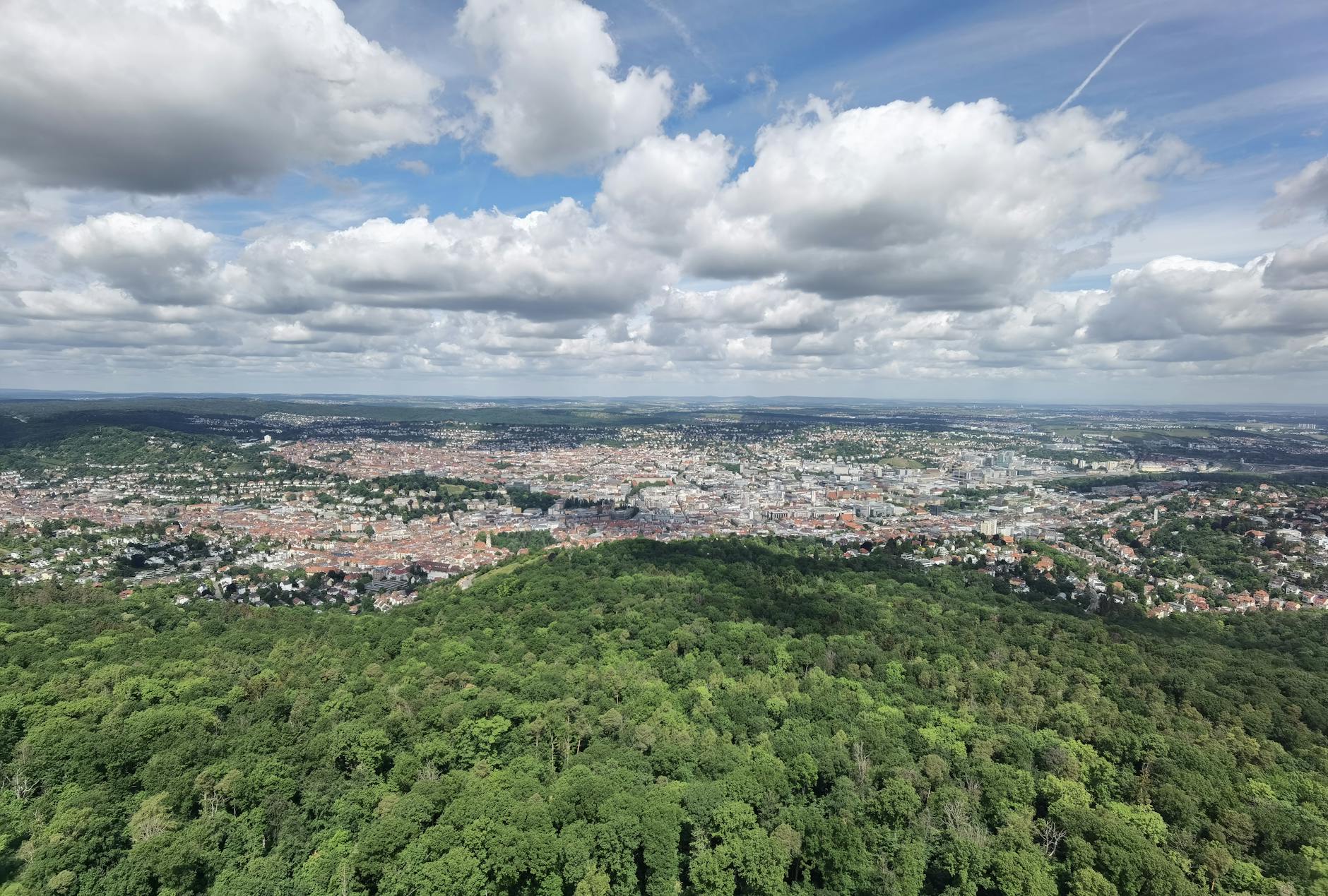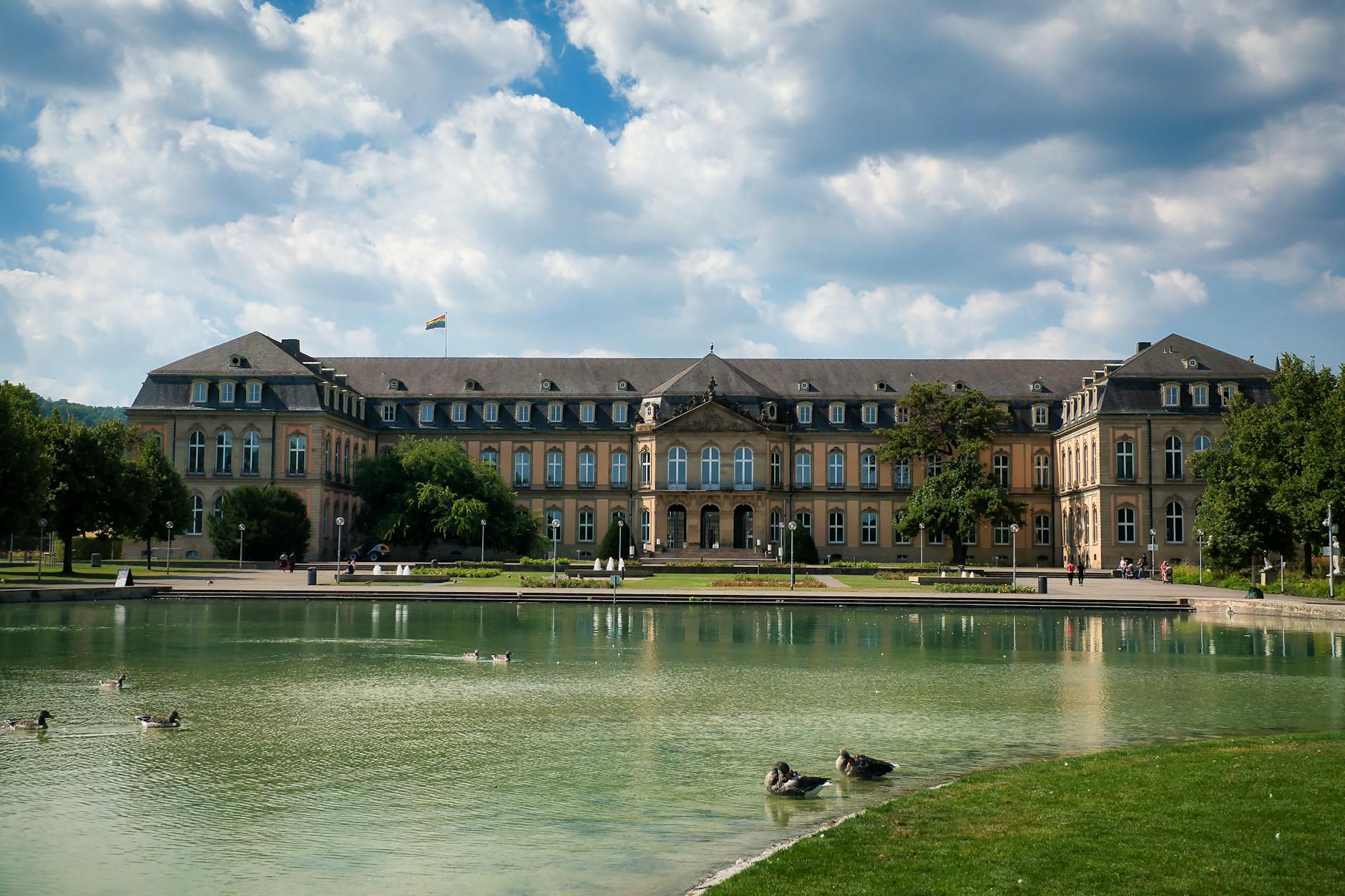
Stuttgart is easy to misread because outsiders usually encounter it through shorthand: cars, trade fairs, business hotels, and onward movement into southern Germany. That framing strips the city of its real character. Stuttgart is hilly, cultivated, greener than many expect, and more sensitive to district choice than its practical image suggests. It can feel corporate if handled lazily, but it can also feel composed, intelligent, and quietly high quality when the traveler chooses a good base and allows the city’s topography, food, museums, and residential texture to come into focus. The strongest Stuttgart trip is not built on hype. It is built on precision: the right neighborhood, the right balance between center and hillside, and the right understanding that this is a city of systems and pockets rather than one overwhelming central spectacle. Once that clicks, Stuttgart often feels much more cultivated than the stereotype allowed.
How Stuttgart works
Stuttgart is a city of gradients, both literal and social. The bowl of the center, the residential hillsides, the green pockets, and the infrastructure that stitches them together all shape how the visit feels. Travelers who expect one simple central grid can end up treating the city as blandly practical when it is actually more layered. Stuttgart comes into focus through sequences: a museum or business appointment, a carefully chosen lunch, a walk through a greener quarter, a different perspective from higher ground, an evening that ends without transport friction. It is less cinematic at first glance than Berlin or Munich, but it can be more satisfying than either if your preferences lean toward calm quality over obvious performance.
- Stuttgart reveals itself through structure and point of view.
- Topography is part of the city’s identity, not an incidental detail.
- The trip works best when designed as linked pockets rather than one continuous center.
Best time to visit
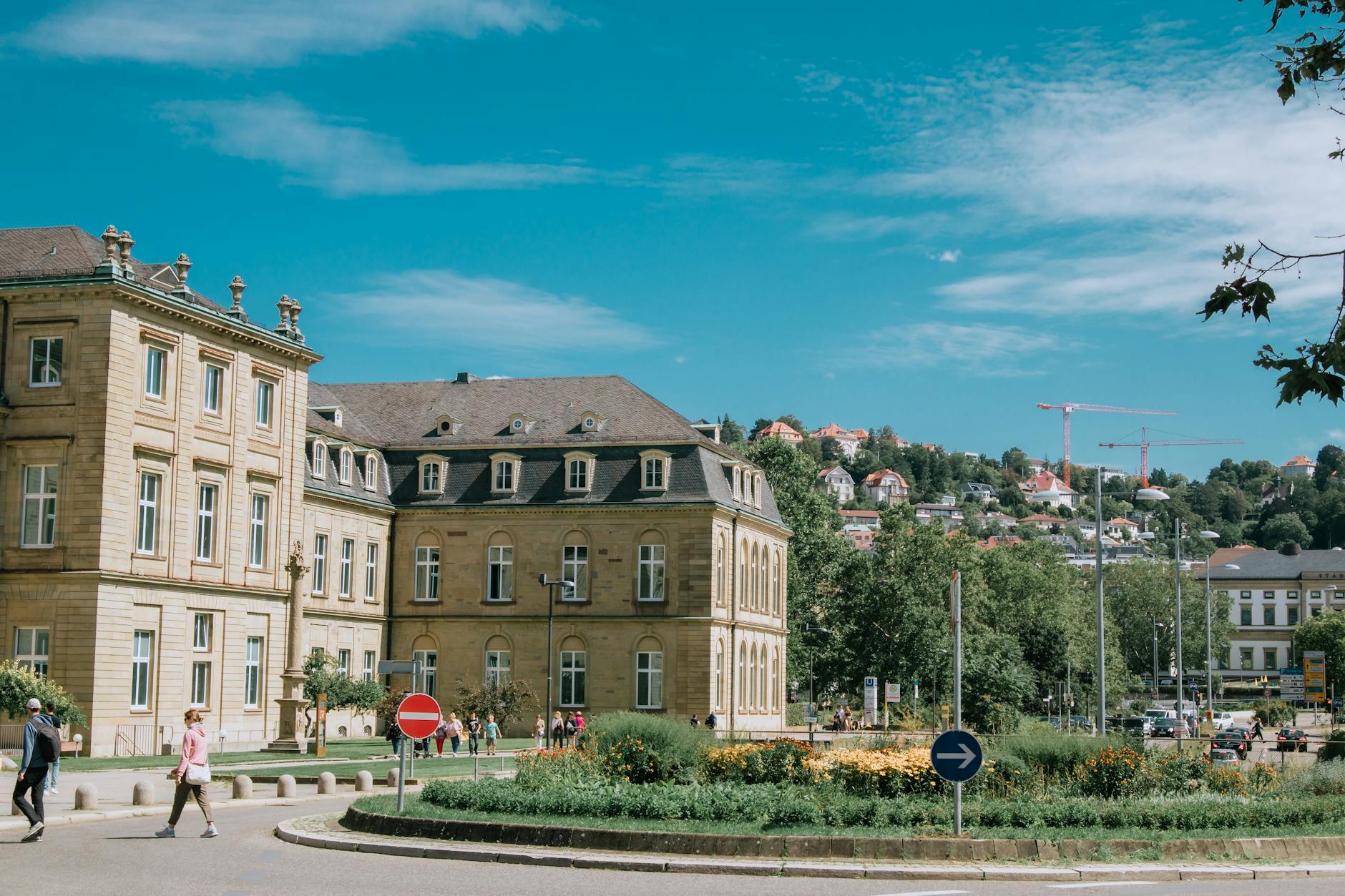
Late spring through early autumn is usually the cleanest planning range because the city’s greener sides, terraces, vineyard edges, and hillside movement all become more legible. Summer works well if the hotel is strong and the daily route stays measured rather than overpacked. Winter is viable, especially for business travel, museums, and restaurant-led stays, but it narrows the city and makes weak logistics more visible. Stuttgart does not become impossible in colder months; it simply becomes less forgiving of mediocre setup.
- May through September usually gives Stuttgart its fullest expression.
- Warmer weather improves the city’s hillside and open-air pleasures.
- In winter, the hotel and route matter even more than usual.
Arriving and getting around
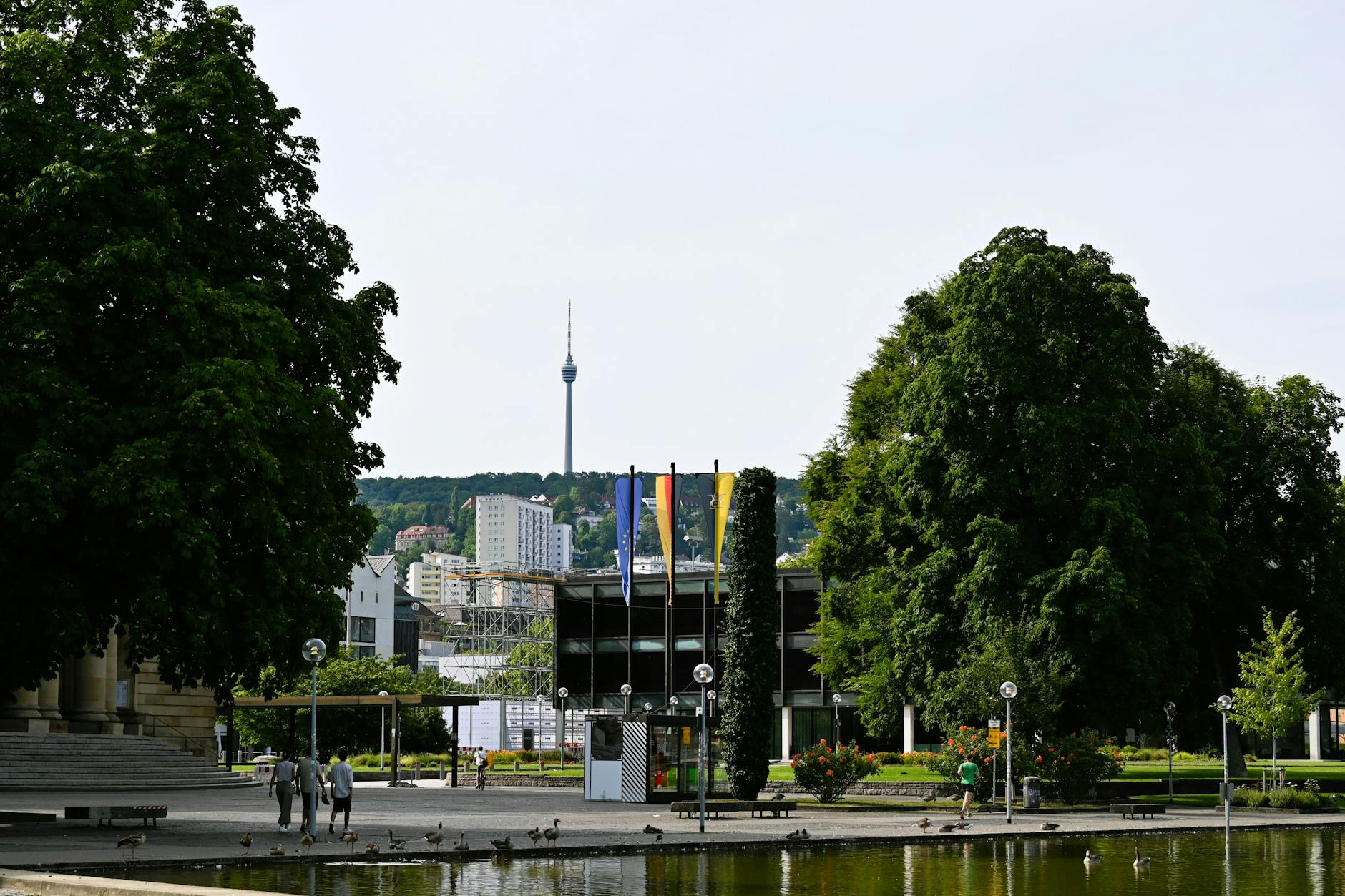
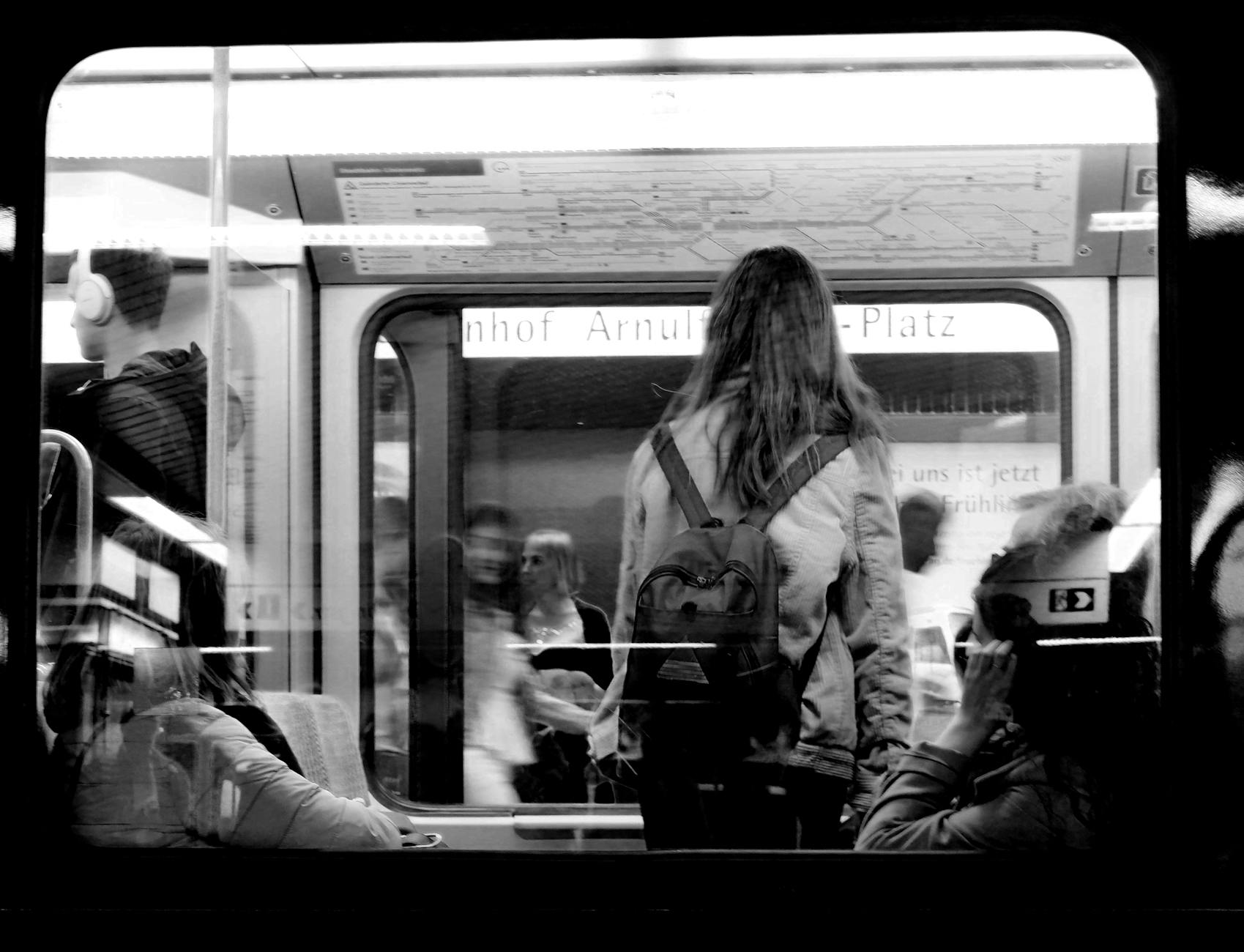
Stuttgart asks visitors to respect geography. Arriving is usually straightforward, but moving through the city requires a bit more attention than first-time travelers often expect. A hotel that looks central on a map can still create awkward up-and-down movement or a disconnected evening. Public transport is useful and often efficient, but the trip still benefits when daily plans are grouped intelligently. One of Stuttgart’s recurring lessons is that short physical distances do not always mean simple movement. The city is easiest when the traveler accepts that reality early and chooses a base that reduces unnecessary friction.
- Map distance and felt distance are not always the same in Stuttgart.
- Choose a hotel with both daytime and evening movement in mind.
- Cluster the day geographically instead of zigzagging on principle.
Where to stay
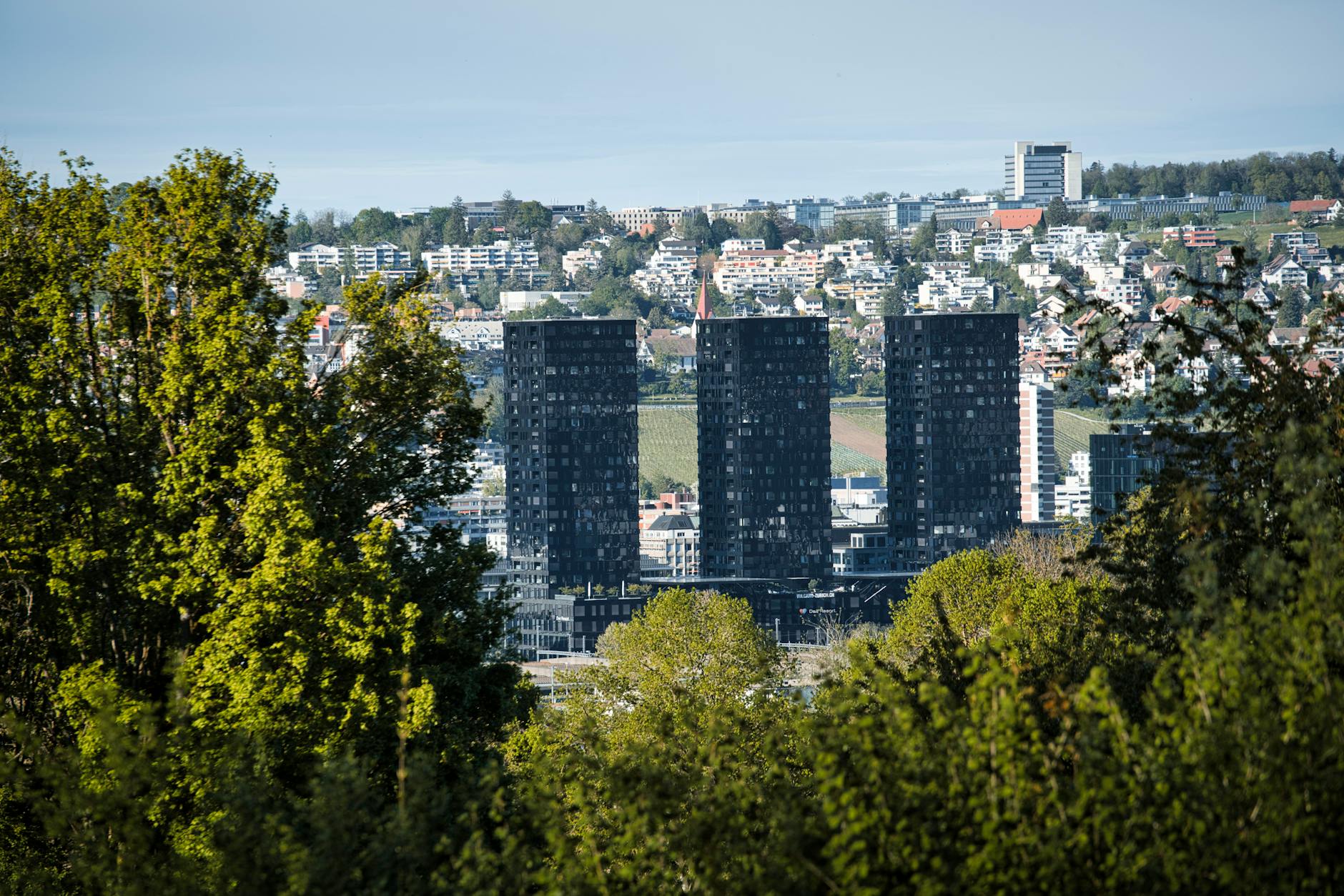
For many travelers, the smartest Stuttgart hotel choice is one that combines central access with a sense of composure rather than maximal business sterility. If the stay is meeting-heavy, convenience to core transport and appointments may matter most. If leisure has more weight, a slightly more polished or atmospheric base can improve the trip materially. Stuttgart is not a city where a glamorous but inconvenient hotel usually pays off. Better to stay where the trip can breathe naturally than to book an address that looks impressive but fractures the route.
- A clean, well-positioned hotel usually beats a more prestigious but awkward one.
- Business travelers should optimize for frictionless movement, not only brand familiarity.
- Leisure travelers benefit from a base with some calm and character, not just raw centrality.
Neighborhoods that matter most
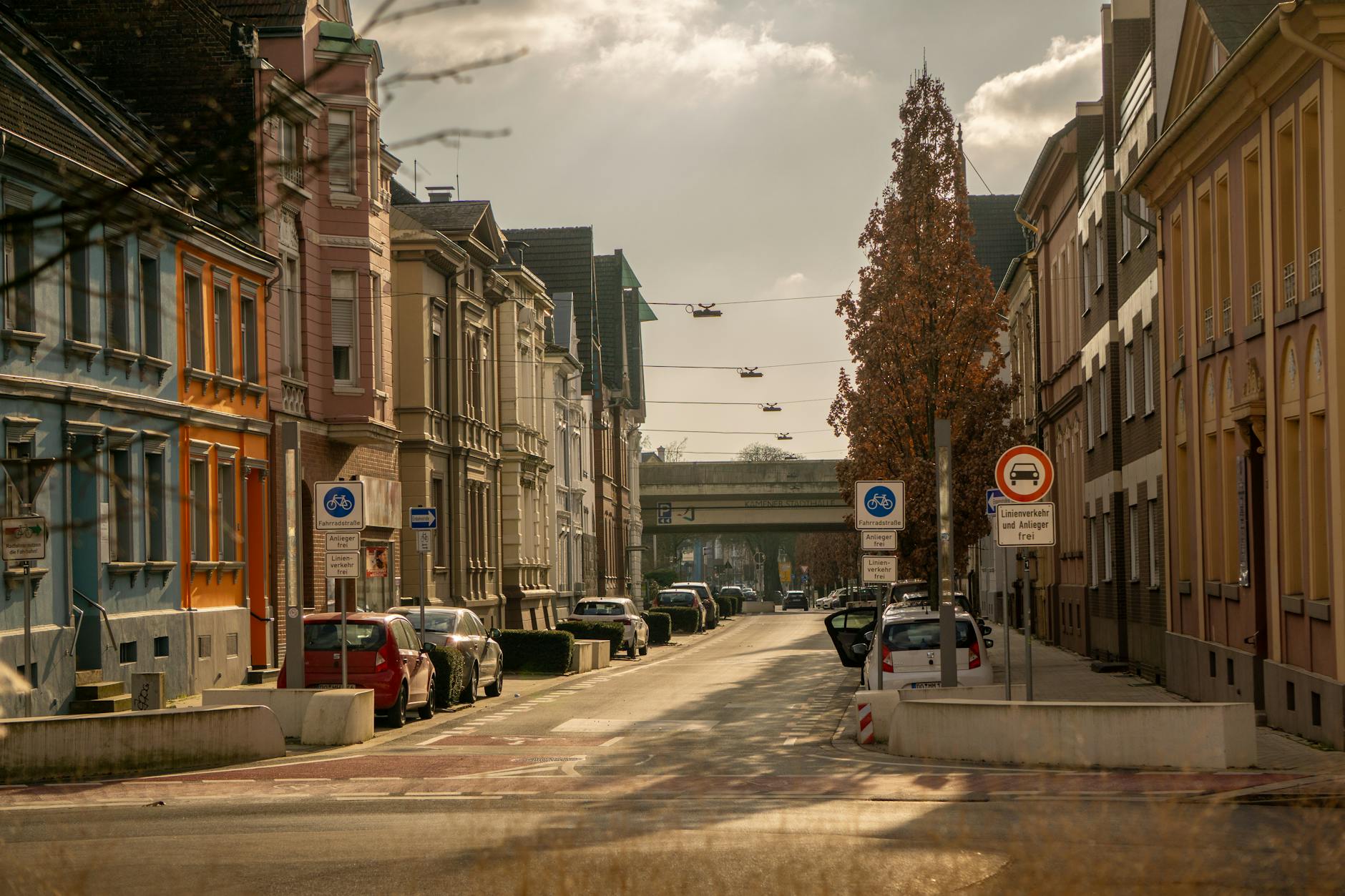
The central districts provide the easiest first framework, especially for shorter stays, but Stuttgart’s character often improves once you notice how the city changes at the edges of the bowl and up the slopes. Some areas feel more administrative and efficient, while others offer a more residential, cultivated, or evening-friendly version of the city. The best district depends on whether you want business functionality, museum access, restaurant range, or a calmer, more local tone. Stuttgart is not enormous, but the district decision still shapes whether the city feels flat or finely tuned.
- The center is useful, but not the whole story.
- Hillside and adjacent residential districts can improve tone significantly.
- Different zones solve different Stuttgart trips; there is no universal best base.
What Stuttgart does best
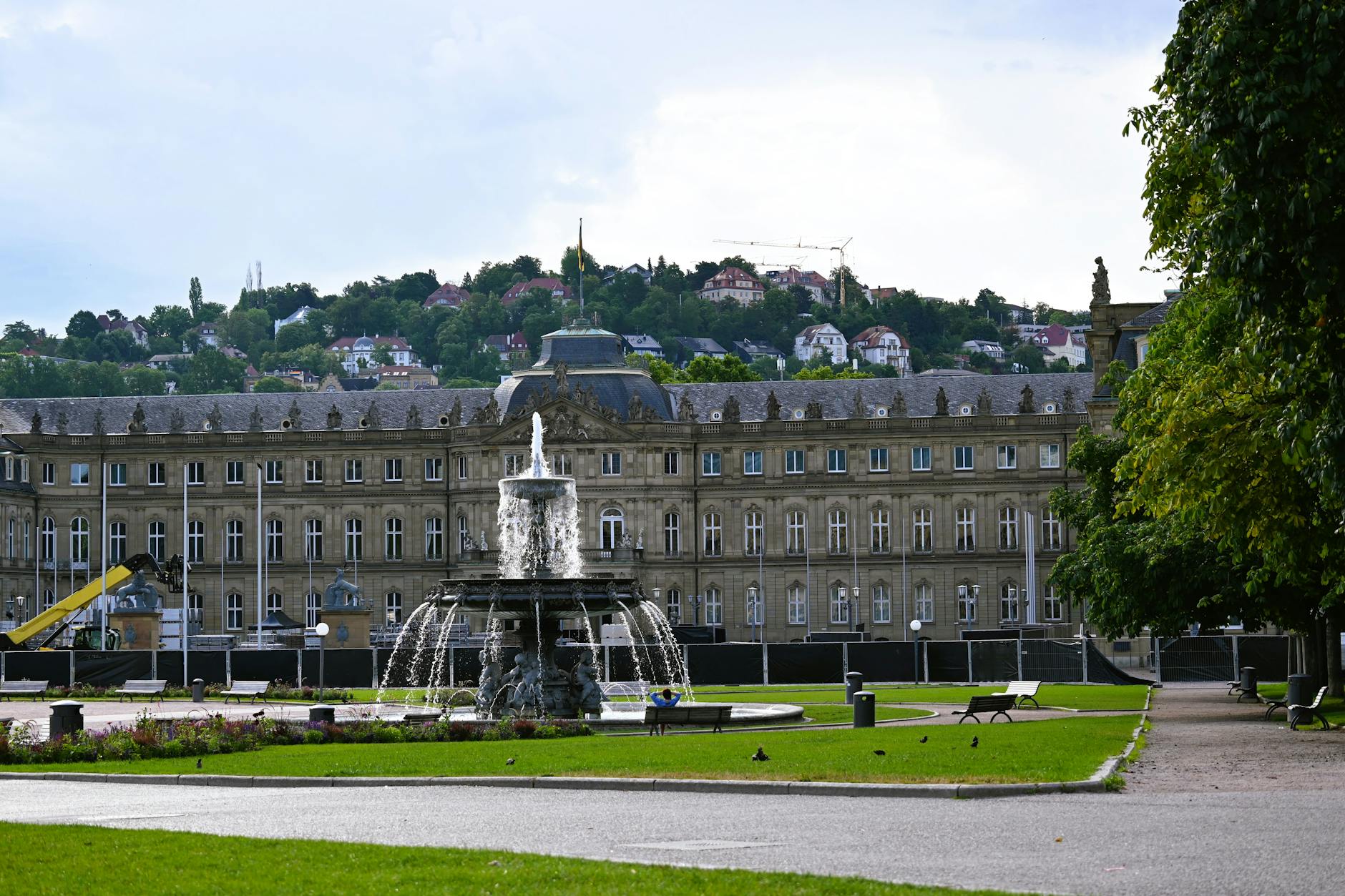
Stuttgart excels at the kind of short urban stay that rewards travelers who value quality over spectacle. It is strong for museum-focused travel, automotive and industrial interest, polished business trips, and mixed stays where good food, green relief, and orderly movement matter. The city also suits people who are tired of performing tourism all day. Stuttgart often feels more like entering a functioning, affluent European city than consuming a branded destination product. That makes it less obvious at first, but often more durable in memory, particularly for travelers who value calm competence over theatrical charm.
- Stuttgart is strongest for travelers who like substance over noise.
- It balances business capability with enough cultural and culinary depth to stand on its own.
- The city’s value is often clearer on day two than in the first hour.
Food
Food in Stuttgart should be approached as part of the city’s sense of order and regional identity, not as a detached trophy hunt. The most satisfying meals usually come from aligning with the district you are already in and understanding whether the day calls for something polished, traditional, wine-adjacent, or quietly contemporary. There is enough quality here to build real anticipation around meals, but the city usually rewards measured choices rather than maximal reservation chasing. Stuttgart dining works best when it deepens the area you are already inhabiting.
- Regional seriousness matters more here than flashy trend-chasing.
- A good Stuttgart meal often feels integrated into the route rather than isolated from it.
- Wine culture and local rhythm can make the city more rewarding than outsiders expect.
Nightlife
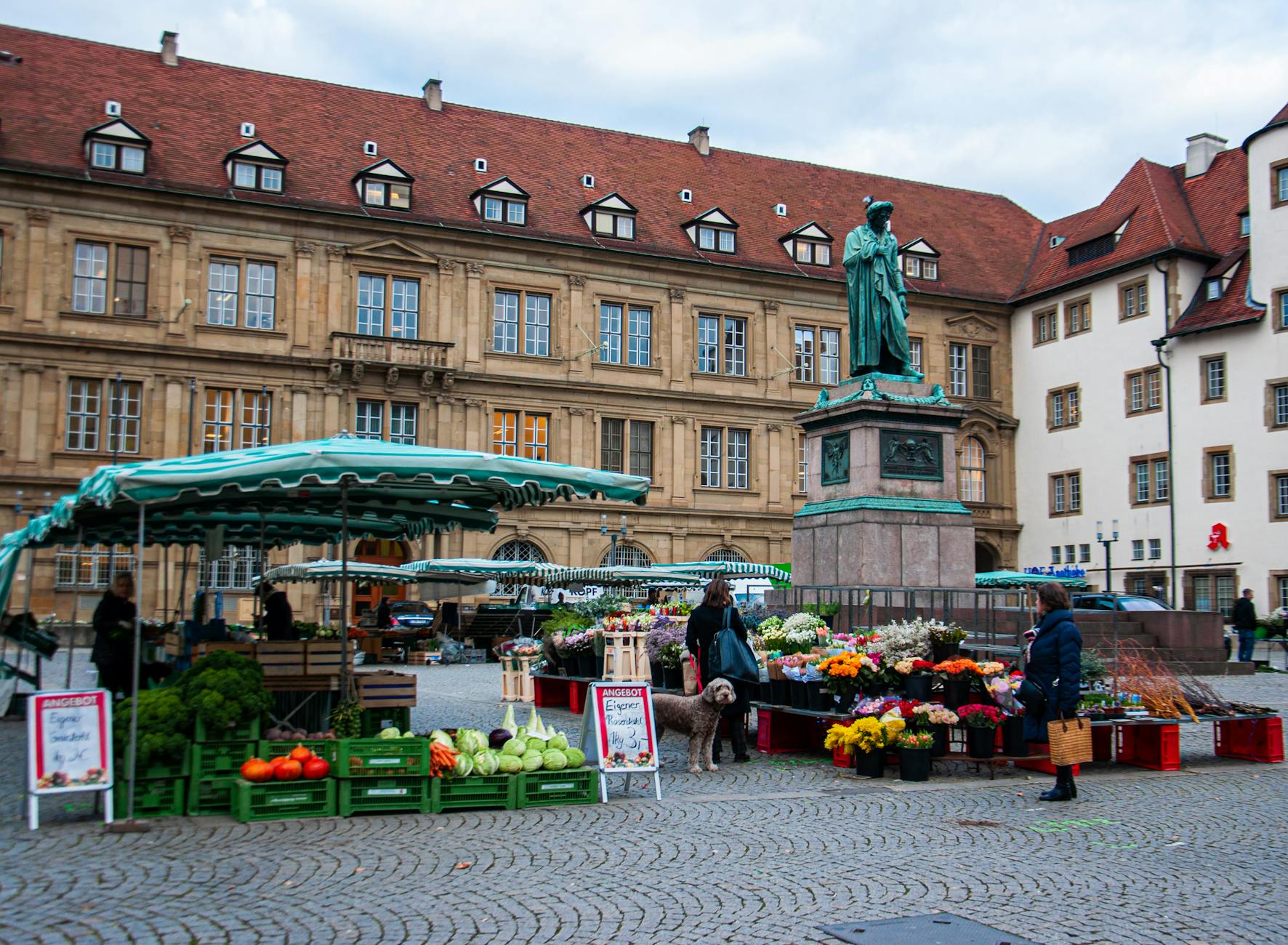
Stuttgart is not usually a city where visitors should expect one giant, self-explanatory nightlife zone. The evening is more distributed and more dependent on your base, your company, and your appetite for bars versus a slower dinner-and-drinks rhythm. That is not a weakness. It simply means the city favors intentional nights over generic nightlife expectations. Many of the best evenings here are anchored by one strong restaurant, one good wine or cocktail decision, and a hotel that is easy to return to without draining the mood through logistics.
- Stuttgart evenings are usually about quality and fit, not about scale.
- The right district makes a major difference after dark.
- A measured, well-located night often outperforms a more ambitious but awkward plan.
Etiquette and local norms
Stuttgart rewards the same broad German virtues that help elsewhere, but with an added premium on not wasting the city’s systems. Be on time, use public space with restraint, and do not mistake a polished environment for an invitation to be casual about the rules. Service may be professional rather than effusive, and that is normal. Travelers who are orderly, observant, and slightly self-contained tend to get the city’s best side back.
- Punctuality and steadiness matter.
- Public systems work best when used respectfully.
- Do not expect the city to adapt itself to impulsive visitor behavior.
Blunt advice
The biggest Stuttgart mistake is assuming there is nothing here beyond work and then planning accordingly. The second is choosing a weak hotel and spending the trip moving uphill, downhill, and back again for no good reason. Stuttgart is not a city that flatters lazy planning. But it does reward precise planning with surprising elegance. Build the route carefully, book the hotel seriously, and let the city’s cultivated side emerge on its own terms.
- Do not confuse low hype with low quality.
- Hotel geography matters more here than many first-timers realize.
- Stuttgart rewards precision, not improvisational tourism.