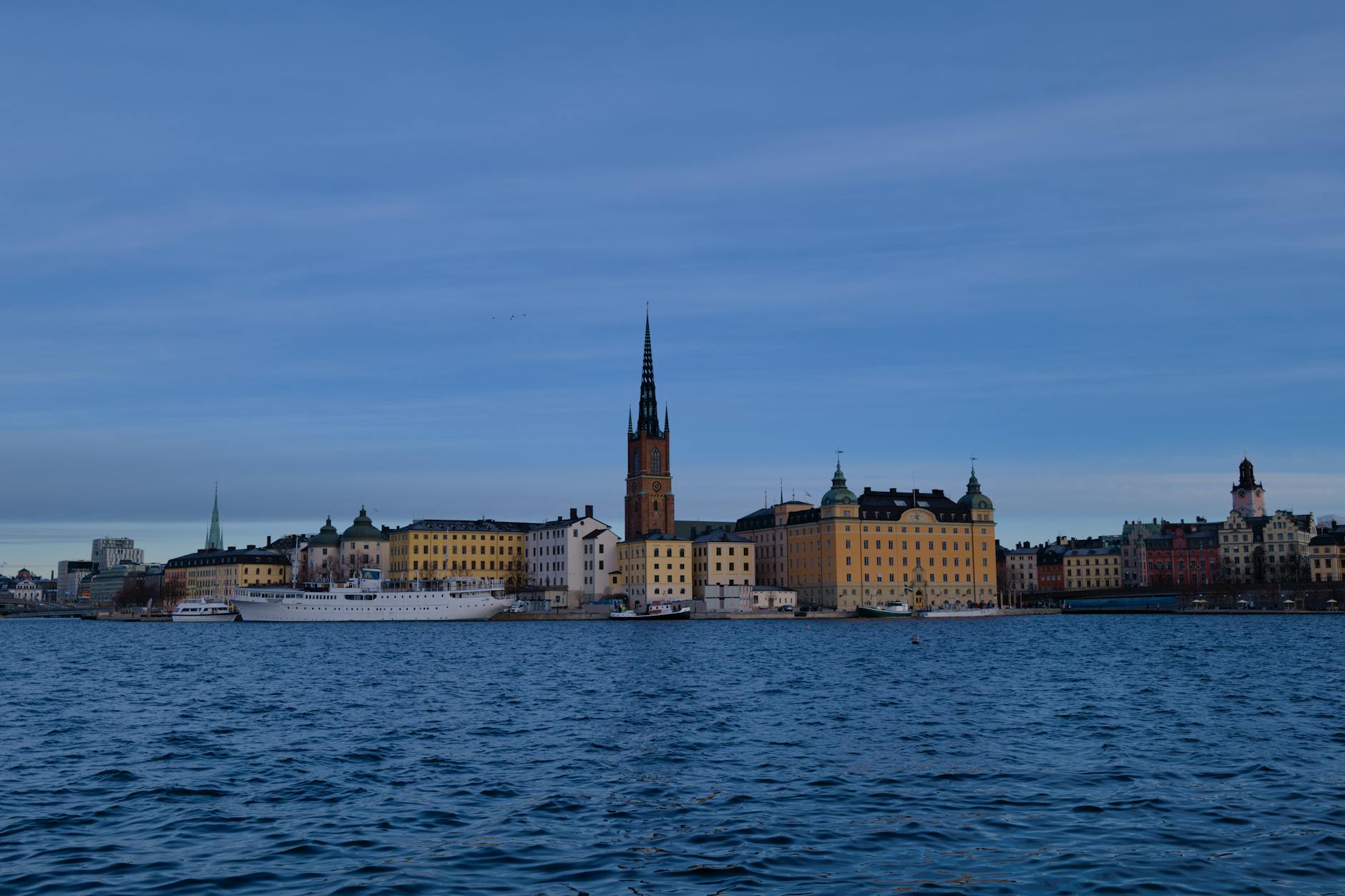
Stockholm is one of Europe’s most beautiful capitals, but that is not the most interesting thing about it. Plenty of cities are beautiful. Stockholm is beautiful in a way that changes how you move: across bridges, along quays, through medieval lanes, past copper roofs, into ferry terminals, across museum islands, and out toward thousands of rocks and islands scattered into the Baltic Sea.
Start Here
It is a city of water and self-control. It can feel polished, expensive, and almost suspiciously orderly at first. Then, if you give it time, it becomes more complicated: royal and democratic, old and modern, reserved and warm in flashes, design-conscious but deeply practical, proud of nature without turning nature into an abstraction. It is a capital where a seventeenth-century warship, a Nobel banquet hall, ABBA karaoke, a photography museum open late, a moody island cemetery, a sauna, a cinnamon bun, and a public ferry can all belong to the same weekend.
The mistake is treating Stockholm as just another compact northern European capital with an old town and a few museums. The better version is to understand it as a city built from islands, institutions, light, and habit. You visit Gamla Stan because it is historic, yes, but also because it explains how the city began between Lake Mälaren and the Baltic. You go to Djurgården not only for the Vasa Museum, but because Stockholm has turned an island into a civic playground of museums, parks, boats, amusement rides, and walking paths. You ride the metro not just to get somewhere, but because the stations double as a public-art system. You take a ferry not because it is scenic transportation, but because in Stockholm water is not scenery. It is infrastructure.
A great Stockholm trip needs more than a checklist. It needs a rhythm: early walks, museum anchors, ferry rides, fika pauses, neighborhood evenings, at least one serious view, at least one water-based moment, and enough time to notice the light on the facades. It also needs practical intelligence. Stockholm is not difficult, but it is not cheap. Restaurants book up. Public transport is excellent but has a few airport-transfer traps. Summer is glorious but busy; winter is atmospheric but dark. The archipelago can be magical or logistically frustrating depending on how much time you have and which island you choose.
This guide is designed for travelers who want more than “see Gamla Stan and the Vasa Museum.” It explains where to stay, how the city fits together, when to go, how to use ferries and transit, which museums matter most, how to choose an archipelago trip, where the city feels local rather than staged, what to eat, what to skip, and how to experience Stockholm as a capital whose elegance is inseparable from its geography.
Stockholm in one sentence: Stockholm is a graceful, water-bound capital where medieval streets, royal institutions, Nordic design, public ferries, deep museums, island parks, and archipelago light combine into one of Europe’s most quietly rewarding city breaks.
Basic data
| Population | About 990,000 in the city; metro about 2.4 million |
|---|---|
| Area | 188 km2 |
| Major religions | Christian heritage, Islam, Buddhism, Hinduism, Judaism, and a large secular population |
| Political system | Capital city government inside a parliamentary constitutional monarchy |
| Economic system | High-income mixed economy led by technology, finance, media, services, government, and culture |
Quick Verdict
| Question | Answer |
|---|---|
| Best for | Museum lovers, design travelers, architecture fans, couples, families, solo travelers, ferry-and-water people, clean-city lovers, Nordic-culture travelers, food-curious visitors, first-time Scandinavia trips, summer walkers, winter mood seekers, and anyone who likes cities that feel civilized without feeling dull. |
| Not ideal for | Travelers who want cheap nightlife, chaotic street markets, late Mediterranean dinners, warm weather most of the year, maximalist spectacle, or a city where spontaneity reliably beats advance planning. Stockholm rewards structure. |
| Ideal first visit | 3 full days. Two days works for Gamla Stan, Djurgården, the Vasa Museum, City Hall, and one neighborhood evening. Four or five days lets you add the archipelago, more museums, Södermalm, metro art, Drottningholm, and a slower food-and-fika rhythm. |
| Best months | May, June, August, and September for light, walking, ferries, parks, and pleasant temperatures. July is beautiful but busier and more expensive. December is atmospheric for winter lights and Christmas markets. January–March is best for a colder, quieter, museum-heavy trip. |
| Best first-timer base | Norrmalm/City for convenience; Östermalm/Strandvägen for polished comfort and Djurgården access; Södermalm for cafés, bars, views, and a more local-feeling trip; Gamla Stan for atmosphere if you accept crowds and old-building quirks. |
| Biggest planning mistake | Staying too far out to save money, then losing the city’s walk-and-ferry magic to long commutes. Stockholm works best when you can move easily between the center, the water, and one or two neighborhoods. |
| One thing to book ahead | High-demand restaurants, ABBA The Museum timed tickets, popular guided tours, summer archipelago boats, City Hall tours, and hotels in June–August or around major events. |
| One thing to leave unscheduled | A long waterfront walk, a ferry ride, a fika pause, a browse through Södermalm or Vasastan, or an evening view from Monteliusvägen or Skinnarviksberget. |
| Best free pleasures | Walking Gamla Stan early, Monteliusvägen, the waterfront around Skeppsholmen, Djurgården paths, Stockholm Public Library, metro-art wandering if you already have a transit ticket, Katarinahissen/Slussen views, and seasonal swimming spots. |
| Most important warning | Stockholm is card-friendly and easy to navigate, but it is expensive. Budget trouble usually comes from hotel location, airport-transfer choices, taxis, and casual restaurant spending, not from museums alone. |
The Move
For a first trip, build Stockholm around one historic core day, one Djurgården museum-and-water day, and one neighborhood-plus-archipelago day. That gives you the city’s actual range: medieval Stockholm, royal Stockholm, maritime Stockholm, design Stockholm, and the city’s everyday relationship with water.
Who Will Love Stockholm?
You will probably love Stockholm if you want:
- A city that feels naturally scenic rather than cosmetically scenic.
- Major museums that are strong, varied, and easy to combine.
- Walkable neighborhoods connected by excellent transit and ferries.
- A refined but not overly formal urban experience.
- Good design, good coffee, strong bakeries, thoughtful shops, and stylish hotels.
- A city break that can include water, islands, parks, and nature without renting a car.
- A family-friendly European capital with clean transit, manageable distances, and excellent museums.
- A romantic city that does not need cliché: bridges, light, boats, old streets, and quiet waterfronts do the work.
You may be underwhelmed if you want:
- Bargain travel.
- Loud nightlife as the center of the trip.
- A dense old town as large as Rome, Prague, or Istanbul.
- Warm evenings and outdoor dining year-round.
- Street food chaos, improvisational energy, or constant spectacle.
- A city where every famous thing is open late without planning.
Stockholm is not a city that throws itself at you. Its confidence is quieter. It gives you a view across water, a flawless ferry connection, a cinnamon bun that makes you rethink breakfast, a museum built around an almost absurdly intact warship, a residential block painted in warm plaster colors, a forested cemetery, a waterfront photography museum glowing at night, and then waits for you to notice that the pieces fit together.
Local Logic
Stockholm is a city of islands, not a city with islands. The water is not just a backdrop. It shapes where you stay, how you walk, which museums pair well together, when views matter, and why ferries are often as memorable as attractions.
Stockholm at a Glance
| Practical | Detail |
|---|---|
| Country | Sweden. Stockholm is the capital and the country’s largest city. |
| Region | Eastern Sweden, where Lake Mälaren meets the Baltic Sea. The wider Stockholm region includes the famous archipelago. |
| Language | Swedish. English is very widely spoken in visitor-facing contexts and often excellent. Learning basic Swedish greetings is still courteous. |
| Currency | Swedish krona, usually written SEK or kr. Sweden does not use the euro. |
| Cards vs cash | Cards and contactless payments dominate. Many places are effectively cashless. Carrying a small backup card is more useful than carrying a lot of cash. |
| Time zone | Central European Time, UTC+1; Central European Summer Time, UTC+2 during daylight saving. |
| Main airport | Stockholm Arlanda Airport, ARN, about 40 km north of the city. |
| Other airports | Stockholm Bromma has limited service; Skavsta and Västerås are much farther and should not be treated as convenient Stockholm airports unless the flight price is truly worth the transfer. |
| Main rail station | Stockholm Central Station, next to T-Centralen and Cityterminalen bus station. |
| Entry rules | Sweden is in the Schengen Area. Many visitors can enter visa-free for short stays; others need a Schengen visa. Standard short-stay limits are up to 90 days in any 180-day period, depending on nationality and status. |
| Schengen border systems | The Entry/Exit System is now part of Schengen border processing for many non-EU short-stay travelers. ETIAS is expected to begin in the last quarter of 2026 for many visa-exempt travelers. |
| Electricity | 230V, 50Hz. Type C and Type F plugs are used. |
| Tap water | Safe and good. Bring a reusable bottle. |
| Emergency number | 112 for urgent police, ambulance, or fire emergencies. For medical advice in non-emergency situations, 1177 is the standard Swedish healthcare advice service. |
| Best transport app | SL for Stockholm public transport planning and tickets. Arlanda Express and Flygbussarna have their own ticketing tools. SJ is useful for intercity rail. |
| Useful local apps | SL, Google Maps/Apple Maps, SJ, Arlanda Express, Flygbussarna, 112 Sweden, Yr or SMHI for weather, and possibly a bike-share or e-scooter app in season. |
| Best orientation point | Stockholm Central/T-Centralen. From here you can walk or ride quickly to Gamla Stan, Norrmalm, City Hall, Östermalm, Södermalm, and Djurgården connections. |
| Visitor logic | Think in islands and zones: the old town, the commercial center, Djurgården museums, Södermalm viewpoints, Östermalm polish, and the archipelago beyond. |
The City in Five Anchors
- Gamla Stan — medieval lanes, royal power, cathedral, Nobel Prize Museum, tourist crowds, and the city’s origin story.
- Norrmalm and City — Central Station, shopping, hotels, transit, Kulturhuset, Sergels torg, and practical urban Stockholm.
- Djurgården — Vasa Museum, Skansen, ABBA The Museum, Nordic Museum, Gröna Lund, parks, waterfront paths, and family-friendly sightseeing.
- Södermalm — cafés, bars, vintage shops, viewpoints, creative energy, and the best first-timer alternative to the polished center.
- The water and archipelago — ferries, lake-meets-sea geography, Vaxholm, Fjäderholmarna, Sandhamn, Grinda, and the outer city’s real magic.
2026 Visitor Notes
Entry and Border Systems
Sweden is part of the Schengen Area. For many visa-exempt travelers, the usual short-stay limit is up to 90 days in any 180-day period across the Schengen Area as a whole, not 90 days in Sweden alone. Travelers who need visas should use the Swedish Migration Agency, Sweden Abroad, and official Schengen resources rather than third-party visa sellers.
The Entry/Exit System is now part of processing at Schengen external borders and registers many non-EU short-stay travelers digitally. ETIAS is expected to begin in the last quarter of 2026 for many visa-exempt travelers. Until the system is actually active for your nationality and travel date, avoid unofficial sites pretending to sell authorization early.
Airport Transfer Strategy
Stockholm Arlanda Airport is well connected, but airport transfer choice matters because the cheapest, fastest, and simplest options are not the same.
- Arlanda Express: the fastest and simplest train, taking 18 minutes between Stockholm Central and Arlanda. It is ideal if you value speed, are arriving tired, or have a hotel near Central Station.
- Flygbussarna airport coach: usually slower but often cheaper, with useful stops beyond the central station area. It is a good option if your hotel is near one of its stops.
- SL commuter train: useful but not always the cheapest once the Arlanda passage supplement is included. Compare before buying.
- Local bus to Märsta plus commuter rail: often the lowest-cost public transport route, but slower and less convenient with luggage.
- Taxi/rideshare: practical for groups or awkward late arrivals, but ask or confirm the fare before starting; Stockholm airport taxis are regulated enough to be manageable, but price clarity still matters.
Public Transport Fares and Tickets
Stockholm’s SL system covers metro, buses, trams, commuter rail, and many local ferries. A single adult journey is currently listed at 43 SEK and is valid for 75 minutes. Visitor travelcards are often the easiest choice if you will use transit multiple times: 24-hour, 72-hour, and 7-day passes are available. The SL app and contactless payment are convenient, but read the rules carefully for airport travel because Arlanda is the classic exception.
Stockholm Pass / Go City Reality Check
The old idea of a single “Stockholm Pass” often confuses visitors. The major attraction pass is sold by Go City and can be valuable for travelers who will stack several paid attractions, boat tours, and museums into a short period. It does not replace an SL public transport card. Treat the attraction pass and the transit pass as separate decisions.
The pass is most likely to pay off if you start early, visit multiple major sights in one day, and include boat tours or pricier museums. It is less useful for slow travelers, people who prefer one museum per day, or visitors who want mostly free walks, cafés, and neighborhood time.
Major Museum and Attraction Notes
- Vasa Museum: one of the strongest single museums in Europe for first-time visitors. It deserves a prime morning slot.
- ABBA The Museum: timed entry and a stronger experience for fans than for casual visitors. Book ahead if it matters.
- City Hall: interior visits are by guided tour; do not assume you can simply wander in.
- Fotografiska: a strong evening option because it opens late and pairs well with a Södermalm or waterfront night.
- Nationalmuseum and Moderna Museet: excellent art options, but both are best chosen based on your taste rather than obligation.
- Skansen: excellent with families, first-timers interested in Swedish traditions, or travelers visiting during seasonal programming. It is large; do not squeeze it into a leftover hour.
Midsummer and Holiday Closures
Midsummer is beautiful but disruptive. Many Swedes leave the city, some restaurants and shops close or reduce hours, and seasonal events move outdoors. Christmas, New Year, Easter, and some public holidays can also alter hours. Stockholm is organized, but it is not a 24/7 city. Always check exact opening hours around holidays.
How to Understand Stockholm
The City’s Core Identity
Stockholm is a capital of balance: water and stone, restraint and pleasure, old power and modern design, civic order and island escape. It is royal without feeling frozen in monarchy. It is contemporary without erasing its past. It is wealthy but not as flamboyant as wealthier cities often become. Its best experiences are rarely just one thing. A museum visit becomes a ferry ride. A walk becomes a view. A shopping street becomes a design lesson. A coffee break becomes a ritual.
The city is also more emotionally varied than its tidy reputation suggests. Gamla Stan can feel storybook and touristy in the same minute. Norrmalm can be efficient and bland if you never leave the station zone, then suddenly give you striking mid-century architecture or a great bakery. Östermalm can feel polished to the point of stiffness, then offer one of the city’s great waterfront walks. Södermalm can be fashionable, relaxed, self-conscious, and genuinely fun all at once.
Stockholm’s central question is not “what sights should I see?” It is “how do I use the city’s geography well?”
The City’s Layout
Stockholm is built across islands and mainland districts where Lake Mälaren meets the Baltic Sea. The central visitor map is compact but layered:
- Gamla Stan: the old town island. Historic, atmospheric, central, and crowded.
- Norrmalm/City: the modern commercial core north of Gamla Stan, home to Central Station, department stores, many hotels, and T-Centralen.
- Östermalm: elegant east-central district with Strandvägen, Östermalmshallen, high-end shops, and easy access to Djurgården.
- Djurgården: green museum island, essential for most first visits.
- Skeppsholmen: small island between the old town and Djurgården, excellent for art, waterfront walking, and quiet views.
- Södermalm: large island south of Gamla Stan, with viewpoints, cafés, bars, vintage shops, restaurants, and local texture.
- Kungsholmen: west of the center, home to City Hall, waterfront walks, and calmer residential pockets.
- Vasastan: north of Norrmalm, residential, café-rich, practical, and less tourist-saturated.
- The archipelago: not one destination but thousands of islands, ranging from easy short hops to full-day or overnight escapes.
The City’s Rhythm
Stockholm is a morning-friendly city. Bakeries, coffee, and museums make the first half of the day strong. Lunch is practical and often better value than dinner. Dinner happens earlier than in southern Europe, and popular restaurants should be booked. Nightlife exists, especially around Södermalm, Stureplan, and certain music venues, but Stockholm is not a city where you should assume every kitchen, shop, and museum will cooperate with late improvisation.
Season changes everything. In summer, the city stretches outward: ferries, islands, waterfront drinks, parks, and swimming. In winter, Stockholm folds inward: museums, candles, restaurants, hotel bars, saunas, Christmas markets, and low light. Spring is a release; autumn is a golden, melancholy sweet spot.
The City’s Central Contrasts
Stockholm becomes richer when you notice its tensions:
- Water city vs. winter city. Summer Stockholm is outdoor, bright, and expansive. Winter Stockholm is interior, atmospheric, and more selective.
- Royal capital vs. egalitarian society. Palaces and ceremonies coexist with strong public systems and understated behavior.
- Old town vs. modern center. Gamla Stan is the postcard; Norrmalm, Södermalm, and newer waterfronts are the working city.
- Expensive city vs. free views. Hotels and restaurants can sting; walks, viewpoints, libraries, parks, and waterfronts are generous.
- Design polish vs. natural ruggedness. The city loves clean lines, but the archipelago is rocks, wind, water, cabins, pine, and weather.
First-Timer Mistake
Do not plan Stockholm as if Gamla Stan is the whole center. It is the historic heart, not the full city. A trip that never crosses meaningfully into Djurgården, Södermalm, Östermalm, Skeppsholmen, or the water will feel thinner than Stockholm deserves.
Best Time to Visit Stockholm
The Short Answer
The best overall months are May, June, August, and September. These months offer the strongest balance of light, walking weather, ferry options, outdoor life, and manageable crowds. July is beautiful but busier and often more expensive. December is excellent if you want winter atmosphere rather than full daylight. January through March is quiet and museum-friendly but dark and cold.
Spring: April and May
Spring in Stockholm feels earned. April can still be chilly, gray, and uneven, but the city begins to reappear outdoors. May is one of the best months of the year: trees leaf out, terraces return, daylight stretches, and the city feels optimistic without the full summer rush.
Best for: walking, museums, lower shoulder-season pressure, cafés, parks, design shopping, early archipelago trips. Watch out for: variable weather, cool evenings, and not-yet-full summer schedules for some boat routes or seasonal attractions.
Summer: June, July, and August
Summer is Stockholm’s showpiece. Long daylight, boats, islands, parks, waterfront terraces, swimming, and outdoor events make the city feel bigger and lighter. June is especially good before peak July crowds. July can be glorious but expensive, and some local businesses may close or reduce hours as Swedes take holidays. August keeps much of the summer appeal with slightly more normal city rhythm later in the month.
Best for: first visits, ferry rides, archipelago trips, families, outdoor dining, photography, romantic trips, long walks. Watch out for: hotel prices, Midsummer closures, booked restaurants, crowded museum mornings, and unpredictable rain even in summer.
Autumn: September, October, and November
September is excellent: cooler, calmer, still walkable, and often beautiful. October brings autumn color and a more interior mood. November is the least obvious month: dark, damp, and short on scenery, but useful for museum-heavy travelers seeking lower prices.
Best for: culture trips, design shopping, serious restaurants, museums, photography, lower crowds. Watch out for: shorter days, rainy spells, and reduced enthusiasm for long ferry outings once the weather turns.
Winter: December through March
Winter Stockholm is not easy in the same way summer Stockholm is easy. Daylight is short, sidewalks can be icy, and the city can feel subdued. But winter has its own rewards: candles, holiday markets, hotel bars, cozy cafés, fewer crowds, and museums that feel like refuges. December is the most atmospheric winter month. January and February can be quiet and cold. March is brighter but still wintry.
Best for: Christmas atmosphere, museums, lower hotel prices outside holiday periods, cozy restaurants, winter photography, and travelers who like northern-city mood. Watch out for: very short days, ice, wind, fewer boat options, and the need to plan warm indoor breaks.
Month-by-Month Snapshot
| Month | Verdict |
|---|---|
| January | Quiet, cold, dark, and good for museums if you accept winter conditions. |
| February | Still wintry but brighter; useful for lower-crowd culture trips. |
| March | Transitional, often cold, with longer days but limited spring feeling. |
| April | Mixed weather; good value if you are flexible. |
| May | One of the best months: green, bright, walkable, and not yet peak summer. |
| June | Superb for light and outdoor life; watch Midsummer closures. |
| July | Beautiful, lively, expensive, and busy; book hotels and boats early. |
| August | Excellent, especially later in the month when local rhythm returns. |
| September | One of the best months: cooler, calmer, stylish, and still pleasant. |
| October | Atmospheric and good for museums, restaurants, and autumn walks. |
| November | Dark and damp; only ideal if prices and indoor culture matter most. |
| December | Cozy and festive, with Christmas markets and low light. Book restaurants. |
The Move
For a first visit, choose late May, early June, late August, or early September if you can. These periods give you much of Stockholm’s outdoor pleasure without the most intense high-season pricing.
How Many Days You Need
One Day
One day is enough for a taste, not enough for Stockholm. Focus tightly: Gamla Stan early, the Vasa Museum, a short waterfront walk, and a view from Södermalm or City Hall. Do not attempt the archipelago unless your one day is a summer stopover and the boat is the whole point.
Two Days
Two days works for the classic first-timer version:
- Day 1: Gamla Stan, Royal Palace exterior/interior, City Hall or Norrmalm, Södermalm viewpoint and dinner.
- Day 2: Djurgården, Vasa Museum, one additional museum or Skansen, ferry/waterfront, Östermalm or Fotografiska evening.
This is efficient but leaves little room for archipelago depth.
Three Days
Three full days is the ideal first-visit length. It allows:
- Historic Stockholm.
- Djurgården and major museums.
- Södermalm or Vasastan.
- City Hall.
- A boat ride or easy archipelago excursion.
- A food hall, market, or more relaxed fika rhythm.
Four to Five Days
Four or five days lets Stockholm breathe. Add Drottningholm, Vaxholm, Fjäderholmarna, Uppsala, more art museums, a metro-art route, deeper shopping, or a slow neighborhood day. This is the best length for travelers who enjoy cities as lived places rather than collections of monuments.
One Week
A week is excellent if you want Stockholm as a base. Combine city museums, archipelago trips, Uppsala, Sigtuna, Drottningholm, Tyresta National Park, and maybe an overnight island stay. A week also suits remote workers or travelers building a broader Sweden trip.
The Honest Rule
If you have fewer than three days, stay central and avoid overcomplicating the archipelago. If you have four or more days in summer, get on the water properly.
Where to Stay in Stockholm
The Short Answer
For most first-time visitors, the best areas are Norrmalm/City, Östermalm/Strandvägen, Södermalm, and selected parts of Gamla Stan. Choose based on travel style:
- Norrmalm/City: best for convenience, transport, shopping, and short stays.
- Östermalm/Strandvägen: best for polished comfort, waterfront walks, food halls, and Djurgården access.
- Södermalm: best for cafés, bars, viewpoints, vintage shops, and a more local-feeling trip.
- Gamla Stan: best for historic atmosphere, but choose carefully because it can be crowded and old buildings may lack modern comforts.
- Vasastan: best for calmer residential charm, bakeries, and good value near the center.
- Kungsholmen: best for quieter waterfront stays, City Hall, and travelers who do not mind being slightly west of the main museum zones.
Neighborhood Decision Tree
| Traveler Type | Best Base |
|---|---|
| First-time, short stay | Norrmalm/City or Östermalm |
| Romantic weekend | Gamla Stan, Skeppsholmen, Strandvägen, or Mariatorget/Södermalm |
| Food, cafés, nightlife | Södermalm, especially Mariatorget, SoFo, Slussen, Hornstull |
| Family trip | Norrmalm, Östermalm, or near Djurgården connections |
| Luxury stay | Östermalm, Strandvägen, Norrmalm near Grand Hôtel/Blasieholmen, or waterfront hotels |
| Budget-conscious but central | Vasastan, parts of Kungsholmen, or carefully chosen Södermalm |
| Design and shopping | Norrmalm, Östermalm, Södermalm |
| Museum-heavy trip | Östermalm/Strandvägen, Norrmalm, Skeppsholmen, or Djurgården-adjacent |
| Quiet residential feel | Vasastan, Kungsholmen, parts of Östermalm or Södermalm away from nightlife |
| Late arrival by train/airport | Norrmalm near Central Station, if you choose a good street/hotel |
Norrmalm / City
Best for: first-timers, transit, shopping, short stays, train arrivals, practical convenience. Vibe: commercial, central, efficient, sometimes bland, but extremely useful. Why stay here: You are close to Central Station, T-Centralen, major shopping, Gamla Stan, City Hall, and transit to everywhere else. Why not: Some blocks near the station feel functional rather than charming. If you want Stockholm romance, choose carefully. Perfect for: 2–3 day first visits, travelers with early trains, people who want low-friction logistics.
The move: stay here for convenience, but do not spend all your evenings here. Walk to Gamla Stan, ride to Södermalm, or continue to Östermalm and Djurgården.
Östermalm / Strandvägen
Best for: elegant stays, waterfront walks, older travelers, couples, luxury hotels, food halls, easy Djurgården access. Vibe: polished, prosperous, calm, handsome, and very Stockholm. Why stay here: You are near Strandvägen, Östermalmshallen, high-end shops, ferries, and Djurgården museums. Why not: It can feel expensive and less edgy; nightlife is more polished than relaxed. Perfect for: travelers who want beauty and comfort without being in the tourist lanes of Gamla Stan.
Södermalm
Best for: cafés, bars, vintage shops, restaurants, viewpoints, creative energy, younger travelers, repeat visitors. Vibe: relaxed, stylish, residential, social, slightly self-conscious, genuinely enjoyable. Why stay here: You get local-feeling streets, good food and drink, and some of Stockholm’s best views. Why not: It is a large island; choose the exact area. Some parts are less convenient for Djurgården and airport transfers. Perfect for: visitors who want Stockholm with a bit more texture.
Best pockets: Mariatorget for charm and access; SoFo for boutiques and cafés; Slussen for transit and views during/after ongoing redevelopment; Hornstull for a more local edge.
Gamla Stan
Best for: atmosphere, first-time romance, historic immersion, photographers, short stays. Vibe: medieval lanes, colored facades, royal buildings, souvenir shops, tour groups, and quiet magic early or late. Why stay here: You are in the postcard. Walks at dawn and after dinner can be wonderful. Why not: Crowds, cobblestones, stairs, limited vehicle access, old-building quirks, and tourist restaurants. Perfect for: couples and history lovers who will choose carefully and avoid the most touristy streets.
First-timer mistake: booking the cheapest Gamla Stan hotel without checking stairs, room size, noise, and luggage access.
Vasastan
Best for: residential calm, bakeries, cafés, good-value hotels, longer stays. Vibe: local, handsome, less touristy, practical, quietly stylish. Why stay here: You are close enough to the center but get a less staged version of Stockholm. Why not: You will ride transit more often to reach Djurgården or Gamla Stan. Perfect for: repeat visitors, café lovers, travelers who prefer neighborhood life over landmark proximity.
Kungsholmen
Best for: calmer stays, waterfront walks, City Hall access, practical hotels, families who do not need nightlife outside the door. Vibe: residential, water-facing, quieter, more local. Why stay here: Good transit, good walks, and often better value than the most central zones. Why not: It is not the most atmospheric first-night base if you want instant old-town drama. Perfect for: travelers who like space, calm, and easy access to the center.
Skeppsholmen and Blasieholmen
Best for: quiet beauty, design hotels, art, waterfront atmosphere, couples. Vibe: island calm, views, museums, understated luxury. Why stay here: You are central but insulated from the busiest streets. Why not: Limited restaurants immediately outside the door; higher prices. Perfect for: a special stay where the hotel location is part of the experience.
Neighborhood Guide
Gamla Stan
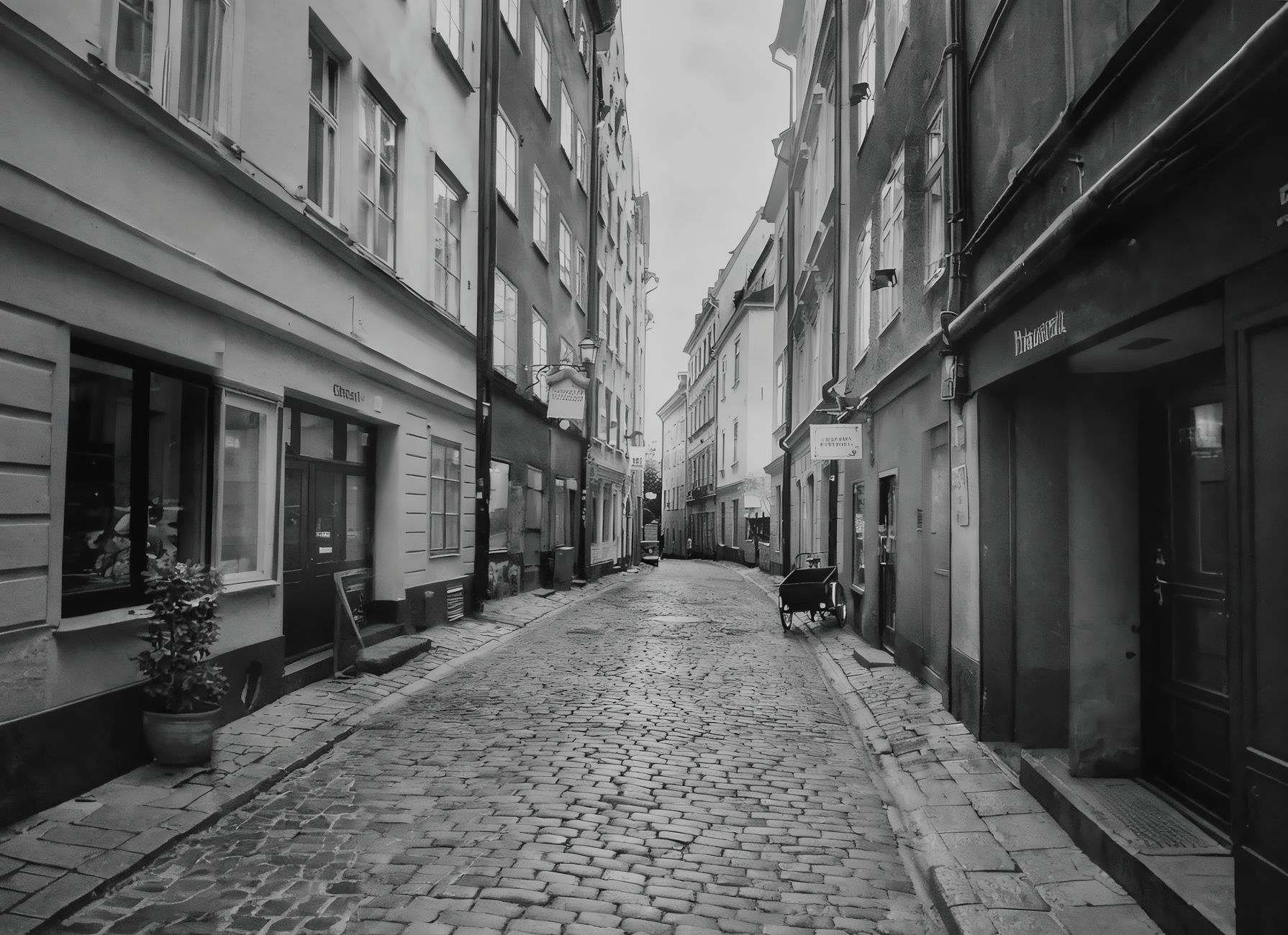
Gamla Stan is the old town, and it should be seen early, slowly, and with some skepticism. It is both essential and over-touristed. The main lanes fill with souvenir traffic, but side streets and early mornings still deliver the city’s medieval beauty.
Best things to do: Royal Palace, Storkyrkan, Nobel Prize Museum, Stortorget, Riddarholmen Church exterior, narrow lanes, waterfront edges. Best time: early morning, late evening, or winter twilight. How long: 2–4 hours, longer if visiting palace interiors. Pair with: City Hall, Skeppsholmen, Södermalm viewpoints, or Norrmalm shopping. Skip if: you only have time for one over-crowded midday stroll. Come back when it is quieter.
One perfect walk: Start at Riddarholmen for water views, wander toward Stortorget before crowds build, visit Storkyrkan or the Nobel Prize Museum if interested, cut through the smaller lanes west of Västerlånggatan, pass the Royal Palace, then cross toward Skeppsholmen or walk south toward Slussen and Monteliusvägen.
Norrmalm and City
Norrmalm is where many visitors arrive and where many locals shop, commute, meet, and pass through. It is not the prettiest part of Stockholm, but it is more important than visitors think. It tells the story of twentieth-century redevelopment, modern Swedish urbanism, department stores, transit, and cultural institutions.
Best things to do: Kulturhuset, shopping around Drottninggatan and Bibliotekstan, Stockholm Concert Hall exterior, central food halls nearby, quick access to Kungsträdgården. Best time: daytime for shopping and transit; early evening as a launch point to other districts. How long: 1–3 hours unless shopping seriously. Pair with: Östermalm, Gamla Stan, City Hall, or Skeppsholmen.
One perfect walk: Start at Hötorget and the Concert Hall, browse the market/food options, walk through the commercial core toward Kungsträdgården, continue to the waterfront at Strömkajen, then decide: ferry/walk to Djurgården, cross to Skeppsholmen, or turn toward Gamla Stan.
Östermalm and Strandvägen
Östermalm is polished Stockholm: embassies, elegant apartment blocks, high-end shops, classic restaurants, and one of the city’s most attractive waterfront promenades. It can feel expensive, but it is also practical for visitors because it sits between the center and Djurgården.
Best things to do: Östermalmshallen, Strandvägen, Swedish History Museum, Army Museum, shops around Bibliotekstan, ferry or tram to Djurgården. Best time: late morning for food hall browsing, late afternoon for waterfront light. How long: 2–4 hours. Pair with: Djurgården, Nationalmuseum, Skeppsholmen, or Norrmalm.
One perfect walk: Start at Östermalmstorg, visit Östermalmshallen, browse toward Bibliotekstan, loop to Strandvägen, walk along the water toward Djurgårdsbron, then cross onto Djurgården for museums or parks.
Djurgården
Djurgården is Stockholm’s museum-and-park island. It is the easiest place for first-timers to overpack. The Vasa Museum, Skansen, ABBA The Museum, Nordic Museum, Viking Museum, Gröna Lund, Rosendal, and waterfront paths cannot all be done well in one day.
Best things to do: Vasa Museum, Skansen, Nordic Museum, ABBA The Museum, Rosendals Trädgård, Gröna Lund, waterfront paths. Best time: morning for Vasa; afternoon for parks and walking; summer evenings for Gröna Lund or water views. How long: half day minimum; full day if combining Vasa with Skansen or multiple museums. Pair with: Östermalm/Strandvägen, Skeppsholmen, or a ferry back toward Slussen/Nybroplan.
One perfect walk: Cross Djurgårdsbron from Strandvägen, start with the Vasa Museum, choose either Nordic Museum/ABBA/Skansen as your second anchor, take a fika break, then walk deeper into the park toward Rosendal or return by ferry for golden-hour views.
Södermalm
Södermalm is the city’s easiest antidote to polished Stockholm. It has views, bars, cafés, vintage shops, record stores, boutiques, residential streets, and enough variety to reward aimless wandering. It is also where many first-time visitors find the Stockholm they would actually want to live in.
Best things to do: Monteliusvägen, Skinnarviksberget, Mariatorget, SoFo, Fotografiska, Hornstull, Katarina area, Nytorget, vintage shopping. Best time: late afternoon into evening. How long: 3–6 hours, or an entire day if you love neighborhoods. Pair with: Gamla Stan, Fotografiska, Slussen, ferry rides, or a food/drinks night.
One perfect walk: Start near Slussen, climb toward Katarina and the views, continue to SoFo/Nytorget for shops and cafés, cut west toward Mariatorget, walk Monteliusvägen near sunset, then have dinner or drinks nearby.
Vasastan
Vasastan is residential, handsome, and underappreciated by first-timers. It lacks one blockbuster landmark, but it has excellent cafés, bookstores, local restaurants, the Stockholm Public Library, and a calmer rhythm.
Best things to do: Stockholm Public Library, Observatorielunden, cafés, bakeries, neighborhood restaurants, antique/book shops. Best time: morning or afternoon. How long: 2–4 hours. Pair with: Norrmalm, Hagaparken, or a bakery crawl.
One perfect walk: Start at Stockholm Public Library, wander around Observatorielunden, stop for coffee or pastries, browse independent shops, then continue south into Norrmalm or north toward Hagaparken if you want green space.
Kungsholmen
Kungsholmen is quieter than the postcard zones but very useful. City Hall is here, and the island’s waterfront walks are some of Stockholm’s simplest free pleasures. It is especially good if you like seeing where locals jog, walk dogs, commute, and live.
Best things to do: City Hall, Norr Mälarstrand, waterfront walking, Rålambshovsparken, local cafés. Best time: morning for City Hall, evening for waterfront light. How long: 2–4 hours. Pair with: Gamla Stan, Norrmalm, or a longer lakefront walk.
One perfect walk: Tour City Hall, continue along Norr Mälarstrand, stop for coffee or lunch, walk toward Rålambshovsparken, then cross back by transit or continue if you enjoy residential waterfronts.
Skeppsholmen
Skeppsholmen is small, quiet, and central, with some of the city’s loveliest water views. It is home to Moderna Museet and ArkDes, but even non-museum travelers should consider walking the island.
Best things to do: Moderna Museet, ArkDes, waterfront loop, bridge views, quiet photo stops. Best time: late afternoon or early evening. How long: 1–3 hours. Pair with: Nationalmuseum, Gamla Stan, Djurgården ferry/walk, or Fotografiska across the water.
One perfect walk: Cross from Blasieholmen, circle the island slowly, visit Moderna Museet if modern art appeals, then continue toward Kastellholmen for views back over the city.
Best Things to Do
1. See the Vasa Museum
The Vasa Museum is the rare blockbuster attraction that fully deserves its status. The seventeenth-century warship Vasa sank on its maiden voyage in 1628 and was raised centuries later. The result is not just a ship in a hall; it is a complete world of ambition, engineering failure, imperial symbolism, craftsmanship, and preservation.
Why it matters: It is one of the most memorable museum experiences in Europe. Who will love it: history lovers, families, design/engineering people, museum skeptics, anyone who likes a single object with a huge story. How long: 90 minutes minimum; 2–3 hours if you read deeply. Best time: first thing in the morning, especially in summer. Pair with: Nordic Museum, ABBA The Museum, Skansen, or a Djurgården walk. Worth it? Absolutely, even for many people who do not usually love museums.
2. Walk Gamla Stan Before the Crowds
Gamla Stan is overrun at midday and magical early. The difference is dramatic. Come before shops fully wake up or return late after dinner, when the lanes feel less like a tour route and more like a city.
Why it matters: This is Stockholm’s medieval core and royal heart. How long: 2–3 hours for the exterior experience; more with palace interiors. Best time: early morning or late evening. Common mistake: eating at the most obvious tourist restaurants on the busiest streets. Better alternative: use Gamla Stan for walking and history, then eat in Södermalm, Norrmalm, Östermalm, or a vetted restaurant.
3. Tour Stockholm City Hall
City Hall is not just a municipal building. It is one of the great civic interiors of northern Europe, famous for the Nobel banquet and the Golden Hall. Interior visits are guided, which is useful because the building makes more sense with explanation.
Why it matters: It connects architecture, civic identity, and Nobel ceremony. How long: guided tours take about 45 minutes; add time for exterior and waterfront photos. Best time: morning or clear afternoon. Book ahead? Recommended in busy periods. Pair with: Norr Mälarstrand, Gamla Stan, or Norrmalm.
4. Spend a Day on Djurgården
Djurgården is where Stockholm packages many of its easiest pleasures: museums, green space, amusement rides, walking paths, and water. The danger is trying to do everything.
Best combinations:
- Vasa Museum + Nordic Museum + waterfront walk.
- Vasa Museum + ABBA The Museum + ferry.
- Skansen + Rosendals Trädgård + park walk.
- Vasa Museum + Skansen for families, if paced gently.
Skip if: you plan only a rushed checklist. Djurgården rewards choosing, not hoarding.
5. Take a Ferry or Boat Ride
Stockholm should be seen from the water. You do not need an expensive cruise for the basic pleasure. Public ferries, commuter boats, and short archipelago tours can all work, depending on season and time.
Easy options: local ferries between central points, a Royal Canal-style tour, Fjäderholmarna in summer, or Vaxholm for a more substantial half-day. Best time: late afternoon in summer or any clear day with good light. Common mistake: booking a long archipelago day when you only have two days in Stockholm. Better alternative: choose a shorter water experience unless you have four or more days.
6. Go to Fotografiska at Night
Fotografiska is one of Stockholm’s best evening options because it stays open late and sits on the water in Södermalm. The exhibitions vary, but the institution is strong, and the setting makes it easy to pair with dinner or drinks.
Why it matters: It solves the “what do we do after dinner?” problem better than many museums. How long: 90 minutes–2 hours. Pair with: Södermalm dinner, Slussen views, or a waterfront walk. Worth it? Yes if the current exhibitions interest you; still worthwhile for many photography/design travelers.
7. Choose Your Art Museum: Nationalmuseum or Moderna Museet
Do not treat all art museums as mandatory. Pick based on taste.
Nationalmuseum is best for classic art, design, applied arts, and a broader national collection. Moderna Museet is best for modern and contemporary art, Skeppsholmen atmosphere, and a quieter island experience.
The move: If you are short on time, choose one. If you are art-focused, pair Nationalmuseum with Skeppsholmen/Moderna across the water.
8. See Stockholm from Södermalm
The best free views of Stockholm are often from Södermalm. Monteliusvägen is the classic, easy, romantic viewpoint. Skinnarviksberget is more open and local-feeling. The Slussen/Katarina area has changing views as the redevelopment continues.
Best time: sunset or late afternoon. Bring: shoes with grip in winter; the rocks and paths can be slippery. Pair with: dinner in Södermalm or an early Gamla Stan walk.
9. Ride the Metro as an Art Route
Stockholm’s metro is often called one of the world’s longest art galleries. Some stations are worth seeking out if you already have a transit pass. Do not reduce your trip to station-hopping, but do use the system as part of the city’s cultural texture.
Popular stations: T-Centralen, Kungsträdgården, Stadion, Tekniska högskolan, Solna centrum, Rådhuset. How long: 60–90 minutes for a focused route. Worth it? Yes as a low-cost add-on, especially in bad weather.
10. Visit Skansen
Skansen is the world’s oldest open-air museum and one of Stockholm’s most family-friendly major attractions. It combines historic buildings, cultural traditions, seasonal programming, animals, and broad Swedish heritage.
Best for: families, first-timers curious about Swedish traditions, Christmas-market visitors, anyone wanting a slower outdoor experience. How long: 2–4 hours minimum. Best time: pleasant weather or during seasonal events. Skip if: you only have one museum slot and do not particularly like open-air museums.
11. Consider ABBA The Museum
ABBA The Museum is not for everyone, and that is fine. For fans, it is joyful and interactive. For non-fans, it may feel expensive relative to depth.
Best for: ABBA fans, pop culture travelers, families with older kids, music lovers. How long: 1.5–2 hours. Book ahead? Yes, especially in high season. Worth it? Very for fans; optional for everyone else.
12. Use the Archipelago Wisely
The Stockholm Archipelago is enormous. The first-timer challenge is choosing the right level of commitment.
Short on time: Fjäderholmarna or a 1.5–3 hour guided boat tour. Half day: Vaxholm. Full day: Grinda, Sandhamn, or another island with dining/walking options. Overnight: choose an island with lodging and treat it as a separate experience.
First-timer mistake: saying “we’ll do the archipelago” without checking ferry times, return routes, seasonal service, and how much time is spent on the boat versus the island.
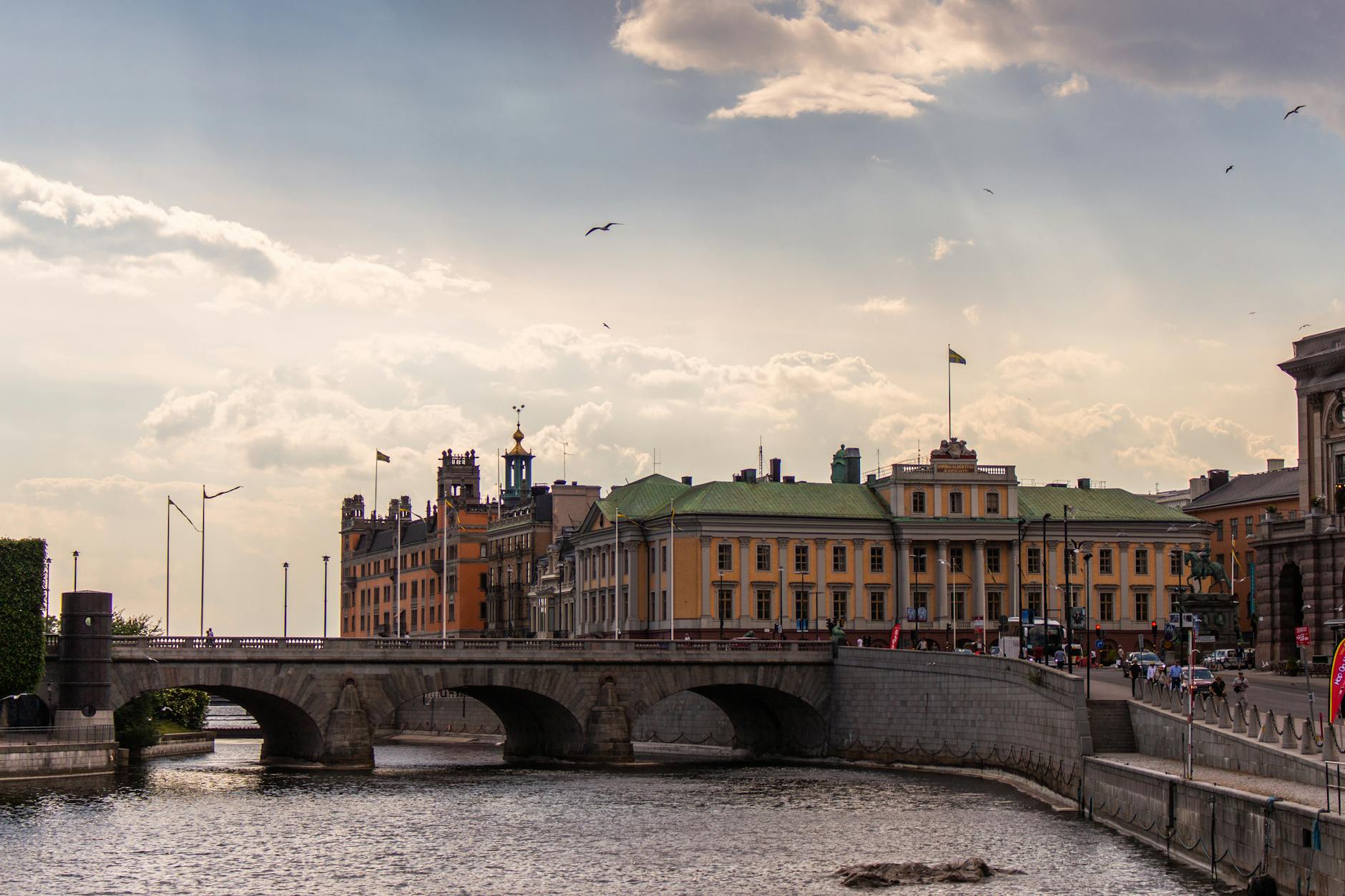
Stockholm Itineraries
One Perfect Day in Stockholm
Morning: Start early in Gamla Stan. Walk Stortorget, the lanes around the Royal Palace, and Riddarholmen before crowds build. Cross toward Norrmalm or take transit to Djurgården.
Late morning: Visit the Vasa Museum. Give it real time.
Lunch: Eat on Djurgården, Östermalm, or back toward Norrmalm depending on your next stop.
Afternoon: Choose one: City Hall guided tour, Nordic Museum/Skansen, or a short ferry/boat ride.
Evening: Head to Södermalm for Monteliusvägen or Skinnarviksberget views, then dinner.
Cut if tired: skip a second museum. Keep the view and the water.
Two Days in Stockholm
Day 1: Historic Core and Views
- Gamla Stan early.
- Royal Palace or Nobel Prize Museum, if interested.
- Lunch away from the most touristy lanes.
- City Hall guided tour.
- Norrmalm or Östermalm shopping/food hall.
- Södermalm sunset and dinner.
Day 2: Djurgården and Water
- Vasa Museum at opening.
- Choose one: Nordic Museum, ABBA The Museum, or Skansen.
- Fika or lunch on/near Djurgården.
- Ferry or waterfront walk back.
- Fotografiska or a relaxed evening in Östermalm/Södermalm.
Three Days in Stockholm
Day 1: Old Town, City Hall, Södermalm
Gamla Stan, City Hall, Norr Mälarstrand, and Södermalm viewpoints. This is your orientation day.
Day 2: Djurgården and Östermalm
Vasa Museum, one second Djurgården attraction, Strandvägen, Östermalmshallen, and possibly an elegant dinner.
Day 3: Water, Art, and Neighborhoods
Choose based on weather:
- Good weather: Vaxholm, Fjäderholmarna, or a short archipelago tour; return for Vasastan or Södermalm evening.
- Rain: Nationalmuseum or Moderna Museet, metro art, cafés, design shops, Fotografiska at night.
Five Days in Stockholm
Day 1: Gamla Stan, City Hall, Södermalm
Classic orientation plus views.
Day 2: Djurgården
Vasa, Skansen or Nordic Museum, park walking, ferry back.
Day 3: Archipelago or Drottningholm
Choose Vaxholm/Fjäderholmarna/Grinda/Sandhamn in summer, or Drottningholm if you prefer palace history.
Day 4: Art, Design, and Neighborhoods
Nationalmuseum, Skeppsholmen/Moderna, Östermalm, design shops, or Vasastan.
Day 5: Flexible Deepening
Uppsala, Sigtuna, Tyresta National Park, more Södermalm, a food tour, or slow café-and-shopping time.
Food Lover Itinerary
- Start with a bakery and fika culture lesson.
- Visit Östermalmshallen for classic Swedish food context.
- Eat a proper lunch rather than wasting the midday meal.
- Try herring, cured salmon, meatballs, shrimp toast, or seasonal seafood.
- Spend an evening in Södermalm for more contemporary restaurants and bars.
- Add a cardamom bun/cinnamon bun comparison if you are serious.
Family Itinerary
- Vasa Museum.
- Skansen.
- Junibacken if age-appropriate.
- Ferry ride.
- Djurgården walking and parks.
- Metro art route on a rainy day.
- Easy dinners, not late ambitious tasting menus.
Rainy-Day Itinerary
- Vasa Museum.
- Nordic Museum or ABBA The Museum.
- Östermalmshallen lunch.
- Metro art route.
- Fotografiska at night.
The Move
Do not cross the city repeatedly in a day. Stockholm looks compact, but the best itineraries are clustered by island and transit corridor: Gamla Stan/City Hall/Södermalm; Östermalm/Djurgården; Skeppsholmen/Nationalmuseum/Strandvägen; Norrmalm/Vasastan.
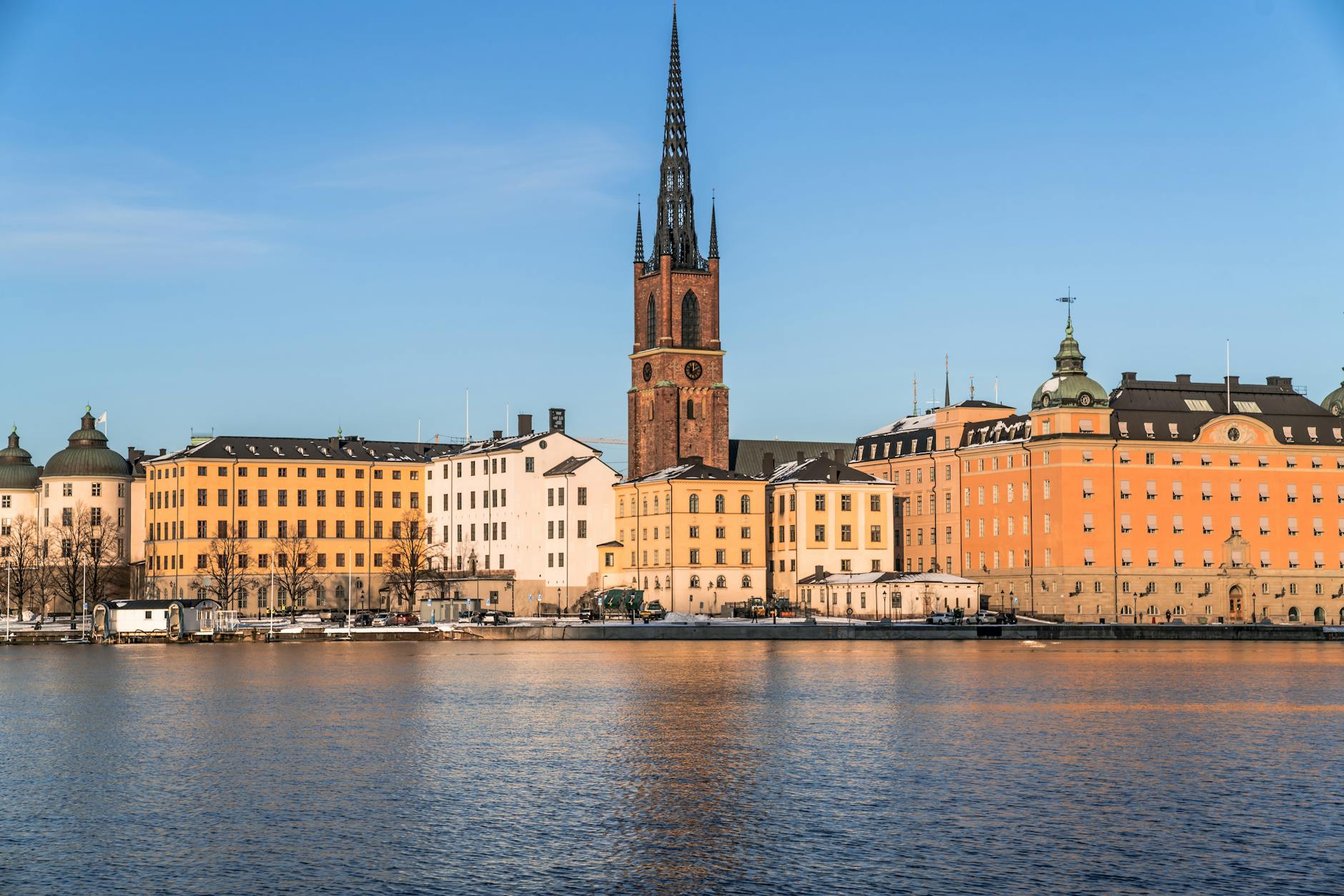
Food and Drink
Stockholm’s Food Identity
Stockholm’s food scene is more interesting than the old stereotype of meatballs and herring. Classic Swedish dishes still matter, but the city also reflects New Nordic cooking, Baltic seafood, café culture, immigrant food, design-conscious bakeries, natural wine bars, food halls, and seasonal produce. The best food trips balance tradition with the modern city.
The most important concept is fika: a coffee-and-pastry break that is social, habitual, and culturally real. Tourists often reduce it to “try a cinnamon bun,” but the point is slower than that. A proper fika is permission to stop.
What to Eat
| Food/Drink | What It Is | Where It Fits |
|---|---|---|
| Kanelbulle | Cinnamon bun. | Classic fika staple. |
| Kardemummabulle | Cardamom bun. | Often more interesting than the cinnamon version. |
| Köttbullar | Swedish meatballs. | Classic meal; quality varies dramatically. |
| Toast Skagen | Shrimp, mayonnaise/dill, toast, often roe. | Classic starter/lunch dish. |
| Herring | Pickled or prepared in various ways. | Traditional Swedish table, especially with potatoes. |
| Gravlax | Cured salmon. | Classic Swedish/Nordic dish. |
| Prinsesstårta | Green marzipan princess cake. | Traditional cake-shop treat. |
| Semla | Cardamom bun with almond paste and cream. | Seasonal, especially before Lent. |
| Swedish coffee | Usually filter-forward and serious. | Daily fuel; pairs with fika. |
| Aquavit/snaps | Strong spirit often tied to traditional meals. | Best with context, not as a random shot. |
Where to Eat by Situation
Best first lunch: Östermalmshallen or a good central lunch spot where you can sample Swedish classics without committing to a long dinner.
Best first dinner: Södermalm or Östermalm, depending on whether you want relaxed or polished.
Best fika neighborhoods: Vasastan, Södermalm, Norrmalm around strong bakeries, and residential pockets away from tourist corridors.
Best food hall experience: Östermalmshallen for traditional polish; other markets/food halls depending on current tenants and location.
Best casual evening: Södermalm for bars, casual restaurants, and less formal energy.
Best splurge: a serious modern Nordic restaurant or classic dining room, booked ahead.
Restaurant Practicalities
- Book good restaurants for Friday and Saturday nights.
- Dinner hours are earlier than in southern Europe; do not assume kitchens stay open late.
- Lunch can be better value than dinner.
- Tap water is normal and safe.
- Card payment is standard.
- Tipping is appreciated but not expected at North American levels; service is generally included, and rounding up or adding 5–10% for good service is common enough in nicer restaurants.
- Many places accommodate dietary restrictions, but ask clearly and do not assume every classic restaurant has extensive vegan/gluten-free options.
- Alcohol is expensive. Budget for it intentionally.
Bars and Nightlife
Stockholm nightlife exists, but it is segmented. Södermalm is best for relaxed bars, beer, natural wine, music, and a more casual evening. Stureplan and parts of Östermalm are more polished and expensive. Hotel bars can be excellent for travelers who want atmosphere without a late-night crawl.
The move: Pair one polished evening with one Södermalm evening. You will understand more of the city that way.
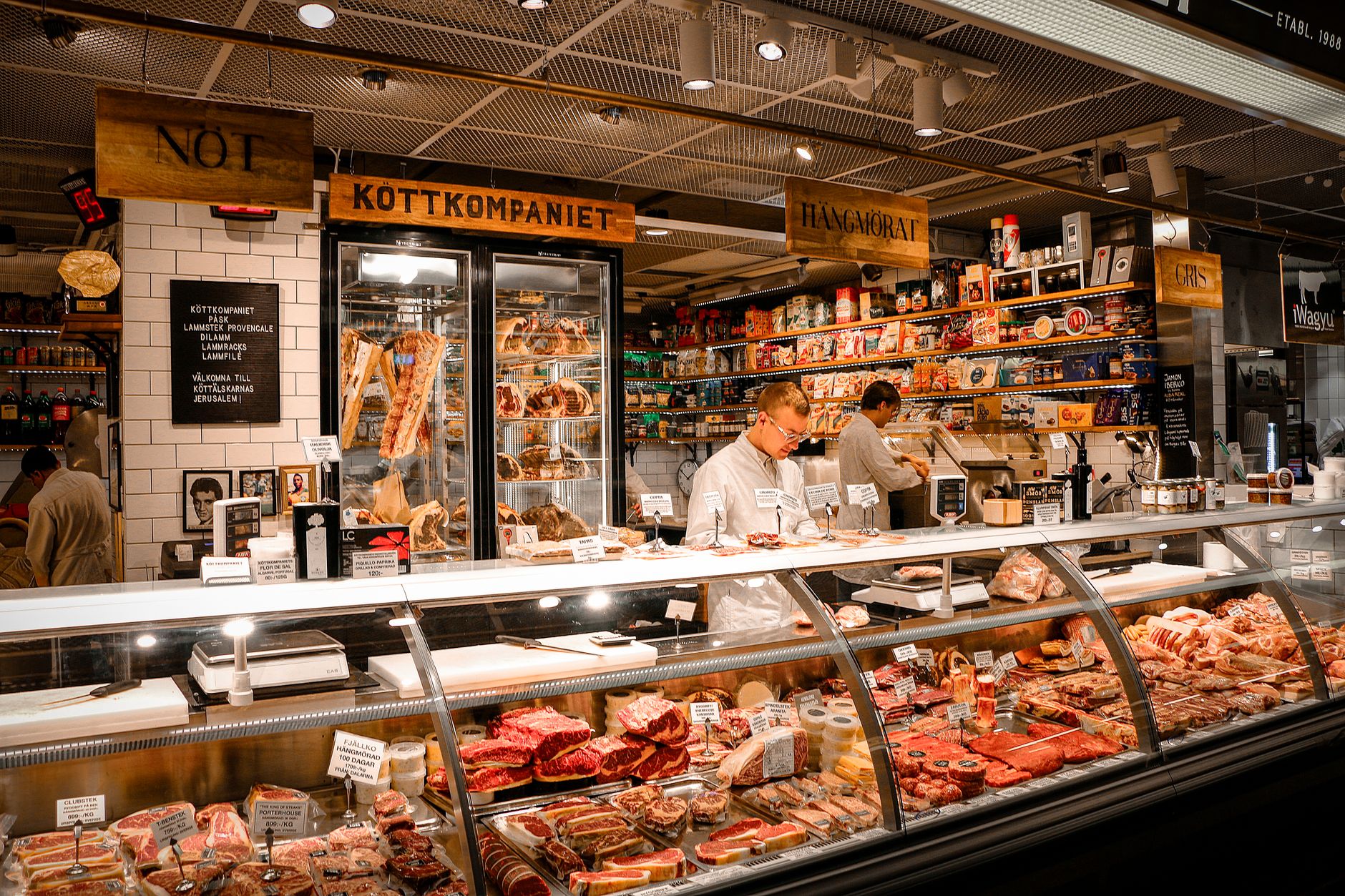
Getting Around
Arrival: Arlanda Airport to Stockholm
Arlanda Express
The fastest option. The train takes 18 minutes between Arlanda and Stockholm Central. It is clean, easy, and expensive relative to other options. It is ideal for first arrivals, business travelers, late-ish arrivals when still operating, and anyone staying near Central Station.
Flygbussarna Airport Coaches
A strong value option, especially if your hotel is near Cityterminalen, Liljeholmen, Fridhemsplan/Södermalm routes, or another coach stop. Travel time is usually around 40–55 minutes depending on route and traffic.
SL Commuter Train
The SL commuter train can be useful but requires attention because Arlanda has a special passage supplement. A single journey including the Arlanda supplement costs much more than a normal central Stockholm ticket. Check whether the convenience makes sense compared with Arlanda Express, Flygbussarna, or the bus-to-Märsta workaround.
Cheapest Public Transport Workaround
Budget travelers sometimes take a local bus from Arlanda to Märsta and then commuter rail into Stockholm. This avoids the airport station supplement but takes longer and is less comfortable with luggage. It can be sensible for backpackers; it is not the move for everyone.
Taxi
Taxis are practical for families, late arrivals, or multiple people with luggage. Use official taxi ranks or reputable apps/companies, confirm the price before departure, and keep the receipt.
Public Transport in Stockholm
SL operates the integrated local transport system: metro, buses, trams, commuter trains, and some ferries. For visitors, the metro and trams are easy, ferries are scenic, and buses fill gaps.
Ticket basics:
- Single journeys are time-based, currently 75 minutes.
- A standard adult single journey is currently listed at 43 SEK.
- Travelcards are available for 24 hours, 72 hours, and 7 days.
- Contactless payment is convenient, but make sure you understand fare category and airport exceptions.
- Keep proof of payment. Ticket checks happen, and fines are expensive.
Walking
Stockholm is highly walkable in the central areas, but water and bridges can make distances deceptive. A route may look short but require a bridge, detour, or elevation change. Cobblestones in Gamla Stan and icy winter conditions require sensible shoes.
Best walking areas: Gamla Stan early, Skeppsholmen, Strandvägen to Djurgården, Monteliusvägen, Norr Mälarstrand, Vasastan, and Djurgården paths.
Ferries and Boats
Use boats as part of the trip, not just transport. Some local ferries are included in SL; archipelago services and sightseeing tours vary by company and season. Waxholmsbolaget handles many archipelago ferry routes, while sightseeing companies operate guided tours.
Rule of thumb:
- Short ferry = good for almost everyone.
- Half-day Vaxholm = good with 3+ days.
- Full-day island = best with 4+ days or a summer-focused trip.
- Overnight island = best treated as a separate mini-trip.
Taxis, Rideshare, and Cars
You do not need a car in Stockholm. A car is actively inconvenient in the center because of parking, traffic, islands, and transit quality. Rent only for specific regional plans where public transport is weak.
Taxis are expensive and useful mainly for late-night trips, luggage, accessibility needs, or groups.
Biking and Scooters
Stockholm can be good for cycling in fair weather, especially for confident riders. E-scooters exist but should be used responsibly; cobblestones, tram tracks, weather, and pedestrian areas can create hazards. For most first-time visitors, walking plus SL is simpler.
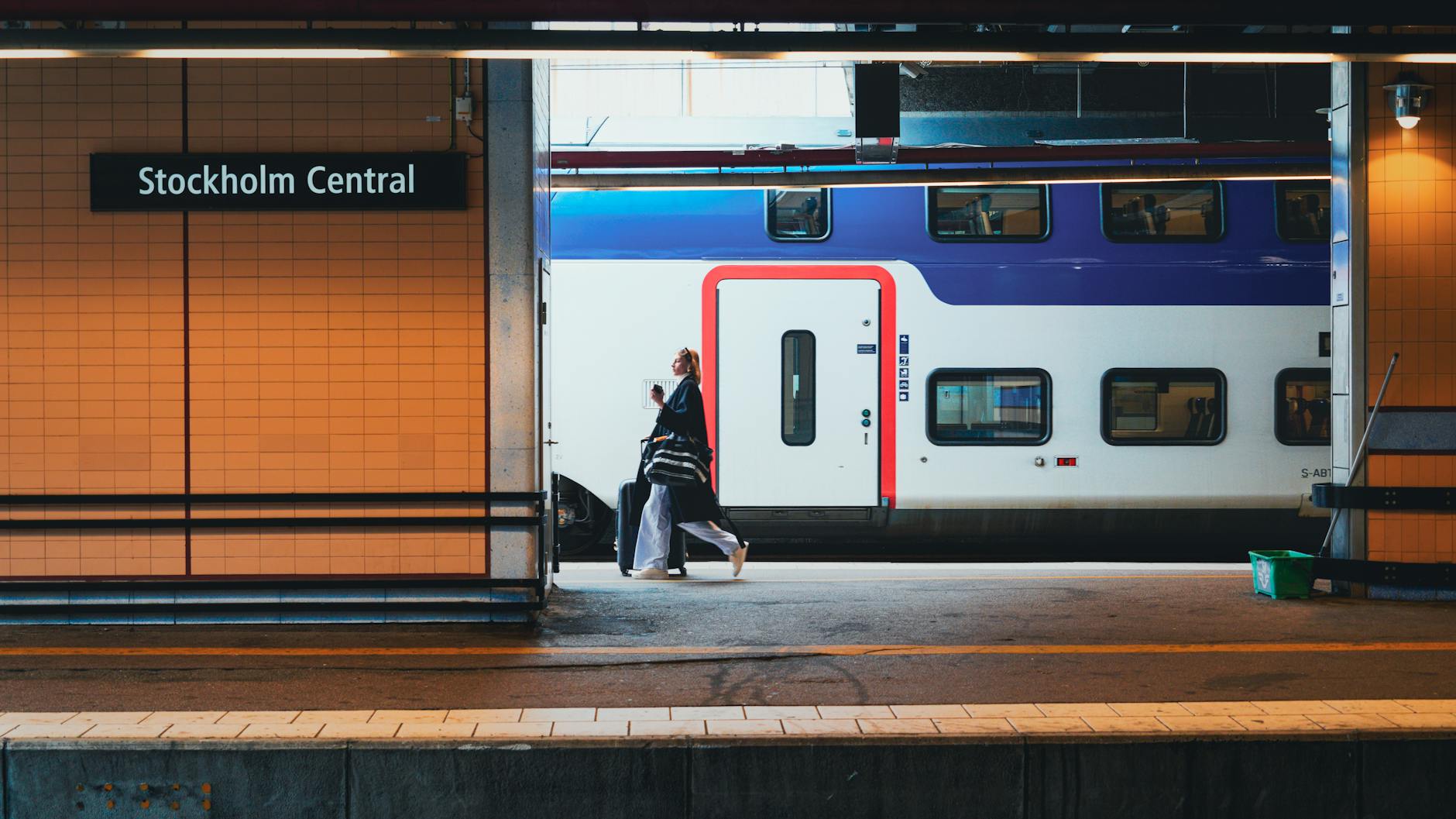
Budget and Costs
The Cost Reality
Stockholm is expensive, but not impossible. The biggest costs are lodging, restaurants, alcohol, taxis, and poor airport-transfer decisions. Museums are not cheap, but they are predictable. Free walks and views are excellent.
Daily Budget Ranges
| Style | Approximate Daily Pattern |
|---|---|
| Shoestring | Hostel or budget room, groceries/bakeries, transit pass, free walks, one paid attraction. |
| Budget | Simple hotel or private hostel room, casual lunches, limited alcohol, several paid museums across the stay. |
| Mid-range | Good central hotel, cafés, casual-to-good restaurants, paid attractions, ferry/boat outing. |
| Comfortable | Stylish hotel, booked restaurants, taxis when useful, multiple museums, archipelago tour, cocktails. |
| Luxury | Waterfront or five-star hotel, top restaurants, private guide, premium transfers, curated archipelago outing. |
What Is Surprisingly Expensive
- Hotels in summer.
- Alcohol.
- Taxis.
- Casual dinners that do not feel “special.”
- Airport transfers if you choose poorly for your situation.
- Family attraction stacking on Djurgården.
What Is Surprisingly Good Value
- Public transport travelcards if used well.
- Free viewpoints and waterfront walks.
- Bakery breakfasts/fika compared with full restaurant meals.
- Lunch specials compared with dinner.
- Metro art if you already have a ticket.
- Some museums for children, since many attractions offer free or reduced youth pricing.
Stockholm Pass / Go City: Worth It?
It can be worth it if you plan a dense attraction schedule. It is usually not worth it if you travel slowly.
Likely worth considering if:
- You will visit multiple paid attractions in one or two days.
- You want included boat tours.
- You start sightseeing early.
- You are comfortable checking reservation rules.
Likely not worth it if:
- You want only Vasa plus free walks.
- You dislike packed schedules.
- You are visiting many free or low-cost places.
- You are traveling with kids whose individual entry may already be discounted or free.
Best Value Moves
- Stay central enough to reduce transit friction.
- Use SL travelcards if your itinerary warrants them.
- Eat your main restaurant meal at lunch sometimes.
- Choose one serious dinner rather than several mediocre expensive meals.
- Use bakeries and food halls strategically.
- Book hotels early for summer.
- Skip taxis except when they solve a real problem.
- Do not buy an attraction pass without building a realistic day-by-day plan.
Safety, Health, and Scams
General Safety
Stockholm is generally a safe city for visitors, especially by global-capital standards. The main visitor issues are pickpocketing in crowded areas, nightlife judgment, winter slips, bike/scooter hazards, and transport/taxi cost confusion. Standard city awareness is enough for most travelers.
International travel advisories currently urge increased caution in Sweden because of terrorism risk. That does not mean visitors should avoid Stockholm; it means staying aware in crowded public places, following local instructions, and checking your government’s advice before travel.
Common Visitor Problems
Pickpocketing: Watch bags in Gamla Stan, transit hubs, crowded trams, busy shopping streets, and tourist restaurants.
Taxi price surprises: Use official ranks, reputable companies, or apps. Confirm the fare before leaving the airport.
Restaurant disappointment: Tourist lanes in Gamla Stan can be poor value. Research or move a few blocks/neighborhoods away.
Weather injuries: Winter ice and wet cobblestones are real. Wear shoes with grip.
Overdrinking costs: Alcohol prices add up quickly, and late-night taxis are expensive.
Health Practicalities
- Tap water is safe.
- Pharmacies are called apotek.
- Call 112 for emergencies.
- Use 1177 for medical advice in non-emergency situations.
- Travel insurance is wise, especially for non-EU visitors.
- Summer sun can be stronger than expected because you stay outside longer under long daylight.
- Winter cold, wind, and ice require planning.
Solo Travelers
Stockholm is one of Europe’s easier capitals for solo travelers. Cafés, museums, public transport, and waterfront walks are solo-friendly. Use normal nighttime judgment, especially around nightlife areas and late transit.
LGBTQ+ Travelers
Stockholm is generally LGBTQ+ friendly and has a visible queer scene, especially in parts of Södermalm and central nightlife. As always, individual experiences vary, but the city is broadly comfortable for LGBTQ+ travelers.
Women Travelers
Many women travelers find Stockholm low-stress compared with larger, more chaotic capitals. Still, use standard precautions around nightlife, late taxis, and quiet areas at night.
Accessibility and Mobility
Stockholm is better than many old European cities but not effortless. Public transport has strong accessibility infrastructure by European standards, and many modern museums are accessible. The challenges are Gamla Stan cobblestones, old buildings, winter ice, bridges, slopes, and older hotels without ideal layouts.
Easier Areas
- Norrmalm/City.
- Modern parts of Östermalm.
- Djurgården museum zones.
- Skeppsholmen paths, with some terrain caution.
- Newer waterfront areas.
Harder Areas
- Gamla Stan lanes and cobblestones.
- Södermalm viewpoints, which can involve slopes, stairs, or uneven paths.
- Winter sidewalks after snow/ice.
- Some older boutique hotels without elevators or step-free rooms.
Practical Advice
- Book hotels directly or confirm step-free access in writing.
- Do not assume “historic charm” means accessible.
- Use the SL app and official accessibility information for elevators/outages.
- Choose Norrmalm or Östermalm for easier transit and flatter logistics.
- In winter, allow more time and avoid tight connections.
Strollers
Stockholm is stroller-friendly in many modern areas, and families are well accommodated, but Gamla Stan cobbles and older transit infrastructure can be annoying. Djurgården is generally good for families and strollers, especially around major museums.
Families, Solo Travelers, LGBTQ+ Travelers, and Special Considerations
Families with Kids
Stockholm is excellent for families if you pace it properly. The mistake is stacking too many paid attractions in one day.
Best family stops: Vasa Museum, Skansen, Junibacken, ferry rides, Djurgården parks, ABBA The Museum for music-loving kids, Gröna Lund in season, metro art, and outdoor playgrounds/parks.
Family strategy: Stay near transit, keep dinners simple, choose one major attraction per half day, and use ferries as built-in entertainment.
Teenagers
Teens may like ABBA The Museum if music-curious, Fotografiska, vintage shopping in Södermalm, metro art, viewpoints, Gröna Lund, and archipelago boat trips. Do not oversell royal history unless they already like history.
Older Travelers
Stockholm works well for older travelers who choose a central, comfortable hotel and avoid overambitious walking days. Östermalm, Norrmalm, and waterfront hotels are strong choices. Winter requires extra caution because of ice.
Remote Workers
Stockholm is comfortable for remote work: reliable infrastructure, many cafés, strong English, and a calm urban environment. It is expensive for long stays, and winter darkness can affect energy. Choose Vasastan, Södermalm, or Kungsholmen for a more livable base.
Religious and Cultural Travelers
Sweden is generally secular in daily rhythm, but churches, cemeteries, historic religious sites, and Jewish heritage are part of the city’s story. Dress respectfully in active religious spaces and be mindful when photographing people.
Shopping and Souvenirs
Stockholm is a strong shopping city if you care about design, home goods, clothing, books, textiles, children’s items, and food gifts. It is less compelling for bargain hunting.
What to Buy
- Swedish design objects.
- Homewares and textiles.
- Stationery and paper goods.
- Children’s books or toys tied to Swedish stories.
- Woolens and outdoor accessories.
- Coffee, chocolate, licorice, crispbread, jams, or pantry items.
- Vintage clothing in Södermalm.
- Museum-shop gifts from Vasa, Nationalmuseum, Moderna, or Fotografiska.
Best Shopping Areas
Norrmalm: department stores, mainstream shopping, central convenience. Bibliotekstan/Östermalm: high-end Swedish and international brands. Södermalm: vintage, boutiques, records, design, independent shops. Museum shops: often excellent and more distinctive than generic souvenir shops. Vasastan: smaller local shops, cafés, bookstores.
What Not to Buy
Avoid generic Viking helmets, mass-produced trolls, and “Nordic” souvenirs that have little relationship to Sweden. Buy fewer, better things: a book, a design object, a textile, a museum print, a pantry item, or a genuinely useful wool piece.
Arts, Culture, History, and Context
A Short History for Travelers
Stockholm’s location explains its power. It grew where Lake Mälaren meets the Baltic, a strategic point for trade, defense, and control. Gamla Stan preserves the medieval core, though much has been rebuilt, repurposed, and polished over time. Royal and state power remain visible at the Royal Palace, Parliament, Riddarholmen, and ceremonial spaces.
Sweden’s seventeenth-century great-power ambitions are captured almost perfectly by the Vasa: a warship built to project power that sank almost immediately. That mix of ambition, state organization, engineering, symbolism, and human error gives visitors a surprisingly vivid way into Swedish history.
Modern Stockholm is also shaped by twentieth-century planning. Norrmalm’s redevelopment, the expansion of public housing, the metro, welfare-state architecture, design culture, and immigration all shaped the city visitors experience now. Stockholm is not only cobblestones and royal guards. It is also modernist planning, tech companies, music exports, gaming, fashion, and a public realm that often works better than visitors expect.
Museums by Interest
Best single museum: Vasa Museum. Best for Swedish cultural history: Nordic Museum or Skansen. Best for pop culture: ABBA The Museum. Best for classic art/design: Nationalmuseum. Best for modern art: Moderna Museet. Best for photography/evening culture: Fotografiska. Best for Nobel context: Nobel Prize Museum. Best for families: Vasa, Skansen, Junibacken, Gröna Lund in season. Best for architecture/design-minded travelers: ArkDes, Nationalmuseum design collections, Stockholm Public Library, Woodland Cemetery.
Books, Film, and Music Before You Go
Stockholm is strongly associated internationally with Nordic noir, Swedish pop, design, and social democracy. Preparation can include a mix of literature, crime fiction, Swedish music, ABBA context, films set in Stockholm, and history of the Swedish welfare state. The goal is not homework; it is noticing more when you arrive.
Etiquette and Cultural Norms
- Do not cut lines.
- Keep voices moderate on transit and in restaurants.
- Respect personal space.
- Be punctual for timed reservations and tours.
- Remove wet or dirty shoes when appropriate in private homes; not usually in public restaurants/hotels.
- Do not assume cash is welcome.
- Be respectful at saunas, swimming areas, cemeteries, churches, and residential courtyards.
- Swedes may seem reserved at first; politeness is often quieter than in more demonstrative cultures.
The Move
Read Stockholm through its public systems: ferries, transit, libraries, museums, parks, and water access. The city’s culture is not only in its collections; it is in how the city is organized for daily life.
Seasonal and Month-by-Month Guide
Spring Planning
Bring layers, waterproof shoes, and patience. Spring is beautiful once it arrives but can be inconsistent. May is far better than early April for a first visit.
Best spring activities: Gamla Stan, Vasa Museum, City Hall, cafés, early park walks, design shopping, art museums, late-spring ferries.
Summer Planning
Book hotels early, check ferry schedules, reserve key restaurants, and keep evenings open for water/light. Summer is when Stockholm best justifies its reputation.
Best summer activities: archipelago trips, Djurgården, outdoor cafés, waterfront walks, swimming, Gröna Lund, ferries, parks, Midsummer events if carefully planned.
Autumn Planning
September is superb. October is stylish and moody. November is challenging but good for indoor culture and lower prices.
Best autumn activities: museums, bakeries, restaurants, metro art, photography, city walks, shopping, archipelago only on favorable days.
Winter Planning
Do less, but do it well. Choose a comfortable hotel, plan indoor anchors, bring proper footwear, and embrace low light rather than fighting it.
Best winter activities: Vasa, Fotografiska, Nationalmuseum, Moderna, Christmas markets, fika, hotel bars, winter walks, metro art, cozy dinners.
Important Annual Rhythms
- Midsummer: late June; beautiful but disruptive. Expect closures and altered schedules.
- Summer holidays: July can change local business rhythm.
- Christmas season: markets, lights, and seasonal events, but also closures around holidays.
- Nobel Week: early December brings ceremonial focus and hotel/restaurant pressure in certain circles.
- Pride and summer festivals: can affect hotel demand and city energy.
Day Trips and Side Trips from Stockholm
Vaxholm
Best for: easy archipelago flavor without overcommitting. Travel style: boat or bus/boat combination depending on season and schedule. Time needed: half day to full day. Why go: fortress views, waterfront, cafés, classic inner-archipelago atmosphere. Common mistake: not checking return times.
Fjäderholmarna
Best for: short summer island escape. Travel style: quick boat from central Stockholm in season. Time needed: 2–4 hours. Why go: easy island lunch/walk/craft introduction. Common mistake: treating it as a deep archipelago experience. It is a taste, not the full thing.
Drottningholm Palace
Best for: palace history, gardens, royal architecture, easy half-day. Travel style: public transport or seasonal boat. Time needed: half day. Why go: UNESCO-listed royal setting and a strong contrast with central Stockholm. Pair with: a calmer afternoon or evening back in the city.
Uppsala
Best for: university atmosphere, cathedral, history, easy rail day. Travel style: train. Time needed: half to full day. Why go: one of Sweden’s most important historic and academic cities. Common mistake: combining with too many other side trips in one day.
Sigtuna
Best for: small-town charm and early Swedish history. Travel style: train/bus combination or guided/private trip. Time needed: half day. Why go: pretty streets, lakeside setting, historic atmosphere. Best for: travelers who like quieter, smaller places.
Birka
Best for: Viking history, seasonal boat excursion. Travel style: boat tour in season. Time needed: full day or structured excursion. Why go: important archaeological and historical site. Common mistake: trying to fit it into a short Stockholm stay unless Viking history is a priority.
Tyresta National Park
Best for: nature, hiking, forest, travelers who want a break from museums. Travel style: public transport plus walking, or car if appropriate. Time needed: half to full day. Why go: accessible wild-feeling nature near the capital.
Sandhamn or Grinda
Best for: full archipelago day, summer atmosphere, water and walking. Travel style: boat, schedule-dependent. Time needed: full day or overnight. Why go: a more substantial island experience. Common mistake: underestimating transit time and seasonal service.
Mariefred and Gripsholm Castle
Best for: castle lovers, small-town atmosphere, literary/history interest. Travel style: train/bus or car; sometimes seasonal boat/heritage options. Time needed: full day. Why go: one of the stronger castle-side trips from Stockholm.
What to Skip
Skip Generic Tourist Restaurants in Gamla Stan
Gamla Stan is essential for walking, but many obvious restaurants in the busiest lanes are poor value. Eat there only if you have a specific vetted place.
Skip a Long Archipelago Trip on a Two-Day Visit
Unless the archipelago is your main reason for coming, do not spend most of a short first visit on a full-day boat. Choose a shorter ferry/boat experience and save deeper islands for a longer trip.
Skip Overpacking Djurgården
Vasa + Skansen + ABBA + Nordic Museum + Gröna Lund is not a good day. It is a collection of regrets. Choose two major anchors.
Skip the Attraction Pass Without Math
Passes can save money, but only with a dense schedule. Build your actual plan before buying.
Skip Taxis as a Default
Stockholm public transport is too good and taxis are too expensive for taxis to be the default. Use taxis when they solve luggage, late-night, accessibility, or group problems.
Skip Chasing “Viking Stockholm” Too Hard
Viking history matters in Sweden, but central Stockholm’s strongest visitor story is broader: medieval trade, royal power, the Vasa, modern planning, design, music, and water. Do not force every day into a Viking theme unless that is your specific interest.
Common Mistakes
- Staying far outside the center to save money. You may save on lodging and lose the city’s best rhythm.
- Treating Gamla Stan as the whole city. It is essential but incomplete.
- Visiting Gamla Stan only at midday. Go early or late.
- Trying to do every Djurgården attraction. Choose.
- Not booking restaurants. Stockholm is organized; popular places fill.
- Ignoring airport-transfer details. Arlanda options vary greatly in price and convenience.
- Buying the Go City pass without a plan. It is only valuable if used aggressively.
- Underestimating winter darkness. Schedule indoor anchors and do not overplan long outdoor days.
- Forgetting Midsummer closures. Check hours carefully.
- Skipping the water. Even a short ferry changes your understanding of the city.
- Wearing bad shoes. Cobblestones, waterfront walking, rain, and winter ice all matter.
- Assuming Sweden uses the euro. It does not.
- Carrying lots of cash. Cards are far more useful.
- Planning archipelago trips casually. Schedules and seasons matter.
- Eating too many expensive, mediocre meals. Use bakeries, food halls, lunch, and one or two well-chosen dinners.
Responsible Travel
Stockholm is highly functional, but it is still a living city with housing pressures, environmental concerns, and neighborhoods that should not be treated as scenery alone.
Visit Well
- Use public transport, ferries, walking, and cycling when practical.
- Support local restaurants, bakeries, shops, and museums.
- Be quiet in residential courtyards and late-night streets.
- Respect swimming areas, parks, cemeteries, and ferry queues.
- Avoid leaving trash in parks or on islands.
- Follow archipelago rules around fire, camping, private property, and nature protection.
- Do not photograph people closely without permission, especially in saunas, swimming areas, or private-feeling settings.
- Choose tours that treat culture and nature with care rather than gimmicks.
Archipelago Etiquette
The archipelago looks wild, but it includes homes, cabins, private docks, fragile ecosystems, and working ferry routes. Stay on marked paths when asked, respect private property, pack out trash, and check fire restrictions in dry periods.
Packing List
Year-Round
- Comfortable walking shoes.
- A waterproof or water-resistant layer.
- Reusable water bottle.
- Type C/F plug adapter if needed.
- Portable charger.
- Crossbody/day bag with secure closure.
- Card with no foreign transaction fees.
- Light layer for ferries and waterfront wind.
Spring
- Layers.
- Rain jacket.
- Shoes that handle wet streets.
- Sunglasses for bright clear days.
Summer
- Light layers.
- Sunglasses.
- Sunscreen.
- Swimwear if you plan to swim or sauna.
- Light jacket for evening/water.
- Bug protection for some island/nature outings.
Autumn
- Warm layers.
- Waterproof jacket.
- Shoes with grip.
- Scarf or hat later in season.
Winter
- Warm coat.
- Hat, gloves, scarf.
- Shoes or boots with real grip.
- Thermal layers.
- Lip balm and moisturizer.
- Reflective details or light-colored outerwear for dark days.
What Not to Pack
- Large amounts of cash.
- Dress shoes as your only footwear.
- A heavy formal wardrobe unless your trip requires it.
- An overstuffed itinerary that leaves no room for walking, water, and fika.
FAQ
Is Stockholm worth visiting?
Yes. Stockholm is one of Europe’s best city-break capitals if you like water, museums, design, architecture, ferry rides, neighborhood walks, and a polished but still distinctive urban experience.
How many days do you need in Stockholm?
Three full days is ideal for a first visit. Two days covers the highlights; four or five days lets you add the archipelago, more neighborhoods, and day trips.
What is the best area to stay in Stockholm?
Norrmalm/City is best for convenience, Östermalm for polished comfort and Djurgården access, Södermalm for food/bars/views, and Gamla Stan for historic atmosphere if you choose carefully.
Is Stockholm expensive?
Yes, especially for hotels, restaurants, alcohol, and taxis. It is manageable if you use public transport, choose hotels early, eat some casual meals, use free walks/views, and plan attractions deliberately.
Do I need a car in Stockholm?
No. A car is unnecessary and often inconvenient. Use public transport, ferries, walking, and occasional taxis.
Is Stockholm safe?
Generally yes for visitors, with normal big-city precautions. Watch for pickpocketing in crowded tourist areas and transit hubs, use nighttime judgment, and follow current travel-advisory guidance.
What should I not miss?
For a first visit: Vasa Museum, Gamla Stan early or late, City Hall, Djurgården, a ferry/boat ride, Södermalm views, and at least one excellent fika.
Is the archipelago worth it?
Yes, but scale it to your trip. With two days, take a short boat/ferry. With three or four days, consider Vaxholm or Fjäderholmarna. With five or more days in summer, plan a fuller island day.
Is Stockholm good in winter?
Yes if you want museums, cozy cafés, winter atmosphere, and fewer crowds. It is not ideal if you need long daylight, outdoor dining, or easy warm-weather wandering.
Can I use euros in Stockholm?
Sweden uses the Swedish krona, not the euro. Cards are widely accepted and more useful than cash.
Source Notes
This guide was prepared with current checks against official and primary visitor sources including Visit Stockholm, Visit Sweden, the Swedish Migration Agency, Sweden Abroad, the European Union’s EES/ETIAS information pages, SL, Swedavia Stockholm Arlanda Airport, Arlanda Express, Flygbussarna, Waxholmsbolaget, Strömma, the Vasa Museum, the Royal Palaces, Stockholm City Hall, Skansen, ABBA The Museum, Fotografiska Stockholm, Moderna Museet, Nationalmuseum, Go City Stockholm, SOS Alarm/Krisinformation, and major government travel-advisory sources.
For publication, verify all prices, hours, closures, ferry schedules, attraction-pass inclusions, border rules, restaurant status, hotel conditions, and accessibility details directly with the relevant official provider shortly before release.