Singapore is one of the rare cities that really does make travel feel easy. Arrival is clean. English works. Transit is excellent. Hotels can be polished and reliable. Food can be outstanding at almost every price point. The skyline, the gardens, the hawker culture, the malls, the waterfront, and the broader sense of order all combine into a city that seems almost built to be used without friction. That is exactly why people underplan it. Singapore is not difficult, but it is precise. The wrong hotel wastes a compact city. The wrong district creates unnecessary transit or walking burden. The wrong expectation leaves the traveler wondering why a famous place felt merely efficient. Singapore is best when it is used like a well-edited city rather than a random one.
How Singapore works
Singapore works best when the traveler accepts that the city is less about dramatic distance than about urban intent. It is compact, yes, but not all compactness is equal. A short stay can feel almost frictionless if the district, hotel, and day shape line up. The same city can feel oddly flat if the traveler chooses a generic base and treats the whole place like one interchangeable downtown. Singapore is a city of clean versions of itself: skyline-and-waterfront Singapore, hawker-and-neighborhood Singapore, hotel-and-shopping Singapore, business Singapore, family Singapore, and stopover Singapore. The right trip chooses one or two of those clearly.
- Singapore is compact, but it is still a city of distinct trip modes.
- The right district turns efficiency into real pleasure.
- A clear version of Singapore is better than a vague all-purpose one.
Best time to visit
Singapore is genuinely year-round in the sense that the city remains highly usable throughout the year. But that does not mean the weather disappears as a planning factor. Heat and humidity are part of the city’s grammar, and so are sudden showers. The practical question is not whether the city works. It is whether the trip is built to respect the climate. Travelers who expect to stroll outdoors for endless hours in a European rhythm often misread Singapore. The best stays usually blend outdoor and indoor movement intelligently and let the weather shape the pacing instead of fighting it.
- Singapore is usable year-round, but climate still shapes the day.
- Humidity raises the value of a well-located hotel immediately.
- The city is best when outdoor and indoor plans are balanced deliberately.
Arriving and getting around
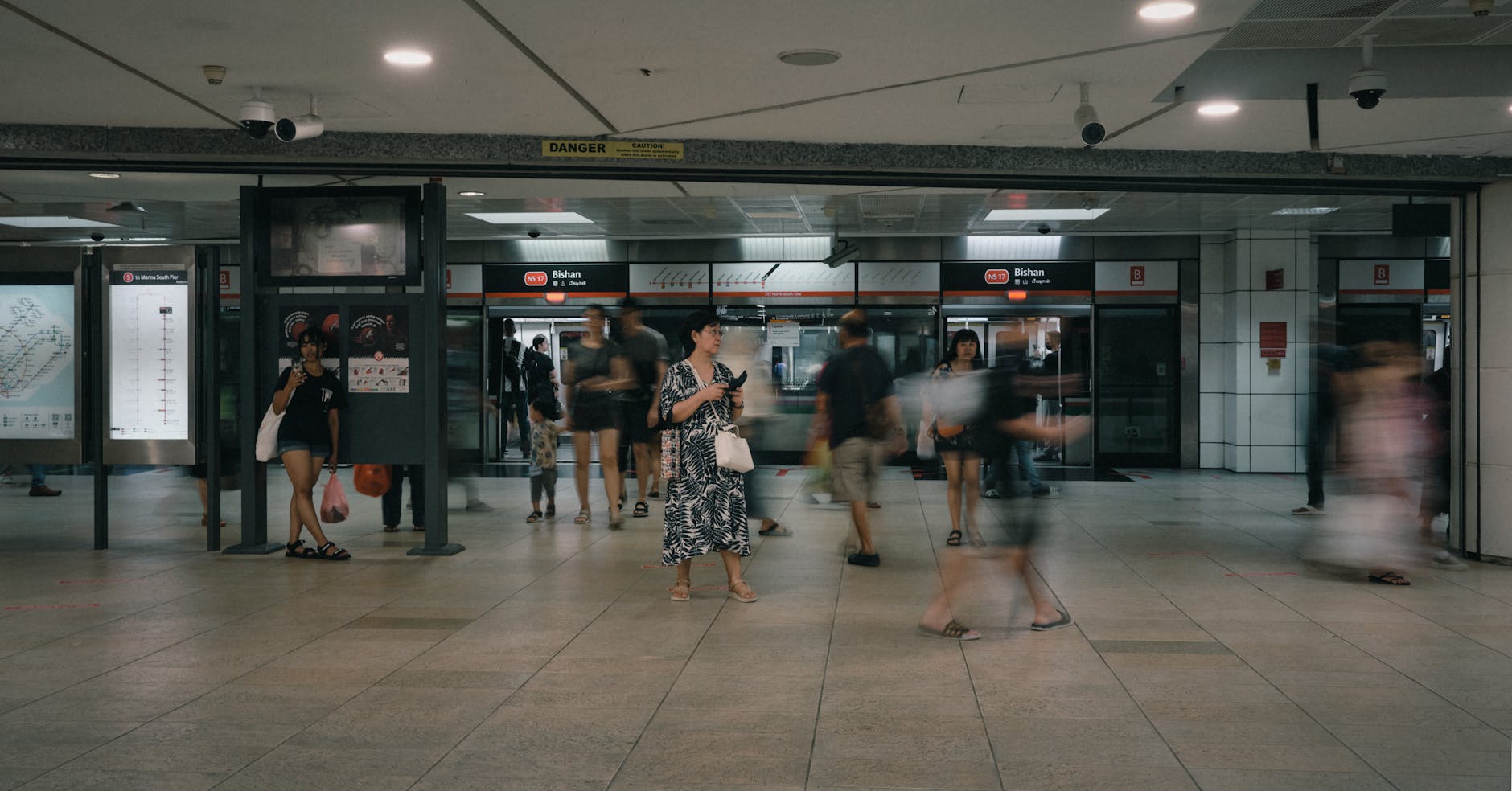
Singapore’s arrival experience is one of its quiet strengths. The airport-city handoff is clean, the city is legible, and the MRT does real work. That does not eliminate the need for route design. The traveler should still think about the actual hotel, the real walking burden, and whether the district suits the trip type. Singapore is easiest when transit is supporting a good plan rather than compensating for a bad one. The city should feel edited from the beginning, not simply survivable because the infrastructure is competent.
- Singapore arrival is smooth, but the base still matters.
- The MRT is excellent, but it should support the route rather than rescue it.
- A good first leg sets the tone for the whole stay.
Where to stay
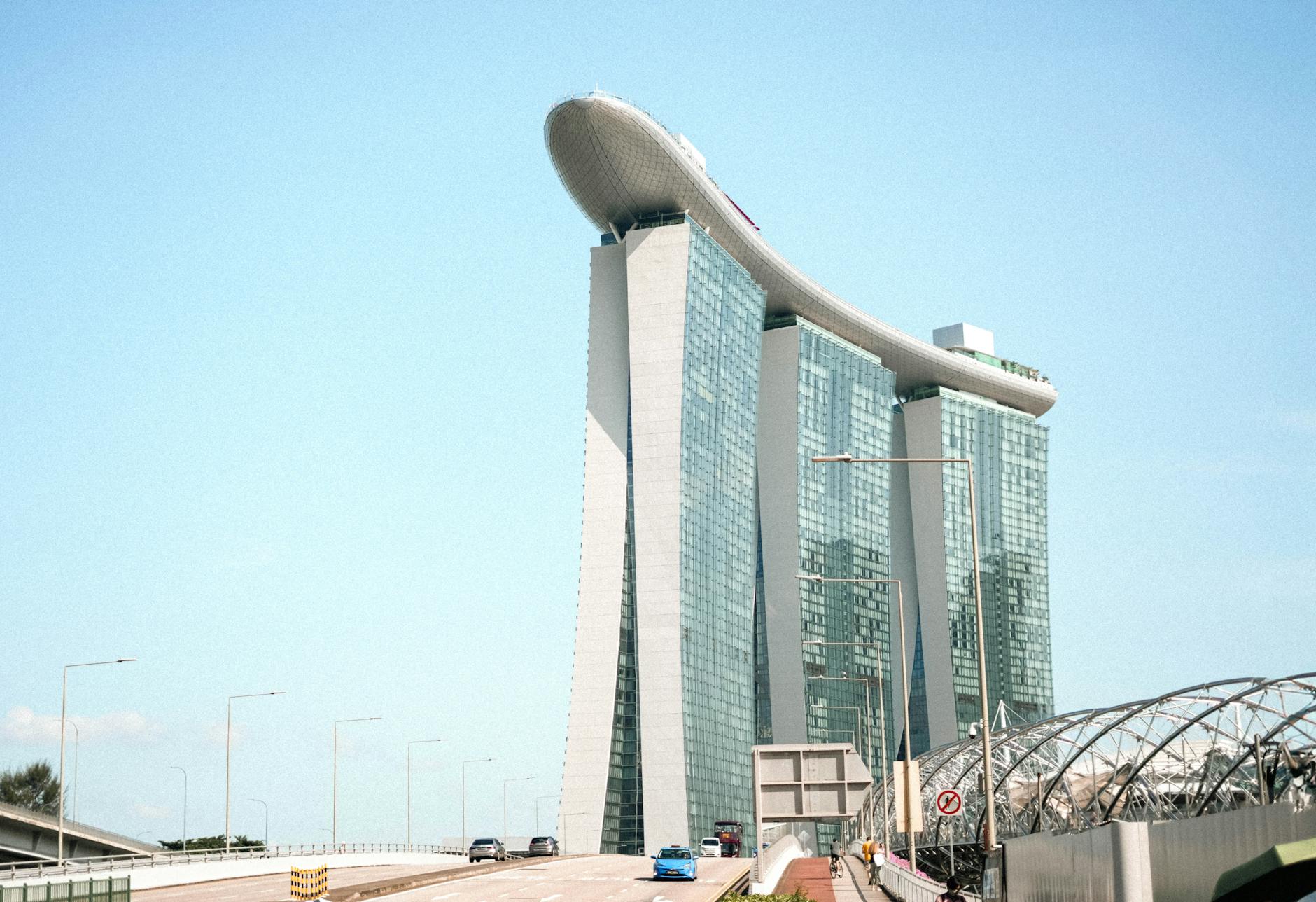
The real hotel question in Singapore is not luxury versus budget. It is what the traveler wants the city to feel like. Marina Bay gives one Singapore: skyline, waterfront, polished hotels, and a more cinematic version of the city. Orchard gives another: shopping, hotels, and a denser commercial rhythm. The civic and river zones solve another. Business travelers may want a cleaner work-forward geography, while stopovers and leisure-heavy travelers may want a more visual or hotel-led experience. Singapore is compact enough that many answers can work, but the strongest answer is the one that matches the actual reason for the trip.
- In Singapore, the hotel should match the purpose of the stay.
- Marina Bay, Orchard, and the civic core are not interchangeable answers.
- A strong base makes a short Singapore trip feel much more finished.
The Singapores that matter most
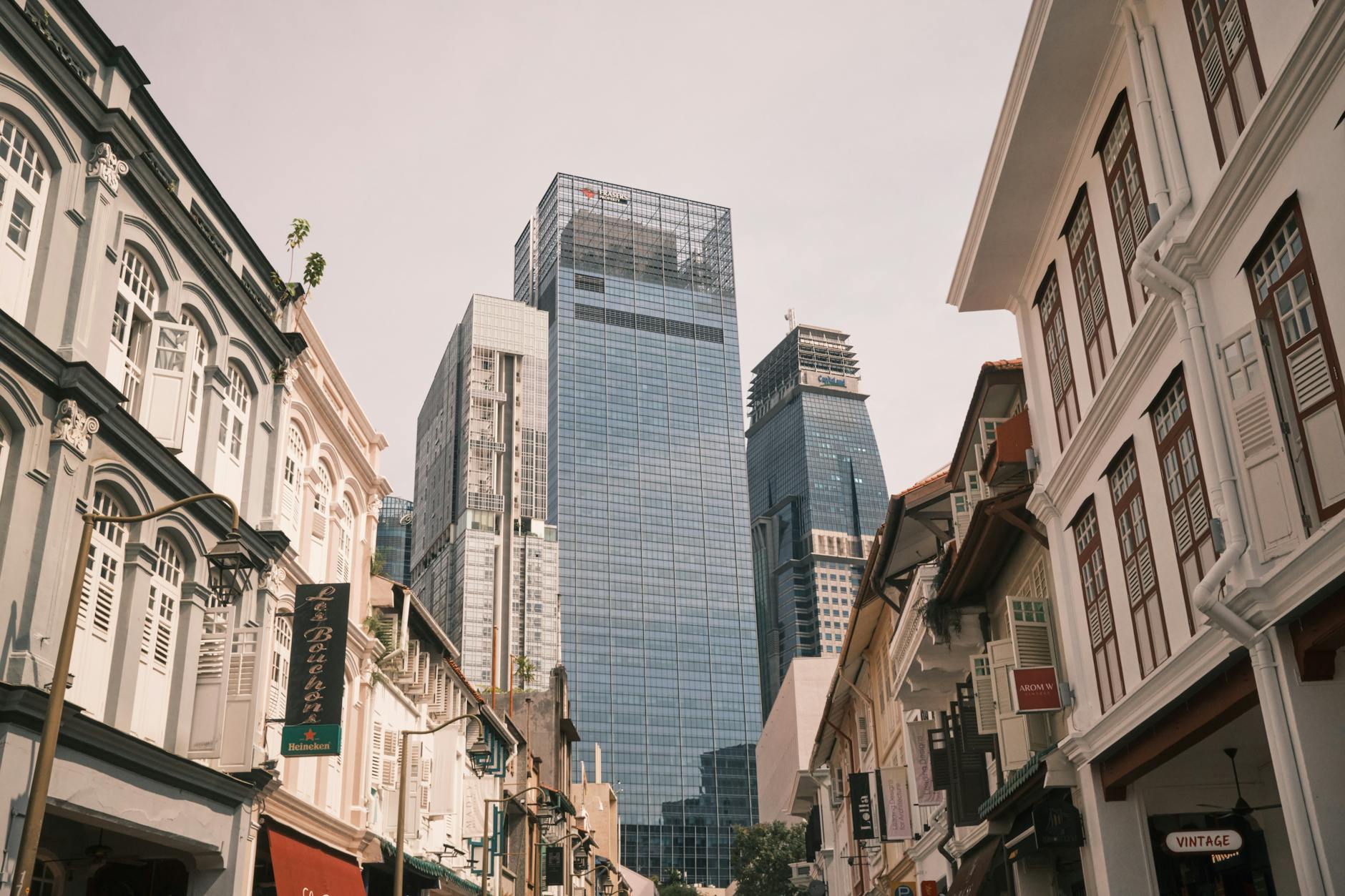
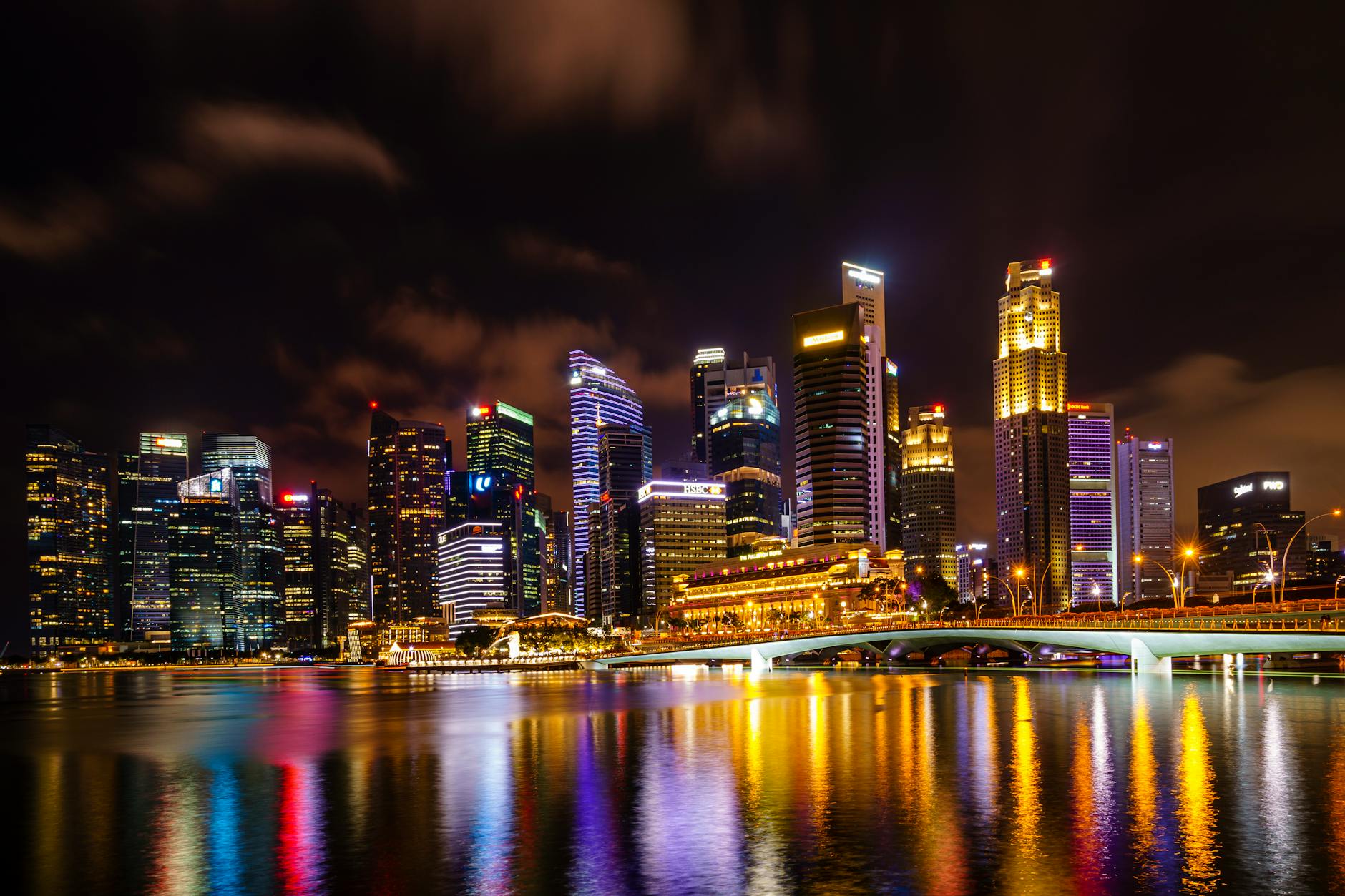
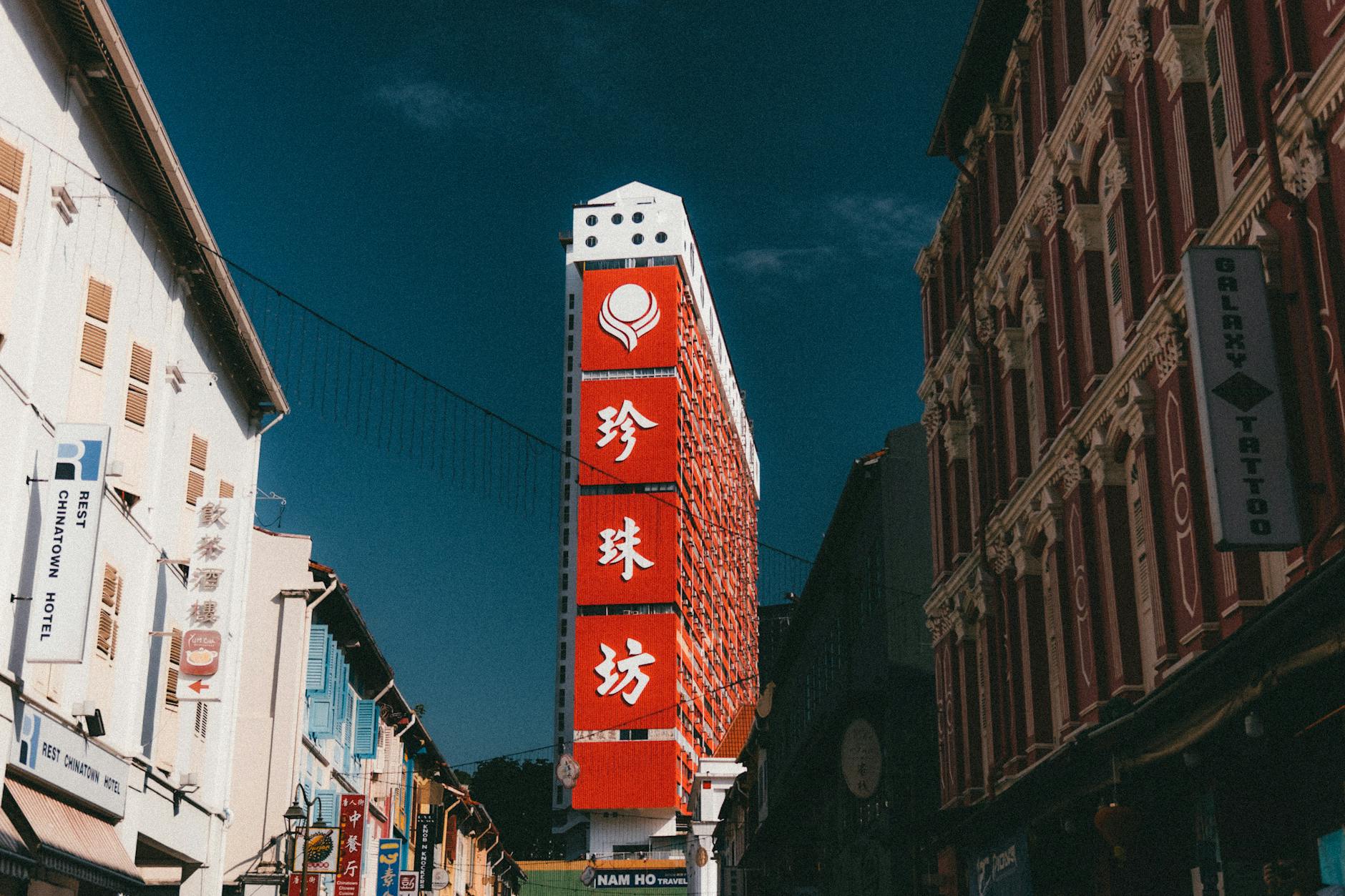
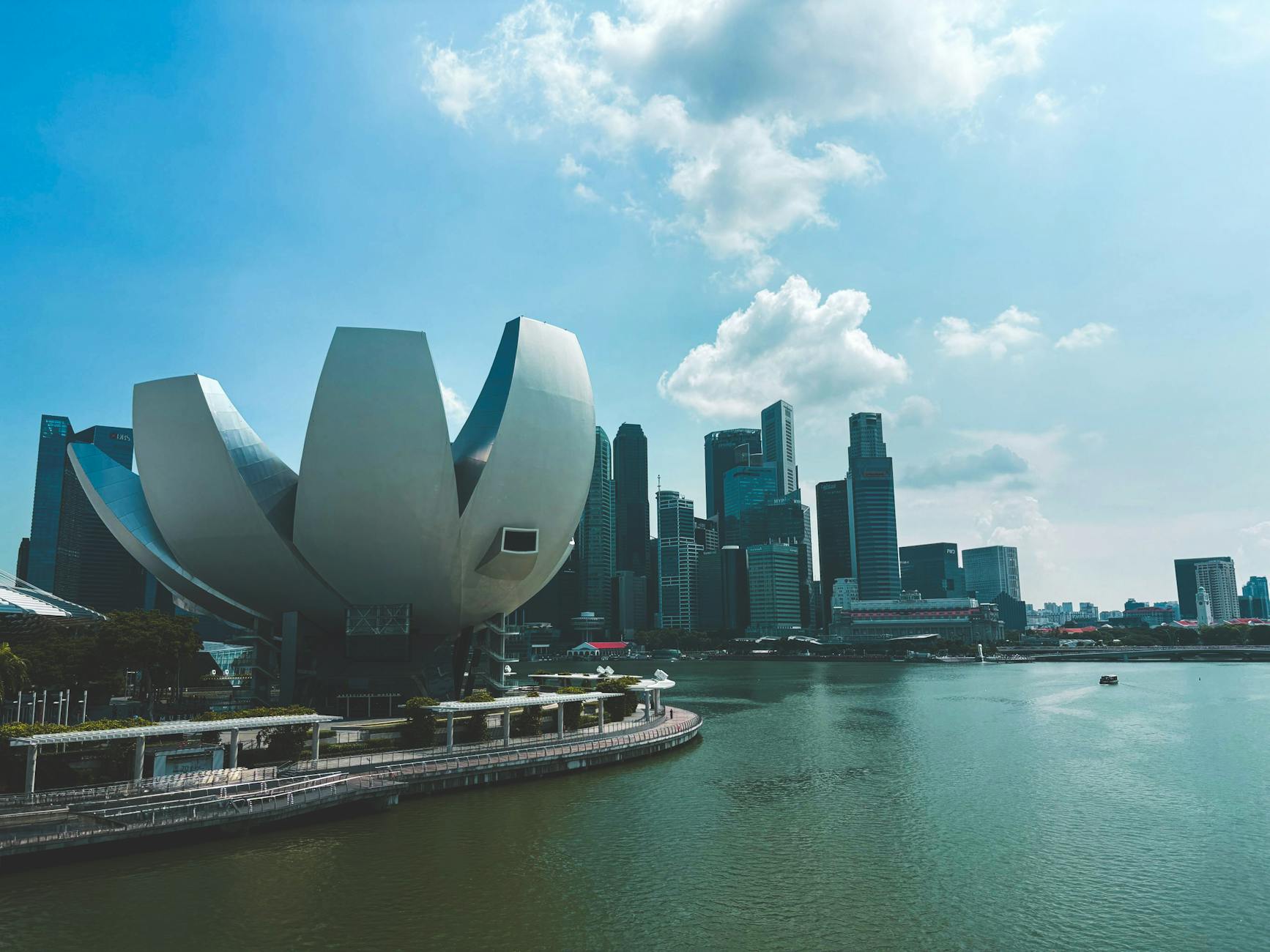
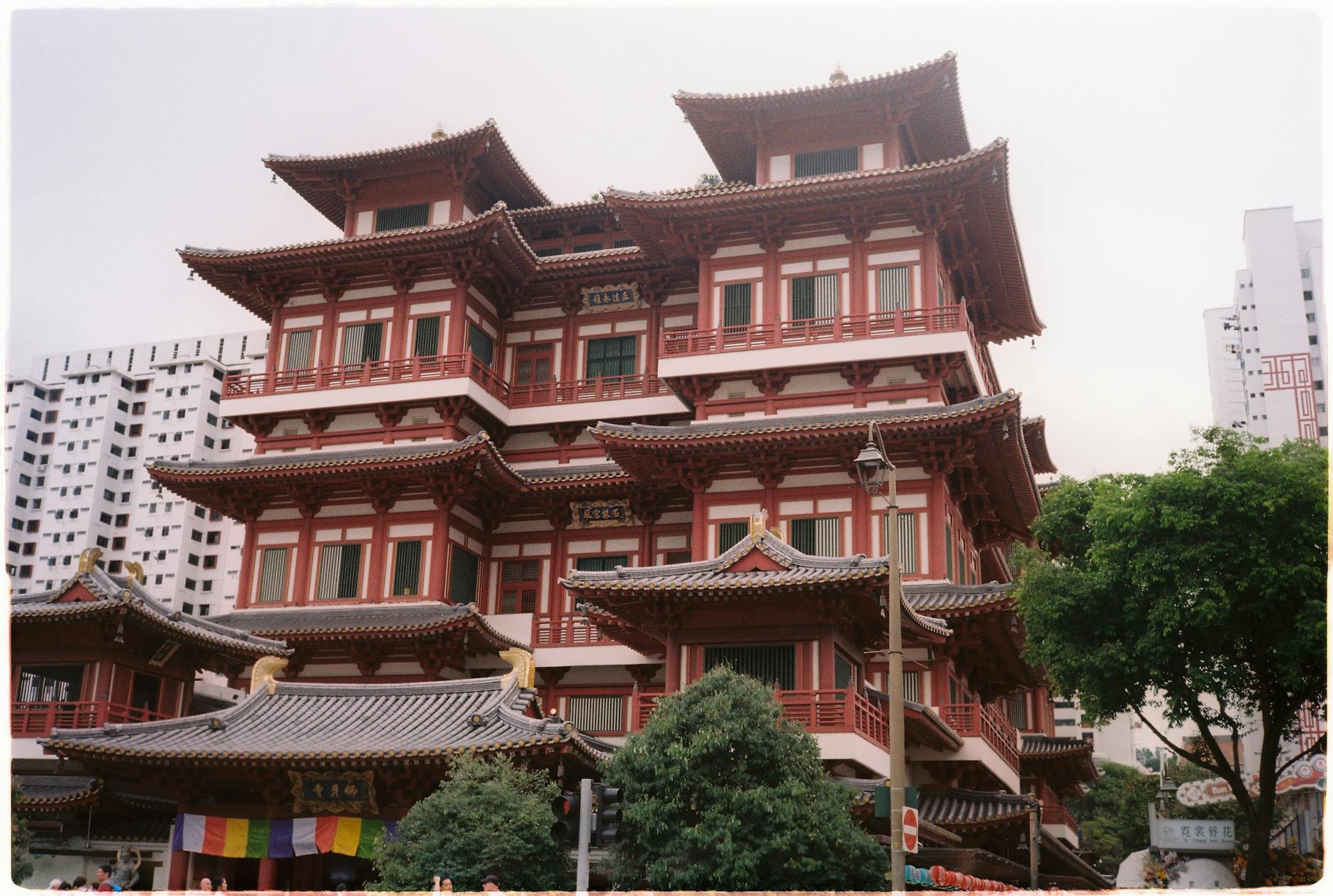
Marina Bay is the city’s polished symbolic core and works well for travelers who want the skyline, major hotels, bay walks, and easy access to some of the city’s most overtly “Singapore” visual moments. Orchard is more commercial and hotel-forward, excellent for some stays but not necessarily the most textural answer. The civic core, river, Chinatown, Kampong Glam, Tiong Bahru, and other neighborhood zones give a more layered version of the city, one that reveals how much character Singapore has once you move beyond the postcard. The city improves when the traveler stops treating all central Singapore as one smooth product.
- Different districts reveal very different Singapores.
- The city becomes more interesting once you move beyond generic centrality.
- Choose the district for the version of Singapore you actually want to remember.
What Singapore does better than almost anywhere
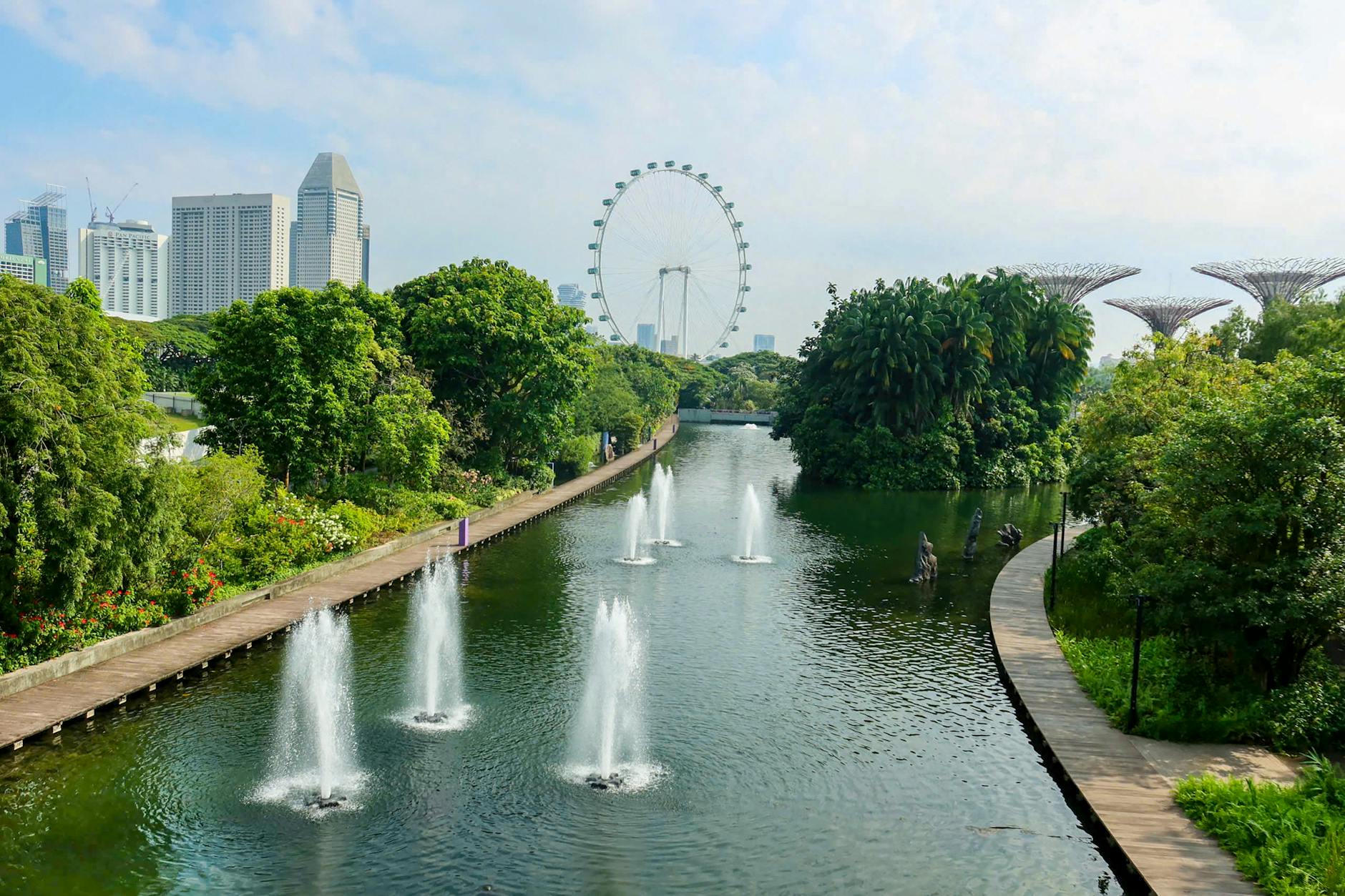
Singapore’s great strength is that it lets the traveler have a high-functioning, high-density, low-noise city break without sacrificing quality. It is one of the best places in Asia for a short polished trip, a smart stopover, or a business stay that still feels like travel. The city also handles contrast unusually well: hawker center lunch, museum or mall cool-down, skyline walk, botanical calm, then a polished dinner or rooftop drink. Singapore does not need disorder to feel alive. Its pleasure is in how cleanly all of these pieces can fit together.
- Singapore excels at short, polished, high-quality city travel.
- The city is unusually good at combining efficiency and pleasure.
- Its contrasts work because they fit together cleanly, not because they clash.
Food, hawker culture, and the city’s everyday luxury
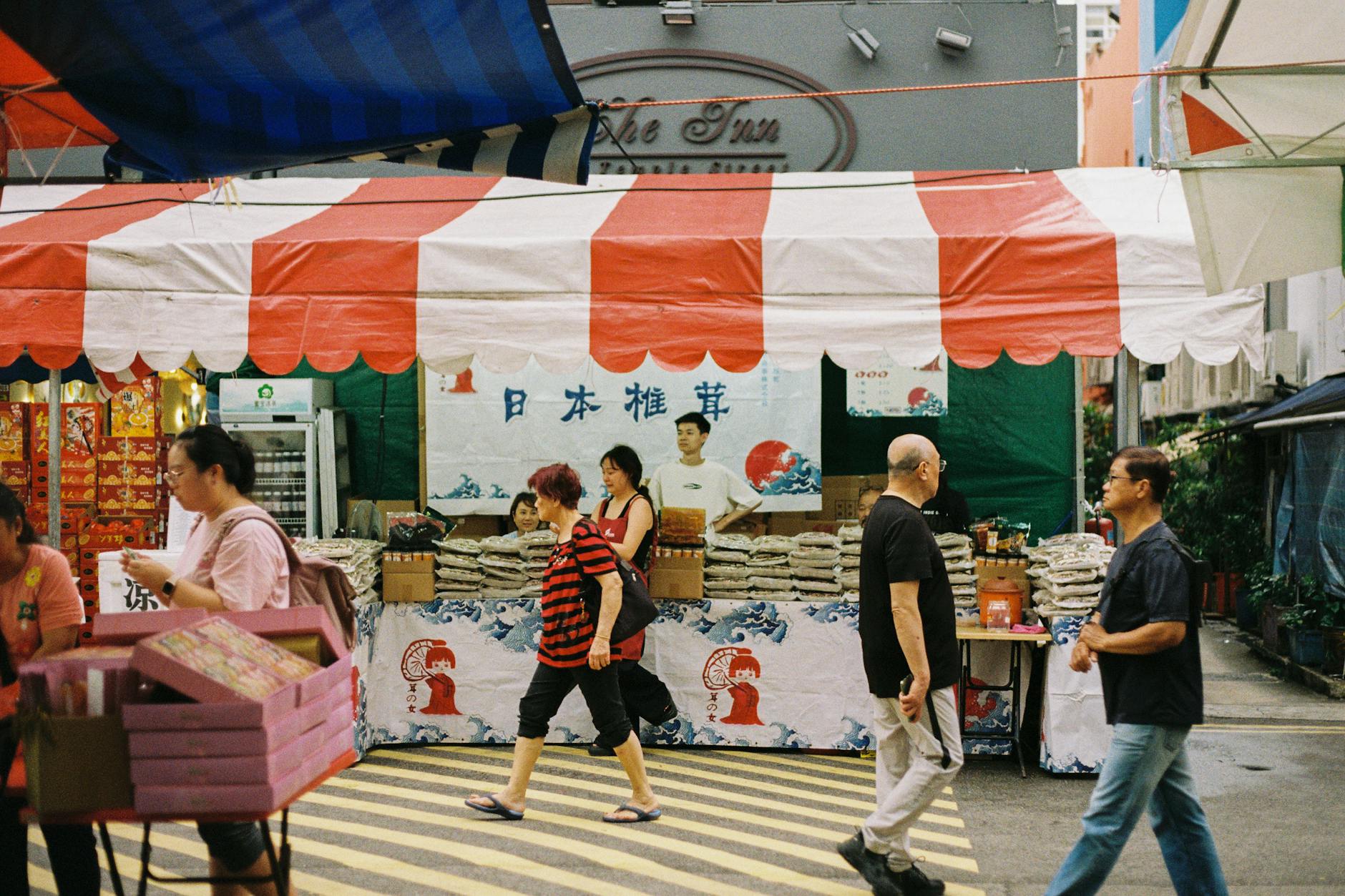
Singapore is one of the easiest cities in the world to build around appetite because it does not force the traveler to choose between serious food culture and ease. Hawker centers are not a compromise; they are central to the point. At the same time, polished restaurants, hotel dining, coffee culture, and neighborhood eating all matter. The best Singapore food days feel placed rather than overresearched. A hawker lunch in the right part of the city, a cooling afternoon reset, then a strong dinner can create a more satisfying day than any all-out reservation sprint. Singapore is a city where everyday eating and polished eating belong to the same system, and that is part of its charm.
- Hawker culture is central to the city, not an optional side quest.
- Everyday food and polished dining both matter in Singapore.
- The best food days usually follow the rhythm of the route rather than dominate it.
Nightlife, shopping, and the disciplined version of pleasure
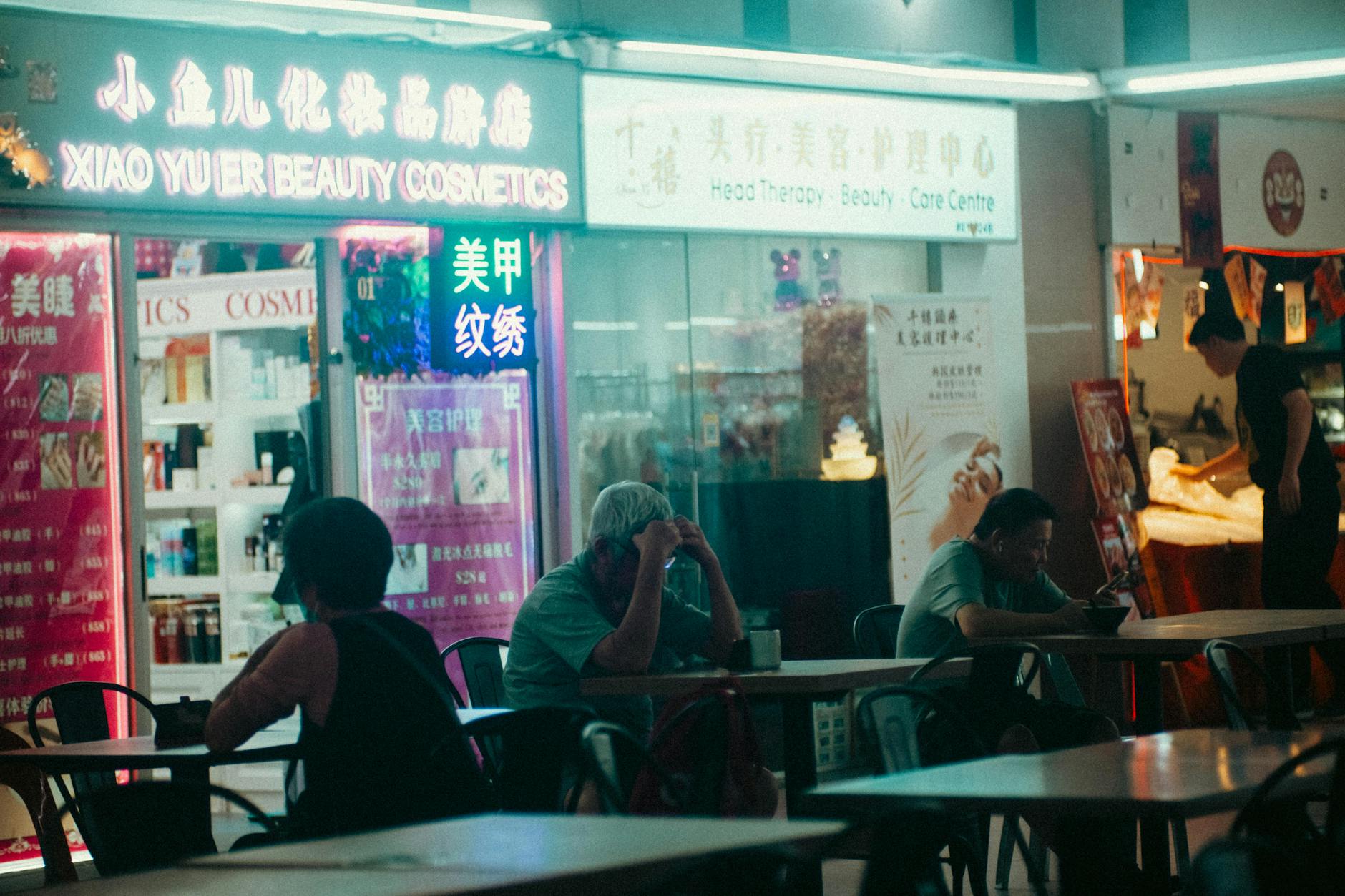
Singapore after dark is not a chaos city, and that is part of why many travelers like it. The city supports polished evenings well: bars, hotel lounges, skyline views, river-adjacent movement, dinners that do not turn into logistical ordeals, and districts where nightlife has a clear tone rather than a diffuse one. Shopping also plays a larger role here than in many cities, not only as consumption but as urban environment. Malls, arcades, and integrated developments are part of how Singapore actually works. Travelers who understand this usually enjoy the city more than those who think these spaces are somehow beneath the real experience.
- Singapore does polished evenings extremely well.
- Shopping districts are part of the city’s urban logic, not a failure of imagination.
- The best nights are usually more deliberate than maximal.
Etiquette and local norms
Singapore rewards a traveler who respects systems. That does not mean the city is stiff. It means it expects public order, cleanliness, and basic awareness. Shared spaces are used seriously. Rules matter. Courtesy matters. One of the easiest ways to misread Singapore is to think that because it is easy, it is consequence-free. It is better understood as a city where ease is the product of discipline. Travelers who move calmly and cleanly usually find the city gives the same energy back.
- Singapore’s ease is partly built on public discipline.
- Use shared spaces and systems properly.
- Courtesy and calm travel especially well here.
My blunt advice
The biggest Singapore mistake is wasting a very efficient city with a weak base and an under-edited plan. The second is demanding more chaos, texture, or scale than the city is trying to offer and then judging it for not being somewhere else. Singapore is best when used as Singapore: precise, polished, appetite-friendly, hotel-friendly, and highly workable. The city does not need to be overclaimed. It needs to be used well.
- Do not waste Singapore’s efficiency on a generic hotel choice.
- Judge the city for what it is excellent at, not for what it never intended to be.
- Singapore rewards precision, appetite, and restraint.