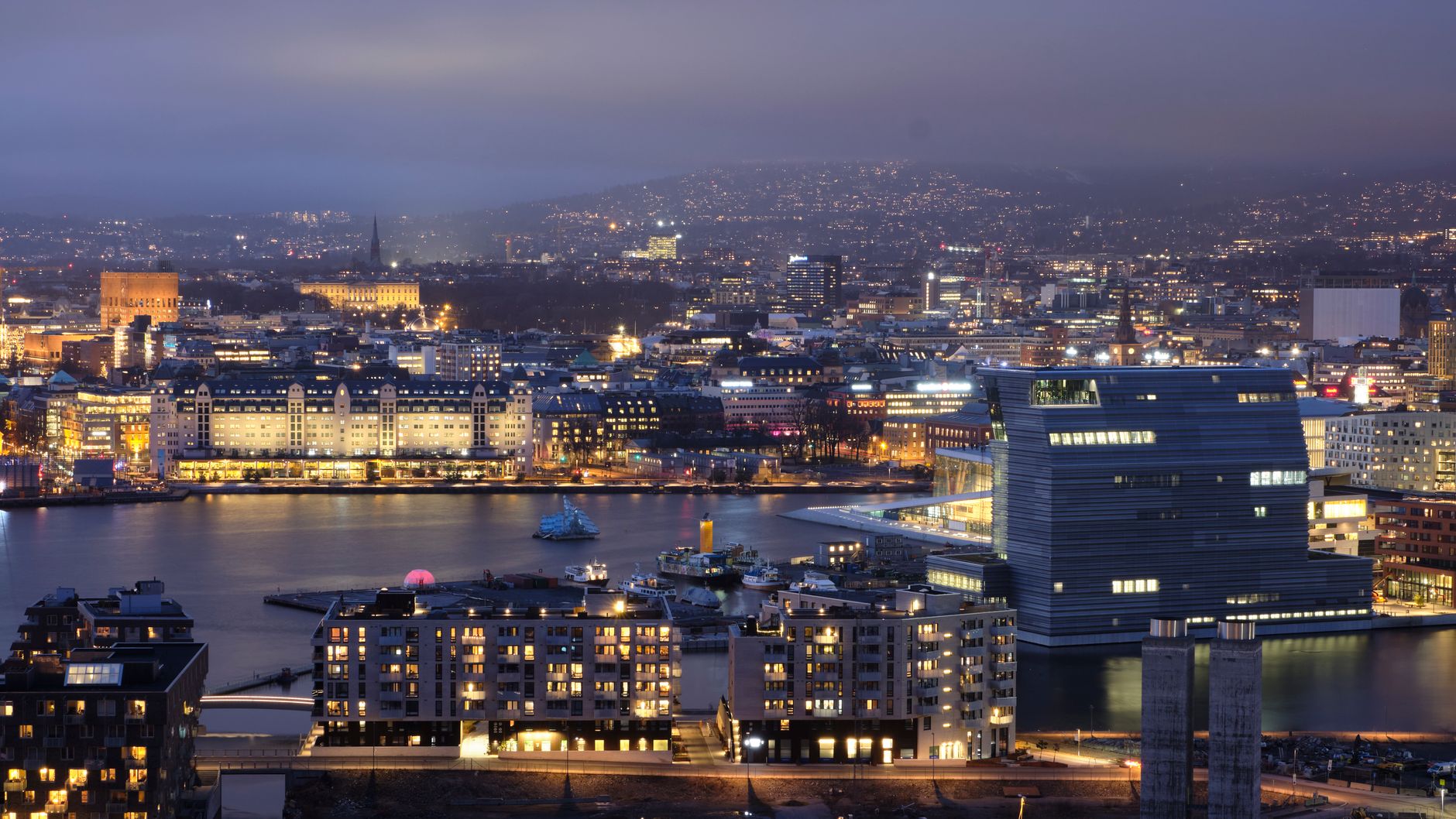
Oslo is one of Europe’s most misunderstood capitals. People often arrive expecting a clean, expensive, slightly sleepy city that can be “done” in a day before the real Norway begins somewhere else: the fjords, Bergen, Lofoten, Tromsø, the mountains, the northern lights. That is the wrong frame.
Start Here
Oslo is not a miniature version of Norway’s greatest scenery. It is a capital that has quietly become one of Europe’s most interesting urban-nature cities: a place where you can walk on the roof of an opera house in the morning, stand in front of Edvard Munch by lunch, ride a tram to a sculpture park in the afternoon, take a sauna and jump into the fjord before dinner, and still be one metro ride from forest trails, ski jumps, lakes, and winter sledding. It is not a city of overwhelming size or theatrical chaos. It is a city of access: to water, to art, to public space, to good design, to clean air, to parks, to islands, to forests, and to a Nordic way of living that often feels more radical the longer you stay.
The best Oslo trip is not built around racing through monuments. It is built around the fjord, the forest, and the cultural waterfront. Oslo’s great pleasure is that its best experiences do not fight each other. The city’s new architectural icons are on the water. Its museums are often paired with walks, ferries, gardens, or saunas. Its public transport works well enough that you can move between urban design, maritime history, sculpture, food halls, residential neighborhoods, and wild-feeling nature without renting a car. Its scale is compact enough to understand, but not so small that it runs out after one afternoon.
This guide is designed for travelers who want more than “see the Opera House and the Munch Museum.” It explains where to stay, how to use the city’s fjord-and-forest geography, what to prioritize, when to buy the Oslo Pass, how to avoid blowing your budget, how to choose between museums, how to plan summer islands or winter snow, what to eat, what to skip, and how to experience Oslo as a living city rather than a transit stop on the way to somewhere more famous.
Oslo in one sentence: Oslo is a calm, costly, design-forward, art-rich capital where the city, fjord, forest, and public sauna culture meet so naturally that the best trip feels less like sightseeing and more like learning a different rhythm of urban life.
Basic data
| Population | About 720,000 in the city; metro about 1.6 million |
|---|---|
| Area | 454 km2 |
| Major religions | Christian heritage, Islam, Buddhism, Hinduism, and a large secular population |
| Political system | Capital city government inside a parliamentary constitutional monarchy |
| Economic system | High-income mixed economy led by services, energy, shipping, technology, government, and culture |
Quick Verdict
| Question | Answer |
|---|---|
| Best for | Art lovers, architecture fans, design travelers, outdoor-minded city visitors, families, solo travelers, museum travelers, sauna-and-swim people, summer island-hoppers, winter walkers, food-curious travelers, public-transport users, and anyone who likes capitals that feel livable rather than overwhelming. |
| Not ideal for | Travelers who want cheap nightlife, grand old-world density, warm Mediterranean evenings, huge street-food chaos, late-night restaurant culture every night of the week, or a city where every experience feels dramatic. Oslo is subtle. It rewards attention more than spectacle. |
| Ideal first visit | 3 full days. Two days gives you the waterfront, National Museum or MUNCH, Vigeland Park, and one Bygdøy museum. Four or five days lets you add the islands, Holmenkollen, Grünerløkka, Akerselva, more museums, food, and a forest or fjord day. |
| Best months | May, June, August, and September for walking, fjord life, parks, and long evenings. July is beautiful but can be slower in business neighborhoods as Norwegians go on holiday. December is atmospheric but dark. January–March is best for a winter-city version if you want snow, skiing, sledding, and saunas. |
| Best first-timer base | Bjørvika/Sentrum for convenience and cultural waterfront; Aker Brygge/Tjuvholmen for waterfront comfort; Karl Johans gate/Nationaltheatret for classic central access; Frogner/Majorstuen for calm residential elegance; Grünerløkka/Vulkan for cafés, bars, and a more local-feeling trip. |
| Biggest planning mistake | Treating Oslo as a one-day stopover. You can see a few icons in a day, but the city makes sense only when you combine culture, water, neighborhoods, and nature. |
| One thing to book ahead | MUNCH and National Museum tickets in busy periods, fjord saunas, popular restaurants on weekends, Opera House performances, guided Opera House tours, and high-season hotels. |
| One thing to leave unscheduled | A waterfront walk, a sauna dip, an island ferry afternoon, or a slow tram-and-café wander through Frogner or Grünerløkka. Oslo’s mood improves when you stop trying to maximize every hour. |
| Best free pleasures | Walking the Opera House roof, the Harbour Promenade, Vigeland Park, the Botanical Garden, Akershus Fortress grounds, Ekeberg views, the Akerselva river walk, Deichman Bjørvika library, swimming spots, and forest walks. |
| Most important warning | Oslo is expensive, but it is not hard to control costs if you use public transport, buy groceries for some meals, choose lunch over dinner for casual eating, use free public spaces, and buy the Oslo Pass only when your museum schedule justifies it. |
The Move
For a first trip, build Oslo around one waterfront day, one museum-and-neighborhood day, and one nature day. That gives you the city’s real range: Bjørvika and the fjord, MUNCH or the National Museum, Vigeland or Bygdøy, Grünerløkka or Frogner, and either the islands, Holmenkollen, or the forest.
Who Will Love Oslo?
You will probably love Oslo if you want:
- A city where major culture is close to water, parks, and open sky.
- Excellent museums without the overwhelming crowds of Paris, Rome, or London.
- A clean, efficient, low-stress capital with strong public transport.
- Architecture that tells a modern urban story: Opera House, MUNCH, Deichman Bjørvika, Barcode, Tjuvholmen, Astrup Fearnley, and the Harbour Promenade.
- A trip that combines city break and outdoor life without complicated logistics.
- A family-friendly capital with parks, ferries, museums, and manageable distances.
- A safe-feeling solo travel destination.
- A place where public swimming, saunas, hiking, skiing, coffee, and museums can all belong to the same itinerary.
You may be underwhelmed if you want:
- A cheap weekend.
- A dense historic center with medieval streets on every block.
- Warm nights and outdoor dining late into the evening year-round.
- Constant street life, noise, markets, crowds, and improvisation.
- A city where landmarks shout for attention.
- Northern lights. Oslo is not a northern-lights destination, even though rare displays can happen during strong aurora activity.
Oslo is not a city of instant seduction. Its charm is quieter: ferries leaving from the center, children in snowsuits on trams, people swimming before work, art museums with room to breathe, forest trails reachable by metro, a skyline shaped by recent civic ambition, and a culture that treats fresh air as part of daily life rather than a vacation extra.
Local Logic
Oslo is a lifestyle city disguised as a capital. If you only collect monuments, it may feel thin. If you use the fjord, parks, ferries, saunas, trams, museums, bakeries, and forest access the way locals do, it becomes much richer.
Oslo at a Glance
| Practical | Detail |
|---|---|
| Country | Norway. Oslo is the capital and the country’s largest city. |
| Region | Eastern Norway, at the northern end of the Oslofjord, with forested hills around the urban core. |
| Language | Norwegian. English is widely spoken and usually excellent in hotels, restaurants, museums, transport, and visitor-facing contexts. |
| Currency | Norwegian krone, usually written NOK or kr. Norway is not in the EU and does not use the euro. |
| Cards vs cash | Cards and contactless payments dominate. Many travelers can go days without cash, but a small backup amount is still sensible. |
| Time zone | Central European Time, UTC+1; Central European Summer Time, UTC+2 during daylight saving. |
| Main airport | Oslo Airport Gardermoen, OSL, roughly 50 km northeast of the city center. |
| Main rail station | Oslo S, the central station, next to Jernbanetorget and Bjørvika. Nationaltheatret is also useful for western central Oslo. |
| Entry rules | Norway is in the Schengen Area. Many visitors can enter visa-free for short stays; others need a Schengen visitor visa. Standard short-stay limits are up to 90 days in any 180-day period, depending on nationality and status. |
| Schengen border systems | The Entry/Exit System is now part of Schengen border processing for many non-EU short-stay travelers. ETIAS is expected to begin in the last quarter of 2026 for visa-exempt travelers. |
| Electricity | 230V, 50Hz. Type C and Type F plugs are used. |
| Tap water | Safe and good. Bring a reusable bottle. |
| Emergency numbers | 110 fire, 112 police, 113 ambulance. The European emergency number 112 connects to police. |
| Best transport app | Ruter for Oslo-area public transport planning and tickets. Vy for national/regional trains. Flytoget for the Airport Express Train. |
| Useful local apps | Oslo Pass app, Yr for weather, Google Maps/Apple Maps, and possibly Oslo City Bike in season. Vipps is common locally but usually not necessary for short-term visitors. |
| Best orientation point | Oslo S/Jernbanetorget. From here you can walk to Bjørvika, the Opera House, MUNCH, Deichman, Karl Johan, and much of central Oslo. |
| Visitor logic | Think in three layers: the waterfront, the neighborhoods, and the nature edge. The best trips touch all three. |
The City in Five Anchors
- Bjørvika and the Harbour Promenade — Opera House, MUNCH, Deichman, Barcode, floating saunas, Sørenga, and the new waterfront.
- Central Oslo and Karl Johans gate — Oslo S, Parliament, National Theatre, Royal Palace, shops, hotels, and practical transit.
- Aker Brygge, Tjuvholmen, and the west waterfront — restaurants, museums, marina views, ferries, and evening walks.
- Frogner, Majorstuen, and Vigeland Park — classic residential Oslo, sculpture, cafés, embassies, and calmer hotel areas.
- Bygdøy, Holmenkollen, islands, and Nordmarka — museums, fjord, ski culture, forests, and the nature side of the capital.
2026 Visitor Notes
Entry and Border Systems
Norway is part of Schengen, so short-stay visitors should think in Schengen terms rather than “Norway only” terms. For many visa-exempt travelers, the limit is up to 90 days in any 180-day period across the Schengen Area. Travelers who need visas should use the Norwegian Directorate of Immigration and official embassy resources, not third-party visa sellers.
The Entry/Exit System is now part of processing at Schengen external borders and registers non-EU short-stay travelers digitally. ETIAS is expected to start in the last quarter of 2026 for many visa-exempt travelers. Until ETIAS actually launches, be careful with unofficial sites trying to charge for applications prematurely.
Airport Transfer Strategy
Oslo Airport is one of the easiest major airports in Europe to handle by rail. You have two main train choices:
- Flytoget Airport Express: the fastest, simplest premium option, advertising a 19-minute ride to the city center and departures every 10 minutes from the airport.
- Vy/local-regional trains: usually only a few minutes slower to Oslo S and often cheaper. These are also covered by the Oslo Pass when the pass is valid for the required zones and route.
The Move: most budget-conscious travelers should compare Vy before automatically taking Flytoget. Flytoget is excellent, but the local/regional train is often the better value. Late at night, check schedules before assuming you can avoid a taxi.
Oslo Pass Prices and Use
The Oslo Pass is the city’s official visitor card. Current 2026 adult prices are listed as 580 NOK for 24 hours, 845 NOK for 48 hours, and 995 NOK for 72 hours. It includes free entry to more than 30 museums/attractions, public transport with Ruter in zones 1, 2, 3, 4V, and 4N, discounts, and travel to/from Oslo Airport Gardermoen with Vy local trains.
The pass is worth considering if you plan a museum-heavy day or want to include airport transfer by Vy. It is not automatically worth it if you mostly want to walk, sauna, eat, and visit free outdoor spaces.
Public Transport Fares
Ruter operates the unified Oslo-region system covering metro, tram, bus, boat, and some Vy train travel within the relevant zones. A single Zone 1 ticket is valid for 60 minutes from activation, with transfer allowed while the ticket remains valid. Ruter’s official site emphasizes buying in the app or on a travel card; buying on board bus or boat can cost more, and you cannot casually tap in and out like London or New York unless a specific contactless scheme is available for your route and ticket type. Check the Ruter app before travel.
Major Museum Notes
- MUNCH in Bjørvika is open late Wednesday through Saturday in regular hours and is one of the most important art stops in the city.
- The National Museum is Norway’s largest art, architecture, and design museum. It deserves more time than many first-timers give it.
- The Viking Ship Museum is closed while being rebuilt into the Museum of the Viking Age, scheduled to reopen in 2027. Do not plan a 2026 trip around seeing the historic ships in their old museum.
- Bygdøy remains worth visiting because the Fram Museum, Kon-Tiki Museum, Norwegian Maritime Museum, and Norsk Folkemuseum still make the peninsula one of Oslo’s best museum clusters.
Restaurant and Sauna Reservations
Oslo’s best restaurants and fjord saunas often need advance booking, especially on weekends, in summer, during holidays, and around major events. The sauna habit is no longer a secret. Book a shared sauna or private slot ahead if it matters to your trip.
How to Understand Oslo
The City’s Core Identity
Oslo is a capital of edges. It sits where city meets fjord, fjord meets islands, neighborhoods meet forest, and old Norway meets a very modern welfare-state capital. It is not as grand as Stockholm, not as medieval as Tallinn, not as dramatic as Bergen, and not as internationally dominant as Copenhagen. Its power is different: it makes nature feel civic.
A lot of cities have parks. Oslo has a metropolitan habit of using nature. People commute with skis, swim in the harbor, take ferries like buses, picnic on islands, use forest cabins, walk after work, and treat the sauna as a social space. This is not just scenery. It shapes the city’s rhythm.
Oslo also has a major modern cultural story. The waterfront has changed enormously in the last two decades. Bjørvika, once dominated by traffic and port infrastructure, now contains the Opera House, MUNCH, Deichman Bjørvika library, swimming spots, saunas, apartments, restaurants, and public promenades. The city’s image has shifted from modest administrative capital to contemporary Nordic urban laboratory.
At the same time, Oslo is older than its new skyline. Medieval Oslo began in the east near Gamlebyen. After a major fire in 1624, the city was moved and renamed Christiania near Akershus Fortress. Norway’s modern national story, independence, monarchy, resistance during World War II, oil-era prosperity, immigration, and cultural reinvention are all visible if you know where to look.
The City’s Layout
Oslo is easier to understand if you stop thinking of it as one compact center and start thinking of it as a set of linked zones:
- Bjørvika / Oslo S / Barcode: new cultural waterfront and arrival zone.
- Karl Johans gate / Sentrum: classic central axis between Oslo S and the Royal Palace.
- Aker Brygge / Tjuvholmen: western waterfront, restaurants, marina, art, and fjord views.
- Frogner / Majorstuen: elegant residential west-side Oslo, near Vigeland Park.
- Grünerløkka / Vulkan / Akerselva: cafés, bars, design shops, food hall, street life, and river walks.
- Tøyen / Gamlebyen: botanical garden, multicultural food, medieval traces, and east-side texture.
- Bygdøy: museum peninsula and summer recreation.
- Holmenkollen / Nordmarka: ski jump, views, forest, hiking, winter sports.
- Fjord islands: Hovedøya, Gressholmen, Langøyene, Lindøya, and other islands reached by public ferries.
Distance is not the only planning issue. Some routes are best by tram, some by metro, some by ferry, and some by walking. Oslo is compact, but not tiny. Group your days by area.
The City’s Rhythm
Oslo wakes early. Cafés and bakeries matter. Lunch is often practical. Dinner is earlier than in southern Europe, and kitchens may not run very late. Sunday is quieter, though museums, parks, saunas, and waterfront walks can still make it a good visitor day.
Summer changes the city. Long evenings pull people outdoors. The waterfront, islands, parks, and swimming areas become central. July can feel oddly calm in business areas because Norwegians take holidays, but visitor areas stay active. Winter changes the city again: fewer daylight hours, more indoor culture, more snow-and-forest possibilities, and a stronger case for saunas.
The City’s Central Contrasts
Oslo becomes more interesting when you notice its contradictions:
- Oil wealth vs. understated social norms. Norway is wealthy, but public behavior remains relatively low-key.
- Small capital vs. world-class cultural investment. The city is manageable in size but has serious museums and architecture.
- New waterfront vs. old Christiania. Bjørvika feels futuristic; Akershus and Kvadraturen hint at earlier city plans.
- Expensive city vs. free public life. Restaurants and hotels hurt; parks, libraries, viewpoints, swimming, and walking are often free.
- Urbanity vs. nature. You can be at an art museum and in the forest on the same afternoon.
- Reserved manners vs. social saunas. The culture may seem quiet, but communal sauna and outdoor life can be surprisingly convivial.
First-Timer Mistake
Do not use Oslo only as an airport-and-train stop. If your Norway itinerary allows it, give Oslo at least two nights. It will not compete with the western fjords on drama, but it will explain a different part of Norway: civic life, design, art, public nature, food, and everyday Nordic priorities.
Best Time to Visit Oslo
The Short Answer
The best overall months are May, June, August, and September. May and June bring long days, parks, and bright spring-to-summer energy. August and September offer good walking weather, water activities, food, festivals, and a slightly more settled rhythm after peak holiday season. July is beautiful but can be expensive and somewhat vacation-hollow in local business life. December is atmospheric but dark. January through March is excellent if you want a winter version of the city with snow, forest, skiing, sledding, and saunas.
Spring: April to May
Spring is one of Oslo’s best seasons if you like awakening cities. Snow retreats from the center earlier than from the hills, cafés expand outside when weather allows, parks green up, and locals start reclaiming the waterfront.
Best for: walking, museums, lower shoulder-season prices, parks, architecture, first-time city breaks.
Watch out for: unpredictable weather, chilly evenings, lingering snow or mud in forest areas, and public-holiday closures around Easter and May 17.
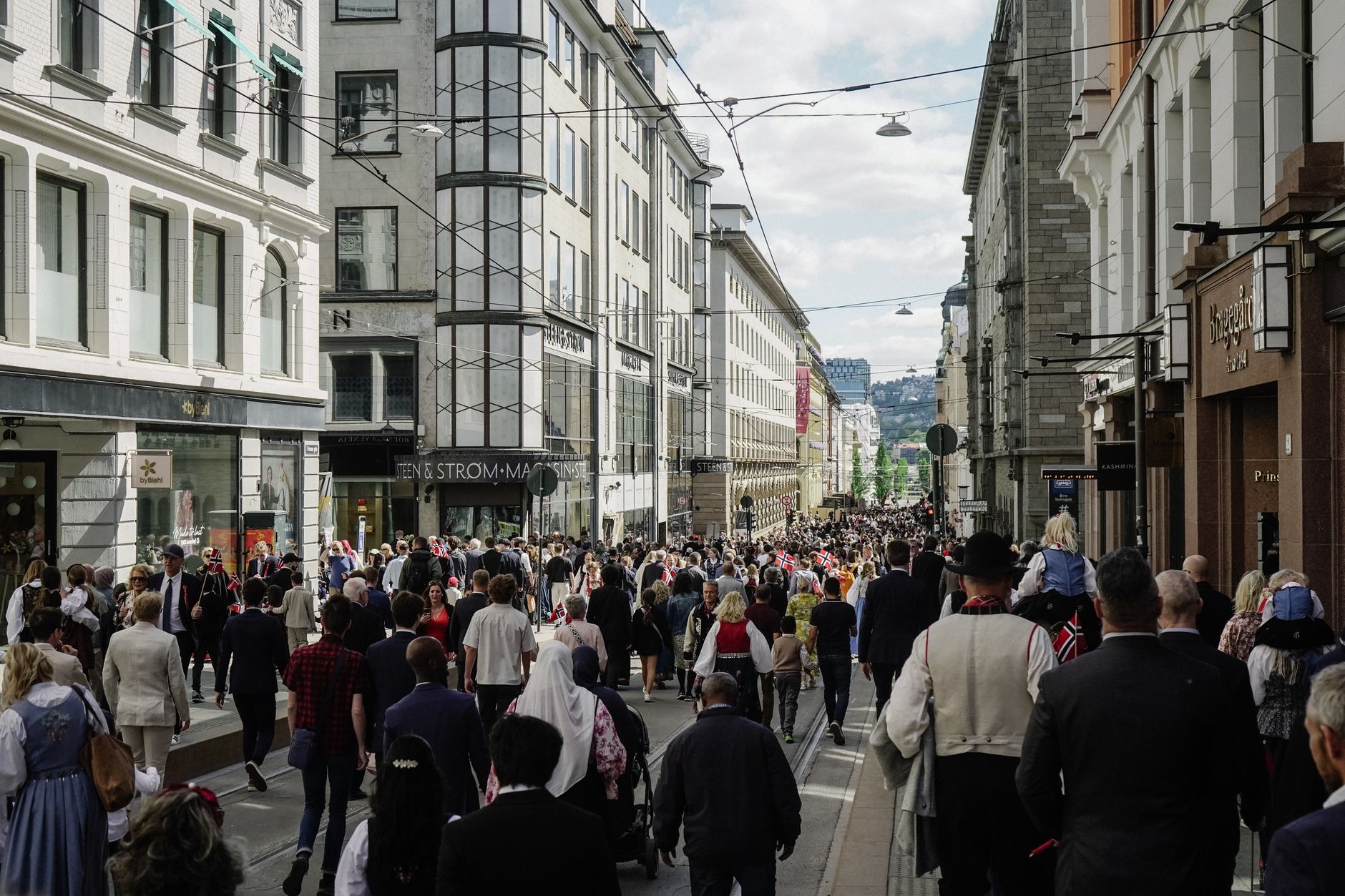
The Move: May is excellent because the city feels optimistic without full summer crowds. Constitution Day on May 17 is one of Norway’s great civic rituals, with parades and national dress, but plan ahead because hotel demand and closures can shift the normal rhythm.
Summer: June to August
Summer is Oslo at its most obviously pleasurable. Days are long, evenings stretch, ferries matter, islands become picnic destinations, swimming is part of the city, saunas pair with fjord dips, and outdoor seating fills up.
Best for: island hopping, swimming, saunas, parks, outdoor dining, long walks, harbor life, families, and first-time visitors who want the easiest version of Oslo.
Watch out for: hotel prices, cruise-ship days, restaurant holiday closures in July, occasional rain, and the fact that some locals leave the city during the main holiday period.
The Move: Plan one full day around water: Opera House roof, MUNCH or Deichman, Sørenga, sauna, ferry, islands, or Aker Brygge/Tjuvholmen.
Autumn: September to November
September is often one of the smartest months. The weather can still be good, the city has resumed its normal rhythm, restaurants and cultural programs feel alive, and forest colors begin to matter. October can be beautiful but colder. November is quieter, darker, and better for museums than wandering.
Best for: art, restaurants, lower crowds, forest walks, photography, culture, and travelers who prefer a serious city-break mood.
Watch out for: shorter days, rain, colder evenings, and slippery leaves or early ice later in the season.
The Move: September gives you the best compromise between outdoor Oslo and cultural Oslo.
Winter: December to March
Winter Oslo is not for everyone, but it can be excellent if you dress properly. The center can be dark and cold, but the forest, ski culture, Christmas lights, museums, cozy cafés, and saunas make the city feel distinct.
Best for: museums, Christmas atmosphere, saunas, snow, cross-country skiing, sledding, winter photography, and travelers who want a Nordic capital in its natural season.
Watch out for: short daylight, ice, expensive indoor eating, cold wind near the water, and the need for serious footwear.
The Move: In winter, do not fight the darkness. Use mornings for outdoor activities, afternoons for museums, and evenings for restaurants, bars, concerts, saunas, or cozy hotel time.
How Many Days You Need
One Day
One day is enough for a strong taste, not enough to understand Oslo.
A good one-day plan: Opera House roof, Deichman or MUNCH exterior, National Museum or MUNCH, Aker Brygge/Tjuvholmen, Vigeland Park, and dinner in Grünerløkka or Bjørvika. If you love museums, skip one outdoor stop. If the weather is perfect, skip one museum and spend more time along the water.
Two Days
Two days is the minimum satisfying first visit.
- Day 1: Bjørvika, Opera House, MUNCH or National Museum, Harbour Promenade, Aker Brygge/Tjuvholmen, sauna or waterfront dinner.
- Day 2: Vigeland Park, Frogner/Majorstuen, Bygdøy museums or Grünerløkka/Akerselva, evening in Grünerløkka or Sentrum.
Three Days
Three full days is the best first visit.
It lets you do:
- One major art day.
- One Bygdøy/Vigeland/neighborhood day.
- One fjord-islands, Holmenkollen, or forest day.
You leave with a real sense of Oslo’s cultural and outdoor identity.
Four to Five Days
Four or five days is ideal if Oslo is more than a stopover. You can slow down, add Holmenkollen and Nordmarka, do multiple museums without fatigue, use the islands, explore Akerselva and Grünerløkka, visit Tøyen/Gamlebyen, and eat better.
One Week
A week in Oslo is not too much if you like slow travel, remote work, design, nature, and museums. Use the city as a base for Drøbak, Fredrikstad, Kistefos, Lillehammer, forest hikes, island days, and local neighborhoods. The danger is cost, not boredom.
Local Logic
Oslo’s major sights are not exhausting individually. The trap is underplanning the transitions. A good day uses one anchor museum, one outdoor route, and one neighborhood meal. Do not stack three big museums unless you truly love museums.
Where to Stay in Oslo
The Short Answer
For most first-timers, stay in Bjørvika/Sentrum if you want maximum convenience, Aker Brygge/Tjuvholmen if you want waterfront comfort, Nationaltheatret/Karl Johans gate if you want classic central access, Frogner/Majorstuen if you want calm residential Oslo near Vigeland Park, and Grünerløkka/Vulkan if you want cafés, bars, food halls, and a more local-feeling base.
Neighborhood Decision Tree
- Want the easiest first visit? Stay in Bjørvika, Sentrum, or near Nationaltheatret.
- Want waterfront views and restaurants? Stay in Aker Brygge/Tjuvholmen or Bjørvika.
- Want nightlife, cafés, and a younger feel? Stay in Grünerløkka or Vulkan.
- Want quiet, elegant, residential Oslo? Stay in Frogner or Majorstuen.
- Want family convenience? Stay in Bjørvika, Sentrum, Frogner, or Majorstuen.
- Want budget options? Look around Sentrum east, Grønland/Tøyen with care, Grünerløkka edges, and well-connected areas near metro or tram.
- Want forest and views? Holmenkollen can be memorable, but it is not the best first-timer base unless you accept transit time.
- Have a very early flight? Consider an airport hotel at Gardermoen, but do not base a city trip there.
Bjørvika and Oslo S
Best for: first-timers, architecture, culture, airport/train access, short stays, walkers, solo travelers, and anyone who wants the new Oslo on the doorstep.
Bjørvika is the strongest base for a modern Oslo trip. You are near Oslo S, the Opera House, MUNCH, Deichman Bjørvika, Barcode, Sørenga, floating saunas, and the Harbour Promenade. It is ideal if you have limited time or want to start and end days easily.
Why stay here: unbeatable logistics, major sights within walking distance, new hotels, waterfront energy, easy rail access.
Why not: can feel modern and corporate rather than cozy; some areas are windy; prices can be high.
Perfect day nearby: coffee near Oslo S, Opera House roof, MUNCH, Deichman, sauna at Langkaia/Sørenga, dinner in Bjørvika or walk to Grünerløkka.
Sentrum, Karl Johans gate, and Nationaltheatret
Best for: classic central access, first-timers, shoppers, business travelers, and visitors who want to be between the station, museums, palace, and waterfront.
This is the practical heart of Oslo. Karl Johans gate runs from Oslo S toward the Royal Palace. Nationaltheatret is excellent for transit, the National Museum, City Hall, Aker Brygge, the Palace, and Frogner access.
Why stay here: easy, central, well-connected, safe, lots of hotels.
Why not: Karl Johan can be touristy and less atmospheric than the neighborhoods; some restaurant choices are mediocre or generic.
Perfect day nearby: Parliament and Karl Johan, Royal Palace park, National Museum, City Hall, Aker Brygge, evening walk to Tjuvholmen.
Aker Brygge and Tjuvholmen
Best for: waterfront comfort, couples, luxury travelers, restaurant access, marina atmosphere, warm-weather evenings, and art lovers.
Aker Brygge and Tjuvholmen sit on Oslo’s west waterfront. They are polished, pleasant, and easy. The Astrup Fearnley Museum, ferries, restaurants, and sunset walks are close.
Why stay here: water views, evening atmosphere, easy dining, walkable to central sights.
Why not: expensive, sometimes touristy, less local in feel, not the best budget base.
Perfect day nearby: National Museum, City Hall, Nobel Peace Center, Aker Brygge lunch, Tjuvholmen art, ferry views, seafood dinner.
Frogner and Majorstuen
Best for: calm, families, longer stays, residential elegance, Vigeland Park, cafés, embassies, and travelers who want to sleep away from the central station zone.
Frogner and Majorstuen offer a more settled Oslo. You get broad streets, classic apartment buildings, good cafés, local restaurants, tram/metro access, and easy access to Vigeland Park.
Why stay here: quieter, pretty, safe, good transport, close to one of Oslo’s great free sights.
Why not: less convenient for late-night waterfront wandering; fewer major sights outside Vigeland without transit.
Perfect day nearby: breakfast in Frogner, Vigeland Park, Vigeland Museum, tram to National Museum, dinner in Majorstuen or Frogner.
Grünerløkka and Vulkan
Best for: cafés, bars, younger travelers, food halls, design shops, casual nightlife, street art, and a more local-feeling trip.
Grünerløkka is Oslo’s best-known “cool” neighborhood. It has independent shops, parks, coffee, vintage, bars, casual restaurants, and access to the Akerselva river. Vulkan has Mathallen food hall and an easy bridge into the neighborhood.
Why stay here: lively, social, good food/drink, less polished than the waterfront, strong café culture.
Why not: not as convenient for airport rail or first-time sightseeing; weekend nights can be noisy; hotels are fewer than in the center.
Perfect day nearby: Akerselva walk, Mathallen lunch, design shops, Sofienberg Park, coffee, dinner and drinks.
Grønland, Tøyen, and Gamle Oslo
Best for: budget travelers, multicultural food, botanical gardens, east-side texture, visitors comfortable in urban neighborhoods.
These areas are more diverse and less polished than western Oslo. They offer good transit, interesting food, the Botanical Garden, Natural History Museum, Tøyen Park, and traces of medieval Oslo around Gamlebyen.
Why stay here: value, food, transit, local texture, close to Oslo S in parts.
Why not: some streets feel less tidy late at night; not every block is charming; first-timers who want the easiest polished stay may prefer elsewhere.
Perfect day nearby: Botanical Garden, Tøyen cafés, Gamlebyen medieval ruins, walk toward Bjørvika, dinner in Grønland or Grünerløkka.
Holmenkollen
Best for: views, ski culture, forest access, romantic winter stays, and travelers who value scenery over convenience.
Holmenkollen is spectacular, but it is not the default base. It is better as a half-day or full-day excursion unless your trip is deliberately nature-focused.
Why stay here: views, quiet, access to Nordmarka, winter charm.
Why not: more transit time, fewer city restaurants, inconvenient for classic first-time sightseeing.
Common Booking Mistakes
- Staying at the airport to save money for a city trip. You will waste time and energy.
- Booking far from transit because Oslo looks small on a map.
- Assuming Karl Johans gate restaurants are the best food options.
- Ignoring winter ice and luggage logistics.
- Booking a nightlife-adjacent area and expecting silence.
- Overpaying for a waterfront hotel when you plan to be out all day and never use the view.
- Underestimating July and event-period hotel prices.
Neighborhood Guide
Bjørvika: The New Cultural Waterfront
One-sentence identity: Bjørvika is Oslo’s modern face: opera roof, art tower, library, saunas, waterfront promenades, and a skyline that shows how much the city has changed.
Bjørvika is the easiest place to understand Oslo’s current urban story. The Opera House made the waterfront a public stage. MUNCH gave the city a new art anchor. Deichman Bjørvika showed that even a library could become a civic landmark. Barcode added a skyline. Sørenga added swimming and residential life. The area can feel sleek and windswept, but it is essential.
Best things to do: Opera House roof, MUNCH, Deichman Bjørvika, harbour walk, sauna, Sørenga seawater pool, Barcode architecture.
Best time: morning for the Opera roof and photos; late afternoon/evening for water, saunas, and light.
Pair it with: Grünerløkka by walking up the Akerselva, or Aker Brygge via the Harbour Promenade.
One perfect walk: Start at Oslo S. Walk to the Opera House roof. Continue to Deichman Bjørvika. Visit MUNCH or at least the exterior and waterfront. Walk toward Sørenga for water views. If booked, take a sauna. End with dinner in Bjørvika or walk north toward Grünerløkka.
Sentrum and Karl Johans gate: The Practical Core
One-sentence identity: Sentrum is the civic and practical center, useful for orientation, shopping, transit, and classic city sights.
Karl Johans gate can be touristy, but it is still the city’s central axis. It connects the station with the Palace and passes near Parliament, the cathedral, shops, hotels, theaters, and restaurants.
Best things to do: Royal Palace exterior and park, Parliament exterior, Oslo Cathedral, National Theatre, City Hall, shopping, quick access to the National Museum.
Best time: daytime for orientation; evening for Palace park and theater areas.
Pair it with: National Museum, Aker Brygge, or Frogner.
One perfect walk: Start at Oslo S. Walk Karl Johans gate toward Parliament. Continue to the National Theatre and Palace park. Loop down toward the National Museum, City Hall, and Aker Brygge.
Aker Brygge and Tjuvholmen: The Polished Waterfront
One-sentence identity: Aker Brygge and Tjuvholmen are Oslo’s polished west waterfront: marina views, restaurants, art, and summer-evening energy.
This area is pleasant, easy, and more upscale than edgy. It is a good place for a first-night walk or dinner, especially in warm weather. It can feel touristy and expensive, but the water does a lot of work.
Best things to do: Astrup Fearnley Museum, waterfront walk, ferries, Nobel Peace Center nearby, City Hall nearby, sunset views.
Best time: late afternoon and evening.
Pair it with: National Museum, City Hall, Akershus Fortress, or Bygdøy ferry.
One perfect walk: Start at City Hall. Visit the Nobel Peace Center if interested. Walk through Aker Brygge to Tjuvholmen. Visit Astrup Fearnley. Continue along the water for dinner or drinks.
Frogner and Majorstuen: Classic Residential Oslo
One-sentence identity: Frogner and Majorstuen are elegant, calm, residential Oslo, anchored by Vigeland Park and good transport.
This is the neighborhood for travelers who want to see how comfortable Oslo life can feel. It is less dramatic than Bjørvika and less hip than Grünerløkka, but it is beautiful in a low-key way.
Best things to do: Vigeland Park, Vigeland Museum, cafés, local shops, tram rides, Frogner Park walks.
Best time: morning or late afternoon; Vigeland Park is great in low light.
Pair it with: National Museum, Royal Palace, or Bygdøy.
One perfect walk: Take tram 12 or metro to Majorstuen. Walk through Frogner streets to Vigeland Park. Explore the sculpture axis slowly. Visit the Vigeland Museum if you want more context. End with coffee or dinner in Majorstuen/Frogner.
Grünerløkka, Vulkan, and Akerselva: Cafés, Bars, and River Life
One-sentence identity: Grünerløkka is Oslo’s café-and-bar neighborhood, best understood by walking along the Akerselva and drifting through side streets.
The area has changed and gentrified, but it remains one of Oslo’s best neighborhoods for eating, drinking, shopping, and casual wandering. Vulkan adds Mathallen and food-hall energy. The Akerselva river walk gives the district a useful backbone.
Best things to do: Mathallen, Akerselva walk, coffee, vintage/design shops, bars, street art, parks.
Best time: afternoon through evening; Saturday can be lively.
Pair it with: Bjørvika by walking from the water up the river, or Tøyen/Botanical Garden.
One perfect walk: Start near Vulkan and Mathallen. Walk north along Akerselva, crossing bridges and side streets. Drift into Grünerløkka for coffee and shops. Continue to Sofienberg Park or Birkelunden. End with dinner and drinks.
Tøyen, Grønland, and Gamlebyen: East-Side Texture
One-sentence identity: This area offers botanical gardens, multicultural food, medieval traces, and a more mixed urban texture than polished west Oslo.
This is not the Oslo of postcards. That is the point. Tøyen has the Botanical Garden and museums. Grønland has food and immigrant life. Gamlebyen points back to medieval Oslo. It is useful for travelers who want more than the curated waterfront.
Best things to do: Botanical Garden, Natural History Museum, Tøyen Park, Gamlebyen ruins, Grønland food, walk toward Bjørvika.
Best time: daytime and early evening.
Pair it with: Bjørvika, MUNCH, Akerselva, or Grünerløkka.
One perfect walk: Start at the Botanical Garden. Visit the Natural History Museum if interested. Eat in Tøyen or Grønland. Walk through Gamlebyen toward Bjørvika and the waterfront.
Bygdøy: Museum Peninsula and Summer Escape
One-sentence identity: Bygdøy is Oslo’s museum peninsula, where maritime history, folk culture, beaches, and green residential lanes sit across the water from the center.
Bygdøy is essential for museum travelers. Even with the Viking Ship Museum closed until 2027, the peninsula remains strong: Fram, Kon-Tiki, Norwegian Maritime Museum, and Norsk Folkemuseum can fill a half day or full day.
Best things to do: Fram Museum, Kon-Tiki Museum, Norsk Folkemuseum, Norwegian Maritime Museum, beaches, summer ferry.
Best time: summer for ferry and beach; any season for museums.
Pair it with: Aker Brygge/Tjuvholmen or Frogner.
One perfect walk: Take the Bygdøy ferry in season or bus 30. Visit Fram and Kon-Tiki, then choose Norsk Folkemuseum if you want open-air folk culture. Walk to a beach or café if weather allows. Return by ferry for the view.
Holmenkollen and Nordmarka: The Nature Edge
One-sentence identity: Holmenkollen is Oslo’s ski-and-view gateway, with the forest of Nordmarka behind it.
The Holmenkollen ski jump is an icon, but the real value is understanding how close Oslo is to forest and winter sport. In summer, go for views and walking. In winter, this is the obvious gateway to snow culture.
Best things to do: Holmenkollen Ski Museum and tower, views, Frognerseteren, forest walks, sledding/skiing in season.
Best time: clear days; winter if you want snow.
Pair it with: Majorstuen/Frogner or a full forest day.
One perfect route: Take metro line 1 toward Holmenkollen/Frognerseteren. Visit the ski jump and museum if interested. Continue to Frognerseteren for views and a meal or snack. Walk in the forest if weather and footwear allow.
The Fjord Islands: Oslo’s Summer Secret
One-sentence identity: The inner Oslofjord islands turn the capital into an easy summer escape, with beaches, monastery ruins, picnic spots, and public ferry access.
Hovedøya is the classic first island: close, atmospheric, and historically interesting. Gressholmen, Lindøya, Nakholmen, Bleikøya, and Langøyene offer different versions of island life. Normal Ruter tickets work on the public ferries to the inner fjord islands, but separate Bygdøy tourist ferry rules are different.
Best things to do: Hovedøya ruins, swimming, picnics, island hopping, walking, summer cafés.
Best time: June through August; May and September if weather cooperates.
Pair it with: Aker Brygge, City Hall pier, sauna, or a light museum morning.
One perfect day: Buy or activate the right Ruter ticket. Take a ferry from Rådhusbrygga to Hovedøya. Walk, swim, picnic, and explore the monastery ruins. Continue to another island if you have time. Return for dinner along the waterfront.
Best Things to Do
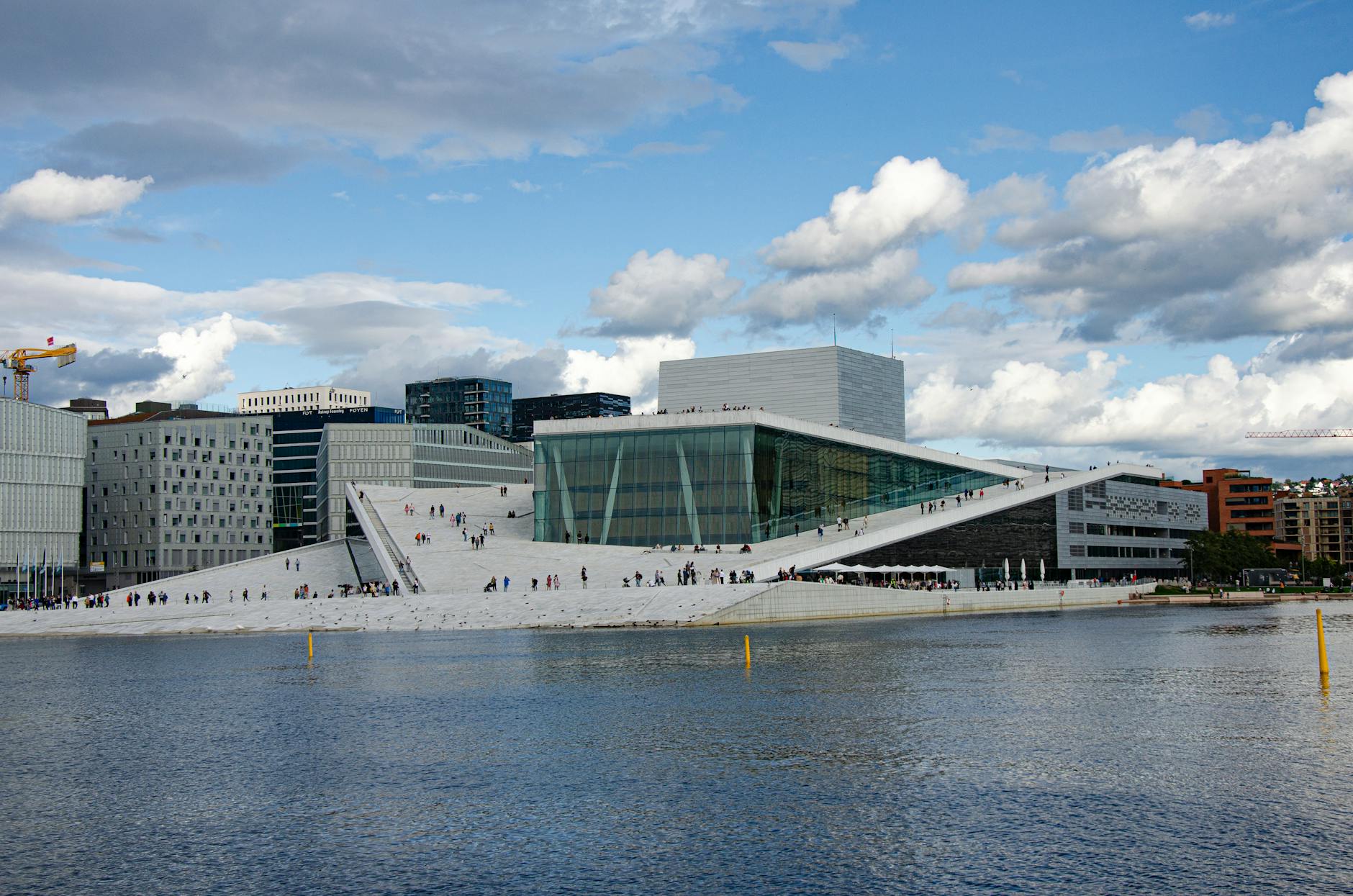
1. Walk on the Roof of the Oslo Opera House
What it is: A white marble-and-glass opera house in Bjørvika whose sloping roof is designed as public space.
Why it matters: This is the clearest symbol of modern Oslo: culture as something you can literally walk on, not just enter with a ticket.
Who will love it: architecture fans, photographers, families, first-timers, anyone arriving by train.
Time needed: 20–45 minutes for the roof and views; longer if you attend a performance or guided tour.
Best time: early morning, sunset, or blue hour. It can be windy.
Book ahead: performances and guided tours. English guided tours are usually limited and should be planned.
Worth it? Absolutely. Even if you do not go inside, the roof is one of Oslo’s essential free experiences.
2. Choose Between MUNCH and the National Museum — or Do Both
Oslo is now one of the strongest art-museum cities in Northern Europe for a city of its size. The two big choices are MUNCH and the National Museum.
MUNCH
What it is: A major museum dedicated to Edvard Munch and broader modern/contemporary programming, located in Bjørvika.
Why it matters: Munch is central to Norwegian modern art, and the museum places his work in a new waterfront context.
Time needed: 2–3 hours for most visitors; more if you are serious about Munch.
Best time: weekday morning or evening opening days.
Book ahead: recommended in busy periods.
Worth it? Yes, especially if you care about art, psychology, modernism, or the cultural meaning of The Scream. The building itself is divisive, but the collection is essential.
National Museum
What it is: Norway’s major museum of art, architecture, and design.
Why it matters: It gives broader context: Norwegian art, international works, design, decorative arts, fashion, and architecture under one roof.
Time needed: 2–4 hours. Do not rush it.
Best time: morning or late opening days.
Worth it? Yes. If you only do one museum and want breadth rather than one artist, choose the National Museum.
The Move: If you have two days, do one of these museums deeply rather than both superficially. If you have three or more days, do both on different days.
3. Spend Real Time in Vigeland Park
What it is: A large sculpture installation within Frogner Park, centered on more than 200 sculptures by Gustav Vigeland.
Why it matters: It is free, open, strange, human, and unlike any other major European park experience. The sculptures range from tender to comic to unsettling.
Who will love it: families, photographers, walkers, art travelers, anyone who likes public space.
Time needed: 60–90 minutes; add the Vigeland Museum if you want deeper context.
Best time: early morning, late afternoon, or golden hour.
Worth it? Essential. Even if sculpture is not your thing, this is one of Oslo’s great public experiences.
4. Take a Museum Day on Bygdøy
Bygdøy is Oslo’s museum peninsula. The old Viking Ship Museum is closed, but the peninsula remains one of the city’s best clusters.
Fram Museum
What it is: A museum built around the polar ship Fram.
Why it matters: It explains Norway’s polar-exploration identity in a tangible, walk-on-the-ship way.
Best for: families, maritime history, polar exploration, anyone choosing one Bygdøy museum.
Worth it? Very. Fram is often the most satisfying Bygdøy museum for a broad audience.
Kon-Tiki Museum
What it is: A museum about Thor Heyerdahl’s expeditions, including the Kon-Tiki raft.
Best for: adventure stories, mid-century exploration, families, maritime curiosity.
Worth it? Good paired with Fram; less essential if you are doing only one museum.
Norsk Folkemuseum
What it is: An open-air museum of Norwegian cultural history, including historic buildings.
Best for: families, folk culture, architecture, slower half-days, visitors who want old Norway without leaving Oslo.
Worth it? Very good, especially in summer or with children.
Norwegian Maritime Museum
What it is: A maritime-history museum on Bygdøy.
Best for: maritime travelers, families, anyone building a full peninsula day.
Worth it? Worth adding if you have the Oslo Pass, children, or a serious maritime interest.
5. Use the Fjord: Ferries, Islands, Saunas, and Swimming
The Oslofjord is not background. Use it.
Best ways to experience it:
- Walk the Harbour Promenade.
- Take a public ferry to Hovedøya or another island.
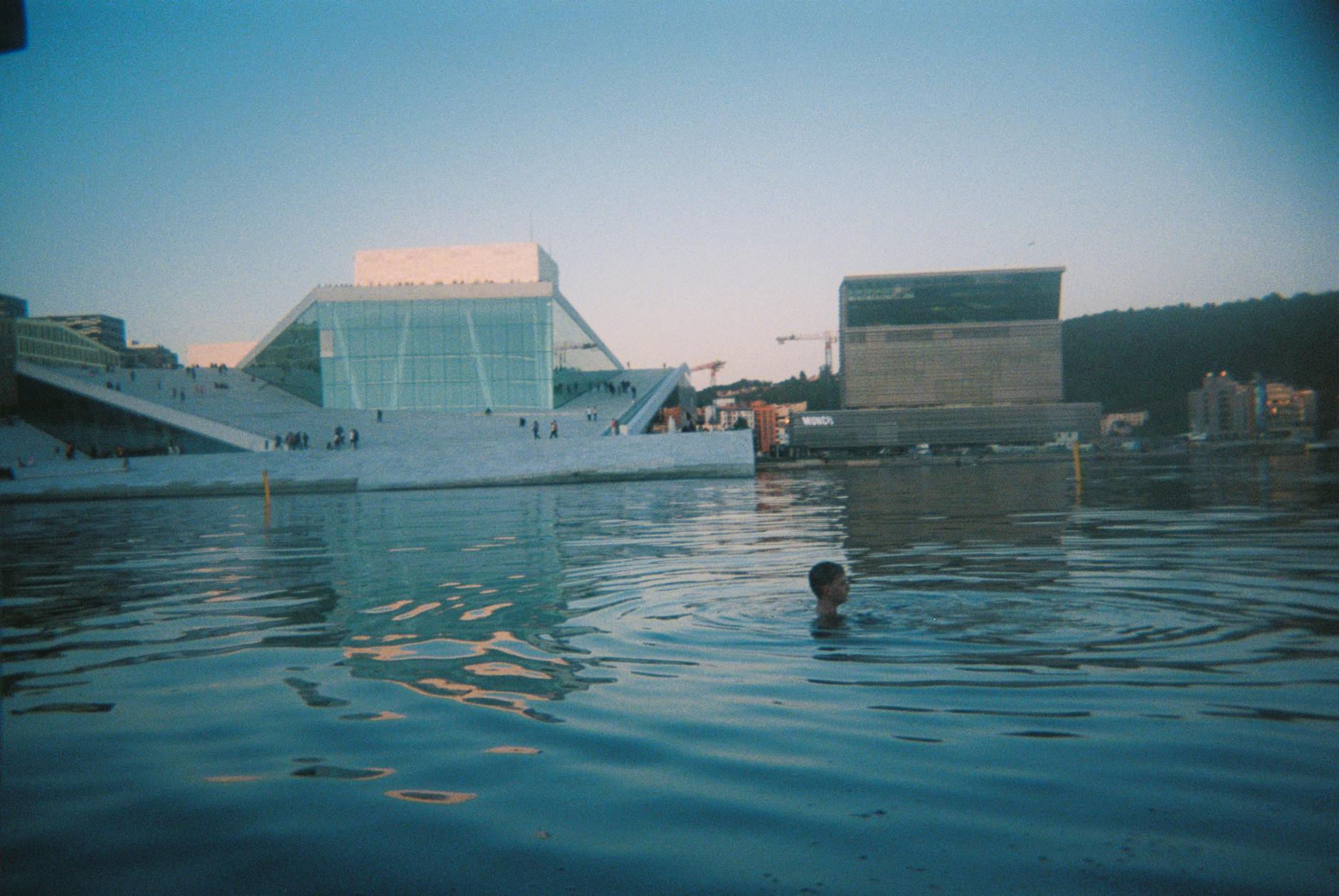
- Book a floating sauna and fjord dip.
- Swim at Sørenga or other designated areas in summer.
- Take the Bygdøy ferry in season if visiting museums.
- Consider a fjord cruise if you have limited mobility, limited time, or want a scenic overview.
Worth it? Yes. Visitors who skip the fjord miss one of Oslo’s defining pleasures.
6. Visit Akershus Fortress
What it is: A fortress and castle complex overlooking the harbor.
Why it matters: Akershus ties together medieval Oslo, Christiania, military history, royal history, and waterfront views.
Time needed: 45–90 minutes for the grounds; more if visiting museums or interiors.
Best time: morning, sunset, or after walking from City Hall/Aker Brygge.
Worth it? Yes for the grounds and views. The interiors/museums depend on your interests.
7. See Oslo City Hall and the Nobel Peace Context
What it is: Oslo’s City Hall, where the Nobel Peace Prize ceremony is held, near the Nobel Peace Center and waterfront.
Why it matters: It is a civic building with murals and a major role in Oslo’s international identity.
Time needed: 30–60 minutes if open to visitors; add the Nobel Peace Center if interested.
Worth it? Worth checking opening/access before you go. The exterior and square are easy to combine with Aker Brygge.
8. Ride to Holmenkollen
What it is: Oslo’s ski-jump landmark and a gateway to forest views.
Why it matters: It shows how deeply winter sports and outdoor life are tied to Norwegian identity.
Time needed: 2–4 hours, depending on whether you visit the museum and continue into the forest.
Best time: clear days, especially in winter or crisp autumn.
Worth it? Yes if you like views, skiing culture, or a break from museums. Less essential in bad weather.
9. Walk the Akerselva River
What it is: A river corridor linking industrial history, parks, neighborhoods, waterfalls, bridges, and Grünerløkka.
Why it matters: It is one of the best ways to see local Oslo without a ticket.
Time needed: 1–3 hours depending on route length.
Best time: afternoon into evening, especially if ending in Grünerløkka.
Worth it? Yes for second-day or third-day visitors.
10. Enter Deichman Bjørvika
What it is: Oslo’s main public library near the Opera House.
Why it matters: It is one of the city’s great public buildings: free, useful, beautiful, and civic.
Time needed: 20–60 minutes.
Best time: anytime it is open; rainy days are ideal.
Worth it? Yes, especially because it is free and next to other major sights.
11. Eat at Mathallen and Explore Vulkan
What it is: A food hall and surrounding district near the Akerselva river.
Why it matters: It is an easy way to sample Oslo food culture without committing to a formal restaurant.
Time needed: 45–90 minutes.
Best time: lunch, early dinner, or rainy afternoon.
Worth it? Good, especially for groups with different tastes.
12. Visit Ekebergparken for Views and Sculpture
What it is: A sculpture park on a hillside southeast of the center.
Why it matters: It combines art, forested paths, views over the city, and a quieter alternative to central parks.
Time needed: 1.5–3 hours.
Best time: clear afternoon or sunset.
Worth it? Excellent for second-time visitors or anyone who loves sculpture and views.
Oslo Itineraries
One Perfect Day in Oslo
Morning: Start at Oslo S. Walk to the Opera House and climb the roof. Visit Deichman Bjørvika briefly. Continue to MUNCH if art is your priority, or walk the Harbour Promenade toward Akershus Fortress if weather is perfect.
Lunch: Eat in Bjørvika, Sentrum, or Aker Brygge. Keep it simple; do not waste a major chunk of your only day on a long lunch unless the restaurant is the point.
Afternoon: Choose one anchor: MUNCH, National Museum, or Vigeland Park. If you choose a museum, follow it with a waterfront walk. If you choose Vigeland, take the tram to Frogner and spend time in the park.
Evening: Walk Aker Brygge/Tjuvholmen or book a sauna in Bjørvika/Sørenga. Dinner in Grünerløkka, Bjørvika, or Aker Brygge depending on your budget and mood.
What to cut if tired: Skip Holmenkollen and Bygdøy. One-day Oslo should stay central.
Two Days in Oslo
Day 1: New Oslo and the Waterfront
- Opera House roof.
- Deichman Bjørvika.
- MUNCH or National Museum.
- Harbour Promenade.
- Akershus Fortress grounds.
- Aker Brygge/Tjuvholmen.
- Sauna or waterfront dinner.
Day 2: West Oslo, Bygdøy, or Grünerløkka
Choose your version:
Museum version: Vigeland Park in the morning, Bygdøy museums in the afternoon, dinner in Frogner or Aker Brygge.
Neighborhood version: Vigeland Park, Frogner/Majorstuen, Akerselva walk, Grünerløkka dinner.
Nature version: Holmenkollen and Frognerseteren in the morning, National Museum or sauna in the afternoon.
Three Days in Oslo
Day 1: Bjørvika and Central Oslo
Opera House, MUNCH, Deichman, Akershus, Aker Brygge, sauna or dinner.
Day 2: National Museum, Frogner, and Grünerløkka
National Museum in the morning. Lunch near Aker Brygge or Nationaltheatret. Tram to Vigeland Park. Late afternoon coffee in Frogner or Majorstuen. Evening in Grünerløkka.
Day 3: Fjord, Bygdøy, or Forest
In summer: public ferry to Hovedøya or island hopping, then Bygdøy museum or sauna.
In winter: Holmenkollen, Frognerseteren, forest walk/sledding/skiing if appropriate, then museum or cozy dinner.
In bad weather: Bygdøy museums plus Mathallen and a relaxed dinner.
Four to Five Days in Oslo
Add:
- Ekebergparken.
- Tøyen Botanical Garden and Natural History Museum.
- A longer Akerselva walk.
- Astrup Fearnley Museum.
- More time on Bygdøy.
- A forest hike or lake trip.
- Drøbak or Fredrikstad as a day trip.
- A food-focused evening.
- A performance at the Opera House.
Food-Lover Itinerary
Oslo is not a cheap food city, but it is an interesting one.
- Bakery breakfast with cardamom bun, cinnamon bun, or bread/pastry.
- Coffee in Grünerløkka or Frogner.
- Casual lunch at Mathallen or a seafood/smørbrød-style spot.
- Modern Nordic dinner if budget allows.
- One immigrant-food meal in Grønland/Tøyen or another east-side area.
- One sauna-and-simple-dinner night rather than another expensive restaurant.
Family Itinerary
- Opera House roof.
- Deichman Bjørvika.
- Fram Museum.
- Norsk Folkemuseum.
- Vigeland Park.
- Ferries and islands in summer.
- Holmenkollen and snow activities in winter.
- Botanical Garden and Natural History Museum.
- Keep museum blocks short and mix them with outdoor time.
Rainy-Day Itinerary
- MUNCH.
- Deichman Bjørvika.
- National Museum.
- Mathallen.
- Fram or Kon-Tiki.
- Sauna, if you embrace the weather.
- Dinner close to your hotel.
Winter Itinerary
- Morning daylight for Holmenkollen, Frognerseteren, or a forest route.
- Afternoon museum: National Museum or MUNCH.
- Sauna and fjord dip.
- Early dinner or performance.
- Warm hotel or bar evening.
Itinerary Philosophy
Oslo works best when you avoid “museum stacking.” Pair every indoor anchor with outdoor public space:
- MUNCH + Opera roof + sauna.
- National Museum + Aker Brygge + Tjuvholmen.
- Vigeland Park + Frogner cafés.
- Fram Museum + Bygdøy walk.
- Holmenkollen + forest snack.
- Mathallen + Akerselva walk.
Food and Drink
Food Identity
Oslo’s food scene is more interesting than its old reputation. It is expensive, yes, and visitors coming from Tokyo, Bangkok, Mexico City, or Istanbul should not expect the same street-food abundance. But Oslo has strengths: excellent bread and pastries, strong coffee culture, seafood, modern Nordic restaurants, international immigrant food, food halls, seasonal produce, casual bakeries, and a growing willingness to make everyday Norwegian ingredients feel contemporary.
The food logic is not “eat your way through hundreds of cheap specialties.” It is more selective:
- Eat a very good bakery breakfast.
- Try Norwegian seafood or fish soup.
- Have one modern Nordic meal if budget allows.
- Use food halls or casual spots to manage costs.
- Explore Grønland/Tøyen for more affordable global food.
- Try waffles, brown cheese, cardamom buns, cinnamon buns, open-faced sandwiches, hot dogs, and seasonal Norwegian dishes.
- Drink excellent coffee.
- Remember that alcohol is expensive.
What to Eat
Cardamom Buns and Cinnamon Buns
Norwegian bakeries are one of Oslo’s great pleasures. A good bolle with coffee is a simple, budget-friendly joy.
Best time: breakfast, mid-morning, or afternoon coffee.
Norwegian Waffles
Usually heart-shaped, softer than Belgian waffles, and often served with jam, sour cream, or brown cheese.
Best time: café pause, museum café, forest lodge, or winter outing.
Brown Cheese / Brunost
A sweet, caramel-like cheese made from whey. Visitors either love it, respect it, or remain confused. Try it with bread or waffles.
Seafood
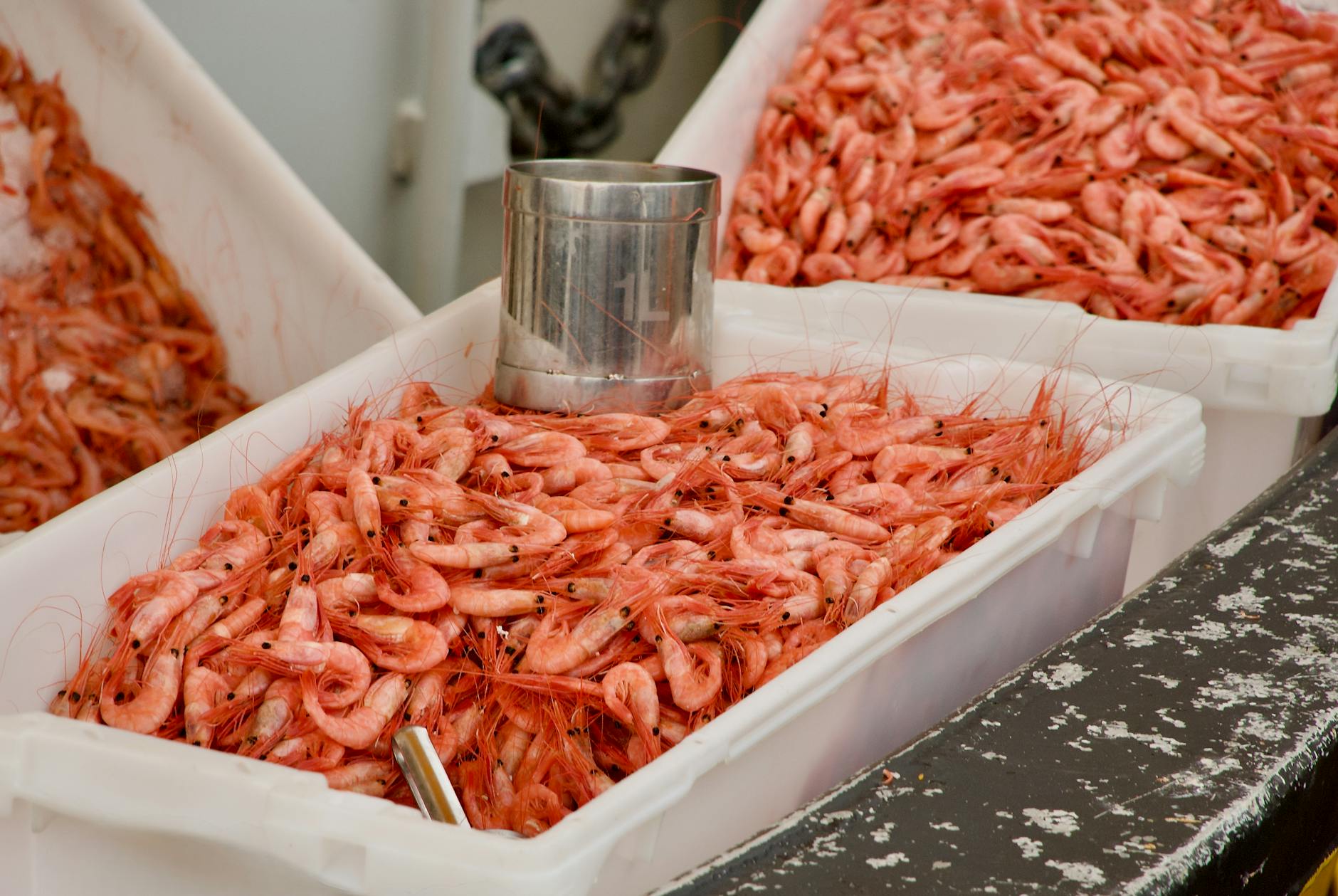
Look for shrimp, salmon, cod, fish soup, mussels, and seasonal seafood. Oslo is not a cheap seafood destination, but the quality can be high.
Pølse / Hot Dogs
Norway’s hot-dog culture is real. It is a good casual snack, especially when you do not want another expensive sit-down meal.
Open-Faced Sandwiches
Useful for lunch, especially with fish, eggs, shrimp, or cured meats.
Reindeer, Lamb, Game, and Traditional Dishes
More common in traditional or regional restaurants than everyday Oslo lunch spots. Worth trying if you want Norwegian flavors.
Modern Nordic Menus
Oslo has serious restaurants using Nordic ingredients, fermentation, seafood, foraged flavors, and seasonal vegetables. Book ahead and budget honestly.
Where to Eat by Situation
Best first dinner: choose somewhere walkable from your hotel in Bjørvika, Grünerløkka, Frogner, or Aker Brygge. Do not make the first night a cross-city restaurant mission after a flight.
Best casual lunch: bakery, food hall, café, museum café, or simple seafood/open-faced sandwich spot.
Best food neighborhood for visitors: Grünerløkka/Vulkan for easy variety; Grønland/Tøyen for more affordable international food; Aker Brygge/Tjuvholmen for waterfront but higher prices; Frogner/Majorstuen for calmer local dining.
Best splurge: modern Nordic tasting menu, seafood-focused restaurant, or one excellent dinner rather than several average expensive meals.
Best budget strategy: breakfast from a bakery or grocery, lunch as the main meal, casual dinner, reusable water bottle, and limit alcohol.
Drinking Culture
Alcohol is expensive and regulated. Beer, wine, and cocktails can add up quickly. Wine and spirits are sold through Vinmonopolet shops rather than ordinary supermarkets, and opening hours are limited compared with many countries. Restaurants and bars serve alcohol, but prices are high.
Coffee, however, is a strong point. Oslo has excellent specialty coffee and a café culture that works well for travelers. Bakeries and coffee shops are often a better use of daily budget than mediocre drinks.
Reservations and Practicalities
- Book good restaurants for Friday and Saturday.
- Do not assume kitchens stay open late.
- Lunch can be better value than dinner.
- Tipping is modest; service is usually included, though rounding up or adding 5–10 percent for good service is appreciated.
- Tap water is good. Ask for water and refill bottles.
- Vegetarian and vegan options are fairly easy in central Oslo.
- Gluten-free and allergy awareness are generally decent, but always confirm.
First-Timer Mistake
Do not eat every meal on Karl Johans gate or the most obvious waterfront strips. Some places are fine, but the best value and character are usually in side streets, neighborhoods, cafés, food halls, and places locals actually use.
Getting Around
Arrival: Oslo Airport Gardermoen to the City
Oslo Airport is well connected by rail.
Flytoget Airport Express: fastest premium train, frequent, easy, and comfortable. Good if you value speed, simplicity, or are traveling with children who may ride free under stated conditions.
Vy local/regional train: often the best value and only slightly slower to Oslo S. Use the Vy app, Ruter app, machines, or official ticketing channels. Check zones and route.
Airport bus: useful for some hotel/area connections but slower to the center than train in most cases.
Taxi: expensive. Use official taxi ranks or reputable apps/companies, and confirm price. Taxis from the airport can be painfully costly, especially late at night.
The Move: Unless your hotel is awkwardly placed for rail, take the train.
Public Transport in Oslo
Ruter covers metro, tram, bus, boats, and local train integration within zones. For visitors, the most important modes are:
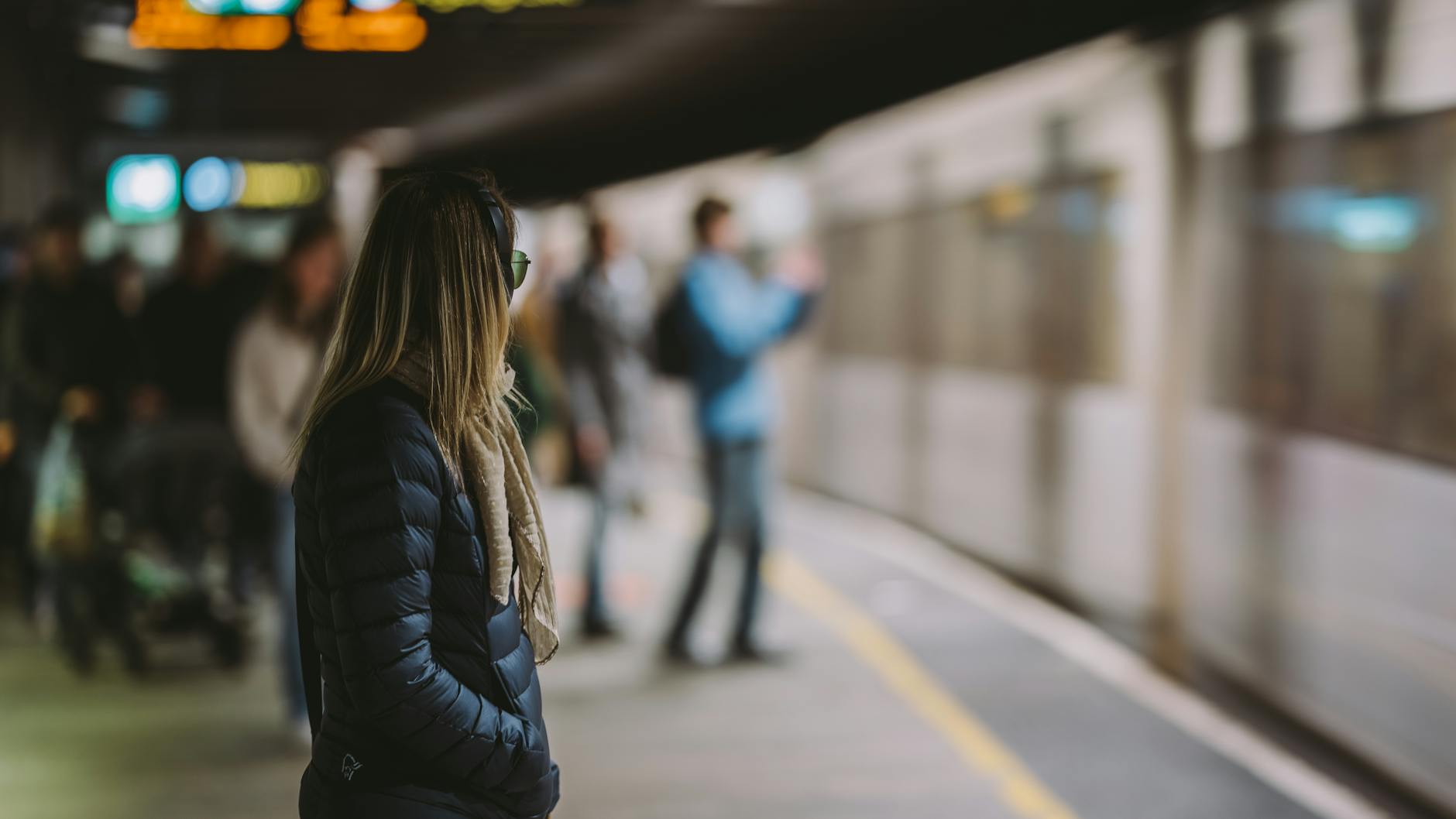
- T-bane / metro: best for longer cross-city trips, Holmenkollen, Majorstuen, Tøyen, and outer neighborhoods.
- Trams: scenic and useful for Frogner, Grünerløkka, Majorstuen, and central movement.
- Buses: fill in gaps and reach Bygdøy year-round.
- Ferries/boats: essential for islands and some summer routes.
- Vy trains: useful within the region and to/from the airport when using the right ticket/pass.
Tickets and Passes
Use the Ruter app for planning and tickets. A one-zone single ticket lasts 60 minutes from activation, with transfers allowed within the valid time and zones. Longer tickets can be cost-effective if you are making multiple rides. The Oslo Pass includes public transport in specified zones and can be valuable for museum-heavy days.
Walking
Oslo is very walkable in the center, but not every interesting place is right next to every other place. Walking is best for:
- Bjørvika to Akershus to Aker Brygge.
- Karl Johans gate to Palace Park.
- National Museum to Aker Brygge/Tjuvholmen.
- Grünerløkka and Akerselva.
- Frogner and Vigeland Park.
- Bygdøy once you are there.
Watch out for winter ice, slush, cobblestones, wet marble near the Opera House, and wind along the water.
Bikes and Scooters
Oslo has cycling infrastructure and bike-share options, but first-time visitors should be realistic. Cycling can be great in good weather if you are comfortable with urban riding. E-scooters exist, but use them carefully and legally. Do not ride distracted or after drinking.
Taxis and Rideshare
Taxis are expensive. Use them for late nights, mobility needs, luggage, or awkward routes, not casual sightseeing. Confirm prices or use an app where the fare estimate is clear.
Car Rental
Do not rent a car for Oslo itself. Parking, cost, tolls, and traffic restrictions make it unnecessary. Rent a car only for a specific regional road trip where public transport does not work.
Ferries
Two different ferry logics matter:
- Inner fjord island ferries: part of the public transport system; normal Ruter tickets generally apply.
- Bygdøy ferry: a seasonal tourist ferry to the museum peninsula; the Oslo Pass includes it, but ordinary Ruter tickets are not the same thing.
Always check the route and ticket rule before boarding.
Budget and Costs
The Honest Version
Oslo is expensive. Hotels, restaurants, alcohol, taxis, and some attractions can hurt. But Oslo is also unusually rich in free or low-cost public experiences. You can have a great trip without spending constantly if you plan intelligently.
Rough Daily Budget by Traveler Type
| Traveler type | Daily reality |
|---|---|
| Shoestring | Hostel or budget room, grocery breakfasts, bakery lunches, free sights, selective museum choices, no taxis, little alcohol. Still not “cheap” by global standards. |
| Budget-comfortable | Modest hotel or apartment, public transport, one paid museum per day, bakeries/casual meals, one or two nicer dinners. |
| Mid-range | Good central hotel, Oslo Pass on museum-heavy days, restaurants most nights, sauna, a few taxis if needed. |
| Comfortable/luxury | Waterfront or design hotel, tasting menus, taxis, private tours, opera tickets, spa/sauna, high-end shopping. Costs rise quickly. |
What Is Surprisingly Expensive
- Alcohol.
- Taxis.
- Hotel rooms in high season or events.
- Simple restaurant dinners.
- Bottled drinks.
- Last-minute premium experiences.
- Airport taxis.
What Is Surprisingly Good Value
- Public transport relative to taxi prices.
- Free parks, viewpoints, libraries, waterfronts, and walks.
- Tap water.
- Bakeries as breakfast/lunch strategy.
- Grocery stores for snacks and picnic meals.
- Oslo Pass when used for several museums and transit.
- Forest and island trips by public transport.
Oslo Pass Math
The Oslo Pass can be worth it if you plan something like:
- MUNCH or National Museum.
- Fram or another Bygdøy museum.
- Public transport rides.
- Airport transfer by Vy within pass validity.
- Another included museum or attraction.
It is less useful if your plan is mostly:
- Walking.
- Opera House roof.
- Vigeland Park.
- Deichman.
- Free viewpoints.
- One paid museum.
- Sauna, which may not be fully covered.
Best Value Moves
- Stay near transit, not necessarily on the waterfront.
- Use the Ruter app.
- Combine paid museums with free walks.
- Eat breakfast from bakeries or groceries.
- Make lunch your nicer meal.
- Limit alcohol or choose one good drinks night.
- Use the airport train, not taxis.
- Buy the Oslo Pass only when your itinerary supports it.
- Use public ferries for island experiences.
Splurge-Worthy
- A great hotel view if you will actually enjoy it.
- One excellent modern Nordic dinner.
- A fjord sauna.
- Opera or ballet performance.
- A private guide for art, architecture, Jewish history, or WWII/resistance context.
- A winter activity with proper gear/guide if needed.
Usually Not Worth It
- Airport taxi if trains are running and your hotel is central.
- Mediocre restaurants in the most obvious tourist corridors.
- A rental car for city sightseeing.
- A rushed fjord cruise if you would rather take public ferries and walk.
- Buying the Oslo Pass just because it exists.
Safety, Health, and Scams
General Safety
Oslo is generally a safe city for visitors. Violent crime against tourists is uncommon, and the city feels orderly by global standards. Normal precautions still apply: watch bags in busy areas, late-night transport zones, bars, stations, and crowded tourist locations.
Areas and Situations Requiring Awareness
- Oslo S and surrounding streets late at night.
- Crowded trams, buses, and station areas.
- Nightlife districts when people are drunk.
- Isolated waterfront or park areas very late.
- Winter sidewalks with ice.
- Swimming areas if you are cold, tired, intoxicated, or unfamiliar with conditions.
Common Scams and Annoyances
Oslo is not a high-scam city, but problems can happen:
- Taxi overcharging or unclear pricing.
- Pickpocketing in crowded or tourist-heavy places.
- Card-payment confusion with unofficial services.
- Fake charity/petition approaches are less common than in some capitals but still possible.
- Dynamic late-night ride prices.
Health Practicalities
- Tap water is safe and excellent.
- Pharmacies are marked “Apotek.”
- Travel insurance is sensible, especially for winter sports.
- Wear traction-friendly shoes in winter.
- In summer, use sunscreen; northern light can still burn skin.
- If swimming after sauna, understand cold-water shock risk. Do not mix heavy drinking with cold plunges.
Emergency Numbers
- 110: fire.
- 112: police.
- 113: ambulance/medical emergency.
Solo Travelers
Oslo is excellent for solo travelers: easy transport, safe-feeling neighborhoods, good cafés, museums, and no need for a car. Solo dining is generally fine, especially in cafés, bakeries, bars, food halls, and casual restaurants.
Solo Women Travelers
Oslo is generally comfortable for solo women travelers, but use standard city judgment at night, especially around nightlife, isolated transit stops, and intoxicated crowds. Public transport is usually reliable and orderly.
LGBTQ+ Travelers
Oslo is one of the easier destinations in Europe for LGBTQ+ travelers in terms of legal and social environment. Pride is a major annual event. Public displays of affection are generally normal in central areas, though normal situational awareness still applies late at night.
Accessibility and Mobility
Oslo is better than many old European capitals for accessibility, but it is not perfect.
What Works Well
- Modern waterfront areas like Bjørvika are generally easier to navigate than old cobblestone centers.
- Many major museums have strong accessibility infrastructure.
- Newer public buildings such as Deichman, MUNCH, and the National Museum are comparatively accessible.
- Metro stations and major transit nodes often have step-free options, though not all older infrastructure is equal.
- Ruter publishes accessibility information and journey planning details.
What Can Be Difficult
- Winter ice and snow.
- Hills in some neighborhoods.
- Older trams/stops or temporary construction disruptions.
- Cobblestones around older areas and Akershus.
- Forest and island paths that may not be fully accessible.
- Ferry boarding conditions depending on vessel, pier, tide, weather, and route.
Best Areas for Mobility-Conscious Visitors
- Bjørvika.
- Around Oslo S, if your hotel entrance is accessible.
- Aker Brygge/Tjuvholmen.
- Nationaltheatret/National Museum area.
- Major museums with verified facilities.
More Challenging Areas
- Ekeberg slopes.
- Holmenkollen and forest routes.
- Some island paths.
- Older parts of Akershus Fortress.
- Snowy/icy streets in winter.
The Move
If accessibility is central to your trip, plan around modern Oslo: Bjørvika, National Museum, MUNCH, Deichman, Aker Brygge, and confirmed-access museums. Check every attraction and transit leg directly before travel.
Families, Solo Travelers, LGBTQ+ Travelers, and Special Considerations
Families with Children
Oslo is one of Europe’s easier capitals with children. It is safe-feeling, clean, not overwhelming, and full of outdoor breaks.
Best family experiences:
- Opera House roof.
- Deichman Bjørvika.
- Fram Museum.
- Norsk Folkemuseum.
- Vigeland Park.
- Fjord ferries and islands.
- Botanical Garden and Natural History Museum.
- Holmenkollen.
- Winter sledding/skiing if prepared.
- Public swimming in summer.
Family mistakes to avoid:
- Too many art museums in one day.
- Assuming restaurant dinners will be cheap.
- Not checking stroller access on ferries/older transit.
- Forgetting cold/rain gear.
- Underestimating how early kids get tired in winter darkness.
Teens
Teens may like saunas, island ferries, MUNCH, Deichman, Grünerløkka shops, Holmenkollen views, food halls, swimming, and winter snow activities. They may be less thrilled by multiple traditional museums in one day.
Older Travelers
Oslo can be excellent for older travelers if lodging is central and transit is planned. Avoid overdoing hills, winter ice, and long days with too many transfers. Use trams, taxis selectively, and waterfront routes.
Remote Workers and Longer Stays
Oslo is comfortable for longer stays but expensive. Choose apartments or aparthotels near good transit and grocery stores. Grünerløkka, Frogner, Majorstuen, Tøyen, and central areas can work well depending on budget.
Religious and Dietary Travelers
Oslo has Christian churches, Muslim communities, Jewish institutions, vegetarian/vegan options, and diverse grocery stores. Halal food is easiest in multicultural areas such as Grønland/Tøyen. Kosher options are more limited and should be researched in advance.
Shopping and Souvenirs
What Oslo Is Good For
- Wool and knitwear.
- Outdoor gear.
- Scandinavian design.
- Ceramics and home goods.
- Art books and museum-shop items.
- Munch-related prints and gifts.
- Norwegian chocolate, licorice, coffee, and specialty foods.
- Sauna towels, simple design objects, and winter accessories.
Best Shopping Areas
Karl Johans gate and Sentrum: mainstream shopping, convenience, department stores, souvenir shops.
Grünerløkka: independent shops, vintage, design, lifestyle, cafés.
Frogner/Majorstuen: calmer boutiques, home goods, classic Oslo shopping.
Aker Brygge/Tjuvholmen: polished waterfront retail and design, often expensive.
Museum shops: MUNCH, National Museum, Astrup Fearnley, Fram, and other museums often have better souvenirs than generic shops.
What Not to Buy
- Generic troll souvenirs unless you genuinely love them.
- Cheap mass-produced “Norwegian” items with no local connection.
- Bulky outdoor gear unless prices make sense compared with home.
- Food items without checking customs rules for your destination.
The Move
Buy one good-quality practical item rather than a bag of forgettable trinkets: wool socks, a design object, a museum print, coffee, chocolate, or a book.
Arts, Culture, History, and Context
Short History for Travelers
Oslo’s history is not as instantly visible as Rome’s or Paris’s, but it matters.
Medieval Oslo developed in the east near Gamlebyen. Akershus Fortress began around the end of the thirteenth century and became central to the city’s defense. After a major fire in 1624, King Christian IV moved and rebuilt the city closer to Akershus, naming it Christiania. The older eastern site remained part of the city’s deeper memory.
Norway’s nineteenth-century national awakening, union with Sweden, independence in 1905, World War II occupation, postwar social-democratic development, oil-era wealth, immigration, and modern urban redevelopment all shaped Oslo. The city’s current image is especially tied to waterfront transformation: turning former port and traffic zones into cultural and public-space districts.
Museums by Interest
Art and design: MUNCH, National Museum, Astrup Fearnley, Vigeland Museum.
Maritime and polar history: Fram Museum, Kon-Tiki Museum, Norwegian Maritime Museum.
Folk and cultural history: Norsk Folkemuseum.
History and politics: Akershus Fortress, Resistance Museum, City Hall, Nobel Peace Center.
Science and nature: Natural History Museum, Botanical Garden, Teknisk Museum if going farther out.
Architecture and public space: Opera House, Deichman Bjørvika, Barcode, National Museum, Tjuvholmen, Ekebergparken.
Books, Music, Film, and Preparation
Read or watch according to your interests:
- Edvard Munch context before visiting MUNCH.
- Henrik Ibsen if you care about Norwegian drama.
- Jo Nesbø for crime-fiction Oslo atmosphere, with the caveat that crime novels are not travel guides.
- Norwegian history around independence, World War II occupation, resistance, and the welfare state.
- Contemporary Nordic design and architecture writing for Bjørvika/Tjuvholmen context.
Etiquette and Cultural Norms
- Norwegians often value personal space and quiet public behavior.
- Queue properly.
- Do not be loud on public transport.
- Be on time.
- Remove muddy/snowy shoes when appropriate in homes or cabins.
- Avoid assuming everyone wants small talk.
- Respect sauna rules: shower first, follow clothing/nudity policy, keep noise appropriate, and do not photograph others.
- Do not litter in parks, forests, or islands.
- Learn simple words: “takk” means thank you; “hei” means hello.
Local Logic
Oslo’s culture is not unfriendly; it is often low-intrusion. People may not perform warmth for strangers, but service is usually competent and direct, and social spaces become more relaxed when there is a shared activity: sauna, hiking, skiing, coffee, concerts, or food.
Seasonal and Month-by-Month Guide
January
Cold, dark, and good for winter people. Use daylight carefully, dress well, and lean into museums, saunas, cafés, and snow activities when conditions allow.
Best for: winter culture, lower crowds, museums, saunas, skiing/sledding if snow is good.
Watch out for: ice, short daylight, cold wind near the water.
February
Still winter, with slightly improving light. Good for snowy forest outings and indoor culture.
Best for: winter sports, Holmenkollen, cozy city breaks.
Watch out for: school-holiday demand and icy sidewalks.
March
Late winter/early spring transition. Conditions can vary widely.
Best for: museums, forest if snow remains, lower crowds.
Watch out for: slush, mud, uncertain weather.
April
Spring begins to show, though weather can be mixed. Easter can affect openings.
Best for: shoulder-season city break, museums, parks beginning to wake.
Watch out for: holiday closures and chilly evenings.
May
One of the best months. Parks improve, days lengthen, and the city feels alive. Constitution Day on May 17 is a major event.
Best for: first-timers, walking, civic atmosphere, parks.
Watch out for: May 17 hotel demand and altered opening hours.
June
Excellent: long days, outdoor culture, islands, swimming, and festivals.
Best for: summer Oslo without full July holiday mood.
Watch out for: higher prices and busy weekends.
July
Beautiful, bright, and outdoorsy, though some local businesses slow during holiday season.
Best for: islands, swimming, saunas, parks, family travel.
Watch out for: hotel prices, cruise days, restaurant holiday closures.
August
Still summery, with cultural life returning. Often one of the best months overall.
Best for: festivals, food, water, walking, museums.
Watch out for: peak prices around major events.
September
A smart month: pleasant weather, fewer summer crowds, active restaurants and culture.
Best for: balanced first visit, museums, forest walks, food.
Watch out for: cooling evenings and rain.
October
Autumn color can be lovely. The city becomes more serious and indoor-oriented.
Best for: museums, cafés, autumn forest, photography.
Watch out for: shorter days and variable weather.
November
Dark, damp, and quiet. Not the easiest first-visit month unless you want museums and lower crowds.
Best for: budget-ish hotel opportunities, indoor culture, calm.
Watch out for: low daylight and chilly rain.
December
Atmospheric but dark. Christmas lights, markets, concerts, and winter mood help.
Best for: holiday atmosphere, museums, saunas, cozy dining.
Watch out for: closures around Christmas/New Year and very short days.
Annual Events and Planning Notes
- May 17: Constitution Day, parades and national dress.
- June: Pride and summer cultural programming.
- August: major music and cultural festivals, including Oslo’s best-known summer festival period.
- December 10: Nobel Peace Prize ceremony takes place in Oslo City Hall, though visitor access is limited and security/event logistics can affect the area.
- Winter sports season: conditions vary; check snow and route status before planning ski/sled activities.
Day Trips and Side Trips from Oslo
1. Drøbak
Best for: small-town charm, fjord views, summer day, Christmas-themed oddity, easy slower day.
Drøbak is a pleasant fjord town south of Oslo. It works well if you want a calmer day without a major logistics commitment. In summer, it feels especially appealing.
Common mistake: expecting a dramatic fjord landscape like western Norway. This is gentle Oslofjord charm, not Geiranger.
2. Fredrikstad
Best for: historic fortified town, photogenic streets, families, easy regional day.
Fredrikstad’s old town is one of the most charming day trips from Oslo. It has a different historical feel from the capital and can be reached by train plus local connection.
Worth it? Very, especially if you have four or more days in Oslo.
3. Kistefos and The Twist
Best for: architecture, contemporary art, sculpture park, design travelers.
Kistefos is one of Norway’s standout art-and-architecture day trips, especially because of The Twist gallery bridge. Logistics can require planning, and opening season matters.
Worth it? Excellent for art/architecture travelers, but check seasonal opening and transport carefully.
4. Lillehammer
Best for: Olympic history, winter atmosphere, Maihaugen open-air museum, families, train day.
Lillehammer is farther but doable. It works best if you want a fuller day and have interest in Olympic/winter culture or the open-air museum.
Common mistake: underestimating travel time and trying to combine it with too much else.
5. Tønsberg
Best for: Viking-era context, waterfront, summer, Norway’s older-town history.
A possible train day if you want a smaller coastal city and historical context outside Oslo.
6. Nordmarka as a “Day Trip” Without Leaving Oslo
Best for: hiking, lakes, cross-country skiing, sledding, cabins, and understanding local life.
For many visitors, the best Oslo side trip is simply taking the metro into forest access. This is low-carbon, low-fuss, and very local.
The Move: If weather is clear, choose Nordmarka over a complicated day trip. It explains Oslo better.
Not a Good Day Trip: Western Fjords
Bergen, Flåm, and the great western fjords are not casual Oslo day trips. They deserve their own itinerary. Do not reduce Norway’s most dramatic landscapes to a rushed box-check.
What to Skip
Skip the Viking Ship Museum in 2026
Not because it is bad. Because it is closed. The new Museum of the Viking Age is scheduled to open in 2027. Until then, go to Fram, Kon-Tiki, Norsk Folkemuseum, or the Historical Museum for alternative context.
Skip a Rental Car for the City
Public transport is good, and driving adds stress and cost. Rent a car only for a specific rural route.
Skip Mediocre Restaurants on Tourist Corridors
A central location does not equal quality. Walk a few blocks, research carefully, or choose neighborhoods with better local life.
Skip “Northern Lights from Oslo” as a Plan
Rare aurora can appear during strong solar activity, but Oslo is not where you go for northern lights. Go much farther north if that is the dream.
Skip Too Many Museums in One Day
Oslo’s museums are rich. Three major museums in one day is usually too much unless you are a dedicated museum traveler.
Skip Expensive Taxis Unless Necessary
Use trains, trams, metro, and buses. Taxis are useful but rarely good value.
Skip Treating the Oslo Pass as Automatically Smart
Do the math. If you are not visiting multiple included attractions and using transit, it may not save you money.
Skip Bad-Weather Denial
In Oslo, weather is part of the trip. Bring layers, adapt, and have indoor/outdoor swaps ready.
Common Mistakes
- Giving Oslo only a few hours. The city needs time for water, museums, and neighborhoods.
- Overloading museums. Choose carefully and pair museums with outdoor time.
- Ignoring the fjord. Ferries, saunas, swimming, and waterfront walks are core experiences.
- Ignoring the forest. Holmenkollen and Nordmarka explain local life.
- Eating in the wrong places. Avoid defaulting to tourist strips.
- Underestimating cost. Budget honestly, especially for alcohol and taxis.
- Taking airport taxis unnecessarily. Use rail unless there is a specific reason not to.
- Assuming July is normal city rhythm. It is beautiful but holiday-shaped.
- Not booking saunas or popular restaurants. The best slots disappear.
- Packing poor shoes. You need walking shoes, and in winter you need traction.
- Expecting grand old Europe. Oslo’s charm is modern, natural, civic, and subtle.
- Forgetting that Bygdøy ferry and public ferries have different ticket rules. Check before boarding.
- Assuming cash is needed everywhere. Cards dominate.
- Trying to see western Norway from Oslo in a day. Give the fjords proper time.
- Planning outdoor days without checking weather. Use Yr and adjust.
Responsible Travel
Oslo is a city that makes responsible travel relatively easy if you follow the local logic.
Use Public Transport
Trains, metro, trams, buses, and ferries are good. Use them. Avoid unnecessary taxis and rental cars.
Respect the Fjord
Do not litter, do not disturb wildlife, use designated swimming spots, and follow sauna and bathing rules. Pack out everything you bring to islands.
Respect the Forest
Stay on marked paths when appropriate, understand seasonal conditions, and do not treat winter trails casually without proper gear.
Support Local Businesses
Choose independent cafés, bakeries, restaurants, shops, guides, and cultural institutions. Museum shops are often better than generic souvenir shops.
Be Mindful of Public Space
Oslo’s public spaces work because people behave with restraint: low noise, clean habits, queueing, respect for families, and no performative tourist chaos.
Understand Cost Without Exploiting Labor
Norway is expensive partly because wages and social standards are high. Complaining constantly about prices misses the point. Spend selectively, but respect the local economic context.
Packing List
Year-Round Essentials
- Comfortable walking shoes.
- Reusable water bottle.
- Light rain shell or umbrella.
- Layers.
- Plug adapter for Type C/F.
- Portable charger.
- Swimsuit for sauna or summer swimming.
- Daypack.
- Card/contactless payment method.
- Travel insurance.
Summer
- Light jacket.
- Sunglasses.
- Sunscreen.
- Swimwear.
- Picnic blanket or quick-dry towel if island-hopping.
- Comfortable sandals plus walking shoes.
- Sleep mask if long daylight affects sleep.
Spring and Autumn
- Waterproof shoes or water-resistant sneakers.
- Warm layer.
- Rain jacket.
- Scarf or hat in colder months.
- Flexible outfit for museum-to-dinner days.
Winter
- Warm coat.
- Hat, gloves, scarf.
- Thermal base layer if sensitive to cold.
- Shoes or boots with good traction.
- Wool socks.
- Lip balm and moisturizer.
- Reflective detail or light if walking in dark areas.
- Swimwear if using saunas.
What Not to Pack
- A car-first mindset.
- Too many dressy outfits unless you have fine dining or performances.
- Cash as your main payment plan.
- Only thin-soled shoes.
- A schedule with no weather flexibility.
- Expectations of cheap alcohol.
FAQ
Is Oslo worth visiting?
Yes, especially if you like art, architecture, public transport, nature, design, museums, saunas, and cities with a high quality of life. Oslo is not as instantly spectacular as the western fjords, but it is one of Europe’s best capitals for combining culture and outdoor life.
How many days do you need in Oslo?
Three full days is ideal for a first visit. Two days is workable. One day is only a taste. Four or five days is excellent if you want Bygdøy, Holmenkollen, islands, forest, museums, and neighborhoods without rushing.
What is the best area to stay in Oslo?
Bjørvika/Sentrum for first-time convenience, Aker Brygge/Tjuvholmen for waterfront comfort, Nationaltheatret/Karl Johan for central access, Frogner/Majorstuen for calm residential charm, and Grünerløkka/Vulkan for cafés and nightlife.
Is Oslo expensive?
Yes. Hotels, restaurants, alcohol, and taxis are expensive. But public transport, tap water, bakeries, parks, waterfront walks, libraries, swimming spots, and forest access help control costs.
Is the Oslo Pass worth it?
It can be, especially for museum-heavy days or if you use the Vy airport train within the pass validity. It is not worth it for a mostly free, walk-heavy, sauna-focused trip with only one paid museum.
Is Oslo safe?
Generally yes. Use normal city precautions around stations, nightlife, and crowded areas. Watch for winter ice and cold-water risks if using saunas and swimming.
Do I need a car in Oslo?
No. Public transport is good, walking is pleasant, and driving is expensive and unnecessary for the city.
Can I see the northern lights in Oslo?
Rarely, during strong aurora activity, but Oslo is not a northern-lights destination. Travel to northern Norway if that is a major goal.
Is the Viking Ship Museum open?
No. The Viking Ship Museum is closed while being rebuilt as the Museum of the Viking Age, scheduled to reopen in 2027.
Which is better, MUNCH or the National Museum?
Choose MUNCH if you want Edvard Munch and a focused modern art experience in Bjørvika. Choose the National Museum if you want broader Norwegian and international art, design, architecture, and decorative arts. Do both if you have at least three days and enjoy museums.
What should I book ahead?
Good restaurants, fjord saunas, Opera House performances, guided Opera House tours, popular museum time slots in high season, and hotels during summer or major events.
Is Oslo good with kids?
Yes. The Opera House roof, Deichman, Fram Museum, Norsk Folkemuseum, Vigeland Park, ferries, islands, parks, and winter/summer outdoor activities make Oslo one of the easier European capitals for families.
What should I skip with only two days?
Skip distant day trips, too many museums, airport hotels, a rental car, and any attempt to see the western fjords from Oslo. Focus on the waterfront, one or two major museums, Vigeland or Bygdøy, and one neighborhood.
Final Planning Shortcuts
Best First-Timer Plan
Stay in Bjørvika, Sentrum, Nationaltheatret, or Aker Brygge. Spend Day 1 on the Opera House, MUNCH or National Museum, Akershus, and the Harbour Promenade. Spend Day 2 on Vigeland Park and Bygdøy or Grünerløkka. Spend Day 3 on islands, Holmenkollen, or the forest.
Best Food Plan
Bakery breakfast, coffee in Grünerløkka or Frogner, Mathallen or seafood lunch, one modern Nordic dinner, one multicultural meal in Grønland/Tøyen, and one sauna-plus-simple-dinner evening.
Best Museum Plan
Do MUNCH and National Museum on separate days. Add Fram on Bygdøy if you want maritime/polar history. Add Vigeland Museum if the sculpture park intrigues you. Skip the closed Viking Ship Museum in 2026.
Best Nature Plan
Use public transport: ferry to Hovedøya or another island in summer, metro to Holmenkollen/Frognerseteren, Akerselva walk, Ekebergparken, Sørenga swim, and sauna on the fjord.
Best Romantic Plan
Stay on or near the waterfront. Walk the Opera House roof at sunset, book a sauna, have dinner in Bjørvika or Aker Brygge, take a ferry, visit the National Museum, and spend a calm afternoon in Frogner/Vigeland Park.
Best Family Plan
Stay in Bjørvika, Sentrum, Frogner, or Majorstuen. Do the Opera House roof, Deichman, Fram Museum, Vigeland Park, islands in summer, Holmenkollen in winter, and short museum blocks with plenty of outdoor breaks.
Best Budget Plan
Stay near transit outside the priciest waterfront pockets. Use Ruter tickets, bakeries, grocery stores, free walks, Vigeland Park, Deichman, Akerselva, Botanical Garden, ferries, and the Oslo Pass only on a dense museum day.
Source Notes
This guide was drafted with current logistics checked against official or primary sources where possible, including:
- VisitOSLO: official city guide, Oslo Pass prices and inclusions, public transport visitor guidance, practical information, Bygdøy ferry context, Harbour Promenade, sauna culture, attractions, and accessibility context.
- Visit Norway: Schengen/EES/ETIAS visitor information, travel tips, tap water, seasons, and Oslo/region context.
- Norwegian Directorate of Immigration / Norway official embassy resources: visitor visa and visa-free stay context.
- Ruter: Oslo-region ticket rules, zones, transport modes, ticket validity, and fare-structure context.
- Flytoget and Vy: Oslo Airport train transfer context.
- MUNCH, National Museum, Vigeland Museum, Museum of the Viking Age, Fram Museum, Oslo Opera House, Holmenkollen Ski Museum, Akershus Fortress/Castle, Nobel Peace Center, and Oslo municipality island information: attraction access, pricing, opening-hour, closure, and visitor-planning context.
- U.S., UK, Canadian, Australian, and Norwegian public safety/travel resources: safety framing, emergency numbers, petty-crime awareness, and practical health context.
For publication, each price, opening hour, closure day, ferry schedule, event date, accessibility feature, restaurant recommendation, transport fare, and border-system requirement should be rechecked close to the live publish date.