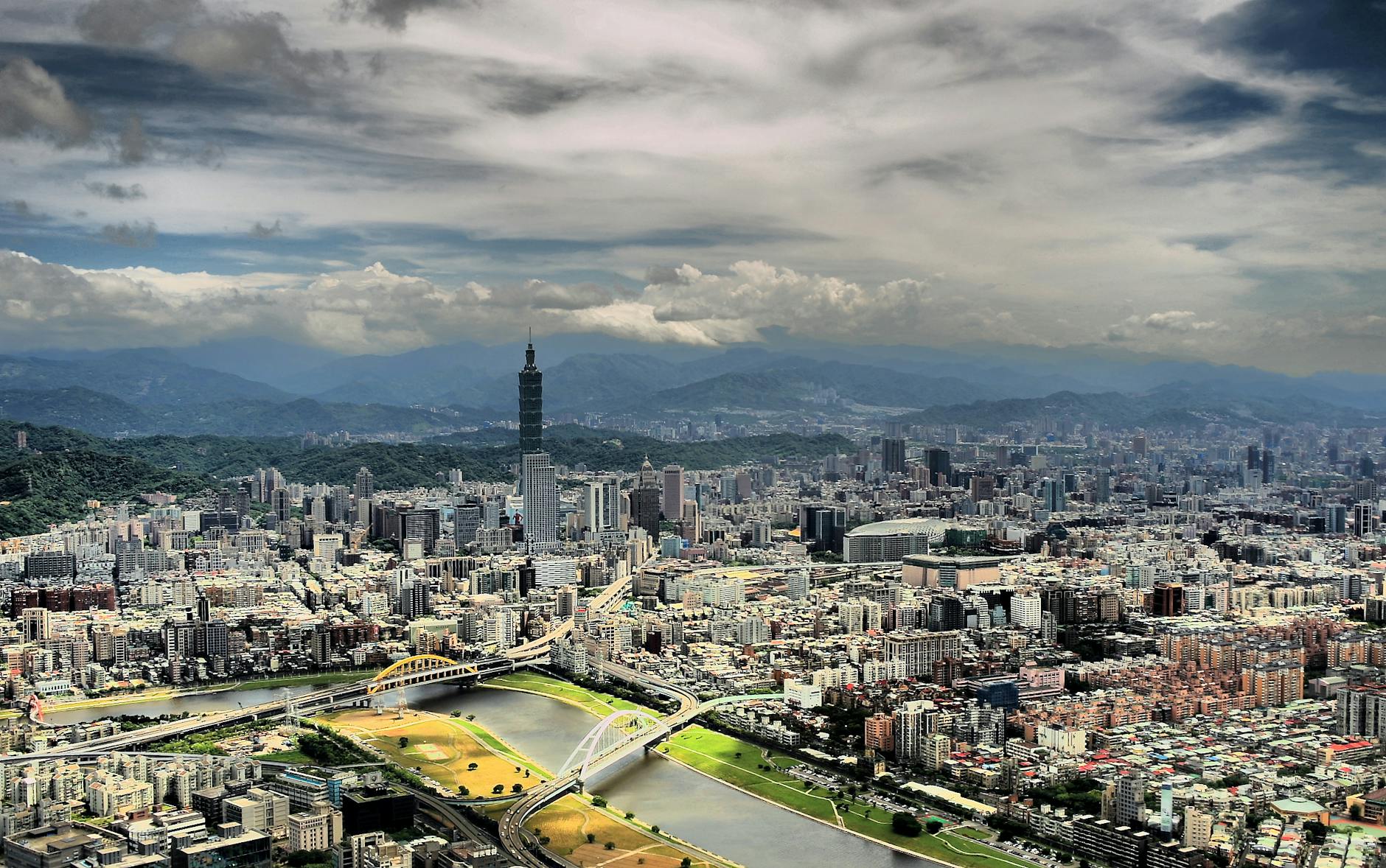
New Taipei is one of the hardest places in Taiwan to guide badly without sounding plausible.
Start Here
That is because the lazy version always sounds sensible at first: “It’s the big city around Taipei with Jiufen, Tamsui, Wulai, Shifen, and lots of day trips.” None of that is false. It is just not a usable guide. New Taipei is not a single walkable city center that happens to have a few outskirts. It is a huge ring of river districts, coastlines, mountain settlements, transit suburbs, hot-spring valleys, old streets, trailheads, and commuter cities surrounding Taipei.
The official New Taipei City Travel site more or less says this outright. It presents the city through dozens of subregions and through a spectrum that runs from city to mountain to sea.[1] Its official quick guide still emphasizes that major places like Jiufen, Shifen, Tamsui, and Yehliu are all in New Taipei City and are connected by extensive public transport.[2] That is exactly the right frame. The mistake is pretending those places add up to one conventional “city break.”
New Taipei in one sentence: it is a vast, multi-centered travel region surrounding Taipei, and your trip only works once you choose which part of it you actually mean.
Basic data
| Population | About 4 million |
|---|---|
| Area | 2,052 km2 |
| Major religions | Buddhism, Taoism, folk religion, Christianity, and a large secular population |
| Political system | Special municipality inside a semi-presidential republic |
| Economic system | High-income mixed economy led by manufacturing, logistics, technology, services, and trade |
Quick Verdict
Best for: travelers staying in Taipei who want excellent day trips, repeat Taiwan visitors, rail-and-MRT travelers, and anyone who likes building a trip around varied subregions rather than one old town.
Less ideal for: travelers who want one simple center with everything in walking distance.
Ideal first use: one or two carefully chosen subregions, not a citywide sweep.
Can justify more time: absolutely, especially on a longer north-Taiwan trip.
Biggest planning mistake: treating New Taipei like one destination instead of a network of very different ones.
One thing to prioritize: selection.
One thing to keep simple: how many zones you attempt in one day.
The blunt version: New Taipei is too big to “cover,” and much better once you stop trying.
Who Will Love New Taipei?
New Taipei works for travelers who enjoy building a trip out of distinct pieces. If you like the idea of pairing an old street with a coast, a river district with an MRT corridor, or a mountain valley with a temple town, it can be excellent.
It is especially rewarding for visitors who are already comfortable using public transport and who do not need every destination to resolve into one postcard center. It is also excellent for people who are willing to let one hotel in Taipei support many highly different days. That is one of New Taipei’s great strengths: you can move through multiple travel atmospheres without performing a full logistical reset every night.
It is less ideal for travelers who get anxious when a destination cannot be summarized through one obvious center. New Taipei is too broad, too distributed, and too internally varied for that.
New Taipei at a Glance
| Question | Practical Answer |
|---|---|
| Best visit style | selected subregions, usually as day trips |
| Main challenge | scale and overchoice |
| Best transport logic | rail, MRT, and connecting buses |
| Strongest first-time zones | Tamsui / Bali, Ruifang zone, Wulai, Banqiao |
| Main planning risk | overcombining famous spots |
| Best mindset | think in corridors, not city-center blocks |
| Core payoff | huge variety without changing hotel every night |
| Main mistake | assuming “near Taipei” means “easy to stack endlessly” |
2026 Visitor Notes
New Taipei Still Officially Defines Itself Through Variety
The official New Taipei City Travel site continues to present the city as a place of mountain and coastline, with its attractions broken down by subregion rather than one central core.[1] That remains the single most important thing a first-time visitor needs to know.
The City Still Works Best Through Public Transport
New Taipei’s official quick guide continues to emphasize that major attractions can be reached through extensive public-transport systems, with city, mountain, and sea destinations all connected into the broader metropolitan region.[2] This remains the practical backbone of a good visit.
Official Recommendations Still Reinforce the Multi-Zone Reality
The city’s official recommendation pages continue to mix riverfront parks, heritage compounds, waterfalls, trails, hot-spring areas, and coast-side experiences in one list.[3] That variety is a strength, but only if visitors understand that it argues for editing rather than accumulation.
Themed Travel Remains a Better Way In Than “Top Sights”
New Taipei’s official guide and tourism press continue to group experiences into trails, mountain-and-sea lines, and themed routes rather than one monolithic checklist.[4][5] That is not marketing fluff. It is actually how the city becomes usable.
How to Understand New Taipei
New Taipei works through clusters, not a singular center.
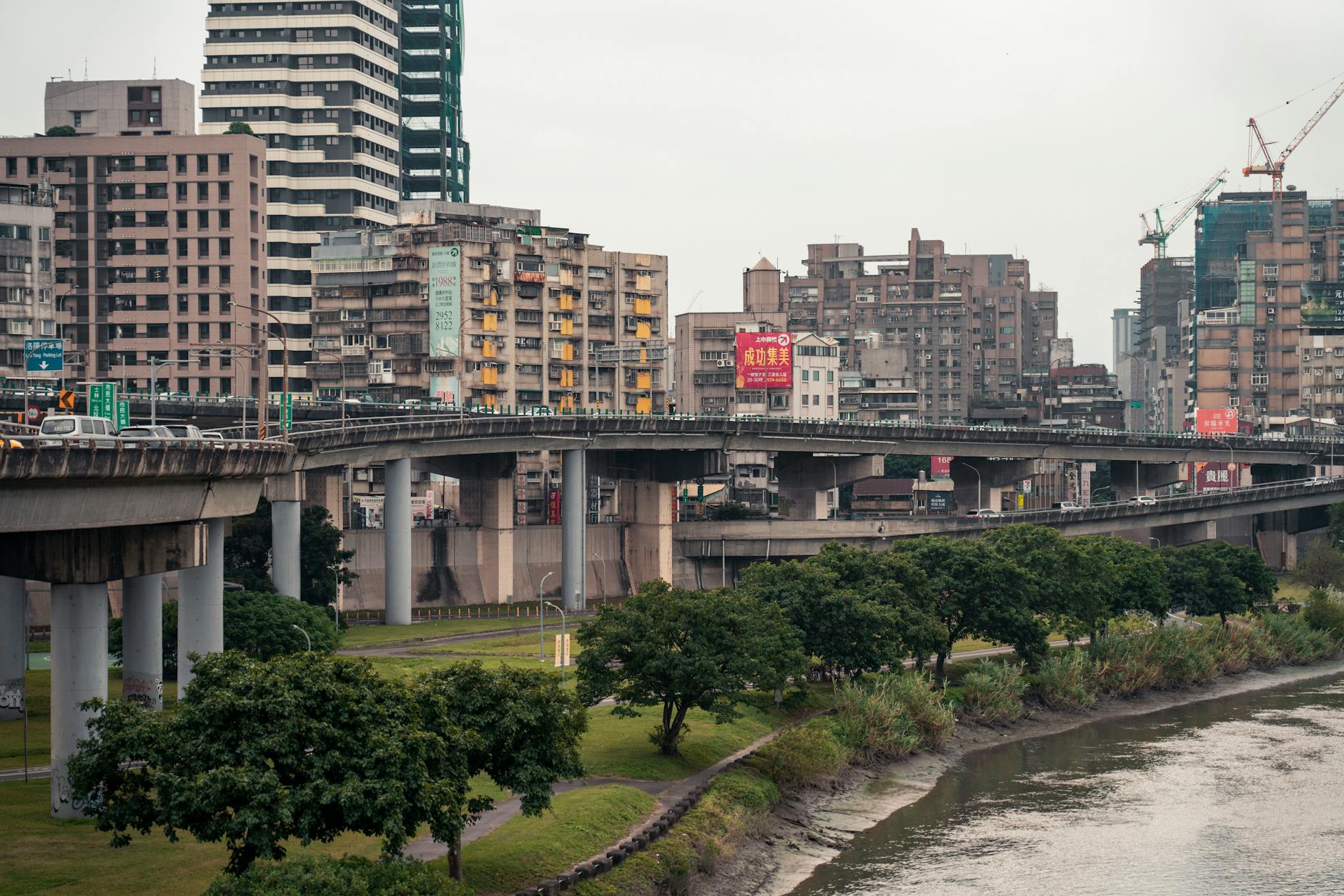
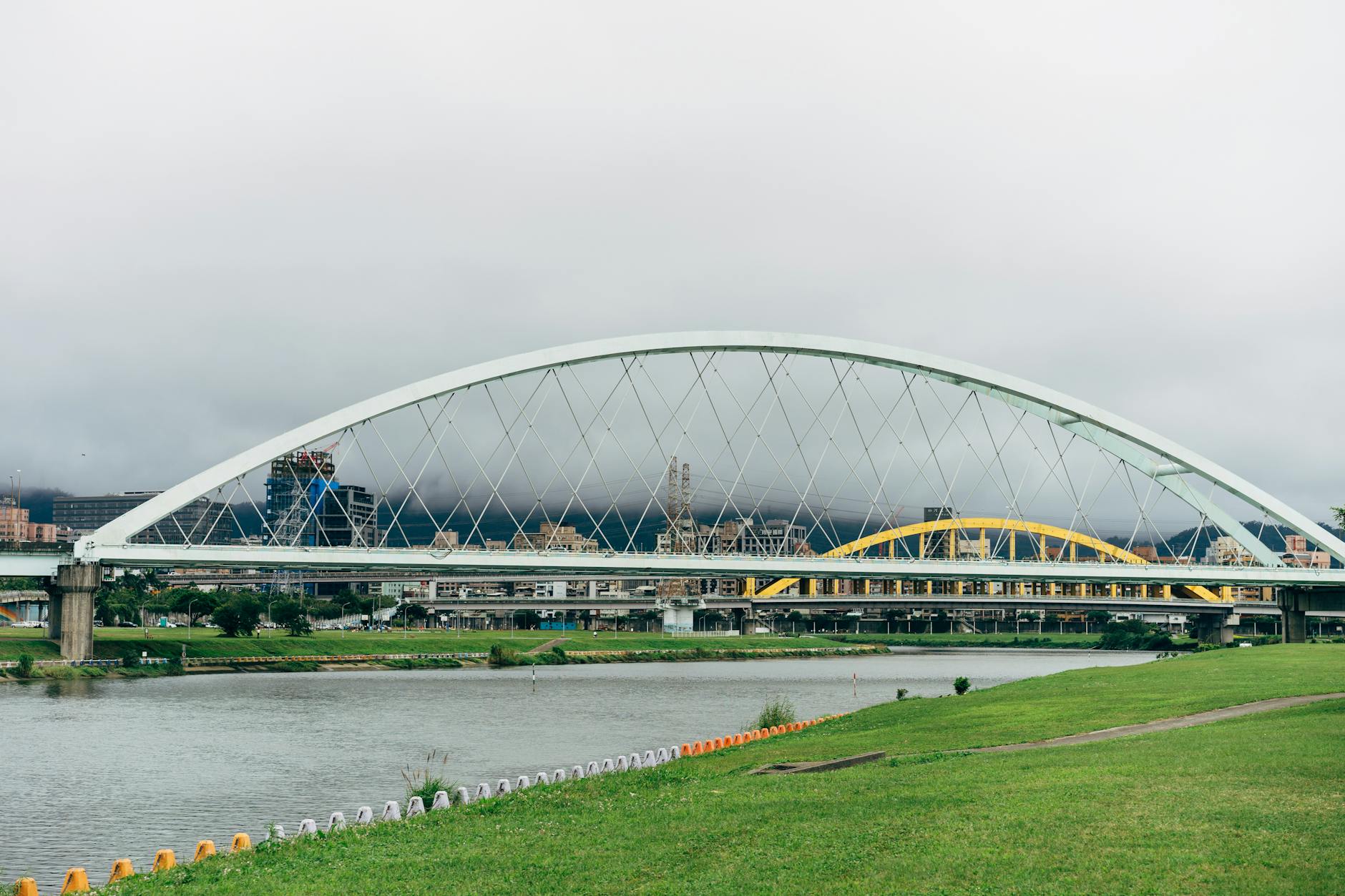
The first cluster is river-and-MRT New Taipei: Banqiao and other urban districts that function as extensions of greater Taipei but still have their own useful cultural or logistical role.
The second is old-street-and-mountain-edge New Taipei: Ruifang, Jiufen, Pingxi, and other places where rail, mining memory, lanterns, and slope matter.
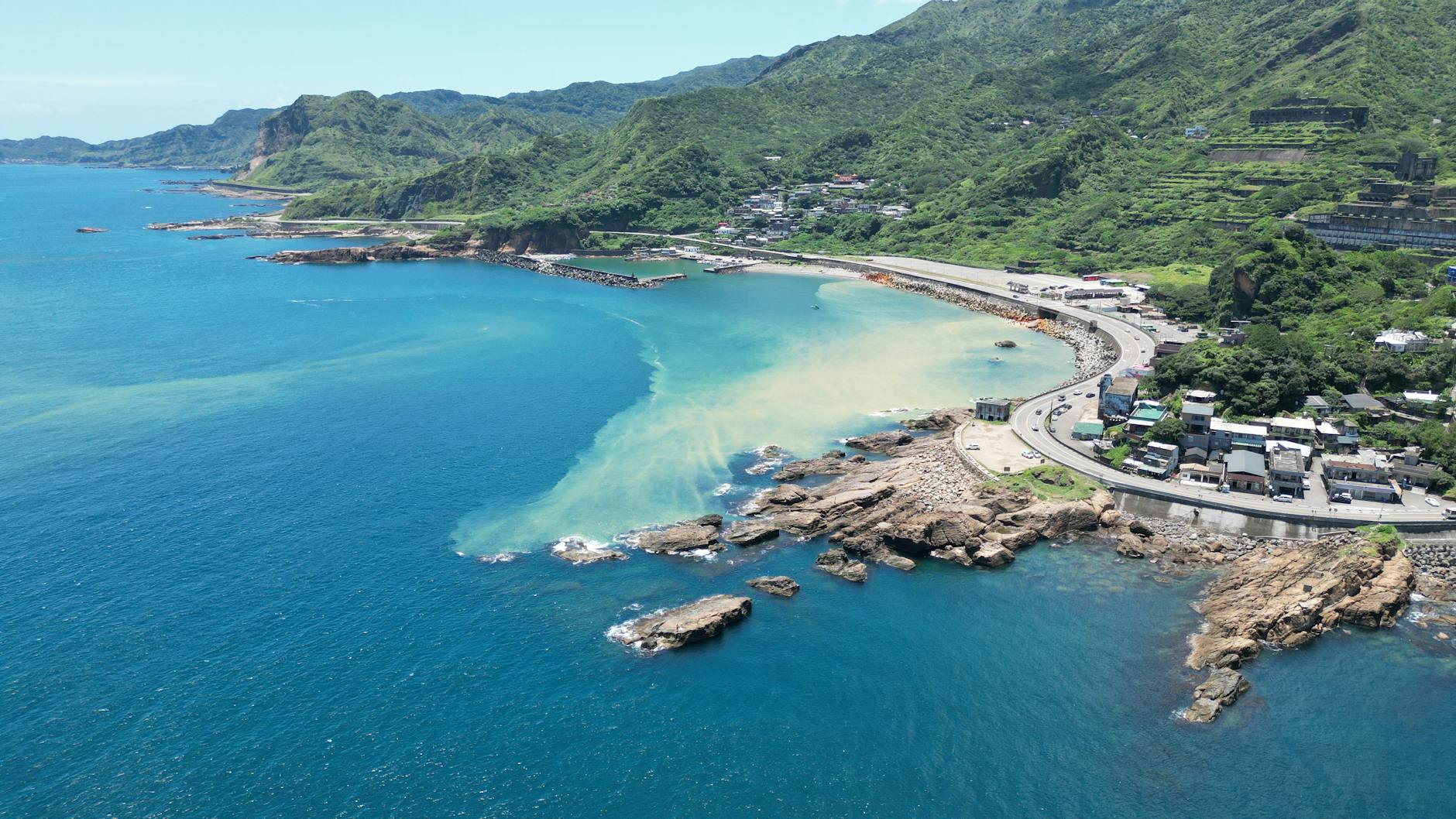
The third is water-and-coast New Taipei: Tamsui, Bali, Yehliu-side territory, and the northern shorelines.
The fourth is valley-and-hot-spring New Taipei: Wulai and other greener, more retreat-like environments.
The fifth is the “ordinary city” layer: the part many travelers ignore because it is less dramatic, but which matters if you want to understand that New Taipei is not just a scenic annex to Taipei.
The Main Mental Shift
Do not ask, “What should I do in New Taipei?” Ask, “Which New Taipei am I choosing?” Once you do that, the place stops feeling impossibly broad and starts feeling rich.
This is not a semantic trick. It is the core planning principle. New Taipei punishes anyone who refuses to choose a version of it.
What Makes New Taipei Distinct
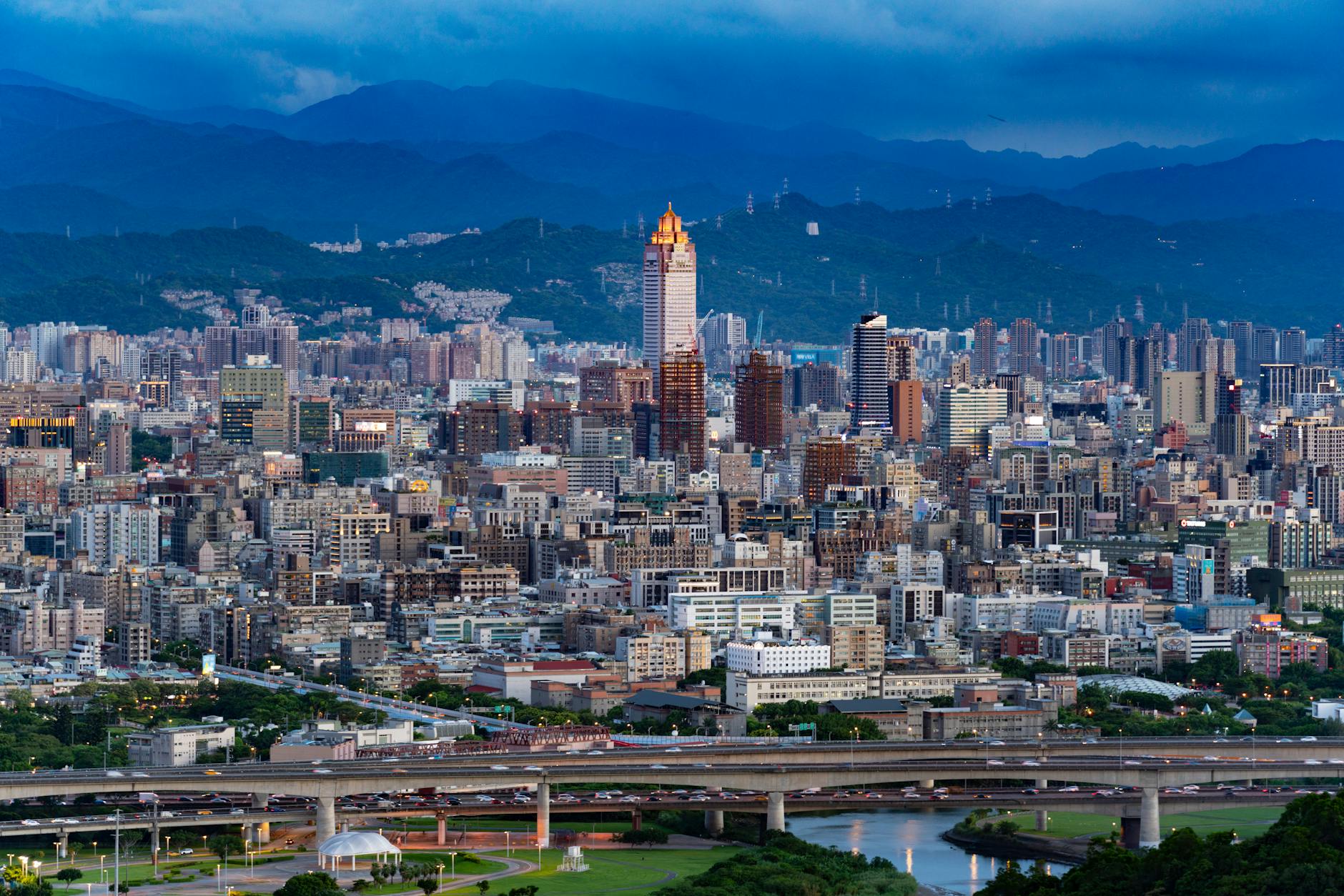
New Taipei is distinct because it surrounds one of Asia’s great capital cities without behaving like a mere suburban afterthought.
Official materials still highlight old streets, mountain trails, coastlines, riverside districts, festivals, and local transit-connected leisure.[1][2] In practice, this means New Taipei gives travelers access to wildly different atmospheres without requiring a full relocation every day. Few metropolitan regions are this varied while staying this reachable.
That scale of variety is not just convenient. It changes the shape of a Taiwan trip. New Taipei allows you to build mountain, coast, heritage, commuter-urban, and thermal-retreat days while still sleeping in the same wider metropolitan system. That is unusual value if used well.
Why New Taipei Is Easy to Misuse
The destination gets misused because convenience creates false confidence.
People see that a place is “reachable from Taipei” and assume that means:
- it is quick
- it stacks easily with something else
- it does not need much weather or energy planning
- a long list can be made to fit in one day
Sometimes that is true. Often it is not. Distance is only one part of a trip day. Terrain, crowding, slope, transfers, appetite, and return mood all matter too. New Taipei is one of the clearest examples of a region where public transport access does not automatically mean itinerary simplicity.
Best Time to Visit
New Taipei is best when you match the season and weather to the zone.
Clearer days favor coastlines, mountain viewpoints, and old-street areas where visibility matters. Rain can still work for certain urban or river districts, but can seriously blunt the value of scenic outings. Heat matters less in the coastal breeze than in hill towns with stairs. In short: conditions matter here because New Taipei is many places, not one.
The smarter move is usually to choose the region after checking the weather, not before.
This is one of the biggest upgrades a traveler can make. Instead of asking, “What is the most famous New Taipei day trip?” ask, “What kind of New Taipei day fits today’s conditions?”
How Much Time You Need
One Day
Enough for one subregion, or possibly two tightly connected ones.
Two to Three Days
A strong first serious introduction, giving you room for coast, old street, and one greener or more urban counterweight.
Longer Stays
Excellent if you are using Taipei as a base and want to keep rotating outward without changing hotels constantly.
The Real Minimum
The real minimum is not how many hours you can physically spend outside Taipei. It is how much time you need for one subregion to feel like a place instead of a transit exercise. For most zones, that means resisting the urge to force three “famous” names into one tired day.
Arrival Strategy
New Taipei should begin with a corridor decision.
The official travel guide still frames the city through transport-based choices such as MRT travel, rail travel, themed tours, and route planning.[4] That is the right operational model. Decide whether your next move is westward to riverside and urban districts, northward to Tamsui, eastward to Ruifang and the mountain-coast fringe, or southward to places like Wulai.
Trying to solve all of New Taipei at once is how people accidentally spend most of their day in transfers.
The Best First-Time New Taipei Choices
For most first visits, the strongest answer is to pick from four broad types.
Tamsui / Bali: for river mouth, promenade, ferry, sunset, and an easier waterfront day.
Ruifang / Jiufen / Shifen side: for old streets, rail logic, mining memory, and more dramatic terrain.
Wulai: for a greener, more retreat-like mountain-valley contrast.
Banqiao and nearby urban New Taipei: for travelers who want something more city-structured and less excursion-shaped.
These are different trips. Treating them as interchangeable is the beginning of most planning mistakes.
Tamsui and the Coastal-River Edge
New Taipei’s official pages continue to place Tamsui / Bali among the city’s essential destination clusters.[1] This remains one of the easiest and most rewarding first-time choices because it gives you water, atmosphere, transit ease, and a strong late-day payoff without requiring a huge logistical commitment.
If you want New Taipei to feel spacious and legible immediately, start here.
Tamsui and Bali work especially well because they balance:
- clear access
- visible setting
- easy walkability once there
- enough built environment to sustain a day without needing to overperform
They also teach an important lesson about New Taipei: some of its best subregions are not “sights” so much as rhythms.
What makes Tamsui / Bali especially strong for a first pass is that it introduces New Taipei gently. You do not need to solve difficult terrain immediately. You do not need to overcalculate old-street crowd timing. You get a clear edge-of-water experience and a feel for how New Taipei can be spacious without becoming remote.
Ruifang, Jiufen, Shifen, and the Famous Eastward Pull
The official quick guide still names Jiufen and related attractions among New Taipei’s major draws.[2] This eastern cluster is famous for good reasons, but it also tempts visitors into overcombining. The terrain is slower, the crowds are real, and old-street tourism is much more satisfying when you give it time.
This cluster belongs to travelers who can accept a more committed day.
It is often the first place where people make the New Taipei planning mistake of assuming fame means compatibility. Jiufen and Shifen may both be “classic” day-trip names, but that does not mean they always belong together in a satisfying first visit. Sometimes one zone properly done is the better answer.
This cluster often needs the most discipline because its images are so strong. Travelers feel they already know what they want from it, which makes them less cautious than they should be. But the eastward pull is exactly where slower terrain, weather, and crowd density can turn overconfidence into a thin day.
Wulai and the Usefulness of a Different Register
One reason New Taipei is so strong is that it can swing from crowded old streets or coastlines into something more forested, thermal, or retreat-like without breaking the wider trip. Wulai is part of that argument. It is valuable not only for what it is, but for how cleanly it contrasts with the other famous New Taipei zones.
If your trip already includes Taipei and a busier eastward day, Wulai can be exactly the right counterweight.
It also teaches another useful principle: New Taipei is often best when days are designed in contrast with one another instead of as gradations of the same idea.
Wulai is important in the guide not only because it is a destination, but because it proves New Taipei can be restorative rather than extractive. Not every day in this region has to be about famous old streets or dramatic coast. Some of the best ones are about shifting into a different speed.
Banqiao and the Urban Side of New Taipei
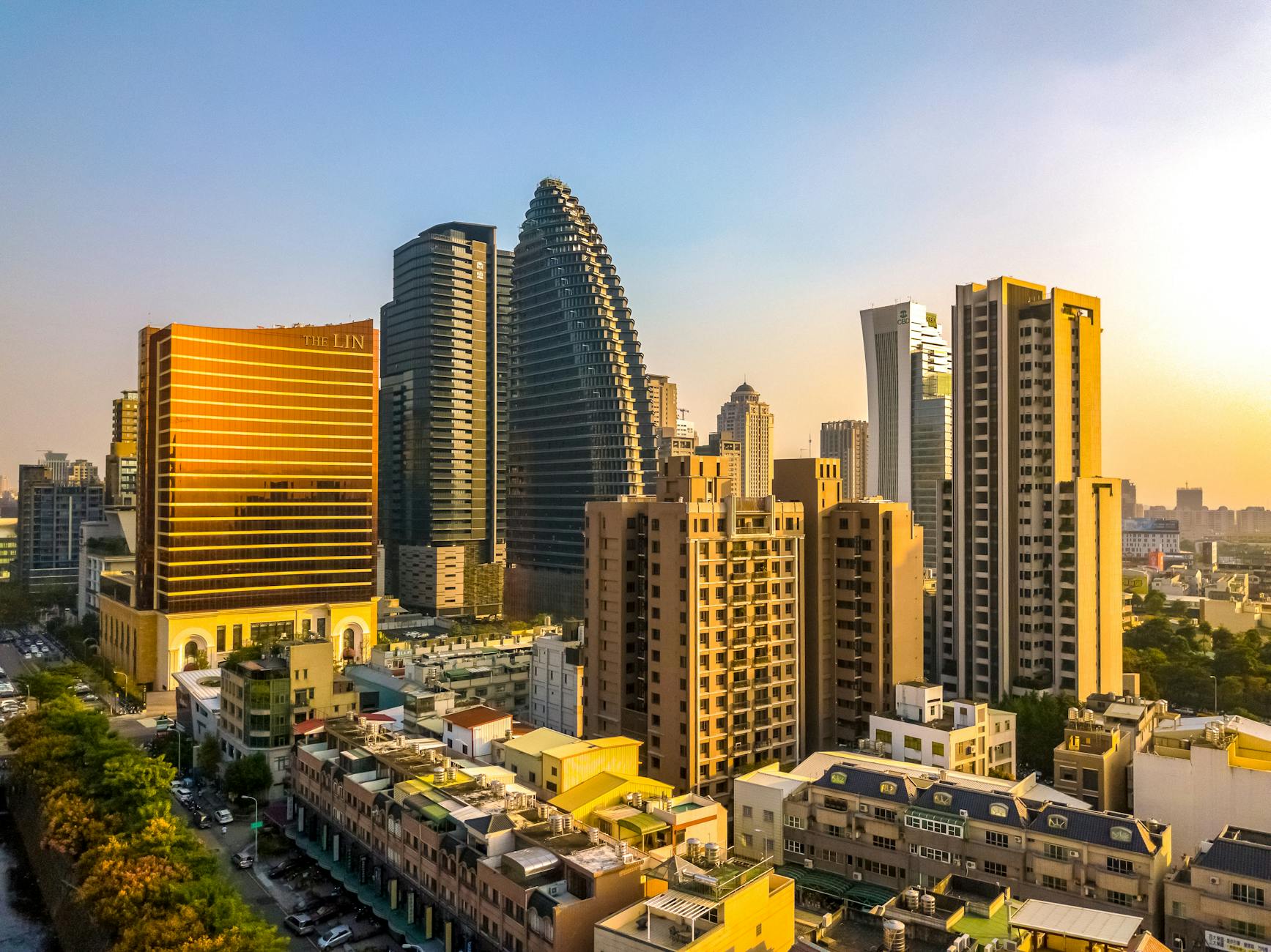
Official recommendation pages continue to include heavily urban places such as the Lin Family Mansion and Garden and other metropolitan attractions.[3] This matters because New Taipei is not just scenic escape territory. Its urban districts can be useful for travelers who want a city day outside Taipei proper without pretending they have left metropolitan life entirely behind.
Banqiao and similar urban New Taipei zones are useful because they:
- reduce transfer exhaustion
- still show local distinction
- keep the wider metropolitan story visible
- help prevent the false impression that New Taipei matters only when it becomes scenic
They also give shape to longer stays. If every New Taipei day becomes a scenic outward excursion, the region starts to feel like a list of edges rather than a city. Urban New Taipei corrects that.
Why You Should Not Ignore the Urban Layer
Travelers often treat the urban side of New Taipei as dead space between the exciting parts. This is understandable and wrong.
Ignoring the urban layer creates two distortions:
- it turns New Taipei into a theme park of selected day trips
- it understates how the region actually works as a city
It also weakens your understanding of the scenic zones. Coast, hills, hot springs, and old streets feel different once you remember that they belong to a living metropolitan structure rather than an abstract tourism map.
New Taipei Is Not Just “Taipei Day Trips”
This is one of the most important corrections a better guide can make.
Calling New Taipei a collection of Taipei day trips is not entirely wrong, but it is incomplete in a way that matters. It encourages the traveler to think of the region only from the point of view of departure, not from the point of view of identity.
New Taipei is not only where you go when leaving Taipei. It is a metropolitan and regional environment with its own internal logic. That is why Banqiao matters. That is why the urban layer matters. That is why the old-street and mountain zones should not be treated like detached theme parks.
Once you understand that, the whole region becomes more coherent and less disposable.
If you want the guide to be honest, you have to admit that New Taipei is not only leisure geography. It is also everyday metropolitan life. Even if that is not the focus of your trip, it affects how the rest of the region hangs together.
Day Shapes That Actually Work
There are only a few reliable ways to use New Taipei well.
One-Zone Day
This is the strongest first-timer pattern. Pick one corridor, stay in it, and let it breathe.
Two Compatible Zones
This works when the two belong naturally together in transport and mood. Compatibility matters more than fame.
Urban Plus Scenic Counterpoint
Sometimes an easier urban district paired with one scenic movement produces a better day than trying to chain scenic highlights together.
The common thread is that the day has one governing logic. Once the logic disappears, New Taipei turns into commute.
The Wrong Kinds of New Taipei Ambition
There are a few kinds of ambition that almost always produce bad days here.
Prestige Ambition
This is when travelers feel compelled to choose only the most famous names regardless of fit. The result is often overdistance and underexperience.
Transport Ambition
This is when a traveler notices that the map allows multiple rail and MRT chains and assumes that logistical possibility equals emotional coherence.
Coverage Ambition
This is the belief that a “good” New Taipei day is the one that touches the greatest number of places.
All three are understandable. All three make the region feel worse than it is.
Morning New Taipei Versus Evening New Taipei
Time of day matters here more than people often plan for.
Morning
Morning is best for:
- old-street areas before they become too compressed
- mountain-edge or weather-dependent starts
- cleaner rail-based outward movement
Midday
Midday is where weak New Taipei planning often reveals itself. This is when overcombined itineraries begin to drag, when exposed zones lose softness, and when transfer fatigue starts to show.
Late Afternoon and Evening
Some corridors, especially river-mouth and waterfront zones like Tamsui / Bali, become much stronger late in the day. Others, especially weather-dependent hill or rail clusters, are often weaker if you have left them too late.
This is why “what time does this place feel right?” is almost as important as “how do I reach it?”
Weather Logic: How to Choose the Right New Taipei
This region rewards weather-based editing more than many travelers expect.
If the weather is:
- clear and open, use mountain or coast
- gray but stable, use urban or old-street zones that rely less on long views
- wet, reduce ambition, favor tighter transit and less exposed plans
- very hot, avoid oversloping the day and use breezier or more protected zones
This sounds obvious, but many people still book New Taipei days backward, deciding on a famous place first and adapting too late.
New Taipei’s variety is one of its great gifts, but only if you use it responsively. A region like this should make bad weather less catastrophic, not more. If the forecast changes, the day should change with it.
The Overcombining Problem
New Taipei’s biggest planning failure is overcombining.
Why does it happen? Because every famous subregion sounds “near Taipei,” every train or MRT route looks possible, and every guide list is happy to stack place names. But a possible transfer is not the same as a good day.
Overcombining usually produces:
- less time in the strongest place
- more time in transitions
- weaker meals
- more fatigue on the return
- a shallower memory of each zone
There is also a subtler cost: you stop allowing New Taipei to establish mood. The region becomes a collage of arrivals and departures instead of a place. That is especially damaging in a destination whose real strength is contrast and atmosphere.
If you want New Taipei to feel rich instead of exhausting, you have to become suspicious of any itinerary that sounds too comprehensive.
New Taipei for Different Kinds of Travelers
This region behaves differently depending on who is using it.
The First-Time Taiwan Visitor
The best first move is usually one famous subregion used properly, not a multi-stop proving exercise.
The Repeat Visitor
Repeat visitors often get the best New Taipei because they feel less pressure to do only the canonical names.
The Rail-and-MRT Traveler
This person is well positioned. New Taipei often shines when approached through transport literacy.
The Car User
A car can create flexibility, but it can also create overambition. More freedom often leads to worse editing here.
The Family or Mixed-Energy Group
This is where New Taipei can be excellent, because some zones offer high reward without excessive complexity if chosen honestly.
The Short-Stay Taipei Visitor
This traveler often needs the strictest editing. With limited time, the temptation is to reach for the most famous name. Sometimes that is right. Often, the better answer is the corridor that offers the cleanest day shape rather than the highest prestige.
Why New Taipei Is Better Than a Simple Day-Trip List
A lot of writing about New Taipei defaults to list mode. This is understandable and inadequate.
Lists cannot explain:
- how the zones compete for time
- why one district makes another feel redundant
- why weather changes the whole value equation
- how to pair or not pair subregions
They also cannot explain emotional fit. Some New Taipei zones are generous and easygoing; others are more demanding or more timing-sensitive. Without interpretive guidance, travelers assume all “reachable from Taipei” places are interchangeable.
This is exactly why the region needed a longer second-pass guide. New Taipei is a planning destination, not merely a naming destination.
A better guide has to move beyond “here are places near Taipei.” New Taipei deserves corridor logic, not just attraction inventory.
One Good Two-Day New Taipei
A strong two-day first introduction might look like this:
Day 1
- choose one coast-or-river zone such as Tamsui / Bali
- let the day remain open enough for atmosphere
- avoid stacking an unrelated eastward move
Day 2
- choose one mountain or old-street corridor such as the Ruifang / Jiufen side or Wulai
- build around terrain, weather, and return time
This structure works because the days contrast without fighting each other.
It also works because it leaves room for appetite, weather, and return energy. New Taipei days are stronger when the traveler still has curiosity left at the end of them.
One Good Three-Day New Taipei
If you have more room, the region starts to become really satisfying.
A strong three-day version usually means:
- one coast / river day
- one old-street / mountain-edge day
- one greener or more urban counterweight
That gives you breadth without pretending the whole city has become manageable. It is still selective, just intelligently so.
The point of the extra day is not to chase completeness. It is to let the region stop feeling like an annex of Taipei and start feeling like a travel field in its own right.
How Repeat Visitors Should Use New Taipei
First-time visitors often gravitate toward the canonical names. That is fine. Repeat visitors have a richer opportunity.
The best repeat use of New Taipei often comes from:
- revisiting one famous zone at a better pace
- pairing one familiar area with one less obvious urban or river district
- choosing according to weather rather than obligation
- treating the region as modular, not hierarchical
This is where New Taipei becomes particularly strong. It is not exhausted by the first famous run.
Why New Taipei Improves After the First Visit
First visits tend to be dominated by the famous names. That is natural. But New Taipei often gets better after that, because the second time around you start choosing by shape rather than by reputation.
You already know:
- the region is not one city-center experience
- transport access does not eliminate the need for editing
- some of the best days come from contrast, not fame
- urban New Taipei matters too
That is usually when the place starts to feel less like a ring of obligations and more like one of the best metropolitan travel regions in East Asia.
One of the strongest signs that the region is being used well is that repeat visitors stop asking “What are the main New Taipei sights?” and start asking “What kind of day do I want today?” That is a much more mature and accurate way to use the place.
Why This Guide Needed a Second Pass
New Taipei is exactly the kind of destination that fails under short-guide treatment. A compressed version can say “Jiufen, Shifen, Tamsui, Wulai, Banqiao” and technically be accurate while still being practically unhelpful.
The real difficulty here is not naming places. It is teaching selection. Without enough room, a guide just reproduces the mistake the traveler was already about to make: stacking everything that seems near Taipei into one overconfident plan.
That is why the second pass matters. New Taipei is not hard because it lacks identity. It is hard because it has too many identities available at once.
The extra length is not indulgence. It is functional. Without corridor logic and selection logic, the guide would be technically true and practically weak.
How to Leave a New Taipei Day Well
The end of a day matters more here than people often realize.
A good New Taipei day usually ends when:
- the chosen zone has fully established its mood
- return transport still feels manageable
- you are leaving with a clear memory rather than a blur
A bad New Taipei day usually ends with:
- an unnecessary final add-on
- rushed return pressure
- too many subregions competing in memory
This is why stopping early enough is often the more intelligent travel move. New Taipei usually gives more value to a complete partial day than to an overextended “full” one.
Why This Region Gets Better Once You Stop Ranking It
Travelers often come in wanting to know which New Taipei zone is “best.” That instinct is understandable and not especially helpful.
The region improves once you stop ranking and start matching:
- match weather to terrain
- match energy to distance
- match travel mood to subregion
- match season to day shape
This is how a large, distributed region becomes humane rather than overwhelming.
What New Taipei Teaches About Travel Judgment
New Taipei is one of those places that quietly improves a traveler’s judgment if they use it well.
It teaches that:
- easy transport does not remove the need for editing
- fame is not the same as fit
- one strong place is often better than three partial ones
- a region can be unified by access while still resisting simplification
That is part of why it is worth a longer guide. New Taipei is not merely somewhere to go. It is somewhere that reveals whether the traveler understands how to choose.
What First-Time Visitors Should Stop Trying to Do
There are a few instincts that are understandable and almost always unhelpful here.
Stop trying to:
- “get the highlights” of the entire region in one day
- combine famous names that belong to different kinds of weather or energy
- treat every rail-accessible place as naturally compatible
- assume that leaving from Taipei means the hardest part is already solved
Those instincts come from a reasonable place: New Taipei looks close, connected, and abundant. But abundance without editing is exactly what turns the region against you.
A better first-time mentality is narrower: choose one convincing version of New Taipei, let it be enough, and allow the rest of the region to remain for another day.
Why New Taipei Rewards Return Planning
Some destinations are mostly exhausted by the first headline visit. New Taipei is not. Because it works through corridors and subregions, it becomes richer every time you come back with a different purpose.
That is one of the best things about it. The region is not asking to be conquered. It is asking to be revisited intelligently.
That alone makes it more substantial than a mere day-trip annex to Taipei.
It also changes the whole shape of a north-Taiwan trip. Once you understand how to use New Taipei well, Taipei stops being only a capital and starts becoming a launch platform into a far wider field of coast, valley, old-street, commuter-city, and mountain-edge days. That is a major upgrade in how the whole region travels.
That enlargement of possibility is the region’s quiet triumph. It gives structure to return travel instead of merely supplying overflow.
It rewards travelers who learn to choose well, and very few large metropolitan regions reward judgment this directly.
That is rare, and worth respecting.
And it is one of the strongest reasons not to use the region only once at maximum intensity. New Taipei often becomes better the moment you stop trying to finish it.
Common Mistakes
Treating New Taipei Like One Compact City
It is a region of subregions, not a single center.
Overcombining Famous Stops
Just because Jiufen, Shifen, and Tamsui are all in New Taipei does not mean they belong in one day.
Choosing Before Checking Weather
Weather quality affects value here more than in many compact city destinations.
Ignoring the Urban Districts Entirely
The city is not only excursion scenery.
Using “Day Trip” as an Excuse Not to Plan
New Taipei rewards planning more than the phrase “easy day trip” suggests.
Letting Fame Decide Compatibility
The best pairings are shaped by corridor logic, not by Instagram rank.
My Blunt Advice
Pick one New Taipei per day. That might mean coastal New Taipei, mountain-old-street New Taipei, valley-retreat New Taipei, or urban-river New Taipei. Build around that choice, let public transport do its job, and resist the urge to prove range.
New Taipei is one of the most rewarding parts of north Taiwan precisely because it is not one thing. The successful trip does not simplify that fact away. It uses it.
If you let the region remain plural, it becomes generous. If you force it into a fake city-center model, it becomes exhausting. That is the core decision.
Source Notes
- 1. New Taipei City Travel official main page. Used for current city framing around mountain and coast lines, subregional breakdown, and overall tourism structure. https://newtaipei.travel/en
- 2. New Taipei City Travel quick guide for travelers. Used for current official framing of New Taipei as a city-to-mountain-to-sea destination with public transport access to Jiufen, Shifen, Tamsui, Yehliu, and more. https://newtaipei.travel/en/plan/travel-guide
- 3. New Taipei City Travel official attractions recommendation page. Used for current official evidence of the city’s broad mix of river, heritage, waterfall, temple, and coastal attractions. https://newtaipei.travel/en/attractions/recommend
- 4. New Taipei City Travel guide page. Used for current official emphasis on MRT travel, rail travel, themed tours, and route-based planning. https://newtaipei.travel/en/plan/travel-guide
- 5. New Taipei City Tourism and Travel Department news release on “Start a great journey with New Taipei City.” Used for current official framing around branded travel lines and thematic tourism clusters. https://newtaipei.travel/en/news/detail/2596