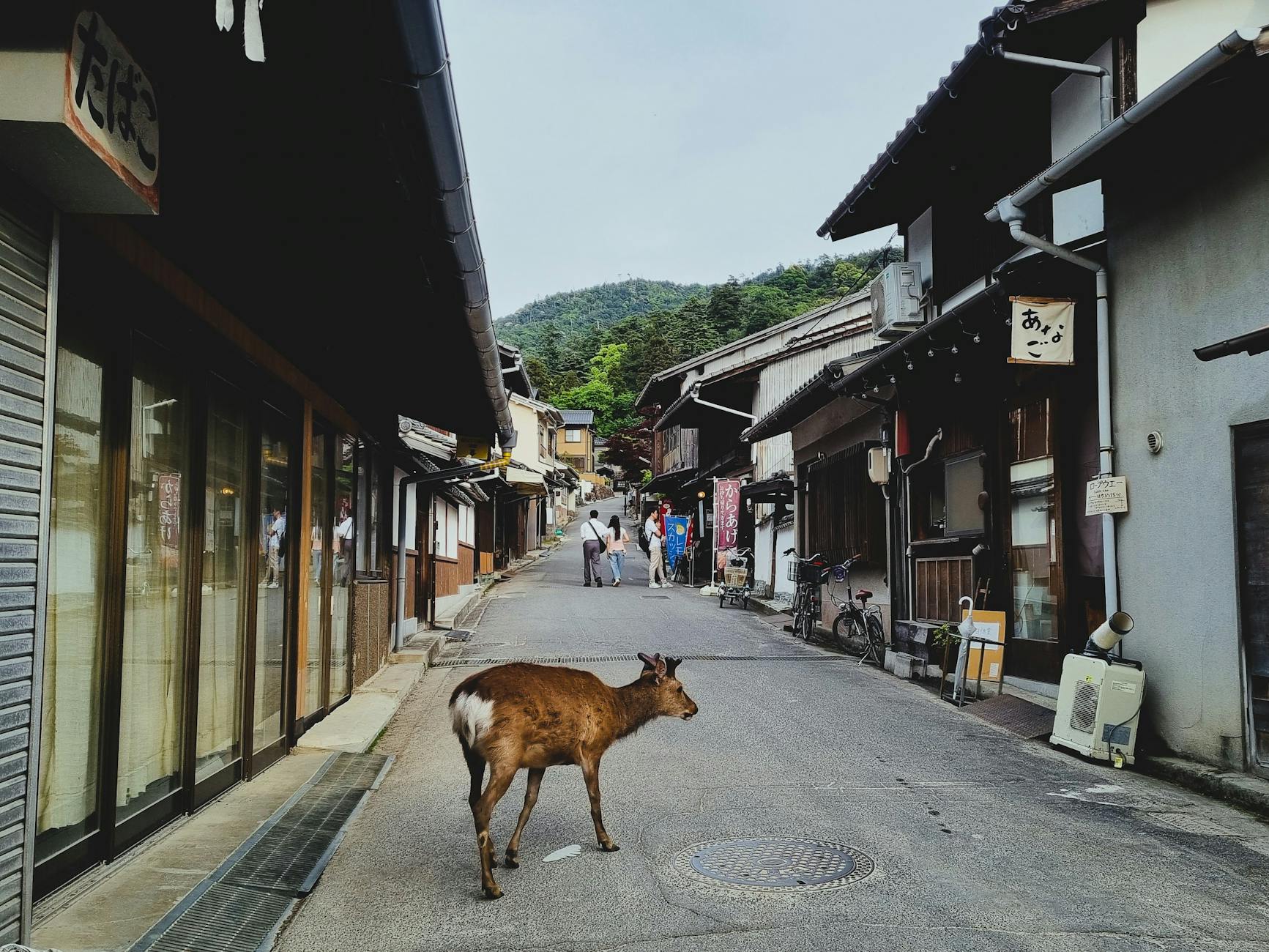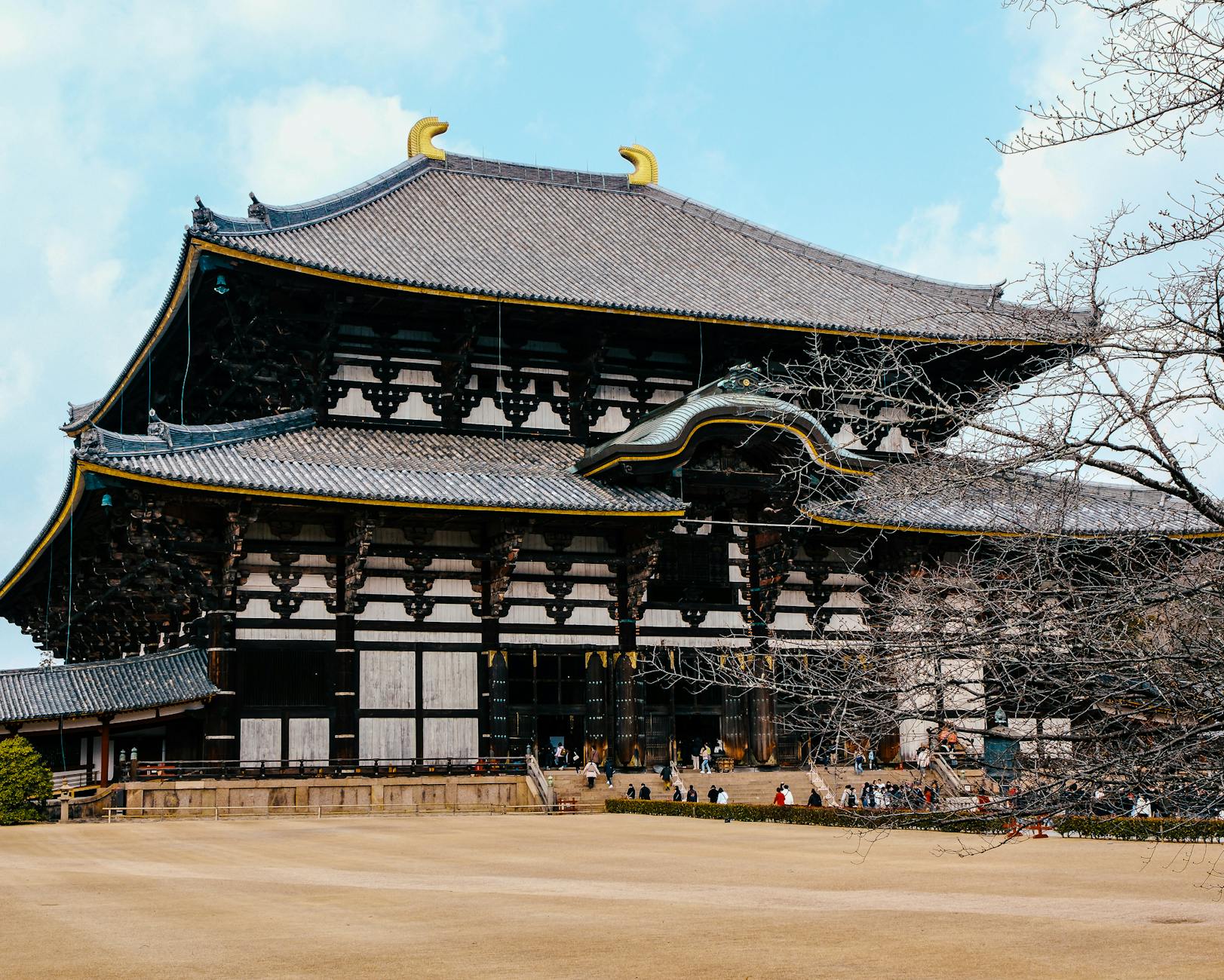
Nara is one of Japan’s most commonly underused destinations because travelers keep asking it to behave like a quick moral obligation inside a Kyoto or Osaka itinerary. Deer, temple, park, lunch, leave. That is the standard bad plan. It treats one of Japan’s oldest and most quietly powerful places as if it were just a famous soft interruption in a crowded Kansai route. The result is usually a visit that is technically successful and emotionally thin. Nara is far better when it is treated as a slower historic city with its own atmosphere and weight, not just as an excursion. The point is not only what you see there. It is what happens to your whole Japan trip when one day is finally allowed to become spacious, calm, and less extractive.
How Nara works
Nara works through calm, scale, and release. It is easier than Kyoto or Osaka, but that should never be confused with disposable. The city’s value comes from what happens when the route stops being so compressed. Temples, parkland, old streets, moss, weathered wood, silence, and slower pacing all begin to matter more. Nara is not built for conquest. It is built for deceleration. Travelers who insist on treating it like a checkbox usually end up proving only that they can flatten one of Kansai’s gentlest and most historically resonant days.
- Nara is a slower destination, not a small one in emotional terms.
- The city rewards decompression more than efficiency theater.
- A lighter route is the whole point here, not a compromise.
Best time to visit
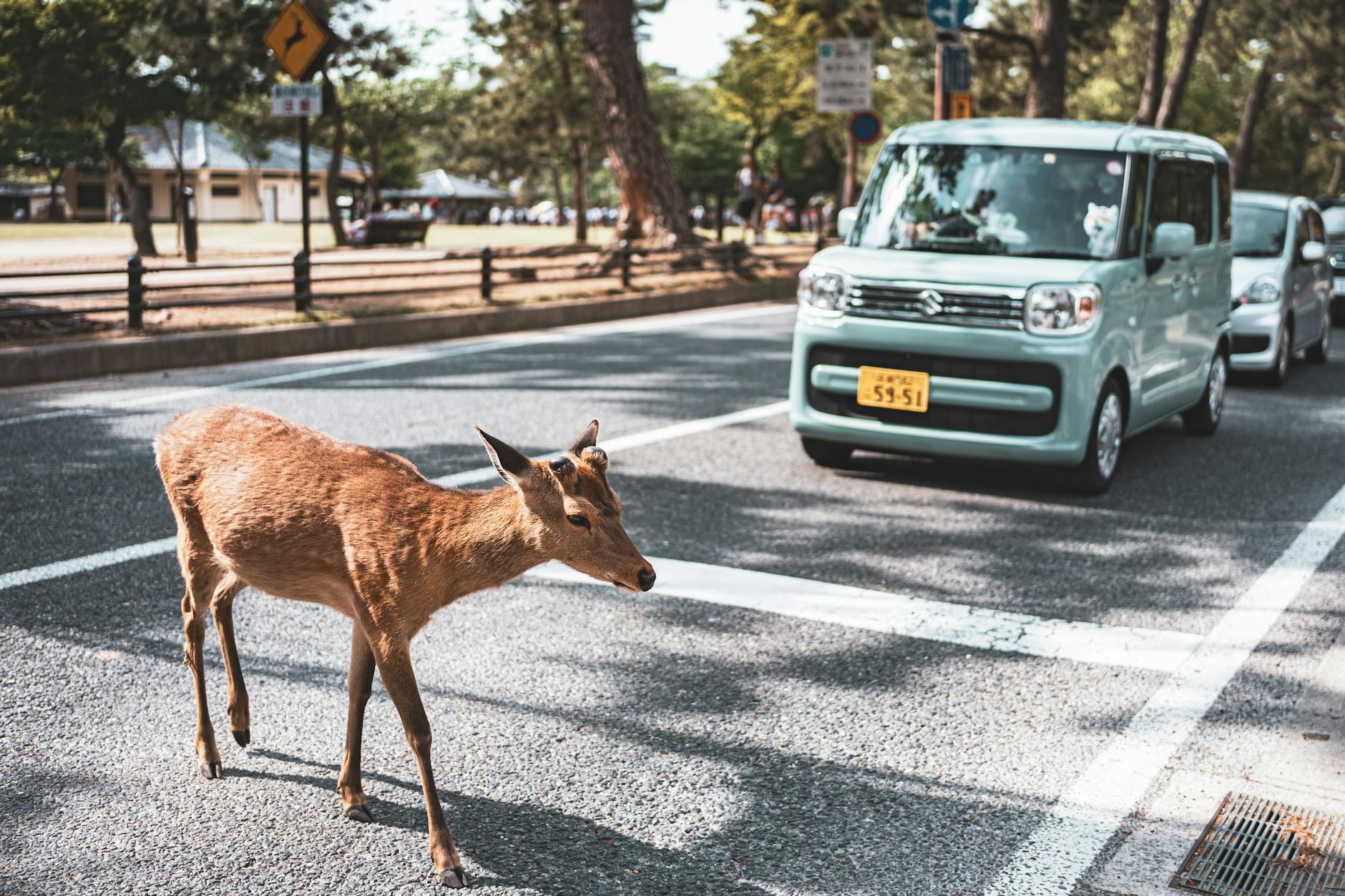
Spring and autumn are the obvious magnetic periods, and for good reason: Nara becomes particularly beautiful then. But they also make the city more crowded and more compressed, which works against some of its deepest virtues. The place can function very well outside peak windows if what the traveler wants is calm and contour rather than famous seasonal performance. Nara does not lose its value outside postcard season. It simply changes from ceremonial beauty to slower clarity. That can be a better trade than many first-time travelers realize.
- Peak beauty seasons are rewarding, but they also bring the most pressure.
- Off-peak Nara can actually deliver the cleaner, calmer experience many travelers claim to want.
- Timing matters because crowd density changes the city’s whole emotional register.
Arriving and getting around
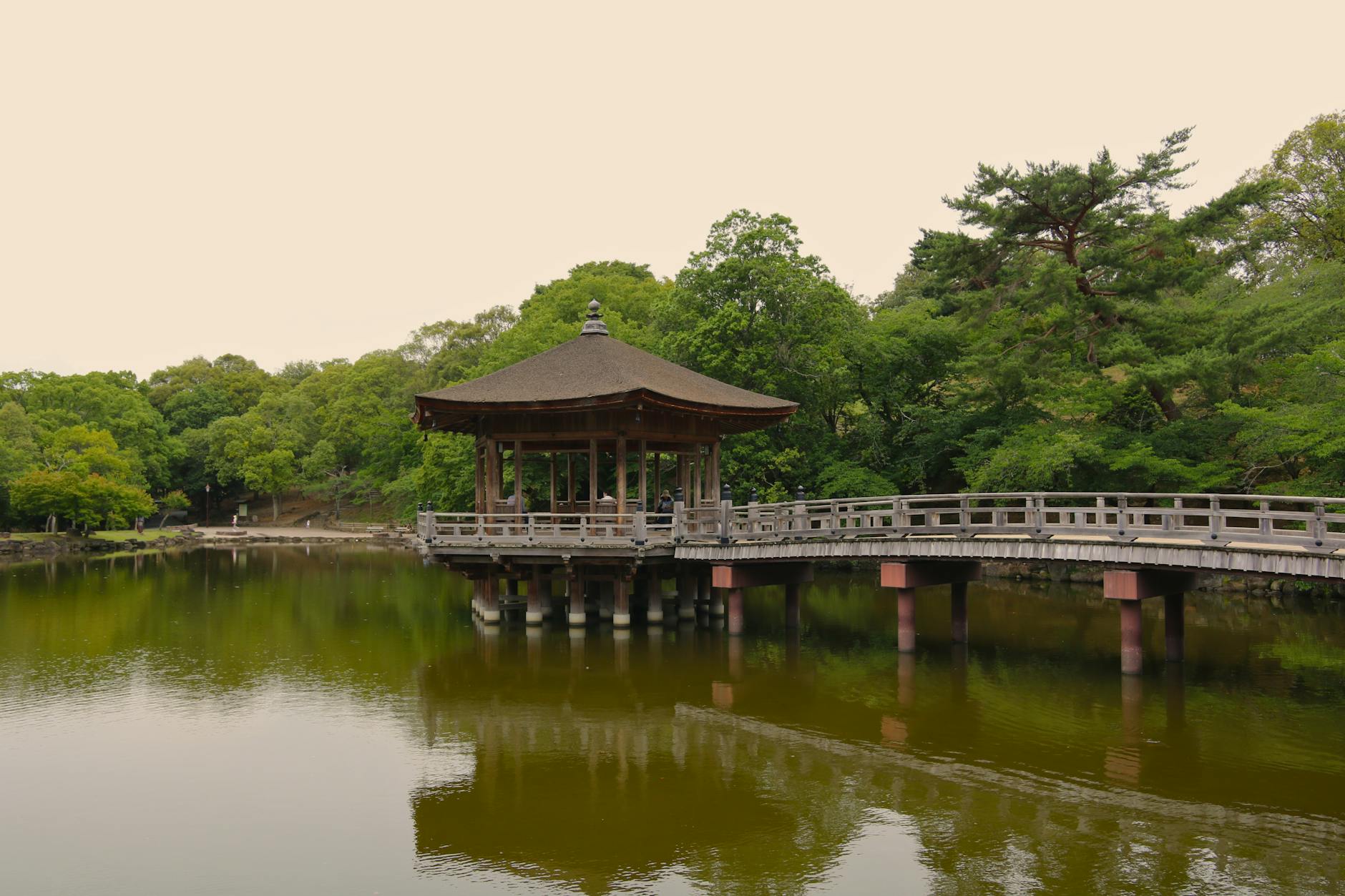
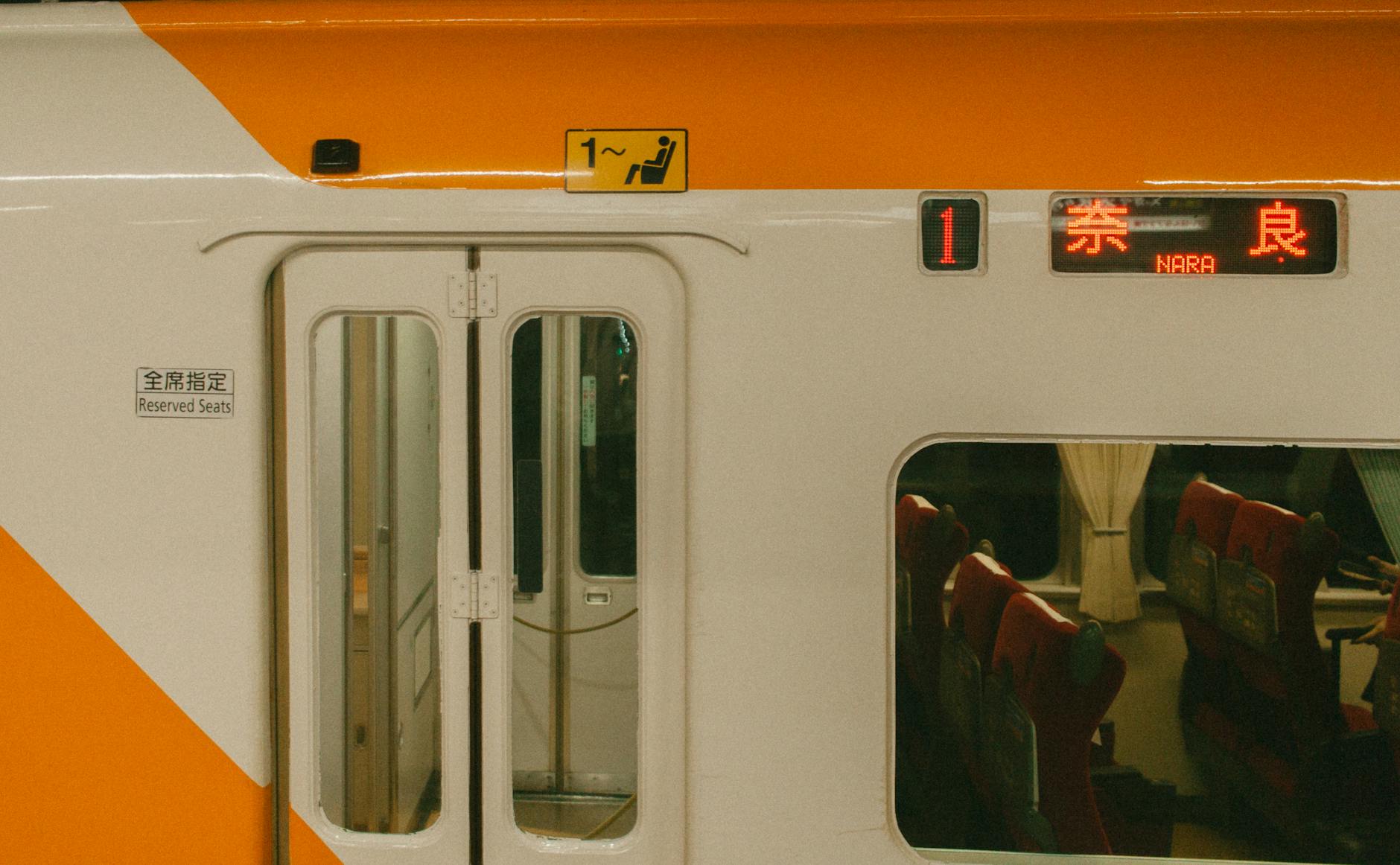
Getting to Nara is easy enough. Using it properly is the actual challenge. Too many travelers arrive already tired from an overbuilt Kansai route and then try to speed through the city as if the goal were mere completion. The stronger approach is to let Nara stay focused and walking-led, with enough time for the city’s gentler rhythm to take over. What matters is not distance so much as whether the traveler has left enough mental and physical room for the place to register. Nara is simple to access and easy to waste.
- Access is easy; leaving enough time and energy is the harder decision.
- The city is strongest as a focused walking day or an intentional short stay.
- Do not force Nara into a route that has no room left for calm.
Where to stay
Most travelers never consider staying in Nara, which is exactly why many never experience the city at its best. A short stay can transform it from a pleasant excursion into one of the most restorative parts of a Japan trip. Even if used as a day trip, the hotel logic elsewhere still matters: choose a base that does not force the day to begin or end under pressure. If staying locally, choose somewhere that matches the city’s quieter tone rather than trying to manufacture bigger-city excitement around it. Nara is best when the accommodation logic supports stillness rather than throughput.
- A short stay in Nara can be much smarter than a rushed excursion.
- The right base changes whether the city feels like calm or obligation.
- Nara is best when the hotel logic supports stillness rather than throughput.
The Naras that matter most
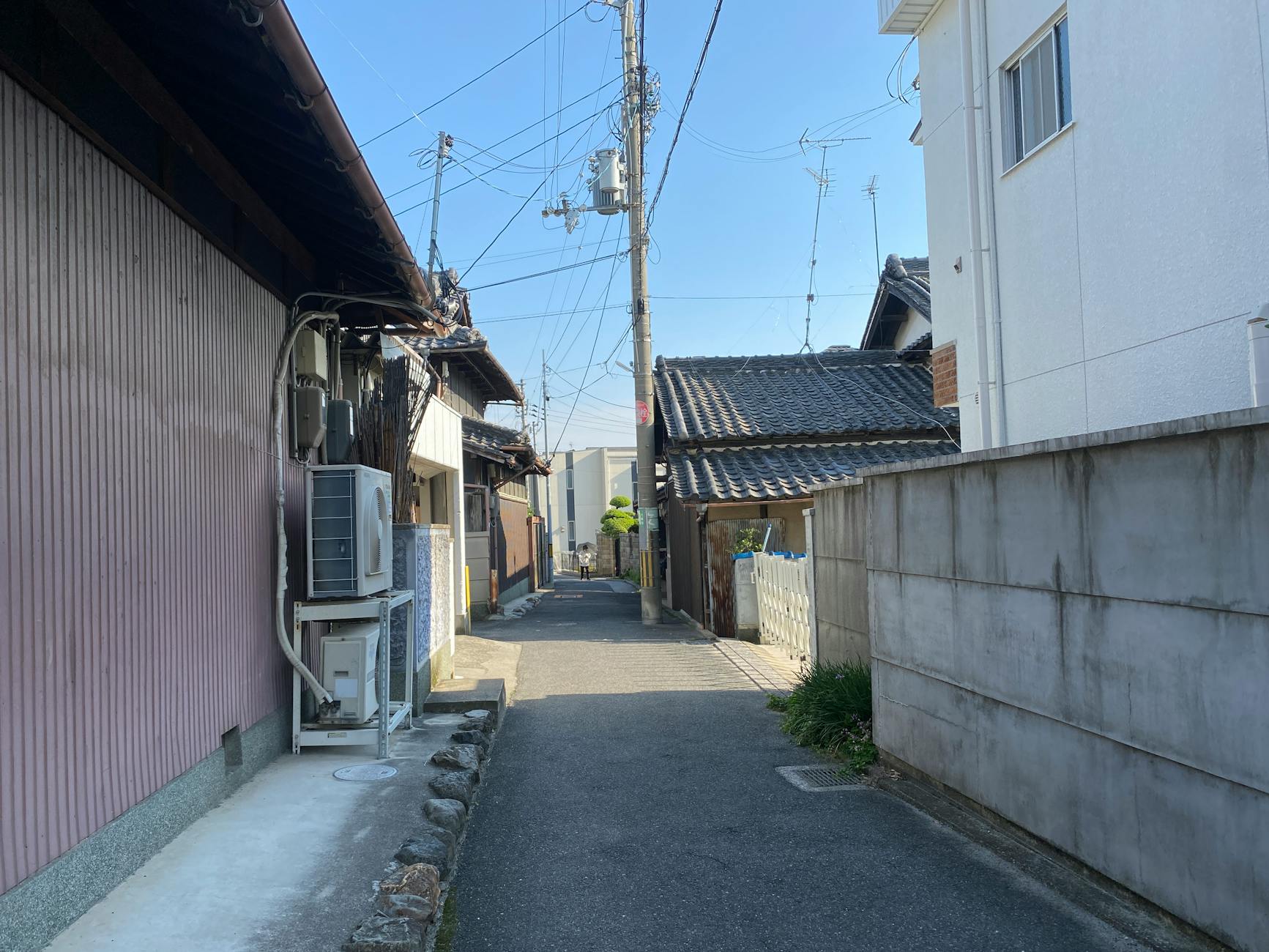
There is park-and-temple Nara, where the city reads as one long soft sequence of historic weight, open space, and a calmer walking rhythm. There is more local Nara, where the city feels less symbolic and more inhabited. There is station-and-excursion Nara, which is the version most rushed travelers accidentally end up having. And there is overnight Nara, which can feel almost improbably soothing after Kyoto or Osaka. These are not the same destination. Nara improves immediately once the traveler decides which one they actually want.
- Different versions of Nara create very different emotional outcomes.
- Most disappointing Nara trips are really station-and-checklist Nara by accident.
- Choosing the right Nara is more important than chasing every famous sight.
What Nara does better than almost anywhere in Kansai
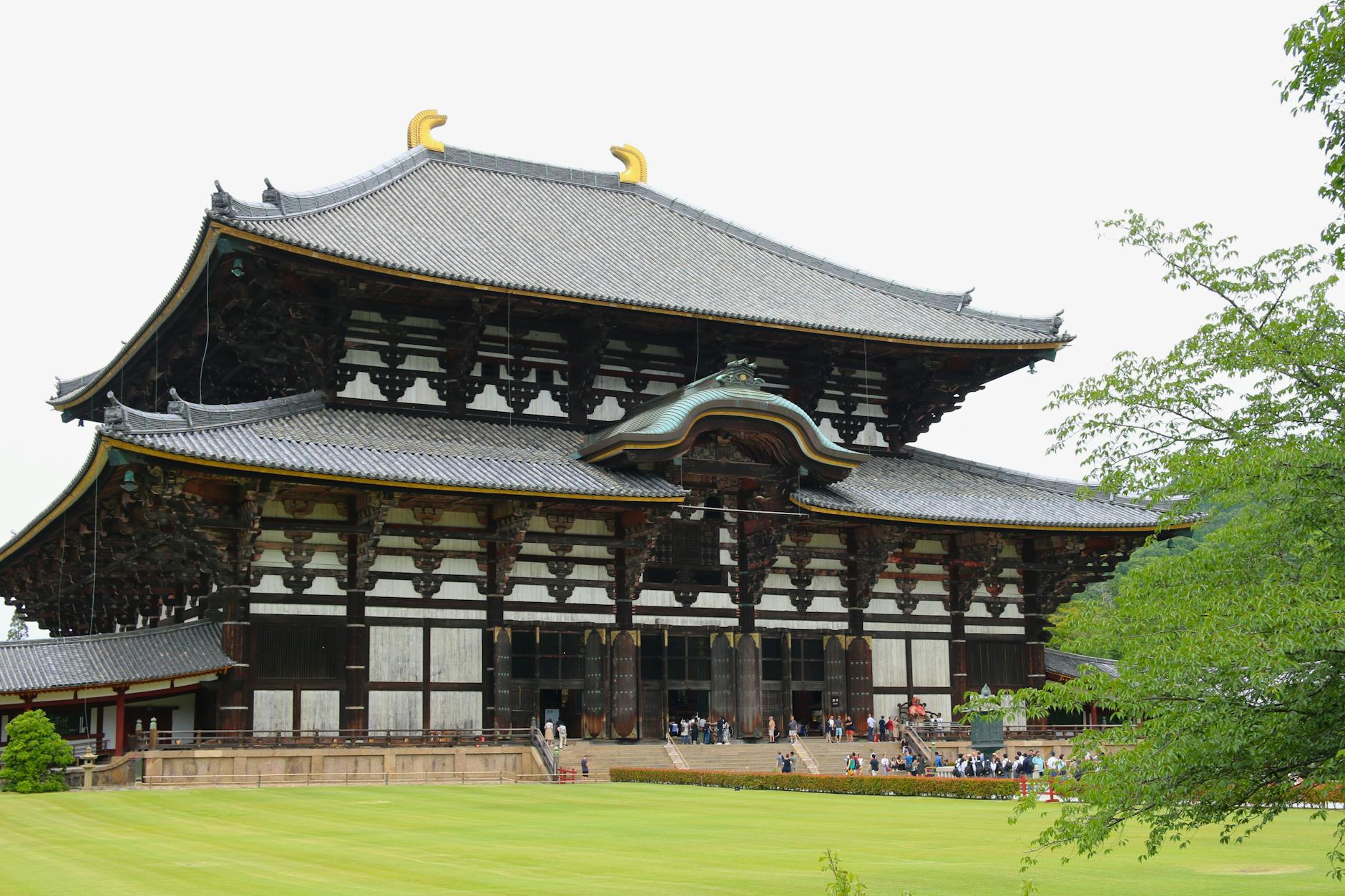
Nara offers release. That may not sound glamorous, but it is rare and valuable. Few places in Kansai can quiet a route so effectively while still delivering real historic and aesthetic weight. Nara is not just an easier day. It is a different kind of day, one where the traveler can let the pace drop without feeling they have settled for something lesser. That makes it one of the best counterweights to the intensity of Kyoto and Osaka.
- Nara gives Kansai one of its best slower and calmer city experiences.
- Its strength is not lessness, but relief combined with genuine substance.
- The city works best as a counterweight rather than an obligation.
Food, sweets, and the city’s quieter pleasures
Nara’s food life is part of the city’s slower appeal. The point is rarely high-pressure dining achievement. It is the way tea, sweets, lunch, and an easier meal rhythm can support the day’s quieter weight. This is a place where small pleasures matter. Meals should belong to the route and to the emotional temperature of the city rather than behaving like another item to dispatch between landmarks.
- Nara rewards a quieter food rhythm than many larger Japanese cities.
- Tea, sweets, and easier meals belong naturally to the day here.
- Dining should support calm, not break it.
Nightlife and evening Nara
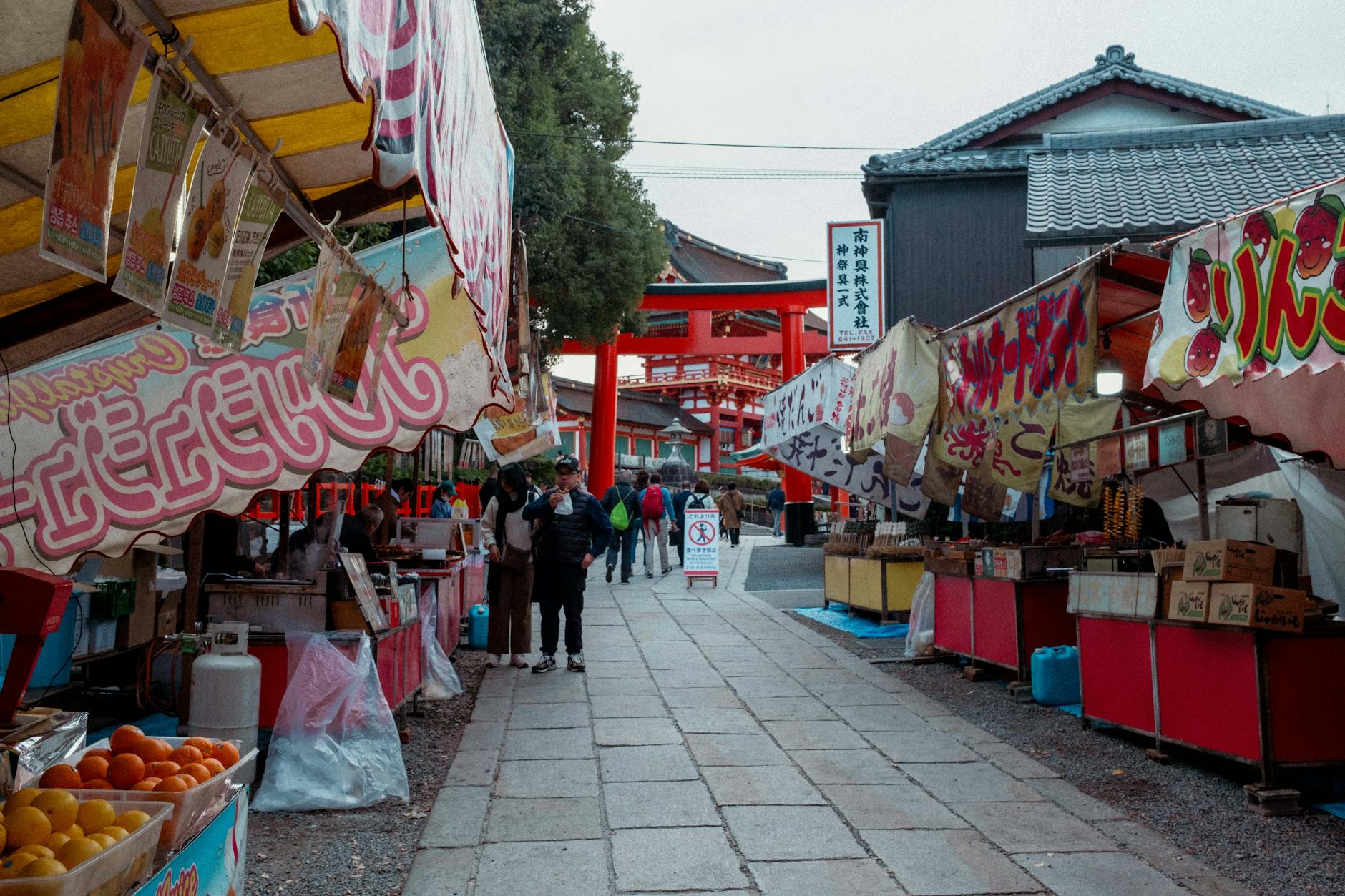
Nara is not a nightlife city in the way Osaka is, and trying to make it one misses the point. Evening here is about continuation, not escalation. A quieter dinner, a calmer walk, an earlier return, and a sense that the day is tapering correctly suit the city much better than the importation of bigger-city expectations. For travelers who stay overnight, this is often exactly why Nara becomes memorable.
- Nara’s evenings are valuable because they are calm, not because they are busy.
- A local overnight can reveal a side of the city most day-trippers never see.
- Do not ask Nara to perform another city’s nightlife.
Etiquette and local norms
Nara especially rewards travelers who remember that calm environments are easy to damage. Temples, parkland, sacred spaces, and the softer atmosphere of the city all benefit from a measured, respectful posture. The easiest way to use Nara badly is to let day-trip mentality turn the whole place into a mildly frantic photo errand.
- Respect matters here because the city’s calm is part of the product.
- Do not let excursion mentality become sloppiness.
- A quieter, more observant posture improves Nara immediately.
My blunt advice
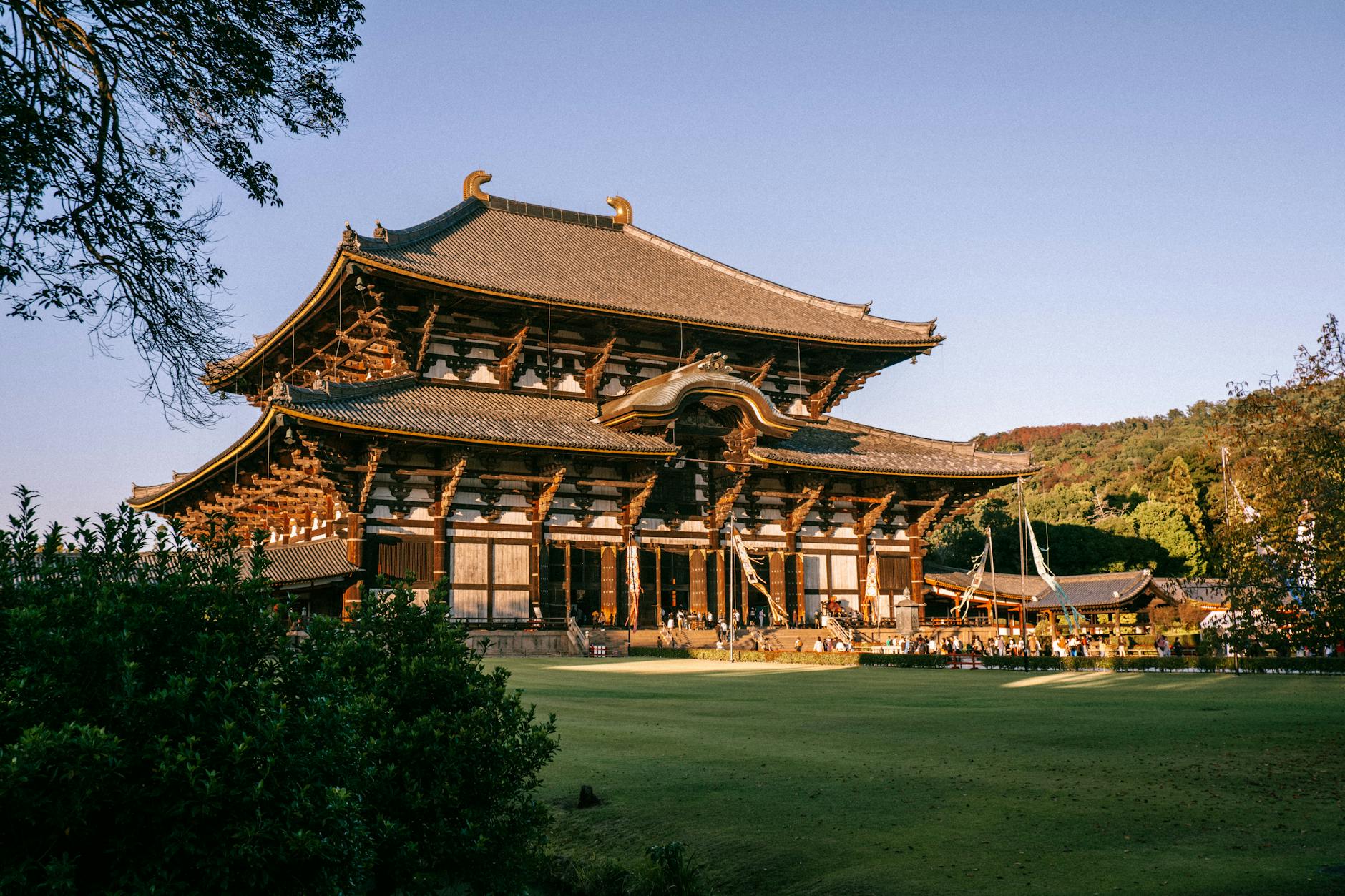
The biggest Nara mistake is treating it like a half-day conscience-clearing exercise. The second is visiting it from a route that has already become too loud and too full to let Nara work. This city does not need more ambition. It needs room. If you give it that, Nara can become one of the most memorable parts of Kansai. If you do not, it will look pleasant and feel strangely thin.
- Nara deserves more than symbolic inclusion.
- The route around Nara matters as much as Nara itself.
- The city rewards time, quiet, and less greed.