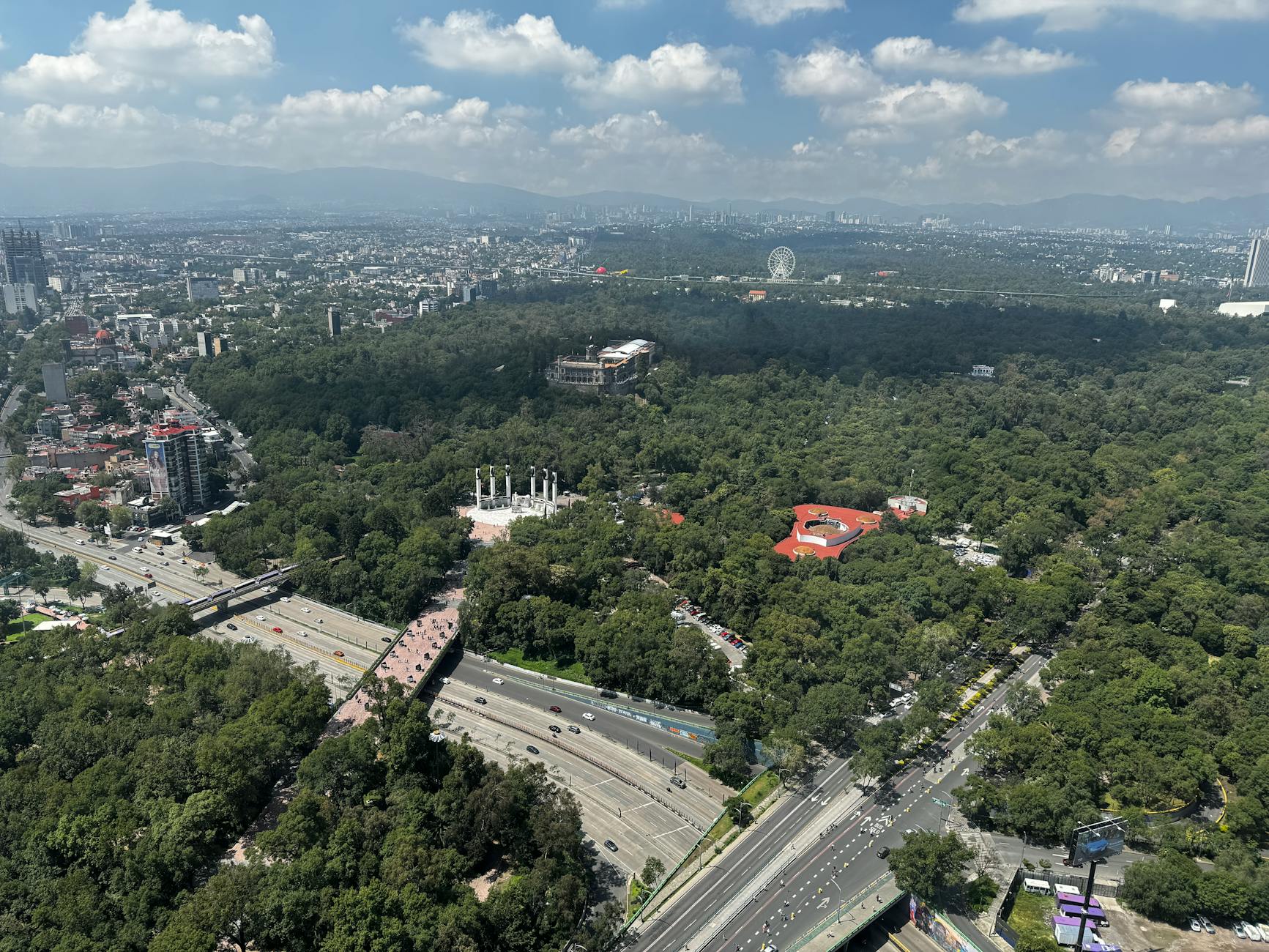
Mexico City is not a city you “cover.” It is a city you learn to move through.
Start Here
It is too large, too old, too layered, and too alive to be reduced to a list of sights. You can stand in the Zócalo and feel the stones of Tenochtitlan under the colonial grid. You can spend a morning with the Aztec Sun Stone, an afternoon in a leafy café in Roma, and an evening eating tacos from a stainless-steel counter under fluorescent lights. You can cross from baroque churches to 20th-century murals, from markets to tasting menus, from traffic-choked avenues to jacaranda-lined parks, from lakebed history to high-altitude light.
Most visitors come for food, Frida Kahlo, Teotihuacan, and a long weekend in Roma or Condesa. They leave realizing that Mexico City is not a side trip before the beach. It is one of the great urban destinations of the world.
This guide is designed to help a prospective visitor make good decisions: where to stay, how long to spend, how to pace the city, what to book ahead, what to skip, how to use transit, how to eat well, and how to understand the city’s shape before it overwhelms you.
Basic data
| Population | About 9.2 million |
|---|---|
| Area | 1,495 km2 |
| Major religions | Roman Catholic heritage, evangelical Christianity, and a secular urban mainstream |
| Political system | Elected city government inside a federal presidential republic |
| Economic system | Mixed market economy driven by services, government, finance, culture, and manufacturing |
The City in One Sentence
Mexico City is a living excavation: an Indigenous capital, a Spanish colonial seat, a modernist experiment, a food city, an art city, and a neighborhood city stacked on top of one another at 2,240 meters above sea level.
Quick Verdict
Best For
Mexico City is outstanding for:
- Food travelers
- Museum lovers
- Architecture and design travelers
- History travelers
- Art lovers
- Urban walkers
- Coffee, bakery, and cocktail people
- Travelers who like layered cities more than polished resort destinations
- Long weekends from North America
- Digital nomads and slow travelers
- Repeat visitors who enjoy discovering neighborhood by neighborhood
Not Ideal For
Mexico City is less ideal if you want:
- A beach vacation
- A small, simple, low-logistics city
- Door-to-door sightseeing without traffic
- A destination where English is enough everywhere
- A low-altitude trip
- A trip built entirely around late-night walking in unfamiliar areas
- A city where you can rent a car and relax
Ideal Trip Length
For a first visit:
- 3 days: the minimum that feels worthwhile
- 4–5 days: the best first-visit length
- 7 days: excellent if you want food, museums, neighborhoods, and day trips
- 10+ days: still not too much if you like big cities
Best Time to Visit
The best overall periods are usually February to April and October to November. The dry season from roughly November to April is best for outdoor walking, though spring can bring heat, pollution, and higher prices. The rainy season, roughly May to October, is still very visitable if you plan around afternoon storms.
Biggest First-Timer Mistake
Trying to do the Zócalo, Frida Kahlo Museum, Xochimilco, Anthropology Museum, Roma, Condesa, and Teotihuacan in two days.
Mexico City rewards grouping by zone. The city punishes zigzagging.
One Thing to Book Early
Book the Frida Kahlo Museum and Casa Luis Barragán as soon as your dates are firm. Book top restaurants well ahead too.
One Thing to Leave Unscheduled
Leave at least one afternoon for wandering, tacos, coffee, a park, a market, or a neighborhood you did not expect to love.
Current Planning Alert: 2026 World Cup
For June and July 2026 travel, Mexico City requires extra planning. The city is one of the FIFA World Cup 2026 host cities and the Mexico City Stadium is scheduled to host the opening match on June 11, 2026. Expect hotel pressure, event crowds, traffic disruptions, higher prices, and transport adjustments around match days.
First-Time Visitor? Start Here
If you are overwhelmed, use this default plan.
Best Base for a First Visit
Stay in Roma Norte, Condesa, Juárez, Reforma, or Polanco.
The easiest first-timer choices are:
- Roma Norte: food, cafés, design, nightlife, walkability
- Condesa: leafy, relaxed, stylish, park-heavy
- Juárez/Reforma: central, practical, good hotels, strong transit/rideshare access
- Polanco: luxury hotels, upscale dining, museums, safer-feeling streets
- Centro Histórico: atmospheric and historically rich, but choose carefully and be more cautious at night
For most first-time visitors, Roma or Condesa gives the best balance of pleasure and convenience.
Best First Visit Length
Five days is the sweet spot:
- Day 1: Centro Histórico and Alameda
- Day 2: Chapultepec and Anthropology Museum
- Day 3: Roma, Condesa, Juárez, and Reforma
- Day 4: Coyoacán and Frida Kahlo Museum
- Day 5: Teotihuacan or Xochimilco
Three days can work, but you need to make choices.
The First-Timer Shortlist
Do not try to see everything. Start with these:
- Zócalo and Centro Histórico
- Templo Mayor
- Palacio de Bellas Artes and Alameda Central
- Museo Nacional de Antropología
- Chapultepec Park and Castle
- Roma and Condesa
- Coyoacán and Frida Kahlo Museum
- Teotihuacan
- A taco crawl or food tour
- Xochimilco, if you have enough time and go with the right expectations
The Move
Do Centro Histórico early, break for lunch away from the most obvious tourist restaurants, and save Roma or Condesa for late afternoon and dinner.
Do Not Do This
Do not land, check into your hotel, drink mezcal all night, and schedule Teotihuacan at sunrise the next morning.
Mexico City’s altitude is real. Your first day should be satisfying, not heroic.
How to Understand Mexico City
The City Is Built in Layers
Mexico City began as Mexico-Tenochtitlan, the Mexica capital built on islands in Lake Texcoco. The Spanish conquered and rebuilt the city on top of it. Modern Mexico built over both.
That means the city is not one historical period. It is a stack:
- Pre-Hispanic city
- Colonial capital
- Republican capital
- Porfirian showpiece
- Revolutionary and muralist city
- Modernist metropolis
- Megacity
- Contemporary creative capital
This is why Mexico City can feel like Rome, Madrid, Los Angeles, Buenos Aires, and nowhere else at once.
The City Is a Neighborhood City
Mexico City is enormous, but visitors experience it through colonias: Roma, Condesa, Juárez, Polanco, Coyoacán, Centro, San Rafael, Santa María la Ribera, Narvarte, San Ángel, Escandón, and many more.
Each colonia has its own center of gravity. The best trip is not “see all the attractions.” It is “understand which neighborhoods belong together.”
The City Is High
Mexico City sits at about 2,240 meters / 7,350 feet. Most visitors are fine, but many feel the altitude subtly: dry mouth, mild headache, fatigue, shortness of breath on stairs, stronger alcohol effects, and more intense sun.
The move is simple:
- Drink water.
- Do not overplan day one.
- Use sunscreen even when it feels cool.
- Go easy on alcohol the first night.
- Take stairs and hills slower than usual.
The City Is Not as Hot as Many People Expect
Because of the altitude, Mexico City has mild days and cool nights much of the year. It can be warm in spring, rainy in summer, and chilly after sunset in winter.
Pack layers. A T-shirt-only suitcase is a mistake.
The City Is a Food Capital at Every Level
Mexico City is one of the world’s great food cities not because it has famous restaurants, though it does, but because the everyday food culture is deep.
You come for:
- Tacos al pastor
- Tlacoyos
- Tamales
- Chilaquiles
- Pozole
- Barbacoa
- Carnitas
- Mole
- Pan dulce
- Churros
- Tortillas
- Markets
- Cantinas
- Modern Mexican tasting menus
- Oaxacan, Yucatecan, Pueblan, Veracruz, and regional cooking from across Mexico
The essential rule: do not treat restaurants as the whole food scene. Street stands, markets, bakeries, fondas, and taquerías matter just as much.
The City Works by Time of Day
Mexico City has rhythm.
- Mornings are best for museums, major sights, and markets.
- Lunch is often the big meal.
- Afternoons are good for cafés, parks, shops, and neighborhoods.
- Evenings are for dinner, mezcal, cocktails, theater, lucha libre, or a relaxed walk in the right area.
- Sundays are wonderful in parks and along parts of Reforma.
- Mondays are tricky because many museums close.
Local Logic
Distance is not the same as travel time. A place can look close on a map and still be 45 minutes away in traffic.
Plan by zone, not by checklist.
Essential Planning Snapshot
Fast Facts
| Item | Practical Answer |
|---|---|
| Country | Mexico |
| City name | Ciudad de México / CDMX / Mexico City |
| Language | Spanish |
| Currency | Mexican peso, MXN |
| Cards | Common in hotels and restaurants; cash still needed for markets, taxis, tips, bathrooms, small vendors |
| Main airport | Benito Juárez International Airport / AICM / MEX |
| Secondary airport | Felipe Ángeles International Airport / AIFA / NLU |
| Time zone | Central Time |
| Altitude | About 2,240 m / 7,350 ft |
| Emergency number | 911 |
| Tap water | Most visitors drink bottled or filtered water |
| Ride-hailing | Uber and DiDi are widely used |
| Main transit | Metro, Metrobús, trolleybus, buses, Ecobici, rideshare |
| Best transit card | Tarjeta de Movilidad Integrada / MI card |
| Best first-timer base | Roma, Condesa, Juárez/Reforma, or Polanco |
| Best museum | Museo Nacional de Antropología |
| Book ahead | Frida Kahlo Museum, Casa Luis Barragán, top restaurants |
| Biggest practical issue | Traffic and distances |
| Biggest comfort issue | Altitude, sun, air quality, and afternoon rain in wet season |
Entry Basics
Entry requirements depend on nationality. Many travelers from visa-exempt countries can be admitted as visitors for up to 180 days, but the actual authorized stay is determined by Mexican immigration. You should check official Mexican government sources before travel, especially if you need a visa, hold a residency permit from another country, or are traveling for business, study, remote work, or a longer stay.
Do not assume that every visitor automatically receives 180 days.
Airport Reality
Mexico City has two airports that matter for visitors:
AICM / MEX
This is the main city airport and the most convenient for most visitors. It has Metro, Metrobús, authorized taxis, buses, and ride-hailing options, though traffic can be heavy.
AIFA / NLU
This airport is farther north in the State of Mexico. It can work for some flights, but it usually requires more planning. If you are choosing flights, do not compare fares without comparing transfer time and arrival hour.
The Move
If you arrive at AICM with luggage, the easiest options are usually an authorized airport taxi, a reputable transfer, or ride-hailing where permitted. The Metro is cheap but not comfortable with bags, stairs, and transfers.
Best Time to Visit Mexico City
Mexico City is a year-round destination, but each season changes the trip.
Best Overall: February to April
This is the glamorous version of Mexico City.
Why go:
- Jacarandas often bloom in late winter or early spring
- Days are warm and bright
- Outdoor dining is appealing
- Parks and streets look beautiful
- Great museum-and-walking weather
Tradeoffs:
- Spring can be dry, dusty, and polluted
- Hotels and restaurants can be busy
- Sun is strong
- Warm afternoons can surprise people who packed for “mild” weather
Best Balance: October to November
This may be the best all-around period.
Why go:
- Rain begins to ease
- Days are mild
- The city feels green after the rains
- Día de Muertos season is culturally rich
- Outdoor walking is pleasant
Tradeoffs:
- Día de Muertos draws crowds and raises demand
- Some events require advance planning
- Late rainy-season showers can still happen
Best Dry-Season Weather: November to February
Why go:
- Drier days
- Cooler evenings
- Easier outdoor planning
- Good museum weather
Tradeoffs:
- Nights and mornings can be chilly
- December holiday periods can be busy
- Some views may be hazy
Rainy Season: May to October
Rainy season does not mean all-day rain. It often means warm or mild mornings, cloud buildup, and afternoon or evening downpours.
Why go:
- The city is greener
- Skies after rain can be beautiful
- Crowds may be more manageable outside holidays
- Food and cultural life continue normally
Tradeoffs:
- You need an umbrella or light rain jacket
- Traffic can worsen during storms
- Outdoor itineraries need flexibility
- Xochimilco and Teotihuacan require weather checks
Month-by-Month Guide
| Month | What to Expect | Verdict |
|---|---|---|
| January | Dry, cool nights, good museums and walking | Good, pack layers |
| February | Dry, bright, jacaranda season may begin | Excellent |
| March | Warm, beautiful, popular | Excellent but book ahead |
| April | Warmest-feeling spring month, dry, intense sun | Good if you handle heat |
| May | Transition to rains, warm, occasional storms | Good with flexibility |
| June | Rainier; in 2026, World Cup crowds and disruption | Complicated in 2026 |
| July | Rainy, green, afternoon storms | Good for slower travel |
| August | Rainy, lush, family travel season | Good if you plan around rain |
| September | Rainy but culturally rich around Independence Day | Good, bring rain gear |
| October | Rain easing, green city, great cultural month | Excellent |
| November | Día de Muertos, mild weather, high demand | Excellent but busy |
| December | Dry, cool nights, holiday energy | Good, book holidays early |
The Move
For a first visit, choose March, April, October, or November if your calendar allows.
How Many Days You Need
One Day
One day is enough only for a taste. Focus on Centro Histórico and one food/neighborhood experience.
Best one-day plan:
- Morning: Zócalo, Cathedral exterior, Templo Mayor
- Midday: Palacio de Bellas Artes and Alameda
- Afternoon: Roma or Condesa
- Evening: tacos or a memorable dinner
Do not add Teotihuacan or Coyoacán unless you are sacrificing the city itself.
Two Days
Two days can give you the city’s two essential faces:
- Day 1: Centro Histórico, Bellas Artes, Roma/Juárez
- Day 2: Chapultepec, Anthropology Museum, Condesa or Polanco
You will not understand the city deeply, but you will want to return.
Three Days
Three days is the minimum first visit.
Add:
- Coyoacán and Frida Kahlo Museum, or
- Teotihuacan, or
- Xochimilco and Coyoacán
You must choose. You cannot do all three well.
Four to Five Days
This is ideal for a first visit.
You can include:
- Centro Histórico
- Anthropology Museum
- Chapultepec
- Roma/Condesa/Juárez
- Coyoacán
- Frida Kahlo Museum
- Teotihuacan
- Xochimilco or a food-focused day
- One great dinner
One Week
A week lets the city open up.
Add:
- San Ángel
- UNAM
- Casa Luis Barragán
- San Rafael
- Santa María la Ribera
- Narvarte tacos
- More markets
- More museums
- A proper day trip to Puebla, Tepoztlán, or Teotihuacan
- A rest day, which is not wasted in Mexico City
The Move
Five days is the best first-timer length. Seven days is better if you are a food, art, or architecture person.
Where to Stay
Where you stay shapes your trip. Mexico City is too large to pick a hotel casually.
Short Answer
For most first-time visitors:
- Stay in Roma Norte if you want food, nightlife, cafés, and a stylish base.
- Stay in Condesa if you want leafy streets, parks, restaurants, and a softer pace.
- Stay in Juárez/Reforma if you want central hotels and practical logistics.
- Stay in Polanco if you want luxury, upscale restaurants, museums, and a calmer environment.
- Stay in Centro Histórico if you want history at your doorstep and are comfortable with busier streets and more nighttime caution.
- Stay in Coyoacán if you are a repeat visitor, a slow traveler, or want a village-like base away from the core.
Neighborhood Decision Tree
Want the easiest first visit?
Stay in Roma, Condesa, Juárez, Reforma, or Polanco.
Want food and nightlife?
Stay in Roma Norte, Condesa, or Juárez.
Want a quieter but still attractive base?
Stay in Condesa, Escandón, or Polanco.
Want luxury hotels?
Stay in Polanco, Reforma, or select properties in Roma/Condesa.
Want museums and upscale dining?
Stay in Polanco or Reforma.
Want historic atmosphere?
Stay in Centro Histórico, but choose a good hotel and avoid isolated side streets late at night.
Want a family-friendly base?
Stay in Condesa, Polanco, or Reforma.
Want budget without being too far out?
Look at Juárez, San Rafael, Santa María la Ribera, Escandón, and parts of Roma Sur.
Want a long-stay apartment feel?
Consider Condesa, Roma Sur, Escandón, Narvarte, Del Valle, or Coyoacán.
Want to avoid traffic?
Impossible. But staying near the things you will do most helps.
Neighborhood Profiles for Staying
Roma Norte
Best For
Food, cafés, galleries, nightlife, design, first-timers who want energy.
Vibe
Stylish, leafy, creative, international, social, and heavily visited.
Why Stay Here
Roma Norte is the easiest “fall in love with Mexico City” neighborhood. You can walk to breakfast, coffee, boutiques, bars, and many of the city’s most talked-about restaurants. It also connects well to Condesa, Juárez, and Reforma.
Why Not Stay Here
It can feel more international than local in the most popular blocks. Prices have risen. Nightlife can bring noise. Some travelers leave thinking all of Mexico City is Roma, which is a mistake.
Best Hotel Type
Boutique hotels, design hotels, small luxury properties, apartments.
First-Timer Score
Excellent.
The Move
Stay here if you want your unscheduled time to be as rewarding as your planned sightseeing.
Condesa
Best For
Parks, couples, families, relaxed first-timers, runners, dog lovers, leafy streets.
Vibe
Elegant, calm, residential, green, and fashionable without feeling as busy as Roma Norte.
Why Stay Here
Condesa gives you access to Parque México, Parque España, restaurants, cafés, and a comfortable evening atmosphere. It is one of the best neighborhoods for walking without a rigid plan.
Why Not Stay Here
It is not next to the main museums or Centro Histórico. Some blocks are quiet enough that late-night transport is better by rideshare.
Best Hotel Type
Boutique hotels, guesthouses, apartments, small luxury hotels.
First-Timer Score
Excellent.
The Move
Stay here if you want Mexico City to feel like a beautiful neighborhood first and a megacity second.
Juárez and Reforma
Best For
Practical travelers, hotel comfort, LGBTQ+ nightlife, business travelers, first-timers who want central access.
Vibe
Urban, mixed, central, connected, with a blend of old mansions, modern towers, bars, embassies, shops, and nightlife.
Why Stay Here
Juárez and Reforma are extremely practical. You can reach Centro, Roma, Condesa, Chapultepec, and Polanco without feeling stranded. Reforma has larger hotels and a more conventional hotel district feel.
Why Not Stay Here
Some stretches are less charming than Roma or Condesa. Zona Rosa can feel nightlife-heavy and uneven by block.
Best Hotel Type
Large hotels, business hotels, midrange chains, boutique properties.
First-Timer Score
Very good.
The Move
Choose Reforma if you want logistics. Choose Juárez if you want nightlife and character.
Polanco
Best For
Luxury hotels, upscale dining, shopping, families, travelers who want a calmer base.
Vibe
Affluent, polished, leafy, international, restaurant-heavy.
Why Stay Here
Polanco is excellent for high-comfort travel. You are near Chapultepec, the Anthropology Museum, Museo Soumaya, Museo Jumex, and many of the city’s most famous restaurants.
Why Not Stay Here
It can feel insulated from the rest of the city. Prices are higher. Nightlife is more polished than bohemian. It is not the best base for travelers who want street-level chaos, markets, and everyday city life.
Best Hotel Type
Luxury hotels, serviced apartments, upscale boutique hotels.
First-Timer Score
Very good, especially for luxury or family travel.
The Move
Stay in Polanco if you want comfort and dining access, then make deliberate excursions into Centro, Roma, Coyoacán, and the markets.
Centro Histórico
Best For
History lovers, short stays, architecture, early-morning sightseeing.
Vibe
Monumental, intense, crowded, atmospheric, chaotic, unforgettable.
Why Stay Here
The Zócalo, Templo Mayor, Cathedral, Alameda, and Palacio de Bellas Artes are close. Early mornings in the historic center can be magical.
Why Not Stay Here
The center changes by block and by time of day. Some streets are crowded and hectic by day, empty or uncomfortable late at night. It is not the easiest base for relaxed evenings.
Best Hotel Type
Historic hotels, restored buildings, practical midrange hotels.
First-Timer Score
Good for confident urban travelers; not the universal default.
The Move
Stay here only if you choose a well-reviewed hotel in a strong location and plan evening transport carefully.
Coyoacán
Best For
Slow travelers, repeat visitors, Frida Kahlo, families, village-like atmosphere.
Vibe
Leafy, colonial, artistic, slower, neighborhood-oriented.
Why Stay Here
Coyoacán is charming, especially around its plazas, markets, and residential streets. It feels like a separate town within the city.
Why Not Stay Here
It is far from many first-visit priorities. Traffic can make travel to Roma, Centro, and Polanco slow. Frida Kahlo day-trippers can crowd the central zone.
Best Hotel Type
Guesthouses, small hotels, apartments.
First-Timer Score
Better for second visits unless you want a slower southern-city trip.
The Move
Stay here if your trip is more about atmosphere than efficiency.
San Rafael and Santa María la Ribera
Best For
Architecture fans, budget-conscious travelers, return visitors, people who like less polished neighborhoods.
Vibe
Old-school, mixed, local, architectural, transitional.
Why Stay Here
These areas can offer good value and strong access to Centro, Juárez, and Roma. Santa María la Ribera has the Kiosco Morisco and a neighborhood feel that many visitors miss.
Why Not Stay Here
They are less “easy mode” than Condesa or Polanco. Block-by-block research matters more.
Best Hotel Type
Budget hotels, apartments, independent stays.
First-Timer Score
Good for experienced travelers; not the safest default.
Areas Most Visitors Should Not Choose as a Base
This does not mean these areas are bad. It means they are usually inconvenient for typical visitors.
- Santa Fe: business district, car-oriented, far from the visitor core
- Airport area: useful only for very early or late flights
- Tepito: not a visitor base
- La Merced area: fascinating with a guide, not a relaxed base
- Far-flung suburbs: savings often disappear into time and transport
Neighborhood Guide: How to Explore the City
Centro Histórico
Centro is the symbolic core of Mexico.
What It Feels Like
Grand, crowded, old, commercial, political, sacred, noisy, and extraordinary.
Best Things to Do
- Zócalo
- Templo Mayor
- Metropolitan Cathedral
- Palacio Nacional area, when accessible
- Palacio de Bellas Artes
- Alameda Central
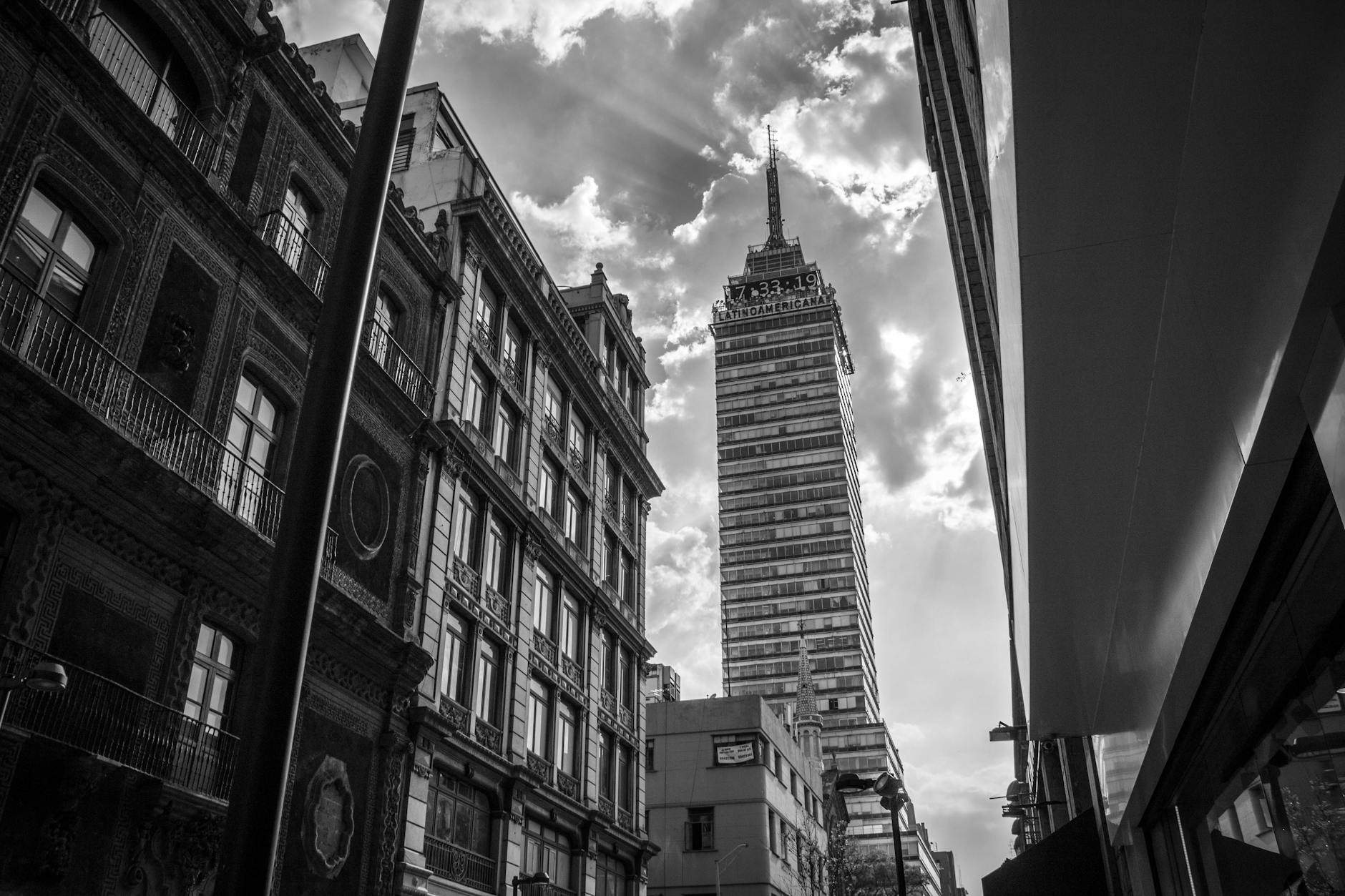
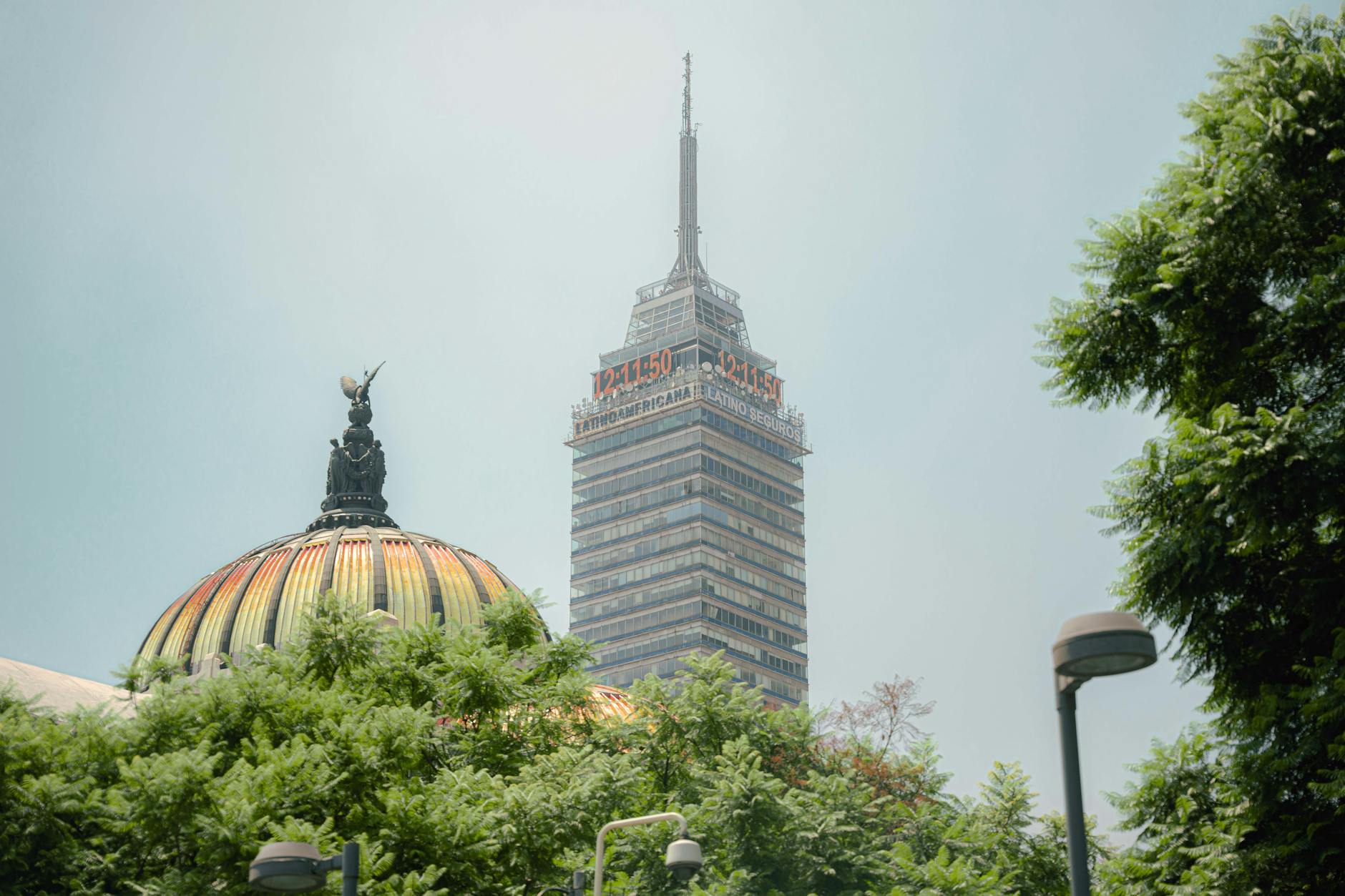
- Torre Latinoamericana viewpoint
- Casa de los Azulejos
- Postal Palace
- MUNAL
- Diego Rivera murals in public buildings and museums
Best Time to Visit
Morning.
How Long to Spend
Half a day minimum. A full day if you love history and architecture.
Pair It With
Alameda, Bellas Artes, a classic café, or a guided history walk.
Skip If
You dislike crowds and street intensity. But even then, try an early-morning version.
One Perfect Walk
Start at the Zócalo, visit Templo Mayor, look into the Cathedral, walk west along Madero, stop at Casa de los Azulejos, continue to Bellas Artes, cross into Alameda, and end with a rooftop or viewpoint.
Roma Norte and Roma Sur
Roma is the neighborhood many visitors imagine before arriving: tree-lined streets, restaurants, mezcalerías, boutiques, galleries, and renovated mansions.
Best Things to Do
- Wander Plaza Río de Janeiro and Plaza Luis Cabrera
- Eat well, repeatedly
- Visit galleries and design shops
- Have coffee and pan dulce
- Explore Roma Sur for a less polished feel
- Walk into Condesa or Juárez
Best Time to Visit
Late morning through evening.
How Long to Spend
A half day minimum; multiple evenings if you stay nearby.
Pair It With
Condesa, Juárez, tacos, cocktails, or a food tour.
The Move
Do not treat Roma as a checklist. Treat it as the neighborhood where you let the city breathe between major sights.
Condesa
Condesa is Mexico City at its most graceful: parks, Art Deco buildings, restaurants, dog walkers, cyclists, and shaded streets.
Best Things to Do
- Walk Parque México
- Walk Parque España
- Explore Avenida Amsterdam
- Eat brunch, lunch, or dinner
- Run or bike early
- Sit at a café and watch the neighborhood move
Best Time to Visit
Morning for parks, evening for atmosphere.
How Long to Spend
A few hours to a full relaxed day.
Pair It With
Roma, Chapultepec, or an easy dinner.
The Move
Walk the oval of Avenida Amsterdam at golden hour, then have dinner nearby.
Juárez, Zona Rosa, and Reforma
This is a central hinge between old and new Mexico City.
Best Things to Do
- Walk Paseo de la Reforma
- See the Ángel de la Independencia
- Explore Juárez restaurants and bars
- Visit Zona Rosa for LGBTQ+ nightlife
- Use Reforma as a practical hotel base
- Visit nearby museums and galleries
Best Time to Visit
Late afternoon into evening.
Pair It With
Roma, Condesa, Chapultepec, or Centro.
The Move
Use Reforma as your city spine: it connects major visitor zones better than almost any other avenue.
Polanco and Chapultepec
Polanco is the city’s luxury and museum district, while Chapultepec is its great urban lung.
Best Things to Do
- Museo Nacional de Antropología
- Chapultepec Castle
- Chapultepec Park
- Museo Tamayo
- Museo de Arte Moderno
- Museo Soumaya
- Museo Jumex
- Avenida Presidente Masaryk
- High-end dining
Best Time to Visit
Morning for museums, afternoon for park walking, evening for dinner.
How Long to Spend
One full day if combining Anthropology Museum and Chapultepec. More if adding Soumaya/Jumex and Polanco dining.
The Move
Do Anthropology Museum in the morning, take a real lunch break, then choose either Chapultepec Castle or another museum. Do not stack three major museums unless you are unusually museum-hungry.
Coyoacán
Coyoacán is one of the city’s most beloved historic neighborhoods.
Best Things to Do
- Frida Kahlo Museum / Casa Azul
- Coyoacán Market
- Plaza Hidalgo
- Jardín Centenario
- Leon Trotsky Museum
- Viveros de Coyoacán
- Churros, tostadas, coffee, and plaza wandering
Best Time to Visit
Morning to late afternoon.
How Long to Spend
Half a day. A full day if combined with San Ángel or UNAM.
Pair It With
Frida Kahlo Museum, San Ángel, Anahuacalli, or UNAM.
The Move
Book Casa Azul first, then build the day around the ticket time. Do not arrive hoping to buy tickets at the door.
San Ángel
San Ángel feels older, quieter, and more polished than much of the city.
Best Things to Do
- Saturday Bazaar
- Plaza San Jacinto
- Museo Casa Estudio Diego Rivera y Frida Kahlo
- Nearby UNAM
- Colonial streets and galleries
Best Time to Visit
Saturday, if you like markets and art.
How Long to Spend
A half day.
Pair It With
Coyoacán or UNAM.
The Move
Do San Ángel on a Saturday morning, then Coyoacán in the afternoon.
Xochimilco
Xochimilco is often sold as a party boat ride, but its deeper significance is ecological and historical. Its canals are remnants of the lake-and-chinampa landscape that once shaped the Valley of Mexico.
Best Things to Do
- Take a trajinera boat ride
- Go with friends or a small group if you want a festive atmosphere
- Consider an ecological or chinampa-focused tour
- Learn about axolotl conservation if the tour is reputable
- Pair with Coyoacán or Anahuacalli only if the day is not too rushed
Best Time to Visit
Late morning or early afternoon. Avoid the messiest party periods if that is not your scene.
How Long to Spend
2–3 hours on the water, plus transit.
The Move
Know the official hourly boat rate before negotiating and agree on time, route, and inclusions before boarding.
Narvarte, Del Valle, and Escandón
These are not obvious first-trip neighborhoods, but they are excellent for food and longer stays.
Best For
Tacos, everyday life, residential calm, better apartment value.
What to Do
- Eat tacos in Narvarte
- Stay in Escandón for a quieter Condesa-adjacent base
- Explore Del Valle if you want practical long-stay life rather than tourist energy
The Move
Come to Narvarte hungry. This is one of the best neighborhoods for a taco-focused evening.
UNAM and Pedregal
The UNAM campus is one of the world’s great modernist university landscapes.
Best Things to Do
- Central Library murals
- Olympic Stadium exterior
- Sculptural Space
- MUAC
- Campus architecture
- Nearby San Ángel or Coyoacán
Best Time to Visit
Daytime, ideally not rushed.
How Long to Spend
Half a day.
The Move
Go if you love architecture, murals, modernism, or urban planning. Skip if you only have two days.
Best Things to Do
1. Start at the Zócalo
What It Is
The Zócalo is the city’s main square and symbolic center, built over the ceremonial and political heart of Tenochtitlan.
Why It Matters
This is where the city’s layers are most visible: Mexica archaeology, Spanish colonial power, Catholic architecture, national politics, civic ceremony, and daily life.
Time Needed
1–2 hours for a quick visit; half a day with Templo Mayor and surrounding buildings.
Best Time
Morning.
Worth It?
Absolutely.
Common Mistake
Standing in the square, taking a photo, and leaving. The meaning is in the layers around it.
2. Visit Templo Mayor
What It Is
The archaeological site and museum of the Mexica temple complex at the heart of old Tenochtitlan.
Why It Matters
It is the best place in the historic center to understand that Mexico City was not simply built by the Spanish. It was built on a powerful Indigenous capital.
Time Needed
90 minutes to 2.5 hours.
Best Time
Morning, ideally before the historic center gets too crowded.
Book Ahead?
Usually not as essential as Frida Kahlo, but check current ticketing and hours.
Worth It?
Yes, especially with context or a guide.
Pair It With
Zócalo, Cathedral, Bellas Artes, MUNAL, or a Centro history walk.
3. Give the Anthropology Museum the Time It Deserves
What It Is
Mexico’s greatest museum of archaeology and ethnography.
Why It Matters
The Museo Nacional de Antropología is not just a museum stop; it is a key to understanding Mexico. The Mexica hall, Maya material, Oaxaca, Gulf Coast, and ethnographic sections are all significant.
Time Needed
At least 3 hours. A full day if you are serious.
Best Time
At opening.
Book Ahead?
Check current ticketing. A guide is worth considering.
Worth It?
Yes. This is one of the world’s great museums.
Common Mistake
Trying to “do” the whole museum after lunch when you are already tired.
The Move
Pick your priority rooms before you arrive. If you try to see everything with equal attention, you will burn out.
4. Walk Chapultepec Park and Visit the Castle
What It Is
Chapultepec is a massive urban park with museums, lakes, monuments, and the hilltop Chapultepec Castle.
Why It Matters
It is the city’s green heart and one of its best places to see how leisure, history, monarchy, republic, and national memory intersect.
Time Needed
Half a day to a full day.
Best Time
Morning or late afternoon.
Worth It?
Yes, especially if paired with the Anthropology Museum or the castle.
Common Mistake
Treating Chapultepec as just “the park near the museum.” It can anchor a whole day.
5. See Palacio de Bellas Artes
What It Is
A landmark cultural palace and performance venue with a spectacular exterior and important murals inside.
Why It Matters
It is one of Mexico City’s great architectural and cultural icons.
Time Needed
30 minutes for the exterior and lobby area; longer for museum exhibitions or a performance.
Best Time
Morning for photos, evening for performances.
Worth It?
Yes. Even if you do not go inside, it is essential.
Pair It With
Alameda Central, Postal Palace, MUNAL, Torre Latinoamericana, Centro Histórico.
6. Book the Frida Kahlo Museum
What It Is
Casa Azul, Frida Kahlo’s former home in Coyoacán.
Why It Matters
It is intimate, vivid, biographical, and emotionally powerful. It is also one of the most in-demand visitor sites in the city.
Time Needed
60–90 minutes inside, plus time for Coyoacán.
Best Time
Whatever ticket time you can get that fits the day. Morning is best for pairing with the neighborhood.
Book Ahead?
Yes. Do not rely on same-day availability.
Worth It?
Yes if you care about Frida Kahlo, Diego Rivera, Mexican art, domestic space, or cultural history. Skippable if you are only going because “everyone goes.”
Common Mistake
Going to Coyoacán without a ticket and assuming it will work out.
7. Eat Tacos Like It Matters
What It Is
A necessary cultural activity.
Why It Matters
Mexico City’s taco scene is not one thing. Al pastor, suadero, campechano, guisados, barbacoa, carnitas, fish tacos, birria, and late-night stands all tell different stories.
Time Needed
One dinner, several snacks, or an entire trip.
Best Time
Any time, but late-night tacos are a city ritual.
Worth It?
More than many monuments.
The Move
Go with someone who knows what to order, or take a serious food tour early in the trip.
8. Visit Teotihuacan
What It Is
A monumental pre-Hispanic city about 50 km northeast of Mexico City.
Why It Matters
Teotihuacan predates the Mexica/Aztecs by centuries and was one of the most important urban centers in the ancient Americas.
Time Needed
Half day minimum; most of a day with transit and lunch.
Best Time
Early morning.
Book Ahead?
For a guided tour or balloon ride, yes. For basic site access, check current official ticketing.
Worth It?
Yes, if you have at least four days in Mexico City. If you only have two days, think carefully.
Common Mistake
Arriving at midday with no hat, no water, and no energy.
The Move
Go early, wear real shoes, bring sun protection, and do not schedule a huge evening afterward.
9. Take Xochimilco Seriously
What It Is
A canal district famous for colorful trajinera boats, music, food, and parties.
Why It Matters
Xochimilco is a living reminder of the valley’s lake-and-chinampa ecology, not just a floating drinking venue.
Time Needed
Half day including transit.
Best Time
Late morning or early afternoon.
Worth It?
Worth it if you go with the right expectations. Less worth it if you hate crowds, boats, noise, and group logistics.
The Move
For a richer visit, choose an ecological or chinampa-focused experience rather than only a party boat.
10. See a Lucha Libre Match
What It Is
Mexican professional wrestling: athletic, theatrical, funny, dramatic, and deeply local.
Why It Matters
It is one of the easiest ways for a visitor to experience popular culture with energy and joy.
Time Needed
An evening.
Best For
Groups, solo travelers, culture lovers, anyone who enjoys spectacle.
Worth It?
Yes, if you want a night that feels very Mexico City.
Safety Note
Go with a reputable tour or use rideshare to and from the arena if you are unsure about the area at night.
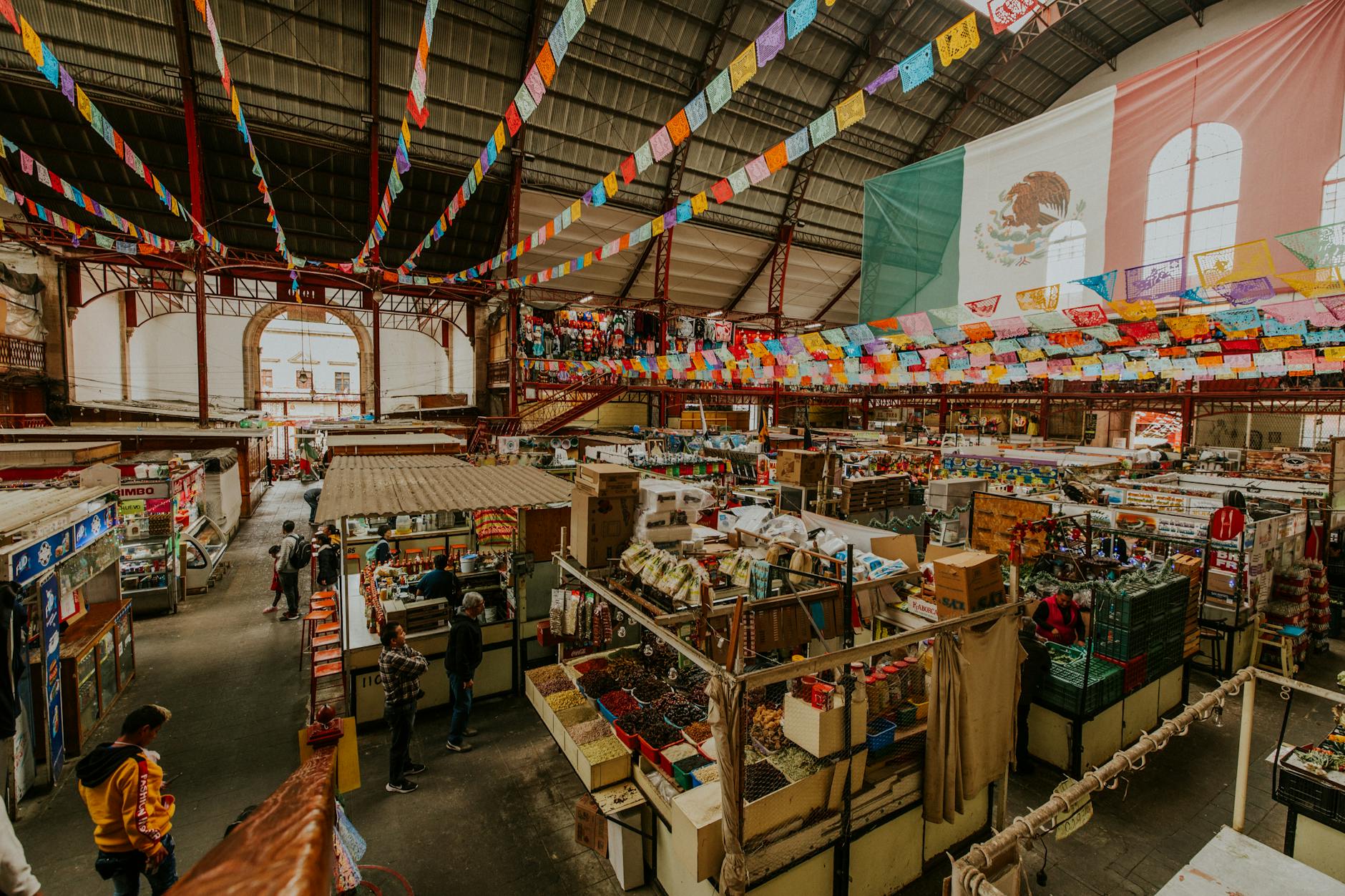
11. Explore Markets
Best Markets for Visitors
- Mercado de Coyoacán: accessible and good with a Coyoacán day
- Mercado Medellín: Roma-area market with Latin American ingredients
- Mercado de San Juan: famous for specialty foods
- La Ciudadela: crafts and souvenirs
- La Merced: fascinating but best with a guide
- Central de Abasto: enormous and logistically challenging; not a casual first-timer stop
The Move
Markets are best in the morning. Bring cash, small bills, and curiosity.
12. Visit Casa Luis Barragán
What It Is
The house and studio of architect Luis Barragán.
Why It Matters
It is one of the great architectural interiors of the 20th century: color, silence, light, proportion, and spirituality.
Time Needed
About 90 minutes plus transit.
Book Ahead?
Yes. Tickets are limited and advance booking matters.
Worth It?
Essential for architecture and design travelers. Not necessary for every first-time visitor.
13. Spend Time With Mexican Muralism
Where to See It
- Palacio de Bellas Artes
- Secretaría de Educación Pública, when accessible
- Museo Mural Diego Rivera
- UNAM campus
- Palacio Nacional, when accessible
- Colegio de San Ildefonso
Why It Matters
Muralism is one of the keys to modern Mexican identity: revolution, class, labor, Indigenous history, politics, and national imagination rendered at public scale.
The Move
Do not just photograph murals. Read them.
Itineraries
One Perfect Day in Mexico City
This is for a first-timer with only one day and enough energy to move.
Morning: Centro Histórico
Start early at the Zócalo. Visit Templo Mayor. Look into the Cathedral. Walk west along Madero toward Bellas Artes.
Lunch: Historic Center or Juárez
Choose a classic restaurant, a good casual meal, or move toward Juárez for more contemporary options.
Afternoon: Bellas Artes, Alameda, and Reforma
See Bellas Artes, the Postal Palace, Alameda, and then continue toward Reforma and the Ángel de la Independencia.
Evening: Roma or Condesa
Have dinner in Roma or Condesa. End with a mezcal bar, cocktail bar, churros, or tacos.
What to Cut If Tired
Skip Reforma and go straight from Bellas Artes to Roma/Condesa.
Rain Plan
Add a museum near Centro or shift the walking portion into cafés, shops, and covered spaces.
Two Days in Mexico City
Day 1: Centro, Alameda, Roma
Morning: Zócalo and Templo Mayor Lunch: Centro or Juárez Afternoon: Bellas Artes, Alameda, MUNAL or a mural stop Evening: Roma Norte dinner and drinks
Day 2: Chapultepec, Anthropology, Condesa
Morning: Museo Nacional de Antropología Lunch: Polanco or Condesa Afternoon: Chapultepec Castle or park walk Evening: Condesa stroll and dinner
The Move
Do not add Coyoacán unless you are willing to replace something major.
Three Days in Mexico City
Day 1: Historic Core
Zócalo, Templo Mayor, Cathedral, Madero, Bellas Artes, Alameda.
Day 2: Chapultepec and Polanco
Anthropology Museum, Chapultepec Castle or Tamayo/MAM, Polanco dinner or Condesa evening.
Day 3: Coyoacán and Roma/Condesa
Frida Kahlo Museum, Coyoacán Market, plazas, then return to Roma or Condesa for dinner.
Alternate Day 3
Replace Coyoacán with Teotihuacan if ancient history matters more than Frida Kahlo and neighborhood atmosphere.
Four Days in Mexico City
Add one of:
- Teotihuacan
- Xochimilco and Coyoacán
- UNAM and San Ángel
- Food-focused market and taco day
Suggested:
Day 1: Centro Day 2: Chapultepec and Anthropology Day 3: Coyoacán and Frida Kahlo Day 4: Teotihuacan
Five Days in Mexico City
This is the strongest first-visit itinerary.
Day 1: Centro Histórico and Bellas Artes
Get your historical grounding.
Day 2: Chapultepec, Anthropology, and Polanco or Condesa
Do the big museum day.
Day 3: Roma, Condesa, Juárez, and Reforma
Make this your neighborhood-and-food day.
Day 4: Coyoacán, Frida Kahlo, and San Ángel or Anahuacalli
A southern city day.
Day 5: Teotihuacan or Xochimilco
Choose Teotihuacan for archaeology and scale. Choose Xochimilco for canals, ecology, and group energy.
The Move
If you have five days, do not make every day a landmark day. One day should be about walking, eating, shopping, and absorbing.
One Week in Mexico City
Day 1: Centro Histórico
Zócalo, Templo Mayor, Bellas Artes.
Day 2: Chapultepec and Anthropology
Museum and park.
Day 3: Roma, Condesa, Juárez
Food, design, galleries, cafés.
Day 4: Coyoacán
Frida Kahlo, market, plazas, Trotsky Museum.
Day 5: Teotihuacan
Early archaeological day.
Day 6: San Ángel and UNAM
Saturday if possible.
Day 7: Xochimilco or a Deep Food Day
Canals, chinampas, or guided market/taco exploration.
Optional Swap
Replace one day with Casa Barragán, Museo Jumex/Soumaya, or a day trip to Puebla.
Food Lover Itinerary
Day 1
Centro classics, churros, cantina culture.
Day 2
Roma/Condesa bakeries, coffee, contemporary Mexican dinner.
Day 3
Market tour, tacos, mezcal.
Day 4
Polanco splurge meal.
Day 5
Barbacoa, pulque, or regional cuisine: Oaxacan, Yucatecan, Pueblan, Veracruz, or seafood.
The Move
Do a food tour early. It teaches you how to order for the rest of the trip.
Architecture and Design Itinerary
- Centro Histórico: colonial, baroque, neoclassical, Porfirian
- Bellas Artes and Postal Palace
- Casa Luis Barragán
- UNAM campus
- Museo Casa Estudio Diego Rivera y Frida Kahlo
- Roma and Condesa Art Deco
- Polanco museums
- San Rafael and Santa María la Ribera
- Modernist and contemporary galleries
Family Itinerary
Keep it slower:
- Chapultepec Park
- Anthropology Museum highlights only
- Papalote Museo del Niño
- Coyoacán plazas
- Xochimilco, if your kids enjoy boats
- Aquarium or interactive museums if needed
- Tacos, churros, pan dulce, parks
Avoid overloading long museum days.
Rainy-Day Itinerary
- Anthropology Museum
- Bellas Artes
- MUNAL
- Museo Jumex
- Museo Soumaya
- Casa Azul
- Churros and cafés
- Covered markets
- Long lunch
- Lucha libre
Food and Drink
The Food Thesis
Mexico City is a capital of capitals. It does not have one cuisine. It gathers the country’s cuisines and turns them into urban rituals.
The most important thing to understand is that “Mexican food” is too broad a category. In Mexico City, you are eating:
- Indigenous ingredients
- Colonial-era cooking
- Regional migration
- Street food
- Market food
- Home-style fonda food
- Cantina food
- Modern chef-led cooking
- International influences
- Neighborhood habits
The city’s food culture is both humble and sophisticated. A perfect food day can include a tamal from a street vendor, a market tostada, a coffee, a tlacoyo, a museum café, a seafood lunch, a mezcal, and tacos after midnight.
What to Eat
Tacos al Pastor
Marinated pork cooked on a vertical spit, usually served with pineapple, onion, cilantro, and salsa.
Where It Fits
Late night, casual dinner, taco crawl.
Local Tip
Order a few first. You can always get more.
Suadero Tacos
A Mexico City classic: beef cut cooked until tender and served simply.
Where It Fits
Street stands, taquerías, late-night eating.
Local Tip
Do not judge the stall by décor. Judge by turnover.
Tacos de Guisado
Tacos filled with stews: chicharrón, mole, potatoes, rajas, picadillo, beans, and more.
Where It Fits
Breakfast or lunch.
Local Tip
These are ideal if you want variety without chasing famous stands.
Tlacoyos
Thick oval masa cakes often filled with beans, fava beans, or requesón and topped with nopales, cheese, salsa, and other toppings.
Where It Fits
Markets, street stands, casual meals.
Local Tip
A good tlacoyo is one of the best arguments for taking masa seriously.
Chilaquiles
Tortilla chips simmered or coated in salsa, often with eggs, chicken, crema, cheese, and beans.
Where It Fits
Breakfast or brunch.
Local Tip
Green or red salsa is a serious choice. Ask how spicy.
Tamales and Atole
Steamed masa parcels with sweet or savory fillings, often eaten with hot atole.
Where It Fits
Breakfast.
Local Tip
A tamal inside a bolillo is a guajolota: carb-on-carb city fuel.
Pozole
A hominy stew with pork or chicken, garnished with radish, lettuce, onion, oregano, lime, and chile.
Where It Fits
Lunch, dinner, comfort food.
Local Tip
Do not treat it as a light starter. Pozole is a meal.
Barbacoa
Slow-cooked meat, often lamb, traditionally associated with weekend breakfasts and lunches.
Where It Fits
Weekend food.
Local Tip
If you plan a barbacoa morning, do not schedule a tasting menu that night.
Mole
A family of complex sauces, often including chiles, spices, seeds, nuts, fruit, and sometimes chocolate.
Where It Fits
Traditional restaurants, regional restaurants, special meals.
Local Tip
Mole is not one sauce. Try different versions.
Pan Dulce
Mexican sweet breads: conchas, garibaldis, orejas, roles, and more.
Where It Fits
Breakfast, snack, coffee.
Local Tip
Visit a proper bakery early or late when turnover is high.
Churros
Fried dough with sugar, often served with hot chocolate.
Where It Fits
Late afternoon, after dinner, rainy-day snack.
Pulque
A fermented agave drink, slightly viscous and low-alcohol, often flavored as curado.
Where It Fits
Traditional pulquerías.
Local Tip
Go with an open mind. Pulque is not mezcal.
Where to Eat
Best First Dinner
Choose a restaurant that gives you energy without overwhelming your first night. Roma, Condesa, Juárez, and Polanco are good zones.
Good first-night styles:
- Seafood lunch or dinner
- Contemporary Mexican restaurant
- Casual taquería crawl
- Oaxacan or regional restaurant
- Condesa/Roma neighborhood dinner
Best Splurge
Mexico City’s high-end dining is serious. Pujol and Quintonil are the obvious international names, while Rosetta, Sud 777, Máximo, and others represent different versions of the city’s chef-driven scene.
The Move
Book one splurge, not five. The city’s affordable food is too good to spend every meal in tasting-menu mode.
Best Casual Meal
Look for:
- Taquerías
- Fondas
- Market counters
- Tostada stands
- Pozole restaurants
- Tortas
- Barbacoa
- Carnitas
- Seafood spots
Best Breakfast
Try:
- Chilaquiles
- Tamales
- Pan dulce and coffee
- Huevos rancheros
- Enfrijoladas
- A market breakfast
- A neighborhood café
Best Markets for Eating
- Mercado de Coyoacán
- Mercado Medellín
- Mercado de San Juan
- Mercado Jamaica
- La Merced with a guide
- Smaller neighborhood markets near your stay
Best Bakeries and Sweets
Look for:
- Pan dulce bakeries
- Churro shops
- Chocolate shops
- Roma/Condesa bakeries
- Classic old-school bakeries in Centro
Street Food Rules
Use common sense:
- Choose busy stands.
- Watch turnover.
- Bring cash.
- Start with modest portions.
- Use hand sanitizer.
- Avoid food that has been sitting too long.
- If you have a sensitive stomach, build up gradually.
- Bottled or filtered water is the visitor default.
Restaurant Practicalities
Reservations
Book ahead for top restaurants, weekend dinners, and famous breakfast/brunch spots.
Meal Times
Breakfast can be early or leisurely. Lunch is often substantial and later than in the U.S. Dinner can be later, especially at nicer restaurants.
Tipping
A 10–15% tip is common in restaurants if service is not already included. Check the bill and tip in cash if you prefer.
Cash vs Card
Cards are common in formal restaurants. Cash is still useful for markets, small places, tips, bathrooms, and street food.
Language
In fashionable areas, some English is common. In markets and neighborhood restaurants, Spanish helps.
Useful phrases:
- “Una orden de…” — one order of…
- “¿Qué recomienda?” — what do you recommend?
- “¿Pica mucho?” — is it very spicy?
- “Sin cilantro, por favor.” — without cilantro, please.
- “La cuenta, por favor.” — the check, please.
- “Para llevar.” — to go.
Drinks and Nightlife
Mezcal
Mexico City is one of the best places to learn mezcal, even though much of it comes from Oaxaca and other states.
The Move
Do a guided tasting rather than pounding shots. Sip slowly.
Pulque
Try it in a traditional pulquería if you are curious.
Cocktails
The cocktail scene is excellent, especially in Roma, Condesa, Juárez, and Polanco.
Cantinas
Cantinas are a core Mexico City institution. Some are old-school, some modernized, some very casual.
Beer
Local and national beers are everywhere. Craft beer exists but is not the central story.
Coffee
Roma, Condesa, Juárez, and Polanco have strong café culture. But do not ignore old-school cafés in Centro.
Nightlife Zones
- Roma Norte: restaurants, bars, mezcal, cocktails
- Condesa: relaxed bars, restaurants, sidewalk energy
- Juárez/Zona Rosa: LGBTQ+ nightlife and bars
- Polanco: upscale restaurants and bars
- Centro: cantinas, rooftops, cultural venues; more care late at night
Night Safety
Use rideshare late at night. Stay aware around bars and clubs. Watch drinks. Avoid walking long distances through empty streets after midnight.
Getting Around
Mexico City is big, dense, and traffic-heavy. Getting around well is one of the keys to enjoying the trip.
The Rule
Use a mix of walking, Metro, Metrobús, and rideshare. Do not depend on one mode for everything.
Arrival from AICM / MEX
Best for Most Visitors
Authorized airport taxi, prearranged transfer, or ride-hailing where available and permitted.
Cheapest
Metro or Metrobús, but only if you are comfortable with public transport and luggage is light.
Best Public Transport Option with Luggage
Metrobús Line 4 is generally more visitor-friendly than the Metro for airport access, though you still need to manage stops, luggage, and final transfer.
Metro from Airport
Terminal Aérea station on Metro Line 5 is near Terminal 1. It is very cheap but not ideal for first-time visitors with luggage because of stairs, transfers, crowds, and the need to navigate the system.
Taxi Rule
Use official airport taxi booths or verified app-based options. Do not accept rides from people approaching you informally.
Arrival from AIFA / NLU
AIFA is farther from the visitor core. Check your airline, arrival time, and transfer options before booking a flight into NLU.
Options can include:
- Airport buses
- Authorized taxis
- Private transfers
- Rail/bus connections depending on current service
- Ride-hailing depending on pickup rules and availability
The Move
If your flight lands late at AIFA, prearrange transport. Do not wing it.
Metro
Why Use It
The Metro is cheap, extensive, and often faster than traffic.
Why Not Use It
It can be crowded, hot, confusing at first, and difficult with luggage. Some stations involve stairs and long transfers.
Best For
- Daytime movement
- Longer cross-city trips
- Travelers comfortable with public transit
- Solo and budget travelers
- Avoiding traffic
Avoid
- Rush hour if you can
- Flashing valuables
- Luggage-heavy trips
- Complex late-night journeys if unfamiliar
Women-Only Cars
Some trains and platforms have women-and-children-only sections during certain hours. Respect the signage.
Metrobús
Metrobús is a bus rapid transit system with dedicated lanes on many corridors. It is useful, visible, and sometimes easier for visitors than ordinary buses.
Best Lines for Visitors
Depends on your base, but Reforma/Insurgentes corridors can be useful.
Payment
Use the MI card or accepted contactless payment where available. Airport service has a special fare.
Rideshare
Uber and DiDi are widely used and often the easiest option for evenings, longer cross-town trips, or door-to-door transport.
Downsides
Traffic can make rides slow. Pickup points at airports, venues, and busy neighborhoods can be confusing.
The Move
For dinner reservations, leave earlier than your app estimate suggests.
Taxis
Street taxis exist, but many visitors are more comfortable with app-based services or authorized taxi stands.
If taking a taxi:
- Use authorized airport taxis at the airport.
- Use sitio/radio taxis or app-based options when possible.
- Avoid unmarked or unofficial vehicles.
- Confirm basics before getting in if not using an app.
Walking
Mexico City is very walkable by neighborhood, not always walkable between neighborhoods.
Best Walking Areas
- Roma
- Condesa
- Juárez
- Reforma
- Centro during the day
- Coyoacán
- San Ángel
- Polanco
- Chapultepec
Walking Challenges
- Broken sidewalks
- Uneven curbs
- Traffic
- Street crossings
- Rain
- Air quality
- Altitude
- Long distances
- Different nighttime comfort by block
Biking
Ecobici and bike lanes can be useful in central neighborhoods. Reforma Sunday cycling is a highlight.
Best For
Confident city cyclists and short trips in bike-friendly zones.
Not Best For
Nervous riders, rainy evenings, or unfamiliar high-traffic avenues.
Renting a Car
Do not rent a car for Mexico City itself.
A car is useful only if you are leaving the city for a regional route and are comfortable with driving, parking, tolls, and traffic.
Common Mistake
Renting a car “just in case.” It will usually make the trip worse.
Budget and Costs
Mexico City can be budget-friendly or very expensive depending on how you travel.
Daily Budget Ranges
These are rough planning ranges per person, excluding flights and major shopping.
| Style | Daily Range | What It Looks Like |
|---|---|---|
| Shoestring | MXN $900–1,500 | Hostel, Metro, street food, free/low-cost sights |
| Budget | MXN $1,500–2,800 | Simple hotel/room, casual meals, some museums |
| Midrange | MXN $3,000–6,000 | Good hotel, rideshares, restaurants, paid sights |
| Comfortable | MXN $6,000–10,000 | Boutique hotel, nice meals, guided tours |
| Luxury | MXN $10,000+ | Top hotels, tasting menus, private guides, transfers |
Typical Costs
| Item | Approximate Range |
|---|---|
| Metro ride | Very low, fixed fare |
| Metrobús ride | Very low, fixed fare |
| Street taco | MXN $15–40+ |
| Casual breakfast | MXN $100–250 |
| Casual lunch | MXN $150–350 |
| Nice dinner | MXN $600–1,500+ |
| Tasting menu | MXN $2,500–5,000+ |
| Coffee | MXN $40–90 |
| Cocktail | MXN $150–300+ |
| Museum entry | Varies widely; major museums often modest compared with Europe/U.S. |
| Rideshare across central zones | Highly variable by traffic and demand |
Best Value Moves
- Use Metro or Metrobús during the day when routes are straightforward.
- Spend on one or two great meals, not every meal.
- Eat at markets and taquerías.
- Stay near your priority neighborhoods.
- Book major sights directly when possible.
- Use guided tours where they add understanding, not as a substitute for planning.
- Bring a reusable bottle and use filtered refill where safe.
Worth the Splurge
- A great food tour early in the trip
- A serious guide for Anthropology Museum or Centro
- One high-end Mexican restaurant
- A well-located hotel
- Casa Barragán if you love architecture
- A safe, convenient airport transfer if arriving late
Usually Not Worth It
- Renting a car
- Overpriced generic tequila/mezcal tastings
- Tourist restaurants with aggressive street menus near major sights
- All-day tours that spend most of the time in traffic
- Staying far away to save a small amount
- Paying for “skip the line” tickets from dubious resellers when official booking exists
Safety, Health, and Scams
Mexico City requires awareness, not paranoia.
Millions of people live, work, study, eat, date, commute, party, and raise families here. Many visitors have smooth trips. But it is a major city with real inequality, crime, traffic risk, and neighborhood variation.
Overall Safety
In core visitor zones during normal hours, Mexico City is manageable for alert urban travelers.
Use more care:
- Late at night
- Around nightlife
- In crowded transit
- In markets
- At ATMs
- With phones visible near streets
- When moving between unfamiliar areas
- In areas known for higher crime or informal markets
- During protests or major events
Areas Requiring Extra Caution
Visitors should be especially cautious around:
- Tepito
- La Merced without a guide
- Doctores at night
- Isolated streets in Centro late at night
- Peripheral or unfamiliar neighborhoods
- Any area that feels suddenly empty after dark
This is not a complete danger map. It is a reminder to research by block and time of day.
Common Scams and Problems
Unofficial Airport Rides
Avoid anyone approaching you inside or outside the terminal offering rides.
Use official taxi booths, reputable transfers, or app-based services where available.
Taxi Overcharging
Use apps or authorized taxis. If using a street taxi, make sure it is regulated and legitimate.
Pickpocketing
Watch your phone and wallet in:
- Metro
- Metrobús
- Markets
- Crowded sidewalks
- Tourist areas
- Street performances
- Nightlife crowds
Phone Snatching
Do not stand at the curb holding your phone loosely near traffic. Step into a doorway or away from the street if checking maps.
ATM Issues
Use ATMs inside banks or secure locations. Avoid isolated machines. Shield your PIN.
Xochimilco Overcharging
Agree on price, duration, boat, route, and inclusions before boarding.
Fake or Inflated Tour Pricing
Book through reputable operators. Check whether attraction tickets are included.
Health Notes
Altitude
Take it easy at first. Hydrate. Do not overdo alcohol on day one.
Air Quality
Mexico City can have air-quality issues. Sensitive travelers should monitor forecasts and consider a mask on bad days.
Sun
The high-altitude sun is strong. Use sunscreen and a hat.
Water
Most visitors drink bottled or filtered water. Hotels and restaurants often provide purified water.
Food
Street food is part of the trip, but be smart. Busy stalls are better. If your stomach is sensitive, do not make your first meal the most intense salsa and raw garnish experience of your life.
Pharmacies
Pharmacies are common. Some have attached consultorios for basic medical consultations, but for serious issues use proper medical care.
Emergency Number
Dial 911 for emergencies.
Accessibility
Mexico City can be challenging for travelers with mobility needs.
Challenges
- Uneven sidewalks
- Broken pavement
- High curbs
- Crowded streets
- Metro stations without elevators
- Older buildings without step-free access
- Traffic and difficult crossings
- Hills in some areas
- Crowded museums and markets
- Rain-slick surfaces
Better Areas for Mobility
- Polanco
- Reforma
- Parts of Condesa
- Parts of Roma
- Major modern hotels
- Some museum zones
Harder Areas
- Centro side streets
- Markets
- Older neighborhoods with uneven sidewalks
- Metro-heavy itineraries
- Crowded festival periods
Transit
The Metro is not uniformly accessible. Rideshare, private drivers, and carefully chosen hotels may be necessary.
Museum Accessibility
Major museums often have better accessibility than streets around them, but check each site before visiting.
The Move
If accessibility matters, choose the hotel first, then build the itinerary around step-free logistics. Do not assume a beautiful neighborhood is easy to navigate.
Families, Kids, and Multigenerational Travel
Mexico City can be excellent with children if you slow down.
Best Areas for Families
- Condesa
- Polanco
- Reforma
- Coyoacán for slower stays
- Apartment-style lodging in Roma/Condesa if you can handle stairs and noise
Best Family Activities
- Chapultepec Park
- Papalote Museo del Niño
- Anthropology Museum highlights
- Coyoacán plazas
- Xochimilco boat ride
- Churros
- Parks in Condesa
- Lucha libre for older kids
- Museo Soumaya or Jumex for shorter museum visits
- Teotihuacan for active kids, but only with sun planning
Tips
- Do one anchor activity per day.
- Use rideshare more than you would solo.
- Keep snacks and water.
- Avoid rush-hour transit.
- Do not schedule late dinners every night.
- Check stroller practicality street by street.
- Build downtime into Chapultepec or Condesa.
What to Skip With Young Kids
- Overlong museum days
- Late-night taco crawls
- Crowded markets without a plan
- Long day trips in heavy traffic
- Xochimilco party boats if your kids dislike noise
Solo Travelers
Mexico City can be rewarding for solo travelers because food, museums, cafés, parks, and tours are easy to enjoy alone.
Best Areas
Roma, Condesa, Juárez, Reforma, and Polanco.
Good Solo Activities
- Food tours
- Museums
- Café hopping
- Guided Centro walk
- Lucha libre tour
- Anthropology Museum
- Chapultepec
- Coyoacán day
- Cooking class
- Gallery walks
Solo Safety
- Use rideshare late at night.
- Keep friends/family aware of plans.
- Avoid empty streets after dark.
- Do not get overly intoxicated with strangers.
- Use reputable tours for nightlife-heavy outings.
LGBTQ+ Travelers
Mexico City has one of Latin America’s most visible LGBTQ+ scenes, especially around Zona Rosa, Juárez, Roma, and Condesa.
Best Areas
- Zona Rosa
- Juárez
- Roma
- Condesa
Notes
Public attitudes vary by area and context, but central Mexico City is generally more open than many parts of the country. Nightlife safety basics still apply: watch drinks, use rideshare, and go with known venues or groups if unsure.
Shopping and Souvenirs
Mexico City is excellent for shopping if you avoid generic souvenir traps.
What to Buy
- Textiles
- Ceramics
- Mexican design objects
- Chocolate
- Coffee
- Books
- Prints
- Folk art
- Jewelry
- Lucha libre masks
- Handwoven goods
- Kitchenware
- Art books
- Small-batch mezcal, where legal to transport
Where to Shop
La Ciudadela
Good for crafts, textiles, ceramics, and souvenirs. Bargaining may exist in some contexts, but be respectful.
Roma and Condesa
Best for boutiques, design stores, books, clothing, home goods, and gifts.
Polanco
Luxury and high-end design.
San Ángel Saturday Bazaar
Good for art, crafts, and a pleasant neighborhood morning.
Coyoacán
Markets, casual gifts, folk items, and food souvenirs.
What Not to Buy
- Anything made from endangered species
- Archaeological artifacts
- Items that look like looted antiquities
- Cheap “handmade” goods that are obviously mass-produced
- Food or alcohol you cannot legally bring home
The Move
Buy fewer, better things. Mexico City rewards people who care about craft.
Culture, History, and Context
A Short History for Travelers
Tenochtitlan
The Mexica founded Tenochtitlan on islands in Lake Texcoco. It became one of the great cities of the pre-Hispanic Americas, with causeways, canals, temples, markets, and a sophisticated political and ritual life.
Conquest and Colonial City
After the Spanish conquest, the colonial city was built over the Mexica capital. Churches, palaces, administrative buildings, and plazas replaced or absorbed older structures. This is why Centro Histórico feels like a city built on argument.
Independence and Republic
Mexico City became the capital of an independent Mexico and the center of political power, conflict, reform, and national identity.
Porfiriato
Under Porfirio Díaz, the city embraced European-inspired boulevards, monuments, infrastructure, and elite architecture. Reforma’s grand gestures come partly from this period.
Revolution and Muralism
The Mexican Revolution reshaped political and cultural identity. Muralists such as Diego Rivera, José Clemente Orozco, and David Alfaro Siqueiros turned public walls into arguments about history, labor, class, Indigenous identity, and revolution.
Modernism
In the 20th century, the city expanded into a modern metropolis. UNAM, Barragán, functionalist architecture, modern museums, and new neighborhoods reflected changing ambitions.
Megacity
The late 20th and 21st centuries brought sprawl, traffic, earthquakes, pollution, inequality, creativity, migration, and global attention. The city is constantly remaking itself.
Cultural Norms
Greetings
A polite “buenos días,” “buenas tardes,” or “buenas noches” matters.
Restaurant Manners
Say “provecho” if appropriate when passing someone eating. Ask for the check; it may not arrive automatically.
Time
Service can be slower than impatient visitors expect. Relax where possible.
Noise
Mexico City is noisy. Street vendors, music, traffic, dogs, construction, and parties are part of the soundscape.
Photography
Ask before photographing people closely, especially vendors, children, ceremonies, and Indigenous people.
Religion
Be respectful in churches and sacred spaces. Avoid treating worshippers as scenery.
Protests
The capital sees demonstrations. Avoid getting caught in crowds if you do not understand the situation.
Arts, Museums, and Culture
Best Museums by Interest
Ancient Mexico
- Museo Nacional de Antropología
- Templo Mayor
- Anahuacalli
- Teotihuacan site museum
Muralism
- Palacio de Bellas Artes
- Museo Mural Diego Rivera
- Secretaría de Educación Pública, when accessible
- UNAM murals
- Colegio de San Ildefonso
Modern and Contemporary Art
- Museo Tamayo
- Museo Jumex
- MUAC
- Museo de Arte Moderno
Architecture and Design
- Casa Luis Barragán
- UNAM
- Museo Casa Estudio Diego Rivera y Frida Kahlo
- Roma/Condesa Art Deco walks
Popular Culture
- Lucha libre
- Markets
- Cantinas
- Pulquerías
- Street food
- Music venues
History
- Chapultepec Castle
- Centro Histórico
- Museo Nacional de Historia
- Museo Nacional de la Revolución
- Tlatelolco and Plaza de las Tres Culturas
Museum Strategy
Do Not Stack Too Many
Two major museums in one day is plenty. Three is usually too much.
Watch Monday Closures
Many museums close on Mondays.
Go Early
Major museums are best in the morning.
Use Guides Selectively
A good guide can transform Anthropology Museum, Centro Histórico, Teotihuacan, and markets.
Day Trips and Side Trips
Teotihuacan
Best For
Ancient history, archaeology, scale, photography, first-time visitors with at least four days.
Travel Time
Usually 1–1.5+ hours each way depending on traffic and transport.
How to Go
Guided tour, private driver, or bus from the northern bus terminal.
Best Time
Early morning.
Common Mistake
Combining it with too many other stops and turning the day into a van marathon.
Xochimilco
Best For
Groups, canal culture, ecological history, festive outings, photography.
Travel Time
Often 45–90+ minutes each way depending on base and traffic.
Best Way
Rideshare/private transport, guided experience, or public transit if you are comfortable.
Best Version
Ecological chinampa-focused tour or a well-organized trajinera ride with clear pricing.
Puebla and Cholula
Best For
Colonial architecture, churches, mole poblano, ceramics, a fuller regional extension.
Day Trip or Overnight?
Possible as a long day, better as an overnight if you want to enjoy it.
The Move
If you have only five days in Mexico City, do not rush Puebla unless it is a priority.
Tepoztlán
Best For
Mountains, small-town energy, weekend escape, market, hiking.
Day Trip or Overnight?
Possible as a day trip, better with an overnight if you want calm.
Note
Weekends can be crowded.
Taxco
Best For
Silver, dramatic hillside setting, colonial streets.
Day Trip or Overnight?
Better overnight. It is a long day from Mexico City.
Cuernavaca
Best For
Warm-weather escape, gardens, regional stop.
Verdict
Nice, but not a must for a first Mexico City trip.
Responsible and Respectful Travel
Mexico City is not a theme park, and some of the neighborhoods most loved by visitors are also places where housing pressure and gentrification are real issues.
Travel Better
- Learn basic Spanish phrases.
- Tip fairly.
- Support local businesses beyond internationalized hotspots.
- Do not treat residents as background content.
- Ask before photographing people.
- Respect religious and cultural spaces.
- Be mindful with short-term rentals in residential buildings.
- Use water thoughtfully.
- Avoid littering, especially in canals and parks.
- Choose ethical tours.
- Do not bargain aggressively over handmade goods.
- Understand that safety advice should not become class prejudice.
Xochimilco Responsibility
The canals are not just a party backdrop. Choose operators who respect the ecosystem, avoid throwing trash or food waste into the water, and consider educational chinampa or axolotl conservation experiences.
Practical Life Admin
SIM Cards and eSIMs
eSIMs are convenient for short trips. Local SIMs can be cheaper for longer stays. Make sure your phone is unlocked.
Wi-Fi
Hotels, cafés, and restaurants commonly offer Wi-Fi in visitor areas.
Public Restrooms
Carry coins or small bills. Public bathrooms may charge a small fee, especially in markets or bus stations.
Pharmacies
Common throughout the city. Many neighborhoods have 24-hour options.
Laundry
Lavanderías are common and useful for longer stays.
Luggage Storage
Available through hotels, some stations, and private luggage-storage services. Verify reviews and hours.
Co-Working
Roma, Condesa, Juárez, Polanco, and other central areas have many coworking spaces and laptop-friendly cafés.
Smoking
Rules vary by public and private spaces. Follow posted signs and local norms.
Dress
Mexico City is stylish but not rigid. For nice restaurants, smart casual works. For churches, museums, and neighborhoods, comfort matters. Avoid looking like you are dressed for a beach resort.
Laundry and Shoes
Your shoes will work hard. Bring comfortable walking shoes you can wear to dinner.
Packing Guide
Essentials
- Comfortable walking shoes
- Light jacket or sweater
- Sunscreen
- Sunglasses
- Hat
- Umbrella or light rain jacket in rainy season
- Reusable water bottle
- Portable charger
- Small crossbody or secure day bag
- Basic medications
- Hand sanitizer
- Copies of passport/insurance documents
- Dressier outfit for restaurants
- Layers for cool evenings
- Mask if sensitive to air pollution
- Cash in small bills
- Card with low foreign transaction fees
Rainy Season Additions
- Compact umbrella
- Water-resistant shoes
- Quick-dry layers
- Flexible itinerary
Winter Additions
- Warmer jacket for evenings
- Sweater
- Socks for cool hotel rooms
What Not to Pack
- Heavy formal clothes unless needed
- Too many shoes
- Flashy jewelry
- Beach-only clothing
- A giant rolling suitcase if staying in older walk-up lodging
What to Skip
Skip Renting a Car
Unless you are leaving the city for a specific road trip, a car is a burden.
Skip Far-Flung Cheap Lodging
If the savings cost you an hour each way, they are not savings.
Skip Frida Kahlo Without Tickets
Going to Coyoacán without checking availability is a common disappointment.
Skip Teotihuacan at Midday
Heat, sun, and crowds can drain the experience.
Skip Generic Tourist Restaurants Near the Zócalo
There are good places in Centro, but avoid obvious low-quality menus aimed only at passing tourists.
Skip Xochimilco If You Hate Noise
Do a chinampa/ecological version or skip it. Do not force yourself into a party boat if you know you will hate it.
Skip Overloading Museums
Anthropology Museum plus Chapultepec Castle plus Soumaya plus Jumex in one day is theoretically possible and emotionally foolish.
Skip Tepito Without a Specific Reason and Good Local Knowledge
It is famous, but not a casual wandering destination for most visitors.
Skip Treating Roma and Condesa as the Whole City
They are wonderful. They are not Mexico City in full.
Common Mistakes
Mistake 1: Underestimating the Altitude
Even if you do not get altitude sickness, you may feel slower. Build an easier first day.
Mistake 2: Planning by Map Distance
Traffic and transit transfers matter more than distance.
Mistake 3: Staying in the Wrong Area
Mexico City is not a “hotel anywhere and commute” city. Your base matters.
Mistake 4: Skipping Cash
Cards are common, but cash still matters.
Mistake 5: Forgetting Monday Closures
Many museums close Mondays.
Mistake 6: Eating Only at Famous Restaurants
The city’s soul is in tacos, markets, fondas, bakeries, and casual places too.
Mistake 7: Doing Teotihuacan and a Late Night Back-to-Back
Respect the energy cost.
Mistake 8: Assuming Spanish Is Optional Everywhere
You can manage in English-heavy zones, but Spanish makes the trip far better.
Mistake 9: Being Too Nervous to Use Transit
Use it smartly. The Metro and Metrobús can save huge amounts of time.
Mistake 10: Being Too Casual About Safety
Do not be paranoid, but do be alert.
Final Planning Shortcuts
Best First-Timer Plan
Stay in Roma, Condesa, Juárez/Reforma, or Polanco. Spend five days. Do Centro, Anthropology/Chapultepec, Roma/Condesa/Juárez, Coyoacán/Frida, and Teotihuacan or Xochimilco.
Best Food Plan
Do a guided food tour early, eat casual most of the time, book one major restaurant, and leave room for tacos you discover by accident.
Best Museum Plan
Anthropology Museum first. Then add Bellas Artes, Templo Mayor, Chapultepec Castle, Museo Jumex/Tamayo/MUAC depending on interest.
Best Romantic Plan
Stay in Condesa, Roma, or Polanco. Do parks, long lunches, cocktail bars, a great dinner, Casa Barragán, and Coyoacán.
Best Family Plan
Stay in Condesa, Polanco, or Reforma. Focus on Chapultepec, Coyoacán, selected museums, parks, churros, and short rideshare hops.
Best Budget Plan
Stay in a central but not ultra-trendy area, use Metro/Metrobús by day, eat markets and tacos, prioritize free walking and low-cost museums, and splurge only where it changes the trip.
FAQ
Is Mexico City worth visiting?
Yes. It is one of the world’s great urban destinations, especially for food, museums, history, art, architecture, and neighborhood life.
How many days do I need?
Three days minimum. Five is ideal for a first visit. A week is excellent.
Is Mexico City safe?
Visitor areas are generally manageable with urban caution, but safety varies by neighborhood and time of day. Use rideshare at night, watch valuables, avoid unofficial taxis, and research areas before wandering.
What is the best area to stay?
Roma, Condesa, Juárez/Reforma, and Polanco are the best first-timer bases.
Do I need a car?
No. A car is usually a liability inside the city.
Is the altitude a problem?
Most visitors are fine, but the altitude can cause fatigue, headaches, dry mouth, and shortness of breath. Take the first day easier.
Can I drink the tap water?
Most visitors drink bottled or filtered water.
Is the Metro safe?
The Metro is useful and very cheap, especially by day, but it can be crowded. Watch valuables, avoid rush hour when possible, and do not use it with bulky luggage.
What should I book ahead?
Frida Kahlo Museum, Casa Luis Barragán, top restaurants, some guided tours, and any special event or performance.
Is Teotihuacan worth it?
Yes, if you have enough time and go early. If you only have two days, it may take too much time away from the city.
Is Xochimilco worth it?
Yes for the right traveler and the right version. It can be festive, chaotic, and fun, or ecological and educational. It is not for everyone.
What is the best month to visit?
March, April, October, and November are excellent. February can be beautiful. November to April is generally the drier period.
Is Mexico City expensive?
It can be affordable or expensive. Transit and street food are cheap; boutique hotels, high-end dining, and fashionable neighborhoods can be costly.
What should I not miss?
For most first-timers: Centro Histórico, Templo Mayor, Anthropology Museum, Chapultepec, Roma/Condesa, Coyoacán/Frida Kahlo, and either Teotihuacan or Xochimilco.
What should I skip?
Skip renting a car, staying far away to save a little money, overloading museum days, and trying to see the whole city in one weekend.
Source Notes and Date-Sensitive Checks
The following items were checked for current logistics while drafting this sample. Travelers should re-check before booking because fares, hours, entry rules, and access policies can change.
- Mexico immigration / FMM: https://www.inm.gob.mx/fmme/publico/en/solicitud.html
- Mexico electronic authorization system: https://www.inm.gob.mx/sae/publico/en/solicitud.html
- AICM visitor transport overview via CDMX tourism: https://mexicocity.cdmx.gob.mx/venues/aeropuerto-internacional-de-la-ciudad-de-mexico-aicm/?lang=en
- AIFA official site and ground connectivity: https://aifa.aero/
- Mexico City Metro visitor information: https://mexicocity.cdmx.gob.mx/e/getting-around/using-the-metro/?lang=en
- Mexico City Metrobús fares and airport fare: https://www.metrobus.cdmx.gob.mx/dependencia/PagoMB
- Mexico City tourism Metrobús overview: https://mexicocity.cdmx.gob.mx/e/getting-around/metrobus/?lang=en
- Museo Nacional de Antropología hours and tariffs: https://mna.inah.gob.mx/informacion_general.php
- Frida Kahlo Museum visit and ticketing: https://www.museofridakahlo.org.mx/visit/?lang=en
- Templo Mayor / INAH: https://www.inah.gob.mx/zonas/zona-arqueologica-templo-mayor
- Chapultepec Castle / Museo Nacional de Historia: https://mnh.inah.gob.mx/general-information
- Casa Luis Barragán ticketing: https://www.casaluisbarragan.org/eng/en_visitas.html
- Palacio de Bellas Artes: https://palacio.inba.gob.mx/
- UNESCO Historic Centre of Mexico City and Xochimilco: https://whc.unesco.org/en/list/412/
- UNESCO UNAM Central University City Campus: https://whc.unesco.org/en/list/1250/
- U.S. State Department Mexico Travel Advisory: https://travel.state.gov/content/travel/en/traveladvisories/traveladvisories/mexico.html
- FIFA World Cup 2026 Mexico City opening match / host information: https://www.fifa.com/en/tournaments/mens/worldcup/canadamexicousa2026/articles/estadio-azteca-mexico-city-host-opening-match-world-cup-2026
- Mexico City weather, pollution, and UV overview via CDMX tourism: https://mexicocity.cdmx.gob.mx/e/about/about-mexico-city/weather-forecasts-pollution-uv/?lang=en