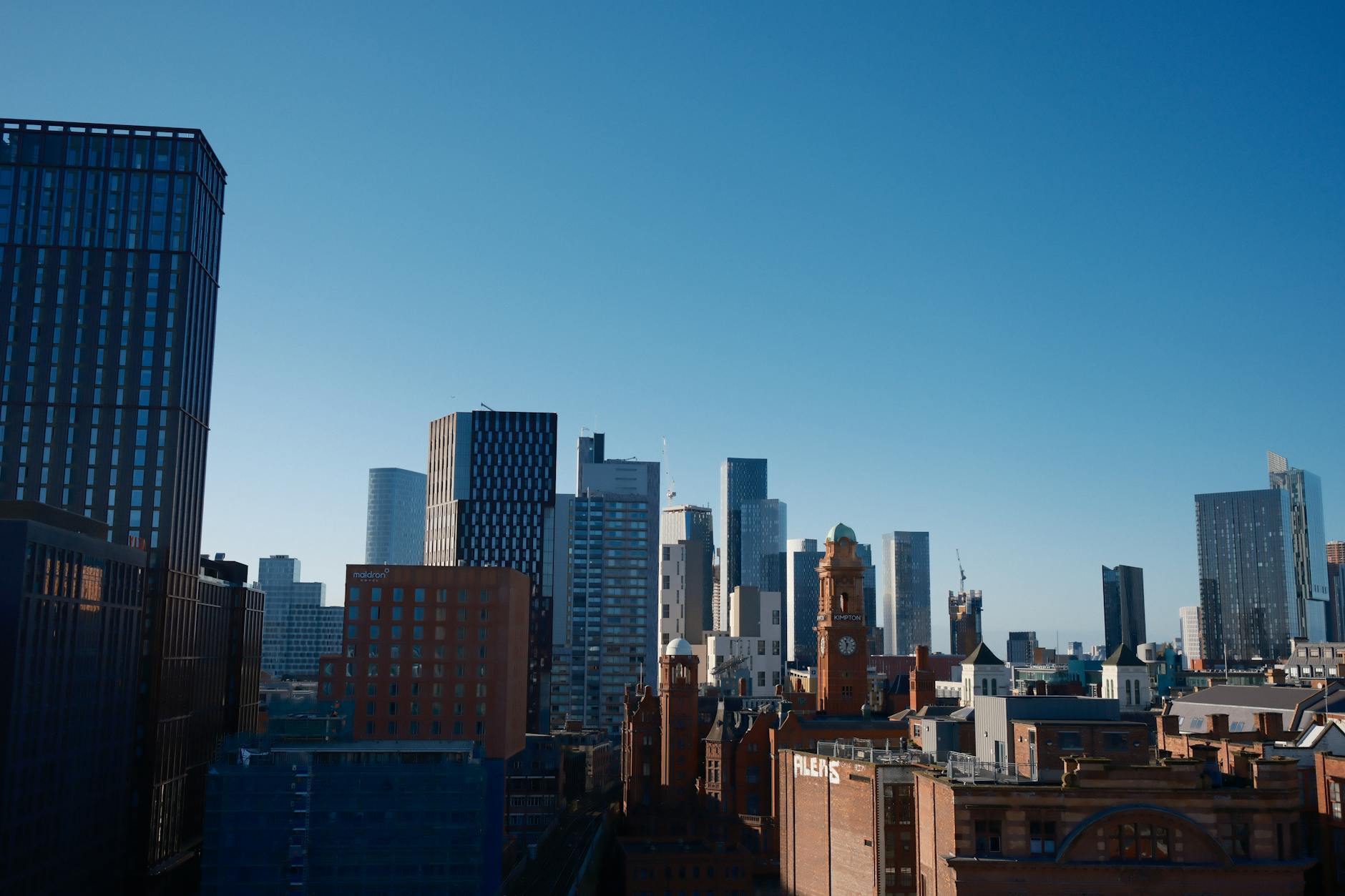
Manchester is one of the easiest UK cities to reduce to references instead of actually using as a city.
Start Here
Football, music, rain, nightlife, industry, warehouses, red brick, swagger. All of that is real, but none of it is enough. The problem is not that people know too little about Manchester. The problem is that they often know it in the wrong way. They arrive with a set of associations and assume the city will convert those associations into a weekend for them.
Sometimes it does. More often, it becomes flatter than it should.
Manchester is not a city that wins by postcard beauty or one great ceremonial axis. It wins through neighborhoods, confidence, and social momentum. It is a city of canal edges, warehouse conversions, music history, independent retail, food that is better than many first-time visitors expect, and a center that changes its tone quickly if you know where to move. Northern Quarter Manchester is not Spinningfields Manchester. Castlefield is not the same city as the medieval-quarter-and-Victoria side. Ancoats is not just a trendy extension. Deansgate is not just a street. The city becomes much stronger once the traveler stops treating central Manchester as one interchangeable block.
That is also why hotel choice matters more here than outsiders expect. A good Manchester trip is not just about being central. It is about being central to the version of Manchester you actually want. A music-and-bars weekend, a food-led city break, a football-adjacent stay, a cleaner polished urban weekend, or a mixed first-timer city trip all pull toward slightly different bases and rhythms. Pick the wrong one and Manchester can feel overmobile, too diffuse, or strangely generic. Pick the right one and it coheres fast.
The strongest Manchester trip also understands that the city’s cultural value is not only in famous institutions, though it has those too. The Science and Industry Museum matters because Manchester’s industrial history is not background here; it is one of the city’s structural arguments. The John Rylands Library matters because it shows the city’s learned and philanthropic side under an unforgettable neo-Gothic shell. The Football Museum matters because football in Manchester is not a bolt-on identity marker; it is one of the ways the city narrates itself. But none of these places should be asked to do all the work. Manchester still needs to be lived between them.
That means food and nighttime matter. It means canals and warehouses matter. It means one walk through the Northern Quarter at the right hour may explain more than another hour of abstract civic interest. Manchester is not one-note, but it does like a chosen lane.
The city’s reward is that it becomes highly legible once that lane is chosen. You start to feel how the old industrial frame, the contemporary creative economy, the neighborhood textures, and the social energy actually fit together. At that point, Manchester stops being a reference point and becomes a destination.
The city in one sentence: Manchester is a neighborhood-led post-industrial city where the best first trip comes from matching your base and daily route to the right version of the city rather than assuming football, music, and generic centrality will do the work for you.
Quick Verdict
Best for: couples, friends’ weekends, solo urban travelers, music and nightlife travelers, food-and-bar city breaks, football travelers who still want a real city trip, and anyone who likes converted-warehouse urbanism.
Not ideal for: travelers who want one instantly scenic historic center, people who need every block to look conventionally beautiful, or anyone who treats Manchester as a theme rather than a city.
Ideal first visit: 2 to 3 full days.
Minimum worthwhile stay: 2 full days.
Best overall months: May, June, September, and early October.
Best winter case: strong if you lean into bars, restaurants, galleries, football, music, and indoor cultural anchors.
Biggest planning mistake: booking “somewhere central” without deciding which Manchester you actually want.
One thing to prioritize: the base.
One thing to leave flexible: how much football or nightlife the trip truly needs versus how much city texture you want.
The blunt version: Manchester becomes one of the UK’s best urban weekends once you stop treating it like a set of cultural clichés and start using its districts properly.
Who Will Love Manchester?
Manchester suits travelers who like cities with social force. If you want a place that feels lived in, talked in, built over, argued with, and enjoyed hard after dark, it can be excellent.
It works especially well for people who prefer urban texture over heritage-pageantry. Manchester does not give you one dominant old-town fantasy. What it gives you instead is a city of canals, repurposed industrial fabric, layered music and sports identity, and neighborhoods that reward curiosity.
Couples do well here if they want a polished but still energetic city break. Good hotels, strong dining, bars with character, and walkable neighborhood-hopping make the city feel highly usable. Solo travelers also do well because the city’s social geography is legible and there is enough public energy that moving around alone rarely feels awkward or thin.
Manchester is particularly strong for travelers who enjoy contemporary British cities when they are operating at full confidence rather than constantly apologizing for themselves. This city does not need to imitate Bath, York, or Edinburgh. It is better when it remains itself.
Manchester at a Glance
| Question | Practical Answer |
|---|---|
| Main airport | Manchester Airport |
| Best simple airport move | train or tram |
| Best first-time base | Northern Quarter edge, Deansgate / St Peter’s Square seam, or a polished central district |
| Main industrial-history anchor | Science and Industry Museum |
| Main football-cultural anchor | National Football Museum |
| Main architectural-surprise anchor | John Rylands Library |
| Best neighborhood counterpoint | Castlefield or Ancoats, depending the trip |
| Main practical challenge | choosing the wrong tone of city rather than failing to reach the center |
| Public transport backbone | walking plus rail, tram, and tactical cabs |
| Car needed? | No |
| Currency | Pound sterling |
| Emergency number | 999 or 112 |
| Tap water | Safe to drink |
| Power plugs | Type G |
2026 Visitor Notes
The Airport Connections Are Strong Enough To Shape A Better Trip
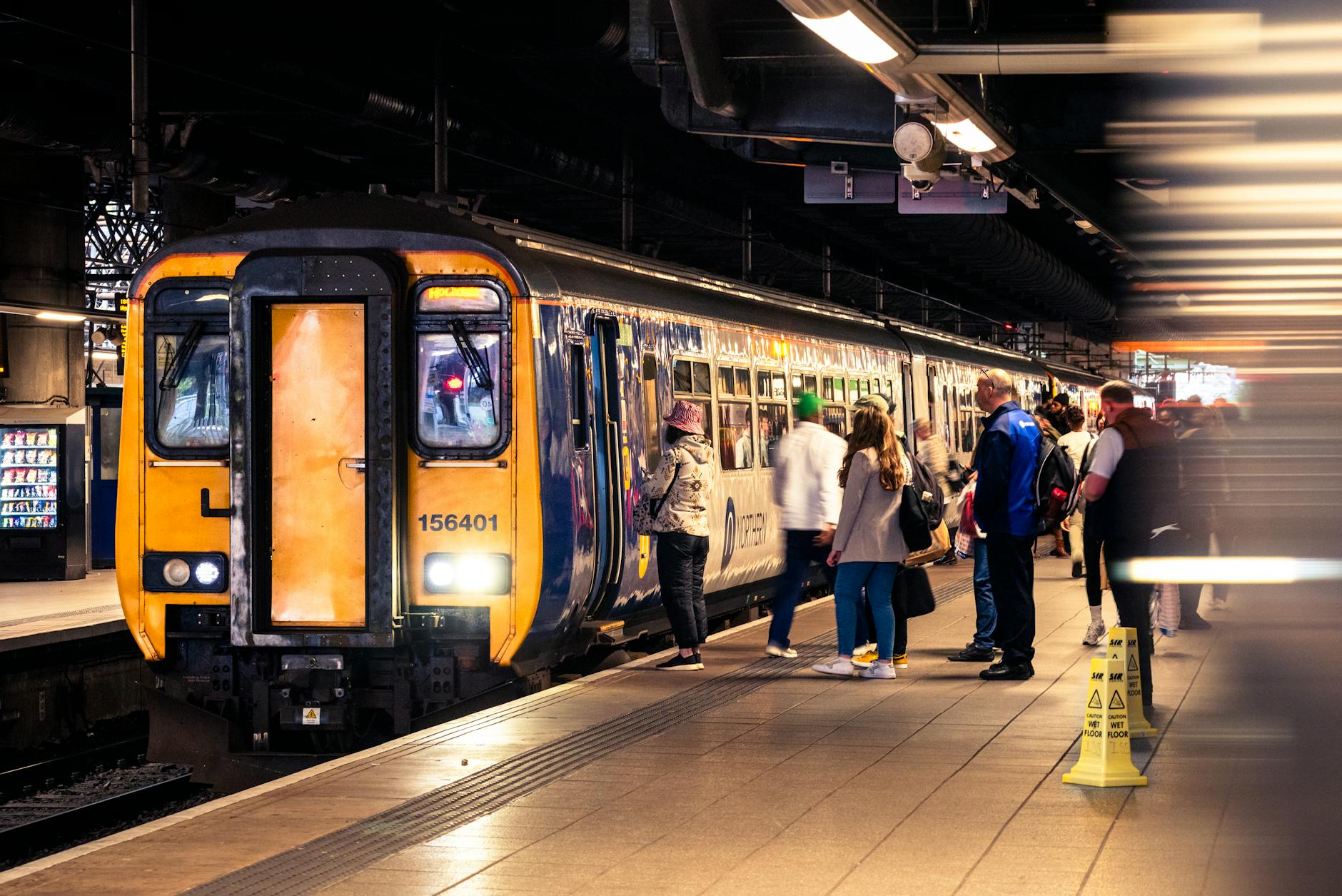
Manchester Airport’s official train page states that trains from the airport to Manchester Piccadilly take around 20 minutes and run every 10 minutes, seven days a week.[1] That is a major reason Manchester works so well for short city stays.
The Tram Is A Real Arrival Option, Not An Afterthought
The airport’s official tram guidance notes direct Metrolink services from the airport to Victoria in the city centre, with trams every 12 minutes and contactless payment available through the wider network.[2] If your hotel aligns with the tram, this can be the cleanest possible arrival.
The Science And Industry Museum Explains The City Better Than Many People Expect
The museum’s own materials continue to emphasize its place on the site of the world’s first inter-urban railway terminus and its mission to connect Manchester’s industrial past with the present.[3] That is exactly why it matters.
John Rylands Is More Than A Pretty Stop
The University of Manchester Library’s official visit page still confirms free entry, current opening days, and the library’s importance as a neo-Gothic civic gift with world-class collections.[4] It is one of the city’s best short-format cultural anchors.
The Football Museum Is A Real City-Center Museum, Not Only For Hardcore Fans
The National Football Museum’s official visitor information keeps its location and opening hours very clear, and the site emphasizes its position in the Medieval Quarter close to Victoria, the Northern Quarter, and NOMA.[5] Even visitors who are not football obsessives should understand that it helps explain Manchester’s civic identity.
Northern Quarter And Castlefield Are Not Interchangeable
Visit Manchester’s neighborhood pages continue to frame the Northern Quarter around independent shops, creative culture, and street-level energy, while Castlefield sits more in the canal-and-urban-landscape register.[6][7] Choosing between them is choosing between different moods of the city.
How to Understand Manchester
Manchester works through five forces.
The first is warehouse geography. Converted industrial fabric is not just scenic background here; it shapes how districts feel.
The second is corridor logic. Manchester often works through connected zones rather than one single obvious center.
The third is social momentum. Food, bars, gigs, and pub culture are structural, not optional.
The fourth is identity density. Football, music, industry, and politics all matter, but in different neighborhoods and registers.
The fifth is tone management. A polished weekend, a nightlife weekend, a football trip, and a creative-city stay are all different Manchesters.
The Five Manchesters A Visitor Actually Meets
Northern Quarter Manchester: independent, creative, textured, and one of the easiest areas to love quickly.[6]
Castlefield Manchester: canals, old industrial fabric, and calmer post-industrial atmosphere.[7]
Civic / Central Manchester: St Peter’s Square, Deansgate connections, and the city at its most generally usable.
Football Manchester: museum, stadium pull, fan culture, and identity narratives that reach well beyond match day.[5]
Food-and-evening Manchester: Ancoats, bars, restaurants, and the social city that often becomes the real reason people return.
The Main Mental Shift
Do not ask, “What are the top sights in Manchester?” Ask, “Which Manchester is this day for?” Creative Manchester, canal Manchester, football Manchester, polished central Manchester, or food-and-nightlife Manchester. The trip gets sharper immediately.
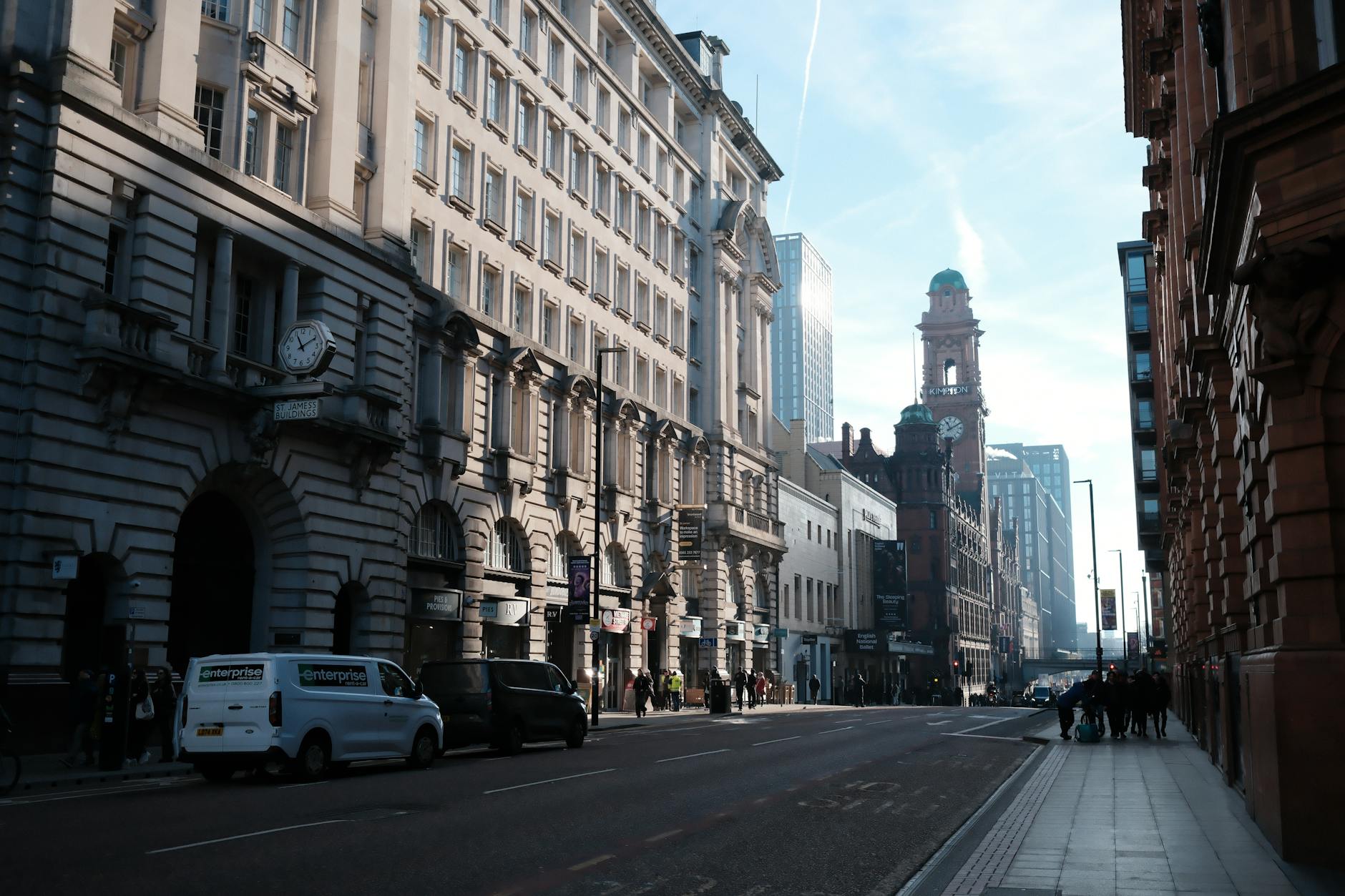
What Manchester Does Better Than Many UK Cities
Manchester is better than people think at supporting a complete weekend without needing heritage theatre. It does not rely on cathedral-town prettiness to hold your attention.
It is also better than many first-time visitors expect at mixing polish with edge. Strong hotels and restaurants coexist with independent music venues, rougher textures, and industrial residue in a way that feels coherent.
Another underrated strength is cultural seriousness without stiffness. The Science and Industry Museum, John Rylands, and the Football Museum can all matter in the same trip without the city becoming dutiful.[3][4][5]
The city is also excellent at giving return value fast. One good base and two well-built days are enough to make Manchester stick.
Finally, Manchester does nightlife with urban identity very well. The evening scene is not just generic drinking. It is part of the city’s engine.
Where Manchester Fits in a UK Trip
Manchester fits a UK trip best as the city that proves an urban weekend does not need ceremonial prettiness to be complete.
That matters because many first-time UK itineraries still privilege cities that announce themselves quickly through postcard architecture. Manchester does not work that way. Its strengths are more distributed. They live in districts, warehouse conversions, nightlife, canal edges, restaurants, music history, football identity, and the confidence of a city that does not need to plead for affection. Once you accept that, Manchester becomes much easier to use well.
It works especially strongly in four roles.
The first is as a pure city-break city. If you want a few days of food, bars, museums, neighborhood movement, and late-day momentum, Manchester is one of the UK’s strongest answers outside London.
The second is as a football-and-city hybrid. Plenty of travelers arrive because of football, but the city is much better when football becomes one chapter rather than the entire plot.
The third is as a creative-post-industrial city. Travelers who like cities such as Berlin, Rotterdam, or certain parts of Brooklyn often respond well to Manchester because the industrial residue and newer social life speak to each other clearly.
The fourth is as a repeat-UK city. Once you no longer need every stop to behave like a heritage set piece, Manchester becomes one of the most satisfying urban additions to a broader British itinerary.
What Manchester is not is a city you should visit only because you recognize its references. References can get you there, but they do not build the stay.
Manchester Versus Liverpool
This comparison matters because the two cities are often paired lazily and then flattened into the same northern-England cultural shorthand.
Liverpool usually wins faster on waterfront drama, immediate visitor legibility, and the ease with which outsiders can understand its historical frame. The city gives you stronger first-look scenery and a more obviously staged urban narrative.
Manchester is less immediately scenic, but often stronger as a lived city break. Its districts connect more persuasively into a weekend rhythm of coffee, walking, shopping, museums, bars, dinner, and late-night life. Liverpool can feel more representational. Manchester often feels more usable.
If you want a city that declares itself clearly and beautifully, Liverpool may be the easier first answer. If you want a city that grows in force once you choose the right district and pace, Manchester may be better. They are not rivals so much as different urban arguments.
First-Time Visitors Versus Repeat Visitors
First-time visitors often make one of two errors in Manchester. Either they treat the city as one generic center and never let its districts separate, or they chase every identity marker at once and end up with a trip of fragments.
Repeat visitors tend to do better because they start choosing tone instead of coverage. They know whether they want a Northern Quarter stay, a smoother Deansgate weekend, a football-heavy trip with one strong non-football day, or an Ancoats-and-food stay that barely bothers proving anything to first-timer expectations.
This is one reason Manchester often improves quickly on a second visit. The first trip is often still testing whether the city is “worth it.” The second trip usually assumes the answer is yes and starts using the city more confidently.
Best Time to Visit Manchester
Manchester is a year-round city, but not a season-neutral one.
Best Overall Months
May, June, September, and early October are often the easiest first-time answers. The city is more open, walking between districts feels cleaner, and the canal-and-terrace side of Manchester is easier to appreciate.
Summer
Summer can be very good for terraces, events, and longer city days, though the city never depends on heat or blue-sky fantasy in the way some places do.
Autumn
Autumn often suits Manchester well. The city’s bars, restaurants, and cultural spaces start to do more of the work, and the urban mood gets denser.
Winter
Winter is still very workable if the trip is pub-, food-, football-, and museum-led. The mistake is expecting a weather-proof version of a fully outdoor city.
Warm-Weather Manchester Versus Cold-Weather Manchester
Manchester behaves differently by season, but not in the simple sense of good months and bad months. Warm-weather Manchester is more generous with canals, terraces, wandering, and neighborhood drift. You can let the city stretch a little and still feel rewarded.
Cold-weather Manchester asks for more intention. That does not make it worse. In some ways it makes the city sharper. Bars, music venues, restaurants, museums, hotel lounges, and football culture all start carrying more weight. The city feels denser and more interior. What fails in winter is not Manchester itself. What fails is a route that depends too heavily on casual scenic wandering.
How Many Days You Need
One Full Day
Enough to get a feel for the city, not enough to let the neighborhoods separate properly.
Two Full Days
The minimum strong version. One day should belong to central and cultural Manchester. The second should choose a lane: Northern Quarter and Ancoats, Castlefield and canals, or football-led Manchester with a proper evening.
Three Full Days
Ideal for many first-time visitors. This gives room for one museum-heavy day, one neighborhood day, and one slower social day.
Four Days Or More
Very good if football, gigs, shopping, or a slower food-and-bar rhythm matter heavily to the trip.
Why One Proper City Day Matters
Travelers sometimes assume Manchester can be understood through one attraction, one neighborhood, and one late night. That is enough to have fun, but not enough to understand the city.
A stronger first trip gives Manchester one proper city day. That means a day where the city itself is the point rather than only a museum, a match, a meal reservation, or a concert. Walk a district properly. Move through one cultural anchor. Let another neighborhood take over the evening. Let the city connect its own arguments. Without that day, Manchester can feel like an efficient backdrop. With it, the place starts to feel authored.
Where to Stay in Manchester
The hotel decision here is mostly about city personality.
Fast Answer
For most first-time visitors, stay on the Northern Quarter edge, around the St Peter’s Square / Deansgate / central seam, or in a polished hotel that keeps those areas easily reachable. Stay farther out only if there is a specific event, football, or venue reason.
Neighborhood Decision Table
| Traveler Type | Best Area |
|---|---|
| First-time couple | central seam or polished Northern Quarter edge |
| Nightlife-and-food traveler | Northern Quarter / Ancoats edge |
| Cleaner all-round city stay | Deansgate / St Peter’s Square seam |
| Football-led trip | central with strong transport, not necessarily stadium-adjacent |
| Repeat visitor | Ancoats, Castlefield, or a more specific neighborhood stay |
Northern Quarter Edge
Best for: first-timers who want texture and easy energy. Why it works: close to independent food, bars, shops, and a strong sense of creative Manchester.[6] Tradeoff: can feel busier and noisier than a more polished central base. Best use: short breaks that want personality first.
St Peter’s Square / Deansgate Central Seam
Best for: all-round balance. Why it works: practical movement, stronger hotel stock, and easy reach to multiple city versions. Tradeoff: slightly less immediate character than Northern Quarter. Best use: the safest high-quality first-time base.
Castlefield / Adjacent Polished Zones
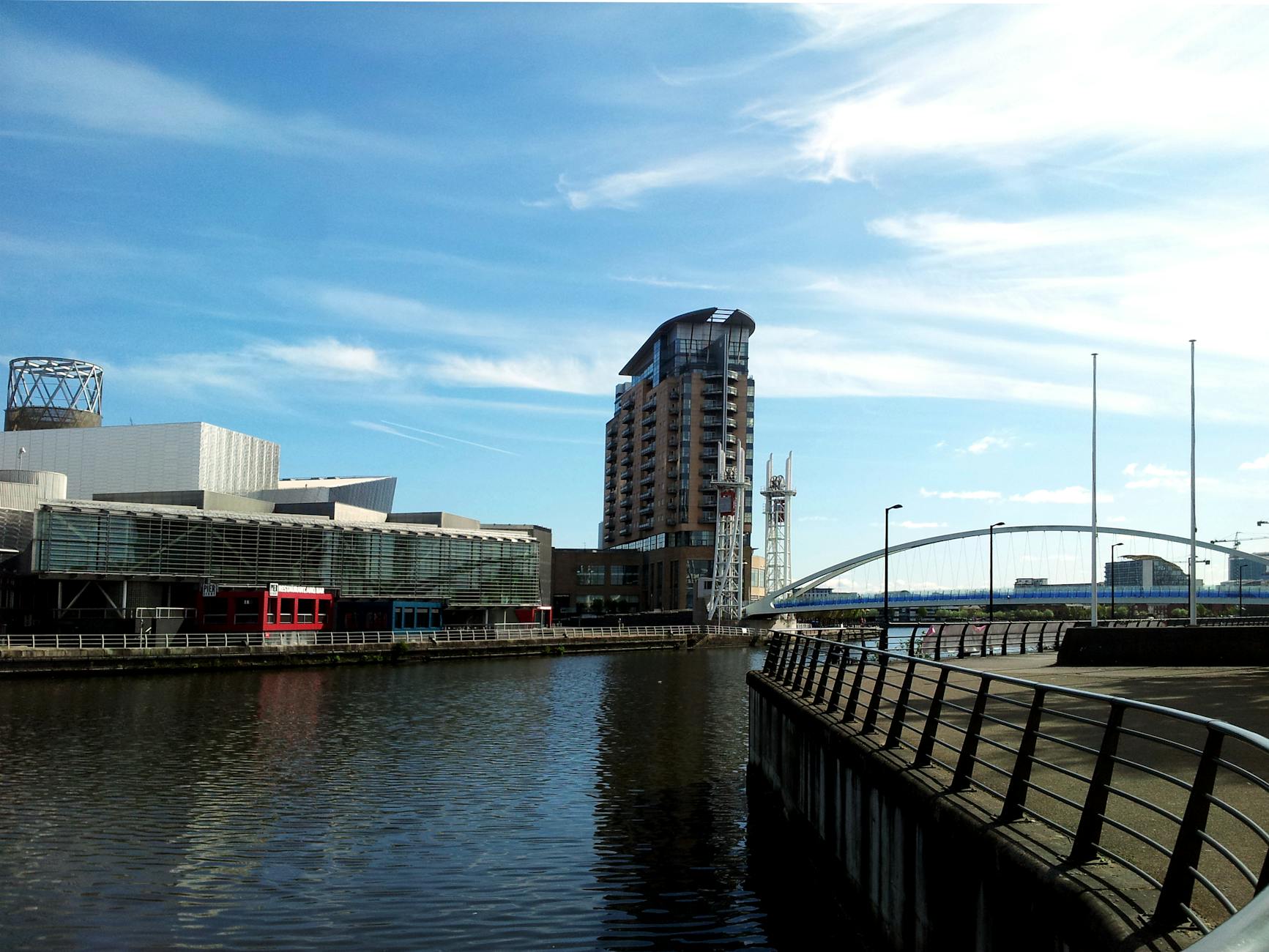
Best for: travelers who want more post-industrial atmosphere and a calmer rhythm. Why it works: canal-side walking and good access without total central overload.[7] Tradeoff: some social zones feel slightly more intentional to reach. Best use: couples and repeat visitors.
Why The Base Matters More Than Visitors Expect
Manchester is one of those cities where “central” is not a sufficient hotel strategy. A hotel can be technically central and still put you in the wrong Manchester for your trip.
If you want independent cafés, bars, and quick social momentum, the Northern Quarter edge will feel very different from a polished business-style central hotel. If you want a smoother couple’s weekend with less immediate street energy, the Deansgate or St Peter’s Square seam may be much better. If you want canal atmosphere and a slightly more exhaled rhythm, Castlefield changes the trip again.
This is why the base matters. In Manchester, the hotel is not just where you sleep between attractions. It is one of the things deciding which city keeps appearing around you.
Area Profiles
Northern Quarter: best for independent culture, record-shop and café energy, and bars.[6]
Ancoats: best for food and newer creative-city polish.
Castlefield: best for canal atmosphere and post-industrial calm.[7]
Central / Deansgate seam: best for first-time usability.
Victoria / Medieval Quarter: best for the Football Museum and a more heritage-leaning chapter.[5]
Neighborhood Guide: Where to Explore, Not Just Sleep
Northern Quarter is often where Manchester starts to feel like itself rather than like a generalized UK center. Its independent shops, bars, music energy, and street texture explain a lot very quickly.[6]
Castlefield matters because it shows how Manchester’s industrial past became a leisure and urban-landscape asset rather than dead background.[7]
The Victoria / Medieval Quarter side matters more than many first-timers expect because it anchors the Football Museum and gives a different historical and infrastructural reading of the city.[5]
Ancoats is useful because it reveals Manchester’s newer appetite: restaurants, conversion-led polish, and a more curated version of urban cool.
Day Manchester Versus Evening Manchester
Daytime Manchester is about district legibility. This is when warehouses, canal paths, civic squares, museum choices, shopping streets, and hotel placement explain themselves. You notice how quickly the city changes tone between one area and the next.
Evening Manchester is about social force. Restaurants begin to matter more. Pubs and bars stop feeling optional. The city acquires more confidence, and some areas that seemed merely functional in daylight become much stronger after work hours. This is one reason weak Manchester trips underperform: they understand the city’s references, but they never let the city become social.
Why Manchester’s Industrial Frame Still Matters
It is easy to talk about Manchester’s industrial history in generic terms and then leave it behind the moment the trip becomes contemporary. That weakens the city.
The industrial frame still matters because it explains the built environment, the canals, the warehouse conversions, the scale of certain streets, the muscle behind civic ambition, and even the way the city now sells food, music, and nightlife inside old material shells. Manchester’s present does not replace its industrial logic. It repurposes it.
The Best Things to Do in Manchester
- Give one part of the trip to industrial and scientific Manchester through the Science and Industry Museum or Castlefield.[3][7]
- Use Northern Quarter properly instead of reducing it to one quick photo-and-coffee block.[6]
- Visit John Rylands for architecture and civic-cultural weight.[4]
- Treat the Football Museum as an urban-identity stop, not just a fan stop.[5]
- Let one evening belong to bars, food, and neighborhood energy rather than forcing another attraction.
- Build at least one day around one lane of the city instead of trying to sample every Manchester at once.
Itineraries
If You Have One Full Day
Do one cultural anchor in the morning, use either Northern Quarter or Castlefield as the main district chapter, and finish with a serious dinner-and-drinks evening. Do not try to turn one day into a referendum on all of Manchester.
If You Have Two Full Days
Use one day for central and cultural Manchester. Use the second for the neighborhood version you actually want: creative, canal-side, football-led, or food-and-nightlife Manchester.
If You Have Three Full Days
This is the ideal first structure. One day for museums and city logic, one for neighborhoods, and one slower day for bars, shopping, canals, or football-linked culture.
Itineraries By Energy Level
High-energy first trip: a museum or library anchor in the morning, a serious district walk in the afternoon, and a neighborhood-led dinner and late evening. This works well if you enjoy long urban days and want Manchester to feel full quickly.
Balanced first trip: one strong cultural stop, one or two districts only, and one real evening plan. This is the best first-time pattern for most travelers because it leaves room for the city’s social side to matter.
Low-energy or weather-proof trip: a more polished base, fewer district hops, John Rylands or the Football Museum, one good lunch corridor, and a shorter evening centered on the hotel area or one chosen neighborhood. Manchester can still work very well at this pace.
Itineraries By Traveler Type
Music-and-nightlife traveler: Northern Quarter and Ancoats-led stay with one cultural anchor.
Football traveler: Football Museum plus one real non-football Manchester day.
Food-and-bars traveler: polished central or Northern Quarter edge base with strong evening planning.
First-time UK city-break traveler: keep the base central, the route clean, and the neighborhoods distinct.

Food
Manchester’s food life is better than many first-time visitors expect, but it only helps if you match meals to neighborhoods instead of moving randomly. The city rewards a strong breakfast or coffee district, a lunch that keeps the route intact, and an evening where food is part of the city’s social logic rather than a bolt-on necessity.
Why Food Is Structural, Not Decorative
In Manchester, food is not simply what fills the hours between museums, football, and nightlife. It helps determine which neighborhoods feel worth your time.
Breakfast or coffee can make the Northern Quarter feel like the correct morning. A strong dinner reservation can be the thing that justifies making Ancoats the center of the evening. A weak lunch in the wrong corridor can flatten the whole day. This is why Manchester rewards travelers who let meals support the district logic rather than interrupt it.
Nightlife
Nightlife is one of Manchester’s great strengths, but it is not one thing. There is pub Manchester, music-venue Manchester, cocktail Manchester, and warehouse-bar Manchester. The right answer depends on the district and the mood. The main rule is simple: pick the area first, then let the night unfold there.
Why Manchester Often Works Better Than It Sounds
If you describe Manchester badly, it can sound like a city of references, weather, and red-brick confidence with no clear visitor argument. That summary misses the point.
Manchester works because its districts are distinct without being isolated, because its industrial inheritance still shapes how contemporary life feels, and because the city is socially strong enough to turn a good hotel, one museum, two neighborhoods, and one evening into a real trip. It does not need one giant attraction to validate it. It needs a traveler willing to use the city on its own terms.
Why Manchester Often Improves On The Second Visit
On a first visit, many travelers are still deciding what kind of city Manchester is supposed to be for them. They are testing whether it is primarily about football, primarily about nightlife, primarily about industrial heritage, or primarily about being a convenient UK weekend. That uncertainty can make the trip feel slightly provisional.
On a second visit, the pressure drops. You know whether you want the Northern Quarter or not. You know whether Castlefield belongs to this trip or another one. You know whether you need a polished hotel or a more textured base. Once those decisions become easier, the city gets stronger fast.
How Manchester Changes Over The Course Of A Stay
On arrival, Manchester can seem a little too ordinary in the wrong way. The station approach may feel practical rather than romantic. The center may seem fragmented. A generic first walk can make the city feel less distinctive than it really is.
By the second day, if the route has been built well, the districts begin separating into clearer personalities. Northern Quarter starts feeling unlike Castlefield. Ancoats stops seeming like an extension and becomes a destination. The museum choices begin to support the city rather than merely occupy time.
By the third day, Manchester often feels much more persuasive because it has stopped needing to impress through first-glance beauty. It has become a place of confidence, movement, and chosen lanes. That is when many travelers realize the city is stronger than the summary they arrived with.
Why Movement Changes The Meaning Of Manchester
In Manchester, movement is not only about getting from one sight to another. It is one of the ways the city teaches you what it is. Walking from St Peter's Square toward the Northern Quarter, or from Deansgate toward Castlefield, changes the entire emotional reading of the place. The city becomes persuasive through transitions.
That is why overusing cabs or overstuffing the day can weaken the trip. If every shift between districts becomes only a functional transfer, you miss the way Manchester’s center rearranges itself block by block. Walk when the route deserves it, use rail and tram when they genuinely simplify things, and let the city reveal its seams rather than flattening them.
Why Manchester Should Not Be Overstuffed
Manchester is not a city that improves through maximum coverage. Too many neighborhoods in one day, too many identity markers in one weekend, or too many reservations across different sides of the center can make the place feel thinner instead of richer.
The stronger trip chooses less and lets each choice breathe. One museum is enough if the district around it also gets time. One good evening area is better than three partial ones. One properly understood neighborhood will usually tell you more about Manchester than a dozen rushed “must-sees.”
Why Manchester Rewards A Chosen Lane
Manchester does not demand that every traveler want the same city. In fact, it becomes better once you admit that different visits should privilege different versions of it.
A couple on a polished weekend may barely care about football and still have an excellent trip through Deansgate, John Rylands, Ancoats dinners, and one late walk through the Northern Quarter. A music-led traveler may care far more about gig timing, bars, and record-shop energy than about museums. A football traveler may build the whole trip around one match or stadium chapter and still need one serious non-football day so the city does not shrink into fandom alone.
The point is not to achieve the perfect balanced Manchester. The point is to choose a lane and let the rest of the city support it. Once that happens, Manchester stops feeling like a collection of strong references and starts feeling like a place that understands how you are using it.
Common Mistakes
The first mistake is booking a generic central hotel and never choosing a real version of the city.
The second is over-indexing on football or music references without seeing the neighborhoods that support them.
The third is moving too much between disconnected districts in one day.
The fourth is underestimating how much the hotel area shapes the whole trip.
Etiquette and Local Norms
Manchester responds well to directness and ease. Do not confuse friendliness with performative charm. Respect queues, pub space, and venue etiquette, and do not treat ordinary local neighborhoods as lifestyle exhibits.
Blunt Advice
If this is your first Manchester trip, decide early whether you want creative-and-social Manchester, polished-and-central Manchester, or football-and-culture Manchester, and let the hotel and route follow that choice.
The city becomes much more rewarding once you stop waiting for one big attraction to define it. Use the airport links well, choose one or two neighborhoods properly, give the museums their due, and let Manchester prove itself through movement and mood rather than cliché.
Source Notes
- 1. Manchester Airport, official train page: [https://www.manchesterairport.co.uk/getting-to-and-from/by-train/](https://www.manchesterairport.co.uk/getting-to-and-from/by-train/)
- 2. Manchester Airport, official tram page: [https://www.manchesterairport.co.uk/getting-to-and-from/by-tram/](https://www.manchesterairport.co.uk/getting-to-and-from/by-tram/)
- 3. Science and Industry Museum, official about page: [https://www.scienceandindustrymuseum.org.uk/about-us](https://www.scienceandindustrymuseum.org.uk/about-us)
- 4. The University of Manchester Library, official John Rylands visit page: [https://www.library.manchester.ac.uk/rylands/visit/](https://www.library.manchester.ac.uk/rylands/visit/)
- 5. National Football Museum, official visitor page: [https://nationalfootballmuseum.com/visit-us/](https://nationalfootballmuseum.com/visit-us/)
- 6. Visit Manchester, official Northern Quarter page: [https://www.visitmanchester.com/things-to-see-and-do/explore/neighbourhoods/northern-quarter](https://www.visitmanchester.com/things-to-see-and-do/explore/neighbourhoods/northern-quarter)
- 7. Visit Manchester, official neighborhood page for Castlefield and Manchester neighborhoods: [https://www.visitmanchester.com/things-to-see-and-do/explore/neighbourhoods/castlefield](https://www.visitmanchester.com/things-to-see-and-do/explore/neighbourhoods/castlefield)