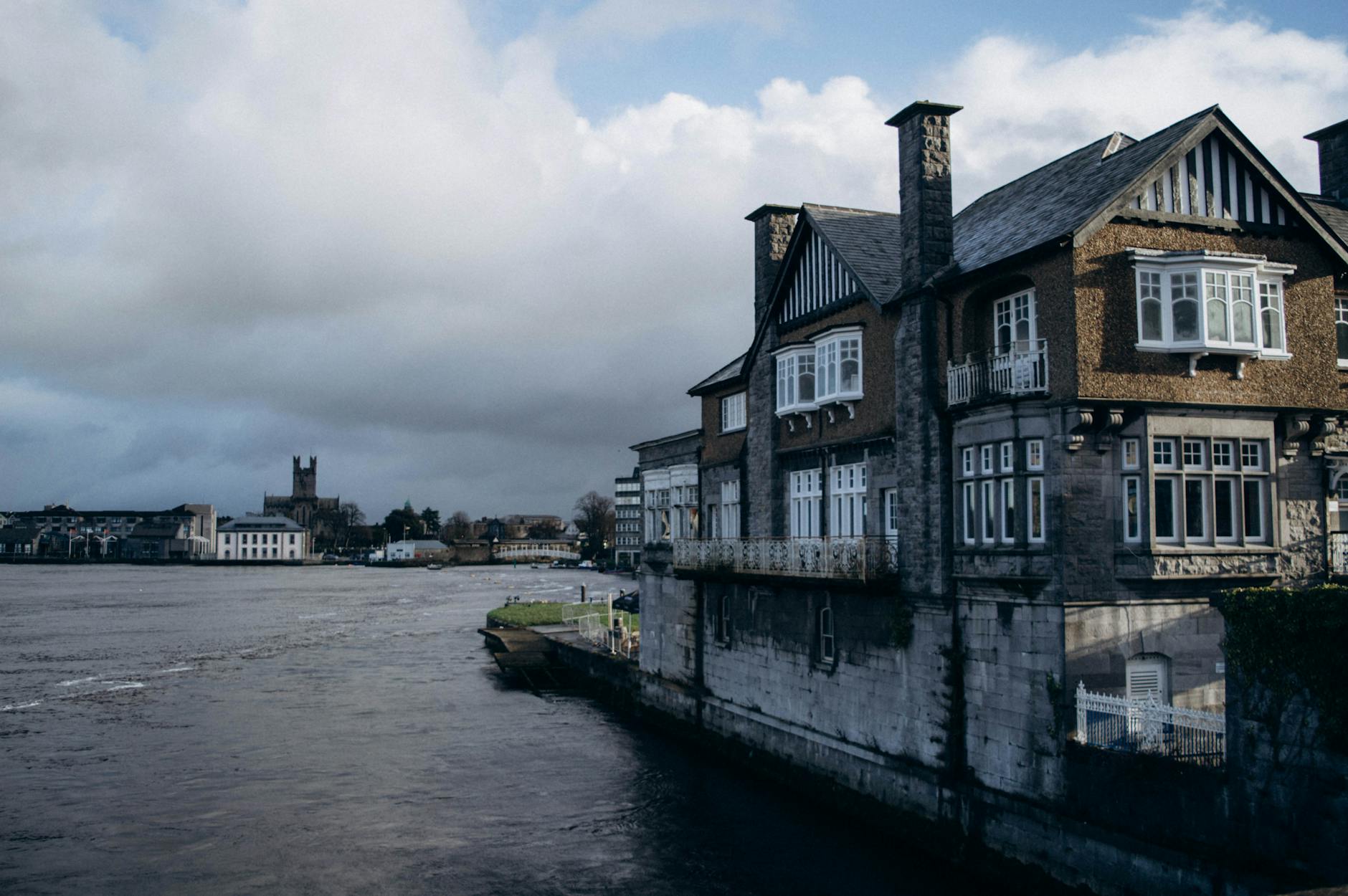
Limerick is one of those cities that suffers from stale expectations.
Start Here
Some visitors arrive with comparisons already loaded: it is not Dublin, not Galway, not Cork, not the sentimental version of "Ireland" they built from postcards, pub imagery, or someone else's weekend recommendations. Others inherit older reputations without examining whether those reputations still map onto how the city actually works now. That is the wrong way into Limerick. The city does not reward pre-emptive defensiveness. It rewards use.
And once used properly, Limerick can be much more satisfying than outsiders expect. The Shannon gives it shape. The split between King’s Island, the Georgian-commercial core, and the market side gives it structure. King John’s Castle gives the city a hard historical center. The Hunt Museum gives it intellectual weight. The Milk Market gives it food energy without forcing the city to act trendier than it is. Colbert Station is close enough to matter. Most importantly, Limerick still feels like a working Irish city rather than a place constructed mainly to flatter visitors.
That is its strength. Limerick is not a packaged fantasy. It is an urban stop with backbone. The best first trip accepts that and builds a stay around the river, one or two serious sights, one honest food anchor, and enough evening time for the city to stop feeling like a route calculation.
The city in one sentence: Limerick is one of Ireland’s most underrated short city stays, but only when you use it as a real river city instead of judging it against softer or more sentimentalized alternatives.
Basic data
| Population | About 100,000 in the urban area |
|---|---|
| Area | Compact river city inside County Limerick |
| Major religions | Christian heritage with a strongly secular contemporary public life |
| Political system | City and county local government inside a parliamentary republic |
| Economic system | Advanced mixed regional economy led by services, education, medtech, and logistics |
Quick Verdict
Best for: repeat Ireland travelers, city-break travelers, food-and-history travelers, rail travelers, and anyone who likes grounded urban places more than polished myth.
Less ideal for: travelers who want a tiny heritage town, or anyone unwilling to let a city reveal itself over a few hours.
Ideal first stay: 1 to 2 nights.
Still worthwhile: yes, even as a single overnight.
Can justify more: yes, especially as a west or midwest regional base.
Biggest planning mistake: treating Limerick as a leftover night.
One thing to prioritize: the river-and-center walking logic.
One thing to keep simple: the sightseeing plan.
The blunt version: Limerick gets better as soon as you stop apologizing for being there.
Who Will Love Limerick?
Limerick works for travelers who like cities that feel used rather than staged. If you want a place where the river actually shapes the city, where museums and markets feel part of normal life, and where an evening in town matters as much as a checklist of monuments, Limerick is strong.
It is especially good for visitors who value honesty over prettification. Limerick does not lean on visitor flattery the way some smaller heritage centers do. It has appealing architecture, yes. It has a medieval anchor, yes. It has attractive streets and institutions, certainly. But it also still feels like a city where daily life matters more than touristic performance. Some travelers find that less immediately charming. Others find it much more durable.
This also makes Limerick a good fit for people who enjoy a place becoming clearer over a few hours. The city is not designed to overwhelm you in the first five minutes. It becomes legible as the river crossings, the medieval core, the market, and the museum side begin to line up in your head.
Limerick at a Glance
| Question | Practical Answer |
|---|---|
| Main urban feature | The River Shannon |
| Core medieval anchor | King John’s Castle |
| Best general museum | The Hunt Museum |
| Food-and-local-life anchor | The Milk Market |
| Rail arrival point | Limerick Colbert |
| Why stay here? | Real city rhythm plus history |
| Car required in the center? | No |
| Best first stay length | 1 to 2 nights |
2026 Visitor Notes
King John’s Castle Still Anchors the Medieval Side Properly
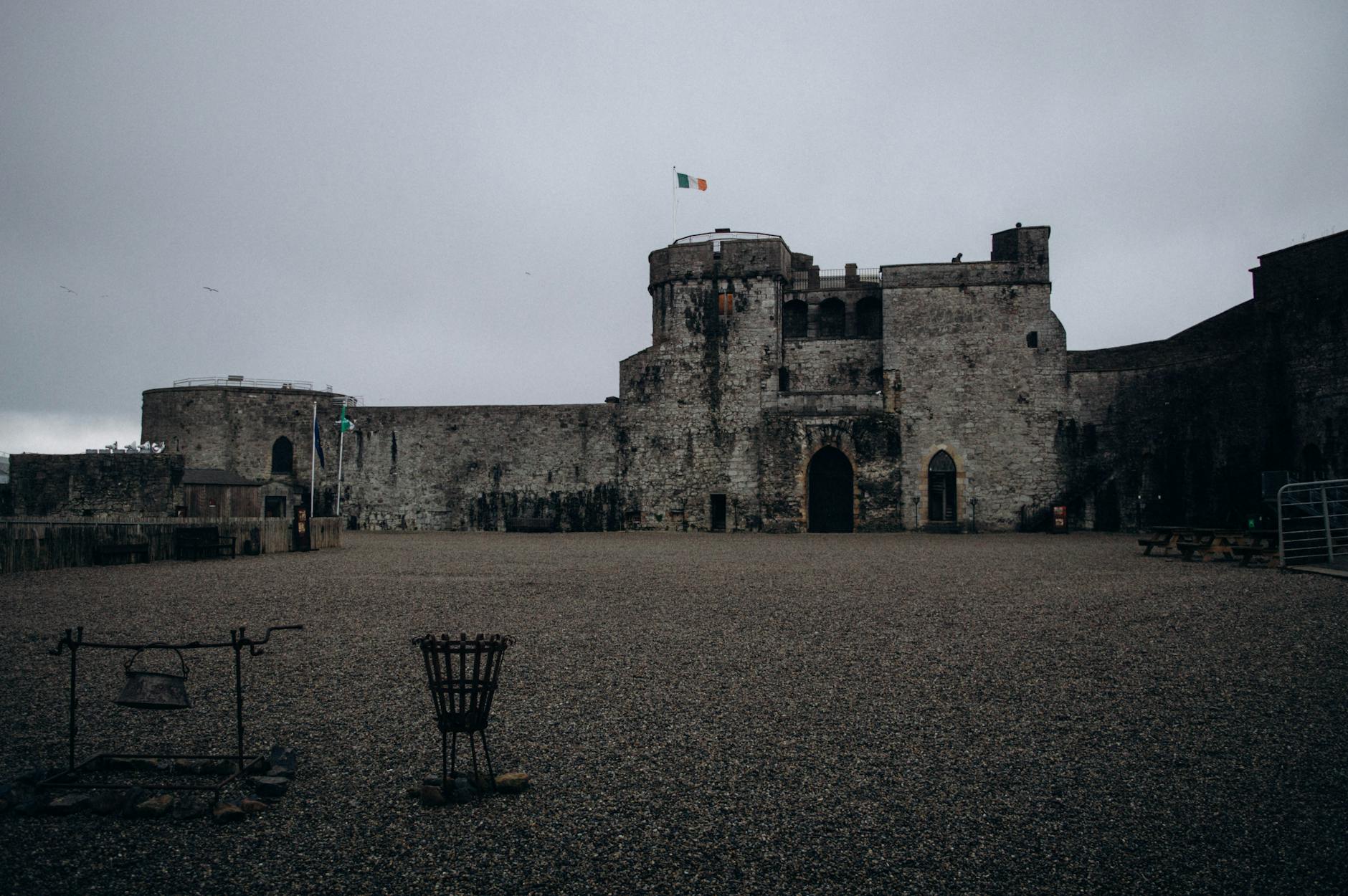
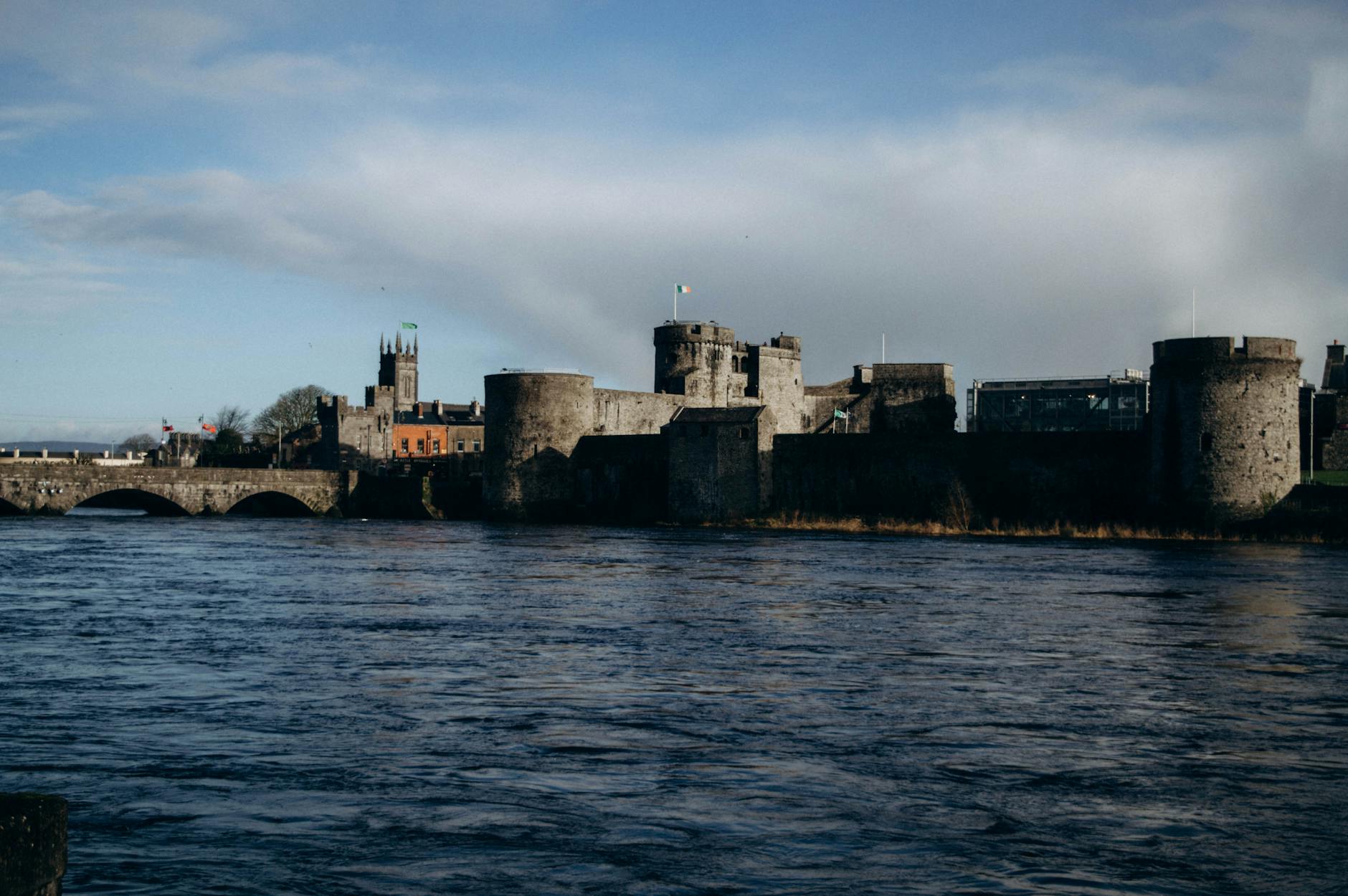
The official King John’s Castle site continues to frame the castle as Limerick’s iconic landmark, open year-round with current opening hours and a visitor route through the medieval stronghold on King’s Island.[1][2] That matters because the castle is not just the city’s headline sight. It is the clearest expression of the city’s oldest physical authority.
The Hunt Museum Still Gives the City Cultural Weight
The Hunt Museum’s current official material continues to present it as a major collection of art and antiquities housed in the former Custom House on Rutland Street, with a city-center location and a typical visit length of under an hour if used efficiently.[3][4] That makes it ideal for a short urban stay: meaningful, central, and proportionate.
The Milk Market Still Functions as a Real Urban Pleasure
The current Milk Market and Limerick.ie pages continue to describe the market as one of the city’s key food and social spaces, operating each weekend with different rhythms across Friday, Saturday, and Sunday.[5][6] This matters because the market is one of the strongest arguments that Limerick should be experienced rather than merely transited.
The Rail Station Still Makes Car-Light Limerick Plausible
Irish Rail’s current Limerick (Colbert) station page continues to show that the station is close enough to the city center that a short stay can be built largely on foot.[7] This is more important than it sounds. A compact, rail-friendly arrival changes the tone of the whole stay.
The Main Mental Shift
Do not ask, "Is Limerick charming enough?"
Ask instead, "What does this river city actually do well?"
That question leads to a much better stay. It moves you away from abstract ranking and toward actual use. You stop asking whether the city performs Irishness in the expected register and begin noticing what it offers directly: a strong river axis, a serious medieval core, a worthwhile museum, a market with real social energy, and a center that is walkable without feeling toy-sized.
Limerick rewards this shift quickly. The city becomes more coherent the moment you stop measuring it against fantasies that were never its job to fulfill.
What Makes Limerick Distinct
Limerick’s distinction is that it still feels like a city rather than a tourism product.
This matters more than it may sound. In Ireland, many of the most circulated urban images lean toward heritage prettiness, pub-town sentiment, or obvious scenic sweetness. Limerick offers something firmer and more civic. The Shannon is broad. The castle is structural rather than decorative. The commercial core feels lived in. The museum sits inside a real urban route rather than an isolated attraction bubble. The market feels like everyday public life turned visible.
That civic quality is part of why some people misread the city at first. It is not trying hard to seduce you. It is offering a usable urban shape and waiting to see whether you can read it.
Why Limerick Feels More Urban Than Many Visitors Expect
A lot of Ireland itineraries are built around contrast: capital city, coast, music town, scenic county, maybe one dramatic heritage stop. In that structure, Limerick can initially look like the least obviously lovable option because it presents itself with more urban plainness than some of its competitors.
That is exactly why it matters.
Limerick gives an Ireland itinerary a firmer civic register. It reminds you that the country is not only made of visitor-ready streets, pub atmospheres optimized for weekends, and heritage districts that can be consumed in a polished sweep. There are also places where institutions, trade, transport, the river, and daily movement still shape what the city feels like. Limerick still communicates some of that weight.
For some travelers, this takes adjustment. For others, it is a relief. If an Ireland trip has begun to feel a little too curated, Limerick can be one of the places that restores proportion.
Why the River Matters So Much
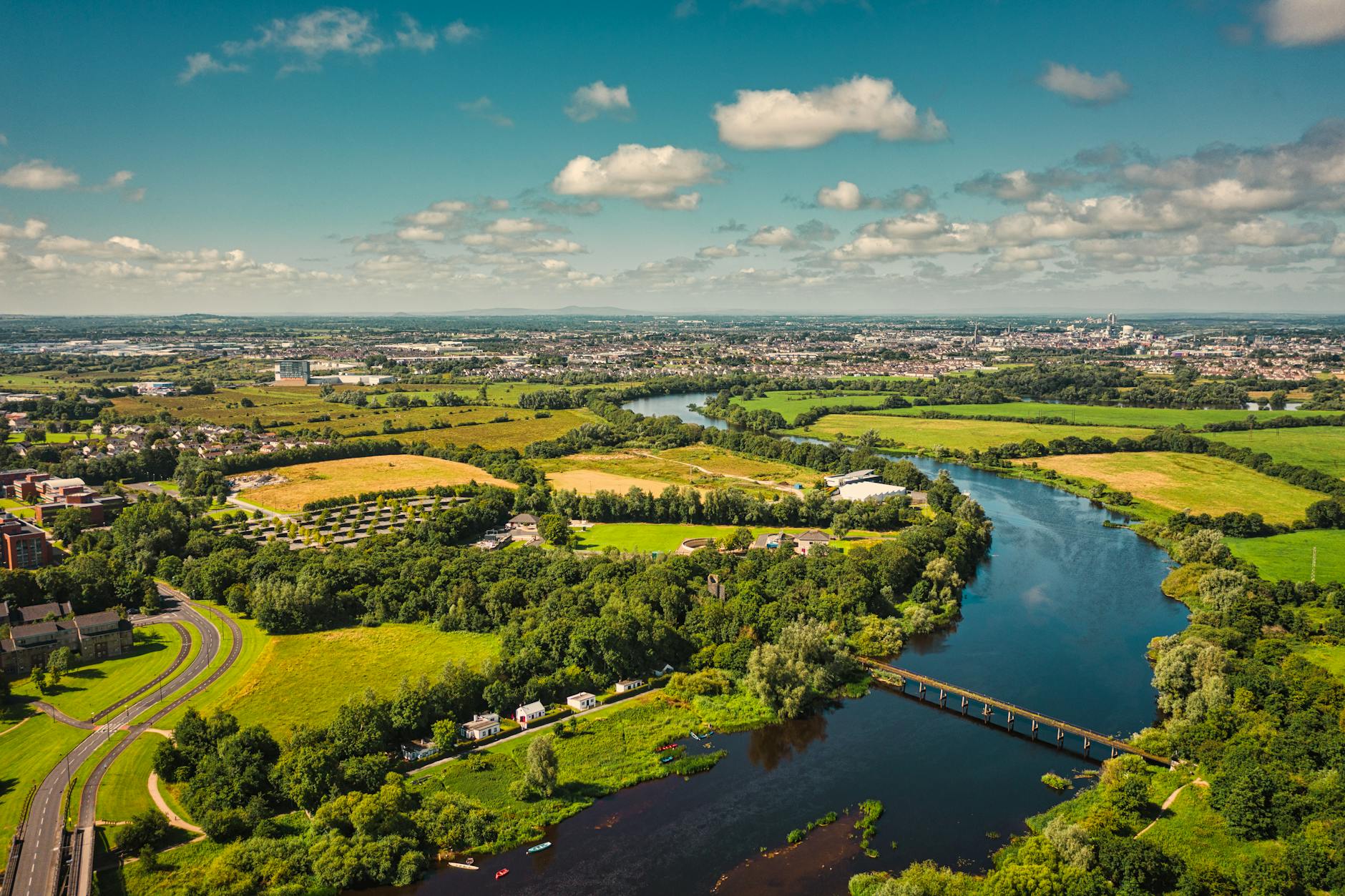
Limerick is a river city in a way that many nominal river cities no longer feel like.
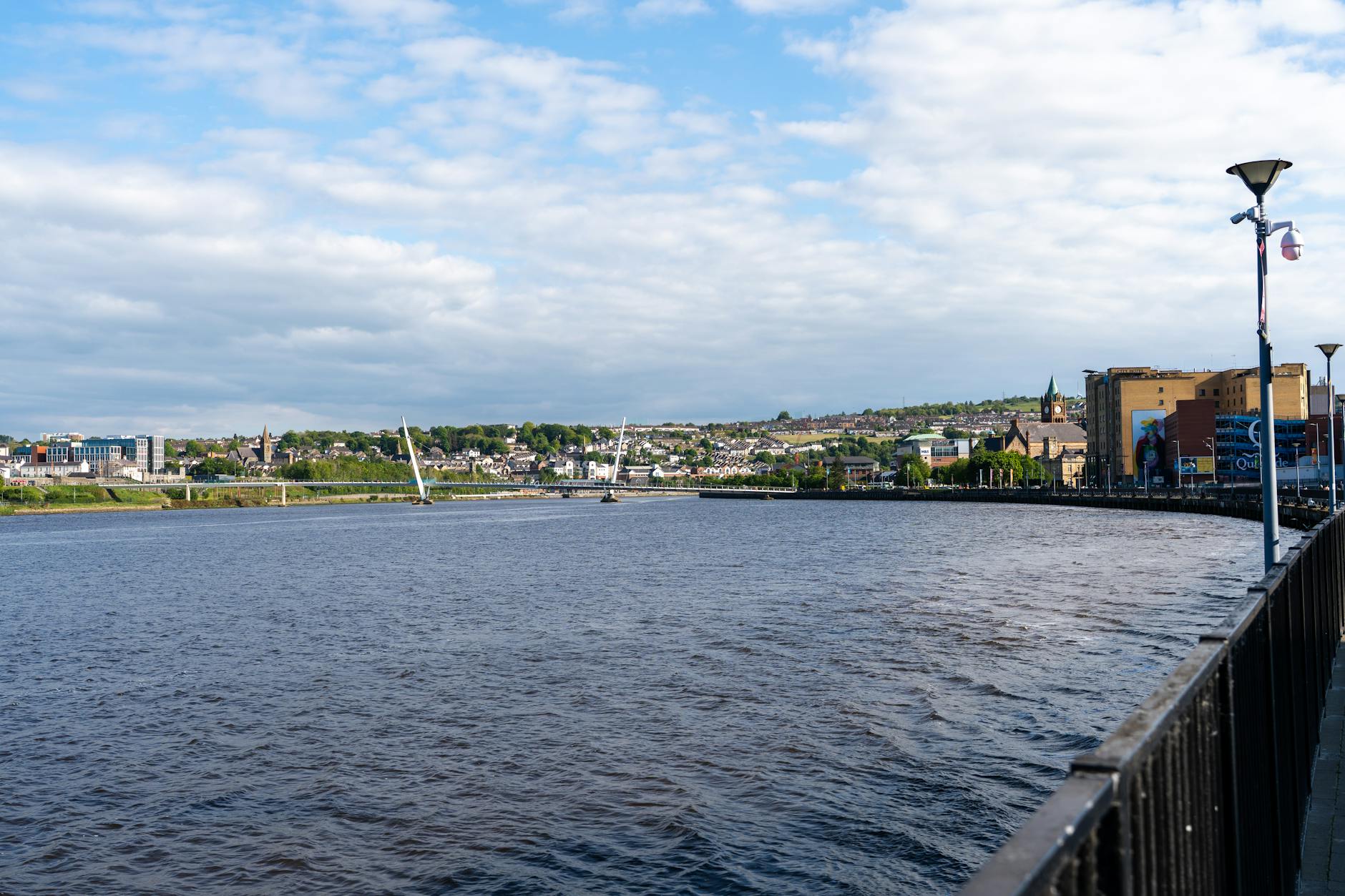
The Shannon is not simply a scenic edge. It organizes movement, perspective, and district identity. King’s Island and the castle side make sense because of the water. The walk toward the Hunt Museum makes sense because of the water. The bridges are not just crossings. They are part of how the city explains itself.
This is one reason Limerick improves after the first hour. At first it can seem a little discontinuous: station, streets, castle, museum, market. Then you see how the river ties them together. Once that happens, the city becomes much more convincing.
If you rush through Limerick without giving the Shannon walking time, you lose one of the city’s most important interpretive tools.
River Walk Logic
One of the smartest ways to use a first Limerick stay is to think in river loops rather than isolated attractions.
A castle-only visit can make the city feel medieval and self-contained.
A museum-only visit can make it feel polite and compact.
A market-only visit can make it feel food-forward and local.
But when you connect these by foot, with the river repeatedly returning to the experience, Limerick becomes more than the sum of its stops. You begin to understand how quays, bridges, island spaces, and street alignments actually cooperate. The city’s shape stops feeling accidental.
If you only have one afternoon, that loop mentality is especially useful. It helps you avoid the common mistake of treating efficient ticking as real orientation.
A City of Contrasts, Not a Single Mood
First-time visitors sometimes expect an Irish city to deliver one dominant atmosphere. Limerick is better understood as a set of adjacent registers.
There is the medieval register, strongest on King’s Island and around the castle.
There is the Georgian-commercial register, which gives the city center its order, movement, and everyday civic frame.
There is the market register, where food and local sociability become visible and public.
There is the evening register, where a day’s functional city begins to feel more relaxed and inhabitable.
A good first stay touches all four. A weak first stay sees only one and mistakes that fragment for the whole.
Arrival Strategy: Why Limerick Works Well by Rail
Irish Rail continues to list Colbert Station as a practical arrival point close enough to the city center to support a largely foot-based stay.[7] This is one of Limerick’s most underappreciated advantages.
When a city can begin cleanly, it often reads better. You are not fighting airport distance, unclear transfers, or a rental-car problem before you have even seen the place. You arrive, settle, and begin walking. For a one-night or two-night stay, that ease is not incidental. It is part of what allows the city to feel coherent rather than effortful.
The best first move after arrival is usually a simple one: check in, orient yourself, then walk toward the river or center. Let the city become legible before trying to "do" it.
Where to Stay
For most first-time visitors, the right move is to stay within easy reach of the center rather than trying to optimize for one isolated viewpoint or one single attraction.
Station-to-Center Corridor
Best for: rail arrivals, simple logistics, and travelers who want the least friction.
This area is especially strong for one-night stays. It lets you arrive, drop bags, and start the city quickly. The tradeoff is that not every part of this corridor feels equally atmospheric. But convenience in Limerick often pays off more than performative romance.
River / Center Stay
Best for: travelers who want the most balanced first experience.
If you stay somewhere that gives good access to both the castle side and the Hunt Museum / central-core side, the city becomes very easy to use. You can move between history, food, and evening life with minimal mental effort.
The Main Rule
Limerick is strongest when the city still feels walkable after dinner. If your hotel location makes the center feel remote, you are weakening one of the city’s best traits.
One-Night Limerick Versus Two-Night Limerick
The city behaves differently depending on how much time you give it.
With one night, Limerick is about clarity. You choose a clean arrival, a sensible hotel, one or two strong anchors, and a proper dinner or evening walk. This can work very well because the center is compact enough to produce a genuine first impression quickly.
With two nights, however, Limerick gains more elasticity. You no longer have to make every decision as if it were final. You can let one afternoon be mostly river-and-center orientation, then use the next day for a more balanced castle-plus-museum structure or a market-centered morning followed by the older core. That extra time often helps the city become more likeable because it removes the pressure to prove itself immediately.
This is one reason many travelers who are lukewarm on a rushed overnight later admit the city felt stronger than expected. They were only just beginning to understand it when they left.
The Limericks That Matter Most
Castle Limerick: King’s Island, medieval weight, and the city’s hardest historical register.[1]
Museum Limerick: the Hunt Museum and the cultured Custom House side of town.[3][4]
Market Limerick: the Milk Market and the edible, social, weekend city.[5][6]
River Limerick: the Shannon crossings, river views, and the urban explanation that binds everything together.
Evening Limerick: the part of the stay that proves whether the city is only efficient or actually enjoyable.
King John’s Castle and the Medieval Claim
King John’s Castle matters because it gives Limerick a hard historical center rather than a decorative one.
The official site still frames it as the city’s most iconic landmark, and that description is fair.[1] But the more useful point is spatial. The castle tells you that Limerick’s medieval history is not tucked away in fragments. It is visible, central, and big enough to shape the entire identity of the older core.
For first-time visitors, the castle also performs another job: it prevents the city from feeling too abstractly commercial. Limerick is a living city, not a heritage stage set, and that can make some visitors unsure of its narrative on first arrival. The castle solves that. It gives immediate orientation. It says: this is one of the city’s oldest centers of gravity, and the rest of the day should be read in relation to it.
Use it that way. Do not treat it as just the box to tick before lunch.
Using the Castle Well
The castle is strongest when it is not rushed.
That does not mean you need half a day. It means you should arrive with enough concentration to let the place set the tone for the older side of the city. If the castle is forced between train arrival and a market errand, it risks becoming just another successful booking. If it is given clean attention, it changes how the rest of Limerick reads.
This is especially true for first-time visitors who are still uncertain about the city. The castle often provides the first moment of confidence: yes, there is a real historical argument here, and yes, it is spatially central rather than marginal.
King’s Island and the Value of the Older Core
One of the easiest mistakes in Limerick is to separate the castle from its surrounding urban logic.
King’s Island matters because it shows the city in its older, more defensive, more river-defined form. If you only enter the castle and then jump elsewhere, you miss part of the architectural and geographic conversation. A good first stay gives this area a little room. It does not need hours and hours, but it deserves more than pure throughput.
This is where the city’s older bones are easiest to feel. And because Limerick is so often judged by surface impressions, those bones matter. They remind you that this is not a secondary stop that accidentally accumulated history. It is a place whose urban form has long had real consequences.
The Hunt Museum and the City’s Cultural Intelligence
The Hunt Museum does an enormous amount of work for Limerick.
Its official materials continue to emphasize both the breadth of the collection and the fact that it sits in the old Custom House right in the center.[3][4] That centrality is key. The museum does not require a whole separate excursion. It slides naturally into the walk of the city.
That is why it is so useful on a short stay. You get cultural seriousness without derailing the urban rhythm. You get a real indoor anchor that balances the castle’s exterior authority. You also get a different register of the city: one based on collection, contemplation, and civic reuse rather than fortification or trade.
Many one-night stays in Limerick should include the Hunt Museum precisely because it makes the city feel intellectually complete.
The Milk Market and Why Food Matters Here
The Milk Market is one of the clearest reasons Limerick should not be treated as only a sleep stop.
Official material from both the market and Limerick.ie continues to frame it as a major local food and social hub, running different schedules across the weekend and bringing together producers, traders, and everyday urban life.[5][6] That is the right way to understand it. The market is not important because it is fashionable. It is important because it makes the city visible as a city.
A place like this changes the emotional quality of a short trip. Instead of one castle, one museum, one hotel, and one dinner, Limerick starts to feel inhabited. You see people shopping, talking, buying produce, lingering over coffee, and using the city in non-touristic ways. For a traveler trying to understand what a city is rather than only what it offers, that is invaluable.
If your timing allows it, use the market properly. Let it be one of the stay’s anchors, not an incidental photo stop.
The Milk Market as a Correction
The Milk Market does more than provide food. It corrects visitor assumptions.
Someone who has only seen the station approach and one stretch of central street may still be wondering whether Limerick is too functional, too plain, or too dependent on its best-known sights. The market changes that reading. It shows the city using public space with confidence. It shows appetite, routine, conversation, and repetition. It shows that Limerick has a local center of gravity not built solely around visitor demand.
For that reason alone, it is one of the highest-value stops in the city when schedules align.
Food Beyond the Market
Limerick is not trying to win a contest for national food capital, and that is fine. Its strengths are more grounded.
The city works well when meals are chosen for rhythm rather than prestige. A market visit, a straightforward lunch, a proper dinner in the center, and maybe a café stop do more for a first stay than an overambitious hunt for "the best of Limerick" in every category. The city’s food life supports the trip best when it reinforces the day’s structure rather than hijacks it.
This also means evening planning matters. Limerick improves if dinner is in the walkable center and the night does not end immediately afterward. Give the city one relaxed hour after the main meal. That is often when its likeability rises most.
Walking the City Properly
Limerick is one of those places where walking improves interpretation almost immediately.
A route that takes in the station approach, the center, the museum side, the river, the bridges, and the castle side tends to make the city click. Suddenly the place that looked merely practical begins to show layers: old defensive logic, commercial logic, civic reuse, food life, river geometry.
This is why Limerick is so often undersold by people who only moved through it functionally. If you arrive by car, park, see one thing, and leave, the city can feel less coherent than it really is. On foot, especially over a half day or more, it makes a much stronger case.
What the City Is Not Trying to Be
It helps to say this plainly. Limerick is not trying to be a postcard town. It is not trying to be the national capital. It is not trying to be a pub-crawl caricature of Irish sociability. It is not trying to turn every street into a tourism stage set.
Once you stop expecting those things, the city gets easier to understand. It is trying to be a real regional city with a long history, a strong river structure, useful cultural institutions, and enough food and social life to support a solid short stay. On those terms, it does rather well.
The traveler who insists on judging it against unrelated genres is almost guaranteed to underrate it.
What a Good First Day in Limerick Feels Like
A good first day in Limerick usually does not feel overloaded.
It begins with a straightforward arrival, not an ordeal.
It moves into one meaningful urban loop rather than five disconnected goals.
It includes at least one anchor that gives historical gravity, usually the castle.
It includes at least one anchor that gives contemporary or cultural balance, often the Hunt Museum or market.
It leaves room for the river to explain the city.
It ends with a proper evening rather than a retreat into the hotel immediately after sightseeing.
The city benefits from this measured approach because it is not a place that dazzles through sheer attraction density. It persuades through structure.
A Sample First-Day Shape
If you want a practical template for a first Limerick stay, think in this order:
Arrive and settle without fuss.
Walk toward the center and let the river enter the picture early.
Choose your first anchor, usually the castle if the timing works.
Follow the city outward again rather than retreating immediately to the hotel.
Use the Hunt Museum or the market side as a balancing element, depending on time and day.
Finish with a proper dinner and at least a short evening walk.
That shape works because it lets Limerick reveal itself in the right sequence: first structure, then depth, then sociability.
Why Limerick Often Improves at Night
During the day, especially on a weekday, parts of Limerick can read as brisk, functional, or slightly businesslike. That is not a flaw. It is simply part of the city’s working character.
But the evening often changes the tone. Once the day traffic eases and the center becomes more social, Limerick starts to feel less like a civic mechanism and more like a place you could inhabit. This is another reason not to use it only as a daytime errand. A stay that includes a real evening usually understands the city better than one that does not.
This does not mean the city becomes theatrical after dark. It means it softens enough that the walkable core, the food, and the river-adjacent atmosphere begin to complement one another properly.
Morning Limerick Versus Evening Limerick
One of the things that makes a two-part stay work here is that the city presents itself differently across the day.
Morning Limerick often feels purposeful. The center is readable, the station logic is obvious, and the city’s working habits are visible. This is a good time for orientation, market use, or a clean museum visit.
Evening Limerick is where the place becomes more companionable. The same walk that felt civic in the afternoon can feel more relaxed after dinner. That shift is small, but it matters. It is one of the reasons Limerick deserves at least one proper night in town rather than a purely daytime reading.
Limerick as One Night Versus Two
One Night
One night is enough for a strong introduction if you are decisive. Arrive cleanly, use the center on foot, choose one or two anchors, and keep the evening in town. This is a very viable short stay and far better than treating the city as dead time between regions.
Two Nights
Two nights give Limerick room to become itself. You can see the castle without rushing, use the museum in proportion, catch the market if timing aligns, and experience the city in both daytime and evening modes. That second night is not mandatory, but it often converts mild respect into actual affection.
More Than Two
Possible, especially if you are using Limerick as a base for the wider region, but not necessary for understanding the city center well.
When Limerick Works Best in an Ireland Itinerary
Limerick is especially effective when placed after somewhere more heavily touristed or more emotionally performative. It can act as a reset. The trip becomes less about consuming a mood and more about reading a real city properly.
It also works well before or after western regional travel because it gives you an urban base without requiring the scale of Dublin. That middle position is part of its underrated value. Limerick is not always the star stop in an itinerary, but it often becomes one of the most clarifying ones.
Common Mistakes
Treating Limerick as a Spare Night
This is the main failure mode. The city gets flattened into logistics and never gets the chance to make its case.
Comparing It Too Quickly to Other Irish Cities
Limerick should be read on its own terms, not as a weaker version of somewhere else.
Skipping Either the Castle or the Museum
Together they give the city far more balance than either alone.
Ignoring the Market Side
The food-and-local-life register matters here.
Leaving Before Evening
The city’s value improves when the workday feel gives way to a more relaxed nighttime one.
Wanting It to Be Sweeter Than It Is
Limerick’s appeal is firmer, more civic, and less packaged than that.
Why Some People Misread the City
Limerick tends to be misread by travelers who believe cities must either be instantly picturesque or heavily monumental to justify a stay.
It is neither of those things in the simplest sense. Its pleasures are structural, cumulative, and often stronger in memory than in first impression. That means some travelers only understand it after they have walked the river, seen the castle, crossed toward the museum, eaten in the market orbit, and spent an evening in the center.
By then, the city has become coherent. Before then, it can still seem like a collection of competent parts.
This is exactly why Limerick deserves a little patience.
Why the City Often Stays in Memory
Some places produce better photographs than memories. Limerick can produce the reverse.
It may not always give the instant visual climax some travelers expect, but it often stays in the mind because the trip felt more grounded than anticipated. The river gave the place clarity. The castle gave it historical force. The museum added intelligence. The market added life. The evening made it habitable.
Cities built from that combination often age well in memory. They may not dominate an itinerary in advance, but they tend to feel better in retrospect than people predicted.
If You Only Remember Five Things
- Stay the night if you possibly can.
- Let the Shannon explain the city.
- Use both the castle and the Hunt Museum for balance.
- Go to the Milk Market if timing allows.
- Stop measuring Limerick against a softer Irish fantasy.
My Blunt Advice
Stay one night at minimum.
Arrive by rail if that suits the wider trip.
Walk the river properly rather than letting bridges become invisible infrastructure.
Use the castle for historical force and the Hunt Museum for cultural balance.
If the Milk Market is running while you are there, build part of the stay around it.
Do not ask the city to charm you in the same register as Galway or a smaller heritage town. That is not the game. Limerick’s strengths are firmer, more urban, and often more durable than the visitors who underrate it are prepared to admit.
Used properly, it is not a leftover night at all. It is one of the strongest short urban corrections in an Ireland itinerary that might otherwise lean too heavily on sentiment.
And that correction is exactly why the city is worth preserving in the trip.
It gives the wider journey a firmer register, and that firmness is part of its appeal.
Source Notes
- 1. King John’s Castle official site and opening-hours page. Used for current official framing, location, and opening structure for the city’s main medieval anchor. https://kingjohnscastle.ie/ and https://kingjohnscastle.ie/en_us/opening-hours-2/
- 2. King John’s Castle “Plan Your Visit” page. Used for current access, public-transport, and visitor-planning context, including seasonal hours and walking-distance framing from the center. https://kingjohnscastle.ie/visitor-information/
- 3. The Hunt Museum official home and about pages. Used for the current collection framing and institutional positioning of the museum in central Limerick. https://www.huntmuseum.com/ and https://www.huntmuseum.com/about/
- 4. The Hunt Museum location/opening page. Used for current opening times and proximity to the train and bus stations. https://www.huntmuseum.com/visit/location-opening-times/
- 5. Milk Market Limerick official site. Used for current market history, operating rhythm, and Friday/Saturday/Sunday structure. https://www.milkmarketlimerick.ie/about/ and https://www.milkmarketlimerick.ie/visit-us/
- 6. Limerick.ie Milk Market listing. Used for the city’s own current framing of the market as a major local food and market attraction, including updated weekend opening hours. https://www.limerick.ie/discover/eat-see-do/shopping/markets-and-fairs/limerick-milk-market
- 7. Irish Rail, Limerick station page. Used for current station location and arrival context. https://www.irishrail.ie/station/limerick