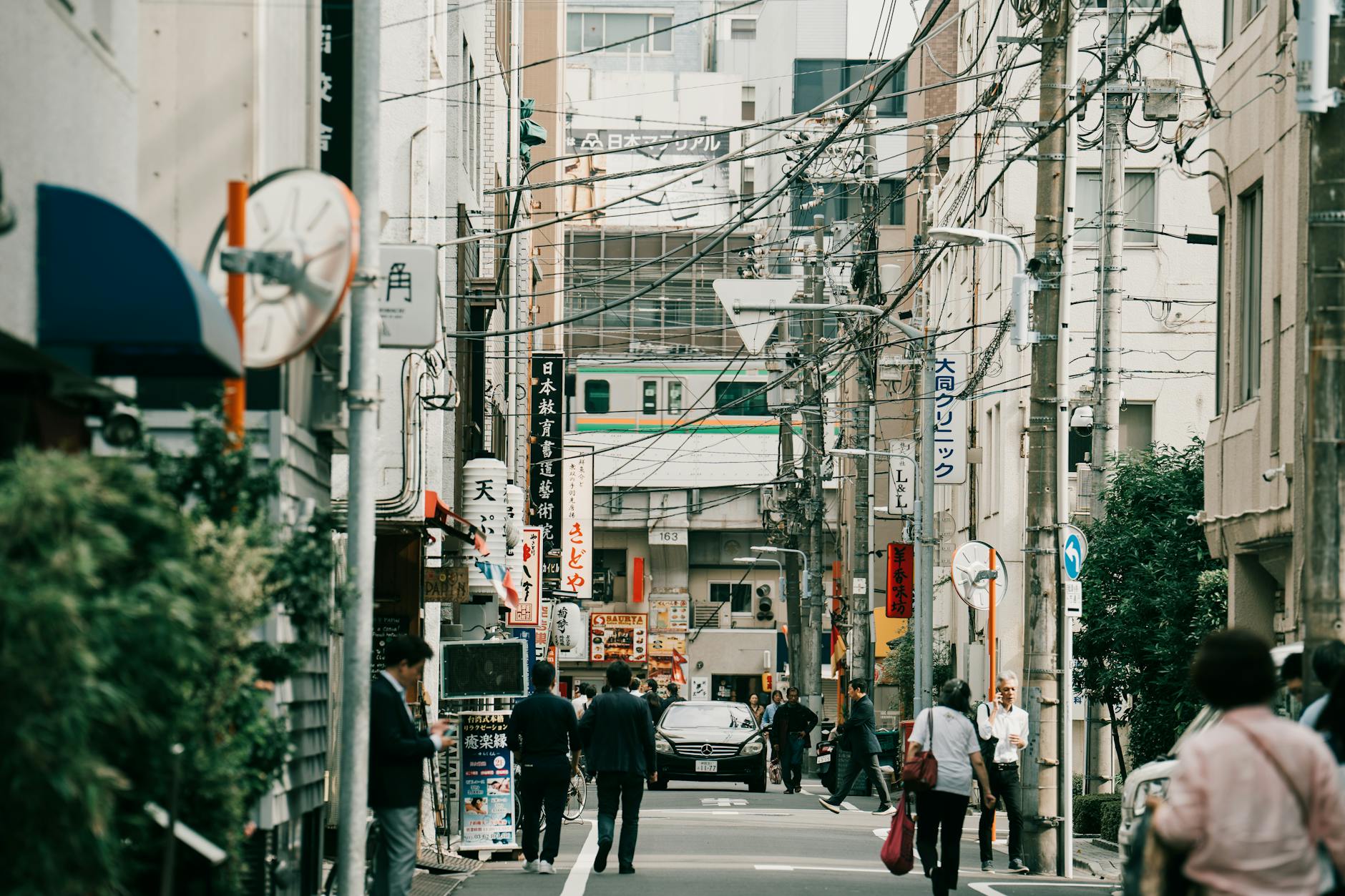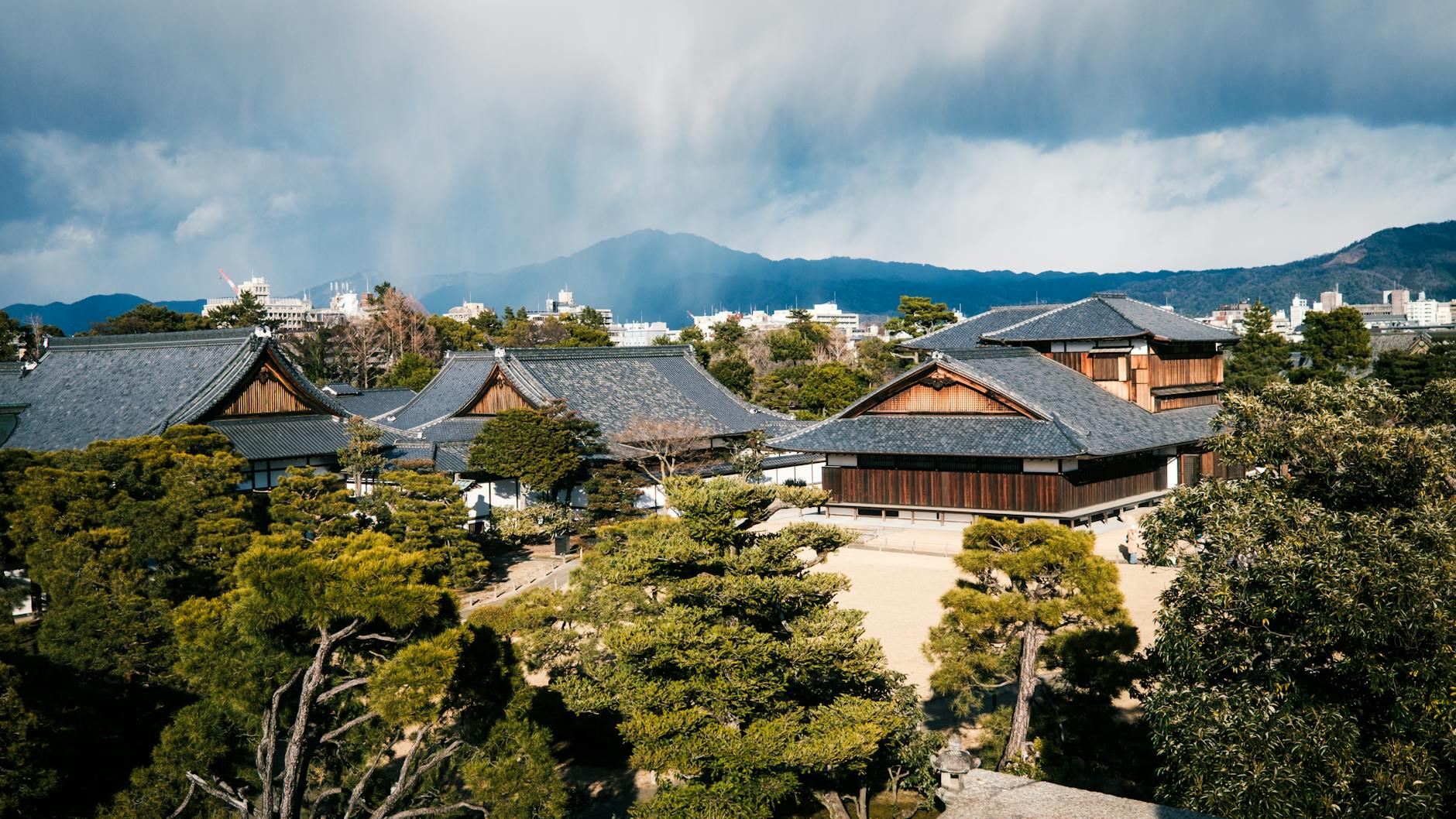
Kyoto arrives wrapped in prestige, and prestige is one of the city’s main planning hazards. Travelers often land with a mental itinerary already corrupted by symbolism: every temple is essential, every district belongs in the same stay, and every day should feel culturally saturated enough to justify the city’s reputation. That is exactly how Kyoto becomes exhausting. The city is not weak because it is crowded or because the famous places are famous. It becomes difficult because so many visitors ask the wrong thing of it. Kyoto works best when the traveler does less and sees more. That means clustering districts, respecting time of day, accepting that gardens, shrines, lanes, tea stops, and meals need air around them, and choosing a hotel that supports the actual flow of the trip rather than the most romantic fantasy. Kyoto is not diminished by restraint. It is unlocked by it.
How Kyoto works
Kyoto works through districts, timing windows, and emotional pacing far more than it works as one large city-center sweep. The city is not difficult because it is inaccessible. It is difficult because it is so tempting to plan badly. A day in eastern Kyoto is not the same kind of day as Arashiyama, and neither should be mixed with unnecessary cross-town shopping or dining simply because the map suggests it is possible. Sacred places here need surrounding time, not just time in front of them. The city becomes much stronger the moment the traveler stops trying to prove cultural ambition and starts protecting grace.
- Kyoto is best in tight district clusters, not in heroic sightseeing chains.
- Timing matters almost as much as destination choice.
- The city improves the moment the traveler stops trying to finish it.
Best time to visit
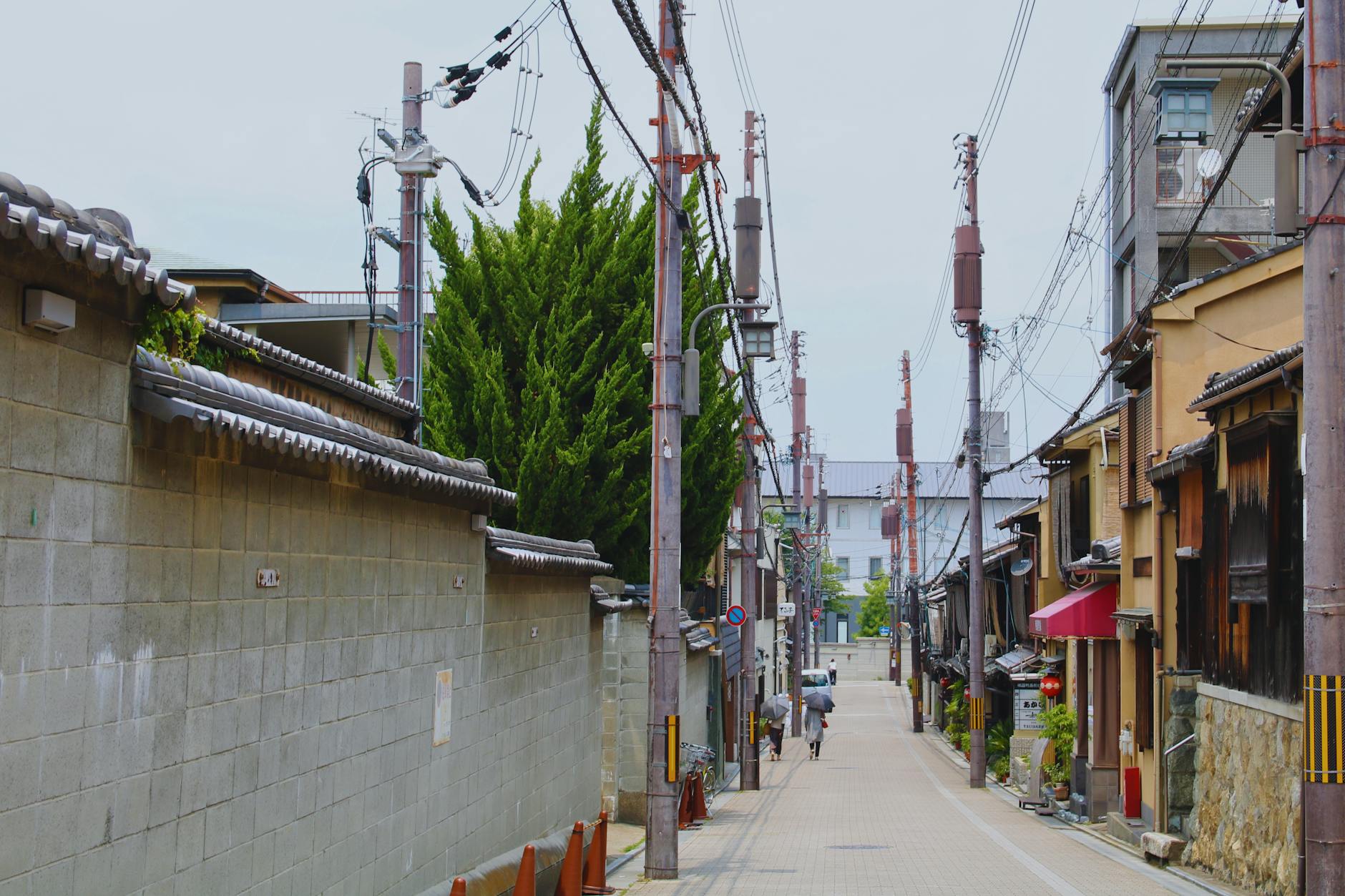
Spring and autumn are the obvious symbolic peaks, and they earn that reputation. They are also the moments when weak planning becomes most visible, because crowd pressure, reservation pressure, and route friction all intensify. Kyoto can be magnificent outside those windows as well, and many travelers end up loving it more when it is not straining under its own prestige. The right season depends on whether the traveler wants peak symbolic Kyoto, calmer Kyoto, or a more forgiving Kyoto. In every case, season should be treated as part of route strategy, not a decorative afterthought.
- Peak seasons are beautiful but much less forgiving of bad planning.
- Off-peak or shoulder Kyoto can produce the better lived experience.
- Season changes crowd logic, emotional tone, and how much grace the city can offer.
Arriving and getting around
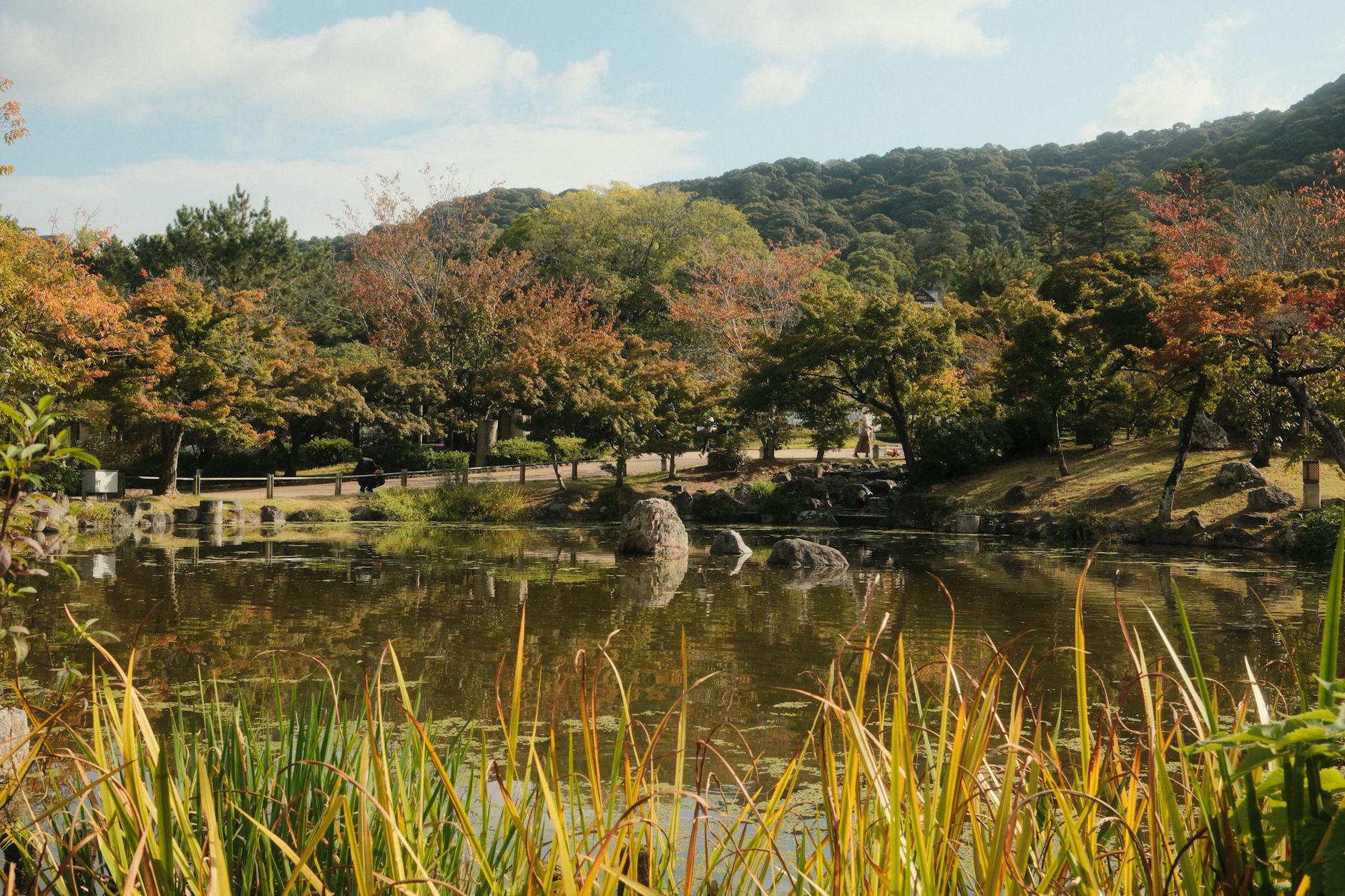
Kyoto arrival is usually manageable, but what matters is how the hotel, first district, and first two days fit together. Inside the city, trains, buses, taxis, and walking all matter, yet the real goal is not transport mastery. It is spatial elegance. A slightly mistimed morning or an unnecessary cross-city move can transform Kyoto from serene to overrun very quickly. The best days stay geographically coherent and make transport serve the day’s logic rather than rescue an overbuilt plan. In Kyoto especially, less crossing often means more beauty.
- Choose the base with the early trip flow in mind, not just with aesthetics in mind.
- Transport should support district integrity, not excuse overreach.
- A tighter Kyoto day usually feels more beautiful, not less ambitious.
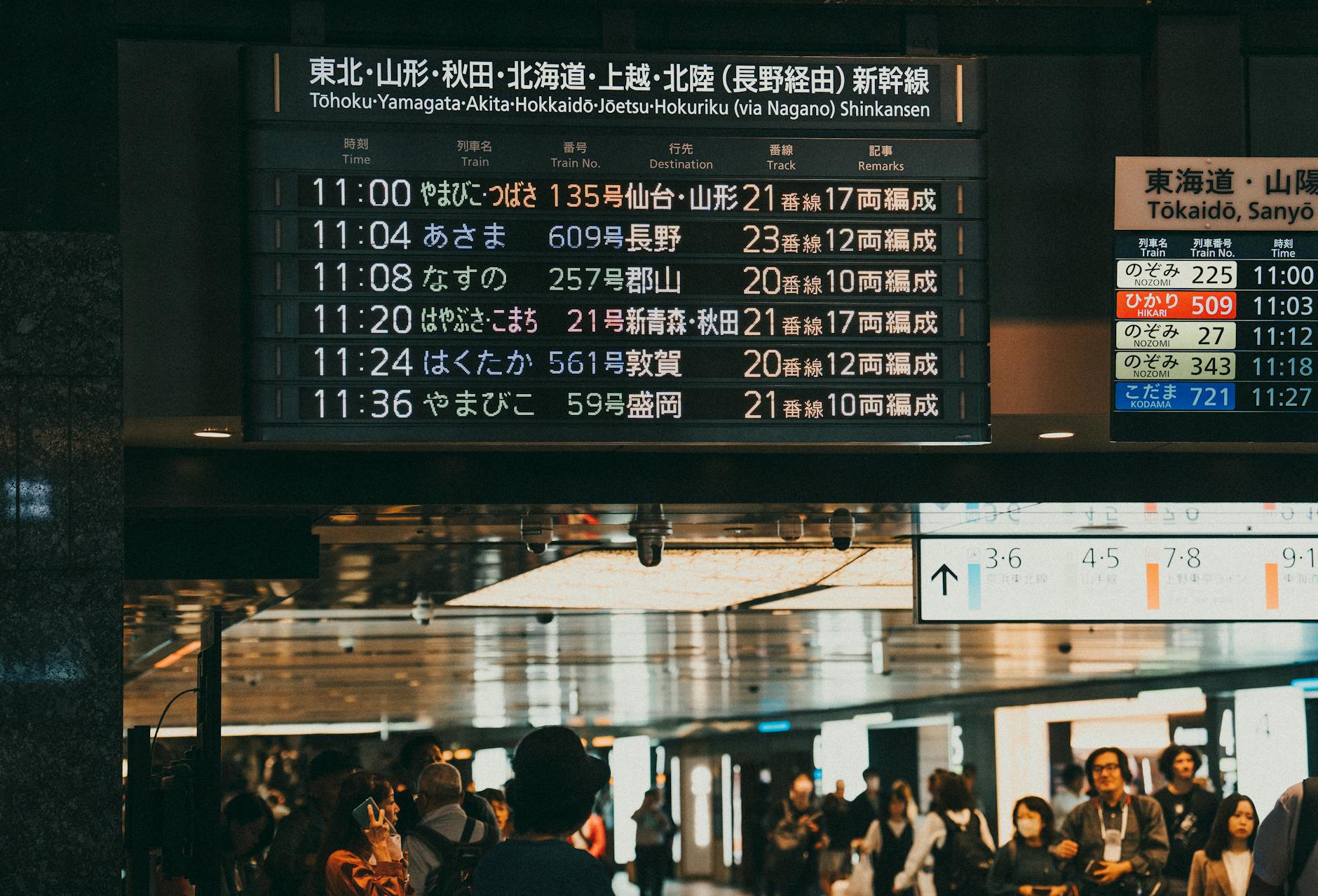
Where to stay
The Kyoto hotel question is really a question about what kind of calm you want. Station-area stays solve one version of the city: operational ease, cleaner arrival and departure, and simpler regional movement. Central Kyoto solves another: balanced urban life, strong food access, and better overall flexibility. More atmosphere-heavy districts can be magical, but they are not universally the best answer, especially if they make morning starts, evening returns, or transport connections more tiring. The right hotel is the one that supports the route and the emotional tone of the stay, not merely the one that looks most like Kyoto in the imagination.
- In Kyoto, hotel district is a strategic choice, not a decorative one.
- Atmosphere and operational ease are related but not identical.
- A strong base buys calm, and calm is a major part of Kyoto’s value.
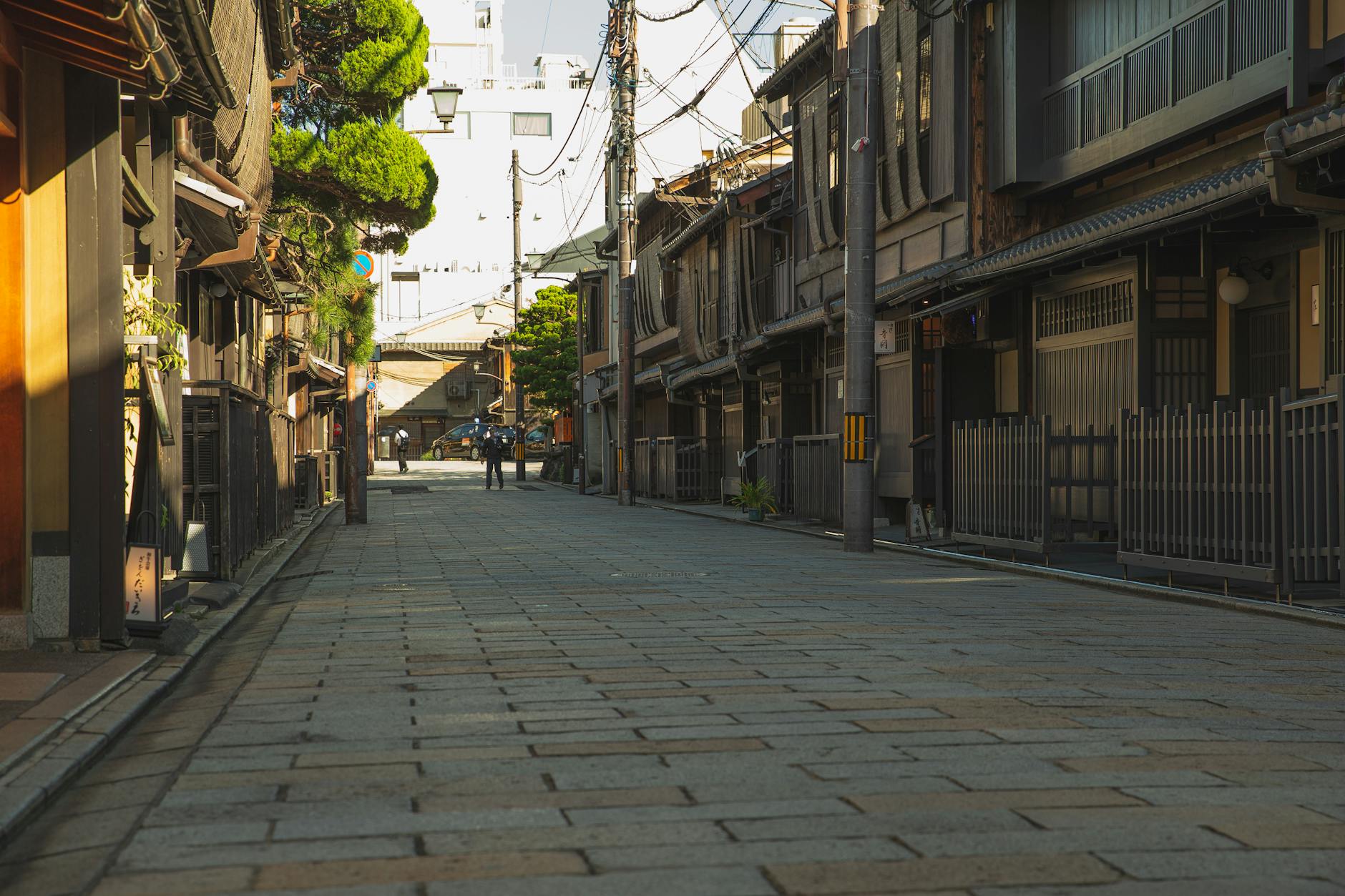
The Kyotos that matter most
Eastern Kyoto carries the city’s most symbolically loaded register: temples, old lanes, slopes, gates, and the version of Kyoto many first-time travelers came specifically to feel. Arashiyama creates a more edge-of-city, scenic, and often more time-sensitive day. Central Kyoto offers a more balanced living city with food, shops, and cleaner day-to-day operating logic. The station orbit solves yet another Kyoto, less poetic on paper but sometimes smarter in practice. Kyoto gets much better when these are understood as different cities-within-the-city rather than as stops inside one giant sightseeing field.
- Different parts of Kyoto create fundamentally different experiences.
- The city’s emotional registers shift more by district than many visitors expect.
- Choose which Kyoto you want to inhabit instead of forcing all of them into one stay.
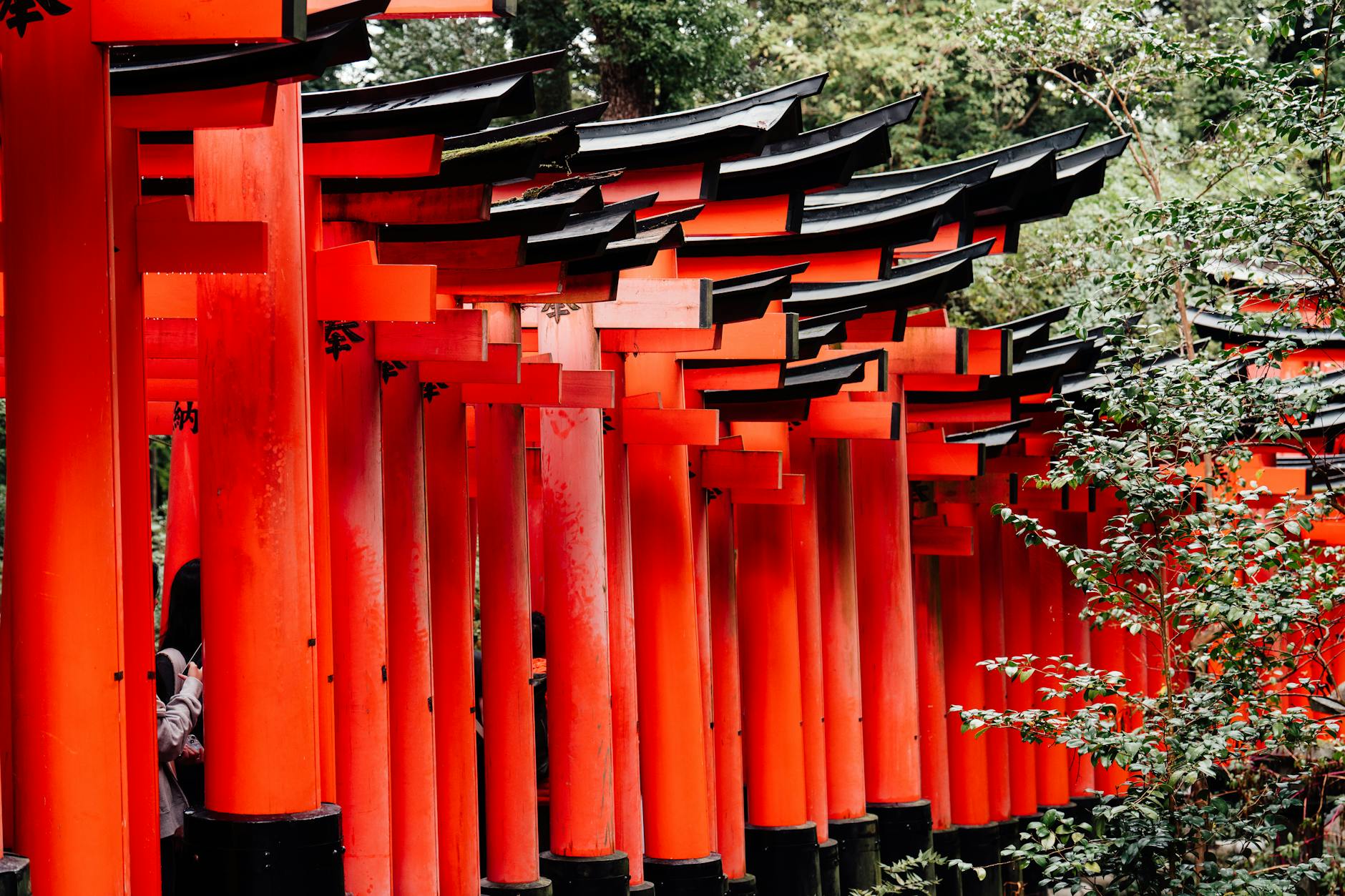
What Kyoto does better than almost anywhere
Kyoto’s real power lies in how completely it can organize feeling when the trip is shaped correctly. A temple, a garden, a lane, a tea stop, a quiet lunch, a courtyard, a later dinner, and a softer evening return can produce a density of atmosphere that far exceeds the number of formal sights visited. That is why Kyoto often lands hardest when it is treated less as a monument city and more as a city of sequence, silence, and cultural texture. Very few places reward edited attention this strongly.
- Kyoto excels at density of atmosphere rather than density of coverage.
- Its best effect comes from sequence and restraint, not accumulation.
- A more selective Kyoto often produces a much deeper trip.
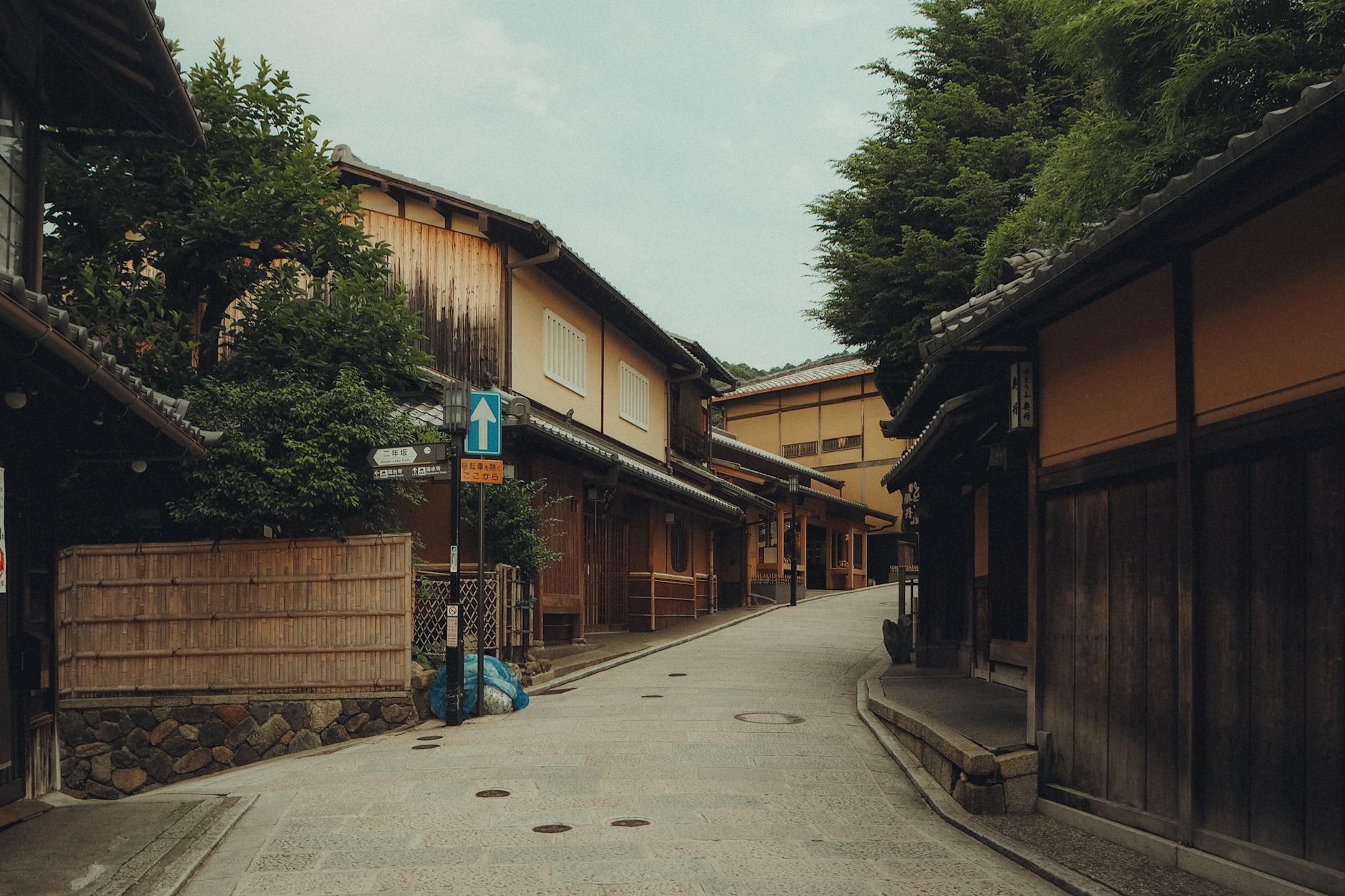
Food, tea, and the city’s quieter pleasures
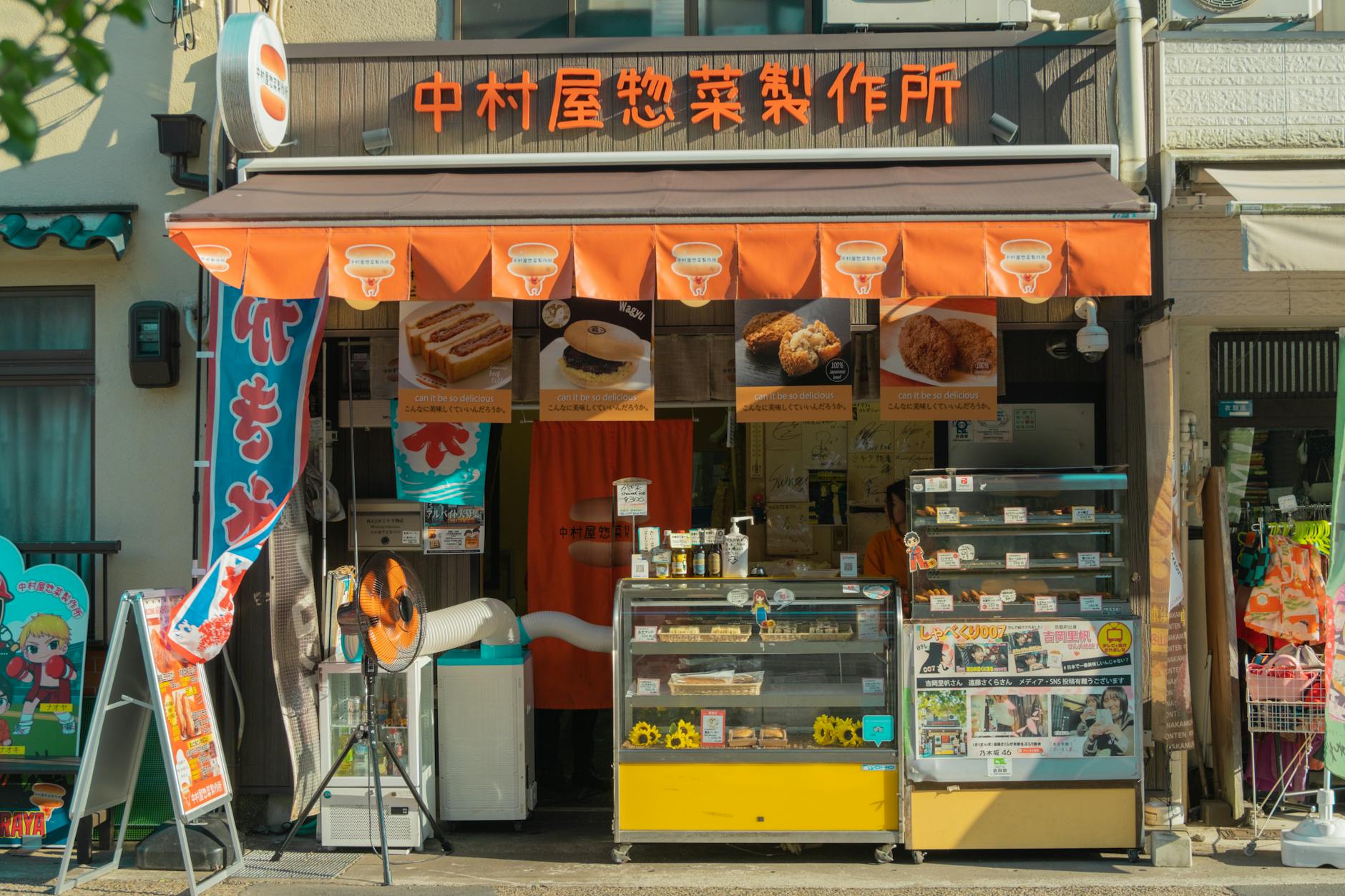
Kyoto food works best when it reinforces the district and emotional tone of the day. The city is especially strong at making quieter pleasures matter: breakfast, tea, sweets, carefully placed lunches, an evening meal that feels proportionate, and hospitality that carries cultural meaning without always announcing itself. The mistake is chasing food across town in a way that breaks the city’s rhythm. Kyoto eats best when meals and pauses are woven into the route rather than treated as separate trophies.
- Meals should support district logic and emotional pacing.
- Tea, sweets, and small forms of hospitality are part of the Kyoto experience, not side notes.
- The city becomes more coherent when food is integrated rather than extracted.
Nightlife, evening Kyoto, and the city after the crowds thin
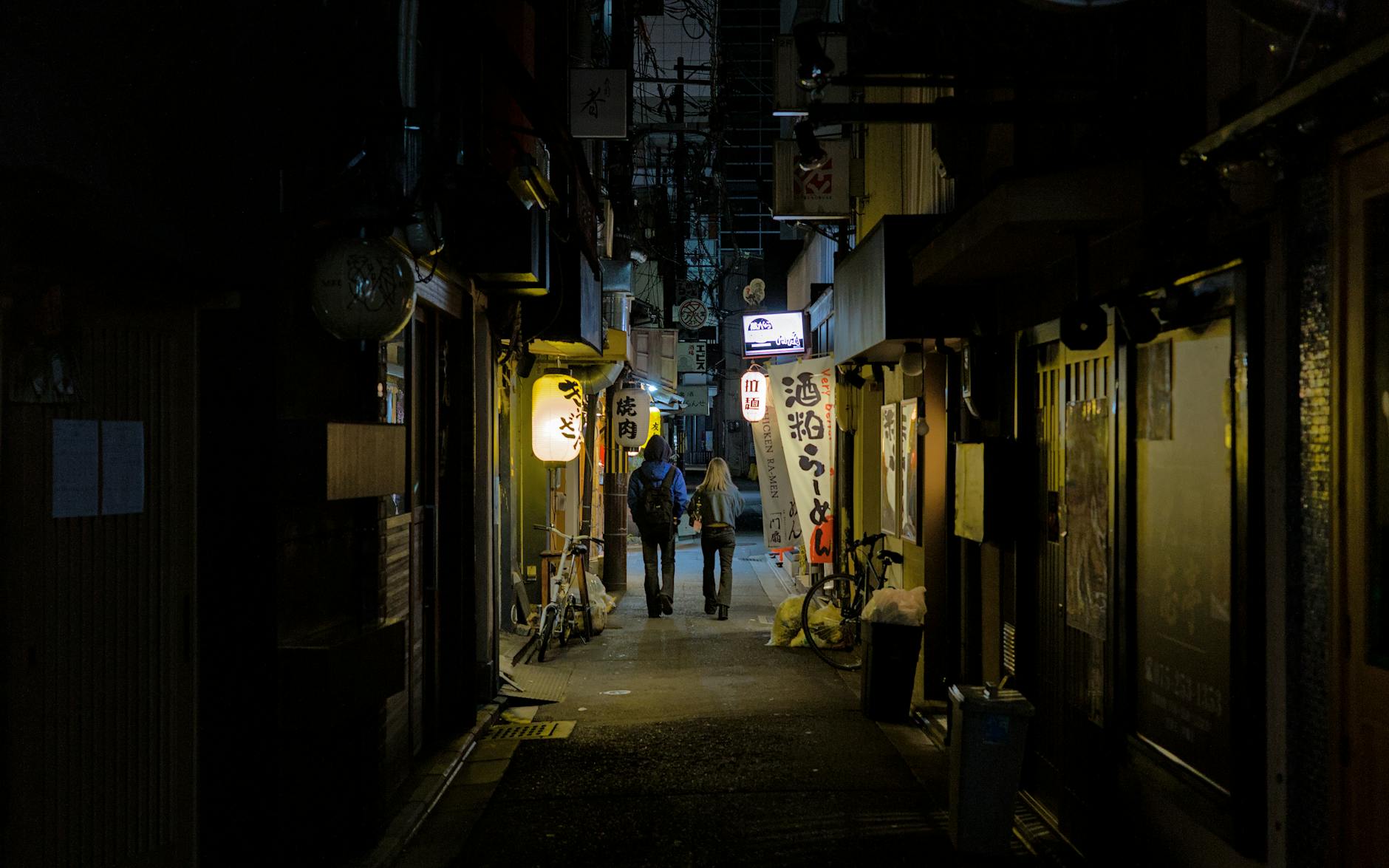
Kyoto at night is usually about atmosphere and relief rather than about sheer nightlife scale. That is one of its great strengths. The city often becomes most inhabitable after the crowds ease, when a street, temple edge, or dining district feels like itself again instead of like a performance stage. A well-placed dinner, a quieter later walk, or simply the return to a good base can be among the strongest parts of the trip. Kyoto is not usually improved by forcing urban intensity onto it after dark. It is improved by allowing the city to quiet down.
- Kyoto nights are strongest when they remain atmospheric rather than maximal.
- After dark, the city often becomes easier and more truthful.
- A calmer evening usually suits Kyoto better than a more aggressive one.
Etiquette and local norms
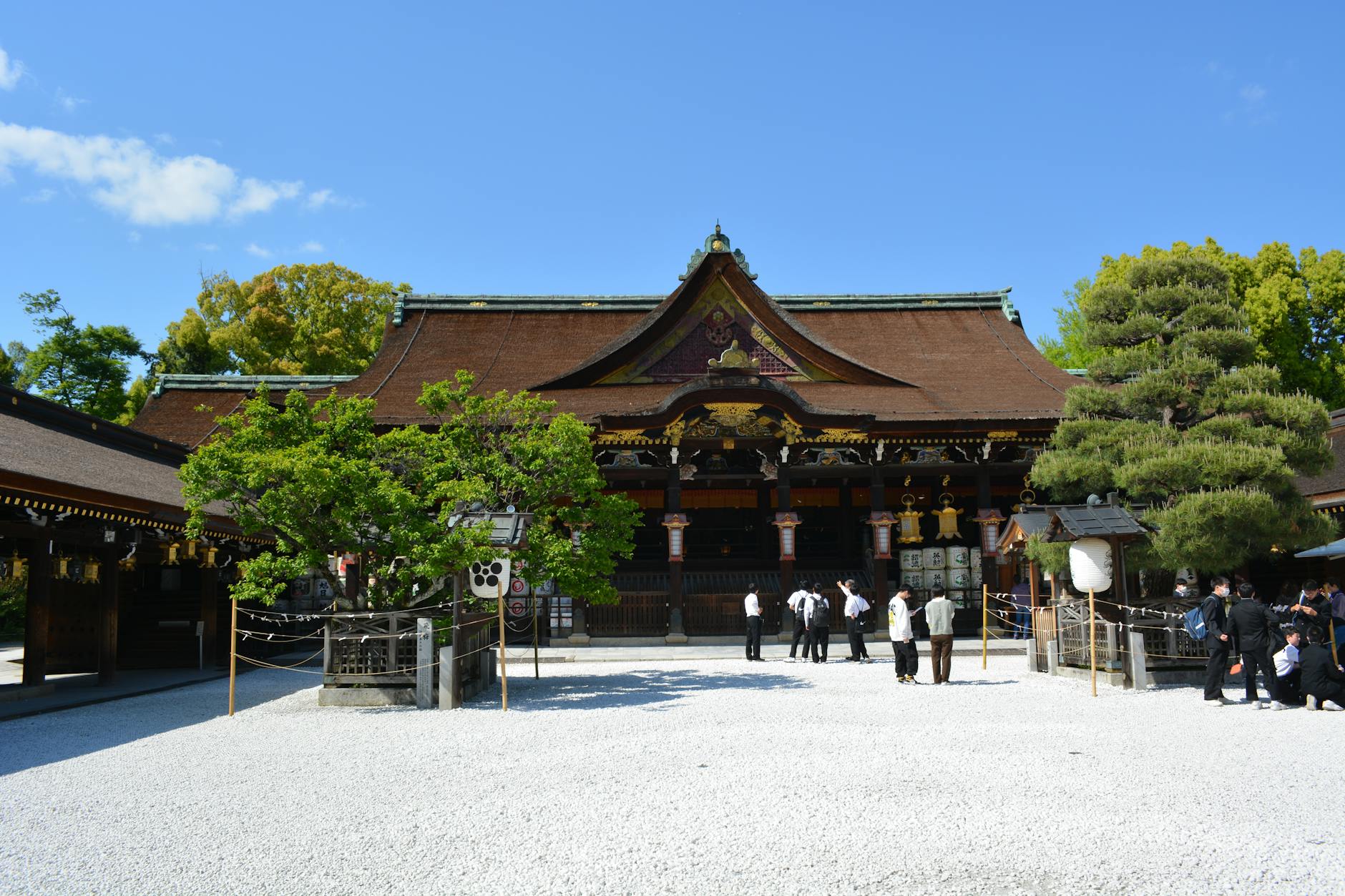
Kyoto rewards respect more visibly than many cities do. Sacred settings, traditional-feeling streets, and quieter neighborhoods all benefit from a measured posture. Tourism density does not excuse bad habits here. If anything, it makes courtesy more important. Travelers usually get a better Kyoto back when they move a little more quietly, pause a little more patiently, and stop acting as though cultural significance entitles them to constant extraction. Respect in Kyoto is not a performance. It is basic competence.
- Context matters intensely in Kyoto.
- Respectful behavior improves the city almost immediately.
- Do not let symbolic prestige erase discipline and care.
My blunt advice
The biggest Kyoto mistake is trying to do too much because the city feels culturally important. The second is choosing a weak base and then turning every day into a transport problem. Kyoto is best when the route is lighter, mornings are used intelligently, and the traveler accepts that not seeing everything can be the price of actually experiencing something. This city does not need conquest. It needs restraint.
- Do less Kyoto and do it better.
- The base matters enormously because calm is part of the product.
- Kyoto rewards timing, restraint, and district intelligence.