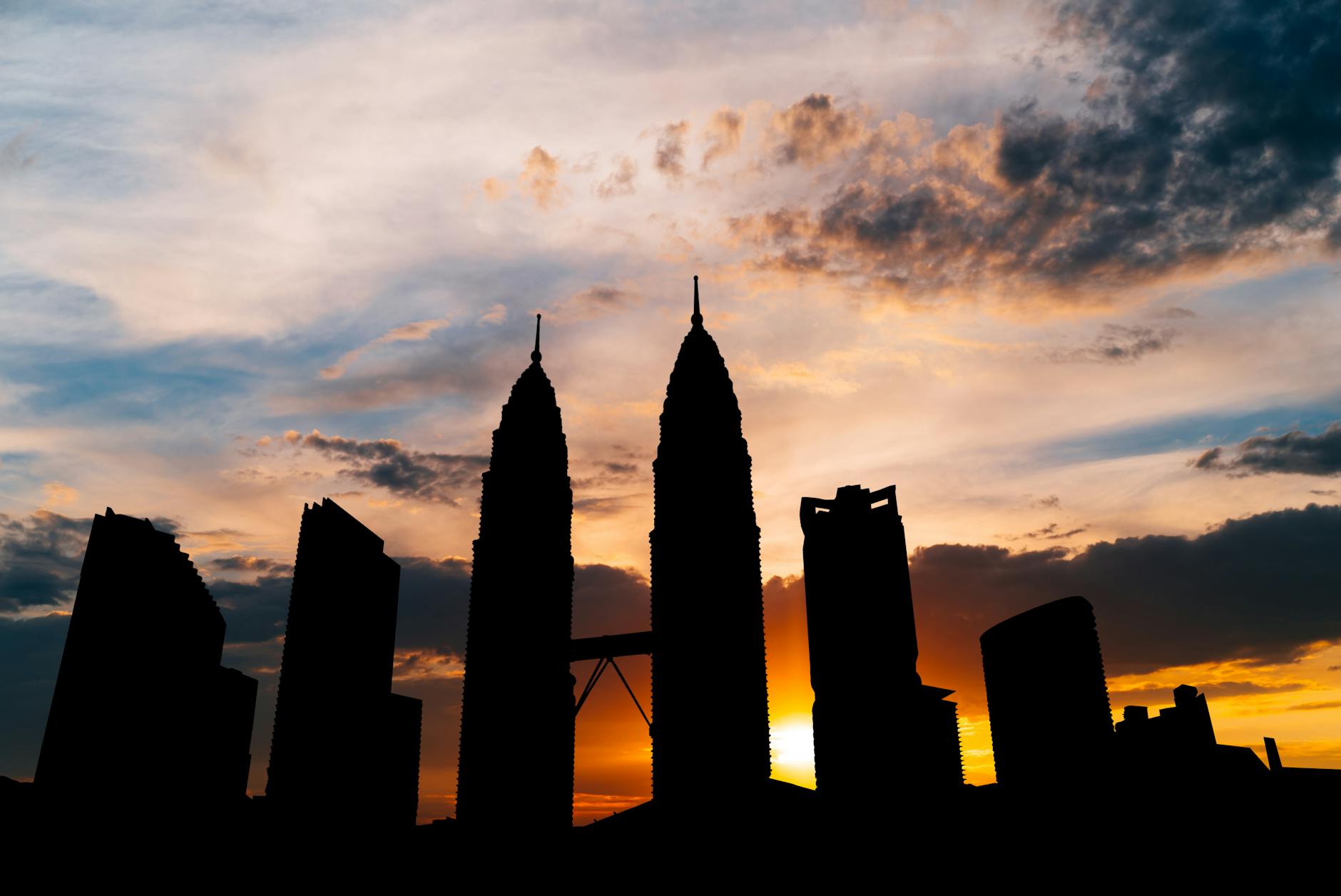
Kuala Lumpur is not a city that reveals itself in a single postcard view. It has the skyline, yes: the PETRONAS Twin Towers, the bright angles of Merdeka 118, the elevated trains, the glassy malls, the hotel towers with pools that seem to float above the tropical air. But the real KL is a city of layers: Malay kampung houses tucked beneath skyscrapers, Tamil banana-leaf restaurants next to new coffee bars, Chinese kopitiams and incense-filled temples a short walk from air-conditioned luxury retail, call to prayer drifting across traffic, thunderclouds arriving in the afternoon as if on schedule.
Start Here
Most visitors underestimate Kuala Lumpur. They treat it as a layover, a cheap stop between Bangkok, Singapore, Bali, and the islands. That is the first mistake. KL may not have Singapore’s polish, Bangkok’s tourist machine, or Tokyo’s precision, but it has something else: a generous, multilingual, food-obsessed, culturally layered city that is easy to enjoy and hard to fully summarize.
Kuala Lumpur in one sentence: KL is a tropical city of towers, trains, temples, markets, mosques, malls, and meals, where the best trip comes from moving between the polished and the improvised instead of choosing one or the other.
Basic data
| Population | About 2 million in the city; metro well above 8 million |
|---|---|
| Area | 243 km2 |
| Major religions | Islam, Buddhism, Christianity, Hinduism, and Chinese folk traditions |
| Political system | Federal territory city administration inside a federal constitutional monarchy |
| Economic system | Upper-middle-income mixed economy led by finance, trade, services, technology, and tourism |
Quick Verdict
Best for: food lovers, first-time Southeast Asia visitors, skyline views, affordable luxury hotels, shopping, multicultural neighborhoods, families, Muslim travelers, architecture, urban photography, short city breaks, and travelers who like a city that is interesting without being punishing.
Not ideal for: people who want a highly walkable historic city, cool weather, beach access in the city, perfectly smooth sidewalks, or a trip where everything happens outdoors.
Ideal first visit: 3 days. Two days works if you are focused. Four or five days is better if you want food, Batu Caves, museums, gardens, neighborhoods, and a side trip.
Best time to visit: KL is hot and humid all year. The most comfortable trip is less about finding “cool” weather and more about avoiding the wettest afternoons, haze periods, and major holiday crowd spikes. June through August can be relatively manageable for sightseeing, but rain can happen any month. November through March brings the northeast monsoon to Malaysia more broadly, though KL’s weather still behaves like a tropical city: hot, humid, and prone to intense showers.[12]
Biggest first-timer mistake: staying in a hotel with a great skyline view but weak transit access, then spending too much of the trip in Grab cars and mall corridors.
The move: use KLCC or Bukit Bintang as your easy base, but spend serious time in Chinatown, Brickfields, Kampung Baru, Masjid Jamek/Merdeka Square, Chow Kit, Bangsar, and Batu Caves.
Book ahead: PETRONAS Twin Towers timed tickets, any high-demand tasting-menu restaurant, and airport transfers if arriving very late with family or lots of luggage.
Leave unscheduled: food wandering. KL rewards the meal you did not plan.
First-Time Visitor? Start Here
For a first visit, stay in KLCC if you want skyline polish and easy access to the towers, Bukit Bintang if you want shopping and nightlife, or Chinatown/Pasar Seni if you want older-city texture and better budget value.
Plan your trip around three anchor areas:
- KLCC and the Golden Triangle for the skyline, towers, malls, parks, restaurants, and rooftop bars.
- Old KL around Masjid Jamek, Merdeka Square, Chinatown, Central Market, and the River of Life for history, street life, and architecture.
- Batu Caves and the northern edge for the city’s most dramatic religious site and one of Malaysia’s defining visitor images.
Then layer in food. KL is a food city before it is a sightseeing city. A good KL itinerary should include at least one nasi lemak meal, one roti canai or banana-leaf rice meal, one kopitiam breakfast, one hawker-center or street-food evening, and one meal in a neighborhood that does not look designed for tourists.
Simple 3-day first-timer plan:
| Day | Focus | Best base logic |
|---|---|---|
| Day 1 | KLCC, PETRONAS, KLCC Park, Bukit Bintang, Jalan Alor | Stay central, keep it easy |
| Day 2 | Masjid Jamek, Merdeka Square, Chinatown, Central Market, Islamic Arts Museum, Kampung Baru dinner | Mix history, museums, and food |
| Day 3 | Batu Caves early, Brickfields or Thean Hou Temple, rooftop sunset, final food crawl | Use the morning before heat builds |
First-timer mistake: treating KL as if its sights are all close together. The city looks manageable on a map, but heat, rain, traffic, highways, and pedestrian gaps make bad routing exhausting.
How to Understand Kuala Lumpur
KL was born from tin, rivers, migration, colonial administration, and commerce. The name means “muddy confluence,” usually associated with the meeting of the Klang and Gombak rivers near today’s Masjid Jamek. It grew from a rough mining settlement into the capital of British-administered Malaya, then into the political and commercial heart of modern Malaysia.
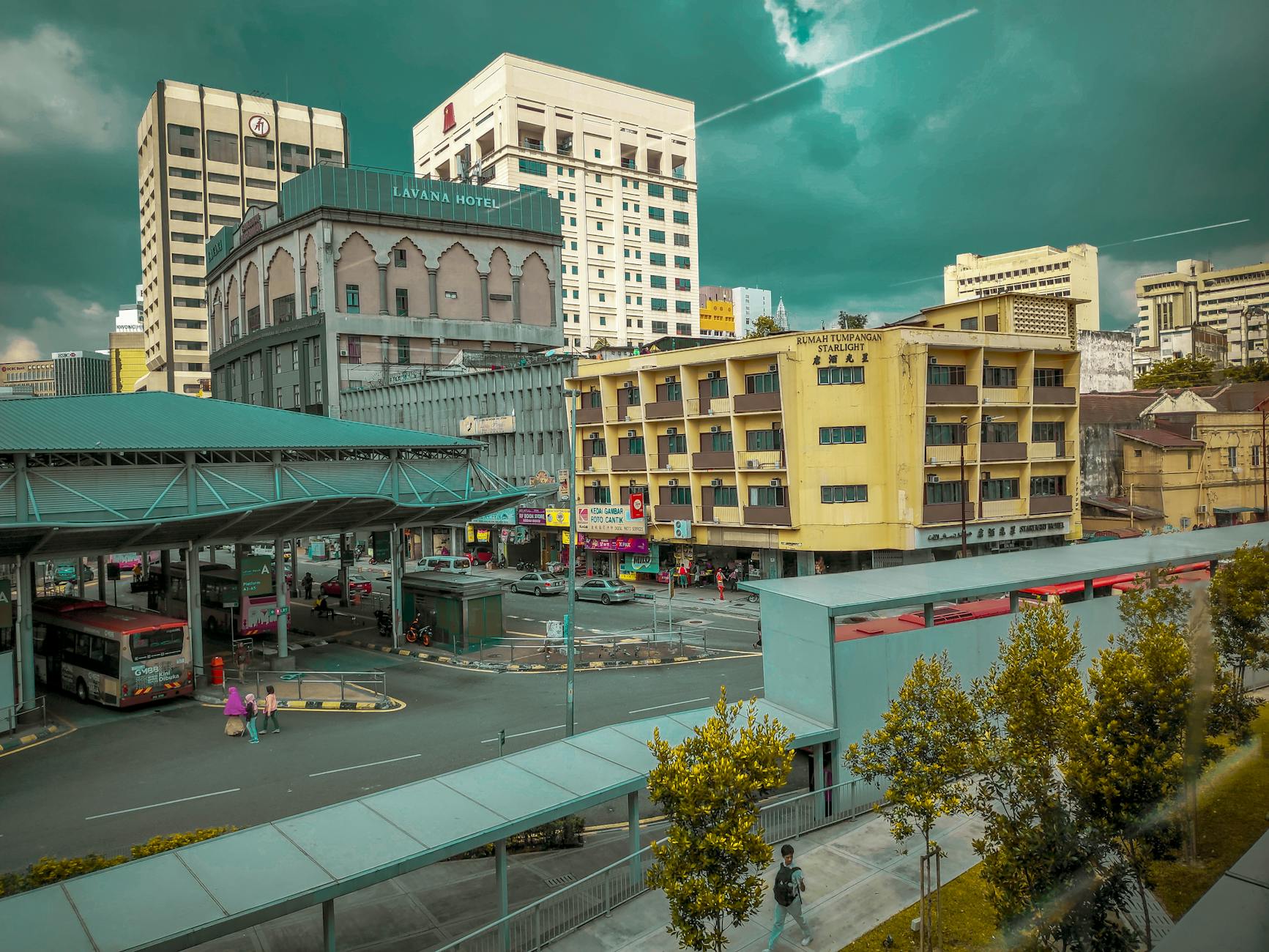
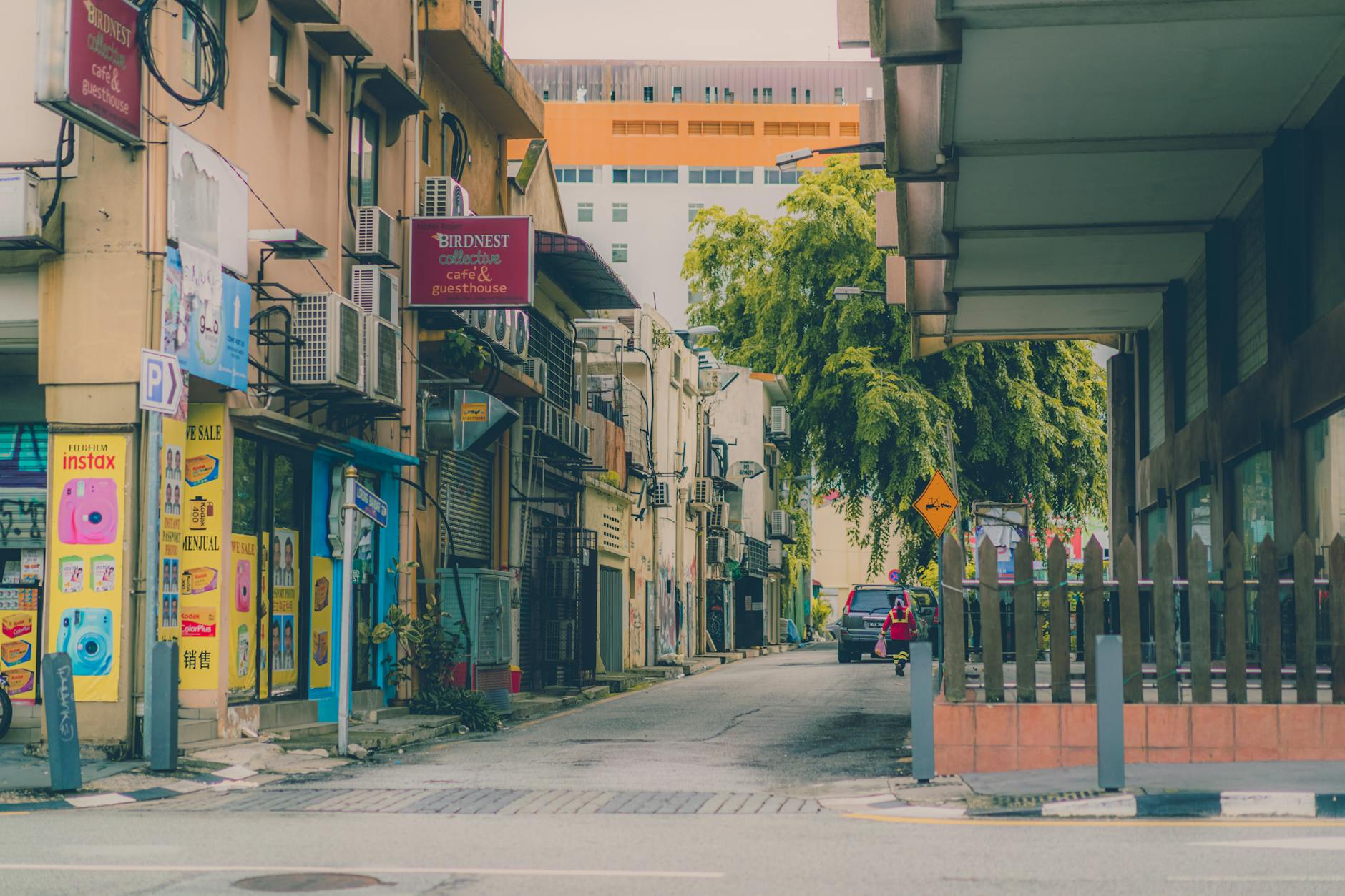
That history matters because KL still feels like a city assembled from different systems rather than one unified plan. Colonial buildings sit near Islamic institutions. Chinese clan temples sit near new hotels. Indian Muslim mamak restaurants serve late-night roti canai under fluorescent lights. Malay food stalls fill Kampung Baru. Elevated roads slice through old streets. Luxury malls connect to transit in some places and suddenly abandon you at a hostile road crossing in others.
KL is not chaotic in the same way as Cairo or Delhi, and it is not ordered like Singapore. It is somewhere in between: modern, functional, humid, car-shaped, food-obsessed, and culturally mixed.
The City’s Central Tension
The central tension in KL is air-conditioned futurism versus lived-in tropical street life.
The easy version of the city is towers, malls, hotel pools, Grab rides, and rooftop cocktails. That version is comfortable and enjoyable. But if you only do that, KL becomes generic. The richer version is found in the seams: the old shophouses behind the mall, the mosque courtyard near the colonial square, the market breakfast before the heat, the wet pavement after rain, the incense in Chinatown, the sound of a monorail curving over traffic, the kampung house under a wall of towers.
Local logic: KL is not best explored as a checklist. It is best explored as a series of contrasts.
City Layout: The Mental Map
Kuala Lumpur is sprawling, but visitors can simplify it into zones.
KLCC
This is the skyline center: PETRONAS Twin Towers, Suria KLCC mall, KLCC Park, convention center, hotels, restaurants, embassies nearby, and polished business-district energy. It is one of the easiest areas for first-timers.
Best for: skyline views, convenience, luxury hotels, couples, families, polished first visits.
Weakness: can feel corporate and mall-heavy if you never leave.
Bukit Bintang
Bukit Bintang is KL’s shopping and entertainment zone: Pavilion, Lot 10, Starhill, Jalan Alor, Changkat, malls, restaurants, bars, hotels, foot traffic, and neon. It is less elegant than KLCC but more energetic.
Best for: shopping, nightlife, food access, first-time visitors who want activity.
Weakness: traffic and noise. Sidewalks can be uneven and crossings can be annoying.
Chinatown / Pasar Seni / Petaling Street
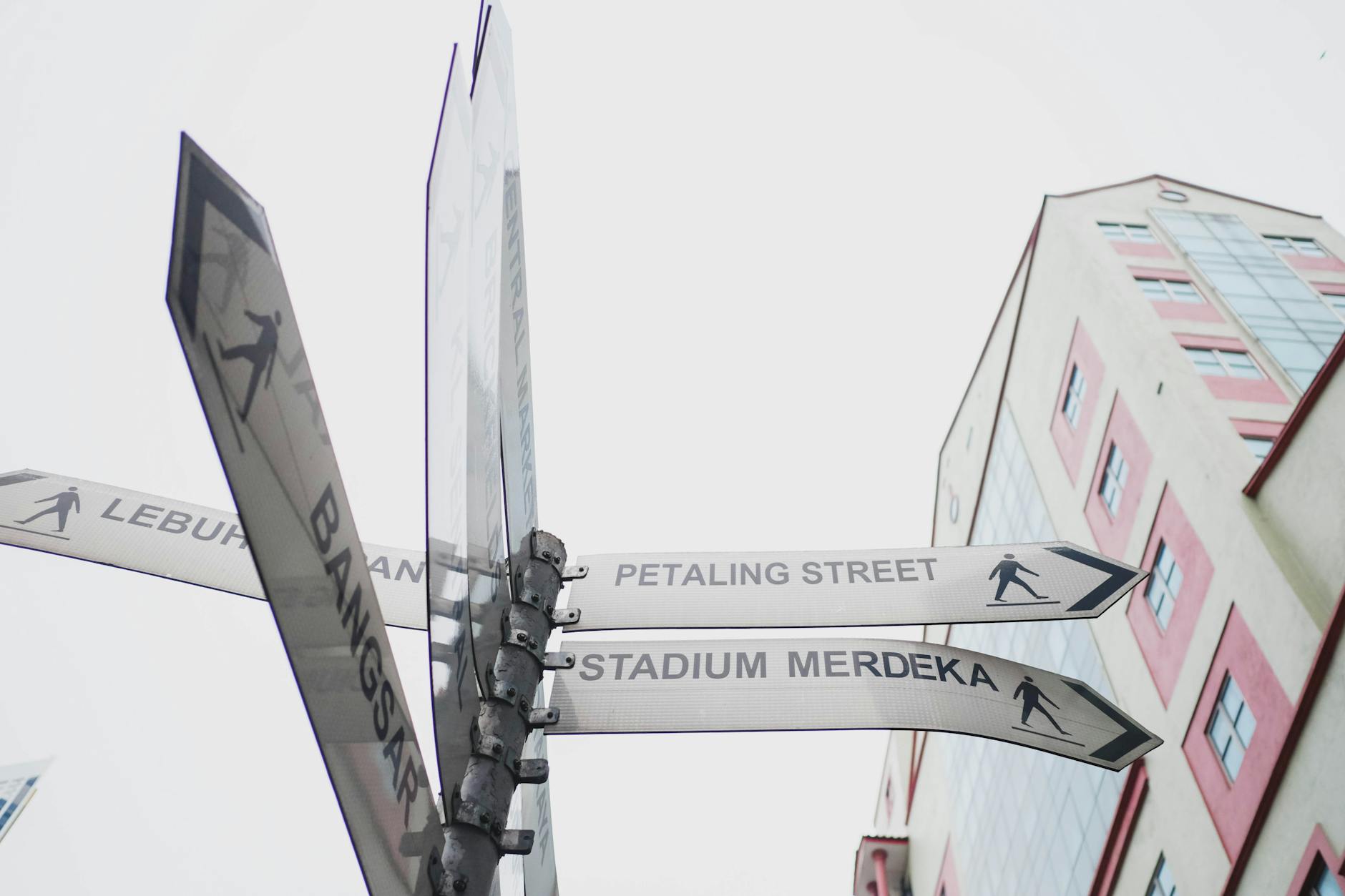
This is the older-city visitor sweet spot: shophouses, cafés, hostels, boutique hotels, temples, street markets, Central Market, Pasar Seni transit, and easy access to Merdeka Square and Masjid Jamek.
Best for: budget travelers, design hotels, café culture, history, street life.
Weakness: tourist-market clutter in places; some streets feel worn rather than romantic.
Masjid Jamek / Merdeka Square
The symbolic civic heart: Masjid Jamek, Sultan Abdul Samad Building, Dataran Merdeka, River of Life, old colonial architecture, and the transition between older KL and the tower city.
Best for: architecture, history, walking routes, photographers.
Weakness: not the most atmospheric place after dark unless paired with Chinatown or Kampung Baru.
Brickfields / KL Sentral
KL Sentral is the transport hub. Brickfields, next door, is Little India: banana-leaf meals, sweets, temples, sari shops, budget hotels, and transit convenience.
Best for: airport/train convenience, short stays, early departures, Indian food, practical travelers.
Weakness: KL Sentral itself can feel like a transit complex more than a neighborhood.
Kampung Baru
A Malay village-like district in the middle of central KL, famous for traditional houses, Malay food, and views of the towers. It is one of the best places to understand the “old and new at once” quality of the city.
Best for: evening food, photography, cultural texture, a different view of KLCC.
Weakness: not as easy for first-timers to navigate casually at all hours.
Chow Kit
A market district north of the center, historically rougher around the edges but increasingly interesting for hotels, food, and street photography. It has produce markets, older streets, and a more local rhythm.
Best for: repeat visitors, food, markets, character.
Weakness: some blocks can feel gritty; use normal urban awareness.
Bangsar
A leafy, affluent, restaurant-and-café district west of the center. It is popular with expats and locals for brunch, bars, boutiques, and a more residential feel.
Best for: longer stays, restaurants, nightlife without Bukit Bintang chaos, repeat visitors.
Weakness: less convenient for classic sightseeing.
TTDI, Damansara, Mont Kiara, and Petaling Jaya
These are broader Klang Valley areas rather than classic tourist zones. They matter for food, cafés, expat life, malls, and long stays.
Best for: digital nomads, repeat visitors, people visiting friends, suburban food.
Weakness: too spread out for a short first trip.
City Rhythm: How KL Actually Moves
KL wakes slowly compared with some Asian cities. Markets and kopitiams start early, offices bring morning traffic, malls come alive later, and the city’s most pleasant outdoor windows are often morning and post-rain evening.
Breakfast: early kopitiams, nasi lemak packets, roti canai, kaya toast, teh tarik.
Lunch: offices flood food courts and restaurants. Banana-leaf rice and nasi campur are strong lunch moves.
Afternoon: heat and thunderstorms. This is museum, mall, spa, hotel-pool, or café time.
Evening: the city improves. Lights come on, heat softens, Jalan Alor gets busy, Kampung Baru fills with dinner crowds, rooftop bars start to make sense.
Late night: mamak restaurants are the democratic KL nightcap. If you do not know where to eat late, find a busy mamak and order roti, mee goreng, teh tarik, or nasi kandar.
The move: do outdoor sightseeing before 11 a.m., schedule indoor culture or malls in the afternoon, then return outside after 5 p.m.
Essential Planning Snapshot
| Category | What to know |
|---|---|
| Country | Malaysia |
| Language | Malay is official; English is widely spoken in central KL, hotels, restaurants, malls, and tourism contexts |
| Currency | Malaysian ringgit, MYR/RM |
| Main airport | Kuala Lumpur International Airport, KUL, with KLIA Terminal 1 and KLIA Terminal 2 |
| Best airport transfer | KLIA Ekspres to KL Sentral for speed; Grab/taxi for door-to-door convenience |
| Arrival form | Most foreign visitors must complete the Malaysia Digital Arrival Card within the allowed pre-arrival window; use only official channels[1] |
| Passport | Many travelers need at least six months’ passport validity from entry; check your nationality’s rule[2] |
| Tap water | Generally treated, but many visitors prefer bottled or filtered water |
| Power plugs | Type G, same as the UK |
| Emergency number | 999 for police/ambulance/fire in many emergency contexts; check local guidance for mobile/emergency variations[13] |
| Payment | Cards common in hotels/malls; cash useful for stalls, markets, small eateries, and some taxis |
| Ride-hailing | Grab is the key app |
| Transit card | Touch ’n Go is useful for rail and some payments |
| Hotel tax | Foreign visitors may see Malaysia tourism tax added per room night[16] |
Entry, Arrival, and Current Logistics
Most leisure travelers should check three things before booking: whether they need a visa, whether their passport has enough validity, and whether they must submit the Malaysia Digital Arrival Card. Malaysia’s official immigration and visa sources should be checked before travel because rules vary by nationality and can change.[2]
The Malaysia Digital Arrival Card is the most common thing visitors forget. Use official Malaysian government/immigration channels and be wary of paid lookalike sites. A digital arrival card is not the same thing as a visa; if your nationality requires a visa, you still need the visa.
Airport arrival logic:
- Fastest to the city: KLIA Ekspres to KL Sentral.
- Best with luggage or children: Grab/private car, especially if staying in KLCC, Bukit Bintang, Bangsar, or a hotel not directly near KL Sentral.
- Cheapest: airport coach bus to KL Sentral, if your timing and luggage make sense.
- Late night: check train schedules carefully; Grab or an official taxi/coupon system may be simpler.
KLIA Ekspres lists the KL Sentral–KLIA T1 journey at 28 minutes, plus a short additional segment between T1 and T2; KLIA Transit takes longer because it stops at intermediate stations.[3][4] Malaysia Airports lists coach service between Terminal 1 and KL Sentral, with published fares on its airport transport page.[5]
First-timer mistake: booking a hotel “near Kuala Lumpur” but far from rail or central areas. In KL, distance is not the only issue. Traffic and road design matter.
Best Time to Visit Kuala Lumpur
There is no truly cool season. KL is equatorial, humid, green, and thunderstorm-prone. The question is not “when is it cold?” It is “when can I handle heat, rain, haze risk, hotel prices, and events?”
Best Overall
June to August is often a reasonable window for outdoor sightseeing, though rain can still happen and the city remains hot. This period can work well for families and first-timers who want a relatively balanced trip.
Good Shoulder Windows
January to March can be good for city travel, with the caveat that public holidays, Chinese New Year, Thaipusam, and school breaks can affect crowds, prices, and openings.
September to October can be good for food and city exploration, but haze can be an issue in some years. Check air quality if sensitive.
Rain Strategy
KL rain is often dramatic and short rather than all-day drizzle. Build your days around it:
- Do outdoor sights early.
- Save museums and malls for afternoon.
- Carry a compact umbrella.
- Wear shoes that can handle wet pavement.
- Do not pack the day so tightly that one storm ruins it.
Holiday and Festival Notes
KL is shaped by Malaysia’s multicultural calendar: Hari Raya Aidilfitri, Chinese New Year, Deepavali, Thaipusam, Ramadan, Merdeka Day, Christmas, and school holidays all affect the city in different ways.
Thaipusam at Batu Caves is extraordinary but not casual sightseeing. Expect enormous crowds, road restrictions, heat, and intense religious energy. Go only if you understand that you are witnessing a major pilgrimage, not just visiting a photo spot.
Ramadan changes the food rhythm. Daytime eating is still possible in multicultural KL, especially in malls, hotels, and non-Muslim eateries, but evening bazaars and iftar meals become a major part of the city’s seasonal life.
How Many Days You Need
1 Day
Enough for a taste. Do KLCC, the PETRONAS exterior or tower visit, Chinatown/Merdeka Square, and one serious meal. Add Batu Caves only if you start early and accept a rushed day.
2 Days
Good for first-time highlights: KLCC/Bukit Bintang, Old KL/Chinatown, Batu Caves, and one museum or neighborhood food evening.
3 Days
The best first visit. You can see the towers, Old KL, Batu Caves, Islamic Arts Museum, Kampung Baru, Brickfields, and several food zones without turning every day into a commute.
4–5 Days
Ideal if KL is your main Malaysian city stop. Add Bangsar, TTDI, Chow Kit, a spa afternoon, Putrajaya, or a longer food itinerary.
1 Week
Best for slow travelers, digital nomads, and people using KL as a base for Melaka, Ipoh, Genting Highlands, Putrajaya, or onward travel to Penang, Langkawi, Borneo, or Singapore.
The move: spend three days in KL, then continue to Penang or Melaka if your trip is food/history focused. Stay longer in KL if you want comfort, shopping, work time, or regional flight convenience.
Budget Snapshot
KL is one of Asia’s better value capitals for visitors, especially for hotels and food. You can stay in a comfortable high-rise hotel for less than comparable properties in Singapore, Hong Kong, Tokyo, Seoul, or many European capitals. But costs vary wildly depending on whether you live in malls, rooftop bars, and private transfers or eat in kopitiams, mamaks, and hawker-style venues.
| Traveler style | Daily estimate, excluding international flights | What it feels like |
|---|---|---|
| Shoestring | RM120–220 | Hostel or basic room, local food, rail, limited paid attractions |
| Budget comfortable | RM220–400 | Simple hotel, food courts, Grab selectively, one major attraction |
| Mid-range | RM400–750 | Good hotel, café/restaurant mix, Grab, tower ticket, cocktails optional |
| Comfortable/luxury | RM750–1,500+ | 4–5 star hotel, spa, rooftop bars, private transfers, fine dining |
| Family | Highly variable | Hotels are good value, but Grab/private transfers and attractions add up |
Where KL is great value: hotels, local food, Grab rides, shopping variety, casual meals, malls, cafés compared with Singapore.
Where KL can surprise you: imported alcohol, luxury restaurants, rooftop bars, international-brand shopping, some observation decks, and long Grab rides in traffic.
Where to Stay
The Short Answer
For a first visit, KLCC is safest and easiest if you want polish, Bukit Bintang is best if you want shopping and nightlife, and Chinatown/Pasar Seni is best if you want character and value. Stay near KL Sentral only if transport convenience matters more than neighborhood charm.
Neighborhood Decision Tree
| Traveler need | Best area |
|---|---|
| First visit, polished and easy | KLCC |
| Shopping, nightlife, food, energy | Bukit Bintang |
| Budget, boutique hotels, old-city texture | Chinatown / Pasar Seni |
| Airport and train convenience | KL Sentral / Brickfields |
| Malay food and cultural texture | Kampung Baru / Chow Kit |
| Cafés, restaurants, longer stays | Bangsar |
| Luxury retail and newer city energy | TRX / Bukit Bintang edge |
| Families who want pools and convenience | KLCC or serviced apartments near Bukit Bintang |
| Very short layover | KL Sentral or airport hotel |
| Digital nomad / longer stay | Bangsar, Mont Kiara, Damansara, or serviced apartments near transit |
KLCC
KLCC is the city’s easiest entry point. It gives you the towers, Suria KLCC mall, KLCC Park, Aquaria, hotels, convention-center access, and a polished city feel. It is ideal if you are arriving tired or want a comfortable introduction.
Best for: first-timers, couples, families, luxury travelers, skyline lovers.
Why stay here: you can walk to iconic sights, use the LRT, access malls during rain, and return easily between activities.
Why not: it can feel corporate and expensive by KL standards. Food is convenient but not always the most soulful.
Perfect day: morning walk in KLCC Park, PETRONAS visit, lunch in Suria KLCC, afternoon museum or hotel pool, evening Kampung Baru dinner, rooftop drink with tower views.
First-timer mistake: staying in KLCC and thinking you have “done” KL because you saw the towers and the mall.
Bukit Bintang
Bukit Bintang is KL’s most obvious tourist district: malls, hotels, monorail, street food, neon, restaurants, bars, and crowds. It is practical and lively, especially for people who like being able to step out of the hotel and immediately find something open.
Best for: shoppers, nightlife, first-timers who want activity, groups, people who like being central.
Why stay here: lots of hotels, easy food, easy Grab pickup, walkable to Pavilion, Jalan Alor, Changkat, and parts of KLCC via pedestrian links.
Why not: traffic, noise, crowds, and a less restful feel.
Perfect day: late breakfast, shopping or spa, monorail or covered walkway to KLCC, Jalan Alor dinner, Changkat or rooftop bar.
The move: Bukit Bintang works best if you lean into it. Do not expect a quiet old-world neighborhood. It is a city-energy base.
Chinatown / Pasar Seni
This is one of the best areas for travelers who want atmosphere. Petaling Street’s market is touristy, but the broader area has shophouses, temples, cafés, bakeries, bars, street art, hostels, boutique hotels, Central Market, and excellent access to Pasar Seni station.
Best for: budget travelers, design-conscious travelers, café people, solo travelers, history walks.
Why stay here: character, value, transit, and proximity to Old KL.
Why not: sidewalks are uneven, the market can feel kitschy, and some blocks are scruffy.
Perfect day: kopitiam breakfast, walk to Sri Mahamariamman Temple and Central Market, Masjid Jamek and Merdeka Square, Islamic Arts Museum, dinner back in Chinatown.
Local logic: Chinatown is not “hidden,” but it is more textured than the tower districts. The trick is to look beyond Petaling Street itself.
KL Sentral / Brickfields
KL Sentral is practical. Brickfields is more interesting. Together, they are useful for people who want airport access, rail connections, and excellent Indian food.
Best for: short stays, early flights, rail users, practical travelers, Little India food.
Why stay here: KLIA Ekspres terminates at KL Sentral; trains connect widely; many hotels are directly integrated or nearby.
Why not: the station area can feel more like infrastructure than a neighborhood.
Perfect day: arrive by KLIA Ekspres, check in, banana-leaf lunch in Brickfields, National Museum or Islamic Arts Museum, sunset at Thean Hou Temple, dinner in Bangsar.
Kampung Baru / Chow Kit
These areas give you the city’s older Malay and market textures close to the center. Kampung Baru is especially memorable because traditional houses and food stalls sit beneath the skyline.
Best for: food lovers, repeat visitors, photographers, people who want contrast.
Why stay here: character and increasingly interesting hotels.
Why not: less polished, fewer obvious tourist comforts, and not every street is a pleasant stroll.
Perfect day: Chow Kit market in the morning, hotel break, Kampung Baru dinner, night skyline photos.
The move: even if you do not stay here, visit for dinner.
Bangsar
Bangsar is not where most first-timers stay, but it is one of KL’s most livable districts: leafy streets, restaurants, bars, boutiques, cafés, and easy access to KL Sentral and Mid Valley.
Best for: longer stays, repeat visitors, remote workers, food and café travelers.
Why stay here: it feels like a real urban lifestyle neighborhood.
Why not: less convenient for sightseeing; you will use Grab more.
Neighborhood Guide: What to Explore
KLCC and the Golden Triangle
Identity: KL’s polished skyline district.
Do:
- PETRONAS Twin Towers visit or exterior photos.
- KLCC Park loop.
- Suria KLCC for rain, meals, and cooling down.
- Aquaria KLCC with children.
- Rooftop drinks with tower views.
- Walk toward Bukit Bintang via the covered pedestrian connection where useful.
Best time: late afternoon into night, when the towers light up.
Skip if: you dislike malls and have already seen enough skyscrapers. Still come for the skyline at least once.
Pair it with: Kampung Baru dinner or Bukit Bintang nightlife.
Chinatown and Pasar Seni
Identity: shophouse KL with markets, temples, cafés, and nightlife tucked into old streets.
Do:
- Petaling Street.
- Sri Mahamariamman Temple.
- Guan Di Temple.
- Central Market.
- Kwai Chai Hong.
- Old-school kopitiams and modern cafés.
- Cocktail bars in restored shophouses.
- Walk to Merdeka Square and Masjid Jamek.
Best time: morning for temples and breakfast; evening for bars and atmosphere.
Skip if: you expect a pristine heritage quarter. It is lived-in, commercial, and uneven.
Pair it with: Islamic Arts Museum or Masjid Jamek.
Merdeka Square and Masjid Jamek
Identity: civic and colonial KL around the river confluence.
Do:
- Sultan Abdul Samad Building exterior.
- Dataran Merdeka.
- Masjid Jamek exterior and visit if open to non-worshippers at that time.
- River of Life viewpoint.
- Textile Museum.
- Walk toward Chinatown.
Best time: morning or golden hour.
Common mistake: coming at noon. The heat and exposed spaces make it feel harsher than it is.
Brickfields
Identity: Little India, transit, temples, flower garlands, restaurants, and KL Sentral practicality.
Do:
- Banana-leaf rice.
- Indian sweets.
- Temple walks.
- NU Sentral for transit/mall convenience.
- Nearby National Museum.
- Thean Hou Temple by Grab.
Best time: lunch or early evening.
The move: pair Brickfields with KL Sentral arrival/departure or with Thean Hou Temple.
Kampung Baru
Identity: Malay food and village texture under a skyline.
Do:
- Dinner at a busy Malay restaurant or food stall.
- Look for traditional houses respectfully from public streets.
- Photograph the towers from a different angle.
- Try nasi lemak, satay, grilled fish, or local desserts.
Best time: evening.
Etiquette: this is a living neighborhood, not a set. Be quiet around homes, avoid intrusive photos, and dress modestly.
Chow Kit
Identity: markets, older KL, local commerce, and a more textured edge.
Do:
- Morning market wandering.
- Local breakfast.
- Architecture and street photography.
- Newer design hotels and cafés.
Best time: morning.
Safety note: keep valuables secure and stay aware in crowded market streets.
Bangsar
Identity: leafy, affluent, food-and-café urban living.
Do:
- Brunch.
- Bars and restaurants.
- Boutiques.
- Easy dinner away from tourist center.
- Pair with Mid Valley or KL Sentral.
Best time: late afternoon and evening.
Batu Caves
Identity: limestone caves, Hindu temples, pilgrimage site, rainbow steps, and one of Malaysia’s most photographed landmarks.
Tourism Malaysia describes Batu Caves as a must-visit site known for its colorful 272 steps and Hindu temple setting.[11]
Do:
- Arrive early.
- Dress respectfully.
- Climb the steps if physically able.
- Watch for monkeys.
- Bring water.
- Visit with humility; this is an active religious site.
Best time: early morning.
Skip if: you cannot handle stairs, heat, crowds, or religious-site etiquette. The main cave requires a serious stair climb.
Common mistake: treating it as just an Instagram staircase. It is more meaningful than that.
Best Things to Do in Kuala Lumpur
1. See the PETRONAS Twin Towers, But Do It Intelligently
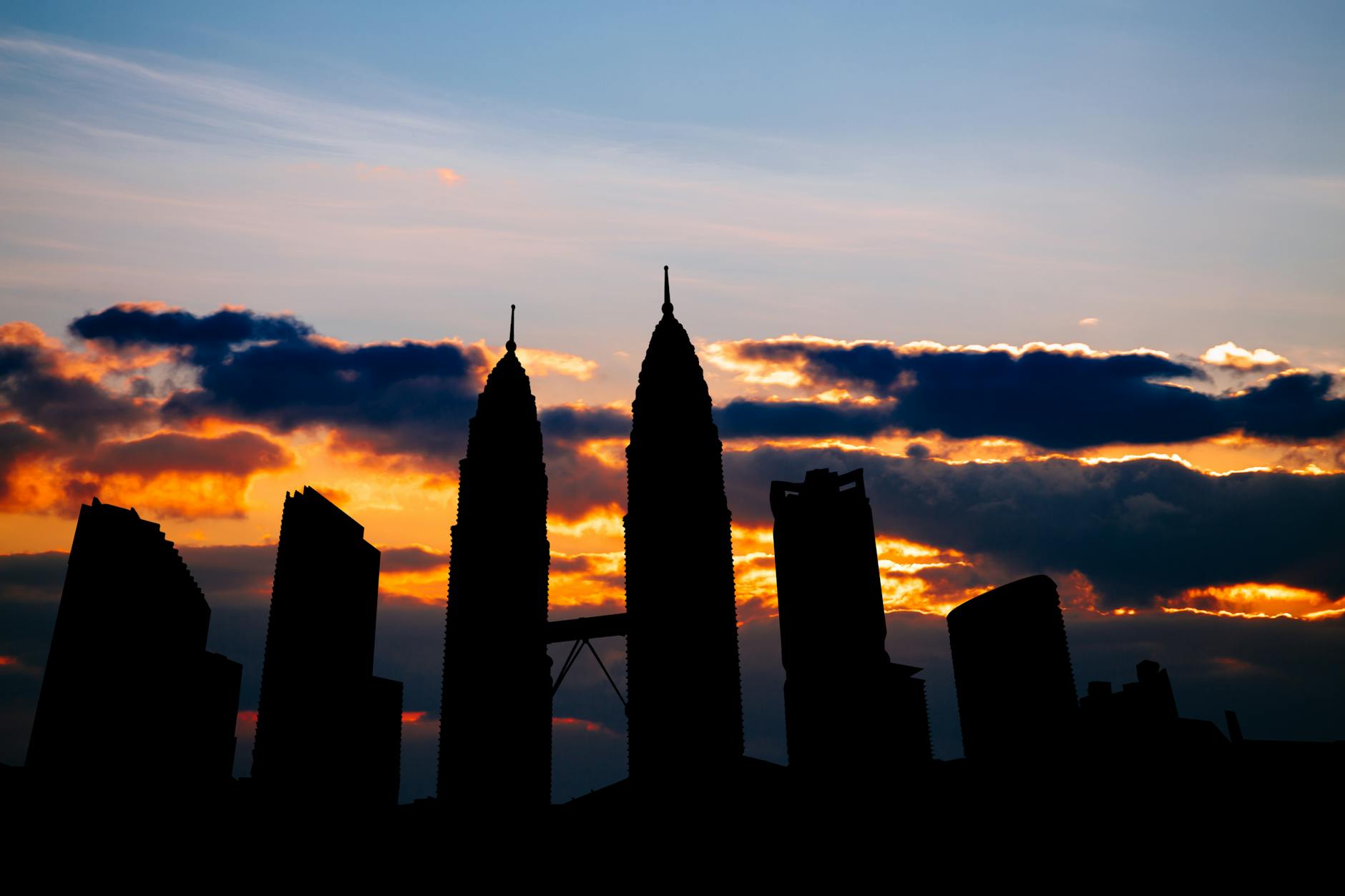
The towers are not optional. Even if you skip the paid visit, you should see them from the ground, from KLCC Park, and at night. The official PETRONAS visitor experience uses timed ticketing for the Skybridge and Observation Deck, and visitors should arrive before their scheduled time.[8]
Worth it? Yes for first-timers, architecture lovers, and skyline collectors. If you are on a tight budget, exterior views may be enough.
Best time: late afternoon ticket if available, then stay in the area for night views.
Pair it with: KLCC Park, Suria KLCC, Kampung Baru dinner, or a rooftop bar.
First-timer mistake: waiting until the last day and finding your preferred slot unavailable.
2. Walk KLCC Park at Dusk
KLCC Park is the easiest way to make the skyline feel human. The towers look better when framed by palms, water, and people. Come before sunset, walk slowly, then stay as the lights come on.
Time needed: 30–60 minutes.
Best for: couples, families, photographers, first-timers.
Rain plan: Suria KLCC is right there.
3. Visit KL Tower for the Better Tower View
The PETRONAS Twin Towers are the icon, but KL Tower often gives the better skyline perspective because you can see the towers themselves. KL Tower’s official site lists visitor hours and attractions; check current ticket types before going.[9]
Worth it? Yes if you love city views. If you only pay for one observation experience, compare price, weather, and whether you want to see the PETRONAS towers or stand inside them.
Best time: clear late afternoon or night.
Common mistake: going during haze or heavy rain. Observation decks are weather-dependent experiences.
4. Go to Batu Caves Early
Batu Caves is dramatic: limestone cliffs, temple color, 272 steps, monkeys, worshippers, and visitors all in one space. It is also hot, crowded, and physically demanding.
How long: half day including transport.
Best time: early morning.
Transport: KTM Komuter can be convenient when schedules work; Grab is often simplest for groups.
Dress: cover shoulders and knees; respect temple norms.
The move: go early, hydrate, then return to the city for lunch in Brickfields or Chinatown.
5. Spend Real Time in the Islamic Arts Museum Malaysia
This is one of KL’s best museums. It is calm, beautifully presented, and gives cultural context that improves the rest of the trip. IAMM lists daily gallery hours, ticket prices, and Ramadan/holiday adjustments on its official visitor page.[10]
Worth it? Strong yes. It is one of the best “rain, heat, or culture” activities in the city.
Pair it with: National Mosque, Perdana Botanical Garden, National Museum, or Old KL.
Time needed: 90 minutes to 3 hours.
6. Walk Old KL: Masjid Jamek to Merdeka Square to Chinatown
This is the best introductory walk for understanding the city’s origin and civic identity. You see the river confluence, colonial architecture, independence symbolism, mosques, markets, temples, and shophouses in one arc.
Route: Masjid Jamek → River of Life viewpoint → Sultan Abdul Samad Building → Dataran Merdeka → Central Market → Sri Mahamariamman Temple → Petaling Street.
Best time: morning.
Rain plan: Central Market, cafés, Textile Museum, or Islamic Arts Museum.
7. Eat Your Way Through Jalan Alor, Then Go Beyond It
Jalan Alor is famous, convenient, and fun, especially for first-timers. It is also not the whole food story. Use it as a first night, not your only food night.
Order: grilled seafood, satay, noodles, stingray, fruit, cendol nearby, or whatever looks busy and fresh.
Worth it? Yes for atmosphere. Not always the absolute best version of every dish.
Better alternative: after Jalan Alor, graduate to Kampung Baru, Brickfields, Chow Kit, Pudu, TTDI, or neighborhood kopitiams.
8. Eat in Kampung Baru
Kampung Baru gives you one of the city’s essential experiences: Malay food under a futuristic skyline. It is especially good at night.
Try: nasi lemak, ayam goreng, satay, ikan bakar, kuih, local drinks.
Best time: dinner.
The move: arrive hungry, walk lightly, eat where locals are eating, and do not overplan.
9. Visit Thean Hou Temple
Thean Hou is one of KL’s most photogenic Chinese temples, with layers of red lanterns, courtyards, views, and ceremonial spaces. It is not as centrally convenient as Chinatown’s temples, but it is worth the Grab ride.
Best time: morning or late afternoon.
Pair it with: Brickfields, Bangsar, or KL Sentral.
10. Explore Brickfields for Banana-Leaf Rice and Little India
Brickfields is practical and delicious. It is not always postcard-pretty, but it is one of the easiest neighborhoods to connect food, transit, and culture.
The move: go for lunch, not just a quick look.
Try: banana-leaf rice, thosai, vadai, sweets, masala tea, biryani.
11. Use Malls Strategically
In KL, malls are not just shopping centers; they are climate infrastructure. They provide food courts, toilets, transit links, cinemas, pharmacies, air-conditioning, and storm cover. The right KL itinerary uses malls without becoming trapped by them.
Useful malls:
- Suria KLCC for KLCC and towers.
- Pavilion for Bukit Bintang.
- Lot 10 for food.
- NU Sentral for transit.
- The Exchange TRX for newer retail and the TRX City Park, a 10-acre rooftop park according to the mall’s official site.[17]
- Mid Valley / The Gardens for serious shopping outside the immediate center.
First-timer mistake: mocking malls as “inauthentic.” In KL, malls are part of how the city functions.
12. See the City from a Rooftop Bar
KL’s skyline is made for rooftops. Pick one with a direct view of the PETRONAS towers or KL Tower.
Best time: sunset into night.
Budget note: alcohol is expensive by local-food standards. Check menus first.
Etiquette: dress codes vary. Sandals and beachwear may be an issue in upscale venues.
13. Visit Perdana Botanical Garden
KL is hot and trafficked, so a proper green break helps. Perdana Botanical Garden is near the National Mosque, Islamic Arts Museum, National Museum, and bird park area.
Best time: morning.
Pair it with: Islamic Arts Museum and National Mosque.
Skip if: you only have one day and no interest in gardens.
14. Consider Putrajaya
Putrajaya is Malaysia’s planned administrative capital, with grand boulevards, bridges, mosques, lake views, and government architecture. It is not KL, but it is a useful half-day if you like planned cities and monumental architecture.
Best for: architecture, photography, repeat visitors, people transiting through Putrajaya & Cyberjaya on KLIA Transit.
Skip if: you only have two days in KL.
15. Do a Food Court Properly
KL food courts can be excellent, especially for groups because everyone can choose different things. Do not treat them as backup meals only.
The move: order from different stalls, share, and use the meal to sample many dishes in one sitting.
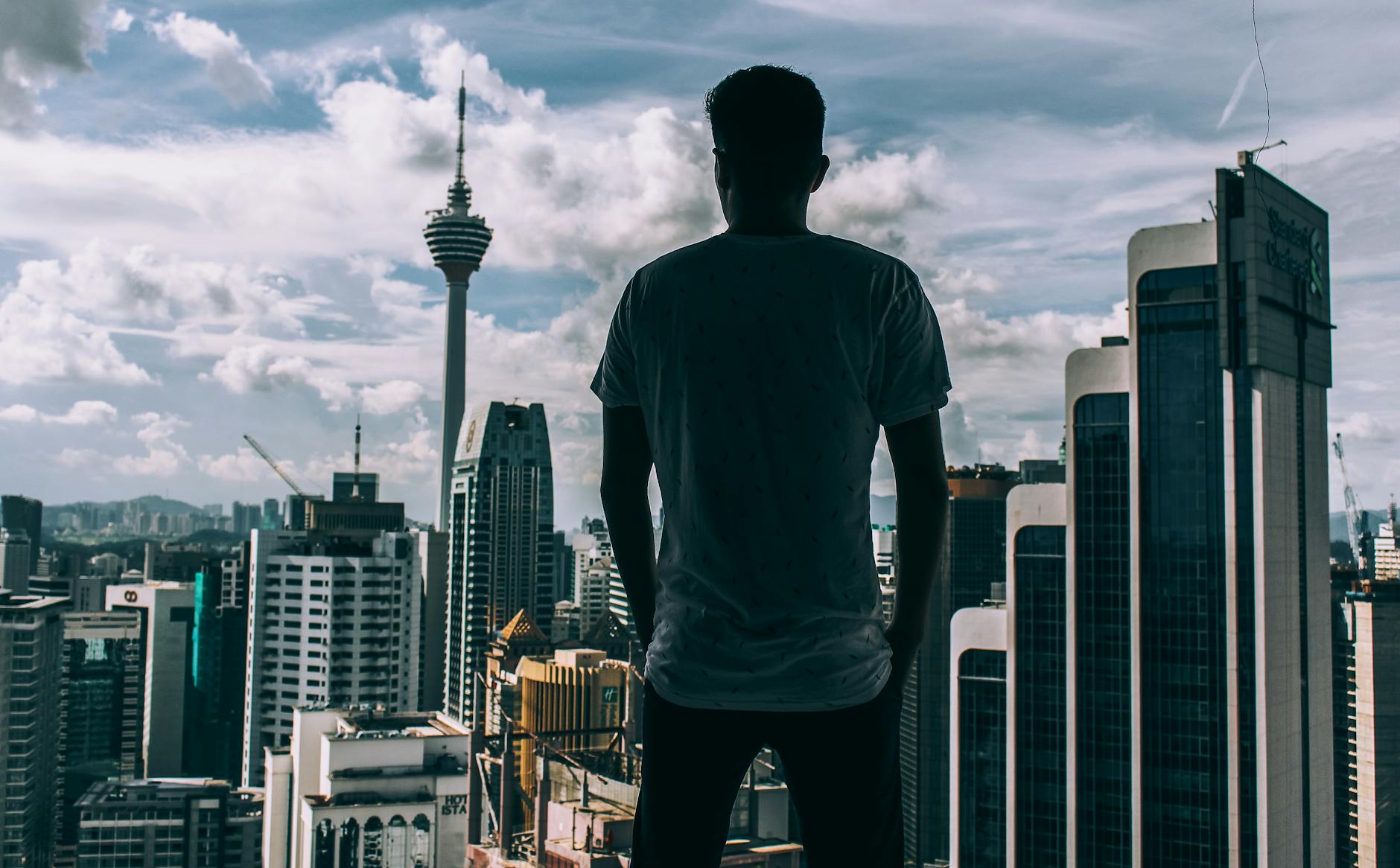
What to Eat in Kuala Lumpur
KL’s food is the guidebook’s spine. You can understand the city through its meals: Malay, Chinese, Indian, Indian Muslim, Peranakan, Eurasian, regional Malaysian, Indonesian, Middle Eastern, and global influences all collide.
Nasi Lemak
Malaysia’s beloved coconut-rice dish, usually served with sambal, anchovies, peanuts, cucumber, egg, and often fried chicken or rendang.
Eat it: breakfast, lunch, dinner, late night. There is no wrong time.
Tourist mistake: underestimating sambal. Start modestly.
Roti Canai
Flaky flatbread, usually eaten with dhal or curry. Cheap, comforting, and best with teh tarik.
Eat it: at a mamak, ideally fresh off the griddle.
Order: roti canai, roti telur, roti tissue if you want drama.
Teh Tarik
Pulled milk tea. Sweet, frothy, and essential.
The move: order it with roti canai at a busy mamak.
Banana-Leaf Rice
Rice served on a banana leaf with curries, vegetables, pickles, papadum, and your choice of proteins. Brickfields is a natural hunting ground.
Etiquette: eating with your hand is common; use the right hand if you do. Cutlery is also usually available.
Satay
Grilled skewers with peanut sauce. Easy to love, good for groups, and often best when smoke and crowds are involved.
Char Kuey Teow
Stir-fried flat rice noodles, associated strongly with Penang but common in KL. Look for wok heat and fresh ingredients.
Hokkien Mee
Dark, rich, soy-glossed noodles. KL has its own style, often thick and deeply savory.
Nasi Kandar
Rice with multiple curries and dishes, associated with Penang and Indian Muslim food culture but widely loved in KL.
The move: ask for mixed curry if you want the full experience.
Laksa
There are many laksas in Malaysia. In KL you may encounter curry laksa, assam laksa, and regional variations.
Chicken Rice
A Chinese-Malaysian staple: poached or roasted chicken with fragrant rice, soup, chili, and ginger sauce.
Kopitiam Breakfast
Kaya toast, soft-boiled eggs, coffee or tea. This is one of the best ways to begin a KL day.
Cendol and Ais Kacang
Cold desserts for hot weather. Cendol brings pandan jelly, coconut milk, palm sugar, and shaved ice. Ais kacang is more maximalist.
Durian
KL is a good place to try durian if you are curious. Go to a reputable stall and ask for guidance. It is expensive if you choose premium varieties, and the flavor is not subtle.
First-timer mistake: bringing durian back to a hotel room. Many hotels prohibit it.
Where to Eat: By Situation
Best First Night
Go to Jalan Alor if you want easy spectacle. Go to Kampung Baru if you want a more KL-specific memory. Go to a mamak if you arrive late and tired.
Best Breakfast
Kopitiam breakfast in Chinatown or an old neighborhood; nasi lemak in Kampung Baru or a famous local stall; roti canai at a mamak.
Best Lunch
Banana-leaf rice in Brickfields, nasi kandar, or a serious mall food court if weather is bad.
Best Food Neighborhoods
| Food mood | Where to go |
|---|---|
| Malay dinner | Kampung Baru |
| Indian / banana leaf | Brickfields, Bangsar, parts of PJ |
| Chinese kopitiam / shophouse food | Chinatown, Pudu, Jalan Imbi, PJ |
| Tourist-friendly street food | Jalan Alor |
| Modern restaurants and cafés | Bangsar, Chinatown, TTDI, Damansara |
| Mamak late night | Everywhere; look for busy tables |
| Mall food with convenience | KLCC, Pavilion, Lot 10, TRX, Mid Valley |
Food Practicalities
- Halal food is easy to find, especially Malay and mamak restaurants.
- Pork and alcohol are available, especially in Chinese and international restaurants, but not everywhere.
- Vegetarian travelers can do well, especially with Indian food, but ask about shrimp paste, anchovies, fish sauce, and meat stock.
- Spice levels vary. Ask, but also accept that “not spicy” may still have heat.
- Cash is useful for hawkers and small stalls.
- Busy stalls are your friend. High turnover matters.
- Tap water is not usually served automatically. Bottled or filtered water is common.
The move: do not spend every meal researching “the best.” Pick busy, specific places and order what they are known for.
Drinks and Nightlife
KL nightlife comes in layers: mamak restaurants, speakeasy-style cocktail bars, hotel rooftops, live music, clubs, café evenings, and mall-adjacent restaurants.
Rooftop Bars
Best for views, worst for budget. Great on your first or last night.
Cocktail Bars
Chinatown and Bukit Bintang have stylish bars hidden in shophouses and hotels. Some are genuinely excellent.
Mamak Late Nights
The most KL night out may be cheaper and better: sit outside at a mamak, order roti or mee goreng, drink teh tarik, and watch the city.
Alcohol Note
Malaysia is Muslim-majority, and alcohol is taxed. Drinking is common in hotels, bars, Chinese restaurants, and nightlife areas, but alcohol is not as cheap or socially universal as in some destinations.
Safety note: take normal nightlife precautions. Watch your drink, use Grab late at night, and avoid getting into arguments or wandering drunk through unfamiliar streets.
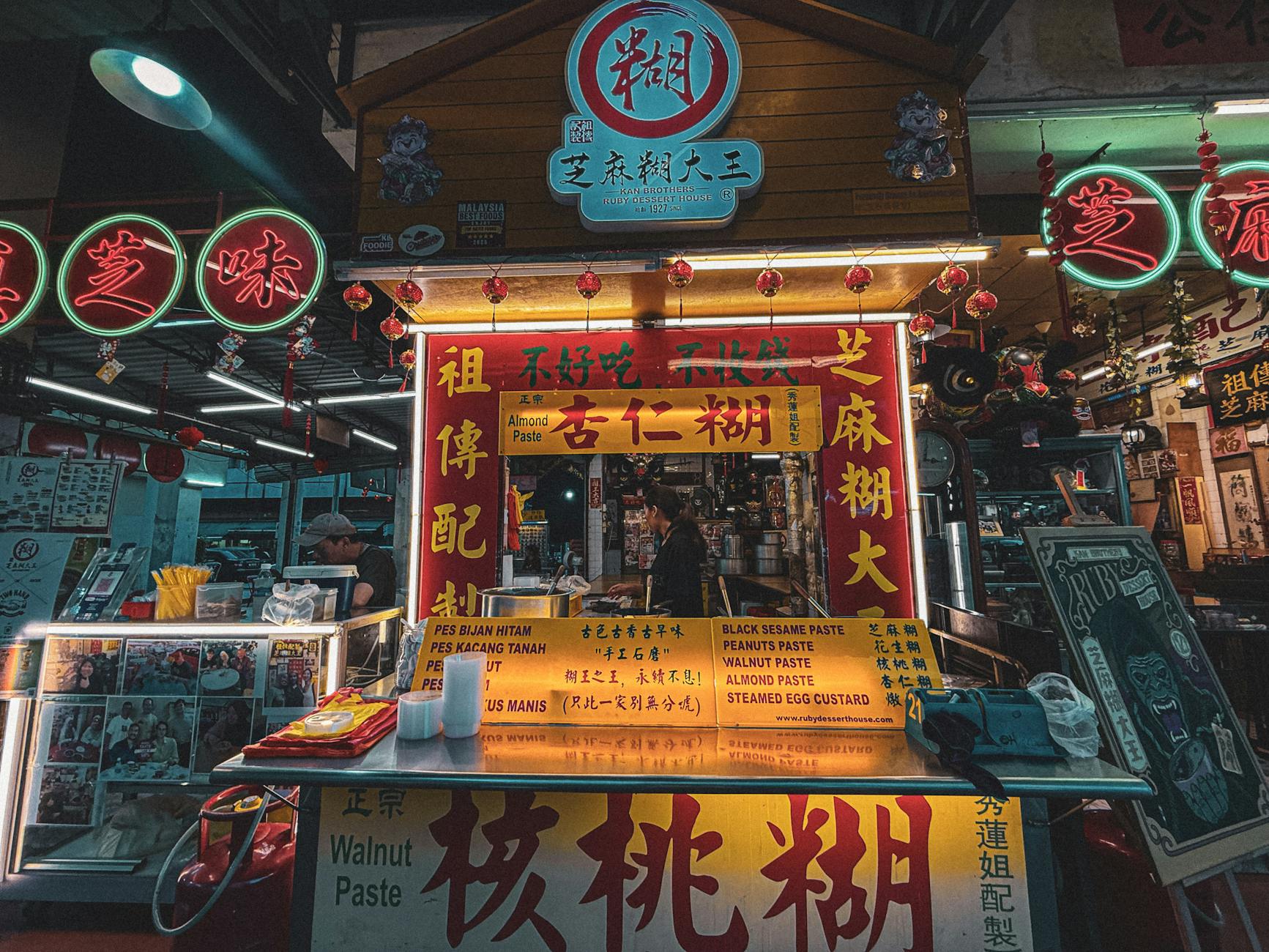
One Perfect Day in Kuala Lumpur
Morning: Start at Masjid Jamek. See the river confluence, then walk to Sultan Abdul Samad Building and Dataran Merdeka. Continue to Central Market and Chinatown.
Lunch: Eat in Chinatown or Brickfields.
Afternoon: Visit Islamic Arts Museum Malaysia or escape to KLCC/Suria KLCC if rain hits.
Late afternoon: PETRONAS Twin Towers visit or KLCC Park.
Dinner: Kampung Baru for Malay food or Jalan Alor for easy street-food energy.
Evening: Rooftop drink or mamak tea, depending on budget and mood.
Cut if tired: skip the paid tower visit and just enjoy the exterior.
Two Days in Kuala Lumpur
Day 1: Towers, Old KL, and Food
- Breakfast in Chinatown.
- Masjid Jamek and Merdeka Square walk.
- Central Market and Sri Mahamariamman Temple.
- Lunch in Chinatown or Brickfields.
- Afternoon at Islamic Arts Museum or hotel pool.
- KLCC Park and PETRONAS exterior/visit.
- Dinner in Kampung Baru.
Day 2: Batu Caves, Brickfields, and Bukit Bintang
- Early Batu Caves.
- Return for banana-leaf lunch in Brickfields.
- Thean Hou Temple or National Museum.
- Rest during the afternoon heat.
- Bukit Bintang shopping.
- Jalan Alor dinner and evening walk.
The move: do Batu Caves on the morning you have the most energy.
Three Days in Kuala Lumpur
Day 1: Easy Arrival and Skyline
- Arrive and check in.
- KLCC Park.
- PETRONAS timed visit or exterior.
- Dinner in Kampung Baru.
- Rooftop bar or mamak.
Day 2: History, Museums, Chinatown
- Kopitiam breakfast.
- Masjid Jamek, Merdeka Square, Central Market.
- Sri Mahamariamman Temple and Chinatown.
- Islamic Arts Museum.
- Dinner in Chinatown or Bukit Bintang.
- Optional cocktail bar.
Day 3: Batu Caves and Neighborhoods
- Batu Caves early.
- Brickfields lunch.
- Thean Hou Temple or Perdana Botanical Garden.
- Afternoon hotel break.
- Bangsar dinner or Jalan Alor if you skipped it.
Rain alternative: swap Batu Caves only if the rain is severe. Otherwise, early morning is still manageable. Move outdoor gardens to another day.
Five Days in Kuala Lumpur
Day 1: Arrival, KLCC, Kampung Baru
Day 2: Old KL, Chinatown, Islamic Arts Museum
Day 3: Batu Caves, Brickfields, Thean Hou
Day 4: Bangsar, Mid Valley, cafés, spa, rooftop
Day 5: Putrajaya, Melaka day trip, or deep food day in TTDI/PJ
With five days, KL becomes less about racing and more about eating well, using the pool, and letting neighborhoods breathe.
Special-Interest Itineraries
Food Lover’s KL
- Kopitiam breakfast in Chinatown.
- Brickfields banana-leaf lunch.
- Kampung Baru dinner.
- Mamak late-night roti.
- Jalan Alor for atmosphere.
- TTDI/PJ for deeper local recommendations.
- One modern Malaysian restaurant if budget allows.
Family KL
- KLCC Park and Aquaria.
- PETRONAS exterior photos.
- Islamic Arts Museum, if kids are museum-tolerant.
- Batu Caves only if kids can handle stairs and heat.
- TRX City Park or mall play spaces.
- Hotel pool every afternoon.
- Bird Park or Perdana Botanical Garden early in the day.
Rainy-Day KL
- Islamic Arts Museum.
- National Museum.
- Suria KLCC.
- Pavilion / Lot 10 / TRX.
- Spa or massage.
- Café crawl in Chinatown.
- Food court dinner.
Budget KL
- Stay Chinatown/Pasar Seni or Brickfields.
- Eat kopitiam, mamak, hawker, and food courts.
- Use rail and Touch ’n Go.
- Do free exteriors: PETRONAS, Merdeka Square, temples, KLCC Park.
- Pick one paid viewpoint or museum, not all.
Luxury KL
- Stay KLCC, TRX, or a top Bukit Bintang hotel.
- Private airport transfer.
- PETRONAS timed visit.
- Spa afternoon.
- High-end Malaysian tasting menu.
- Rooftop sunset.
- Chauffeured Batu Caves and Putrajaya half-day.
Layover KL
If you have less than six hours between flights, stay at or near the airport. KLIA is far enough from central KL that a rushed city visit can become stressful.
With 8–10 hours, consider KLIA Ekspres to KL Sentral, then a tight route: Brickfields meal, Masjid Jamek/Merdeka Square, KLCC exterior, return.
With overnight, stay KL Sentral or KLCC.
Getting Around Kuala Lumpur
KL has rail, monorail, buses, airport trains, taxis, and Grab. It also has highways, heat, rain, and inconsistent sidewalks. The right answer is usually a combination.
Airport to City
KLIA Ekspres: fastest to KL Sentral. Great if your hotel is near KL Sentral or you are comfortable transferring.
KLIA Transit: similar route with stops including Putrajaya & Cyberjaya and Bandar Tasik Selatan.
Airport bus: cheapest to KL Sentral, slower and traffic-dependent.
Grab/taxi/private transfer: easiest door-to-door, especially with luggage, family, late arrival, or hotels not near rail.
First-timer mistake: taking KLIA Ekspres to KL Sentral, then a long taxi across rush-hour traffic, when a direct Grab from the airport may have been easier for a group.
Public Transit
KL’s rail network includes LRT, MRT, Monorail, KTM Komuter, KLIA Ekspres/Transit, and BRT in broader Klang Valley. Rapid KL’s official fare tools cover integrated rail fares, and Touch ’n Go is the practical stored-value card for many users.[6]
Good for:
- KLCC.
- Pasar Seni/Chinatown.
- Masjid Jamek.
- Bukit Bintang.
- KL Sentral.
- Batu Caves via KTM when timing works.
- TRX via MRT.
Less good for:
- Some restaurants and suburban neighborhoods.
- Door-to-door travel in rain.
- Late-night travel after services wind down.
Pass note: some unlimited travel products are aimed at Malaysians only, so visitors should check eligibility before buying. Rapid Kota, for example, is listed by Rapid KL as available for Malaysians only.[7]
Grab
Grab is often the easiest way to move in KL. It is especially useful for:
- Groups.
- Families.
- Rain.
- Hotels away from rail.
- Batu Caves if train timing is inconvenient.
- Thean Hou Temple.
- Late nights.
Downside: traffic. A cheap ride can still cost time.
Walking
KL is walkable in pockets, not as a whole.
Good walks:
- KLCC Park.
- Chinatown to Central Market to Masjid Jamek.
- Bukit Bintang retail core.
- Brickfields around Little India.
- Perdana Botanical Garden.
Bad walks:
- Anything involving big roads, highways, missing crossings, midday sun, or “it looks close on Google Maps.”
Footwear: wear comfortable shoes that can handle rain and uneven pavement. This is not a city for delicate sandals if you plan to walk.
Taxis
Use official taxi systems at the airport or reputable ride-hailing. In the city, Grab usually removes negotiation friction.
Scam avoidance: avoid drivers who refuse meters or quote oddly high flat fares from tourist zones. At airports, use official counters or app-based pickup.
Renting a Car
Do not rent a car for central KL. Parking, traffic, one-way systems, and highways make it more trouble than value. Rent only if you are doing regional travel and understand Malaysian driving conditions.
Safety and Scams
Kuala Lumpur is generally manageable for visitors who use normal city awareness. It is not a city where you need to be fearful, but it is also not a place to be careless with phones, bags, roads, or nightlife.
Government travel advisories generally frame Malaysia as a normal-precautions destination, with specific higher-risk warnings focused on parts of eastern Sabah rather than Kuala Lumpur.[13] OSAC’s Malaysia security reporting notes KL-specific urban crime concerns such as petty theft, purse snatching, and theft from vehicles.[14]
Main Visitor Risks
- Pickpocketing in crowded markets and transit.
- Phone snatching from roadside edges.
- Bag snatching by motorbike.
- Overcharging taxis.
- Fake or unofficial ticket sellers.
- Drink spiking or nightlife vulnerability.
- Slippery pavement after rain.
- Heat exhaustion.
- Monkey bites or theft at Batu Caves.
- Traffic crossings.
Practical Safety Moves
- Keep your phone away from the road edge.
- Wear crossbody bags securely.
- Use Grab late at night.
- Do not flash cash or jewelry in markets.
- Avoid poorly lit shortcuts.
- Do not leave valuables visible in cars.
- Be careful crossing streets; vehicles may not yield as expected.
- At Batu Caves, do not feed or tease monkeys, and keep food hidden.
Common Scams
Taxi overquote: use Grab or official counters.
Fake tickets: buy major attraction tickets through official sites or reputable channels.
“Helpful” strangers at transport hubs: accept directions, not unsolicited services.
Monkey theft: not a scam, but it feels like one. Monkeys may grab food, bottles, or loose items.
Currency exchange traps: use reputable exchange counters and count money before leaving.
Health, Heat, Rain, and Haze
KL’s main health issue for most visitors is not exotic disease; it is heat, humidity, dehydration, traffic fumes, and over-scheduling.
Heat
Plan like this:
- Outdoor sights early.
- Indoor sights midday.
- Hotel/pool/café break in the afternoon.
- Food and skyline at night.
Rain
Carry an umbrella and expect intense showers. Roads may flood locally, ride-hailing prices can spike, and traffic slows. Do not schedule tight airport transfers in storm windows.
Haze and Air Quality
Haze varies by year and regional conditions. Sensitive travelers should check air quality during the trip, especially during periods when smoke haze is reported in Southeast Asia. Malaysia’s Department of Environment provides air-quality monitoring resources.[15]
Food Safety
KL is a great eating city. Use common sense:
- Eat where turnover is high.
- Be cautious with lukewarm buffet items.
- Hydrate.
- Wash hands or use sanitizer before eating.
- Start slowly if your stomach is not used to chili, oil, or street food.
Pharmacies and Clinics
Pharmacies are common in malls and central areas. Private clinics are accessible in KL, and travel insurance is still wise.
Accessibility
KL is uneven for accessibility. Modern malls, hotels, airport trains, newer MRT stations, and major commercial complexes can be quite accessible. Older streets, shophouse areas, markets, curb cuts, pedestrian crossings, and temple steps can be difficult.
Easier Areas
- KLCC.
- Suria KLCC.
- Pavilion.
- TRX.
- KL Sentral/NU Sentral.
- Major hotels.
- Newer MRT-linked developments.
More Difficult Areas
- Chinatown side streets.
- Markets.
- Older sidewalks.
- Batu Caves main staircase.
- Some monorail/station access points.
- Busy road crossings.
Wheelchair and Mobility Notes
- Book hotels directly and confirm step-free access.
- Confirm elevator access at transit stations before relying on them.
- Use Grab for door-to-door travel when heat or sidewalk quality is a concern.
- Batu Caves’ main cave experience is not practical for many mobility-impaired travelers because of the steps.
- The Islamic Arts Museum is a strong accessible-friendly cultural option compared with many older sites, but check current facilities before visiting.
Honest verdict: KL can be enjoyable with mobility planning, but do not improvise too much. The city is comfortable inside modern buildings and much harder at street level.
Families with Kids
KL is a good family city because hotels are good value, malls are useful, food is flexible, and Grab makes door-to-door transport simple.
Best Family Areas to Stay
- KLCC for parks, malls, Aquaria, and easy hotel comfort.
- Bukit Bintang for older kids and shopping.
- KL Sentral for logistics.
- Serviced apartments near KLCC or Bukit Bintang.
Best Family Activities
- KLCC Park.
- Aquaria KLCC.
- PETRONAS exterior or visit with older kids.
- Bird Park / Perdana Botanical Garden early in the day.
- Islamic Arts Museum for calmer culture.
- TRX City Park.
- Batu Caves only if children can handle heat, steps, crowds, and monkeys.
Family Food Moves
- Malls and food courts for variety.
- Mamak restaurants for casual meals.
- Banana-leaf rice for adventurous eaters.
- Hotel breakfast if mornings are hard.
Family Mistakes
- Packing too many outdoor sights into one day.
- Taking toddlers to Batu Caves late morning.
- Underestimating how exhausting heat can be.
- Choosing a hotel without a pool.
- Staying far from transit and assuming Grab will always be instant.
Solo Travelers
KL is friendly to solo travelers, especially if you like food, cafés, museums, and easy transport.
Best Areas
- Chinatown/Pasar Seni for hostels, boutique hotels, cafés, and social energy.
- Bukit Bintang for nightlife and convenience.
- KLCC for comfort and easy orientation.
Solo Safety
- Use Grab at night.
- Choose busy streets after dark.
- Keep phone and bag secure.
- Do not overdrink alone in unfamiliar nightlife areas.
- Join a food tour or walking tour early in the trip if you want context.
Solo Dining
KL is excellent for solo dining. Food courts, mamaks, kopitiams, and casual restaurants make it easy.
The move: sit at a mamak, order too much, and watch the city go by.
Women Travelers
Many women travel comfortably in KL, including solo. The usual big-city rules apply: choose good accommodation, use Grab at night, watch drinks, avoid isolated shortcuts, and trust your discomfort quickly.
Malaysia is socially more conservative than some destinations, but KL is cosmopolitan. Modest clothing is useful for religious sites and some local neighborhoods, though central malls and nightlife areas are varied.
Practical clothing: breathable fabrics, a light scarf or layer for mosques/temples/air-conditioning, comfortable shoes, and rain protection.
LGBTQ+ Travelers
KL has cosmopolitan spaces, but Malaysia’s legal and social environment is conservative for LGBTQ+ travelers. Discretion is sensible, especially with public displays of affection and public identity expression. Before traveling, check current government and specialized LGBTQ+ travel guidance; legal and enforcement environments can change.
Plain advice: many LGBTQ+ travelers visit KL without incident, especially in international hotels and urban settings, but this is not a destination to treat like Berlin, Madrid, Toronto, or Bangkok. Be thoughtful about where you are, who is around, and how public you want to be.
Muslim Travelers
KL is one of the easiest major cities in the world for Muslim travelers. Halal food is widespread, prayer spaces are common in malls and airports, and mosques are part of the city’s fabric.
Good areas: KLCC, Bukit Bintang, Kampung Baru, KL Sentral/Brickfields, and most malls.
Food note: Malay and many Indian Muslim/mamak restaurants are halal; Chinese restaurants may serve pork or alcohol unless clearly halal-certified.
Shopping and Souvenirs
KL is a shopping city. It ranges from luxury malls to craft markets, from batik to pewter, from Islamic art books to snacks.
Best Shopping Zones
- KLCC: luxury, international brands, convenient.
- Bukit Bintang: Pavilion, Lot 10, Starhill, Fahrenheit, street energy.
- TRX: new luxury and lifestyle retail with rooftop park.
- Central Market: souvenirs, batik, crafts, tourist-friendly shopping.
- Chinatown: budget souvenirs, snacks, casual market browsing.
- Bangsar / TTDI: boutiques, local design, cafés.
- Mid Valley / The Gardens: serious mall shopping outside the core.
Good Souvenirs
- Batik.
- Pewter.
- Tea and coffee.
- Local snacks.
- Spices and curry pastes, subject to your home-country customs rules.
- Islamic art books or museum gifts.
- Malaysian chocolate or sweets.
- Handmade crafts from reputable shops.
What to Avoid
- Fake luxury goods.
- Wildlife products.
- “Antiques” with unclear provenance.
- Food souvenirs you cannot legally bring home.
- Cheap mass-produced items pretending to be local craft.
Culture, Etiquette, and Local Norms
KL is multicultural and relatively easygoing, but respect matters.
Basic Etiquette
- Remove shoes where required.
- Dress modestly at mosques, temples, and religious sites.
- Ask before photographing people in prayer or private settings.
- Use your right hand when giving or receiving something in more traditional contexts.
- Avoid touching someone’s head.
- Be calm in disagreement; public anger rarely helps.
- Do not assume all Malaysians share the same religion, ethnicity, diet, or language.
Religious Sites
Mosques: dress modestly; women may be asked to cover hair; robes may be provided; non-Muslim visiting hours vary.
Hindu temples: remove shoes; dress respectfully; do not interrupt rituals.
Chinese temples: be respectful around incense and worshippers; photography may be acceptable in some areas but not all.
Language
Malay phrases help:
- Thank you: terima kasih
- You’re welcome: sama-sama
- Good morning: selamat pagi
- Good afternoon/evening: selamat petang
- How much?: berapa?
- Delicious: sedap
English is widely useful in central KL, but small phrases still show respect.
History and Context for Travelers
KL’s story begins with tin mining and migration in the 19th century. Chinese miners, Malay communities, British colonial administrators, Indian laborers, traders, and later waves of migrants shaped the city. It became a key administrative and commercial center under British influence, then the capital of independent Malaya in 1957 and Malaysia in 1963.
Merdeka Square matters because Malaysia’s independence was declared nearby. The old colonial buildings around the square reflect British-era administration, while nearby mosques, temples, and markets show the city’s deeper pluralism.
The PETRONAS Twin Towers, completed in the late 20th century, became the symbol of Malaysia’s modern ambition. Newer landmarks like Merdeka 118 continue that skyline story, but the more interesting question is not “how tall is the city?” It is how the towers coexist with kampung houses, food stalls, and older religious spaces.
Local logic: KL’s skyline is impressive, but its meaning comes from the ground beneath it.
Seasonal and Month-by-Month Guide
Because KL is hot and humid year-round, each month is more about rain, holidays, events, prices, and haze than about temperature.
| Month | Travel feel |
|---|---|
| January | Good city month, but watch New Year and Chinese New Year timing in some years |
| February | Often busy around Chinese New Year/Thaipusam depending on lunar calendar; Batu Caves can be intense |
| March | Hot, humid, possible Ramadan timing depending on year |
| April | Inter-monsoon storms can be dramatic; build in indoor plans |
| May | Hot, humid, good for mall/museum strategy; holiday timing varies |
| June | Often a practical visitor month; still hot |
| July | Good for city breaks if you handle humidity |
| August | Merdeka season energy; haze possible in some years |
| September | Watch haze and rain; food/city travel still works |
| October | Rain can increase; plan flexibly |
| November | Wetter feel; afternoon rain strategy matters |
| December | Holiday travel and rain; hotel prices can rise around Christmas/New Year |
Best rule: do not choose KL based only on a rainfall chart. Choose it when your broader Malaysia/Southeast Asia route makes sense, then build a heat-and-rain-proof itinerary.
Day Trips and Side Trips
Batu Caves
Technically close enough to be a half-day, but it functions like KL’s essential side trip. Go early.
Putrajaya
Planned capital, mosque, lake, bridges, government architecture. Half-day.
Best for: photographers, architecture, people using KLIA Transit.
Melaka
Historic port city with Dutch, Portuguese, Malay, Chinese, and Peranakan layers. Better as an overnight, but possible as a long day.
Best for: history, food, shophouses, river walks.
Common mistake: doing Melaka as a rushed day trip and spending too much time in traffic.
Genting Highlands
Cooler hill resort with casinos, theme parks, malls, and cable car. It is not culturally essential, but families and resort travelers may enjoy it.
Best for: families, casino/theme-park interest, heat escape.
Kuala Selangor Fireflies
Popular evening excursion, often packaged with seafood dinner and boat ride. Quality depends on operator, season, and expectations.
Best for: nature-lite evening trip.
Skip if: you dislike tourist excursions or long evening transfers.
Ipoh
Limestone hills, old town, white coffee, cave temples. Better as an overnight or combined with onward travel to Penang.
Penang
Do not treat Penang as a casual KL day trip. It deserves its own stay.
Responsible and Respectful Travel
KL is welcoming, but visitors should understand that the city is not just a backdrop.
Visit Well
- Support local eateries beyond malls.
- Dress appropriately at religious sites.
- Avoid intrusive photos in Kampung Baru and markets.
- Do not feed monkeys at Batu Caves.
- Use refillable water when practical, but do not compromise hydration.
- Respect prayer spaces and worshippers.
- Be patient with service staff during holiday rushes.
- Use official ticket channels and avoid fake arrival-card sites.
- Tip when service warrants it, though tipping is not as systematized as in the U.S.
Overtourism
KL does not face overtourism in the same way as Venice or Kyoto, but specific sites like Batu Caves, PETRONAS, Jalan Alor, and holiday-period attractions can feel overloaded. Go early, be patient, and remember that religious sites are not theme parks.
Packing Guide
Year-Round Essentials
- Breathable clothing.
- Comfortable walking shoes.
- Compact umbrella.
- Light rain jacket if you prefer.
- Sunscreen.
- Sunglasses.
- Reusable water bottle.
- Power adapter, Type G.
- Portable charger.
- Small day bag.
- Hand sanitizer.
- Modest layer/scarf for religious sites.
- Swimwear for hotel pools.
- Anti-chafe or blister care if walking.
- Light sweater for strong air-conditioning.
What Not to Pack
- Heavy jackets.
- Fancy shoes you cannot walk in.
- Too many “just in case” clothes; laundry is easy.
- Anything that cannot get wet.
- Illegal drugs, including cannabis/CBD products. Malaysia has strict drug laws and severe penalties.
What to Buy Locally
- Umbrella.
- Toiletries.
- Light clothing.
- Snacks.
- SIM/eSIM support if needed.
- Basic medications at pharmacies.
Practical Life Admin
SIM and eSIM
KL is easy for connectivity. eSIMs, airport SIMs, and local telco shops are common. Airport options are convenient but not always cheapest.
Wi-Fi
Hotels, cafés, malls, and restaurants usually have Wi-Fi, though quality varies.
Laundry
Hotels offer service; self-service laundries exist in residential areas.
Public Restrooms
Malls are your friend. Carry small change/tissues in older areas.
Luggage Storage
KL Sentral and some malls/hotels can help, but check current services.
Pharmacies
Common in malls and central neighborhoods.
Coworking
KL has many coworking spaces, especially around central business districts, Bangsar, Damansara, and Mont Kiara.
What to Skip
Skip Trying to See Every Mall
Pick malls strategically. Otherwise your KL trip becomes one long escalator.
Skip Midday Batu Caves
Unless you enjoy heat, crowds, and sweating through temple clothes.
Skip Overpriced View Restaurants If the Food Is Secondary
Sometimes the better move is an observation deck plus a real meal elsewhere.
Skip Staying Far Out Just to Save a Little
Cheap rooms outside the center can cost you time, Grab fares, and energy.
Skip Treating Jalan Alor as the Whole Food Scene
Go once. Enjoy it. Then go deeper.
Skip Unofficial Arrival-Card Services
Use official Malaysian immigration channels. Be especially careful because fake/paid lookalike sites can appear in search results.
Skip Merdeka 118 Observation Plans Unless Official Tickets Are Clearly Available
The tower is visible and architecturally significant, but visitor access and observation-deck availability have been fluid. Check the official site before planning around it.
Common Mistakes
- Only staying around the towers. KLCC is not the whole city.
- Underestimating heat. Outdoor sightseeing all day is a rookie move.
- Ignoring rain. Every day needs an indoor backup.
- Booking a poorly located hotel. Transit and Grab access matter.
- Trying to walk across highway-like roads. Use stations, malls, and crossings intelligently.
- Going to Batu Caves in revealing clothing. It is a religious site.
- Carrying food openly around monkeys. They are fast and shameless.
- Not booking PETRONAS tickets early. Time slots can matter.
- Eating only in malls. Malls are useful, not sufficient.
- Avoiding malls completely. In KL, they are part of the survival system.
- Expecting Singapore-level pedestrian polish. KL is rougher, cheaper, warmer, and looser.
- Using only taxis without Grab or transit knowledge. You will overpay or waste time.
- Forgetting hotel tourism tax or local fees. Check the final bill.
- Packing too formally for daytime. Heat wins.
- Leaving no time to simply eat. Food is not a side activity here.
Local Voices: Questions Worth Asking
A world-class KL guide should include local interviews. The best questions:
- Where do you take visiting friends for their first meal?
- What is one place tourists overrate?
- What is one neighborhood visitors miss?
- What does KL do better than Singapore or Bangkok?
- What is your favorite rainy-day plan?
- Where should someone go for nasi lemak?
- What is one thing visitors misunderstand about Malaysian food?
- How has the city changed in the last five years?
- What is a respectful way to visit Batu Caves?
- What is your ideal Sunday in KL?
Use these answers to make the guide feel alive. KL cannot be fully captured by an outsider’s checklist.
FAQ
Is Kuala Lumpur worth visiting?
Yes. KL is especially worth visiting if you care about food, cultural mixture, skyline views, shopping, and value. It is not as polished as Singapore or as tourist-intense as Bangkok, but it is rewarding in a different way.
How many days do I need in Kuala Lumpur?
Three days is ideal for a first visit. Two days covers the highlights. Four or five days lets you eat properly and explore beyond the obvious sights.
What is the best area to stay in KL?
KLCC for polish, Bukit Bintang for shopping and nightlife, Chinatown/Pasar Seni for character and value, KL Sentral/Brickfields for transport convenience.
Is Kuala Lumpur safe?
Generally yes with normal city precautions. Watch for petty theft, traffic, scams, and nightlife risks. Use Grab at night and keep your phone away from road edges.
Do I need a car?
No. Do not rent a car for central KL. Use rail, Grab, and walking in specific neighborhoods.
Is KL walkable?
In pockets. KLCC Park, Chinatown, Bukit Bintang, and parts of Old KL are walkable, but the city overall is hot, road-heavy, and inconsistent for pedestrians.
Is Batu Caves worth it?
Yes for most first-time visitors, provided you go early, dress respectfully, and can handle stairs and heat.
Are the PETRONAS Twin Towers worth the ticket?
Worth it if you love architecture or skyline views. Budget travelers can enjoy the towers from outside and pay for KL Tower or no viewpoint instead.
What food should I not miss?
Nasi lemak, roti canai, teh tarik, banana-leaf rice, satay, laksa, char kuey teow, kopitiam breakfast, cendol, and at least one mamak meal.
Is KL good for families?
Yes. Choose a hotel with a pool, use malls strategically, avoid midday heat, and keep itineraries flexible.
Is KL good as a layover?
Yes, but only if you have enough time. KUL is far from central KL, so short layovers should stay near the airport.
Final Planning Shortcuts
Best First-Timer Plan
Stay KLCC or Bukit Bintang. Do PETRONAS/KLCC, Old KL/Chinatown, Batu Caves, Kampung Baru dinner, and one museum.
Best Food Plan
Stay Chinatown or Bukit Bintang. Eat kopitiam breakfast, Brickfields lunch, Kampung Baru dinner, mamak late night, and one deeper neighborhood meal.
Best Romantic Plan
Stay KLCC. Do tower views, spa, Islamic Arts Museum, Kampung Baru or modern Malaysian dinner, rooftop drinks, and a slow morning in KLCC Park.
Best Family Plan
Stay KLCC serviced apartment or hotel with pool. Use Aquaria, KLCC Park, malls, Bird Park, Islamic Arts Museum, and short Grab rides.
Best Budget Plan
Stay Chinatown/Pasar Seni. Use rail and Touch ’n Go, eat local, skip some paid viewpoints, and choose one splurge: PETRONAS, KL Tower, or a great meal.
Best Repeat-Visitor Plan
Base in Bangsar, Chinatown, or Chow Kit. Focus on food, markets, cafés, galleries, neighborhood walks, Putrajaya, and day trips.
Source Notes for Current Logistics
The article above is written as a editorial city guide, not as legal or official travel advice. For time-sensitive details, check official sources before travel.
- 1. Malaysia Digital Arrival Card information: Immigration Department of Malaysia / Malaysian official channels. See: [Immigration Department of Malaysia MDAC](https://www.imi.gov.my/index.php/en/pengumuman/malaysia-digital-arrival-card-mdac/) and official MDAC portal links from Malaysian authorities.
- 2. Malaysia visa and passport requirements vary by nationality. See: [MYVISA, Immigration Department of Malaysia](https://malaysiavisa.imi.gov.my/) and your nearest Malaysian diplomatic mission.
- 3. KLIA Ekspres journey-time and schedule information checked against the official KLIA Ekspres site: [KLIA Ekspres](https://www.kliaekspres.com/products-fares/klia-ekspres/).
- 4. KLIA Transit journey-time and station information checked against official KLIA Transit information: [KLIA Transit](https://www.kliaekspres.com/products-fares/klia-transit/).
- 5. Airport coach and public transport details checked against Malaysia Airports’ official KLIA Terminal 1 public transport page: [Malaysia Airports KLIA public transport](https://airports.malaysiaairports.com.my/en/klia1/air-travel/public-transport).
- 6. Rapid KL rail fare and payment information checked against MyRapid’s official fare calculator/table: [Rapid KL Integrated Fare Table](https://myrapid.com.my/bus-train/rapid-kl/integrated-fare-table/).
- 7. Rapid Kota eligibility and pass information checked against MyRapid’s official page: [Rapid Kota Pass](https://myrapid.com.my/our-products/rapidkotapass/).
- 8. PETRONAS Twin Towers ticketing, timed-entry, and visitor rules checked against the official PETRONAS Twin Towers ticketing site: [PETRONAS Twin Towers e-ticketing](https://eticket.petronastwintowers.com.my/).
- 9. KL Tower opening-hour information checked against the official KL Tower site: [KL Tower](https://kltower.com.my/).
- 10. Islamic Arts Museum Malaysia hours and ticket information checked against the official IAMM visitor page: [Visit IAMM](https://iamm.org.my/visit-us).
- 11. Batu Caves visitor context checked against Tourism Malaysia’s Batu Caves page: [Tourism Malaysia — Batu Caves](https://www.malaysia.travel/explore/batu-caves).
- 12. Malaysia climate and monsoon context checked against MET Malaysia’s educational climate pages: [MET Malaysia Climate](https://www.met.gov.my/en/pendidikan/iklim-malaysia/) and [Weather Phenomena](https://www.met.gov.my/en/pendidikan/fenomena-cuaca/).
- 13. Emergency and safety framing checked against official government travel-advice sources including U.S. State Department Malaysia travel information and UK FCDO emergency guidance.
- 14. KL crime/safety framing checked against OSAC’s Malaysia Country Security Report.
- 15. Air-quality monitoring checked against Malaysia Department of Environment resources: [MyEQMS](https://eqms.doe.gov.my/).
- 16. Malaysia tourism tax rate checked against Royal Malaysian Customs Department Tourism Tax guidance.
- 17. TRX City Park description checked against The Exchange TRX official site: [TRX City Park](https://www.theexchange.my/discover/trx-city-park/).