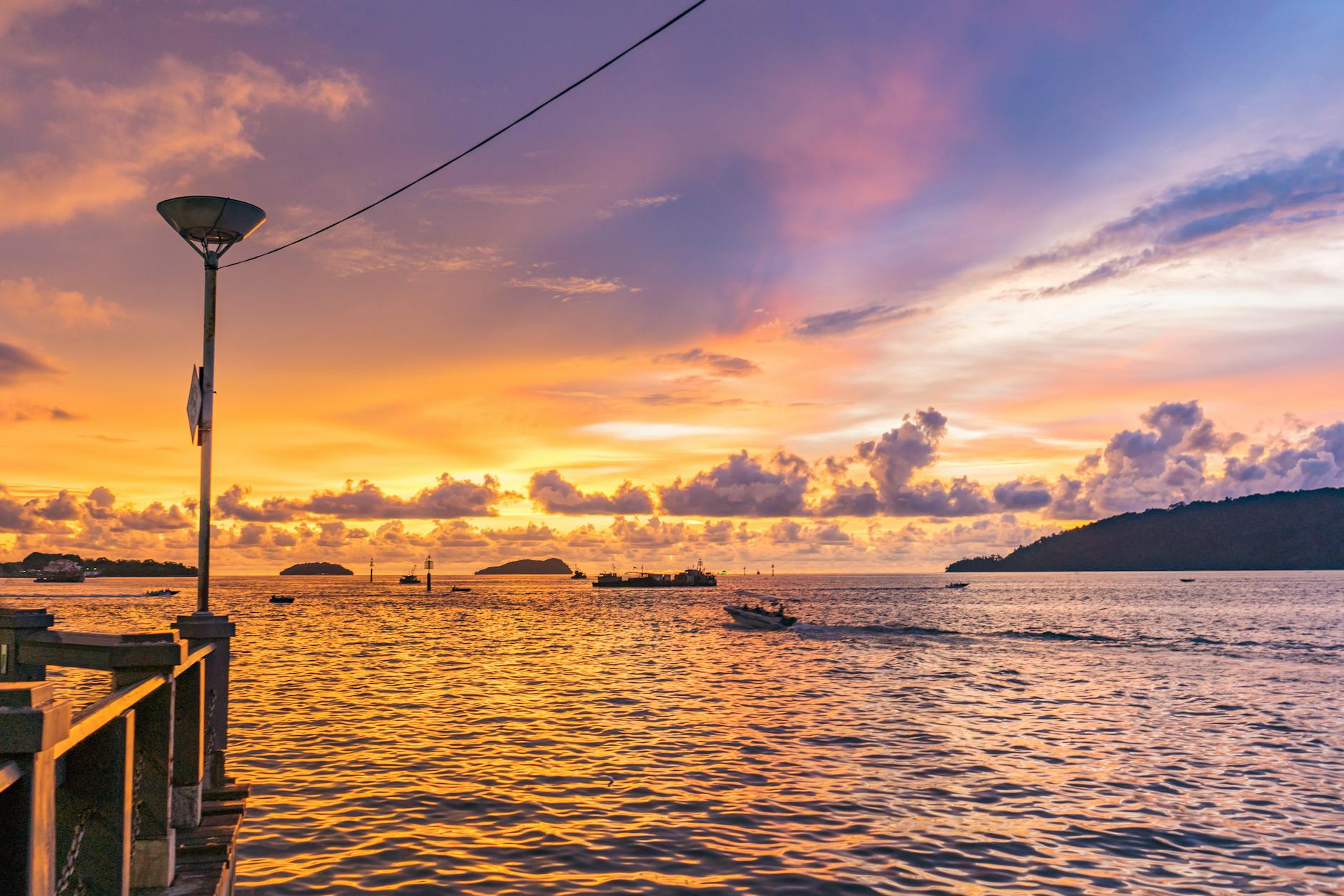
Kota Kinabalu is one of those cities that gets underestimated precisely because it is so easy to use.
Start Here
The airport is close. The seafront is obvious. Offshore islands are visible from town. The center is compact enough that most first-time visitors can orient themselves fast. Sabah itself supplies the larger myth: Mount Kinabalu, island trips, diving, jungle routes, wildlife circuits, and the sheer geographic pull of Borneo. Put those things together and many travelers reach the same lazy conclusion. KK, they assume, is just the functional container that holds the interesting parts of Sabah together.
That is the wrong reading.
Kota Kinabalu is not a grand old Asian metropolis, and it does not need to be judged like one. It is not Penang, not Singapore, not Bangkok, and not an attempt to compete with any of them. It is a harbor city with a practical center, a tropical rhythm, a strong everyday food culture, and a particular kind of urban generosity: it asks relatively little from the traveler to become legible. The more accurately you use it, the more it gives back.
Sabah Tourism Board still presents Kota Kinabalu as both the gateway to Mount Kinabalu and the gateway to the rest of Sabah, while also pointing visitors toward islands, beaches, museums, art galleries, markets, and landmarks.[2] That official framing is useful because it captures the city’s actual role. KK is a gateway, yes, but not only a gateway. It is the place where Sabah becomes manageable, where the state’s wider attractions are translated into a coherent traveler experience.
That matters because the most common mistake in KK is not choosing the wrong restaurant or skipping the wrong attraction. The biggest mistake is conceptual. People use the city as if it exists only to connect them to somewhere else. They sleep in it without really entering it. They eat in it without understanding its scale. They transfer through it without seeing that one of Sabah’s strengths is that its main city is more inhabitable than many larger capitals.
Kota Kinabalu in one sentence: it is one of Southeast Asia’s most functional and underrated harbor-city stays, provided you treat it as a city with its own logic rather than as a pleasant waiting room for better-known Sabah experiences.
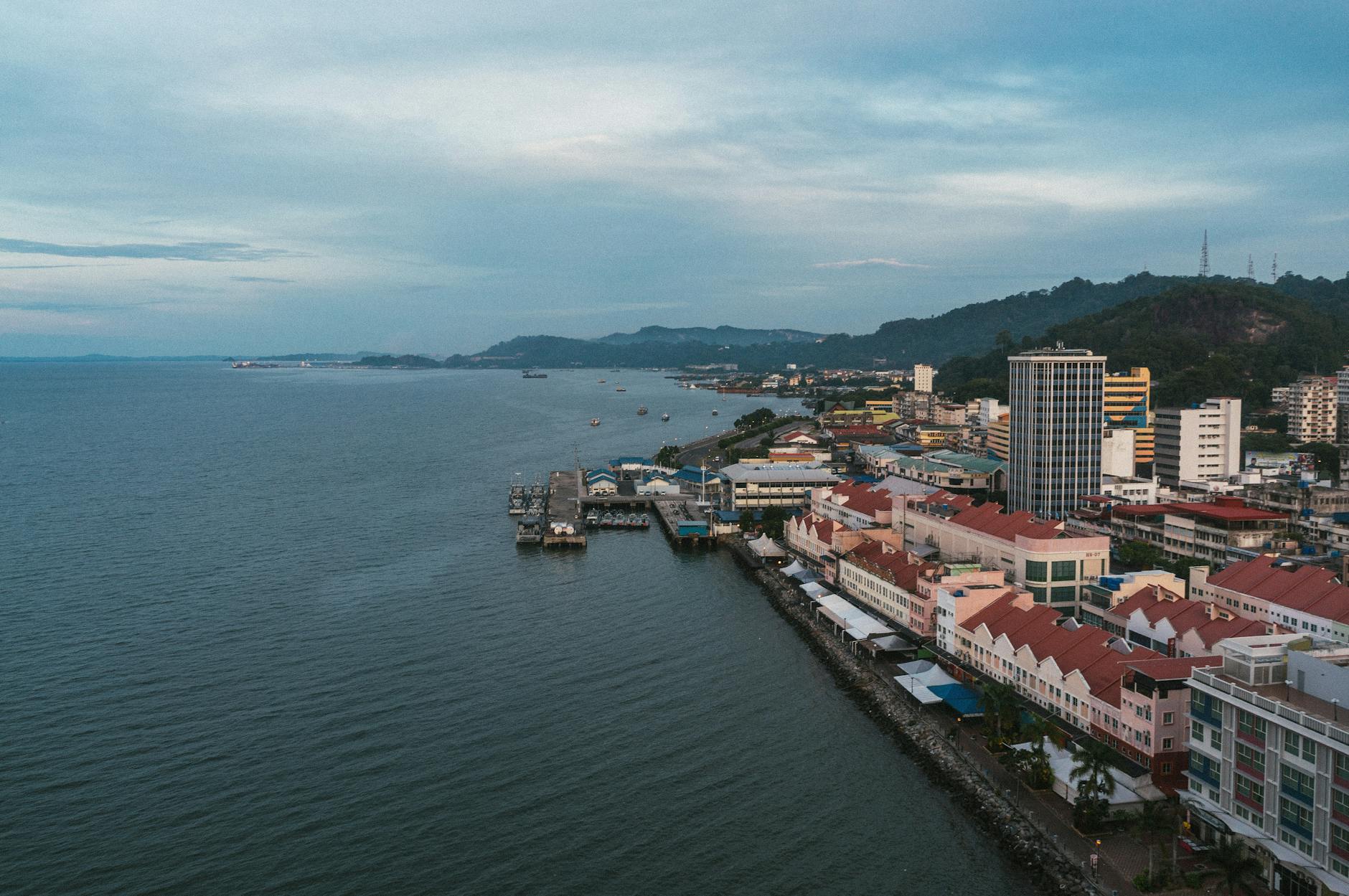
Basic data
| Population | About 500,000 in the wider urban area |
|---|---|
| Area | Urban waterfront city in Sabah |
| Major religions | Islam, Christianity, Buddhism, Hinduism, and Chinese folk traditions |
| Political system | State capital city inside a federal constitutional monarchy |
| Economic system | Upper-middle-income mixed economy led by tourism, services, trade, government, and logistics |
Quick Verdict
Best for: first-time Sabah visitors, easy-city travelers, food-and-waterfront walkers, mixed-energy trips, and anyone who wants a tropical urban base without major friction.
Less ideal for: travelers seeking deep prewar urban texture, giant-city museum density, or a nightlife scene that goes far beyond the seafront-and-late-dinner model.
Ideal first stay: 2 nights.
Still worthwhile: with 1 night, if you stay centrally and keep the plan disciplined.
Can justify longer: yes, especially if KK is serving as the city base inside a broader Sabah trip.
Main planning error: using the city only as an arrival-and-departure mechanism.
Main strength: proportion. KK is close to the airport, close to the sea, close to food, and legible at first contact.
One thing to prioritize: the harborfront core as a city, not just as a sunset strip.
One thing to keep under control: the urge to outsource every meaningful hour to islands or day trips.
The blunt version: Kota Kinabalu works best when you let it be a real stay, not a transfer.
Who Will Love Kota Kinabalu?
KK works for travelers who appreciate places that settle quickly around them. If you like destinations where the first hour does not feel like a logistical battle, Kota Kinabalu is good. If you enjoy harbor walks, easy dinner decisions, morning coffee with weather and water nearby, and enough city structure to prevent a trip from becoming shapeless, KK is good. If you are trying to balance a more ambitious Sabah itinerary with one base that feels forgiving rather than demanding, KK is very good.
It is also especially useful for mixed groups. Some people want markets and museums. Some want islands. Some want a waterfront dinner and a calm hotel return. Some want to do almost nothing for half a day without feeling that the trip is being wasted. KK accommodates that mix better than many destinations of similar size.
It is less compelling for travelers who need every city to prove itself through architectural drama or relentless density. KK is not a place of constant urban spectacle. It is a place of intelligent use.
Kota Kinabalu at a Glance
| Question | Practical Answer |
|---|---|
| Best first stay length | 2 nights |
| Main arrival airport | Kota Kinabalu International Airport |
| Official airport distance | 8 km from the city[1] |
| Core city logic | harborfront center plus market-and-street downtown |
| Main urban anchors | waterfront, Gaya Street, Jesselton Point, museum complex |
| Main structural strength | ease of movement and low-friction arrival |
| Main risk | spending all your energy on departures to somewhere else |
| Best use | a compact Sabah harbor base with real city value |
2026 Visitor Notes
The Airport Still Makes KK Exceptionally Easy to Use
Malaysia’s Ministry of Transport continues to describe Kota Kinabalu International Airport as located 8 km from the city and as the main gateway into Sabah and into Borneo.[1] That remains one of the city’s biggest structural advantages. It changes the first day, the last day, and the amount of real city time that can be recovered from what would otherwise be dead transfer windows.
Gaya Street Still Matters as a Marker of the City’s Everyday Identity
Sabah Tourism Board still describes the Gaya Street Sunday Market as a full-street local fair, with the road closed to traffic and the market running from 6.00am to 1.00pm.[4] That is more than a tourist event listing. It is one of the clearest official signals that KK’s center is not just a row of hotels facing sunset.
Jesselton Point Still Clarifies the Harbor Logic
Sabah Tourism continues to frame Jesselton Point Waterfront as the main boat terminal for Tunku Abdul Rahman Park and the resorts at Gaya Island, while also describing it as a place of leisure, dining, and sunset views.[5] That combination is central to understanding the city: marine infrastructure and urban leisure are intertwined.
The Museum Layer Still Makes the City More Complete
Sabah Museum continues to publish current official opening hours, admission details, and location information for its Kota Kinabalu complex.[6] That matters because KK becomes far better once the trip is not only about seafront dining and onward movement.
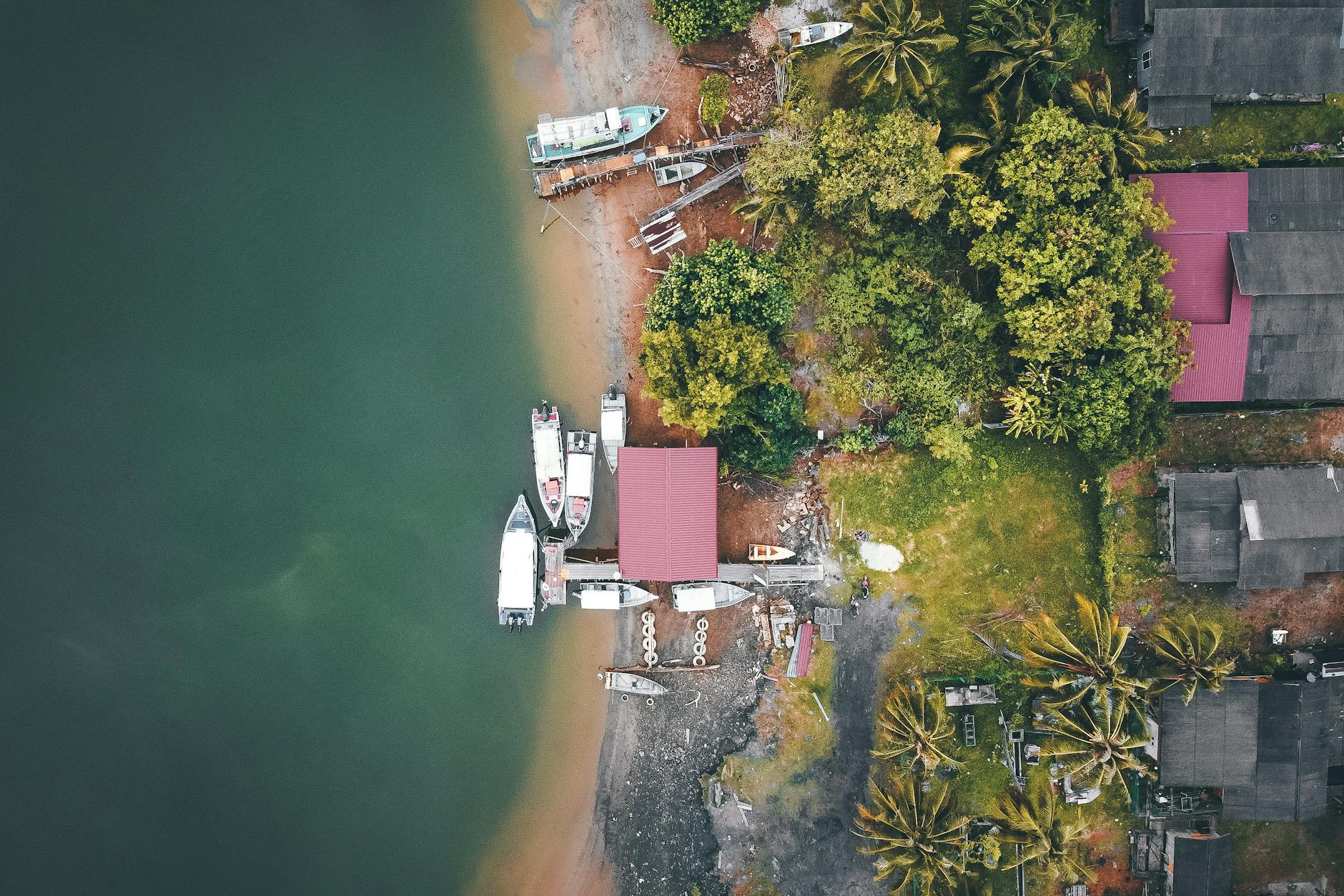
How to Understand Kota Kinabalu
Kota Kinabalu works through four forces.
The first is harbor-city structure. The sea is not ornamental here. It shapes movement, mood, skyline openness, and the city’s sense of outward orientation.
The second is gateway practicality. Flights, ferries, roads, and onward movement all matter. Sabah is bigger than the city, and KK’s role inside that larger geography is one of its strongest features.
The third is compact urban convenience. You can do meaningful things in KK without heroic planning. That makes the city especially good for first-timers and for the fatigued middle of a longer trip.
The fourth is regional context. KK is the capital of somewhere large, varied, and geographically serious. Even when the city feels relaxed, it is not trivial. It sits at the administrative and emotional threshold of a bigger landscape.
The Main Mental Shift
Do not ask, “What can Kota Kinabalu get me to?” Ask, “How does this city actually work as a stay?” That is the question that turns the city from an efficient transfer machine into a good destination.
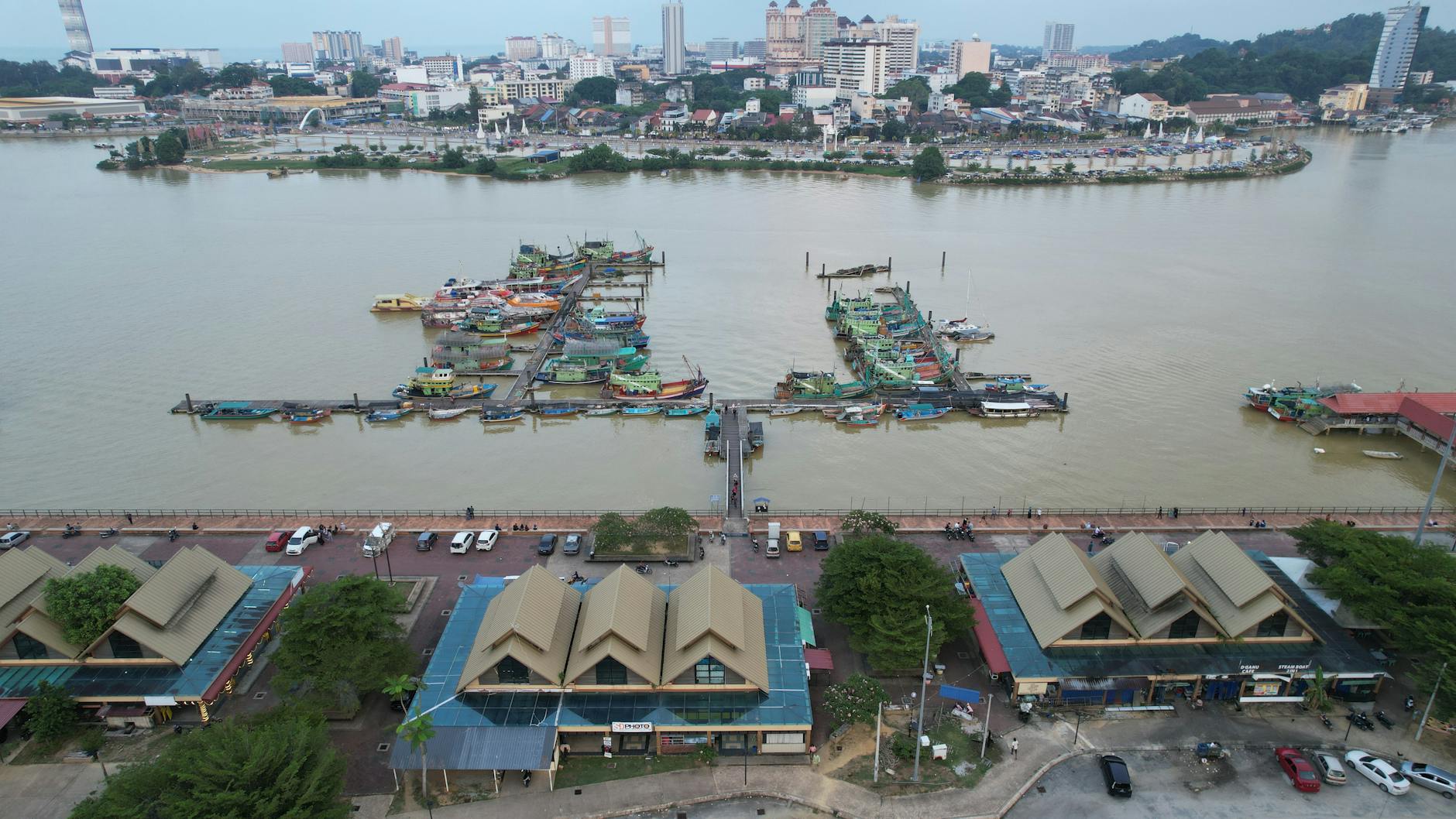
What Makes Kota Kinabalu Distinct
KK’s distinction is not that it is the most beautiful city in the region, the most historically layered city in the region, or the most intense city in the region.
Its distinction is proportion.
The airport is close. The center is understandable. The seafront is part of daily life. The harbor is useful. Food is abundant without needing to be ritualized into an obsession. Offshore temptation exists, but it is close enough that it can be used selectively. The climate is tropical, but the city still functions as a city when weather shifts. There is enough capital-city seriousness to keep the destination from feeling shallow, and enough ease to keep it from becoming exhausting.
That combination is rare. Many tropical coastal cities either become pure beach staging grounds or traffic-heavy urban compromises. Kota Kinabalu manages to remain practical, pleasant, and regionally meaningful at the same time.
Where Kota Kinabalu Fits in a Sabah Trip
A lot of bad planning around KK comes from slotting it into the wrong role.
If your trip is really about diving, islands, or marine time elsewhere in Sabah, KK should be treated as a stabilizing bookend, not as a rival to those experiences. If your trip is mountain-oriented, especially toward Ranau or Mount Kinabalu, KK is the useful urban buffer before or after that harder landscape. If your trip is broad and mixed, KK is often the best place to gather yourself, do laundry, eat properly, reset sleep, and remember that a successful trip needs one city that works in practical terms.
It is less helpful to ask whether Kota Kinabalu is “enough” by itself than to ask what role you need it to play.
As a full standalone city break, it can work, especially for travelers who value climate, water, and low-friction urban days. As a two-night anchor inside a wider Sabah route, it works extremely well. As a one-night technical stop, it still works better than most cities would, but you are underusing it.
First-Time Visitors Versus Repeat Visitors
First-time visitors tend to divide KK into three easy parts: airport, waterfront, islands. That is understandable, but it is too narrow.
A first visit should still include the obvious things. You should understand the harborfront. You should see Gaya Street. You should at least think about Jesselton Point whether you board a boat or not. You should have one serious cultural stop if time permits. But what matters on a first visit is not quantity. It is learning the city’s rhythm.
Repeat visitors often enjoy Kota Kinabalu more because they stop asking it to explain Sabah in one compressed burst. They already know where the sea sits, where food is easy, where the tourist strip ends, and what kind of day the city can and cannot support. They become calmer in it. They walk it better. They use the city instead of interrogating it.
That is a good sign. Some places peak on first contact. KK usually improves once the pressure to “cover” it disappears.
Best Time to Visit
Kota Kinabalu is warm, humid, and coastal enough that the day should be planned around comfort rather than around abstract productivity.
That does not make the city difficult. It makes it rhythmic. Good KK days often start earlier, ease off in the hottest or wettest part of the day, and return to the harbor or the food zones in the evening. Bad KK days are the result of trying to impose a dry-climate, all-day walking fantasy on a tropical harbor city.
Rain does not ruin KK nearly as badly as it ruins pure beach destinations. That is one of the city’s advantages. If the weather turns, you still have indoor food, city hotels, museum options, malls if needed, and enough urban structure that the day can be salvaged.
Heat matters more than many people admit. The city is manageable, but it is not a place to prove your toughness. Use shade, breaks, and hotel proximity intelligently.
How Many Days You Need
One Night
Enough for a first impression, especially if you stay in or near the seafront core. With one night, KK can still deliver a good arrival, a harbor walk, one dinner, and a short morning or afternoon slot that feels real rather than token.
Two Nights
The best first answer. Two nights gives the city enough breathing room to move beyond logistics. You can walk the harborfront, understand Gaya Street, see the museum layer or another civic stop, and still leave space for an island idea or a more relaxed evening.
Three Nights or More
Reasonable if the city is functioning as your Sabah base or if you are intentionally balancing urban time with offshore or regional add-ons. Longer stays also work for travelers who like moderate daily ambition rather than intense “must see everything” planning.
The Right Question
Do not ask how many attractions KK contains. Ask how many nights allow it to feel like a city instead of a mechanism. For most people, that answer is two.
Arrival Strategy
Arrival in KK should be used, not merely survived.
The Ministry of Transport still states the airport is 8 km from the city.[1] That should affect how you build the trip. Many cities waste the first day by default. KK does not need to. If your flight is reasonable and your hotel is central, the first day can still hold a real urban experience: a walk, a proper meal, harbor orientation, a market street, or even just the deep relief of being somewhere that is not yet asking too much from you.
This also makes KK a forgiving exit city. If you are ending a Sabah trip here, the final day can remain usable until surprisingly late. That is a luxury. Use it.
The best arrival strategy is modest confidence. Do not try to solve the whole city on the first afternoon. Just connect airport, hotel, waterfront, and one meal. Kota Kinabalu rewards a beginning that is calm rather than ambitious.
Where to Stay
Base choice determines whether Kota Kinabalu feels coherent or merely convenient.
Waterfront / Downtown Core
Best for: first-time visitors, short stays, evening walkers, and travelers who want harbor views, restaurants, and easy orientation. Tradeoff: more traffic, more nightlife spillover, and a somewhat more commercial surface.
This is still the safest first answer. It keeps the city legible. If you are only in KK briefly, proximity matters more than theoretical charm.
Gaya Street / Older Center Edge
Best for: travelers who want more street texture, easier access to the older downtown feel, and a clearer sense of KK’s everyday core. Tradeoff: slightly less polished seafront atmosphere straight outside the door.
This area often suits people who want a more grounded stay and are happy to trade a little gloss for better urban texture.
Out-of-Core or Resort-Style Hotels
Best for: travelers whose priority is the property itself, not the city. Tradeoff: weaker contact with Kota Kinabalu as a place.
These stays can work, but on a first trip they often make KK feel thinner than it is. If you are choosing distance, do it knowingly.
The Main Rule
On a first trip, stay where walking between the waterfront, Gaya Street, and the central area feels easy. KK becomes much better when the city does not require a transport decision every time you want to do something simple.
The Kota Kinabalu That Matters Most
Waterfront KK: sunset-facing, outward-looking, and publicly visible. This is the city’s most obvious face and often its first emotional impression.[3]
Gaya Street KK: local rhythm, Sunday-market identity, and the clearest street-level correction to the idea that KK is only a harbor strip.[4]
Jesselton Point KK: the ferry-and-marine edge, where the city’s practical relationship to islands and regional movement becomes most legible.[5]
Museum KK: the cultural counterweight that keeps the city from flattening into sea views, shopping, and transfers.[6]
Hotel-and-recovery KK: the side of the city that matters more than people admit. KK is excellent at helping a bigger trip hold its shape because it is easy to rest in without feeling that you have stopped traveling.
The Waterfront, Properly Used
The Waterfront matters, but it should not become the entire city in your mind.
Sabah Tourism continues to describe it through exactly the qualities most people notice first: sunset, food, nightlife, and seafront energy.[3] That description is fair. The problem comes when travelers mistake a correct description for a complete one.
The best use of the Waterfront is as orientation. Walk it early enough to notice how the city opens to water. Walk it again near evening to understand how public life shifts there. Use it to read the harbor, not just to photograph it. If you only see the seafront at dinner time, you will mistake KK for a strip of restaurants. If you see it as the outer edge of a working capital, the whole city becomes easier to understand.
The Waterfront is also useful because it shows KK’s mood. This is not a city trying to intimidate you. It is a city trying to be used.
Gaya Street and the City’s Actual Rhythm
Gaya Street is one of the strongest correctives to a shallow first reading of KK.
Sabah Tourism’s current market page still describes the Sunday closure, the range of goods sold, and the experience of local culture and lifestyle, with the market starting as early as 6.00am and ending at 1.00pm.[4] That official description gets close to the real point. The market is not important because it is exotic. It is important because it makes visible the ordinary life that a waterfront-only trip can miss.
Even outside Sunday, the Gaya Street area helps you understand what kind of city KK is. It is smaller in scale than many first-time visitors expect, but it is not thin. It has a capital’s compactness rather than a small town’s emptiness. You can sense administration, trade, routine, and habit here.
This is also a good zone for noticing whether your KK plan has become too glossy. If your whole city experience consists of hotel interiors, sunset seating, and booking onward transport, Gaya Street reminds you that a working urban center exists just a little inland.
Jesselton Point and the Harbor Logic
Jesselton Point matters because it expresses the city’s outward identity more honestly than almost anywhere else.
Sabah Tourism still describes it as the main boat terminal for Tunku Abdul Rahman Park and the resorts at Gaya Island, and as a leisure and dining zone with sunset appeal.[5] That double role is exactly why the area matters. It is not simply a departure pier, and it is not simply a scenic promenade. It is the point where Kota Kinabalu’s marine practicality and its urban lifestyle meet.
You do not need to take a boat from here for the place to matter. In fact, even people who skip the islands entirely should walk the area. It clarifies the scale of offshore temptation and the city’s relationship to it. You see immediately that KK is not cut off from the sea, nor swallowed by it. It lives with it.
If you are taking an island or marine-park trip, Jesselton also helps you remember that the islands are an extension of the city experience, not a repudiation of it.
The Museum Layer
KK improves when it contains at least one serious non-harbor idea.
Sabah Museum remains one of the best answers. The museum’s official site still lists the complex as open daily from 9.00am to 5.00pm, with current admission information and its Jalan Muzium location in Kota Kinabalu.[6] Those details are enough to make it a practical anchor inside a first or second day.
Why does this matter so much? Because without one cultural stop, many visitors reduce the city to climate, water, seafood, and logistics. That is not false, but it is incomplete. Sabah is a state with indigenous histories, colonial layers, ecological seriousness, and a larger identity than the shoreline alone can explain. The museum layer reconnects the city to that wider context.
It also improves the shape of a day. Not every urban hour in a tropical harbor city should happen outdoors. A museum visit adds relief, focus, and proportion.
Food, Evenings, and Restraint
Kota Kinabalu is easy to eat in and easy to over-romanticize.
The city does not demand a high-performance food quest. It rewards appetite, flexibility, and a willingness to let meals fit into the broader structure of the day. A harbor walk followed by dinner works. A market-oriented morning followed by a slower lunch works. A recovery day with one good evening meal works. What does not work is turning every meal into a hunt so complicated that you stop seeing the city.
KK is especially good in the evening because the city relaxes without collapsing. You can feel both the marine edge and the downtown life. This matters. Some tropical destinations become inert at night unless you are in a resort bubble. Kota Kinabalu stays useful.
The right attitude to food here is not conquest. It is recurrence. A good breakfast area, a reliable lunch zone, a seafront dinner, and perhaps a market or local-snack layer are enough to make the city feel lived in.
Daytime KK Versus Evening KK
The city changes visibly over the course of a day.
Morning KK is clearer, calmer, more practical. It is the right time for movement, orientation, coffee, museum use, and slow understanding. The harbor feels spacious. The heat is still manageable. Market streets make sense.
Afternoon KK is usually the weakest part of the day if you insist on outdoor productivity. This is the time when people start wondering whether the city is too simple. Often the problem is not the city. It is the timing. KK is not meant to be attacked continuously through the middle of the day.
Evening KK is one of the destination’s real strengths. The seafront wakes up, the city becomes more forgiving, dinners stretch, and the harbor identity returns. If you only see KK in the afternoon, you may misjudge it badly. If you give it mornings and evenings, it becomes much easier to like.
KK as a Base City, Not Just a Transfer City
Sabah Tourism explicitly describes Kota Kinabalu as the gateway to Mount Kinabalu and the rest of Sabah, and notes that taxis, buses, trains, and e-hailing are available to move around and out of the city.[2] All of that is accurate.
But a gateway is still a place.
That is the point many people miss. A good base city does not merely process travelers. It recovers them. It gives them one stable address, one understandable center, one set of meals that do not need to be optimized, and one urban identity that helps the rest of the trip feel anchored. KK is extremely good at this.
In practical terms, that means Kota Kinabalu is not competing with every island, mountain, or national park around it. It is supporting them. Once you understand that role, it becomes much easier to value the city properly.
Offshore Temptation and Why Discipline Matters
The sea sitting so visibly near town creates a predictable planning problem: people assume every good day in KK should involve a boat.
Sometimes that is true. Sometimes it is not.
The problem with automatic offshore planning is not that the islands are overrated. It is that islands and city days use different kinds of energy. A marine day tends to dominate the schedule. It changes what morning means, what lunch becomes, what recovery feels like, and how much the evening can absorb. If you only have a short stay, giving too much of it away offshore can make the city itself disappear.
Use the harbor and Jesselton Point to understand your options. Then choose selectively. A city stay with one deliberate marine outing is often excellent. A city stay where every day is organized around not being in the city usually produces a weak memory of both the city and the outing.
Family, Low-Energy, and Mixed-Energy Travel
KK is stronger than many destinations for mixed-energy travel.
Families often need a city where not every hour has to be justified through a formal attraction. KK works for that. You can do breakfast, harbor air, one modest objective, rest, and an evening meal without feeling that the day failed.
Low-energy travelers also do well here. The city does not require heroic walking distances to remain meaningful, especially if the hotel base is sensible. A lighter day can still contain enough structure to feel satisfying.
Mixed-energy groups benefit most of all. One person can care about markets, another about views, another about ferries, another about museums, and another about dinner and an early night. KK can absorb that without everyone drifting into separate worlds.
That flexibility is a strength, not a lack of ambition.
Rain, Heat, and Bad-Weather Use
One of the reasons Kota Kinabalu is underrated is that it functions well under imperfect conditions.
Heat, for example, does not destroy the trip if you accept that the city should be used in pulses. Rain also does less damage than people fear, because the city is not relying on a single all-outdoor experience model. You still have food zones, sheltered movement, the museum layer, hotels worth returning to, and a center that remains usable.
That makes KK a safer planning choice than destinations where weather instantly strips away the point of being there.
Bad-weather travel in Kota Kinabalu is mostly about humility. You adjust the day. You do not punish the city for being tropical.
A Good Kota Kinabalu Day Versus a Bad One
A Good Day
You start without hurry. You use the morning while the city is still open and legible. You connect one core district to one clear objective. You stop before heat or fatigue turns movement into friction. You allow lunch or hotel time to reset the body. You return in the evening for the harbor, a meal, or a second walk. You leave space for the city to feel normal.
A Bad Day
You sleep too far from the center, add an island outing by reflex, stack too many transfers into the afternoon, improvise all meals while already tired, and discover that the only version of KK you have actually experienced is traffic, booking logistics, and a rushed sunset photo.
The city is rarely the problem. Misused structure is.
Common Mistakes
Treating KK as Only an Airport and a Jetty
This is the most common planning failure. It makes the city feel thinner than it is.
Outsourcing Every Good Hour Offshore
The islands matter, but a city stay still needs city time.
Overinvesting in the Waterfront Alone
The seafront is important, but Gaya Street and the museum layer provide balance.
Staying Too Far from the Core on a Short Visit
First trips improve when basic movement is easy.
Demanding “Big-City Depth” on the Wrong Terms
KK’s strength is usability, climate rhythm, and harbor-city logic, not endless metropolitan intensity.
Ignoring the Middle of the Day
If you refuse breaks in KK, you will blame the city for your own pacing error.
Why Kota Kinabalu Improves on a Return Visit
Some destinations are most effective on first impression. Kota Kinabalu usually gets better on the second or third contact.
Why? Because the first visit often carries the burden of orientation. You are still figuring out Sabah, still deciding whether the city is enough, still comparing it to places it was never trying to resemble. By the second visit, those questions relax. The city becomes easier to inhabit.
You know that not every good hour needs a grand attraction. You know where the sea fits. You understand that the point is not to force KK into false intensity. That is when the city’s real virtues show themselves: manageability, atmosphere, good use of time, and the emotional usefulness of a harbor city that remains calm.
Repeat visitors also tend to notice that KK supports trip recovery unusually well. This is not glamorous, but it matters. A city that helps you feel repaired is more valuable than a city that merely produces more tasks.
How the City Changes Over the Course of a Stay
On the first half-day, Kota Kinabalu can seem almost too easy. Some travelers mistake this for slightness.
By the second day, the ease begins to feel like design rather than emptiness. You understand how the harbor, market street, ferry point, and hotel core relate. Meals come easier. Movement takes less effort. The city begins to feel trustworthy.
By the third day, if you stay that long, KK often reveals one of its best qualities: it is hard to feel trapped here. You can scale the day up or down. You can do very little without the destination collapsing. You can do something more ambitious and still return to a center that remains manageable.
That shift is important. It is the difference between a city that merely functions and a city that actually supports the traveler.
My Blunt Advice
Stay central. Walk the harborfront more than once, but do not let it stand in for the whole city. See Gaya Street properly. Use Jesselton Point to understand marine KK whether or not you board anything. Make room for one museum or civic counterweight. Do not give every meaningful hour away to offshore plans. Use the airport proximity to your advantage. Let at least one evening be simple.
Most importantly, stop asking Kota Kinabalu to be a larger, louder, older, or more theatrical city than it is.
The city’s value lies in its fit: between airport and hotel, between harbor and market, between city and state, between activity and recovery. That fit is what makes KK good. Once you recognize it, the city feels less like an in-between place and more like one of Sabah’s real strengths.
Kota Kinabalu does not need inflated mythology. It needs accurate use.
Source Notes
- 1. Ministry of Transport Malaysia page for Kota Kinabalu International Airport. Used for current official airport distance from the city, gateway context, and airport role in Sabah/Borneo access. https://www.mot.gov.my/en/aviation/infrastructure/list-of-airports/KKIA
- 2. Sabah Tourism Board district page for Kota Kinabalu. Used for current official framing of KK as a gateway city with access to transport, islands, beaches, museums, markets, landmarks, and food. https://sabahtourism.com/district/kota-kinabalu/
- 3. Sabah Tourism Board page for The Waterfront. Used for current official framing of the seafront as a sunset, dining, and nightlife zone in Kota Kinabalu. https://sabahtourism.com/destination/the-waterfront/
- 4. Sabah Tourism Board page for Gaya Street (Sunday Market). Used for current official details on the Sunday road closure, 6.00am to 1.00pm market timing, and its role as a place to experience local culture and lifestyle. https://sabahtourism.com/destination/gaya-street-sunday-market/
- 5. Sabah Tourism Board page for Jesselton Point Waterfront. Used for current official framing of Jesselton Point as the main boat terminal for Tunku Abdul Rahman Park and the resorts at Gaya Island, and as a waterfront leisure zone. https://sabahtourism.com/destination/jesselton-point-waterfront/
- 6. Sabah Museum official page. Used for current opening hours, admission fees, and museum-complex location in Kota Kinabalu. https://museum.sabah.gov.my/