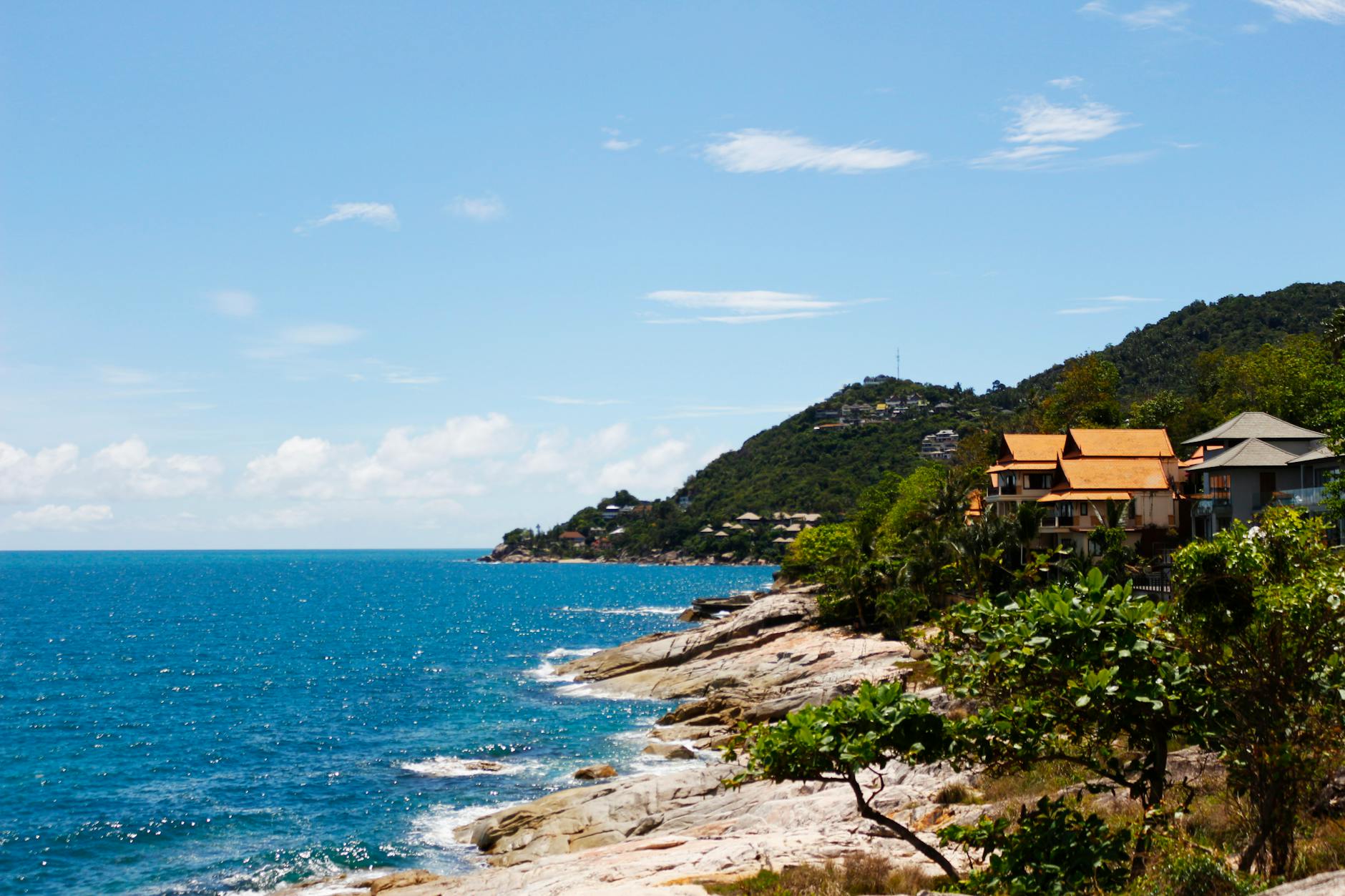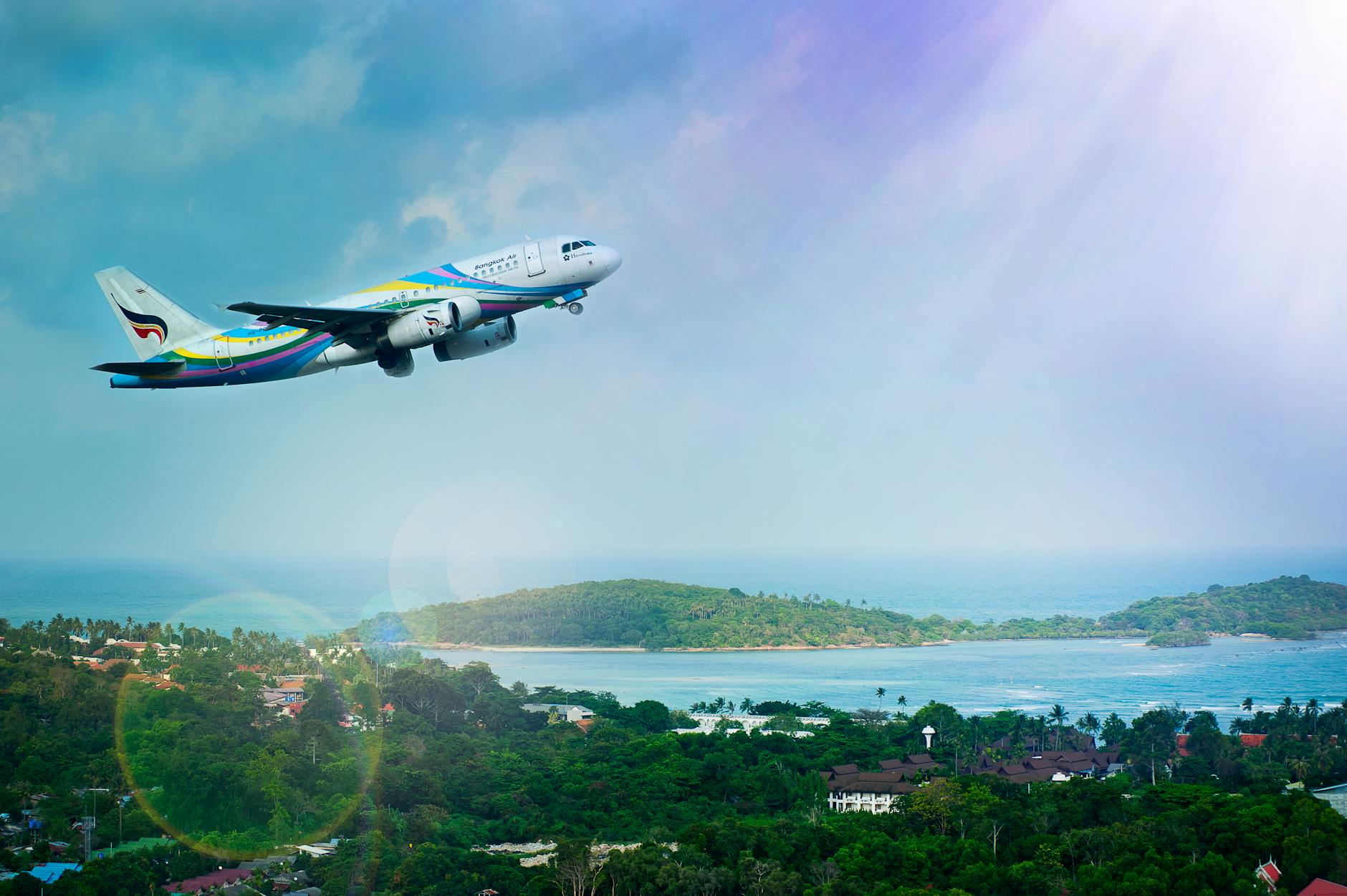
Koh Samui looks simple in the abstract: palm trees, resorts, beaches, boats, warm nights. In practice, it is one of those islands where small decisions create radically different holidays. The wrong beach can make the whole trip feel noisy, flat, or inconvenient. The wrong hotel can turn tropical ease into a logistics problem. The wrong expectation can leave a perfectly decent island feeling disappointing simply because the traveler bought the wrong version of it. Koh Samui is at its best when the island is treated as a set of deliberate choices rather than a generic paradise. A recovery-heavy luxury week, a livelier social stay, a family beach trip, and a soft-adventure island holiday can all work here, but they do not want the same coast, the same hotel, or the same radius.
How Koh Samui works
Koh Samui is an island of zones, not an island of one mood. Some coasts support polished resort time and not much else. Some are better for social movement, bars, and dinners. Some are more forgiving for families. Others suit a quieter, more private rhythm. What separates a strong Koh Samui holiday from a mediocre one is usually not the island itself but whether the traveler understood that they were effectively buying a beach-and-hotel combination rather than some neutral tropical canvas. The more honestly that choice is made, the better the island performs.
- Koh Samui succeeds through fit, not generic tropical promise.
- Different beaches create genuinely different holidays.
- Choosing the right lane early is the main strategic advantage.
Best time to visit
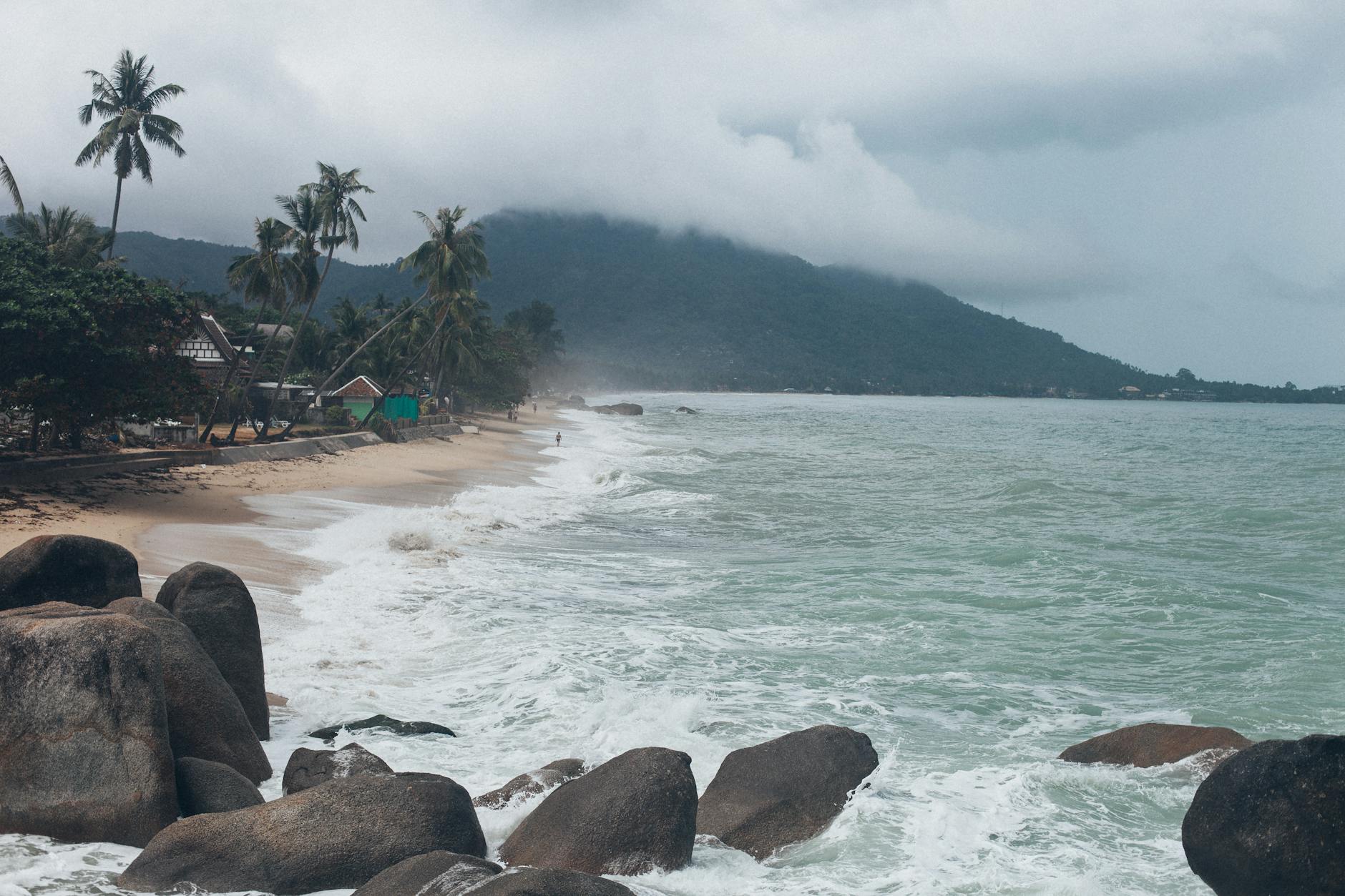
Koh Samui becomes much more generous when weather is cooperating. Better conditions improve swimming, day trips, evening movement, and even simple pleasures like breakfast outdoors or reading by the water without the whole day feeling under siege. In weaker weather windows, the island narrows toward the hotel, which is not necessarily bad if the resort is strong and expectations are modest. The mistake is pretending seasonality does not matter because the destination is tropical. On an island built around outdoors ease, weather changes nearly everything that gives the place value.
- Good weather expands the range of a Koh Samui stay considerably.
- Poorer conditions increase dependence on resort quality.
- Seasonality affects far more than just beach time.
Arriving and getting around
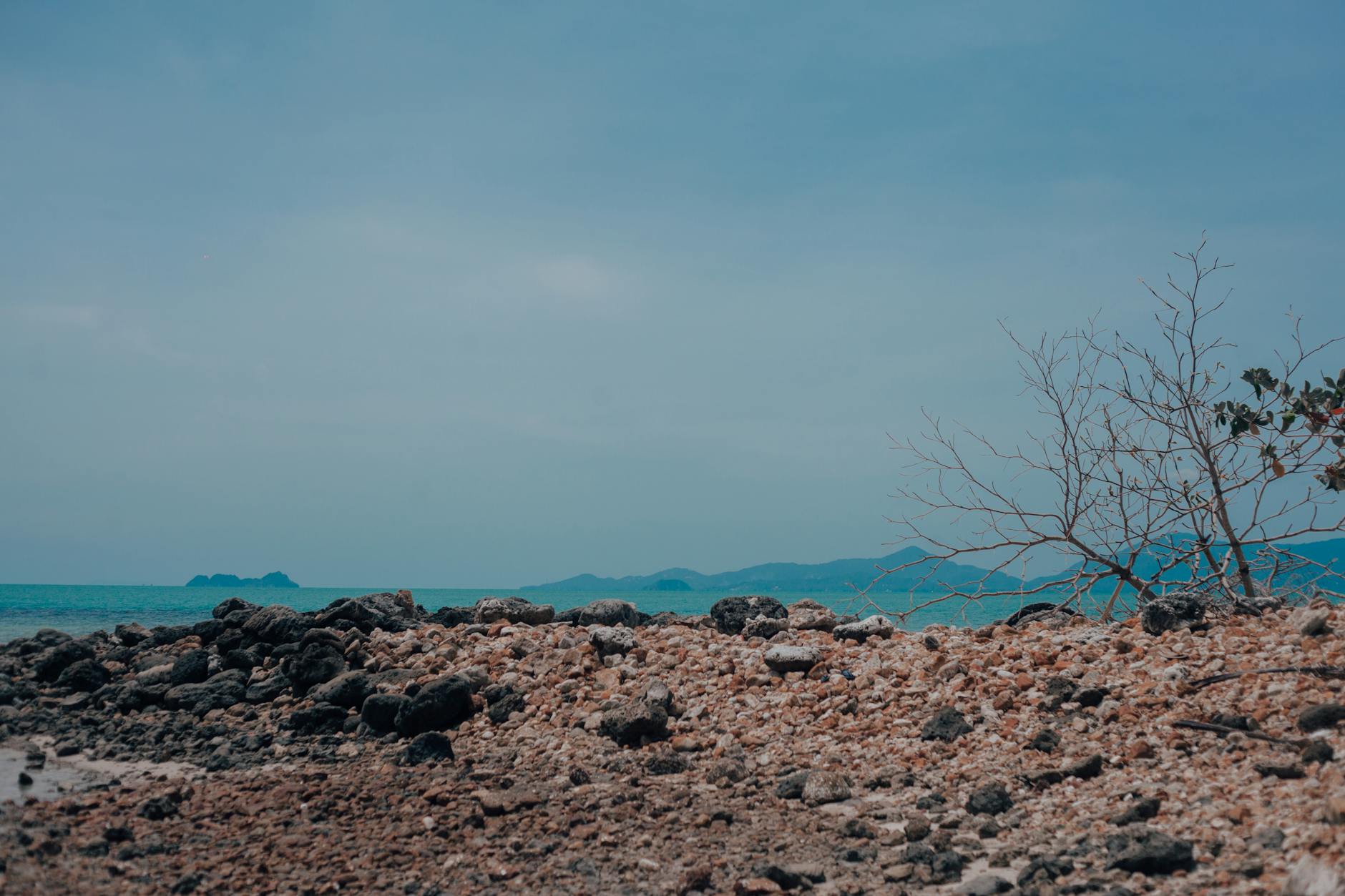
Arrival into Koh Samui is part of the holiday, not a preface to it. Transfer burden, road time, and the practical distance between your room and the places you think you may want to go all shape the emotional quality of the stay. The strongest Samui trips protect ease aggressively. One good base, one believable movement radius, and a limited number of outings will usually outperform a restless plan that keeps trying to sample the whole island. Islands often punish ambition more than cities do, and Koh Samui is no exception.
- The first leg and transfer pattern matter more than travelers expect.
- Protect ease instead of eroding it with constant movement.
- A tight radius usually creates a better island experience than broad roaming.
Where to stay
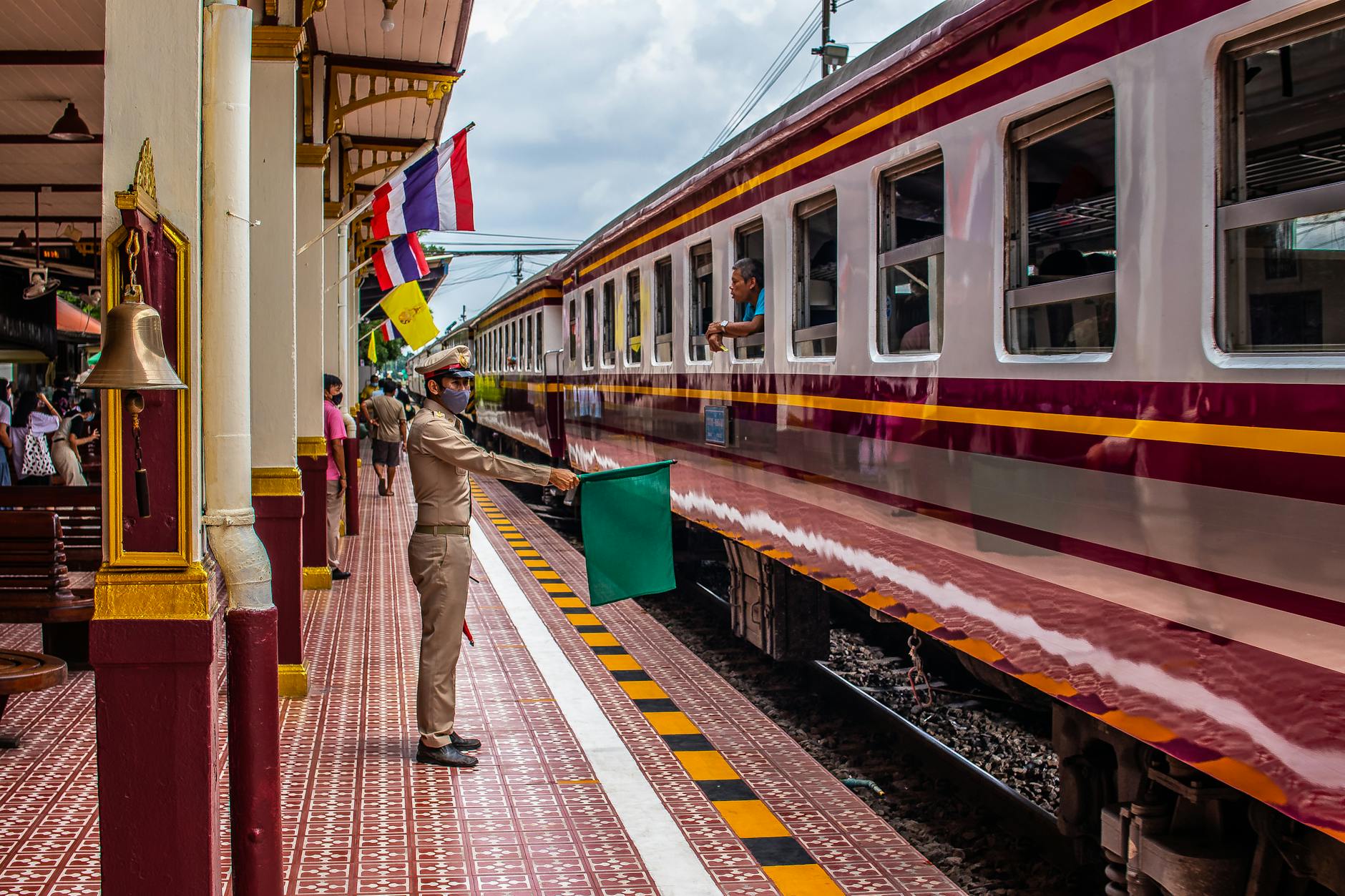
The hotel decision on Koh Samui is effectively the destination decision. Beach quality, room quality, privacy, social energy, family suitability, and how easy the island feels from morning to night all depend on that choice. A glamorous-looking room in the wrong zone can produce a weaker stay than a less photogenic resort in exactly the right place. Because so much of island life happens within or near the base, hotel fit matters more here than in most city destinations. If you choose well, the entire island seems smoother, richer, and more relaxing. If you choose badly, every day becomes an attempt to repair the mistake.
- On Koh Samui, the resort is a central part of the product.
- Beach-zone fit matters more than photogenic branding.
- The right base can solve more problems than any itinerary tweak.
The Koh Samuis that matter most
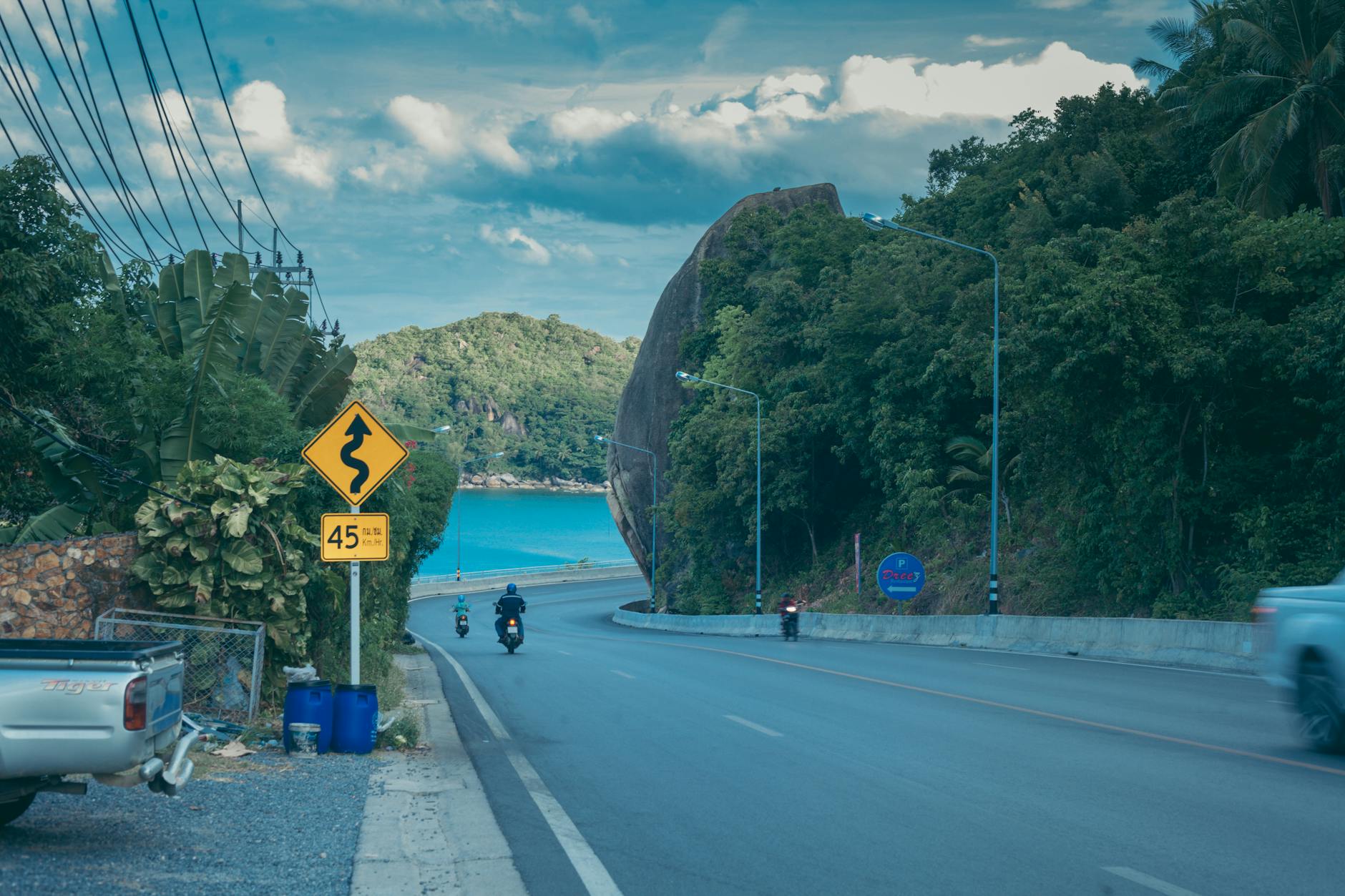
There is restorative Koh Samui, where the whole point is a beautiful room, a manageable beach, good service, and a week of lower pulse. There is social Koh Samui, where dinner movement, drinks, and a more visible scene matter more. There is family Koh Samui, where beach conditions, convenience, and low-friction days take priority. There is also overbuilt Koh Samui, where the traveler tries to combine all of these into one trip and spends too much time in vehicles. The island only becomes clear once the traveler decides what kind of holiday it is supposed to be.
- Koh Samui contains multiple valid holiday types under one name.
- The trip improves when one version of the island leads.
- Trying to buy every version at once usually weakens them all.
What Koh Samui does best
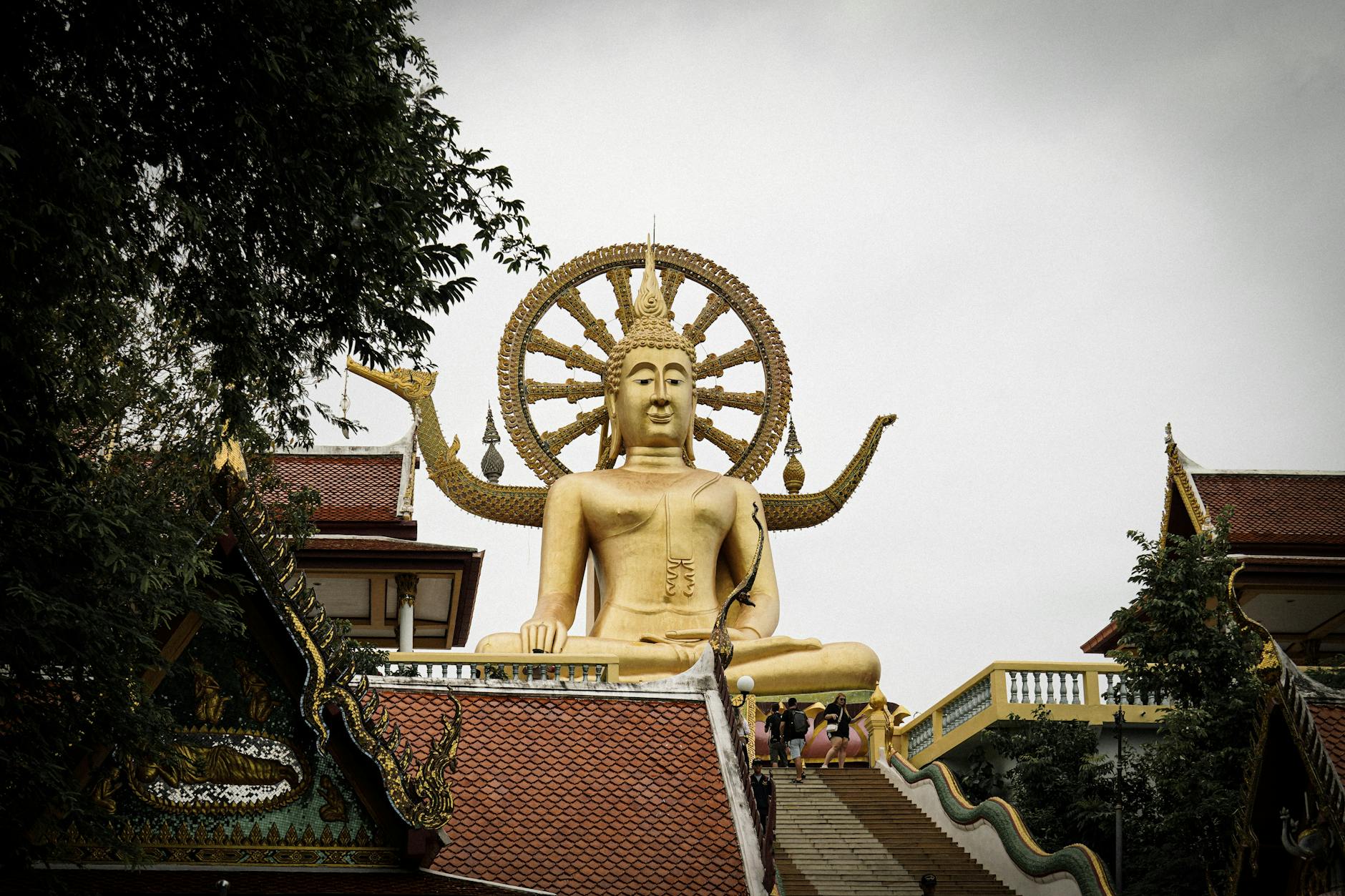
Koh Samui is strongest as a hotel-led tropical stay with enough infrastructure to keep life comfortable and enough variation to let different traveler types find their own version of ease. It is especially good for people who want warmth, beach time, and a sense of release without needing an ultra-remote island that turns every meal or transfer into an ordeal. Koh Samui’s gift is not wild remoteness. It is relatively civilized tropical pleasure, provided you shape the trip properly.
- Koh Samui is a high-return island when fit is correct.
- It offers tropical ease with useful infrastructure.
- The island is strongest when the holiday remains coherent.
Food
Food on Koh Samui should support the chosen beach and the energy level of the stay. The island rarely benefits from heroic cross-island dining missions unless the rest of the trip has been designed around them. More often, the smartest approach is to let resort dining, beach-adjacent meals, and a few carefully chosen outings create a culinary rhythm that feels easy rather than exhausting. An island holiday should not be made to feel like restaurant logistics with sand in the background.
- Dining should reinforce ease rather than create more movement.
- The best meal plan usually follows the beach zone, not a scattered list.
- A few strong choices beat constant island-crossing in search of dinner.
Nightlife
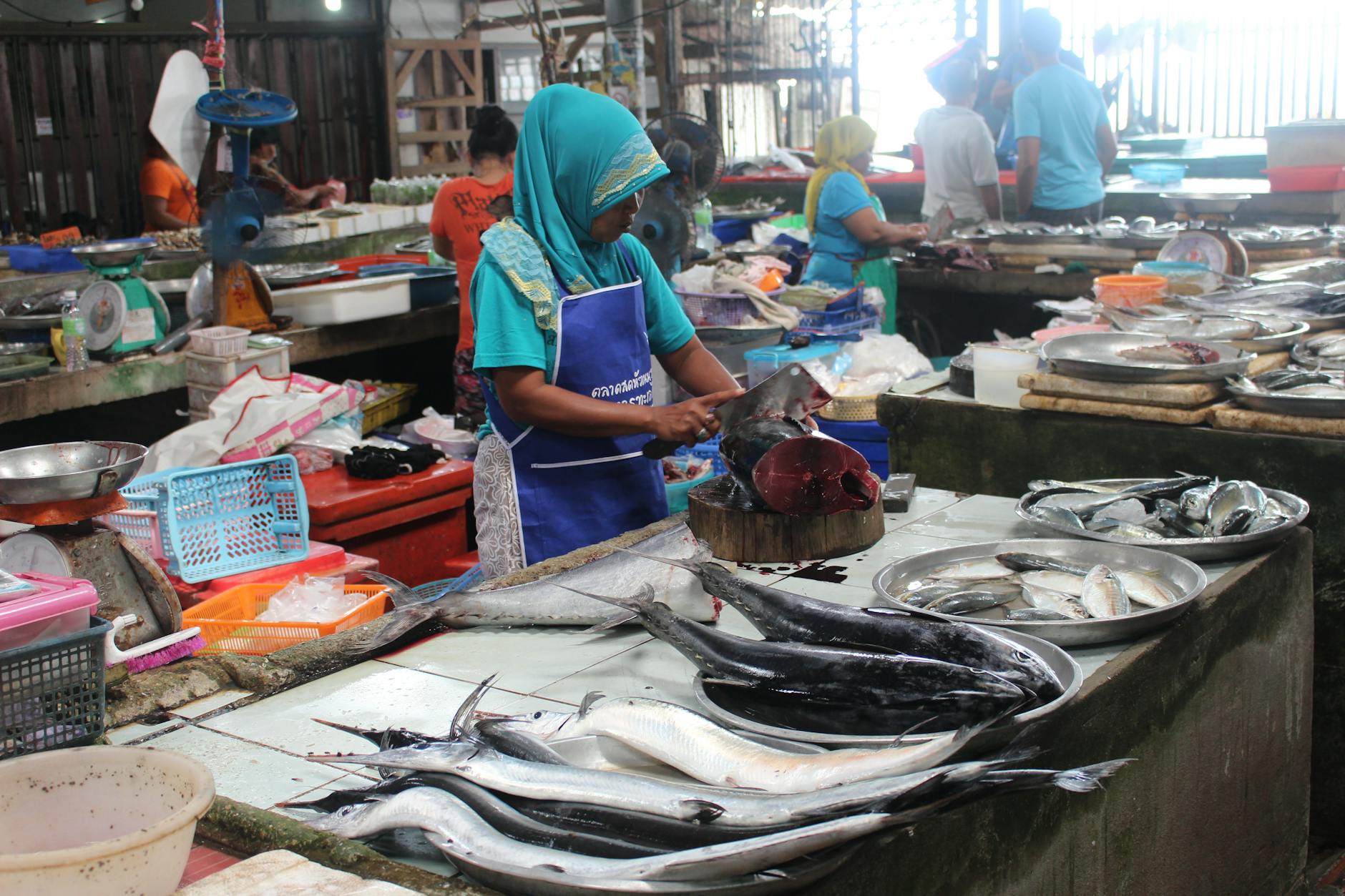
Nightlife on Koh Samui is optional, and that matters. Some travelers want it badly. Others should avoid choosing a base that assumes it. The island supports everything from quieter resort evenings to much looser beach-and-bar patterns, but the night only works when it matches the overall purpose of the trip. Koh Samui deteriorates quickly when nightlife is forced onto a stay that was really meant to be restorative, or when a nightlife-heavy traveler books too far from the action and spends the evening solving transport instead of enjoying themselves.
- Nightlife should fit the trip rather than redefine it.
- The wrong nighttime geography can ruin the island’s sense of ease.
- Koh Samui works best when evenings are aligned with the chosen beach logic.
Etiquette and local norms
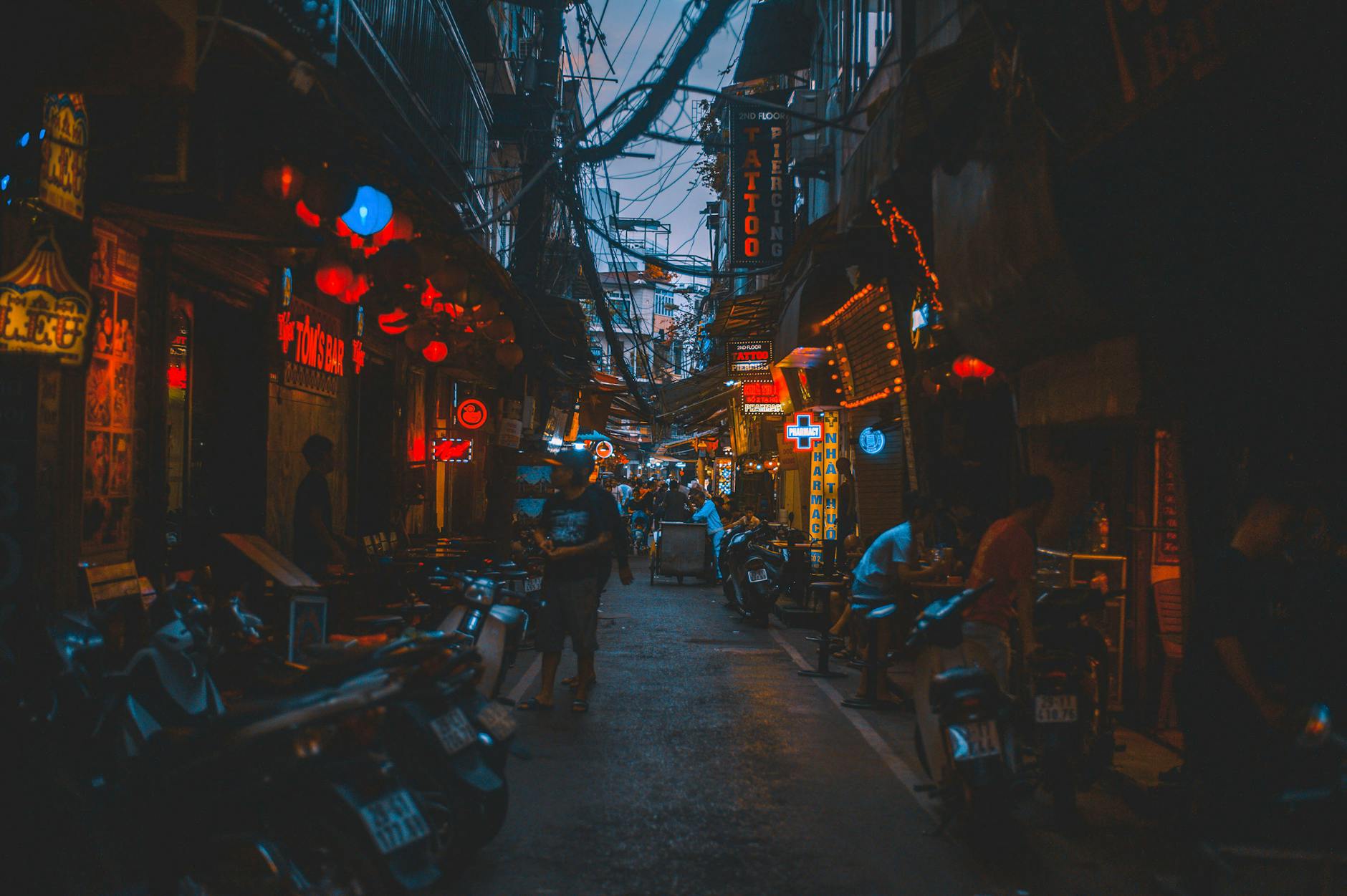
Koh Samui is relaxed, but that is not an invitation to become careless. Staff, drivers, beach communities, and shared spaces all respond better when travelers remember that hospitality is not the same thing as tolerance for bad behavior. A little patience, modesty, and situational awareness go a long way. Islands feel cleaner when visitors help keep them that way. Koh Samui is no different.
- Relaxed does not mean consequence-free.
- Respect for staff and shared spaces improves the whole stay.
- A measured attitude helps preserve the island’s appeal.
Blunt advice
The biggest Koh Samui mistake is choosing the wrong beach and then trying to repair the decision with more transport, more bookings, and more optimism. The second is pretending the whole island behaves as one interchangeable tropical strip. Koh Samui is best when the holiday is narrower, clearer, and more faithful to the actual traveler than the fantasy version looked on a map. Choose the right zone, and the island can be excellent. Choose badly, and you will spend the whole trip negotiating with your own mistake.
- The beach-zone decision is the trip-defining decision.
- Do not repair a weak base by expanding the itinerary.
- Koh Samui rewards clarity, fit, and restraint.