Kobe is one of the easiest cities in Japan to get wrong politely.
Start Here
People mean well. They say Kobe is elegant, easier than Osaka, close to Kyoto, good for food, maybe worth a night. All of that is technically true, and almost all of it is inadequate. The problem is not that Kobe gets insulted. The problem is that it gets filed away as tasteful surplus. Travelers leave Kansai itinerary space around Osaka, Kyoto, maybe Nara, and then slide Kobe into whatever is left over. That is exactly how you turn a distinctive city into a decorative one.
Kobe is not just a softer Osaka. It is not merely the place where mountains happen to meet a harbor. It is not only beef, nor only a waterfront, nor only a clean place to sleep between larger cities. It is one of Japan's most adult-feeling short urban stays: composed, internationally marked without becoming theme-park cosmopolitan, and unusually good at letting a day feel polished without feeling empty.
What makes Kobe work is shape. The city is stretched between mountain and sea, which means the visitor experiences it as bands rather than as one giant center. Shin-Kobe and Kitano feel different from Sannomiya. Sannomiya feels different from Motomachi and the old foreign-settlement grid. Meriken Park and Harborland bring in a harbor-city register that the inland Kansai capitals simply do not have. Nada and Higashinada add the sake layer. All of this sits under the larger pressure of nearby Osaka and Kyoto, which is exactly why so many travelers fail to give Kobe its own terms.
Kobe gets better when you stop asking how much of it you can “fit in” and start asking which version of the city you want to inhabit. Do you want a hotel-led, harbor-facing stay? A food-and-shopping stay around Sannomiya and Motomachi? A more scenic Shin-Kobe and Kitano stay with the ropeway in play? A calmer, slightly more local-feeling stay with sake and neighborhoods doing more of the work? These are different Kobes, and the city rewards that distinction.
The city in one sentence: Kobe is a polished harbor city where the best first trip comes from understanding the bands between mountain and sea, rather than treating it as convenient spare capacity inside a Kansai itinerary.
Quick Verdict
Best for: couples, solo travelers, repeat Japan visitors, first-time Kansai travelers who want a calmer city, food travelers, and anyone who likes a city to feel refined without becoming stiff.
Not ideal for: travelers who need giant sightseeing density, people who insist on day-tripping it from elsewhere without sleeping over, or anyone who thinks Kobe is just a beef lunch attached to a port.
Ideal first stay: 2 nights.
Better stay: 3 nights if you want time for Kobe itself plus one mountain, onsen, or broader Kansai edge.
Minimum worthwhile stay: 1 night.
Best overall months: March to May and October to November.
Biggest planning mistake: giving Kobe only the hours left over after Osaka and Kyoto are done.
One thing to prioritize: the hotel area.
One thing to keep flexible: the evening, because Kobe often wins people over at night through harbor light, bars, and slower food.
The blunt version: Kobe is for travelers who appreciate composure, but it only reveals that value if you stop using it as an afterthought.
Who Will Love Kobe?
Kobe is very good for travelers who want a Japanese city that feels settled quickly. Arrival is clean, the center is readable, and the atmosphere is less punishing than larger Kansai cities. That makes it unusually strong for people who like cities but do not need them to prove themselves at full volume.
It is also good for travelers who care about the quality of the day as much as the quantity of what gets checked off. Kobe rewards the person who likes a good hotel, a proper breakfast, a well-chosen neighborhood walk, one well-handled scenic lift or viewpoint, one excellent meal, and an evening that feels elegant rather than frantic.
Food travelers will do well here too, but only if they move past the obvious. Kobe beef is real and worth understanding, but the city’s food identity is broader: yoshoku, bread culture, Chinatown snacking, cafe life, bars, and the Nada sake belt.
The city is less ideal for travelers who want maximal monument density. Kobe is more about tone, geometry, and urban quality than about constant landmark accumulation.
Kobe at a Glance
| Question | Practical Answer |
|---|---|
| Main air gateway | Kobe Airport |
| Fastest airport-city link | Port Liner to Sannomiya |
| Main working center | Sannomiya / Motomachi |
| Main scenic urban edge | Meriken Park / Harborland |
| Main historic-international layer | Kitano and the former foreign-settlement logic |
| Main transport style | rail and walking first, loop buses second |
| Main local drink identity | Nada sake |
| Main planning danger | treating Kobe as a day-trip add-on instead of a stay |
| Car needed? | No |
| Best trip length | 2 to 3 days |
2026 Visitor Notes
Kobe Airport Is Actually Convenient
The official Kobe Airport access page says the Port Liner reaches Sannomiya in just 18 minutes.[1] That is one of Kobe’s major strengths: arrival does not feel like a negotiation.
The Loop Buses Are Useful, But Not The Whole Answer
The official Shinki Bus Kobe loop page shows that the Kobe 1-day loop ticket covers Port Loop, City Loop, and selected Shinki route buses, but not Kobe City Bus.[2] That means the loop system is useful for visitors, especially on sightseeing days, but it should not replace rail and walking logic altogether.
Kobe Port Tower Now Needs More Intention Than “Just Walk Up”
The official Kobe Port Tower site says specific date-and-time tickets are required for the observation floor and rooftop deck, while the lower floor remains free.[3] Good. That makes the tower more controlled, but it means spontaneous sunset assumptions are weaker than before.
Shin-Kobe Is More Than A Shinkansen Stop
The official VISIT KOBE listing for the Nunobiki Herb Gardens & Ropeway makes clear that a major scenic lift sits right near downtown and takes visitors up in around 10 minutes to city-and-bay views, gardens, and the mountain edge.[4] This is one of the city’s most distinctive advantages.
Nankinmachi Still Matters More Than Visitors Expect
VISIT KOBE describes Nankinmachi as one of Japan’s top three Chinatowns.[5] That matters because it keeps central Kobe from feeling too polished or too monocultural.
How to Understand Kobe
Kobe works through five forces.
The first is arrival ease. The airport and rail geometry help the city feel clean quickly.
The second is mountain-sea compression. Kobe is physically narrow but psychologically varied.
The third is international residue. Kitano, the former foreign-settlement logic, Western-influenced food, and cafe culture still shape the city’s texture.
The fourth is harbor polish. Kobe’s waterfront is not an afterthought; it is part of the city’s emotional frame.
The fifth is Kansai comparison pressure. Kobe only starts to make sense when you stop asking it to compete on Osaka’s terms.
The Main Mental Shift
Do not ask, “What’s the quickest way to see Kobe?” Ask, “Which Kobe belongs to this day?” The station-and-shopping city, the Kitano slope city, the harbor city, the sake-belt city, or the mountain-view city. Once you separate those, the trip gets stronger fast.
What Kobe Does Better Than People Think
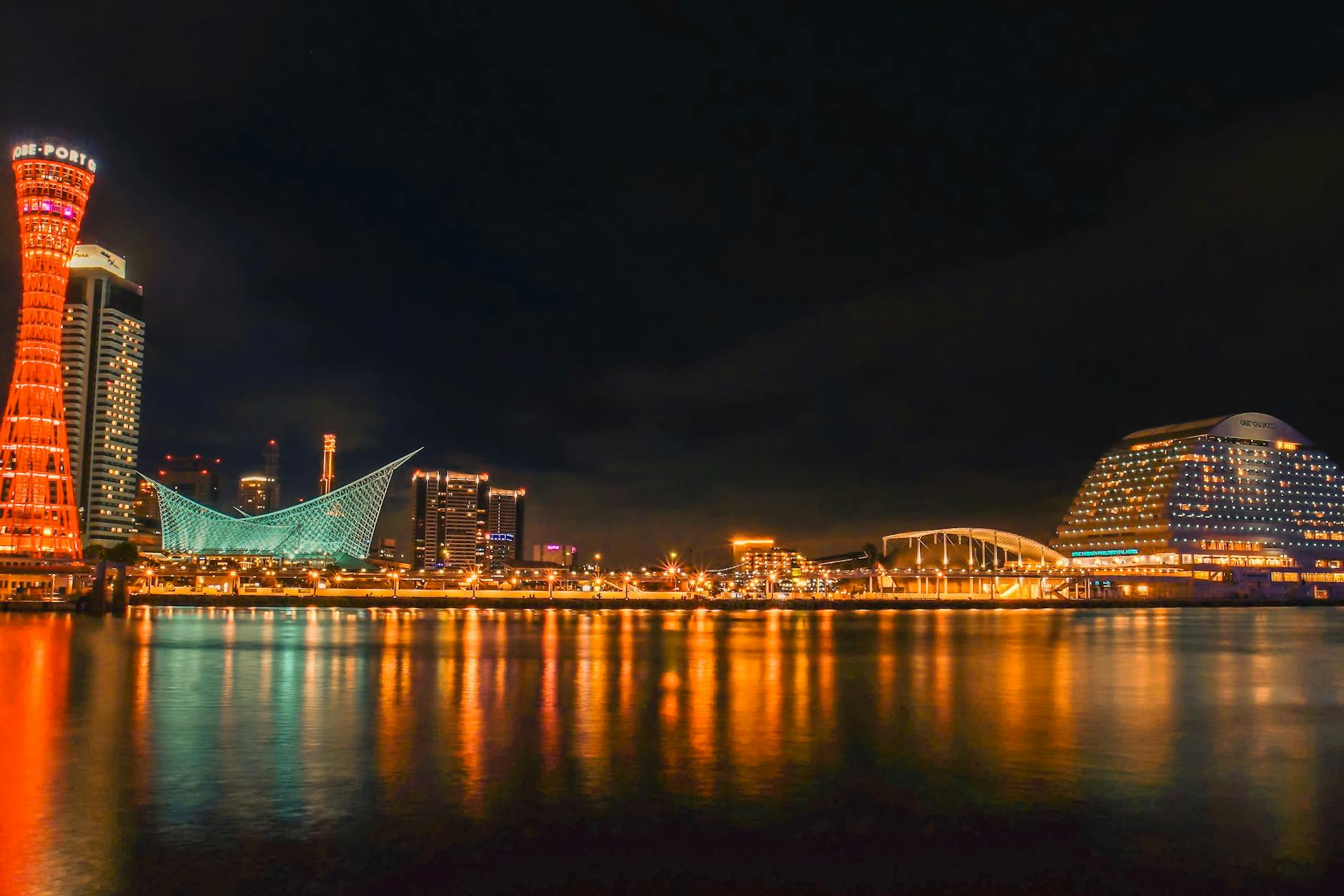
Kobe is better than many visitors expect at combining refinement with ease. It is also better than people think at nighttime atmosphere. The harbor front, the low drama of the skyline, and the way the city gathers itself after dark are all stronger than the daytime reputation suggests.
It is also better than people think at food breadth. The city’s official first-time guide explicitly points visitors not just to Kobe beef, but to yoshoku, sweets, bread culture, and Nada sake.[13] That is much closer to the truth of the city than a one-dish stereotype.
And Kobe is better than many expect at letting a short stay feel complete. You can arrive, settle, eat well, get a mountain or harbor view, walk a proper central district, and still feel rested.
Where Kobe Fits in a Japan Trip
Kobe fits a Japan trip best as the city that restores polish without pressure.
Many first-time Kansai itineraries are built around Osaka, Kyoto, and perhaps Nara or Hiroshima. Kobe then appears as a backup possibility: somewhere close, somewhere pleasant, somewhere you can slide into an empty afternoon if larger priorities happen to leave a gap. That is exactly how the city gets diminished.
Used properly, Kobe works in three especially strong ways.
The first is as a two-night or three-night urban counterweight to Osaka and Kyoto. After Osaka’s force and Kyoto’s density of historical demand, Kobe can feel unusually composed and breathable.
The second is as a food-and-hotel city stay for travelers who care as much about the quality of the day as about the quantity of sights. Kobe is very good at delivering one good walk, one good meal, one scenic lift or harbor chapter, and one strong evening without making the day feel thin.
The third is as a repeat-Japan city. Once you are no longer optimizing only for headline landmarks, Kobe becomes easier to value because so much of its attraction lies in shape, tone, and district contrast rather than monument count.
What Kobe is not is just a place to use up extra Kansai hours. If you give it leftover time, it behaves like leftover time. If you choose it on purpose, it becomes one of Japan’s more adult-feeling short city stays.
Kobe Versus Osaka
This comparison is unavoidable, and it is also the easiest way to misread Kobe.
Osaka is louder, more forceful, more obviously urban, and more willing to overwhelm the traveler with food, movement, signage, and energy. It wins quickly because it does not ask for much patience. Even people who do not love it can usually understand what it is doing.
Kobe is more composed and less insistent. It asks the traveler to notice how mountain and sea compress the urban form, how the harbor and slope districts change the mood of the day, and how a city can feel international without constantly advertising that fact. Its pleasures are less explosive and often more sustaining.
That means the right question is not whether Kobe can beat Osaka at Osaka’s own game. It cannot, and should not try. The better question is whether you want a city that settles more quickly, moves more gently, and allows a short stay to feel elegant instead of maximal.
This is why so many travelers who think of Kobe as a “calmer Osaka” leave having understood almost nothing about it. The city is not a reduced version of its neighbor. It is a differently shaped answer to the same region.
First-Time Visitors Versus Repeat Visitors
First-time visitors usually need Kobe to prove that it is more than convenience.
That is why a strong first visit requires enough structure to protect the city from becoming decorative. You need the central band around Sannomiya and Motomachi, one harbor chapter, one mountain-or-slope chapter, and one food chapter that goes beyond symbolic beef. Without this, Kobe can feel like a tasteful but partial city whose main function was simply to be easier than somewhere else.
Repeat visitors are freer. Once you already understand that the harbor is only one register, that Kitano and Shin-Kobe are not just a scenic add-on, and that the city’s food and sake culture matter beyond one expensive dinner, you can use Kobe much more loosely. You can repeat routes without guilt, return to the same café or district, and let one side of the city dominate a day without wondering if you are missing the “real” Kobe.
This is one reason Kobe often improves after the first stay. On the first trip, people are still measuring it against Osaka and Kyoto. On the second, they begin letting it be Kobe.
Best Time to Visit Kobe
Spring and autumn are the cleanest seasons for most travelers. The city’s mountain-and-sea contrast reads most clearly, and walking between districts is easier.
Summer still works, but it raises the value of a stronger room and more intentional pacing. Harbor walks are still pleasant, but the uphill side of Kobe becomes more demanding.
Winter can be excellent for travelers who care more about food, cafes, shopping, and clean city structure than about long outdoor days.
Summer Kobe Versus Cooler-Season Kobe
Kobe in summer can still be satisfying, but it demands more from the itinerary. The harbor remains attractive, but the slope between sea and mountain becomes physically more serious, and the city’s best walking lines can start to feel longer than they look on a map. This is when hotel quality and smarter pacing matter most.
Cooler seasons often suit Kobe better. The mountain-and-sea compression reads more clearly, the uphill and downhill parts of the city feel easier to connect, and the evening life becomes more naturally persuasive. Food, bars, and quieter district walks land better when the whole day has not been softened by humidity.
This is one reason Kobe often outperforms louder cities in spring, autumn, and winter. It does not need peak-season exuberance in order to work.
How Many Days You Need
One Night
Enough for a promising first impression, especially if you sleep in Kobe and use the evening well.
Two Nights
This is the best first answer for most travelers. One day can hold Sannomiya, Motomachi, Nankinmachi, and the harbor. Another can take Shin-Kobe, Kitano, the ropeway, or the Nada side, depending on your priorities.
Three Nights
This lets Kobe breathe. It also gives you room for a mountain or onsen extension without reducing the city itself.
Four Nights or More
Four nights is more than most first-time visitors need, but it can be very good for travelers who specifically want a lower-pressure Kansai city stay. At that length, Kobe begins to operate less like a city break and more like a routine: harbor morning, slope afternoon, shopping street return, sake or dinner chapter, repeat.
That is where the city’s refinement becomes especially visible. It does not suddenly produce more mandatory sights. It simply becomes easier to inhabit.
The Real Question
The real question is not how many days Kobe “deserves” in the abstract. It is whether you are giving it enough time to express more than one of its bands. If all you do is the center and one meal, the city stays under-read. If you also experience the harbor, the slope side, and one proper evening, the answer usually improves immediately.
Where to Stay in Kobe
The right base matters because Kobe changes quickly by district.
Fast Answer
For most first-time visitors, stay in Sannomiya / Motomachi for the best overall city use, or near Shin-Kobe / Kitano if you want a calmer scenic base and likely value the ropeway, hillside atmosphere, and easy shinkansen access more than central-nightlife density.
Sannomiya
Best for: all-round first stays, shopping, nightlife, rail convenience, and central city energy. Why it works: it is the easiest place from which to balance inland, harbor, and station movement. Tradeoff: not every block is beautiful, and some hotel choices here are more functional than distinctive. Best use: the strongest default.
Motomachi / Former Foreign Settlement Edge
Best for: a slightly more polished version of central Kobe, with good access to Nankinmachi, shopping streets, and the harbor side. Tradeoff: slightly quieter late than Sannomiya. Best use: travelers who want centrality with a little more poise.
Shin-Kobe / Kitano
Best for: scenic starts, ropeway access, shinkansen arrivals, and a more composed hotel-feeling stay. Why it works: Kobe’s hillside international layer begins to make sense quickly here. Tradeoff: less central for repeated casual returns during the day. Best use: shorter stays with one clear scenic or design-led mood.
Harbor Side
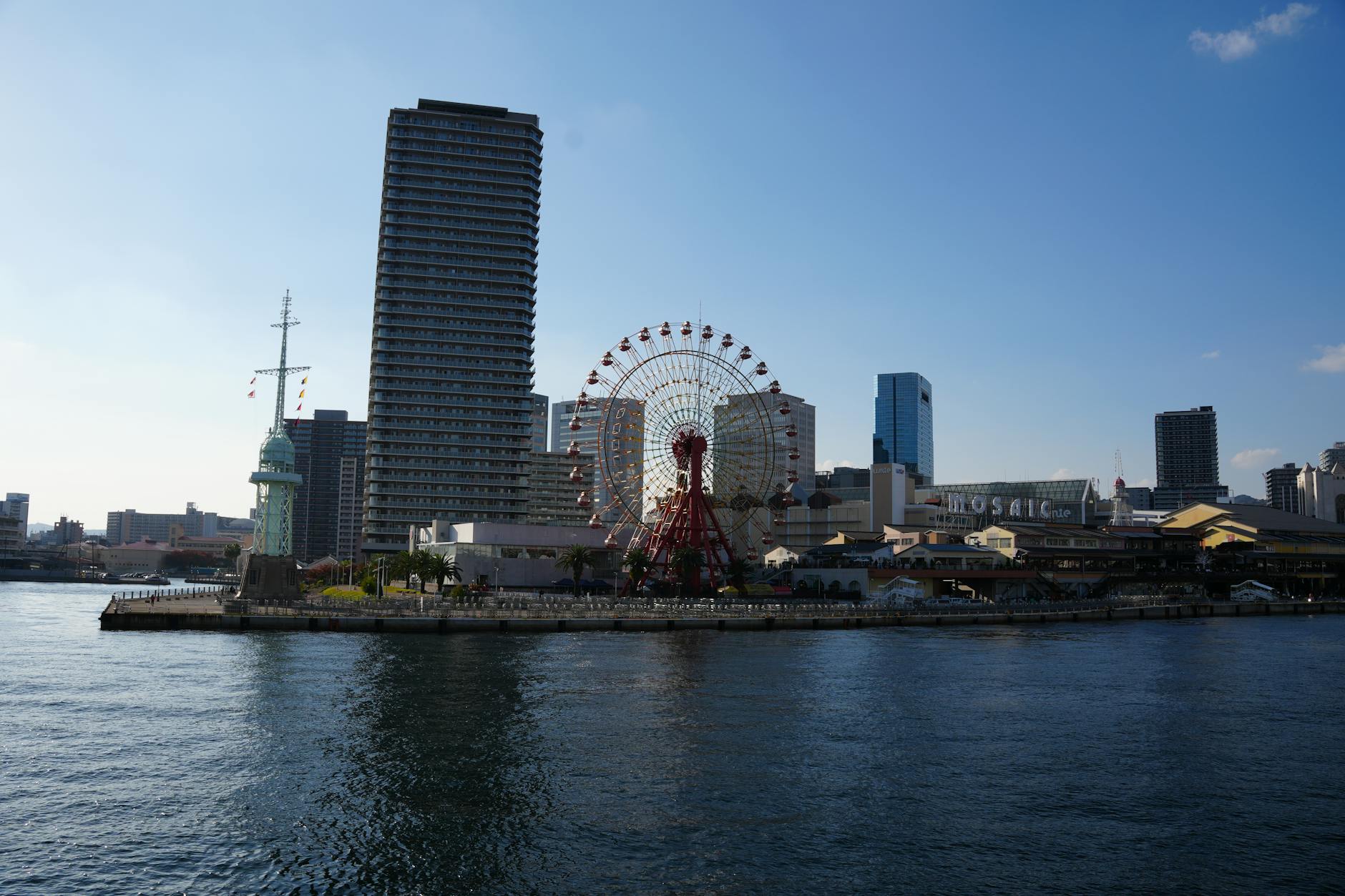
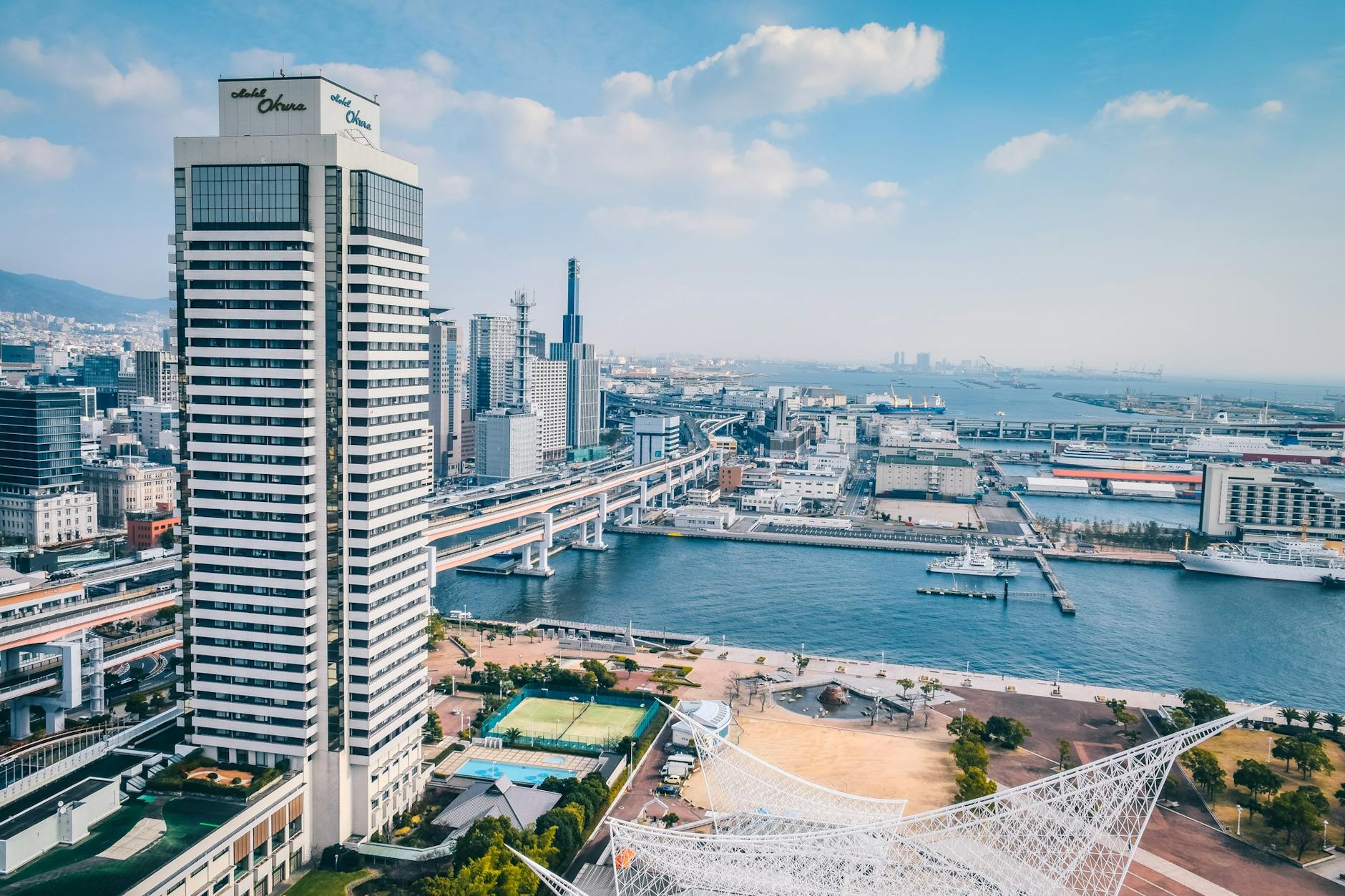
Best for: view-led stays and travelers who want the city to feel like a waterfront city from the room outward. Tradeoff: depending on the hotel, daily movement can feel more curated than organic. Best use: couples and hotel-led trips.
Why The Base Matters More Than Visitors Expect
Kobe is one of those cities where a merely competent hotel decision can flatten the whole trip.
Because the city works through bands between mountain and sea, not all “central” locations feel equally useful or equally persuasive. A hotel that makes Sannomiya and Motomachi easy but leaves the harbor or slope side slightly awkward can still be very good. A hotel that sounds glamorous on paper but isolates you into a single register can weaken the whole stay. The same attractions remain available, but the city stops feeling coherent.
This is why base choice in Kobe is less about risk than about the kind of city you want to wake up inside. Choose the band that supports the trip you actually want.
The Kobes That Matter Most
Central Kobe: Sannomiya, Motomachi, arcades, stations, restaurants, and the practical city.
International Kobe: Kitano, old foreign-residence logic, and the city’s long external-facing identity.
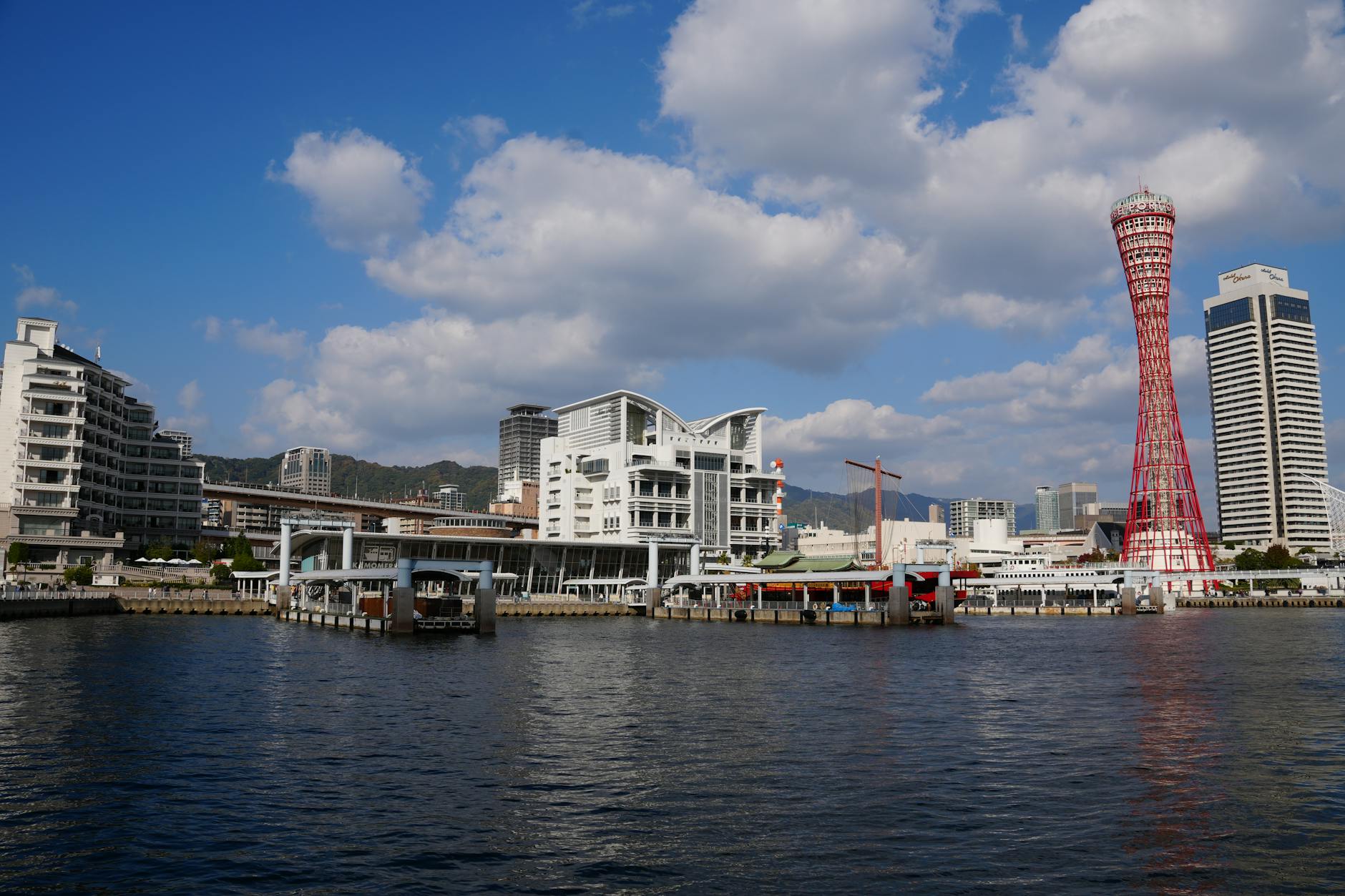
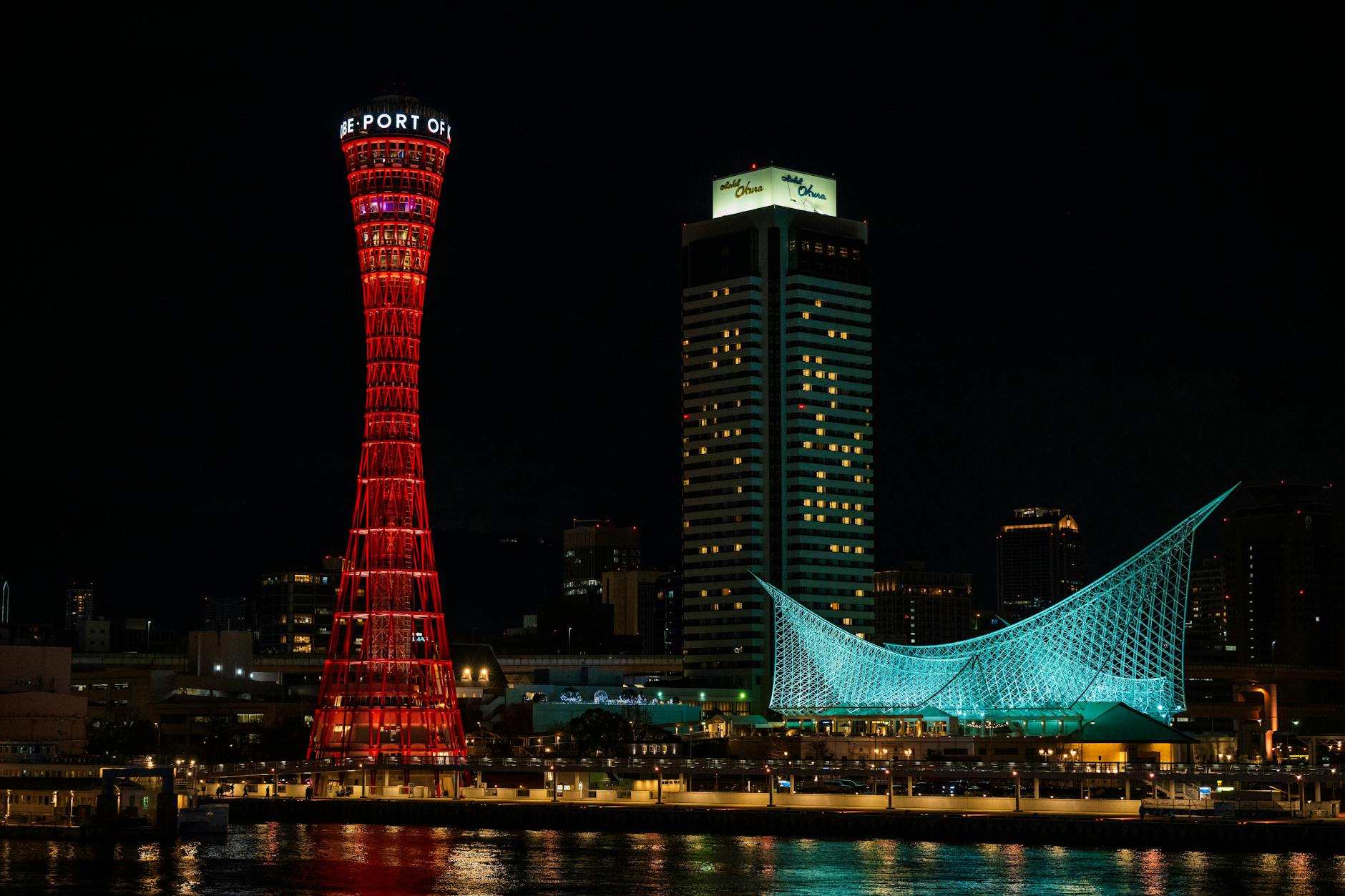
Harbor Kobe: Meriken Park, Harborland, Port Tower, and the waterside evening city.[9][10][3]
Sake Kobe: Nada and Higashinada, where the city’s drinking culture becomes historical and physical.[7]
Scenic Kobe: Shin-Kobe and the ropeway-to-garden-and-view sequence.[4]
Why One Proper City Day Matters
Some travelers build Kobe around a beef meal, a harbor look, and perhaps a quick shopping street. That can be pleasant, but it is not enough to let the city become itself.
Kobe usually needs one proper city day that belongs mainly to Kobe rather than to one symbolic experience. That means a center walk, one slope or scenic chapter, one harbor or waterfront chapter, and an evening that allows the city’s polish to carry into food and drink. Without that day, Kobe can feel like a set of appealing fragments. With it, the city becomes a complete urban stay.
Kitano, Sannomiya, And Motomachi
These areas are where first-time visitors usually learn whether they actually like Kobe or merely approve of it.
Kitano is the city’s most legible old international layer. The foreign-residence district remains visually distinct, and official Kobe materials still present houses like Weathercock House and Moegi House as anchors of that identity.[8][13] If you enjoy architecture, gentle uphill walking, and places that still show how Kobe absorbed outside influence into its own climate and style, Kitano matters.
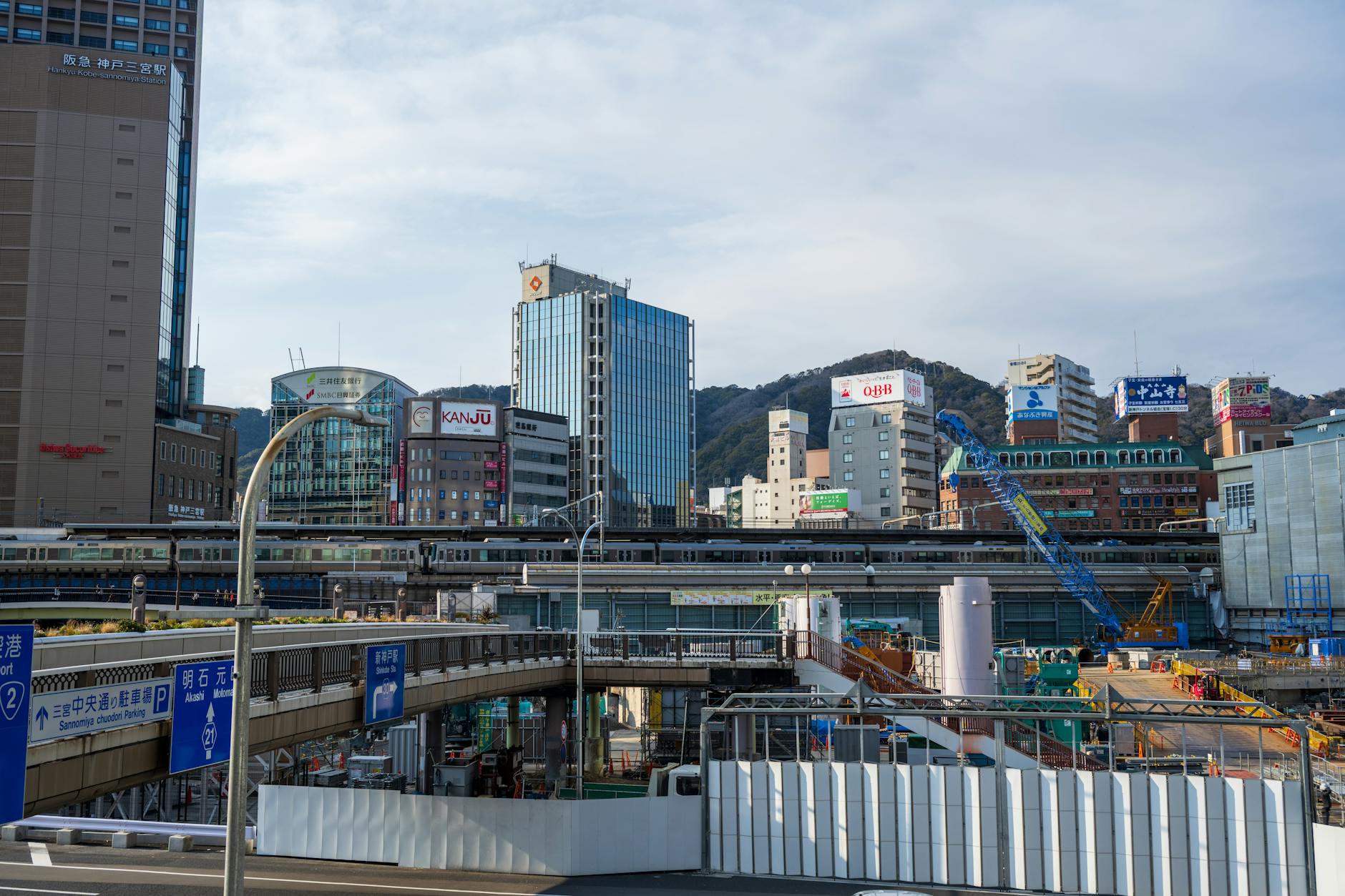
Sannomiya is the practical center. It is where transit, shopping, and ordinary city use align. Motomachi feels more mature and slightly less hurried. The shopping street and Nankinmachi pull the city toward a more human scale than Sannomiya alone might suggest.[11][5]
The mistake is trying to rush all three as one checklist. The better move is to let them blend through a walking line that makes the city unfold gradually.
Why The Central Band Works
Kobe’s central band works because it is neither too large to hold together nor too small to become simplistic.
Sannomiya gives the city practical urban force. Motomachi gives it slightly more maturity and a calmer edge. Kitano gives it elevation, residue of international history, and a visual difference from flatter Kansai city centers. Together they explain why Kobe can feel more spatially interesting than first-time visitors expect.
This is also why Kobe rewards walking. The bands reveal themselves more clearly when you move through them instead of only seeing them as map labels or bus stops.
Harbor Kobe
This is the part of Kobe that turns mere competence into atmosphere.
Meriken Park’s official listing describes it as a seaside gathering place built around Kobe Port Tower, the maritime museum, and the harbor-city frame.[9] Harborland adds the shopping and promenade version of the same idea, with preserved port character and broad views back toward the mountains.[10]
Kobe Port Tower itself is not just a skyline ornament. The official site frames it as a long-standing symbol of the port and, after the 1995 earthquake, as a kind of civic light of hope.[3] That history matters. The tower works best not as a mandatory selfie but as part of the city’s harbor self-understanding.
Why The Harbor Needs The Inland City
The harbor is one of Kobe’s great emotional strengths, but it cannot carry the whole destination alone.
If you use only the waterfront, the city risks feeling too curated, too view-led, and slightly detached from its own everyday life. The harbor becomes much stronger when it is balanced by the shopping streets, slopes, and food culture inland. Then it reads not as a separate attraction zone, but as one part of a mountain-to-sea city.
This is why the best harbor time often comes after you already understand the rest of Kobe a little. The views mean more once the city behind them has become legible.
Food and Drink
Kobe should be eaten as a city, not as a logo.
Yes, Kobe beef matters. The official Kobe Beef Gallery exists partly to explain exactly what Kobe beef is and how it is distinguished from broader Tajima cattle categories.[12] That alone should tell you something: in Kobe, even the famous dish needs context.
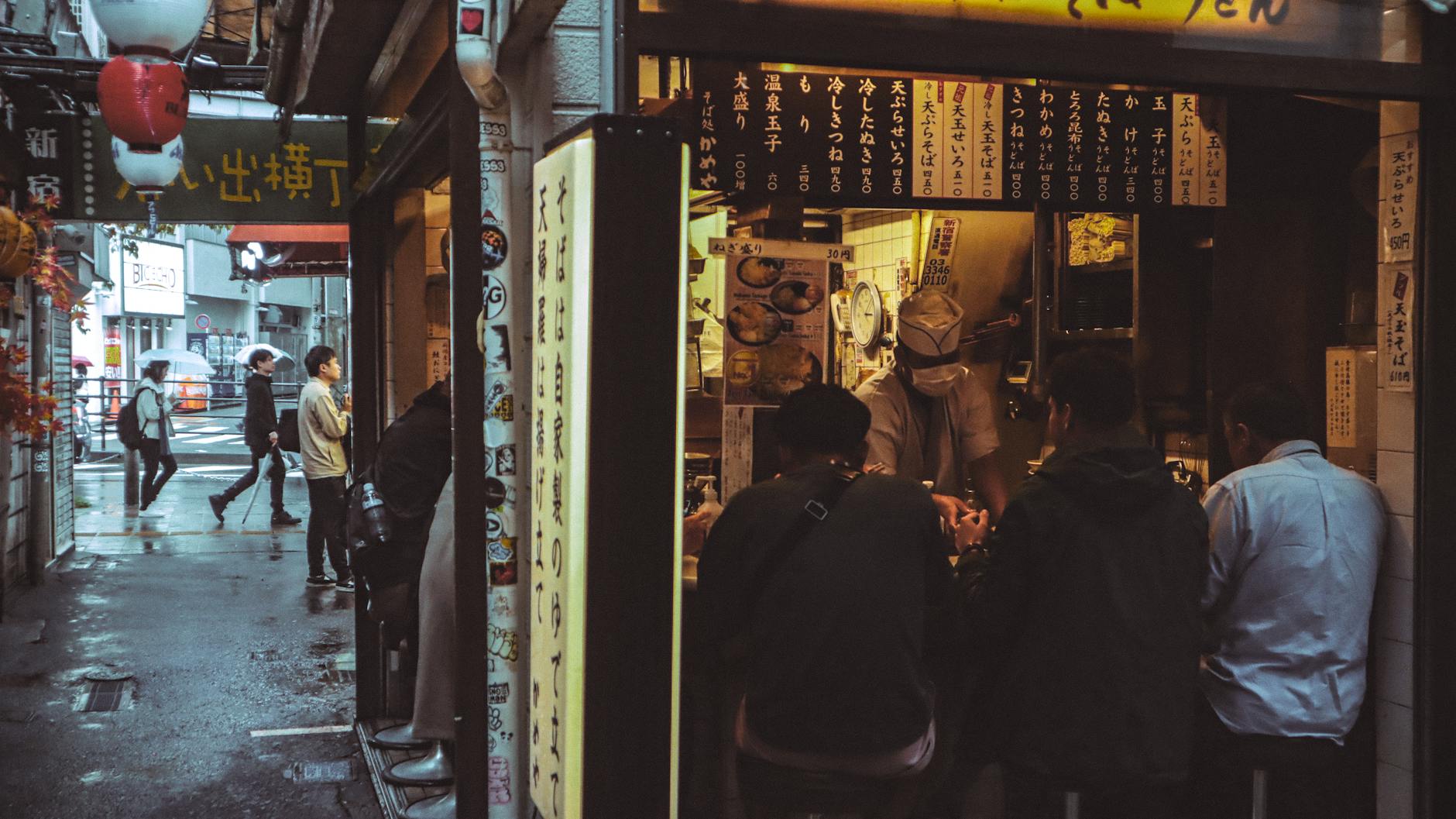
But a good Kobe stay should also include yoshoku, bread, cafes, Chinatown snacking, and something from the sake side. VISIT KOBE’s first-time guide explicitly calls out bread culture, sweets, local sauce-based dishes, and Nada sake alongside the beef.[13] That is closer to the city’s real appetite than a single expensive dinner.
If you want the deeper local-drink identity, Nada matters. Official Kobe sources continue to frame Nada-Gogo as Japan’s biggest sake-producing area, and places like Kobe Shushinkan make that identity physically visitable.[13][7]
Why Food Matters More Than The Beef Stereotype
Kobe beef is famous enough to distort the whole city. Some travelers spend so much energy solving one meal that they forget food is supposed to explain the place, not consume it.
The broader food identity matters more because it shows how Kobe actually lives. Bread, cafés, yoshoku, Chinatown eating, bars, and sake all point to a city whose international and domestic influences were absorbed into daily life rather than staged as spectacle. The beef can still be part of that story. It simply should not become the whole argument.
Getting Around
For most travelers, Kobe is rail first, walking second, loop bus third.
The Port Liner solves airport arrival cleanly.[1] JR, Hankyu, Hanshin, subway, and Port Liner coverage around Sannomiya and Motomachi make the central city easy enough that many visitors do not need a sightseeing bus every time they move.
The loop buses help when you are linking scenic or visitor-heavy stops like Shin-Kobe, Kitano, the harbor, and central tourist areas, but they are not the whole transportation answer.[2]
Do not let “tourist bus” become your only mental map. Kobe is better when you also feel how close many of its real districts are on foot.
Day Kobe Versus Evening Kobe
Daytime Kobe is clear, orderly, and often a little quieter than first-time visitors expect. The transport works, the central bands make sense, and the city can initially seem almost too easy to parse.
Evening changes the register. The harbor becomes more atmospheric. Motomachi and Sannomiya start feeling more social. Dinner and bars give the city more warmth. Even the slope-and-view version of Kobe can carry differently once it is no longer trying to compete with daylight sightseeing.
This is one reason a weak Kobe trip is often all day and no night. The city’s adult confidence is one of its best qualities, and that quality often reveals itself after dark.
What To Skip
Skip the idea that you need to prove Kobe by stacking too many expensive symbolic experiences in one day.
Skip a harbor-only version of the city if you never leave the waterfront.
Skip the reflexive day trip from Osaka unless you are certain you can accept a thinner Kobe.
Skip the assumption that every famous Kobe meal has to be a formal beef dinner.
Why Kobe Often Works Better Than It Sounds
If you describe Kobe lazily, it can sound too composed to matter: a harbor, a Chinatown, some hillside houses, some shopping streets, some beef, some sake. None of that sounds especially urgent. And that is exactly why the city is easy to underrate before you go.
In practice, Kobe works through composition. The airport and rail links make arrival easy. The central band gives the city function. The slopes and harbor keep it visually distinctive. The food keeps it grounded. The sake layer gives it a regional identity stronger than the stereotype. Each piece corrects the others.
That is why the city often feels richer than its summary. It does not need to shout because its parts are unusually well aligned.
Common Mistakes
Treating Kobe As Spare Kansai Capacity
This is the classic error, and it makes the whole city feel flatter than it is.
Staying In A Hotel That Is Operationally Fine But Emotionally Generic
Kobe is a city where the room and district meaningfully affect the trip.
Using Only Loop Buses
This creates a sightseeing bubble instead of a real city stay.
Thinking The Harbor Is The Whole Point
The harbor is one register, not the whole composition.
Spending On Kobe Beef But Nowhere Else
Food in Kobe is broader and better-shaped than that.
Why Kobe Often Improves On The Second Visit
On a first visit, many travelers are still trying to decide whether Kobe is substantial or simply pleasant. They measure it against Osaka’s scale or Kyoto’s ritual density and therefore miss what the city is doing on its own terms.
On a second visit, that pressure tends to fall away. You already know which band you like best. You are more willing to repeat a route, give a meal more room, or let a harbor evening count as a major chapter rather than as a reward after “real sightseeing.” That is when Kobe often becomes much more persuasive.
How Kobe Changes Over The Course Of A Stay
On arrival, Kobe can seem almost too manageable. The airport link is easy, the central city is readable, and the harbor-versus-slope logic looks simple enough. Some travelers mistake this first impression for shallowness.
By the second day, if the trip is built properly, the city begins to separate into more meaningful parts. The harbor stops being just a nice walk. Kitano stops being just a visual curiosity. Sannomiya and Motomachi begin to feel like a lived central band rather than only a useful one. The city starts to acquire internal depth.
By the third day, Kobe often becomes more persuasive precisely because it no longer has to announce itself. It is simply the city you are in now: slope, street, harbor, dinner, repeat. That is when many travelers realize it was never spare Kansai capacity at all.
My Blunt Advice
Sleep in Kobe at least once.
Use Sannomiya or Motomachi unless you have a clear reason to be elsewhere.
Give the harbor an evening, not just a photo stop.
Choose one scenic uplift, not every possible one.
And stop measuring Kobe against Osaka’s energy or Kyoto’s ritual depth. That comparison makes the city seem smaller when the real point is that it is better-mannered.
Source Notes
- 1. Kobe Airport. "Port Liner." Official airport access page noting that the Port Liner reaches Sannomiya in 18 minutes. https://www.kairport.co.jp/en/access/portliner
- 2. Shinki Bus. "CITY LOOP / Port Loop." Official loop-bus page showing the Kobe 1-day loop bus ticket coverage across Port Loop, City Loop, and selected Shinki route buses, while excluding Kobe City Bus. https://www.shinkibus.co.jp/kobe/ja/
- 3. Kobe Port Tower. Official English site with access details, timed-ticket information for the observation floor and rooftop deck, and background on the tower’s role after the 1995 earthquake. https://www.kobe-port-tower.com/en/
- 4. VISIT KOBE. "Kobe Nunobiki Herb Gardens & Ropeway." Official attraction page describing the ropeway ride, views, herb gardens, and location near downtown Kobe. https://www.feel-kobe.jp/en/attractions/detail_1013.html
- 5. VISIT KOBE. "Kobe Chinatown (Nankinmachi)." Official attraction page describing Nankinmachi as one of Japan’s top three Chinatowns. https://www.feel-kobe.jp/en/attractions/detail_1040.html
- 6. VISIT KOBE. "Ikuta Shrine." Official attraction page noting the shrine’s 1,800-year history and the origin of the name "Kobe" from "Kanbe." https://www.feel-kobe.jp/en/attractions/detail_1039.html
- 7. VISIT KOBE. "Kobe Shushinkan (Fukuju Sake Brewery)." Official attraction page describing the brewery’s long history, facilities, and advance-booking requirement for tours. https://www.feel-kobe.jp/en/attractions/detail_1075.html
- 8. VISIT KOBE. "Weathercock House." Official attraction page describing the former Thomas House as one of the symbolic Kitano Ijinkan residences. https://www.feel-kobe.jp/en/attractions/detail_1020.html
- 9. VISIT KOBE. "Meriken Park." Official attraction page describing the park as a seaside gathering place around Port Tower and other symbolic harbor structures. https://www.feel-kobe.jp/en/attractions/detail_1006.html
- 10. VISIT KOBE. "Kobe Harborland." Official attraction page describing the waterfront district’s port character and views toward the mountains. https://www.feel-kobe.jp/en/attractions/detail_1008.html
- 11. VISIT KOBE. "Kobe Motomachi Shopping Street." Official attraction page describing the 1.2-kilometer shopping arcade and its long-established shops. https://www.feel-kobe.jp/en/attractions/detail_1049.html
- 12. VISIT KOBE. "Kobe Beef Gallery." Official attraction page explaining the gallery’s role in presenting the history and definition of Kobe beef. https://www.feel-kobe.jp/en/attractions/detail_1017.html
- 13. VISIT KOBE. "First Time in Kobe? Here’s Your Complete Guide!" Official Kobe story page describing the city’s international development, bread culture, food, and Nada sake. https://www.feel-kobe.jp/en/stories/firsttime