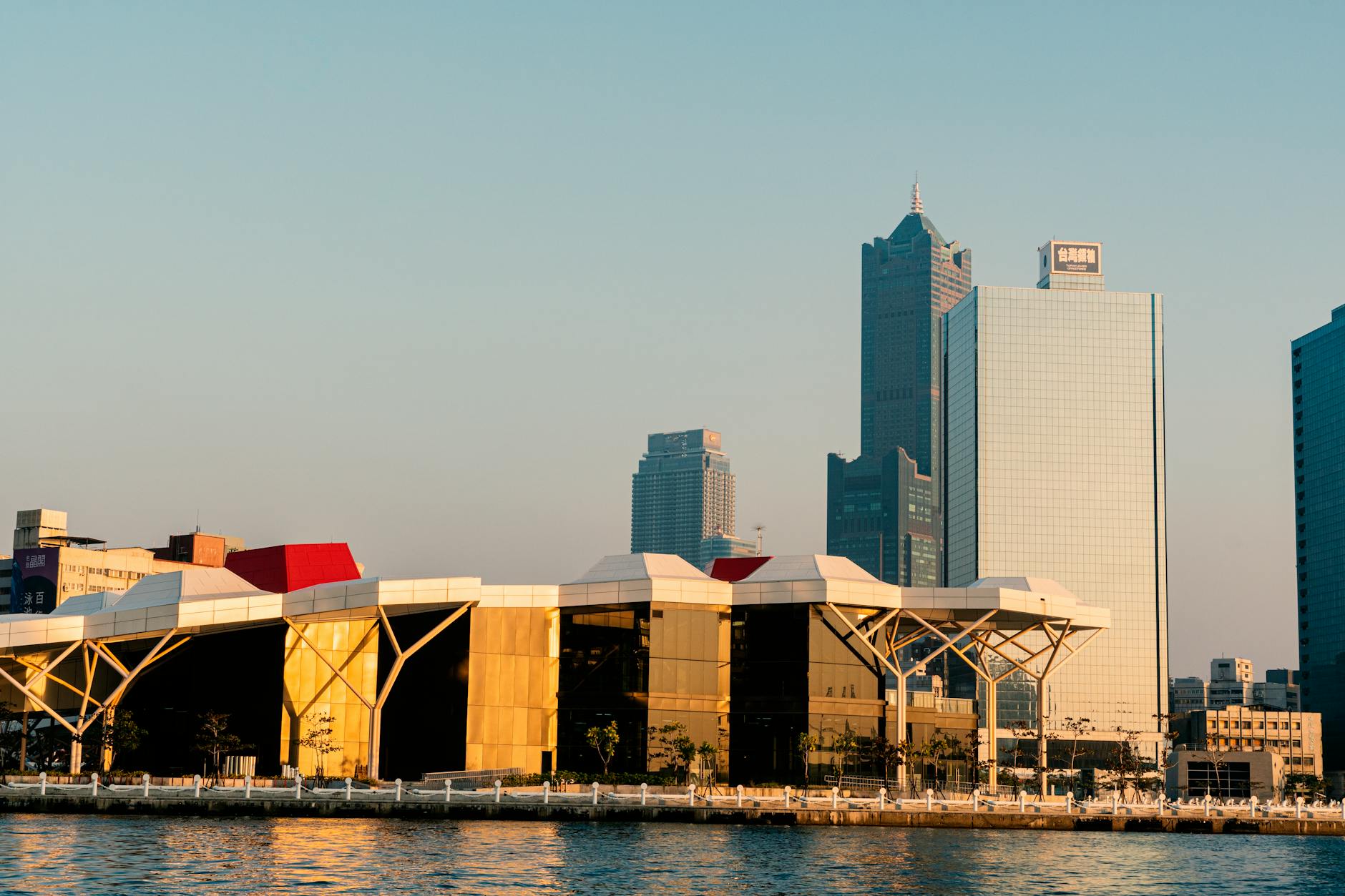
Kaohsiung is one of the easiest major cities in East Asia to misread.
Start Here
Travelers arrive with Taipei still in their heads and immediately start subtracting. Fewer obvious headline monuments. More space between districts. More heat. More port infrastructure. More sky. More exposure. The wrong conclusion is that Kaohsiung is thinner. The right one is that it is built on a different urban idea. Kaohsiung is not trying to compress itself into a capital’s density. It works as a southern harbor city: broader, warmer, more horizontal, more open to water and industry, and often much more comfortable once you stop demanding that everything cluster tightly around a single center.
That openness is the point. The harbor, the old warehouse zones, the adaptive cultural districts, the ferry culture, the southern light, and the easier breathing room all belong to the city’s personality. So does the fact that Kaohsiung can feel a little underdescribed until you start using it correctly. District choice matters. Time of day matters. Heat discipline matters. The right transit lines matter. Once those pieces are aligned, the city becomes unexpectedly generous.
The best first trip to Kaohsiung is not a frantic hunt for “must-sees.” It is a stay built around a few strong zones: the harbor and Pier-2 side, one market or food-heavy urban core, one temple-or-traditional excursion such as Lotus Pond, and one sea-facing outing such as Cijin. That is enough to show the city’s range without flattening it into checklists.
The city in one sentence: Kaohsiung is a harbor-shaped southern metropolis whose best first stay balances art, water, transit ease, food, and climate honesty instead of treating it as Taipei with fewer talking points.
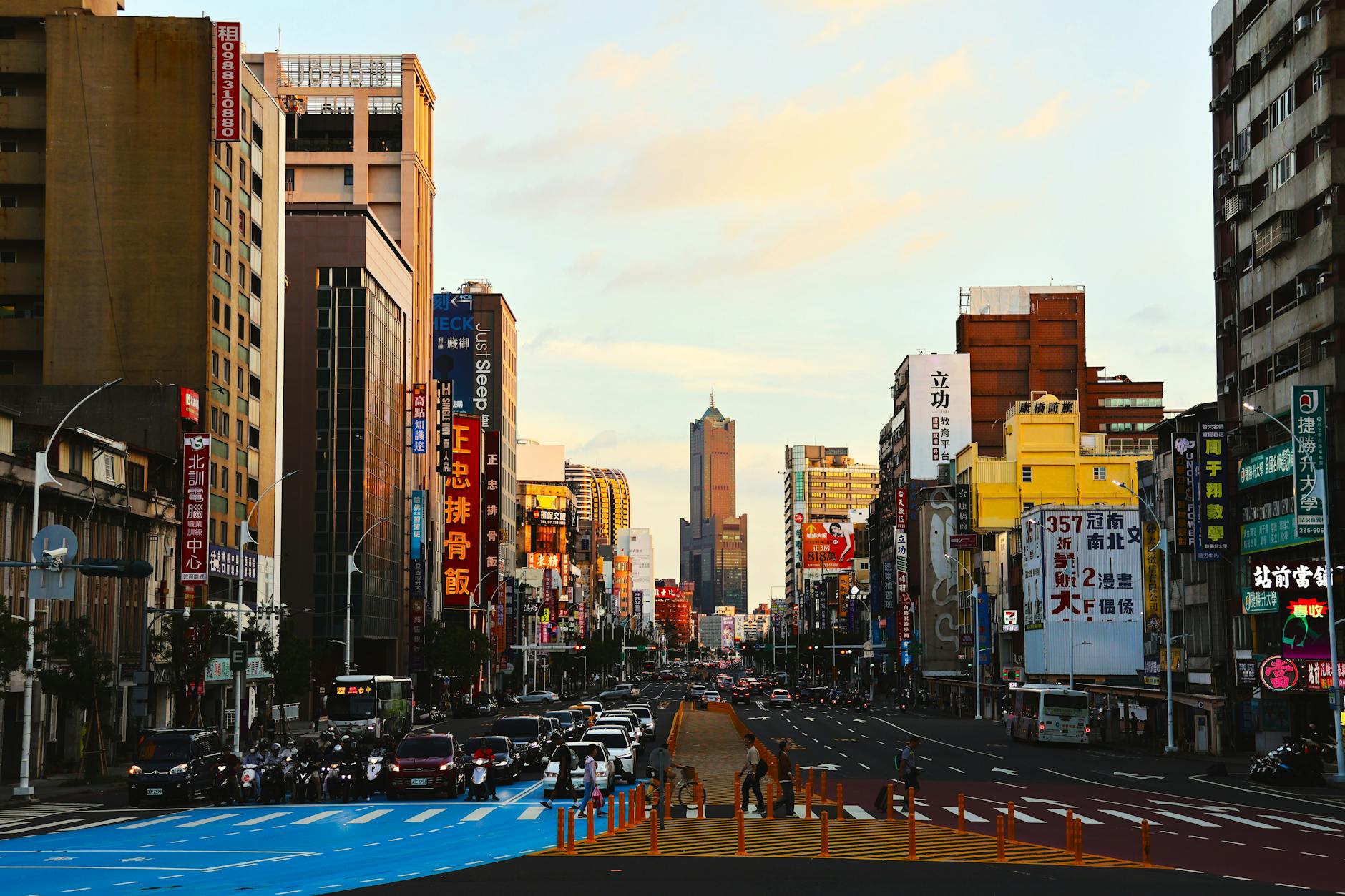
Basic data
| Population | About 2.7 million |
|---|---|
| Area | 2,952 km2; the central visitor districts are far smaller |
| Major religions | Buddhism, Taoism, folk religion, Christianity, and a large secular population |
| Political system | Special municipality inside a semi-presidential republic |
| Economic system | High-income mixed economy led by port trade, heavy industry, services, culture, and technology |
Quick Verdict
Best for: repeat Taiwan travelers, food-first travelers, couples, solo travelers, winter escapes, and anyone who likes port cities with room to breathe.
Not ideal for: travelers who only want compact capital-city intensity, people who hate heat, or anyone determined to do all-day exposed walking regardless of season.
Ideal first stay: 2 nights.
Better stay: 3 nights if you want one harbor day, one traditional-city day, and one sea-facing or slower cultural day.
Minimum worthwhile stay: 1 night.
Best overall months: November to March.
Biggest planning mistake: treating Kaohsiung as a lesser Taipei instead of a different city type.
One thing to prioritize: the hotel district and station access.
One thing to keep flexible: how much the trip leans art-harbor versus traditional-scenic after arrival.
The blunt version: Kaohsiung gets much better the moment you stop apologizing for its scale and let its openness work.
Who Will Love Kaohsiung?
Kaohsiung works especially well for travelers who like cities with strong physical character. If you enjoy moving through districts that feel shaped by sea trade, heat, transit systems, and cultural redevelopment rather than by old-capital monumentality, Kaohsiung is strong.
It is also excellent for travelers who like using a city rather than merely looking at it. Kaohsiung rewards ferry rides, river and harbor walks, station-to-district thinking, and a schedule that acknowledges weather instead of pretending the sun is decorative.
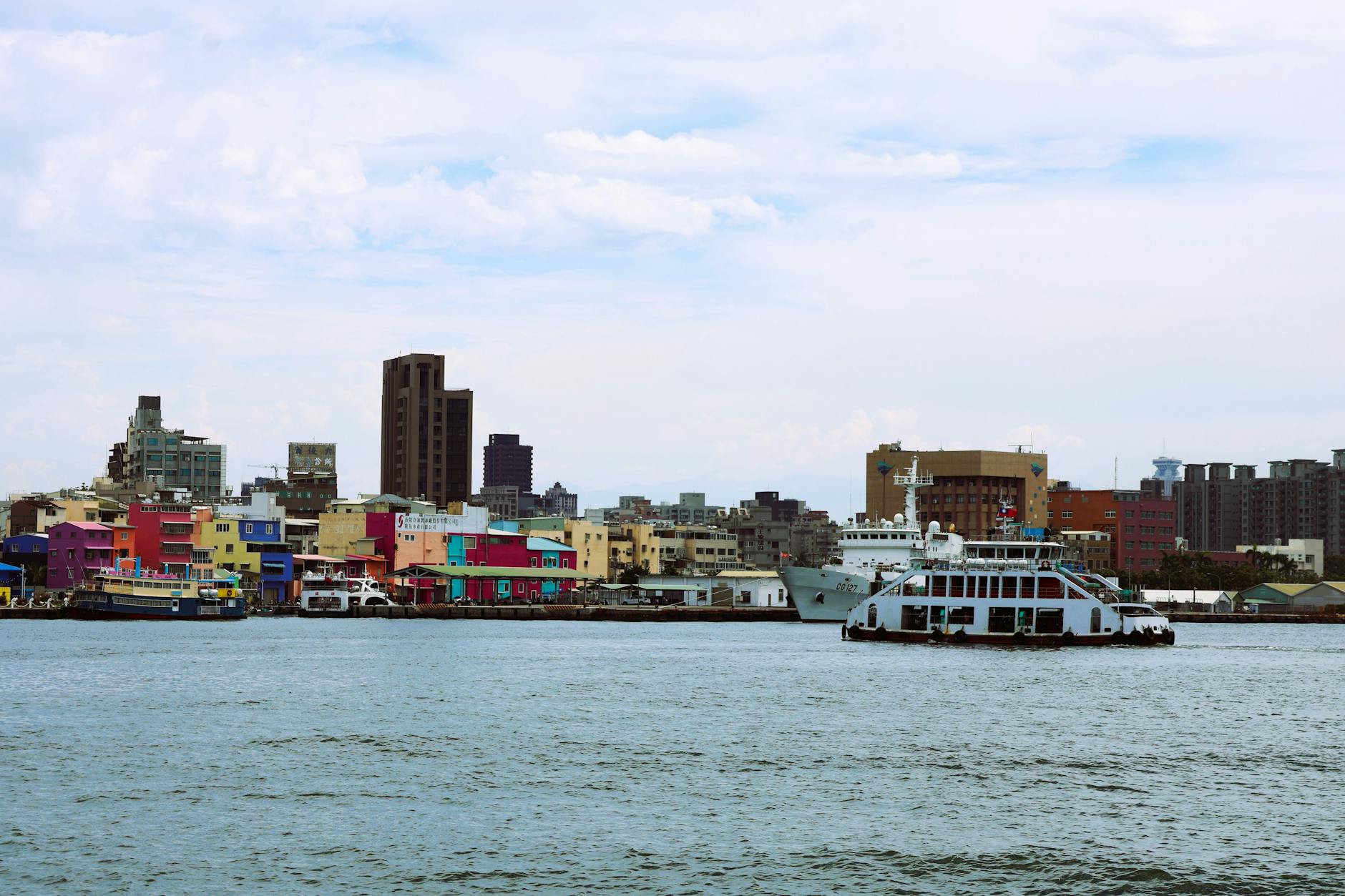
Kaohsiung at a Glance
| Question | Practical Answer |
|---|---|
| Main gateway | Kaohsiung International Airport |
| Simplest local transit | MRT first, LRT selectively |
| Best first-time base | central harbor-access districts near MRT |
| Main cultural-harbor anchor | Pier-2 Art Center |
| Main sea-facing outing | Cijin |
| Main traditional scenic zone | Lotus Pond |
| Main planning issue | underestimating heat and district spread |
| Car needed? | No |
| Best trip length | 2 to 3 days |
2026 Visitor Notes
Kaohsiung Is Easy to Enter by Metro
The official Kaohsiung Metro English site remains the main reference for metro service, tickets, schedules, and station guidance, including airport-linked travel through the MRT system.[2] For most visitors, this means airport-to-city movement is not the hard part. Using the right base after arrival is the real issue.
The Light Rail Matters Most at the Harbor
Kaohsiung’s official tourism materials continue to present the light rail as a practical way to structure first-time visits around the harbor-side attractions, especially Pier-2 and adjacent port districts.[3] This does not mean you should ride it constantly. It means the LRT is part of the city’s harbor logic.
Pier-2 Is Still a Core First-Time District
The official Kaohsiung Travel page for Pier-2 describes it as a repurposed warehouse-art district in basin No. 3 of Kaohsiung Port and one of the city’s most popular cultural spots, linked to the old railway and port infrastructure.[4] That is still the clearest shorthand for modern visitor Kaohsiung.
Cijin Is Not Just a Beach Detour
Kaohsiung’s tourism pages present Cijin through beach, ferry, lighthouse, village atmosphere, and old fishing-port character.[5][6] The point is not simply that you can reach the sea quickly. It is that Kaohsiung’s harbor identity becomes legible there.
Lotus Pond Still Represents the More Traditional Scenic City
The official tourism listing for Lotus Pond describes it as one of Kaohsiung’s best-known traditional scenic areas and one of the classical sights of old Fongshan.[7] This is useful because it anchors the city’s traditional side without forcing the whole stay into temple sightseeing.
How to Understand Kaohsiung
Kaohsiung works through four forces.
The first is harbor geography. Water, port land, ferries, and reclaimed cultural zones shape the city’s logic.
The second is district openness. Kaohsiung does not compress everything tightly. The stay works when you accept that.
The third is southern climate. Heat, humidity, and sun are structural facts, not side notes.
The fourth is cultural reinvention. Places like Pier-2 show how former industrial space has been turned into one of the city’s clearest public faces.[4]
The Main Mental Shift
Do not ask, “Where is the one center of Kaohsiung?” Ask, “Which districts explain this city type?” The answer usually includes the harbor, one traditional scenic area, one food zone, and one water-facing outing.
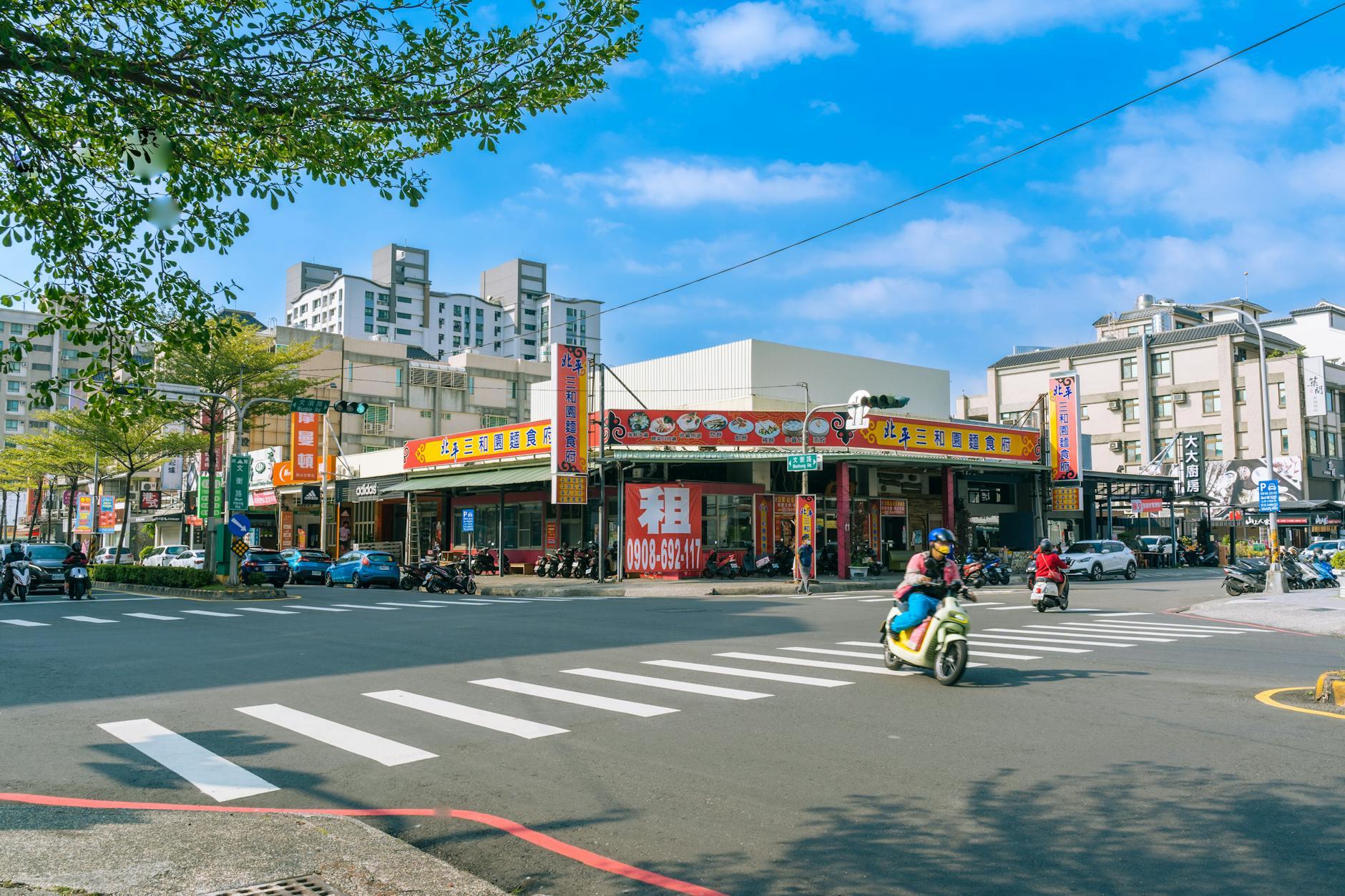
What Kaohsiung Does Better Than People Think
Kaohsiung is better than people think at public space. It is better than people think at showing how industrial and cultural city life can overlap. It is better than people think at transit-led exploration. And it is definitely better than people think at providing relief from the density and pressure of northern Taiwan’s biggest urban systems.
The official tourism site itself frames the city through harbor views, ecological and cultural variety, and multi-day travel rather than quick symbolic sightseeing.[1] That is the right frame. Kaohsiung is not a city to “cover.” It is a city to inhabit intelligently.
Best Time to Visit
Cooler months are the best overall answer. From late autumn through early spring, the city’s real strengths show much more clearly: walking the harbor, moving between districts, using outdoor cafés and promenades, and taking longer daytime routes without collapse.
Hotter months can still work, but only if the trip is designed around them. Build in midday retreat. Use transit more aggressively. Keep distances honest. Shade and indoor pauses are part of the plan, not signs of weakness.
How Many Days You Need
One Night
Enough to understand the harbor logic and one major district cluster.
Two Nights
The best first answer. One day can belong to Pier-2, harbor transit, and evening city life. Another can belong to Lotus Pond, market or food zones, and either river or sea.
Three Nights
Best if you want to include Cijin properly, or if you prefer to move at a slower, climate-aware pace.
Arrival Strategy
Arrive and reduce friction early.
Kaohsiung is not a city where you want to improvise your base after landing. Pick a hotel with easy MRT access and a short route either toward the harbor-side zones or toward your preferred evening district. Once the base is right, the city feels much more coherent.
The second arrival rule is just as important: do not try to “beat” the climate on the first afternoon. Let the city come to you at the speed it wants.
Where to Stay
For most first-time visitors, stay in a central district with direct MRT usefulness and reasonable access to the harbor side.
Harbor-Access Central Districts
Best for: first-timers, Pier-2 access, transit convenience, and evening flexibility. Tradeoff: some blocks are more practical than atmospheric. Best use: strongest overall default.
More Art- and Waterfront-Leaning Bases
Best for: travelers who want the harbor identity closer at hand. Tradeoff: depending on exact location, food and late-evening options may be more selective than in busier urban cores.
Traditional or Scenic-Leaning Bases
Best for: travelers who deliberately want a calmer or more local-feeling stay. Tradeoff: weaker for a first trip if it makes cross-city movement too clumsy.
The Kaohsiungs That Matter Most
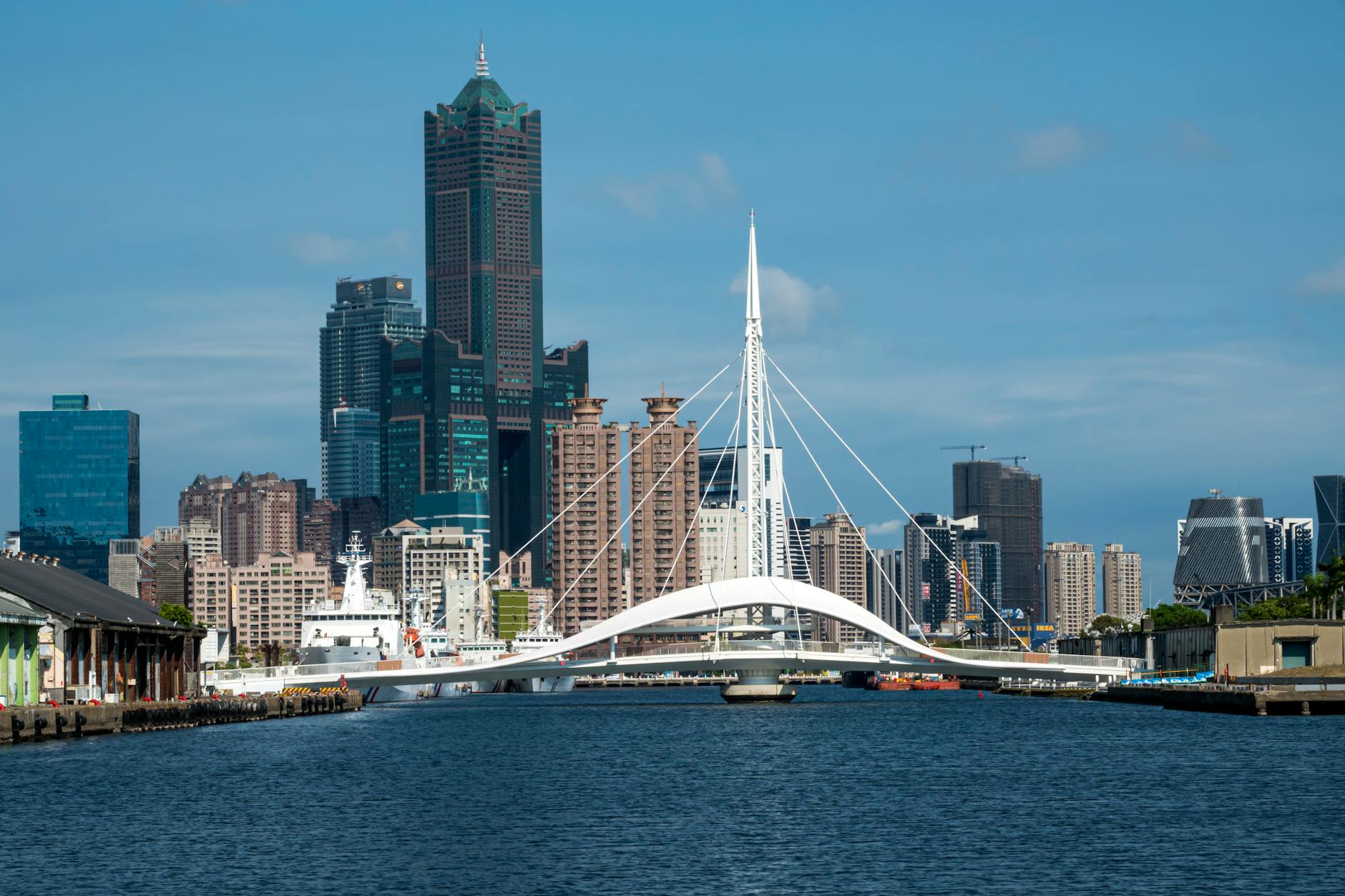
Harbor Kaohsiung: Pier-2, the LRT edge, port warehouses, and the city’s strongest contemporary visitor-facing identity.[4][3]
Sea Kaohsiung: Cijin, ferry movement, beach, and the old fishing-village side of the metropolitan story.[5][6]
Traditional Kaohsiung: Lotus Pond and the more temple-and-scenic layer that keeps the city from reading only as post-industrial reinvention.[7]
Transit Kaohsiung: the MRT and LRT systems that make a large, open city actually usable.[2][3]
Harbor Kaohsiung: Pier-2 and the Reworked Port
Pier-2 is the clearest place to understand what contemporary Kaohsiung wants visitors to see.
The official tourism page describes the district as a repurposed warehouse-art environment in Kaohsiung Port, now one of the city’s most popular cultural spots and tied to railway and dock history.[4] That is exactly why it works. It is not simply “where the art is.” It is where the city shows how industrial ground has been reinterpreted into public culture.
Walk here slowly. Use the LRT if it helps frame the district. Accept the space. Kaohsiung is not trying to charm you through smallness here. It is trying to show scale with imagination.
Cijin and the Sea
Cijin matters because it takes Kaohsiung’s harbor identity out of abstraction.
The official tourism materials describe beach, seaside park, lighthouse, old village atmosphere, seafood, and ferry-linked movement.[5][6] The important thing is not that Cijin is a “beach day.” It is that it shows the city’s edge conditions. You see what Kaohsiung looks like when the metropolis thins into a working maritime landscape.
Cijin is strongest when used selectively. Do not force it into a packed day just because the map says it is close. Let it be a sea-and-air chapter of the trip.
Lotus Pond and the Traditional Scenic City
Lotus Pond is how you remind yourself that Kaohsiung is not only about port redevelopment and modern transit.
The official Kaohsiung Travel listing places it among the city’s classic traditional scenic areas and one of the older celebrated sights of Fongshan.[7] That makes it useful on a first trip because it gives the city a different register: symbolic, religious, scenic, and older.
This is also where discipline matters. You do not need to turn Kaohsiung into a marathon of temple-adjacent stops. One strong traditional area is usually enough to widen the trip.
Food, Night Markets, and the Southern Evening
Kaohsiung improves after sunset.
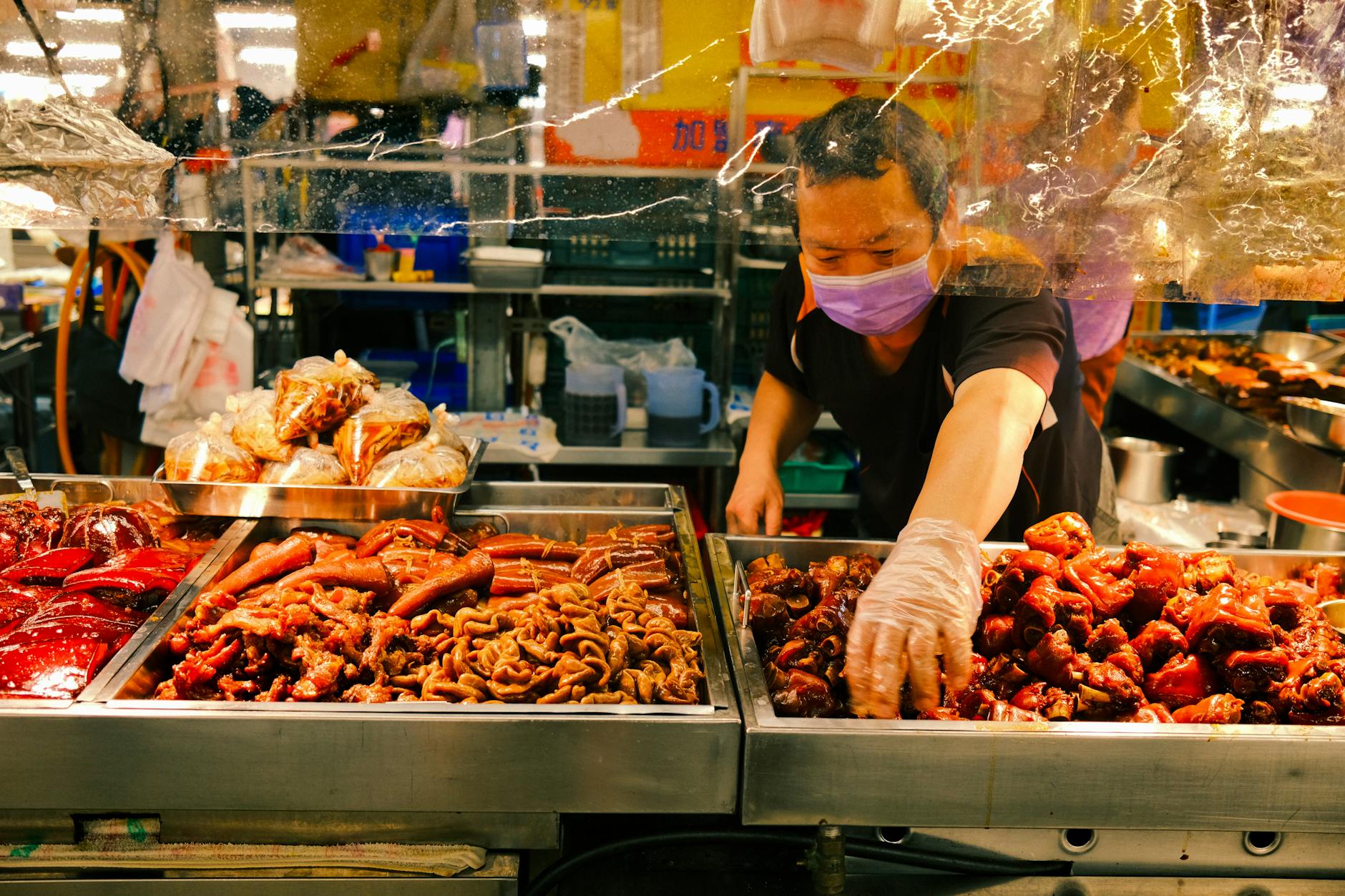
This is partly because of heat, obviously, but it is also because the city’s food and public-life rhythm gather force later in the day. Markets, small restaurants, and more casual evening movement often suit Kaohsiung better than trying to exhaust the city in harsh afternoon light.
The right food strategy here is not maximalism. It is timing. Build the day so that dinner and night-market wandering are not an afterthought. In Kaohsiung, evening urban life often explains the city more clearly than midday sightseeing.
Getting Around
Kaohsiung is an MRT city first, LRT city second, walking city third.
The metro gives the stay its spine.[2] The light rail is most useful when you are shaping the harbor and art districts into one coherent day.[3] Walking matters inside districts, but long exposed cross-district walks are often a bad idea unless the weather is unusually forgiving.
This is one place where respecting the city’s physical scale improves the trip immediately.
Where Kaohsiung Fits in a Taiwan Trip
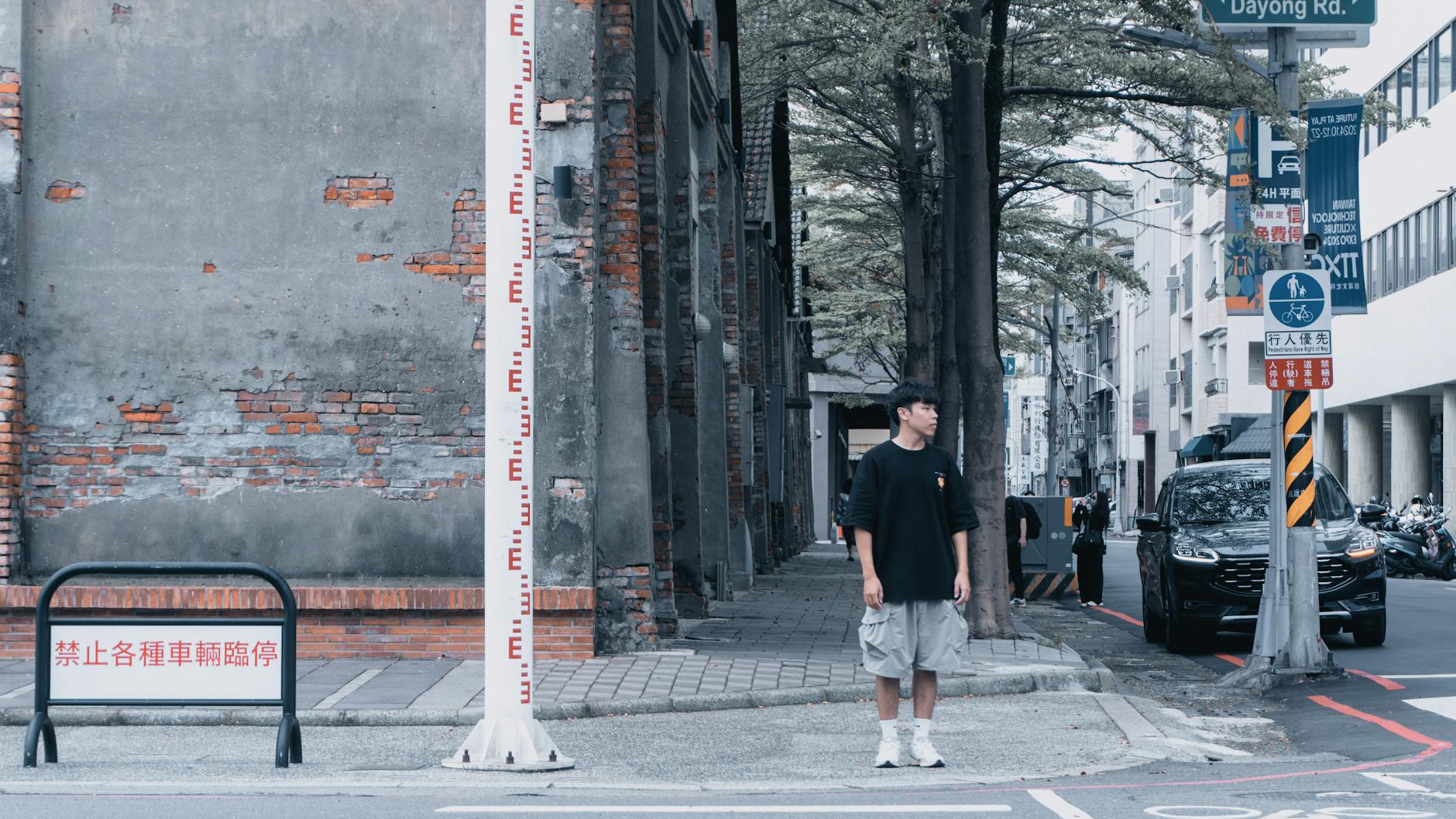
Kaohsiung often works best as the place where a Taiwan itinerary becomes easier to breathe in.
Taipei can feel dense, fast, and capital-heavy. Tainan can feel more historically concentrated and food-ritual driven. Kaohsiung offers a different answer: a southern harbor metropolis with room, light, and districts that do not all insist on the same pace. That can make it look less dramatic on paper. In lived travel, it often makes it more humane.
This is why Kaohsiung can be so useful inside a wider Taiwan route. It resets urban expectation without abandoning city life. You still get transit, museums, markets, art zones, and evening food, but the city no longer feels determined to compress all of that into one overcharged center. The trip can widen without dissolving.
As a result, Kaohsiung is especially valuable after more crowded or more vertically intense stops. It gives the itinerary air while still feeling unmistakably urban.
First-Time Visitors Versus Repeat Visitors
First-time visitors usually need Kaohsiung to explain its scale. Repeat visitors often already understand that scale and begin using it more selectively.
On a first trip, the city works best when you deliberately choose a few district types that explain the whole: harbor, traditional scenic zone, sea-facing outing, and one food or market-heavy evening district. That frame is enough to show that Kaohsiung is not a diluted capital but a different urban species.
Repeat visitors often enjoy the city even more because they stop asking it to prove itself against Taipei. They may stay almost entirely on the harbor side, or use the city as a base for one looser southern Taiwan chapter, or simply return to a favorite MRT corridor and let the climate and food set the pace. Once the comparison pressure drops, Kaohsiung often becomes much more lovable.
This is a good sign. It means the city’s strengths are real rather than merely novelty-based.
Daytime Kaohsiung Versus Evening Kaohsiung
Kaohsiung is one of the cities where time of day changes the reading dramatically.
Daytime Kaohsiung is often about spacing, transit, and heat management. The harbor districts feel broader. The city’s openness is more visible. Traditional scenic zones such as Lotus Pond can feel symbolic but also physically exposed. This is the version of Kaohsiung where planning discipline matters most.
Evening Kaohsiung is where many travelers finally understand why the city works. Heat eases. Night markets and casual eating districts come alive. The harbor can feel less infrastructural and more atmospheric. The city’s scale starts to feel generous rather than diffuse. What seemed merely practical by day becomes socially persuasive at night.
This is one reason a good base matters so much. Kaohsiung’s evenings can rescue a mediocre daytime plan, but only if the return to the right district is easy enough to let the city do that work.
Why the Hotel Decision Matters
In Kaohsiung, the hotel question is not only about comfort. It is about whether the city’s openness becomes freedom or inconvenience.
The wrong base turns every day into more transit than necessary, weakens evening spontaneity, and makes the city feel flatter than it is. The right base, usually somewhere central enough that MRT access is simple and one or two evening zones are easy, lets Kaohsiung’s scale remain pleasant rather than tedious.
This matters more here than in some denser East Asian cities because Kaohsiung’s charm depends on the traveler accepting a little breadth. Once the breadth stops feeling manageable, the whole city can start to seem underfocused. That is usually a hotel problem, not a city problem.
The right hotel makes the city feel intelligently open. The wrong one makes it feel merely spread out.
The Center Is More Useful Than It Is Theatrical
Some first-time visitors arrive expecting the center of Kaohsiung to produce a classic single-core urban performance. That is not really what this city offers.
Kaohsiung’s central usefulness matters more than any one dramatic square or avenue. This is a city where stations, district transitions, and evening return points do a great deal of the heavy lifting. That can make the center seem more practical than romantic at first. But that practicality is part of why the trip works. It keeps the harbor side, the traditional scenic side, and the sea-facing side from turning into disconnected fragments.
Once you stop demanding a capital-city center, the city’s structure starts to look more intelligent than underwhelming.
Why Harbor Space Changes Everything
Many visitors think of Kaohsiung’s harbor as one attraction zone among many. It is more than that.
The harbor is one of the reasons the city feels different in the body from northern Taiwan’s largest urban areas. Space, industrial memory, reused warehouses, ferry movement, port edges, and the general feeling that land is opening rather than tightening all come from harbor geography. Pier-2 matters because it interprets that geography rather than merely occupying it.[4]
This is also why harbor districts should not be rushed. The city’s atmosphere there comes partly from proportion. If you move through them too quickly, you reduce them to art objects or photo zones and lose the larger urban argument. Kaohsiung is not only showing you attractions. It is showing you scale.
That is one reason the city often leaves a stronger impression than travelers expect after the first day.
Why Cijin Belongs to Mood, Not Obligation
Cijin is one of the easiest places in the city to misuse because its ferry-linked geography makes it look like an automatic must-do.[5][6]
But Cijin works best when the stay needs sea and air, not when the itinerary is desperately trying to “cover” every major visitor district. If you arrive there tired, overheated, or on a day already overloaded with other zones, Cijin can feel thinner than it should. If you use it as a purposeful maritime counterpoint, it becomes one of the best clarifiers of what kind of city Kaohsiung really is.
This is important because the ferry and the old port feeling tempt travelers into a completionist mentality: if the city has a harbor island edge, surely one must go. Sometimes that is right. Sometimes the better decision is to let the harbor stay conceptual and keep the day grounded elsewhere.
The point is not whether Cijin is worthwhile. It is whether it belongs to this version of the stay.
Food, Heat, and the Need for Timing
Kaohsiung is another city where food quality and climate are inseparable.
The city improves when meals are timed in partnership with the weather rather than in defiance of it. Heavy midday walking plus heavy midday eating in southern heat is an easy way to flatten the whole afternoon. Better to let daytime movement be purposeful, give shade and air-conditioning their due, and allow evening to carry more of the city’s appetite.
This is one of the reasons Kaohsiung can feel better at night than by day. Food belongs to the city’s southern rhythm, and that rhythm usually becomes more generous after sunset. Visitors who plan as though every good meal must also sit inside the most exposed part of the day often end up unfairly blaming the city for their own timing errors.
Kaohsiung’s food is not only about what you eat. It is about when the city wants to eat with you.
Kaohsiung With Family or Low-Energy Travelers
Kaohsiung can work very well for mixed-energy travelers because its main rewards are distributed rather than stacked.
Families may appreciate that the city has several obvious zones with clear functions rather than one endlessly dense center. Low-energy travelers often do well because one harbor district, one evening area, and one traditional scenic zone can already create a satisfying stay. The city does not demand monument-chasing.
The caution is climate. Heat can turn even a moderate plan into an overbuilt one. The best Kaohsiung for mixed-energy groups is therefore usually lighter than expected: one anchor in the morning, a real break, then one evening zone. This is often enough because the city’s openness is already doing part of the work.
In a more compressed city, this strategy might feel underambitious. In Kaohsiung, it often feels exactly right.
Why Some People Leave Underwhelmed
When travelers leave Kaohsiung unconvinced, the cause is usually one of three things.
Either they treated it as a weaker Taipei, they scattered too widely across the city, or they failed to give evening enough weight. All three mistakes flatten the very qualities that make Kaohsiung distinct. The first turns the city into a comparison it was never built to win. The second mistakes openness for obligation. The third ignores the daily rhythm in which the city often becomes most itself.
Kaohsiung is not usually underwhelming because it lacks quality. It is underwhelming when used according to the wrong urban model.
Why Kaohsiung Often Improves on Revisit
Kaohsiung is the kind of city that often gets better once you stop requiring immediate monumentality.
On a second trip, travelers already know that the city’s strength lies in district mood, not in a single central drama. That frees them to use it more intelligently. They may stay in a better base, skip what did not fit the first time, give one harbor district a full half-day, or let food and evening life carry more of the stay. With the comparison pressure gone, the city’s intelligence becomes easier to see.
This is often when Kaohsiung moves from “pleasant surprise” to a city people actively choose again.
A Good Kaohsiung Day Versus a Bad One
A good Kaohsiung day has one clear district anchor, one climate-aware rhythm, and one evening return that still feels enjoyable.
You know whether the day belongs to the harbor, to Lotus Pond, to Cijin, or to a more interior food-and-city register. You respect the transit scale. You do not let heat turn every move into punishment. And by evening, you are back in a district where the city can feel generous again.
A bad Kaohsiung day is a sequence of loosely connected attractions crossed in the hottest possible hours, with too much movement and not enough understanding of why those districts were chosen together. The city then feels diffuse rather than expansive. That is not Kaohsiung failing. It is the itinerary failing.
How the City Changes Over the Course of a Stay
Kaohsiung often becomes more coherent on the second day than on the first.
At first, the openness can register as lack of concentration. Later, after the harbor has been read properly and one or two districts have been allowed to breathe, the same openness starts to feel like ease. The city’s structure emerges more slowly than a capital’s, but once it does, the whole stay becomes easier to trust.
This is why short first trips can still slightly undersell Kaohsiung. It is a city whose logic reveals itself through use rather than through immediate symbolic compression. The traveler who gives it time is usually rewarded.
Airport Timing and the First Afternoon
Kaohsiung’s airport efficiency can create the same problem that some easy-arrival cities always create: people assume they should be able to do too much immediately.
Because the MRT connection is straightforward and the city is not psychologically intimidating in the way some larger capitals are, travelers can become overconfident on day one.[2] They land, check in, and start trying to clear too many districts before dinner. This is often the wrong instinct, especially in heat. The first afternoon should usually be for one clean introduction: perhaps a harbor-side area, or one central evening zone, but not a miniature survey of the whole city.
Kaohsiung improves when the easy arrival is used to lower pressure rather than to raise ambition. The city likes a trip that settles in gently. You do not need to prove readiness immediately.
Summer Kaohsiung Versus Winter Kaohsiung
Kaohsiung may be one city on the map, but it behaves differently enough by season that the trip should be designed accordingly.
In winter and cooler months, the city’s best qualities are easy to appreciate: harbor walking, longer transitions, market wandering, and a more generous use of outdoor public space. This is often when first-time travelers understand the city most clearly because the climate is not constantly narrowing their options.
In hotter months, Kaohsiung becomes more strategic. The same districts can still work, but their relationship to one another changes. Midday becomes less negotiable, long exposed walks become less forgiving, and indoor pauses become part of the itinerary rather than a sign of weakness. The city can still be rewarding in heat, but it needs a different tempo.
This is not a flaw. It is simply one more reason the destination should be judged on its own southern terms rather than through some neutral urban ideal.
Why Practicality Is Part of the Pleasure
Some travelers still speak about practical cities as though practicality were the opposite of romance.
Kaohsiung is a good corrective to that idea. The MRT working well, the LRT making the harbor legible, the airport being easy, districts being clear enough to understand after a day or two, and hotels being able to support a gentler evening rhythm are not signs that the city lacks soul. They are some of the reasons its soul becomes available without unnecessary friction.
This matters because Kaohsiung’s pleasures are often cumulative. If getting between them were constantly exhausting, the city would lose much of its charm. Instead, the practical layer keeps the more atmospheric parts from collapsing under their own spread. It lets the harbor remain expansive instead of annoying, and lets the evening food rhythm feel like reward instead of another task.
That is why the city can feel better than more overtly dramatic destinations. It asks less ego from the traveler and gives back more calm.
The Best Memory to Aim For
If Kaohsiung is used well, the memory you keep is not usually one iconic moment.
It is more likely a combination: the harbor opening up after a denser city, Pier-2 turning industrial ground into public culture, an easier-than-expected metro day, one well-chosen traditional scenic counterpoint, an evening meal that made the southern city feel real, and a sense that the whole stay breathed properly.
That is what Kaohsiung does best. It creates an urban memory that feels roomy, warm, and intelligently arranged. Not because it overwhelms, but because it keeps giving you enough air to notice what kind of city you are actually in.
Why One Light Day Can Make the Whole Stay Better
Kaohsiung is one of the places where one deliberately lighter day often improves the entire trip.
Because the city is more open and more climate-sensitive than some visitors expect, every day does not need to be a multi-district campaign. One day may be for harbor movement and food. Another may be for a traditional scenic zone and a calmer evening. A third, if you have it, may work best as only one or two modest urban moves with more room for weather, coffee, museum time, or simply recovery. This is not wasted time. It is one of the ways the city’s southern rhythm becomes visible.
Travelers who keep forcing coverage often leave with more districts checked off and less actual attachment. The ones who let the city breathe usually remember it more vividly. Kaohsiung is generous when you stop trying to outrun it.
Common Mistakes
Comparing Everything to Taipei
This is the fastest way to miss what Kaohsiung actually does well.
Underestimating Heat
Climate denial destroys more Kaohsiung itineraries than weak attraction choice.
Staying in the Wrong District
Because the city is more open, a weak hotel location costs more here than in some tighter cities.
Treating Pier-2 as the Whole Story
It is essential, but it is not the entire city.
Doing Cijin as a Box-Tick
Sea-facing districts need mood and time, not just proof of arrival.
My Blunt Advice
Stay somewhere that makes the MRT effortless.
Use Pier-2 to understand modern Kaohsiung.
Use Cijin to understand maritime Kaohsiung.
Use Lotus Pond to remember that the city also has a traditional scenic vocabulary.
Do not fight the weather.
And stop asking whether Kaohsiung is “enough city.” It is. The issue is whether you are using the right version of it.
Source Notes
- 1. Kaohsiung Travel. Official English tourism homepage describing Kaohsiung as Taiwan’s second-largest city with harbor views, ecological and cultural variety, and multi-day travel appeal. https://khh.travel/en
- 2. Kaohsiung Rapid Transit Corporation. Official English metro site with station, ticket, schedule, and system information. https://www.krtc.com.tw/eng/
- 3. Kaohsiung Travel. "Tour by LRT." Official tourism page presenting the light rail as a visitor route linking key harbor and cultural attractions. https://khh.travel/en/travel/lightrail-artery/
- 4. Kaohsiung Travel. "The Pier-2 Art Center." Official tourism listing describing the repurposed port-warehouse art district and its opening hours, address, and cultural role. https://khh.travel/en/attractions/detail/489/
- 5. Kaohsiung Travel. "Cijin (Qijin) Beach." Official tourism listing with beach access, seasonal opening details, and facilities. https://khh.travel/en/attractions/detail/504
- 6. Kaohsiung Travel. "Cijin Seaside Park." Official tourism listing describing the ferry-linked area, lighthouse, seafood streets, scenic trail, and old fishing-village atmosphere. https://khh.travel/en/attractions/detail/473/
- 7. Kaohsiung Travel. "Lianchihtan (Lotus Pond) Scenic Area." Official tourism listing identifying Lotus Pond as one of Kaohsiung’s most traditional scenic areas. https://khh.travel/en/attractions/detail/491/