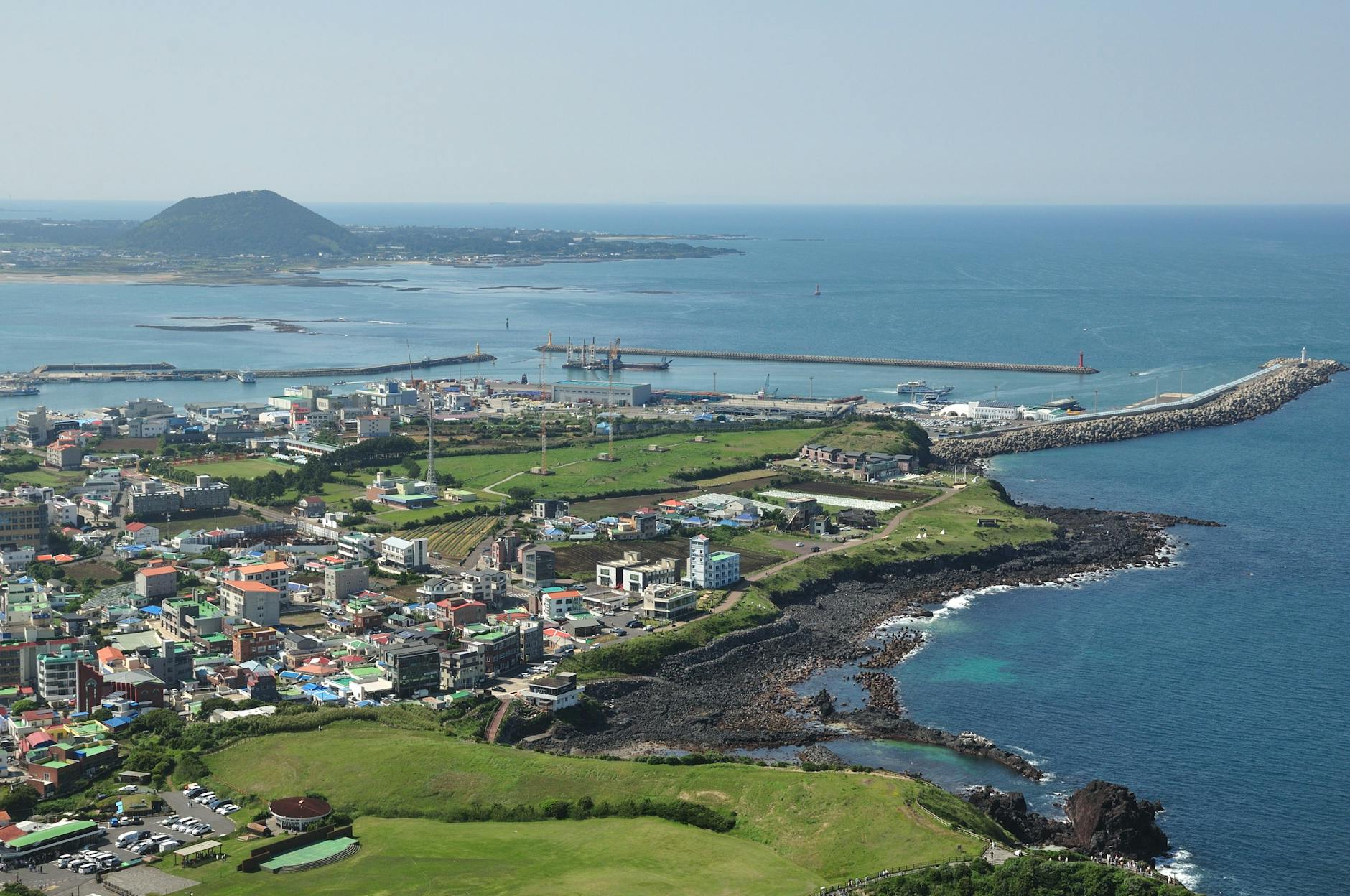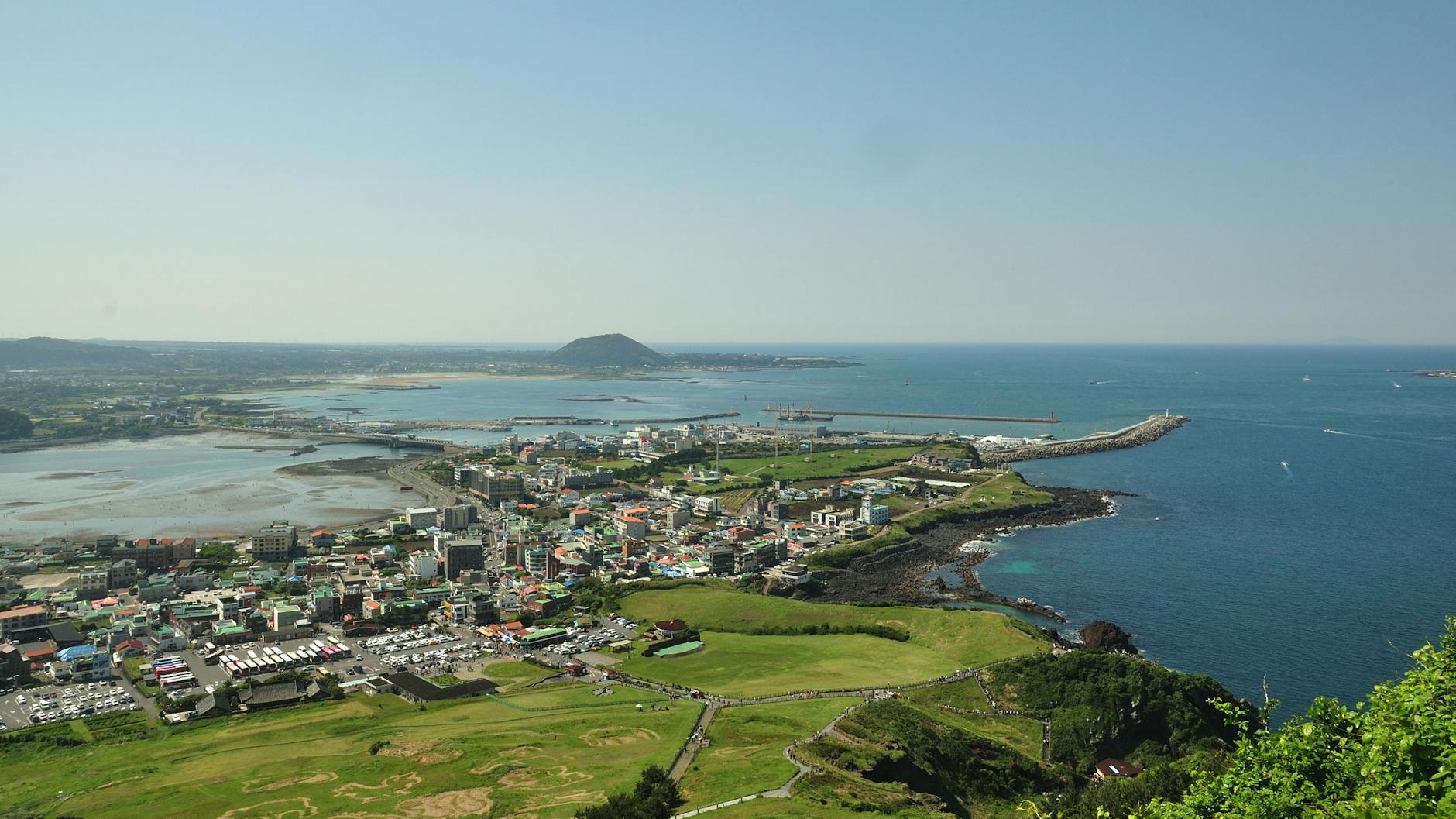
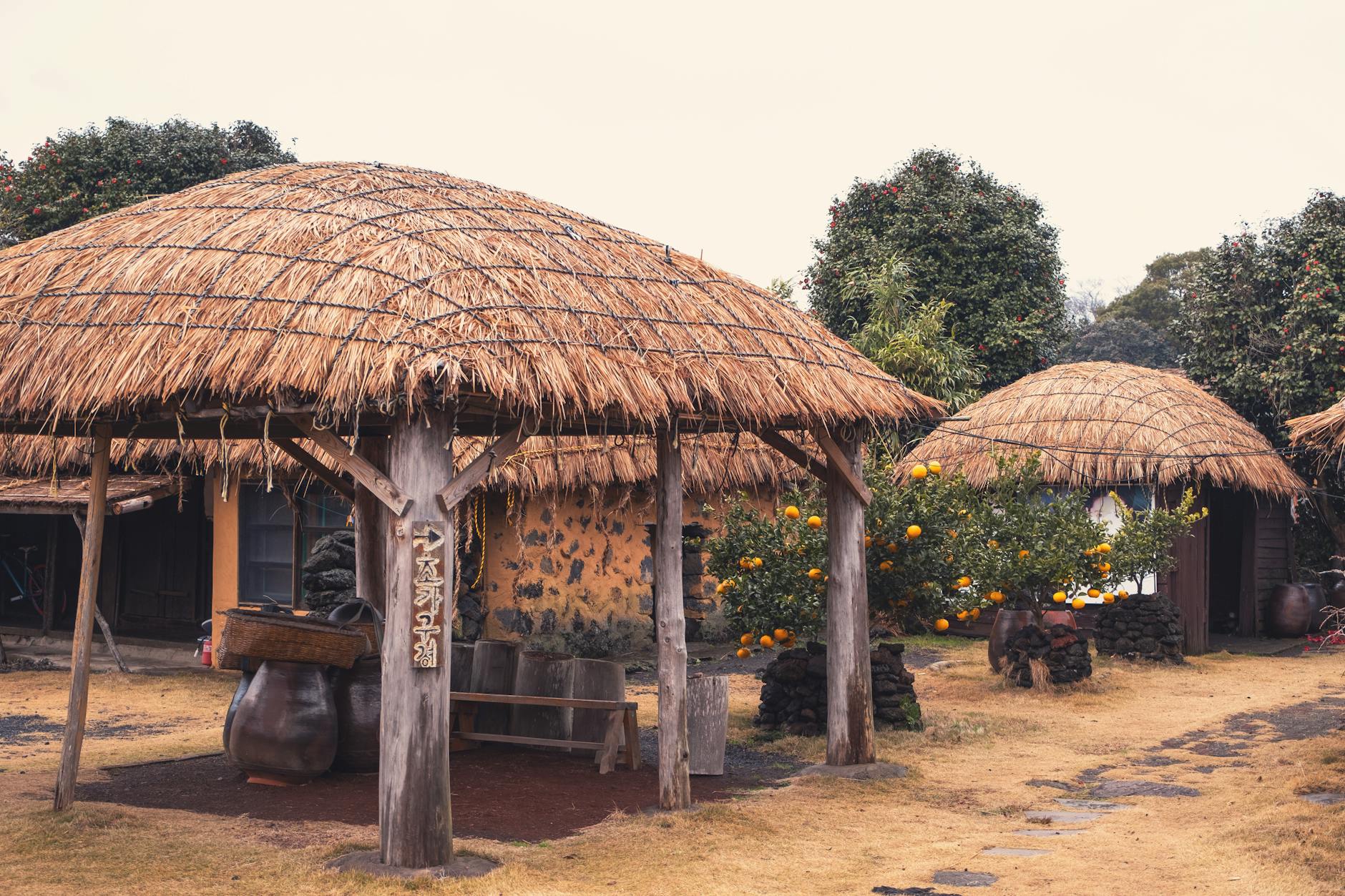
Jeju is often marketed as a soft-focus honeymoon island, a domestic getaway, or a volcanic nature break with cafés attached. There is some truth in all of those versions, but none of them are enough by themselves. Jeju is a place of lava coastlines, windswept roads, tangerine fields, resort zones, oreum hills, waterfalls, villages, museums, and a domestic tourism culture that can feel very different from the rest of South Korea. It is not automatically sophisticated just because it is scenic, and it is not automatically simple just because it is an island. The best Jeju trips understand that the island is about pacing and region choice. North and south are not identical. Resort Jeju is not rural Jeju. A car changes everything. Weather changes everything. The island is strongest when it is allowed to feel spacious, elemental, and slightly repetitive in the best sense.
How Jeju Island works
Jeju works best when the island is treated as a region-to-region landscape rather than as a list of disconnected sights. The coast, oreum hills, waterfalls, museums, village stretches, café scenes, and resort zones all create different versions of the island. Travelers who do well here usually choose a side of the island or accept a two-base stay. Travelers who do badly often imagine Jeju as small enough to improvise endlessly from one underconsidered hotel. The island can be forgiving, but it is not shapeless. It rewards a plan with room inside it.
- Jeju is an island of zones and moods, not one generic scenic loop.
- A one-base stay can work, but only if it fits the trip’s actual geography.
- The island improves when the plan is spacious rather than crowded.
Basic data
| Population | About 700,000 |
|---|---|
| Area | 1,849 km2 |
| Major religions | Largely secular, with Buddhist, Christian, and local shamanic traditions |
| Political system | Special self-governing province inside a unitary presidential republic |
| Economic system | Mixed services economy built on tourism, agriculture, fisheries, and renewable-energy investment |
Best time to visit
Spring and autumn are often Jeju’s cleanest answers because they let walking, driving, coast time, cafés, and interior landscapes all coexist comfortably. Spring brings blossom energy and a softer visual palette. Autumn often gives the best total-quality weather and clearer route days. Summer can still be rewarding, especially for travelers who want greener landscapes and a more resort-oriented version of the island, but rain and humidity can shrink the trip fast. Winter can be beautiful and moody, but only if the traveler wants a quieter, more weather-shaped Jeju rather than a postcard one.
- Autumn is often the easiest total-quality season for Jeju.
- Spring works beautifully if blossom timing is not handled too lazily.
- Weather is one of the main editors of the island, not an accessory detail.
Arriving and getting around
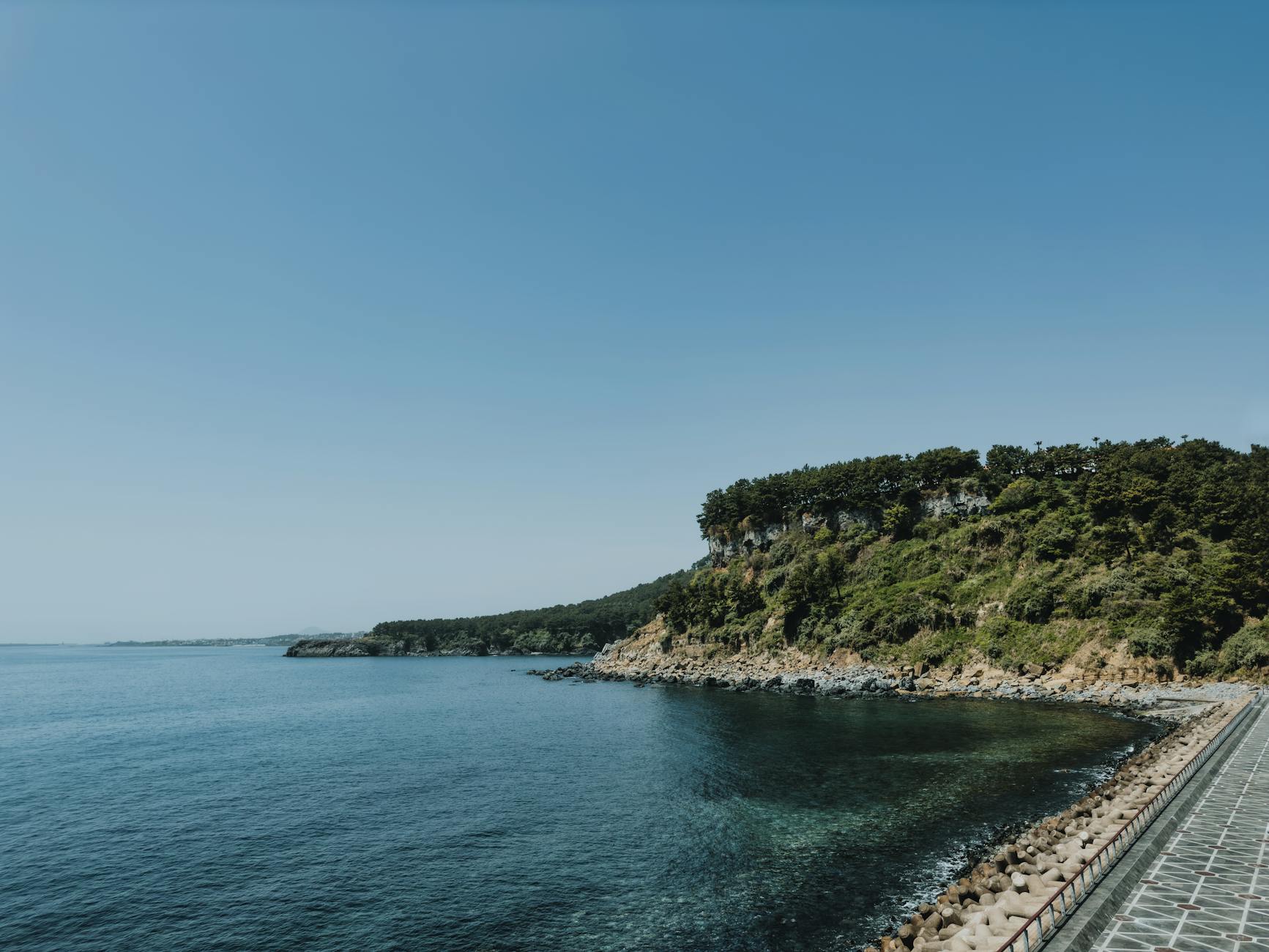
Arrival is simple enough; movement is the real question. Jeju can be done without driving, but the island usually becomes much stronger once the traveler has access to a car or a highly deliberate transport strategy. This is not because public transport is nonexistent. It is because the island’s pleasures are spread out and often tied to timing, scenery, and flexibility. A strong Jeju route should reduce backtracking, respect daylight, and understand that one beautiful road or one well-chosen coast can add more to the trip than a scattered attempt to see everything.
- Driving usually unlocks the cleanest Jeju trip.
- Transport strategy matters more here than in Seoul or Busan.
- The island is best when the route minimizes backtracking and respects daylight.
Where to stay
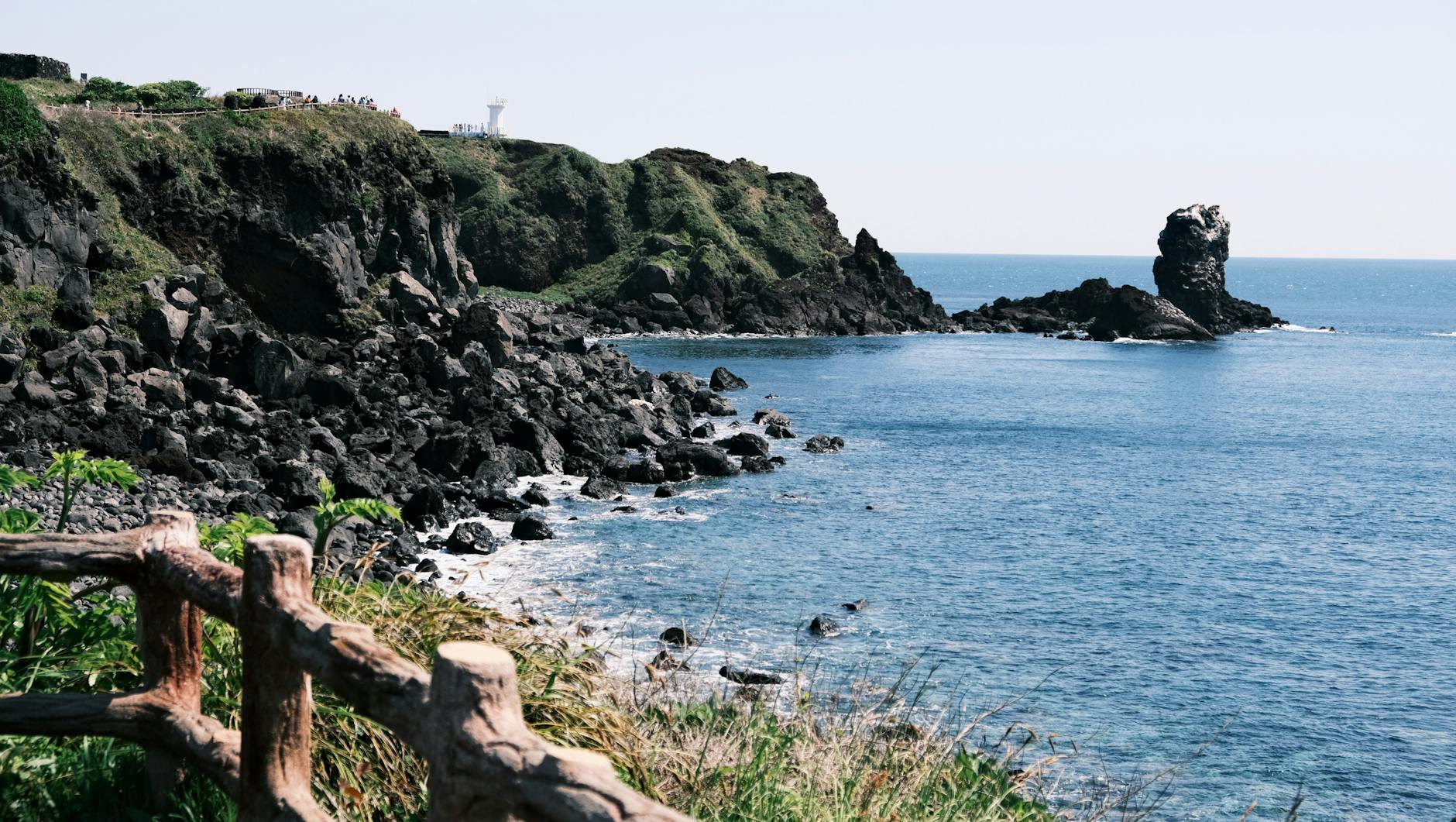
Hotel choice on Jeju is largely about whether the island is being used as a resort break, a nature-and-driving trip, a couple’s escape, a family holiday, or a café-and-scenery stay. Southern resort zones can feel very different from northern bases near the airport and Jeju City. Some travelers want polished full-service comfort; others want smaller design stays or pensions closer to quieter stretches of coast. The right answer depends on how much of the trip’s pleasure is meant to happen at the property versus out on the road. Jeju is one of those places where the hotel is often part of the landscape experience.
- North-side and south-side Jeju can produce very different trips.
- The hotel should match the trip type, not just the room budget.
- A strong property can make bad weather much less costly.
The parts of Jeju that matter most
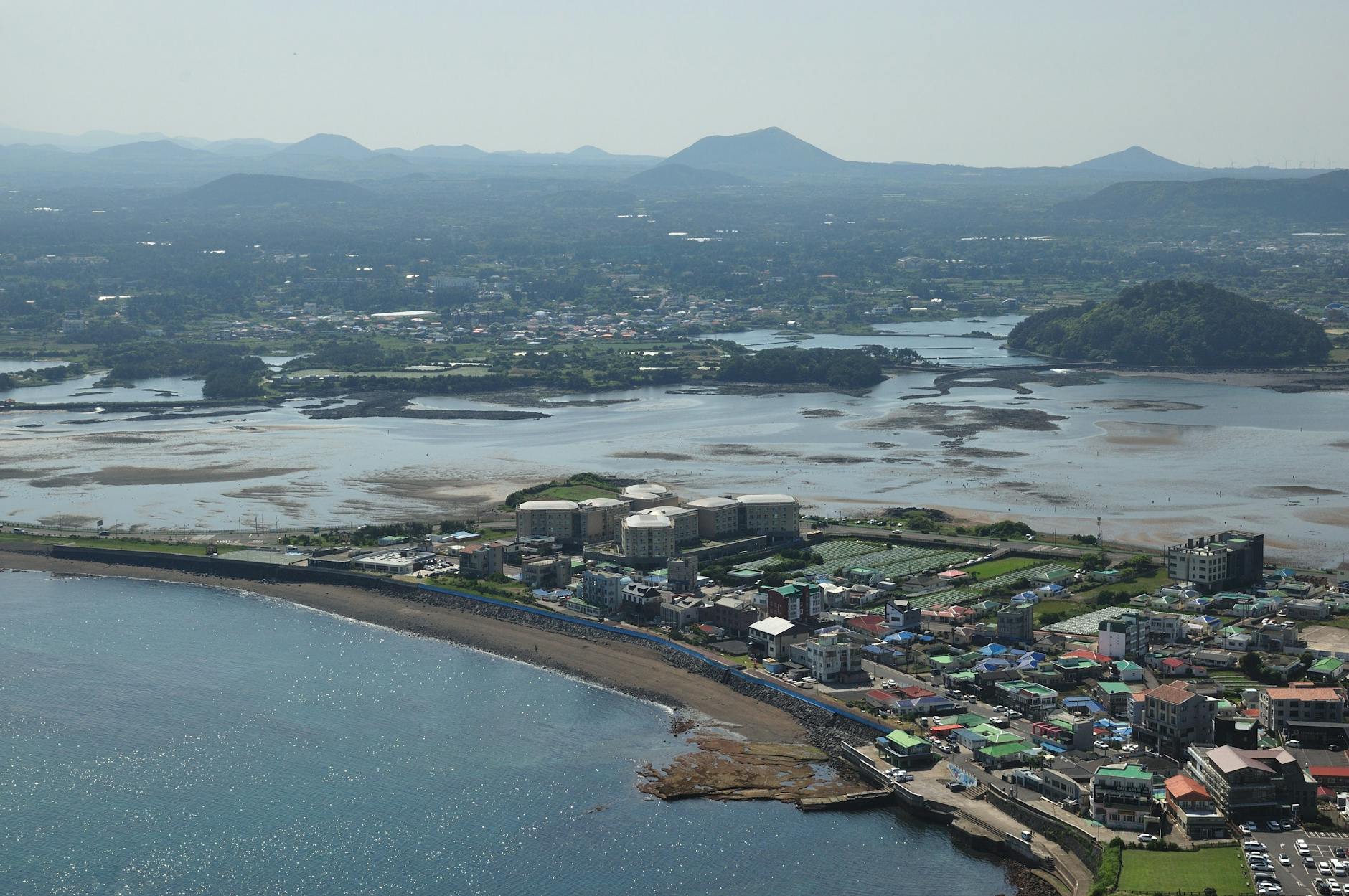
For many travelers, the first distinction is between the north near Jeju City and airport convenience, the more resort-oriented south, and the quieter interior or eastern and western stretches that carry different landscapes and tourist rhythms. Seogwipo and the south side give one kind of Jeju. Jeju City gives another. The coast roads, oreum landscapes, and scattered attractions in between support yet more versions. The island should be divided by what you want easiest access to: café culture, waterfalls, resort time, hikes, volcanic scenery, food, or simpler logistics.
- Different sides of Jeju feel like different products.
- Airport convenience is not always the same thing as island quality.
- Choose a lane for the stay instead of trying to inhabit every version of Jeju at once.
What Jeju does best
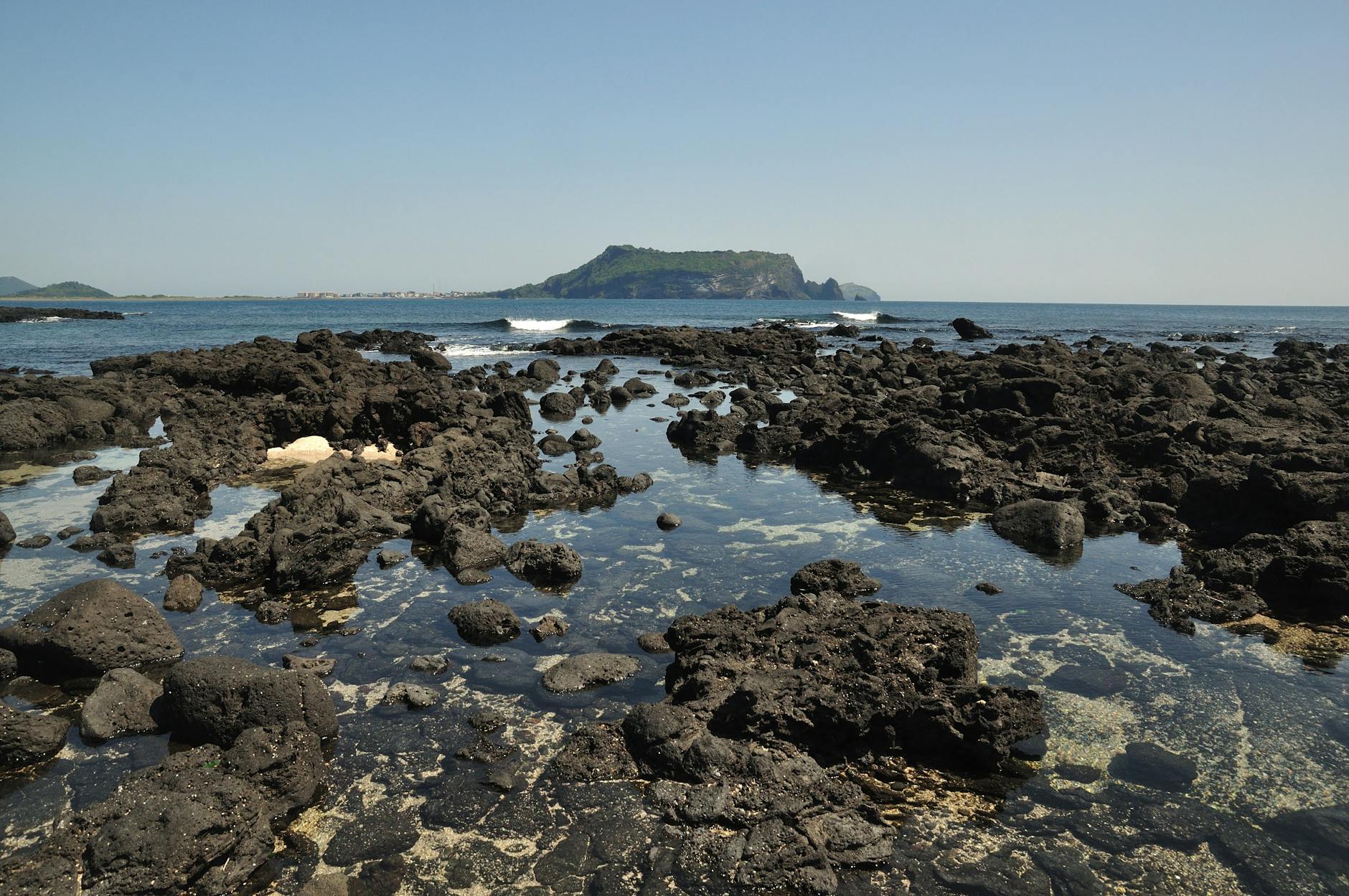
Jeju is particularly strong for travelers who want restoration without total passivity. It gives you coastlines, drives, wind, volcanic texture, thoughtful cafés, and enough hotel comfort to make the island feel genuinely relieving. It is also excellent for couples, multigenerational family trips, and domestic-style short breaks where the point is to move through beautiful terrain without urban friction dominating the day. Jeju’s best luxury is not flashy. It is air, space, and tempo.
- Jeju is one of the region’s strongest destinations for restorative movement.
- The island works well for travelers who want scenery without expedition-level effort.
- Its deepest pleasure is spaciousness rather than spectacle.
Food, cafés, and the island’s quieter pleasures
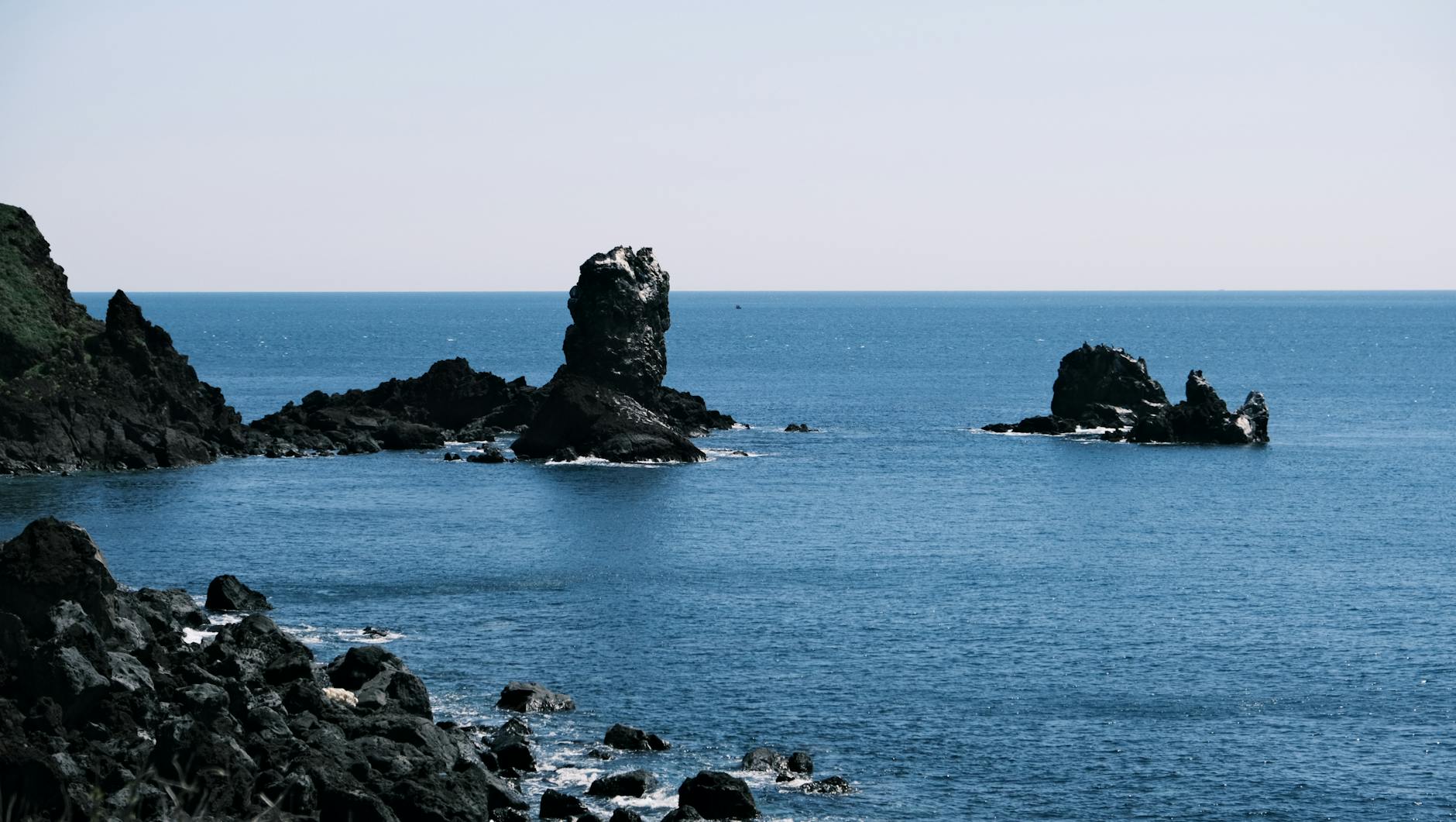
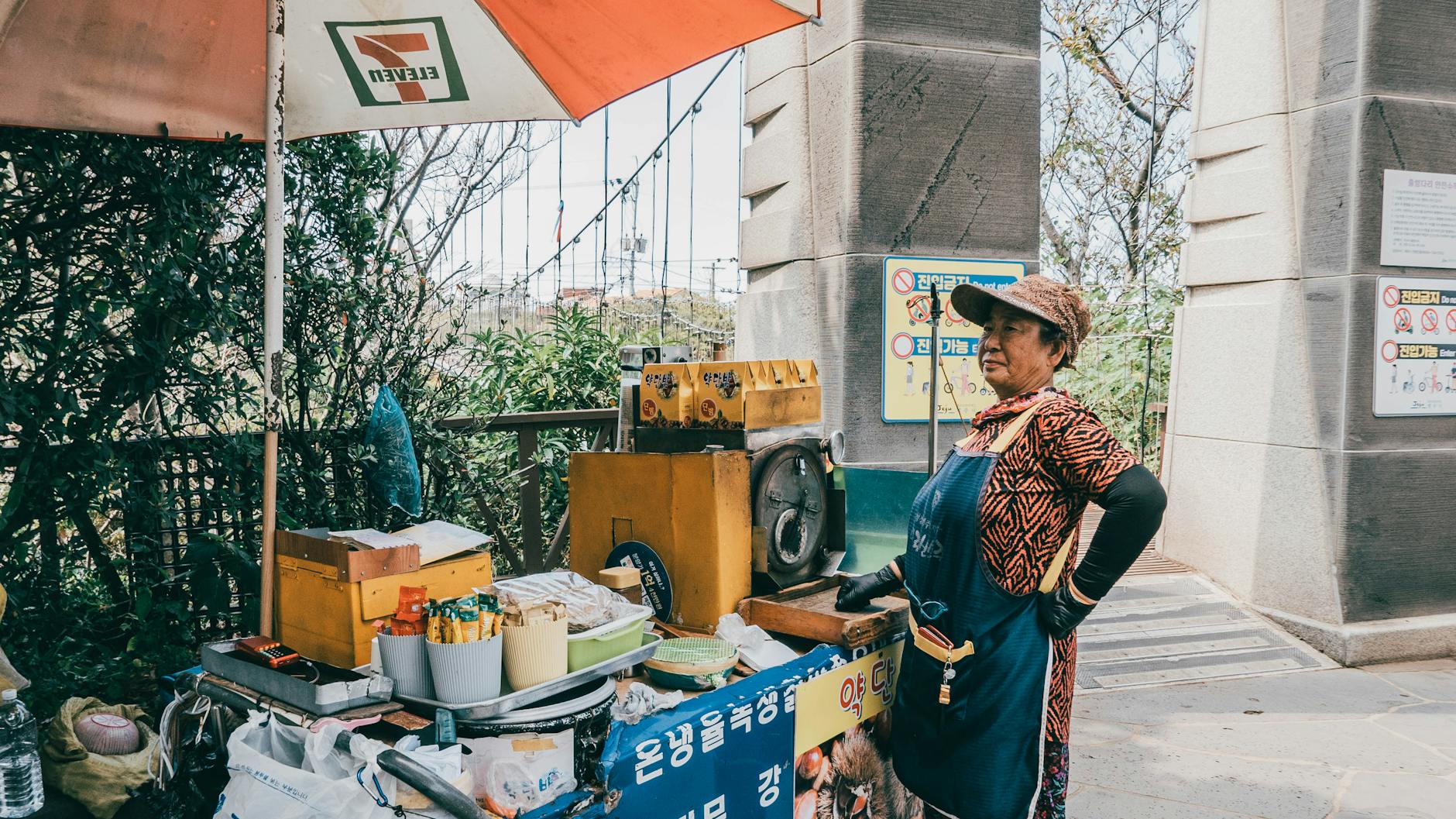
Jeju dining is not only about famous local specialties, though those matter. The island is also about cafés with a sense of place, seafood, black pork, tangerine-linked products, bakery culture, and meals that are shaped by where you are on the island and what the weather is doing. A good Jeju day often contains at least one stop that is less about the food alone than about the setting and pause it creates. The island rewards appetite that is relaxed and place-sensitive rather than aggressively optimized.
- Jeju’s café culture is part of the destination, not filler.
- Local specialties matter most when they fit the route and mood.
- A meal with landscape can matter more than a louder reservation.
Nature, weather, and practical realism
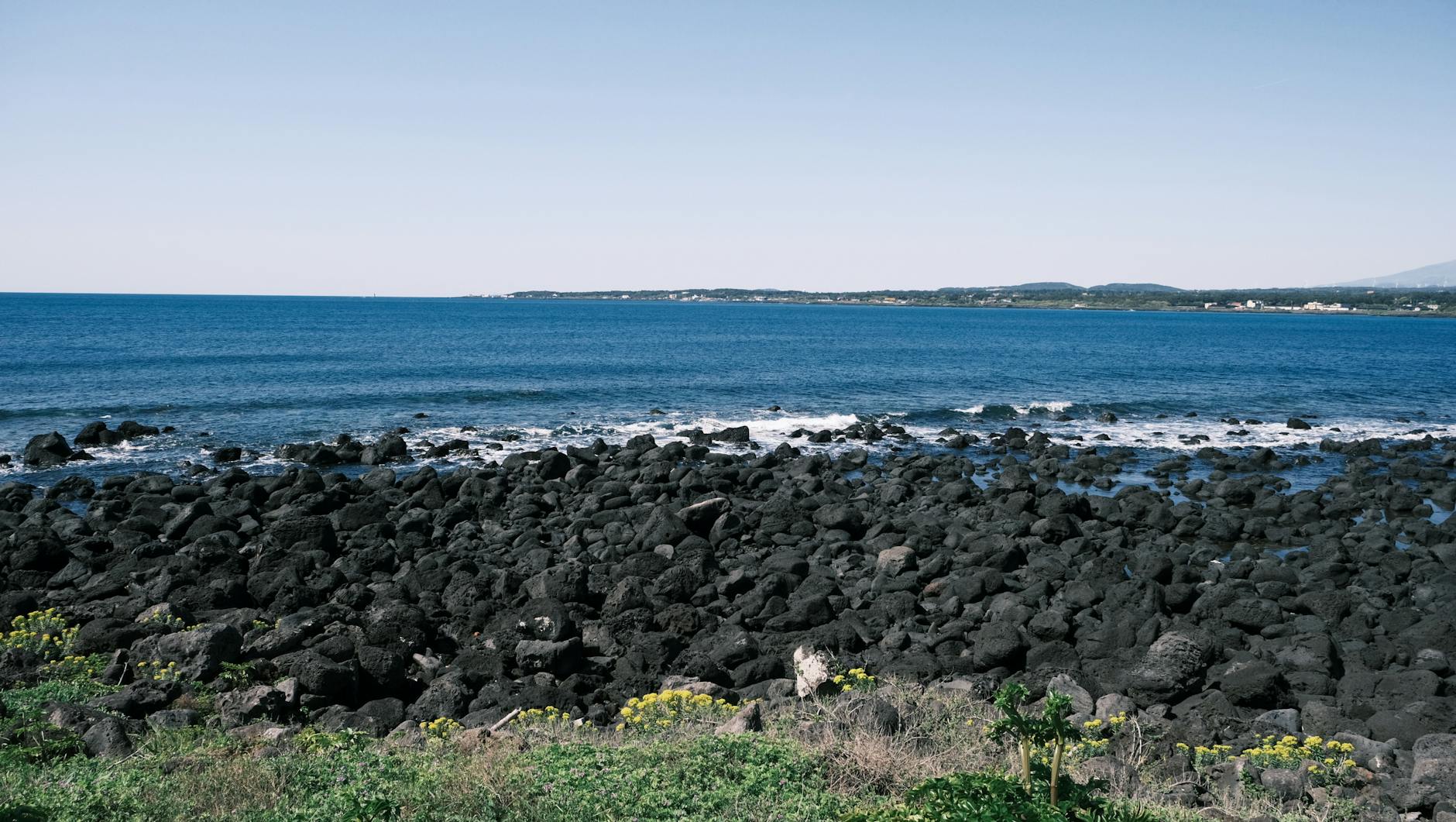
Jeju is scenic, but it is not scenery on command. Wind, rain, sea conditions, and visibility shape the island constantly, and travelers should build the trip with enough flexibility to absorb that. Hallasan, coastal paths, beaches, viewpoints, and oreum hikes all behave differently depending on the weather. This is one reason Jeju rewards a little humility. The island is not there to perform exactly on cue. Travelers who leave room for a changed route often end up with a better Jeju than those who insist on forcing the original plan through whatever the sky is doing.
- Weather changes the island in meaningful ways every day.
- Flexibility is not a compromise in Jeju; it is part of travel competence.
- Nature here should be used with respect rather than with checklist aggression.
Etiquette and local norms
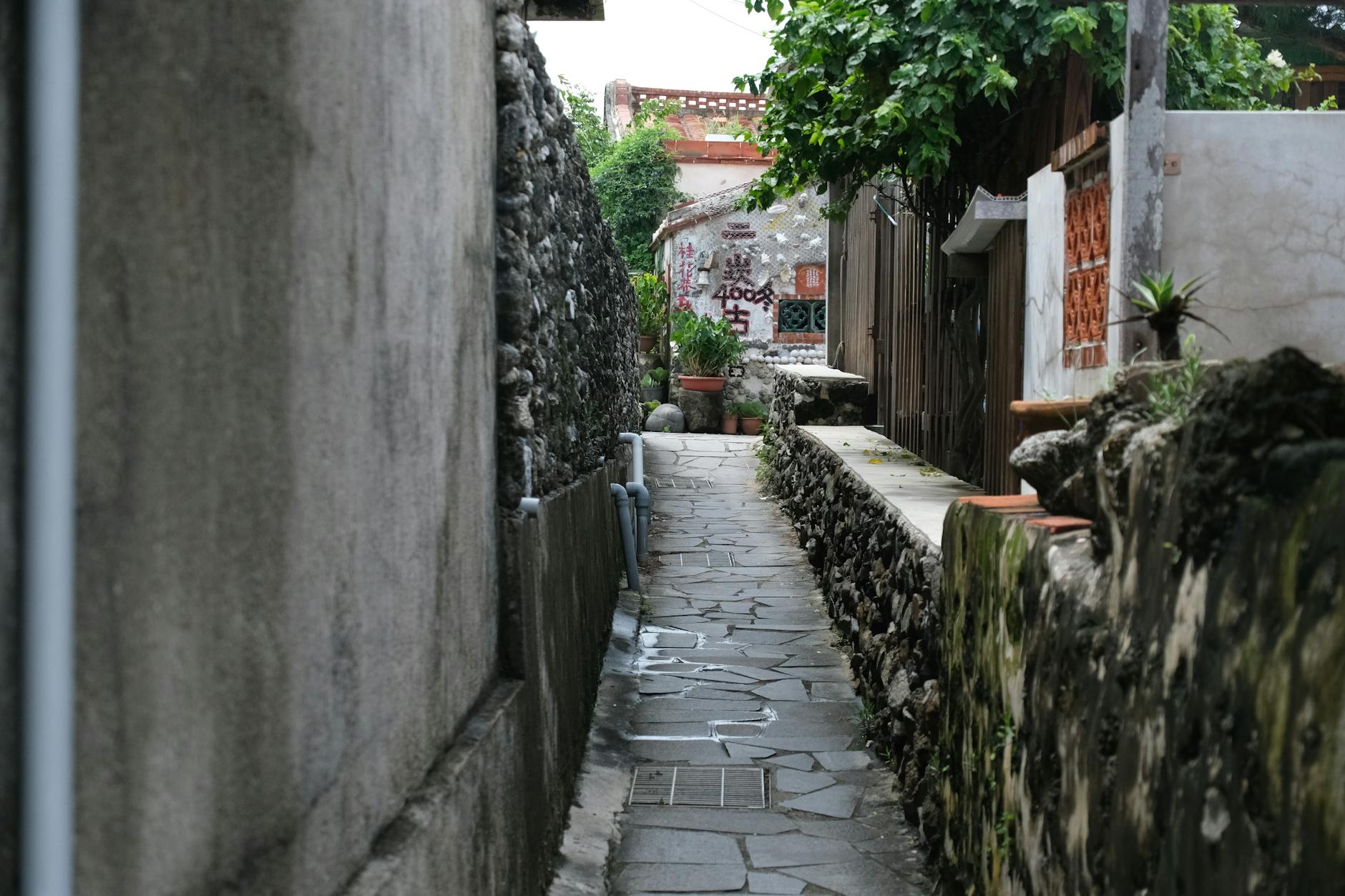
Jeju can feel relaxed, but it still sits inside the broader South Korean culture of public order and shared-space awareness. Courtesy in cafés, hotels, roads, natural sites, and family-oriented attractions matters. Drivers should be especially careful not to let vacation mood turn into lazy road behavior. At more rural or quieter sites, visitors should remember that scenic landscapes are also lived-in environments. The island works best when people use it gently.
- Jeju’s ease should not be confused with normlessness.
- Road manners matter because driving is central for many trips.
- Natural and rural settings deserve the same respect as urban public spaces.
My blunt advice
The biggest Jeju mistake is treating the island as either a honeymoon cliché or a checklist drive. The second is pretending weather and geography do not matter because the island seems manageable on a map. Jeju is strongest when you choose a side, choose a pace, book a hotel that suits the trip, and let the island’s air and volcanic landscape do the heavy lifting. If you try to turn it into a productivity challenge, you will flatten the very thing that makes it worth coming for.
- Do not reduce Jeju to a scenic errand list.
- Weather and transport deserve real respect here.
- A slower, better-shaped Jeju is usually a far stronger Jeju.