Ipoh is one of those cities that gets praised correctly and used badly.
Start Here
People know it for white coffee, old-town facades, food lists, murals, and a general sense that it is a handsome smaller Malaysian city worth a stop on the way somewhere else. None of that is false. It is simply incomplete. If you use Ipoh only as a quick heritage-food stop, you flatten exactly what makes it memorable.
Ipoh’s real appeal lies in coherence. The old town makes sense because of the railway station, the colonial and commercial remnants, the kopitiam rhythm, and the way limestone hills still loom around the wider city. The food makes sense because it belongs to a place shaped by tin-boom wealth, migration, everyday local habits, and a pace that still rewards returning to the same street twice rather than trying to “cover” everything once. Tourism Perak still frames Ipoh Old Town as one of the city’s essential visitor zones, and the official visitor site continues to present Ipoh as the capital of Perak and a gateway to the state.[1][2]
That is the right way in. Ipoh is not a spectacle city. It is a city of texture, appetite, and proportion. The strongest trip treats it as a stay in its own right, not as a box to tick between Kuala Lumpur and Penang.
Ipoh in one sentence: it is one of Malaysia’s most satisfying smaller-city stays, but only when you let food, streets, and limestone geography work together instead of chasing only the famous bites.
Basic data
| Population | About 750,000 in the wider city area |
|---|---|
| Area | Regional city in Perak |
| Major religions | Islam, Buddhism, Christianity, Hinduism, Taoism, and Chinese folk traditions |
| Political system | State city inside a federal constitutional monarchy |
| Economic system | Upper-middle-income mixed economy led by services, manufacturing, food, healthcare, and tourism |
Quick Verdict
Best for: food-focused travelers, Malaysia repeat visitors, small-city walkers, rail travelers, and anyone who likes urban texture more than headline sights.
Less ideal for: visitors who want nonstop nightlife, huge museums, or a destination that explains itself through one dominant monument.
Ideal first stay: 1 to 2 nights.
Still worthwhile: with one night, if the base is chosen well and the schedule is not overbuilt.
Can justify longer: yes, especially if paired with a slower Perak route or if you want to use the city as a comfortable inland pause.
Biggest planning mistake: treating Ipoh as only an old-town breakfast-and-photo errand.
One thing to prioritize: the old-town and new-town relationship.
One thing to keep simple: the food hit list.
The blunt version: Ipoh gets better as soon as you stop rushing it.
Who Will Love Ipoh?
Ipoh works for travelers who enjoy modestly scaled cities with real local identity. If you like the idea of coffee shops, railway-era architecture, low-rise streets, and good food in a city that does not need to shout for attention, Ipoh is strong.
It is especially good for visitors who understand that smaller cities often reward revisiting the same streets at different times of day rather than maximizing range. Ipoh is a city that improves when you let it settle. It does not reward frantic extraction very well. You can force a checklist version of the place, but it will be thinner than the city deserves.
It is also a strong choice for travelers who are tired of the false choice between “major city” and “small picturesque town.” Ipoh is neither extreme. It is a functioning city with enough history and appetite to feel complete, but with a scale that still allows you to read it.
Ipoh at a Glance
| Question | Practical Answer |
|---|---|
| Best first stay length | 1 to 2 nights |
| Main arrival logic | rail or road into a compact center |
| Most useful split | old town vs new town |
| Main environmental frame | limestone hills around the wider city |
| Food logic | breakfast, coffee, local shops, selective snacking |
| Main risk | overcompressing the stay into a heritage-food sprint |
| Best use | a slower urban stop with appetite and walking discipline |
| Core payoff | a complete-feeling city at a manageable scale |
2026 Visitor Notes
Ipoh Old Town Still Anchors the City’s Visitor Identity
Tourism Perak’s current official Ipoh Old Town page continues to frame the district through murals, boutique retail, and foot exploration.[1] That is useful, but it is only the starting point. The old town is where many first impressions happen, not where the city ends.
Ipoh Is Still Officially Framed as Perak’s Capital and Gateway
Ipoh’s official visitor site continues to present the city as the capital of Perak and a practical base for understanding the state.[2] That matters because Ipoh works best when it is treated as a lived city with regional weight, not merely as a stopover.
The Railway Layer Still Matters
KTMB’s current station information continues to present Ipoh as one of the key stations on the intercity network.[3] That rail presence still helps explain why the old city feels the way it does. Ipoh’s urban identity is not separable from its arrival logic.
The Official Framing Still Undersells the New Town
Like many tourism pages, the official material leans hard on old-town atmosphere.[1] That is understandable, but it means visitors need to do some interpretive work themselves. Ipoh is not just a heritage quarter. The broader city matters to the experience.
How to Understand Ipoh
Ipoh works through five forces.
The first is tin-boom urban inheritance. The city’s older fabric reflects earlier economic importance.
The second is old town and new town contrast. You need both to read the place correctly.
The third is food as daily structure. Meals here are not separate from urban identity.
The fourth is limestone geography. Ipoh does not sit in abstract flatness; the surrounding stone landscape matters to its atmosphere.
The fifth is modesty of scale. Ipoh feels complete without needing to be huge.
The Main Mental Shift
Do not ask, “What are the famous Ipoh things?” Ask, “How does this small city actually hold together?” That question makes the trip much better.
The answer is not one singular icon. It is a set of relationships: station to old town, old town to food, food to local pace, new town to present-day life, and the whole urban system to the limestone backdrop.
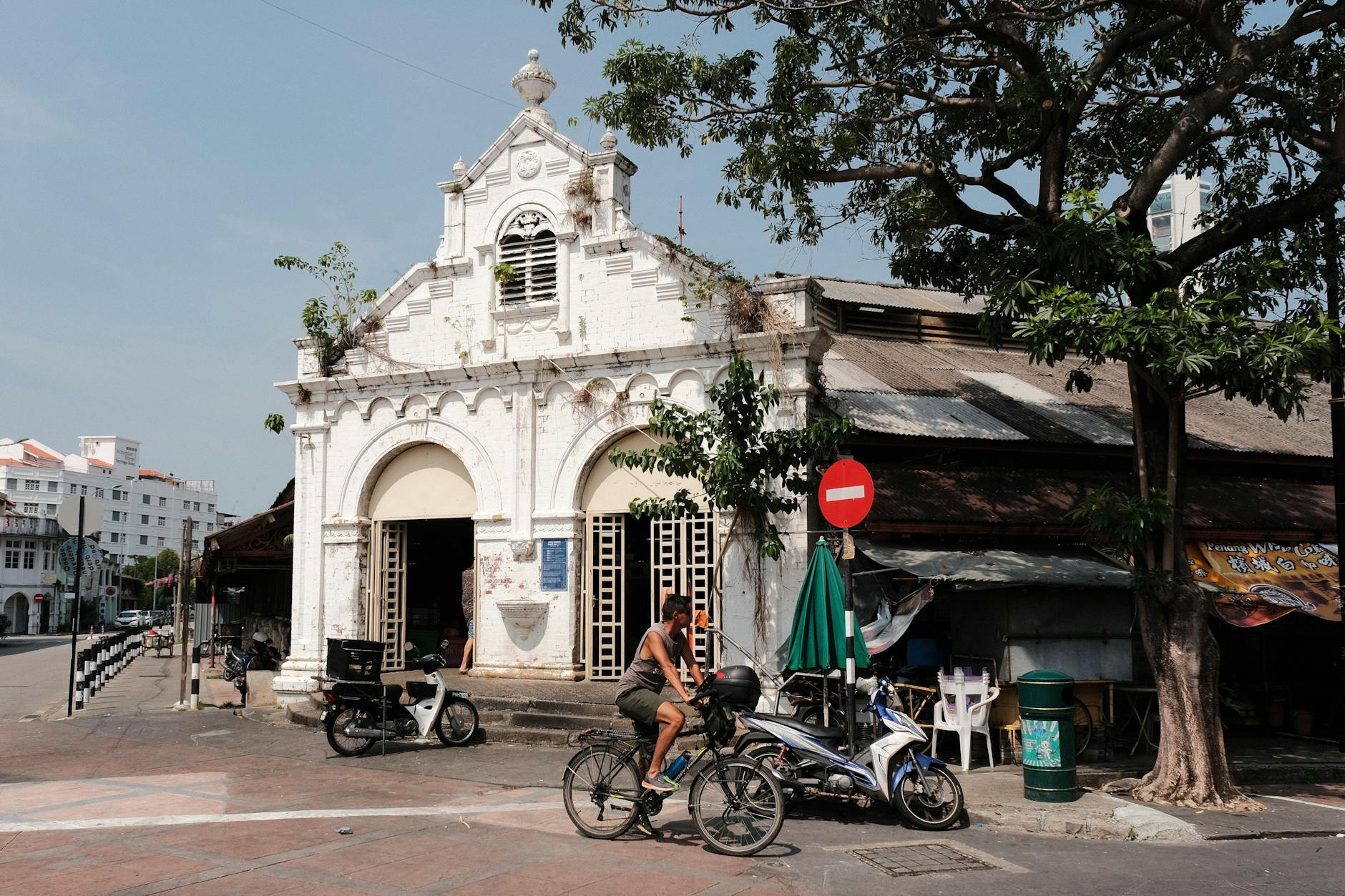
What Makes Ipoh Distinct
Ipoh’s distinction is that it feels complete at a smaller scale.
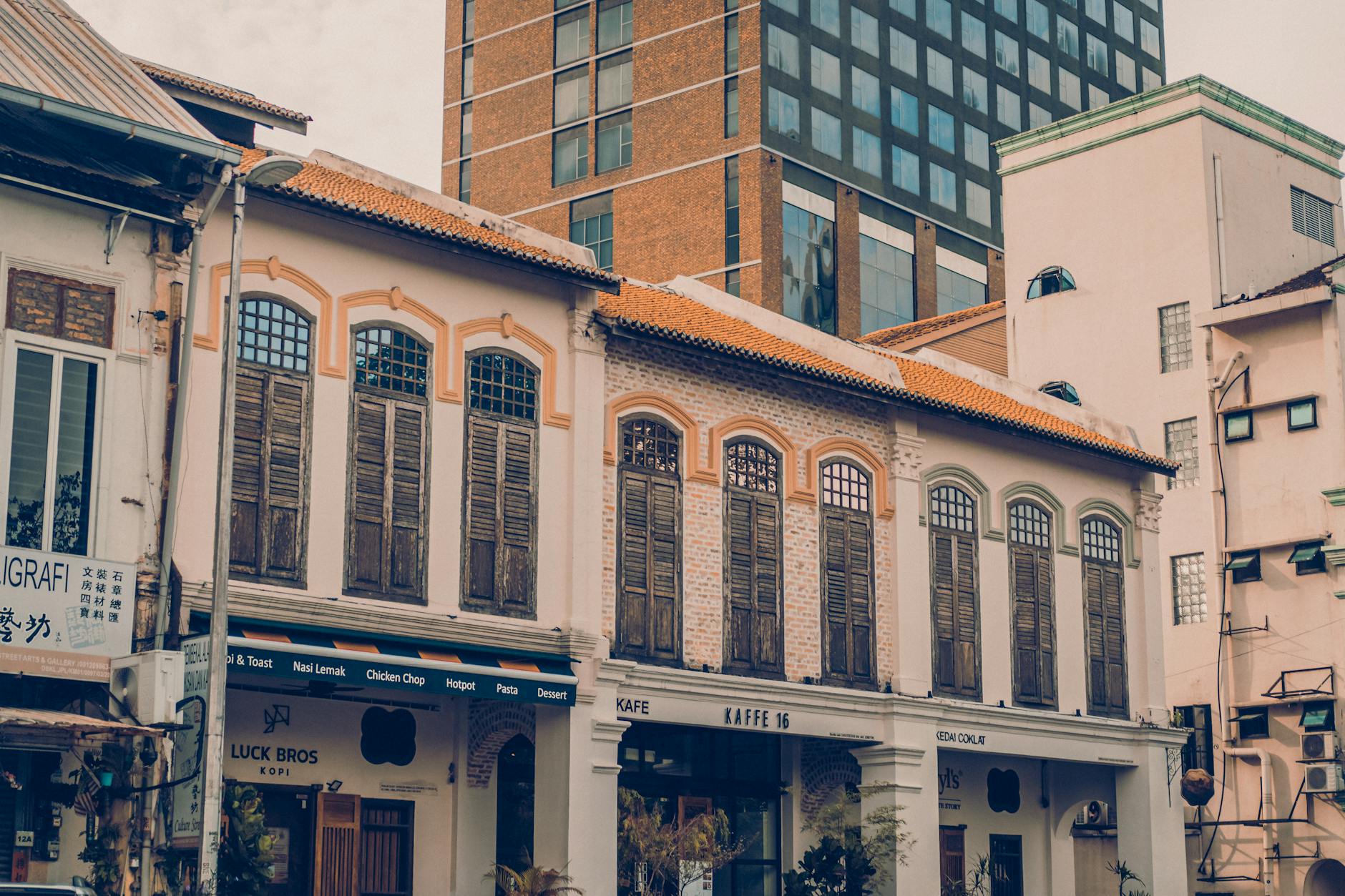
Many smaller Southeast Asian cities are pleasant but thin. Ipoh is not thin. The old town, railway heritage, coffee culture, low-rise streets, and visible limestone setting give it unusual density without making it exhausting. It does not overwhelm, but it does cohere.
That is a different kind of strength from what travelers usually look for, and it is exactly why the city lands so well when used properly. You are not constantly being asked to marvel. You are being asked to notice how the pieces support one another.
Why Ipoh Gets Misused
Ipoh is easy to misuse because the first layer is so accessible.
You can arrive, walk the old town, drink coffee, photograph a mural, eat one or two famous dishes, and leave feeling as though you have done the essential city. The problem is not that this is entirely wrong. The problem is that it mistakes easy access for total understanding.
The city’s hospitality toward short visits works against it. Because Ipoh does not demand a lot to yield something pleasant, many travelers never give it enough to become memorable. They extract the obvious and move on.
This is why a second-pass expansion is warranted. Ipoh needs more guidance precisely because it hides its best qualities behind seeming simplicity.
Best Time to Visit
Ipoh is warm and humid, but it is a workable city if you respect that reality.
The best walking usually happens earlier and later, with food and coffee pauses doing more than simple refreshment. Heavy midday ambition is rarely necessary. The city is not large enough to justify punishing yourself for the sake of coverage.
Morning is excellent for old-town walking and coffee-shop rhythm. Midday works better as a looser phase: a shorter indoor visit, lunch, a slower new-town pass, or a rest. Late afternoon gives the city more softness and often makes a second old-town walk feel different enough to matter.
The goal is not to beat the weather. It is to let the day have a natural shape.
How Many Days You Need
One Night
A good first answer. Enough for old town, one or two proper meals, and a better feel for the place than a transit stop provides.
Two Nights
Better if you want the city to breathe and if food matters enough that you do not want every meal to feel rushed.
Longer
Reasonable if Ipoh is part of a slower Perak itinerary rather than a compressed peninsula route.
The Real Minimum
The real minimum is not “how many hours can I physically spend here?” It is “how much time do I need before the city stops feeling like a themed stop?” For most people, that answer is at least one night.
Arrival Strategy
Ipoh’s arrival works best when it stays simple.
The city’s rail logic still matters because the station is part of how Ipoh historically presents itself.[3] Arriving by train fits the city unusually well. But whatever the mode, the more important question is whether your hotel placement lets you walk the old town properly and still move outward when needed.
Ipoh is not a city that requires heroic transport planning. It rewards clean positioning more than clever routing. If you can begin on foot with the station, the old town, or an easy crossing into the new town, the city usually starts making sense quickly.
Where to Stay
Hotel choice in Ipoh is mainly about how you want the city to feel.
Old Town / Near Station
Best for: first-timers, walkers, and travelers who want to be close to heritage streets and classic food rhythms. Tradeoff: less quiet and, in some patches, less refined than idealized nostalgia suggests.
New Town / Edge Zones
Best for: more modern comfort, easier vehicle movement, and travelers who want the city without depending fully on the heritage core. Tradeoff: slightly weaker first-visit atmosphere.
The Main Rule
On a first stay, choose convenience to the old core unless a very specific hotel reason pulls you elsewhere.
Ipoh is one of those places where being able to return briefly to your room without killing the day has more value than it might in a larger city. The scale encourages you to step in and out of the streets rather than treating the whole outing as one long march.
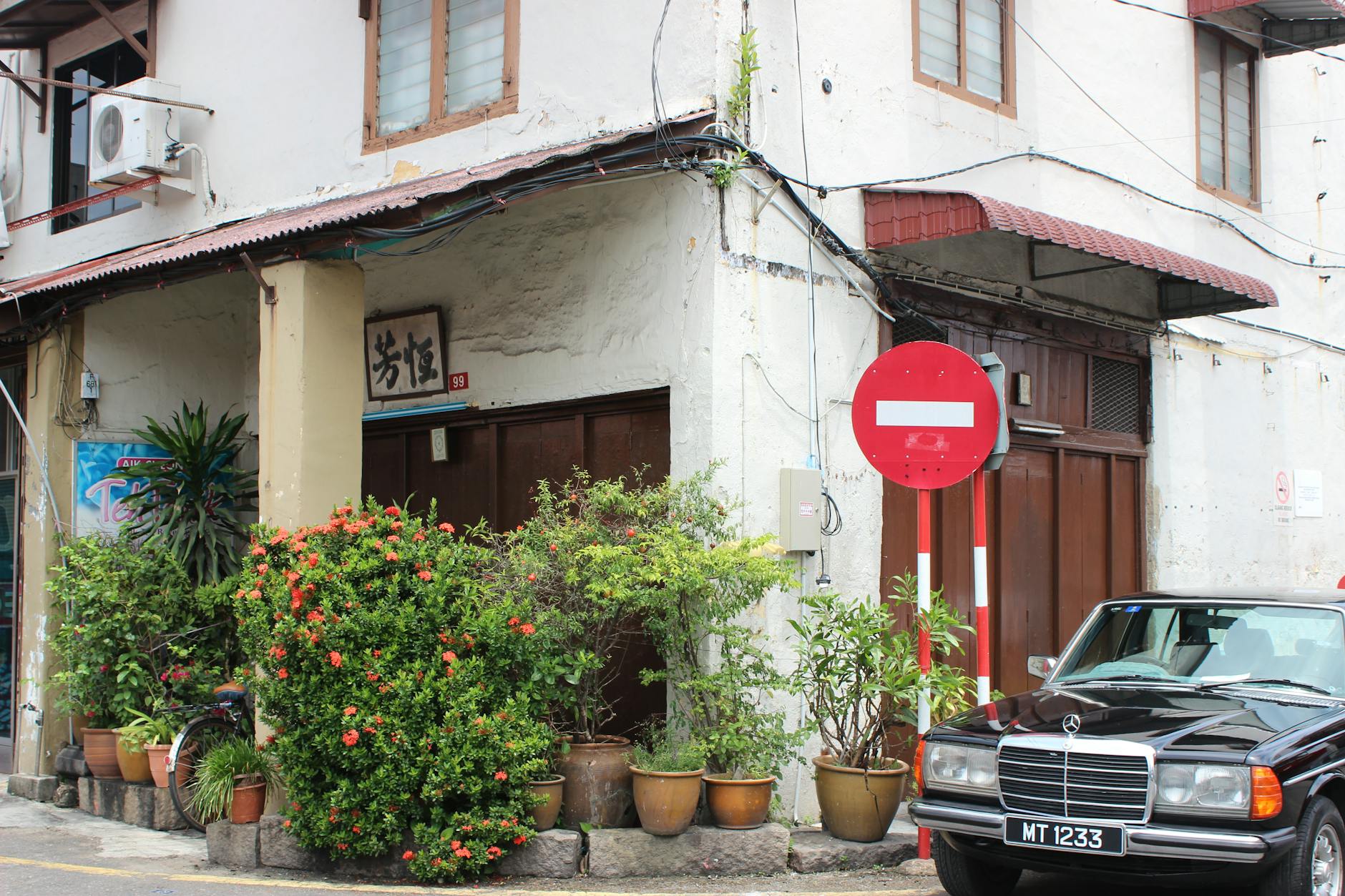
Old Town and New Town: The Split That Explains Ipoh
If you understand nothing else about Ipoh, understand this split.
Old town is where visitors usually anchor their memory: station, older facades, historic commercial streets, murals, and the strongest concentration of “this is Ipoh” imagery.[1][3]
New town is where the city reminds you it is not a preserved postcard. It has broader modern life, more contemporary commercial rhythm, and less pressure to constantly perform heritage.
The two belong together. If you do only old town, Ipoh can feel a little too composed for visitors. If you do only new town, you miss the city’s strongest argument for itself. The best trip uses the old town to enter the place and the new town to keep it honest.
The Station and the City’s Sense of Arrival
KTMB’s station listing may look like a dry practical reference, but for Ipoh it means more than transport alone.[3]
The station helps explain why the old center feels the way it does. It gives the city a formal arrival point. It reinforces the sense that Ipoh belongs to a larger peninsula network without losing its own scale. And it prevents the old town from becoming just a decorative district detached from actual movement.
Some cities have heritage cores that now feel cut loose from their original practical logic. Ipoh is not fully like that. The station keeps the city grounded.
Old Town, Properly Used
Ipoh Old Town is still the right anchor, but it should be used with proportion.
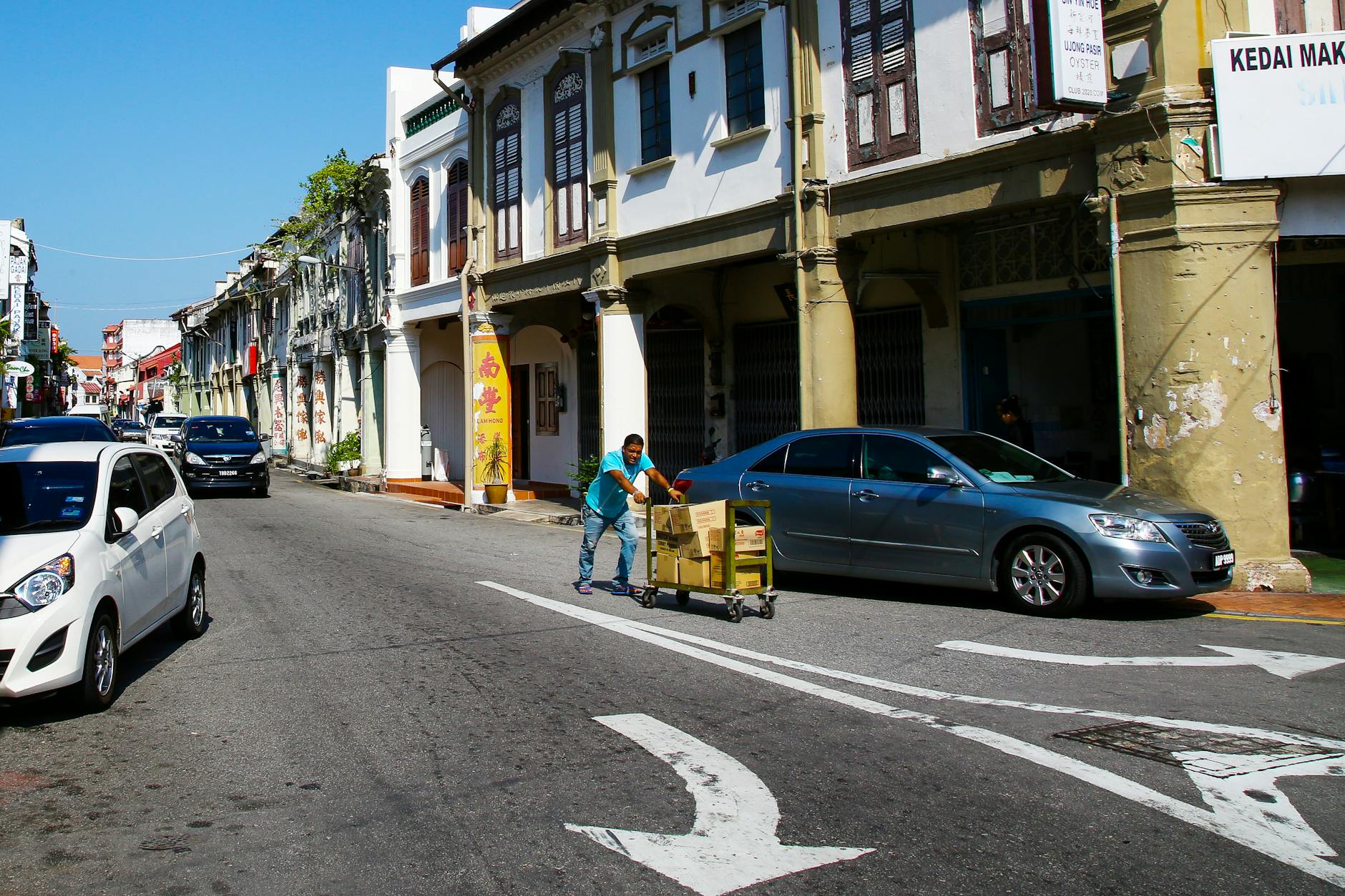
Tourism Perak’s official page continues to emphasize murals and foot exploration.[1] That is fair, but the better reason to be there is the district’s accumulated city texture: covered walkways, coffee shops, older buildings, and the sense that the place still belongs to ordinary use rather than being only an exhibition zone.
The mistake is to move through it as though its main purpose were to confirm things already seen online. Better to walk it once for orientation, then again for detail. The second pass is often where the city starts to settle into you.
Murals, Photo Stops, and Scale
Ipoh’s mural culture is now part of its visitor identity, and pretending otherwise would be silly. But many first-timers overweight it.
Murals matter because:
- they give the old town a clear entry point for casual visitors
- they encourage walking
- they create local memory markers
Murals matter less when:
- they become the sole reason to enter a street
- they replace attention to buildings, businesses, or urban form
- they reduce the city to a “hunt”
Good use of Ipoh means treating murals as one layer of invitation, not as the structure of the whole experience.
Food and the Need for Editing
Ipoh makes overeating easy and shallow.
Too many first visits become a relay race between famous dishes, famous coffee, and familiar recommendations. That produces a full stomach and a thin memory. A better approach is to eat well, repeat when warranted, and leave room for the city between meals.
Ipoh’s food works best when it feels embedded in the day, not scheduled over it.
The question to ask is not, “How many iconic dishes can I fit in?” The better question is, “What kinds of meals make the city feel coherent?” Usually the answer includes:
- one strong breakfast or coffee-shop start
- a lunch that is satisfying but not overcommitted
- enough space between meals to walk and re-see the city
- perhaps one repeated drink or return stop if something actually deserves it
Food is part of the city’s structure. Treating it as a competitive sport is how visitors make Ipoh less distinct than it is.
White Coffee, Kopitiam Rhythm, and Why Repetition Matters
One of the most underrated things in Ipoh is that repetition improves understanding.
A city like this is not best consumed through constant novelty. If you find one coffee-shop rhythm that works, letting it happen twice is not laziness. It is how you begin to feel the city rather than merely sample it.
That is especially true in a place whose public face has become heavily food-mediated. The temptation is always to move on quickly because another “must-try” is nearby. But small cities often reveal more through routine than through accumulation.
Ipoh is one of them.
The New Town: Why You Should Not Skip It
Visitors sometimes treat the new town as dead space between meaningful old-town experiences. That is a mistake.
The new town matters because it:
- keeps Ipoh from becoming a heritage fantasy
- shows how present-day city life continues beyond the oldest commercial spine
- gives the visit a more accurate sense of scale
- often provides practical comfort and less performative movement
No, the new town is not the most photogenic part of Ipoh. That is not the point. The point is that it prevents a false reading of the city.
Limestone, Calm, and City Character
One of Ipoh’s quieter advantages is that the wider city still feels physically framed.
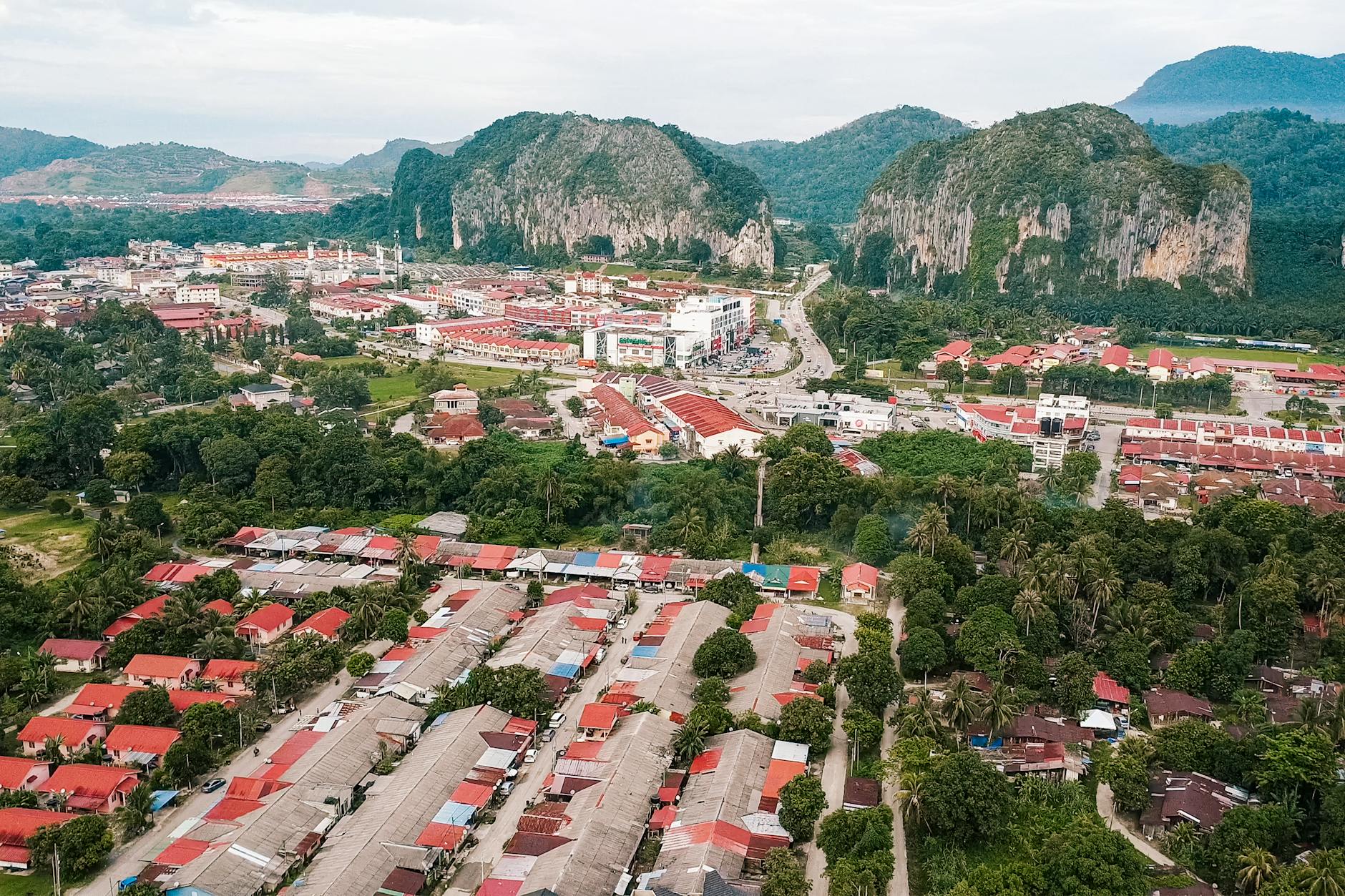
The limestone backdrop is not a gimmick. It changes the mood. It gives the city a sense of enclosure and identity that many similarly scaled places lack. Even when you are not explicitly “doing” a hill or cave-temple outing, that stone geography helps explain why Ipoh feels different.
This matters because Ipoh’s appeal is cumulative. Environment, architecture, and food reinforce one another. The city might not stop you with a single overwhelming view, but it keeps giving small evidence that it belongs exactly where it is.
Ipoh and the Value of Restraint
Ipoh is one of the clearest examples of a destination improved by restraint.
Restraint means:
- not turning every meal into a mission
- not demanding every mural
- not forcing every nearby excursion into a one-night stay
- not asking the city to behave like a larger or louder place
This is not an argument for doing less because the city lacks content. It is an argument for doing the right amount because its strengths are subtle enough to get crushed by overplanning.
Morning Ipoh Versus Evening Ipoh
Ipoh changes more across the day than some first-time visitors expect.
Morning Ipoh
Morning is when the city feels most persuasive. Coffee, breakfast, low-rise streets, and softer light all work together. The old town feels purposeful rather than merely scenic, and the city’s food culture still feels embedded in ordinary life rather than staged for visitors.
This is the time to:
- walk the old town
- drink coffee without rushing
- let one food stop lead naturally to the next part of the day
- notice how the station and surrounding streets frame the city
Midday Ipoh
Midday is often the weakest moment if you try to force too much. The heat builds, the streets flatten slightly, and the city can feel more still than evocative. This is the time for selective movement, not ambition.
Good midday use often means:
- a contained lunch
- a short shift into the new town
- an indoor break
- less photography and more practical wandering
Evening Ipoh
Evening gives the city a different register. It is not about dramatic nightlife. It is about release. The temperature softens, some streets regain shape, and the city becomes easier to use without pressure.
This is often when travelers realize they actually enjoy Ipoh, rather than merely admire it.
The Pace Problem: Why Visitors Misjudge Small Cities
There is a recurring mistake people make in smaller cities like Ipoh. Because the distance between meaningful points is shorter, they assume the right response is to pack more into less time.
That instinct is exactly wrong here.
In a big city, compression sometimes makes sense. In Ipoh, compression can make the city feel thinner than it really is. Smaller cities often offer their value through pacing, not volume. The quality comes from:
- doubling back
- seeing the same shopfront under different light
- leaving room between meals
- noticing where old town ends and newer patterns begin
- allowing the city to feel complete rather than consumed
Ipoh is a strong test of whether you know how to travel at the speed a city actually wants.
If You Arrive by Train, Use That Properly
KTMB’s station listing matters not just because it confirms access, but because arriving by rail gives the city a shape that many road-only visitors miss.[3]
Rail arrival helps because:
- it places you into the historic logic of the city immediately
- it makes the old core feel earned rather than merely selected
- it reminds you that Ipoh’s role has always been larger than a boutique heritage quarter
If you do arrive by train, do not rush straight into a tourism script. Let the station area and the first blocks of the city explain something. A city with this kind of arrival should be allowed to introduce itself.
If You Arrive by Road, Compensate for What You Miss
Road arrival is perfectly fine, but it often inserts travelers into the city more abruptly and less meaningfully.
If you arrive by car or bus, the best correction is simple:
- orient yourself around the old core rather than only your hotel
- find the station early in the stay
- do not let the convenience of road access flatten the importance of rail logic in the city’s identity
This matters because arrival shapes interpretation. Ipoh is one of those places where the form of entry slightly changes what you think the city is.
How Food Actually Fits the Urban Plan
It is tempting to describe Ipoh food simply as “one of the main reasons to come.” That is true but incomplete. The more useful statement is that food organizes the city.
In Ipoh, food is not just an attraction category. It determines:
- when you begin your morning
- which streets feel alive
- how long you stay in one zone
- whether you cross from old town to new town
- how tired or alert you feel for the next urban pass
This is why overplanning the food list damages the city read. If meals become detached targets, they stop doing their urban work and start interrupting it.
Repetition, Return, and Small-City Confidence
Big-city travel often trains people to fear repetition. You are supposed to keep moving because there is always more to see.
Ipoh works on the opposite logic. Repetition is not a failure. It is how the city deepens. Returning to the same coffee zone or rewalking a block later in the day often produces more value than hunting down one more “must-see” recommendation.
This is a mark of confidence in both the place and the traveler. Ipoh assumes, correctly, that its value is not exhausted instantly.
What to Do When the Weather Is Unhelpful
Ipoh is not a city that collapses in imperfect weather, but the day does need to be adjusted.
If it is rainy, gray, or oppressively hot:
- shorten the walking loops
- keep old-town orientation, but reduce the ambition to “see everything”
- use food and coffee stops more strategically
- avoid turning the day into pure waiting
The city can still be good in imperfect conditions because so much of its strength is in street rhythm and urban texture rather than in one dependent scenic vista. But the city does need more editing when the weather is uncooperative.
Why Ipoh Often Works Better Than More “Famous” Stops
This is where many experienced travelers end up surprised.
Ipoh is not more famous than Malaysia’s marquee cities, and it is not trying to be. But it often works better because:
- the scale is legible
- the old town still has real texture
- the food is deeply integrated into local rhythm
- the city does not require excessive transit effort once you are in place
- it gives you enough without demanding a performance from you
This is a different kind of success from a blockbuster city. It is calmer, more proportionate, and often more sustainable over the course of a longer trip.
What Ipoh Is Not
It helps to say this directly.
Ipoh is not:
- a giant urban spectacle
- a fully preserved heritage museum city
- a pure culinary pilgrimage zone
- a place that needs twenty attractions to justify itself
This matters because the wrong expectations are often what make visitors underuse the city. Ipoh is not trying to overwhelm you. It is trying to hold together well.
How to Leave Ipoh Properly
This may sound minor, but departure matters in smaller cities.
Do not leave immediately after the most famous breakfast just because that seems “efficient.” A better departure often means:
- using the morning well
- taking one final short walk
- letting the city close on a coherent note instead of on a queue
Ipoh is one of those places where the exit can either confirm the city or flatten it. Give it the extra hour if you can.
A Good One-Night Ipoh
If you have only one night, make the city prove the right things.
A strong one-night version usually looks like this:
- arrive cleanly and settle without rushing straight into a full food circuit
- walk the old town once for orientation
- take one meaningful coffee or snack pause
- let the evening meal be good, but not so huge that it ends your city energy
- rewalk part of the old town or one nearby zone at a slower pace
- use the morning well before leaving
This is enough to make Ipoh feel like a stay rather than a transaction.
A Stronger Two-Night Ipoh
Two nights is where the city often becomes convincing.
It gives you:
- one arrival day where you can walk without pressure
- one fuller day where old town, new town, and food can all coexist without strain
- weather flexibility
- a better chance of repeated streets, which matter here
A two-night stay does not mean you need a packed schedule. Quite the opposite. It lets the city’s scale work for you.
One Strong Two-Night Structure
If you want a practical model for a first serious stay, this is a good one.
Day 1
- arrive and settle
- orient around the old town without trying to “solve” it
- take one good coffee or snack stop
- let the evening meal be the city’s emotional anchor
Day 2
- use the morning for the strongest old-town and station-side reading
- shift into the new town later, once old Ipoh is no longer just scenery
- build the afternoon around appetite, weather, and energy rather than around checklist pressure
- end with a second, calmer urban pass
Day 3
- use the morning cleanly before departure
- repeat something that actually mattered instead of chasing one last item
This is how Ipoh becomes a complete stay instead of a competent stopover.
Why Ipoh Improves After the First Walk
The first walk is usually about orientation. The second is about recognition.
By the second walk, you know:
- which streets deserve more time
- what kind of food rhythm the city wants from you
- where the old town begins to feel too performed
- where the city becomes more genuinely itself
This is another reason the city rewards even modest length. The first pass gives you form. The second gives you feeling.
Why Ipoh Deserves a Second Pass in This Project
Ipoh is exactly the kind of city that suffers when the writing gets too compressed. A short guide can hit the obvious points and still fail the place. It can say “old town, food, murals, coffee” and technically not be wrong, while missing the city’s actual virtue: that it holds together as a lived, proportionate urban stay.
That is why this longer pass matters. Ipoh is not difficult to recommend. It is difficult to explain properly without enough room. The extra length is not indulgence here. It is the difference between a stopover summary and a real city guide.
What Ipoh Does Better Than Bigger Malaysian Cities
Ipoh does a few things unusually well.
It Makes Arrival Legible Quickly
Many bigger cities ask for more learning time before they start to feel coherent. Ipoh’s scale allows it to explain itself much faster.
It Holds Food and Urban Texture in Balance
In some places, food overwhelms place. In others, food becomes secondary to scenery or monuments. Ipoh keeps the two in useful relation.
It Feels Grounded
Even when visitor-facing, the city usually still feels like itself.
It Encourages Return Walking
This is one of the best markers of a strong small city. Repetition here pays off.
What Ipoh Does Worse Than Bigger Cities
Just as importantly, Ipoh has limits.
It does not offer:
- huge nightlife range
- endless museum or gallery infrastructure
- round-the-clock urban stimulation
- a giant roster of headline attractions
If you need scale or constant spectacle, Ipoh may feel too quiet. But if you are willing to let smaller urban pleasures accumulate, it can be deeply satisfying.
Why Ipoh Stays in Memory
Ipoh often lingers not because of one great sight, but because of proportion.
You remember:
- the station and the old streets belonging to each other
- the feeling that breakfast mattered to the day’s shape
- the limestone presence at the edge of the city
- that the old town felt active rather than embalmed
- that the city’s modesty was part of its strength
That is an impressive achievement for a place so often sold as a brief stop. It suggests that Ipoh’s problem is not lack of quality. It is that visitors are trained to undervalue exactly this kind of city.
Common Mistakes
Treating Ipoh as Only a Meal Stop
The food is important, but the city is more than a menu.
Staying Too Briefly
Even one night improves the experience significantly.
Overfocusing on Murals
They are part of the city, not the city’s whole argument.
Ignoring the New Town
Doing so leaves you with a partial reading of the place.
Trying to Maximize Coverage
Ipoh’s strength is coherence, not scale.
Expecting Spectacle
Ipoh is a city of accumulation, not dramatic unveiling.
My Blunt Advice
Arrive, settle, walk the old town once without trying to solve it, eat well, and let the city’s pace take over.
Do not make Ipoh prove too much. It is not trying to be Penang, Kuala Lumpur, or Melaka. Its strength is smaller and, in some ways, more mature than that: a city with enough history, appetite, and physical character to hold a complete stay without needing spectacle.
If you let it do that job, it usually wins people over. If you insist on treating it as a very efficient stop, it will still be pleasant. It just will not get the chance to show why people who slow down here often end up speaking about it with disproportionate affection.
Source Notes
- 1. Tourism Perak Malaysia official page for Ipoh Old Town. Used for current official framing of the district as a walkable visitor area known for murals, shops, and exploration on foot. https://www.tourismperakmalaysia.com/ipoh-old-town/
- 2. Ipoh’s official visitor website. Used for current official city framing of Ipoh as the capital of Perak and as a visitor base within the state. https://www.ipohpedia.com.my/
- 3. KTMB official station information page. Used for current official station-network context confirming Ipoh’s continuing rail importance. https://www.ktmb.com.my/StationInfo.html