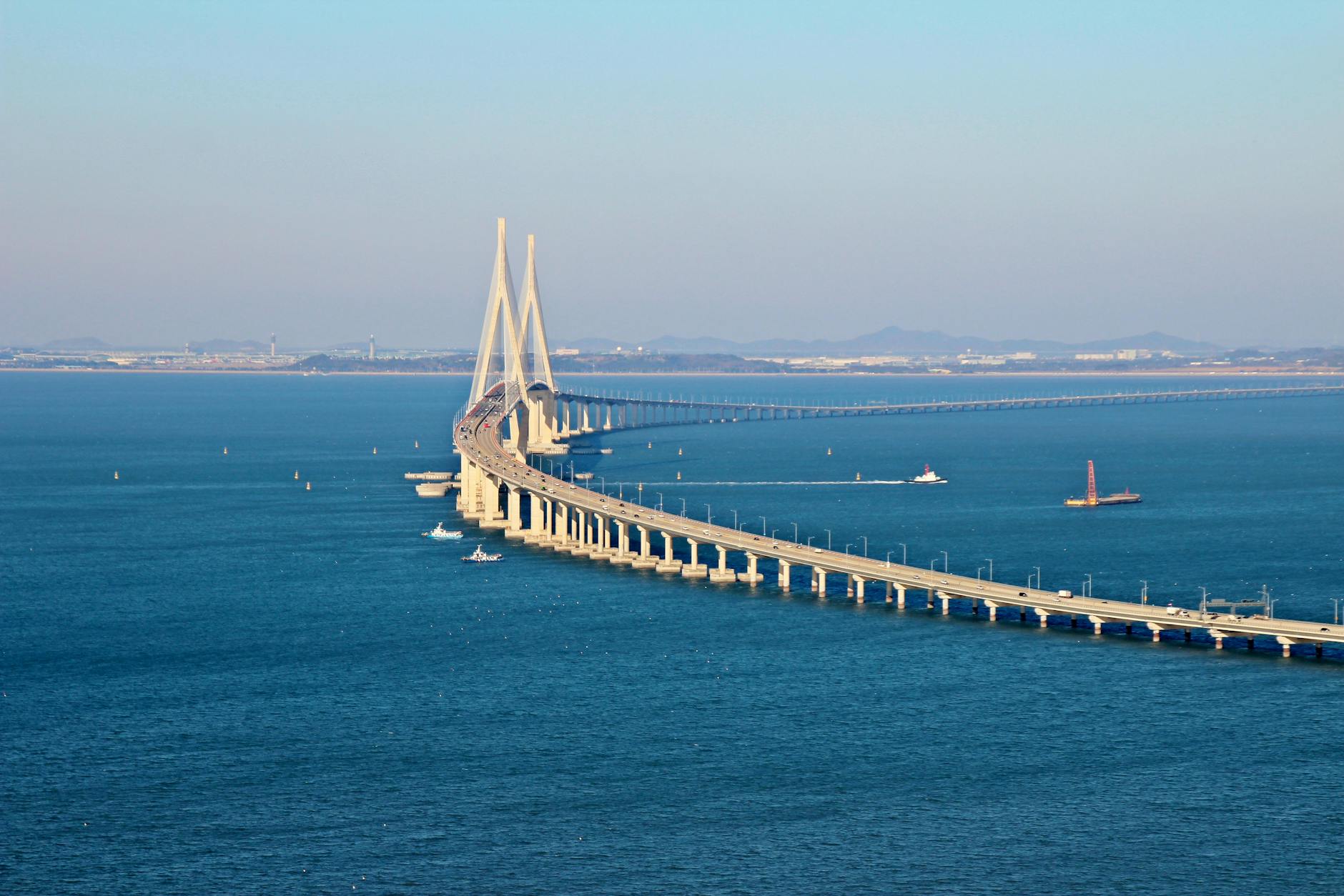
Most travelers know Incheon as an airport rather than as a city, which is understandable and also limiting. Incheon International Airport is one of the place’s defining global assets, but the broader urban area is not just a transit shell. Incheon contains modern master-planned districts, port-city history, Chinatown, waterfront parks, Korean leisure infrastructure, and a practical relationship to Seoul that can make it a smart base for certain trip types. The problem is that none of these versions of Incheon are interchangeable. A weak Incheon stay usually comes from not deciding what the city is being asked to do. Is it a polished layover? A practical airport overnight? A business stay in Songdo? A short urban detour tied to Seoul? Once that question is answered, the city becomes much more legible. Incheon is not for everyone, but it can be very good for the traveler who uses it correctly.
How Incheon works
Incheon works only once the traveler accepts that it is not one city product. Airport-adjacent Incheon, Songdo’s polished business-and-planned-city identity, and the older port-side city each do different jobs. That is why some people leave saying Incheon is efficient and others leave saying it felt thin. They were not in the same Incheon. The city is useful for stopovers, meetings, low-friction arrival or departure nights, and selective urban exploration, but it should not be expected to deliver Seoul’s density or Busan’s coastal romance. Its strength is clarity of use.
- Incheon is a multi-product city rather than a single obvious destination.
- The right version of Incheon depends on what the stay is for.
- It works best when used intentionally, not by accident.
Basic data
| Population | About 3 million |
|---|---|
| Area | 1,066 km2 |
| Major religions | Largely secular, with Christian and Buddhist communities |
| Political system | Metropolitan city government inside a unitary presidential republic |
| Economic system | Advanced mixed economy led by aviation, logistics, port trade, biotech, and manufacturing |
Best time to visit
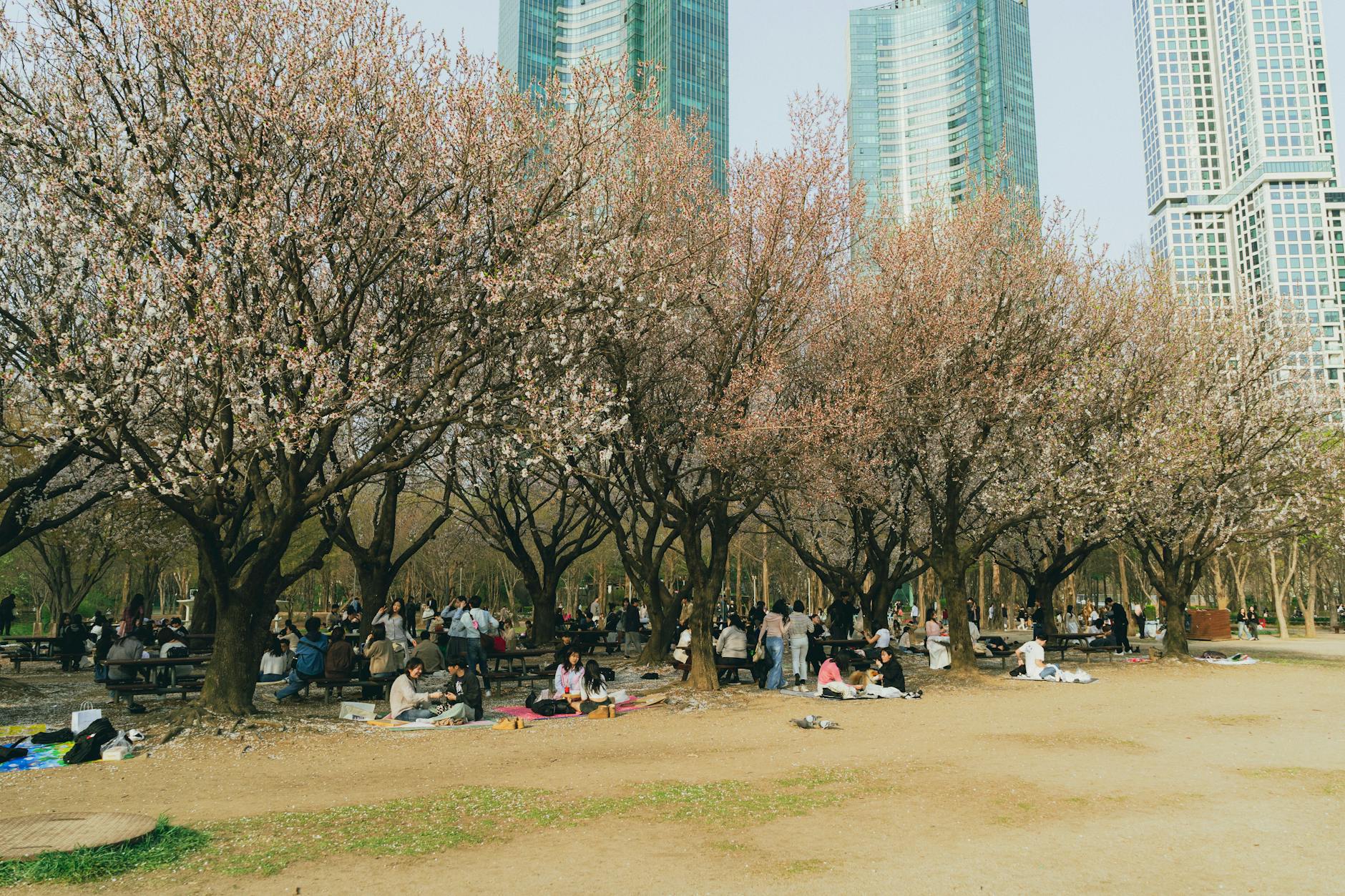
Spring and autumn are the easiest seasons for using Incheon beyond the airport because walking districts, parks, waterfronts, and light urban exploration all become more pleasant. Summer can still work well for business stays or short functional visits, but heat and humidity reduce the appeal of wandering just to prove the city has more than terminals. Winter can suit quick stays, airport-led trips, and travelers who mainly want comfort, efficiency, and one or two well-chosen city moves rather than a broad outdoor agenda. Incheon is usable year-round, but not every season invites the same kind of stay.
- Spring and autumn are best if the city itself is part of the point.
- Summer is more workable for short, efficient stays than for scenic wandering.
- Winter can still be good when the trip is practical, polished, and contained.
Arriving and getting around
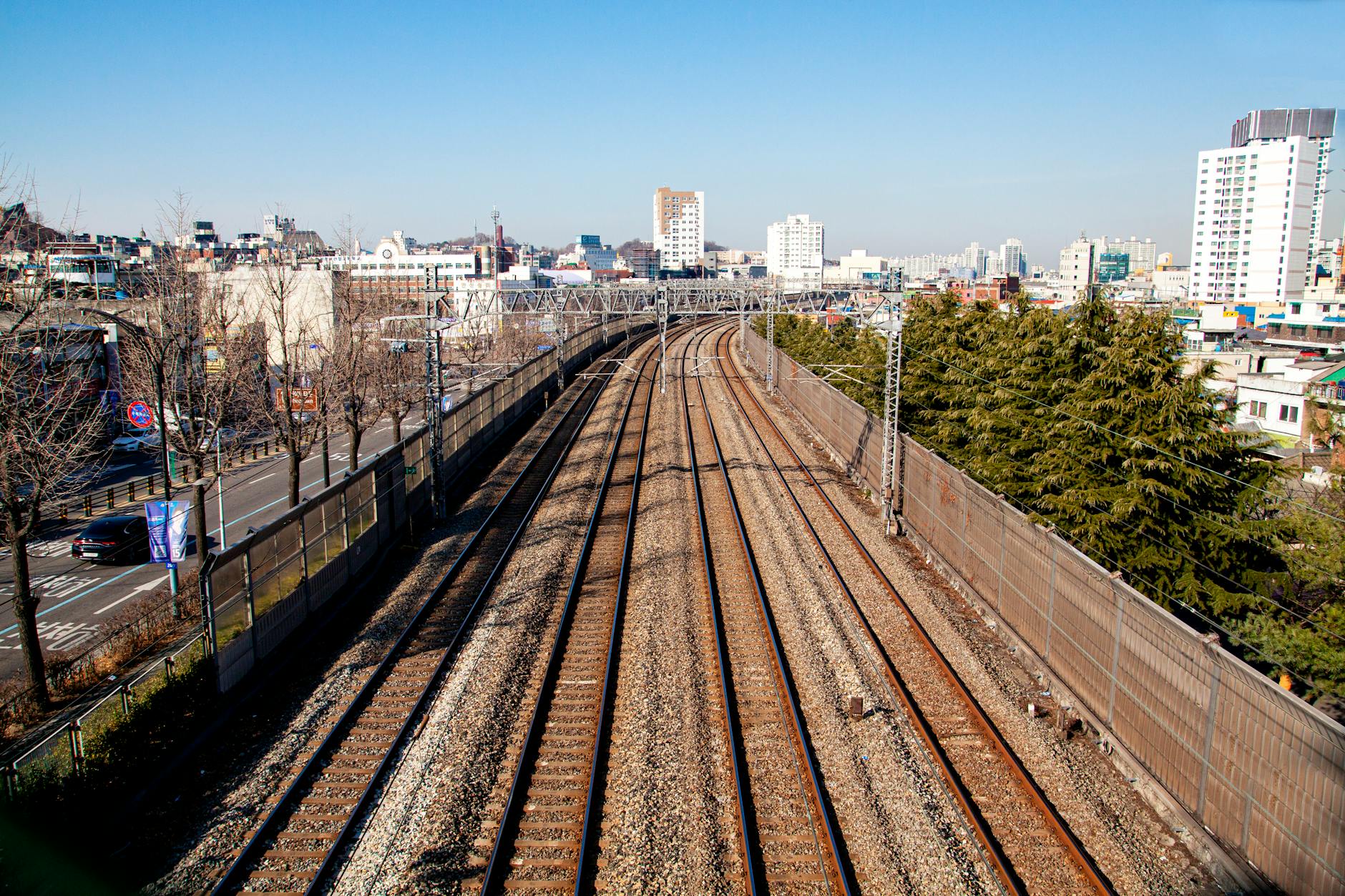
Arrival is one of Incheon’s strongest arguments. The airport is world-class, and that alone makes the city strategically useful. The bigger question is how much movement you really want after landing. Airport hotels can make sense for a true layover. Songdo works for business and certain modern-city stays. The older urban core makes more sense for travelers who actually want some local texture. Transport links are solid, but the mistake is assuming that because the airport is efficient, every onward plan is automatically elegant. It still helps to know what kind of first or last day you want.
- The airport is superb, but the first-night plan still matters.
- Choose between convenience, business polish, and city texture early.
- Do not let easy rail links encourage an overcomplicated arrival day.
Where to stay
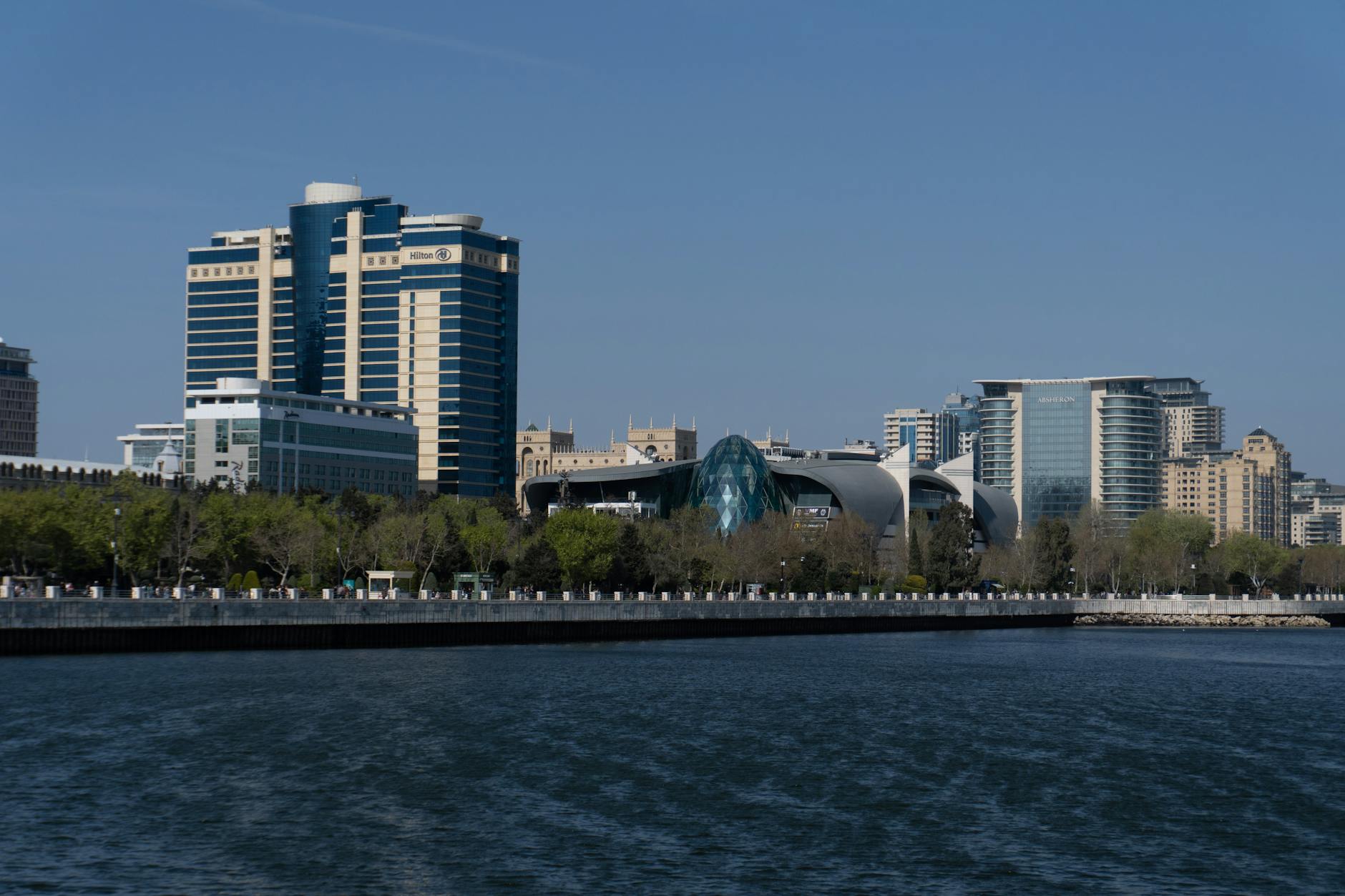
Incheon hotel choice is a pure function question. Airport-adjacent properties are best when the point is sleep, reset, and an easier next flight. Songdo supports business travel, conferences, and travelers who like a cleaner, more modern, planned-city environment. Older districts can make sense for travelers who want port history, Chinatown access, and a version of the city with more visible local texture. The wrong move is choosing a hotel in a zone that solves none of your actual needs simply because it looked central on a map.
- Incheon hotels should be chosen for purpose more than romance.
- Airport and Songdo stays are different answers to different questions.
- A practical base often beats an ambiguous one in this city.
Neighborhoods that matter most
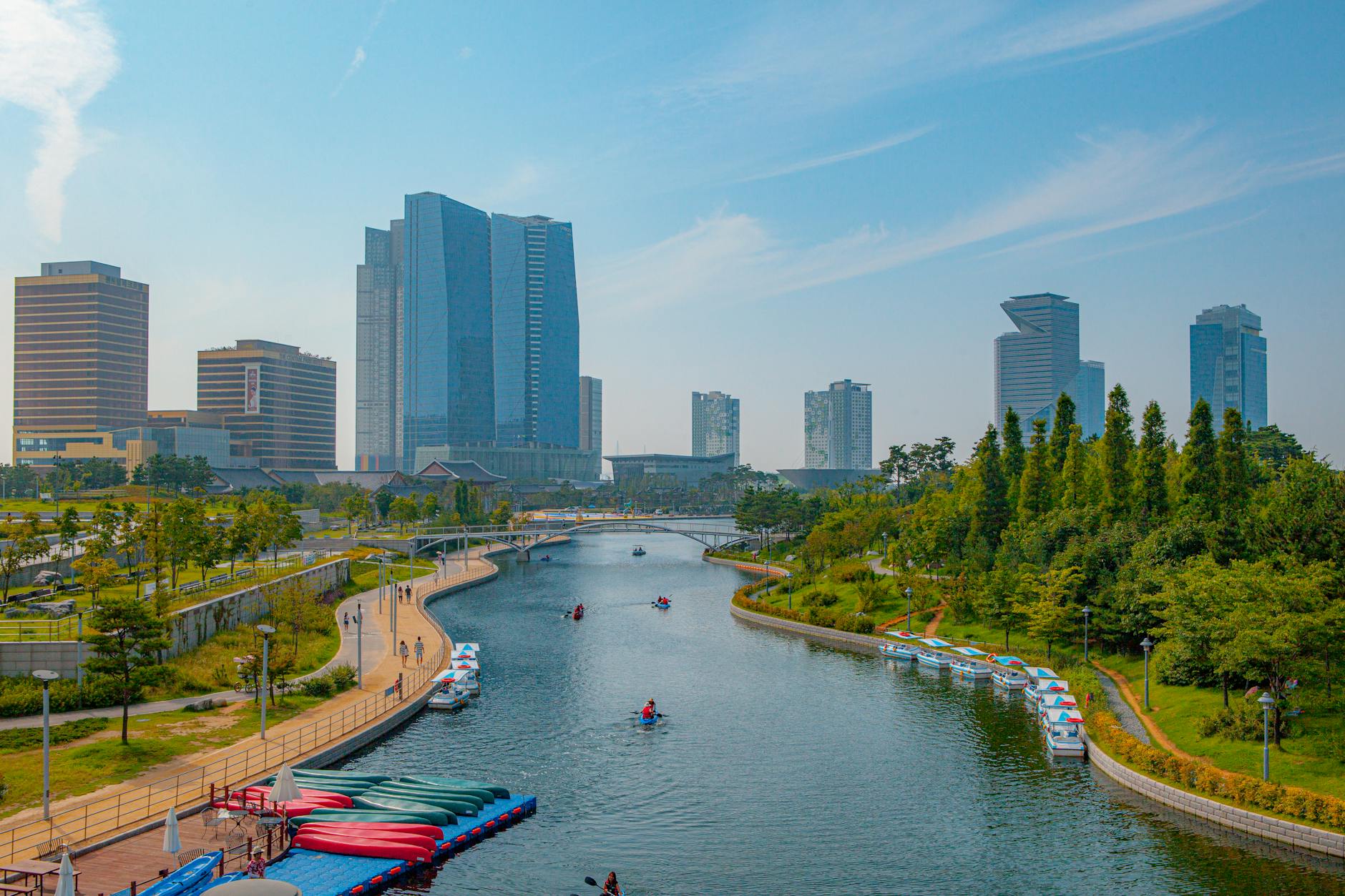
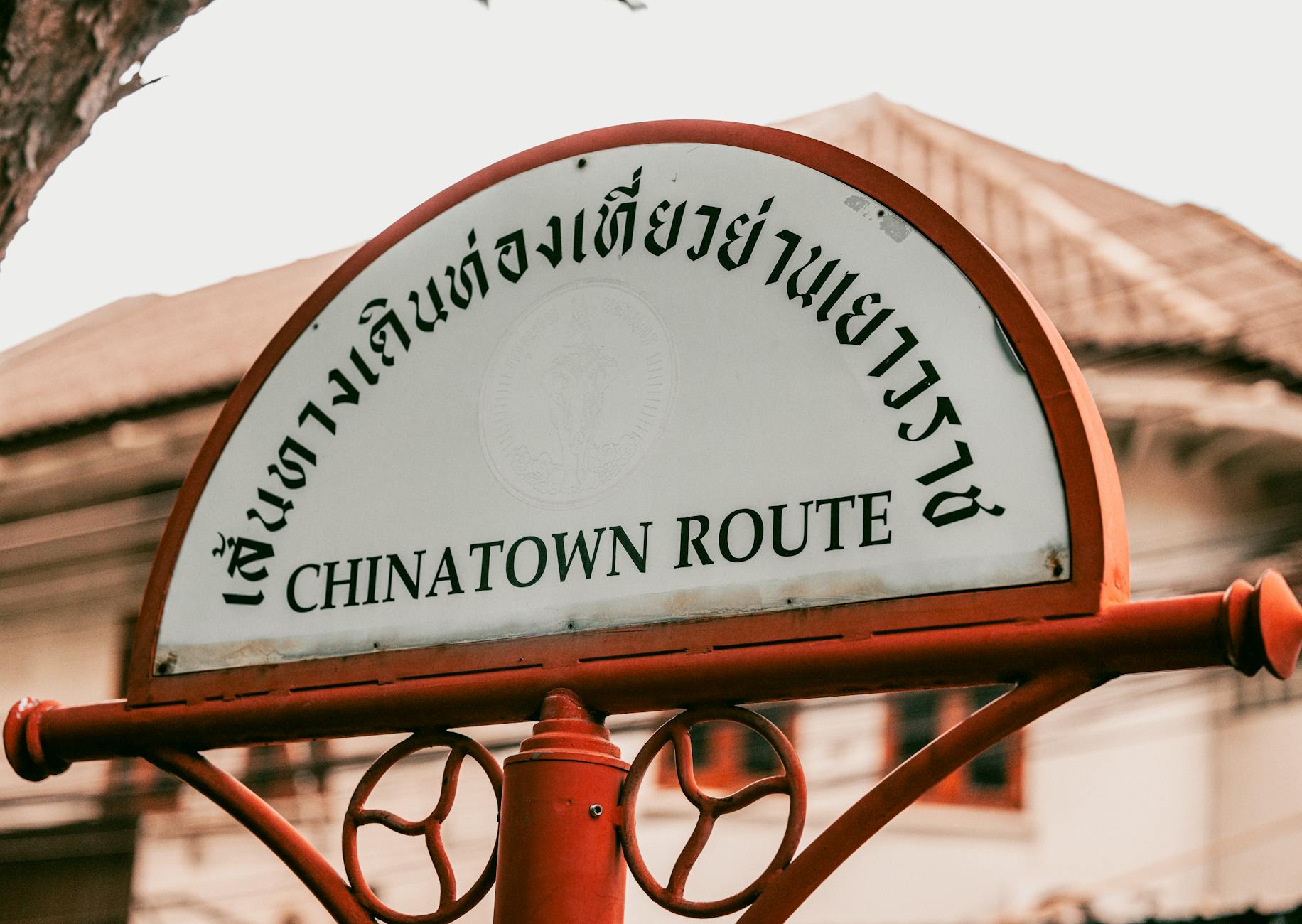
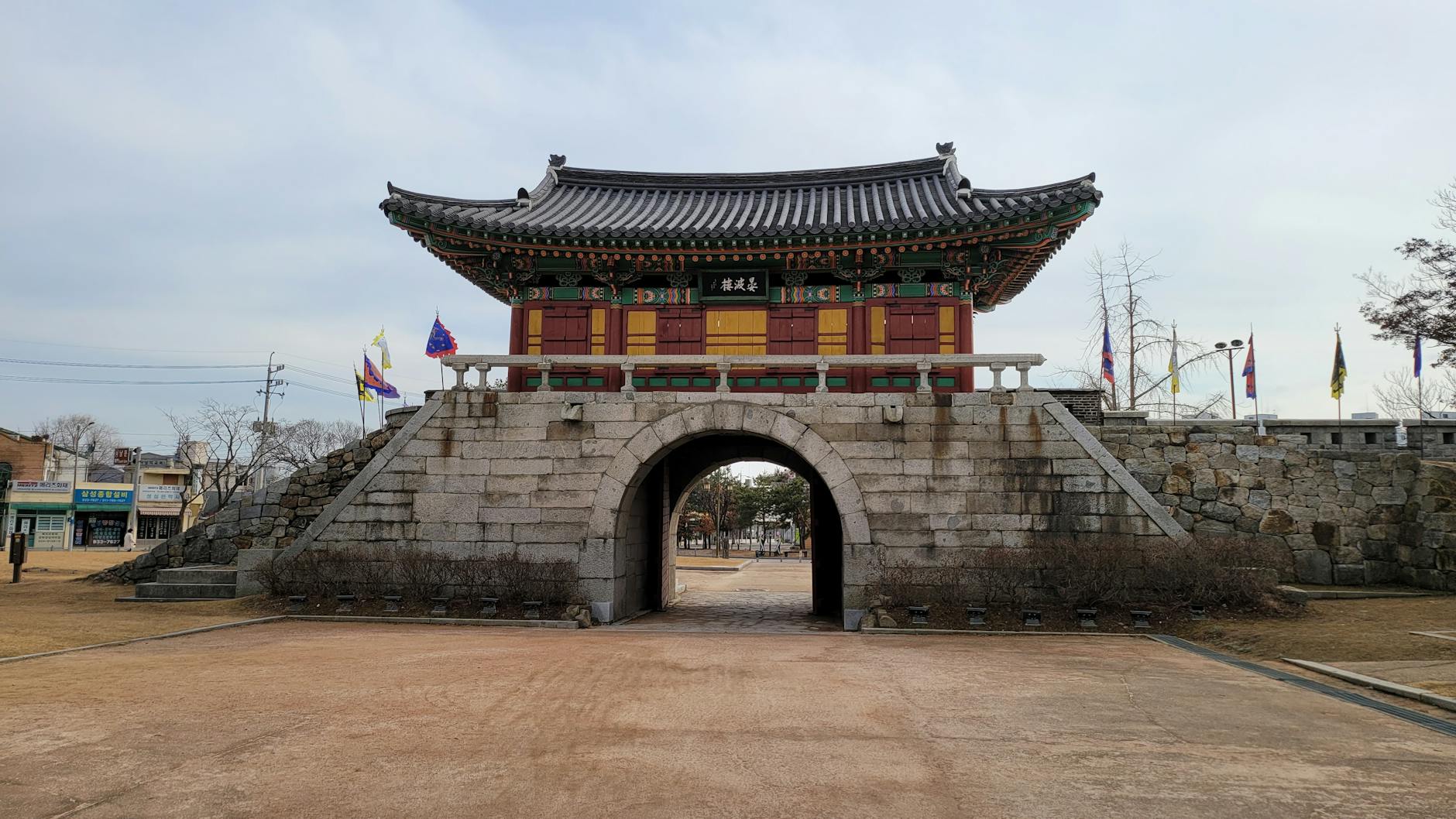
For most visitors, the important Incheon distinction is between the airport zone, Songdo, and the older city around port-facing districts and Chinatown. Songdo offers sleek towers, parks, and a highly managed urban environment that some travelers find calm and others find sterile. The old city has more texture and more history, especially if your interest includes migration history, port-city identity, or a slightly more grounded version of Incheon. Wolmido and waterfront leisure areas can add a different register again. The city becomes more satisfying the moment you stop asking it to be one unified mood.
- Songdo and old Incheon are not interchangeable.
- Pick the district by desired mood and function, not by name recognition alone.
- The city’s pleasure comes from using the right slice of it, not from covering it all.
What Incheon does best
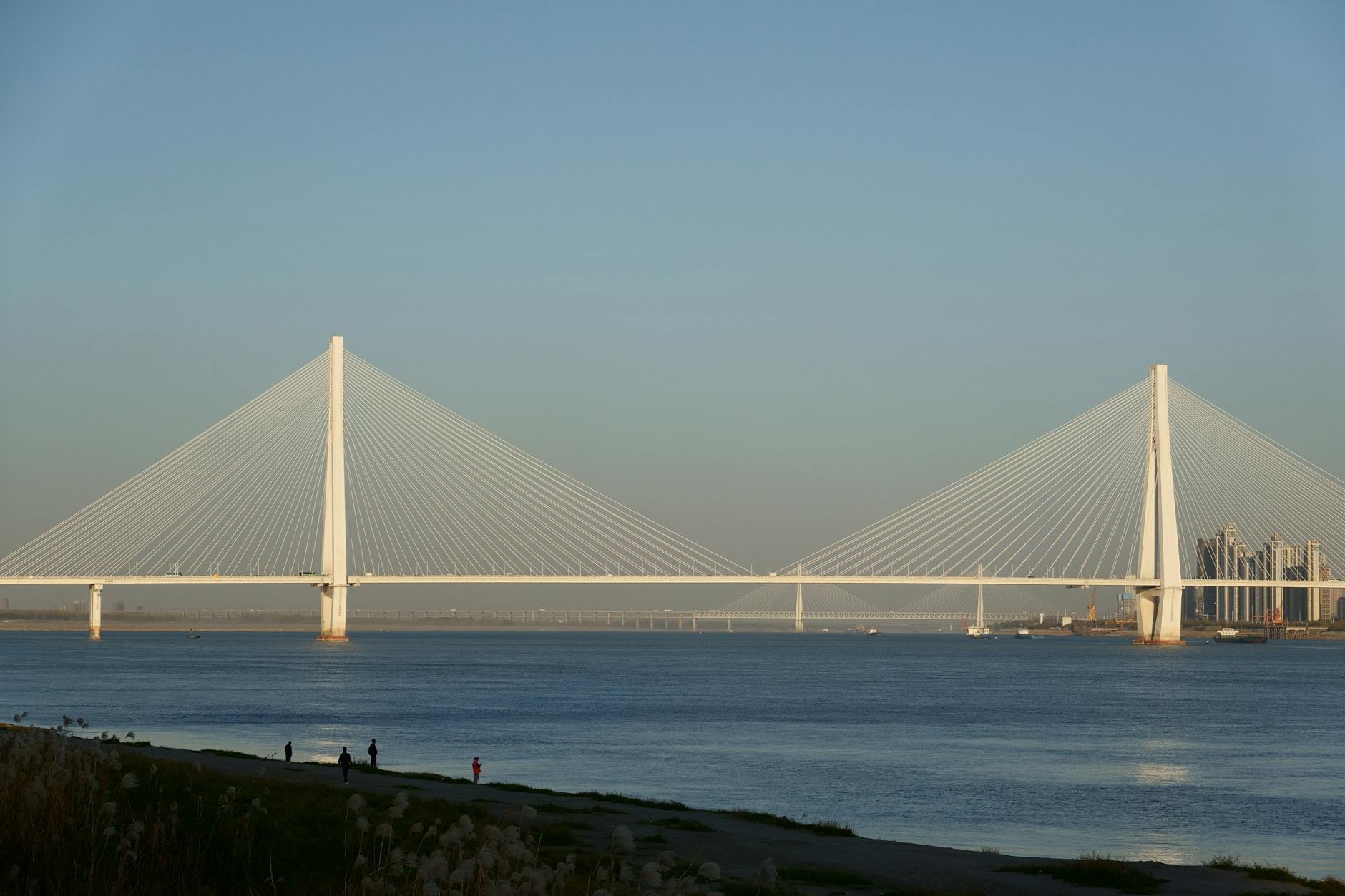
Incheon is particularly strong at low-drama travel. It is good for civilized layovers, business stays that do not need urban chaos, and first or last nights in Korea that preserve energy rather than draining it. It can also work for travelers who like planned-city architecture, port history, or a more understated urban edge. Incheon’s luxury is not intensity. It is friction reduction. When used correctly, that can be extremely valuable.
- Incheon is one of the region’s strongest cities for clean stopovers and arrival nights.
- Its best asset is operational ease without total emptiness.
- The city rewards travelers who value function as part of quality.
Food, waterfronts, and urban detours
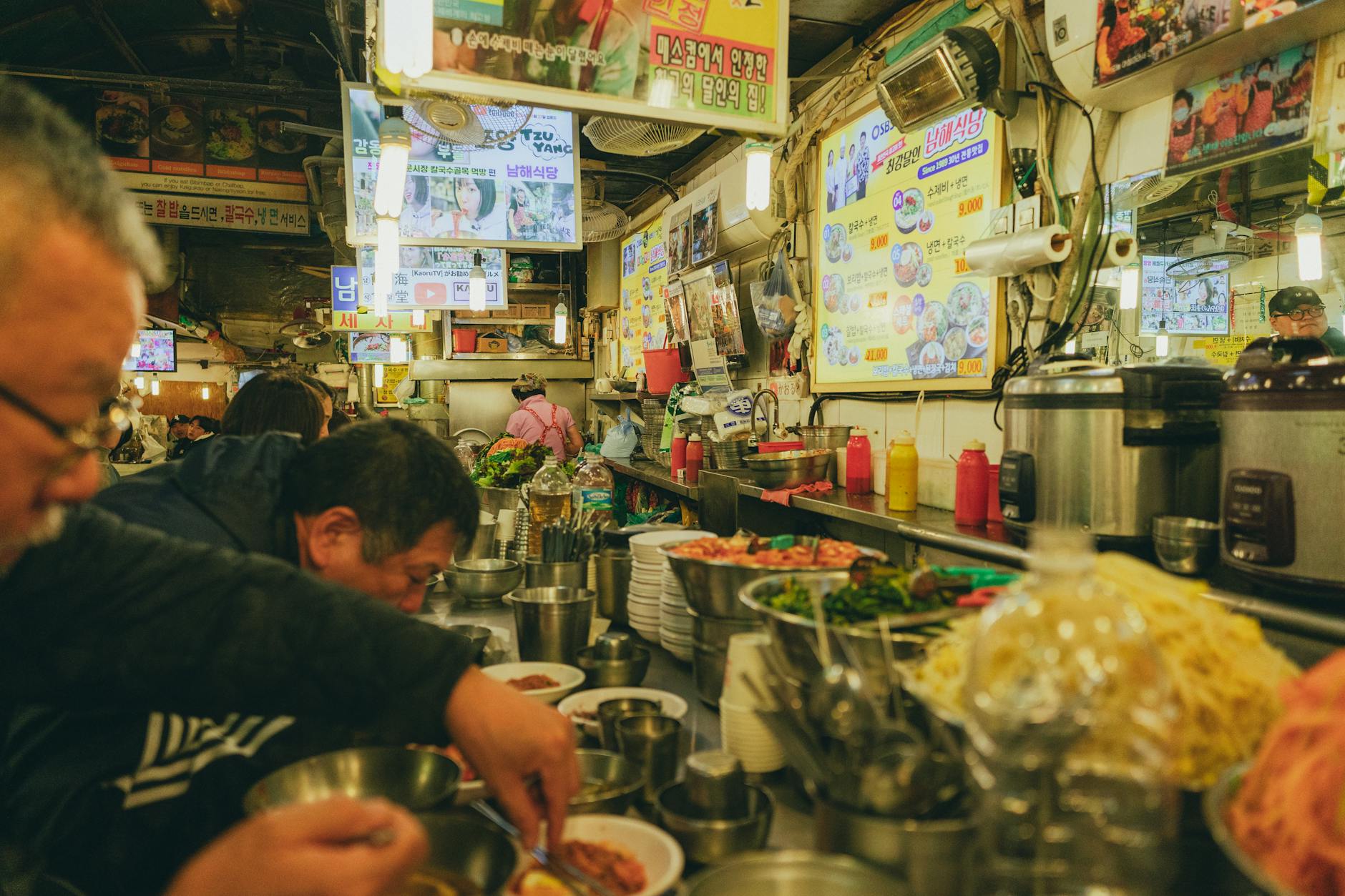
Incheon’s food appeal is more situational than all-consuming, but that does not mean it is weak. Chinatown, port-adjacent districts, modern dining in Songdo, Korean comfort food, and café stops can all work well depending on where you are based. Waterfront walks and leisure zones matter too, especially on a short stay where the goal is not deep urban immersion but one or two satisfying gestures. The city’s pleasures are most convincing when they fit a practical itinerary rather than when they are forced to carry the whole trip alone.
- Incheon eats best when the meal fits the district and trip type.
- One good waterfront or old-city detour can justify the city beyond transit use.
- Do not demand a Seoul-scale food narrative from a city serving a different purpose.
Etiquette and local norms
Incheon shares the broader South Korean norm of public order, queueing, transit awareness, and courteous use of shared space. Because so many travelers pass through quickly, there is additional value in not moving through the city as though it exists only to service foreign itineraries. In airport and business settings especially, polished behavior is noticed. In older city zones, a little more attention to context and pace also improves the experience considerably.
- Treat Incheon as a real city, not just as an extension of the terminal.
- Public-space courtesy matters as much here as elsewhere in South Korea.
- Business and airport environments reward composure and efficiency.
My blunt advice
The biggest Incheon mistake is asking it to be a romantic city break when what it really offers is strategic elegance. The second is ignoring the fact that different districts solve entirely different problems. Use Incheon for what it does well: a polished arrival, a strong layover, a business base, or a selective urban detour. If that is what you want, the city can be genuinely smart. If you ask it to impersonate Seoul, you will end up blaming the wrong place for the wrong expectation.
- Use Incheon intentionally or not at all.
- The city succeeds through fit, not through universal appeal.
- A clean purpose is the difference between a strong Incheon and a forgettable one.