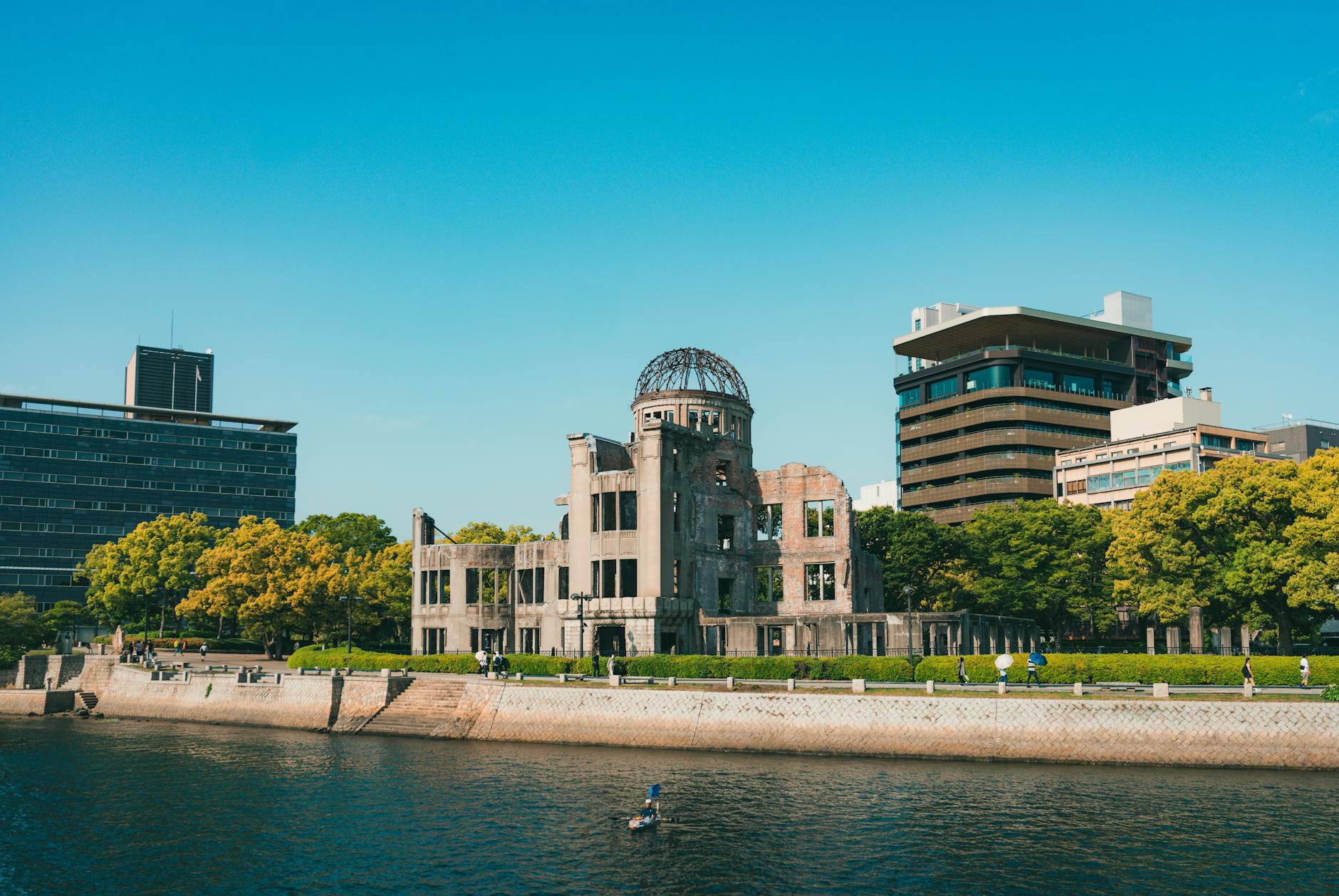
Hiroshima is one of the easiest cities in Japan to approach too narrowly.
Start Here
People arrive with the right seriousness but often with the wrong shape of trip. They know the city matters. They know the Peace Memorial Park and museum matter. They know Miyajima is nearby. Then they force everything into one compressed act of cultural duty, or they treat Hiroshima as if it exists only to absorb grief before handing the traveler onward to the next stop. That is not respectful planning. It is thin planning.
Hiroshima is powerful precisely because it is not only a memorial landscape. It is a present-tense city of rivers, trams, shopping streets, business hotels, bars, local food, and daily movement. Its moral weight becomes clearer, not weaker, when you let that everyday city remain visible around it. The contrast matters. The coexistence matters. A stay built only around obligation tends to flatten the place. A stay built only around convenience does the same.
The best Hiroshima trip gives the memorial core enough time and seriousness while also allowing the city to be inhabited. You walk through Peace Memorial Park without rushing. You visit the museum at a humane pace. You eat well. You use the streetcars. You understand the downtown grid. You decide whether Miyajima belongs in the same trip, and if it does, you keep it from swallowing everything else. You let the city be reflective, but not abstract.
This is why Hiroshima works so well as a short stay when handled properly. The center is easy to use. The tram system is unusually legible for visitors. The major emotional and urban sites are connected by real city fabric rather than by tourist choreography alone. And the food, especially okonomiyaki, gives the city a lived social identity instead of a purely commemorative one.
The city in one sentence: Hiroshima is a thoughtful, river-cut, streetcar-led Japanese city where memorial gravity, ordinary urban life, and the nearby pull of Miyajima only make sense when you give each of them its own space.
Quick Verdict
Best for: first-time Japan travelers who want a serious but usable city, repeat visitors, couples, solo travelers, and anyone willing to let one city be reflective without becoming joyless.
Not ideal for: travelers who only want maximum entertainment density, people trying to do Hiroshima and Miyajima at full depth in too little time, or anyone who mistakes solemnity for good planning.
Ideal first stay: 2 nights and 2 full days.
Better stay: 3 nights if you want Hiroshima city and Miyajima both to breathe.
Minimum worthwhile stay: 1 night only if you are very disciplined.
Best overall months: March to May and October to November.
Biggest planning mistake: trying to do the Peace Memorial Museum and Miyajima as if both deserve the same half-day.
One thing to prioritize: time structure.
One thing to keep flexible: the evening, because Hiroshima often lands best after dark through food and river walks rather than through formal sightseeing.
The blunt version: Hiroshima deserves enough time to feel like a city, not a lesson.
Who Will Love Hiroshima?
Hiroshima works especially well for travelers who want a city with emotional substance but do not want to fight the city just to understand it. The transport is manageable. The downtown is compact enough to learn quickly. The memorial landscape is central without making the rest of the city inaccessible. This makes Hiroshima unusually good for a short stay with real depth.
It is also a strong city for people who like Japanese cities at human scale. Tokyo overwhelms by abundance. Osaka persuades through force. Kyoto can punish bad routing. Hiroshima is calmer. It asks for seriousness and attention, but it gives clarity in return.
Travelers who love food will also do well here, especially if they understand that Hiroshima-style okonomiyaki is not a gimmick or box-check. It is part of the city's everyday structure.
The city is less ideal for anyone who wants to race through landmarks with no emotional room between them. Hiroshima punishes that style by becoming schematic.
Hiroshima at a Glance
| Question | Practical Answer |
|---|---|
| Main gateway | Hiroshima Airport |
| Simplest airport transfer | limousine bus to Hiroshima Station or Hiroshima Bus Center |
| City transport backbone | streetcars, walking, some buses |
| Best first-time base | downtown core or near Hiroshima Station |
| Main emotional anchor | Peace Memorial Park and Museum |
| Main scenic add-on | Miyajima |
| Main city food identity | Hiroshima-style okonomiyaki |
| Main planning danger | compressing the city into one overly efficient day |
| Car needed? | No |
| Best trip length | 2 to 3 full days |
2026 Visitor Notes
The Airport Is Not Next Door
Hiroshima Airport is not in the city center. The official airport timetable page lists the airport limousine bus from Hiroshima Bus Center at about 55 minutes and from Hiroshima Station's Shinkansen Gate at about 45 to 50 minutes, with adult fares of 1,500 yen.[1][2] That means arrival is straightforward, but Hiroshima does not have Fukuoka-style airport compactness.
The Streetcar Is The Visitor System To Learn
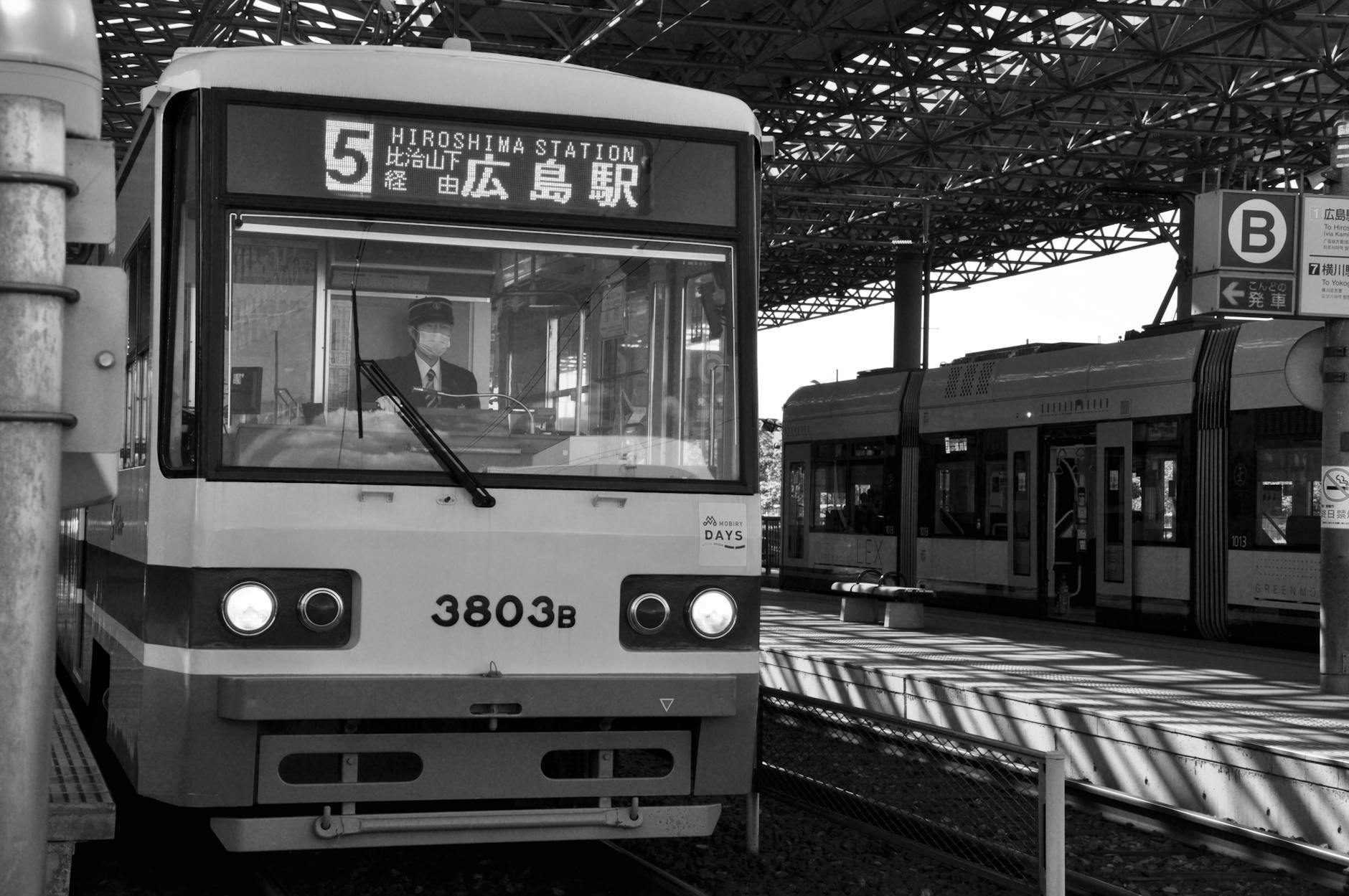
Hiroshima Electric Railway's English fare page says the fare is a flat 240 yen for adults and 120 yen for children, paid when getting off the streetcar.[3] If you understand that one system early, the city opens up quickly.
The Tourist Pass Can Be Worth It
The official Visit Hiroshima Tourist Pass page says the one-day pass covers all Hiroshima Electric Railway streetcar lines, the Miyajima line, both major Miyajima ferries, and a wide set of route buses, including the Hiroshima sightseeing loop bus, though it does not cover JR trains or the airport limousine bus.[4] That makes it more useful for a Hiroshima-plus-Miyajima day than for a museum-only day.
The Peace Memorial Museum Has Real Seasonal Hour Changes
Dive! Hiroshima lists different business hours by season for the Hiroshima Peace Memorial Museum and notes that some time slots require prior online reservations.[5] Do not assume a one-size-fits-all closing time.
Miyajima Needs More Discipline Than Visitors Usually Give It
Official Hiroshima and Miyajima sources still present Itsukushima Shrine as a major anchor, and the ropeway site notes that some busy days require advance reservation and that the free shuttle bus to the ropeway base station begins from near the pier area.[7][8] That matters because casual "we'll just see how it goes" planning often works badly there.
How to Understand Hiroshima
Hiroshima works through four forces.
The first is memorial seriousness. This is obvious, but it is only one force.
The second is river and tram logic. Hiroshima is a city whose movement is easier to understand when you think in lines and crossings rather than in giant districts.
The third is downtown normalcy. Hondori, surrounding arcades, business streets, bars, and food halls matter because they make the city live in the present.
The fourth is Miyajima pressure. The nearby world-famous island is a real gift, but it distorts many first-time itineraries.
The Main Mental Shift
Do not ask, "How quickly can I cover Hiroshima?" Ask, "How should I divide solemnity, city life, and the Miyajima question?" Once you do that, the city becomes much more legible.
What Hiroshima Does Better Than People Think
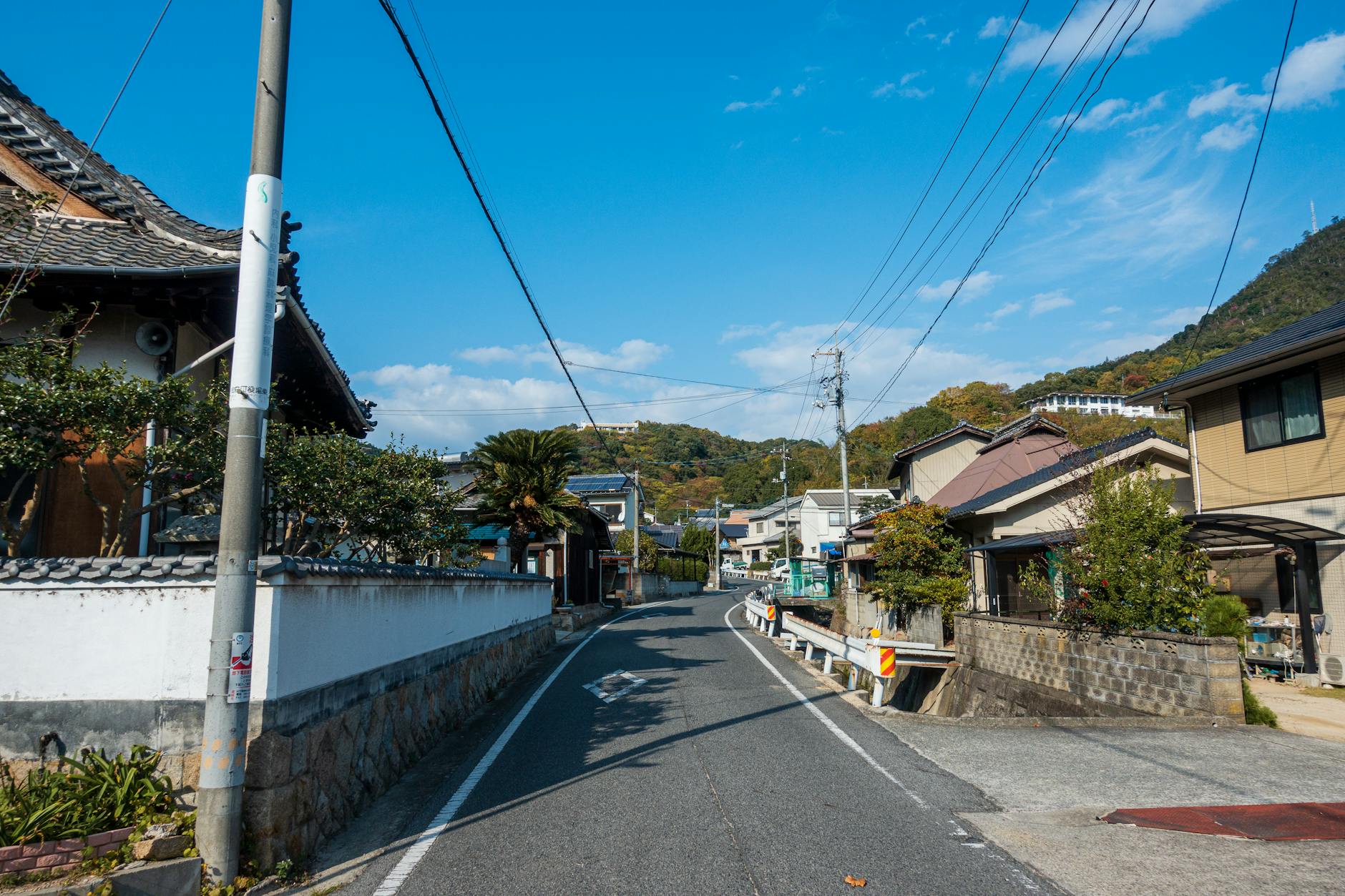
Hiroshima is better than many visitors expect at being livable. The rivers make the center feel open. The tram network makes the city readable. The food is much stronger than the city's international image sometimes suggests. And there are enough calmer or greener spaces, like Shukkeien, to keep the stay from becoming emotionally monochrome.[6]
It is also better than people think at handling serious travel well. Some historically heavy cities become awkward after the main site. Hiroshima does not. The day can move from memorial contemplation to a real lunch, a garden, a tram ride, an evening drink, and a riverside walk without disrespect. In fact, that continuity is part of the point.
Where Hiroshima Fits in a Japan Trip
Hiroshima fits a Japan trip best as the city that rebalances scale and seriousness.
Many first-time itineraries are built around Tokyo, Kyoto, Osaka, and perhaps one additional stop chosen either for scenic contrast or for historical significance. Hiroshima often enters at this point with the burden of meaning already attached to it. Travelers know it matters, but they often slot it into the itinerary as if the city itself were a solemn errand: go there, do the right thing, maybe add Miyajima because it is nearby, then move on.
That is a weak use of Hiroshima.
Used properly, the city works in three especially strong ways.
The first is as a two-night or three-night moral and urban counterweight inside a wider Japan route. After the density of Tokyo or the cultural saturation of Kyoto, Hiroshima can feel unusually legible and humane.
The second is as a short city stay for travelers who want emotional depth without urban punishment. The memorial core is serious, but the city around it remains easy enough to inhabit that the trip does not have to become austere in every register.
The third is as a repeat-Japan city. Once you are no longer trying to optimize every route for maximal novelty, Hiroshima becomes easier to value because so much of its strength lies in clarity rather than abundance.
What Hiroshima is not is a place you should visit only to satisfy the obligation of having visited. That mindset flattens the city into a lesson instead of letting it remain a city.
Hiroshima Versus Nagasaki
This comparison matters because many travelers think of the two cities primarily through the atomic bombings and then assume they occupy similar roles in an itinerary.
They do not.
Nagasaki feels more topographically dramatic, more harbor-facing, and in some ways more visibly layered by foreign influence and older urban texture. Its slopes, harbor views, and city form create a different emotional pattern.
Hiroshima is flatter, more river-structured, and often easier to use day to day. It can seem less overtly distinctive at first glance, but that usability is one of its major strengths. The city allows the visitor to move between memorial space and ordinary urban life with unusual clarity. That transition is central to the experience.
If Nagasaki can feel more scenic and more physically singular, Hiroshima often feels more balanced as a short city stay. The best choice depends on what kind of experience you want, but the worst choice is to assume Hiroshima is merely the less visually interesting version of something else. It is not.
First-Time Visitors Versus Repeat Visitors
First-time visitors usually arrive with two kinds of pressure.
The first is moral pressure: the sense that one must behave correctly, read correctly, feel correctly, and organize the day in a way that proves seriousness. The second is itinerary pressure: the fear that Miyajima, the museum, the park, downtown, food, and station logistics must all somehow fit tidily together in one trip.
Those pressures make many first Hiroshima stays too compressed.
Repeat visitors are freer. They know the city does not need to be overperformed. They are more willing to let a tram ride matter, to choose the museum at the right hour rather than the most “efficient” hour, to skip Miyajima in bad conditions, or to give an evening to food and river space without feeling that they are somehow being unserious.
This is one reason Hiroshima often improves after the first visit. On the first trip, people are still trying to handle the city correctly. On the second, they begin to understand how to inhabit it.
Best Time to Visit Hiroshima
Spring and autumn are the cleanest seasons for most first-time visitors. Temperatures are friendlier, walking is easier, and Hiroshima plus Miyajima days are easier to structure.
Summer is still viable, but it raises the value of an actually good hotel and lighter pacing. The Peace Memorial Park and downtown core can both feel harder in heat and humidity, and Miyajima becomes more tiring if you try to do too much.
Winter can work very well if the trip is city-led. Hiroshima does not need blossom season to justify itself.
Summer Hiroshima Versus Cooler-Season Hiroshima
Summer changes Hiroshima more than many first-time visitors expect. The city can still be worthwhile, but the combination of humidity, strong sun, and outdoor movement raises the cost of bad planning. Memorial-space walking feels heavier. Miyajima becomes more tiring. Downtown movement becomes more dependent on good pauses, air-conditioned interiors, and a hotel that can actually restore you.
Cooler seasons often make Hiroshima easier to read. The city’s rivers and open spaces feel more generous, the memorial core is physically easier to move through with patience, and the balance between city day and island day improves. This is especially important in a place where emotional attentiveness can be compromised simply by being too tired or overheated.
That does not make summer a mistake. It means Hiroshima needs more generosity from the itinerary when conditions are harder.
How Many Days You Need
One Night
Possible, but risky. If you only have one night, the trip should probably focus on Hiroshima city first and Miyajima only if you accept a more selective version of both.
Two Nights
This is the strong first-time minimum. One full day can center on Peace Memorial Park, the museum, downtown, and evening food. The second can either deepen the city or go to Miyajima with less panic.
Three Nights
This is the best-balanced version for many travelers. It lets Hiroshima remain a city in its own right and lets Miyajima stay a day trip rather than an intrusion.
Four Nights or More
Four nights is more than most first-time visitors need, but it can be excellent if Hiroshima is part of a slower western Japan route. At that length, the city stops behaving like an emotionally important stop and starts behaving like a place with repeatable routines: tram, breakfast, park, museum, shopping street, dinner, return.
That is when many travelers begin to understand how much the city gains from not being used only for its heaviest chapter.
The Real Question
The real question is not how many nights Hiroshima “deserves” as a city of historical importance. The real question is whether you are giving it enough time to let memorial space, ordinary city life, and the Miyajima question stop competing with each other. Once you frame it that way, two nights becomes the real minimum for most travelers.
Where to Stay in Hiroshima
The best base depends on whether you want cleaner arrival logistics or cleaner evening city life.
Fast Answer
For most first-time visitors, stay either near Hiroshima Station for arrival and transport ease or in the downtown/Peace Boulevard side of the center for a more city-facing stay. Both work. The wrong move is staying too vaguely "somewhere in Hiroshima" and losing the shape of the trip.
Hiroshima Station Area
Best for: easy airport-bus arrival, rail onward travel, and clean operational mornings. Why it works: the airport limousine bus directly serves the Shinkansen Gate area, making arrival and departure notably simpler.[2] Tradeoff: less atmospheric at night than the downtown core. Best use: short stays, train-heavy trips, and travelers who value easy movement.
Downtown / Hondori / Kamiya-cho Side
Best for: dining, walking, shopping streets, and easier access to the memorial core after the daytime rush. Why it works: this is the Hiroshima that feels most like a complete city stay. Tradeoff: slightly less frictionless on arrival if you have a lot of luggage. Best use: travelers who want the city to feel alive around them.
Near Peace Memorial Park
Best for: immediate access to the memorial area and quieter evenings. Tradeoff: emotionally a little narrow if it is your only Hiroshima geography. Best use: short reflective stays, especially if balanced with downtown dinners.
Why The Base Matters More Than Visitors Expect
Hiroshima is easy enough to move around that travelers can become lazy about hotel choice. That is a mistake.
Because the city works through balance, your base shapes the emotional ratio of the whole stay. A station-side hotel can make the trip feel clean and operationally simple, which is often valuable on a short Japan route. A downtown base can make Hiroshima feel more like a real city in the evenings, which is often the stronger emotional choice. A memorial-adjacent base can give quiet and reflection, but risks narrowing the city if you never let the downtown present tense come back in.
The right base does not need to be luxurious. It needs to reinforce the version of Hiroshima you actually want to inhabit.
The Hiroshimas That Matter Most
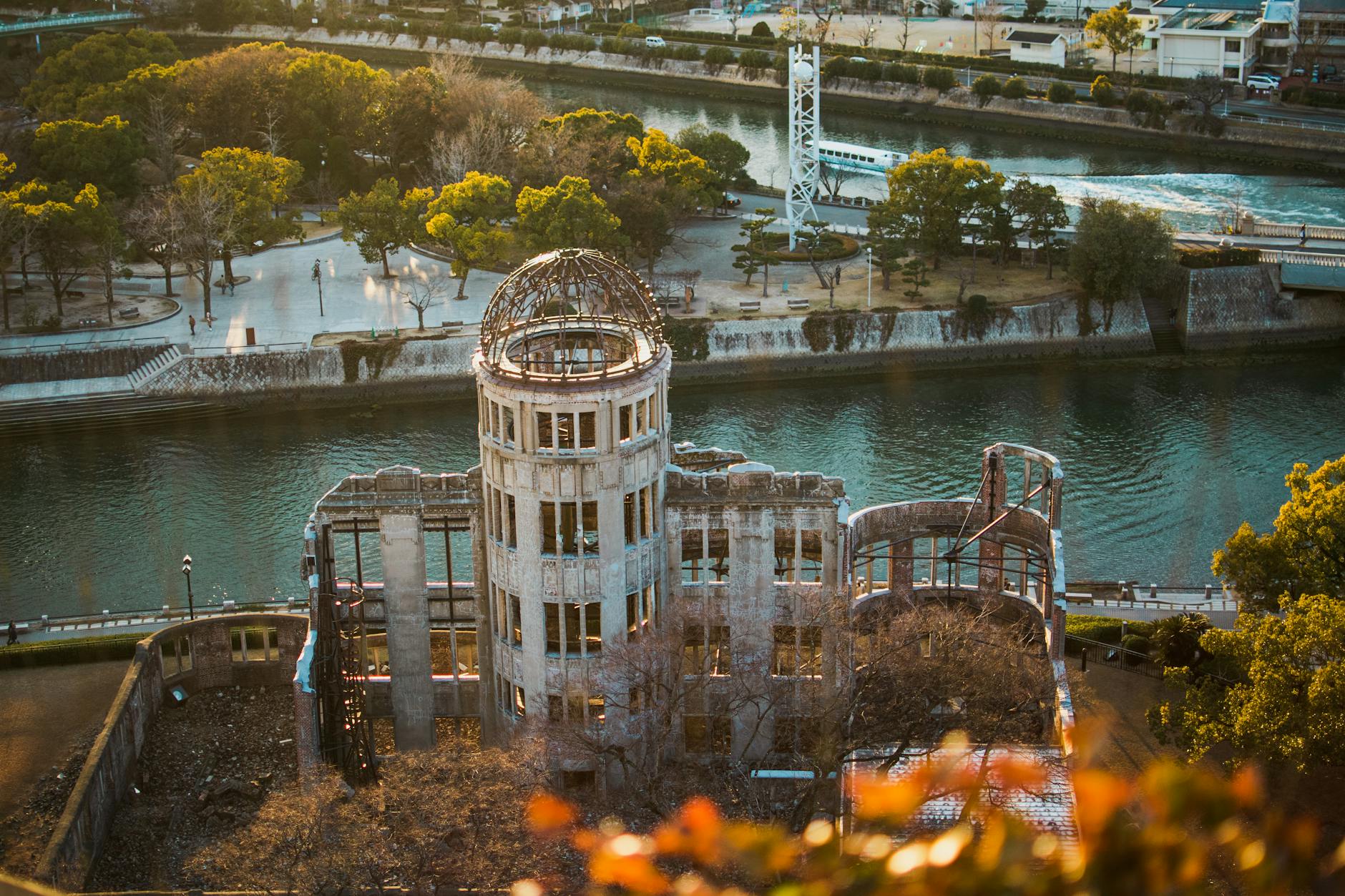
Memorial Hiroshima: Peace Memorial Park, the museum, and the A-Bomb Dome. This is the moral center.
Downtown Hiroshima: Hondori, arcades, shops, bars, and the urban present.
Station Hiroshima: useful, efficient, and more important than many travelers admit.
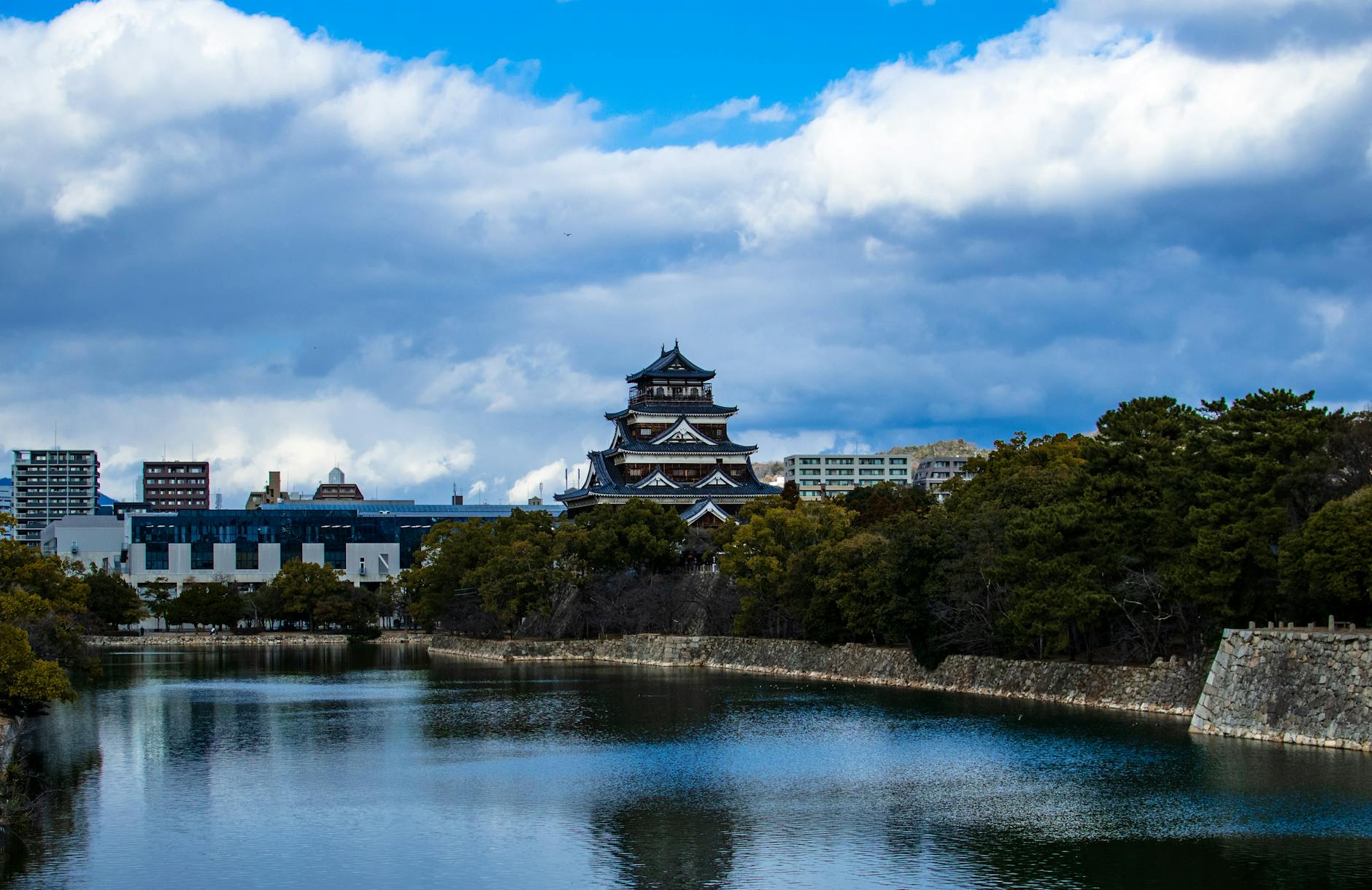
Garden-and-castle Hiroshima: Shukkeien and the castle side, which restore depth and breathing room.
Miyajima-facing Hiroshima: the outward-looking version of the city that uses the island well without surrendering the whole stay to it.
Why One Proper City Day Matters
Some travelers give Hiroshima a memorial morning, a quick lunch, and then either rush for Miyajima or leave the city having technically seen its most important site. That can be respectful in intention and still weak in outcome.
Hiroshima usually needs one proper city day that belongs mainly to Hiroshima itself. That means the memorial core, yes, but also a downtown chapter, a meal that feels local, one quieter counterweight such as Shukkeien, and an evening that lets the city remain alive after the museum closes. Without that day, Hiroshima can feel like a historical site surrounded by support infrastructure. With it, the city becomes legible as a place where memory and everyday life coexist in ways the visitor actually has to reckon with.
Peace Memorial Park and the Museum
This should not be rushed, but it also should not be dramatized into paralysis.
The Peace Memorial Museum exists to communicate the reality of the atomic bombing and the city's commitment to peace.[5] It deserves mental freshness. Go early enough in the day that you are not treating it like one more item. If you know you are someone who reads everything carefully, protect more time than you think you need.
The deeper mistake is pairing the museum with an overly crowded day. If you attempt museum, park, downtown shopping, full Miyajima, and a late dinner all in one burst, Hiroshima will stop making emotional sense. One of the best choices you can make here is to protect space after the museum for walking, tea, a slower lunch, or just a quieter city transition.
Why The Museum Needs The Rest Of The City
The Peace Memorial Museum is strong enough to dominate the memory of a short stay if you let it. That is natural. But it is also why the rest of the city matters so much.
Without the living city around it, the museum risks becoming abstract in a different way: a container of grief disconnected from the fact that Hiroshima is still a present-tense place of work, eating, shopping, moving, and sleeping. The downtown, the trams, the riverbanks, and even the hotel choices give the museum its contemporary frame.
This does not dilute the memorial experience. It clarifies it.
Miyajima: When It Belongs, And When It Does Not
Miyajima is real and worthwhile. Itsukushima Shrine is one of Japan's most famous sacred and scenic images for a reason.[7] But the island is also where bad Hiroshima planning goes to hide.
If you have only one night in Hiroshima, you should think hard before forcing full city and full Miyajima into the same stay. Too many travelers end up seeing the museum in a fatigued half-state and Miyajima in a hurried half-state.
With two nights, Miyajima becomes workable if you keep either the island or the city selective. With three nights, it becomes easy to do properly.
If you want to go up toward Mount Misen, check the ropeway rules in advance. The official ropeway site notes that some dates require advance reservations, gives current operating hours, and explains the free shuttle from near the pier area to Momijidani Station.[8] That is exactly the kind of detail that separates a pleasant day from a needlessly sloppy one.
Why Miyajima So Often Distorts The Trip
Miyajima is beautiful, legitimate, and nearby. Those are exactly the conditions that make it dangerous to the shape of a Hiroshima itinerary.
Because the island is famous and accessible, travelers assume it can simply be appended to the city without changing the city. In practice, it often becomes the organizing force. Suddenly the memorial core must be rushed, or lunch must be reduced, or the evening must absorb too much fatigue, all because the traveler did not admit that Hiroshima and Miyajima are different kinds of day.
The solution is not to skip Miyajima automatically. It is to decide what the trip is actually for. Once you do that, the island either fits gracefully or it does not.
The Best Things to Do in Hiroshima
Give the Peace Memorial Museum and Park real time.[5]
Walk through the downtown core rather than treating it as filler.
Eat Hiroshima-style okonomiyaki at least once, ideally in a context that feels local rather than performative.
Visit Shukkeien if you need the city to regain quiet and proportion.[6]
Use Orizuru Tower only if you actually want a city-reading viewpoint; it is one of the few places where the memorial core and the present city can be seen together clearly.[9]
Go to Miyajima if the trip is long enough to let it exist without crushing Hiroshima itself.[7]
Why A Second Quieter Counterweight Often Saves The Stay
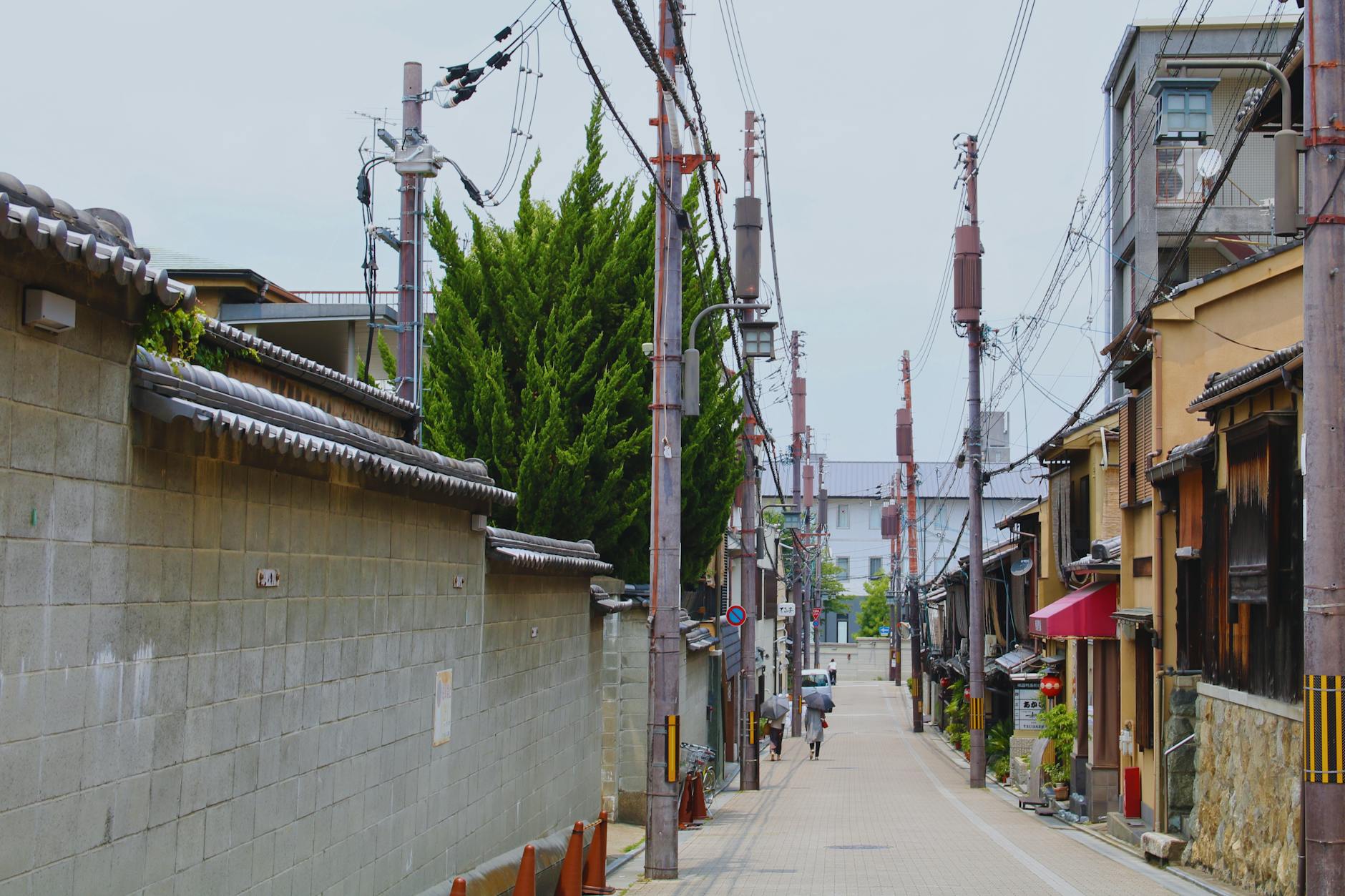
Hiroshima can become emotionally one-note if every decision leans toward its heaviest associations. That is why a second, quieter counterweight matters so much.
For some travelers that is Shukkeien. For others it may be a long river walk, a calmer downtown meal, or simply time spent seeing the present city do its normal work. The point is not distraction. The point is proportion. A city this serious becomes easier to understand when it is not reduced to one register.
Food and Drink
Hiroshima should be eaten as a city, not just as a famous dish.
Yes, okonomiyaki is essential. But the deeper point is that Hiroshima is an evening food city. It works through layered meals, casual returns, and the ease of stepping from tram or shopping street into somewhere warm and specific. One of the best things about Hiroshima after a serious day is that dinner can restore human scale without trivializing anything.
Okonomiyaki matters because it is local structure, not because it is obligatory branding. The city also rewards slower izakaya nights, oyster-focused meals in season, and simple bar stops in the downtown grid.
Why Food Matters More Here Than People Admit
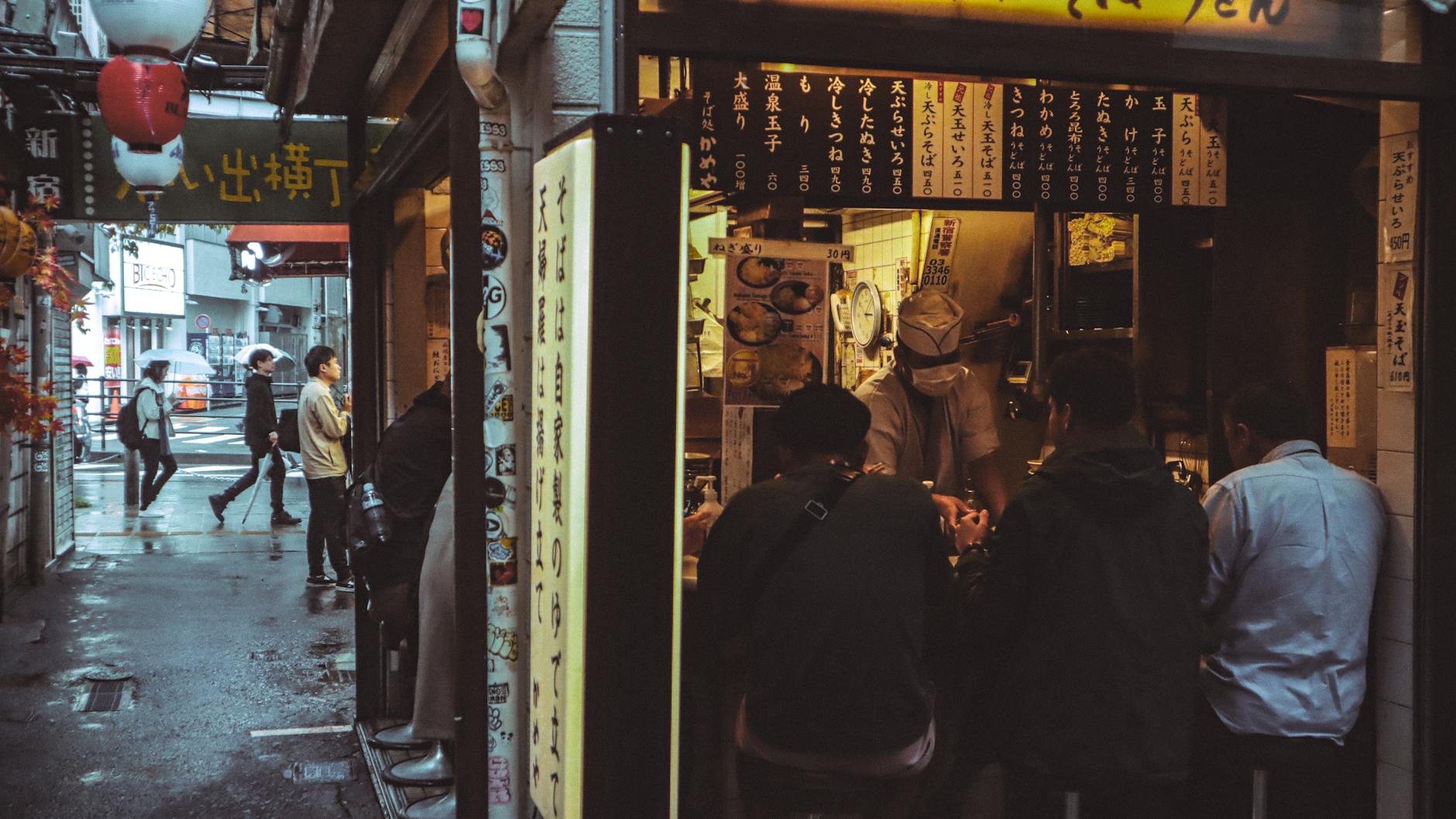
Some travelers feel slightly guilty about enjoying food too much in Hiroshima, as if the city’s gravity should suppress the ordinary pleasures of appetite. That is a misunderstanding.
Food matters precisely because it belongs to the city’s ongoing life. Okonomiyaki is not a gimmick pasted onto a memorial destination. It is part of the texture that proves Hiroshima is not frozen inside one historical identity. A good dinner after a serious day is not a contradiction. It is one of the ways the city regains human scale.
Getting Around
For most visitors, Hiroshima is a streetcar city first, walking city second, bus city third.[3]
The trams are not just charming. They are the practical skeleton of the visitor stay. Learn the few stops that matter most to your route and everything becomes easier.
If you are doing a Miyajima day by streetcar and ferry, or mixing trams and buses heavily, the Visit Hiroshima Tourist Pass can be sensible because it covers the streetcar system, the Miyajima line, the ferries, and selected buses, but not JR trains or the airport limousine bus.[4]
Do not overcomplicate things with too many transport theories. Hiroshima is easiest when kept simple.
Day Hiroshima Versus Evening Hiroshima
Daytime Hiroshima is when the city presents its most explicit arguments: memorial significance, trams, river logic, station pragmatism, and the possibility of Miyajima. It is informative, manageable, and sometimes a little emotionally demanding.
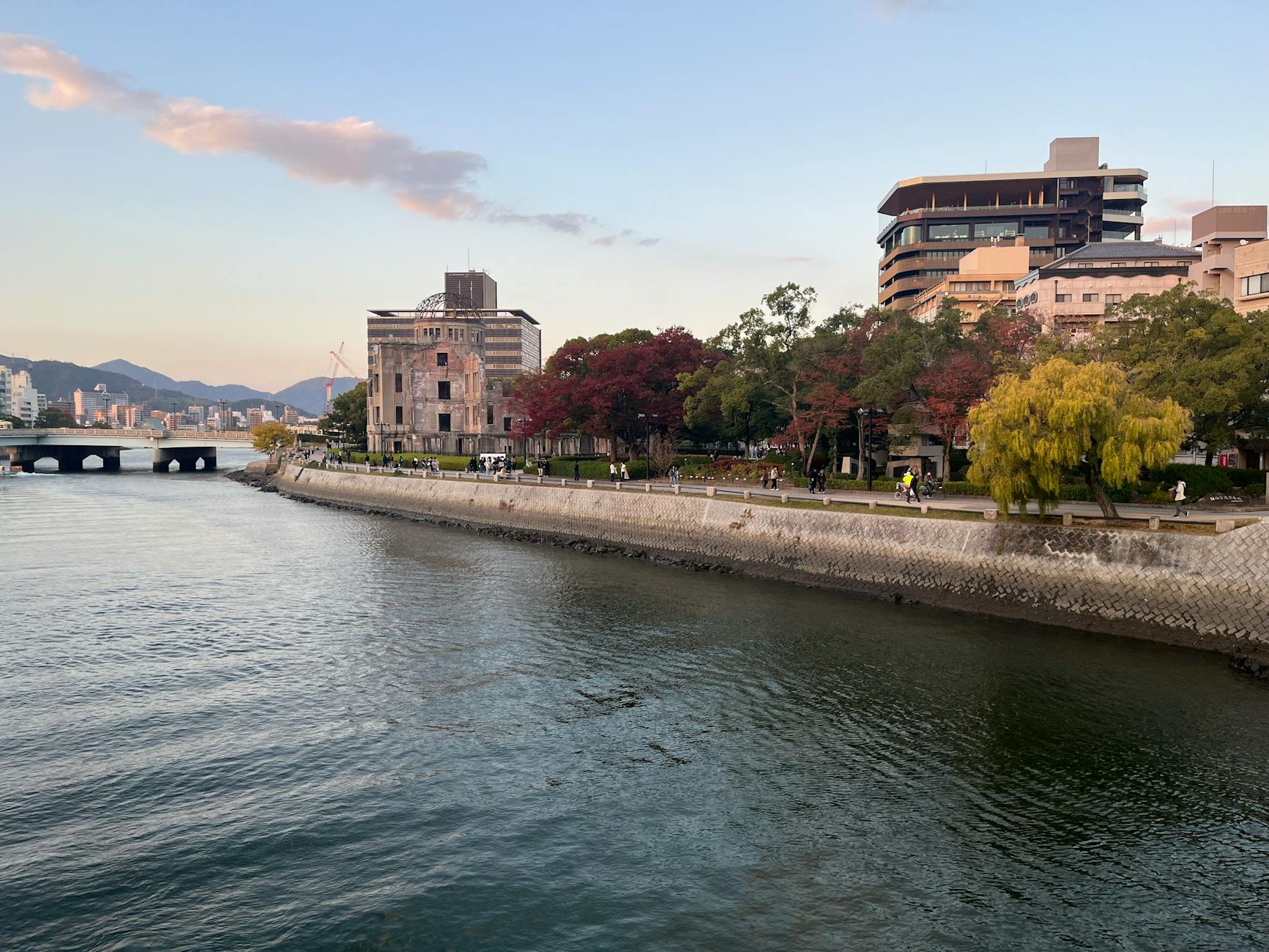
Evening Hiroshima is where the city often becomes more persuasive. The shopping arcades and food streets stop feeling like support infrastructure and start feeling like part of the main experience. The river lines soften. Dinner becomes a real social chapter rather than an afterthought. The city proves that it is not only a site of memory but also a place where people continue to live.
This is why weak Hiroshima trips are often all day and no night. They understand the city’s significance without ever allowing it to become inhabited.
Shukkeien and the Value of a Quieter Counterweight
Shukkeien is one of the best corrections to a bad Hiroshima itinerary. The official tourism page explains that the garden dates to 1620, was created as a daimyo villa garden, and remains a classic strolling garden with seasonal variation and restored structures after wartime destruction.[6]
That is exactly why it works so well in the Hiroshima stay. It gives the city historical depth without competing emotionally with the memorial core. It adds beauty, scale, and silence. And it is close enough to fit naturally into a city day rather than requiring heroic effort.
Why Hiroshima Often Works Better Than It Sounds
If you describe Hiroshima lazily, it can sound almost impossible to use well: a heavy museum, a symbolic park, a nearby island everyone says you must see, a regional airport at a distance, and a city whose emotional tone sounds as if it might limit everything else. On paper, that can feel difficult.
In practice, Hiroshima works because its parts are unusually compatible. The memorial core is central but not isolating. The trams make the city readable. Downtown gives evening life. Shukkeien or the river gives relief. Miyajima can be folded in if the trip is long enough. The result is not a city that is easy because it is light. It is a city that is manageable because it is well structured.
That is why Hiroshima often feels stronger in person than it does in itinerary shorthand.
Why Hiroshima Often Improves On The Second Visit
On a first visit, many travelers are still worried about doing the city correctly. They are measuring their own seriousness, trying not to be disrespectful, and often overloading the timetable because they assume there will not be another chance.
On a second visit, that pressure often drops. The city no longer needs to prove its importance. You can choose the museum hour more carefully, skip Miyajima if the weather is wrong, stay downtown without guilt, or let one evening belong mainly to food and the rivers. Because Hiroshima’s strengths are cumulative rather than spectacular, this often produces a richer stay.
How Hiroshima Changes Over The Course Of A Stay
On arrival, Hiroshima can seem almost too manageable. The streets are broad, the trams are clear, and the city center is easier to read than many Japanese first-time stops. Some travelers mistake this for a lack of depth.
By the second day, if the trip is built properly, the city begins to separate into clearer registers. The memorial core no longer has to carry the whole identity. Downtown and station Hiroshima begin to matter on their own terms. The river structure becomes something you feel rather than simply notice. The city starts to look less like a destination you came to salute and more like one you can actually inhabit.
By the third day, Hiroshima often becomes more persuasive precisely because it no longer needs to explain itself so directly. It is simply the city you are in now: tram, museum, river, okonomiyaki, garden, repeat. That is when many visitors realize how much more complete it is than they first assumed.
Common Mistakes
Treating Hiroshima As A One-Site City
The city becomes thinner when you do this, not more respectful.
Doing Miyajima Because Everyone Says You Must
Miyajima is excellent. It is not always the right use of limited time.
Using The Museum At The Wrong Time Of Day
Do not arrive mentally tired and call that seriousness.
Staying Somewhere Operationally Inconvenient For No Clear Reason
Hiroshima is too easy a city to use badly on purpose.
Thinking The City Ends After The Memorial Zone
Downtown Hiroshima is part of what makes the whole stay work.
My Blunt Advice
Sleep in Hiroshima.
Do not treat the city as a moral checkbox between Osaka and somewhere else.
If you only have one full day, choose between a deep Hiroshima day and a split Hiroshima-Miyajima day, and accept the cost of whichever choice you make.
If you have two full days, let one belong primarily to the memorial and city core, and let the other belong either to Miyajima or to a broader, calmer Hiroshima.
Eat well, move by tram, and give the city permission to be alive around its history. That is not a compromise. It is the point.
Source Notes
- 1. Hiroshima Airport. "Public Transportation Timetables." Official airport access page with current estimated travel times and fares for the limousine bus and other airport connections. https://www.hij.airport.jp/en/access/timetable/
- 2. Hiroshima Airport. "Hiroshima Station Shinkansen Gate ⇔ Hiroshima Airport." Official limousine-bus timetable page with current schedules and the 1,500 yen adult fare. https://www.hij.airport.jp/en/access/timetable/2.html
- 3. Hiroshima Electric Railway. "Streetcar Fares." Official English fare page noting flat fares and pay-on-exit operation. https://www.hiroden.co.jp/en/s-fares.html
- 4. Hiroshima Electric Railway. "Visit Hiroshima Tourist Pass." Official pass-coverage page listing included streetcars, ferries, and bus routes and excluded airport limousine buses and JR West trains. https://www.hiroden.co.jp/en/e-vhtp.html
- 5. Dive! Hiroshima. "Hiroshima Peace Memorial Museum." Official tourism listing with seasonal hours, ticket information, and note about prior online reservations for some time slots. https://dive-hiroshima.com/en/explore/2675/
- 6. Dive! Hiroshima. "Shukkeien." Official tourism listing with history, opening hours, admission, and access. https://dive-hiroshima.com/en/explore/306/
- 7. Dive! Hiroshima. "Itsukushima Shrine." Official tourism listing describing the shrine, its historical reconstruction under Taira no Kiyomori, and its setting on Miyajima. https://dive-hiroshima.com/en/explore/1469/
- 8. Miyajima Ropeway. Official English site with current hours, reservation notes for specific days, shuttle-bus details, and operational notices. https://miyajima-ropeway.info/english/
- 9. Dive! Hiroshima. "Orizuru Tower." Official tourism listing describing the observation deck and its view over the memorial area and toward Miyajima. https://dive-hiroshima.com/en/explore/2817/