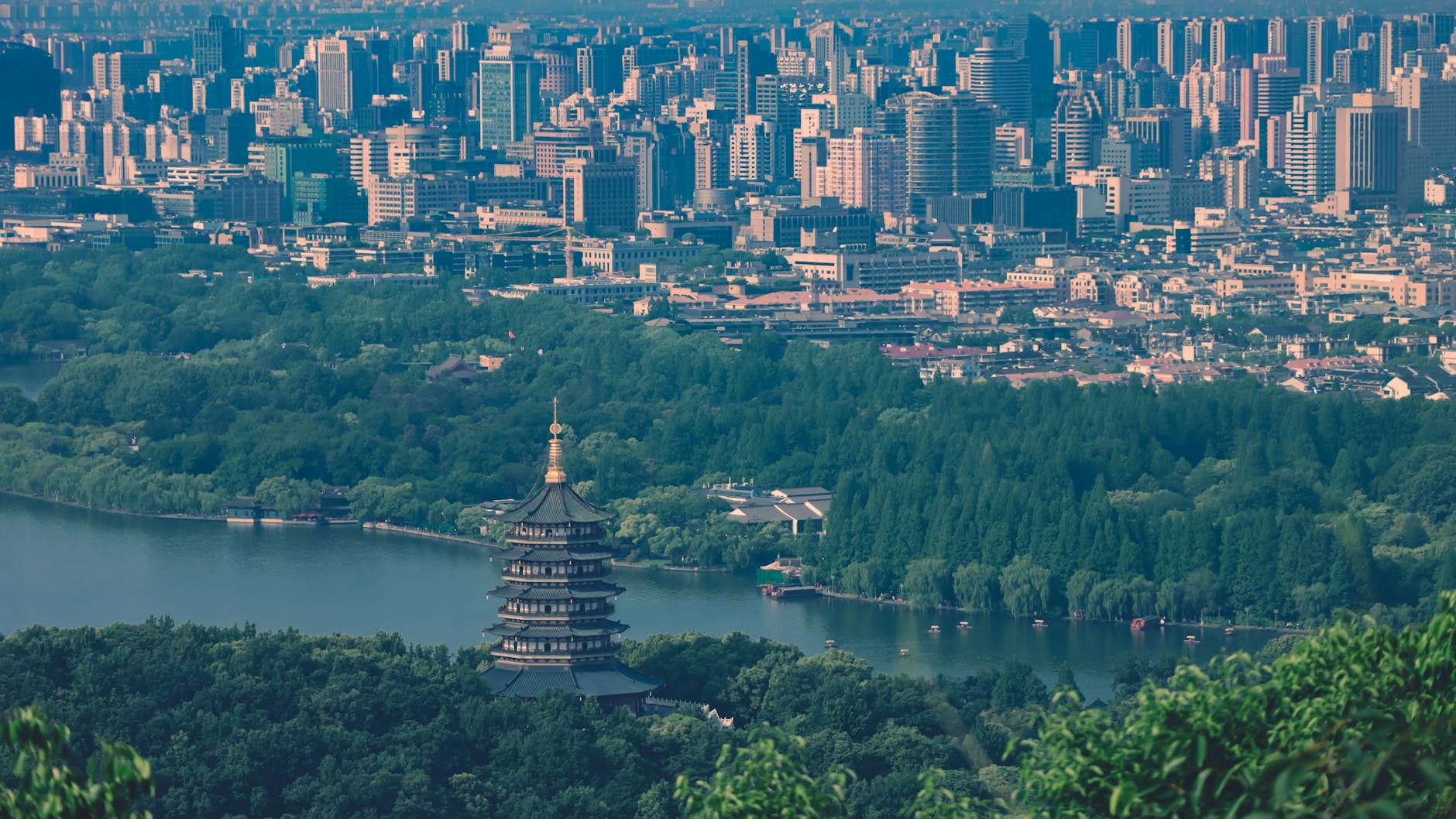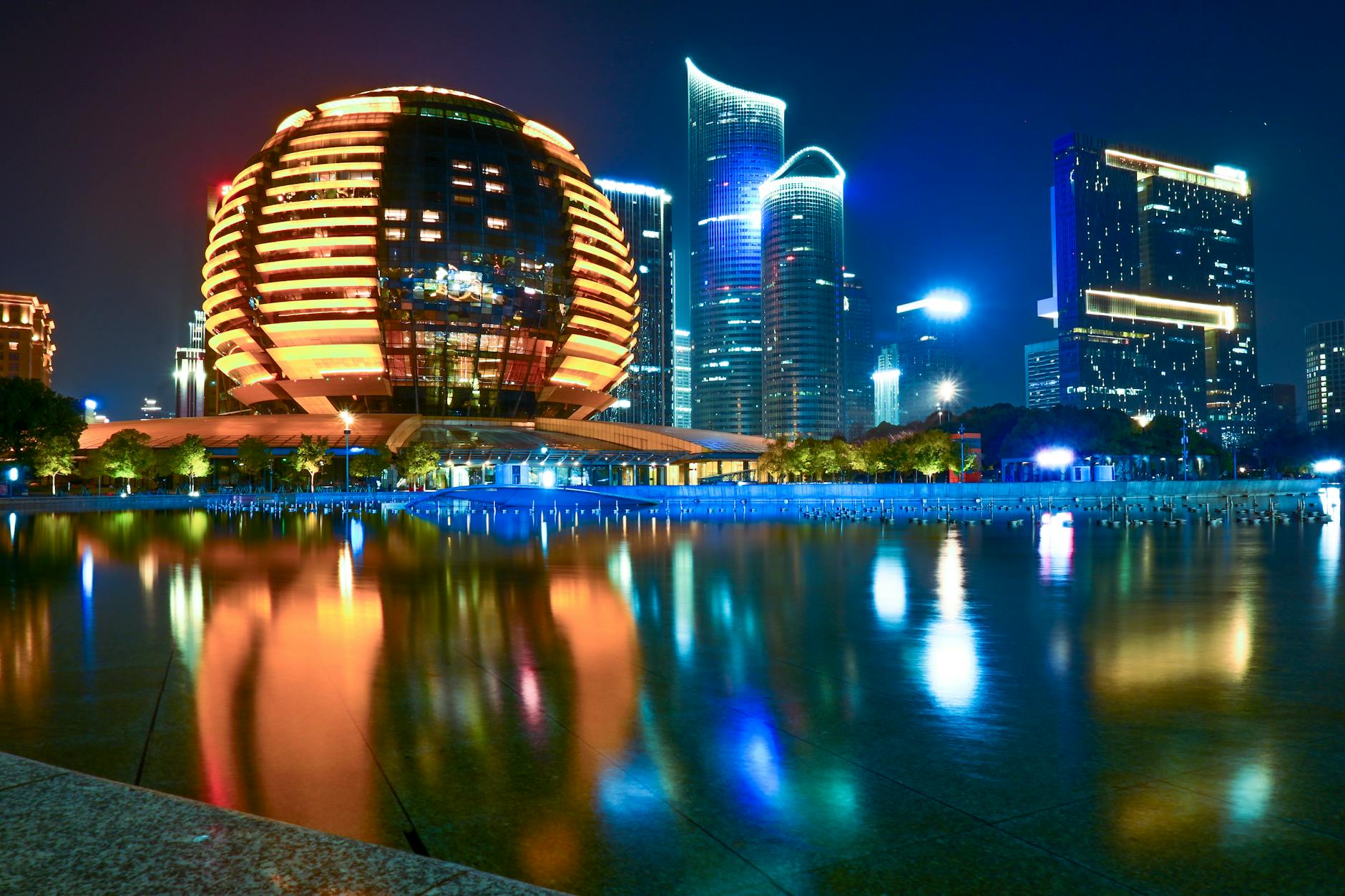
Hangzhou has one of the strongest first impressions in the country. West Lake, tree lines, causeways, hills, tea slopes, and a long literary and imperial reputation make the city feel beautiful almost immediately. That beauty is real, but it can also cause weak travel. People assume that if the setting is this generous, the route can be lazy. Usually that is when the city starts to flatten into one postcard repeated too many times. The best Hangzhou trip uses the lake as the center of gravity but not as the only argument. Tea culture, temples, old streets, a better hotel, and slower city movement are all part of what make the place worthwhile.
How Hangzhou works
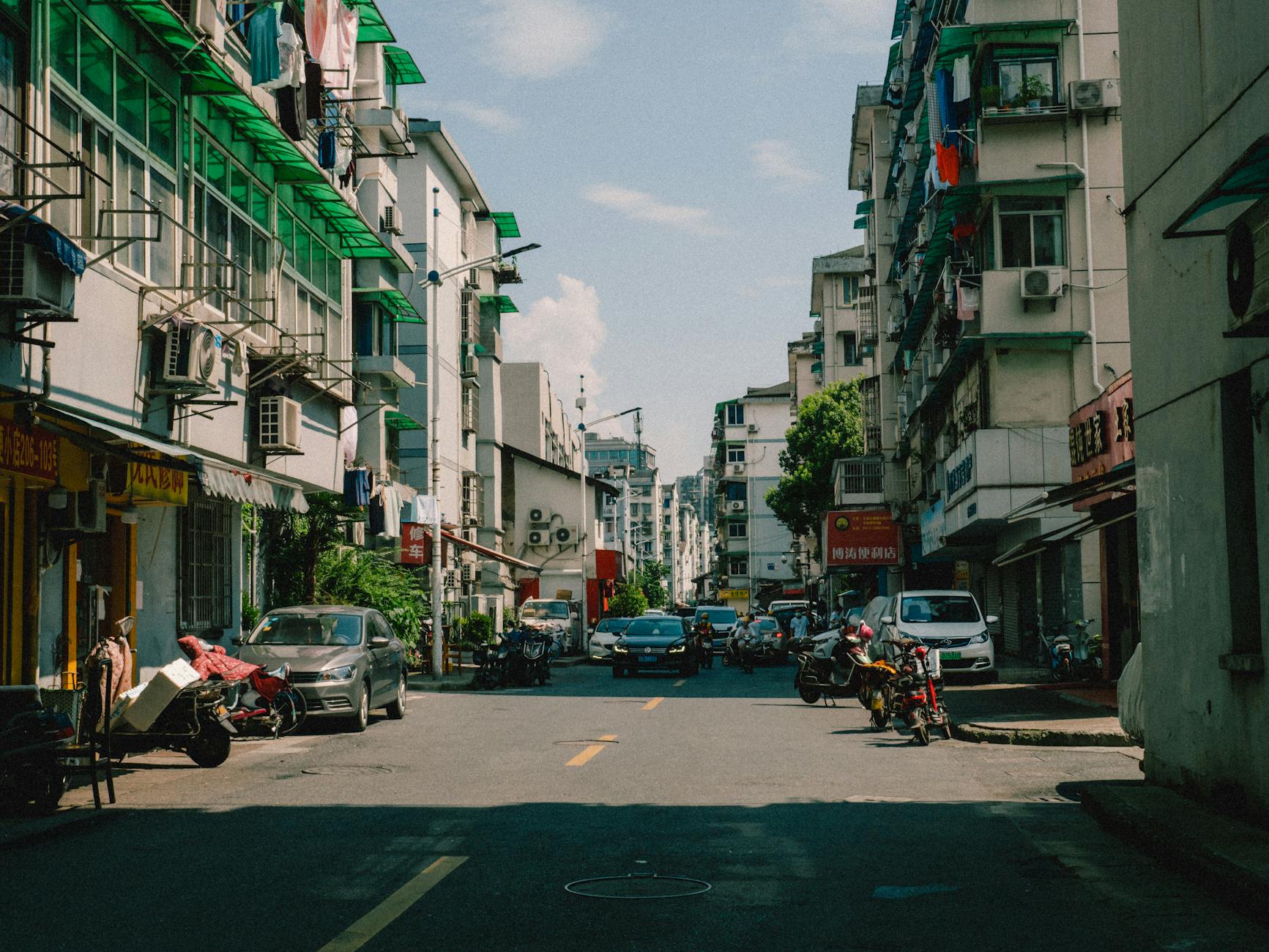
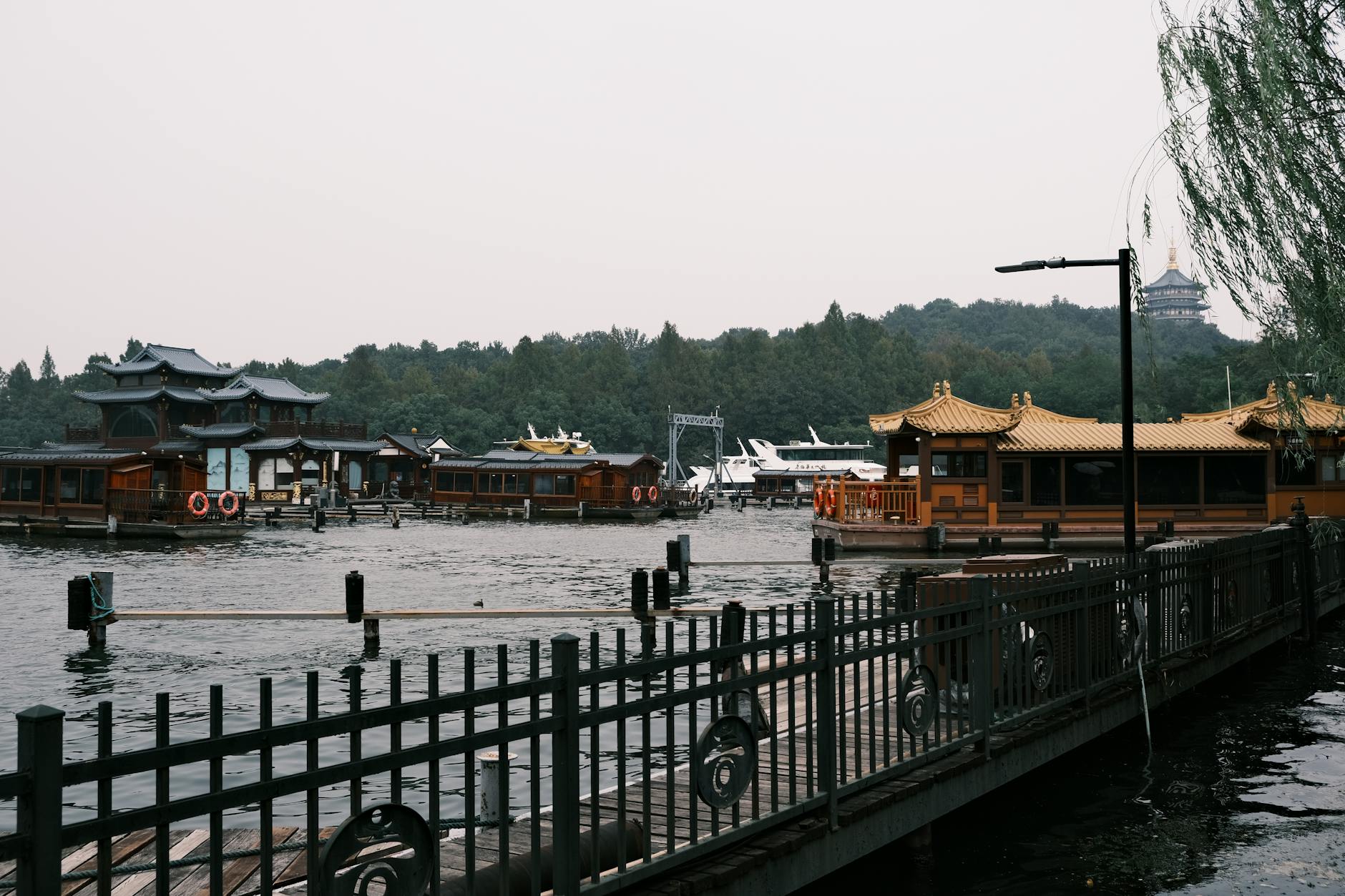
Hangzhou works through a scenic center. West Lake shapes the whole emotional map, but the city improves when the traveler uses more than the edge of the water. The lake, tea areas, temples, historic lanes, and the modern city all support slightly different experiences. Hangzhou is at its best when the day moves between beauty, shade, tea, and one or two more grounded urban moments.
- West Lake is the center of gravity, but not the whole city.
- The strongest Hangzhou alternates between scenic and lived-in layers.
- The city rewards a gentle but deliberate route.
Basic data
| Population | About 12 million |
|---|---|
| Area | 16,850 km2 |
| Major religions | Largely secular public life with Buddhist, Daoist, Muslim, and Christian communities |
| Political system | Sub-provincial city inside a socialist one-party state |
| Economic system | Upper-middle-income mixed economy led by technology, services, e-commerce, manufacturing, and tourism |
Best time to visit
Spring and autumn are usually the finest Hangzhou seasons because the city's famous beauty becomes fully usable rather than merely visible. Spring can feel soft, floral, and socially buoyant. Autumn often gives the cleaner pure city experience because the weather is forgiving and the lake-and-hill balance feels especially settled. Summer can still work, but heat and demand make the city more hotel-led and less effortlessly graceful. Winter can have mood, but it is a different Hangzhou entirely.
- Autumn is often the easiest high-quality Hangzhou season.
- Spring is beautiful, but can come with more visitor pressure and sentimentality.
- Weather matters because the city is meant to be used outdoors.
Arriving and getting around
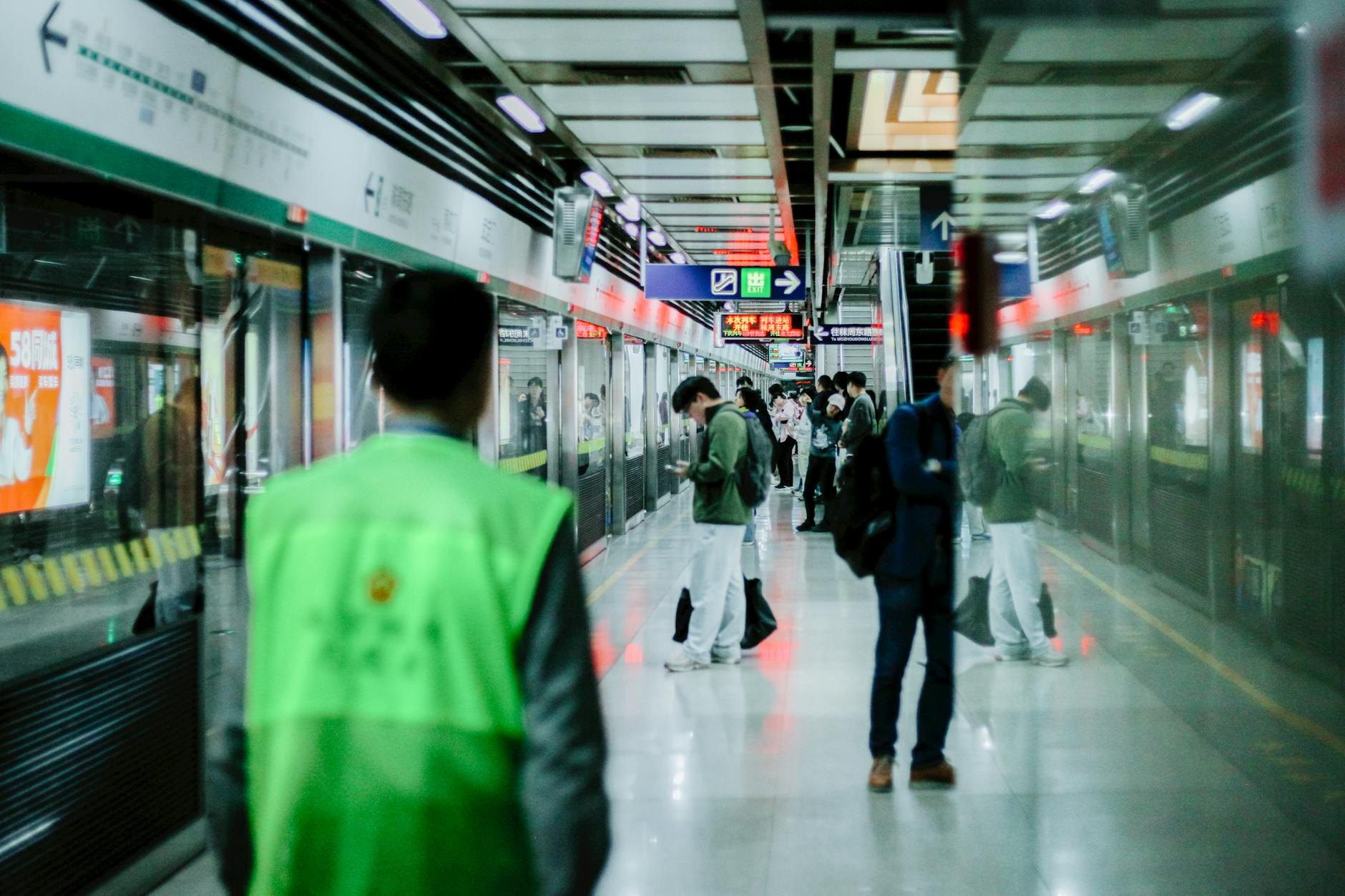
Hangzhou is manageable once the traveler decides how lake-oriented the stay should be. The mistake is thinking that because the city feels scenic and humane, the base is therefore unimportant. In fact, placement matters a great deal. Certain parts of the city make the lake and historical layers feel immediate, while others flatten the trip into longer returns and weaker evenings. Local movement is workable, but a better first placement solves more than any transport trick.
- A better lake relationship usually begins with the hotel choice.
- Hangzhou is easy, but not if the base fights the city.
- The cleanest days stay in one scenic-urban band.
Where to stay
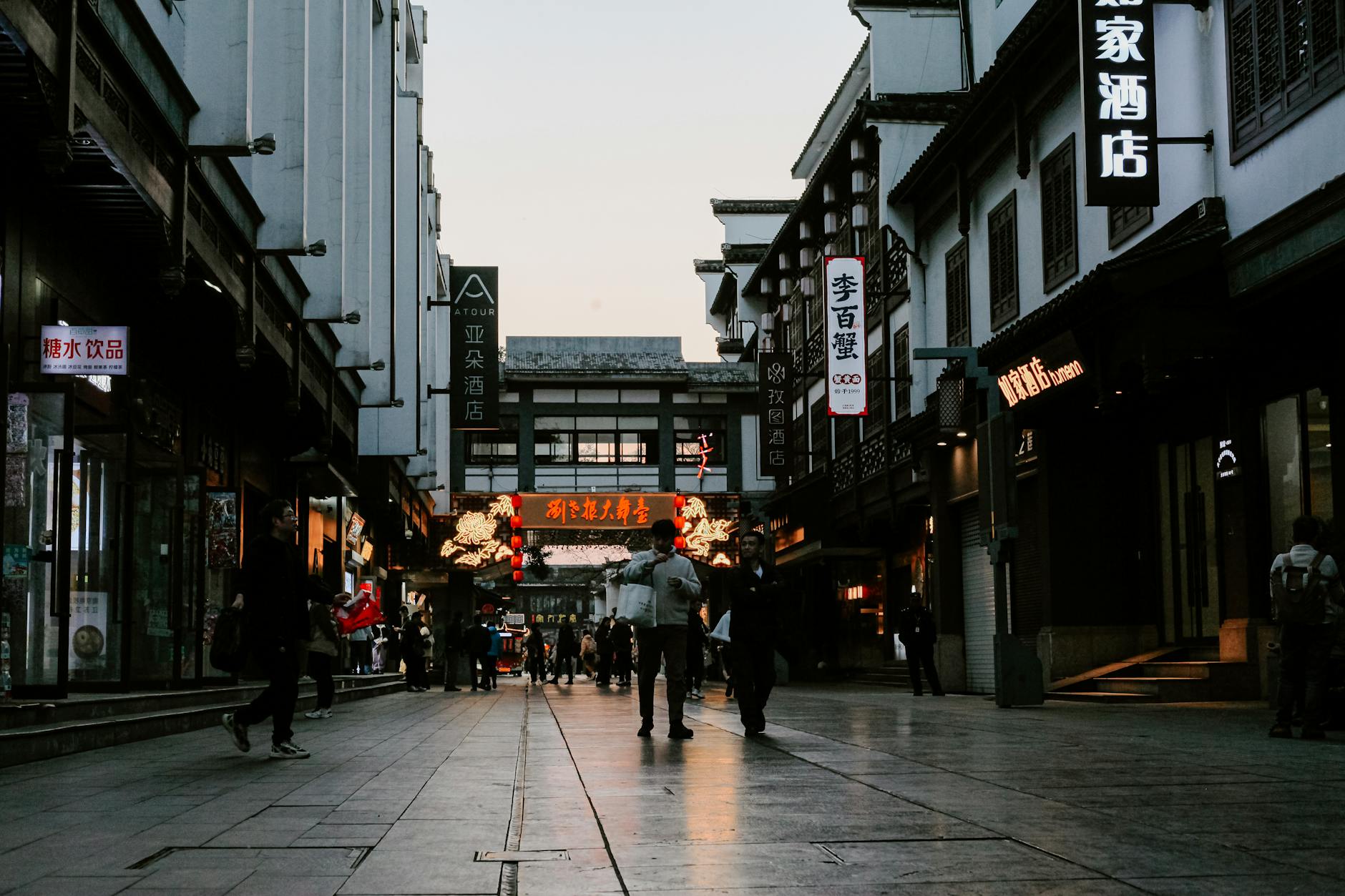
Hotel choice in Hangzhou should be made with emotional tone in mind. Some travelers want full lake elegance and are willing to pay for it. Others want a more practical but still graceful base with easy access to tea areas or old-city atmosphere. The key is not to underinvest if the whole point of the city is refinement. Hangzhou can feel magical from the right property and strangely ordinary from the wrong one.
- The hotel is part of Hangzhou's elegance, not just a sleeping place.
- A stronger base can dramatically improve the whole city.
- Choose whether the stay is lake-led, tea-led, or practical with scenic access.
West Lake beauty versus West Lake overreliance
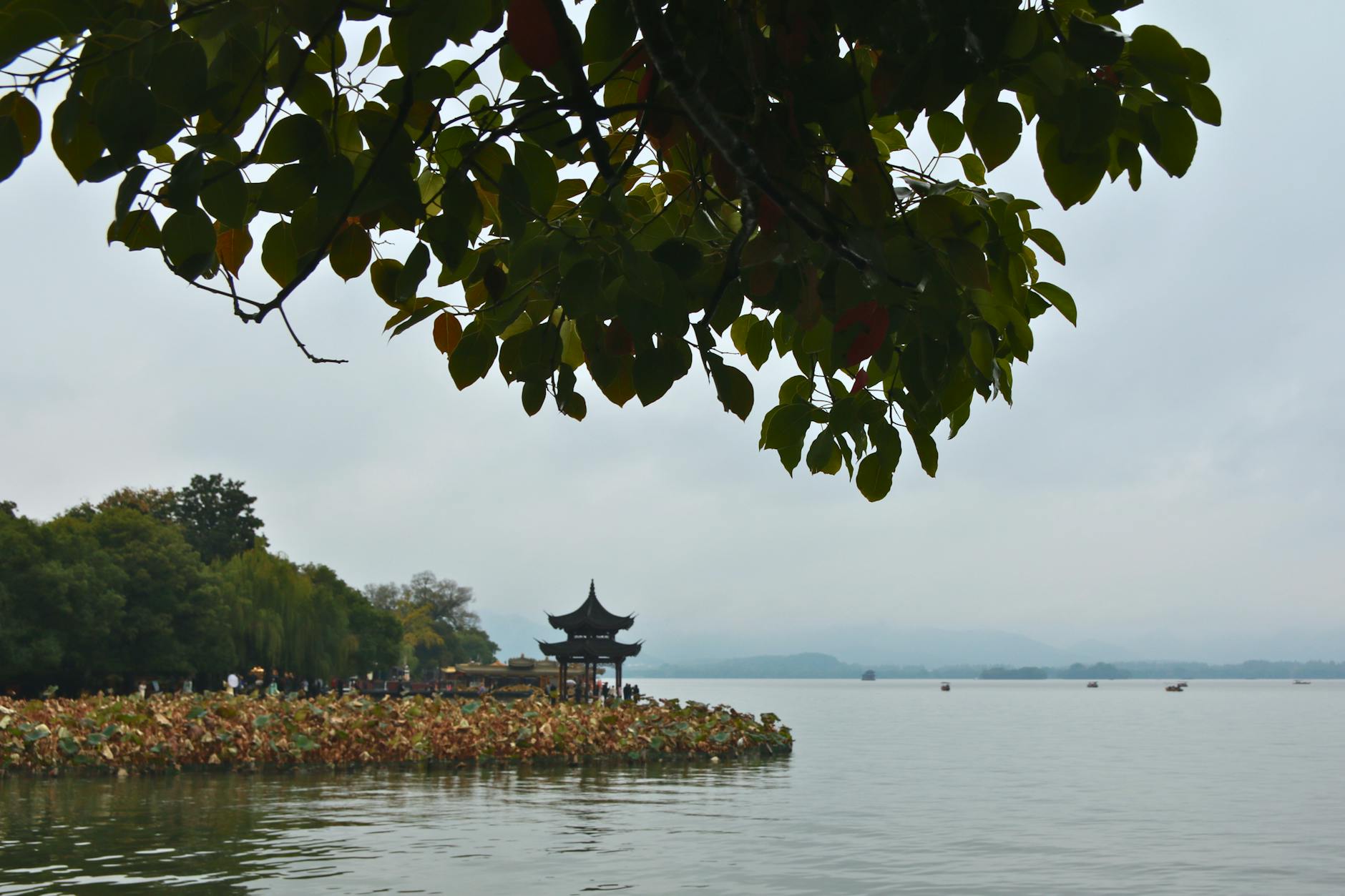
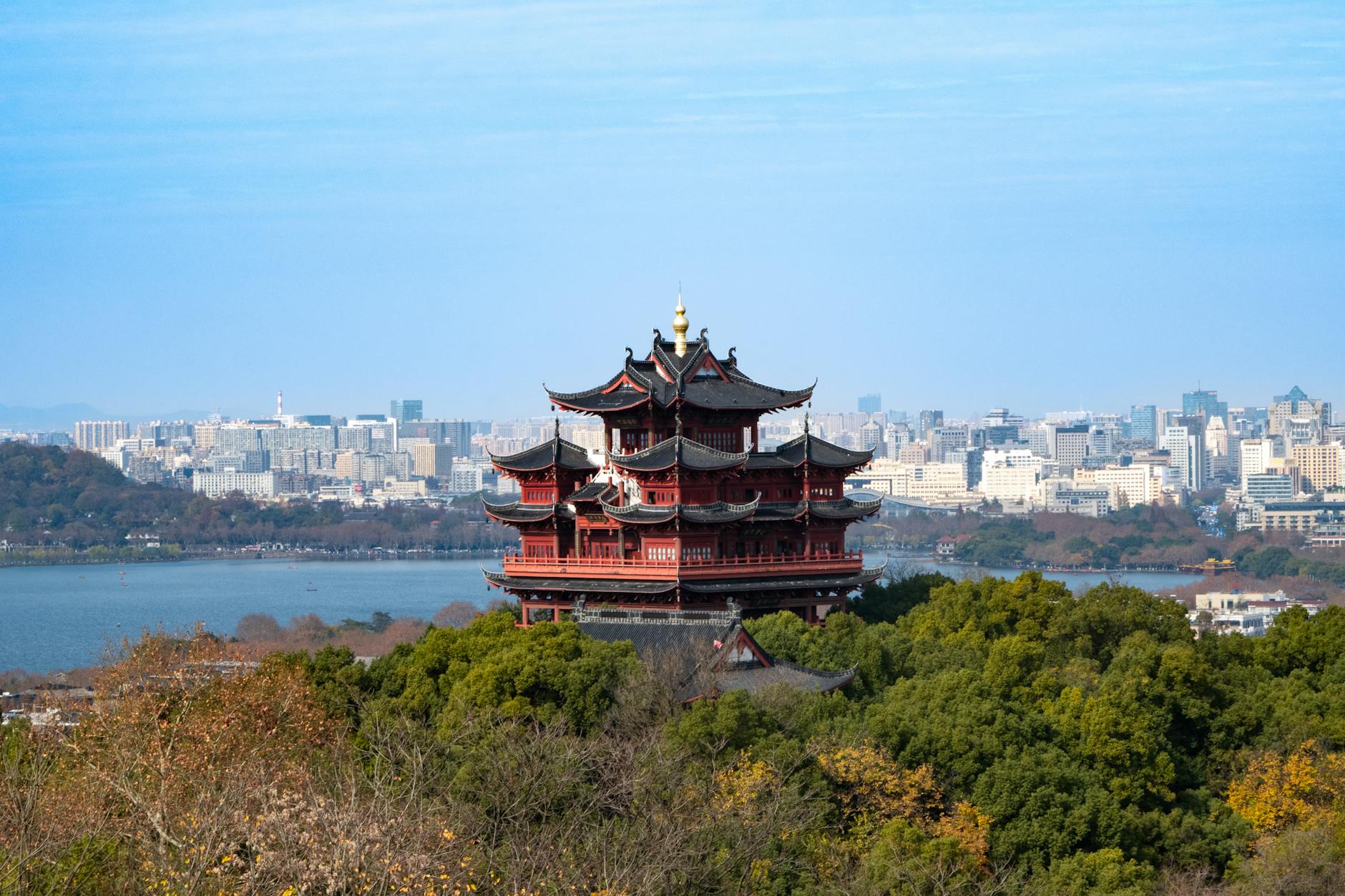
The hardest Hangzhou mistake is not missing the lake. It is asking the lake to carry the entire trip alone. West Lake can be exquisite in different light, weather, and seasons, but the city weakens when every walk, meal, and decision merely loops around the same visual reassurance. Hangzhou needs tea slopes, temple quiet, shaded detours, and at least a few moments where beauty feels earned through variation rather than simply received as scenery.
- West Lake is central, but it should not become monotonous.
- Variation is what turns Hangzhou from pretty to memorable.
- The city improves when scenic beauty is paired with cultural and tonal depth.
What Hangzhou does better than many Chinese city breaks
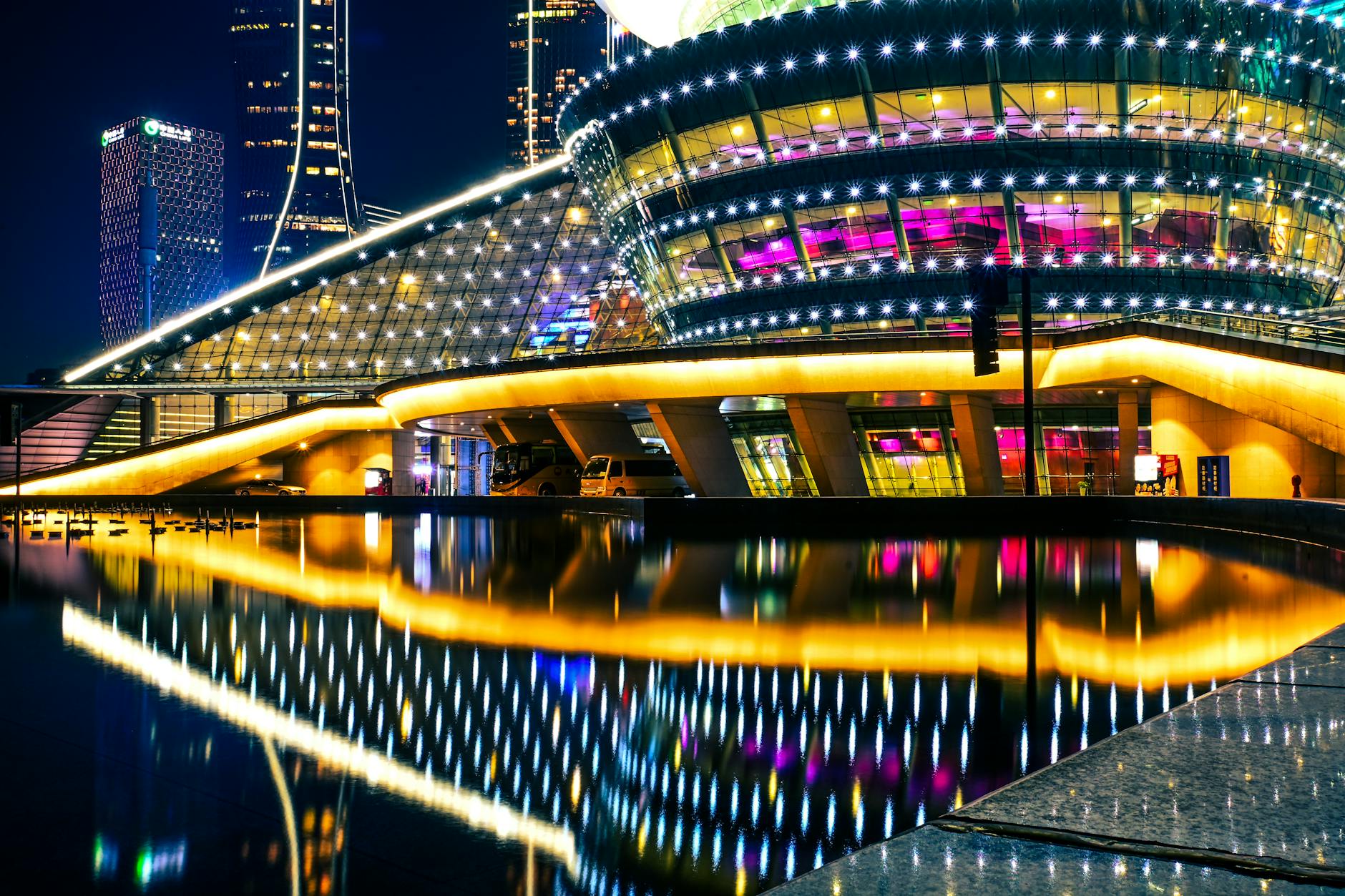
Hangzhou is one of China's best cities for travelers who want beauty without losing urban substance. It is excellent for couples, softer-paced luxury travelers, tea-minded travelers, and people who like a city that feels composed rather than forceful. Hangzhou's luxury is often environmental: shade, water, hills, calm, and a sense of cultural continuity that is legible without becoming overbearing.
- Hangzhou is one of the country's best refined short-break cities.
- Its appeal lies in environmental elegance as much as in attractions.
- The city rewards travelers who value tone as much as activity.
Tea, food, and the city at a slower register
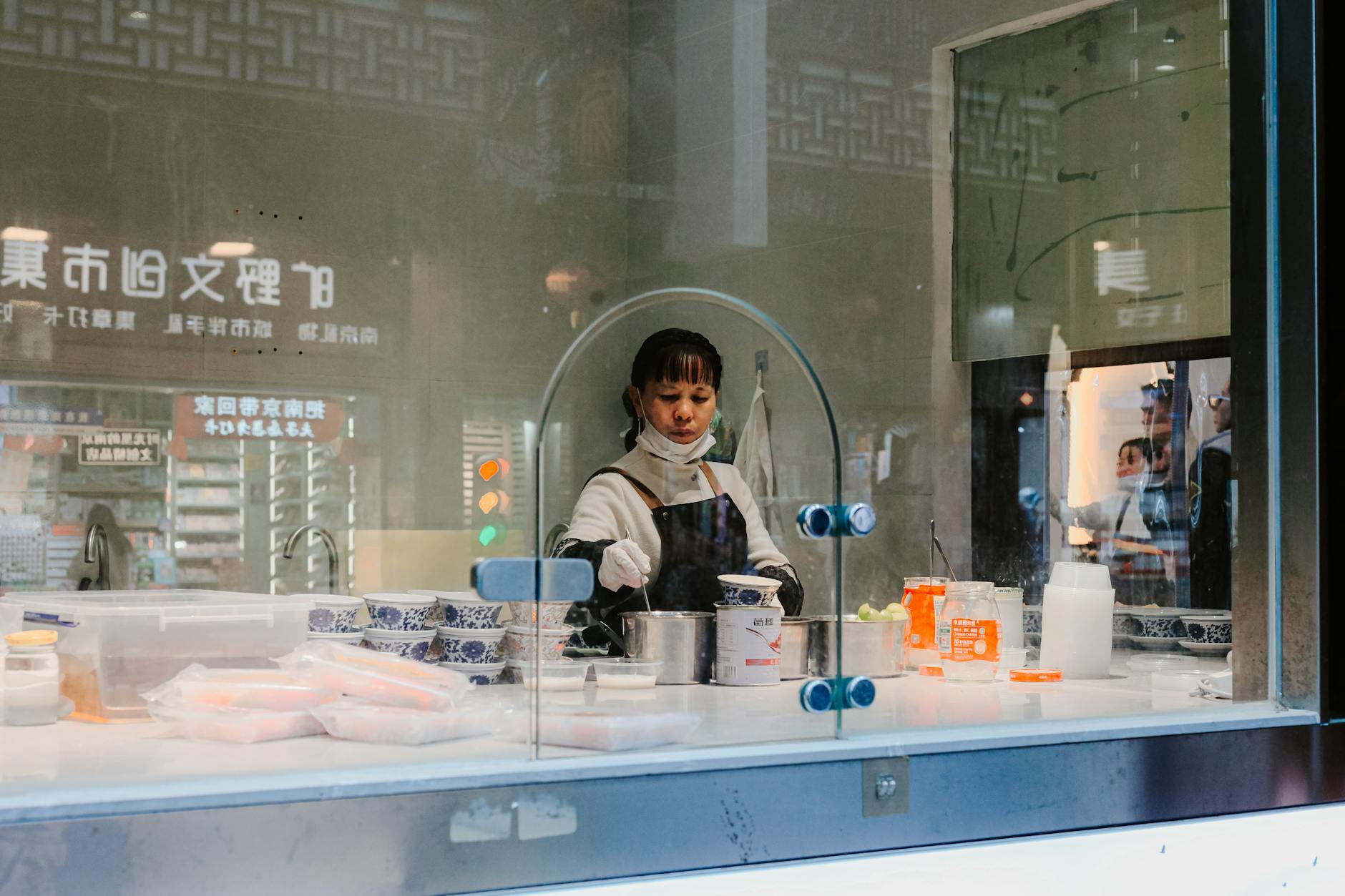
Hangzhou's food is not the loudest in the country, but it works very well when it follows the city's softer identity. Tea culture matters deeply, and meals often make most sense when they feel tied to season, lake setting, or neighborhood calm. The city is not about culinary aggression. It is about fit. That can be a luxury in itself.
- Tea is part of the travel logic here, not an accessory.
- Meals should follow the city's gentler rhythm.
- Hangzhou rewards fit more than flamboyance.
Tea hills, temples, and the city's cultivated interior
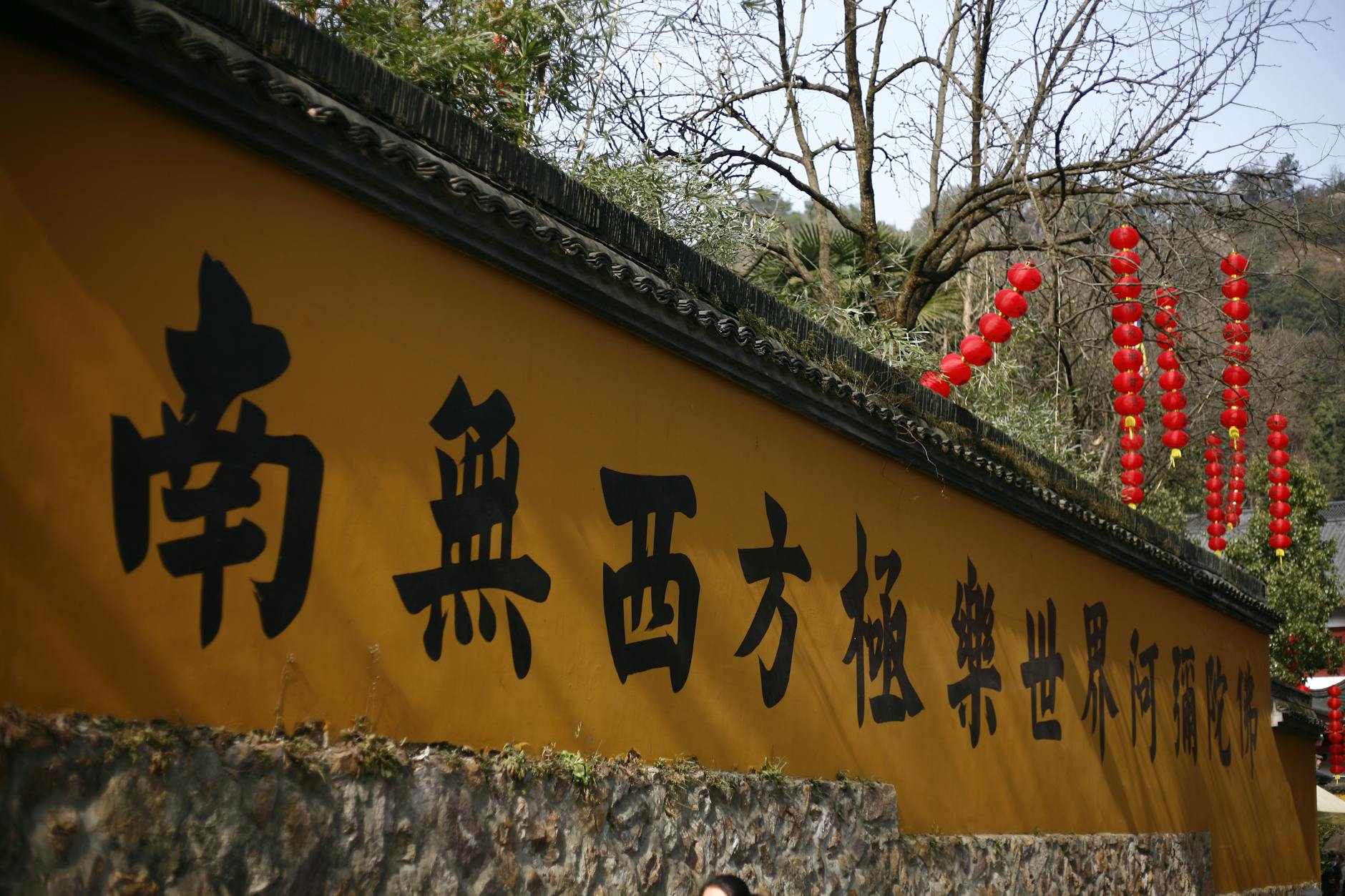
Part of what makes Hangzhou superior to many scenic city breaks is that the beauty has a cultural interior. Tea villages, monastery zones, hill paths, and old literary associations keep the city from becoming merely decorative. The traveler does not need to become scholarly about any of this, but should feel that the landscape has been thought with as well as admired. That is one reason Hangzhou often lingers in memory longer than cities with louder attraction lists.
- Hangzhou's scenery feels deeper when its cultural layer is given real time.
- Tea country and temple quiet keep the city from becoming postcard-only.
- The city's refinement is intellectual as well as visual.
Etiquette and local norms
Hangzhou rewards travelers who move with calm. Scenic zones, temples, tea areas, and older streets all respond better to a quieter kind of curiosity than to loud sightseeing energy. The city can feel easy and beautiful, but it is still shaped by places that deserve some composure. Visitors who keep the tone measured usually get more out of it.
- Calm curiosity fits Hangzhou better than conquest energy.
- Tea and temple settings deserve a little more respect and stillness.
- The city becomes finer when visitors let it stay composed.
My blunt advice
The biggest Hangzhou mistake is relying on West Lake alone and then wondering why the city felt repetitive by the second day. The second is booking a weak hotel and assuming the scenery will compensate for everything else. Hangzhou is best when the stay is edited, shaded, tea-aware, and quietly luxurious. Do less, choose better, and let the city stay elegant.
- Do not confuse beauty with a self-building itinerary.
- A better hotel and a better pace are often the real upgrades in Hangzhou.
- The city works best when refinement is treated as the point, not as decoration.