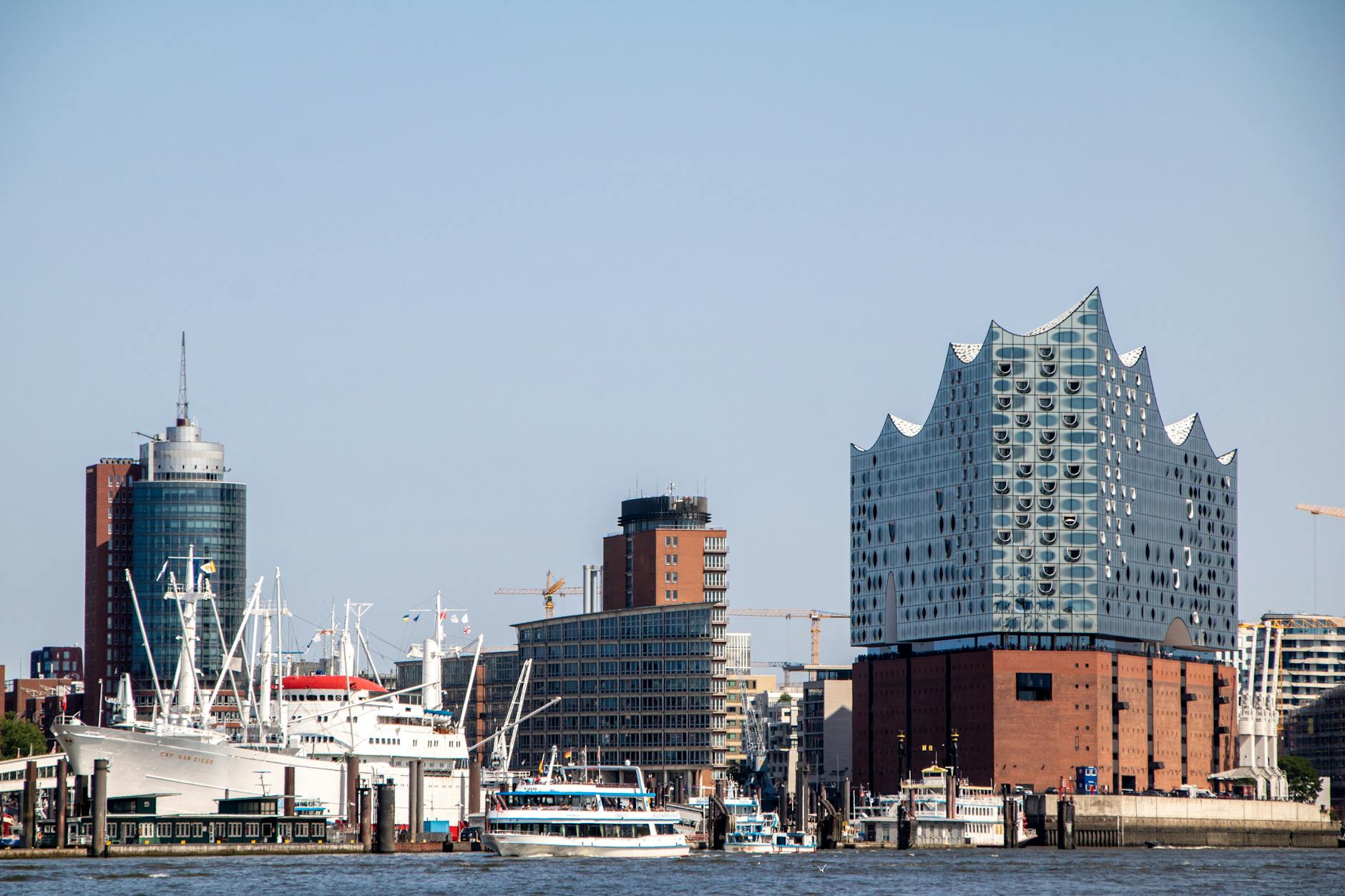
Hamburg is one of Europe's most easily misread cities because it does not line up neatly with the fantasy many first-time visitors bring to Germany. It is not Berlin's argument, Munich's polish, or Cologne's looseness. It is maritime, rich, self-controlled, sometimes austere, often beautiful, and much more adult than immediately charming. If you arrive wanting instant romance, it can feel distant. If you arrive ready to read how water, trade, neighborhoods, music, nightlife, and urban confidence fit together, it can be one of Germany's best city breaks.
Start Here
The basic mistake people make is assuming the harbor is the whole point. The harbor matters enormously, of course. So do the Elbe, the canals, the ferries, the cranes, the Speicherstadt, and the sense that the city still belongs to commerce and ships rather than merely performing them for tourists. But Hamburg is not just "the port city." It is also the Alster, broad bourgeois avenues, elegant residential streets, stern brick business architecture, St. Pauli's unruly after-dark energy, the polished confidence of newer waterfront districts, and one of the better hotel-and-bar cultures in northern Europe.
The second mistake is staying somewhere functionally central but emotionally dead. Hamburg is not a city where any random central hotel will do. District choice shapes the whole trip. Stay too far into office Hamburg and the city can feel cold. Stay in the wrong part of the nightlife zone and the city can feel crass. Stay well and Hamburg starts to reveal its real pleasures: ferries that are transport and atmosphere at once, lakefront calm after harbor grit, old brick warehouses turning theatrical in evening light, serious museums, excellent drinking, and a version of German city life that feels worldly without trying too hard.
This is also a city of contrast rather than one grand civic statement. The Binnenalster and Außenalster are not the same Hamburg as Landungsbrücken. St. Georg is not Eppendorf. Sternschanze is not HafenCity. The best trip accepts that the city has multiple registers and lets them speak to one another. You do not "solve" Hamburg by seeing a list of sights. You understand it by moving through different versions of it.
That movement is what makes first-time visitors either click with Hamburg or miss it. A strong Hamburg trip has one or two real waterfront chapters, one neighborhood chapter, one evening that leans into the city's nightlife or bar confidence, one piece of culture or architecture serious enough to give the city weight, and enough room for ferries, weather, and mood to shape the pace. Overplan it and Hamburg hardens. Underplan it and Hamburg stays vague. Shape it correctly and it becomes memorable in a very grown-up way.
The city in one sentence: Hamburg is a maritime, district-driven, highly self-possessed city where the best first trip comes from understanding harbor scale, Alster calm, neighborhood choice, ferries, nightlife, and brick-built urban history rather than treating it as a generic northern stop.
Quick Verdict
Best for: couples, solo travelers, repeat Germany visitors, design-minded city breakers, nightlife travelers who still want quality, architecture lovers, and anyone drawn to water-shaped cities with a serious urban personality.
Not ideal for: travelers who want instant fairy-tale Germany, people who need nonstop monument density, or anyone uncomfortable with a city that mixes polish and grit without apology.
Ideal first visit: 2 to 3 full days.
Minimum worthwhile stay: 2 full days, if one is allowed to be a real neighborhood-and-water day rather than just an arrival shell around dinner.
Best overall months: May, June, September, and early October.
Best winter case: November through December for bars, concerts, museums, and the more interior, nocturnal side of the city.
Biggest planning mistake: choosing a weak base and then concluding Hamburg itself is emotionally flat.
One thing to prioritize: district logic. Hamburg rewards a trip that knows whether it wants lake calm, harbor atmosphere, nightlife access, or polished hotel ease.
One thing to leave flexible: waterfront time. Light, rain, and wind change Hamburg visibly, so the best harbor or ferry chapter is often the one you place opportunistically.
The blunt version: Hamburg is one of Germany's strongest city breaks for travelers who like cities with money, edge, water, nightlife, and architectural seriousness, and one of the easiest places to misjudge if they keep waiting for cuteness.
Who Will Love Hamburg?
Hamburg suits travelers who enjoy cities with weight. Not solemnity exactly, but weight: economic weight, architectural weight, cultural weight, and a social life that feels adult rather than studenty or decorative. It is especially good for people who like a city to reveal itself in layers instead of selling itself in one obvious image.
Couples often do very well here because Hamburg supports a sophisticated kind of long weekend: a strong hotel, one museum or architectural anchor, one water-heavy afternoon, one excellent late dinner, one proper bar or music-night chapter, and enough daylight wandering that the city has time to accumulate. Hamburg can be sexy in a restrained way, but it is rarely sentimental.
Solo travelers also tend to do well in Hamburg if they like urban independence. Ferries, canals, neighborhoods, cafés, museums, and bars all work well alone. The city feels structured enough to be easy and big enough to avoid the constriction that some smaller polished cities can produce.
It is also very good for travelers who care about how a city actually functions. Hamburg still feels like a place where shipping, publishing, music, business, migration, and neighborhood change matter. That keeps the city from becoming a stage set. Even the parts that are heavily visited still tend to sit inside a real urban machine.
The city is less ideal for someone who wants Germany at its most postcard-medieval or Alpine. Hamburg is northern, mercantile, watery, and self-contained. It does not perform coziness on command. It performs competence, scale, and atmosphere instead.
Hamburg at a Glance
| Question | Practical Answer |
|---|---|
| Main airport | Hamburg Airport |
| Simplest airport public transfer | S1 to/from Hauptbahnhof |
| Airport-to-centre timing | About 25 minutes from Hauptbahnhof[1] |
| Best first-time base | central Hamburg with clear neighborhood logic |
| Best atmospheric first-time base | Neustadt, St. Georg edge, or a carefully chosen harbor-adjacent stay |
| Best nightlife zone | St. Pauli / Sternschanze, depending on taste |
| Best scenic transit move | public harbor ferry or Alster walk |
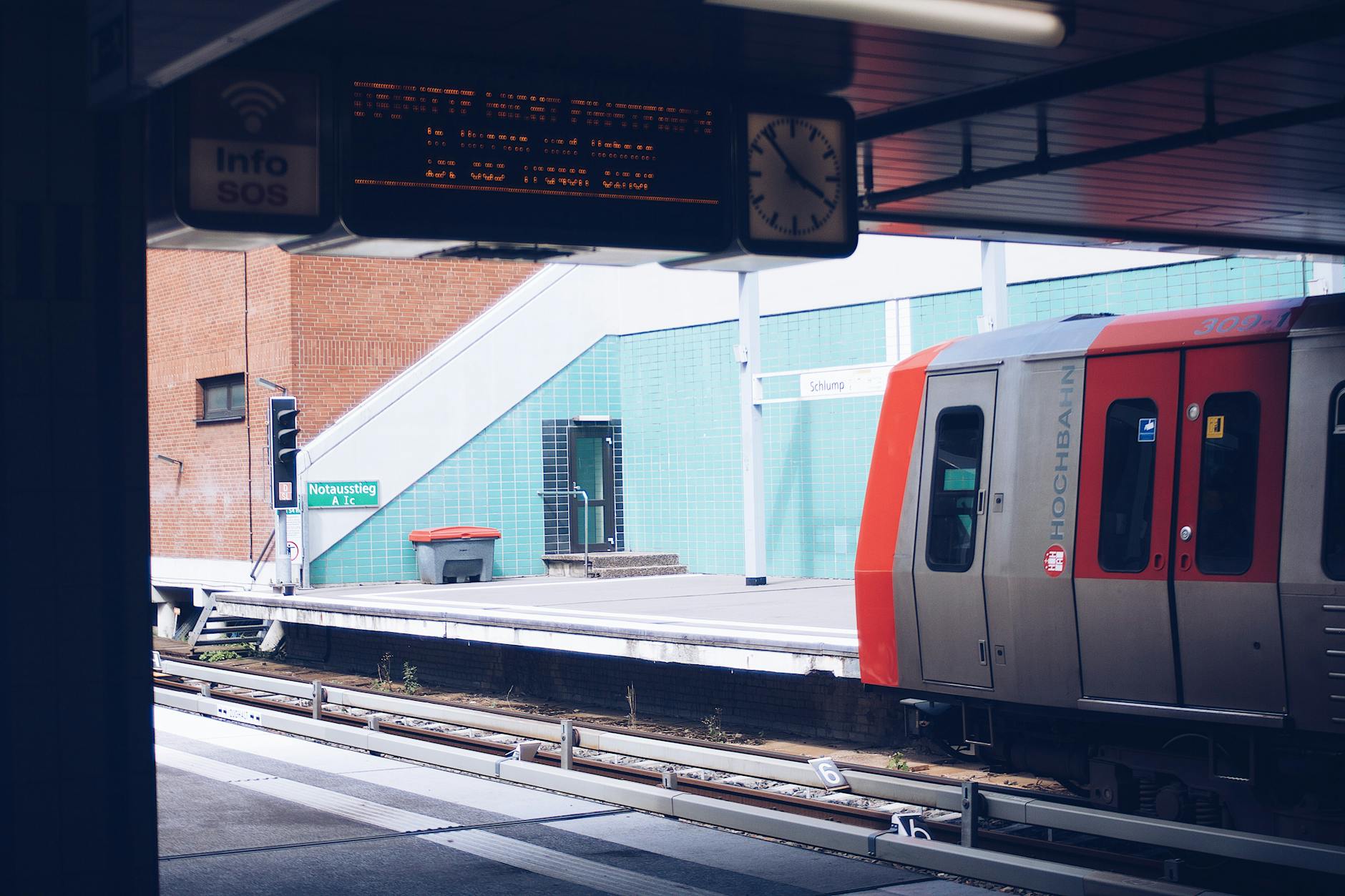
| Public transport backbone | U-Bahn, S-Bahn, buses, ferries, and walking |
| Signature architecture zone | Speicherstadt and Kontorhausviertel[6] |
| Signature modern icon | Elbphilharmonie Plaza[4] |
| Best family-friendly attraction | Miniatur Wunderland |
| Car needed? | No |
| Currency | Euro |
| Emergency number | 112 |
| Tap water | Safe to drink |
| Power plugs | Type C and F |
2026 Visitor Notes
The Airport Transfer Is Better Than Hamburg’s Reputation For Sprawl Suggests
Hamburg Airport says the S1 runs every 10 minutes and reaches Hauptbahnhof in about 25 minutes.[1] That is a very good airport move for a city this substantial. The right lesson is not "therefore anywhere is fine." The right lesson is that a strong district choice becomes even more valuable when the arrival is so easy.
HVV Day-Ticket Logic Is Simple Enough To Use Well
hvv's official single and day-ticket page lists Hamburg AB fares from 1 January 2026 and notes that day tickets are valid until 6 a.m. the following morning.[2] That makes Hamburg a city where most short-stay ticket decisions can stay simple if you resist overcomplicating them.
The Hamburg CARD Is Broadly Useful If You Expect To Move A Lot
Hamburg Tourism promotes the Hamburg CARD as including free travel on buses, trains, and harbor ferries plus discounts on many attractions and activities.[3] For first-timers who know they will be moving around between districts and doing a few paid sights, it can make sense.
Elbphilharmonie Plaza Is Not Optional
The official Elbphilharmonie Plaza page makes clear that the plaza is a public viewing level with major harbor and city views.[4] In practice, this means the question is not whether to go. It is when. Time it intelligently and Hamburg's geography starts making visual sense all at once.
Speicherstadt And Kontorhausviertel Deserve More Than A Walk-Through
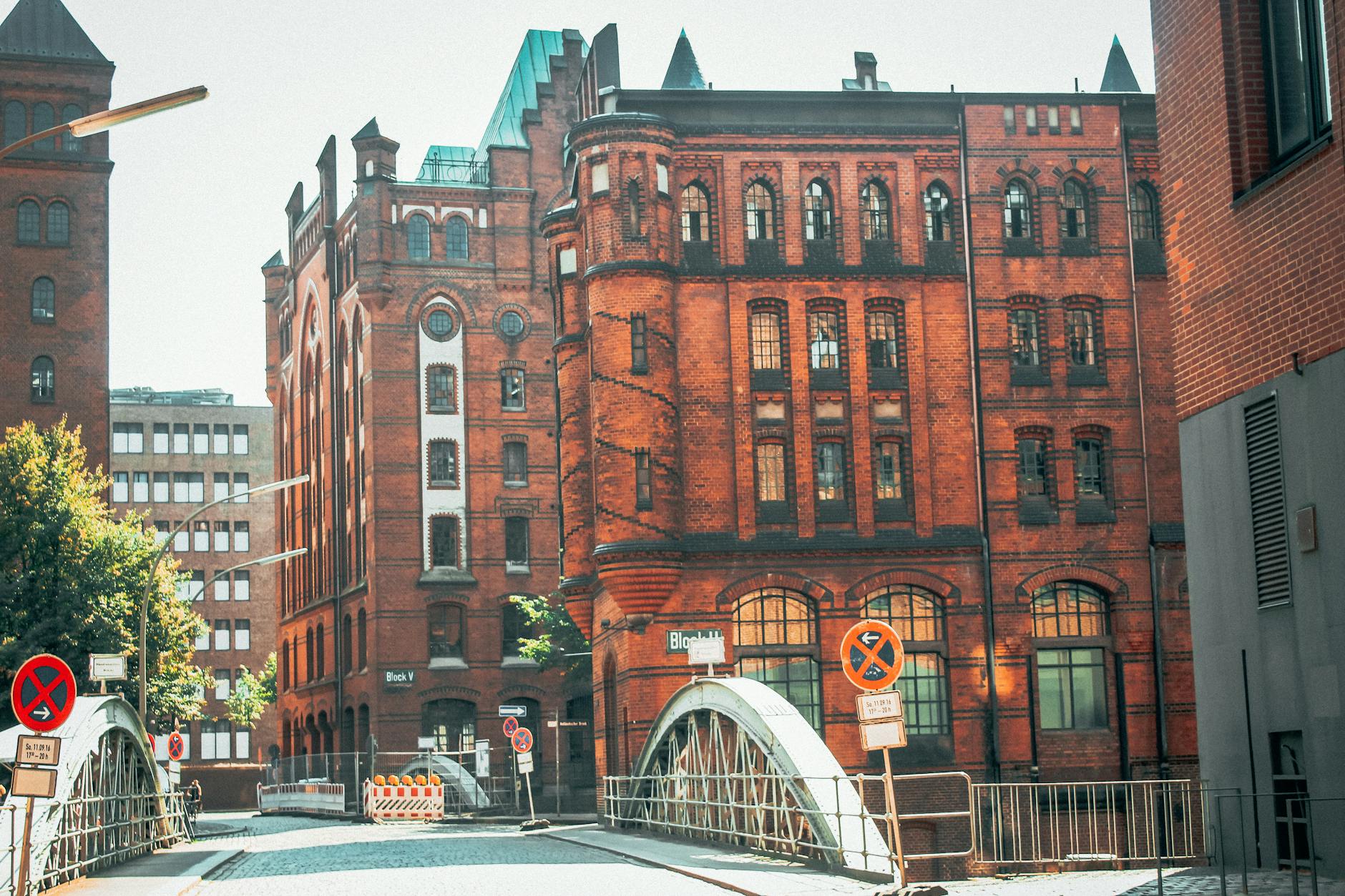
Hamburg Tourism's UNESCO material underlines the 2015 World Heritage listing for Speicherstadt and the Kontorhaus district with Chilehaus.[6] This is not background scenery. It is one of the keys to understanding Hamburg's mercantile identity in built form.
Miniatur Wunderland Is More Central To The City Than Non-Fans Assume
Miniatur Wunderland's official directions page reminds visitors that it sits centrally in the Speicherstadt between Rathaus and the Elbphilharmonie.[5] Even travelers who think they are not "model world people" should resist dismissing it too quickly; it belongs to one of the city's most important districts.
How to Understand Hamburg
Hamburg works through five forces.
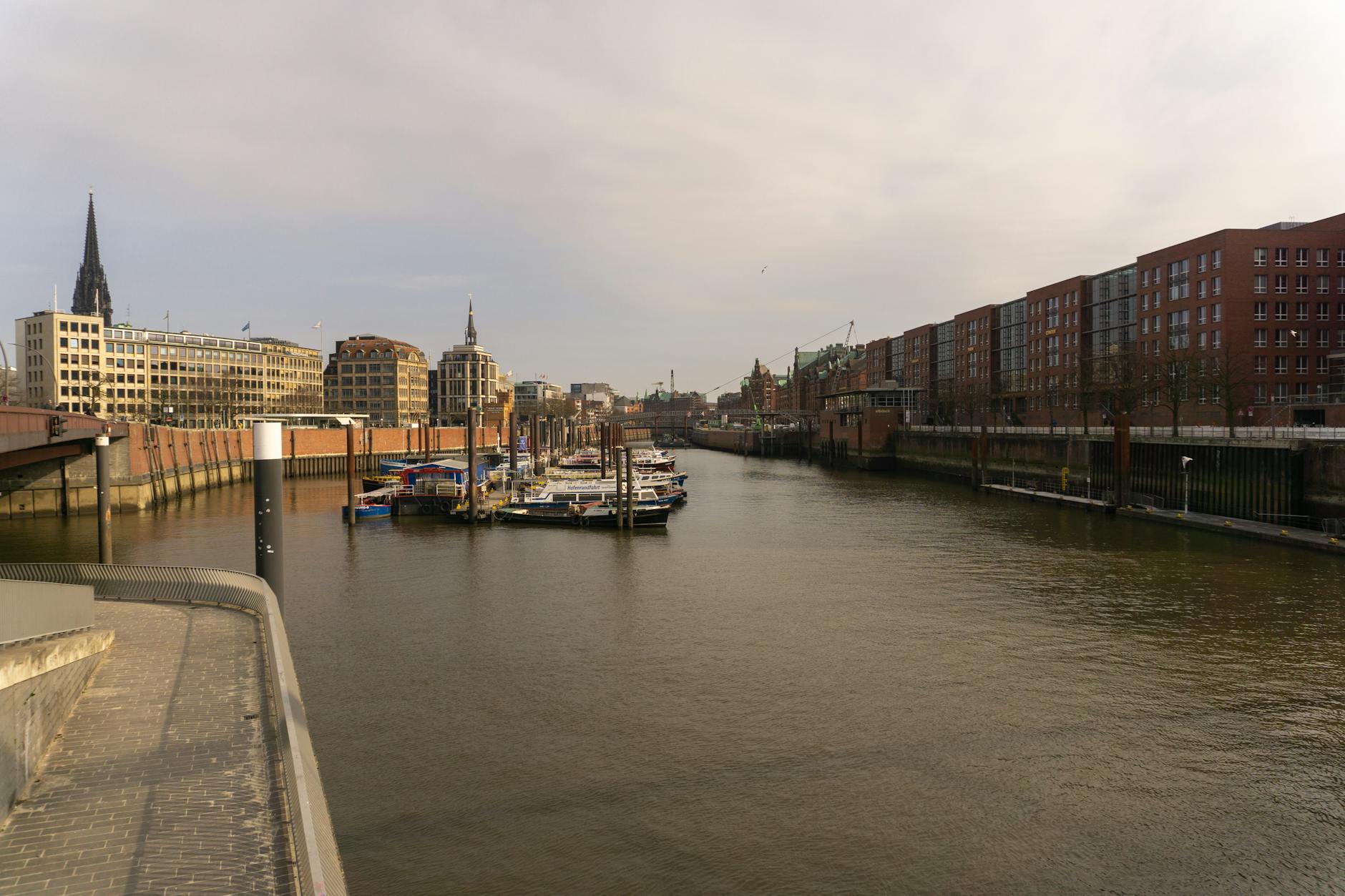
The first is water in two registers. There is harbor Hamburg, with ferries, docks, Elbe wind, bridges, and maritime scale. Then there is Alster Hamburg, with calmer water, wealthier edges, promenades, rowing clubs, and a different emotional tone. Both are essential.
The second is mercantile confidence. Hamburg feels rich in a specifically northern European way. The city is not showy by default, but it likes quality, order, and durable materials.
The third is district contrast. A good trip happens when you stop asking for "central Hamburg" as if that were one coherent answer and start choosing which Hamburg you want more of at any given time.
The fourth is nightlife and music history. Hamburg has a stronger after-dark identity than many first-timers expect. St. Pauli, bars, live music, and the city's long relationship to performance matter.
The fifth is brick and reinvention. Speicherstadt, Kontorhausviertel, HafenCity, old port zones, and reused industrial spaces all show a city that keeps remaking itself without erasing its commercial past.
The Five Hamburgs A Visitor Actually Meets
Harbor Hamburg: Landungsbrücken, ferries, Elbe views, ships, wind, industrial memory, and the city at its most theatrically maritime.
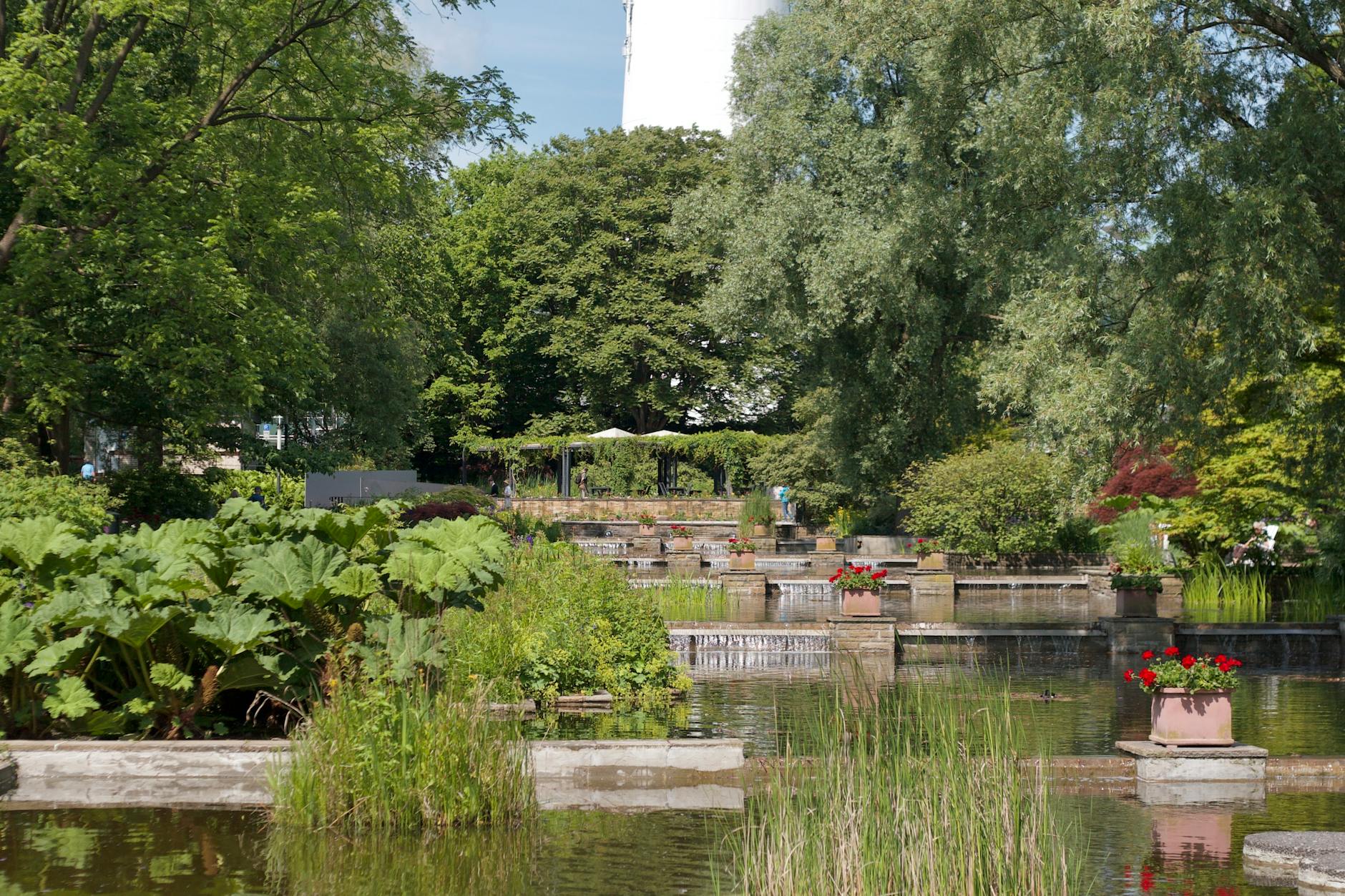
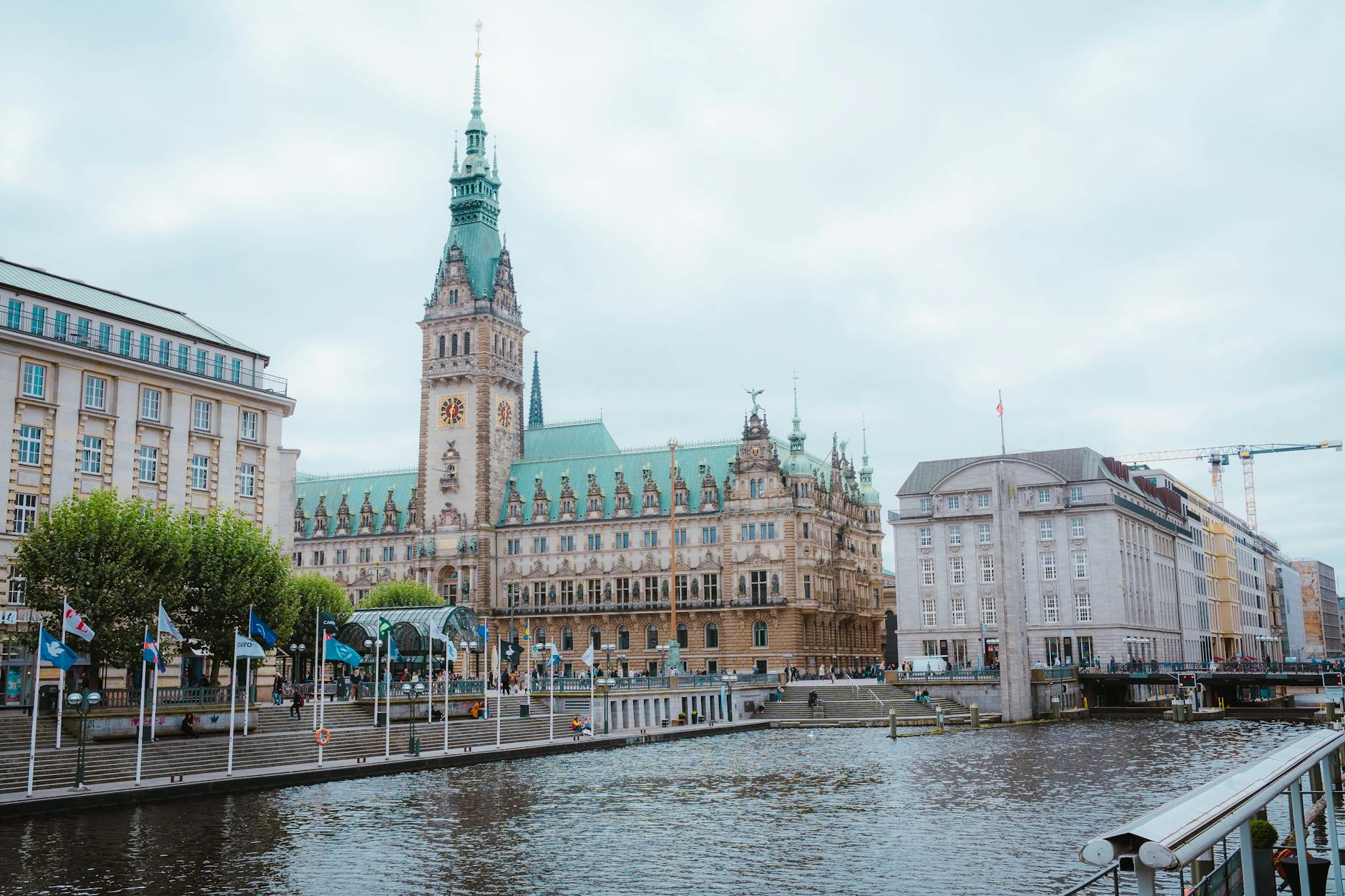
Alster Hamburg: Jungfernstieg, the Binnenalster, the Außenalster, elegant streets, calmer walking, and the city's more composed face.[8]
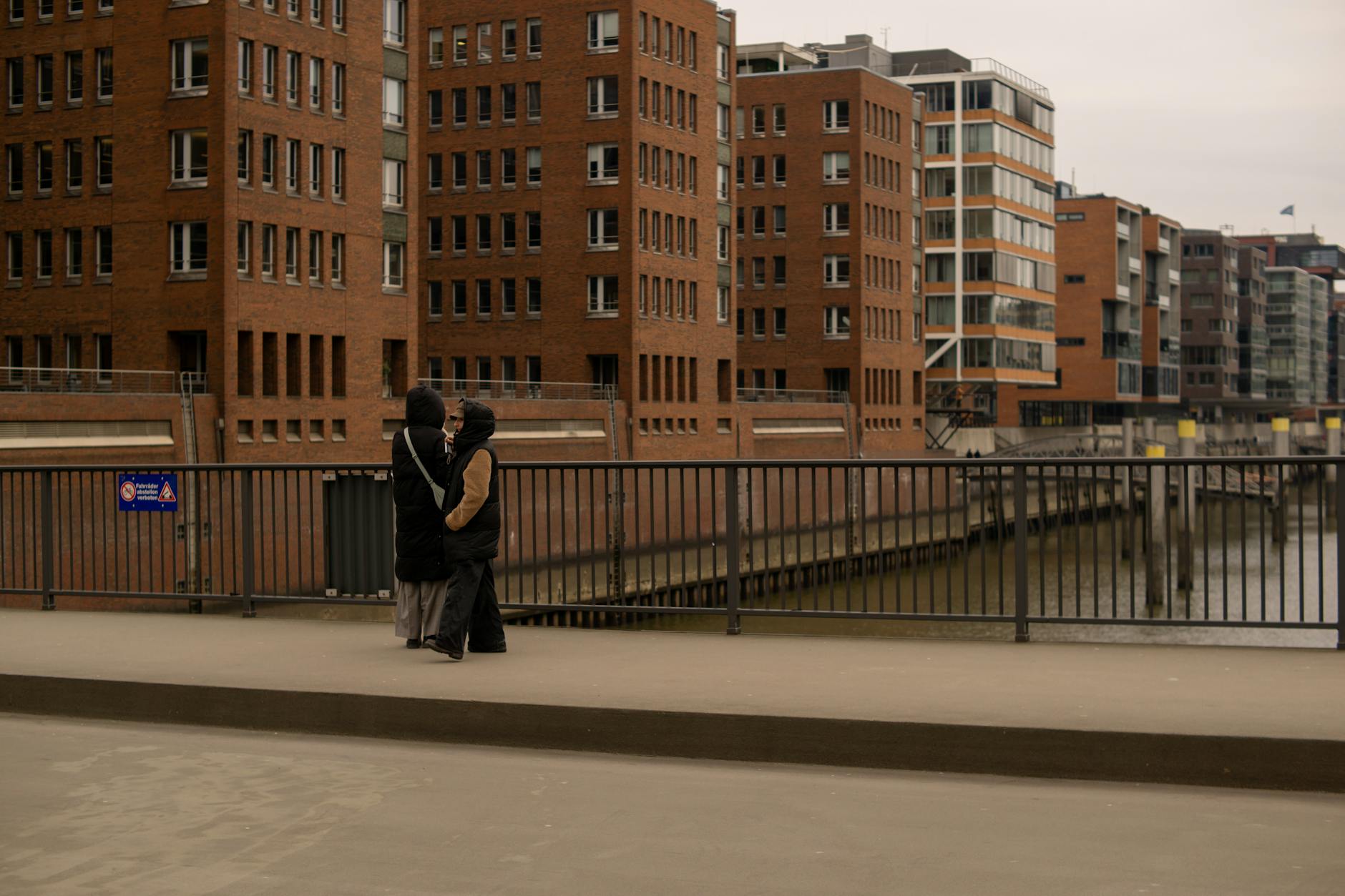
Brick Hamburg: Speicherstadt, Kontorhausviertel, canals, warehouses, offices, bridges, and the built memory of trade.[6]
Night Hamburg: St. Pauli, Sternschanze, bars, clubs, music, and the city after office hours.
Polished Hamburg: good hotels, serious dining, galleries, shopping, and the sense that this is one of Germany's most prosperous cities.
The Main Mental Shift
Do not ask, "What are the top sights?" Ask, "Which Hamburg am I in right now?" Harbor Hamburg, Alster Hamburg, brick Hamburg, nightlife Hamburg, polished Hamburg. When you start moving between those versions deliberately, the city becomes much easier to love.
What Hamburg Does Better Than People Think
Hamburg is better than many visitors expect at combining grit and refinement. Plenty of cities can do one or the other. Fewer can move from warehouse drama to lakefront composure to a very good cocktail bar without feeling incoherent.
It is also stronger than people think at nightlife for adults. This is not only a city of clubs and youthful chaos. Hamburg does bars, music venues, hotel lounges, and late dinners with unusual competence. The city after dark often feels more complete than the city at 11 a.m.
Another underrated strength is architectural sequencing. Hamburg is not a one-building destination. It is a city where water, brick, bridges, warehouses, church towers, boulevards, and contemporary interventions create a very satisfying visual progression over a full day.
The city is also very good at weathered atmosphere. A bit of cloud, wind, or mist often improves Hamburg rather than ruining it. This is useful to remember because first-time visitors sometimes panic about imperfect forecasts and miss that the city looks more itself under pressure than under bright innocence.
Finally, Hamburg does hotel-city synergy well. If you stay intelligently, the city becomes much easier, richer, and more seductive. If you stay lazily, the opposite happens.
Best Time to Visit Hamburg
Hamburg is a year-round city, but not a weather-neutral one. Light, wind, and temperature affect how much the harbor, ferries, terraces, and walking chapters contribute to the stay.
Best Overall Months
May, June, September, and early October are the strongest first-time windows. The city is active, walkable, and sociable, and the water still matters fully.
Summer
Summer is when both the Alster and the Elbe chapters of the city become easiest to use. Ferries, terraces, harbor walks, and long evenings all help. The risk is assuming summer alone makes the trip. Hamburg still needs good district logic.
Autumn
Early autumn often suits the city beautifully. Hamburg becomes slightly moodier and often more itself. Food, bars, and architecture tend to land especially well in this season.
Winter
Winter narrows the trip toward interiors, bars, concerts, museums, and shorter but often atmospheric walks. This can be excellent if you want a grown-up urban break rather than a daylight-maximization project.
Spring
Spring is strong because the city starts opening outward again. The lakefront, ferries, and longer daylight restore the sense that Hamburg is a city meant to be traversed rather than merely visited in segments.
Month-by-Month Guidance
January: moody, interior-led, strongest for city people. February: still wintry, but good for hotels, museums, and bars. March: transitional and weather-variable. April: increasingly attractive, though still changeable. May: one of the best overall choices. June: excellent for a first visit. July: lively, bright, and easy to enjoy if booked intelligently. August: still strong, though some days can feel more visitor-heavy. September: one of the smartest months to go. October: often atmospheric and very rewarding. November: darker, but surprisingly good for serious urban travel. December: festive in parts, but best for travelers who like the city's indoor confidence.
How Many Days You Need
One Day
Enough for an impression of the harbor and the city center. Not enough to understand the district logic that makes Hamburg distinctive.
Two Days
The minimum respectable stay. One day should belong to harbor, brick, and central Hamburg. The other should belong to neighborhoods, nightlife, or Alster calm.
Three Days
Ideal for a first visit. This gives you room for one major cultural anchor, one real evening out, one ferry-or-water chapter, and enough district time that the city stops feeling abstract.
Four To Five Days
Very good if you want a slower version of Hamburg or a city-first trip that includes museums, design, food, and more neighborhood drift.
One Week
Excellent for people who really like cities, though not necessary for a first-time visit unless Hamburg anchors a wider northern Germany route.
Where to Stay in Hamburg
Where you stay matters disproportionately in Hamburg because the city has several plausible centers and they do not all create the same trip.
Fast Answer
For most first-time visitors, stay in Neustadt, the city-center edge, St. Georg's better-positioned side, or a carefully chosen harbor-adjacent hotel. Stay in St. Pauli only if nightlife is a meaningful part of the trip, and stay around the main station only if you have chosen the exact property for a reason.
Neighborhood Decision Table
| Traveler Type | Best Area |
|---|---|
| First-time couple | Neustadt or a polished central base |
| Nightlife-first traveler | St. Pauli edge or Sternschanze-adjacent |
| Architecture-and-water traveler | central with easy Speicherstadt / HafenCity / ferry access |
| Rail-dependent traveler | better side of St. Georg or station-adjacent but carefully chosen |
| Quiet upscale stay | Alster-adjacent zones or refined central districts |
| Repeat visitor | Schanze, Karoviertel, Ottensen, or a more specific neighborhood base |
Neustadt
Usually the safest strong choice for first-timers. You remain central, walkable, and close to both more elegant and more maritime parts of the city.
St. Georg
Potentially excellent, but block-by-block. It can give you station convenience plus real city texture, but you need the right exact location.
St. Pauli
Best if you actively want late nights, music, and a more unruly version of Hamburg. Not automatically the smartest all-purpose first base.
HafenCity / Harbor-Adjacent Newer Stays
Good for travelers who like views, modern lines, and easy architectural movement. Less good if you want neighborhood warmth immediately outside the door.
Area Profiles
Binnenalster And Jungfernstieg
This is one of Hamburg's most composed faces: shopping, hotels, lake views, promenades, and a formality that explains the city's moneyed self-image.
Speicherstadt And Kontorhausviertel
The brick-built heart of mercantile Hamburg. This is where the city most clearly explains how trade became architecture.[6]
Landungsbrücken And The Harbor Edge
The most obviously maritime Hamburg and still worth it, provided you use it as a living waterfront rather than a one-photo stop.
St. Pauli And Sternschanze
The louder, messier, more performative Hamburg. Sometimes overdone by visitors, but still essential to the city's energy.[7]
Alster Neighborhood Hamburg
The calmer, wealthier, more residential register that keeps Hamburg from being reduced to port-city theatrics.
Neighborhood Guide: Where to Explore, Not Just Sleep
Speicherstadt: the warehouse district where canals, bridges, and brick facades make Hamburg's trading past feel almost cinematic.[6]
Kontorhausviertel: office architecture with real grandeur, especially if you care about how business power shapes a city visually.
HafenCity: modern Hamburg, sometimes criticized too lazily, but useful for understanding where the city is going.
St. Pauli: nightlife, music, theater, street energy, and a neighborhood that is much more than the Reeperbahn cliché.[7]
Sternschanze / Karoviertel: bars, cafés, younger energy, and a less polished but often more immediately sociable city chapter.
Neustadt: practical and often elegant, with strong hotel logic.
St. Georg: a transit-smart, mixed, urban district that can feel far more real than more sanitized central zones.
Alster edge districts: quieter, more spacious, and best for travelers who want calm built into the stay.
The Best Things to Do in Hamburg
- Go to the Elbphilharmonie Plaza and let the city's geography explain itself.[4]
- Walk the Speicherstadt and the Kontorhausviertel properly instead of treating them as scenery.[6]
- Take a public ferry and use the harbor as movement, not just backdrop.[3]
- Spend time around the Binnenalster or walk farther around the Alster to meet Hamburg's calmer face.[8]
- Choose one evening for St. Pauli or Sternschanze, but do it on purpose rather than by accident.
- Visit Miniatur Wunderland if you have any tolerance for craft, urban imagination, or scale.[5]
- Build at least one meal around Hamburg's seafood-and-port-city identity without defaulting to the nearest obvious waterfront tourist menu.
- Give the city one nighttime harbor or canal view; Hamburg often improves after dusk.
Itineraries
One Excellent Day
Start around Jungfernstieg or the Binnenalster, move into the old mercantile core, walk Speicherstadt and Kontorhausviertel, continue toward HafenCity and the Elbphilharmonie Plaza, then shift west for an evening meal and bar or music chapter.
Two Days
Day one should be brick-and-water Hamburg: old center, Speicherstadt, harbor, Plaza, and one ferry or waterfront stretch. Day two should be district Hamburg: Alster, a quieter neighborhood chapter, then St. Pauli, Sternschanze, or a serious dinner-and-drinks evening.
Three Days
Use the extra day for one museum, one slower neighborhood drift, or one more ambitious split between harbor and lake. Three days is when Hamburg begins to feel complete instead of merely impressive.
Itineraries By Traveler Type
For The Architecture Traveler
Focus on Speicherstadt, Kontorhausviertel, HafenCity, the Elbphilharmonie, and the way Hamburg uses brick and water to create sequence rather than isolated monuments.
For The Nightlife Traveler
Base smartly, keep daytime gentle, and save energy for St. Pauli, Sternschanze, live music, bars, and late dinner. Hamburg nightlife is better when you pace for it.
For The First-Time Germany Visitor
Give Hamburg two or three days and let it be northern Germany on its own terms rather than comparing it every hour to Berlin or Munich.
For The Couple Weekend
Prioritize hotel quality, one long walk, one water chapter, one strong dinner, and one evening view. Hamburg works best here when it feels composed.
Food and Drink
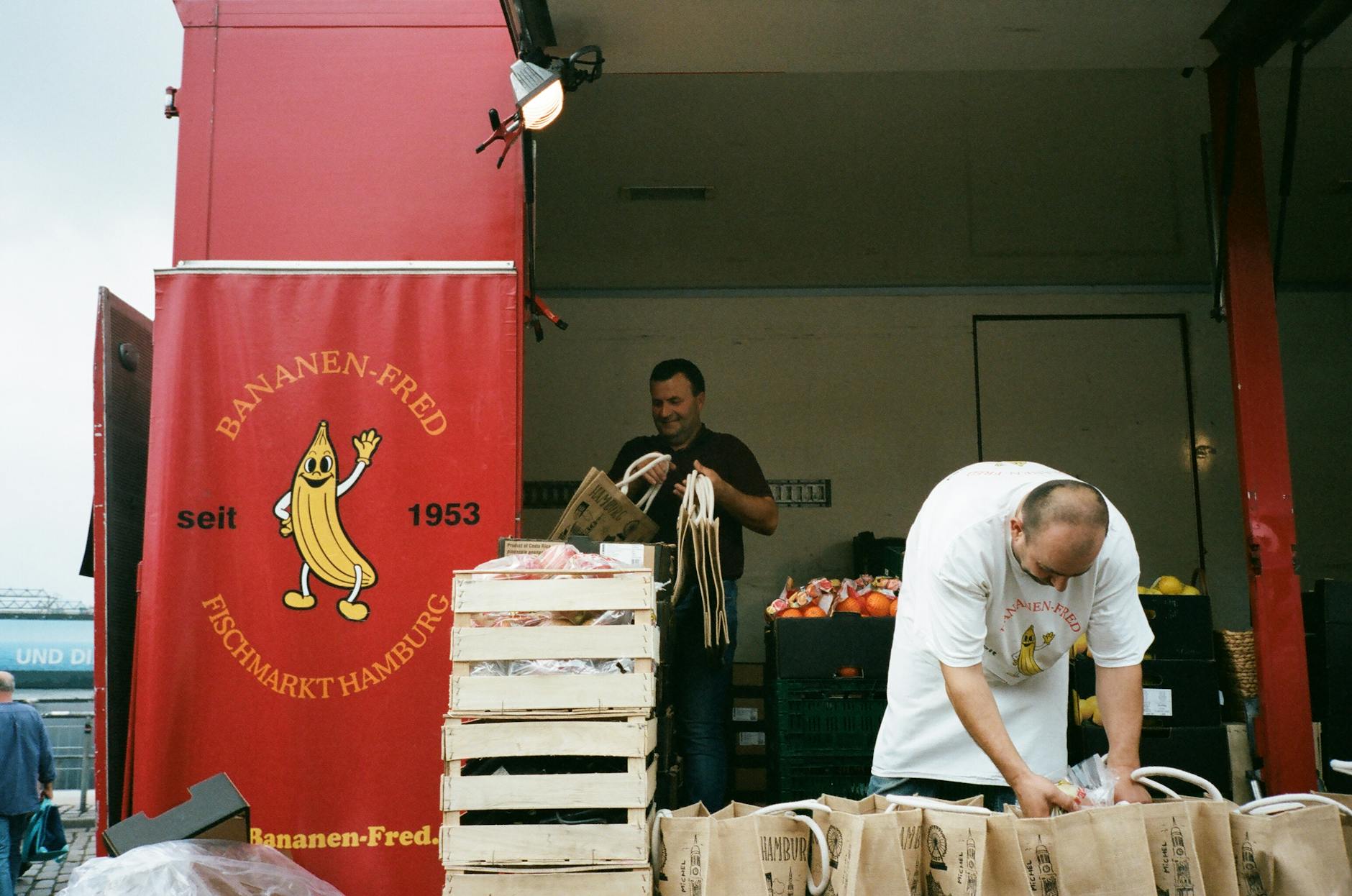
Hamburg is not a city to approach with naive "German food" expectations. The better frame is maritime city eating with a strong layer of cosmopolitan wealth and nightlife behind it. Seafood matters. Good bakeries and cafés matter. Bars matter. So do late dinners that feel urban and adult rather than touristic.
The mistake is eating only where the view tells you to. Hamburg's best food logic usually comes from district choice, not from chasing the nearest waterfront table. A thoughtful meal in the right neighborhood often says more about Hamburg than a mediocre one with ships behind it.
Getting Around
Hamburg is a very manageable city if you combine walking with U-Bahn, S-Bahn, and selected ferries. The airport move is easy on the S1.[1] hvv day-ticket logic is simple enough for short stays.[2] The important thing is not only buying the right ticket. It is grouping the city into sensible chapters so you are not zigzagging pointlessly between harbor, lake, and nightlife.
Harbor Hamburg, Alster Hamburg, And Why You Need Both
Many first-time visitors make Hamburg too one-note. They pick only the harbor and conclude the city is dramatic but chilly, or only the more elegant core and conclude the city is polished but emotionally remote. The better Hamburg trip uses both.
Harbor Hamburg gives you scale, labor, wind, brick, ferries, music-history edges, and the city's outward-facing confidence. Alster Hamburg gives you inward calm, wealth, space, and the sense that Hamburg is not merely a port but a full urban civilization. One without the other leaves the portrait incomplete.
This is also why Hamburg is better than many quick impressions suggest. Its pleasure is not singular. It comes from moving between two or three emotional climates that all belong to the same city. That complexity is one of its greatest strengths.
Common Mistakes
- Staying somewhere merely convenient instead of somewhere that gives the city shape.
- Treating the harbor as the whole story.
- Ignoring the Alster and therefore missing Hamburg's calmer register.
- Going to St. Pauli without deciding whether you want bars, music, theater, or just spectacle.
- Seeing Speicherstadt quickly and not understanding why it matters.
- Overusing taxis or ride-hail when ferries and trains are part of the city experience.
- Expecting cozy Germany and punishing Hamburg for being something harder and better.
My Blunt Advice
Stay well. Use the airport efficiency to your advantage, not as an excuse for lazy hotel logic. Give Speicherstadt and the harbor real time, but do not let them monopolize the stay. Walk the Alster. Choose one evening when Hamburg gets properly nocturnal. Do not over-romanticize St. Pauli, but do not skip it either. If the weather turns grey, relax: that is often when Hamburg starts looking most honest.
Hamburg is not Germany's easiest city to love in the first hour. It may be one of the easiest to respect by the end of the second day. And once respect arrives, affection often follows quickly.
Where Hamburg Fits in a Germany Trip
Hamburg works best in Germany itineraries when you let it represent a version of the country that other major stops do not. It is not the capital-city argument of Berlin, the polished southern confidence of Munich, the cathedral-and-river conviviality of Cologne, or the fairytale shorthand people often project onto smaller historic towns. Hamburg is northern, maritime, commercially self-assured, and emotionally cooler on the surface. That is precisely why it matters.
For first-time Germany visitors, Hamburg is usually strongest as the city that broadens the trip rather than the city that carries all of it alone. If you have Berlin plus one other major city, Hamburg is a very good second choice because it changes the emotional register completely. If you are building a route through northern Germany, then Hamburg often deserves to be the anchor because it combines infrastructure, cultural depth, and atmosphere better than most alternatives.
It is also useful for travelers who have already done Germany once and want a city that feels less consumed by symbolism. Hamburg has plenty of history, but the visit is rarely only about national narrative. It is about district texture, water, business power, nightlife, music, and the lived reality of a city that still feels functional rather than preserved.
If your route is short, Hamburg can be the right choice when you want a city break with quality hotels, good food, strong transport, and enough edge that the trip feels adult rather than decorative. If your route is long, Hamburg can be the northern corrective that keeps Germany from flattening into one repetitive urban idea.
Hamburg Versus Berlin, Munich, And Cologne
Hamburg versus Berlin is not a question of which city has more to do. Berlin has more sheer volume and a heavier historical argument. Hamburg usually wins when you want a more bounded, more coherent, more comfortable long weekend. Berlin sprawls intellectually and geographically. Hamburg concentrates better. Berlin can feel unfinished in interesting ways. Hamburg more often feels expensive, controlled, and complete.
Hamburg versus Munich is a question of tone. Munich is brighter, smoother, and easier to read quickly. Hamburg is moodier, harder-edged, and more rewarding for travelers who like complexity rather than polish alone. If Munich offers confidence through finish, Hamburg offers confidence through restraint. Travelers who want lake-and-harbor contrast, nightlife, and a more northern social style often prefer Hamburg.
Hamburg versus Cologne comes down to charisma type. Cologne is looser, friendlier on first contact, and easier to enjoy casually. Hamburg is more architecturally satisfying, more district-dependent, and often stronger for hotels, bars, and the overall sense of a serious urban break. Cologne smiles at you sooner. Hamburg usually takes longer, then stays in the mind longer too.
The useful conclusion is not that Hamburg is "better" than these cities. It is that Hamburg is one of Germany's most distinctive choices when you want water, grown-up nightlife, mercantile architecture, and a city that feels prosperous without becoming bland.
First-Time Visitors Versus Repeat Visitors
First-time visitors tend to experience Hamburg through its obvious strong images: the harbor edge, Speicherstadt, the Elbphilharmonie, ferries, St. Pauli, and perhaps one Alster chapter if the trip is well-shaped. That can already make a very good visit. But first-timers often still use the city in broad strokes. They prove to themselves that Hamburg has atmosphere, scale, and nightlife, then leave before the subtler parts fully settle.
Repeat visitors often discover that Hamburg gets better once spectacle becomes secondary. The best second trip usually relies less on "must-see" logic and more on district appetite. A repeat visitor might spend longer around the Alster, choose better bars, handle St. Pauli more selectively, give HafenCity more credit, or use ferries as ordinary movement rather than event travel. They also tend to stop demanding that every hour feel overtly cinematic.
This matters because Hamburg is not a one-layer city. On a first trip, you should absolutely take the Plaza, the warehouse district, and the water seriously. On a second trip, you can begin to enjoy how effortlessly the city supports slower, more habitual pleasures: coffee, promenades, design, late dinners, a second waterfront walk in different weather, and the sort of hotel-neighborhood rhythm that makes the city feel inhabited rather than visited.
Why the Base Matters More Than It First Seems
Many cities tolerate mediocre hotel positioning. Hamburg is less forgiving. The reason is not that transport is bad. It is that the emotional cost of a weak base is unusually high. A sterile office-adjacent stay can make the city feel colder than it is. A noisy nightlife-adjacent stay can make the city feel cheaper than it is. A badly chosen station-area hotel can make the city seem more generic and strained than it deserves.
The best Hamburg bases create clean transitions between the city's registers. You want to move easily between water, dinner, bars, transit, and a district you do not mind returning to in a slightly tired state. That is why a well-positioned central stay is so valuable here. It does not only save time. It protects the city's tone.
This is also why good hotels matter in Hamburg more than in some ostensibly more picturesque destinations. Hamburg responds well to comfort. A strong room, a confident breakfast, a pleasant walk to the day's first chapter, and a bar worth returning to can make the whole city feel more legible. The trip becomes less about extracting sights and more about inhabiting a high-functioning urban setting.
Why One Proper Hamburg Day Matters
Hamburg suffers when it is treated as a city of fragments. Many travelers arrive late, see the harbor quickly, have dinner, sleep, and then leave after a museum or a brief walk. That is enough to confirm that the city is competent. It is not enough to let the city form a persuasive identity.
A proper Hamburg day needs a beginning, middle, and evening. Morning should usually belong to one of the calmer or more architectural chapters: the Alster, central promenades, the brick districts, or a museum. Midday and afternoon should carry at least one water-and-movement sequence, ideally including ferries or a long walking transition between mercantile Hamburg and harbor Hamburg. Evening should belong either to nightlife, bars, music, or a serious dinner that allows the city to become more adult and less dutiful.
Without that full arc, Hamburg risks feeling like a collage of efficient half-impressions. With it, the city begins to reveal why people who know it well often rank it so highly as a weekend destination.
Day Hamburg Versus Evening Hamburg
Daytime Hamburg can seem almost too correct in places. Offices, shops, broad streets, polished hotels, tidy transport, and the visible confidence of a wealthy northern city can create a slightly formal first impression. This is not a flaw, but it can read as emotional distance if the itinerary stays only in that register.
Evening Hamburg is where a lot of first-time visitors finally feel the city soften and deepen. Light catches canals and warehouses differently. The harbor acquires drama. Restaurants and bars pull more weight. St. Pauli and Sternschanze become social rather than merely observational. The city that seemed controlled by daylight often becomes more expressive after dark.
That means you should not spend all your evenings passively near your hotel unless your hotel is itself part of the night's logic. Hamburg benefits from at least one intentional evening chapter. It does not need to mean clubbing. It can mean a late ferry view, a bar in a district with personality, a music venue, or simply a long dinner followed by a walk that lets the city's surfaces change under artificial light.
Why the Harbor Should Not Own the Whole Trip
The harbor is the city's strongest immediate image and one of its greatest assets. It is also the easiest way to flatten Hamburg into something narrower than it is. If every decision is made in service of cranes, waterfronts, and ship views, the city starts to feel like a theme of itself. You risk missing the counterweight that makes the harbor powerful in the first place.
What gives harbor Hamburg force is that it exists inside a broader urban organism. The Alster gives the city poise. The residential and hotel districts give it tone. The brick business districts give it historic structure. The bars and music zones give it pulse. The harbor alone can impress you; the relationship between the harbor and these other chapters is what makes Hamburg memorable.
So yes, take the ferry. Yes, spend time at Landungsbrücken and the Plaza. But do not let the harbor consume every daylight decision. A Hamburg trip that never properly leaves the waterfront often ends up admiring the city without actually meeting it.
Why Hamburg Often Improves on the Second Visit
Hamburg improves on repeat because it is not overly dependent on revelation. Some cities deliver their central trick once, then diminish. Hamburg is different. Once you have understood the big structural contrasts, the city starts rewarding nuance: where to sleep, where to drink, which district suits your mood, when to walk, which water chapter you want more of, and how much nightlife is enough.
The second visit is also when many travelers stop forcing the city to behave like another place. They stop comparing it every few hours to Berlin's intensity or Munich's charm. They stop asking why the harbor city is not more picturesque, or why the elegant lake city is not more openly emotional. They finally allow Hamburg to be what it is: a wealthy, maritime, somewhat austere, extremely livable city with real nightlife and deep architectural memory.
That acceptance usually leads to a better trip. Once the city no longer has to prove itself, it becomes easier to enjoy its confidence.
How Hamburg Changes Over the Course of a Stay
On arrival, Hamburg often feels efficient first and atmospheric second. The airport move is smooth, the transport system is clear, and the city can seem immediately manageable but slightly reserved. During the first serious walk, especially if it includes Speicherstadt, the canals, or the Alster, the city starts to acquire visual force. By the first evening, if you have chosen well, it often becomes much warmer and more magnetic than that first tidy impression suggested.
By the second day, the contrasts begin to settle into something persuasive. Harbor, lake, nightlife, brick, and polished wealth no longer feel like disconnected fragments. They begin to read as the city's real identity. This is the stage where Hamburg starts converting skeptics.
By the third day, the city often feels surprisingly inhabitable. You know which version of Hamburg you want more of. You have a favorite water view, a preferred atmosphere, perhaps a better sense of where you would stay next time. That is the point at which Hamburg often stops being "impressive" and starts becoming a city people genuinely want to return to.
Source Notes
- 1. Hamburg Airport, "An- und Abreise zum Airport / To and from the airport." https://www.hamburg-airport.de/de/anreisen-parken/mit-bus-bahn-taxi-35200
- 2. hvv, "Single / Day Tickets." https://www.hvv.de/en/tickets/single-day-tickets
- 3. Hamburg Tourism, "Welcome to Hamburg." https://www.hamburg-tourism.de/index.php?L=1&id=2
- 4. Elbphilharmonie, "Plaza." https://www.elbphilharmonie.de/en/plaza
- 5. Miniatur Wunderland, "Directions." https://www.miniatur-wunderland.com/visiting/at-the-wunderland/directions/
- 6. Hamburg Tourism, "UNESCO Welterbe Hamburg." https://www.hamburg-tourism.de/sehen-erleben/historisches-hamburg/unesco-weltkulturerbe/
- 7. Hamburg Tourism, "St. Pauli Kiezkultur." https://www.hamburg-tourism.de/das-ist-hamburg/stadtteile/st-pauli-hafen-reeperbahn/st-pauli-kiezkultur/
- 8. Hamburg Tourism, "Um die Alster." https://www.hamburg-tourism.de/sehen-erleben/routen-touren/um-die-alster/