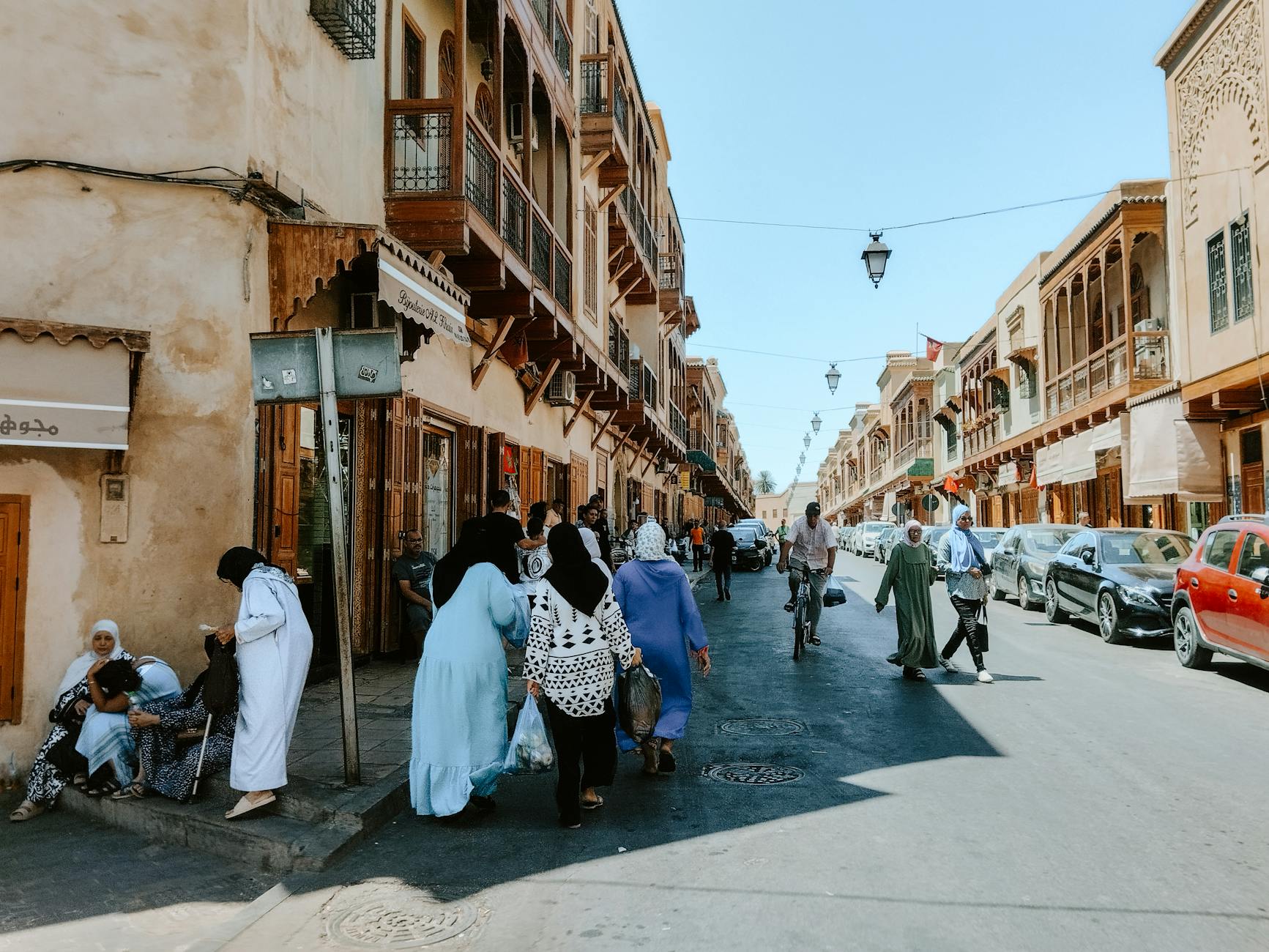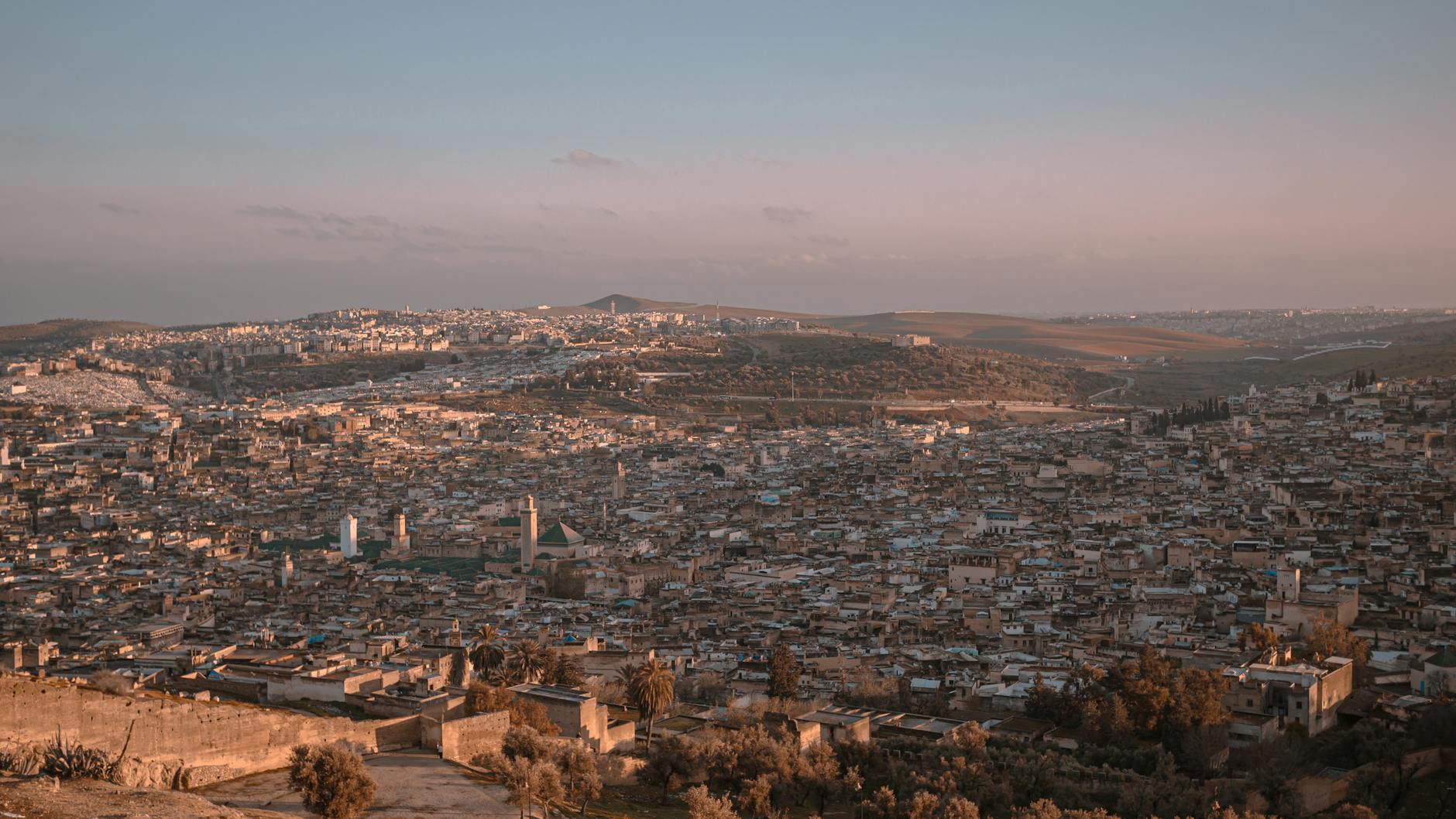
Fez is one of those cities that can overwhelm and reward in the same hour. It has real density, real historic weight, and the kind of urban texture that can make other destinations feel stage-managed by comparison. That is exactly why weak planning shows up so quickly here. A bad arrival, a poorly chosen base, or a traveler who mistakes intensity for freedom can turn a remarkable stay into a tiring one before the city has had any chance to reveal its deeper value. Fez is not a place that forgives sentimentality disguised as flexibility. It works best when the traveler lets the city remain rich without letting it become chaotic, which means pairing atmosphere with structure instead of pretending the two are enemies. Fez rewards discipline more than bravado and curiosity more than performance.
How Fez works
Fez works as a city of texture, maze, and atmosphere, but its best version is still organized. The destination rewards travelers who understand that there is a difference between immersion and drift. A good stay in Fez feels intentional even when the city around you feels old, layered, and unpredictable. The hotel, the arrival, and the daily route all matter because they decide whether the city’s density reads as depth or just exhaustion. Fez is not difficult for the sake of difficulty. It simply asks for more discipline than travelers sometimes expect from a place marketed through romance.
- Fez is atmosphere plus logistics, not atmosphere instead of logistics.
- A stronger base changes the feel of the whole city very quickly.
- The route matters more here than many first-timers assume.
Best time to visit
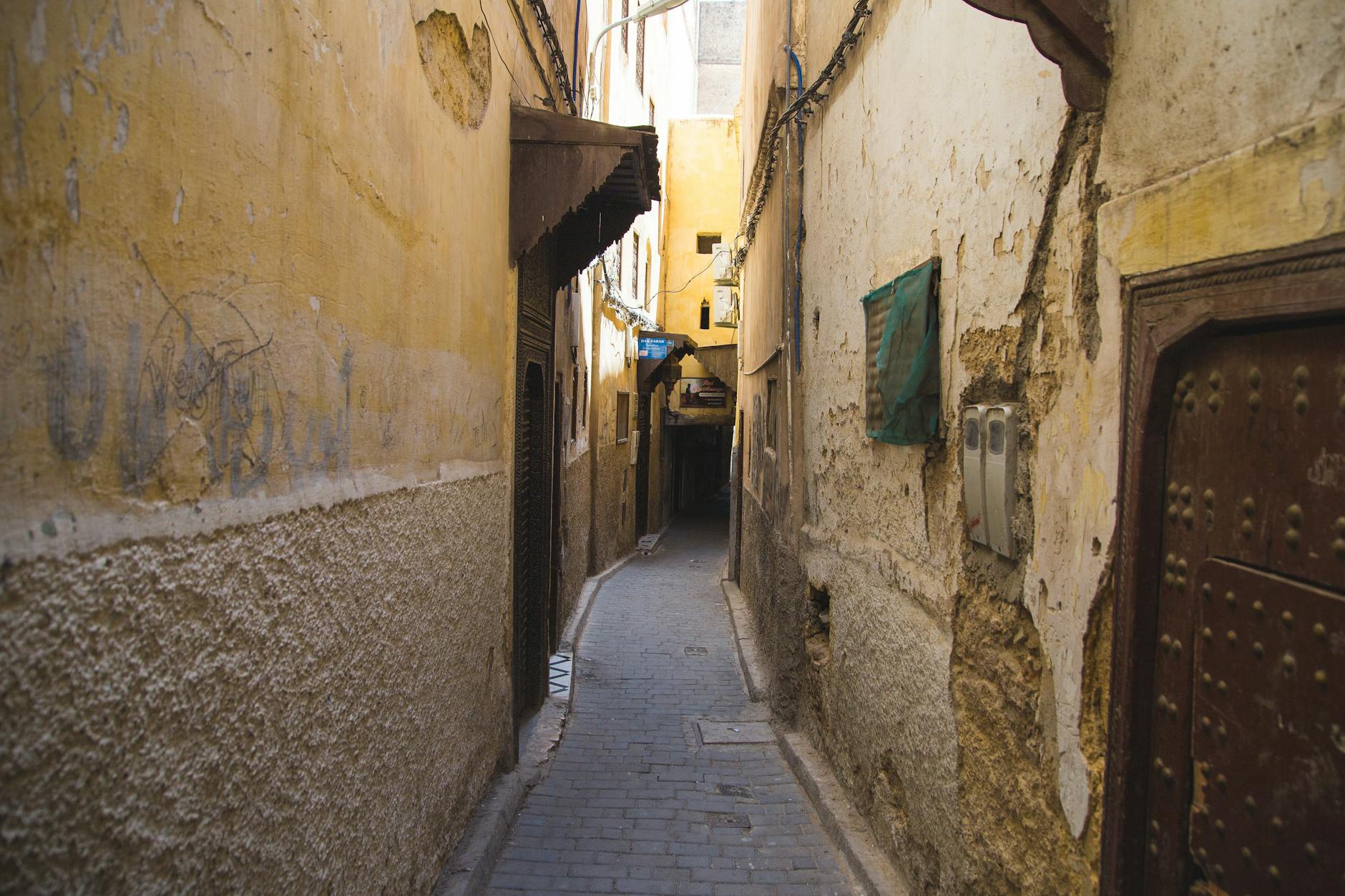
Milder periods are usually the cleanest answer because Fez is a city you absorb on foot, with attention, and often at a slower pace than your itinerary first imagines. When temperatures are kinder, the medina, terraces, interiors, and longer walking sequences become much easier to enjoy without accumulating fatigue too fast. Hotter periods can still produce a good trip, but only if the hotel is better, midday pacing is smarter, and the traveler stops trying to wring maximum geography out of every day. Fez gives most when the body still has room to notice things.
- Milder periods usually give Fez its best operating conditions.
- Heat raises the value of a better hotel and better pacing.
- Season changes the quality of attention as much as physical comfort.
Arriving and getting around
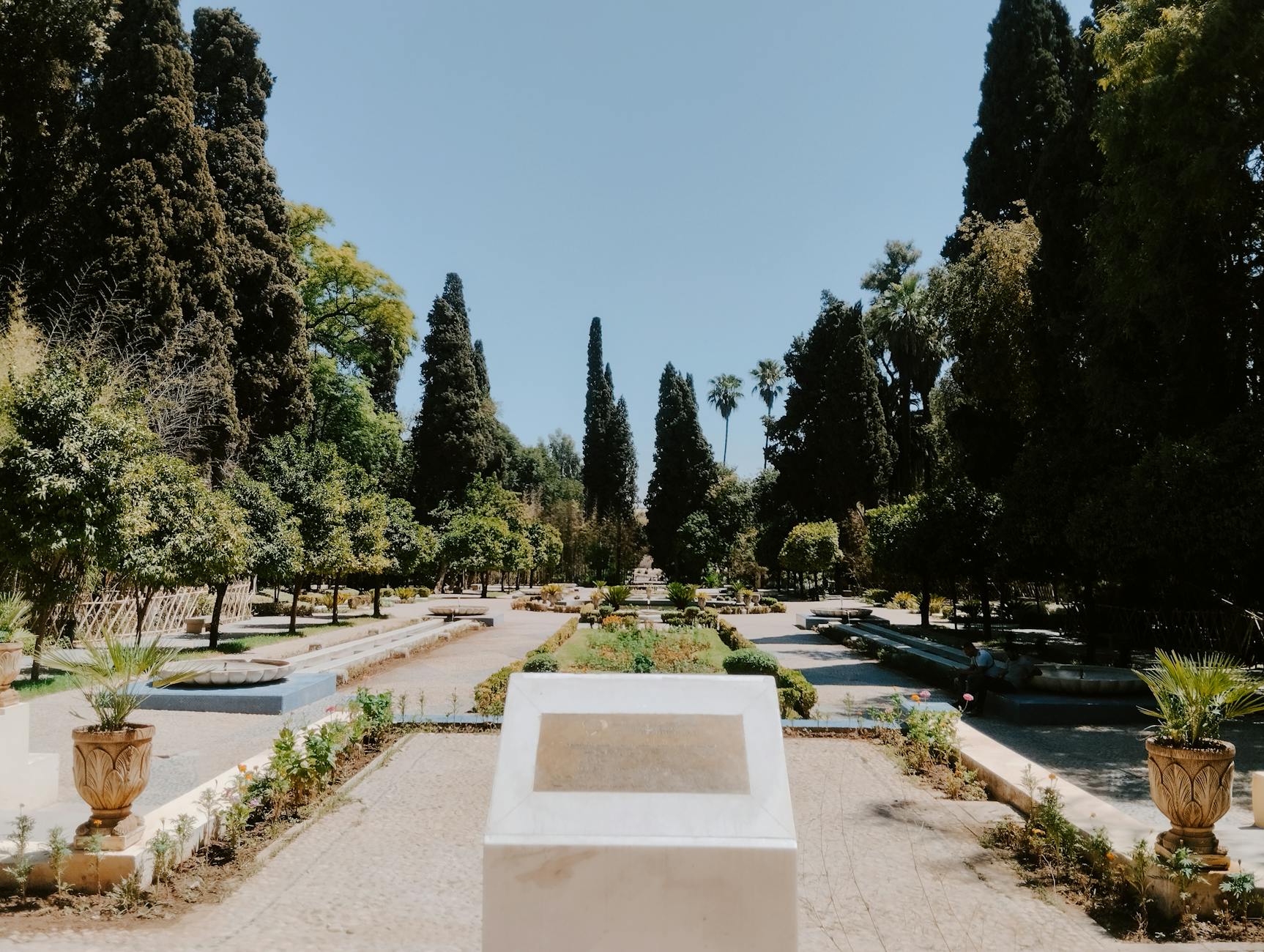
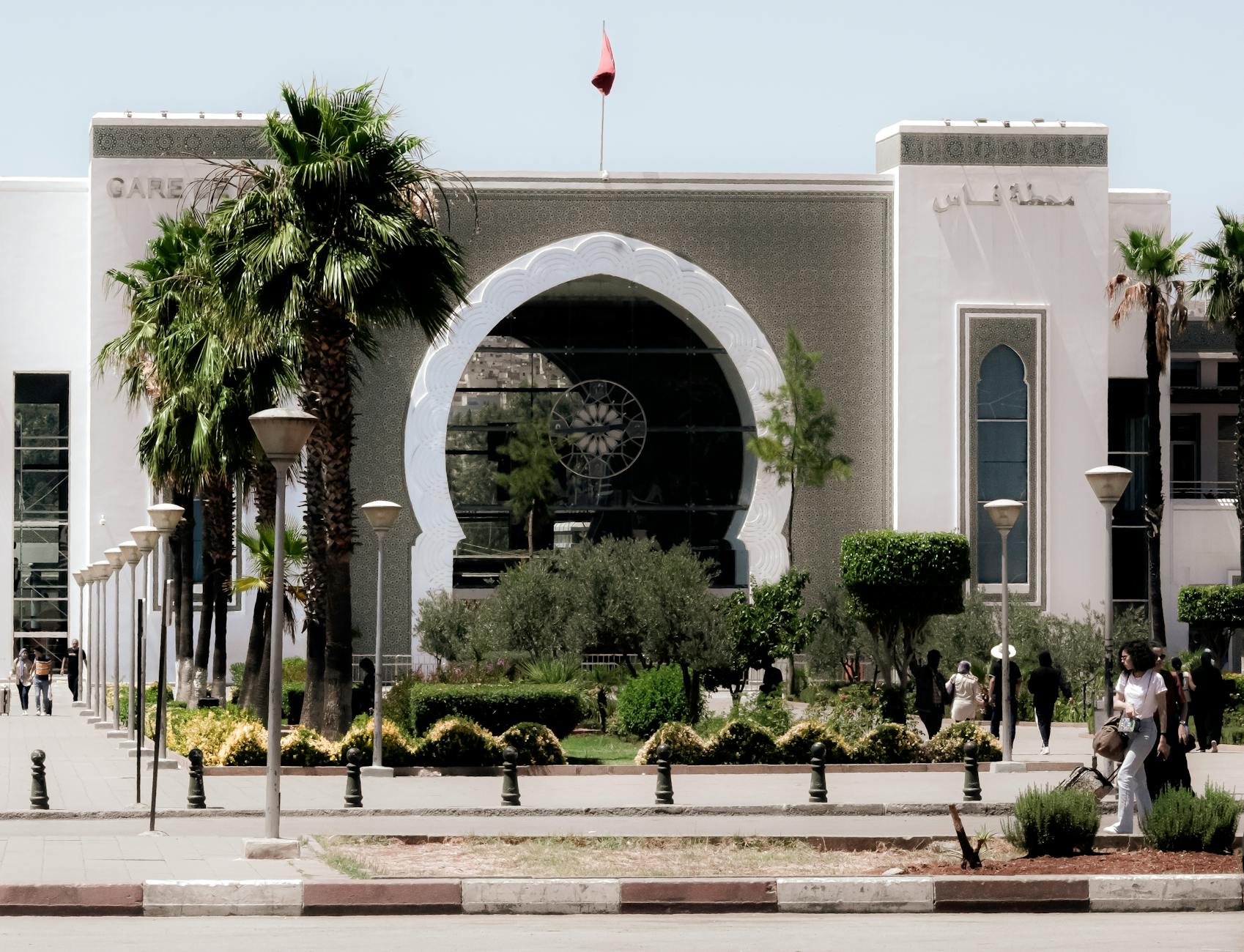
Arrival into Fez should be kept extremely clean, especially for first-timers or anyone landing tired. This is not the city to begin with avoidable confusion. Once in place, the strongest version of Fez comes from focused daily clusters rather than a heroic attempt to master every layer at once. The city often feels richer when the traveler is slightly under-scheduled and can actually read what is happening around them. Over-romanticized wandering usually produces less understanding, not more.
- Treat the first leg seriously in Fez.
- Keep the city in tighter daily clusters rather than sprawling ambition.
- Do not mistake improvisation for mastery.
Where to stay
The hotel decision in Fez is one of the main reasons a trip succeeds or fails. Different stay styles create very different cities: more atmospheric, more polished, more practical, or simply more tiring. Some travelers want to lean into the historic fabric as fully as possible. Others need a more buffered experience with easier arrival, cleaner rest, and less friction at the edges of the day. Neither instinct is automatically superior. The mistake is confusing romance with suitability. In Fez, a stronger hotel often buys back not just comfort but judgment, patience, and the capacity to appreciate the city without burning out on it.
- The base matters enormously in Fez.
- Romantic and practical are not always the same answer.
- A stronger hotel usually pays back immediately in stamina and clarity.
The Fez that actually exists
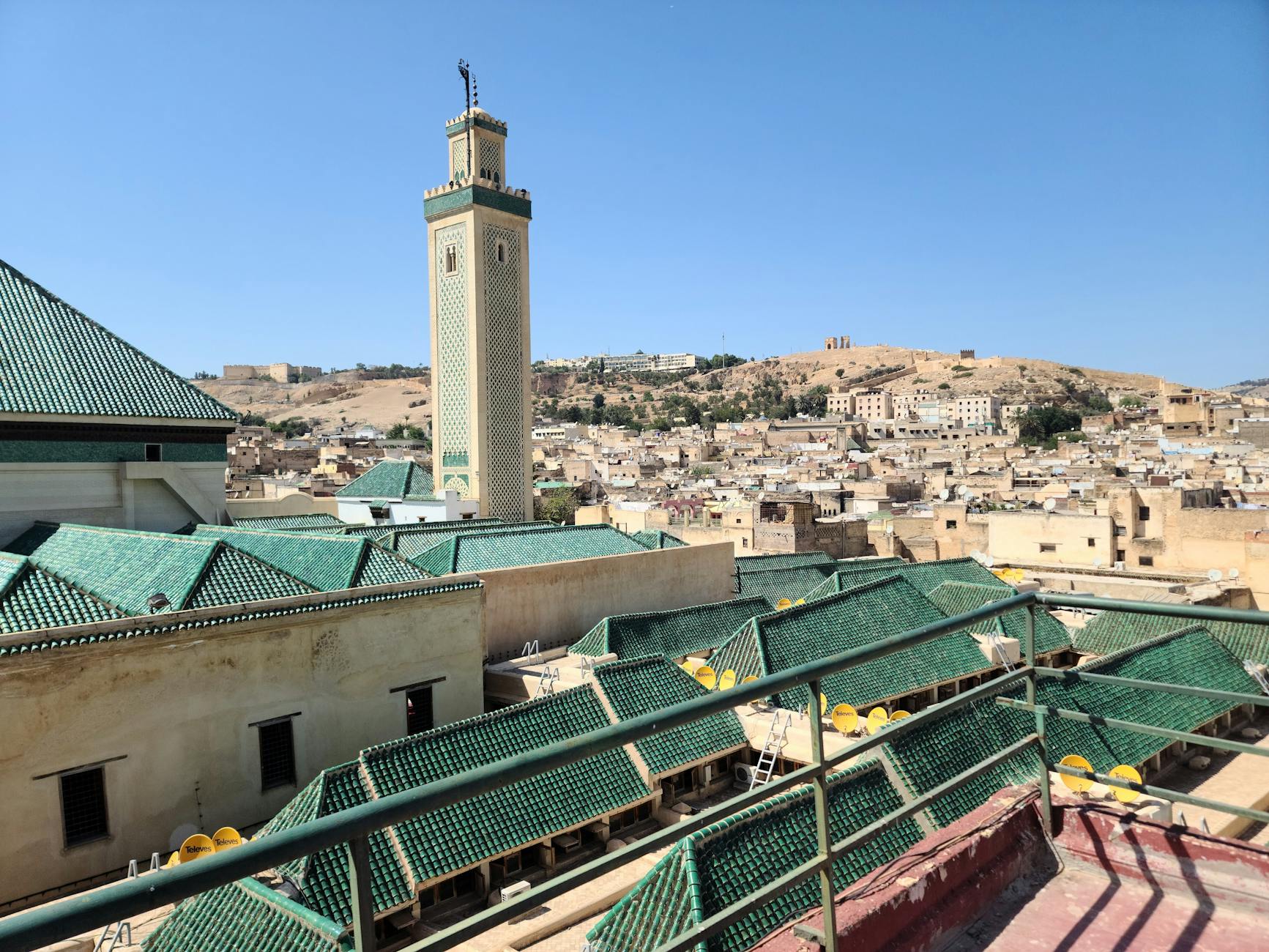
There is ceremonial Fez, where courtyards, craft, historic hotels, and the old city’s beauty lead the stay. There is working Fez, where density and everyday movement can feel more intense and less polished than the fantasy version sold to outsiders. There is also a more buffered Fez for travelers who want the city’s richness without living in its deepest complications from morning to night. The best trips know which of these versions they are buying. Fez becomes much better once you stop expecting one uniform historic mood and start choosing the level of immersion you can actually use well.
- Different bases create materially different versions of Fez.
- The city is not one seamless romantic experience from edge to edge.
- Choose the degree of immersion you actually want and can handle well.
What Fez does best
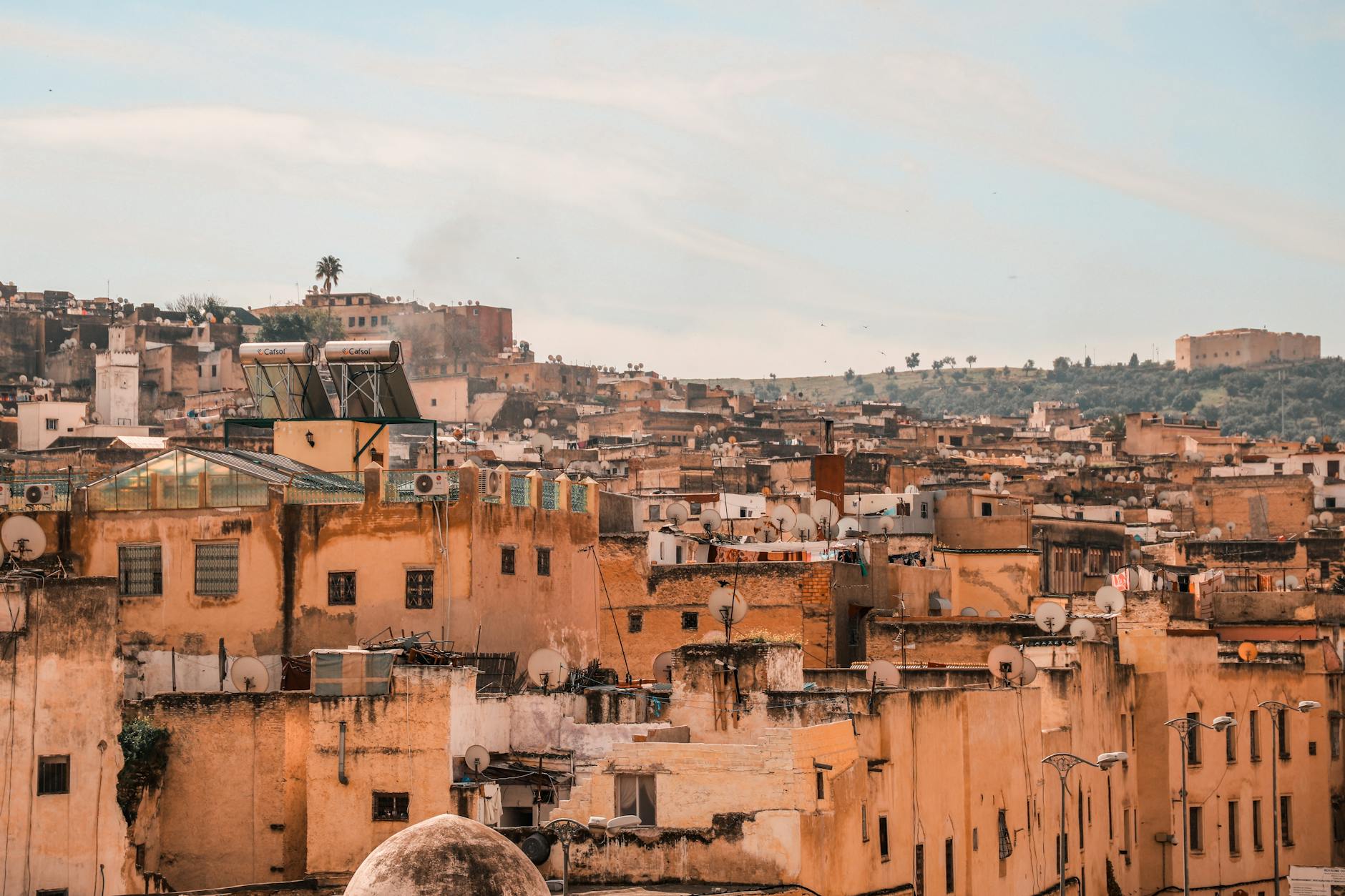
Fez is strongest as a city of depth rather than speed. It is for travelers who want to feel a place as layered, worked, and genuinely old rather than merely picturesque. Its upside is enormous when the hotel is right and the route is clean because the city can then deliver atmosphere, craftsmanship, dining, and historic intensity without the whole stay collapsing into fatigue. Fez is not a city to conquer. It is a city to enter carefully and let accumulate.
- Fez is one of Morocco’s highest-upside city stays.
- The city rewards slower density rather than frantic coverage.
- It lands best when logistics are under control and the traveler leaves room for absorption.
Food
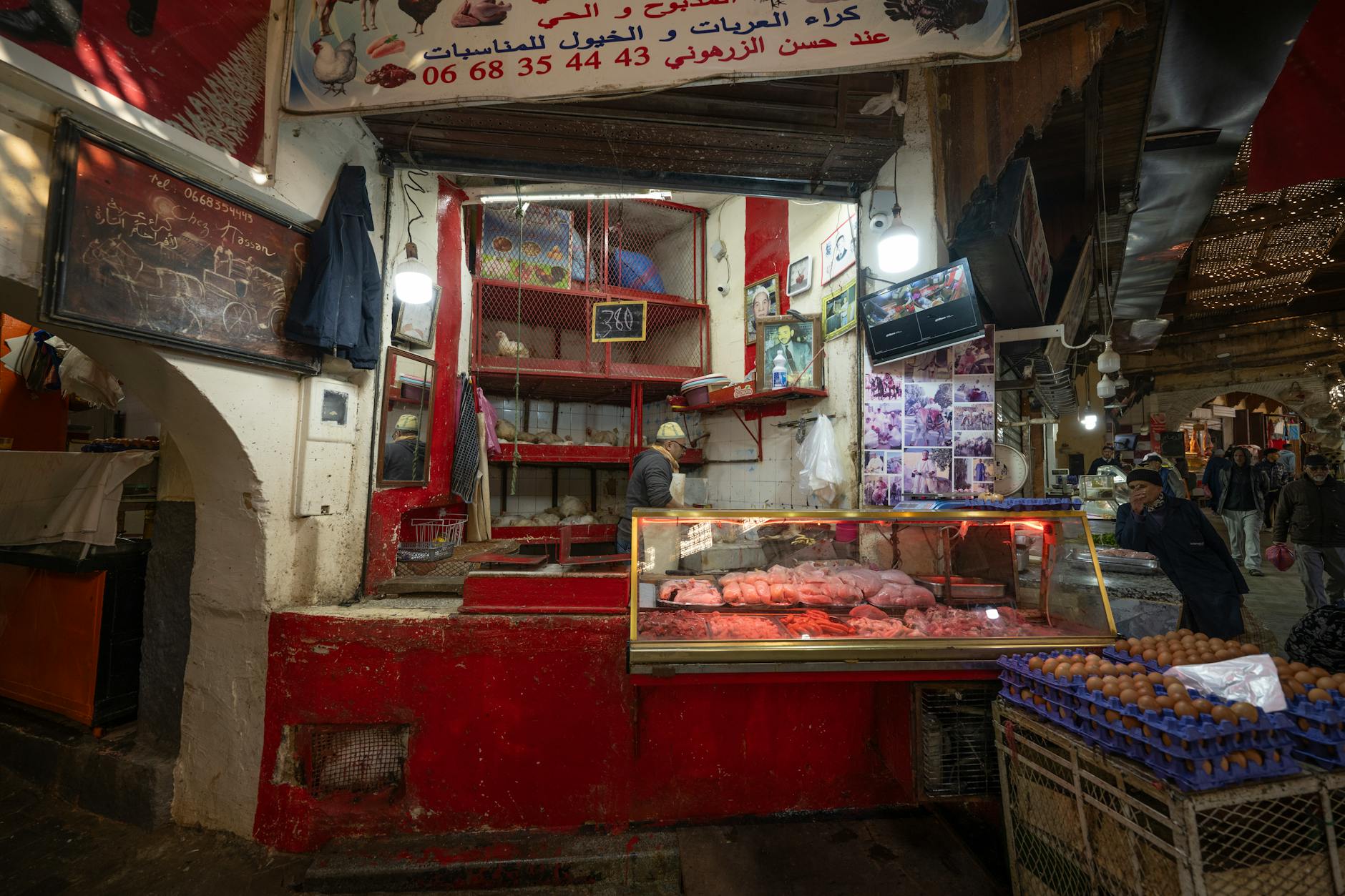
Fez works best when meals support the base and the shape of the day instead of becoming another reason to overextend the route. A strong lunch, a well-chosen dinner, or a hotel that can carry part of the culinary load usually serves the trip better than constant movement in search of a perfect table. Food here should deepen the city’s texture and help structure the day. It should not become one more logistical puzzle layered onto an already dense environment.
- Meals should fit the route and energy of the day.
- Food is part of Fez’s texture, not a separate travel category.
- Do not make dining one more friction point in an already layered city.
Nightlife
Fez after dark is usually more about the quality of the base, a good dinner, a terrace, and the atmosphere of the city settling into evening than it is about one giant nightlife identity. That is not a weakness. It is part of how the city should be used. The route home still matters, and travelers who finish the day in the right place usually get a much better Fez than those who force some generic late-night model onto it.
- A good base improves the evening dramatically in Fez.
- Know what kind of night the city actually supports.
- The route back still matters once the day gets long.
Etiquette and local norms
Fez rewards respectful, measured travel. Public tone, dress, bargaining behavior, photography judgment, and the way you move through denser historic environments all matter. Travelers usually do better when they enter the city with curiosity rather than performance. Fez is not impressed by the visitor who wants to dominate every interaction. It gives much more back to the traveler who is calm, observant, and willing to let the place set some of the terms.
- Context matters a great deal in Fez.
- Move with respect rather than performance or entitlement.
- A measured posture improves the city quickly.
Blunt advice
The biggest Fez mistake is choosing the wrong base and then blaming the city for the friction that follows. The second is confusing atmosphere with structure-free travel and acting as if a more chaotic day is automatically a more authentic one. Fez is best when the hotel is stronger, the route cleaner, and the traveler more disciplined than their bargain or fantasy instinct first wanted. This city does not need more bravery. It needs better judgment.
- The base is foundational in Fez.
- Do less geography and do it better.
- Fez rewards deliberate travel and punishes lazy romanticism.