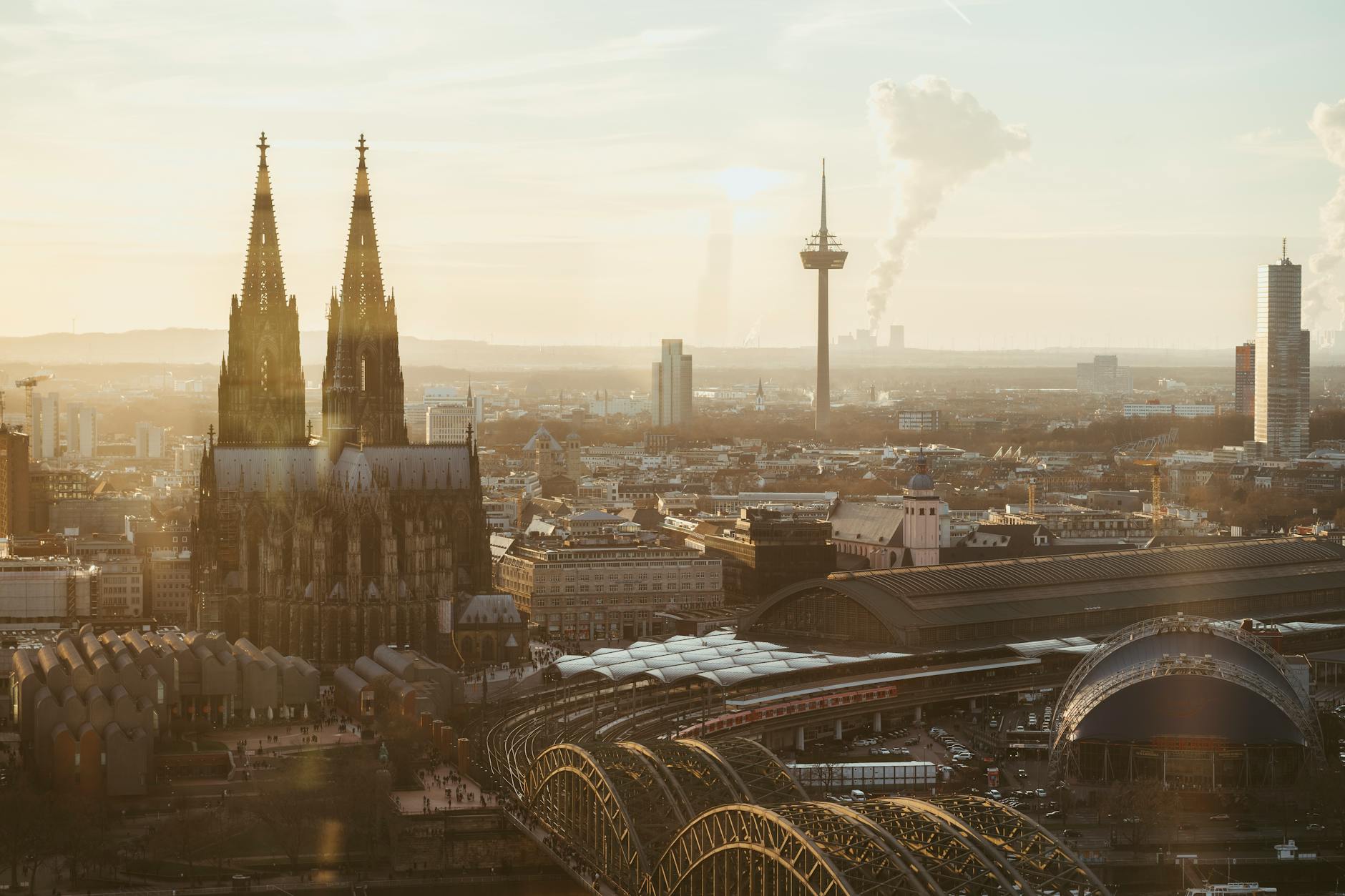
Cologne is one of Germany's most frequently undersold cities because people think they already understand it. They know the cathedral. They know the river. They have heard that the locals are friendly, that the atmosphere is open, that carnival matters, that beer comes in small glasses, and that the city was rebuilt heavily after the war. From those pieces they build a rough impression and move on. The problem is that this rough impression is not wrong so much as incomplete.
Start Here
Cologne is not a city of constant surface beauty. It is a city of force, ease, and social intelligence. The cathedral dominates the skyline so completely that it can trick first-time visitors into treating the rest of the city as supporting material. That is a mistake. The real pleasure of Cologne comes from how monumentality and ordinariness coexist. The cathedral is overwhelming. The street life around it is casual. The Rhine is broad and structuring. The surrounding neighborhoods are lived-in and socially light. The museums are serious. The bars are not solemn. Cologne is one of those places where a city can feel historically heavy and personally relaxed at the same time.
That quality is rarer than it sounds. Many cities with this much symbolic history turn rigid around it. Cologne does not. The city has a looseness that is not sloppiness and a civic warmth that is not simply branding. It is a place where people gather outside, move between districts easily, treat the river as both landmark and backdrop, and often make a stronger case for urban enjoyment than for urban spectacle. That is why Cologne can outperform more "beautiful" cities in actual travel satisfaction. It is unusually easy to inhabit.
The second mistake people make is flattening Cologne into cathedral-and-station convenience. Yes, the Hauptbahnhof and the Dom create one of the most efficient first arrivals in Europe. Yes, the old town and the riverbank are obvious anchors. But Cologne improves quickly once you use it beyond that obvious core. The Belgian Quarter, the more local social zones, the bridge views, the museum layer, the way the city feels from Deutz looking back, and the knowledge that Cologne is built as much on mood as on monuments all matter.
The city also asks to be judged on its own terms rather than against better-preserved German postcards. Cologne lost much of its historic fabric in the war. It knows this. Trying to rank it against perfect medieval fantasy misses the point. Cologne's greatness lies elsewhere: in its scale, river presence, cathedral shock, social openness, irreverence, art, and neighborhood life. A good first trip does not try to pretend the city is something else. It leans into what Cologne actually is.
The city in one sentence: Cologne is a cathedral-and-river city whose best first trip comes from combining monumental history, neighborhood warmth, Rhine logic, museum seriousness, and a famously easy social atmosphere rather than treating it as a one-landmark stop.
Quick Verdict
Best for: couples, solo travelers, first-time Germany visitors, short urban breaks, museum travelers, nightlife travelers who prefer warmth over coolness, and anyone who likes cities with symbolic weight but relaxed social energy.
Not ideal for: travelers who need pristine historic urban fabric, people who want every district to feel conventionally picturesque, or anyone who will punish a city for rebuilding itself.
Ideal first visit: 2 to 3 full days.
Minimum worthwhile stay: 2 full days, if one of them belongs to the city outside the cathedral-and-station zone.
Best overall months: May, June, September, and the first half of October.
Best winter case: Advent and carnival-adjacent periods, or a museum-and-bars city break in the colder months.
Biggest planning mistake: treating Cologne as if seeing the cathedral were equivalent to understanding the city.
One thing to prioritize: neighborhood choice. Cologne is much better once you decide what kind of social and practical version of the city you want.
One thing to leave flexible: time by the river. Light, weather, and energy change the Rhine chapter more than first-timers expect.
The blunt version: Cologne is one of Germany's easiest cities to enjoy if you let it be social, river-oriented, and unpretentious, and one of the easiest to underrate if you insist on judging it only as a preserved old city.
Who Will Love Cologne?
Cologne suits travelers who like a city to feel human before it feels polished. There are cities that impress from a distance and cities that improve once you start moving through them. Cologne belongs firmly to the second category. It rarely wins on perfection. It often wins on how a day feels once the right districts, bars, museums, and views start linking together.
Couples do especially well here because Cologne supports a very balanced kind of short break: one astonishing architectural anchor, one river walk, one museum, one neighborhood meal, one bar-heavy evening, and a city that stays light enough on its feet to keep the trip from becoming effortful. It is romantic less through obvious prettiness than through ease and atmosphere.
Solo travelers also tend to do well in Cologne. The city is readable, well-connected, and socially unthreatening. It is easy to have an unstructured good day here: coffee, cathedral, river, bridge, museum, beer, dinner, district wandering. Few things require heavy choreography.
It is also excellent for travelers who care about urban character more than urban finish. Cologne feels like a place where people actually live rather than one curated for visitors. That matters. Even the most obvious visitor zones tend to sit beside real rhythms, real commuting, real local habits, and real neighborhood life.
Cologne is less ideal for travelers who need their cities to be visually immaculate. The city is too rebuilt, too mixed, too casual for that. But for many people, that casualness is precisely the appeal.
Cologne at a Glance
| Question | Practical Answer |
|---|---|
| Main airport | Cologne Bonn Airport |
| Best airport public move | train to/from the airport station |
| Airport-to-centre timing | about 15 minutes to the main station[1] |
| Best first-time base | central Cologne with clear district logic |
| Best atmospheric first-time base | Altstadt edge, Belgian Quarter edge, or a strong central left-bank stay |
| Best nightlife zone | Belgian Quarter / Friesenviertel / wider central social districts |
| Public transport backbone | trams, S-Bahn, regional rail, walking |
| Signature landmark | Cologne Cathedral |
| Signature river walk | old town and Rhine riverfront |
| Best major museum anchor | Museum Ludwig |
| Signature bridge view | Hohenzollern Bridge and the Deutz side[9] |
| Car needed? | No |
| Currency | Euro |
| Emergency number | 112 |
| Tap water | Safe to drink |
| Power plugs | Type C and F |
2026 Visitor Notes
Airport Access Is Extremely Easy By Big-City Standards
Cologne Tourism says you can reach the main station from Cologne/Bonn Airport in about 15 minutes by train, and its FAQ names the S19, RB27, and RE6 among the relevant connections.[1][2] That is a major strength. It means your first travel decision is less about surviving the arrival and more about choosing a base that makes the city feel right.
The KölnCard Is Simple If You Expect To Move Around
Cologne Tourism's KölnCard page says the card is available in 24- and 48-hour versions, valid for one or up to five people depending on the option, and includes public transport plus partner discounts.[3] That makes it worth considering for first-timers who know they will combine transit and paid attractions.
KVB Ticket Logic Is Straightforward Enough For Visitors
KVB's English ticket overview explains the basics of single and other ticket types and explicitly notes that the KölnCard is available as a 24- or 48-hour option valid in the city of Cologne.[4] Cologne is not a city where transport should feel mysterious if you take five minutes to understand the basics.
The Cathedral Has More Rules And Time Windows Than Some Visitors Expect
The official Cologne Cathedral visitor page says the cathedral is generally open daily from 06:00 to 20:00, but also notes tourist access windows and current entry rules such as small-bag limits and possible identity checks.[5] That means a little timing discipline is worth it.
Museum Ludwig Is One Of The City's Most Useful Serious Anchors
Museum Ludwig's official visitor pages confirm its central location by the cathedral and main station and list opening times stretching later on Fridays to Sundays and on the first Thursday of the month.[6][7] For first-timers, it is one of the best ways to add real cultural weight without complicated logistics.
Cologne’s Old Town Still Matters, But It Is Not The Whole Story
Cologne Tourism is right to frame the old town as one of the essential first walks, with reconstructed steep-gabled houses and Rhine-side energy.[8] But the old town is best used as the beginning of Cologne's logic, not its complete explanation.
How to Understand Cologne
Cologne works through five forces.
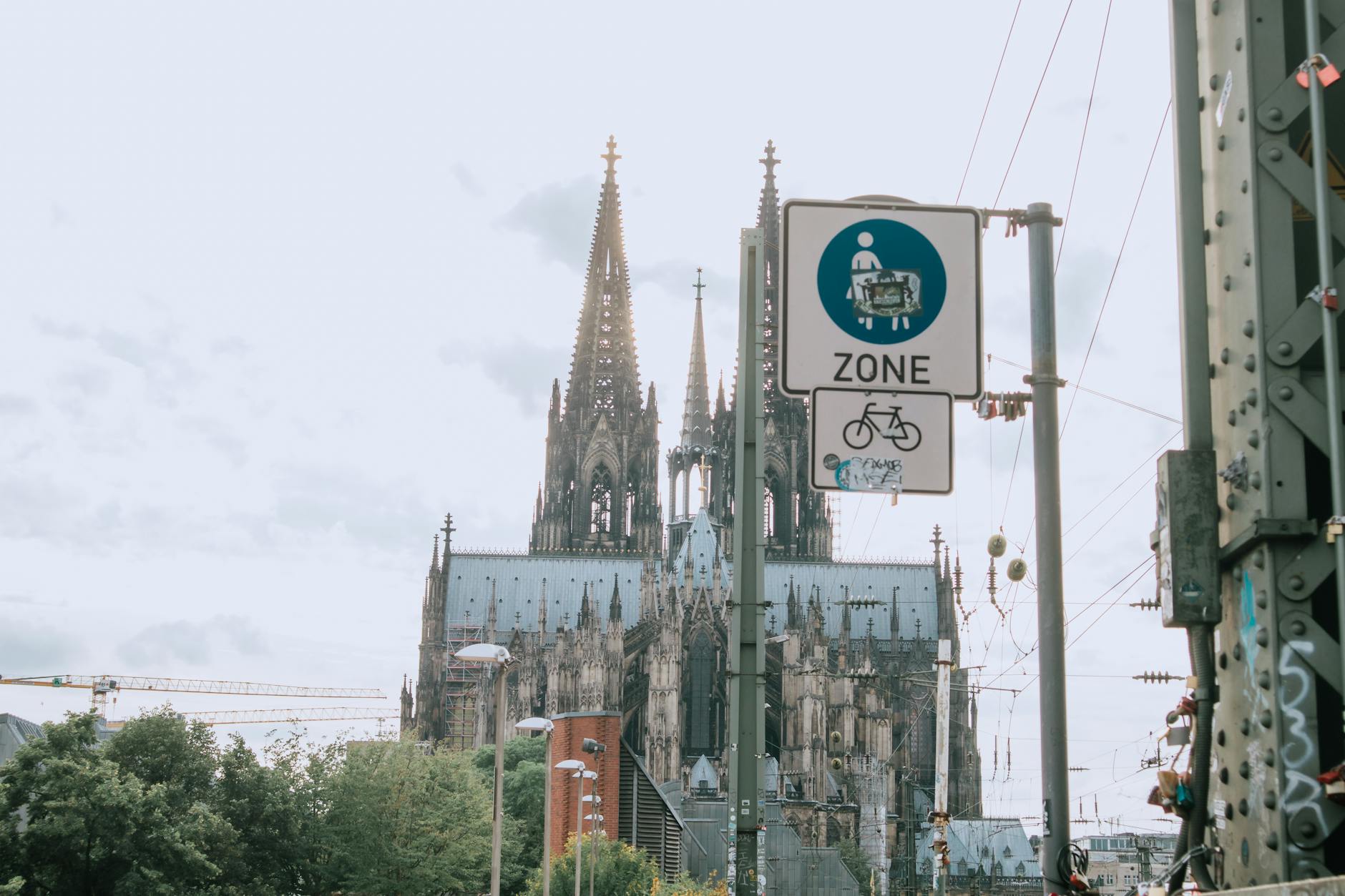
The first is cathedral gravity. The Dom is not just a sight. It is an organizing fact. It shapes arrival, orientation, views, and the emotional scale of the city.
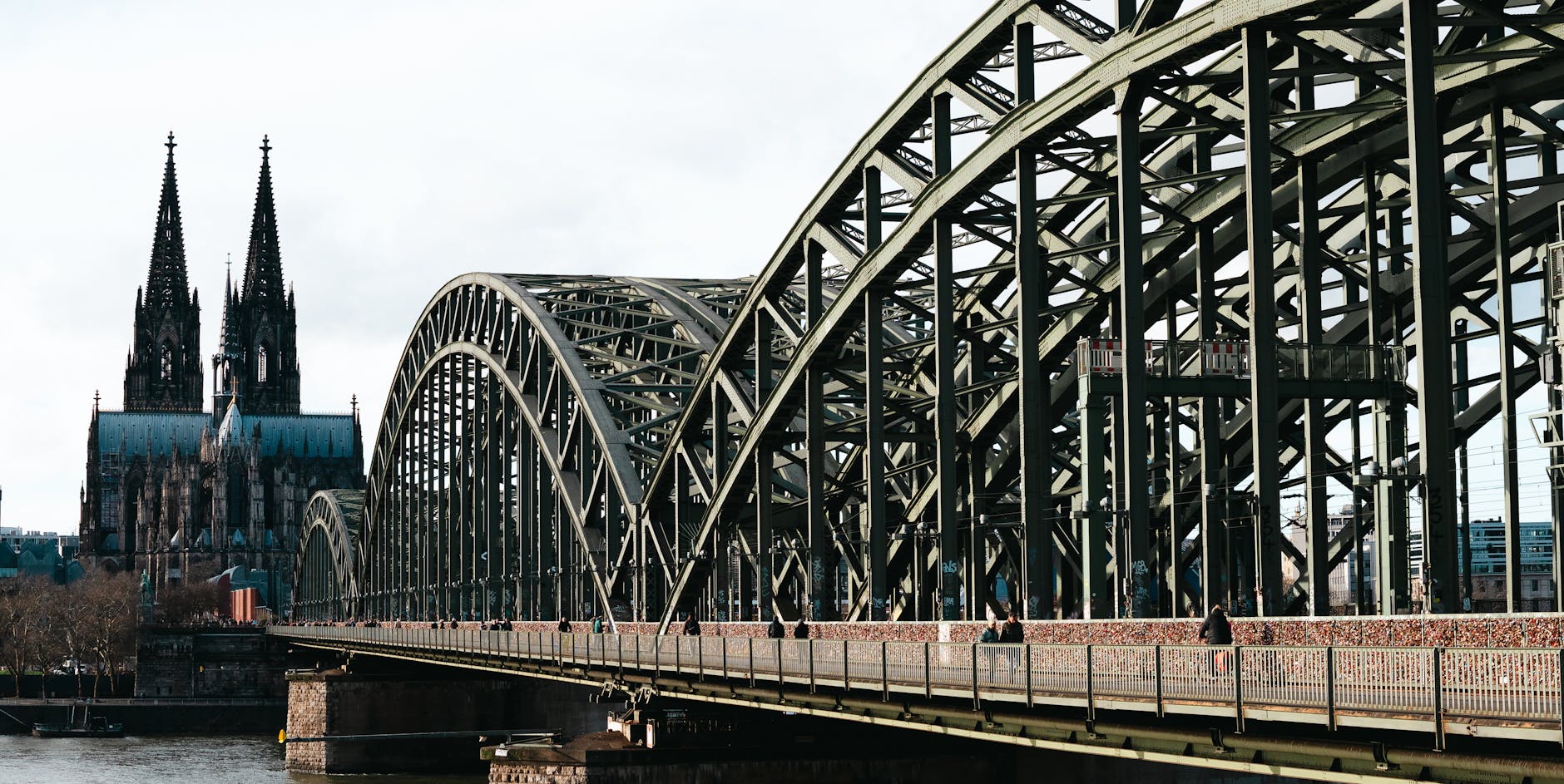
The second is Rhine logic. Cologne is a river city before it is anything else. The bridges, riverbank walks, old town edge, and Deutz views all matter because they show how the city sits and breathes.
The third is social ease. Cologne has a warmth and informality that many large German cities do not express in the same way. That quality changes meals, bars, public space, and the overall feel of a short stay.
The fourth is reconstruction without self-pity. Cologne knows it is not perfectly preserved, but it does not spend all its energy apologizing for that. The city keeps moving.
The fifth is cultural seriousness under casual surfaces. Carnival, beer halls, and easygoing neighborhoods coexist with world-class architecture, strong museums, and a deep historical identity.
The Five Colognes A Visitor Actually Meets
Dom Cologne: the overwhelming vertical city of cathedral, square, station, and first impression.[5]
Rhine Cologne: riverbank walking, bridges, views, and the city framed by water.[9]
Old-Town Cologne: alleys, reconstructed facades, breweries, and a very usable visitor core.[8]
Neighborhood Cologne: Belgian Quarter, social districts, cafés, bars, and the city that locals actually inhabit.[10]
Cultural Cologne: Museum Ludwig, galleries, performance spaces, and the quieter intellectual weight of the city.[7]
The Main Mental Shift
Do not ask, "What else is there besides the cathedral?" Ask, "Which Cologne am I using right now?" Monumental Cologne, river Cologne, social Cologne, neighborhood Cologne, cultural Cologne. The city improves immediately once you stop treating everything outside the Dom as secondary.
What Cologne Does Better Than People Think
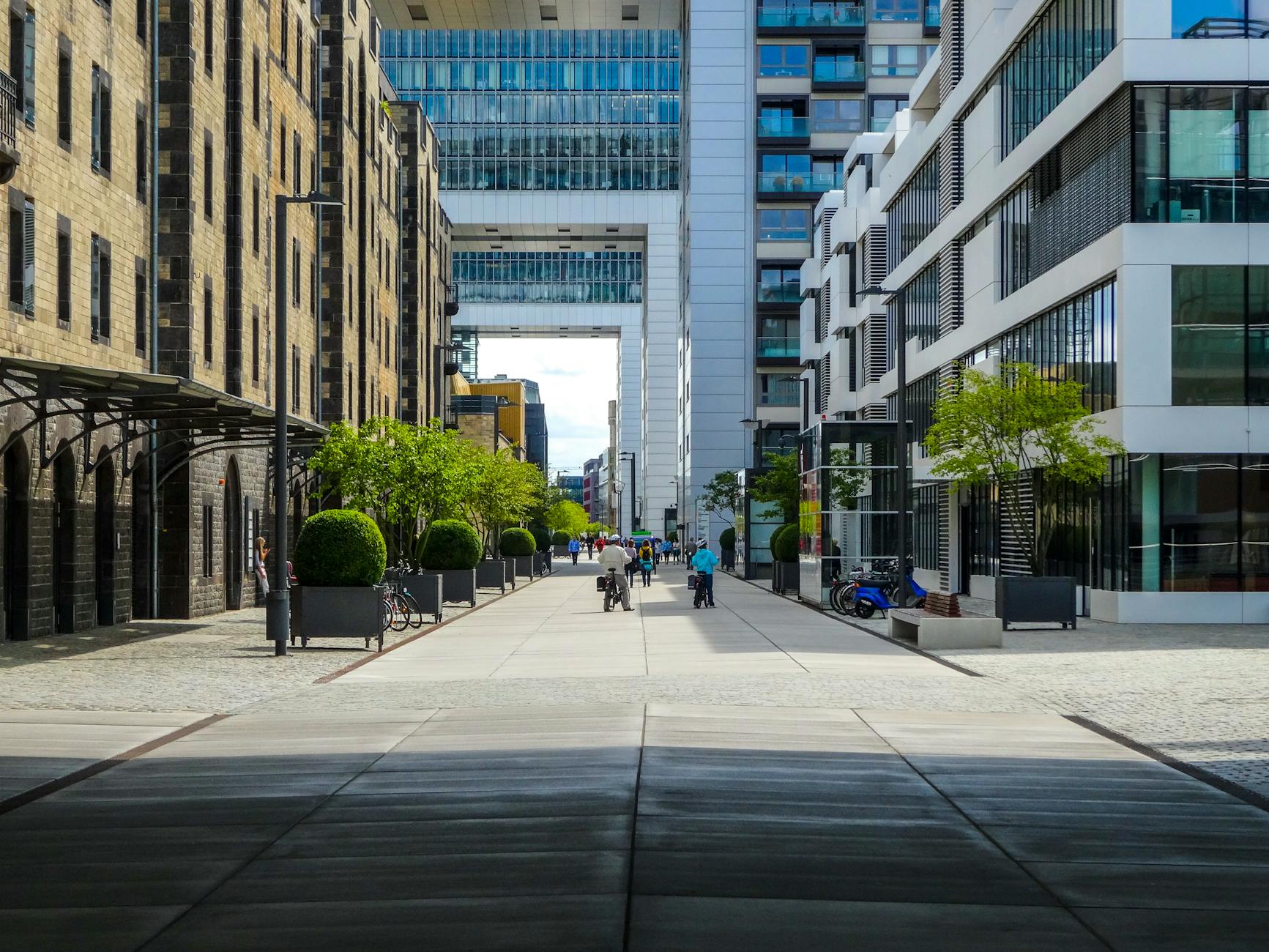
Cologne is better than many visitors expect at making a very large landmark coexist with a very livable city. In many destinations, a famous monument flattens everything around it. Here it does not. The cathedral is dominant, but the city still feels like a place where people are going about real lives.
It is also stronger than people think at relaxed urban sociability. Cologne bars, beer halls, riverside hangouts, and neighborhood terraces often feel more open and less self-conscious than equivalent scenes in more image-conscious cities.
Another underrated strength is how easy the city is to use in short form. The airport move is good. The station is central. The river is structuring. The bridges create instant orientation. The museum layer is close to the old center. You can build a coherent 48-hour trip here without much friction.
The city is also better than its stereotype at contemporary relevance. Because so much outsider conversation about Cologne defaults to cathedral, carnival, and Kölsch, people forget that it is also a major media, arts, and business city with real modern energy.
Finally, Cologne does warmth without sentimentality unusually well. It can be open, funny, and socially generous without becoming precious.
Best Time to Visit Cologne
Cologne is a year-round city, but not a season-blind one. The river, bridges, terraces, festival atmosphere, and general ease of walking all change with the weather.
Best Overall Months
May, June, September, and early October are the best all-purpose first-visit windows. The city is active, bright enough for long river walks, and socially open without usually feeling overcompressed.
Summer
Summer is when Cologne's public-facing personality becomes easiest to understand. Riverfront time, squares, outdoor drinking, and neighborhood wandering all work better. The risk is not summer itself. The risk is confusing the city’s easy mood with the idea that no planning matters.
Autumn
Early autumn often suits Cologne extremely well. The city still has enough outdoor life, but the pace becomes slightly calmer and more local-feeling. It is a very good season for museums plus nightlife.
Winter
Winter Cologne can work well if you lean into cathedral drama, museums, breweries, bars, and festive or carnival-adjacent energy. It is not the season for judging the city on light alone.
Spring
Spring is one of the easiest times to understand why people like Cologne so much. The river starts doing real work again, the neighborhoods reopen outward, and the city regains its social looseness.
Month-by-Month Guidance
January: quiet, interior-led, and strongest for city rather than weather travelers. February: carnival can make the city uniquely alive if that is what you want.[12] March: transitional and variable. April: increasingly attractive, though not always settled. May: one of the best overall choices. June: excellent for first-timers. July: lively, river-friendly, and socially easy. August: still good, though sometimes a little looser and slower. September: one of the smartest months to go. October: often very good, especially early on. November: darker but still usable for a museum-and-bar stay. December: festive, atmospheric, and very strong if you want urban winter energy.
How Many Days You Need
One Day
Enough for the cathedral, the old town, and a first river reading. Not enough to understand Cologne's social and neighborhood depth.
Two Days
The minimum respectable stay. One day should be monument-and-river Cologne. The other should be neighborhood, museum, or nightlife Cologne.
Three Days
Ideal for a first visit. This gives you room for one serious museum, one bridge-and-river chapter, one better evening out, and enough drift that the city stops feeling like cathedral overflow.
Four To Five Days
Very good if you like cities, especially if you want to mix classic Cologne with slower neighborhood exploration.
One Week
More than most first-timers need, but worthwhile for people using Cologne as a Rhine-region anchor while still giving the city itself real attention.
Where to Stay in Cologne
Where you stay matters because Cologne can feel either pleasantly coherent or oddly generic depending on the district.
Fast Answer
For most first-time visitors, stay in the Altstadt edge, a central left-bank district with easy river access, or a well-positioned base near the Belgian Quarter or Neustadt-Süd logic. Stay directly by the main station only if the exact hotel is strong enough to offset the area's occasional transience.
Neighborhood Decision Table
| Traveler Type | Best Area |
|---|---|
| First-time couple | Altstadt edge or refined central left-bank stay |
| Nightlife-first traveler | Belgian Quarter / Friesenviertel side |
| Museum-and-walking traveler | central left-bank near Dom / Ludwig / river logic |
| Rail-dependent traveler | carefully chosen station-adjacent or St. Gereon / Eigelstein side |
| Repeat visitor | Belgian Quarter, Südstadt, or a more local-feeling central district |
| Scenic short break | river-facing or bridge-friendly central stay |
Altstadt Edge
This is often the easiest first answer. You get the cathedral, the river, and easy first-day movement without being trapped in the most tourist-heavy strips all the time.
Belgian Quarter / Neustadt-West Side
Best if you want more bars, restaurants, boutiques, and neighborhood energy. It can make Cologne feel much more contemporary and social.
Station-Adjacent Core
Sometimes practical, sometimes too anonymous. Choose it for a specific property, not because the map told you "central."
Deutz
Underrated for some travelers, especially if views, event access, or slightly calmer hotel logic matter more than sleeping inside the old left-bank core.
Area Profiles
The Dom And Station Core
Efficient, intense, iconic, and not sufficient on its own. This is Cologne's front door, not its entire personality.
Altstadt
The old town still matters because it makes the river and cathedral feel inhabited rather than isolated.[8]
Belgian Quarter
One of the clearest cases for Cologne as a genuinely enjoyable city rather than a sightseeing exercise.[10]
Deutz And The Opposite Bank
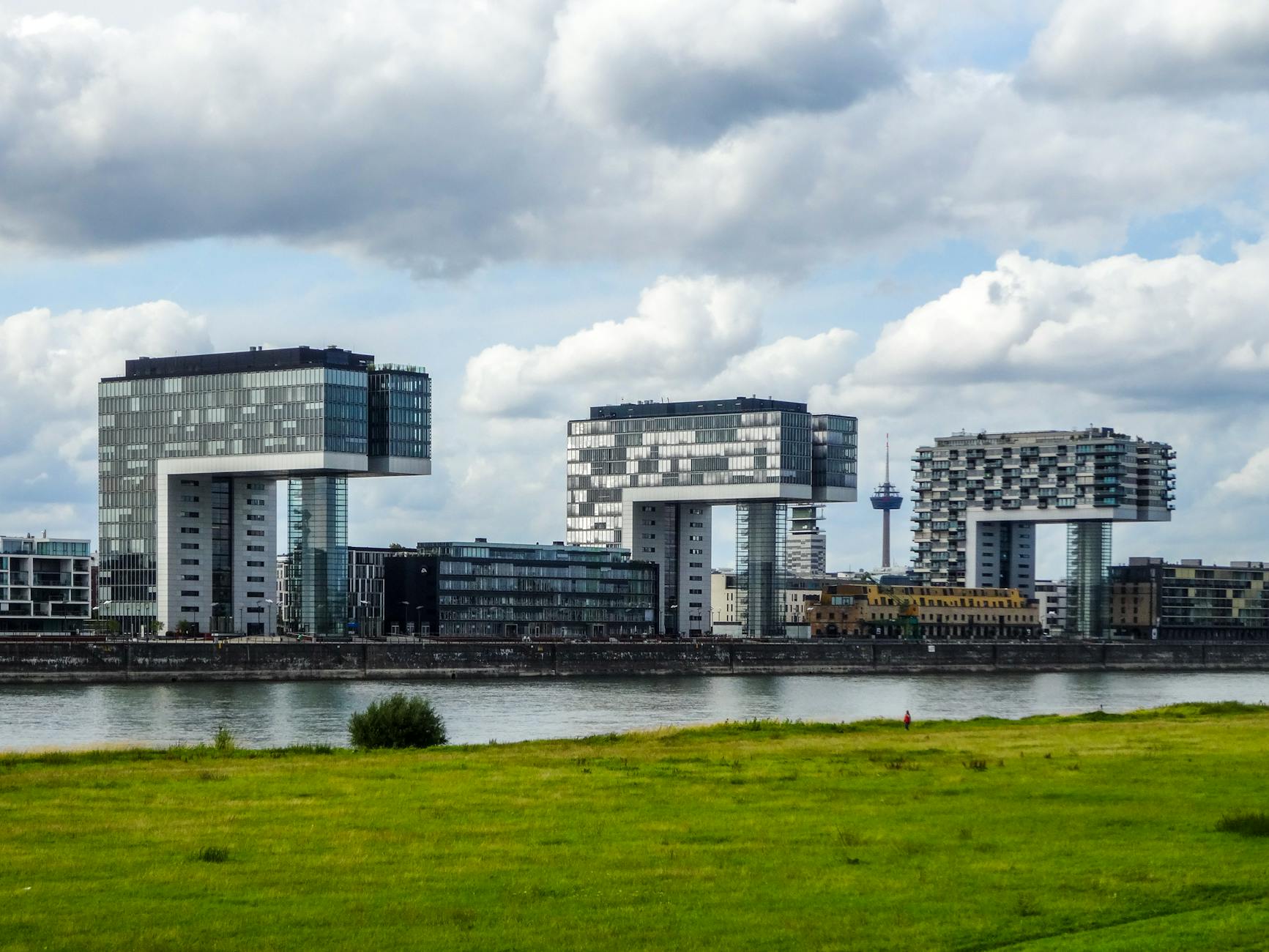
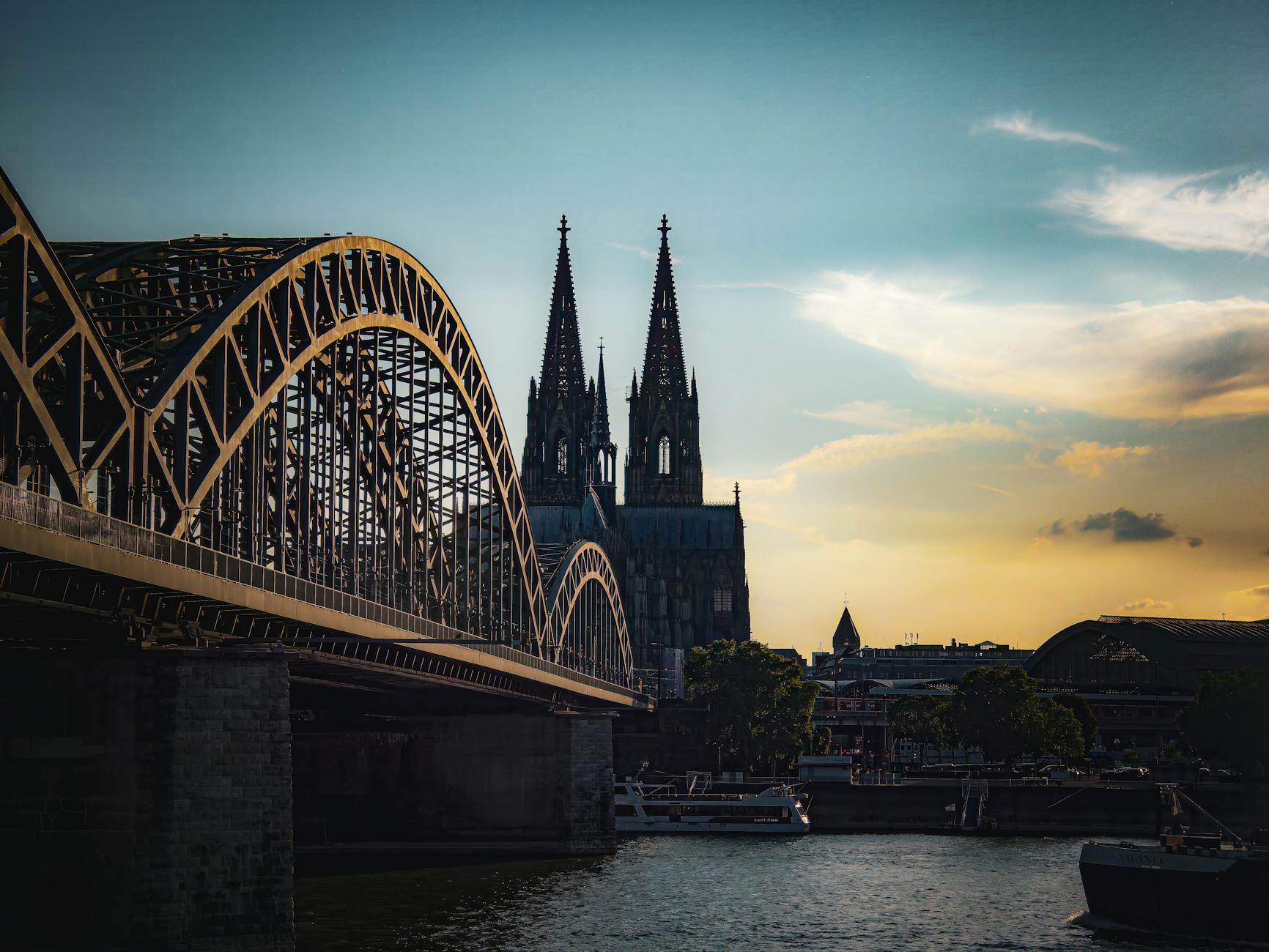
Important not just for event space and hotels, but for perspective. Cologne often looks best when seen from across the Rhine.[9]
Südstadt And The More Local City
A good reminder that Cologne is bigger, softer, and more neighborhood-driven than the first-timer core implies.
Neighborhood Guide: Where to Explore, Not Just Sleep
Altstadt: breweries, lanes, river access, and the city's most classic first walk.[8]
Belgian Quarter: shops, bars, restaurants, and one of Cologne's best short-break districts.[10]
Friesenviertel: livelier nightlife and late-evening energy with a central position.
Südstadt: more local rhythm, good for travelers who like real city texture over classic visitor framing.
Deutz / Rheinboulevard side: one of the best angles back toward Cologne's skyline, especially near sunset.[11]
Station-adjacent north side: practical but mixed; worth using carefully rather than automatically.
The Best Things to Do in Cologne
- Visit Cologne Cathedral with a real sense of timing rather than just drifting in whenever convenient.[5]
- Walk the old town and riverbank to understand how the city holds monument and everyday life together.[8]
- Cross the Hohenzollern Bridge and look back from the Deutz side.[9]
- Use the Rheinboulevard or opposite bank for one skyline chapter.[11]
- Give Museum Ludwig real time if you want the city to feel culturally complete.[6]
- Spend one evening in the Belgian Quarter or another social district rather than staying in the obvious center.[10]
- Treat beer halls and Kölsch as part of social rhythm, not just theme.
- If timing lines up, understand how deeply carnival belongs to the city rather than seeing it as a novelty.[12]
Itineraries
One Excellent Day
Start with the cathedral, move through the old town, walk the river, cross the Hohenzollern Bridge, take in the skyline from Deutz or the Rheinboulevard, return for Museum Ludwig or a second central cultural anchor, then finish in a better dinner-and-bar district rather than collapsing back into station convenience.
Two Days
Day one should belong to Dom Cologne and river Cologne: cathedral, old town, bridge, skyline, and first-night food. Day two should belong to neighborhood Cologne: Belgian Quarter or another social district, one museum, and a longer evening out.
Three Days
Use the extra day for a slower neighborhood chapter, a second museum, a more serious Rhine walk, or a carnival / event / concert angle if timing fits.
Itineraries By Traveler Type
For The First-Time Germany Visitor
Let Cologne show you a version of Germany that is less formal and more socially open than the stereotype. Do not keep comparing it to Bavaria or Berlin.
For The Couple Weekend
Prioritize walkability, one river-view chapter, one museum, one neighborhood dinner, and one hotel that feels slightly better than necessary.
For The Art Traveler
Anchor the trip around Museum Ludwig and then let the cathedral-and-river framework give the art day urban context.[6]
For The Nightlife Traveler
Base outside the deadest central blocks, pace the day lightly, and save real energy for Cologne’s bars and district life rather than trying to force a full sightseeing march first.
Food and Drink
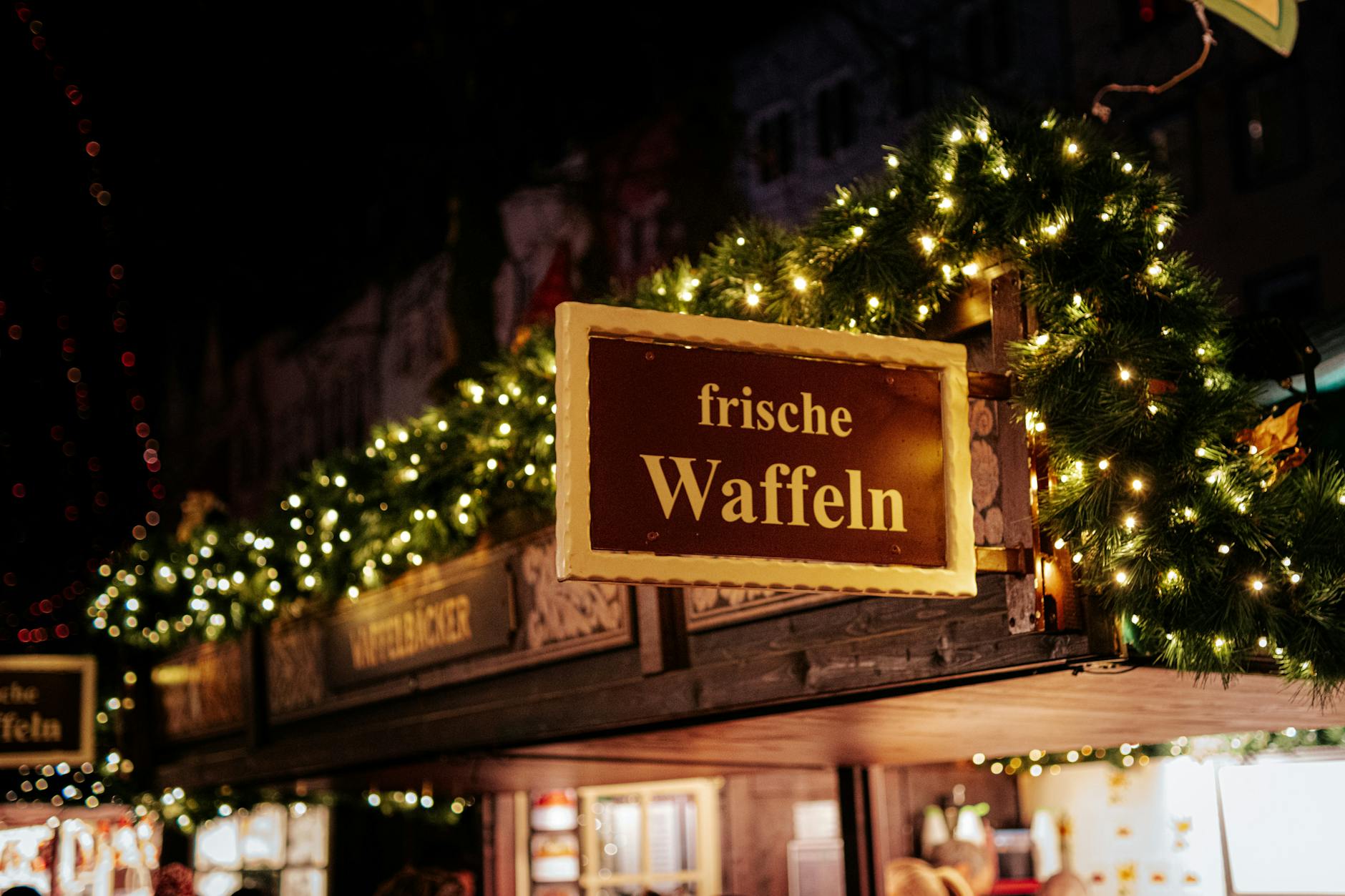
Cologne is not a city where fine dining alone explains the food culture. The more important idea is social eating and drinking: breweries, conversation, late dinners, neighborhood bars, and the kind of casual hospitality that makes a city feel like it wants you there. Kölsch matters, but less as a gimmick than as a social mechanism. The small glasses keep things moving, keep tables active, and fit the city’s conversational rhythm.
The mistake is eating only in the most obvious tourist blocks around the cathedral or river. Cologne gets much better when you let neighborhood choice govern dinner. The best food experience here is often less about chasing prestige and more about finding the right district mood.
Getting Around
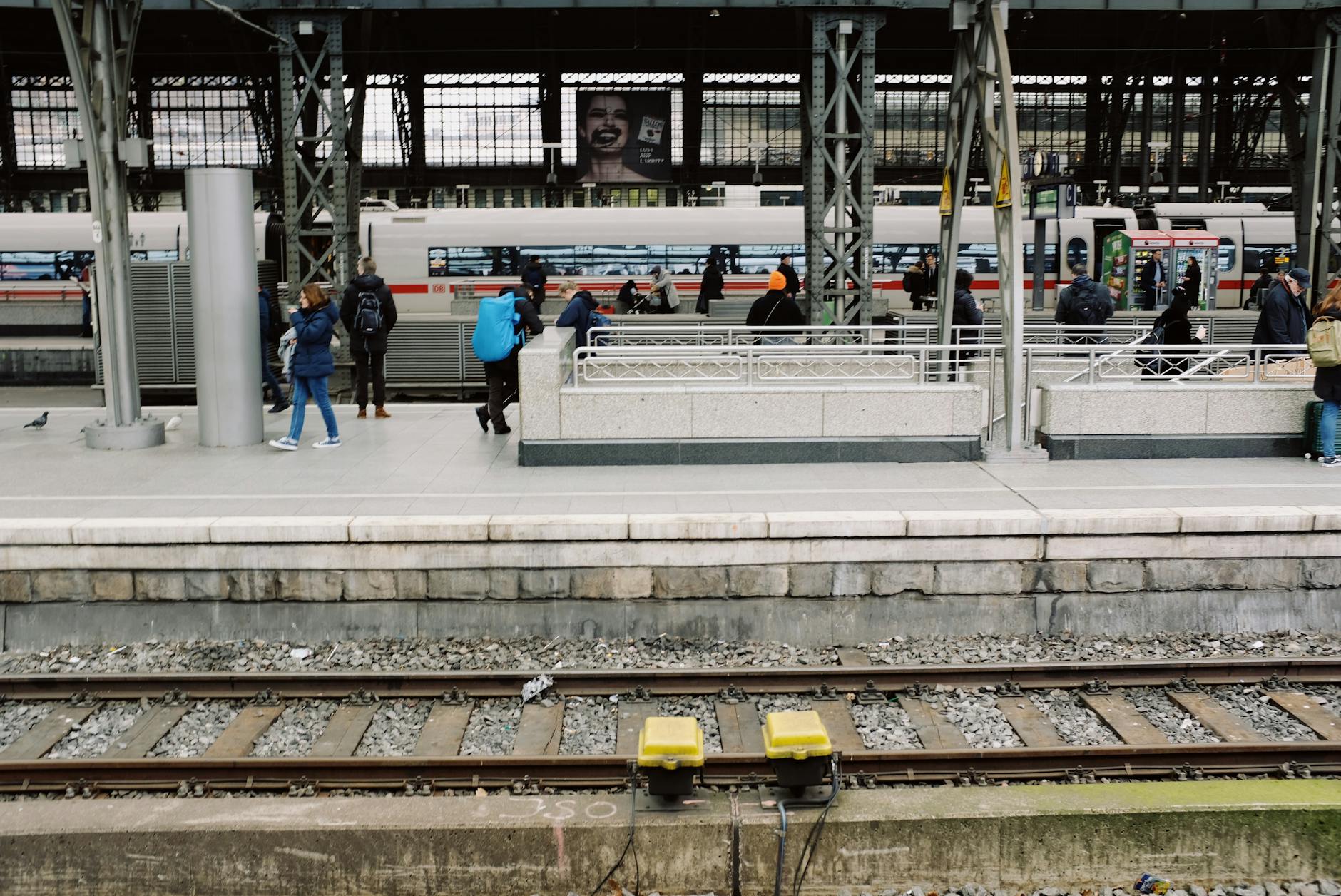
Cologne is easy to use if you combine walking with trams and rail. Airport access is strong by train.[1] KVB ticketing is straightforward enough for short stays, and the KölnCard can simplify things if you are moving often and using attractions.[4][3] What matters most is keeping the city in coherent clusters: Dom and old town, bridge and Deutz, museum and central walking, then neighborhood evening life.
Cathedral Cologne, Carnival Cologne, And The Risk Of Reducing The City
Cologne suffers from overreduction more than from obscurity. Outsiders reduce it to the cathedral, and sometimes to carnival too. Both are real, and both matter. The cathedral is one of Europe's great urban shocks. Carnival is not a decorative tradition but a deep local language with massive civic presence.[12]
But if those are the only two stories you let the city tell, Cologne becomes cartoonish. The fuller truth is better. This is also a river city, a museum city, a neighborhood city, a bar city, a bridge-view city, and a city whose real genius lies in letting enormous historical and symbolic weight coexist with personal informality.
That balance is what first-time visitors should look for. Not the single biggest icon, but the strange and impressive fact that Cologne can hold it without becoming stiff.
Common Mistakes
- Treating the cathedral as the whole trip.
- Staying in a weak station-area hotel because it looked central on the map.
- Ignoring the opposite bank and therefore missing some of the city's best views.
- Eating only in the most obvious tourist strips.
- Judging Cologne against preserved old-town fantasies it is not trying to be.
- Missing the Belgian Quarter or another social district and then concluding the city lacks personality.
- Thinking carnival is either irrelevant or the only thing that matters.
My Blunt Advice
See the cathedral properly, but do not let it monopolize your imagination. Walk the river. Cross the bridge. Look back from Deutz. Use one serious museum to give the city intellectual weight. Spend one evening somewhere more local and sociable than the obvious central core. If you arrive in a doubtful mood because you heard Cologne is ugly, give the city a day and a half before deciding anything.
Cologne is often not love at first glance. It is often respect by lunchtime, ease by evening, and affection by the second day. That is a perfectly good way for a city to win.
Where Cologne Fits in a Germany Trip
Cologne works best in Germany itineraries when you let it represent a version of the country that is more social, river-oriented, and informally urban than many first-time visitors expect. It is not Berlin's intellectual sprawl, Munich's polished southern confidence, or Hamburg's maritime reserve. Cologne is looser in tone, easier on first contact, and often better at turning a short stay into a genuinely enjoyable city break.
For first-time Germany visitors, Cologne is often strongest as either a second major city after Berlin or Munich, or as the most persuasive western Germany stop in a route that includes the Rhine region. It broadens the national picture because it shows a city that is historically weighty without becoming ceremonious all the time. That balance matters. Many travelers do not realize how much they need one German city that can be symbolic and relaxed in the same breath until they arrive here.
For repeat visitors, Cologne becomes even more useful because it supports a trip built around urban mood rather than obligation. Once the cathedral has done its work as the city's great announcement, the visit becomes about river walks, bars, neighborhoods, museums, and the kind of social ease that can make Cologne feel more generous than more obviously impressive cities.
The wrong use of Cologne is as a one-night cathedral errand on the way somewhere else. The right use is as a city that can carry a real weekend through monumentality, river structure, cultural depth, and neighborhood warmth.
Cologne Versus Berlin, Munich, And Hamburg
Cologne versus Berlin is a question of scale and friction. Berlin has more history in every direction, more subcultures, more neighborhoods that require commitment, and more conceptual weight. Cologne usually wins when the traveler wants a more compact, more immediately sociable, and more coherent short break. Berlin can feel vast before it feels warm. Cologne tends to feel warm before it feels exhausted.
Cologne versus Munich comes down to temperament. Munich is cleaner, prettier in a conventional sense, and easier to photograph into submission. Cologne is less polished, more rebuilt, and often more likable in motion. If Munich offers finish and order, Cologne offers informality and civic friendliness. Travelers who value bar culture, neighborhood openness, and a city that does not mind looking a little uneven often find Cologne more companionable.
Cologne versus Hamburg is subtler because both are strong city-break candidates with major landmarks and serious urban identity. Hamburg tends to win on architecture, hotel polish, and visual control. Cologne usually wins on immediate sociability, ease of use, and the feeling that the city wants you to join it rather than admire it from a slight distance. Hamburg can be cooler and more composed. Cologne is more openly human.
That is the real distinction. Cologne is one of Germany's best choices when you want a city whose pleasures are social as much as scenic.
First-Time Visitors Versus Repeat Visitors
First-time visitors often meet Cologne through its biggest coordinates: the cathedral, the station, the river, the old town, one bridge, and perhaps one social district if the trip is shaped intelligently. That can already make a strong weekend, but first-timers often still use the city in simplified terms. They test whether the famous warmth is real, whether the cathedral overshadows everything else, and whether the rebuilt city can still carry emotional force.
Repeat visitors discover that Cologne gets better once the need for proof falls away. They start choosing districts more carefully, timing river walks better, using museums with more confidence, staying outside the most generic central zones, and appreciating how much the city relies on rhythm rather than revelation. A second trip often has better evenings, better neighborhood decisions, and much less anxiety about whether every square meter is visually perfect.
This is why Cologne improves so reliably on return. The first visit often establishes respect. The second often creates attachment.
Why the Base Matters More Than It First Seems
Cologne is easy to reach and easy to cross, which tempts visitors into thinking almost any central hotel will do. That is not quite true. Because the city works through walking, evening spontaneity, river proximity, and district feel, the base changes how persuasive Cologne becomes. A weak station-area hotel can make the city feel more anonymous and transactional than it really is. A strong base can make the city feel coherent almost immediately.
The best Cologne base is not only close to the cathedral or the transport network. It is close enough to the version of Cologne you want to inhabit. If you want river walks and easy first-time orientation, an Altstadt-edge or central left-bank stay can work beautifully. If you want bars, dinner, and neighborhood sociability to carry more weight, something that gives easy access to the Belgian Quarter or adjacent social districts often makes the trip feel much more alive.
This matters especially for short stays. Cologne is a city of flow. If the hotel interrupts the flow, the city loses some of its case. If the hotel supports it, Cologne begins to feel unusually easy.
Why One Proper Cologne Day Matters
Cologne is very vulnerable to being mistaken for a half-day city. The arrival is so efficient and the cathedral so overwhelming that many travelers assume they have grasped the city's essence after a few hours around the Dom and the riverfront. They have not. They have grasped Cologne's frontispiece.
A proper Cologne day usually needs three chapters. Morning belongs to cathedral gravity and the historic-river core, before the city has fully scattered into its wider daily looseness. Midday and afternoon should include at least one bridge or opposite-bank move plus one serious cultural or neighborhood chapter. Evening should belong to food, bars, or brewery culture in a district chosen for actual atmosphere rather than proximity alone.
Without that full day, Cologne can remain a very impressive arrival sequence with little aftertaste. With it, the city begins to show why it is one of Germany's most satisfying urban weekends.
Day Cologne Versus Evening Cologne
Daytime Cologne often feels civic and open. The cathedral dominates, the station churns, the riverbank moves steadily, museum options present themselves clearly, and the city can seem more legible than mysterious. This is a strength, but it also means some first-time visitors underestimate how much of Cologne's charm lives later in the day.
Evening Cologne is where the city's reputation for warmth becomes fully convincing. Neighborhood bars, breweries, restaurant streets, and social districts start doing the work that the cathedral cannot do alone. The city that seemed symbolically heavy by morning becomes conversational by night.
That is why at least one evening should be planned around being in the right district rather than simply staying near wherever sightseeing ended. Cologne is unusually good at rewarding that decision. A better dinner neighborhood or one more drink in the right quarter can improve your memory of the whole city.
Why the Cathedral Should Not Own the Whole Trip
The cathedral is one of Europe's great urban sights, and there is no value in pretending otherwise. But it is also the easiest way to misread Cologne. If every decision is made in relation to the Dom, the rest of the city can start to seem like an outer ring of support services and brewery streets. That is not the real Cologne.
What makes the cathedral powerful is the city around it: the old town that absorbs its gravity into ordinary life, the river that gives it a long horizontal counterweight, the bridges that let you see it from proper distance, and the neighborhoods that keep Cologne from becoming only a monument city. The cathedral alone can astonish you. The city around it is what makes Cologne livable and lovable.
So yes, see the Dom carefully. Time it well. Return to it at different points in the day if you like. But do not let it consume every hour. A Cologne trip that never properly leaves the cathedral's orbit often leaves with awe but not much urban understanding.
Why Cologne Often Improves on the Second Visit
Cologne improves on repeat because it does not depend entirely on first-glance beauty. Cities that flatter immediately can disappoint once the central image is exhausted. Cologne often does the opposite. The first trip proves the city has symbolic force, sociability, and usefulness. The second trip makes its proportions clearer.
Repeat visitors often understand district choice better, rely less on the old town as default, and become more interested in Cologne as a working social city. They start recognizing that the rebuilt fabric is not a failure to overcome but simply part of the city's biography. They also tend to appreciate how much the river and bridges shape mood, not just orientation.
That shift usually improves the trip. Once Cologne stops having to defend itself against idealized old-city comparisons, it becomes much easier to enjoy on its own terms.
How Cologne Changes Over the Course of a Stay
On arrival, Cologne can feel almost too efficient. The station, the cathedral shock, the immediate access to the center, and the obvious river orientation make the city seem solved very quickly. During the first serious walk, though, the city starts to widen. The old town begins to give way to river logic, bridge logic, and neighborhood questions.
By the first evening, the emotional balance changes. Cologne becomes less about monumental force and more about personal ease. Food, beer, and district choice start carrying more of the city than the skyline alone.
By the second day, the different Colognes begin to link: Dom Cologne, river Cologne, social Cologne, museum Cologne, neighborhood Cologne. This is the stage where first-time visitors often realize the city is much more than a station-and-cathedral stop.
By the third day, if you stay that long, Cologne often feels strikingly usable. You know which kind of bar you want, which district feels most like your version of the city, and how much symbolic weight you actually need in a day. That is usually the point at which Cologne becomes less of a famous stop and more of a city people are happy to return to.
Source Notes
- 1. Cologne Tourism, "Arrival & Mobility." https://www.cologne-tourism.com/service/arrival-mobility
- 2. Cologne Tourism, "FAQ: Frequently asked questions about Cologne." https://www.cologne-tourism.com/service/faq
- 3. Cologne Tourism, "KölnCard - ticket for local bus & train incl. discounts." https://www.cologne-tourism.com/booking/koelncard
- 4. KVB, "Tickets availeble for buses and trains in Cologne." https://www.kvb.koeln/en/tickets_prices/tickets.html
- 5. Cologne Cathedral, "Your visit to Cologne Cathedral." https://www.koelner-dom.de/en
- 6. Museum Ludwig, "Tickets + Opening Hours." https://www.museum-ludwig.de/en/home/visit/information/tickets-opening-hours
- 7. Museum Ludwig, "Visit." https://www.museum-ludwig.de/en/home/visit
- 8. Cologne Tourism, "Cologne Old Town." https://www.cologne-tourism.com/arts-culture/sights/detail/cologne-old-town
- 9. Cologne Tourism, "The Hohenzollern Bridge." https://www.cologne-tourism.com/arts-culture/sights/detail/hohenzollern-bridge
- 10. Cologne Tourism, "The Belgian Quarter." https://www.cologne-tourism.com/arts-culture/sights/detail/belgian-quarter
- 11. Cologne Tourism, "Rheinboulevard Cologne." https://www.cologne-tourism.com/arts-culture/sights/detail/rhine-boulevard
- 12. Cologne Tourism, "Carnival 2027 in Cologne: All about Fastelovend." https://www.cologne-tourism.com/experiences-lifestyle/carnival