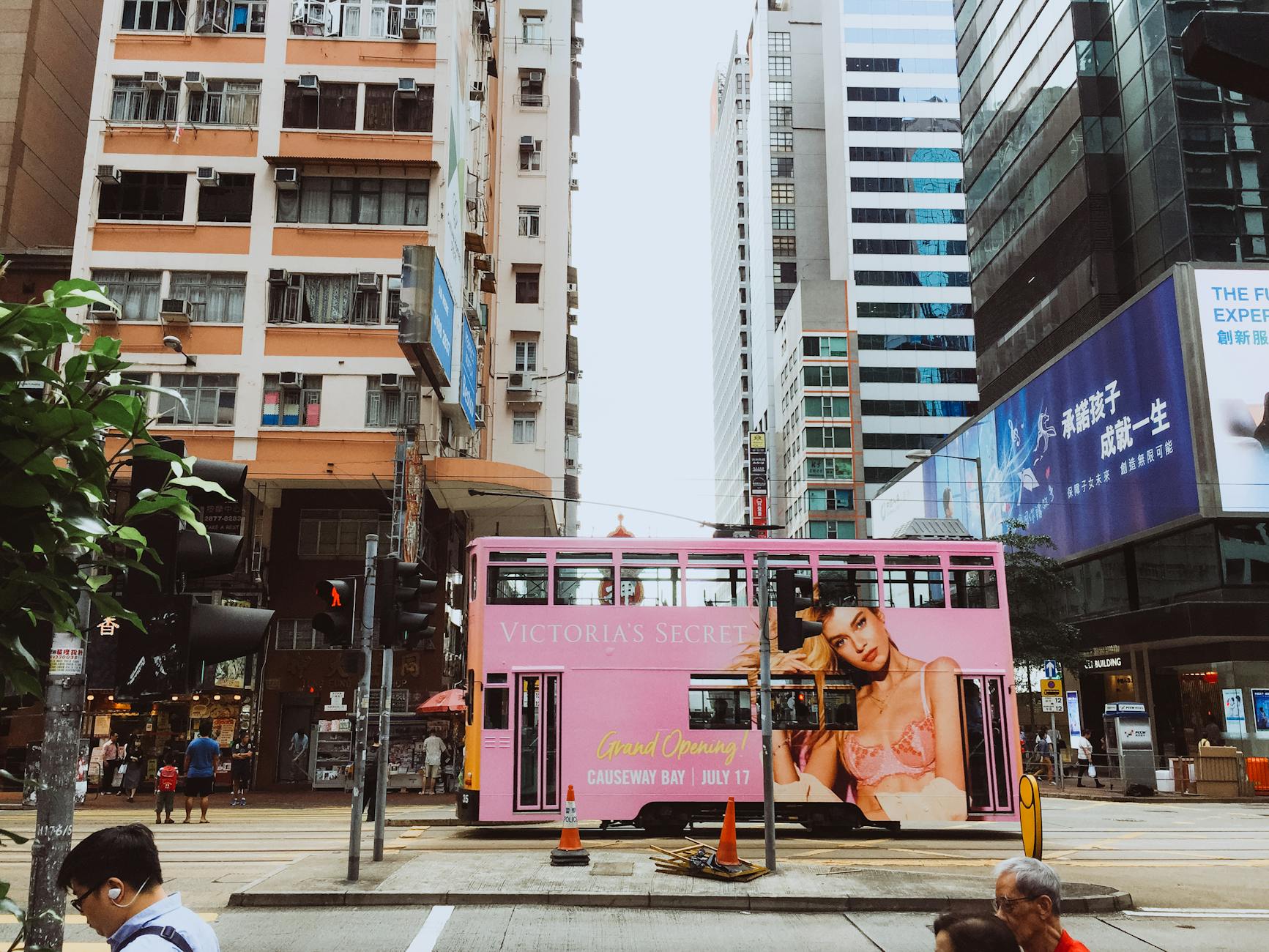
Causeway Bay is one of the easiest places in Hong Kong to get wrong.
Start Here
Most first visits reduce it to one loud idea: shopping. This is understandable. The district absolutely does sell itself through retail pressure, giant commercial surfaces, and the sensation that everyone on Hong Kong Island has decided to pass through the same few blocks at once. Hong Kong Tourism Board still describes Causeway Bay as the beating heart of the city’s retail system, and that framing is not exaggerated.[1]
But the district is more interesting than its commercial reputation suggests. Causeway Bay is where Hong Kong’s appetite, density, fashion, tram movement, park relief, and harbor-edge leftovers all jam together in a space that is both intensely urban and surprisingly legible once you stop fighting it. It is not calm. It is not elegant in the polished Central sense. It is crowded, brightly stacked, impatient, and often exhausting. That is precisely why it matters.
Causeway Bay in one sentence: it is Hong Kong at full retail volume, redeemed by transit clarity, park-side breathing room, and enough historical residue to keep the district from collapsing into pure commercial noise.
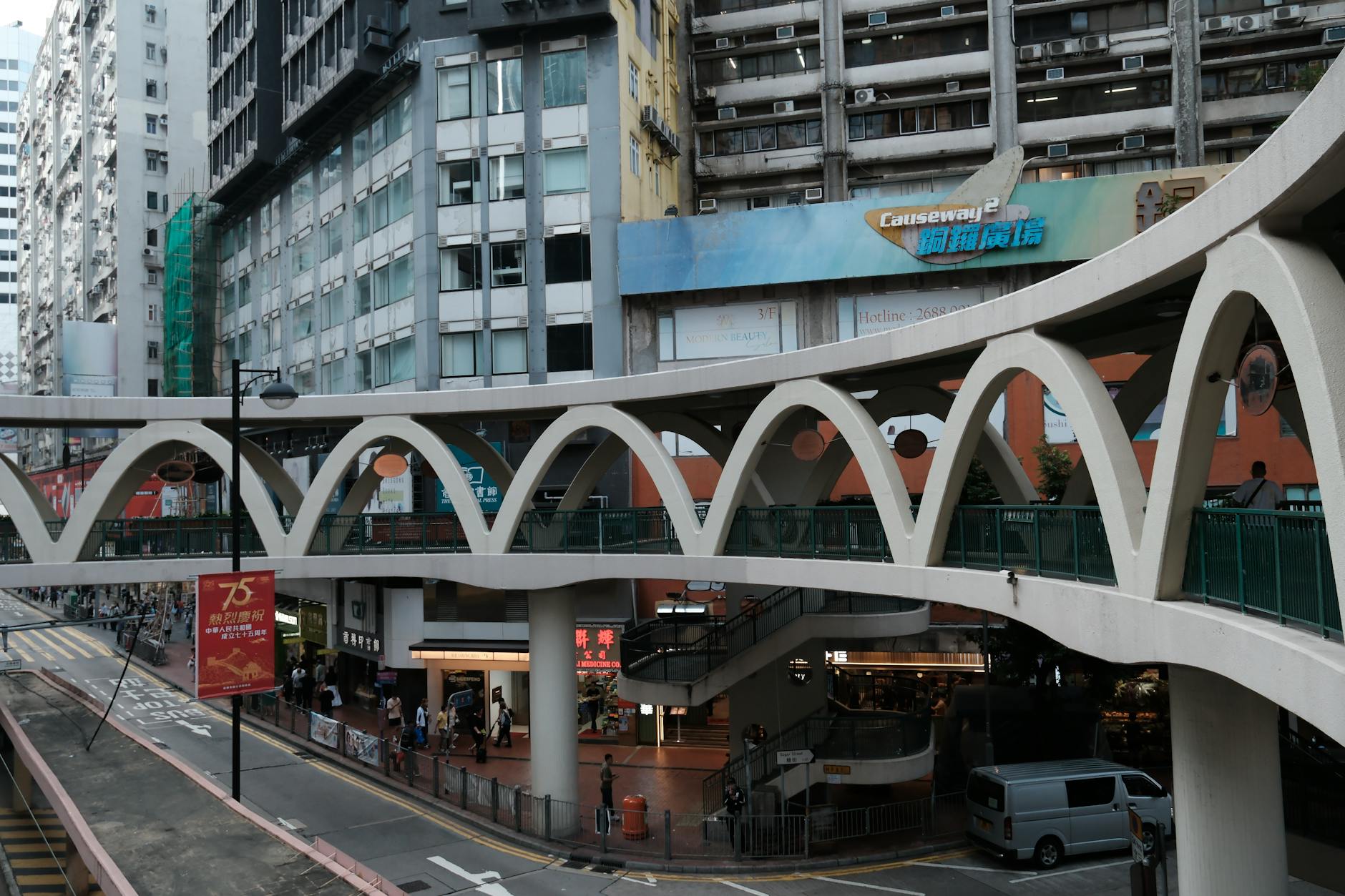
Basic data
| Population | Dense mixed-use district inside Hong Kong Island |
|---|---|
| Area | Compact retail and hotel district |
| Major religions | Buddhism, Taoism, Christianity, Islam, folk religion, and a large secular population |
| Political system | District inside a special administrative region |
| Economic system | High-income services economy led by retail, hospitality, business services, and commerce |
Quick Verdict
Best for: first-time Hong Kong visitors, urban walkers, shoppers with discipline, tram riders, and travelers who like watching a city consume and advertise itself in real time.
Less ideal for: visitors who dislike crowds, noise, queue pressure, or districts where commercial energy is the main texture.
Ideal first use: one strong half-day, or a defined district block between Central and the eastern side of Hong Kong Island.
Can justify more time: yes, if you pair the retail core with Victoria Park, Tin Hau-side walking, and the tram.
Biggest planning mistake: arriving with no route and letting the malls choose the day for you.
One thing to prioritize: district structure.
One thing to keep under control: shopping ambition.
The blunt version: Causeway Bay gets better the moment you stop trying to “do” all of it.
Who Will Love Causeway Bay?
Causeway Bay works best for travelers who enjoy districts as systems rather than attractions as trophies. If you like understanding how transit, storefronts, food, crowds, and public space fit together, it is excellent.
It is especially useful for first-time Hong Kong visitors because it shows the city’s commercial personality without requiring the more symbolic or civic reading that Central asks of you.
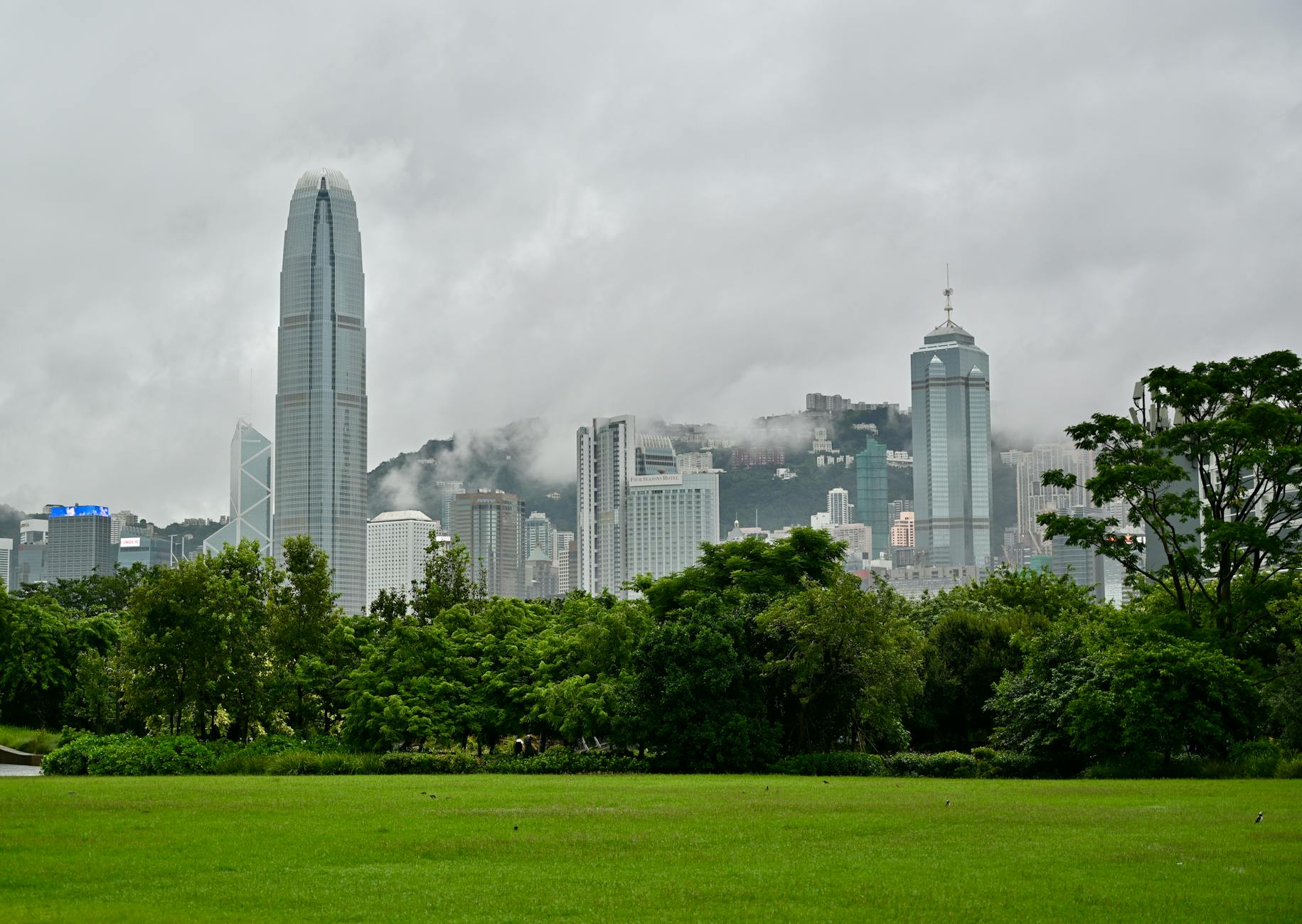
Causeway Bay at a Glance
| Question | Practical Answer |
|---|---|
| Best visit style | half-day district use |
| Main arrival anchor | Causeway Bay MTR Station |
| Main street-level mood | dense, bright, crowded, restless |
| Best relief valve | Victoria Park |
| Most useful surface transport | tram |
| Strongest adjacent contrast | Tin Hau side and harbor edge |
| Main risk | getting trapped in vertical retail with no larger plan |
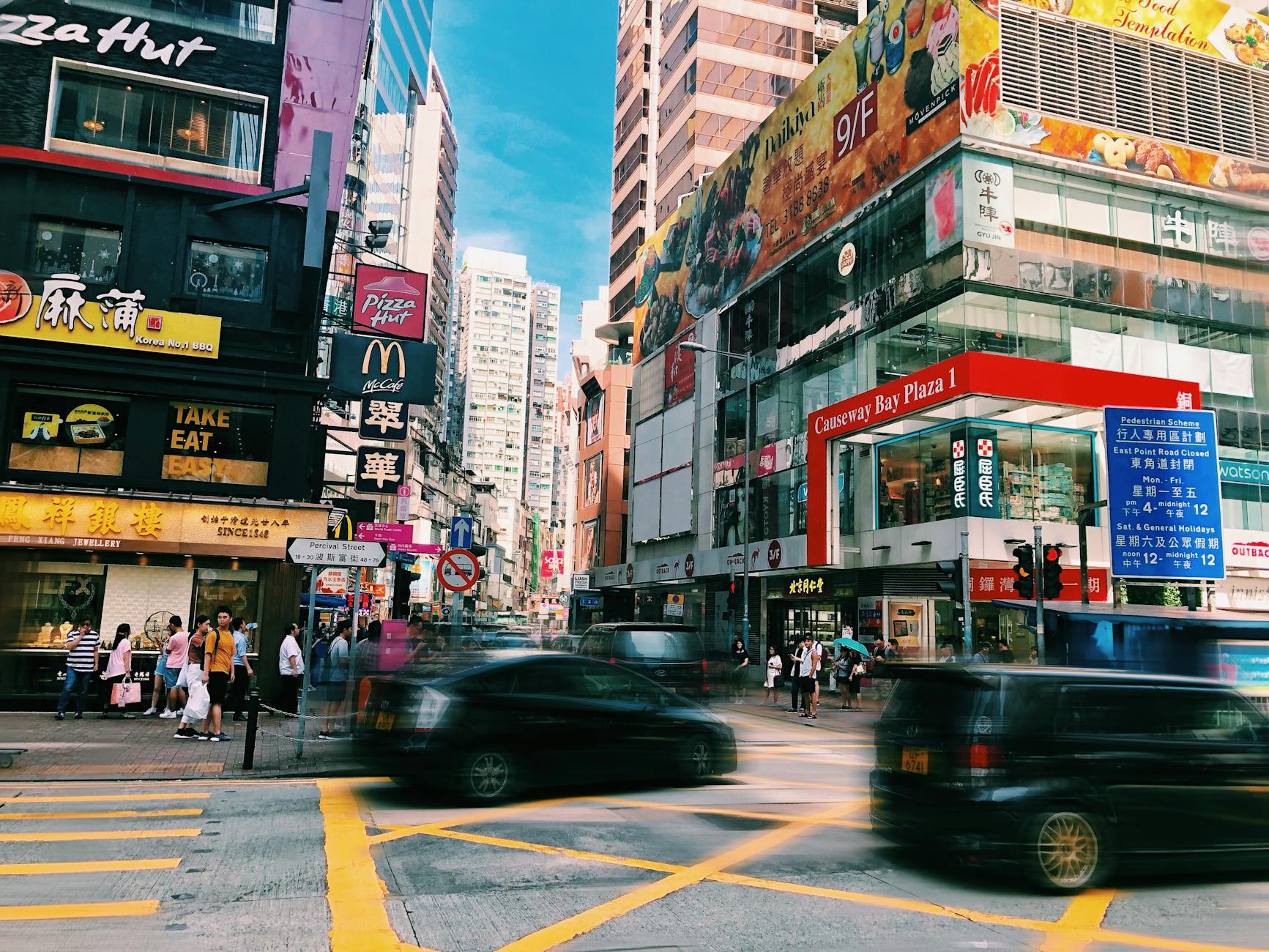
2026 Visitor Notes
Causeway Bay Still Defines Hong Kong’s Retail Intensity
Hong Kong Tourism Board continues to frame Causeway Bay as the city’s retail heartbeat and “centre of cool,” while also pointing to its older fishing-village past, major parkland, and surviving Chinese and colonial landmarks.[1] That remains the correct starting point: this district is about far more than mall inventory, but you still have to accept that retail is its dominant force.
Causeway Bay Station Remains the Main Structural Entry
MTR continues to publish Causeway Bay as an Island Line station with its own station-and-tunnels layout, and current service-hours pages still show the station opening from early morning until after 1 a.m.[2][3] For visitors, that means the district remains easy to enter and exit even when the street scene feels overwhelming.
Trams Still Matter Here
Hong Kong Tramways continues to operate major east-west routes through Causeway Bay, including regular service across the north side of Hong Kong Island.[4] This matters because trams are not just nostalgic scenery. In Causeway Bay, they are one of the best ways to understand how the district sits inside the longer island corridor.
Victoria Park Is Still the District’s Necessary Counterweight
Leisure and Cultural Services Department continues to maintain Victoria Park as a major public park on Hong Kong Island.[5] In practical terms, this means Causeway Bay still has one of the most valuable reset buttons in the city within easy walking range.
How to Understand Causeway Bay
Causeway Bay works through three main forces.
The first is commercial compression. Shops, towers, plazas, malls, food, and crowds are packed so tightly that the district can feel larger than it is.
The second is movement clarity. MTR, trams, buses, and walkable street grids make it easier to control than newcomers often expect.
The third is pressure relief. Victoria Park, the Tin Hau edge, and the harbor-facing side stop the district from becoming unbearable if you use them properly.
The Main Mental Shift
Do not ask, “What should I buy in Causeway Bay?” Ask, “Which version of Causeway Bay am I here for?” If the answer is shopping, fine. If the answer is people-watching, tram riding, park relief, or district texture, that is fine too. The mistake is acting as if every version has to happen at once.
What Makes Causeway Bay Distinct
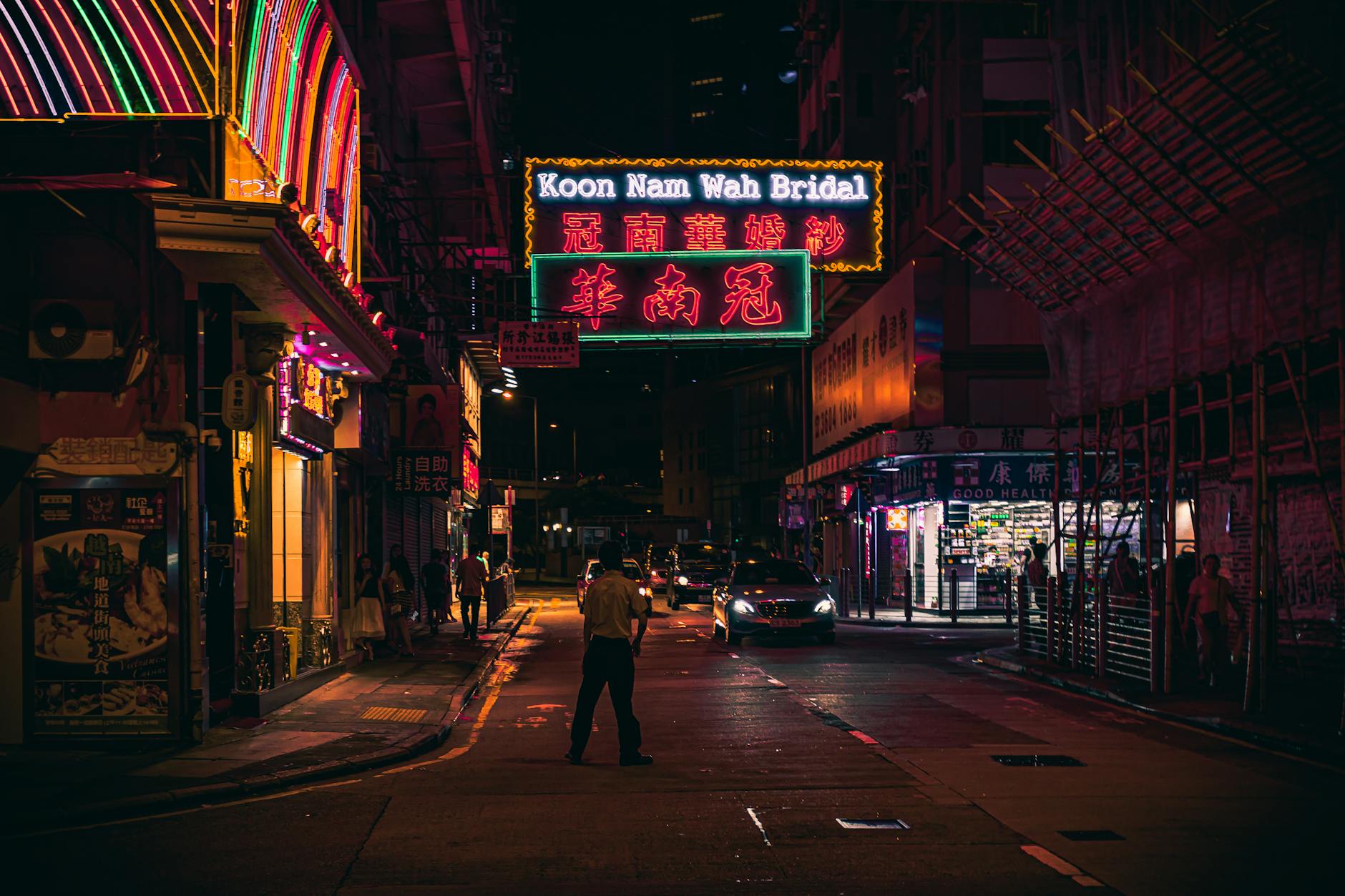
Causeway Bay is not simply a shopping district. It is a district where commercial Hong Kong becomes physically legible.
The skyscraper retail environment, the packed crossings, the vertical store logic, the constant visual demand, and the sudden availability of a huge public park all sit within the same small operating zone. HKTB still points to the district’s older landmarks, including Tin Hau Temple and the Noon Day Gun, as reminders that Causeway Bay did not begin as a glossy retail machine.[1][7] That tension between the old harbor-edge world and the present commercial one is part of what gives the district its shape.
Best Time to Visit
Causeway Bay is strongest when you decide what kind of crowd you want.
Late morning is good for district reading before peak commercial pressure builds. Afternoon is fine if you are deliberately using malls, specific shops, or the park. Evening is vivid and often fun, but also when the district feels most like an exercise in collective urban appetite.
If you want Causeway Bay to feel sharper and less exhausting, go early enough to establish the layout before the district turns fully electric.
How Much Time You Need
Short Visit
Enough for a clean station arrival, one retail stretch, one park or harbor-side break, and departure by tram or MTR.
Half Day
The best first answer. It gives you time to read the district instead of merely enduring it.
Full Day
Only worthwhile if Causeway Bay is serving multiple functions: shopping, neighborhood walking, park time, and evening food or drinks.
Arrival Strategy
Causeway Bay should begin with transit clarity.
MTR still presents Causeway Bay as a distinct station-and-tunnels environment, and its current published hours remain generous enough that most visitors can use it as the main anchor without difficulty.[2][3] That means your first decision is not what to see, but which side of the district you want first: the heaviest commercial core, the park side, or the harborward edge.
If you begin vaguely, the district will happily swallow an hour of your time without giving much back.
The Causeway Bay That Matters Most
The retail core: bright, packed, vertical, and highly efficient at separating visitors from both time and money.
The park edge: the part of Causeway Bay that proves the district has lungs.
The harbor and older-side residue: Tin Hau Temple, the Noon Day Gun, and the reminder that this district was not always pure commercial volume.[1][7][8]
The tram corridor: the best slow-motion reading of the whole district.[4]
Times Square and Vertical Retail
Times Square still functions as one of the district’s clearest retail anchors, with direct linkage to MTR Causeway Bay Station and a large mixed retail-and-dining program.[6] That matters less because you must visit Times Square specifically and more because it demonstrates the district’s logic: in Causeway Bay, retail does not merely line the street. It rises, stacks, tunnels, and absorbs.
This is why shopping here needs boundaries. Once you enter the vertical retail rhythm without a plan, Causeway Bay becomes less a district than a sequence of escalators.
Victoria Park and the Value of Relief
Victoria Park is one of the most important things in Causeway Bay, not because it is the district’s greatest sight, but because it corrects the district’s imbalance.[5]
Without it, Causeway Bay would feel too relentlessly monetized. With it, the district acquires breathing room, open sky, and a reminder that Hong Kong’s public life is not confined to consumption. Even a short walk here can reset the district completely.
Tin Hau Temple, the Noon Day Gun, and the Older Edge
HKTB still highlights Causeway Bay’s older landmarks, especially Tin Hau Temple and the Noon Day Gun, as reminders of the district’s earlier harbor-facing and colonial layers.[1][8][7]
These are not reasons to build an entire day around the district’s historical depth. Causeway Bay is not Old Town Central. But they do matter because they keep the area from reading as purely synthetic. A good visit notices them and lets them complicate the district’s image.
Trams, Surface Movement, and Why They Matter
Hong Kong Tramways continues to run regular routes through Causeway Bay, including lines that make the district part of a much longer urban ribbon across the island.[4]
In practical terms, the tram is a useful reminder not to experience Causeway Bay only through underground arrival and enclosed retail. A tram ride lets the district flatten out into sequence: crossings, storefronts, park edge, traffic, towers, and people. That slower reading is often what makes Causeway Bay make sense.
Where Causeway Bay Fits in a Hong Kong Trip
Causeway Bay often enters itineraries as a shopping district and stays in memory as something more revealing.
That is because the area performs an important middle function in a Hong Kong trip. Central often introduces the city through status, slope, and civic-commercial polish. Tsim Sha Tsui introduces it through harbor spectacle and hotel density. Causeway Bay introduces it through appetite. It is where the city feels busiest buying, browsing, crossing, waiting, eating, signaling, and advertising itself to itself.
This makes the district especially useful once you already understand that Hong Kong is not just about skyline viewpoints and transport icons. Causeway Bay shows the city in a more continuous everyday-commercial register. It is still visitor-friendly, but less ceremonial. The reward is not a single landmark. The reward is comprehension.
For that reason, Causeway Bay usually belongs after you have already had at least one more legible introduction to Hong Kong Island. It works best once you are ready to read the city at street level rather than only consume its famous images.
Causeway Bay as a Hotel Base
Causeway Bay can be an excellent base, but only for the right temperament.
The argument in favor is straightforward. You get strong MTR access, reliable tram service, a large amount of food and retail within walking distance, proximity to Victoria Park, and a district that remains active from morning into late evening.[2][3][4] You are unlikely to feel stranded here. The area keeps functioning.
The case against it is equally clear. Causeway Bay is relentless. If you are the sort of traveler who wants each day to begin quietly and end with a sense of retreat, the district may feel too electrically commercial to serve as a true base. Even when you are not shopping, you are surrounded by the psychology of shopping.
That does not make it a bad choice. It simply means the district is best for travelers who want efficiency and liveliness more than romance or calm. As a working base, it is very strong. As a restorative base, it is more conditional.
Causeway Bay by Day Versus Causeway Bay by Night
Causeway Bay’s personality changes meaningfully over the course of the day.
Morning and late morning are when the district is easiest to read. Streets are active but not yet at full saturation, and it is still possible to understand where the retail mass, tram line, and park relief sit in relation to one another. If you want to walk the district intelligently, this is usually the best time to start.
Afternoon Causeway Bay is the district at maximum functional pressure. This is when retail, dining, office-adjacent movement, and pure visitor browsing all overlap. If your goal is to use the district commercially, this can be productive. If your goal is to like the district aesthetically, it may be the hardest version to love.
Evening Causeway Bay is vivid, bright, and often more enjoyable than afternoon because the commercial pressure becomes part of the show. The district stops pretending to be manageable and simply becomes itself. That version can be surprisingly fun as long as you do not ask it to be restful.
The Shopping Question
Most people come to Causeway Bay assuming the answer is “shop.” The better question is “how much shopping can the district contain before it stops being interesting?”
This matters because Causeway Bay is uniquely capable of converting aimless time into commercial drift. You enter a tower or mall without a plan, emerge forty minutes later having lost the district entirely, and then repeat the process because the next frontage suggests another possibility. That is not a moral failure. It is the district working exactly as designed.
The solution is not to refuse shopping. The solution is to fence it. Decide whether shopping is the day’s main activity, a secondary activity, or a background temptation to be ignored. Once that has been decided, the rest of the district becomes easier to use. Causeway Bay is much better when retail serves the route instead of replacing it.
This is one of the deepest differences between first-pass and second-pass use of the district. On the first pass, visitors often let the district choose for them. On later passes, they make Causeway Bay answer a plan.
Times Square Is a Type, Not Just a Place
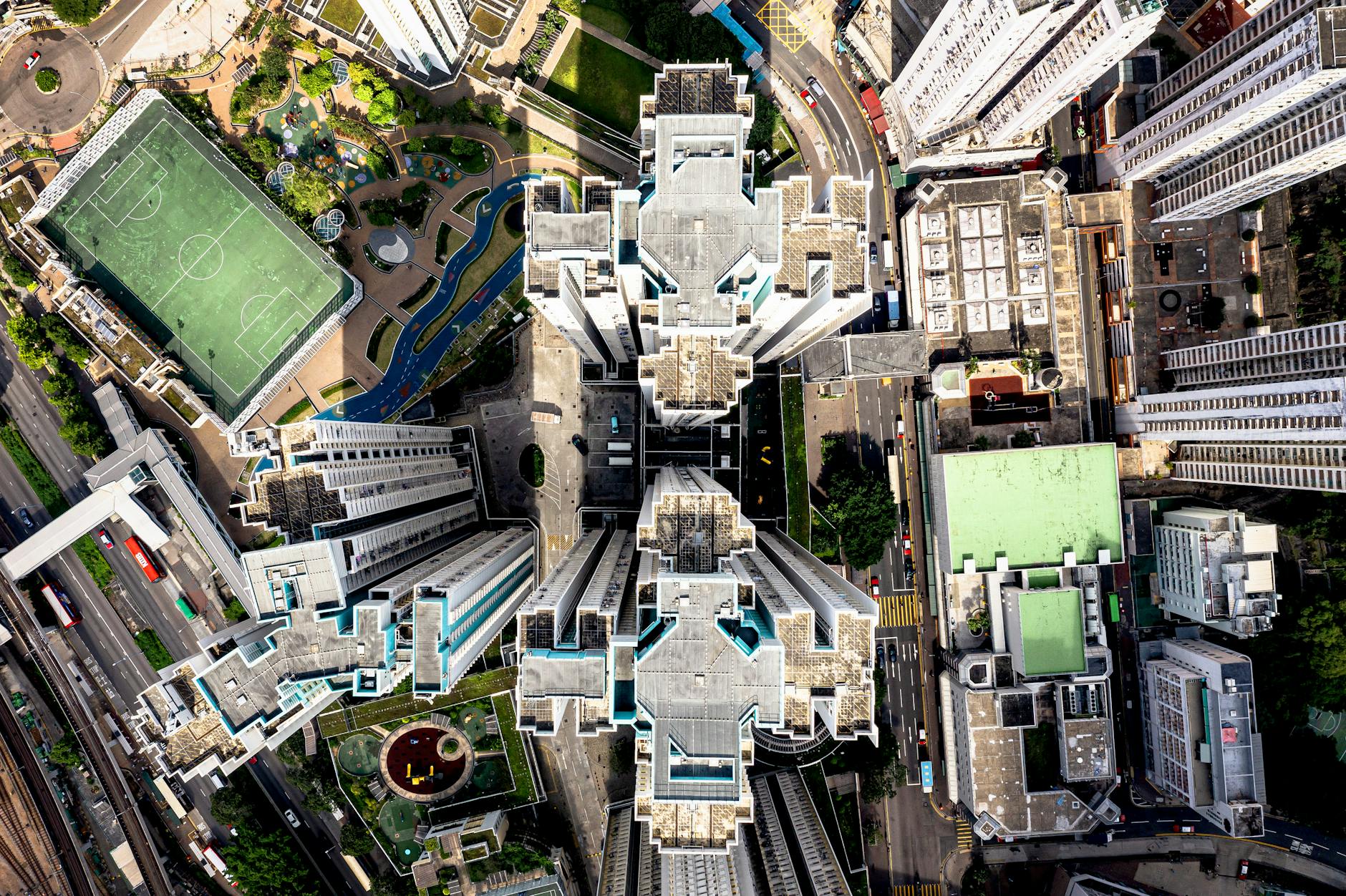
Times Square matters less because it is uniquely essential and more because it demonstrates the type of urban environment Causeway Bay specializes in.[6]
It is a retail anchor, an access point, a vertical consumption machine, and a visual declaration of what the district believes urban life can be reduced to: movement, selection, branding, escalation, and convenience. This is not a criticism. It is an observation. The district reveals itself most clearly in places where circulation and consumption become almost inseparable.
That is why the area around Times Square can either sharpen your reading of Causeway Bay or destroy it. If you enter understanding what kind of district this is, the building and its surroundings help clarify the whole system. If you wander in without structure, the same system simply absorbs your afternoon.
Why Victoria Park Matters More Than Visitors Expect
Most first-time visitors recognize Victoria Park as “the green space near Causeway Bay” and then underrate its actual importance.[5]
But the park is not decorative surplus. It is one of the main reasons the district remains usable. Commercial intensity by itself is easy to build; what is harder is a release valve large enough to alter the district’s emotional temperature. Victoria Park does that. It creates air, horizontality, and a very different tempo a few minutes from the retail crush.
This changes the meaning of the whole district. Causeway Bay is not merely loud. It is loud with a pressure-release chamber attached. That combination is one reason it rewards walking rather than just station-to-mall movement. If you never use the park, you are experiencing the district in its most aggressive register only.
The Tin Hau Edge and Why It Matters
Causeway Bay becomes more interesting the closer it gets to not being Causeway Bay anymore.
The Tin Hau side, the temple presence, and the older residue near the harbor remind you that the district has a past and an edge.[1][7][8] These features are not enough to transform Causeway Bay into a historical quarter, but they are enough to complicate the simplistic “shopping zone” narrative.
This is why I generally recommend that first-time visitors move through Causeway Bay rather than simply orbit its central retail core. Walking toward Tin Hau or at least acknowledging that side of the district gives scale to the commercial center. You understand what kind of city fabric was overwritten, layered, and repurposed.
The district grows more credible once it is allowed to have an edge.
Causeway Bay for First-Time Visitors Versus Repeat Visitors
First-time visitors usually approach Causeway Bay as an attraction district. Repeat visitors often use it more strategically.
On a first trip, the district offers one of the clearest experiences of Hong Kong at street-commercial intensity. It is loud, crowded, well connected, and immediately understandable in mood. That can be exciting. It can also be tiring. The district’s purpose on a first trip is largely to reveal a side of the city that skyline views and ferry rides cannot.
Repeat visitors may still enjoy the same qualities, but they often use the area differently. They come for a tram segment, a particular commercial errand, a meal, a hotel location, a park-adjacent walk, or a practical handoff between neighborhoods. Causeway Bay becomes a working district rather than a revelatory one.
That shift is healthy. It means the area is more than sensory overload. It can actually support repeated urban use.
Tram Logic Versus MTR Logic
The MTR makes Causeway Bay efficient. The tram makes it legible.
The station gives you fast access, climate protection, and a clean way to begin the district.[2][3] But underground arrival also risks severing Causeway Bay from the island corridor it belongs to. If you use only the MTR, the district can feel like a bounded commercial chamber.
The tram corrects that. It keeps the district in surface relation to Wan Chai, Central, Tin Hau, and the rest of the north-shore corridor.[4] It also slows perception down enough that the neighborhood’s structure becomes visible: where the park interrupts the pressure, where the storefronts thicken, where the towers dominate, and where the older edges still flicker.
This is why one tram segment is usually worth prioritizing even if the rest of your day depends on the MTR.
A Strong Half-Day Template
For many travelers, the smartest Causeway Bay visit is a disciplined half day.
Begin with one clear arrival. Use the station or tram to enter deliberately. Walk the retail core with intent rather than submission. Choose one commercial anchor, whether that is Times Square or another defined goal, and finish it. Then shift register. Use Victoria Park, the Tin Hau side, or a calmer edge street to remind yourself that the district is still part of a broader city. If useful, finish by leaving on a tram rather than diving straight back underground.
This works because it allows the district to display its intensity without making that intensity total. Causeway Bay becomes intelligible instead of merely loud.
The main discipline is refusing to let every illuminated frontage become a fresh assignment.
A Strong Evening Template
Evening Causeway Bay should usually be about energy rather than completion.
Arrive with enough remaining attention to enjoy the crowds instead of just surviving them. Let the streets be the event. If shopping is part of the plan, keep it bounded. Use the tram or a clear walk to stitch the district into the broader island evening rather than treating it as a sealed chamber. If you need relief, use the park edge or an older side street before returning to the brightest commercial blocks.
The best Causeway Bay evenings feel like controlled saturation. The worst feel like getting stranded in an infinitely repeating retail field.
Causeway Bay With Family or Low-Energy Travelers
The district can work well for mixed-energy groups, but only if adults stop pretending it is a gentle neighborhood.
Families may appreciate the transit ease, the park, and the constant availability of food or indoor refuge. Low-energy travelers may value how little effort it takes to reach the area and find something to do. But the crowding, signage, retail pressure, and constant stimulation can also tire people quickly.
That means success here usually depends on shorter, more structured visits. One specific objective, one park reset, and a known exit are better than a broad wandering session with no edge. Causeway Bay can be convenient for low-energy use, but it is rarely soothing by accident.
Rainy-Day Causeway Bay
Causeway Bay is one of the easiest districts in Hong Kong to keep using in bad weather.
That is partly because the retail infrastructure is so extensive and partly because the transit access is so strong.[2][3][6] A rainy day here may weaken the appeal of the park and reduce the pleasure of street wandering, but it does not make the district unusable. In that sense, Causeway Bay is robust.
Still, there is a risk. In poor weather the district’s balance can collapse too far toward enclosed consumption. The answer is not to avoid it, but to keep one or two surface movements in the plan if conditions allow. Even a wet tram ride or a shortened park-edge walk can keep the district from flattening into anonymous mall logic.
Food, Appetite, and the Problem of Constant Temptation
Causeway Bay is not just a shopping district. It is an appetite district.
That matters because the same logic that governs the retail environment also governs the food environment: constant options, heavy visual signaling, line-based desire, and the feeling that if you choose one place you may be missing a better one two blocks away. This can make eating here oddly tiring if you arrive hungry and undecided.
The best strategy is to make food part of the route rather than another source of drift. Decide whether the meal is a destination, a break, or simply fuel. If it is a destination, let it anchor the district. If it is a break, place it between the retail core and the park or tram. If it is only fuel, do not ask it to provide the district’s emotional payoff.
Causeway Bay is good at intensifying appetite, but appetite is not the same thing as satisfaction. Travelers who understand that distinction tend to use the neighborhood more intelligently. They stop hunting for the perfect option once “good and well-timed” has already solved the problem.
Knowing When to Leave
One of the most useful Causeway Bay skills is recognizing the point at which the district has already succeeded.
Because the area is so dense and so good at offering one more option, it is easy to stay too long and turn a strong district visit into low-grade fatigue. Usually the warning signs are obvious: crossings stop feeling vivid and start feeling repetitive, the shops blur together, and every next decision begins to feel slightly extractive.
That is the moment to leave by tram, park edge, or MTR. Causeway Bay is often best remembered when you exit while it is still sharp.
Visitors who insist on squeezing one more block out of it usually do not gain insight. They only convert intensity into exhaustion. Causeway Bay rewards edited confidence, not total coverage. That is its clearest lesson. And one of its hardest. Few Hong Kong districts punish drift more quickly than this one. The smartest exits are usually sideways: toward Tin Hau, into Victoria Park, or onto a tram that turns pressure back into sequence.
Why Some People Leave Underwhelmed
When travelers say Causeway Bay felt “just like shopping,” the district usually suffers from one of two planning mistakes.
Either they stayed entirely inside the retail logic and never let the district breathe, or they arrived expecting some singular historic or visual payoff that the neighborhood was never designed to provide. Causeway Bay is not about revelation through one monument. It is about urban comprehension through repeated pressure.
That makes it an easier place to misuse than to actually dislike. A badly structured Causeway Bay visit often feels noisy, expensive, and generic. A well-structured one feels like a highly concentrated lesson in how Hong Kong works at street level.
Why Causeway Bay Often Improves on a Revisit
Causeway Bay becomes easier to like once you no longer need it to surprise you.
On a second or third pass, you already know that the district is crowded, commercial, and bright. That means the superficial reading no longer monopolizes your attention. You begin noticing how efficiently it functions, how valuable the park really is, how useful the tram is, and how the older edges save the district from total artificiality.
You also become better at editing your own behavior. Instead of wandering until fatigue takes over, you use the district for what it is good at and leave before it turns punishing. That is often when Causeway Bay moves from being merely impressive to being genuinely respected.
A Good Causeway Bay Day Versus a Bad One
A good Causeway Bay day has one main commercial objective, one observational objective, and one relief move.
You know where you are entering, what you are actually doing, and how you are leaving. You allow the district’s energy to be part of the experience without letting it dictate every next move. You use the park, the tram, or the Tin Hau edge to stop the retail core from becoming total. The day feels sharp and urban rather than blurred and extractive.
A bad Causeway Bay day is just endless reactive browsing under aggressive lighting. That version exists because the district is optimized to produce it. But it is not the only available version, and it is usually the result of giving the neighborhood too much control over the visitor’s attention.
How the District Changes Over the Course of a Stay
Causeway Bay often reads more intelligently once you have used it repeatedly rather than judged it from first contact.
On first arrival, especially at peak hours, the area can seem like pure overload. But once you sleep nearby, leave by tram, come back through the station at another hour, and use Victoria Park as part of the rhythm, the district’s structure becomes clearer. What first looked like chaos begins to look like a very specific arrangement of circulation, consumption, and release.
This is why the neighborhood often works better as part of a stay than as a one-off challenge. Reuse reveals the design. You stop asking whether the district is too much and start seeing how precisely Hong Kong has organized “too much” into something workable.
Common Mistakes
Letting Shopping Replace Structure
Retail is part of the district. It should not become the entire visit by accident.
Skipping Victoria Park
The park is not optional filler. It is one of the district’s key balancing elements.
Using Only the Malls
If you never surface into the street-and-tram rhythm, you have not really done Causeway Bay.
Treating the District as Historically Empty
It is commercially dominant, yes, but not devoid of older layers.
Arriving Without an Exit Plan
Causeway Bay is easier once you know whether you are leaving by MTR, tram, bus, or on foot toward Tin Hau or Wan Chai.
My Blunt Advice
Use Causeway Bay for intensity, not for completion. Enter with one commercial objective, one observational objective, and one relief move. That might mean Times Square, a walk through the busiest street grid, and a reset in Victoria Park. Or it might mean a tram ride, Tin Hau Temple, and a short district pass without serious shopping at all.
What matters is that you control the district before it controls you.
Causeway Bay is not subtle. It is not supposed to be. But if you give it shape, it becomes one of the clearest expressions of how Hong Kong feels at ground level.
Source Notes
- 1. Hong Kong Tourism Board page for Causeway Bay. Used for current official district framing, retail identity, history as a former fishing village, and landmark references including Victoria Park, Tin Hau Temple, and Noon Day Gun. https://www.discoverhongkong.com/uk/explore/neighbourhoods/causeway-bay.html
- 2. MTR page for Causeway Bay Station and tunnels. Used for current official station-layout reference. https://www.mtr.com.hk/en/corporate/operations/station_url_cwb.html
- 3. MTR train-services page for Causeway Bay. Used for current official station opening hours and first/last-train reference. https://www.mtr.com.hk/en/customer/services/service_hours_search.php?query_type=search&station=28
- 4. Hong Kong Tramways schedules and fares page. Used for current confirmation of route structure and continued tram service through Causeway Bay. https://www.hktramways.com/en/schedules-fares
- 5. Leisure and Cultural Services Department page for Victoria Park. Used for current official park reference. https://www.lcsd.gov.hk/en/parks/vp/
- 6. Hong Kong Tourism Board page for Times Square. Used for current official location, MTR connection, and retail/dining framing. https://www.discoverhongkong.com/us/interactive-map/times-square.html
- 7. Hong Kong Tourism Board page for Tin Hau Temple, Causeway Bay. Used for current official monument and location reference. https://www.discoverhongkong.com/eng/place-to-go/travel.guide-tin-hau-temple-at-causeway-bay.html
- 8. MTR discoveries page for Wan Chai, Exhibition Centre, and Causeway Bay stations. Used for current official reference to the Noon Day Gun as a current nearby landmark and visit timing note. https://www.mtr.com.hk/en/customer/main/discover-wac-exh-cab.html