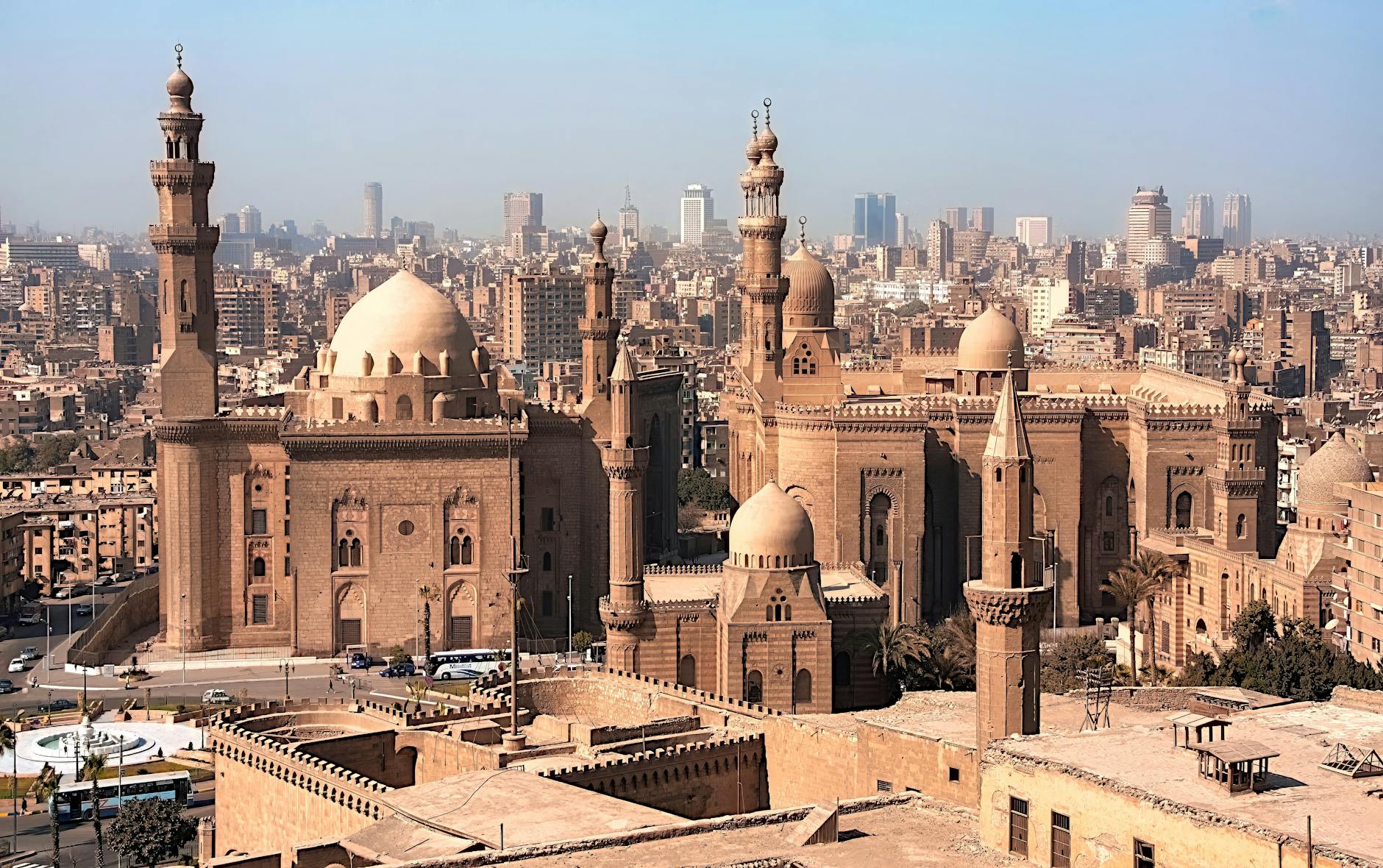
Cairo is not an easy city. That is part of the point.
Start Here
It is loud, layered, congested, generous, exhausting, funny, theatrical, ancient, improvised, and astonishingly alive. It can give you one of the most memorable travel days of your life before lunch, then test your patience in traffic by dinner. It contains the last surviving Wonder of the Ancient World, one of the great medieval Islamic cityscapes, Coptic churches older than many European kingdoms, belle-époque downtown blocks, Nile islands, desert edges, smoky coffeehouses, and a new generation of museums reshaping how visitors experience ancient Egypt.
The mistake is treating Cairo as a transfer point between the airport and the pyramids. The better move is to understand it as a city of layers: Pharaonic Giza, Coptic Cairo, medieval Islamic Cairo, Khedival Downtown, Nile-side modern Cairo, and the sprawling residential city where millions of Cairenes actually live.
Cairo rewards visitors who plan carefully but do not over-control the trip. You need structure here: a good base, realistic travel times, a guide for some sites, early starts in the heat, and a firm approach to touts. But you also need room for the city to happen: a tea in a neighborhood café, a sunset felucca, an unexpected call to prayer over Al-Muizz Street, a koshary lunch in a room louder than a train station, or the first time the pyramids appear through the haze and traffic like something that should not still exist.
The city in one sentence: Cairo is a collision between deep time and daily life, where the ancient world is not sealed behind glass but pressed right up against traffic, neighborhoods, food, faith, and noise.
Basic data
| Population | City proper about 10 million; metro well above 20 million |
|---|---|
| Area | About 530 km2 in the core governorate |
| Major religions | Sunni Islam with a significant Coptic Christian presence |
| Political system | Governorate-led capital city inside a semi-presidential republic |
| Economic system | Mixed emerging economy centered on government, trade, finance, logistics, and tourism |
Quick Verdict
Best for: ancient history, archaeology, Islamic architecture, Coptic heritage, food, markets, photography, Nile views, museums, intense urban travel, and travelers who like places with rough edges and big rewards.
Not ideal for: visitors who need quiet, frictionless logistics, pristine sidewalks, low-hassle sightseeing, predictable traffic, or a fully independent walking-heavy trip.
Ideal first trip length: 3 to 4 full days in Cairo and Giza. Add a fifth day if you want Saqqara and Dahshur without rushing. Add more if Cairo is the start of a longer Egypt itinerary.
Best time to visit: November through March for cooler weather. October, April, and early May can be excellent but hotter. June through September is doable only if you plan around heat and keep sightseeing early.
Best first-time base: Zamalek for balance, Garden City or Nile Corniche hotels for comfort and views, Downtown/Tahrir for museum access and urban energy, Giza only if pyramid views matter more than easy city access.
Biggest planning mistake: trying to do the pyramids, Grand Egyptian Museum, Egyptian Museum, Islamic Cairo, Coptic Cairo, Khan el-Khalili, and a Nile cruise in one heroic day. Cairo punishes greedy itineraries.
One thing to book ahead: the Grand Egyptian Museum, a licensed guide for Giza/Saqqara if you want context and protection from hassle, and any special restaurant or cultural evening you care about.
One thing to leave unscheduled: a sunset Nile moment. Cairo changes after the heat drops.
The move: Build each day around one major anchor, then add one nearby secondary area. Do not cross the city repeatedly. Cairo traffic is not a background detail; it is a planning condition.
First-Time Visitor? Start Here
A first trip to Cairo needs a simple frame. Think of the city as four major visitor zones:
Giza and the western desert edge: the Pyramids of Giza, the Sphinx, the Grand Egyptian Museum, Saqqara, Memphis, and Dahshur. This is where ancient Egypt dominates the trip.
Central Cairo and the Nile: Downtown, Tahrir Square, Garden City, Zamalek, the Egyptian Museum, Cairo Tower, the riverfront, cafés, hotels, and much of the visitor infrastructure.
Historic Cairo: Islamic Cairo, Al-Muizz Street, Khan el-Khalili, the Citadel, Sultan Hassan Mosque, Al-Rifa'i Mosque, Ibn Tulun, and the dense medieval city.
Old Cairo / Coptic Cairo: the Hanging Church, Ben Ezra Synagogue, Coptic Museum, Saints Sergius and Bacchus Church, and the religious layers around Mar Girgis.
For most first-timers, the strongest three-day trip looks like this:
Day 1: Giza Pyramids early, lunch or rest, Grand Egyptian Museum in the afternoon or on a separate half-day if you want more time.
Day 2: Egyptian Museum or NMEC in the morning, Coptic Cairo, then sunset on the Nile or Zamalek.
Day 3: Islamic Cairo, Citadel, Sultan Hassan and Al-Rifa'i, Al-Muizz Street, Khan el-Khalili, and an evening tea or cultural show.
Add Day 4 for Saqqara, Dahshur, and Memphis. Add Day 5 if you want a slower museum-heavy or food-heavy version.
First-timer mistake: Staying in Giza for the view, then realizing every dinner, museum, and historic neighborhood visit becomes a traffic negotiation. Giza can be magical for one or two nights, but it is not automatically the best base for seeing Cairo.
How to Understand Cairo
The city is older than the city
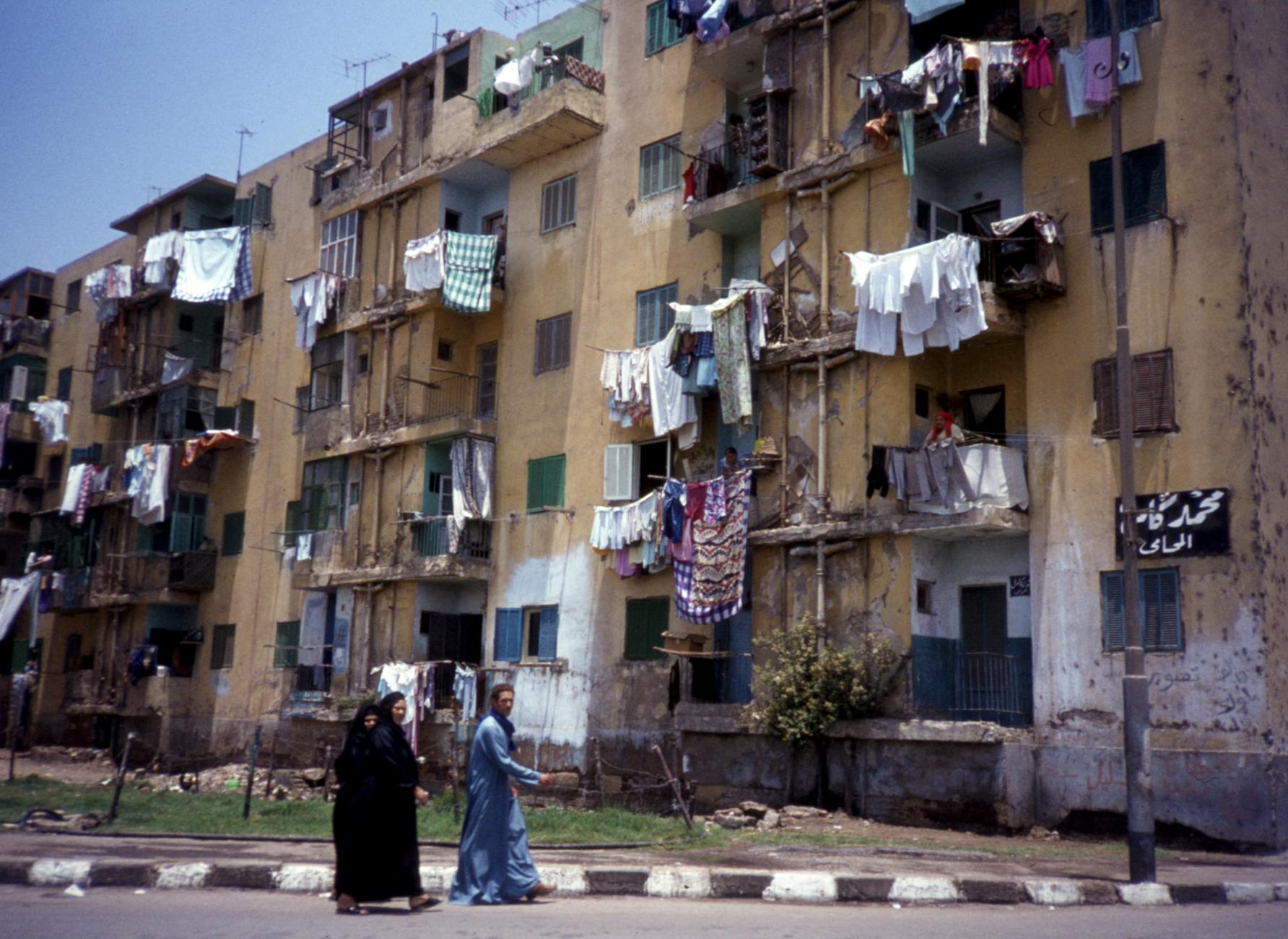
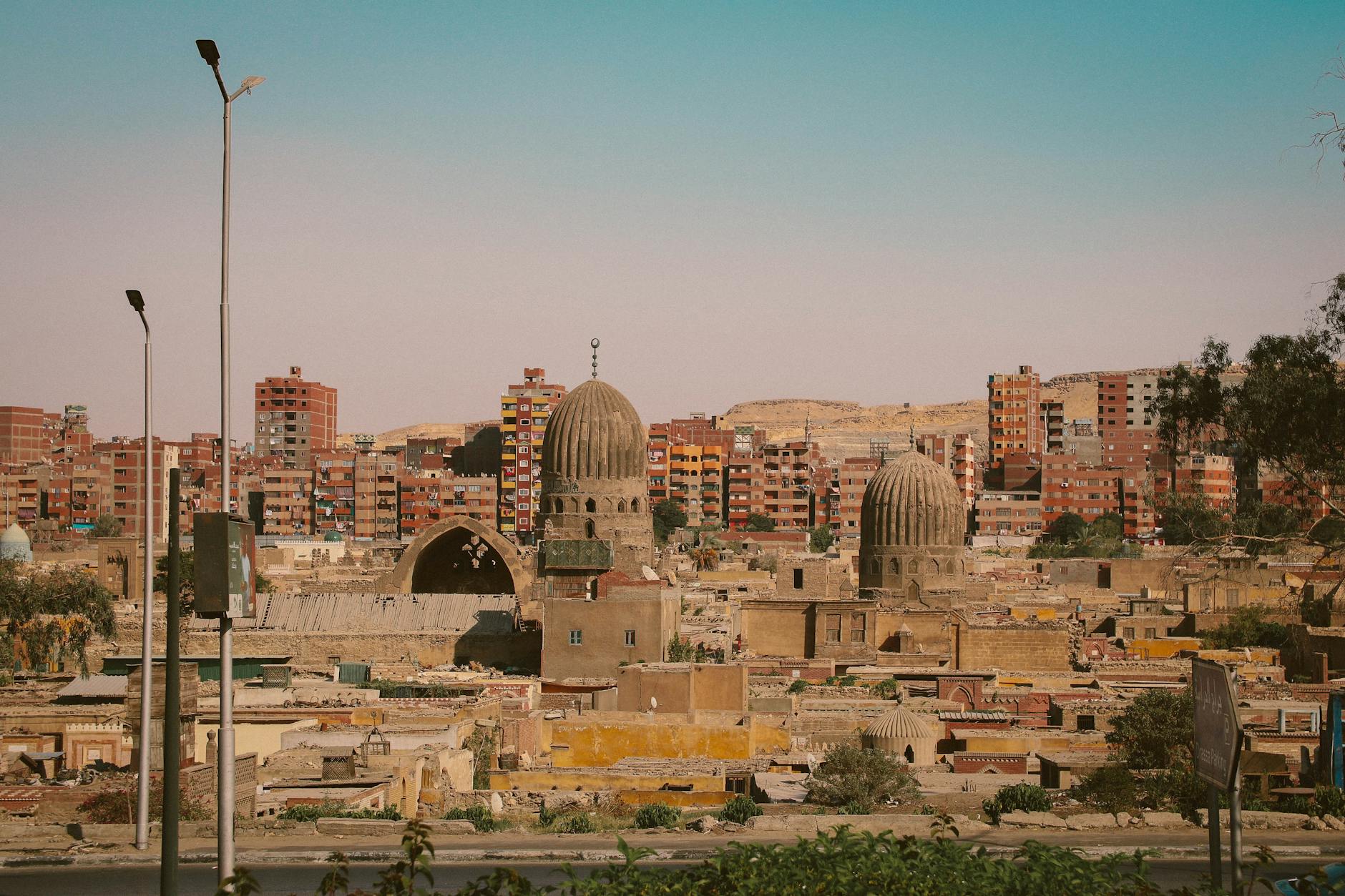
The name Cairo usually means the modern Egyptian capital, but a visitor's Cairo reaches backward and outward. The pyramids are in Giza, not central Cairo, and predate the city of Cairo itself by millennia. Coptic Cairo preserves a Christian layer rooted in late antiquity. Islamic Cairo is the medieval heart, shaped by Fatimid, Ayyubid, Mamluk, Ottoman, and later rulers. Downtown Cairo reflects 19th- and early-20th-century modernization. Zamalek and Garden City tell a different story: embassies, riverfront hotels, private clubs, villas, and apartment blocks. New Cairo, 6th of October City, and the New Administrative Capital point toward the metropolitan future.
That layered geography explains why Cairo can feel like several cities dropped onto the same map.
Cairo is not built for casual point-to-point sightseeing
Distances can look manageable on a map and become punishing in real time. A 25-minute drive can become 75 minutes. A ten-minute walk can involve broken sidewalks, heat, traffic crossings, dust, and noise. The metro is useful for some routes but does not solve every tourist problem. Ride-hailing apps are helpful, but pickup points can be chaotic.
Plan Cairo by zones, not by wish list.
Good pairings:
- Giza Pyramids + Grand Egyptian Museum
- Saqqara + Memphis + Dahshur
- Egyptian Museum + Downtown + Nile Corniche
- Coptic Cairo + NMEC
- Citadel + Sultan Hassan + Al-Rifa'i + Ibn Tulun
- Al-Muizz Street + Khan el-Khalili + Al-Azhar Mosque + Al-Azhar Park
- Zamalek cafés + Nile sunset + Cairo Opera House
Bad pairings:
- Pyramids + Coptic Cairo + Islamic Cairo + museum + Nile dinner in one day
- Saqqara and Alexandria as a single day
- Downtown hotel + multiple airport runs + Giza evening return
- Summer noon pyramid visit followed by a major museum with no break
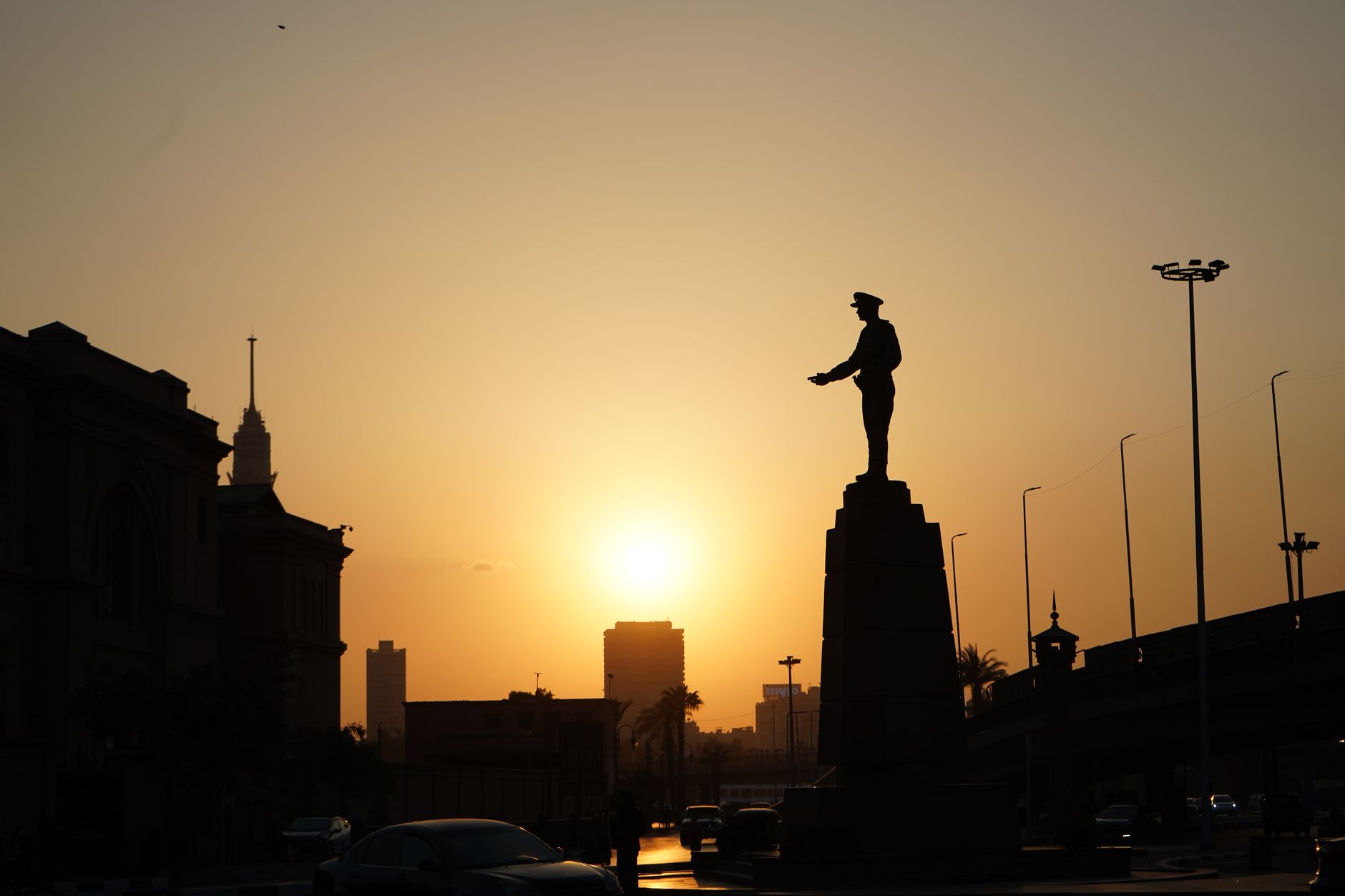
Local logic: Cairo is organized less by distance than by bridges, bottlenecks, prayer times, school runs, government zones, and traffic waves. A good itinerary respects those invisible borders.
Cairo's rhythm
Cairo is a late city. Many shops and restaurants run well into the evening. Cafés can stay lively after midnight. Families come out after the worst heat has passed. In summer, the city often feels more human after sunset.
Tourist sites, however, run on a different schedule. Archaeological sites and many museums reward early starts. The best Cairo days often have this rhythm:
- Early morning: major outdoor site
- Late morning: second nearby sight
- Afternoon: rest, museum, hotel break, or long lunch
- Late afternoon: walk, park, mosque, river, or neighborhood
- Evening: food, market, Nile, concert, or café
Friday midday can affect mosque visits and traffic patterns around prayers. Ramadan changes meal rhythms, opening hours, restaurant availability, and evening energy. Eid holidays can bring crowds and closures. Always check hours close to your visit.
The central contrast
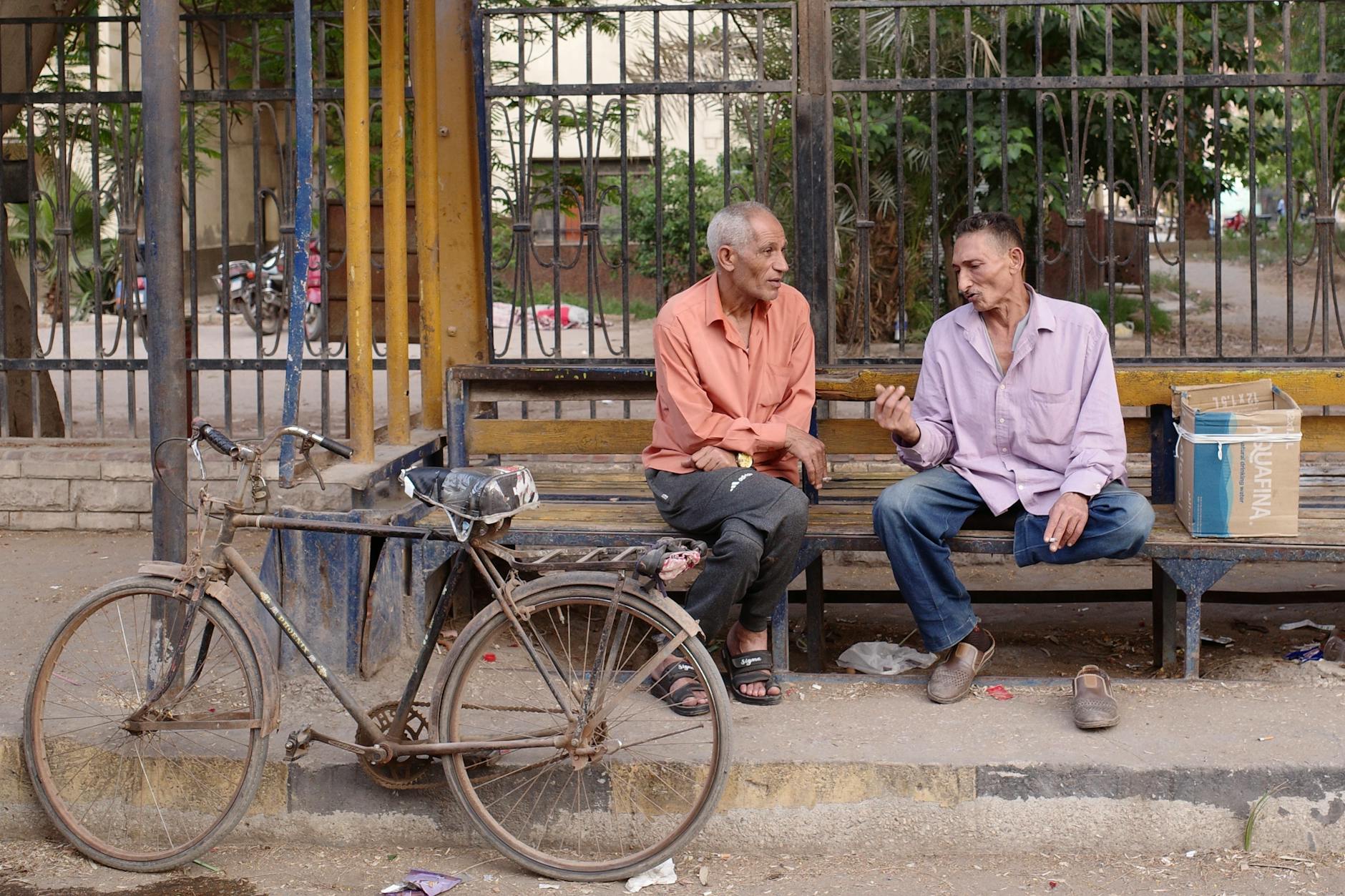
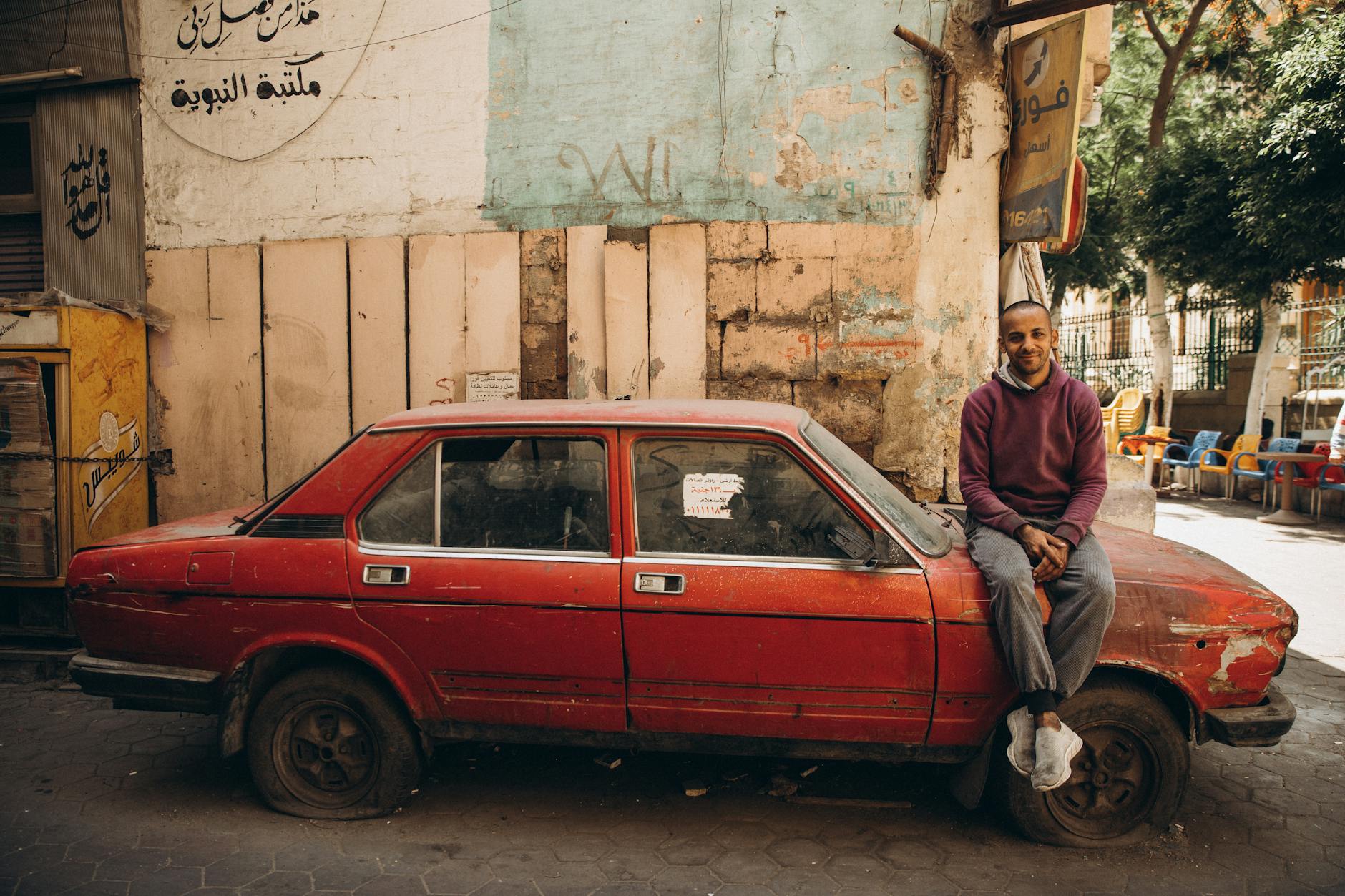
Cairo's great tension is that it is both monumental and intimate. The pyramids are cosmic in scale. The GEM is monumental. The Citadel sits above the city. Yet some of Cairo's best travel moments are small: a glass of sugarcane juice, a boy carrying bread on a wooden rack, a mechanic's shop wedged beneath a medieval façade, women buying spices in Khan el-Khalili, a ferry crossing, a taxi driver's playlist, a cat asleep under a marble column.
A great Cairo trip needs both scales.
Essential Planning Snapshot
Country: Egypt Language: Arabic; English is common in hotels, major tourist sites, and among guides, but not universal. Currency: Egyptian pound, written EGP or LE. Payments: Cards work in hotels, many restaurants, and major museums/sites, but small cash is essential for tips, cafés, taxis, markets, and minor purchases. Main airport: Cairo International Airport, usually abbreviated CAI. Secondary airport to know: Sphinx International Airport, SPX, near Giza and the western side of Greater Cairo. Some low-cost and regional flights may use it. Best airport transfer for most visitors: pre-arranged hotel transfer, reputable private transfer, or ride-hailing app. Do you need a car? No. Do not self-drive unless you have a strong reason and local experience. Best transport tools: Uber, Careem, Cairo Metro where convenient, Google Maps with caution, hotel-arranged drivers for long sightseeing days. Emergency numbers: Tourist police and general emergency contacts can vary by service; hotels can help quickly. The UK travel advice lists tourist police at 126. Dress: Modest, lightweight, breathable clothing. Cover shoulders and knees for mosques and conservative areas. Tipping: Common. Keep small bills. Tap water: Many visitors stick to bottled or filtered water. Drones: Do not bring or fly a drone without explicit legal permission. Egypt has strict controls. Photography: Ask before photographing people, security personnel, military sites, checkpoints, and sensitive buildings. Many museums/sites have camera rules.
Visa and entry basics
Many visitors need a tourist visa. Egypt has an official e-Visa portal, and many eligible travelers can also obtain a visa on arrival at Egyptian airports. Fees and eligibility change, so confirm with the official portal or your nearest Egyptian consulate before travel. As of this guide's last check, the official e-Visa portal listed tourist e-Visas at US$30 for single entry and US$65 for multiple entry, and applications should be created at least seven days before travel.
Book-ahead note: Use the official e-Visa portal only. Third-party visa sites can charge more and may be confusingly designed.
Best Time to Visit
Best overall: November to March
This is the easiest season for Cairo. Days are generally milder, outdoor sites are more comfortable, and long walking or pyramid days are less punishing. Winter can bring haze and occasional cool evenings, but it is the most forgiving period for first-timers.
Best for: first-time visitors, families, older travelers, museum-and-site-heavy trips, photography, and anyone sensitive to heat.
Shoulder season: October, April, and early May
These months can be excellent. October often feels like Cairo coming back to life after summer. April can be beautiful but increasingly warm. Early May is possible if you plan early starts and indoor breaks.
Best for: travelers who want fewer peak-winter crowds but still manageable conditions.
Summer: June to September
Summer Cairo is intense. The city is hot, dusty, and demanding. You can still visit, especially if this is part of a larger Egypt itinerary, but you must plan around heat.
Summer strategy:
- Start outdoor sightseeing as early as possible.
- Keep midday for museums, hotels, pools, long lunches, or rest.
- Carry water constantly.
- Avoid packing every day with major sites.
- Choose lodging with strong air conditioning.
Ramadan and Eid
Ramadan moves earlier by about 10 or 11 days each year. During Ramadan, daytime food availability can be reduced in some areas, traffic patterns shift, opening hours may change, and evenings become more social and festive after iftar. This can be a fascinating time to visit if you are flexible and respectful. It is not ideal if you want standard restaurant hours and simple logistics.
Eid holidays can bring closures, domestic travel, and crowded public spaces. Plan around them.
The move: For a first Cairo trip, choose late November, early December, late January, February, or early March. You get better weather without relying on heroic stamina.
How Many Days You Need
One day
Enough for a powerful taste, not enough for Cairo.
Choose one of these:
- Pyramids + Grand Egyptian Museum
- Egyptian Museum + Islamic Cairo
- Coptic Cairo + NMEC + Nile sunset
Do not try to do everything. A one-day Cairo visit should be honest about what it is: a glimpse.
Two days
A good minimum if you only care about the headline sights.
Best two-day split:
- Day 1: Pyramids + GEM
- Day 2: Islamic Cairo + Egyptian Museum or Coptic Cairo
Three days
The best compact first visit.
You can see the pyramids, GEM, one major historic neighborhood day, at least one additional museum, and have one relaxed evening. This is the minimum length that lets Cairo feel like a city rather than a checklist.
Four to five days
Ideal for most serious visitors.
Add Saqqara and Dahshur, give GEM enough time, eat better, slow down in Islamic Cairo, and include a proper Nile evening.
One week
Best for deep travelers, families moving slowly, writers, photographers, food lovers, and anyone using Cairo as a base. You can add Fayoum, explore Maadi or Heliopolis, return to Al-Muizz at night, and see more museums without museum fatigue.
Worth it: Add a fourth day if you can. Saqqara and Dahshur make ancient Egypt feel broader, stranger, and more comprehensible than Giza alone.
Where to Stay
Cairo lodging is a strategic decision. The wrong base can steal hours every day. The right base gives the city shape.
The short answer
Stay in Zamalek if you want the best all-around first-time base: calmer than Downtown, central enough for restaurants and cafés, and well placed for the Nile.
Stay in Garden City or along the Nile Corniche if you want comfort, international hotels, Nile views, and easy access to Downtown and Tahrir.
Stay Downtown/Tahrir if you want urban energy, budget options, historic buildings, and quick access to the Egyptian Museum.
Stay near the pyramids in Giza if waking up to pyramid views is the dream and you are willing to be less convenient for the rest of Cairo.
Stay in Maadi if you want leafy calm, expat cafés, and a slower residential feel, but accept longer travel times to many sights.
Stay in Heliopolis or New Cairo if your trip is airport-, business-, or event-oriented, not if your main goal is classic Cairo sightseeing.
Neighborhood decision tree
Want the easiest first visit? Zamalek or Garden City. Want Nile-view luxury? Garden City, Corniche, or high-end Zamalek. Want pyramid views? Giza hotels near the plateau. Want budget and museum access? Downtown/Tahrir. Want calmer residential life? Maadi. Want airport convenience? Heliopolis. Want nightlife and restaurants? Zamalek, Downtown, Maadi, or parts of New Cairo. Want to avoid daily traffic pain? Stay close to your top priorities, not just the prettiest hotel photo. Have mobility concerns? Choose a modern hotel with reliable elevators and car access; avoid charming but difficult walk-up buildings or chaotic old streets.
Zamalek
Best for: first-timers, couples, solo travelers, food-and-café visitors, embassy-area calm, Nile access. Vibe: leafy, island-like, somewhat bohemian, international, less frantic than Downtown. Why stay here: Zamalek gives you enough Cairo without throwing you into the deepest end on your first morning. It has restaurants, cafés, galleries, shops, and hotels. It is central without being as chaotic as Tahrir. Why not: Traffic on and off the island can be slow. Prices are higher than Downtown. It is not next door to the pyramids. Best hotel type: boutique hotels, international hotels, serviced apartments. Perfect neighborhood moment: late coffee or dinner after a museum day, then a Nile-side walk or ride back through evening traffic.
The move: Use Zamalek as your decompression chamber. Cairo days can be big; Zamalek gives you somewhere softer to land.
Garden City and Nile Corniche
Best for: luxury travelers, older travelers, business travelers, first-timers who want comfort, Nile views. Vibe: diplomatic, central, hotel-heavy, river-facing. Why stay here: You are close to Downtown, Tahrir, the Nile, and major hotels with strong service infrastructure. Why not: Some parts feel less neighborhood-like and more hotel-zone. Walking can be awkward despite the central location. Best hotel type: classic international hotels, luxury towers, Nile-view rooms. Perfect neighborhood moment: sunset from a balcony or terrace after a day at Giza or Islamic Cairo.
Downtown and Tahrir
Best for: budget travelers, urbanists, museum-focused travelers, architecture lovers, people who like street life. Vibe: energetic, noisy, historic, hectic, full of faded grandeur. Why stay here: You can walk to the Egyptian Museum, cafés, bookstores, old cinemas, and central streets. It feels like Cairo, not a resort bubble. Why not: Noise, traffic, old buildings, uneven hotel quality, and general intensity. Best hotel type: budget hotels, historic hotels, practical mid-range options. Perfect neighborhood moment: morning coffee near Talaat Harb, museum time, then an evening wander through Downtown's old arcades and storefronts.
Giza and the pyramid-view hotels
Best for: pyramid dreamers, photographers, one-night splurge views, travelers with very early Giza plans. Vibe: surreal views mixed with traffic, vendors, horse stables, tour buses, and urban sprawl. Why stay here: The view can be unforgettable. Morning and sunset light over the pyramids can justify the choice. It is also convenient for GEM, Giza Plateau, and western desert day trips. Why not: It is less convenient for Islamic Cairo, Downtown, Coptic Cairo, and many restaurants. The area around the plateau can feel tourist-hassly. Best hotel type: luxury pyramid-view resorts, simple guesthouses with rooftop views. Perfect neighborhood moment: breakfast while the pyramids sit in the distance like a hallucination.
Worth it? A pyramid-view night is worth it if the view matters emotionally. For a full city stay, split your trip: one night in Giza, then move to Zamalek or Garden City.
Maadi
Best for: families, longer stays, expats, slower travelers, people who want greenery and restaurants. Vibe: leafy, residential, more relaxed, international. Why stay here: Maadi is one of Cairo's gentler neighborhoods. It has good cafés, restaurants, trees, and a slower pace. Why not: It is not ideal for classic short-stay sightseeing. You will spend more time in cars. Best hotel type: apartments, longer-stay lodging, boutique options. Perfect neighborhood moment: brunch or dinner after a hard sightseeing day, with no pressure to see another monument.
Heliopolis
Best for: airport proximity, business travelers, late arrivals, early departures, architecture fans with extra time. Vibe: older planned suburb, broad avenues, belle-époque and modern layers. Why stay here: Convenient for CAI and eastern Cairo. Some beautiful early-20th-century architecture remains. Why not: Not the best base for Giza, Islamic Cairo, or classic first-time sightseeing. Best hotel type: airport hotels, business hotels, practical mid-range options.
New Cairo
Best for: business, conferences, shopping malls, family visits, certain restaurants, airport-adjacent plans. Vibe: spacious, newer, car-oriented, suburban. Why stay here: Good hotels and restaurants, less old-city chaos. Why not: It can feel far removed from the Cairo most travelers came to see. Best hotel type: business hotels, modern serviced apartments.
Neighborhood Guide
Islamic Cairo
Islamic Cairo is not a single monument. It is a living historical district of mosques, madrasas, gates, alleys, markets, homes, workshops, shrines, and street life. Al-Muizz Street is the most visitor-friendly spine, with major medieval architecture packed into a walkable corridor.
Best for: architecture, history, photography, street life, mosques, markets. Best time: late afternoon into evening, or morning if you want quieter photography. How long: half day minimum; a full day if paired with Citadel and Al-Azhar Park. Pair with: Khan el-Khalili, Al-Azhar Mosque, Al-Hussein Mosque area, Wekalet el-Ghouri, Al-Azhar Park. Skip if: you are exhausted, overheated, or unwilling to deal with crowds and uneven walking.
One perfect walk: Start near Bab al-Futuh, walk south along Al-Muizz Street, stop at major complexes as energy allows, detour into Khan el-Khalili, pause for tea or coffee, then end near Al-Azhar or take a car to Al-Azhar Park for sunset.
The move: Islamic Cairo is better with a good guide for your first pass. Without context, the monuments blur; with context, the street becomes a timeline of power, faith, craft, and urban life.
Coptic Cairo / Old Cairo
Coptic Cairo is quieter and more contained than Islamic Cairo. The Mar Girgis area gathers some of the city's most important Christian and Jewish heritage sites close together.
Best for: religious history, calmer sightseeing, families, museum visitors. Best time: morning. How long: 2 to 4 hours. Pair with: Coptic Museum, NMEC, or a Nile-side lunch. Skip if: you only have one day and ancient Egypt is your sole priority.
One perfect walk: Take the metro or car to Mar Girgis, visit the Coptic Museum first, then the Hanging Church, Saints Sergius and Bacchus, and Ben Ezra Synagogue area if open and accessible. Leave time for quiet corners; this area works best when not rushed.
Downtown Cairo
Downtown is messy, fascinating, and undervalued by travelers who only use it for the Egyptian Museum. Built in part during the 19th-century modernization of Cairo, it still has grand façades, old cinemas, cafés, passages, bookstores, and a lived-in urban energy.
Best for: architecture, cafés, budget lodging, street photography, museum access. Best time: morning for architecture, evening for energy. How long: 2 hours to a full day, depending on interest. Pair with: Egyptian Museum, Tahrir Square, Garden City, Zamalek. Skip if: you dislike noise, traffic, and old-city grit.
One perfect walk: Egyptian Museum, coffee nearby, Talaat Harb Square, old Downtown façades, a koshary lunch, then taxi to Zamalek before rush hour.
Zamalek
Zamalek is a Nile island neighborhood that works as both base and break. It is not Cairo at its most ancient, but it is Cairo at its most livable for many visitors.
Best for: restaurants, cafés, galleries, hotels, calmer streets. Best time: late afternoon and evening. How long: one evening or as a base for several nights. Pair with: Nile felucca, Cairo Opera House, Downtown, Garden City. Skip if: you want only ancient and medieval Cairo.
Giza
Giza is where the ancient world meets the modern metropolis without apology. The Pyramids and Sphinx are the main draw, but the surrounding area is practical rather than pretty. The new museum landscape has shifted Giza's gravity: the Grand Egyptian Museum has made this side of the city much more than a pyramid stop.
Best for: Pyramids, Sphinx, GEM, pyramid-view hotels, western desert day trips. Best time: very early morning or late afternoon, avoiding the harshest heat. How long: one full day for Pyramids + GEM; two days if adding Saqqara/Dahshur. Pair with: Saqqara, Dahshur, Memphis, or a Giza overnight. Skip if: you have already visited the plateau and need a calmer city day.
Maadi
Maadi is a different Cairo: tree-lined streets, expat life, schools, cafés, and a slower rhythm. It is not where most short-stay visitors should base themselves, but it can be a welcome reset.
Best for: families, long stays, dining, leafy breaks. Best time: brunch, dinner, relaxed afternoon. Pair with: Coptic Cairo or NMEC if logistics work. Skip if: you are trying to maximize classic sights.
Heliopolis
Heliopolis is useful for airport logistics and interesting for architecture-minded visitors. It has a distinct planned-suburb history and remains more open and orderly than central Cairo in places.
Best for: airport nights, business, architecture side trips. Pair with: Baron Empain Palace if you are interested and schedules allow. Skip if: this is your first and only Cairo stay.
Best Things to Do
1. Visit the Pyramids of Giza and the Sphinx
The Pyramids of Giza are famous beyond language, yet they still surprise. They are larger, stranger, and more physically present than photographs suggest. The setting is also more complicated than the myth: desert, city, roads, vendors, horses, camels, tour buses, security, and heat all collide.
Time needed: 2.5 to 4 hours for most visitors; longer if entering pyramids, riding out to viewpoints, or moving slowly. Best time: opening or late afternoon. Book ahead: official online tickets where possible; guide and driver if you want smoother logistics. Who will love it: everyone with even mild interest in ancient history, photography, or world landmarks. Who may struggle: travelers sensitive to heat, hassle, uneven terrain, or animal tourism pressure. Common mistake: arriving at midday, under-hydrated, without a plan, then being overwhelmed by vendors and sun.
The move: Go early, use a licensed guide if you want context and buffer, decide in advance whether you actually want a camel/horse ride, and do not let random offers become your itinerary.
2. Spend serious time at the Grand Egyptian Museum
The Grand Egyptian Museum has changed Cairo trip planning. It is no longer sensible to treat Giza as only a pyramid stop. GEM is massive, modern, and close enough to the Pyramids to pair geographically, though doing both in one day can be tiring.
Time needed: 3 to 5 hours for most visitors; more for archaeology lovers. Best time: morning if making it the main event; afternoon if pairing after Giza with a break. Book ahead: yes. Use the official ticketing site. Who will love it: ancient Egypt fans, museum travelers, families, design lovers, anyone who wants context before or after the pyramids. Who can skip: almost nobody on a first serious Cairo visit, unless time is brutally limited.
Worth it? Yes. If the pyramids are Cairo's most iconic outdoor experience, GEM is its defining modern cultural experience.
3. See the Egyptian Museum in Tahrir
Even after the opening of GEM, the Egyptian Museum in Tahrir remains important. It is older, denser, less polished, and historically significant in its own right. Think of it as a museum of archaeology and of museum history: a place where the old style of display still has atmosphere.
Time needed: 1.5 to 3 hours. Best time: morning. Pair with: Downtown, Garden City, Zamalek. Who will love it: museum completists, history lovers, people drawn to old institutions. Who can skip: visitors with limited time who are already giving GEM a full day and NMEC another stop.
Better alternative? Not exactly. GEM and Tahrir are different experiences. GEM is the flagship future; Tahrir is a historic museum with old-world density.
4. Visit the National Museum of Egyptian Civilization
NMEC is often the most accessible museum conceptually: it tells a broad story of Egyptian civilization across time and includes the Royal Mummies Hall. It is easier to understand in one visit than the encyclopedic sprawl of some older collections.
Time needed: 1.5 to 3 hours. Best time: morning or late afternoon. Pair with: Coptic Cairo, Fustat, or a slower day after Giza. Who will love it: visitors who want a clear chronological frame, families, travelers interested in more than pharaonic Egypt. Who can skip: those with only two days and limited museum appetite.
5. Walk Al-Muizz Street
Al-Muizz Street is one of Cairo's great walks: a concentration of Islamic architecture, shopfronts, mosques, madrasas, gates, and everyday street life. At night, the atmosphere can be magical; by day, the architecture is easier to inspect.
Time needed: 2 to 4 hours. Best time: late afternoon into evening. Pair with: Khan el-Khalili, Al-Azhar Mosque, Wekalet el-Ghouri. Who will love it: architecture lovers, photographers, cultural travelers. Who can skip: travelers with limited mobility unless using a careful guide and car support.
6. Explore Khan el-Khalili without treating it like a shopping mall
Khan el-Khalili is both touristy and real. The main lanes sell plenty of souvenirs, but the broader market district remains a living commercial area. Come for atmosphere, not just bargains.
Time needed: 1 to 3 hours. Best time: evening. Best use: tea, browsing, people-watching, photos with permission, a small souvenir or two. Common mistake: entering with no bargaining patience and assuming every shop is a trap. It is more interesting if you slow down.
7. Visit the Citadel and Mosque of Muhammad Ali
The Citadel gives Cairo one of its great elevated views and a useful sense of power: medieval fortification, Ottoman-era mosque, and city panorama. The Mosque of Muhammad Ali is not Cairo's oldest mosque, but it is one of the most visually memorable.
Time needed: 1.5 to 2.5 hours. Best time: morning or late afternoon. Pair with: Sultan Hassan, Al-Rifa'i, Ibn Tulun, or Al-Azhar Park. Who will love it: first-timers, architecture visitors, photographers. Who can skip: those with deep Islamic architecture interests who prefer smaller, older, more intricate sites.
8. Stand between Sultan Hassan and Al-Rifa'i
The Mosque-Madrasa of Sultan Hassan and Al-Rifa'i Mosque create one of Cairo's most powerful architectural pairings. This is a place where scale, shadow, stone, and silence do the work.
Time needed: 1 to 2 hours. Best time: morning or late afternoon light. Pair with: Citadel, Ibn Tulun, Gayer-Anderson Museum. Who will love it: architecture lovers and anyone who wants a quieter, grander counterpoint to market chaos.
9. Visit Ibn Tulun and the Gayer-Anderson Museum
Ibn Tulun is one of Cairo's most atmospheric mosques: spacious, old, and less crowded than many headline sites. The adjacent Gayer-Anderson Museum offers domestic interiors, collections, courtyards, and a different way into Cairo's historical texture.
Time needed: 1.5 to 3 hours together. Best time: morning. Pair with: Citadel, Sultan Hassan, Islamic Cairo. Who will love it: photographers, architecture fans, travelers seeking quieter depth.
10. Take a felucca or simple Nile boat ride
The Nile can look underwhelming if you only see it from traffic. On the water, especially near sunset, it changes. A short felucca ride is not about grand sightseeing; it is about giving the city room to breathe.
Time needed: 45 to 90 minutes. Best time: sunset. Book ahead: not always, but hotels can help avoid haggling. Who will love it: couples, families, photographers, anyone needing a pause. Common mistake: booking an overproduced dinner cruise when a simpler boat would have been more memorable.
How to Visit the Pyramids Well
The pyramids are the most famous site in Cairo and the easiest place to have a bad visitor experience if you arrive unprepared. The goal is simple: protect the wonder from the friction.
Decide your pyramid day style
Independent, minimal: buy tickets, arrive early, walk the main areas, skip animal rides, leave before the heat and crowds peak. Best for confident travelers.
Guide and driver: the easiest option for most first-timers. A good guide explains the site, handles pressure from vendors, and keeps the day coherent.
Photography-focused: early start, pre-planned viewpoints, possibly a carefully chosen camel/horse arrangement through a reputable operator, and flexible timing.
Family-focused: shorter visit, no midday heat, minimal interior pyramid climbing, snacks, hats, and a pre-arranged car.
Should you go inside a pyramid?
Maybe. The interior is historically powerful but physically underwhelming for some visitors: narrow passages, heat, crowds, low ceilings, and little decoration. The point is the experience of entering, not seeing ornate chambers.
Worth it if: you have always wanted to enter the Great Pyramid or you like physical, once-in-a-lifetime experiences. Skip if: you are claustrophobic, have mobility issues, dislike heat, or expect tomb paintings like in Luxor.
Camel and horse rides
Camel and horse rides are iconic in photos but ethically and practically variable. Conditions differ. Pressure can be intense. Prices can become unclear. Choose carefully, agree on the full price and duration before starting, and avoid animals that look mistreated.
Responsible travel note: The best pyramid memory should not depend on an exhausted animal. If you ride, choose a reputable operator and be prepared to walk away.
The biggest pyramid scams and annoyances
- Someone saying your ticket is wrong or the site is closed.
- Unofficial guides attaching themselves to you.
- Camel/horse rides that begin with one price and end with another.
- "Free" photos that become paid demands.
- Papyrus or perfume stops presented as cultural necessities.
- Drivers pushing a shop because they receive commission.
The best pyramid plan
- Arrive early.
- Hydrate before entering the plateau.
- Decide in advance whether you want to enter any pyramid.
- Use an official ticket platform or official ticket office.
- Bring small cash but not a huge visible wad of bills.
- Say no clearly and keep walking when needed.
- Pair with GEM only if you have stamina; otherwise split into two half-days.
Museums: GEM, Tahrir, NMEC, and More
Cairo is now one of the great museum cities for ancient history. The challenge is not whether to visit a museum; it is which museums to prioritize and how to avoid fatigue.
Grand Egyptian Museum
Role in the trip: flagship ancient Egypt experience. Best for: Tutankhamun, large-scale display, modern interpretation, architectural drama, pairing with Giza. Time: 3 to 5 hours. Plan: Do not make this your third major site of the day. GEM deserves energy.
Egyptian Museum in Tahrir
Role in the trip: old-school treasure house and historic institution. Best for: atmosphere, dense collections, old display style, Downtown pairing. Time: 1.5 to 3 hours. Plan: Use it as part of a Downtown day, not as a replacement for GEM.
National Museum of Egyptian Civilization
Role in the trip: broad civilization overview. Best for: mummies, chronological context, visitors who want Egypt beyond pharaohs alone. Time: 1.5 to 3 hours. Plan: Pair with Coptic Cairo.
Coptic Museum
Role in the trip: essential for understanding Christian Egypt. Best for: religious art, manuscripts, textiles, carved stone, Coptic Cairo context. Time: 1 to 2 hours. Plan: Visit before the churches if you want better context.
Museum of Islamic Art
Role in the trip: portable beauty of Islamic civilization: ceramics, metalwork, woodwork, manuscripts, textiles. Best for: design lovers and Islamic art enthusiasts. Time: 1 to 2 hours. Plan: Pair with Downtown or Islamic Cairo depending on logistics.
Gayer-Anderson Museum
Role in the trip: domestic architecture, collected interiors, and atmosphere. Best for: photographers, design lovers, slower travelers. Time: 1 hour. Plan: Pair with Ibn Tulun.
Museum strategy: Do not visit GEM, Tahrir, and NMEC on the same day. That is not culture; that is self-punishment.
Itineraries
One Perfect Day in Cairo
This is the best one-day plan for travelers who may never return.
Morning: Pyramids of Giza and Sphinx with an early start. Keep it focused. Do not spend the morning in tourist shops.
Lunch: Simple Egyptian lunch near Giza or return to your hotel for a break.
Afternoon: Grand Egyptian Museum. Give it at least three hours if possible.
Evening: Nile sunset or dinner in Zamalek/Garden City.
Cut if tired: interior pyramid visit or extended camel ride. Add if energized: short Nile boat ride. Do not add: Islamic Cairo. It deserves its own day.
Two Days in Cairo
Day 1: Ancient Cairo and Giza Pyramids early, Sphinx, lunch, GEM. Evening in Zamalek.
Day 2: Historic Cairo Egyptian Museum or NMEC in the morning. Citadel, Sultan Hassan, Al-Rifa'i, then Al-Muizz and Khan el-Khalili late afternoon/evening.
Alternative Day 2: Coptic Cairo + NMEC + Islamic Cairo evening if you prefer religious and urban history over another Egyptian antiquities museum.
Three Days in Cairo
Day 1: Pyramids + GEM. Day 2: Coptic Cairo + NMEC + Nile sunset. Day 3: Citadel + Sultan Hassan/Al-Rifa'i + Al-Muizz + Khan el-Khalili.
Best for: first-timers who want balance. Risk: still fairly full. Build in breaks.
Four Days in Cairo
Day 1: Pyramids + Sphinx + relaxed Giza evening. Day 2: GEM + Zamalek/Nile. Day 3: Saqqara + Dahshur + Memphis. Day 4: Islamic Cairo + Khan el-Khalili + Al-Azhar Park or cultural show.
Alternative: swap Day 3 for Coptic Cairo + NMEC if you are less archaeology-focused.
Five Days in Cairo
Day 1: Pyramids and Sphinx. Day 2: GEM at full pace, then Nile. Day 3: Saqqara, Dahshur, Memphis. Day 4: Coptic Cairo, NMEC, Maadi dinner. Day 5: Islamic Cairo, Citadel, Al-Muizz, Khan el-Khalili, Al-Azhar Park.
This is the first itinerary that feels roomy.
Food Lover's Cairo
Morning: ful, ta'ameya, baladi bread, tea. Midday: koshary or hawawshi. Afternoon: coffeehouse, juice stand, bakery. Evening: grilled meats, molokhia, mahshi, or a modern Egyptian restaurant. Late: dessert: konafa, basbousa, rice pudding, or om ali.
Pair food exploration with neighborhoods instead of crossing town for every meal.
Family-Friendly Cairo
- Keep pyramid time short and early.
- Choose GEM over multiple smaller museums.
- Use private drivers more than public transit.
- Stay in a hotel with pool or strong family amenities.
- Build one downtime block per day.
- Avoid long market evenings with very young children unless they love crowds.
Accessible / Lower-Strain Cairo
- Prioritize GEM and NMEC over uneven old-city walks.
- Use a private driver and guide.
- Stay in a modern hotel with confirmed elevator and accessible bathroom details.
- Visit Giza with car support and realistic expectations.
- Keep Islamic Cairo selective: choose a few accessible monuments rather than a long walk.
Food and Drink
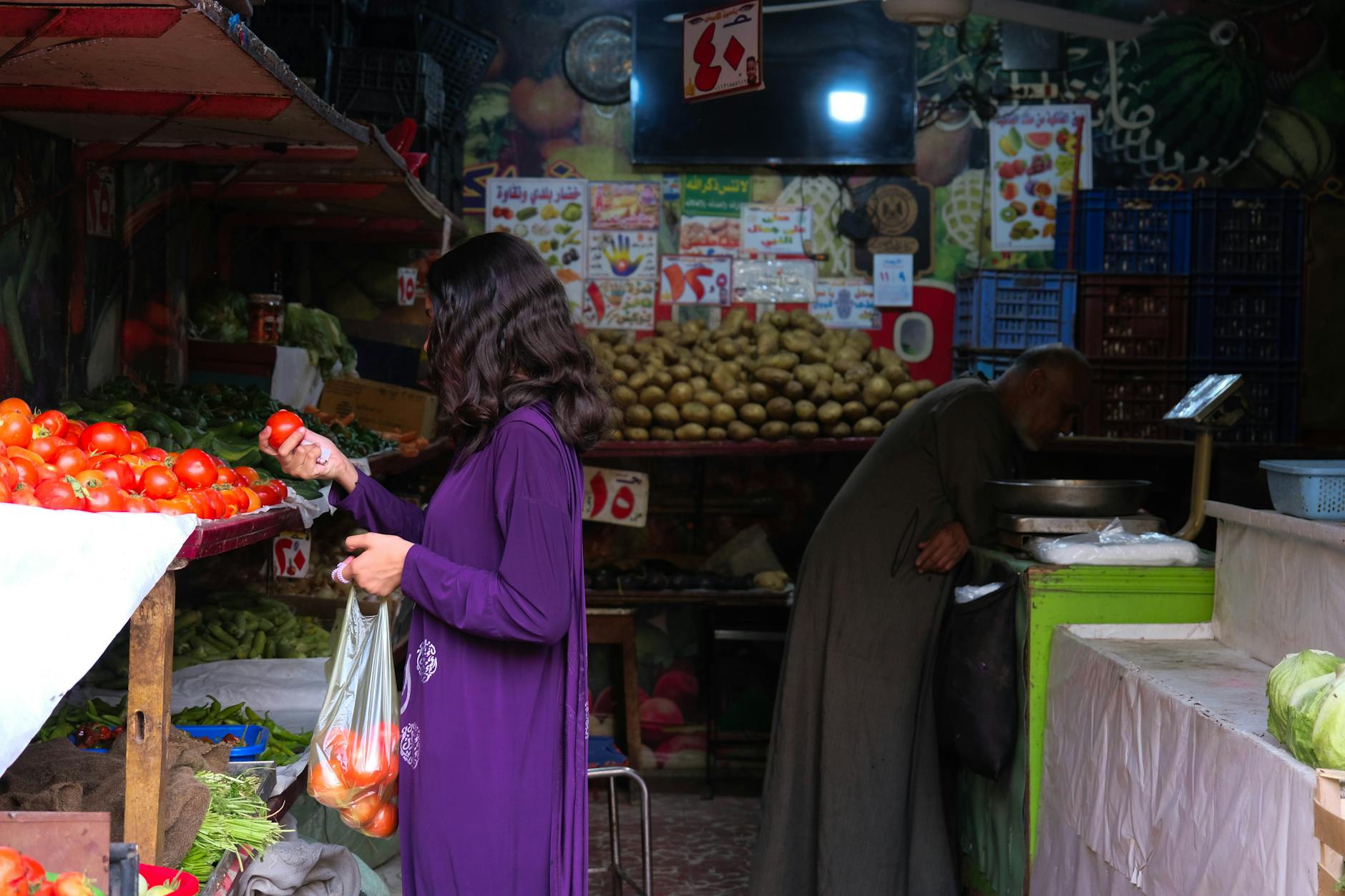
Cairo's food is direct, filling, social, and better than many visitors expect. The city is especially good for breakfast, casual lunches, grilled meats, juices, bakeries, and inexpensive comfort food.
What Cairo eats
Ful medames
Slow-cooked fava beans, often eaten for breakfast with oil, lemon, cumin, chili, vegetables, eggs, or tahini. Simple, filling, essential.
Eat it: breakfast or late-night. Local logic: ful is not just a dish; it is a daily infrastructure.
Ta'ameya
Egyptian falafel, usually made with fava beans rather than chickpeas. Greener, softer, and herbier than many versions elsewhere.
Eat it: breakfast in a sandwich with tahini and vegetables. Worth it: absolutely.
Koshary
A beloved carb tower: rice, lentils, pasta, chickpeas, tomato sauce, garlic vinegar, and crispy onions. Cheap, vegan by default if prepared traditionally, and uniquely Egyptian.
Eat it: lunch. First-timer mistake: treating it as a side dish. It is the meal.
Hawawshi
Spiced minced meat baked inside bread. Crisp, hot, and deeply satisfying.
Eat it: lunch or casual dinner. Best for: meat eaters who want something quick and local.
Feteer meshaltet
Flaky layered pastry, served savory or sweet. It can feel like Egyptian puff pastry meets celebration food.
Eat it: breakfast, snack, or dessert depending on topping.
Molokhia
A green soup/stew made from jute leaves, often served with rice and chicken, rabbit, or meat. Texture can surprise first-timers; flavor is garlicky and comforting.
Eat it: at a traditional restaurant or home-style place.
Grilled meats
Kofta, kebab, grilled chicken, liver sandwiches, and other meats are central to Cairo dining.
Eat it: dinner, ideally somewhere busy and reputable.
Mahshi
Stuffed vegetables or vine leaves, often rice-filled and seasoned. Comfort food, not flashy.
Pigeon
Stuffed pigeon is a classic Egyptian specialty. Not every visitor loves the idea, but it is part of the culinary landscape.
Desserts
Konafa, basbousa, baklava-style sweets, rice pudding, and om ali are everywhere. Ramadan brings special seasonal sweets and evening dessert energy.
Drinks
Tea: constant, sweet unless you request otherwise. Turkish coffee / ahwa: strong, often ordered by sugar level. Sugarcane juice: refreshing, cheap, and best from busy stands. Mango juice: excellent in season. Hibiscus / karkade: served hot or cold. Sahlab: warm, milky, comforting in cooler months. Alcohol: available in hotels, licensed restaurants, bars, and some shops, but not everywhere. Respect local norms.
Where to eat by situation
Best first casual meal: koshary, because it is easy, iconic, and low-pressure. Best first dinner: a traditional Egyptian restaurant with grilled meats, bread, salads, and molokhia. Best food neighborhood for visitors: Zamalek for range and ease; Downtown for classic casual spots; Maadi for relaxed restaurants; Giza for views but choose carefully. Best market snack: fresh juice, bread, sweets, or tea rather than risky lukewarm food. Best splurge: a Nile-view dinner or a modern Egyptian restaurant that treats local flavors seriously. Best breakfast: ful, ta'ameya, eggs, cheese, baladi bread, tea.
Food safety
Cairo rewards appetite but punishes recklessness.
- Eat where turnover is high.
- Be cautious with raw salads if your stomach is sensitive.
- Use bottled or filtered water.
- Avoid ice if unsure.
- Carry stomach medication.
- Do not make your first meal an aggressive street-food marathon.
The move: Start with well-regarded casual restaurants, then expand into street food once you understand your tolerance.
Getting Around
Arrival: Cairo International Airport
Cairo International Airport is the main gateway. For most first-time visitors, the best arrival strategy is not heroic independence. Arrange a transfer, use a reputable ride-hailing app, or book through your hotel.
Best for most visitors: hotel/private transfer or ride-hailing. Best with luggage or late arrival: pre-arranged transfer. Best budget option: ride-hailing or bus/metro combinations only if you are experienced and traveling light. Avoid: unlicensed taxi pressure, unclear pricing, and accepting the first aggressive offer inside arrivals.
Cairo Airport's official passenger guidance notes several ways to leave the airport, with limousine services described as a convenient option. The airport also has Ahlan meet-and-assist services for travelers who want paid arrival/departure help.
Sphinx International Airport
Sphinx International Airport can be convenient for Giza, the Grand Egyptian Museum, and western Cairo, but it is not automatically convenient for central Cairo. Confirm which airport your flight uses. If arriving at SPX, pre-arrange a transfer unless you are very confident with local transport.
Metro
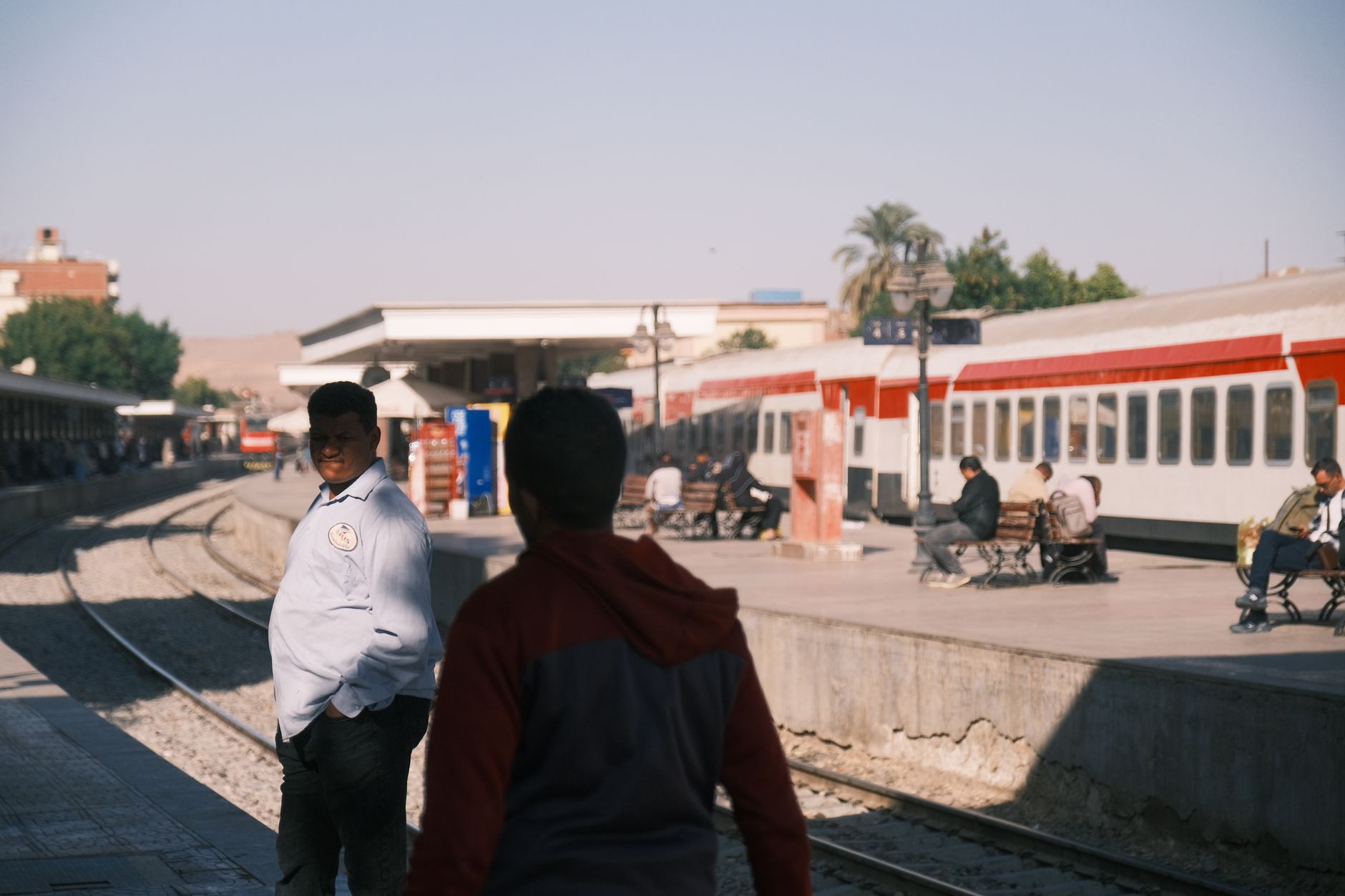
Cairo Metro is cheap, fast, and useful for certain routes, especially Downtown, Coptic Cairo, and parts of the east-west corridor. It is not a complete visitor solution, but it can save time when traffic is awful.
Useful for: Mar Girgis/Coptic Cairo, Tahrir/Downtown-adjacent areas, some Zamalek/east-west access depending on station and route. Less useful for: direct pyramid access, door-to-door hotel travel with luggage, late-night flexible movement. Good to know: there are women-only cars on Cairo Metro trains. Ticketing: fares are distance-based and change periodically. As of spring 2026, published updates placed regular trip fares in tiers around EGP 10 to EGP 20 depending on the number of stations. Check current fare boards.
Ride-hailing
Uber and Careem are among the easiest ways for visitors to move around. They reduce negotiation, show the route, and create a price record. Still, pickup points can be confusing, drivers may call in Arabic, and traffic affects everything.
Tips:
- Use a clear landmark for pickup.
- Expect calls or messages from drivers.
- Check plate numbers carefully.
- Keep small cash in case you choose cash payment.
- Do not assume the fastest map route is actually fastest in Cairo conditions.
Taxis
Taxis exist everywhere but are more stressful for visitors because negotiation and route confidence matter. Use hotel-arranged taxis or ride-hailing unless you speak Arabic or know the city.
Private drivers and guides
For Giza, Saqqara, Dahshur, and full-day historic sightseeing, a driver can be worth every pound. A good driver reduces heat stress, transit confusion, and wasted time. A guide is especially helpful at archaeological sites and Islamic Cairo.
Worth it: Giza + Saqqara/Dahshur days, family trips, accessible trips, first-time visitors with limited days. Not necessary: simple Zamalek-Downtown dinner transfer, museum-only day if your hotel is central.
Walking
Cairo is not unwalkable, but it is selectively walkable. Some walks are excellent: Al-Muizz, parts of Zamalek, museum-adjacent Downtown, Coptic Cairo, and some Maadi streets. Other walks are hot, broken, polluted, traffic-heavy, or confusing.
Walking rules:
- Wear real shoes.
- Carry water.
- Cross with locals when possible.
- Expect uneven sidewalks.
- Use cars between zones, then walk within a zone.
Local logic: In Cairo, walking is an experience, not always a transport strategy.
Budget and Costs
Cairo can be affordable or expensive depending on comfort level. The unstable factor is not just price but value: paying more for a good base, air conditioning, guide, and driver can improve the trip dramatically.
Daily budget ranges
These ranges are broad because hotel prices, exchange rates, and ticket prices can change quickly.
Shoestring: hostel or very basic hotel, street food, metro, limited paid sights. Budget: simple private room, casual restaurants, ride-hailing, a few major sites. Mid-range: comfortable hotel, good casual meals, several ride-hail trips, guide/driver for major days. Comfortable: strong hotel, private airport transfer, guided Giza/Saqqara, better restaurants, museum-heavy plan. Luxury: Nile-view hotel, private Egyptologist guide, full driver support, curated meals, flexible pacing.
What is worth paying for
- A good hotel location.
- Air conditioning that works well.
- Airport transfer on arrival.
- Licensed guide for Giza and Saqqara.
- Driver for western desert sites.
- GEM tickets booked properly.
- A rest day or slower pace if Cairo is part of a longer Egypt trip.
What is not worth paying for
- Generic souvenir-shop detours.
- Low-quality pyramid-view restaurants that trade entirely on location.
- Random "VIP" access sold by touts.
- A packed all-in-one day tour that turns Cairo into a checklist.
- Car rental for self-driving.
Cash and tipping
Small bills matter. Keep a stash for toilets, tips, cafés, porters, small purchases, and quick transactions. Do not flash large notes in markets or at sites.
Common tipping situations: hotel porter, driver, guide, bathroom attendant, restaurant service, felucca crew. Tip amounts vary with service level and traveler style; the key is having small notes and not turning every interaction into a large bill.
Safety, Hassle, and Scams
Cairo safety advice needs honesty. The city is not usually dangerous for typical visitors in central tourist areas, but it can be wearing. The main issues are traffic, heat, harassment, scams, aggressive selling, overcharging, and the broader regional security context.
Official travel advisories from several governments urge caution in Egypt, with specific warnings for areas such as North Sinai, border regions, and parts of the Western Desert. Cairo's main tourist routes operate differently from those regions, but you should still monitor advisories before and during travel.
Common visitor risks
Traffic
Cairo traffic is chaotic. Road crossings can be intimidating. Seatbelts may not always be used. Avoid motorcycle rides unless you are comfortable with risk.
Heat and dehydration
This is a real safety issue, especially at Giza and Saqqara. Carry water, hats, sunscreen, and electrolytes in hot months.
Scams and overcharging
More common than violent crime. The pyramids and tourist markets are the main pressure zones.
Harassment
Women travelers may experience staring, comments, or unwanted attention. This is usually verbal but can be exhausting. Dress modestly, use ride-hailing, trust your instincts, and choose reputable guides.
Demonstrations and politics
Avoid demonstrations, protests, and political gatherings. Do not photograph security forces, checkpoints, military sites, or sensitive government buildings.
Common scams
"The site is closed." It usually is not. Keep going to the official entrance.
"Your ticket does not include this." Confirm with official staff, not random helpers.
Unrequested guiding. If someone starts explaining things and walking with you, clarify immediately whether they expect payment.
Camel ride price drift. Agree on total price, duration, route, and return point before mounting.
Papyrus/perfume commission stops. Fine if you want them; a waste if you do not.
Taxi price confusion. Use ride-hailing or agree clearly before entering.
Photo demands. Do not let people place items on you or in your hands unless you want a paid interaction.
The move: Say no early, politely, and firmly. Long explanations invite negotiation. A calm "la, shukran" and forward motion is often best.
Solo women travelers
Many solo women visit Cairo successfully, but planning matters. Choose a strong base, use ride-hailing, avoid isolated late-night walking, dress conservatively in old-city areas, and consider hiring a guide for Giza and Islamic Cairo. Women's cars on the metro can be helpful.
LGBTQ+ travelers
Egypt is socially conservative, and LGBTQ+ travelers should be discreet. Public displays of affection are generally not wise, especially outside international hotel or private settings. Research current legal and social conditions before travel.
Health practicalities
- Use bottled or filtered water.
- Bring stomach medication.
- Carry hand sanitizer.
- Avoid overexertion in heat.
- Consider travel insurance.
- Pharmacies are common, but know generic names for important medications.
- Air pollution and dust can aggravate asthma or respiratory issues.
Accessibility
Cairo is challenging for travelers with mobility needs. The city has uneven sidewalks, heavy traffic, stairs, inconsistent ramps, older buildings, and historic areas where surfaces can be rough. That does not make Cairo impossible, but it does mean accessible travel requires careful planning.
Easier experiences
- Grand Egyptian Museum
- National Museum of Egyptian Civilization
- Modern hotels
- Private car/driver sightseeing
- Some Nile-view restaurants and hotel terraces
- Select parts of the Giza Plateau with vehicle support
Harder experiences
- Long walks in Islamic Cairo
- Khan el-Khalili crowds
- Old mosques with steps or uneven thresholds
- Pyramid interiors
- Informal streets and markets
- Budget hotels in older buildings
Best accessible strategy
- Stay in a modern hotel with confirmed accessibility details.
- Use a private driver, not ad hoc taxis.
- Hire a guide who understands pace and mobility needs.
- Choose fewer sites and spend more time at each.
- Confirm elevators, ramps, and restroom access directly.
- Avoid summer heat.
Honest note: Cairo can be magnificent for travelers with disabilities, but it is not a city to wing. The right guide and vehicle are not luxuries here; they are infrastructure.
Families, Solo Travelers, and Special-Interest Trips
Families with kids
Cairo can be thrilling for children who love pyramids, mummies, boats, and big stories. It can also be too much if you overpack the schedule.
Best family moves:
- Stay in a comfortable hotel with pool or space.
- Visit Giza early and keep it shorter than adult travelers might.
- Choose GEM as the main museum anchor.
- Add a felucca ride.
- Use private drivers.
- Carry snacks and water.
- Keep markets short and purposeful.
Skip with young kids: long midday outdoor sightseeing, multiple mosques in one stretch, three-museum days, and late-night traffic-heavy transfers.
Solo travelers
Cairo is socially active, but solo travel can be intense. The best solo strategy is a central base, selective guided days, and low-stress evenings.
Good solo areas: Zamalek, Garden City, Downtown with caution, Maadi. Best solo activities: museums, guided Islamic Cairo walk, food tour, felucca from a reputable operator, Cairo Opera House. Watch-outs: late-night walking, pyramid touts, taxi negotiation, market fatigue.
Architecture lovers
Prioritize Islamic Cairo, Sultan Hassan, Al-Rifa'i, Ibn Tulun, Gayer-Anderson, Downtown, Heliopolis, and selected modern museum architecture.
Archaeology lovers
Prioritize Giza, GEM, Saqqara, Dahshur, Egyptian Museum, NMEC, and possibly Memphis. Do not skip Saqqara; it gives vital context to Giza.
Photographers
Best subjects include Giza at early/late light, Al-Muizz Street, Khan el-Khalili, Nile sunset, Downtown façades, mosque interiors where allowed, and rooftop views. Always ask before photographing people.
Remote workers / long stays
Zamalek, Maadi, and parts of New Cairo are more livable than highly touristic Giza or loud Downtown. Prioritize internet, air conditioning, workspace, and access to restaurants. Cairo can be productive if you stop moving like a tourist every day.
Shopping and Souvenirs
Cairo shopping is best when you know what you are looking for and accept bargaining as part of the process.
Good souvenirs
- Egyptian cotton textiles from reputable shops
- Spices and hibiscus
- Brass and copperware
- Inlaid boxes
- Handmade jewelry
- Calligraphy art
- Local ceramics
- Quality papyrus from trustworthy sources
- Dates and sweets, if allowed by your home customs rules
- Books on Egyptian history, art, or architecture
Be cautious with
- "Ancient" artifacts. Do not buy antiquities or anything presented as old.
- Cheap papyrus sold as museum-grade.
- Perfume oils with unclear quality.
- Camel leather or animal products with customs issues.
- Tourist-market items priced first at fantasy levels.
Where to shop
Khan el-Khalili: atmosphere, bargaining, classic souvenirs. Zamalek: boutiques, galleries, design shops. Downtown: books, old shops, casual finds. Maadi: expat-friendly shops and food items. Museum shops: better for books and higher-quality educational gifts.
The move: Buy one or two things you actually like instead of a suitcase of obligation souvenirs.
Culture, History, and Etiquette
A very short history for travelers
Greater Cairo's visitor story begins with Memphis and the Old Kingdom necropolises at Giza, Saqqara, and Dahshur. The pyramids are not isolated monuments; they are part of a broader sacred and political landscape tied to ancient royal power.
Coptic Cairo represents another deep layer: Roman, Byzantine, early Christian, Jewish, and early Islamic transitions. The churches and museum here help visitors understand Egypt as more than pharaohs.
Islamic Cairo emerged after the Arab conquest and especially with the Fatimid founding of al-Qahira in the 10th century. Later Ayyubid, Mamluk, Ottoman, and modern rulers added mosques, madrasas, gates, markets, and palaces. The Mamluk period in particular gave Cairo some of its most extraordinary Islamic architecture.
In the 19th century, Cairo expanded and modernized under rulers who looked to European models while reshaping Egypt's state and capital. Downtown's boulevards and façades reflect that era. The 20th and 21st centuries brought explosive population growth, political upheaval, new suburbs, infrastructure projects, museum relocations, and the shifting geography of power toward desert expansions and the New Administrative Capital.
The result is not a neat city. It is a palimpsest.
Etiquette basics
Greetings: a friendly hello goes far. Arabic greetings are appreciated. Dress: modesty helps, especially in mosques, markets, and traditional areas. Mosques: remove shoes where required; women may need to cover hair in some places; avoid prayer times unless visiting respectfully. Bargaining: expected in markets; not in modern shops or restaurants. Photography: ask before photographing people. Avoid security/military subjects. Public affection: keep it modest. Alcohol: be discreet; many places do not serve it. Ramadan: do not eat, drink, or smoke conspicuously in public daytime spaces around people who are fasting. Hotels and tourist restaurants may operate differently.
Useful Arabic phrases
Salam alaikum: peace be upon you / hello Shukran: thank you La, shukran: no, thank you Min fadlak / min fadlik: please, to a man / woman Kam? how much? Ghali: expensive Khalas: enough / finished Mish mushkila: no problem Ana mish fahem: I do not understand Hena: here Yalla: let's go / come on
Day Trips and Extensions
Saqqara, Dahshur, and Memphis
This is the best day trip from Cairo and arguably essential for anyone serious about ancient Egypt. Giza shows the famous climax; Saqqara and Dahshur show experimentation, evolution, and breadth.
Best for: archaeology, pyramids beyond the postcard, quieter desert sites. Travel time: depends heavily on traffic and route; plan a full day. Transport: private driver strongly recommended. Do not miss: Step Pyramid of Djoser, selected tombs at Saqqara, Bent Pyramid, Red Pyramid. Common mistake: trying to add too much after returning to Cairo.
Fayoum
Fayoum offers desert landscapes, lakes, waterfalls, pottery villages, and a very different rhythm from Cairo. It is best with a private driver or organized tour.
Best for: nature, desert, photography, families with a full day, repeat visitors. Time: long day. Worth it? Yes if you have already covered core Cairo or want contrast.
Alexandria
Alexandria can be done as a long day from Cairo, but it is better as an overnight if you care about it. The city has a Mediterranean mood, Greco-Roman layers, seafood, the Bibliotheca Alexandrina, Qaitbay Citadel, and old cafés.
Best for: travelers with extra time, Mediterranean contrast, history. Transport: train or private car, depending on comfort and schedule. Common mistake: expecting ancient Alexandria to be preserved like a classical archaeological park. Much of the appeal is atmosphere, not intact antiquity.
Ain Sokhna
A Red Sea-adjacent beach escape reachable from Cairo, useful if you want a quick sea break. Not a substitute for Egypt's better Red Sea resorts, but practical.
Luxor and Aswan
Do not treat Luxor as a Cairo day trip unless you are doing an expensive, exhausting flight-based sprint. It deserves several days. Cairo plus Luxor is one of the great Egypt combinations: pyramids and museums in Cairo, temples and tombs in Upper Egypt.
Siwa, White Desert, and the Western Desert
These are extraordinary but require serious planning, licensed operators, and attention to travel advisories. Do not improvise desert trips.
Seasonal and Month-by-Month Guide
January
Cooler and comfortable for sightseeing. Good for pyramids, Islamic Cairo, and long museum days. Evenings can be cool. Peak travel period, so book good hotels early.
February
One of the best months. Weather is usually manageable, and outdoor sites are easier. Good for first-timers and families.
March
Often excellent, though dust and heat can increase. Ramadan may fall around this period depending on the year. Check religious calendar effects.
April
Warmer, still possible, sometimes beautiful. Plan outdoor sights early. Spring holidays can affect crowds.
May
Increasingly hot. Early May can be workable; late May starts to feel like summer. Choose strong air conditioning and avoid midday outdoor overload.
June
Hot. Sightsee early, rest midday, and keep expectations realistic. Good hotel choice matters.
July
Very hot and demanding. Not ideal for first-timers unless dates are fixed. Museums and evening activities become more important.
August
Similar to July. Heat fatigue can shape the trip. Hydration and pacing are non-negotiable.
September
Still hot but starting to ease later in the month. Good for travelers comfortable with heat and flexible pacing.
October
A strong shoulder-season month. Heat is more manageable, and the city can feel lively. Good for first-timers who want to avoid winter peaks.
November
Excellent. Cooler weather returns. One of the best months for balanced sightseeing.
December
Comfortable, popular, and atmospheric. Book hotels early around holidays. Good for longer walks and archaeological days.
Packing List
Essentials
- Passport with required validity
- Visa or e-Visa printout/backup if applicable
- Travel insurance details
- Hotel address in English and Arabic if possible
- Comfortable walking shoes
- Breathable modest clothing
- Light scarf or shawl
- Hat and sunglasses
- Sunscreen
- Reusable bottle plus purchased/filtered water strategy
- Hand sanitizer
- Tissues or wipes
- Small day bag
- Portable charger
- Plug adapter
- Stomach medication and electrolytes
- Any prescription medication in original packaging
- Small cash bills
For women travelers
- Lightweight scarf for mosques or conservative spaces
- Loose trousers, long skirts, or dresses if preferred
- Shirts covering shoulders for old-city areas
- Crossbody bag with secure closure
For summer
- Linen or technical breathable fabrics
- Electrolytes
- Strong sun hat
- Cooling towel if useful
- Sand/dust-tolerant shoes
For winter
- Light jacket
- Sweater for evenings
- Layering pieces
What not to pack
- Drone without explicit legal permission
- Revealing clothes as your only wardrobe
- Expensive jewelry for everyday sightseeing
- Heavy shoes that overheat
- An itinerary so packed that your suitcase is not the real burden
What to Skip
Skip: the all-in-one Cairo day tour that promises everything
If a tour claims pyramids, Sphinx, GEM, Egyptian Museum, Citadel, Coptic Cairo, Khan el-Khalili, lunch, shopping, and Nile cruise in one day, it is selling exhaustion.
Better: choose two anchors and do them well.
Skip: random papyrus and perfume stops unless you actually want them
These are often commission-based. They can be interesting if transparent and high-quality, but they are not mandatory culture.
Better: tell your guide or driver in advance: no shopping stops unless requested.
Skip: midday Giza in summer
The pyramids deserve awe, not heatstroke.
Better: opening time or late afternoon.
Skip: pyramid interior if claustrophobic
There is no shame in staying outside. The exterior scale is the main event.
Skip: generic dinner cruises if you want atmosphere
Some are fun in a kitschy way; many are forgettable.
Better: simple felucca at sunset or a good dinner with a Nile view.
Skip: self-driving
Cairo driving is not a tourist challenge worth accepting.
Skip: Cairo Tower as a first-tier priority
The view can be interesting, but haze, queues, and price/value issues make it less essential than the city's stronger experiences.
Better: Al-Azhar Park, a hotel terrace, Nile sunset, or simply prioritizing more distinctive sites.
Common Mistakes
- Treating Cairo as only the pyramids. The city has multiple historical worlds.
- Staying in the wrong area. A pyramid view does not solve daily logistics.
- Planning too many cross-city transfers. Traffic will win.
- Underestimating heat. Especially at Giza, Saqqara, and Dahshur.
- Skipping small cash. You need it constantly.
- Not booking or checking major museum rules. GEM and other sites can have specific ticketing policies.
- Accepting unrequested help at tourist sites. Clarify before money is expected.
- Saving Islamic Cairo for when you are tired. It requires energy and attention.
- Overdoing museums. Cairo's museums are rich; pace them.
- Ignoring Ramadan and holiday timing. Hours and rhythms shift.
- Expecting sidewalks to behave like Europe. Cairo walking requires awareness.
- Treating every hassle as hostility. Cairo is intense; not every sales pitch is a threat.
- Trying to bargain when exhausted. Buy later or walk away.
- Forgetting that Giza is not central Cairo. Build travel time around that reality.
- Not hiring help when help would make the day better. A good guide or driver can be the difference between wonder and frustration.
Responsible Travel
Respect sacred spaces
Cairo's mosques and churches are not just historical attractions. Dress modestly, behave quietly, and follow site rules.
Be careful with photography
Ask before photographing people. Avoid security and military subjects. Do not turn poverty into a photo project.
Choose animal experiences carefully
At Giza and other sites, animal welfare varies. Avoid visibly mistreated animals, overloaded carts, and handlers who pressure aggressively.
Do not climb monuments
Climbing pyramids or restricted ruins damages heritage and can be illegal or dangerous.
Use licensed guides
A good licensed guide supports local expertise and improves the quality of your visit.
Reduce plastic where practical
You will likely buy bottled water, but you can still reduce waste by using larger bottles, refilling from trusted filtered sources where available, and avoiding unnecessary single-use items.
Support local businesses beyond tourist traps
Eat at Egyptian restaurants, buy from artisans, use local guides, and explore neighborhoods respectfully.
FAQ
Is Cairo worth visiting?
Yes, if you are interested in history, culture, cities, food, architecture, or ancient Egypt. It is not an easy city, but it is one of the world's great travel experiences when planned well.
How many days do I need in Cairo?
Three full days is the best compact first visit. Four or five days is better if you want Saqqara, Dahshur, GEM, Islamic Cairo, Coptic Cairo, and time to breathe.
Where should I stay for a first visit?
Zamalek is the best all-around choice for many visitors. Garden City/Nile Corniche is best for comfort and views. Giza is best for pyramid views but less convenient for the city.
Is Cairo safe?
For most visitors in major tourist areas, Cairo is manageable with common-sense precautions. The bigger issues are traffic, heat, scams, and harassment. Monitor official travel advisories for regional security updates.
Do I need a guide?
Not for every day, but a guide is highly recommended for Giza, Saqqara/Dahshur, and Islamic Cairo if you want context and smoother logistics.
Can I visit the pyramids and GEM in one day?
Yes, and the pairing makes geographic sense. But it is a big day. Start early, take a break, and avoid adding too much else.
Should I visit both GEM and the Egyptian Museum?
If you have time and museum appetite, yes. GEM is the modern flagship; the Egyptian Museum in Tahrir is an older, atmospheric institution. If time is limited, prioritize GEM.
Is Cairo good with kids?
Yes, with careful pacing. Keep outdoor sightseeing early, use private transport, choose one major site per day, and stay in a comfortable hotel.
Can I use the metro?
Yes, for certain routes. It is cheap and useful, especially for Coptic Cairo and Downtown-adjacent travel. It is not a complete replacement for cars or ride-hailing.
Is the Cairo Pass worth it?
Maybe for heavy archaeology and museum visitors who will visit many included sites in a short period. Confirm current price, inclusions, and purchase locations before relying on it. It is not always necessary for a normal first visit.
What should I eat first?
Start with koshary for lunch or ful and ta'ameya for breakfast. Then branch into grilled meats, molokhia, hawawshi, feteer, and Egyptian sweets.
What is the biggest Cairo travel tip?
Do less each day than you think you can. Cairo is magnificent, but it is not efficient. The best trips leave room for traffic, rest, surprise, and the city itself.
Source and Freshness Notes
This guide was drafted with logistics last checked on May 23, 2026. Date-sensitive details such as visa fees, museum tickets, site opening hours, metro fares, security conditions, and special holiday schedules should be rechecked before publication or travel.
Key source categories checked while preparing this sample:
- Official Egypt e-Visa Portal for tourist visa fees and application timing.
- Grand Egyptian Museum official website and official ticketing platform for visitor access and hours.
- Egypt Ministry of Tourism and Antiquities / egymonuments online ticketing platform for major site ticketing such as Giza Plateau, Egyptian Museum, NMEC, Coptic Museum, and Islamic Art Museum.
- Cairo International Airport official passenger guidance for airport transfer options and Ahlan services.
- Cairo Metro official site and recent Ministry-reported fare updates for metro ticketing context.
- U.S., UK, Canadian, and Australian government travel advisories for safety framing and regional risk context.
This article is written as a publishable editorial sample. For a live guide, add direct links to official ticketing pages, hotel/restaurant recommendations based on first-hand reporting, updated maps, and month-specific event checks.