Bengaluru is one of the easiest major Indian cities to misread.
Start Here
People usually arrive carrying one of two bad assumptions. The first is that Bengaluru is just work: a spread-out technology city whose only relevance is meetings, traffic, and recovering before the next flight. The second is that it is a softer, greener, more comfortable Indian metropolis that can be handled casually because its climate is friendlier and its reputation feels less intense than Delhi or Mumbai. Both assumptions miss what the city actually is.
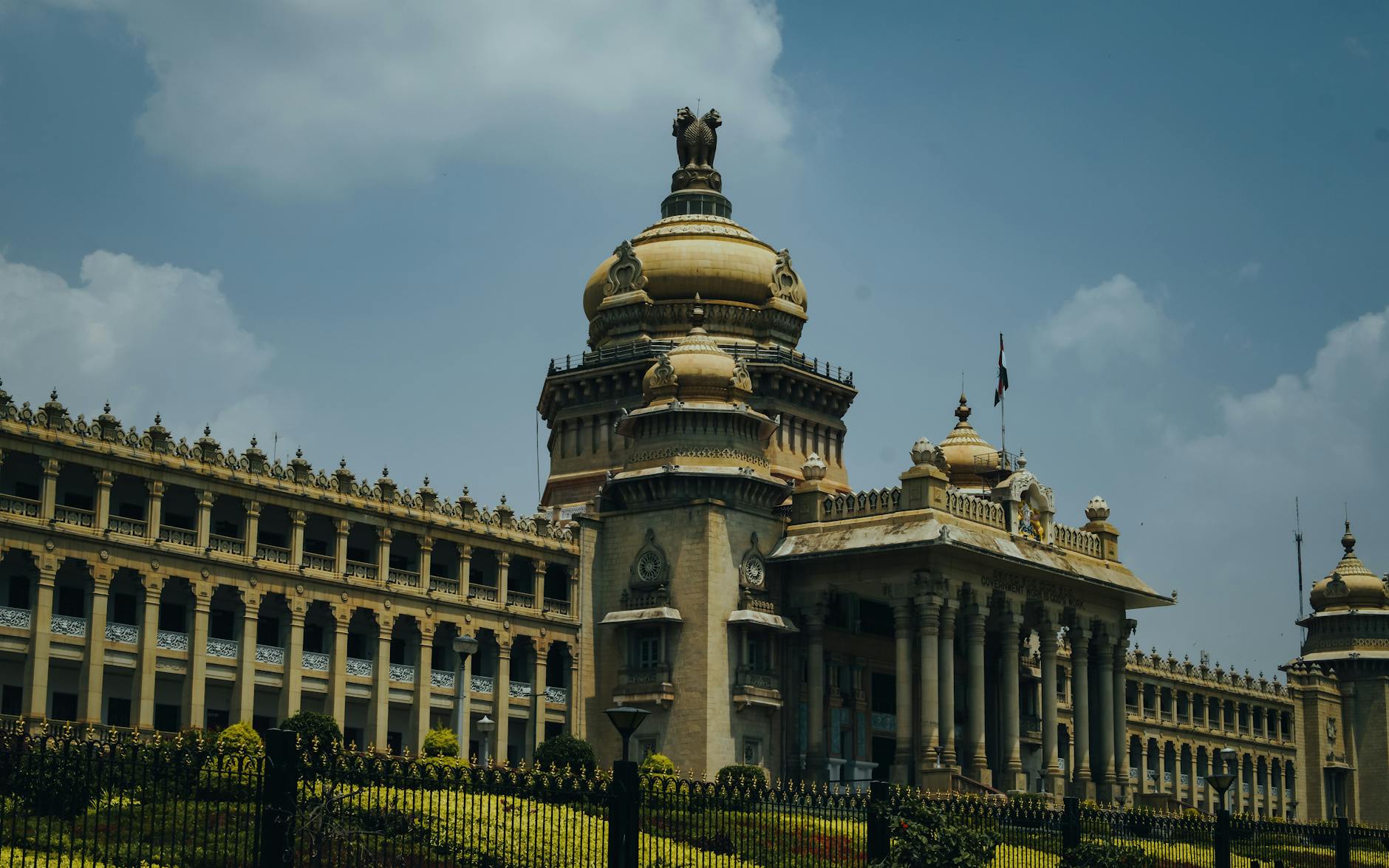
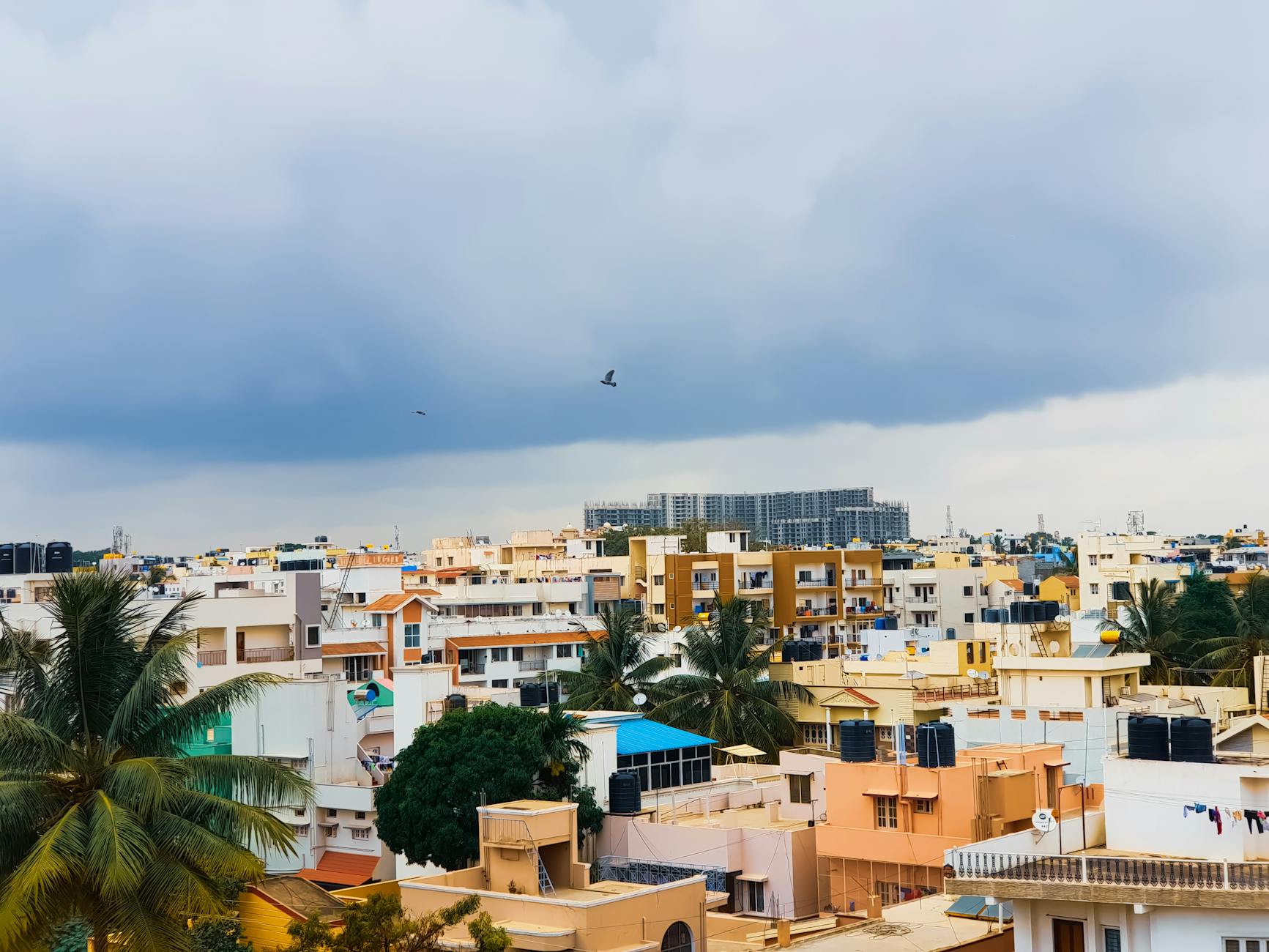
Bengaluru is not a monument city. It is not an imperial-capital city. It is not a place that reveals itself through one obvious historic core or a single photogenic district. It is a city of systems, districts, habits, and mood. The real question is not “What are the big sights?” but “Which version of Bengaluru am I choosing?” A stay built around MG Road and Cubbon Park feels different from one built around Indiranagar and evening life, one built around Koramangala and startup-social rhythm, or one built around Whitefield, Hebbal, or Electronic City because your trip is fundamentally about work.
That is why Bengaluru punishes vague planning. This is a city where a theoretically excellent hotel can become a bad hotel if it places you on the wrong side of your actual obligations. It is also a city where a supposedly secondary stop, like an early walk in Lalbagh or a good breakfast in the right neighborhood, can matter more than a more famous but badly placed attraction. The city’s pleasures are cumulative. Parks, breakfast, books, design stores, craft beer, tree-lined roads, and districts with different textures all build toward a stay that feels more livable than performative.
Karnataka Tourism still frames Bengaluru not only through its role as a technology center, but through Lalbagh, Cubbon Park, local markets, heritage traces, and food.[4] That is the right starting point. Bengaluru should not be read only through “India’s Silicon Valley” shorthand, and it should not be romanticized into a soft-focus garden city that no longer exists. It is a contemporary Indian metropolis whose quality depends on fit.
The city in one sentence: Bengaluru is India’s most consequential contemporary work-and-lifestyle city, and the best first trip is built around district discipline, green space, and realistic movement rather than headline sightseeing.
Quick Verdict
Best for: business travelers, repeat India travelers, food-and-café travelers, longer urban stays, and visitors who like cities with everyday texture rather than obvious monument drama.
Less ideal for: travelers who want dense sightseeing, cinematic first-glance impact, or highly walkable one-center urban tourism.
Ideal first stay: 3 nights.
Still worthwhile: 2 nights if your district choice is sharp.
Can justify more: yes, especially for work trips or if using Bengaluru as a softer base inside India.
Main planning mistake: booking for brand, price, or image before mapping where you actually need to be.
One thing to prioritize: neighborhood fit.
One thing to underestimate at your peril: airport distance and intra-city traffic.
The blunt version: Bengaluru rewards competence more than romance, but if you plan it well, it becomes one of India’s most livable big-city stays.
Who Will Love Bengaluru?
Bengaluru suits travelers who like cities they can inhabit instead of conquer. If you enjoy the value of a good park in the middle of a working day, the relief of a neighborhood with decent cafés and bookstores, the difference a well-chosen breakfast makes, and the idea that urban quality is often more about rhythm than spectacle, Bengaluru can be deeply likable.
It is especially good for travelers who have a real purpose in the city. Meetings, conferences, startup visits, university work, design or tech travel, and longer urban routines all fit naturally here. Bengaluru also works well for travelers who want India to feel contemporary without becoming sterile.
It is weaker for visitors who want one tightly packed sightseeing core they can clear in a day. Bengaluru almost never gives that kind of satisfaction. Its rewards are quieter, slower, and more dependent on accuracy.

Bengaluru at a Glance
| Question | Practical Answer |
|---|---|
| Main gateway | Kempegowda International Airport |
| Core planning problem | distance and traffic |
| Main structural divider | district choice |
| Best classic green anchors | Cubbon Park and Lalbagh |
| Strongest first-time urban logic | central city, Indiranagar, Koramangala, or a work-adjacent base |
| Best trip type | business-plus-city or slower contemporary city stay |
| Car needed? | not strictly, but car and cab logic still matter |
2026 Visitor Notes
Bengaluru Is Still Defined by Its Airport Distance
Kempegowda International Airport remains the city’s main aviation gateway, and the official airport site continues to frame it as the primary hub for the Bengaluru metropolitan region.[1] In practical terms, this means airport distance is still one of the decisive facts of any short stay.
Namma Metro Is Useful but Not a Total Solution
The official BMRCL site continues to maintain the metro route map, network, and ticket information as active trip-planning tools.[2][3] That matters because the metro is now a real planning asset, but it still does not erase the city’s wider geography. Bengaluru remains a place where the right corridor helps and the wrong hotel still hurts.
Bengaluru Still Deserves to Be Read as a Green City
The Karnataka Tourism destination page continues to emphasize Lalbagh, Cubbon Park, markets, and broader cultural positioning rather than only “India’s Silicon Valley.”[4] That is the correct frame. The parks are not leftover marketing rhetoric. They still explain something real about how the city works.
Cubbon and Lalbagh Are Not Decorative Extras
The official Karnataka Tourism pages still describe Cubbon Park as a roughly `300-acre` central refuge and Lalbagh as a `240-acre` botanical garden of major historic and horticultural importance.[5][6] In Bengaluru, these are not side notes. They are part of the city’s identity and of its practical livability.
How to Understand Bengaluru
Bengaluru works through five forces.
The first is district logic. The city is distributed, not centered.
The second is movement cost. Time lost in transit changes the meaning of every plan.
The third is work-and-life overlap. Bengaluru is one of India’s clearest examples of a city where food, social life, work, and identity interlock.
The fourth is green relief. Parks and tree-lined pockets are not cosmetic; they are part of what keeps the city inhabitable.
The fifth is purpose. Bengaluru becomes better the moment you admit why you are there and stop planning as though every version of the city is interchangeable.
The Main Mental Shift
Do not ask, “What is the most central hotel?” Ask, “What version of Bengaluru am I actually trying to use?” The answer should decide the hotel before almost anything else.

What Makes Bengaluru Distinct
Bengaluru’s distinction is not visual shock. It is composition.
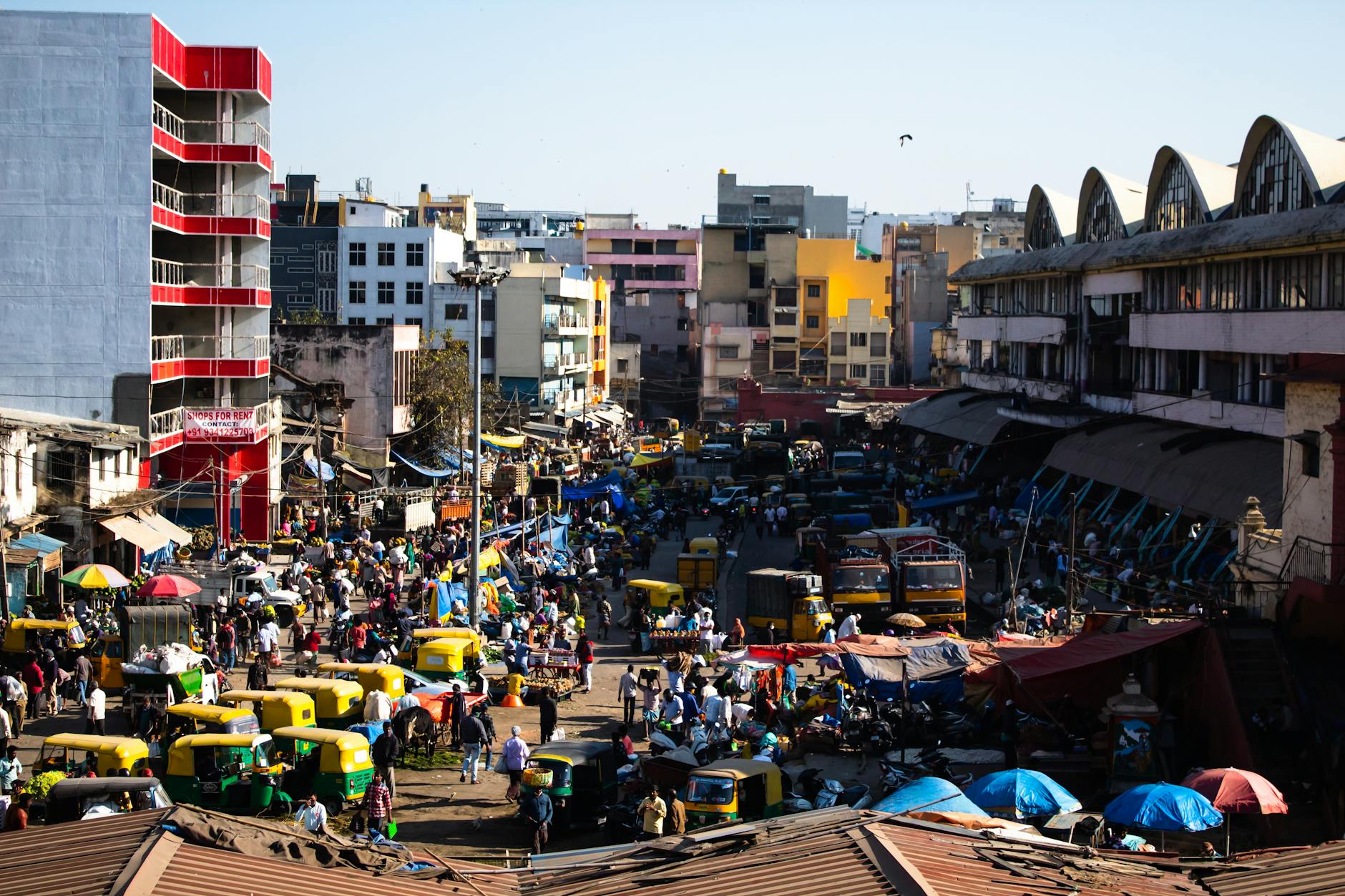
The city’s most interesting feature is that it manages to feel like a serious professional engine and a place with daily softness at the same time. A lot of Indian cities are one or the other in a visitor’s mind: historically overwhelming, administratively heavy, religiously intense, or commercially relentless. Bengaluru is different. It is a city of work, but also of breakfast habits, bookshops, music nights, tree cover, cafés, breweries, design-minded neighborhoods, and people who build long routines instead of merely passing through.
It is also distinct for the way it rewards competence over sentimentality. Bengaluru improves dramatically when you choose well, commute less, walk where walking still feels good, and let the city offer quality rather than “must-sees.” It is a city you can use well before you can describe it beautifully.
That is not a flaw. In fact, it is part of the city’s maturity.
Where Bengaluru Fits in an India Trip
Bengaluru often appears in itineraries for practical reasons before emotional ones. People come for work, conferences, startup or university connections, medical reasons, or because it sits usefully inside a larger southern route. That practical entry point can make travelers underestimate what the city is actually good at.
As a work city, Bengaluru can be excellent because it offers enough food, park life, and neighborhood variation to prevent the trip from becoming all logistics. As a recovery city inside a larger India journey, it can also work well because it is less monumentally demanding than Delhi, less spatially punishing than Mumbai on the wrong day, and often climatically friendlier than other large metros. As a contemporary-India chapter, it may be one of the strongest choices because it shows an urban India built around education, software, cafés, migration, design, and professional routine rather than around one dominant historical script.
What works less well is using Bengaluru as a generic substitute for another Indian city. If your main desire is historic density, royal spectacle, or one clean sightseeing core, there are better answers. Bengaluru should be chosen because you want what it does well: livability, district life, and a contemporary urban texture that accumulates rather than erupts.
That is why the city often surprises people who gave it time for reasons that were initially practical. They discover that utility was not the whole story.
First-Time Visitors Versus Repeat Visitors
First-time visitors often spend too much time asking what Bengaluru’s “main sights” are. That question is understandable, but it can distort the trip. Bengaluru rarely yields a satisfying answer in the form of one grand must-see list. The city works better when the first question becomes: where can I build a plausible day?
Repeat visitors usually do much better because they stop asking the city to justify itself through sightseeing. They know which district they want, what kind of breakfast they value, how much they are willing to commute, whether Cubbon or Lalbagh is the better morning, and whether an evening should happen in the same district or not at all.
This is one reason Bengaluru often improves sharply on a second trip. The city becomes easier to like once the need for immediate dramatic proof falls away. You begin to see that what first felt diffuse was often just uncalibrated.
The city does not withhold itself so much as require more accurate questions.
Where Bengaluru Fits in an India Trip
Bengaluru often enters itineraries in one of three ways. It is a work stop. It is a transit or recovery city between other southern destinations. Or it is the contemporary-India chapter in a trip that otherwise leans historic or heritage-heavy.
It can succeed in all three roles, but only if its function is acknowledged clearly. As a work stop, it may need to be almost purely practical. As a recovery city, it can be excellent because it offers good food, decent climate, and enough green space to reset without forcing spectacle. As a contemporary city chapter, it can show a side of India that tourists often under-sample: a metropolis driven by education, design, software, migration, café culture, and professional routine rather than by a dominant monument.
What does not work well is trying to turn Bengaluru into a generic sightseeing substitute for another Indian city. It is not trying to be Delhi or Jaipur or Mumbai. It is better used on its own terms.
First-Time Visitors Versus Repeat Visitors
First-time visitors often spend too much time wondering what Bengaluru’s “main sights” are. That question is understandable, but it can send the trip in the wrong direction. Bengaluru’s quality is rarely captured by ticking off places in sequence. It is captured by whether you chose a neighborhood that made the day possible.
Repeat visitors generally do better because they stop searching for the one iconic Bengaluru and start using the city more selectively. They know that Cubbon on the right morning may matter more than a long detour to something theoretically famous. They know that one district can carry a whole evening. They know that breakfast, park time, work, and dinner may combine into a better city memory than any frantic cross-town sightseeing attempt.
This is why Bengaluru tends to improve with familiarity. The city is less about revelation than about calibration.
Best Time to Visit
Karnataka Tourism is right to frame Bengaluru as an all-year city while still noting that the most pleasant outdoor period is generally from October to February.[4] That remains the cleanest answer for first-time travelers.
But season is not the only planning axis here. Schedule often matters more. A bad meeting layout, a far-flung dinner, or a poorly chosen hotel can matter more than a little rain. Bengaluru’s climate is an advantage, but it is not strong enough to erase bad geography.
This is one of the city’s key truths: good weather helps, but the trip still depends on urban discipline.
How Many Days You Need
One Night
Only worth it if you already know where you need to be and why. One-night Bengaluru can work, but only when the trip’s purpose is tightly defined.
Two Nights
Enough for a first taste, especially if one day belongs mostly to work or airport logic and one day belongs to city texture.
Three Nights
The strongest first answer. This gives room for one green-city day, one neighborhood-food day, and one practical day around work or movement.
Longer Stays
Bengaluru scales well. Unlike some cities that flatten after the first two attractions, this one gets more coherent as routine develops. That is one reason longer work trips often produce more affection for the city than short leisure visits do.
Arrival Strategy
Treat arrival as a major design choice, not a footnote.
If you land late, have an early meeting, or are leaving soon after, do not pretend the airport is “close enough.” The airport’s role as the city’s main gateway is obvious, but the more important question is how much airport stress you are willing to import into the stay.[1]
For short visits, a smaller radius usually beats a more prestigious hotel. For longer stays, you can absorb more travel time if the district gives you better daily life. Bengaluru rewards those tradeoffs being made consciously.
Arrival days also benefit from restraint. One good meal, one short walk, one nearby district, or a clean early night is usually more intelligent than trying to prove immediately that you have “done” the city.
Where to Stay
MG Road / Central Bengaluru
Best for: first-time visitors who want some legacy city texture, easier access to Cubbon Park, and a more classic urban base. Tradeoff: not every central hotel is equally comfortable, and some are better on paper than in lived routing terms.
This is usually the safest compromise if your trip mixes work and city time and you want a recognizable first Bengaluru.
Indiranagar
Best for: travelers who want restaurants, cafés, bars, and a neighborhood that still feels socially alive after work. Tradeoff: your trip becomes weaker if most of your obligations lie far away.
Indiranagar is one of the easiest neighborhoods in which to like Bengaluru quickly.
Koramangala
Best for: startup energy, younger social life, food density, and a more contemporary Bengaluru rhythm. Tradeoff: it can be lively without necessarily feeling balanced if your schedule is already too full.
This is often a strong choice for visitors who want the city’s work-life blend most directly.
Whitefield / Outer East
Best for: work there. Tradeoff: often too isolated from the rest of a first-time city experience.
If your meetings are there, stay there. If they are not, think very hard before sacrificing the rest of the city.
Electronic City
Best for: travelers whose work actually requires it. Tradeoff: this is a functional decision, not a romantic one.
Hebbal / North-Side Logic
Best for: some airport-sensitive stays, northern business movement, and travelers deliberately choosing efficiency over atmosphere. Tradeoff: less of the “why people enjoy Bengaluru” side of the city may be immediately available.
The Main Rule
In Bengaluru, the right district is often more important than the right hotel brand.
The Bengalurus That Matter Most
Central Bengaluru: Cubbon, older institutions, MG Road, and the more civic face of the city.[5][4]
South Bengaluru: Lalbagh, Basavanagudi-adjacent sensibility, breakfast culture, and some of the older everyday texture.[6]
East Bengaluru: Indiranagar and the broader contemporary restaurant-and-social city.
Work-corridor Bengaluru: Whitefield, Electronic City, Hebbal, and the practical professional city that often defines why many people came in the first place.
Return Bengaluru: the version that emerges once routine takes hold and the city stops being judged like a sightseeing puzzle.
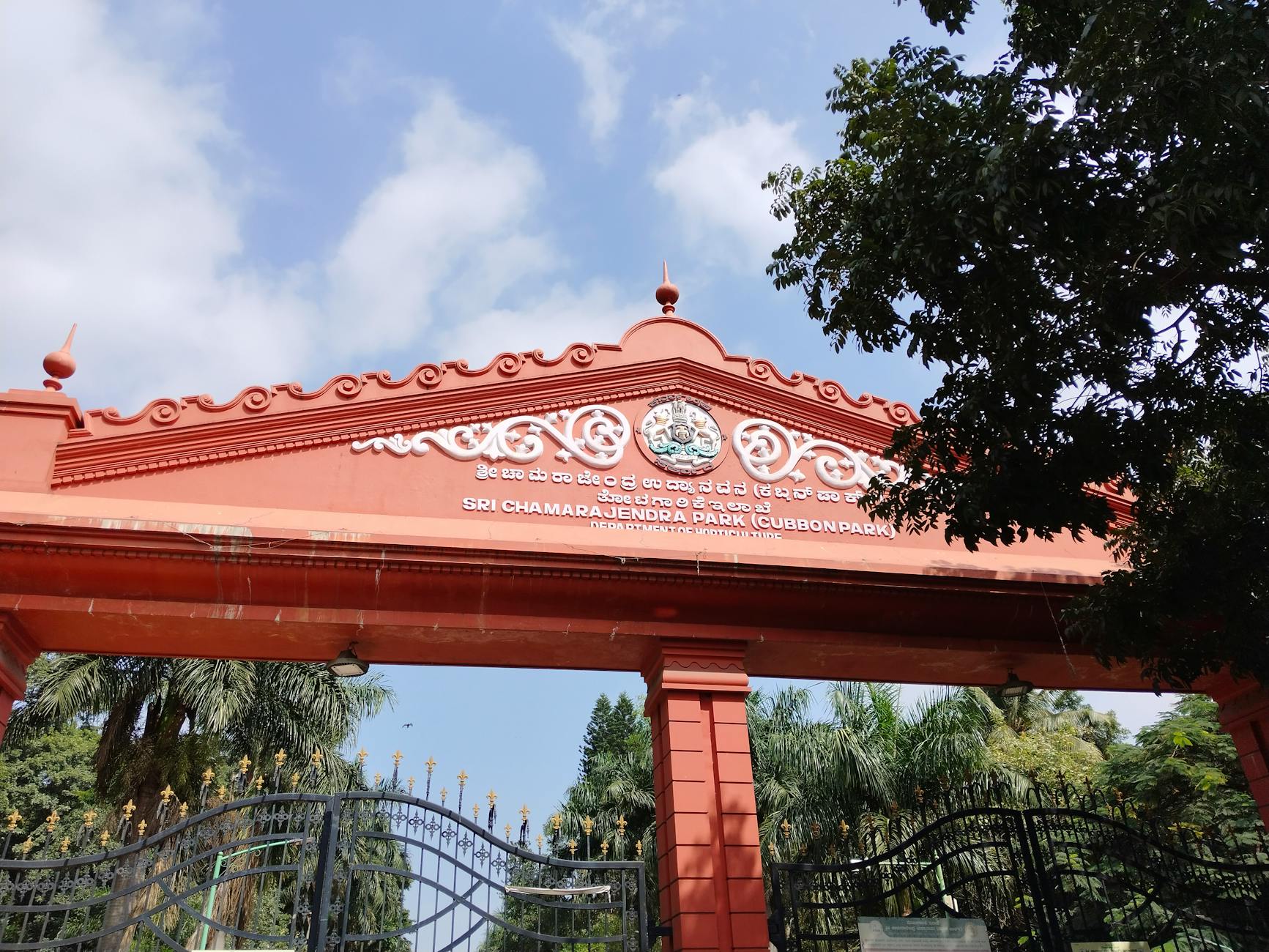
Cubbon Park and the Civic Core
Cubbon Park matters because it reminds you that Bengaluru is not just offices and traffic. Karnataka Tourism’s current page still describes it as a roughly `300-acre` green refuge in the middle of the city, with the Seshadri Iyer Memorial Hall and a wider civic zone nearby.[5]
This is where the city becomes easier to respect. Government buildings, old institutions, shade, and breathing room all gather here. If your Bengaluru itinerary becomes too abstract or too work-shaped, a proper morning or evening around the central green zone usually corrects it.
The civic core also matters because it gives Bengaluru historical gravity without forcing the city into a heritage script it cannot fully sustain. It is not monumental in the way a first-time tourist may expect. It is institutional. That distinction matters.
Lalbagh and the Garden-City Claim
Lalbagh is one of the few places where the “Garden City” label still feels earned.
The Karnataka Tourism material continues to emphasize its `240-acre` scale, eighteenth-century origins, and ongoing importance as both a botanical and civic landmark.[6][4] For the traveler, what matters is simpler: Lalbagh gives Bengaluru weight. It keeps the city from being read only through commerce and contemporary aspiration.
If Cubbon is the civic park, Lalbagh is the deeper green argument. Together they explain why Bengaluru still feels different from many other large Indian cities, even after all the growth, traffic, and professional expansion.
Breakfast, Cafés, and the Everyday City
Bengaluru is one of India’s best cities for eating according to mood rather than according to monuments.
The official tourism framing rightly points toward the city’s diversity of traditional breakfasts and broader food culture.[4] In practical terms, this means Bengaluru is strongest when used through repeated small pleasures: a proper south-Indian breakfast, a serious coffee stop, a good lunch in the right district, a beer or cocktail evening if that suits you, and a neighborhood dinner that does not require crossing half the city.
Do not use the food scene like a conquest map. Use it as neighborhood proof. A district you can eat well in is usually a district you can inhabit well in. That is especially true in Bengaluru.
Breakfast deserves specific respect here. Cities that reveal themselves well in the morning tend to have stronger everyday identity. Bengaluru is one of them.
Business Travel and Why Purpose Matters Here
Bengaluru is probably the clearest case in this guide set where trip purpose should drive hotel choice more than generic traveler instinct.
If your visit is about meetings, office parks, or conferences, stay near them unless you have a strong reason not to. The city’s professional geography is too real to finesse. A glamorous central hotel may cost you more in daily time, fatigue, and missed flexibility than it gives back in prestige.
If, however, your trip is partially open, Bengaluru becomes much more interesting. One work half-day plus one real city half-day can be enough to understand why the city matters beyond spreadsheets and tech branding. Purpose does not make the city boring. Purpose clarifies how it should be used.
This is one of Bengaluru’s strengths: it is a city that can support practical travel without forfeiting urban quality.
Metro, Cars, and Movement Reality
The official BMRCL material makes clear that the metro network, route map, and ticketing ecosystem are now substantial public assets for navigating the city.[2][3] Use them where they actually help.
But do not let the existence of the metro create false confidence. Bengaluru still has large gaps between where you can move efficiently on rail and where your real life in the city may be happening. In many cases, the right answer is mixed: metro when cleanly aligned, cabs when necessary, and disciplined neighborhood clustering above all.
The city is not impossible. It is just intolerant of fantasy routing.
Morning Bengaluru Versus Late Bengaluru
Morning is often when Bengaluru feels most generous. Air is usually better, traffic is still assembling itself, parks make sense, breakfast is active, and the city feels as though it could be easier than its reputation suggests.
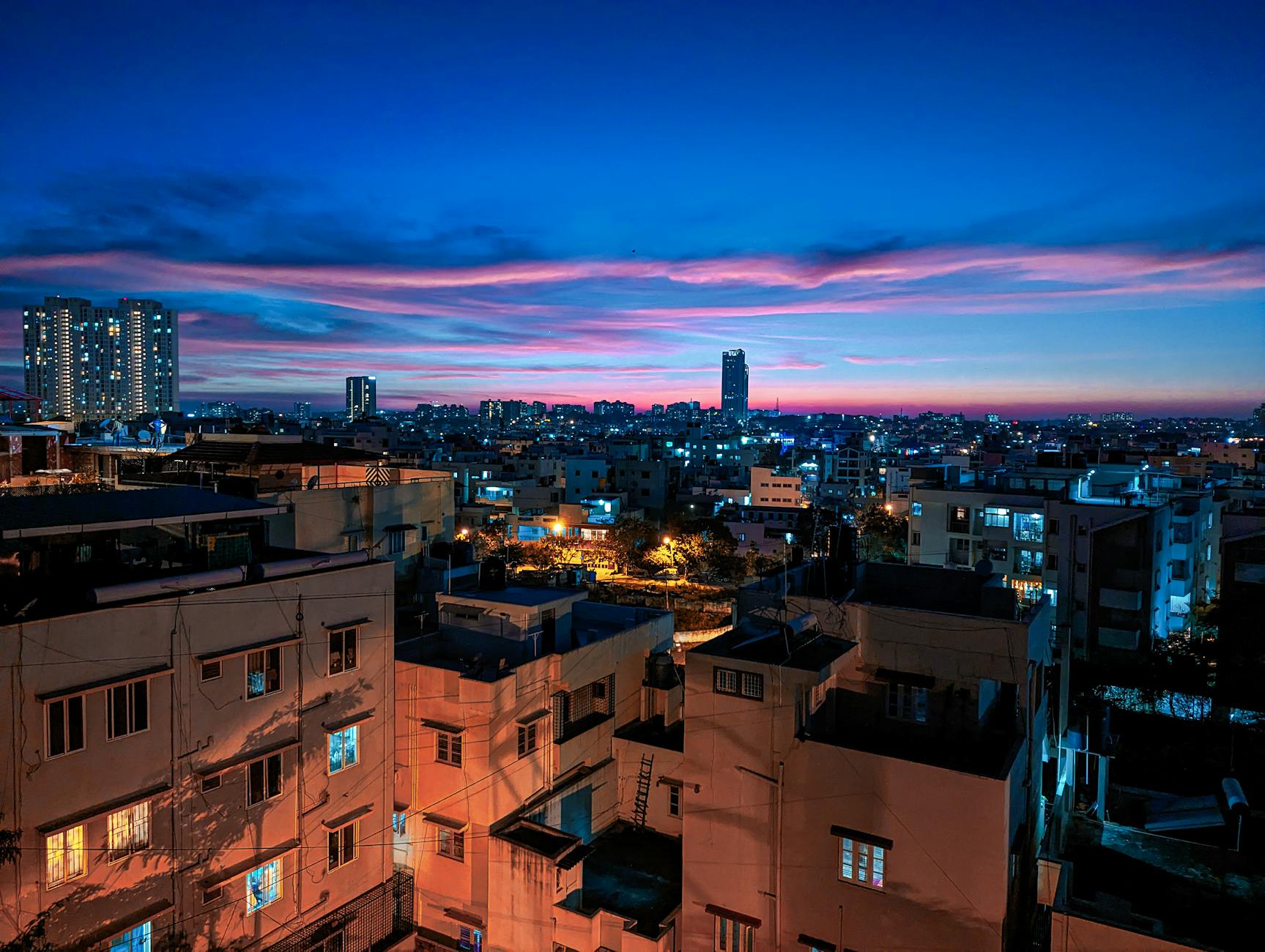
By late afternoon and evening, Bengaluru can split in two directions. In the right district, evening is when the city becomes sociable, walkable in fragments, and genuinely pleasurable. In the wrong district, it becomes a lesson in why planning failed. That difference is not incidental. It is the city.
This is one reason district fit matters so much. A bad morning can often be repaired in Bengaluru. A bad evening location usually cannot.
One Good Neighborhood Is Better Than Four Bad Commutes
This is the rule that rescues most Bengaluru trips.
Visitors often imagine that because the city is important and large, they should try to sample several of its versions in a single stay: a central morning, an eastern lunch, a southern café, a far-flung meeting, and a northern dinner. On paper this can sound ambitious and rich. In practice it usually means seeing the city through ride-hailing apps, delays, and tired appetite.
Bengaluru rewards concentration. One strong district with good food, one clear work corridor, one park, and one manageable evening can do more for the trip than a string of geographically impressive but badly connected ideas. This is not a city where range necessarily creates depth.
When in doubt, choose less reach and more livability. The city almost always looks better from within a sensible radius than from the middle of a cross-town plan that was too clever for its own good.

Bengaluru Versus Other Major Indian Cities
Travelers often struggle with Bengaluru because they keep asking it to perform like some other Indian city.
It is not Delhi, with a grand political-historical register. It is not Mumbai, with a stronger urban drama and harder coastal identity. It is not Jaipur, with a more immediately legible tourist logic. It is not even Hyderabad, which can pivot more quickly from old-city monumentality to contemporary business geography.
Bengaluru is more diffuse than those cities and in some ways more modern in its daily concerns. That can make it feel less dramatic, but it also makes it one of the most plausible places to imagine actually living for a while. For some travelers this is precisely the appeal. For others it takes a day or two to recognize as a virtue.
The right comparison is often not “Is Bengaluru exciting enough?” but “Does Bengaluru make sense in a way that supports the trip?” If the answer is yes, it can be unusually satisfying.
Who Bengaluru Handles Especially Well
Bengaluru is stronger than many Indian metros for travelers who are not trying to maximize visible sightseeing output.
It is good for solo travelers because cafés, bookstores, breakfasts, parks, and small routines can carry real meaning without awkwardness. It is good for couples because one sensible district can hold a whole day without pressure. It is good for business travelers because work does not have to erase urban quality if the hotel and meetings are aligned properly. It is also good for longer-stay visitors because the city’s value compounds through repeated use rather than one-time spectacle.
Even families can do well here if daily radius, park access, and commute burden are chosen honestly. Bengaluru does not need you to perform intensity in order to justify being there. It simply asks you to know what kind of day you are actually building.
Why Bengaluru Can Feel Better Than It Sounds
Bengaluru often suffers in description because its strengths are not dramatic enough for easy travel shorthand. “Good neighborhoods, better breakfasts, useful parks, and a more livable work city than expected” does not sound as glamorous as forts, palaces, or coastlines. Yet in practice, those strengths can produce a more satisfying stay than many more obviously tourist-oriented places.
This matters because visitors sometimes arrive half-defensive, expecting the city to be worthy only if it surprises them spectacularly. That is the wrong test. Bengaluru is better evaluated by whether it reduces friction, gives the day shape, and makes ordinary urban life feel high quality. On that standard, it often performs extremely well.
Family, Solo, and Longer-Stay Bengaluru
Bengaluru is stronger than many Indian metros for travelers who are not trying to maximize visible productivity.
Solo travelers often do well because the city supports cafés, bookstores, parks, and smaller routines without demanding a performance of tourism. Couples often do well because districts such as Indiranagar or central Bengaluru can carry a whole day without pressure. Families can do well if the hotel, park access, and daily radius are chosen sensibly. Longer-stay travelers often do best of all, because the city’s value compounds through routine.
This is one of Bengaluru’s understated strengths. It is a place where ordinary quality can feel like a destination asset.
A Good Bengaluru Day Versus a Bad One
A Good Day
It is built around one clear geography. It starts with breakfast or a green-space anchor. Meetings, if they exist, are close enough to preserve some energy. One neighborhood gets enough attention to feel real. Transit is limited. The evening happens where the day logically ended.
A Bad Day
It assumes the airport is harmless, books a glamorous but badly placed hotel, scatters meals across the city, treats the metro as if it solves every problem, and ends with the complaint that Bengaluru was all traffic and no character.
The city is rarely the problem on its own. Misalignment is.
Common Mistakes
Booking the Wrong District
This is the single biggest Bengaluru error.
Pretending Airport Distance Is a Minor Detail
It is not.
Assuming Bengaluru Has to Be Boring if It Is Practical
The city is often at its best when practical choices unlock the right atmosphere.
Building the Stay Around Too Many Cross-City Meals or Meetings
The city becomes exhausting when every good idea lives far from the last one.
Ignoring the Parks
Cubbon and Lalbagh are not filler. They are part of Bengaluru’s identity.
Expecting One Monumental “Reveal”
Bengaluru is cumulative. If you wait for one single scene to explain it, you may miss the city entirely.
Why Bengaluru Often Improves on a Return Visit
First-time visitors often spend too much time testing whether Bengaluru is “worth” the effort. By the second visit, that argument usually disappears. You know which district you want. You understand the airport cost. You no longer expect the city to prove itself through sightseeing. You start enjoying its ordinary excellences more directly.
That is when Bengaluru becomes easier to like. The parks matter more. Breakfast matters more. Good streets matter more. The professional city and the social city begin to overlap in a more coherent way. What first felt diffuse begins to feel composed.
This is a common pattern in cities built around routine rather than spectacle. Bengaluru is one of the strongest examples in India.
How the City Changes Over the Course of a Stay
On arrival, Bengaluru can feel uncertain. Is it all work? Is it all traffic? Is it all neighborhood branding? The city does not explain itself quickly.
By the second day, if you have chosen well, the logic starts to emerge. A park connects the morning. A café district gives the day texture. A shorter commute preserves the evening. The city stops feeling like infrastructure and starts feeling like an environment.
By the third day, Bengaluru often becomes calmer and more convincing. You stop hunting for the “big thing” and start appreciating the way the city distributes comfort, work, and identity. That is usually the turning point.
This is one reason very short stays can undersell Bengaluru badly. Its second impression is often more accurate than its first.
My Blunt Advice
Choose Bengaluru by function first, then by flavor.
If you need central-civic ease, stay central.
If you want cafés and contemporary urban life, choose Indiranagar or the right part of Koramangala.
If your work is in Whitefield or Electronic City, accept that truth and build from it instead of resisting it.
Use Lalbagh or Cubbon to keep the city human.
Let breakfast matter.
Do not ask Bengaluru to perform like Delhi, Jaipur, or Mumbai. Its quality is quieter than that and, for the right traveler, often more sustainable.
If you leave wishing you had chosen a better district, you used the city badly. If you leave feeling you could actually imagine another three days there, you used it well.
That is the real Bengaluru test: not whether you saw enough, but whether the city started to make practical, human sense while you were in it.
If it did, the trip was probably built correctly.
And if it did not, the answer was almost certainly geography, not a lack of city.
That distinction matters a lot.
Source Notes
- 1. BLR Airport official site, Kempegowda International Airport Bengaluru. Used for the airport’s role as the city’s primary aviation gateway and official reference point for traveler logistics. https://www.bengaluruairport.com/portal/
- 2. BMRCL official route-map page. Used as the official current reference for the Namma Metro network and corridor planning. https://english.bmrc.co.in/schematic-route-map/
- 3. BMRCL official ticketing page. Used as the official reference for ticketing, smart-card, and travel-help ecosystem details. https://english.bmrc.co.in/tickets/
- 4. Karnataka Tourism official Bengaluru destination page. Used for the city’s current tourism framing, Lalbagh and Cubbon context, seasonal guidance, and broader cultural positioning. https://karnatakatourism.org/en/destinations/bengaluru/
- 5. Karnataka Tourism official Cubbon Park page. Used for Cubbon Park’s scale, centrality, and access framing. https://karnatakatourism.org/en/attractions/cubbon-park
- 6. Karnataka Tourism official Lalbagh Botanical Garden page. Used for Lalbagh’s scale, heritage, and attraction status. https://new.karnatakatourism.org/en/attractions/lalbagh-botanical-garden/