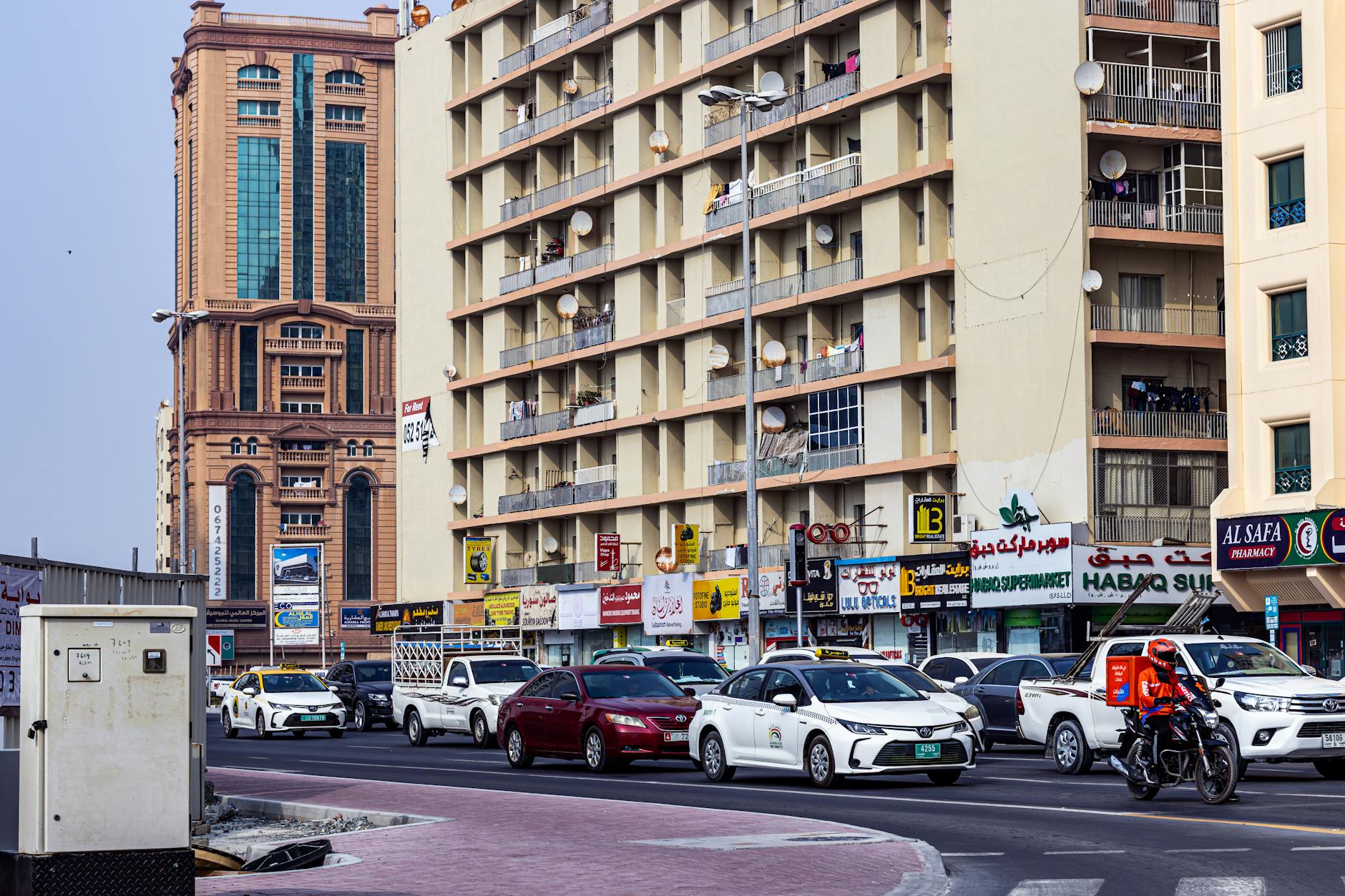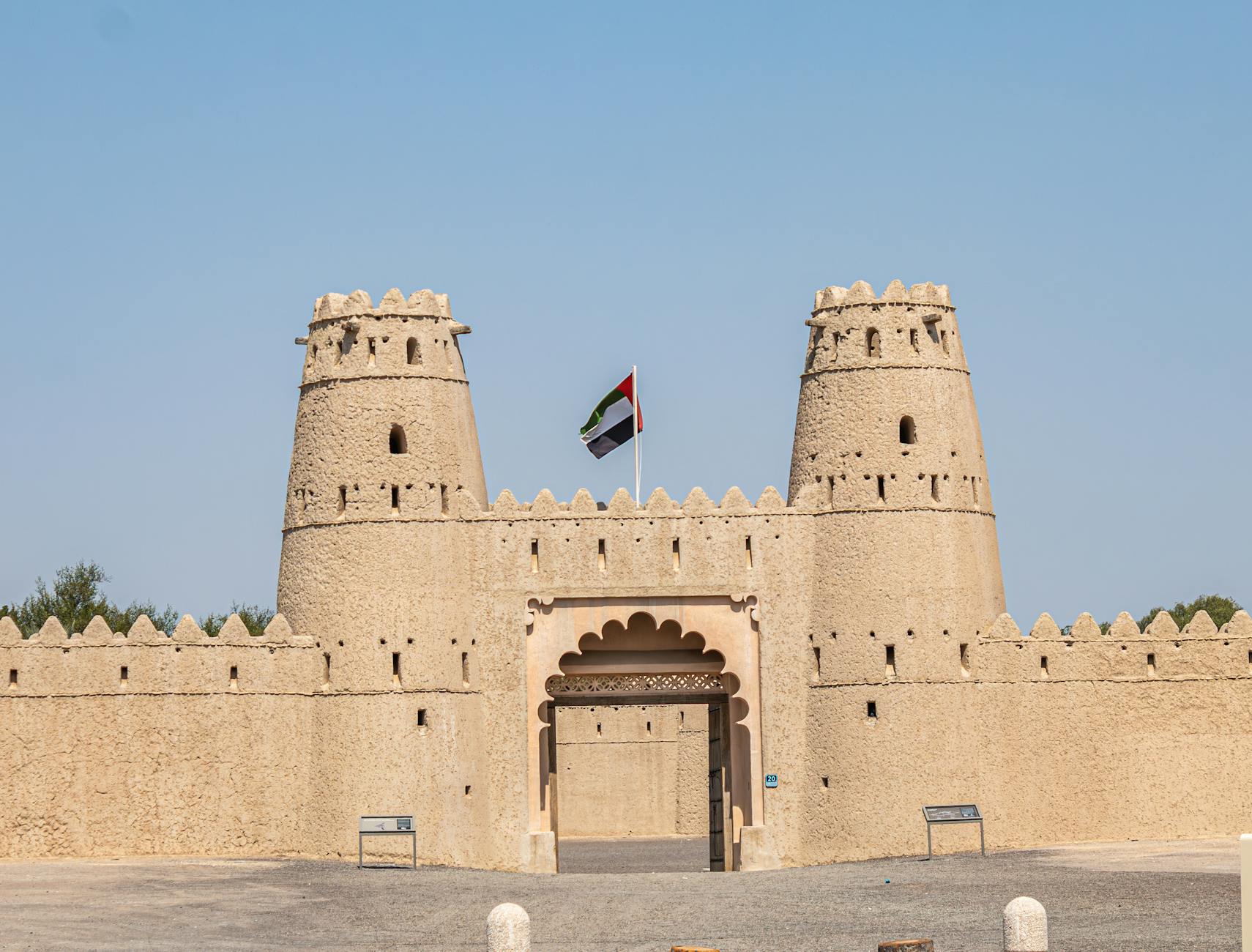
Al Ain is often introduced through negation: not Dubai, not Abu Dhabi, not the hyper-vertical Gulf image most foreign travelers already have in mind. That is accurate but incomplete. Al Ain is not merely what the bigger emirate cities are not. It is a place with its own logic: garden-city spacing, mountain views, older civic textures, family-oriented rhythms, heritage sites that feel more embedded than staged, and a calmer pace that can be deeply appealing if you choose it intentionally. The destination is not trying to overwhelm the visitor. It is trying to settle the visitor. Travelers who arrive expecting spectacle can find it quiet. Travelers who arrive wanting balance, room to breathe, and a more grounded UAE experience often find that Al Ain delivers exactly what the flashier cities no longer can. It is one of the few places in the country where the trip can still feel restorative without being generic.
How Al Ain works
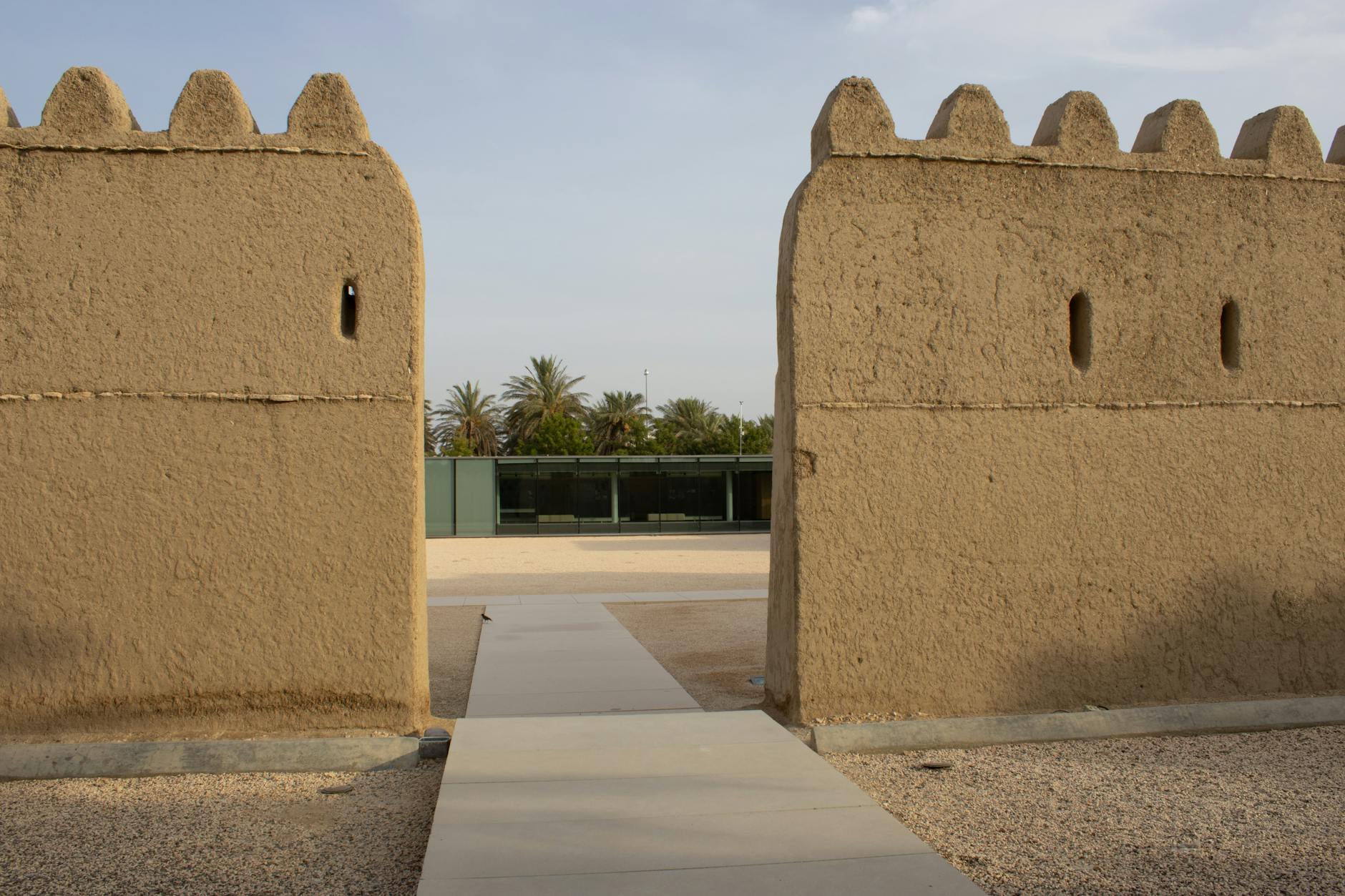
Al Ain is a place where proportion matters. The city is spread out enough that you need a sensible plan, but calm enough that overplanning can ruin the trip. It is strongest when approached as a composed regional stay built around one good hotel, a handful of meaningful excursions, and enough empty space in the schedule for the destination’s quieter pleasures to register. Heritage compounds, palms, mountain viewpoints, family parks, and the slower cadence of daily life are the point. The destination does not want to be consumed at metropolitan speed. It works best when the traveler treats room to breathe as part of the itinerary, not as downtime that needs filling.
- Al Ain rewards a calmer itinerary than Dubai or Abu Dhabi.
- The city’s strength lies in atmosphere, heritage, and ease rather than spectacle.
- Overcomplication is one of the fastest ways to flatten the stay.
Best time to visit
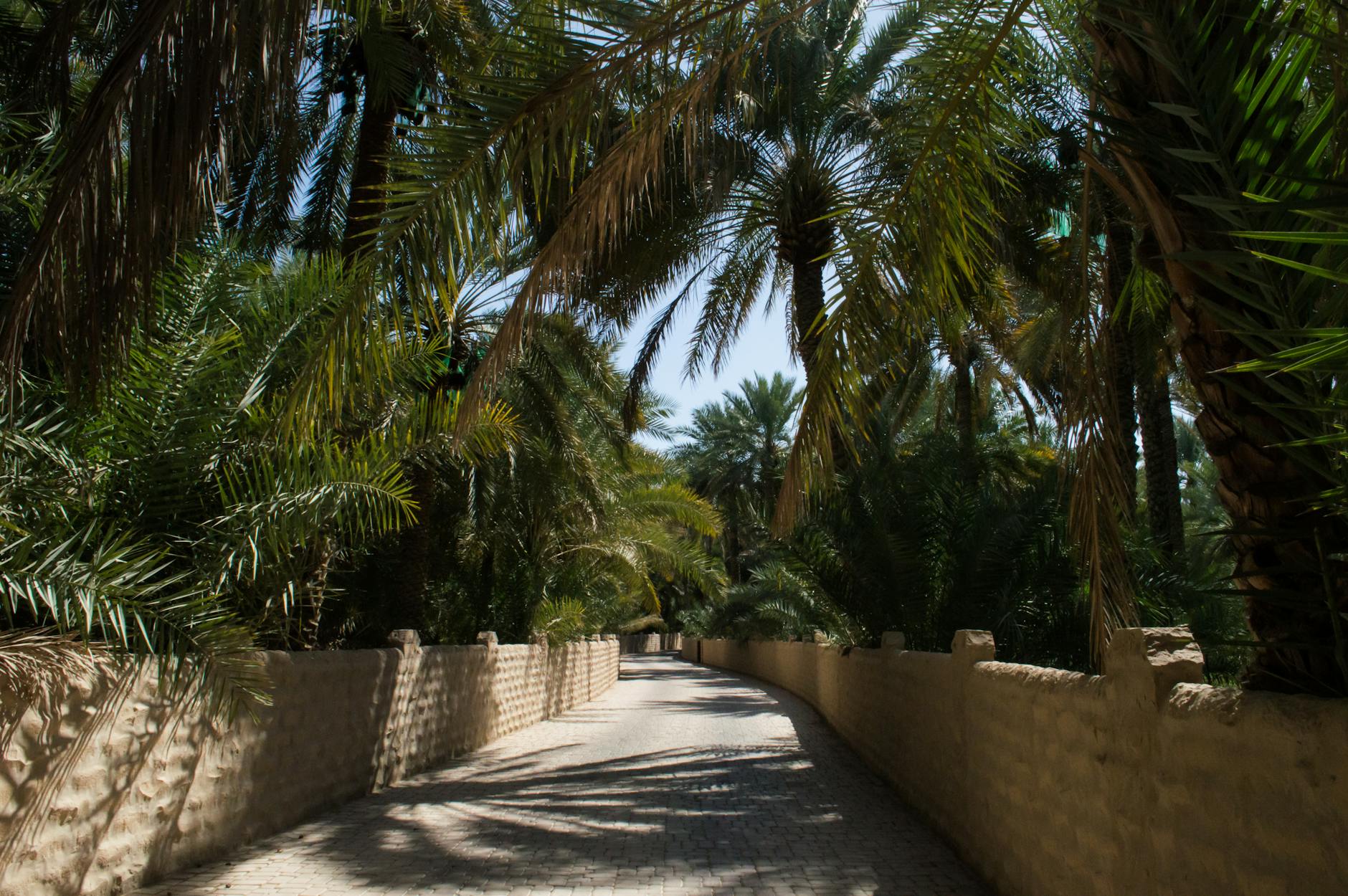
Cooler months are the obvious answer for Al Ain because climate changes everything here. When temperatures are more forgiving, the city’s gardens, heritage areas, open-air movement, and mountain-side excursions all become more usable. In hotter periods, the destination narrows quickly and the hotel carries much more of the burden. That does not make a warm-season stay impossible, but it shifts the equation toward recovery, indoor pacing, and stricter expectations management. Al Ain can still work then, but only if the traveler accepts the climate as the main editor of the trip.
- Cooler weather dramatically improves the destination’s range.
- Hot months increase the importance of hotel quality and indoor planning.
- This is a city where climate is not background; it is a governing fact.
Arriving and getting around
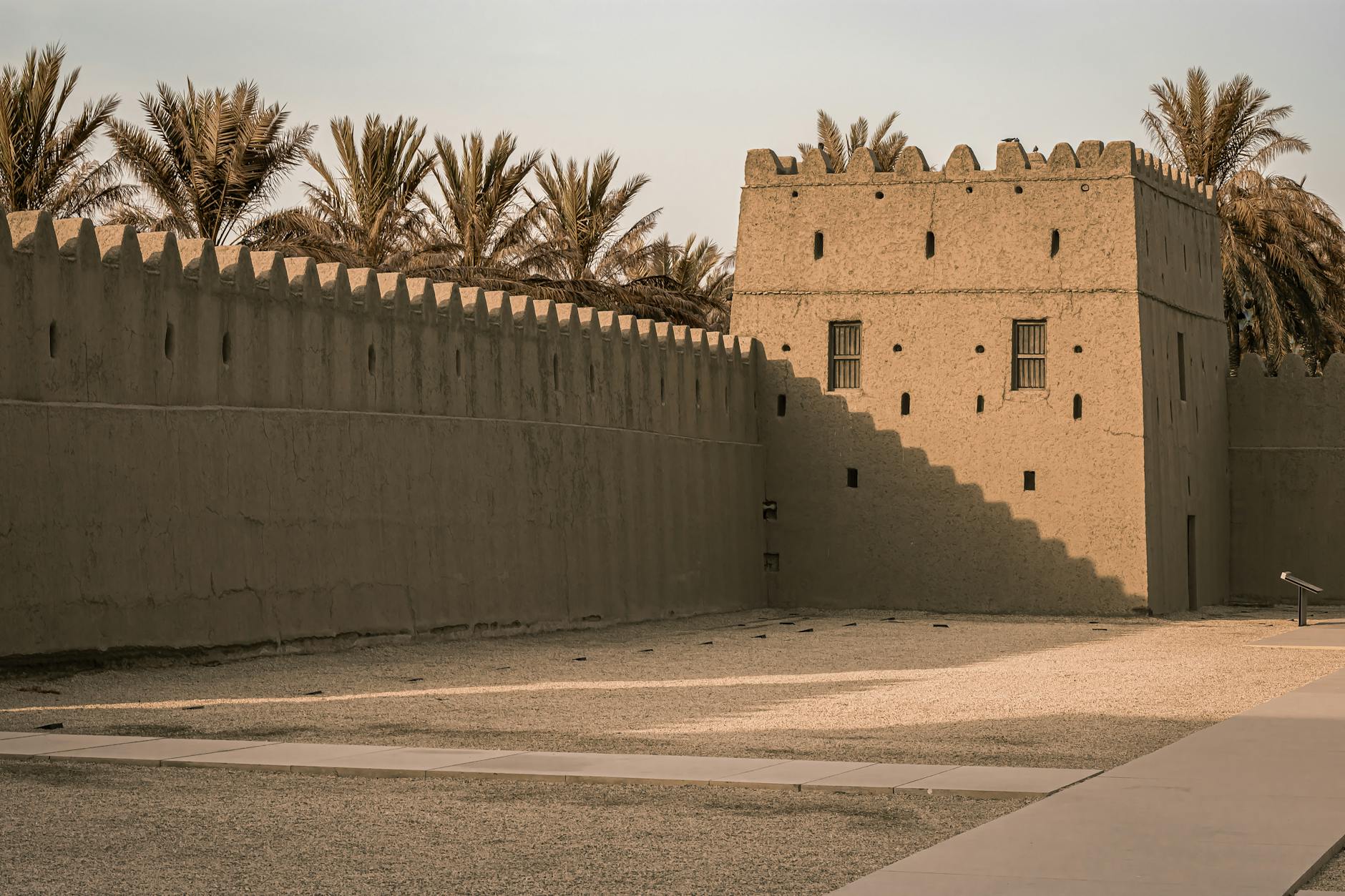
Movement in Al Ain is usually less about complexity than about accepting that this is a drive-shaped destination. Arrival should be considered in relation to the wider UAE itinerary, because a mismatched transfer can make the stay feel burdensome before it starts. Once in the city, the route should stay clean. Al Ain improves when the day has one main direction rather than several. Trying to cover heritage sites, retail, mountain scenery, and hotel downtime all in one sweep tends to make the city feel more artificial and more tiring than it actually is.
- Plan the transfer into Al Ain as part of the destination, not as an afterthought.
- The city is usually best explored through one clean daily arc.
- Trying to force big-city density onto Al Ain usually backfires.
Where to stay
The hotel decision is central in Al Ain because the property often supplies much of the trip’s emotional tone. A stronger resort-style base can turn the city into a restorative, family-friendly, or quietly upscale retreat. A weaker base can make the destination seem thin. Travelers should decide early whether they want a more resort-led stay, a practical city base, or a hotel that supports heritage and local exploration with minimal friction. Al Ain is not a destination where the hotel is merely where you sleep. It is one of the main instruments through which the city is experienced.
- A strong hotel can elevate Al Ain dramatically.
- Choose between resort logic and practical city access early.
- Do not underinvest in the property if the trip depends on recovery and climate management.
Neighborhoods that matter most
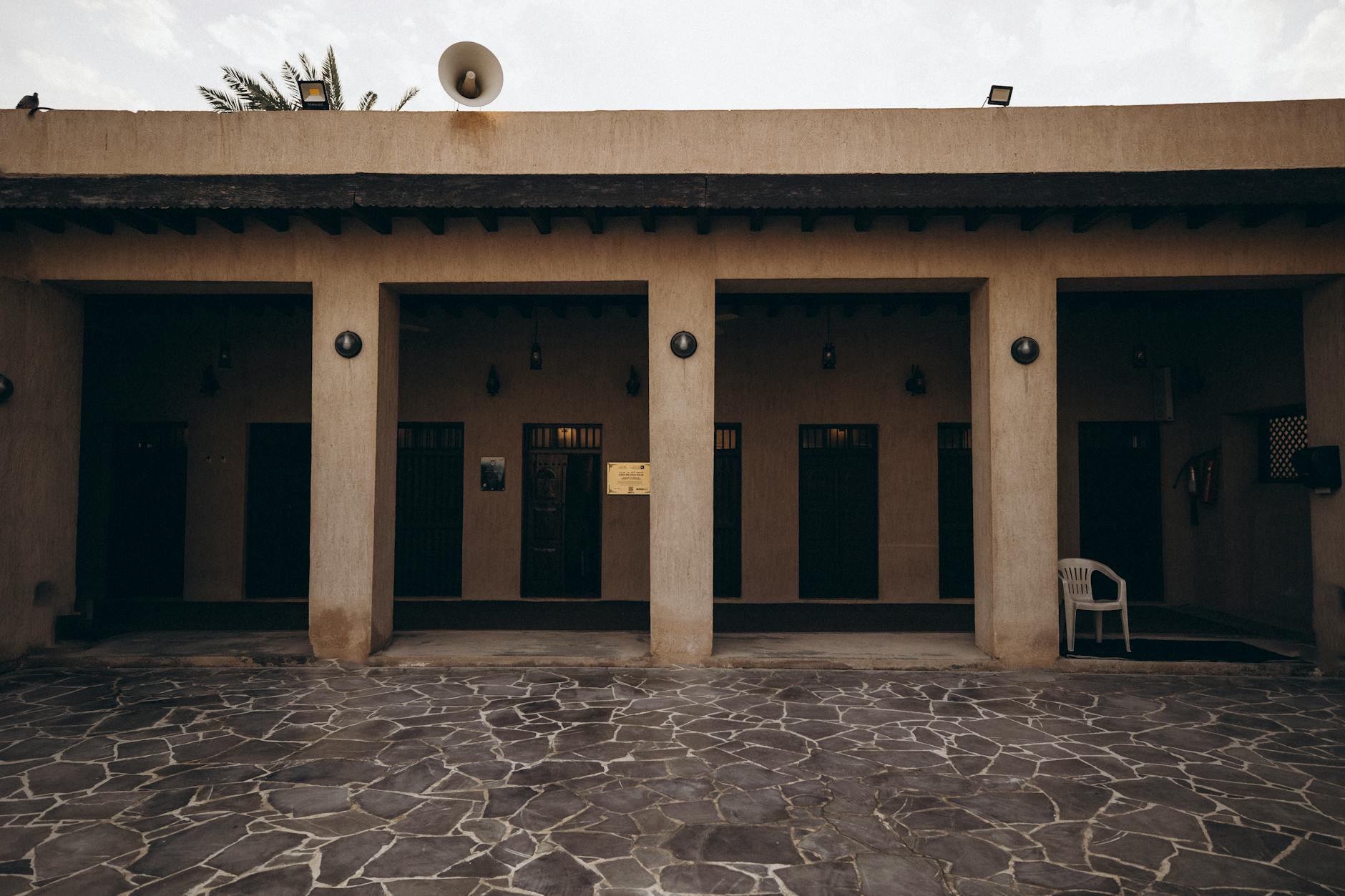
Al Ain is not divided into visitor neighborhoods in the same way many big cities are, but different zones still create different experiences. Heritage-focused areas give the trip a more rooted, historical tone. Hotel-led stretches and greener parts of the city can feel calmer and more family oriented. Routes toward Jebel Hafeet pull the destination toward landscape and escape. More commercial zones serve practical needs but are not usually what define the emotional memory of the stay. The right answer depends less on chasing a famous district and more on deciding what version of Al Ain you want to inhabit.
- Think in terms of stay types rather than celebrity neighborhoods.
- Heritage, hotel, and mountain-adjacent patterns create different Al Ain experiences.
- Commercial convenience is not always the same thing as travel quality.
What Al Ain does best
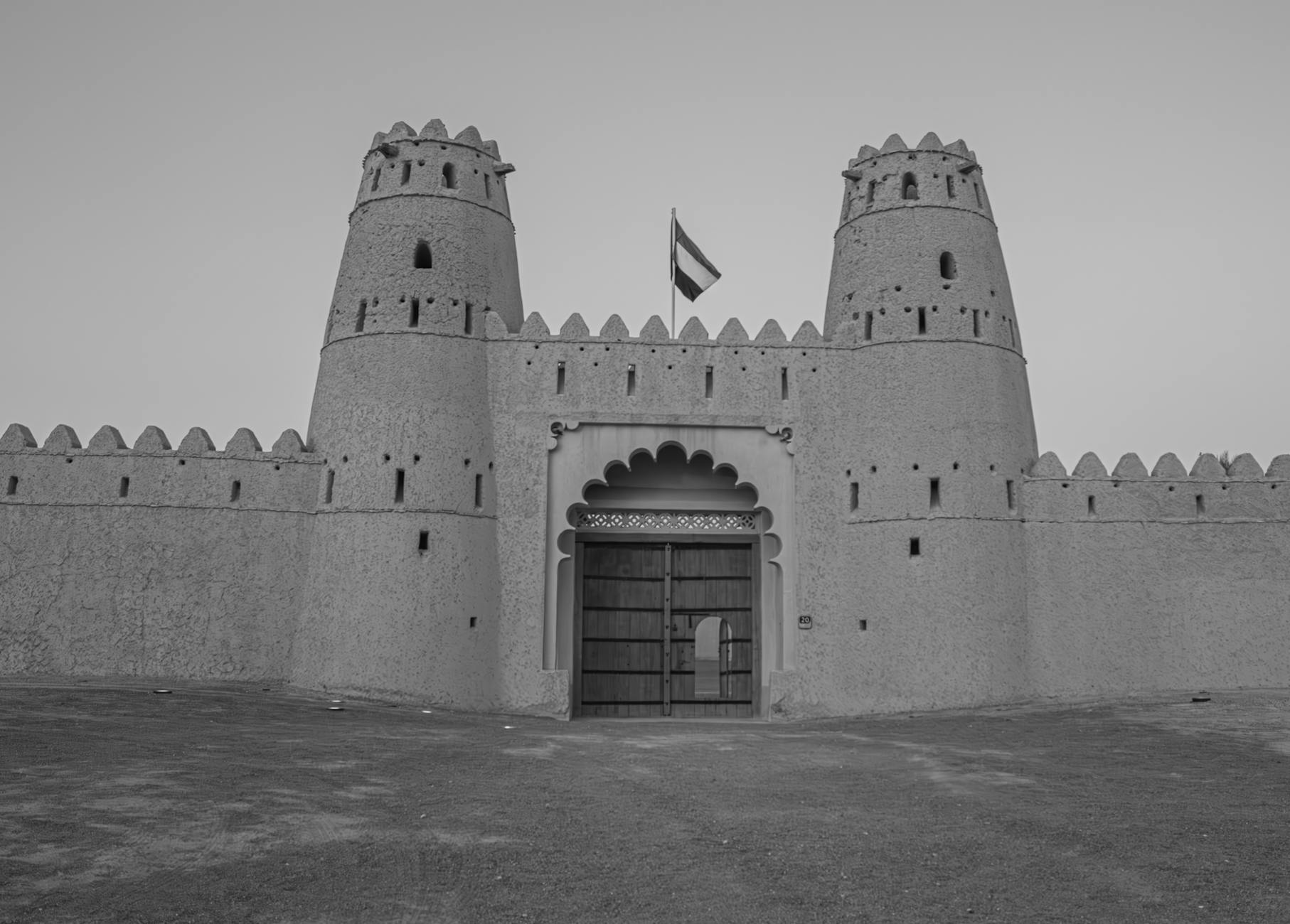
Al Ain excels at giving travelers a more grounded UAE experience without abandoning comfort. It is particularly good for short family stays, cooler-season breaks, heritage-minded visits, mountain-linked detours, and trips that need rest as much as stimulation. There is value here for travelers who have already done Dubai and want a different register, but also for first-time Gulf visitors who would rather begin with a place that feels less mediated by spectacle. Al Ain’s strength is not density. It is composure, and in the Gulf that can be a premium product rather than a compromise.
- This is one of the UAE’s best destinations for travelers seeking calm rather than constant display.
- Al Ain works well as both a counterpoint to larger cities and a standalone short stay.
- Its real luxury is spaciousness and steadier rhythm.
Food
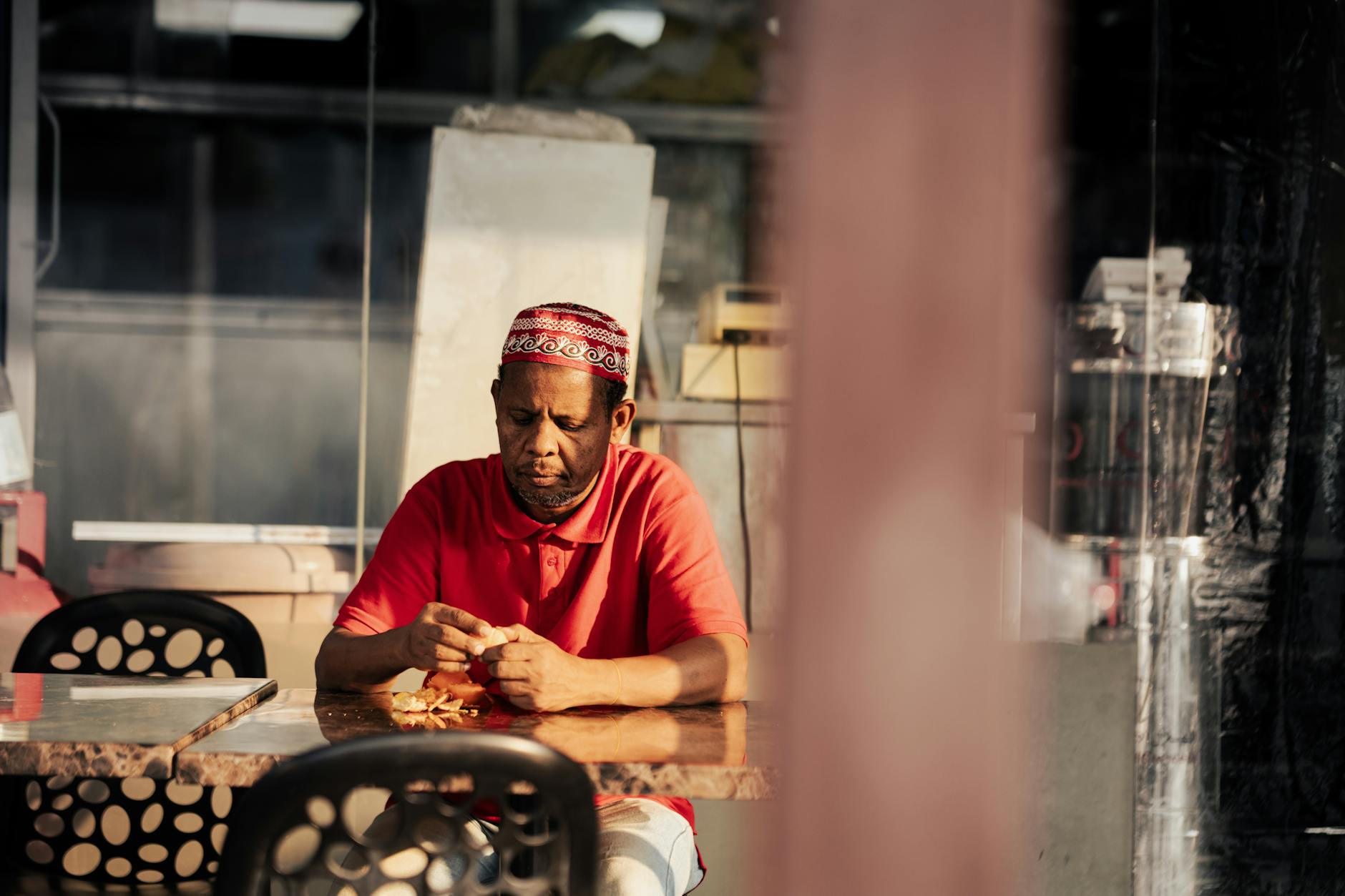
Food in Al Ain should be approached pragmatically and contextually. The city is not mainly about chasing a cutting-edge dining scene. It is about aligning meals with the day: a comfortable hotel breakfast, a lunch that fits the route, a dinner that either leans local-regional or allows the property to do the work well. Travelers who need every meal to feel like an urban discovery may undersell the city. Al Ain dining becomes more satisfying when it supports the wider logic of rest, climate, family pace, and selective exploration.
- Meals should support the stay’s comfort and rhythm rather than compete with it.
- Hotel dining matters more here than in many major cities.
- Local and regional food choices often work best when folded naturally into the route.
Nightlife
Al Ain is not a nightlife destination in the way outsiders may associate with the UAE, and that is a feature, not a flaw. Evenings here are usually better when they stay relaxed: a good dinner, a resort terrace, a family outing, a scenic drive, or a measured late conversation rather than a search for imported urban energy. Travelers who insist on benchmark Gulf nightlife often end up proving only that they chose the wrong city. Al Ain’s evenings are for decompression.
- Do not project Dubai nightlife expectations onto Al Ain.
- The city’s best evenings are quiet, restorative, and well-contained.
- A strong hotel often determines whether the night feels satisfying.

Etiquette and local norms
Al Ain tends to feel a little more socially legible and rooted than the more internationalized UAE city experience, so context matters. Dress should fit the setting, public tone should remain measured, and heritage or family spaces should be approached with awareness rather than resort casualness. The city is welcoming, but it rewards travelers who understand that local norms are not decorative. In Al Ain, respect reads clearly and carelessness does too.
- Err toward slightly more conservative public behavior than you might in a resort-only environment.
- Heritage and family-oriented spaces deserve visible respect.
- The city’s calm social tone is part of what makes it appealing; do not disrupt it.
Blunt advice
The biggest Al Ain mistake is treating it like a smaller, weaker version of another UAE city. The second is booking an average hotel and then wondering why the destination feels average. Al Ain is only thin when the traveler insists on reading it through the wrong lens. Choose a strong property, build in space, use the heritage and mountain elements intelligently, and let the city’s slower dignity do the work. If you keep asking it for flash, you will miss the steadier luxury it actually offers.
- Do not ask Al Ain to impersonate Dubai.
- The hotel decision is one of the most consequential in the entire trip.
- This destination rewards humility, patience, and a cleaner plan.