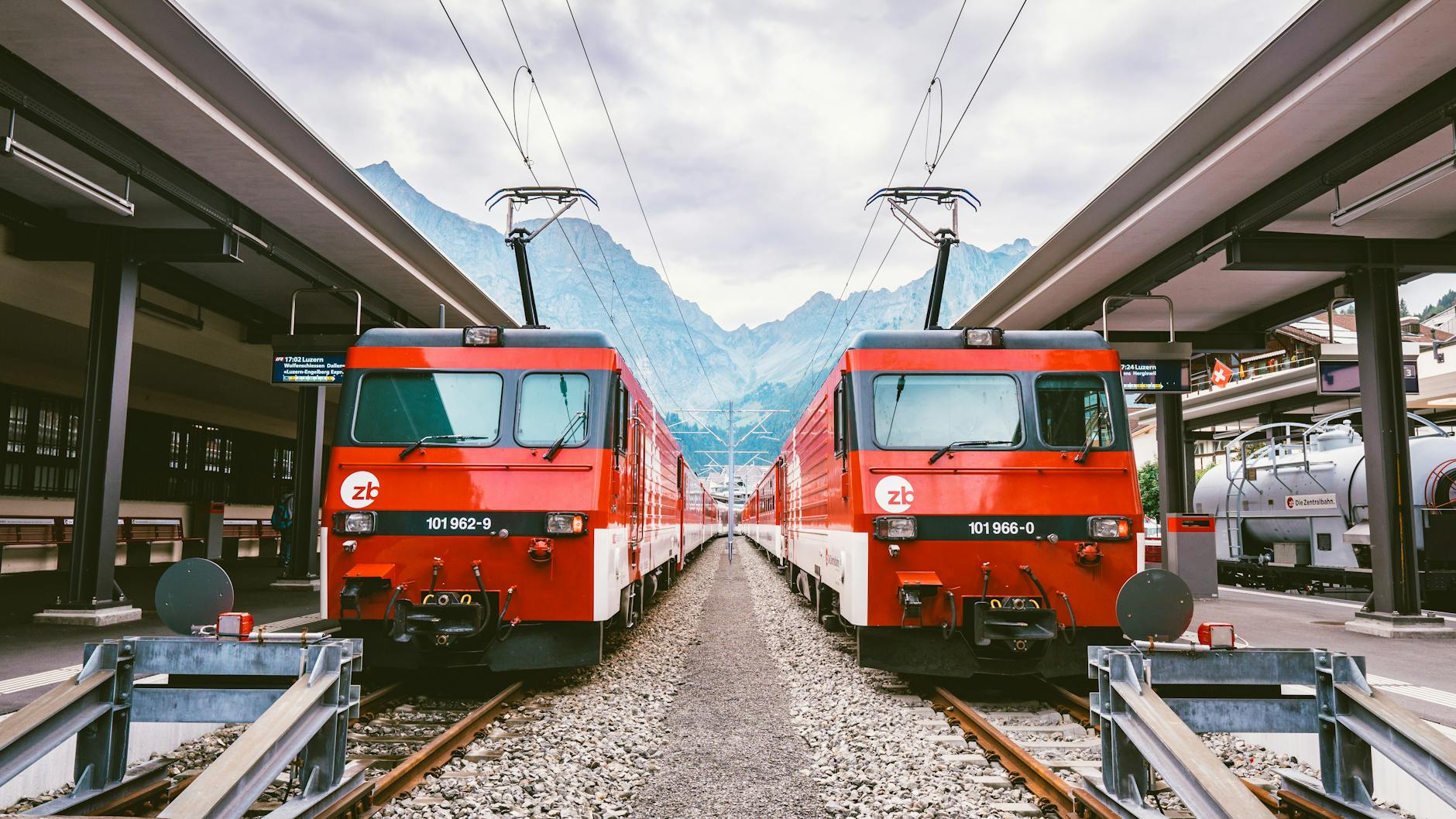
A practical analysis for visitors, foreign residents, and local users
Purpose: Explain what a visitor or local resident actually needs to know to move around Switzerland: national rail, local transit networks, boats, mountain railways, airport transfers, passes, fare logic, taxis, driving, accessibility, and the practical decisions that determine whether Swiss transport feels elegant or overpriced.
Executive summary
Switzerland has one of the best public-transport systems in the world, but it is also one of the easiest to use badly if you arrive with the wrong mental model. The country is not simply “good trains.” It is an integrated national mobility culture built around timed rail connections, regional fare associations, buses that are designed to feed trains, lake boats that are part of real transport rather than just tourism, mountain railways with their own rules, and city systems that are often subordinate to a larger regional network rather than isolated from it.
The central practical rule is this: in Switzerland, the expensive mistake is often not choosing the wrong train. It is choosing the wrong ticket strategy. Many visitors focus too much on scenery and not enough on fare logic. The real work is deciding whether you should buy normal point-to-point tickets, use a Saver Day Pass, buy the Swiss Half Fare Card, use the Swiss Travel Pass, rely on guest cards, or combine local tickets with mountain supplements. Switzerland rewards people who think in systems. It punishes people who buy prestige passes they do not need or, just as often, who buy no pass at all and then pay full price over and over.
The second rule is: most Swiss public transport is designed for flow, not for drama. Ordinary national trains are usually clean, punctual enough to trust, frequent in the major corridors, and well integrated with local buses, trams, boats, and funiculars. That means the correct Swiss move is often simply to trust the timetable and move. You usually do not need the kind of defensive buffer you would build in countries with weaker transport culture. But “trust the system” does not mean “stop thinking.” In Switzerland, missing one connection is rarely catastrophic. Misunderstanding zone validity, mountain-rail inclusion, or airport-city fare logic can be expensive very quickly.
For visitors, the strongest national default is:
For locals, the system feels different. The headline strengths remain the same, but the pressure points are commuter crowding, housing costs near strong rail corridors, parking constraints, seasonal tourism loads, construction windows, mountain-weather disruption, and the cost of not having a Half Fare product when you travel often. Locals live inside the timetable. Visitors benefit from it.
The central recommendation is simple: build your Switzerland trip around rail first, decide your fare strategy second, and only then add mountain and scenic layers. The country becomes much easier once you stop treating every segment as a separate travel problem.
- Use SBB and the wider Swiss public-transport network for almost all intercity travel.
- Use city trams, buses, and local rail inside Zurich, Geneva, Lausanne, and similar urban areas.
- Use boats and mountain transport as real mobility tools in places like Lucerne and Interlaken, not only as sightseeing ornaments.
- Use cars only when your route is explicitly rural, lodge-based, or built around places that public transport serves awkwardly.
- Treat Zermatt as a car-free exception and Interlaken as a transport hub more than a single-city network.
1. How the national system actually works
Switzerland is best understood as one integrated public-transport organism with many operators. SBB is the national anchor, but the traveler is not usually forced to care which logo is on the train, tram, or bus. What matters is that the system is planned to interlock. A national-rail arrival is often timed to a regional train, bus, or boat departure. This is one of the main reasons Swiss transport feels so strong in practice. It is not simply that the trains are good. It is that the transfers are treated as part of the product.
That makes Switzerland very different from countries where national rail and local transit feel like separate universes. In Switzerland, they are often functionally one trip. You can arrive in Zurich by long-distance rail, continue onto an S-Bahn, then onto a tram, then onto a funicular or boat, all inside a logic that expects transfer rather than punishes it.
The important exceptions are:
The country rewards people who accept that there is a national network and then learn where the edges are.
- mountain railways, cable cars, cogwheel trains, and scenic premium products, where fare inclusion and reservations differ
- local fare associations, where city and regional tickets may use zone systems that do not map intuitively to visitor geography
- tourist guest cards and regional passes, which can create big value but only if they match the actual route
2. The first ticket decisions every traveler should make
The Swiss transport question is not “should I buy a train ticket?” It is “what category of Swiss ticket logic best fits the whole trip?”
The first distinction is between travel volume and travel geography.
If your trip is basically one base, one airport transfer, and one scenic day trip, you may not need a major national pass. If your trip includes several long rail rides, heavy local transit, boats, and mountain detours, a pass or discount card can change the economics substantially.
The second distinction is between coverage and discount.
Switzerland offers products that give broad unlimited coverage and products that give reduced prices on many journeys. These are not the same thing. The mistake is buying full coverage when what you really need is discounted flexibility, or buying a discount card and then continuing to purchase the wrong ticket types.
The third distinction is between plain national transport and mountain transport.
Many visitors assume a Swiss pass means every scenic train, gondola, or cogwheel railway is simply included. That is not how the country works. Ordinary trains, city transport, and many boats may be straightforward. Mountain transport is often discounted rather than fully included, and premium scenic trains may require seat reservations or supplements even when the route is otherwise valid.
2.1 The core products that matter
| Product | What it is best for | Main caution |
|---|---|---|
| Point-to-point tickets | Light travel, simple routes, one or two major trips | Full-fare Swiss travel adds up fast |
| Saver Day Pass | Heavy use in one day across the national network | Buy early; price advantage depends on timing and reduction status |
| Swiss Half Fare Card | Travelers taking multiple trains but not needing full unlimited coverage every day | It reduces many journeys, but you still have to buy tickets correctly |
| Swiss Travel Pass | Foreign visitors doing dense national travel plus city transport and boats | Can be oversold for slower itineraries or lodge-based trips |
| Local / regional guest cards | Hotel-based stays in places like Interlaken or Geneva | Coverage is local, not national, and often narrower than visitors assume |
| Mountain / regional passes | Trips built around a specific scenic region | Excellent value in the right geography, weak outside it |
2.2 The practical hierarchy
If you are moving around Switzerland a lot, first check whether the Swiss Half Fare Card plus ordinary tickets or Saver Day Passes beats a full-coverage pass. If you are in Switzerland for a compact high-movement trip and want simplicity more than fare optimization, check the Swiss Travel Pass. If your trip is mostly one region with hotel stays that already include local mobility benefits, start with those guest-card advantages and layer national travel only where needed.
The right Swiss strategy is often less romantic than the marketing. But it is usually smarter.
3. Airports, station culture, and connection discipline
Swiss airport access is usually strong by European standards. Zurich Airport is deeply integrated into the rail system, and Geneva Airport also has direct rail access into the city and beyond. That means Switzerland behaves differently from cities where the airport train is a special add-on. In Zurich and Geneva, the airport is a railway node.
The station culture matters too. Switzerland does not generally operate with barriers or gate drama in the way some countries do. The real discipline is different:
The danger is not that Swiss stations are chaotic. The danger is that their efficiency tempts the traveler to stop paying attention.
- you are expected to have a valid ticket before boarding
- train changes are often short, but manageable if you move cleanly
- platform information and carriage logic matter more than security theater
- missing a connection is usually survivable because the system is frequent enough to recover
4. Ordinary rail versus scenic rail
One of the most important Swiss distinctions is between transport rail and scenic rail.
Most of the country’s mobility runs on ordinary intercity, interregional, regional, and suburban services. These are the trains that actually move people. They are the ones you should default to for practical travel between Zurich, Geneva, Lausanne, Lucerne, and the Bernese Oberland. They are usually fast enough, simple enough, and more operationally useful than the prestige trains that dominate outsider imagination.
Scenic-branded trains like the Glacier Express, Bernina Express, and some panoramic routes are different products. They may be worthwhile if the ride itself is the purpose. But they should not be treated as the default Swiss move. They can require reservations, supplements, more commitment to the seat you booked, and more tourist-density than ordinary services.
A strong Swiss trip often uses the ordinary network for almost everything and adds one scenic segment only if the itinerary genuinely benefits from it.
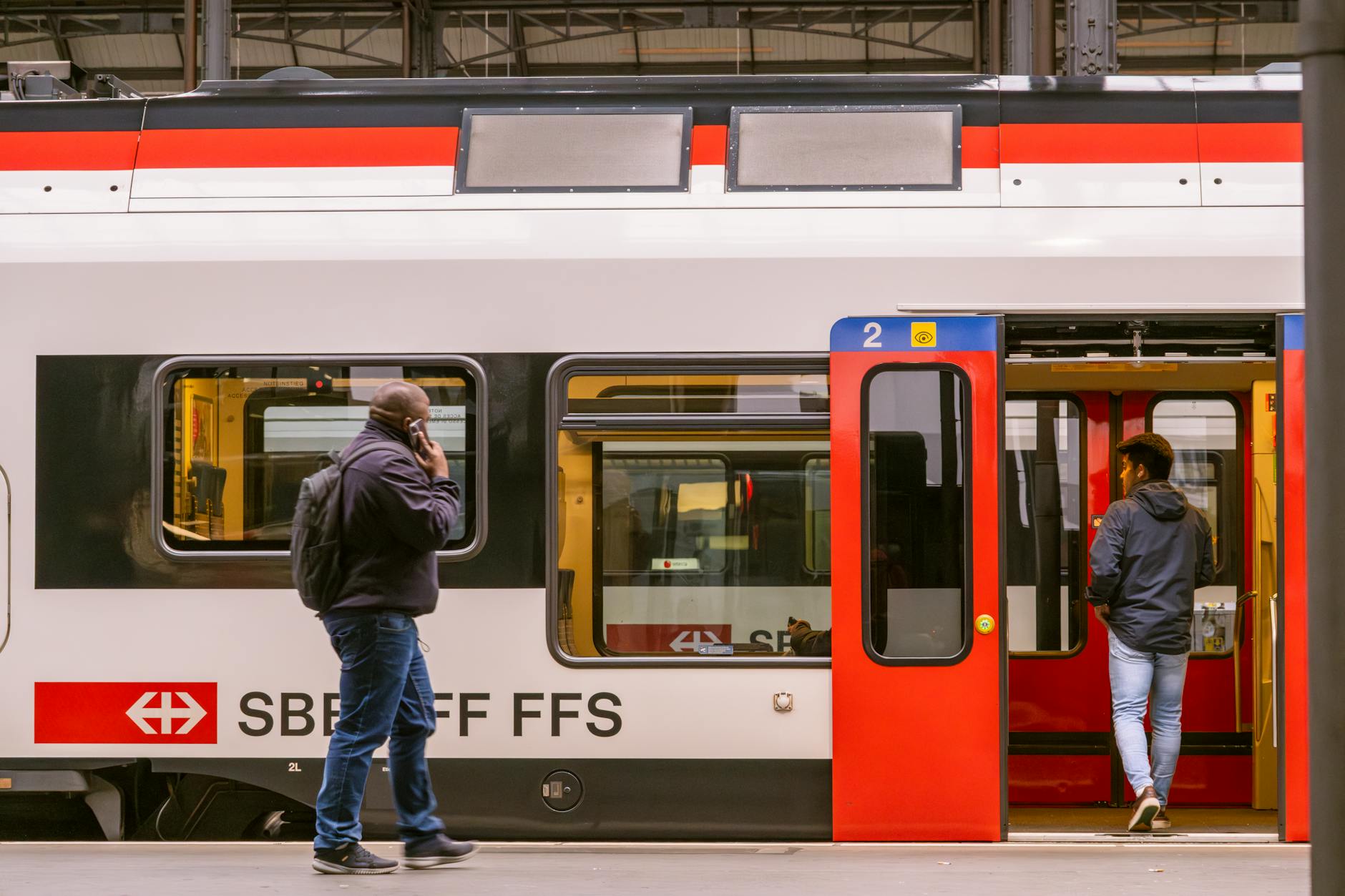
5. Local transit: trams, buses, S-Bahn, boats, and mountain feeders
Swiss local transit is usually best understood as an extension of the rail system, not a separate domain.
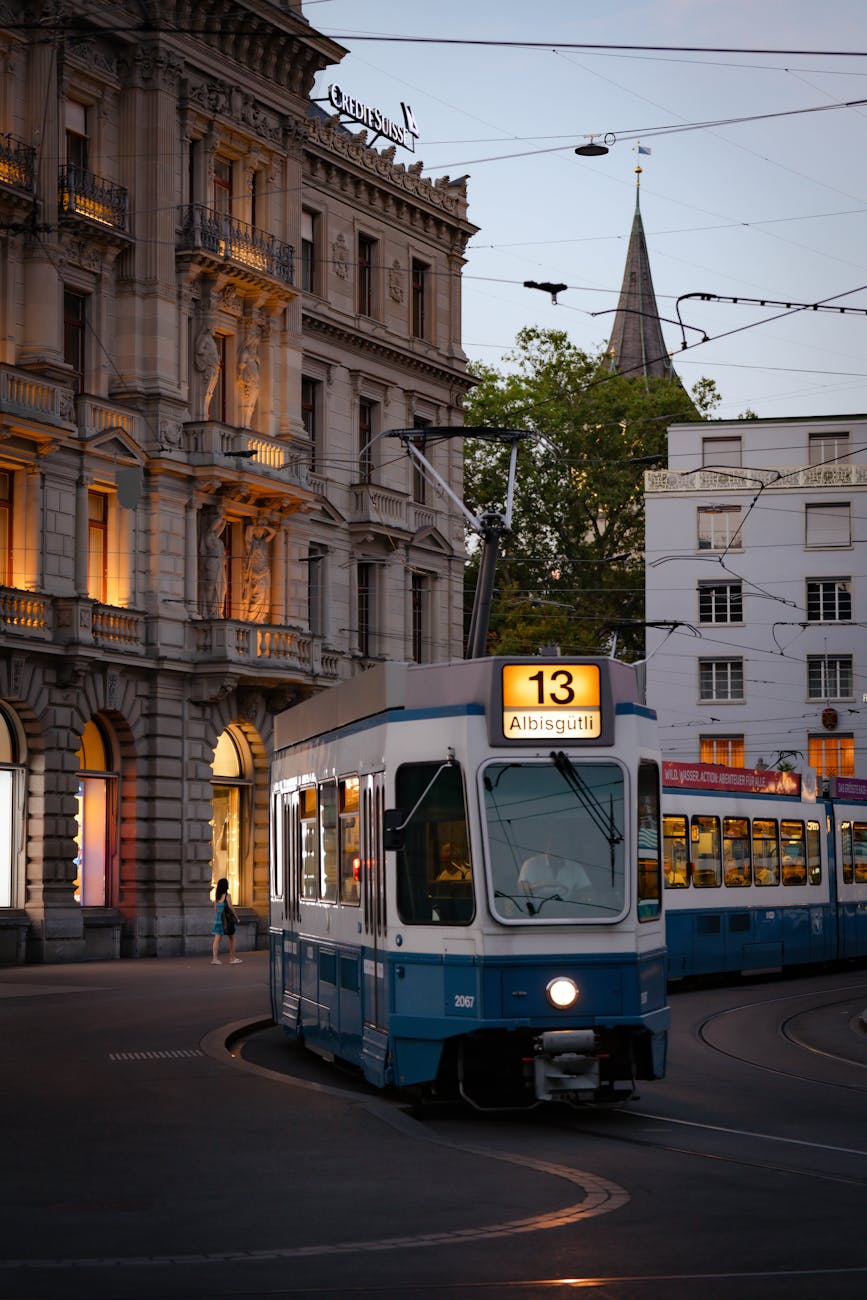
City trams and buses in Zurich, Geneva, and Lausanne are real daily-use systems, not decorative tourist networks. S-Bahn systems in larger urban areas extend the city logic outward into the metropolitan region. In places like Lucerne and Interlaken, boats and regional rail can function as part of the practical mobility system as much as the sightseeing experience.
The traveler should expect:
In Switzerland, local movement is often where the trip becomes either elegant or annoyingly expensive. The rail headline attracts attention. The local connectors determine whether the day actually works.
- zone-based local fare logic in many regions
- local buses that are designed to meet trains rather than compete with them
- boats that are worth treating as both transport and experience
- mountain feeder lines that can be highly useful but not necessarily included in the same way as urban transit
6. Cars, roads, and when Switzerland does not reward driving
Many visitors assume Switzerland is naturally a driving country because it is mountainous and scenic. That is only partly true.
Driving can be useful in some rural and lodge-based itineraries, especially if the trip is deliberately built around valleys, villages, vineyards, or mountain roads not well covered by public transport. But in much of the country, especially for first-time visitors doing the core urban-and-scenic circuit, a car is more burden than asset.
Switzerland often punishes casual driving through:
The clearest case is Zermatt, which is car-free. But even outside Zermatt, the broader lesson holds: if the itinerary is mostly Zurich, Geneva, Lucerne, Interlaken, Lausanne, and classic rail-connected Switzerland, the car is often solving the wrong problem.
- expensive parking
- city-center friction
- limited hotel parking
- mountain-weather complexity
- village restrictions
- the fact that the public-transport alternative is often simply better
7. Accessibility, luggage, and family travel
Switzerland is broadly strong for luggage and family movement because stations are central, transfers are legible, and ordinary rolling stock is designed for frequent real-world use. But that does not mean the whole country is flat or effortless.
The main practical constraints are:
Families and travelers with large luggage often make the same Swiss mistake: assuming the major rail segment is the whole journey. In practice, the difficult part is more often station-to-hotel, platform-to-boat, or valley-station-to-mountain-property movement.
- older stations or platforms where step-free travel is possible but indirect
- mountain transport with tighter space, stairs, or seasonal crowding
- boats and steep lakeside or hillside connections
- resort towns where the last kilometer matters more than the rail ride itself
8. What Switzerland gets wrong
Switzerland is not frictionless.
The main recurring weaknesses are:
In other words: the system is excellent, but it still expects you to think.
- pricing opacity for outsiders
- a pass ecosystem that can feel more complex than it should
- mountain transport exclusions and reservation rules that are easy to misunderstand
- weather-sensitive scenic travel
- high costs when you buy ad hoc at full fare
- occasional overconfidence in connection timing by visitors who are carrying too much baggage or moving with children
9. National quick-decision guide
| Situation | Best default choice | Why |
|---|---|---|
| Zurich Airport to central Zurich | Train or tram/rail via ZVV | Fast, frequent, deeply integrated |
| Zurich to Geneva / Lausanne | Ordinary intercity rail | Efficient, practical, center-to-center |
| Lucerne and lake region with several local moves | Regional pass or Swiss network ticket strategy | Boats and feeders matter as much as trains |
| Interlaken and Bernese Oberland base | Rail plus local guest-card / regional coverage | The hub logic is stronger than driving |
| Zermatt trip | Rail all the way to the resort | The village is car-free |
| One heavy sightseeing day with many rides | Saver Day Pass or pass-covered day | Simplicity and broad coverage can matter |
| Mostly one city with one excursion | Local tickets plus one intercity ticket | A full national pass may be wasteful |
| Mountain-heavy scenic travel | Check inclusions before buying anything | “Swiss coverage” and “mountain coverage” are not identical |
Zurich
1. System character
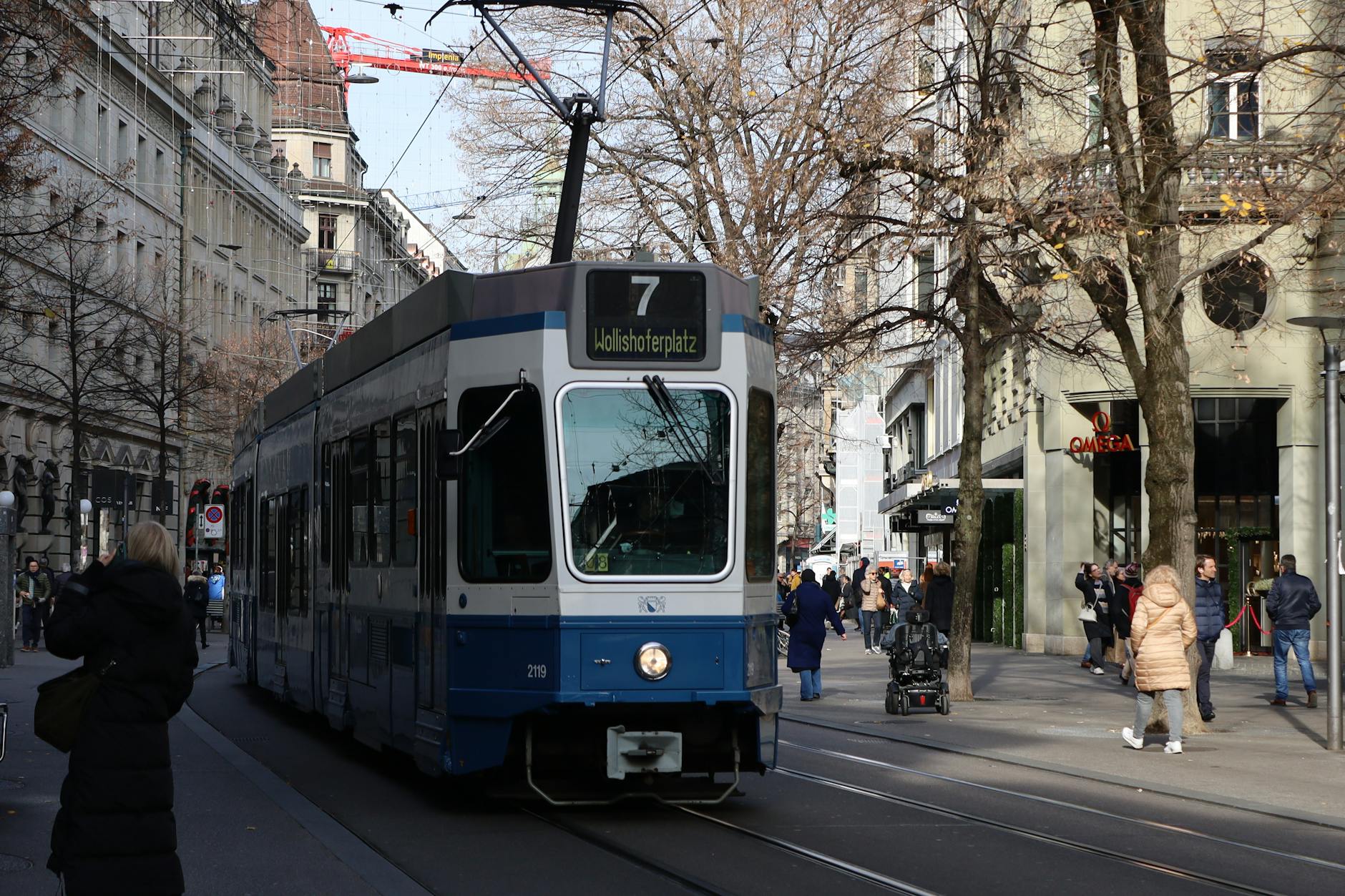
Zurich is the strongest all-round urban transport city in this paper. It combines national importance with a genuinely usable daily local network: S-Bahn, trams, buses, boats, and airport access all feel like one system rather than disconnected layers. The result is a city where a visitor can move quickly with very little drama and a resident can structure life around public transport without it feeling like a sacrifice.
2. What matters most
The key fact is that Zurich Airport is not a remote airport in practical terms. Official airport guidance says trains to Zurich main station run every ten minutes, with a journey time of about fifteen minutes, and that local public transport provides fast links to the surrounding region. This is one of the main reasons Zurich is such a strong arrival city. The airport does not feel operationally separate from the city.
The second important point is that the ZVV zone system matters. Zurich is not a city where you should improvise ticketing by mood. Understand the zones, buy the right validity, and then trust the network.
3. Main modes
| Mode | Use |
|---|---|
| S-Bahn | Metropolitan backbone, airport, outer districts, suburban movements |
| Tram | Best city-center and inner-district mode |
| Bus / trolleybus | Fills gaps beyond tram corridors |
| Boat | Useful and pleasurable on the lake and river, but not always the fastest option |
| Intercity rail | National movement from Zurich HB |
| Car | Usually unnecessary and often inconvenient in normal visitor use |
4. Airport access
Zurich Airport is one of Europe’s cleanest airport-to-city transfers. Rail is the default. Taxi only becomes a strong answer when luggage, fatigue, or group economics clearly justify it.
5. Local concerns
For visitors, the main mistakes are underestimating zone validity and overusing taxis. For locals, the real pressures are commuter loads, housing geography, and regional crowding more than system weakness.
6. Zurich visitor strategy
Stay near good tram or S-Bahn access, use the airport rail link without hesitation, and treat Zurich as a city where public transport is usually the first answer, not the backup answer.
Geneva
1. System character
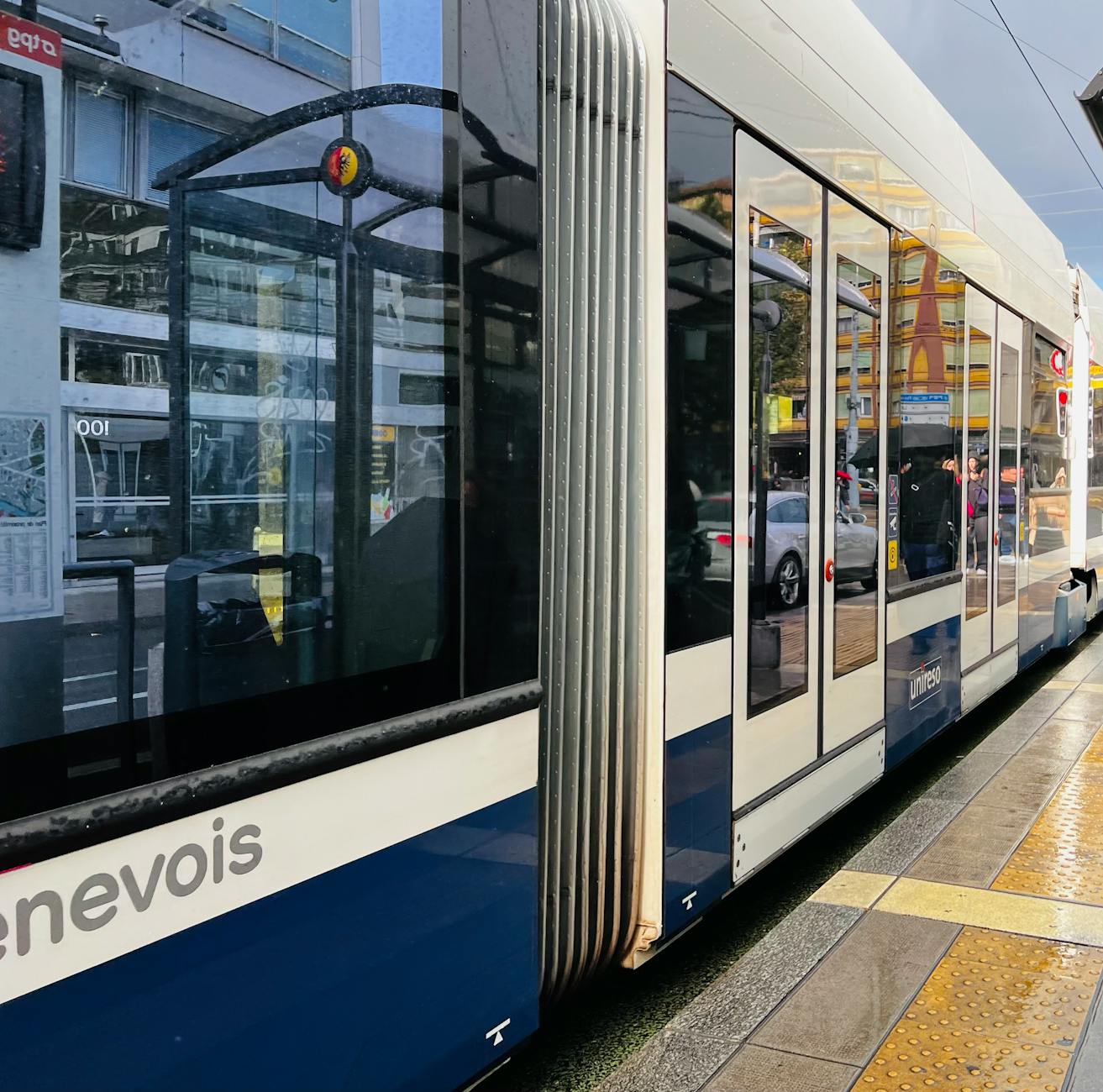
Geneva is less nationally central than Zurich but highly effective for visitor use. Trams, buses, local trains, and airport links make it manageable, and the city is compact enough that walking remains part of the system rather than a failure of it.
2. What matters most
Geneva Airport is unusually easy in city terms. Official airport guidance states that all trains stop at Genève-Cornavin, the main city station, and that airport buses run frequently, with buses generally every eight to fifteen minutes during rush hours. That means Geneva works well both by rail and by surface transit.
The second major point is the local tourist transport benefit. Geneva public-transport guidance states that visitors staying in Geneva accommodation can use the Geneva Transport Card digital for free travel in zone 10 during their stay, covering buses, trams, trains, and Mouettes Genevoises within the canton’s local validity. This is one of the better local visitor benefits in Europe.
3. Main modes
| Mode | Use |
|---|---|
| Tram | Main urban spine |
| Bus / trolleybus | Critical for city coverage |
| Local train / Léman links | Useful for airport and regional continuation |
| Mouettes / lake shuttles | Practical in some corridors and pleasant overall |
| Taxi | Useful for late-night or luggage-heavy movements |
| Car | Usually more burden than benefit for normal city use |
4. Airport access
The airport-city rail link is strong enough that many visitors should not default to taxis. Early-morning flyers also have the tpg Aérobus option, which tpg describes as a free early-morning airport shuttle service for same-day flyers presenting proof of travel.
5. Local concerns
Visitors can overcomplicate Geneva because the city feels international and fragmented across institutions. In practice, it is one of the easier Swiss cities to operate. Residents, however, feel the cross-border commuting pressure and daily crowding more than short-stay visitors do.
6. Geneva visitor strategy
Use the airport rail link, exploit the hotel transport card if you have it, and build the city on tram-and-walk logic rather than taxi logic.
Lucerne
1. System character
Lucerne is where Swiss transport becomes emotionally persuasive. The station, lake, buses, regional trains, and mountain feeders all converge in a way that makes movement feel almost too easy. But this is also where travelers often start confusing ordinary Swiss transport with premium scenic coverage and make expensive pass mistakes.
2. What matters most
The practical key is that the Lucerne region’s local ticketing sits inside the Passepartout network. Passepartout describes itself as one public-transport ticket for Lucerne, Obwalden, and Nidwalden, covering bus, train, and in some cases boat travel within the region. That is useful, but only if your route really is regional.
Lucerne also tempts visitors into overbuying because so many mountains, boats, and excursions radiate from the city. The correct question is not “what is the biggest pass?” It is “which combination of local transport, boat coverage, and mountain discounts fits my actual two or three excursions?”
3. Main modes
| Mode | Use |
|---|---|
| Rail | Strong for arrivals and regional continuation |
| Bus | Main local city coverage |
| Boat | Both scenic and genuinely practical on the lake |
| Mountain feeders | Essential for day trips, but not always fully included in national pass logic |
| Taxi | Secondary; mostly for convenience or late arrival |
4. Local concerns
Lucerne’s challenge is not urban complexity. It is excursion complexity. The traveler needs to keep city mobility, lake mobility, and mountain mobility mentally separate.
5. Lucerne visitor strategy
Use the station and lakefront as your operational center, buy only the regional or scenic coverage you actually need, and avoid assuming every mountain segment is automatically absorbed by your national ticket.
Interlaken
1. System character
Interlaken is less a stand-alone city network than a transport hinge for the Bernese Oberland. The right way to think about it is as a hub between stations, boats, mountain lines, local buses, and excursion valleys. This is why it works so well for travelers and also why it is easy to misunderstand.
2. What matters most
The local guest-card logic matters here more than in many places. Interlaken Tourism states that guests staying overnight in participating communes receive a guest card with free local public transport within the area of validity and discounts on regional transport products. Interlaken’s digital pass guidance also notes discounts on the Lake Thun and Lake Brienz boat day pass, rather than full inclusion.
BLS boat guidance states that the day ticket for Lakes Thun and Brienz includes the rail link between Interlaken West and Interlaken Ost and the public bus network in Interlaken’s Libero zone 750, and that Swiss Travel Pass is valid on the scheduled lake cruises.
This is exactly the kind of Swiss ticket ecology that rewards attention. Interlaken is brilliant if you understand the layers and expensive if you drift through them.
3. Main modes
| Mode | Use |
|---|---|
| Rail | Backbone between Interlaken West, Interlaken Ost, and regional excursions |
| Boat | Essential for lake movement and excursion days |
| Local bus | Good for short local movements within validity zones |
| Mountain railways / funiculars | Critical for excursion travel but not automatically included in everything |
| Car | Often unnecessary for the classic visitor use case |
4. Local concerns
For visitors, last-mile excursion logic matters more than city-center transit. For residents and workers, tourism seasonality and excursion congestion are bigger issues than basic transport weakness.
5. Interlaken visitor strategy
Treat Interlaken as a transfer ecosystem. Decide early which lake, mountain, and local products actually matter, and do not confuse free local transport with universal excursion coverage.
Lausanne
1. System character
Lausanne is one of the more distinctive Swiss urban transport cities because of its topography and its metro identity. The city’s steepness means movement is felt physically in a way Zurich and Geneva often are not. That is why the m2 matters so much. It is not just a transit novelty. It is an answer to the city’s geography.
2. What matters most
The Lausanne transport system is built around tl buses plus the m1 and especially the m2. Public reporting by tl noted that the m2 alone carried over 35 million travelers in 2023, underscoring how structurally important it is to the city.
Lausanne is also one of the stronger examples of how ordinary Swiss city transport and national rail connect well. You do not think about the station and the city as separate problems for long. They are quickly one operational system.
3. Main modes
| Mode | Use |
|---|---|
| m2 metro | Core north-south urban mover; essential because of the slopes |
| m1 metro / regional line | Important for western corridors and educational/business areas |
| Bus / trolleybus | Wide coverage and last-mile support |
| Rail | National and regional access via Lausanne station |
| Car | Often frustrating relative to transit given the terrain and city form |
4. Local concerns
Lausanne’s hills make simple map-distance judgment unreliable. Visitors often underestimate how much better the metro-and-bus combination is than trying to brute-force the city on foot. Residents feel network crowding and infrastructure stress more than tourists do.
5. Lausanne visitor strategy
Use the m2 without hesitation, stay where rail or metro access is strong, and do not confuse a compact map with a flat city.
Zermatt
1. System character
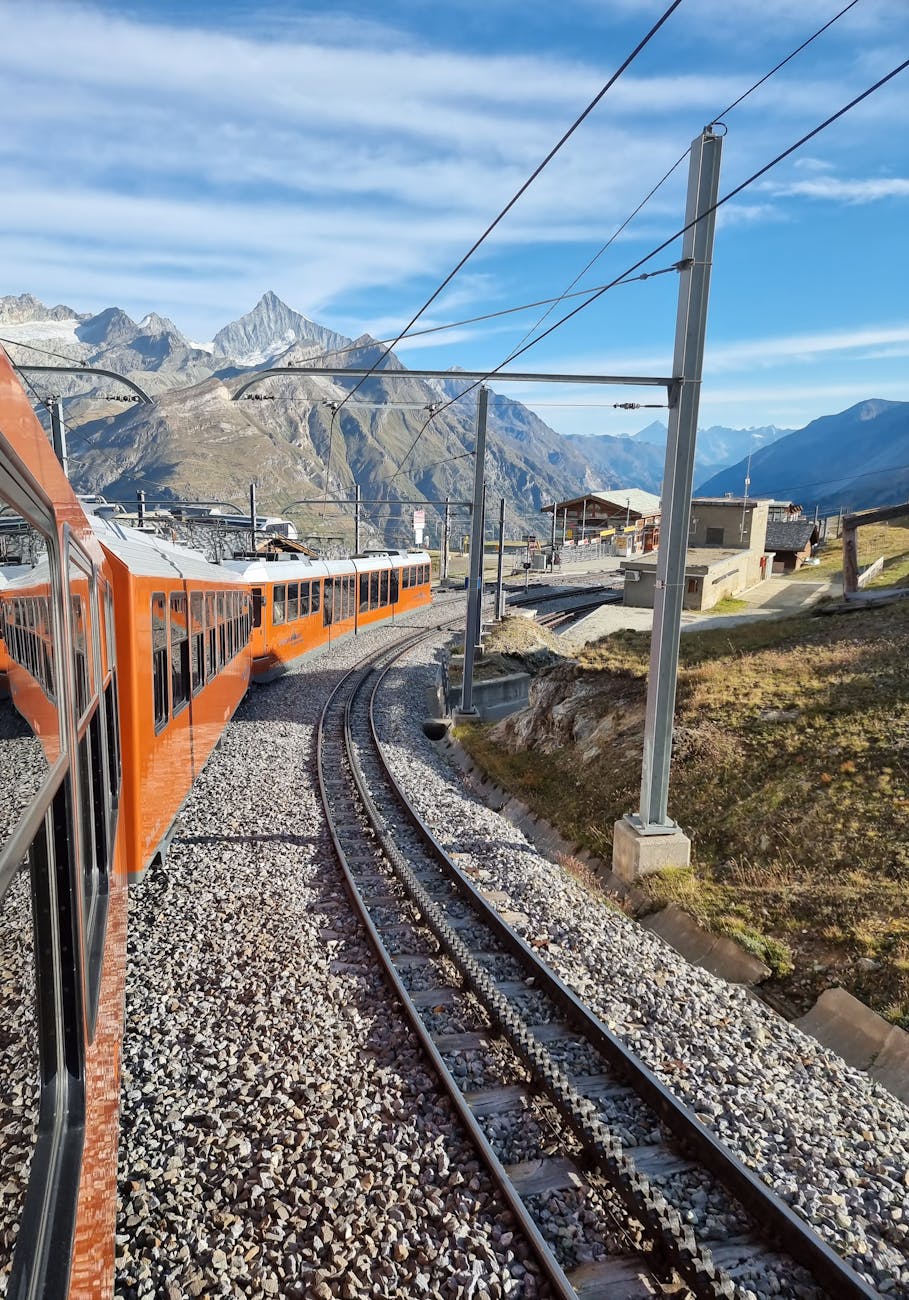
Zermatt is the clearest special case in Swiss transport. It is car-free, rail-defined, and hotel-transfer-sensitive. The journey into Zermatt is part of the destination logic, and once you arrive, the movement culture changes completely.
2. What matters most
Matterhorn Gotthard Bahn states that Zermatt station is the arrival and departure point to car-free Zermatt and sits directly in the center of the village near the Gornergrat Bahn. This is the key operational fact. You do not “drive into Zermatt” in the normal sense. You arrive by rail and then transition into the local car-free village system.
Zermatt’s own tourism material emphasizes the car-free nature of the village and the role of electric taxis and hotel pickups inside that environment.
3. Main modes
| Mode | Use |
|---|---|
| Rail | Mandatory practical arrival mode for most visitors |
| Electric taxis / hotel shuttles | Last-kilometer luggage and hotel transfer solution |
| Walking | The village center is built for it |
| Mountain railways | Core excursion layer, separate from ordinary town movement |
| Car | Not a normal in-village mode |
4. Local concerns
The main visitor mistake is not planning the hotel transfer and luggage logic after arrival. The main local challenge is operating a high-end mountain resort around rail arrival and electric-vehicle village movement.
5. Zermatt visitor strategy
Pack for train arrival, know how your hotel pickup works, and treat the village as a rail-to-foot/e-taxi environment rather than a general road environment.
1. Which Swiss bases are easiest for first-time visitors?
Zurich is the easiest all-round first Swiss base because the airport link, city network, and national connections are all strong. Geneva is also easy, especially with hotel-linked transport benefits. Lucerne is easy physically, but fare logic becomes more complex once mountain days enter the plan. Interlaken is easy operationally if the traveler accepts that it is a hub, not a closed city system.
2. Where do visitors most often overspend?
They overspend:
- by buying a full Swiss Travel Pass when a Half Fare strategy would have been better
- by paying full fare on repeated ordinary rail trips
- by assuming mountain products are included when they are only discounted
- by using taxis in Zurich or Geneva where the rail and tram network is the obvious answer
- by treating scenic rail branding as a requirement rather than a choice
3. Where does Swiss transport feel most different by city?
Zurich feels metropolitan and complete. Geneva feels compact and diplomatic. Lucerne feels excursion-oriented. Interlaken feels hub-based. Lausanne feels vertical. Zermatt feels like a car-free mountain exception. That means “Swiss transport” is one national idea expressed through very different local experiences.
4. The best practical setup by trip type
| Trip type | Best default setup |
|---|---|
| Zurich + one or two city transfers | National rail plus local city tickets or a discount strategy |
| Fast multi-city Switzerland | Swiss Travel Pass or disciplined Half Fare / Saver Day Pass planning |
| Lucerne / Interlaken scenic trip | Rail first, then region-specific add-ons for boats and mountains |
| Geneva business stay | Hotel-based local transport benefits plus ordinary rail |
| Mountain-resort trip with Zermatt | Rail all the way, hotel transfer planning, mountain supplement awareness |
| Slow one-base Swiss stay | Local validity first, national add-ons only when truly needed |
5. Final advice
Switzerland becomes much easier when you stop treating the railway as the whole product. The real product is the entire public-transport culture: the transfer, the local ticket, the boat, the mountain feeder, the station location, the guest card, the final hotel handoff. If you understand that, Switzerland feels like one of the most civilized transport countries on earth. If you do not, it can feel oddly expensive and overcomplicated for a place that is, in truth, trying very hard to make movement simple.
The strongest move is therefore not to buy the biggest pass. It is to understand the trip you are actually taking.
: Zurich Airport says trains depart for Zurich main station every 10 minutes and the journey takes about 15 minutes, with strong regional public-transport integration.
: Geneva Airport says all trains stop at Genève-Cornavin and airport buses run every 8 to 15 minutes during rush periods.
: tpg says visitors staying in Geneva accommodation can use the Geneva Transport Card digital for free public transport in zone 10 during their stay.
: tpg describes the Aérobus as a free early-morning airport shuttle for same-day flyers presenting proof of travel.
: Passepartout describes itself as one ticket for bus, train, and in some cases boat travel across Lucerne, Obwalden, and Nidwalden.
: Interlaken Tourism says the guest card provides free local public transport within the area of validity and regional discounts.
: Interlaken Pass guidance notes free local public transport and discounts on Lake Thun and Lake Brienz day passes.
: BLS says the Lakes Thun and Brienz day pass includes unlimited scheduled cruises plus the rail connection between Interlaken West and Interlaken Ost and local Interlaken bus validity.
: BLS states Swiss Travel Pass is valid on scheduled cruises on Lakes Thun and Brienz.
: tl public reporting said the m2 carried more than 35 million travelers in 2023.
: Matterhorn Gotthard Bahn says Zermatt station is the arrival and departure point for car-free Zermatt and lies in the center of the village.
: Zermatt tourism material emphasizes the car-free village environment and electric-taxi / hotel-transfer logic.