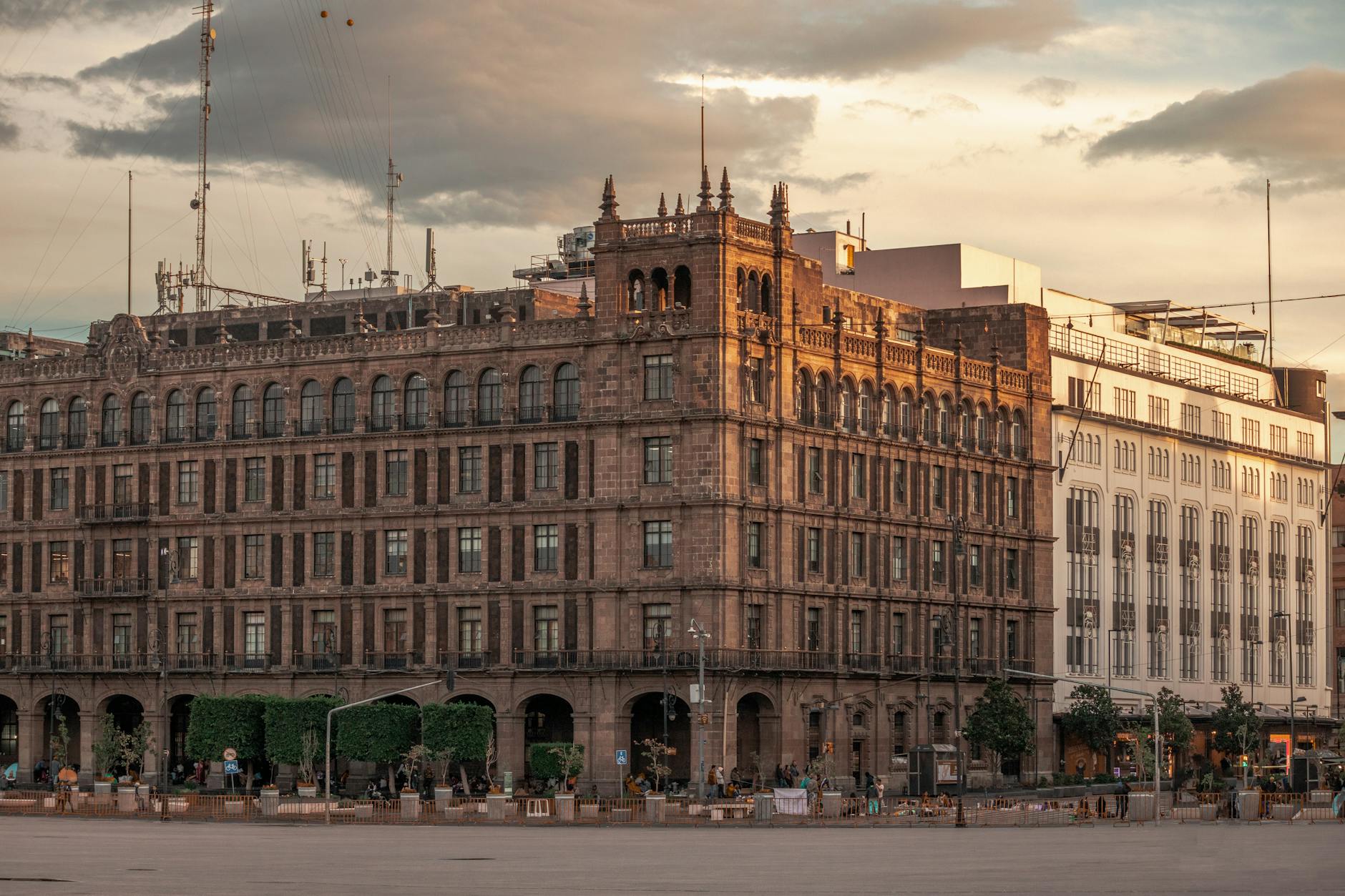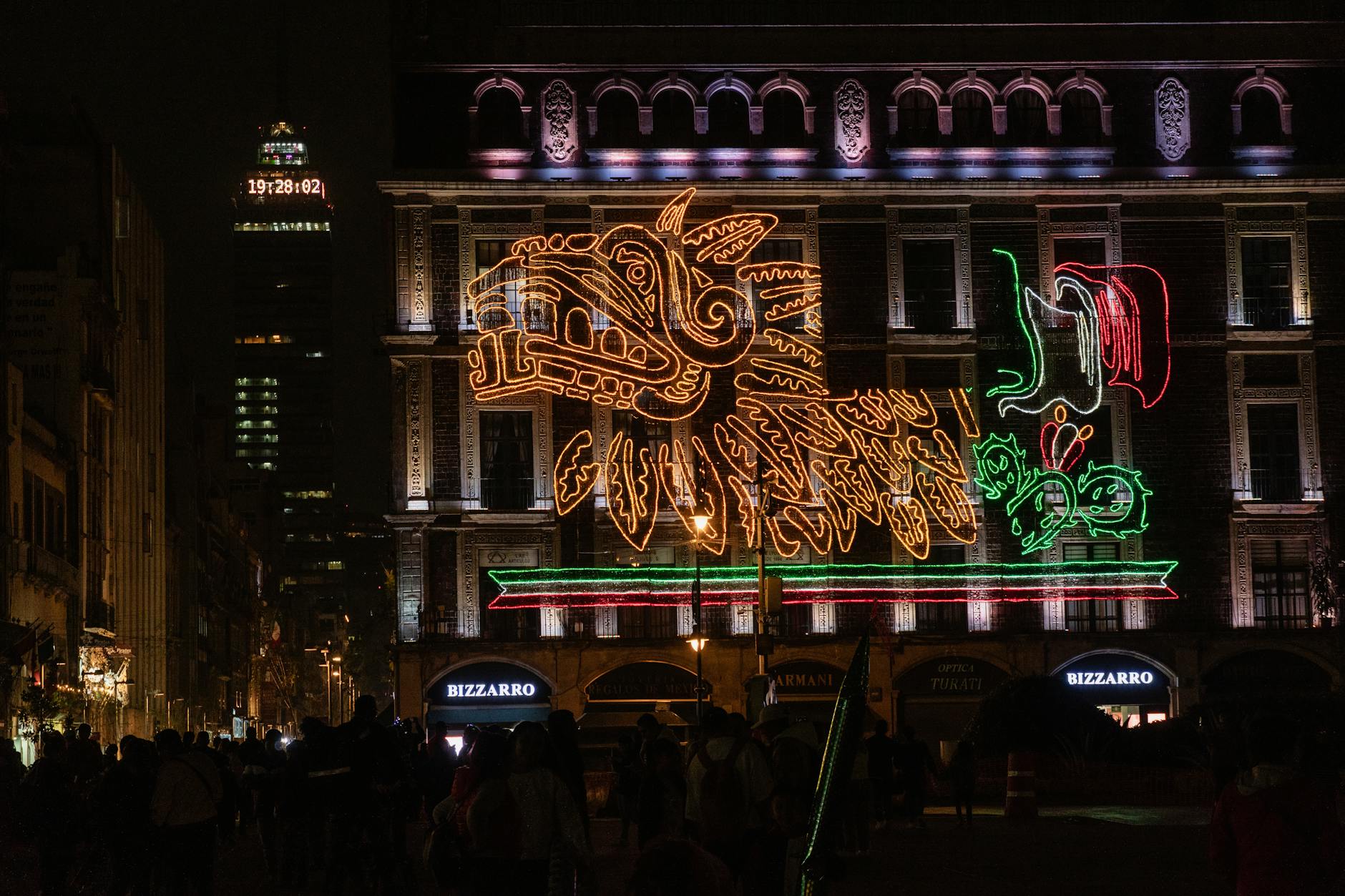
Mexico City is not a port-call city in the ordinary sense. A traveler coming from a cruise ship, a coastal port, or a cruise-adjacent itinerary is usually considering Mexico City as a pre-cruise extension, a post-cruise stay, or an ambitious inland add-on. That changes the planning problem. The useful question is not whether Mexico City is worth seeing. It is whether the transfer chain, recovery time, hotel base, and return margin make sense for the traveler and the sailing schedule. The city can reward the effort: the Zocalo, Chapultepec, Bellas Artes, major museums, food, neighborhoods, and a serious urban rhythm can make Mexico City the strongest part of a wider Mexico trip. But the city punishes vague timing. A cruise traveler should not treat a map distance, a tour description, or a same-day flight connection as proof that the plan is workable. The plan has to protect the ship, the flight, the traveler, and the first night on land.
Treat Mexico City as an inland extension, not a port walk
The first mistake is category confusion. Mexico City should not be planned like a port area where the traveler can step off, walk a few blocks, and return to the ship with little operational thought. It is a large inland capital with airport, road, rail, hotel, traffic, altitude, luggage, and timing questions. For many cruise travelers, it belongs before or after the sailing rather than inside a narrow port-call window.
If Mexico City is being considered from a coastal port, the traveler should test the route with hard margins. What happens if the ship clears late, the road is slow, the flight changes, baggage takes longer, or the traveler is tired? A famous city does not become a sensible excursion merely because a tour operator can describe it.
- Treat Mexico City as a separate inland travel segment unless the cruise operator has a protected, realistic plan.
- Check the full transfer chain from ship, port, airport, hotel, and return point before committing.
- Avoid same-day ambition that depends on every piece of the schedule working perfectly.
Protect the transfer day before protecting the sightseeing list
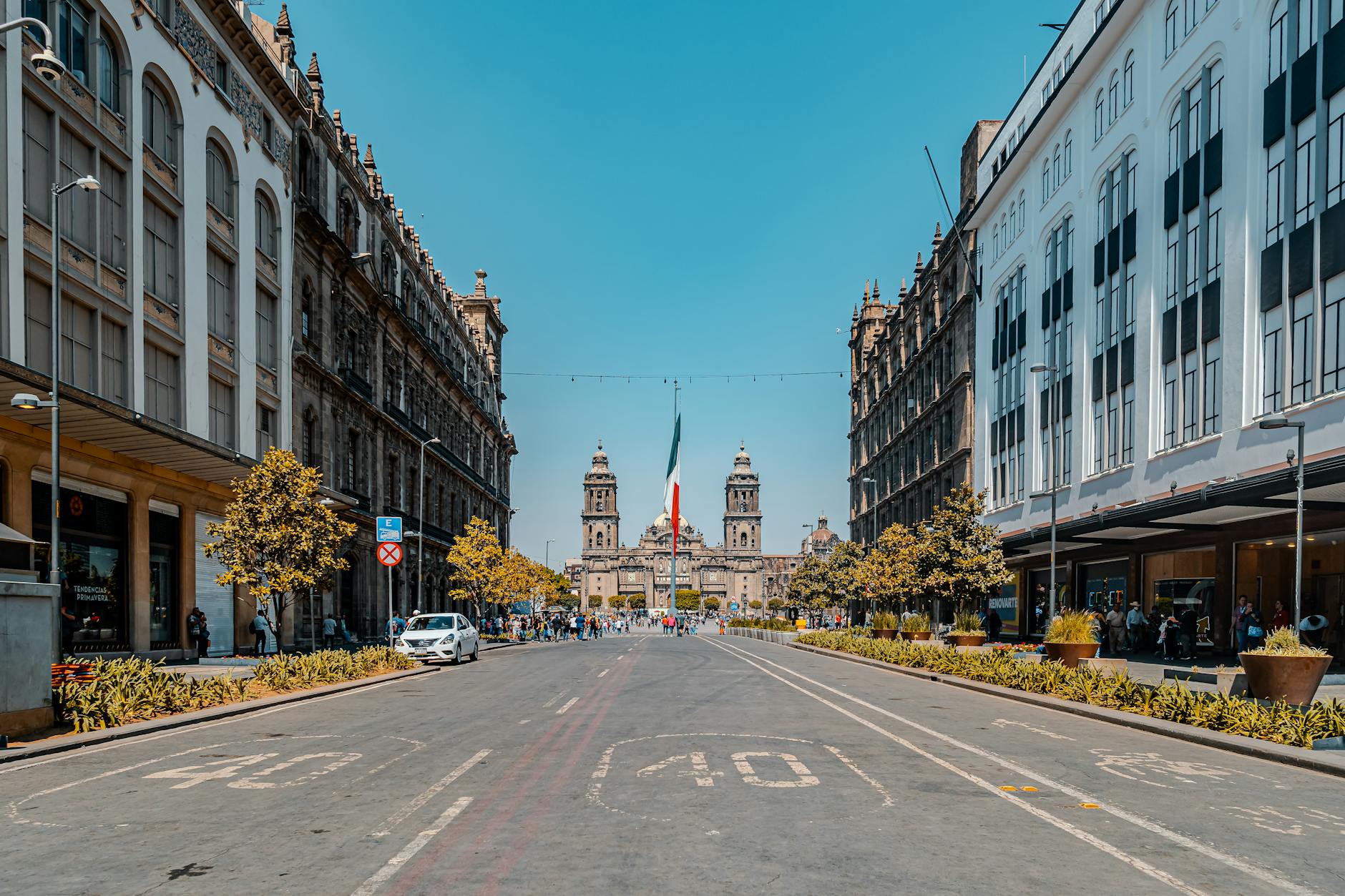
Cruise travelers often build the Mexico City portion around what they want to see. The safer sequence is to build it around the transfer day. Arrival from a ship can involve luggage, disembarkation timing, private transport, domestic or international flights, airport processing, traffic, hotel check-in, and fatigue. The traveler should assume the first day is partly consumed by logistics, even when the schedule appears open.
That does not mean the day has to be wasted. It means the first plan should be close, recoverable, and easy to abandon. A short walk, a hotel-adjacent meal, one nearby museum, or a controlled evening view is often smarter than racing across the city after several hours of transfer friction.
- Build the first Mexico City day around luggage, check-in, traffic, fatigue, and meal timing.
- Keep arrival-day plans close to the hotel or easy to cancel without losing the trip.
- Do not schedule the most important museum, dinner, or tour immediately after a fragile transfer.
Choose a base that shortens the land portion
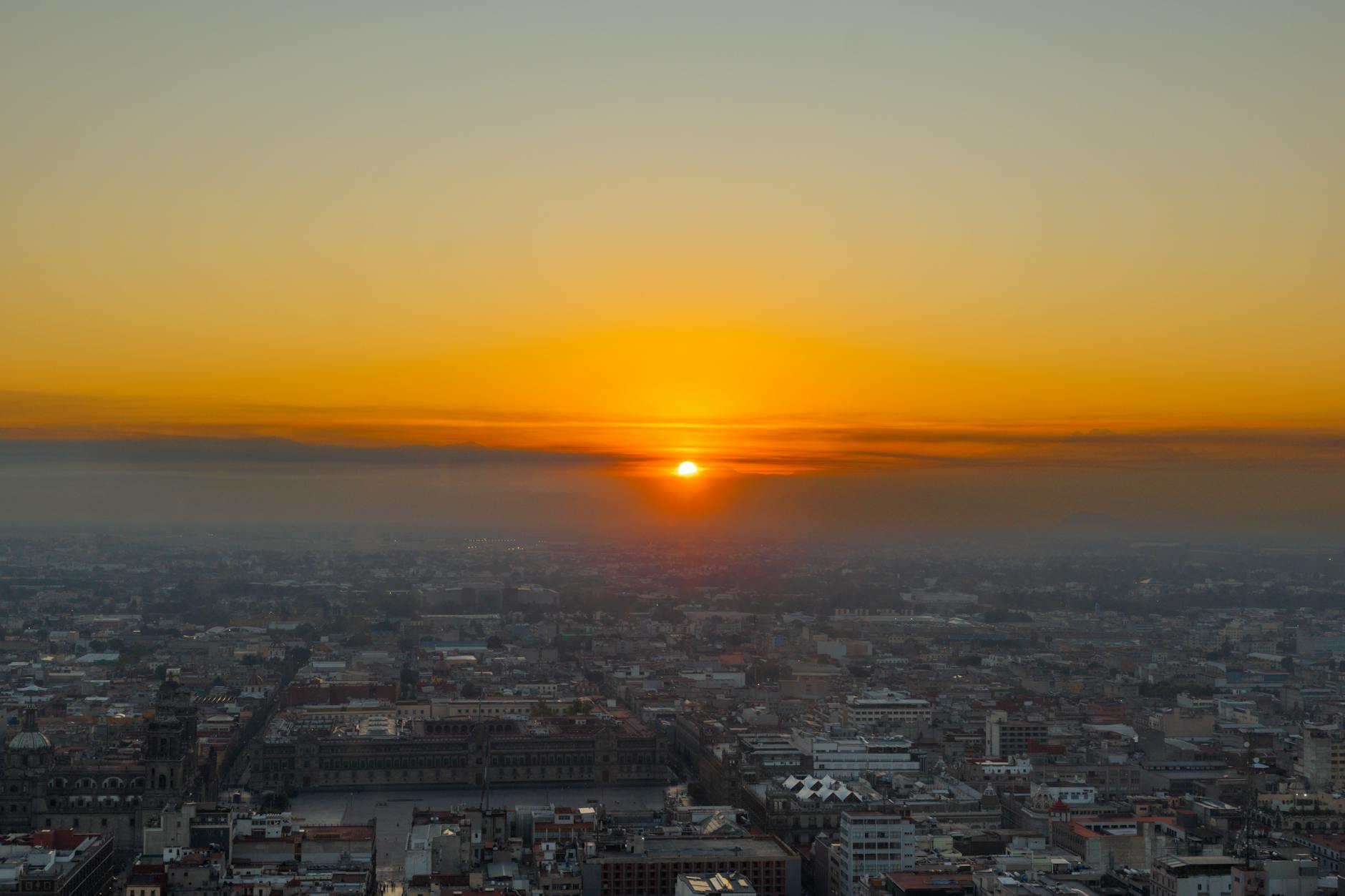
A cruise traveler may have only one or two nights in Mexico City. In that context, the hotel base is not a lifestyle choice. It is the operating platform for the entire land portion. Polanco, Reforma, Juarez, Roma, Condesa, Centro, and airport-adjacent hotels can all make sense for different travelers, but they do not solve the same problem. The right base depends on arrival time, departure time, luggage, sightseeing priorities, mobility, and tolerance for traffic.
The weak choice is a hotel selected because it looks attractive in isolation. A good cruise-extension base should reduce cross-city movement, give the traveler a usable first meal, simplify pickup, and make departure predictable. If the traveler has an early flight or a tight return to another travel segment, convenience may beat atmosphere.
- Match the hotel to arrival, departure, luggage, and the one or two highest-priority sights.
- Use Reforma, Polanco, Centro, Roma, Condesa, Juarez, or the airport area for different operating reasons.
- Avoid a beautiful hotel that creates unnecessary traffic exposure for a short land extension.
Keep sightseeing compact and sequenced
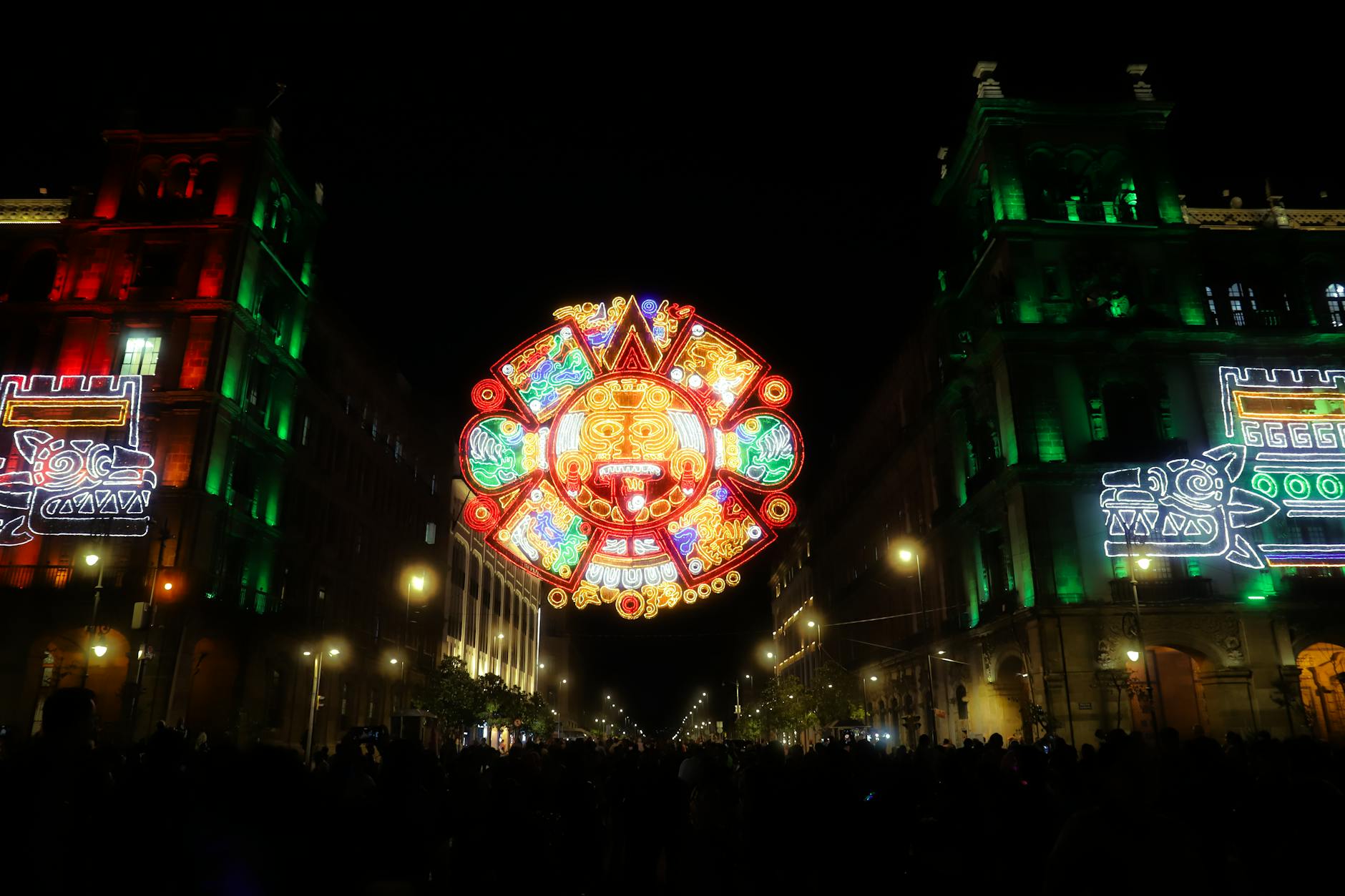
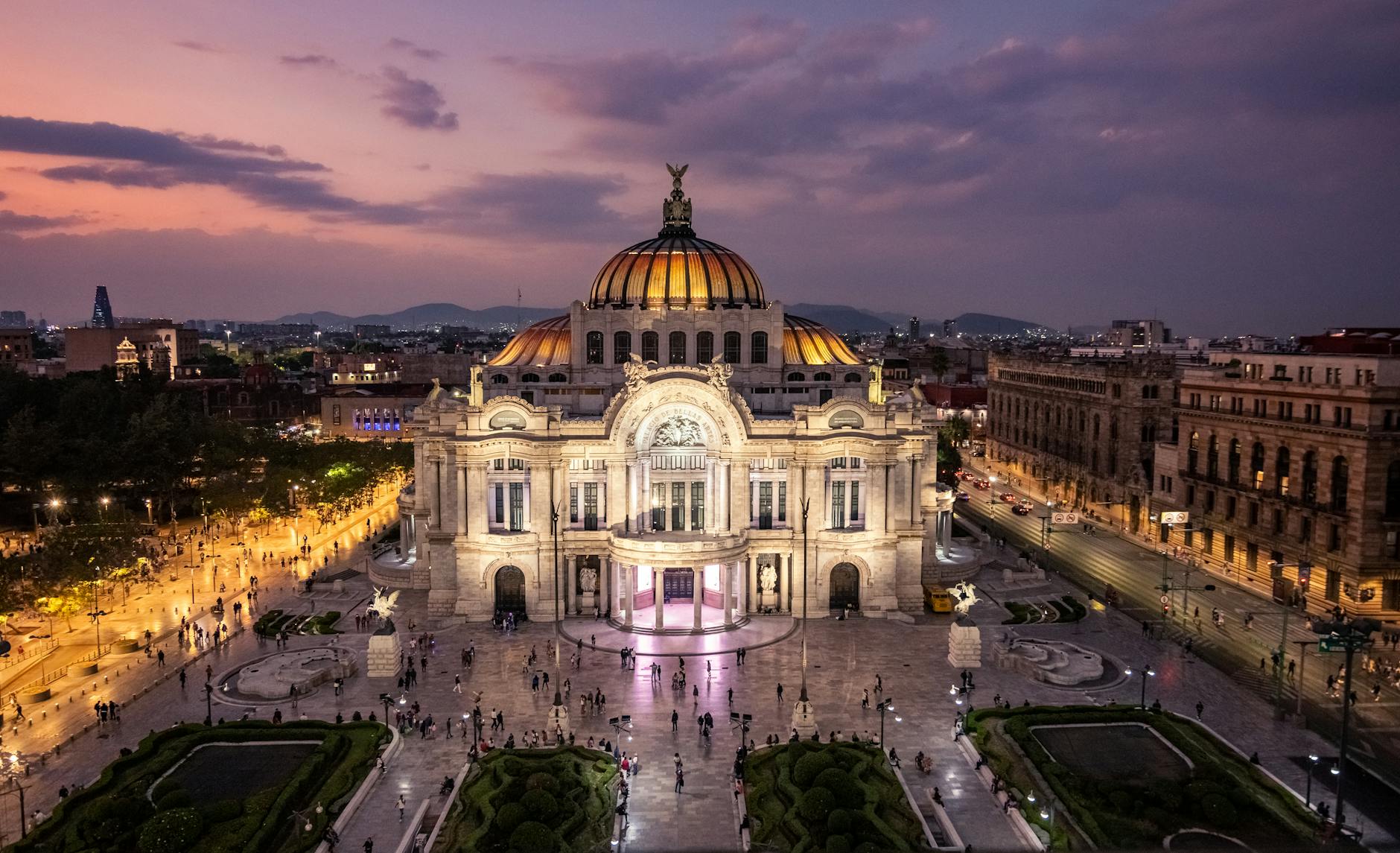
Mexico City tempts short visitors into a scattered list: the Zocalo, Palacio de Bellas Artes, Chapultepec, the anthropology museum, Frida Kahlo sites, markets, restaurants, neighborhoods, and perhaps Teotihuacan. A cruise traveler with limited land time needs a route, not a wish list. The better plan groups sights by geography and energy cost, then leaves enough room for traffic, lines, weather, altitude, meals, and recovery.
A Centro-focused day, a Chapultepec-and-Polanco day, or a Roma-Condesa food-and-neighborhood route can work. Trying to combine every famous place across the city can make the land extension feel like a transfer exercise. The point of adding Mexico City is to experience the city, not to prove that the traveler can endure it.
- Group sights by district rather than ranking them only by fame.
- Choose one main route for each day and keep one nearby fallback.
- Treat Teotihuacan or long out-of-city tours as major day commitments, not simple add-ons.
Account for altitude, food, and ship-to-city recovery
Mexico City sits at altitude, and some travelers feel it more after a cruise than they expect. Sleep rhythm, alcohol, rich meals, heat, dehydration, motion fatigue, medication timing, and long walking days can all compound the first land day. A traveler coming from sea level should avoid treating the city as a place to sprint through immediately after disembarkation.
Food planning matters too. Mexico City is a serious food destination, but a cruise traveler may arrive with disrupted appetite, stomach sensitivity, or a desire to overcorrect from ship dining. The sensible plan starts with hydration, moderate first meals, bathroom awareness, and a realistic walking load. The excellent meal is better when the traveler can enjoy it.
- Expect altitude to interact with fatigue, alcohol, dehydration, walking, medication, and sleep disruption.
- Start with manageable meals and hydration before building the trip around ambitious dining.
- Plan bathrooms, seating, shade, and recovery time into the first full day.
Use disciplined transport and after-dark rules
A cruise traveler may be carrying more luggage, documents, medication, valuables, or unfamiliar clothing than a normal city-break visitor. That changes movement. Airport transfers, hotel pickups, rideshare, private drivers, and guided transport should be chosen for reliability as much as price. The traveler should know the hotel address, pickup point, payment method, and backup plan before leaving a terminal or restaurant.
After dark, the land-extension mindset should stay practical. Choose dinner geography carefully, avoid long exploratory walks while tired, keep phones charged, and make the return simple. A short Mexico City extension is not the moment to improvise across unfamiliar districts with cruise luggage or a next-day departure.
- Use reliable cars, vetted drivers, or rideshare plans when luggage, fatigue, or timing makes friction costly.
- Keep hotel address, pickup point, phone battery, payment method, and backup contact ready.
- Plan dinner and after-dark movement around the return route, not only around restaurant reputation.
When to order a short-term travel report
A cruise traveler spending several relaxed nights in Mexico City with flexible flights may not need a custom report. A report becomes useful when the city is tied to a ship schedule, a coastal transfer, an early flight, a same-day connection, a mobility limit, a medical constraint, a group with mixed energy levels, expensive luggage, or a desire to choose between several hotel bases and sightseeing routes. The risk is not that Mexico City is too difficult. The risk is that the plan treats it as simpler than it is.
The report should test the port or ship context, airports, transfer chain, hotel geography, traffic exposure, arrival and departure margins, luggage handling, altitude and health considerations, sightseeing sequence, meal plan, after-dark movement, and fallback if the cruise or flight schedule shifts. The output should be a land-extension plan that protects the sailing and still makes the city worth the effort.
- Order when ship timing, inland transfers, flights, health limits, luggage, or group complexity make the extension consequential.
- Provide cruise dates, port or airport details, flight times, hotel candidates, mobility limits, medical needs, and must-see priorities.
- Use the report to decide whether Mexico City belongs before, after, or outside the cruise itinerary.