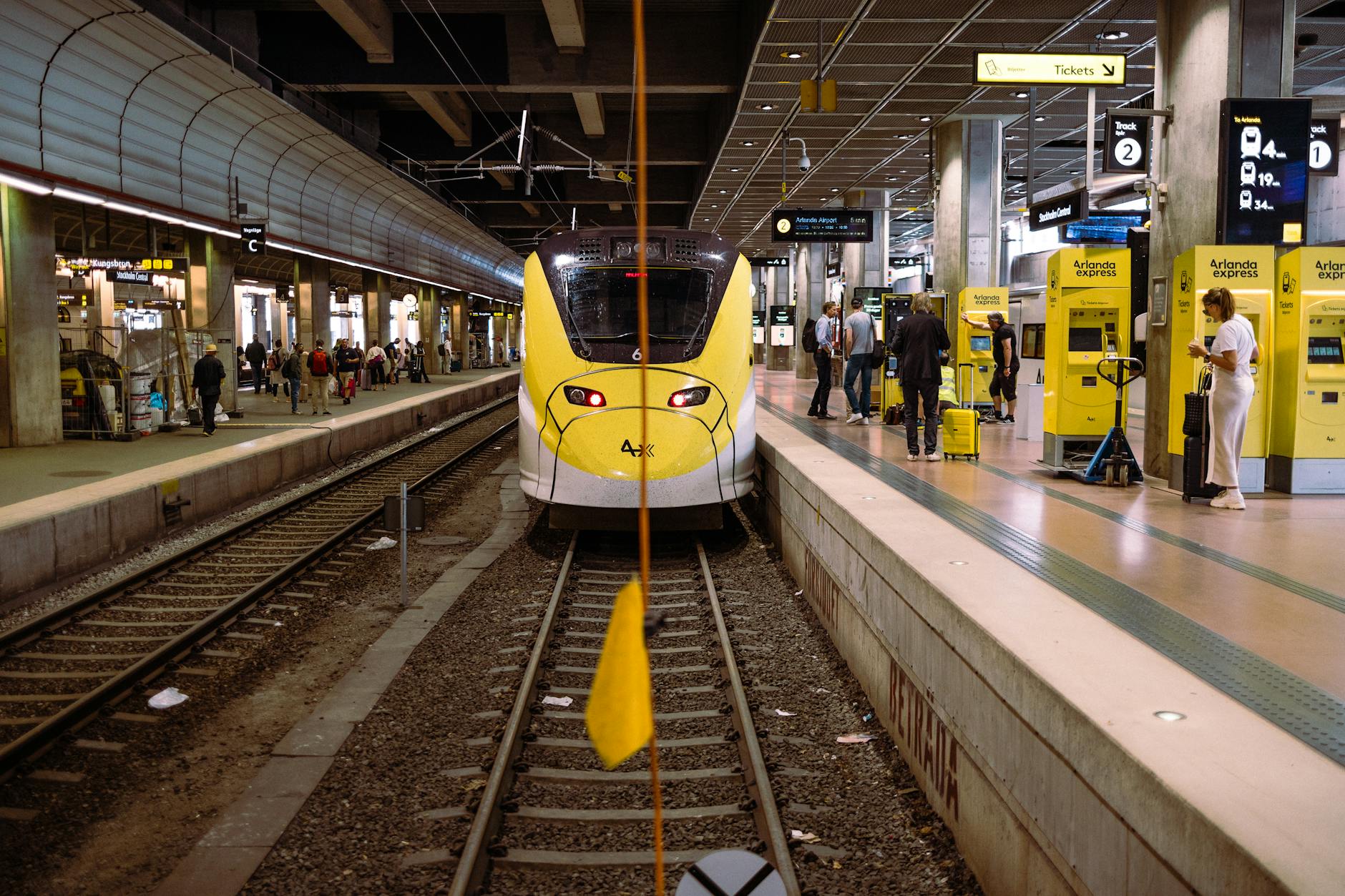
A practical analysis for visitors, foreign residents, and local users
Purpose: Explain what a visitor or local resident actually needs to know to move around Sweden: long-distance rail, regional operators, public-transport authorities, ferries, airports, driving, ticketing, urban transit, accessibility, and the practical decisions that determine whether Swedish transport feels calm and civilized or oddly fragmented and expensive.
Executive summary
Sweden has a strong transportation culture, but it is not a one-note transportation country. Foreign visitors sometimes arrive expecting a Scandinavian version of Switzerland: one disciplined national system, a single obvious ticket logic, and clean universal integration. Sweden is better understood as a country with several high-quality systems that often sit beside one another rather than fully inside one another. The result can be excellent in practice, but only if the traveler stops looking for one master key.
The central practical rule is this: Sweden rewards travelers who distinguish clearly between national movement and local movement. Intercity rail, regional rail, ferries, trams, metro, buses, airport links, and city fare systems are all usable, but they do not always collapse into one elegant product. SJ matters. Regional public-transport authorities matter. City cards, local ticket apps, and airport access patterns matter. The traveler who treats Sweden as one seamless national grid may not get lost, but they can easily overpay or plan badly.
The second rule is that Swedish transport is often strongest when used with moderation rather than maximalism. Visitors do well when they choose a few strong bases and move through them cleanly. Sweden is not a country that always rewards hyperactive multi-stop itineraries. Long-distance rail is often pleasant. Urban transit in the major cities is very workable. Ferries and coastal links can be highly useful. But excessive switching, weak overnight positioning, and poor weather planning can turn a calm route into an unnecessarily fiddly one.
For visitors, the strongest national default is:
For residents, the picture is more layered. Sweden can feel highly functional in daily life, but commuter crowding, winter disruption, rail reliability issues on some corridors, and the difference between urban transit-rich cities and car-dependent smaller environments are real. Swedish transport is not weak. It is simply more plural than the international stereotype suggests.
The central recommendation is simple: build Sweden around city bases, let rail do the long work where it should, respect the local authority systems, and do not confuse a calm country with a frictionless one. Sweden usually works very well when handled that way.
- use rail first for the main Stockholm-Gothenburg-Malmo-Uppsala spine
- use urban transit decisively in Stockholm and Gothenburg rather than falling back to taxis too early
- use walking plus transit plus ferry logic in island and waterfront cities rather than treating every move as a separate transport problem
- use domestic air sparingly, mainly where distance or island constraints genuinely justify it
- treat Gotland and Visby as a separate operational category with ferry and seasonal considerations of their own
1. How the national system actually works
Sweden is not one operator. It is a transport environment shaped by national rail, regional authorities, municipal systems, ferries, airports, and a whole network of local decisions that matter more than visitors often expect. SJ is a major national anchor, but it does not erase the role of county-based transit authorities or private and regional rail actors. This is one of the most important things to understand early, because much of Swedish travel stops feeling confusing once you stop asking one brand to explain the whole country.
That means the traveler should think in layers:
Sweden often feels orderly because each layer is usually run competently. The mistake is assuming the layers are more unified than they actually are.
- national rail for major intercity movement
- regional rail and bus systems for county-scale continuation
- city transit systems for local operating life
- ferries and island connections where geography demands them
- domestic air where distance, season, or island routing make it genuinely useful
2. The first ticket decisions every traveler should make
The first Swedish transport question is not “should I take the train?” It is “how many systems am I really using on this trip?”
If the trip is built around Stockholm plus one or two rail-linked cities, ordinary rail booking and local city ticketing can work perfectly well. If the trip mixes several cities, airport links, ferries, and regional continuation, the transport challenge becomes less about locomotion and more about product selection and timing.
The main distinctions that matter are:
Sweden often punishes passivity more than outright ignorance. A traveler who books intercity rail late, shrugs at local fare systems, and leaves island transfers to chance can spend a great deal more than necessary without ever making one spectacular mistake.
2.1 The core products that matter
| Product | What it is best for | Main caution |
|---|---|---|
| Advance intercity rail tickets | Planned Stockholm-Gothenburg-Malmo and similar rail moves | Late booking can make rail feel needlessly expensive |
| Local transit tickets or cards | Stockholm metro, Gothenburg trams, Malmo buses, and city movement | Every city authority has its own logic |
| Airport express or airport-local options | Cleaner airport access in major cities | Express products are not always the best value |
| Regional transit products | County-scale movement outside the main intercity spine | Coverage can be useful but highly local |
| Ferry bookings | Gotland and some coastal movements | Season, weather, and availability matter |
| Rental car | Rural, dispersed, or scenery-heavy routes | Weak fit for many city-first itineraries |
2.2 The practical hierarchy
If the trip is mainly Stockholm, Gothenburg, Malmo, and Uppsala, start with rail and city transit rather than trying to solve everything with a car. If Visby is involved, build the island movement separately and deliberately. If the route is urban and linear, Sweden is often easier than outsiders fear. If the route is archipelagic, seasonal, or spread across weaker corridors, planning quality matters much more.
- advance-booked intercity rail versus flexible last-minute travel
- city fare products versus single tickets
- rail-based routing versus short-haul domestic flights
- mainland travel versus Gotland / ferry logic
3. Rail: strong where it is strong, weaker where people romanticize it
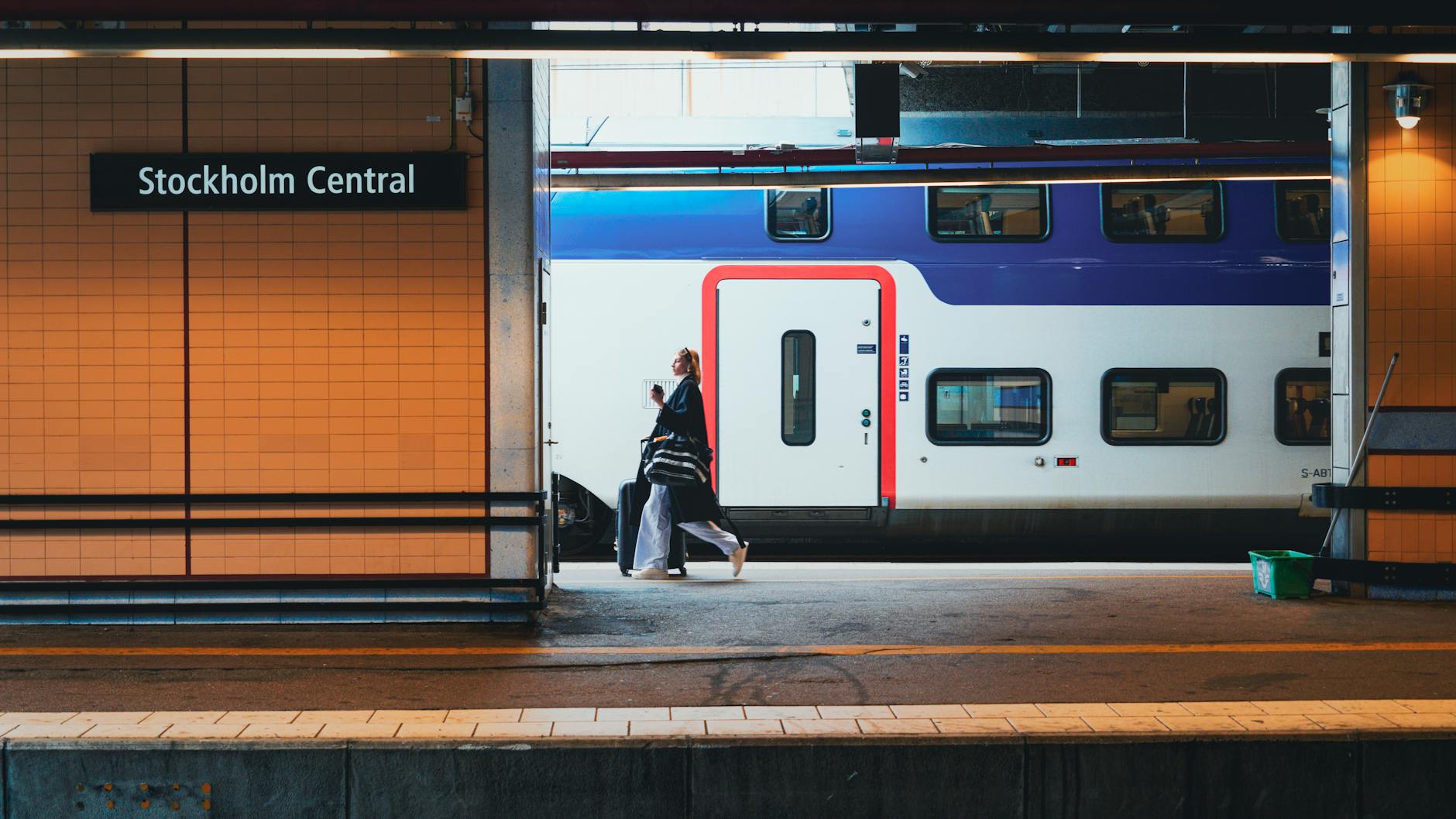
Rail is the backbone of Swedish long-distance visitor movement, but it should not be idealized. On the main corridors, rail can be highly civilized: comfortable enough, center-to-center, and often preferable to the total burden of flying. That is especially true when city access time and airport overhead are counted honestly.
But Sweden is not immune to the familiar European rail problems of engineering work, seasonal pressure, bottlenecks, and delays. The useful posture is confidence without fantasy. Rail is usually the correct first answer for the core south-and-central city network. It is not a reason to stop planning.
The right Swedish rail mindset is:
- book key long-distance legs with intention
- do not assume infinite last-minute flexibility at good prices
- leave sensible buffer where the next move matters
- treat winter and holiday periods with more respect than summer optimists often do
4. Airports, domestic air, and when flying is actually justified
Sweden is long. That matters. International visitors sometimes overcorrect into rail purism and forget that the country’s scale can make domestic flying reasonable in certain contexts. For far northern itineraries, short breaks with heavy geographic ambition, or islands and edge cases where timing is poor, domestic air can still be the right answer.
But for the city set covered in this paper, flying is often overused. Stockholm, Gothenburg, Malmo, and Uppsala all lend themselves well to rail-led logic. Helsingborg also fits much more naturally into rail-and-ferry thinking than air thinking. Visby is the clearest exception because island geography changes the transport equation.
The real rule is simple: fly when Sweden’s scale truly justifies it, not because airports feel familiar.
5. Local transit authorities and why Sweden feels decentralized
One of the most foreigner-confusing aspects of Sweden is that local transport often feels less nationally branded than in some peer countries. Stockholm has its own operating culture. Gothenburg has its own. Malmo lives inside a larger Skane context. Uppsala has a smaller-city logic. Visby behaves differently again because the island itself changes what local transport means.
This is not a flaw. It is simply a decentralized reality. The traveler who accepts that local authorities matter usually adapts quickly.
The practical consequences are:
Sweden often feels calm because this decentralization is managed competently. But competence does not eliminate difference.
- local ticket apps and validation expectations differ
- airport access products are city-specific
- tram, metro, commuter rail, and bus priorities vary sharply by city
- the correct transport strategy in Stockholm is not automatically the correct one in Malmo or Visby
6. Ferries, islands, and water geography
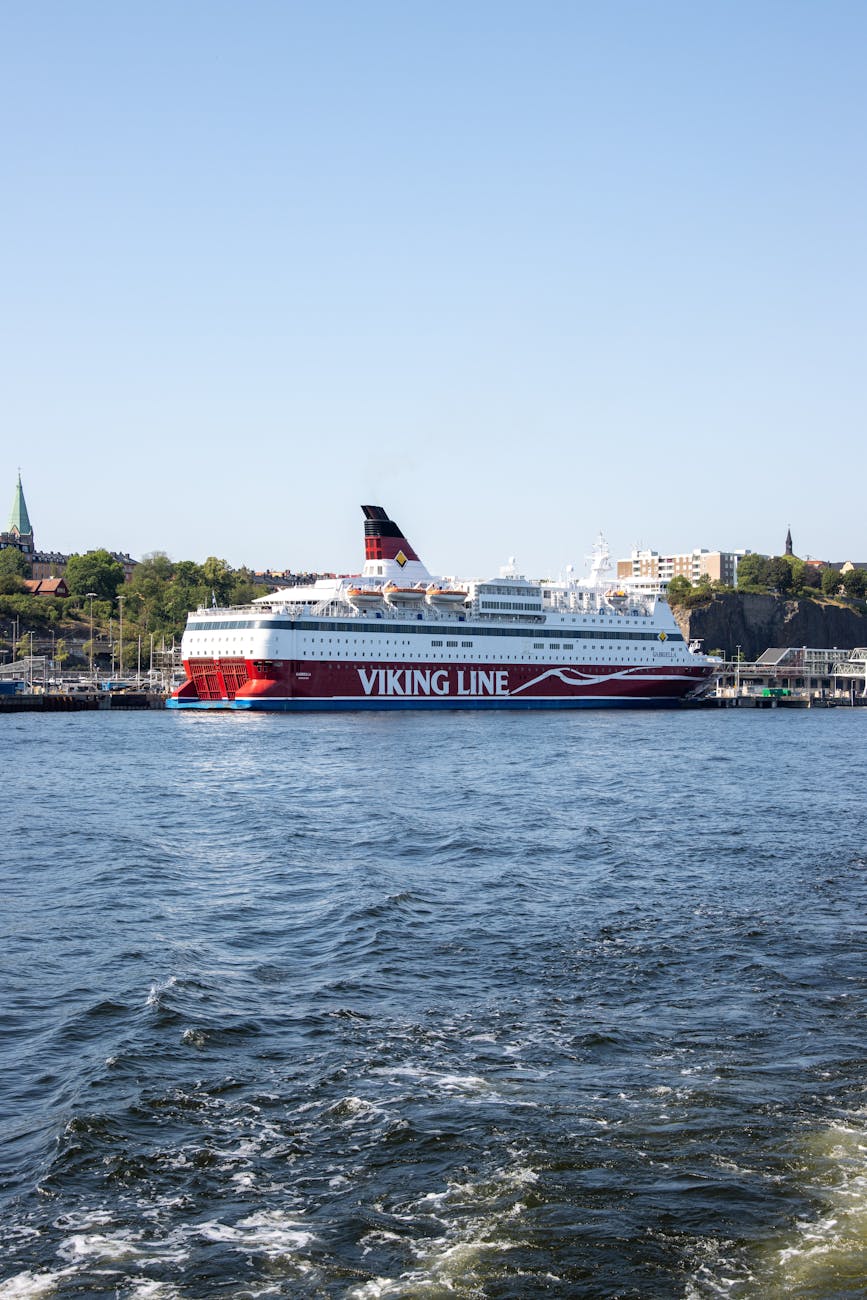
Sweden is one of those countries where water is not just scenery. It is part of the transport reality. In Stockholm, ferries can be useful and pleasurable. In Visby and the Gotland question more broadly, ferry and island logistics are central. In Helsingborg, ferry logic is part of how the city makes sense at all.
The mistake is assuming that anything on water is mainly touristic. In Sweden, water transport is often both practical and atmospheric. The strong traveler uses both facts at once.
7. Cars, roads, and when Sweden does or does not reward driving
Sweden is more car-friendly than some dense continental countries, but that does not mean driving is automatically wise. Many first-time visitors do better with rail and urban transit in the core cities. Driving becomes more persuasive when the route is scenic, dispersed, rural, hotel-to-hotel, or built around places where the public-transport network is real but not elegant.
For the cities covered here, the hierarchy is clear:
Driving in Sweden is not the enemy. It is simply often the wrong first move for city-led travel.
- Stockholm: car usually weak
- Gothenburg: car usually unnecessary
- Malmo: car often unnecessary unless extending outward
- Uppsala: rail-first for most visitors
- Visby / Gotland: depends heavily on how much of the island is being used
- Helsingborg: car optional, not essential
8. Accessibility, luggage, weather, and family use
Sweden often works well for families and luggage because stations are usually legible, public space is relatively disciplined, and urban systems in the larger cities are set up for real daily use rather than theatrical tourism. But winter, platform changes, ferries, and island weather still matter.
The main practical pressures are:
Sweden rewards travelers who reduce unnecessary burden. This is not a country where you need to fear movement. It is a country where lighter, cleaner movement gets paid back.
- winter surfaces and weather
- interchange burden when carrying too much
- ferry and harbor movement with luggage
- the difference between a city-centered and island-centered trip
9. What Sweden gets wrong
Sweden’s weaknesses are usually not dramatic. They are cumulative.
The recurring issues are:
In other words, Sweden’s transport problem is rarely chaos. It is mismatch between expectation and structure.
- decentralization that can feel less intuitive to outsiders
- rail reliability frustration on some routes or during works
- prices that can feel punishing when booked poorly
- weather sensitivity in winter and on sea-linked routes
- city-by-city fare logic that resists simplification
10. National quick-decision guide
| Situation | Best default choice | Why |
|---|---|---|
| Stockholm to Gothenburg | Intercity rail | Strong corridor, center-to-center logic |
| Stockholm to Uppsala | Rail | Fast, obvious, and not worth overthinking |
| Gothenburg local movement | Tram first | The tram system is part of the city’s actual structure |
| Malmo and nearby urban movement | Regional / local transit plus walking | Compact city with wider Skane context |
| Visby stay | Build around ferry or flight first, local movement second | Island logic comes before local convenience |
| Helsingborg movement | Walk, local transit, and ferry logic | Compact coastal form and crossing culture matter |
| City-first Sweden trip | Rail plus local transit | Cleaner than driving for most visitors |
| Rural or dispersed Sweden route | Car | Better for non-urban geography |
Stockholm
1. System character
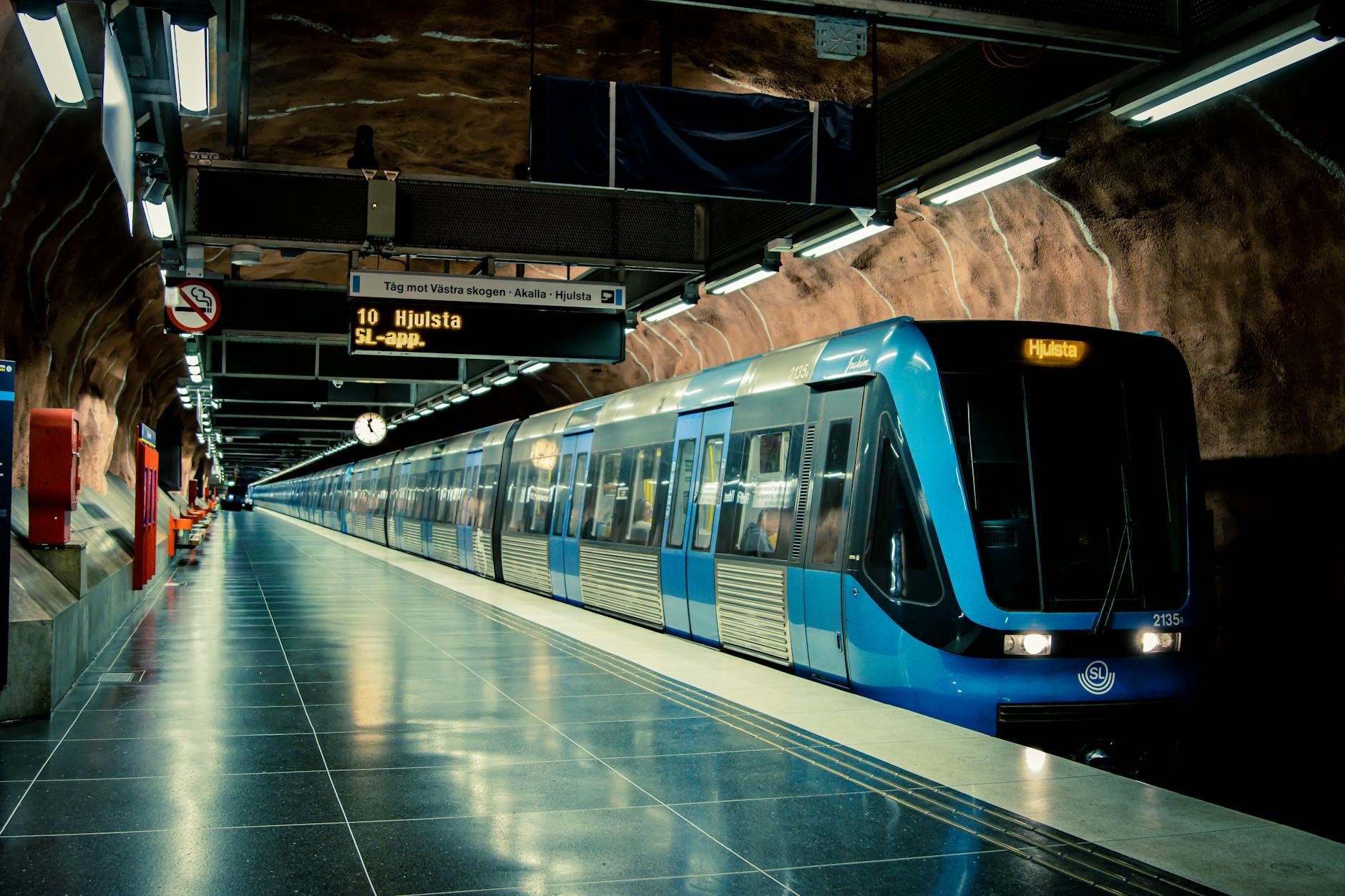
Stockholm has the most complete urban transport environment in this paper. Metro, commuter rail, buses, ferries, and walkable district logic give the city real transport depth. The city can feel almost luxuriously legible when used well.
2. What matters most
The key fact is that Stockholm is an island capital. Bridges, water, and district separation matter. This is why transport choice affects not just speed, but also the emotional quality of the day. Stockholm rewards travelers who think about how they are crossing the city, not only where they are going.
3. Main modes
| Mode | Use |
|---|---|
| Metro / Tunnelbana | Core urban backbone |
| Commuter rail | Wider metropolitan movement and some airport / regional logic |
| Bus | Critical filler and local connector |
| Ferry | Useful in selected island and waterfront patterns |
| Taxi | Good for late hours, luggage, or strategic shortcuts |
| Car | Usually a poor first choice for visitors |
4. Local concerns
Stockholm works beautifully when the route is district-based rather than frantic. The most common mistake is overfragmentation: too many islands, too many mode changes, not enough respect for how much time the water geography quietly takes.
5. Stockholm visitor strategy
Stay well, use metro and ferry intelligently, and let island clusters define the day. Stockholm transport is strongest when the city is treated as a set of elegant zones rather than one continuous surface.
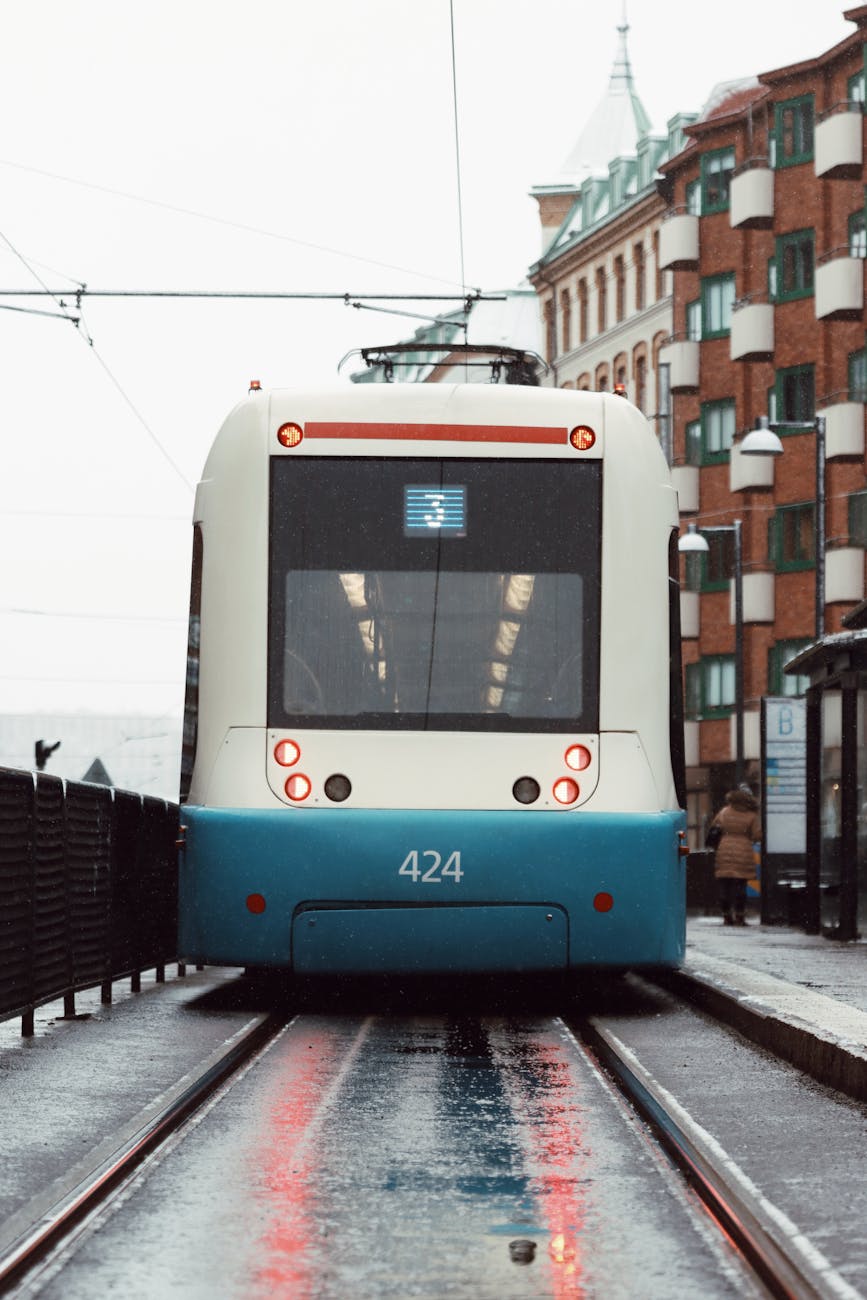
Gothenburg
1. System character
Gothenburg is a tram city in a way that still matters emotionally as well as practically. The system is not a decorative legacy. It helps define how the city is actually used.
2. What matters most
The biggest practical point is that Gothenburg’s scale allows transport to feel lighter than in many capitals. You do not need to overbuild movement here. The right base plus a working tram habit usually solves most of the city.
3. Main modes
| Mode | Use |
|---|---|
| Tram | Urban backbone and city identity |
| Bus | Connector beyond the tram grid |
| Regional rail | Stronger for arrival and continuation than for daily visitor life |
| Ferry / boat | Useful in some waterfront patterns, but not always essential |
| Taxi | Selective use for weather or late returns |
| Car | Often more burden than benefit |
4. Local concerns
Gothenburg is easy to use badly by underestimating how much the hotel location matters. A weak base can make a likable city feel merely serviceable. A strong one makes tram-based movement feel effortless.
5. Gothenburg visitor strategy
Use the tram as your first instinct, keep the route compact, and let the city’s moderate scale work in your favor instead of trying to force capital-city density onto it.
Malmo
1. System character
Malmo is a compact city with a larger regional context. It feels both local and cross-border, modern and everyday. That means its transport logic is part city, part Skane network, part Copenhagen-adjacent psychology.
2. What matters most
The main trap is letting Copenhagen dominate the logic of the trip. Malmo works best when treated as its own city first. Its transport system does not need spectacle. It needs clear expectations.
3. Main modes
| Mode | Use |
|---|---|
| Local bus | Everyday urban movement |
| Regional rail | Key for arrival and wider Skane continuation |
| Walking / cycling | Highly practical in the core city |
| Taxi | Useful but often unnecessary for routine movement |
| Car | Better for outward regional exploration than for city use |
4. Local concerns
Because Malmo is compact, people sometimes make weak hotel decisions and assume transit can solve everything. The city is better when the base is chosen to reduce transport need, not merely offset it.
5. Malmo visitor strategy
Stay central or with strong local connectivity, walk more than you think, and use regional rail intelligently when extending the trip outward.
Uppsala
1. System character
Uppsala is a smaller, calmer rail-linked city where the main transport story is not network complexity but proportion. It does not need much to work well.
2. What matters most
The city’s strongest transport fact is its relationship to Stockholm. Uppsala is extremely easy to demote into a day trip because access is so workable. But if you are staying, the city should be treated as an overnight place rather than a spur off the capital.
3. Main modes
| Mode | Use |
|---|---|
| Rail | Main arrival and departure logic |
| Bus | Everyday city connector |
| Walking / cycling | Often the most natural local answer |
| Taxi | Limited use case |
| Car | Usually unnecessary for the city itself |
4. Local concerns
The mistake here is not transport fear. It is transport laziness: assuming that because the city is easy, structure does not matter. In reality, arrival timing, hotel position, and how much luggage you carry still affect whether Uppsala feels graceful or thin.
5. Uppsala visitor strategy
Use rail cleanly, stay close enough to reduce friction, and treat the city as a slower place that benefits from less movement rather than more.
Visby
1. System character
Visby is an island-and-port case, not a normal mainland city case. That matters more than any local bus map. The transport story begins before you are in town.
2. What matters most
The decisive factor is whether Visby is being approached by ferry or by air, and in what season. Local movement is comparatively simple once you are there. Getting there, and understanding what kind of island trip you are actually taking, is the real work.
3. Main modes
| Mode | Use |
|---|---|
| Ferry / sea connection | Foundational island access logic |
| Flight | Sometimes useful for time-sensitive trips |
| Local bus | More relevant for wider Gotland than for the compact core |
| Walking | Often the natural answer inside town |
| Car | Useful if the island beyond Visby is central to the trip |
4. Local concerns
Visby is easy to romanticize and therefore easy to underplan. Season, luggage, arrival conditions, and harbor transfer rhythm all matter more than they would in a typical mainland historic city.
5. Visby visitor strategy
Solve the island access first, then solve the hotel, then decide how much of Gotland really belongs in the route. Visby transport becomes much cleaner once that order is respected.

Helsingborg
1. System character
Helsingborg is a coastal crossing city with a compact urban core. That gives it a transport identity shaped by ferry logic, waterfront proximity, and relatively clean city scale.
2. What matters most
The city works best when movement is understood as short-range and maritime-adjacent. The mistake is treating Helsingborg as either a pure endpoint or a pure transfer point. In practice it is better than either description.
3. Main modes
| Mode | Use |
|---|---|
| Ferry | Core part of the city’s identity and utility |
| Rail | Strong for arrival and continuation |
| Bus | Local urban connector |
| Walking | Very useful in the center and waterfront |
| Taxi | Limited but sometimes worthwhile |
| Car | Optional, not necessary for the core experience |
4. Local concerns
Because Helsingborg is compact, the traveler can drift into underplanning. Ferry timing, station proximity, and hotel siting still matter. Compact cities punish laziness differently: not with disaster, but with a thinner experience.
5. Helsingborg visitor strategy
Let ferry and station logic shape the stay, choose a base that respects the waterfront, and keep the route light enough that the city’s ease remains part of the pleasure.
1. Which Swedish city is easiest for first-time visitors to move around?
Stockholm is the most complete answer, but not necessarily the simplest emotional answer. It has the richest network, the strongest variety of modes, and the highest upside when used well. Gothenburg may actually feel easier to some visitors because the tram-led logic is calmer and more compact. The right answer depends on whether the traveler wants metropolitan complexity or mid-scale elegance.
2. Where do visitors most often overspend in Sweden?
They overspend in three places: late rail booking, airport habits that are more expensive than the route requires, and weak hotel positioning that increases transport burden throughout the stay. Sweden is often less about one huge bad decision than about many medium-cost choices that accumulate.
3. Which city most rewards walking over transit?
Visby most strongly rewards walking once the island access has been solved. Uppsala also works beautifully at a lighter, slower pace. Malmo often benefits from a walk-first mentality as long as the base is good. Stockholm is walkable in parts, but usually too fractured by water and district geography to rely on walking alone.
4. When should travelers rent a car in Sweden?
Rent a car when the trip is primarily regional, rural, scenic, or island-wide beyond the compact urban core. Do not rent one simply because Sweden looks spacious on a map. In the cities covered here, rail and local transit usually do a better job of preserving the quality of the trip.
5. Final advice
The biggest Sweden transport mistake is imagining that a calm, affluent country must therefore be a universally unified one. The second is failing to distinguish the cities from one another. Stockholm, Gothenburg, Malmo, Uppsala, Visby, and Helsingborg do not ask to be moved through in the same way. Sweden becomes much easier once you let each place keep its own transport character.