*A practical analysis for visitors, foreign residents, and local users* Prepared: April 21, 2026
Scope and audience
This paper explains how transportation in South Africa works in practice, with special attention to the two cities requested:
The first part covers national-scale patterns: aviation, intercity coaches, passenger rail, private vehicles, rental cars, taxis, e-hailing, minibus taxis, buses, safety, payments, accessibility, and common disruptions. The second part applies those national patterns to Cape Town and Johannesburg, which are very different mobility environments.
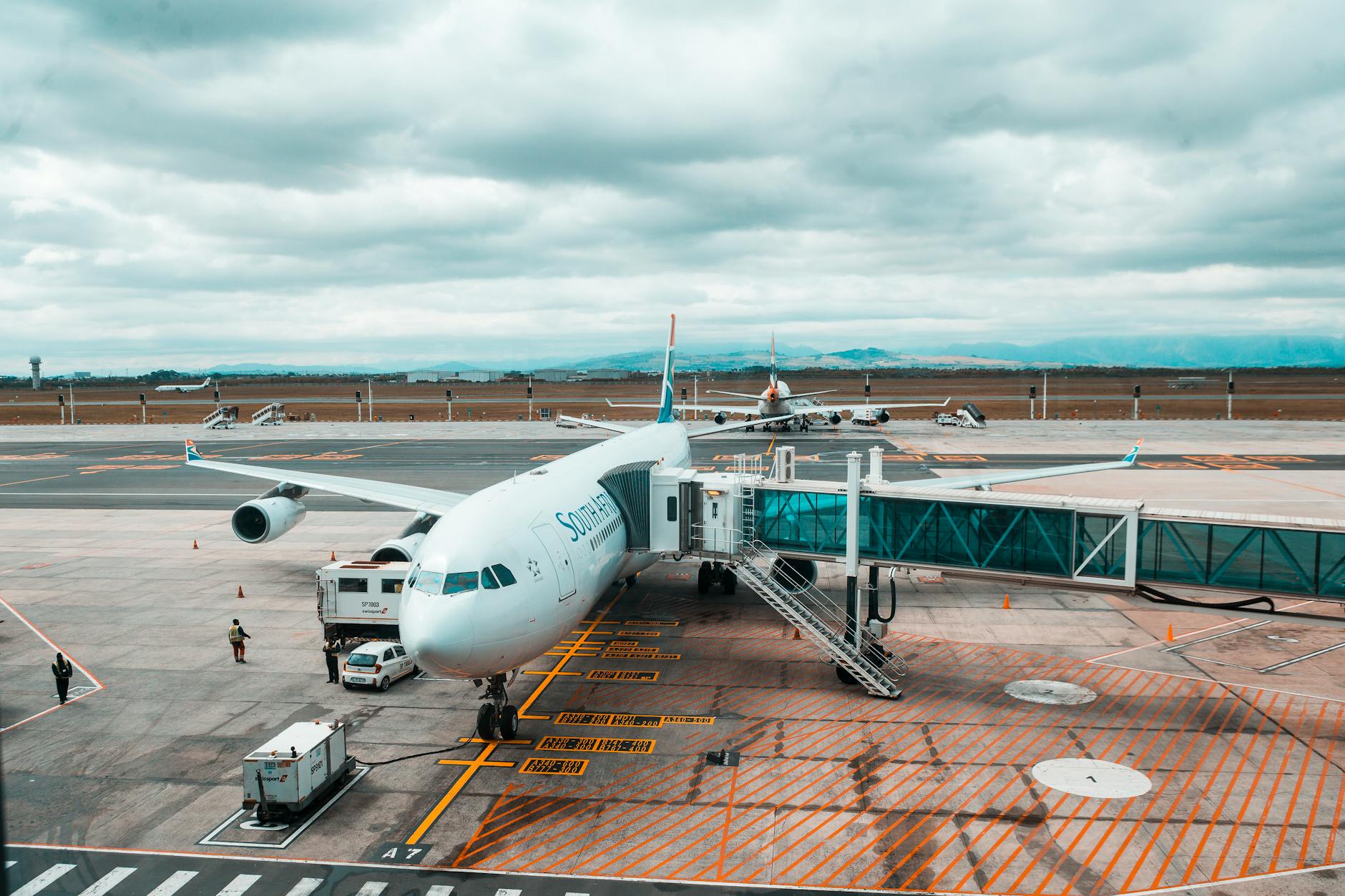
South Africa is not a country where one universal transit strategy works everywhere. The transport system is useful but fragmented. A visitor can have an easy trip by combining flights, ride-hailing, private transfers, guided tours, car rental, selected buses, and selected rail. A local commuter, by contrast, often has to navigate long distances, high transport costs relative to income, congestion, limited formal public transport coverage, minibus-taxi dependence, rail recovery after years of decline, and safety risks that affect mode choice every day.
- Cape Town
- Johannesburg
Contents
- [Executive summary](#executive-summary)
- [Part I — National-scale transportation in South Africa](#part-i--national-scale-transportation-in-south-africa)
- [1. The South African transportation model](#1-the-south-african-transportation-model)
- [2. The practical decision framework](#2-the-practical-decision-framework)
- [3. Safety as a transportation issue](#3-safety-as-a-transportation-issue)
- [4. Airports and domestic flights](#4-airports-and-domestic-flights)
- [5. Intercity coaches and long-distance buses](#5-intercity-coaches-and-long-distance-buses)
- [6. Long-distance passenger rail](#6-long-distance-passenger-rail)
- [7. Commuter rail and PRASA/Metrorail](#7-commuter-rail-and-prasametrorail)
- [8. Gautrain and premium regional rail](#8-gautrain-and-premium-regional-rail)
- [9. City buses, BRT, and scheduled municipal transport](#9-city-buses-brt-and-scheduled-municipal-transport)
- [10. Minibus taxis](#10-minibus-taxis)
- [11. Metered taxis, e-hailing, shuttles, and private transfers](#11-metered-taxis-e-hailing-shuttles-and-private-transfers)
- [12. Private vehicles, rental cars, roads, fuel, tolls, and parking](#12-private-vehicles-rental-cars-roads-fuel-tolls-and-parking)
- [13. Walking, cycling, micro-mobility, and urban form](#13-walking-cycling-micro-mobility-and-urban-form)
- [14. Tickets, apps, payments, and information reliability](#14-tickets-apps-payments-and-information-reliability)
- [15. Accessibility, families, luggage, and special-use cases](#15-accessibility-families-luggage-and-special-use-cases)
- [16. Common disruptions: protests, roadworks, load-shedding, weather, and events](#16-common-disruptions-protests-roadworks-load-shedding-weather-and-events)
- [17. Main concerns for residents and local commuters](#17-main-concerns-for-residents-and-local-commuters)
- [18. Recommended strategies by traveler type](#18-recommended-strategies-by-traveler-type)
- [Part II — City-by-city analysis](#part-ii--city-by-city-analysis)
- [Cape Town](#cape-town)
- [Johannesburg](#johannesburg)
- [Comparative city matrix](#comparative-city-matrix)
- [Practical itineraries and modal choices](#practical-itineraries-and-modal-choices)
- [References](#references)
Executive summary
South Africa is easiest to understand through a blunt rule: use formal, planned transport whenever possible, and treat route choice as a safety decision, not only a cost decision. In many countries, transportation planning is mainly about speed and price. In South Africa, the practical tradeoff is speed, price, reliability, personal security, road safety, time of day, neighborhood familiarity, and whether the mode is appropriate for a visitor or only realistic for locals who know the system.
The country has strong components: major airports, extensive national roads, major domestic flight routes, long-distance coach networks, ride-hailing in large cities, the Gautrain in Gauteng, MyCiTi in Cape Town, Rea Vaya in Johannesburg, Golden Arrow commuter buses in Cape Town, Metrobus in Johannesburg, and a recovering passenger rail network under PRASA. But these components do not combine into one seamless national system. Tickets, apps, stops, schedules, and safety profiles vary sharply by city, corridor, and time of day.
For most visitors, the best national strategy is:
Cape Town is more visitor-friendly for car-free or car-light travel than Johannesburg, mainly because many tourism districts sit relatively close together: the City Bowl, V&A Waterfront, Sea Point, Green Point, Camps Bay, Clifton, Table Mountain, and nearby Atlantic Seaboard areas. Still, Cape Town is geographically constrained by mountains and sea, and many high-value trips — Cape Point, Boulders Beach, Constantia, Stellenbosch, Franschhoek, Hermanus, and parts of the Winelands — are easier with a rental car, private driver, or tour. Cape Town has no subway. Its formal public transport is mainly MyCiTi buses, Golden Arrow buses, Metrorail commuter rail, minibus taxis, shuttles, e-hailing, metered taxis, and private vehicles.
Johannesburg is larger, more sprawling, more car-oriented, and harder for casual visitors to navigate by public transport. Gautrain is the major exception: it is the cleanest, simplest, most visitor-usable rail system in the region and is especially valuable for O.R. Tambo–Sandton/Rosebank/Park Station/Pretoria travel. But Gautrain is not a full metro. It covers a narrow set of high-value corridors and requires a safe first/last-mile plan. Rea Vaya BRT and Metrobus are important for local movement, but visitors should use them selectively, with local advice and strong attention to route, station, time of day, and destination.
The most important warning is not to over-romanticize “public transport like a local.” Many locals use minibus taxis, Metrorail, buses, walking, and combinations of modes because they are necessary, not because they are easy. Visitors can use parts of the system successfully, but the best approach is practical, not ideological: choose the safest reliable mode that fits the corridor.
- Fly between distant regions if time is limited, especially Cape Town–Johannesburg, Cape Town–Durban, Johannesburg–Kruger/Mpumalanga gateways, Johannesburg–Gqeberha, and Cape Town–Garden Route-area itineraries.
- Use reputable intercity coaches when budget matters and time is less critical, but choose daytime arrivals, known terminals, and routes with clear pickup/drop-off points.
- Use ride-hailing, hotel-arranged transfers, official airport taxis, private transfers, or guided tours for most city travel unless staying directly on a reliable formal transit corridor.
- Rent a car for the Garden Route, Winelands, Cape Peninsula, safari logistics, rural accommodation, coastal flexibility, and multi-stop travel — but avoid unnecessary night driving and keep security habits disciplined.
- Use Gautrain in Johannesburg/Gauteng for O.R. Tambo International Airport, Sandton, Rosebank, Park Station, Pretoria, Hatfield, Midrand, Rhodesfield, and Centurion, while planning the first and last mile carefully.
- Use MyCiTi and Golden Arrow selectively in Cape Town when routes match the trip, especially during daylight and on well-used corridors.
- Do not assume commuter rail is a visitor-default mode. PRASA/Metrorail is recovering and important for locals, but safety, reliability, station environment, and route familiarity matter. Some official travel advisories recommend avoiding most ordinary commuter rail except selected services such as Gautrain and luxury rail products.
1. The South African transportation model
South Africa’s transport system is shaped by distance, inequality, urban sprawl, historic spatial segregation, road dependence, and uneven public-transport investment. The result is a layered system:
At the government level, the national Department of Transport is responsible for policy and regulation across public transport, rail, aviation, maritime, and road transport. PRASA is the state passenger rail agency responsible for much of South Africa’s commuter rail and long-distance public passenger rail mandate.
The practical consequence is that South Africa does not behave like Japan, France, Germany, or Spain, where a visitor can often default to rail plus urban transit. In South Africa, public transport can be useful, but most visitor itineraries require a mode mix.
- Air travel handles long national distances and is often the fastest way to connect regions.
- Private vehicles and rental cars dominate middle- and higher-income mobility, tourism routes, and rural travel.
- Minibus taxis move a very large share of daily commuters and provide dense route coverage, but they are informal, hard for visitors to decode, and associated with road-safety and association-conflict risks.
- Formal city buses and BRT systems exist in major metros but do not cover everything.
- Commuter rail is recovering after severe decline and infrastructure damage, but it remains uneven by corridor.
- Gautrain is a premium rapid rail system in Gauteng and is separate from ordinary Metrorail.
- Intercity coaches connect cities and towns at lower cost than flying.
- Luxury tourist rail exists, but it is leisure travel rather than everyday transportation.
- E-hailing and private transfers are central to visitor mobility in major cities, but they require careful pickup behavior.
2. The practical decision framework
Use flights when distance is large
South Africa is geographically large. Cape Town to Johannesburg is roughly a full day by road, so domestic flights are usually the practical choice for short trips. Airports serve Cape Town, Johannesburg/O.R. Tambo, Johannesburg/Lanseria, Durban, Gqeberha, East London, George, Bloemfontein, Kimberley, Nelspruit/Kruger Mpumalanga, Hoedspruit, and other destinations. A visitor combining Cape Town and Johannesburg should almost always fly unless taking a luxury rail journey for the experience.
Use a rental car when the itinerary is regional or scenic
A rental car is often useful or necessary for:
Do not rent a car simply to move around central Cape Town or Johannesburg unless you are comfortable with parking, security habits, traffic, and left-side driving. In Johannesburg, a car can be convenient but also requires high awareness. In Cape Town, a car is useful for day trips, but it can be inconvenient in dense tourist districts.
Use ride-hailing/private transfers when point-to-point safety matters
In major cities, ride-hailing and prearranged transfers are often the simplest visitor solution. The tradeoff is cost and pickup risk. Government travel advisories warn about scams involving taxi apps, unregulated drivers posing as app drivers, and tensions between e-hailing drivers and metered taxi/minibus-taxi interests in some areas, particularly around airports, Gautrain stations, and taxi ranks.
Use formal transit only when it matches the corridor
Formal transit can work well when the route is direct and the environment is appropriate:
Avoid improvising unfamiliar informal transport at night
This applies especially to minibus taxis, poorly lit stations, unknown ranks, isolated bus stops, and long walks from drop-off points. Locals often know which rank, queue, sign, hand signal, fare, and route to use. Visitors usually do not.
- Cape Peninsula routes outside the city core
- Cape Winelands
- Garden Route
- small towns
- self-drive safari logistics where appropriate
- rural guesthouses
- coastal detours
- multi-stop family travel
- luggage-heavy trips
- Gautrain from O.R. Tambo to Sandton, Rosebank, Park, Pretoria, Hatfield, Midrand, or Centurion.
- MyCiTi in Cape Town on its strongest corridors, especially city/Atlantic Seaboard/Table View-style movements.
- Golden Arrow for commuter corridors if familiar with the route.
- Rea Vaya in Johannesburg on known BRT corridors.
- Airport shuttles or hotel transfers when official and prearranged.
3. Safety as a transportation issue
In South Africa, safety is not a separate footnote to transportation. It changes the right answer.
Several official travel advisories emphasize risks including violent crime, carjacking, robbery, smash-and-grab theft, airport-related theft, taxi-app scams, and risks around public transport or transport hubs. This does not mean visitors should avoid South Africa. It means that route planning should be realistic.
Core transport safety habits
For visitors and new residents:
The difference between “safe enough for locals” and “good for visitors”
Many transport modes are used daily by South Africans. That does not automatically make them visitor-friendly. Locals may know:
A visitor lacks that local context. The recommendation in this paper is therefore conservative: use the more predictable mode until you understand the area.
- Use official airport taxis, hotel transfers, reputable shuttle operators, or confirmed app rides.
- Confirm the vehicle registration, driver identity, and app details before entering a ride-hail vehicle.
- Wait for ride-hailing in designated pickup areas where possible.
- Do not accept rides from unsolicited drivers in arrivals halls, parking lots, or curbside areas.
- Keep car doors locked and windows up, especially at intersections.
- Do not display phones, cameras, watches, jewelry, laptops, or bags through car windows or at stations.
- Avoid isolated areas after dark.
- Avoid walking long distances at night, even in neighborhoods that feel lively during the day.
- Do not blindly follow GPS detours into unfamiliar areas; confirm with locals or hotel staff when uncertain.
- Treat malfunctioning traffic lights as a four-way stop and expect congestion when power outages or signal failures occur.
- Avoid long-distance night driving when possible; official advisories warn about road hazards and crime risk after dark.
- where to stand,
- which direction a minibus taxi is going,
- whether a rank is safe,
- what fare to pay,
- when a corridor is unreliable,
- what time a station becomes risky,
- whether an app pickup point has conflict with taxi operators,
- which side of a road is safer to wait on,
- which bus stop has activity and lighting.
4. Airports and domestic flights
Air travel is central to South African tourism because cities and major landscapes are far apart. Cape Town International Airport and O.R. Tambo International Airport are the key gateways for the two cities in this paper.
Cape Town International Airport
Cape Town International Airport offers car hire, shuttles, taxis/cabs, and authorized transport services. Airports Company South Africa states that arriving passengers should use authorized airport taxis and should not accept rides from unsolicited taxi or shuttle drivers.
The MyCiTi airport page describes an A01 Airport–Civic Centre route but also displays a notice that the airport service is temporarily suspended as of the research date for this paper. That detail matters: many older guidebooks and blog posts still describe MyCiTi as the default airport bus. Travelers should check the official MyCiTi page before relying on it.
Practical Cape Town airport strategy:
O.R. Tambo International Airport
O.R. Tambo is Johannesburg’s main international airport and the most important airport rail node in South Africa. Airports Company South Africa says taxi/shuttle pickup is behind the hotels, the bus/coach terminus is in the multi-storey parkade behind car-hire depots, and Gautrain runs daily from about 05:15 to 22:00. The Gautrain station is integrated with the airport’s Central Terminal Building, with the concourse directly linked to the departures level.
Practical O.R. Tambo strategy:
Domestic flight planning
South Africa’s domestic air network is generally the fastest option for long distances. However, airport transfers can take time, especially in Johannesburg traffic. For a short business trip, staying near the right airport or near Gautrain can save hours.
Good uses of domestic flights:
Bad uses of domestic flights:
- Most visitors should use ride-hailing, hotel transfer, authorized taxi, or prebooked shuttle.
- If MyCiTi airport service resumes, it can be useful for city-center transfers, but verify before arrival.
- Families and luggage-heavy travelers should avoid complicated late-night transfers.
- For Winelands, Hermanus, Garden Route, or safari connections, a rental car or transfer can make sense.
- Use Gautrain if your destination is near Sandton, Rosebank, Park Station, Pretoria, Hatfield, Midrand, Rhodesfield, or Centurion and you have a safe last-mile plan.
- Use hotel transfer, official shuttle, or confirmed app ride for destinations away from Gautrain.
- Be careful around unofficial taxi approaches.
- Allow time for airport pickup complexity and traffic if using road transport.
- Cape Town–Johannesburg
- Cape Town–Durban
- Johannesburg–George or Cape Town–George for Garden Route access
- Johannesburg–Nelspruit/Kruger Mpumalanga or Hoedspruit for Kruger-area travel
- Johannesburg–Gqeberha or Cape Town–Gqeberha
- Short trips where check-in/security/transfer time outweighs flight time
- Routes where a car is needed immediately on arrival and the driving distance is reasonable
- Itineraries with inflexible same-day onward tours without buffer time

5. Intercity coaches and long-distance buses
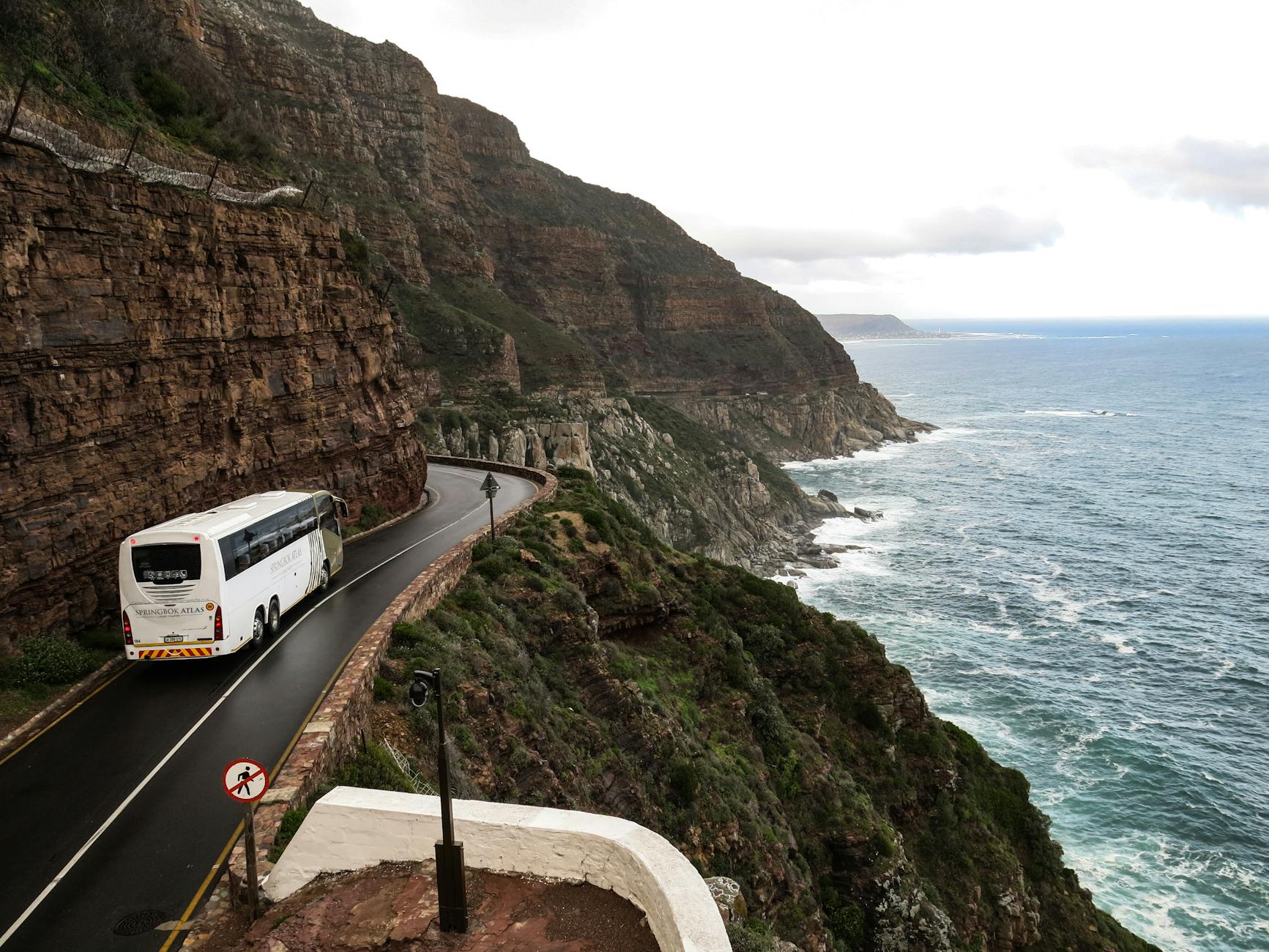
Long-distance coaches are a major national transport option. They are cheaper than flying and serve many towns and corridors that rail does not serve reliably. Operators include Intercape, Greyhound, Citiliner Plus, Intercity Xpress, and others. Intercape lists Mainliner, Sleepliner, Budgetliner, Inter-Connect, charter, and parcel services, with a large network of routes and sales offices. Greyhound and Citiliner Plus list major routes across Gauteng, KwaZulu-Natal, the Eastern Cape, the Western Cape, Limpopo, Mpumalanga, and other provinces.
When coaches make sense
Use long-distance coaches when:
Coach limitations
Coaches are less ideal when:
Practical coach advice
- budget is a priority,
- you are traveling city-to-city on a known route,
- you can tolerate long travel times,
- pickup and drop-off locations are safe and convenient,
- you can choose a daytime arrival,
- luggage volume is manageable.
- you need to arrive at a precise time for a meeting or tour,
- the terminal area is unfamiliar or unsafe after dark,
- you have high-value luggage,
- you are traveling with young children late at night,
- you are connecting to remote accommodation without a transfer,
- roadworks, weather, or holiday traffic may cause long delays.
- Prefer major operators and book directly or through reputable booking platforms.
- Confirm departure point carefully; “Johannesburg” may not be a door-to-door concept.
- Avoid isolated arrival times.
- Arrange onward transport before arrival.
- Keep valuables with you, not in checked luggage.
- Carry a power bank, water, and warm clothing; overnight buses can be cold.
- Do not assume Wi-Fi or power outlets will be reliable.
6. Long-distance passenger rail
South Africa’s ordinary long-distance passenger rail is limited and inconsistent compared with countries that have robust national rail networks. Shosholoza Meyl, the PRASA long-distance passenger rail brand, states on its scheduled train and timetable pages that there are currently no train services in operation as checked for this paper.
That status can change, so travelers should verify directly with PRASA/Shosholoza before planning around it. But for practical purposes, ordinary long-distance rail should not be a default South Africa transport strategy for a visitor.
Luxury rail
South Africa does have internationally known luxury rail experiences:
These services are not practical transit. They are destination experiences. Use them if the journey is the point.
- The Blue Train operates luxury routes including Pretoria–Cape Town, described by the operator as a 54-hour, 1,600 km journey.
- Rovos Rail operates luxury itineraries including a 3-night, 1,600 km Cape Town journey between the Highveld/Karoo/Cape region, with stops such as Matjiesfontein and Kimberley.
7. Commuter rail and PRASA/Metrorail
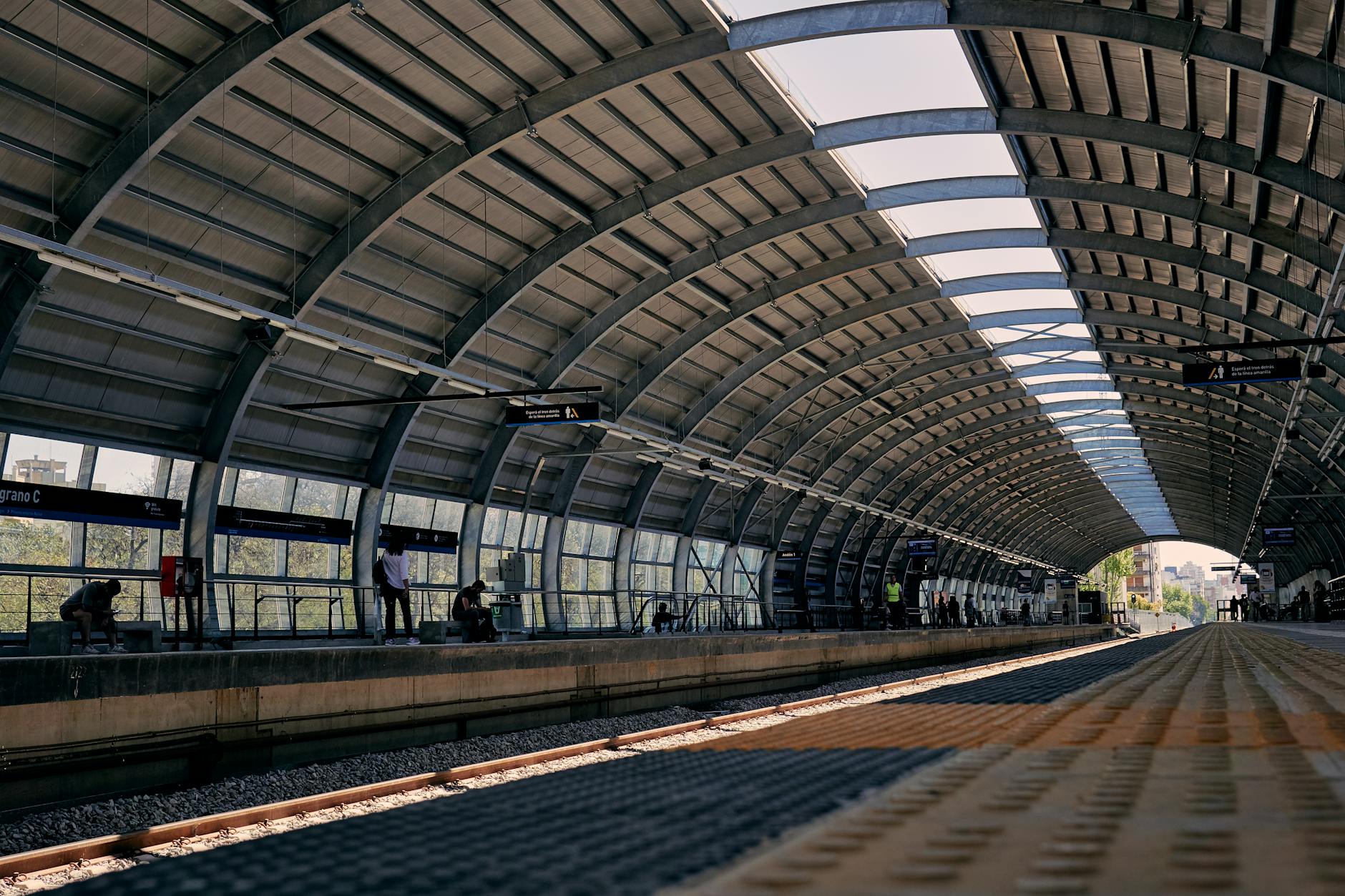
PRASA/Metrorail is critical to South African urban mobility. It connects townships, suburbs, industrial areas, and city centers, and historically carried high volumes of commuters. But the system experienced severe decline, infrastructure theft, vandalism, safety concerns, and service suspensions. Recovery is underway.
PRASA’s 2024/25 reporting and South African government reporting describe a major rebound: 77 million passenger journeys in 2024/25, restored rail corridors, new train sets, and modernization efforts. The Department of Transport describes PRASA’s priority corridor strategy, rolling stock renewal, infrastructure modernization, and efforts to increase passenger trips.
What commuter rail means for locals
For locals, commuter rail can be life-changing when it works. It can be far cheaper than minibus taxis and buses on long corridors. It can reduce congestion. It can connect workers to jobs. It can restore dignity and mobility after years of limited service.
What commuter rail means for visitors
For visitors, ordinary commuter rail should be approached cautiously. Some lines, times, stations, and corridors may be usable with local advice. Others are not appropriate for casual use. Official travel advisories differ in tone, but they commonly advise caution or avoidance of most ordinary rail except Gautrain and luxury services.
Practical rule: Do not use Metrorail just because it appears on a map. Use it only when:
- the line is confirmed operating,
- the station environment is known,
- the time of day is appropriate,
- you have local confirmation,
- the destination is near the station,
- you are not carrying conspicuous valuables,
- you have a backup plan.
8. Gautrain and premium regional rail
Gautrain is the most visitor-usable rail system in South Africa. It links O.R. Tambo International Airport, Sandton, Rosebank, Park Station, Marlboro, Midrand, Centurion, Pretoria, Hatfield, and Rhodesfield. The network is not a full metro; it is a premium regional rapid rail line with feeder buses and parking.
Gautrain supports contactless bank card payment and Gautrain cards. Its fare page states that each passenger needs a Gautrain card with a minimum value loaded or may use a contactless bank card for train, bus, and parking. Gautrain’s bus instructions state that no cash is accepted on trains, buses, or station parking exits, and that buses generally run every 10 minutes in peaks and 20 minutes off-peak on most routes, subject to traffic.
What Gautrain is good for
What Gautrain is not good for
First/last-mile planning
Gautrain is safe and efficient compared with many alternatives, but your trip only works if the first and last mile are safe. Gautrain buses can be useful, but they use public roads and may be limited on weekends. Use the official trip planner, check bus route timing, and consider ride-hailing from the station — but be aware of advisory warnings about tensions around some Gautrain stations and e-hailing pickup areas.
- O.R. Tambo to Sandton
- O.R. Tambo to Rosebank or Park Station via transfer
- Sandton to Rosebank/Park Station
- Johannesburg to Pretoria/Hatfield
- Business travel along the Sandton/Rosebank/Pretoria/Midrand axis
- Airport transfer when accommodation is near a station
- Door-to-door travel across all of Johannesburg
- Most township destinations
- Most tourist attractions not near a station
- Late-night travel after service hours
- Large-luggage trips requiring a risky last-mile transfer
- Replacing car/ride-hail for suburban destinations far from stations
9. City buses, BRT, and scheduled municipal transport
South African cities have a mix of scheduled buses, BRT systems, and legacy municipal services. These systems are useful but not nationally uniform.
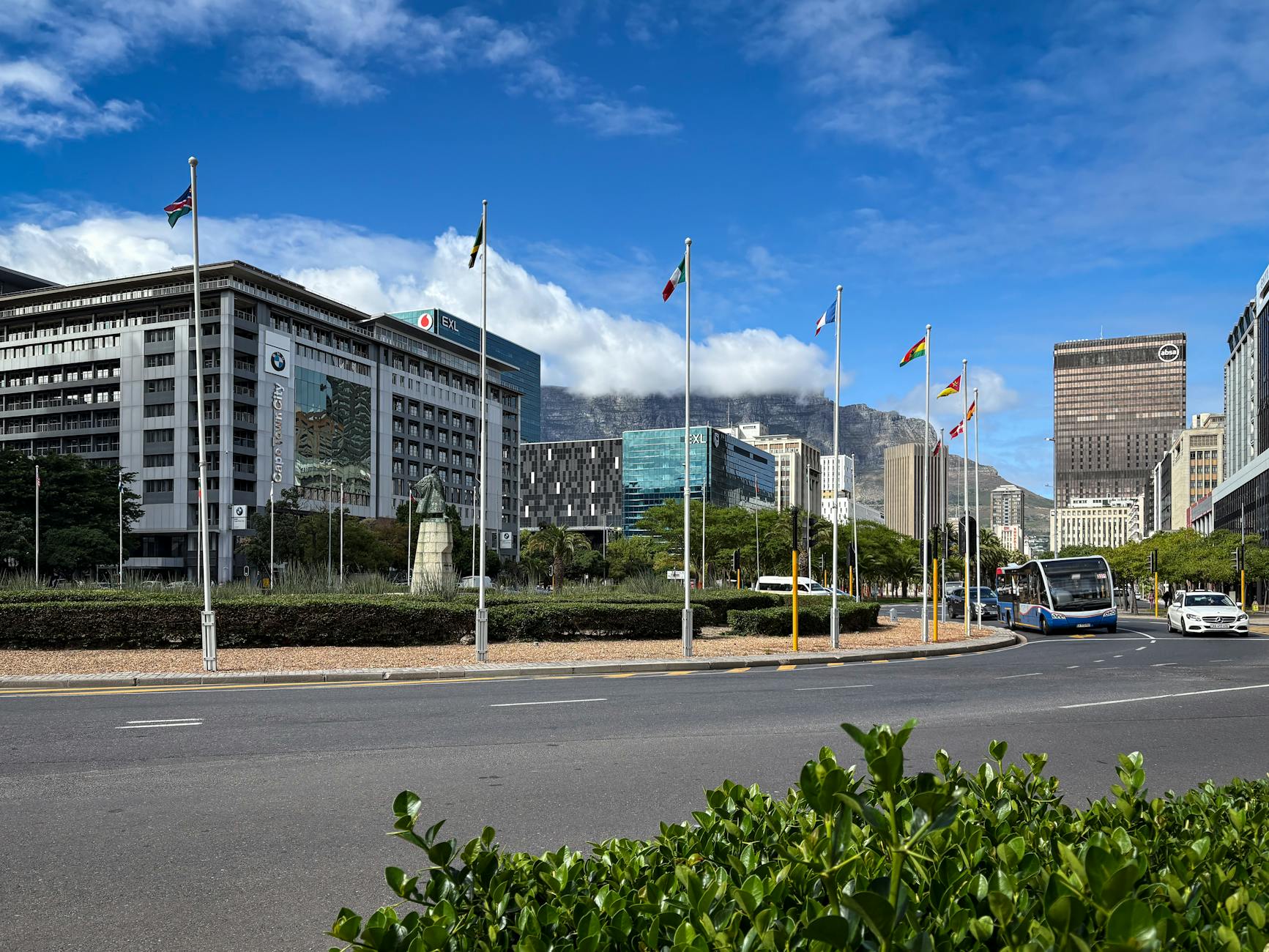
Cape Town: MyCiTi and Golden Arrow
Cape Town’s MyCiTi is a cashless bus system using the myconnect card, according to the City of Cape Town’s smart travel guidance. MyCiTi fares are distance-based, with peak and off-peak/saver periods, and transfers can be free within a specified transfer window when properly tapped.
Golden Arrow is Cape Town’s large scheduled commuter bus operator. It uses Gold Cards and offers route-specific products such as 5-ride, weekly, and monthly products, with many services oriented toward work and school travel.
Johannesburg: Rea Vaya and Metrobus
Rea Vaya is Johannesburg’s BRT system. Its official fare page lists distance-based fares, and operating-route pages describe trunk and feeder routes and service frequencies. Johannesburg’s Metrobus is the municipal bus service, with routes, timetables, and fares maintained through the city/Metrobus information system.
Visitor usability
BRT and scheduled buses are not automatically unsafe, but visitor usability depends on corridor and time. Use them when:
- the route is direct,
- stations/stops are active and well lit,
- the destination is close to the stop,
- you have local confirmation,
- you are traveling by daylight or early evening,
- you are not carrying conspicuous valuables.
10. Minibus taxis
Minibus taxis are one of the most important transport modes in South Africa. They are flexible, dense, frequent on major corridors, and often the only practical public transport for many communities. They operate through ranks, informal stops, hand signals, route knowledge, and cash payments. They are used heavily by locals and are economically essential.
However, they are usually not the best mode for first-time visitors. Main issues include:
Recent news coverage of fatal crashes involving minibus taxis highlights ongoing road-safety concerns in the sector, and notes how central minibus taxis are to South African commuting. Official travel advice from Canada specifically tells tourists to avoid public minibuses, citing reports of tourists being mugged and assaulted both onboard and in bus stations.
When a visitor might use minibus taxis
Only consider them when:
For most visitors, minibus taxis should be treated as local transport rather than a default tourist mode.
- informal routing and limited published information,
- cash handling,
- unfamiliar ranks,
- crowding,
- variable vehicle condition,
- aggressive driving on some corridors,
- association conflicts or route disputes,
- difficulty knowing where to board or alight,
- safety concerns at some ranks and terminals.
- accompanied by a trusted local,
- traveling a short, familiar route in daylight,
- not carrying visible valuables,
- comfortable with cash and informal boarding,
- the destination is on a well-known corridor.
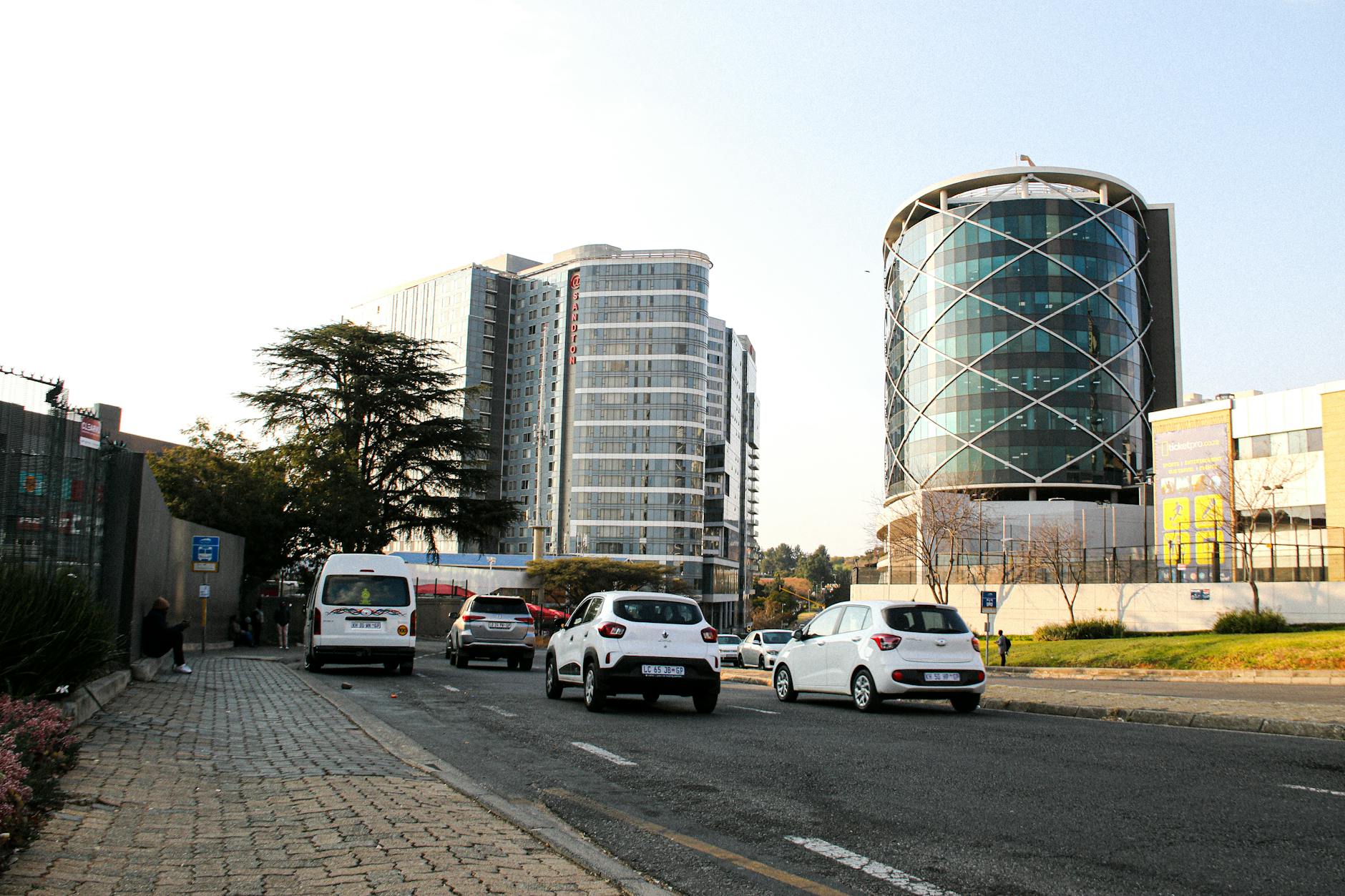
11. Metered taxis, e-hailing, shuttles, and private transfers
Metered taxis
Metered taxis are available in major cities and at airports, but visitors should use official ranks, hotel-arranged taxis, or authorized airport taxi services. Do not get into an unmarked or unsolicited vehicle. At airports, follow official signs and kiosks.
E-hailing
Uber and Bolt are commonly used in major South African cities. Official Uber and Bolt airport pages instruct passengers to request rides in-app and follow in-app pickup directions, with pickup locations varying by airport or terminal.
E-hailing is useful, but not risk-free. The UK and Canadian travel advisories warn about taxi-app scams, unregulated drivers pretending to be app drivers, and violence or harassment around taxi stands, airports, and Gautrain stations.
Best practice:
Shuttles and private transfers
Shuttles and private transfers are often worth the cost for:
A prebooked driver also reduces the cognitive load of arriving in an unfamiliar city.
- Request only through the app.
- Match plate, car model, driver photo/name, and app trip.
- Do not accept “I’m your Uber” approaches without app confirmation.
- Use designated pickup zones.
- Sit in the back.
- Share trip status.
- Avoid pickups next to taxi ranks if the app warns of conflict.
- Be cautious with late-night ride-hailing in unfamiliar areas.
- airport arrivals after dark,
- families,
- high-value luggage,
- business travelers,
- remote accommodation,
- wine-tasting trips,
- safari transfers,
- multi-stop day tours.
12. Private vehicles, rental cars, roads, fuel, tolls, and parking
Driving side and license requirements
South Africans drive on the left. Canada’s travel advisory explicitly reminds drivers that traffic drives on the left and advises defensive driving, planning trips in advance, avoiding travel after dark, and treating malfunctioning lights as four-way stops.
Foreign license requirements vary by rental company and legal interpretation, but rental firms commonly require a valid license in English with photo/signature or an International Driving Permit/translation when the license is not in English or not in a usable format. Avis South Africa says foreign licenses are accepted if the license is in English, has a photo or passport/ID number, and has a signature. South African diplomatic/consular guidance similarly notes English/photo/signature expectations and recommends an International Driving Permit if the license does not comply.
Speed limits
Arrive Alive summarizes general South African speed limits as 60 km/h in urban areas, 100 km/h on public roads outside urban areas that are not freeways, and 120 km/h on freeways, subject to posted limits.
Fuel stations
Fuel stations are generally full-service: attendants pump fuel, clean windows, and may check oil/water/tires. Tipping small amounts is common but not mandatory. Keep cash/card accessible but discreet.
Road quality
South Africa has many good national and provincial roads, but conditions vary. Issues include:
Toll roads
Some national roads have tolls. Rental cars may include e-toll/toll billing systems or administrative charges. Ask the rental company how tolls are handled. Carry a card and some cash for areas where payment systems may vary.
Parking and security
Parking is a major concern in both Cape Town and Johannesburg. Practical advice:
Car rental excess and insurance
Check the insurance excess carefully. South Africa’s roads, parking environments, and crime risk make excess reduction or comprehensive cover worth considering. Inspect the car thoroughly at pickup and photograph damage.
- potholes,
- roadworks,
- animals or pedestrians on rural roads,
- poorly lit roads,
- trucks on major freight corridors,
- weather hazards,
- broken traffic lights,
- aggressive driving,
- long distances between services in rural areas.
- Use secure, attended parking whenever possible.
- Do not leave bags, electronics, passports, or luggage visible.
- Do not leave luggage in a car while sightseeing unless unavoidable and hidden before arrival.
- Be cautious at scenic viewpoints and trailheads.
- In cities, expect informal parking attendants or “car guards”; small tips are common if they genuinely watch the vehicle.
- Avoid isolated parking lots after dark.
13. Walking, cycling, micro-mobility, and urban form
South African cities can be walkable in specific districts but not across the whole city. Cape Town has some walkable visitor areas. Johannesburg is more fragmented.
Walking
Walking is best in:
Walking is less ideal when:
Cycling
Cape Town has better recreational cycling culture and some cycle infrastructure, especially along the promenade and selected corridors. Johannesburg has cycling communities and recreational routes, but everyday cycling is constrained by distance, traffic, safety, and infrastructure gaps.
For visitors, cycling is best as a guided tour, waterfront/promenade activity, mountain-biking excursion, or controlled recreational experience, not as a default way to cross the city.
E-scooters and micro-mobility
E-scooters and short-term micro-mobility are less central than in many European or Asian cities. Sidewalk quality, road safety, hills, and security limit practical use. Do not assume scooter culture is available or appropriate.
- V&A Waterfront,
- Sea Point promenade,
- parts of Cape Town City Bowl by day,
- select business/tourism districts,
- managed precincts,
- mall/office/residential complexes,
- guided walking tours.
- crossing highway-like arterials,
- moving after dark,
- carrying valuables,
- navigating unfamiliar station/rank areas,
- walking between disconnected suburbs,
- relying on pedestrian infrastructure in low-activity areas.
14. Tickets, apps, payments, and information reliability
There is no national public transport card that works across all modes and cities. Payment is mode-specific:
Information reliability
Always verify:
South African transport information can be scattered across official websites, apps, social media, and local knowledge. A tourist itinerary should include a backup mode.
- Gautrain: Gautrain card or contactless bank card; no cash on trains, buses, or parking exits.
- MyCiTi: myconnect card and cashless fare system; fare is distance/time-based.
- Golden Arrow: Gold Card products and some route-specific products.
- Rea Vaya: smartcard/account-based system and distance fares.
- Metrobus: route/timetable/fare systems through Metrobus/City of Johannesburg.
- Minibus taxis: usually cash.
- Ride-hailing: app-based payment, sometimes cash depending on platform and settings.
- Intercity coaches: online booking, ticket offices, and booking platforms.
- Private transfers: prebooked card/EFT/cash depending on operator.
- current operating status,
- route changes,
- strikes,
- service suspensions,
- event diversions,
- fares,
- airport pickup points,
- rail station safety,
- timetable changes.
15. Accessibility, families, luggage, and special-use cases
Accessibility
Accessibility varies sharply. Gautrain stations and buses are relatively structured, with Gautrain stating that every second bus has a wheelchair ramp and wheelchair bay. MyCiTi was designed with accessibility principles, but actual experience depends on station, stop, route, and maintenance. Older rail stations, sidewalks, informal ranks, and minibus taxis may be difficult or impossible for wheelchair users.
Travelers with mobility needs should:
Families
For families, the best modes are usually:
Minibus taxis and complicated station transfers are usually poor choices with children and luggage.
Luggage
Large luggage pushes the decision toward:
Do not drag luggage through unfamiliar downtown station areas after dark.
- use hotel transfers or accessible shuttle operators when possible,
- verify vehicle accessibility in writing,
- choose accommodation close to key destinations,
- avoid relying on ordinary commuter rail unless confirmed accessible,
- allow extra time.
- private transfer from airport,
- rental car for regional travel,
- ride-hailing for city point-to-point travel,
- guided day tours for high-complexity destinations,
- Gautrain for airport/Sandton/Pretoria trips if first/last mile is easy,
- MyCiTi in Cape Town if the route is direct.
- airport transfer,
- rental car,
- ride-hailing,
- hotel shuttle,
- Gautrain only if station-to-hotel transfer is simple.
16. Common disruptions: protests, roadworks, load-shedding, weather, and events
Protests and demonstrations
Smartraveller warns that protests and large gatherings can occur anywhere in South Africa and may disrupt services. Avoid protest areas and follow local advice.
Load-shedding and traffic lights
Power outages can disable traffic lights, worsen congestion, and increase smash-and-grab risk in slow traffic. U.S. travel advice specifically warns that driving during load-shedding can create congested roads without traffic signals and opportunities for theft.
Roadworks and congestion
Cape Town has bottlenecks on the N1/N2/M3/M5 and on routes constrained by mountain and coast. Johannesburg has severe peak congestion on major arterials and freeways, especially around Sandton, Rosebank, Midrand, the M1, N1, N3, and routes to O.R. Tambo.
Weather
Cape Town’s winter rain can slow roads and affect rail/bus reliability. Strong wind can affect high-sided vehicles and mountain/cableway access. Johannesburg has summer thunderstorms that can cause local flooding, road delays, and traffic-light failures.
Major events
Sports, concerts, conferences, and public holidays can change road and transit conditions. Gautrain sometimes supports large events with special arrangements, but verify event-specific service.
17. Main concerns for residents and local commuters
For locals, transportation concerns are structural:
A visitor may experience South African transport as a choice between Uber, car rental, Gautrain, and tours. A local commuter may experience it as a daily negotiation between cost, risk, time, dignity, and necessity.
- affordability relative to income,
- long commutes from historically peripheral townships,
- unreliable or incomplete rail recovery,
- safety at stations, ranks, and stops,
- minibus taxi conflict and road safety,
- congestion and lost time,
- poor pedestrian infrastructure,
- expensive fuel and car maintenance,
- limited night transport,
- accessibility gaps,
- fragmented payment systems,
- lack of reliable real-time information,
- spatial mismatch between jobs and housing.
18. Recommended strategies by traveler type
First-time leisure visitor
Use airport transfers or ride-hailing, stay in a well-located area, take guided tours for complex destinations, use Gautrain only on obvious Gautrain corridors, and avoid improvising informal transport.
Budget traveler
Use intercity coaches for long distances, choose accommodation near safe transport nodes, use MyCiTi or Rea Vaya only where direct and well understood, and budget for ride-hailing after dark.
Business traveler
In Johannesburg, stay near Sandton/Rosebank if meetings are there and use Gautrain for airport access if luggage and timing fit. In Cape Town, stay near the CBD/Waterfront/Sea Point depending on meetings, and use ride-hailing or hotel transport.
Family traveler
Use private transfers and rental cars for regional movement. Avoid complex transfers with luggage. Choose secure parking and accommodations with safe pickup/drop-off.
Long-stay resident
Learn local corridors one by one. Do not try to master the whole system at once. Build a stable set of modes: car/ride-hailing for certain trips, bus/BRT for known routes, rail where reliable, and local advice for minibus taxi use.
Cape Town
1. City transportation identity
Cape Town is South Africa’s most visitor-manageable large city, but it is not a fully car-free city. The city’s strongest tourism geography is compact by South African standards: the City Bowl, V&A Waterfront, Green Point, Sea Point, Camps Bay, Clifton, Table Mountain, and parts of the Atlantic Seaboard are close enough that ride-hailing, walking in selected areas, MyCiTi, and short transfers can cover many trips.
The challenge is that Cape Town is squeezed between mountains and sea. This creates beautiful routes but also bottlenecks. The airport, CBD, southern suburbs, northern suburbs, Atlantic Seaboard, Cape Flats, Muizenberg, Simon’s Town, Cape Point, Winelands, and Hermanus are not all easy to connect by one mode.
Cape Town has no subway. Its main modes are:
2. Airport access
Cape Town International Airport is roughly east of the city center and is usually reached by car, shuttle, taxi, ride-hailing, or rental car. Airports Company South Africa lists car hire, shuttles, taxi/cab, and authorized transport options, and specifically warns passengers not to accept rides from unsolicited taxi or shuttle drivers.
A key visitor trap is the MyCiTi airport bus. Many sources describe the A01 Airport–Civic Centre route, but MyCiTi’s official airport-services page currently states that the airport service is temporarily suspended. Therefore:
3. MyCiTi bus system
MyCiTi is Cape Town’s bus rapid transit/integrated bus system. The City of Cape Town describes MyCiTi as a scheduled, cashless service using a myconnect card. MyCiTi’s fare page says riders load money or Mover points, pay by distance band, and can receive free transfers within 45 minutes when transferring properly.
MyCiTi is most useful for visitors when staying near routes serving:
Strengths:
Limitations:
Best visitor use: daytime, route-matched trips with a clear stop near both origin and destination.
4. Golden Arrow buses
Golden Arrow Bus Services is a long-standing scheduled commuter bus operator. The City of Cape Town’s smart travel guide says Golden Arrow reaches most parts of the city, especially in morning and afternoon peak periods, and notes cash/clipcard-style products in the guidance. Golden Arrow’s current site emphasizes the Gold Card, prepaid products, route-specific weekly/monthly products, school products, pensioner products, and Go Card-style flexibility.
Golden Arrow is important for locals because it covers many commuter corridors not served by MyCiTi. For visitors, it is less intuitive than MyCiTi but can be useful with local guidance.
Use Golden Arrow when:
5. Metrorail in Cape Town
Metrorail is Cape Town’s suburban passenger rail system. The City’s smart travel guide calls Metrorail the suburban passenger rail service and notes that, despite challenges, it is the backbone of public transport.
The system connects Cape Town Station with lines toward areas such as the southern suburbs, Muizenberg, Fish Hoek, Simon’s Town, Bellville, Khayelitsha, Mitchells Plain, Stellenbosch, Strand, and other areas depending on service status. Rail recovery has been an active issue, including restoration of the Central Line and broader PRASA recovery efforts.
Visitor use of Cape Town rail
The Southern Line toward Muizenberg/Fish Hoek/Simon’s Town is the line visitors are most likely to consider because it serves coastal destinations. But even here, conditions can change. A cautious approach is appropriate:
For most first-time visitors, rail is optional, not essential. It can be useful, but do not build a tight itinerary around it without current confirmation.
6. Minibus taxis in Cape Town
Minibus taxis are widely used by locals and cover large parts of Cape Town. They are especially important on corridors not fully served by rail, MyCiTi, or Golden Arrow. They can be fast and frequent, but they are informal and hard for visitors to decode.
Visitor guidance:
7. Ride-hailing, taxis, and private transfers in Cape Town
Ride-hailing is one of the most practical ways for visitors to move around Cape Town. It is especially useful for:
However, pickup discipline matters. The UK travel advice warns about taxi-app scams and unregulated drivers pretending to be app drivers, especially at airports. Cape Town International Airport’s official transport page also emphasizes authorized operators and avoiding unsolicited rides.
Private transfers are better for:
8. Driving and parking in Cape Town
A car is not necessary for a city-only visit, but it is very useful for regional travel. Rent a car if your itinerary includes:
Avoid renting a car if you will mostly stay in:
Parking issues:
Driving concerns:
9. Walking and cycling in Cape Town
Cape Town offers some of South Africa’s best visitor walking, but it is still selective.
Good walking areas:
Use caution:
Cycling is best as recreation: Sea Point promenade, guided city rides, mountain biking, Cape Winelands cycling, or organized events. It is not the default mode for most visitors.
10. Unique Cape Town transportation concerns
#### Mountain-and-sea bottlenecks
Cape Town’s beauty creates transport constraints. A small number of corridors carry a lot of movement. Incidents on the N1/N2/M3/M5 or coastal roads can create outsized delays.
#### Uneven public transport by neighborhood
Some visitor areas have decent MyCiTi access; others do not. Atlantic Seaboard, City Bowl, Table View, and some central corridors are easier than far southern/northern/eastern areas.
#### Airport bus uncertainty
The MyCiTi airport bus is an example of why official verification matters. Do not assume service from old information.
#### Rail recovery
Rail is improving but still requires current local verification.
#### Safety and trail access
Table Mountain hikes and scenic areas are not ordinary “walks from transit.” Use daylight, popular routes, groups/guides where appropriate, and local safety updates.
11. Cape Town recommendations by visitor profile
First-time visitor: Stay in Waterfront, Sea Point, Green Point, City Bowl, or Camps Bay depending on budget and style. Use ride-hailing and selected walking. Add guided tours for Cape Peninsula/Winelands.
Budget visitor: Stay near a reliable MyCiTi route. Use MyCiTi by day where direct. Budget for ride-hailing after dark.
Family: Use transfers and occasional rental car. Avoid complicated transit with children and beach gear.
Wine traveler: Use private driver/tour; do not self-drive wine routes if tasting.
Outdoor traveler: Rent a car or join tours for trailheads, beaches, and mountain areas. Do not rely only on public transport for early/late hikes.
- MyCiTi buses
- Golden Arrow buses
- Metrorail commuter rail
- minibus taxis
- e-hailing
- metered/authorized taxis
- shuttles/private transfers
- rental cars/private cars
- walking in selected districts
- cycling/recreational routes
- ferries/tourist boats for specific attractions such as Robben Island
- Do not rely on MyCiTi from the airport unless the official page confirms service.
- For late arrivals, use a prebooked transfer, hotel shuttle, authorized taxi, or confirmed e-hailing pickup.
- If using e-hailing, follow app and airport pickup instructions and avoid unsolicited approaches.
- Civic Centre/CBD
- V&A Waterfront
- Green Point
- Sea Point
- Camps Bay/Hout Bay corridors where served
- Table View/Blouberg side routes
- parts of the Atlantic Seaboard
- selected inner-city and feeder routes
- cleaner and more legible than informal transport,
- useful for some tourist corridors,
- cashless fare system,
- good for budget-conscious travel when route matches,
- relatively easy compared with minibus taxis.
- not citywide enough to replace a car or ride-hailing,
- airport service may be suspended,
- fare cards/top-ups require advance understanding,
- routes may require transfers,
- late-night coverage is limited,
- some destinations are not on the network.
- the route is known,
- you are traveling by day,
- a local or accommodation provider confirms the stop and destination,
- you understand the fare/product rules,
- the stop environment is safe.
- Verify the current timetable and operational status.
- Travel by day.
- Avoid empty carriages.
- Keep valuables hidden.
- Use stations with activity.
- Have a ride-hailing backup.
- Ask local accommodation staff about current safety and reliability.
- Do not use minibus taxis from the airport unless with a knowledgeable local.
- Do not use them late at night.
- Avoid unfamiliar ranks alone.
- Use exact cash if you do ride.
- Understand where to get off before boarding.
- Recognize that routes and operations may be affected by taxi disputes or enforcement actions.
- airport transfers,
- short city trips,
- evening restaurant returns,
- Table Mountain access,
- beach-to-hotel transfers,
- trips outside MyCiTi coverage,
- avoiding parking.
- late-night arrivals,
- families,
- wine-tasting days,
- Cape Peninsula day trips,
- Hermanus or Winelands transfers,
- travelers uncomfortable with self-driving.
- Cape Point/Cape of Good Hope,
- Chapman’s Peak Drive,
- Boulders Beach,
- Constantia wine estates,
- Stellenbosch/Franschhoek/Paarl,
- Hermanus,
- West Coast National Park,
- multi-stop Garden Route travel.
- V&A Waterfront,
- City Bowl,
- Sea Point/Green Point,
- Camps Bay/Clifton,
- conference hotels,
- central restaurants and museums.
- V&A Waterfront has structured parking.
- City Bowl parking can be scarce or paid.
- Beach parking fills quickly in summer.
- Table Mountain lower cableway area can be congested.
- Do not leave bags or luggage visible.
- Use secure parking at night.
- peak traffic on N1/N2/M3/M5,
- congestion around the Foreshore and Waterfront,
- mountain/coastal road weather,
- tourist-targeted theft at scenic stops,
- occasional protest or taxi-strike disruption,
- strong winds and winter rain.
- V&A Waterfront,
- Sea Point Promenade,
- Green Point Urban Park,
- parts of the CBD by day,
- Company’s Garden and surrounding museum district by day,
- Camps Bay beachfront in active hours,
- guided walking tours in Bo-Kaap and historic areas.
- after dark outside active areas,
- around empty streets near the CBD,
- on isolated mountain access paths,
- when carrying cameras/phones visibly,
- between nightlife areas and accommodation.
Johannesburg
1. City transportation identity
Johannesburg is South Africa’s largest economic hub and one of the country’s most car-oriented urban environments. It is vast, polycentric, and historically shaped by separation between residential areas, townships, industrial zones, mining land, and business nodes. For transport users, this means distance matters.
Johannesburg does not have a conventional subway. It has:
For visitors, Johannesburg is not a city to improvise casually by public transport. It rewards planned movement.
2. O.R. Tambo International Airport access
O.R. Tambo is Johannesburg’s main gateway and the best airport in South Africa for rail access. ACSA states that Gautrain runs daily from roughly 05:15 to 22:00 and that taxi/shuttle/bus/coach terminals are signposted within the airport precinct. Gautrain’s OR Tambo station page describes the station as integrated with the Central Terminal Building and linked to the departures level.
Best airport options:
Avoid:
3. Gautrain in Johannesburg/Gauteng
Gautrain is Johannesburg’s most important visitor rail tool. It links the airport to Sandton and connects major nodes across Johannesburg, Pretoria/Tshwane, and Ekurhuleni.
Payment is straightforward by South African standards: use a Gautrain card with minimum value or a contactless bank card. No cash is accepted on trains, buses, or parking exit booms.
Best Gautrain uses:
Limitations:
4. Rea Vaya BRT
Rea Vaya is Johannesburg’s Bus Rapid Transit system. It serves trunk, complementary, and feeder routes, and is important for corridors including Soweto, the CBD, Braamfontein, and expanding northern/eastern corridors. Official pages list operating routes, frequencies, and distance-based fares.
For locals, Rea Vaya can be a structured alternative to informal transport on some routes. For visitors, it can be useful only when the corridor is clear.
Potential visitor uses:
Cautions:
5. Metrobus
Metrobus is Johannesburg’s municipal bus service. The City/Metrobus system provides route, timetable, and fare information. It serves important commuter routes but is less intuitive for short-term visitors than Gautrain or e-hailing.
Metrobus is most useful for:
Visitors should use it only when a local confirms the route and stop environment.
6. Metrorail in Johannesburg
Johannesburg’s ordinary commuter rail serves important local corridors, but it is not a visitor-default mode. Canada’s travel advice specifically flags Johannesburg’s train station and surrounding area as dangerous due to high crime and advises avoiding ordinary rail services outside selected safe/reliable rail categories.
Park Station is a major transport node for rail, coaches, taxis, and Gautrain, but the area requires caution. Gautrain’s underground Park Station is a useful node; the broader Park Station precinct is not a place for careless wandering with luggage.
Visitor rule:
7. Minibus taxis in Johannesburg
Minibus taxis are central to Johannesburg mobility. They connect townships, suburbs, industrial areas, malls, and job centers. They are fast, frequent, and often the only feasible mode for many residents.
But Johannesburg minibus taxis are not easy for visitors. Routes rely on hand signals, rank knowledge, and local fare norms. Some ranks are chaotic or risky. Taxi association conflict can affect routes. App drivers may avoid some areas due to conflicts.
Use minibus taxis only with a trusted local. Do not experiment alone at ranks such as major CBD nodes, taxi stands, or late-night pickup areas.
8. Ride-hailing and private transfers in Johannesburg
Ride-hailing is widely used by visitors in Johannesburg, but route and pickup choices matter. The UK and Canadian advisories warn about taxi-app scams and harassment/violence around taxi stands and certain transport nodes.
Best practice in Johannesburg:
Private transfers are especially valuable for:
9. Driving and parking in Johannesburg
Johannesburg is often easiest by car, but not easiest by casual car. The city is spread out, and many destinations are designed around secure parking: malls, office parks, gated hotels, conference venues, and residential complexes.
Driving strengths:
Driving concerns:
Use secure parking at malls/hotels/offices. Keep doors locked and windows closed, as official advisories recommend.
10. Walking and cycling in Johannesburg
Johannesburg is not a general walking city for visitors. Some districts are walkable within controlled or active areas, but the distances between districts are large and pedestrian infrastructure can be inconsistent.
More walkable/managed areas include:
Avoid long walks between districts. Avoid walking alone after dark. Use ride-hailing or arranged transport between nodes.
Cycling exists in recreational and enthusiast communities, but it is not a default visitor commute mode. Guided cycling tours can be excellent; independent road cycling requires local route knowledge.
11. Unique Johannesburg transportation concerns
#### Sprawl and polycentric layout
Johannesburg is not one center. Sandton, Rosebank, Braamfontein, Parktown, the CBD, Maboneng, Melrose Arch, Midrand, Fourways, Soweto, and OR Tambo are separate mobility nodes. A “central” hotel may not be central for your trip.
#### Gautrain is excellent but narrow
Gautrain can make airport/Sandton/Pretoria travel easy, but it does not solve all Johannesburg mobility. Choose accommodation with Gautrain access only if your activities align with Gautrain.
#### Station-area caution
Gautrain stations are structured environments. The areas outside stations vary. Do not assume the street outside is as controlled as the station.
#### App pickup conflict
E-hailing is useful, but travel advisories warn about tensions around airports, Gautrain stations, and taxi stands. The practical fix is to use designated pickup points and avoid conflict zones.
#### Car dependence for many visitors
A car, private driver, or ride-hailing budget is often necessary for a smooth Johannesburg visit. This is not a failure of planning; it reflects the city’s geography.
12. Johannesburg recommendations by visitor profile
First-time visitor: Stay in Sandton, Rosebank, Melrose Arch, or another well-managed district close to your main activities. Use Gautrain for airport if convenient, otherwise transfer. Use ride-hailing/private driver between nodes.
Business traveler: Stay near meetings. If meetings are in Sandton/Rosebank/Pretoria, Gautrain can be useful. If meetings are scattered, use a car/driver.
Budget traveler: Use Gautrain where possible, Rea Vaya selectively with local advice, and budget for ride-hailing after dark. Avoid cutting costs by using unfamiliar transport hubs late.
Culture/history traveler: Use guided tours or private driver for Soweto, Apartheid Museum, Constitution Hill, and CBD/Maboneng combinations unless very familiar with the city.
Long-stay resident: Build a route map around work, home, supermarket, gym, and social nodes. Johannesburg rewards routines and punishes improvisation.
| Category | Cape Town | Johannesburg |
|---|---|---|
| Overall visitor difficulty | Moderate | High without planning |
| Best default visitor modes | Ride-hailing, transfers, selected MyCiTi, rental car for day trips | Gautrain on corridor, ride-hailing, private driver, rental car |
| Airport public transport | MyCiTi airport service historically important but currently officially marked temporarily suspended; verify before use | Gautrain directly integrated with O.R. Tambo terminal |
| Best formal transit asset | MyCiTi on useful corridors; Golden Arrow for locals; Metrorail on selected corridors | Gautrain; Rea Vaya for selected corridors |
| Rail usefulness | Metrorail important but requires current local advice; no subway | Gautrain highly useful; Metrorail not a visitor-default mode |
| Car usefulness | Very useful for Cape Peninsula, Winelands, Garden Route; less necessary in core | Often useful due to sprawl, but requires security awareness |
| Walking | Good in selected areas such as Waterfront and Sea Point; caution elsewhere | Limited to managed precincts and short district walks |
| Cycling | Recreationally good in selected areas | Mostly recreational/guided, not default transport |
| Minibus taxis | Essential local mode, not visitor-default | Essential local mode, not visitor-default |
| Main local commuter concerns | congestion, rail reliability, taxi conflict, affordability, spatial inequality | long distances, cost, congestion, safety, rail recovery, minibus dependence |
| Main visitor concern | choosing car/ride-hail/transit mix; airport transfer; regional day trips | safe first/last mile, sprawl, station-area caution, ride-hail pickup points |
- Gautrain regional rapid rail,
- Gautrain buses/midibuses,
- Rea Vaya BRT,
- Metrobus,
- minibus taxis,
- Metrorail commuter rail,
- e-hailing,
- metered taxis,
- shuttles/private transfers,
- rental cars/private cars,
- limited walking/cycling in selected districts.
- Gautrain to Sandton/Rosebank/Park/Pretoria/Hatfield if destination is near a station or has safe onward transfer.
- Hotel transfer for first arrivals, late arrivals, families, or high-value luggage.
- Confirmed e-hailing using app-directed pickup locations.
- Accredited taxi/shuttle from official airport channels.
- Rental car if leaving Johannesburg or staying in suburbs where driving is required.
- unsolicited taxi offers,
- walking away from transport zones with luggage,
- unplanned late-night transfers through unfamiliar areas.
- O.R. Tambo to Sandton
- O.R. Tambo to Rosebank
- O.R. Tambo to Pretoria/Hatfield with transfer
- Sandton to Rosebank/Park Station
- Johannesburg to Pretoria business travel
- airport-to-meeting travel along the Gautrain corridor
- It is not a citywide metro.
- Many hotels and attractions are not within comfortable walking distance of stations.
- Bus links may be limited on weekends and can be affected by road traffic.
- Some e-hailing pickup areas near Gautrain stations require caution due to taxi-app/metered-taxi tensions reported in travel advice.
- Soweto/CBD/Braamfontein-style movements with local confirmation,
- daytime trips to known stops,
- budget-conscious travel on a direct route,
- journeys where the destination is near an active BRT station.
- Confirm operating hours and route status.
- Avoid unfamiliar stations after dark.
- Do not carry conspicuous valuables.
- Plan onward movement from the station.
- Check if construction, route expansion, or service changes affect the corridor.
- locals with known daily routes,
- commuters with stable schedules,
- residents who learn route patterns over time.
- Use Gautrain, not ordinary Metrorail, unless accompanied by a knowledgeable local and traveling a confirmed safe corridor by day.
- Use the app only; never accept unsolicited drivers.
- Confirm registration and driver details.
- Avoid pickups/drop-offs directly in taxi-rank conflict zones.
- Use hotel/mall/office building pickup points when possible.
- Share trip status.
- Keep windows closed and valuables hidden.
- Consider private driver for full-day touring.
- Soweto tours,
- Apartheid Museum/Constitution Hill combinations,
- Cradle of Humankind,
- Pretoria day trips if not using Gautrain,
- late-night airport arrivals,
- business roadshows across multiple suburbs.
- door-to-door control,
- easier multi-stop days,
- access to suburbs not on Gautrain,
- efficient for business if parking is available,
- useful for Pretoria, Cradle of Humankind, Hartbeespoort, and regional trips.
- heavy peak traffic,
- confusing freeway interchanges,
- aggressive driving,
- crime at intersections,
- smash-and-grab theft,
- potholes and road maintenance issues,
- traffic-light failures,
- night-driving risk,
- parking security.
- parts of Sandton around major hotels/malls/offices,
- Rosebank mall/hotel/art zone,
- Melrose Arch,
- selected Maboneng/Braamfontein areas by day and with current local advice,
- guided walking tours,
- mall precincts and office parks.
Cape Town: 3-day first visit
Day 1: Waterfront, CBD, Bo-Kaap, Sea Point
Use walking in active areas, short ride-hailing trips, and MyCiTi if your accommodation is directly on the route.
Day 2: Table Mountain, Camps Bay, Clifton, Signal Hill
Use ride-hailing or a rental car. Do not depend on public transport for late returns from viewpoints.
Day 3: Cape Peninsula or Winelands
Use rental car, private driver, or guided tour. If wine tasting, use a driver or tour rather than self-driving.
Cape Town: budget strategy
Stay near a MyCiTi route. Use MyCiTi by day where direct. Use ride-hailing at night or for off-route destinations. Use coach/tour products for regional trips if a rental car is too expensive.
Johannesburg: 2-day first visit
Day 1: O.R. Tambo to Sandton/Rosebank; local district
Use Gautrain if staying near station; otherwise hotel transfer or confirmed e-hailing. Walk only within managed areas.
Day 2: Soweto/Apartheid Museum/Constitution Hill
Use a guided tour, private driver, or carefully planned ride-hailing. Do not improvise transport through unfamiliar taxi ranks.
Johannesburg: business strategy
Stay near meetings. If meetings are clustered near Gautrain stations, use Gautrain. If meetings are scattered across Sandton, Midrand, Fourways, Rosebank, East Rand, and Pretoria, book a driver or rent a car with secure parking.
Cape Town to Johannesburg
Fly unless taking The Blue Train or Rovos Rail as an experience. Ordinary long-distance rail should not be assumed available, and Shosholoza Meyl’s official timetable/scheduled pages currently state no services in operation as checked for this paper.
Johannesburg to Pretoria
Use Gautrain when stations match the trip. It is usually easier than driving in peak traffic if origin and destination are near stations or Gautrain bus routes.
Cape Town to Garden Route
Use a rental car, coach, or flight to George depending on time and budget. A rental car is best if stopping in Hermanus, Mossel Bay, Wilderness, Knysna, Plettenberg Bay, and small towns.
: South African Department of Transport, “Welcome to the Department of Transport,” https://www.transport.gov.za/.
: South African Government, “Transport,” https://www.gov.za/about-sa/transport.
: PRASA, Integrated Annual Report 2024–2025, https://nationalgovernment.co.za/entity_annual/4245/2025-passenger-rail-agency-of-south-africa-%28prasa%29-annual-report.pdf.
: South African Government News Agency, “PRASA increases commuter trips to 77 million,” https://www.sanews.gov.za/south-africa/prasa-increases-commuter-trips-77-million.
: South African Department of Transport, Annual Report 2024/25, https://www.transport.gov.za/wp-content/uploads/2023/02/DoT-Annual-Report-2024-25_22092025.pdf.
: U.S. Department of State, “South Africa Travel Advisory,” https://travel.state.gov/en/international-travel/travel-advisories/south-africa.html.
: UK Foreign, Commonwealth & Development Office, “Safety and security — South Africa travel advice,” https://www.gov.uk/foreign-travel-advice/south-africa/safety-and-security.
: Government of Canada, “Travel advice and advisories for South Africa,” https://travel.gc.ca/destinations/south-africa.
: Government of Canada, “Travel advice and advisories for South Africa — Driving/Public transportation,” https://travel.gc.ca/destinations/south-africa.
: Australian Government Smartraveller, “South Africa Travel Advice & Safety,” https://www.smartraveller.gov.au/destinations/africa/south-africa.
: Airports Company South Africa, “Cape Town International Airport — Public Transport,” https://www.airports.co.za/airports/cape-town-international-airport/transport/public-transport.
: Airports Company South Africa, “O.R. Tambo International Airport — Public Transport,” https://www.airports.co.za/airports/or-tambo-international-airport/transport/public-transport.
: Gautrain, “OR Tambo Station information,” https://www.gautrain.co.za/commuter/stationinfo?stationName=OR+Tambo.
: Gautrain, “Fares,” https://www.gautrain.co.za/commuter/farecalc.
: Gautrain, “How to use the Bus Service,” https://www.gautrain.co.za/commuter/bushowtouse.
: Gautrain Management Agency, “News 2026,” https://gma.gautrain.co.za/news-room/Pages/20264g73.html?year=2026.
: MyCiTi, “Airport Services,” https://www.myciti.org.za/en/routes-stops/airport-services/.
: MyCiTi, “Pay As You Go,” https://www.myciti.org.za/en/myconnect-fares/pay-as-you-go/.
: City of Cape Town, Your Guide to Smart Travel, https://resource.capetown.gov.za/documentcentre/Documents/Procedures%2C%20guidelines%20and%20regulations/Smart_Travel_Guide.pdf.
: Golden Arrow Bus Services, “Gold Cards / fares and products,” https://www.gabs.co.za/.
: EWN, “All 128 stations in Western Cape to be operational by June 2025 — Prasa,” https://www.ewn.co.za/2025/04/15/all-128-stations-in-western-cape-to-be-operational-by-june-2025-prasa.
: Moneyweb/GroundUp, “City of Cape Town a step closer to running train services,” https://www.moneyweb.co.za/news/south-africa/city-of-cape-town-is-a-step-closer-to-operating-train-services/.
: Rea Vaya, “Operating routes,” https://reavaya.org.za/rea-vaya-operating-routes/.
: Rea Vaya, “Fares,” https://reavaya.org.za/fares/.
: City of Johannesburg Metrobus, “Routes & Time Tables,” https://mbus.joburg.org.za/info_routes.aspx.
: Shosholoza Meyl, “Scheduled Trains,” https://www.shosholozameyl.co.za/scheduledtrains.html.
: Shosholoza Meyl, “Timetable,” https://www.shosholozameyl.co.za/timetable.html.
: The Blue Train, “Routes,” https://www.bluetrain.co.za/.
: Rovos Rail, “Cape Town journey,” https://rovos.com/journeys/cape-town/.
: Intercape, “Buy Online Bus Tickets,” https://www.intercape.co.za/.
: Greyhound South Africa, “Bus Routes,” https://greyhound.co.za/routes/.
: Citiliner Plus, “Coach Routes,” https://citilinerplus.co.za/routes/.
: Avis South Africa, “Rental Guide — Driver licence requirements,” https://www.avis.co.za/contact-avis/rental-guide/before-rental.
: South African Embassy/Consular guidance, “Driver’s Licenses,” https://dirco.gov.za/brussels/drivers-licenses/.
: Arrive Alive, “Speed Limits and the Law,” https://www.arrivealive.mobi/speed-limits-and-the-law.
: Associated Press, “11 dead in South Africa minibus and truck collision days after similar crash killed 14 children,” https://apnews.com/article/f0291dbd9413393b74cd39693df14000.
: Uber, “Pickup at Cape Town International Airport,” https://www.uber.com/global/en/r/airports/cpt/pickup/.
: Bolt, “Cape Town Airport transfers,” https://bolt.eu/en/airports/cpt/.
: Uber, “Pickup at O.R. Tambo International Airport,” https://www.uber.com/global/en/r/airports/jnb/pickup/.