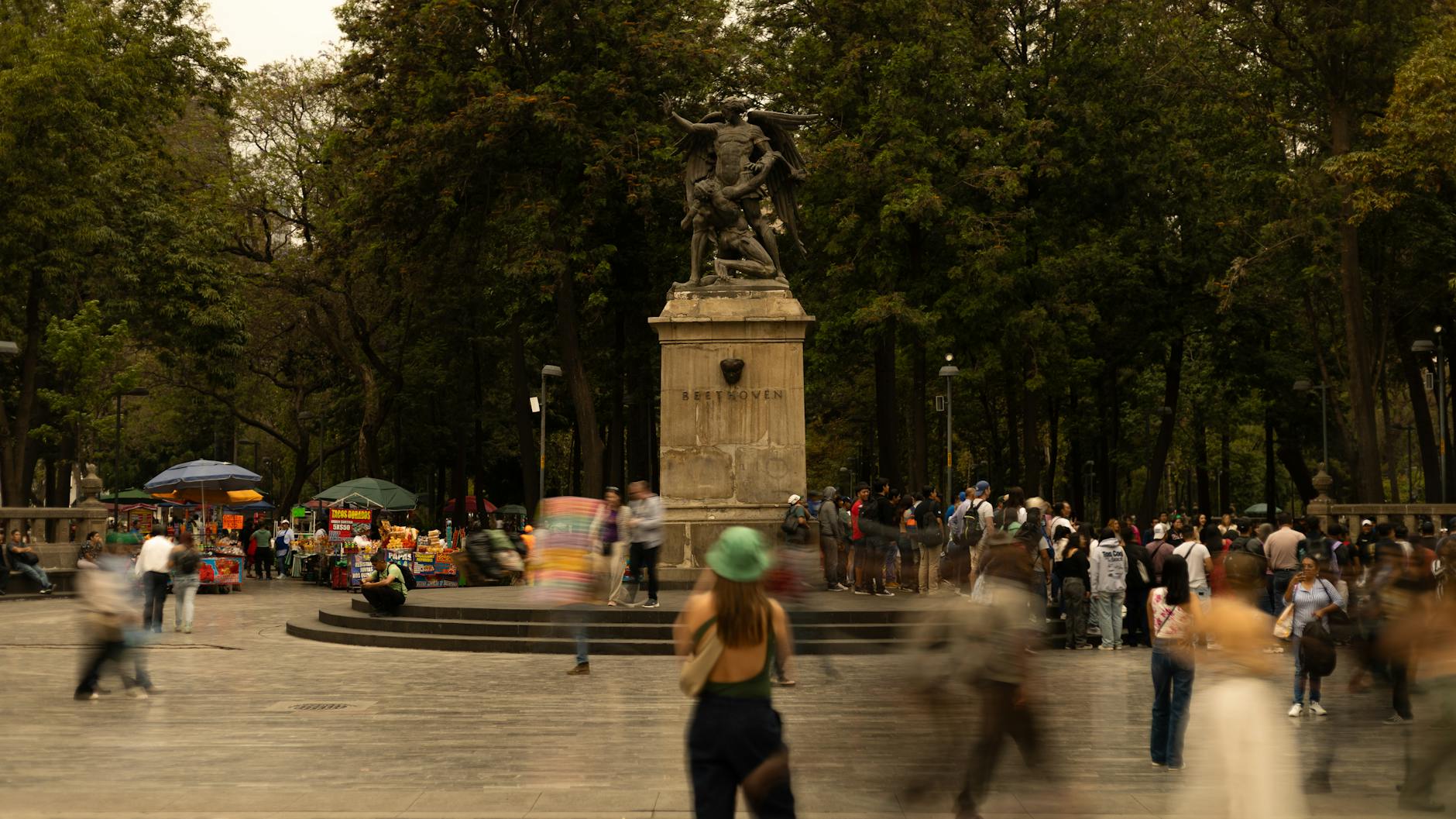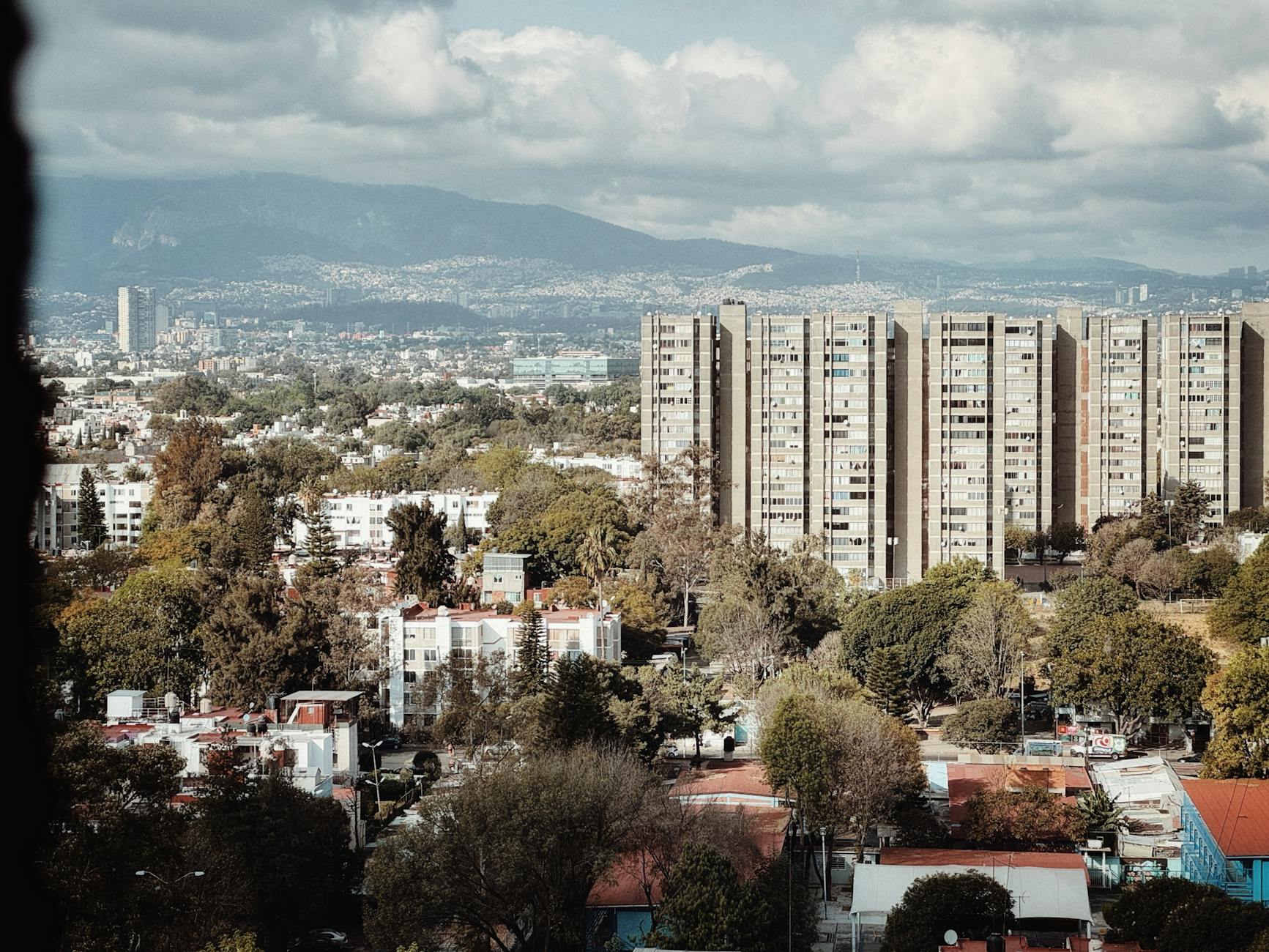
A short volunteer or NGO trip to Mexico City can be meaningful, but it should not be treated as informal travel with a service label attached. The traveler may be supporting a nonprofit partner, attending meetings with civil-society organizations, joining a faculty-led service program, helping with communications, visiting field sites, observing community work, supporting a public health initiative, or coordinating donors. Each version has different responsibilities. The city is large, institutionally complex, and socially varied, so the quality of the trip depends on preparation as much as goodwill. The strongest plan protects the host organization first. That means understanding the work scope, who supervises the traveler, what communities are involved, what can be photographed or shared, how daily transport works, what language support exists, and when the visitor should simply listen. Mexico City rewards NGO travelers who arrive with humility, precise logistics, and enough structure to avoid creating extra work for the people they came to support.
Verify the host organization and scope of work
The first question is not where the traveler wants to help. It is whether the host organization has a clear role for a short-term visitor. Mexico City has serious nonprofits, community groups, universities, faith-based projects, advocacy organizations, clinics, cultural institutions, and social enterprises. It also has programs where visiting volunteers can unintentionally create more burden than value. A short stay should have defined tasks, supervision, boundaries, and a reason the work cannot be handled better by local staff or longer-term partners.
Before travel, the visitor should know who is responsible for them, what hours are expected, whether background checks or training are required, what language ability is needed, what communities are involved, and what success looks like. If the role is mostly observation, communications, donor learning, or logistical support, it should be named honestly. Clear scope is respectful; vague service language usually creates confusion.
- Confirm host legitimacy, supervisor, task scope, hours, training, language needs, and expected outputs before booking.
- Ask why a short-term visitor is useful and what work should remain with local staff or long-term partners.
- Separate volunteering, donor observation, research, advocacy, communications, and service learning instead of blurring them.
Map the placement and neighborhood reality
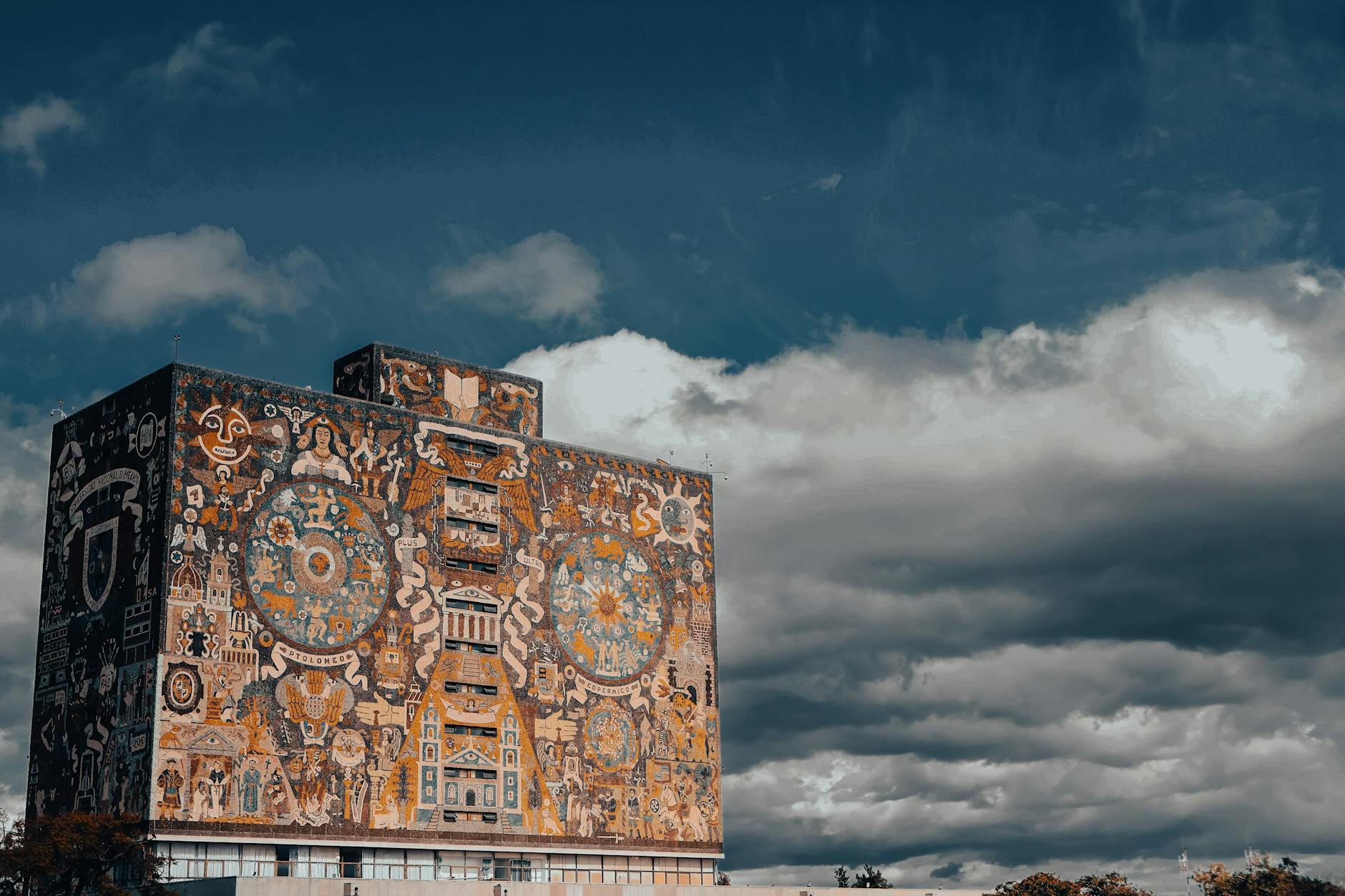
A volunteer placement should be planned by exact geography. The host office, community site, meeting point, housing, partner school, clinic, shelter, market, warehouse, church, university, or government-adjacent office may sit far apart. Mexico City neighborhoods do not operate as one interchangeable surface. A plan that works for a nonprofit office in Roma or Centro may not work for a field site in Iztapalapa, a university setting, a partner organization in Coyoacan, or a meeting in Santa Fe.
The traveler should understand the daily route, where they may go alone, where they should be accompanied, and where local guidance is required. This is not about dramatizing the city. It is about respecting that community work is place-specific. The visitor should not improvise routes, arrive late, or wander into field settings without the host's consent.
- Map host office, field site, housing, meeting points, and return routes before arrival.
- Ask which areas require accompaniment, host approval, or group movement.
- Treat community work as place-specific rather than assuming one Mexico City neighborhood rule fits all sites.
Make daily transport dependable
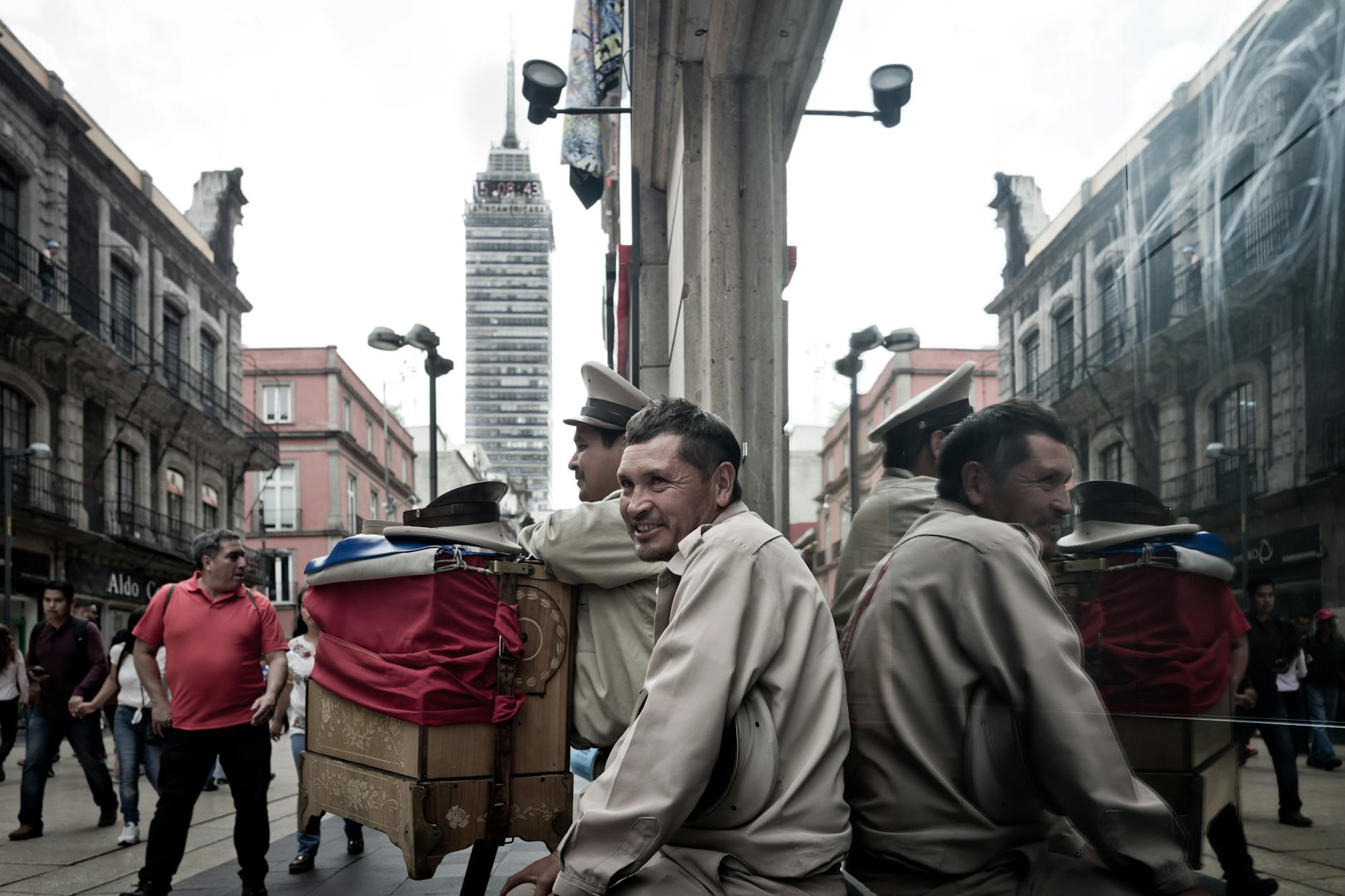
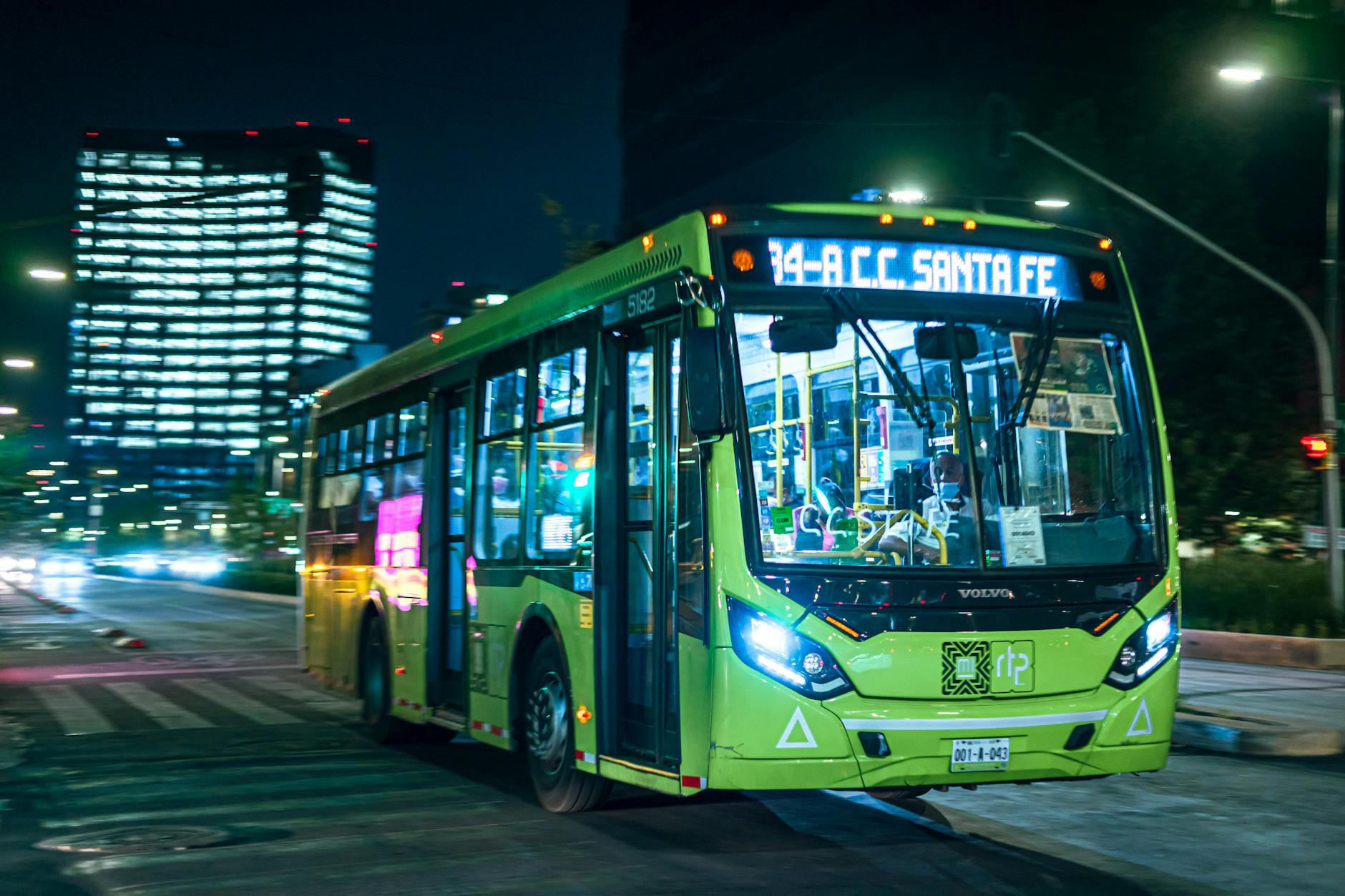
Volunteers and NGO travelers may need to move at times that differ from ordinary sightseeing. Early setup, late community events, supply runs, donor meetings, school schedules, clinic hours, and public events can all shape the day. Public transport, ride-hailing, host-provided vehicles, taxis, walking, and group transport may each be appropriate, but they should not be chosen casually. A missed pickup can affect the host organization, not just the traveler.
The plan should identify the normal route, a backup, and the communication rule if delayed. If the traveler is carrying supplies, documents, equipment, cash, or donated goods, transport planning becomes more important. Hosts may also have rules about visitors using certain routes, returning after dark, or traveling alone. Those rules should be followed even when the traveler feels confident.
- Build a primary route, backup route, and delay communication plan for each work site.
- Use host guidance for public transport, rides, walking, group vehicles, and after-dark returns.
- Plan differently when carrying supplies, documents, equipment, donated goods, or cash.
Respect privacy, dignity, and storytelling limits
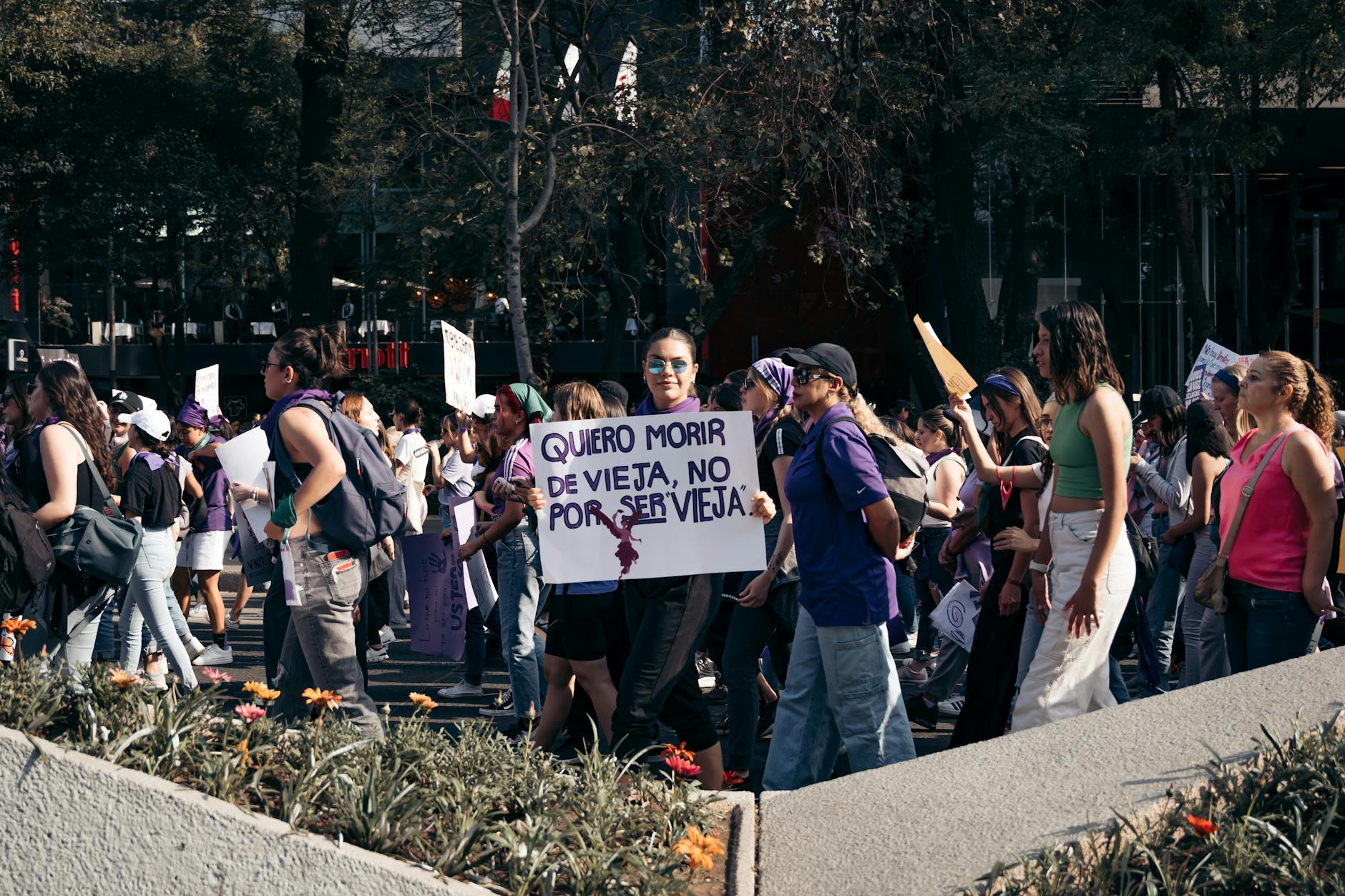
Volunteer travel often becomes ethically weak around photos, social media, and stories. Mexico City community work may involve children, patients, migrants, low-income families, advocacy groups, religious communities, public health activities, or people experiencing stress. A visitor should not assume that consent is simple because a moment feels positive or visually compelling. The host organization's rules should control what can be photographed, quoted, named, filmed, or posted.
The traveler should ask what information is confidential, what images are prohibited, what consent process exists, and how to describe the work publicly without centering themselves. Donor communications and personal posts need the same discipline. A respectful trip does not turn people into proof that the traveler helped.
- Follow host rules on photography, names, stories, social media, consent, and donor communications.
- Treat children, patients, migrants, advocacy participants, and vulnerable communities with heightened privacy discipline.
- Avoid posts that make local partners or community members props in the visitor's personal narrative.
Plan supplies, money, and documentation carefully
Short-term NGO travel can involve supplies, reimbursements, donations, receipts, program fees, grants, field stipends, or equipment. These details should be formal, not improvised in the moment. If the traveler brings donated goods, they should confirm whether the items are requested, usable, allowed through luggage rules, and appropriate for the host's actual needs. Unrequested donations can create storage, customs, fairness, or distribution problems.
Money should be handled transparently. The traveler should know what they are paying for, whether receipts are needed, whether cash is appropriate, who can accept donations, and how shared expenses are documented. Passport copies, emergency contacts, insurance, program letters, host addresses, and any required credentials should be available without depending on a weak phone signal.
- Confirm requested supplies, luggage limits, distribution rules, and host capacity before bringing donations.
- Clarify fees, reimbursements, cash handling, receipts, grants, stipends, and who can accept funds.
- Keep passport copies, insurance details, emergency contacts, host letters, addresses, and credentials accessible offline.
Protect health, language, and emotional boundaries
Volunteer and NGO work can be physically and emotionally demanding, especially in a short, packed trip. Altitude, long rides, unfamiliar food, heat, rain, long standing periods, public speaking, translation fatigue, and exposure to difficult social conditions can all affect the traveler. Good preparation includes medications, insurance, water, rest, appropriate clothing, and a realistic idea of what the traveler can and cannot do well.
Language also matters. If Spanish ability is limited, the traveler should be honest about it and avoid roles that depend on nuanced conversation without support. Emotional boundaries matter too. A visitor may hear hard stories or see conditions they are not used to. The answer is not performative urgency; it is listening, following host guidance, and processing privately without making local staff manage the traveler's reaction.
- Plan for altitude, hydration, food tolerance, medications, insurance, clothing, rest, and long field days.
- Be honest about Spanish ability and do not accept roles that require unsupported nuanced communication.
- Prepare for emotionally difficult work without making host staff responsible for the visitor's processing.
When to order a short-term travel report
A fully managed group service trip with housing, transport, supervision, and clear host rules may not require a custom report. A solo volunteer, donor visitor, NGO staffer, service-learning student, faith-based team member, researcher, or communications traveler may benefit from more careful planning. Mexico City can support serious civil-society work, but short trips can go wrong quickly when the placement is vague, transport is unclear, photos are mishandled, or the traveler misunderstands community boundaries.
The report should test host legitimacy, placement scope, housing geography, daily routes, accompaniment rules, language needs, privacy and safeguarding policies, supply handling, health constraints, documentation, cash and donation protocols, field-site timing, evening returns, and recovery space. The value is a practical plan that protects the host organization, the traveler, and the community context instead of treating service as a vague good intention.
- Order when placement scope, housing, field sites, accompaniment, privacy, language, or supply handling are not fully settled.
- Provide host details, site addresses, schedule, role description, language level, health needs, donations, and transport rules.
- Use the report to protect the host and community context first, then make the traveler's workday easier.