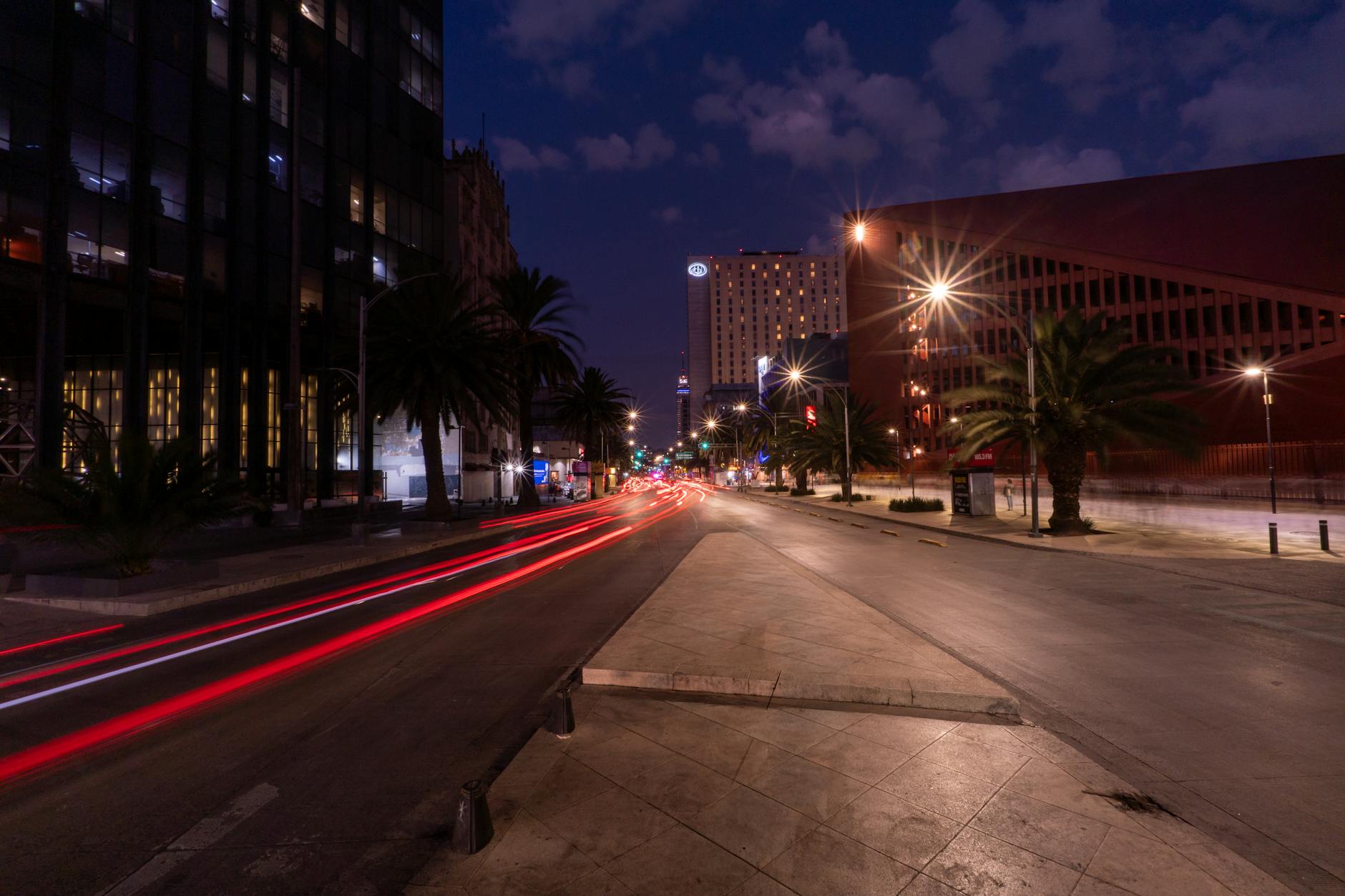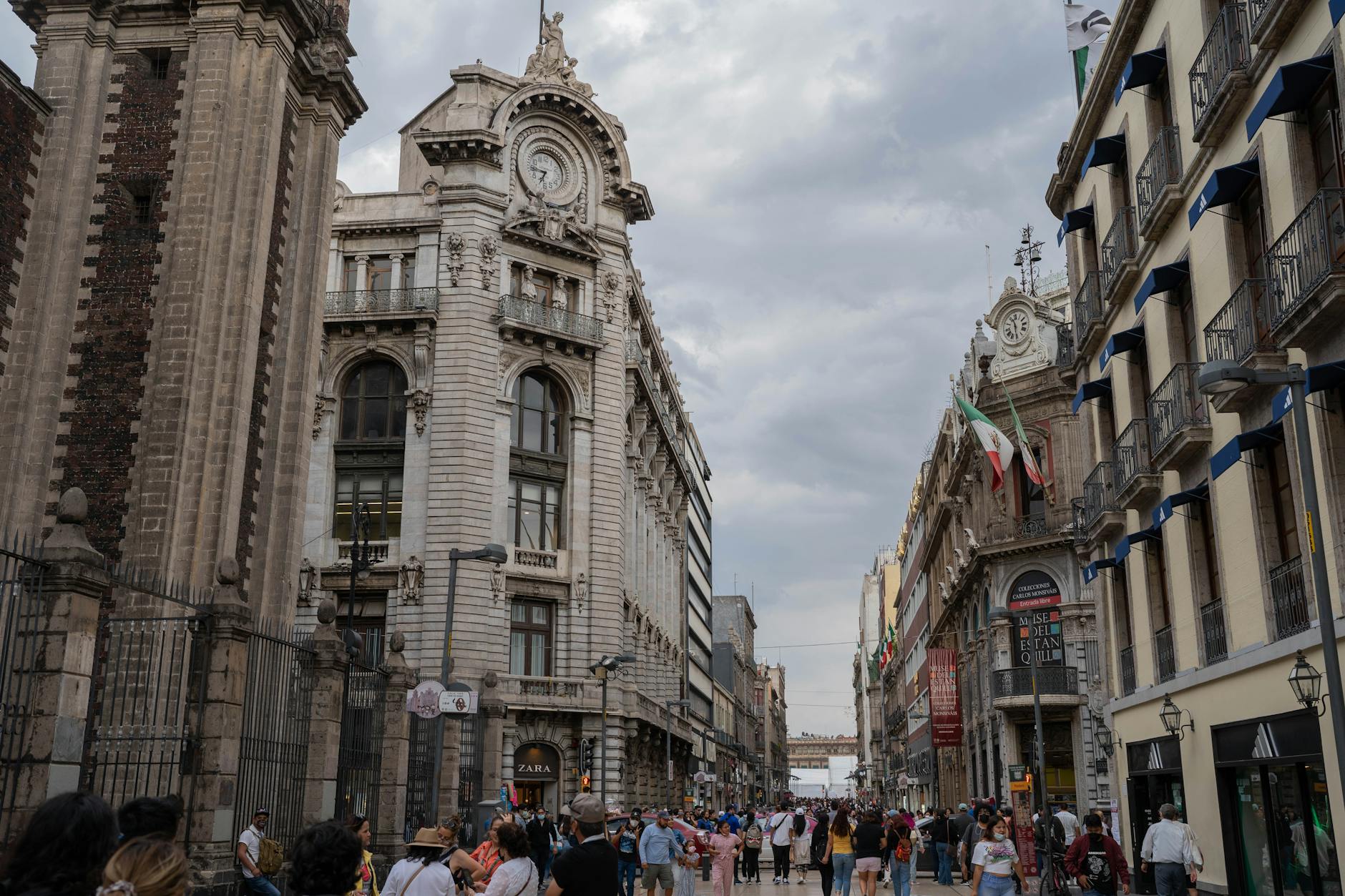
Mexico City can be rewarding for travelers with mobility limitations, but it should not be planned from a map alone. Short distances can include broken sidewalks, curb gaps, stairs, crowded crossings, long museum interiors, station access questions, rain, heat, altitude, air quality, and vehicle pickups that are easy for one traveler and hard for another. A wheelchair user, scooter user, cane user, rollator user, traveler with pain flares, limited stamina, low vision, balance issues, or companion support needs a trip that tests each movement from door to door. The planning question is not whether Mexico City is possible. It is which version of Mexico City fits the traveler's body, equipment, energy, and tolerance for uncertainty. A central hotel, a museum day, a market meal, a Chapultepec visit, or a dinner in Roma can all work when the approach, seating, toilets, transport, and return plan are known. The same choices can become draining when they are left to improvisation after fatigue has already arrived.
Choose lodging by the door-to-door route
For a traveler with mobility limitations, the hotel question is not only neighborhood or star rating. It is how the traveler moves from vehicle to lobby, lobby to room, room to breakfast, and room to the first daily route. A hotel can be well reviewed and still be wrong if the entrance has steps, the lift is unreliable, the shower setup is vague, the pavement outside is uneven, the final vehicle stop is awkward, or the nearest practical food requires a tiring crossing.
Roma, Condesa, Reforma, Polanco, Centro, Juarez, Coyoacan, Santa Maria la Ribera, and airport-adjacent stays all create different access patterns. A beautiful historic property may involve older-building friction. A less atmospheric hotel with level entry, lift access, vehicle pickup, nearby meals, and simple routes may be the better short-trip choice. Do not rely on a general accessibility label. Ask for specific photos or measurements of the entrance, lift, bathroom, shower, room path, breakfast route, and pickup point.
- Confirm entrance, lift reach, bathroom setup, room path, breakfast route, and vehicle pickup before booking.
- Choose the neighborhood by the traveler's actual routes, not by generic advice about where to stay.
- Treat older charm, rooftop dining, and historic buildings as access questions before they become daily obstacles.
Make airport arrival a controlled handoff
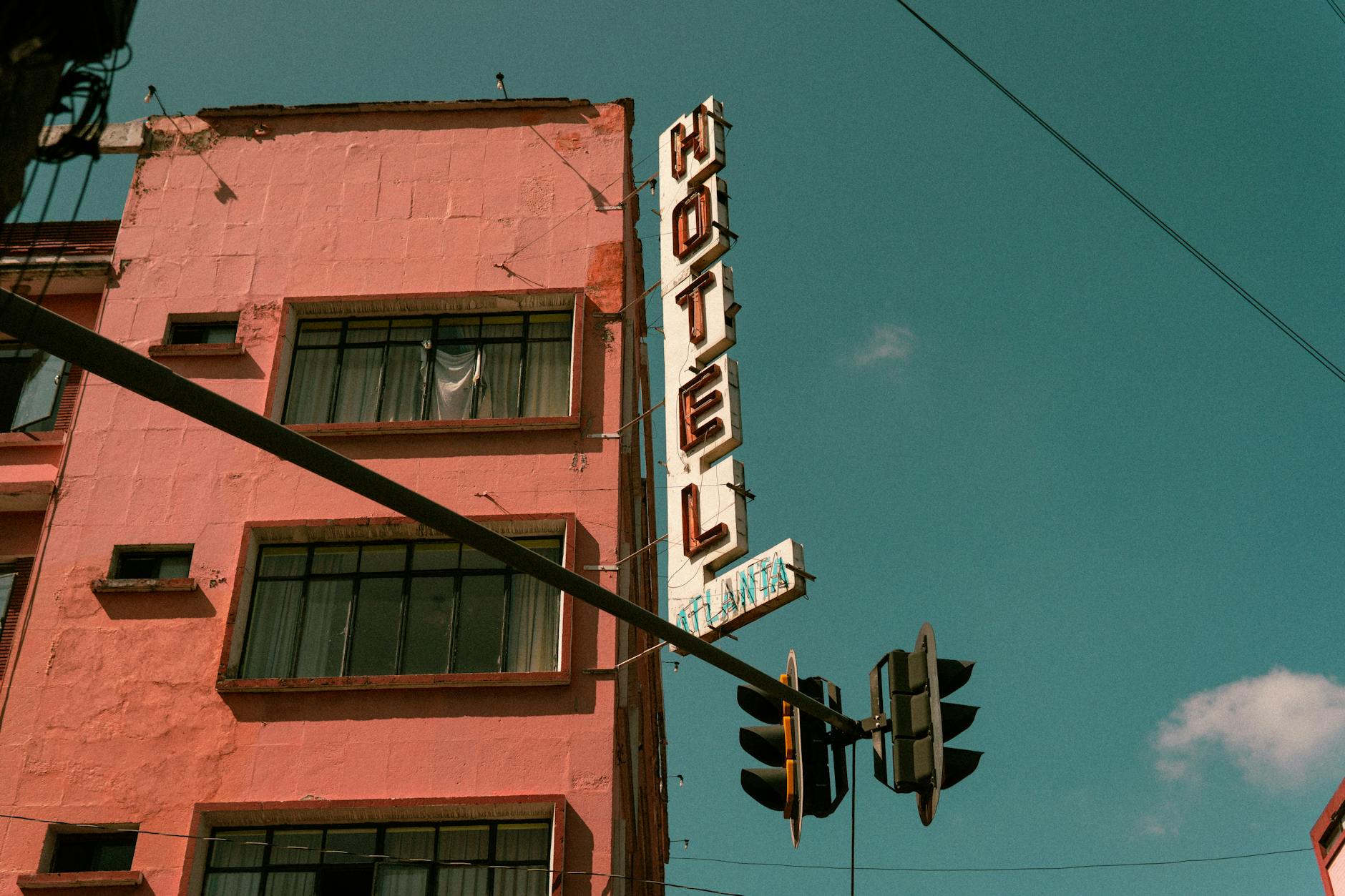
The first hour matters. Mexico City International Airport and Felipe Angeles can both work, but luggage, distance, arrival hour, terminal layout, driver meeting point, phone setup, traffic, and the final hotel approach should be decided before landing. A traveler with limited standing tolerance, mobility equipment, pain, balance concerns, or companion support should not be solving curbside transport while tired and exposed.
A prearranged transfer, hotel car, or carefully planned ride may be worth the cost when the arrival is late, the traveler has bags or equipment, or the hotel entrance needs explanation. The plan should name the meeting point, vehicle size, driver contact, luggage help, drop-off point, and fallback if the first pickup fails. The first evening should stay simple: check in, eat close by, verify the next morning's route, and avoid making arrival the most demanding movement of the trip.
- Prearrange or tightly plan arrival transport when luggage, equipment, late timing, or standing tolerance makes improvisation weak.
- Confirm airport, terminal, meeting point, vehicle fit, driver contact, hotel drop-off, and backup plan.
- Keep the first evening close so the traveler can recover and test the immediate hotel surroundings.
Do not let map distance hide effort
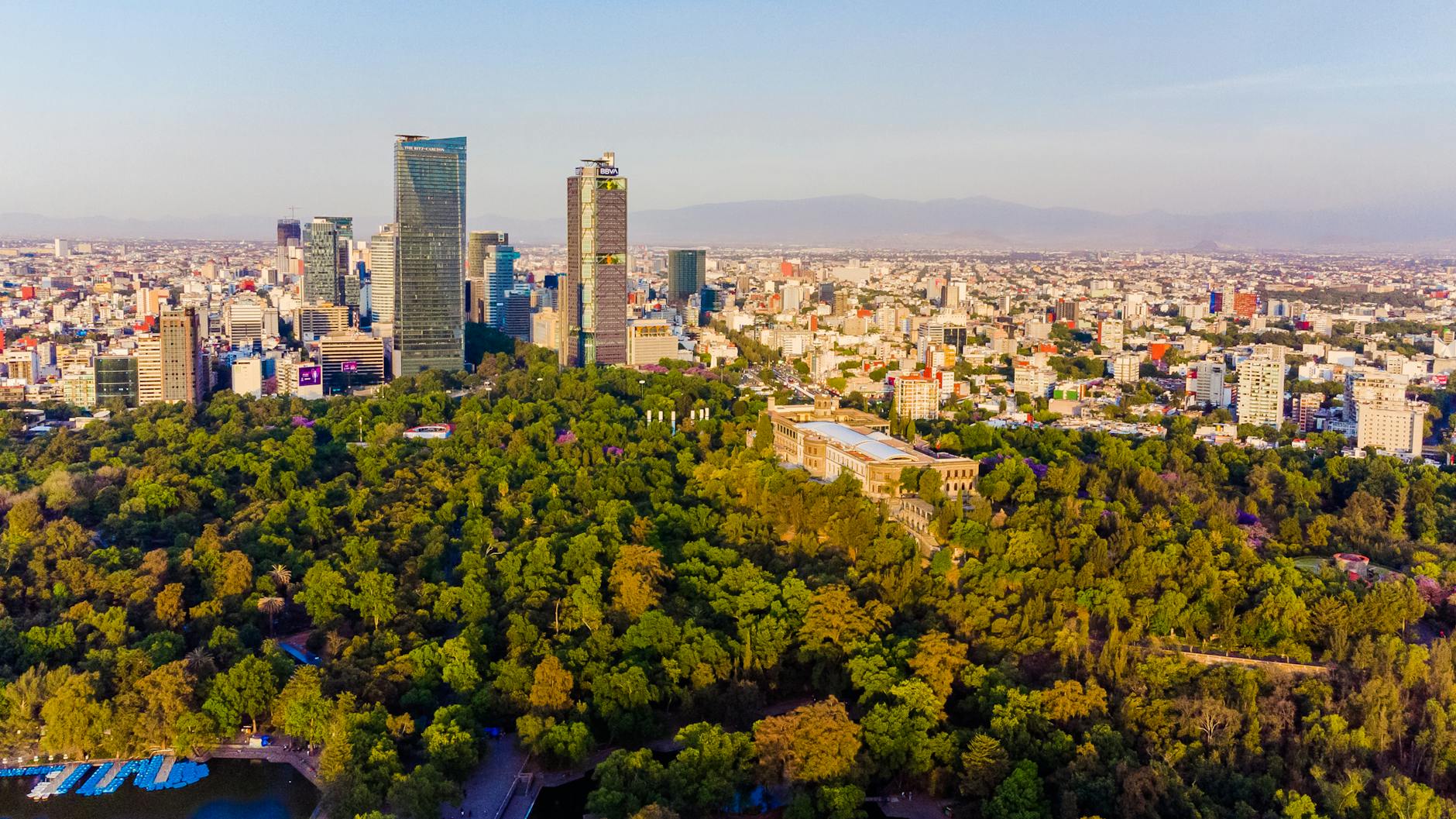
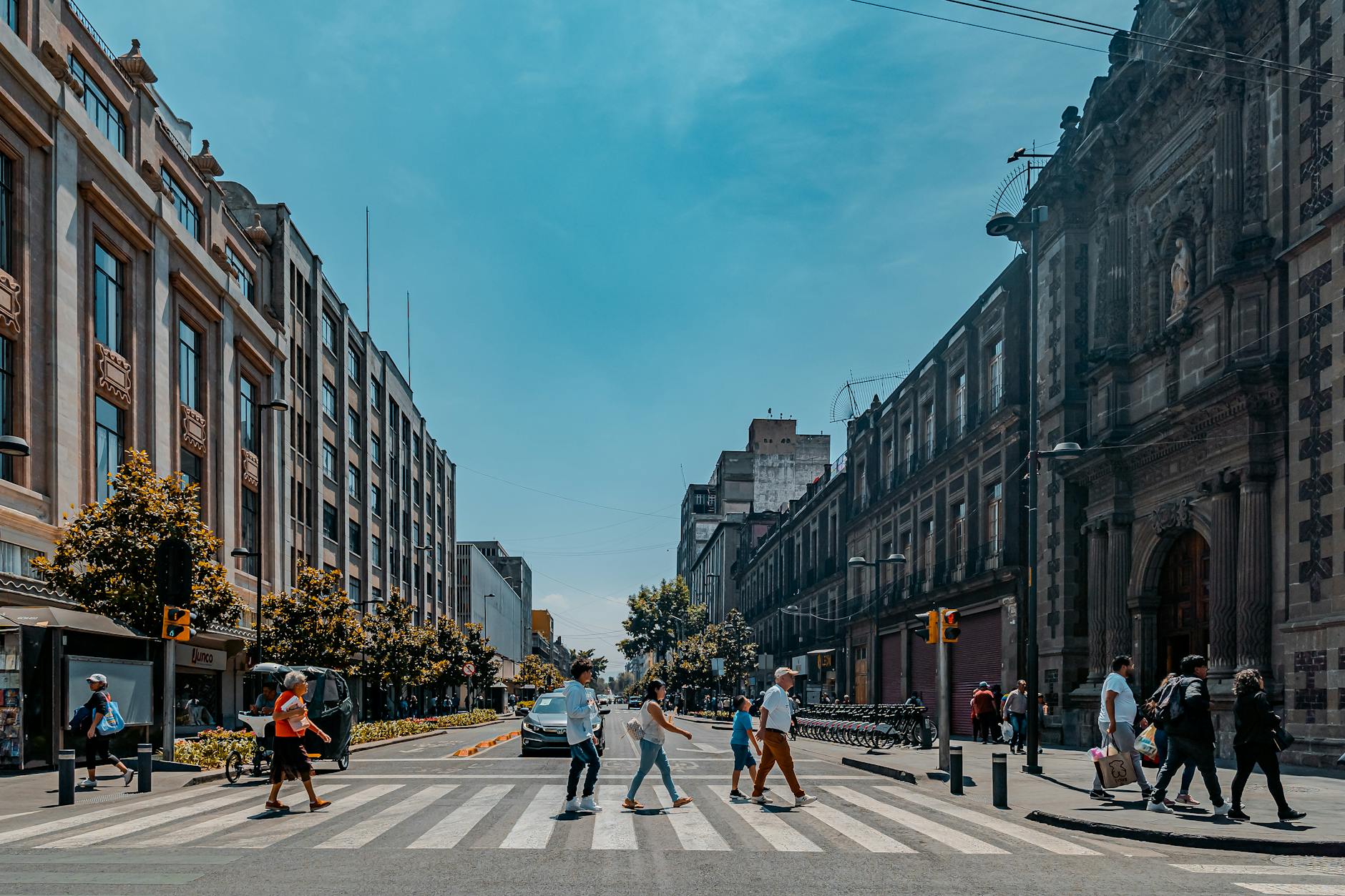
Mexico City can make short map distances feel very different in the body. A route may involve uneven pavement, curb cuts that do not line up, construction, vendor spillover, crowded crossings, raised thresholds, missing benches, steep station stairs, or a long wait for a vehicle pickup. Altitude and air quality can make an otherwise ordinary walking day harder, especially when the traveler is already managing pain, fatigue, respiratory limits, or reduced balance.
A mobility-aware itinerary should rate each route by surface, grade, crossings, crowds, shade, seating, toilets, and bailout options. Centro Historico, Chapultepec, Roma, Condesa, Coyoacan, Polanco, and museum districts can all be worthwhile, but none should be treated as automatically easy. The best route may be shorter, slower, or more expensive than the map suggests because it protects the rest of the day.
- Check sidewalk quality, curbs, crossings, construction, crowds, shade, seating, and toilets before committing to a walking route.
- Treat altitude, air quality, heat, rain, and fatigue as access variables, not background details.
- Use shorter route segments and clear bailout points rather than open-ended wandering.
Use transit and rides selectively
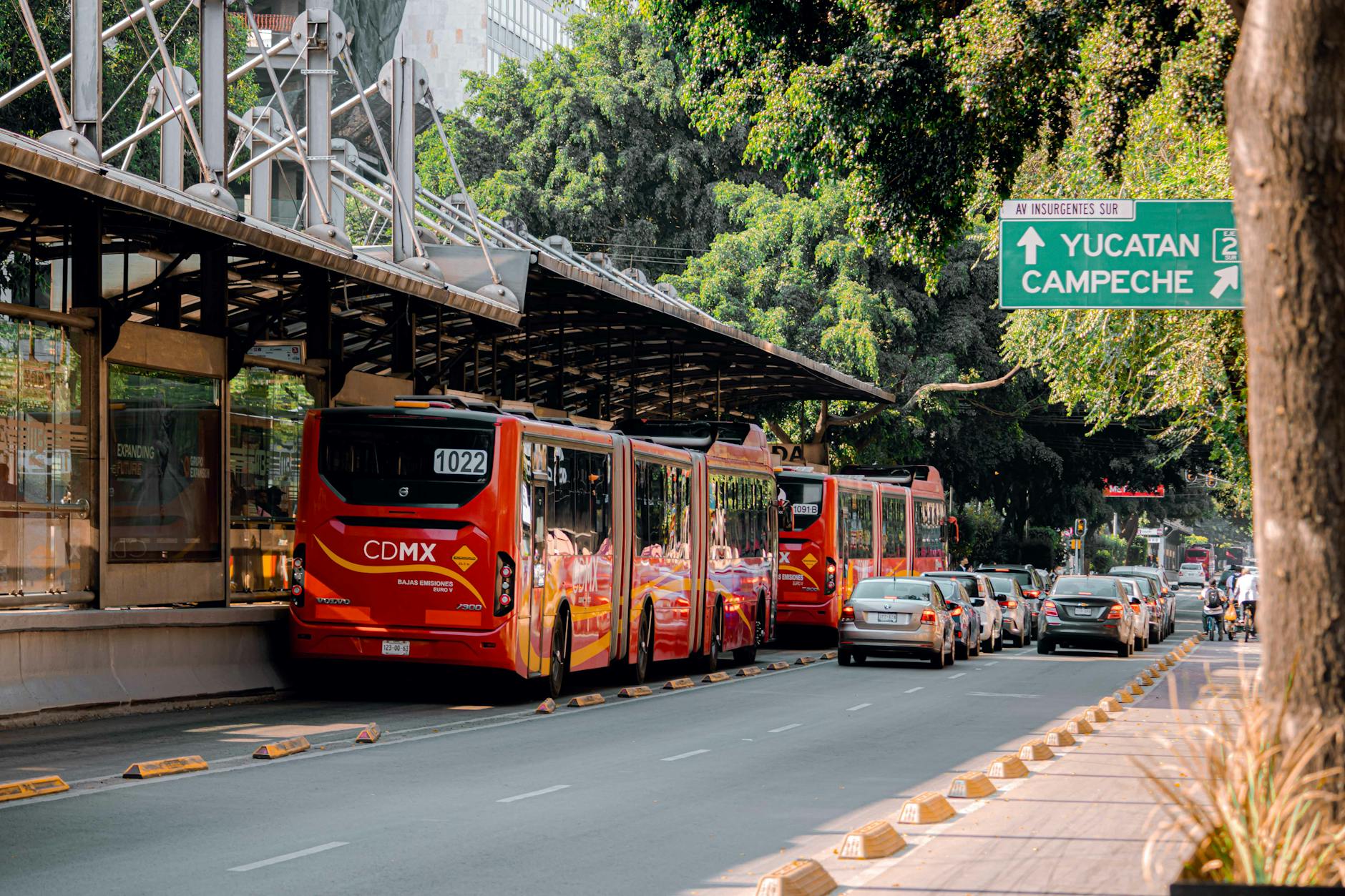
Mexico City public transport can be useful, but it should not be treated as one uniform accessibility answer. Metro, Metrobus, buses, and rail links each depend on the exact station, platform, lift or ramp reality, crowd level, transfer burden, and final approach to the destination. A route that is technically possible may still be wrong for a traveler with limited stamina, equipment, luggage, or low tolerance for crowd compression.
Rides, taxis, hotel cars, or private drivers can protect a trip when the movement is late, cross-city, rainy, polluted, luggage-heavy, or after a tiring museum or market visit. The traveler should not wait until exhaustion to switch modes. Set thresholds in advance: when transit is worth using, when a short walk is reasonable, when a ride is mandatory, and where pickup points actually work.
- Plan transit by exact station, transfer, platform, crowd level, and final approach rather than by line color alone.
- Use rides or drivers when luggage, late returns, weather, fatigue, or cross-city movement makes transit fragile.
- Identify practical pickup points at hotels, museums, restaurants, parks, and markets before the day depends on them.
Choose museums, parks, and landmarks one by one
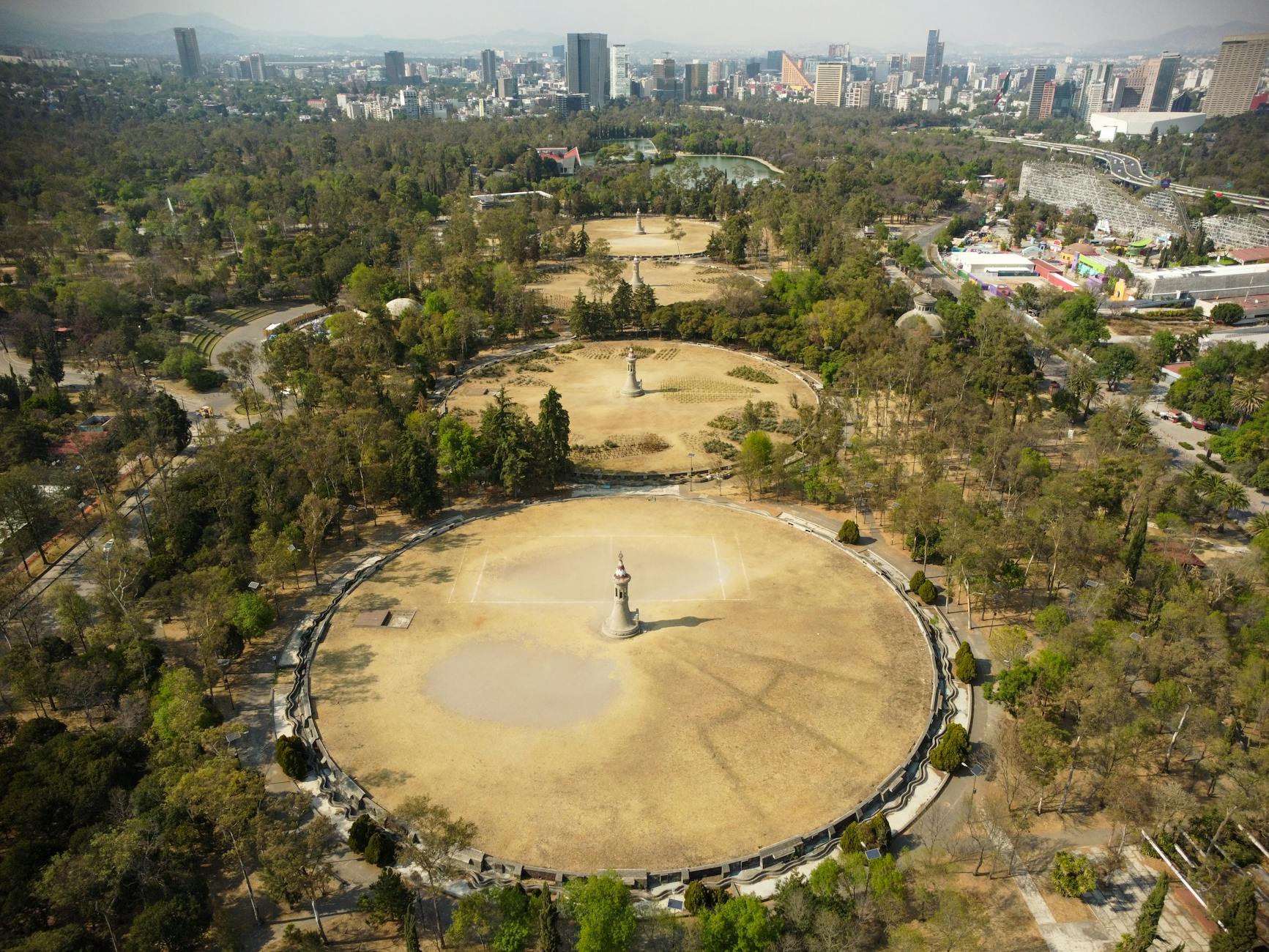
Mexico City's strongest sights are not interchangeable access problems. The Anthropology Museum, Chapultepec Castle, Bellas Artes, Centro landmarks, Frida Kahlo-related stops, Coyoacan, markets, plazas, and parks each have different entrances, internal distances, surfaces, seating, toilets, ticket timing, crowd patterns, and transport exits. A traveler with mobility limitations should not stack several access-sensitive anchors in one day just because they appear close on a tourist map.
A better day has one main anchor, one nearby optional stop, and a recovery plan. Chapultepec can be excellent when the exact gate, path, museum entrance, seating, shade, restroom, and return vehicle are known. Centro can be memorable when the route is short and paced. A partial visit can be a successful visit. The aim is to choose the version of the landmark that gives the traveler the best experience for the least unnecessary strain.
- Check entrances, internal distance, lifts, surfaces, queues, seating, toilets, shade, and exit routes before each major sight.
- Use one access-sensitive anchor per half day instead of stacking museums, markets, parks, and historic streets.
- Allow partial visits when the accessible or lower-effort portion is enough for a strong experience.
Plan food, rest, pharmacies, and evening returns
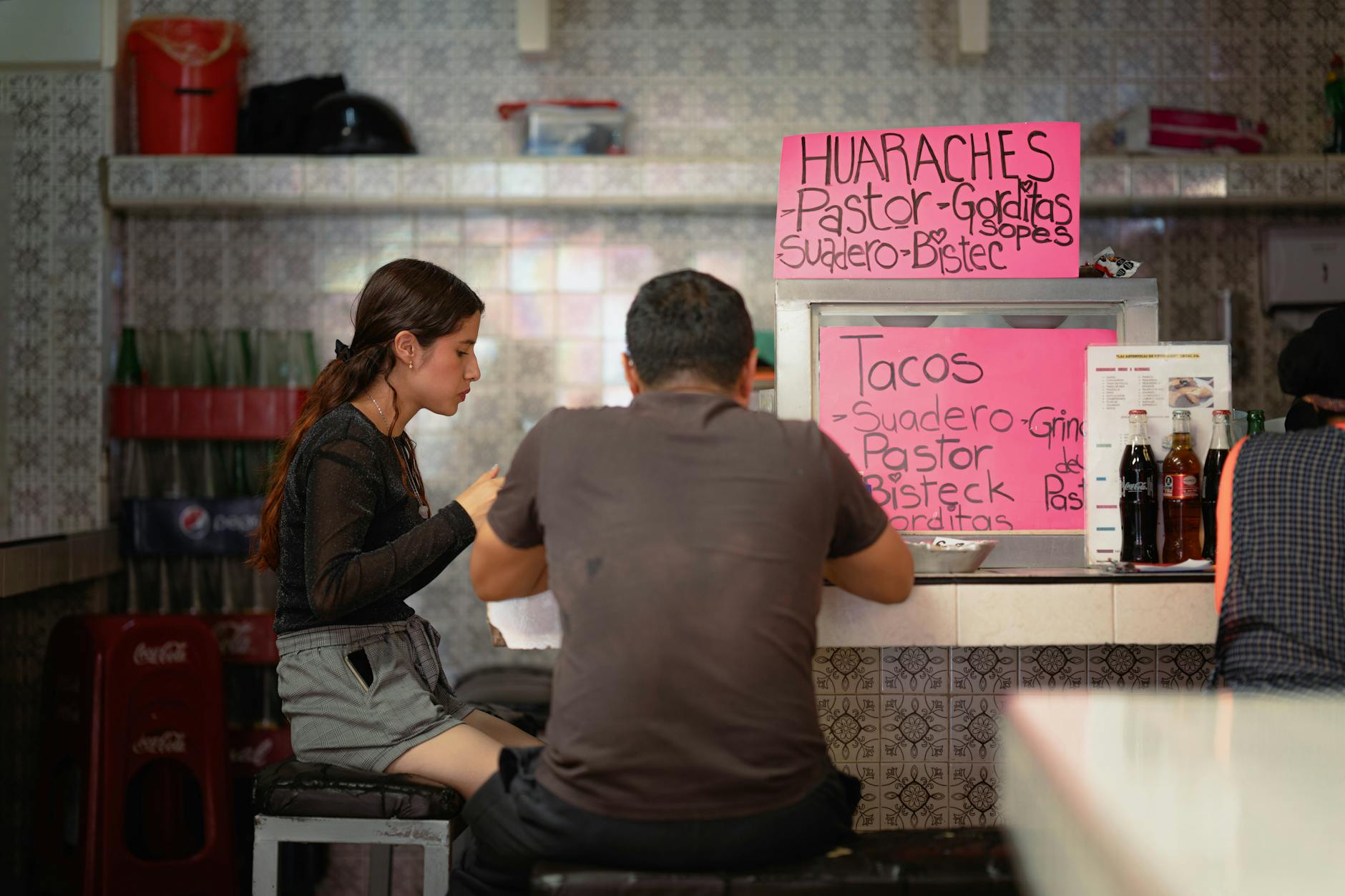
Meals are access decisions in Mexico City. A restaurant may be excellent but wrong if the entrance has steps, the tables are tight, the restroom is difficult, the noise is draining, the street approach is uneven, or the return after dinner depends on a long wait. Food can still be a highlight for mobility-limited travelers, but it should be routed around seating, restrooms, distance, heat, altitude, and the ability to leave comfortably.
The same applies to pharmacies, basic supplies, medication timing, water, rest windows, and evening returns. The traveler should know what is near the hotel, what is near the day's main anchor, and what route works if pain, fatigue, rain, air quality, or equipment issues change the plan. A direct ride after dinner may be the difference between a pleasant evening and losing the next morning.
- Check restaurant entrance, table spacing, restroom practicality, noise, seating, and return transport before reserving.
- Identify pharmacies, water, snacks, and basic supplies near the hotel and near the day's main anchor.
- Plan evening returns before dinner, especially after long museum, market, or park days.
When to order a short-term travel report
A traveler with mild limitations, a simple central hotel, and a relaxed Mexico City plan may be able to manage with direct hotel questions and site checks. A custom report becomes more useful when the traveler uses a wheelchair, scooter, rollator, cane, brace, or companion support; has limited or variable stamina; is choosing among hotels in different districts; wants museum, park, market, restaurant, nightlife, or day-trip time; or needs transport choices tested before committing.
The report should not provide medical advice. Its value is practical route design: lodging filters, arrival transfer, sidewalk and surface checks, transit and ride thresholds, museum and park access, restaurant approach, pharmacy and urgent-care backup, rest windows, current local signals, and evening returns. Mexico City can be rich for travelers with mobility limitations, but it works best when the plan is built around the actual sequence of doors, curbs, seats, vehicles, toilets, shade, and exits.
- Order when mobility equipment, limited stamina, hotel access, transit complexity, or site approach could define the trip.
- Provide hotel candidates, arrival airport, mobility aid, walking and standing tolerance, stair tolerance, must-see sites, and food needs.
- Use the report to turn Mexico City access from assumptions into a route-level plan.