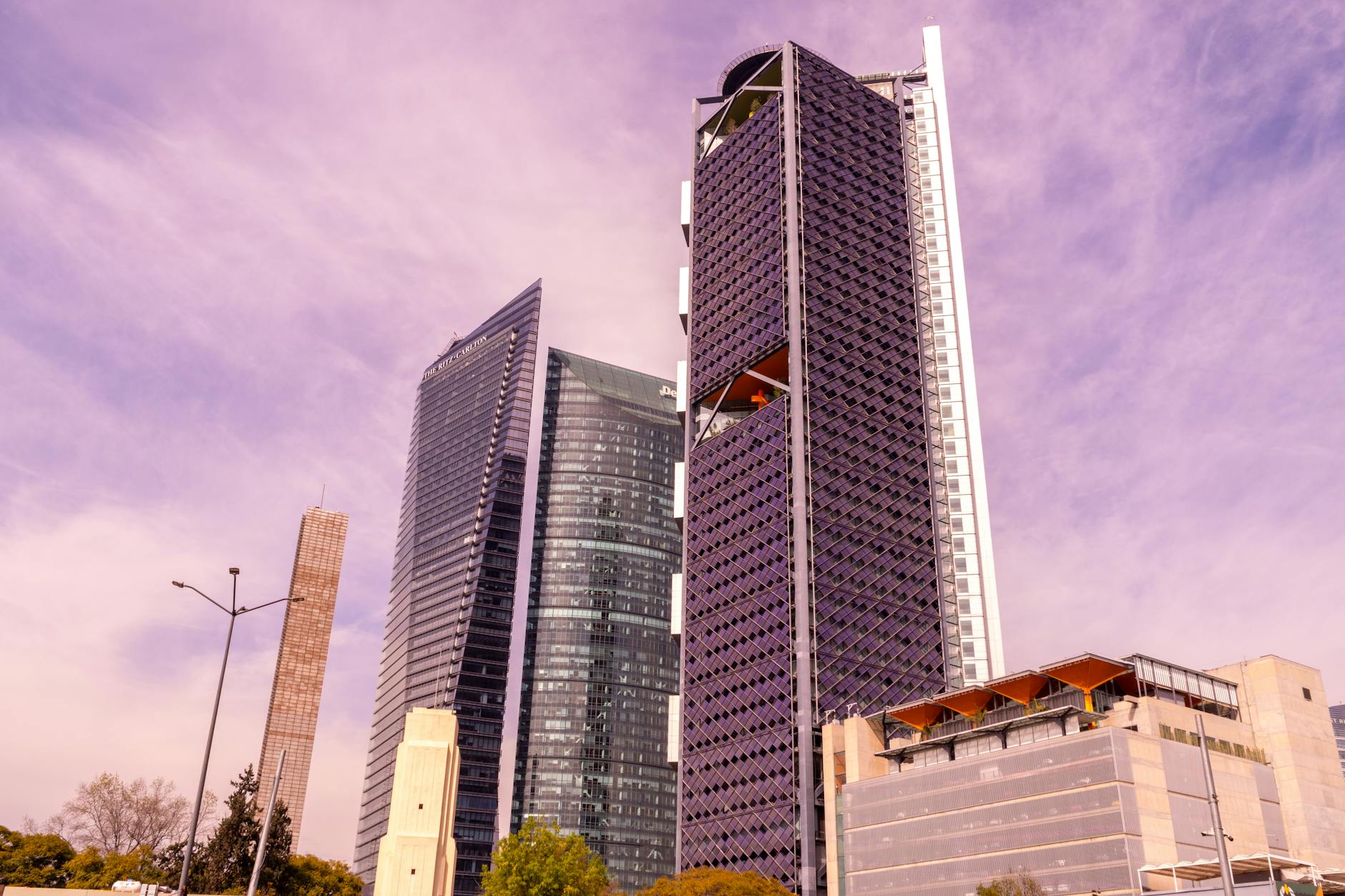
Mexico City can work well for travelers with medical constraints, but it should not be treated like a flat, compact, low-friction city. The altitude, dry air, variable air quality, traffic, long museum days, busy sidewalks, and spread-out neighborhoods can turn a short trip into a harder physical test than expected. The city also has strong private medical infrastructure, pharmacies, hotels, drivers, and neighborhoods that can support a careful trip when those supports are planned before arrival. The goal is not to diagnose risk or replace advice from a clinician. It is to make the travel plan respect the condition. A medically constrained visitor should know where they are staying, how they will arrive, where medication and documents are kept, what happens if symptoms flare, how far the nearest appropriate clinic or hospital is, and which parts of the itinerary can be cut without damaging the trip.
Start with altitude, air, and the condition
Mexico City sits high enough that the first day can feel different for travelers with respiratory, cardiac, migraine, sleep, fatigue, pregnancy, blood pressure, anemia, or stamina-related concerns. Even travelers who are normally active may feel winded, dehydrated, headachy, or slower than expected. Air quality can also change the day, especially for asthma, COPD, allergies, or other respiratory constraints. The trip should be cleared with the traveler's clinician when the condition makes altitude, exertion, infection exposure, medication timing, or emergency access material.
The practical plan is to make the first day lighter, keep hydration and meals regular, avoid stacking late arrival with early touring, and build a daily stop rule before symptoms force one. A traveler who has permission to rest without losing the trip is usually in a stronger position than one who must keep proving the itinerary can be completed.
- Discuss altitude, exertion, air quality, medication timing, and emergency thresholds with a clinician before departure.
- Keep the first day light, especially after a late flight or long connection.
- Track symptoms early instead of waiting until fatigue, breathlessness, dehydration, or pain becomes the whole day.
Choose lodging for medical access, not only style
The lodging choice should reduce the number of things that can go wrong. Polanco, Reforma, Roma, and Condesa can all work for different travelers, but the exact hotel or apartment matters more than the neighborhood label. Check elevator reliability, step-free access, air conditioning or ventilation, quiet room options, breakfast, room service or nearby simple food, ride pickup, pharmacy proximity, and whether the front desk can help contact a doctor or clinic. A beautiful stay that requires long walks, stairs, noisy nights, or unclear vehicle pickup may be the wrong stay for a medically constrained visitor.
The route from lodging to care should be known before booking. That does not mean the traveler must sleep beside a hospital. It means the traveler should know which private clinic or hospital is realistic, what traffic does to that route, and whether the hotel can help with a car, Spanish-language phone call, or records if something changes.
- Prioritize elevators, quiet rooms, easy food, pharmacy access, ride pickup, and hotel support.
- Map the nearest suitable private clinic or hospital before committing to lodging.
- Avoid stays that make every meal, return, stair, or pickup point physically expensive.

Keep medications and documents redundant
Medication continuity should not depend on one bag or one phone. Travelers should carry prescriptions, dose schedules, generic names, physician notes when relevant, allergy lists, insurance details, emergency contacts, and a short condition summary in a format that can be reached offline. Essential medication should stay in carry-on luggage, ideally with enough extra supply to survive delays, lost bags, or a forced change in route. Temperature-sensitive medication, medical devices, batteries, sharps, and controlled substances need their own airline and border planning rather than a last-minute packing decision.
Mexico City has pharmacies, but the useful assumption is not that every medicine can be replaced quickly or exactly. Brand names, dose formats, prescription rules, and availability may differ. The safest short trip is the one that does not rely on solving medication continuity after arrival.
- Carry medications, prescriptions, generic names, allergies, condition notes, and emergency contacts offline.
- Keep essential medication and devices in carry-on bags with realistic delay margin.
- Do not assume a pharmacy can quickly replace the exact medicine, dose, device, or supply format.
Build the clinic fallback before you need it
A medically constrained traveler should not wait until symptoms worsen to decide where to go. Before arrival, identify a realistic clinic or hospital option that matches the condition and lodging area, then save the name, address, phone number, and route offline. Ask whether travel insurance requires a call before non-emergency care, and know when that requirement stops being relevant because the situation is urgent. Mexico's emergency number is 911, but hotel support, a trusted driver, or a bilingual companion may be the more practical first step for non-emergency escalation.
This fallback should be specific. A vague note that Mexico City has hospitals does not help at midnight. The traveler should know which facility is plausible from the hotel, which symptoms require stopping the itinerary, who has the documents, and how to explain the condition if stress, pain, or language limits make conversation harder.
- Save a specific clinic or hospital name, address, phone number, route, and insurance process offline.
- Know which symptoms mean stop touring, call insurance, contact the hotel, or use emergency services.
- Keep a short condition summary and medication list ready for a clinician, driver, hotel, or companion.
Make food, water, and bathrooms part of the route
Food and water decisions can matter more for a medically constrained traveler than for a casual visitor. Diabetes, gastrointestinal conditions, medication side effects, immune concerns, food allergies, migraines, kidney issues, and fatigue can all make irregular meals or uncertain bathrooms a real constraint. The plan should include breakfast, water, simple backup food, restaurant timing, and known bathroom opportunities. A famous meal across town is less useful if the traveler arrives unstable, dehydrated, or too tired to enjoy it.
This does not mean avoiding Mexico City's food. It means matching food to the condition. Choose vetted restaurants when allergies, immune risk, or stomach sensitivity matter. Keep snacks and electrolytes where appropriate. Avoid letting coffee, alcohol, heat, or long museum lines replace proper pacing.
- Plan meals, water, snacks, bathroom access, and medication timing into each day.
- Use vetted restaurants when allergies, immune risk, or gastrointestinal sensitivity matter.
- Do not let famous food plans override hydration, rest, glucose stability, or medication schedules.
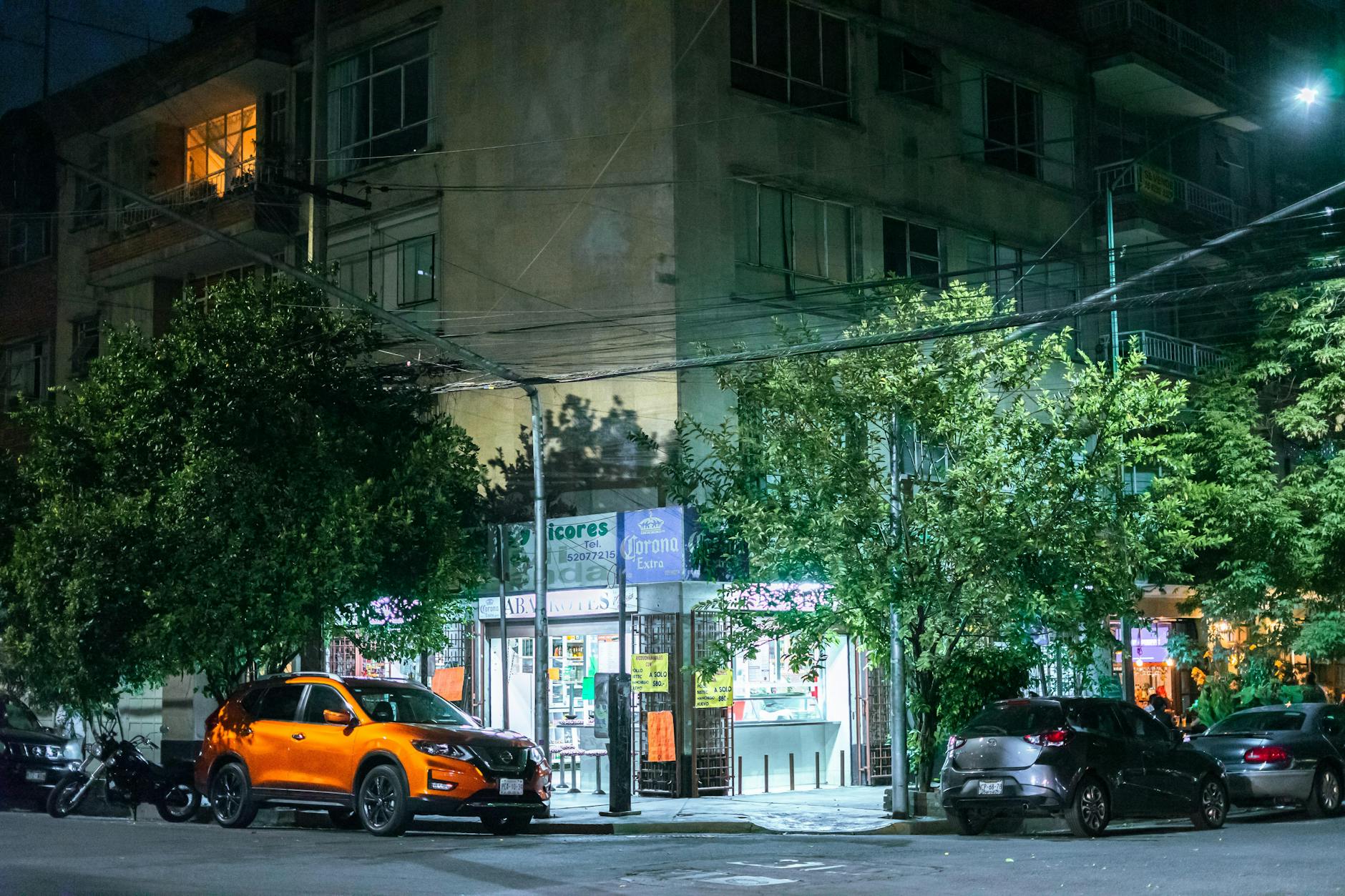
Use transport to conserve medical margin
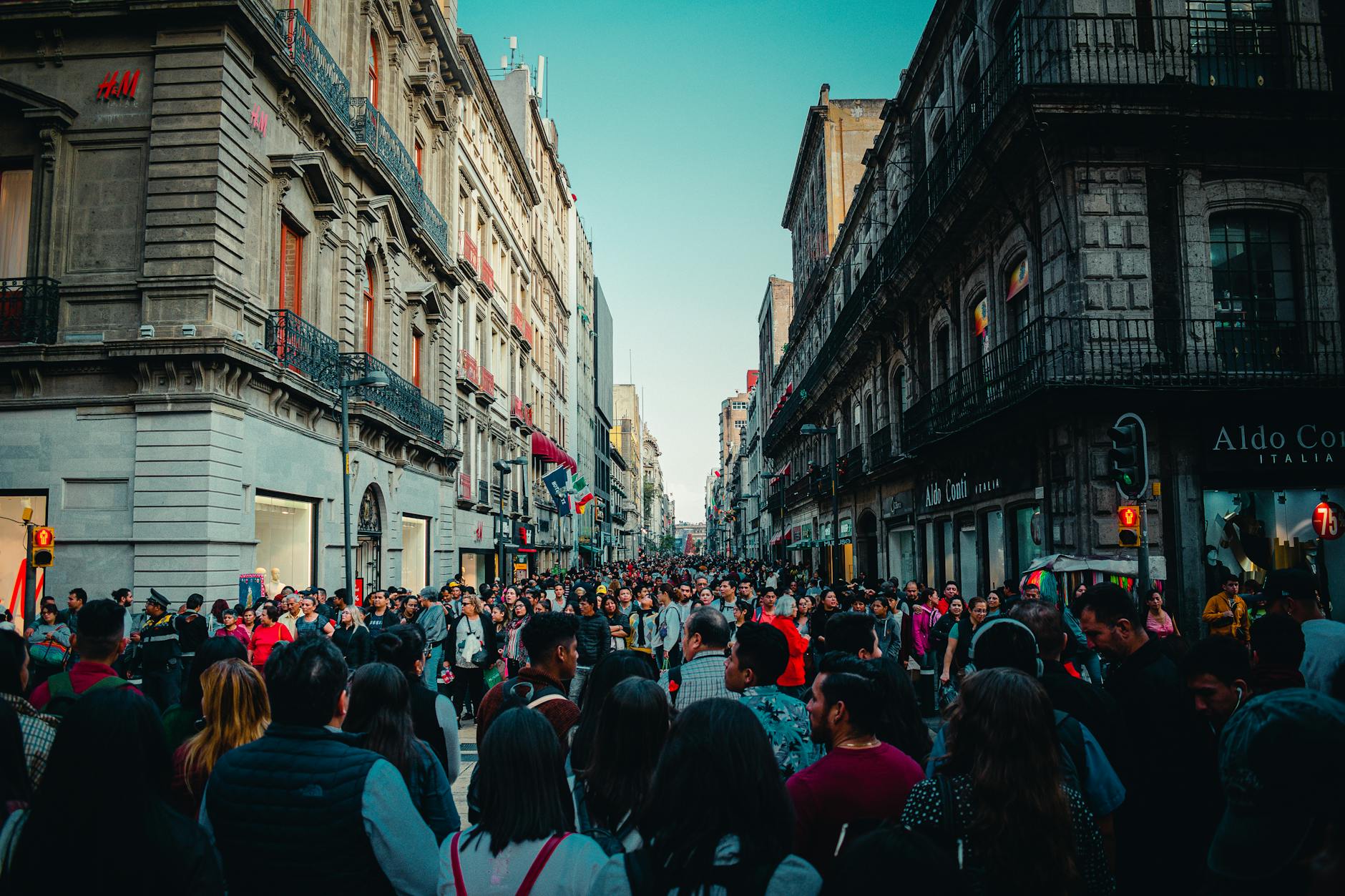
Mexico City is not a place where medically constrained travelers should prove they can walk every connection. Walking can be pleasant in Roma, Condesa, Polanco, Chapultepec, and parts of Centro, but distance, altitude, uneven sidewalks, curb cuts, pollution, sun, and crowds change the true cost. Metro and Metrobus may be useful for some travelers at certain times, but they can also add stairs, crowding, standing, heat, and infection exposure. Cars, hotel drivers, taxis arranged by a trusted source, or ride apps may be the better medical choice even when they are not the cheapest choice.
Airport transfers deserve the same discipline. A traveler with oxygen, devices, temperature-sensitive medication, mobility limits, fatigue, or post-procedure vulnerability should confirm vehicle size, pickup point, luggage handling, and backup communication before departure. The first and last transfers should preserve energy, not spend it.
- Choose walking, transit, or cars by medical margin, not by pride or generic city advice.
- Account for stairs, crowds, standing time, air quality, sun, and uneven sidewalks before using transit.
- Prearrange airport transfers when devices, medication, fatigue, luggage, or mobility make improvisation risky.
When to order a short-term travel report
A traveler whose condition is stable, familiar, and lightly affected by altitude, food, heat, walking, and schedule changes may not need a custom report. A report becomes useful when the stay is short, the condition has flare risk, the arrival is late, the traveler is recovering from treatment, medication is complex, air quality matters, lodging options are uncertain, or the trip includes family, work, or events that make it hard to rest when needed.
The report should not pretend to be medical advice. It should translate the traveler's constraints into lodging choices, arrival handling, daily clusters, clinic and hospital fallbacks, pharmacy proximity, food strategy, transport rules, rest windows, and cut points. The value is a trip that still feels like Mexico City while giving the traveler a clear plan before the body forces one.
- Order when flare risk, medication complexity, altitude, air quality, food, or tight timing could change the trip.
- Provide condition constraints, clinician guidance, medications, lodging candidates, arrival times, food limits, and walking tolerance.
- Use the report to choose a base, identify care fallbacks, set transport rules, and decide what to cut first.