A short academic program in Mexico City can be a language course, summer module, field school, research visit, faculty-led trip, professional seminar, arts program, university exchange component, or service-learning placement. The trip may be only a week or two, which makes logistics matter more rather than less. A student does not have months to learn the city by trial and error. Housing, campus location, commute, meals, field visits, program rules, phone access, health, and nights out all need to work quickly. Mexico City is a strong academic destination because it combines major universities, museums, archives, neighborhoods, food, public space, and cultural depth. It can also overwhelm a student who treats it like a casual city break attached to a class. The best plan protects attendance, sleep, money, documents, and daily movement first. Once those pieces are stable, the student can use the city with more freedom and less friction.
Confirm the program geography before booking housing
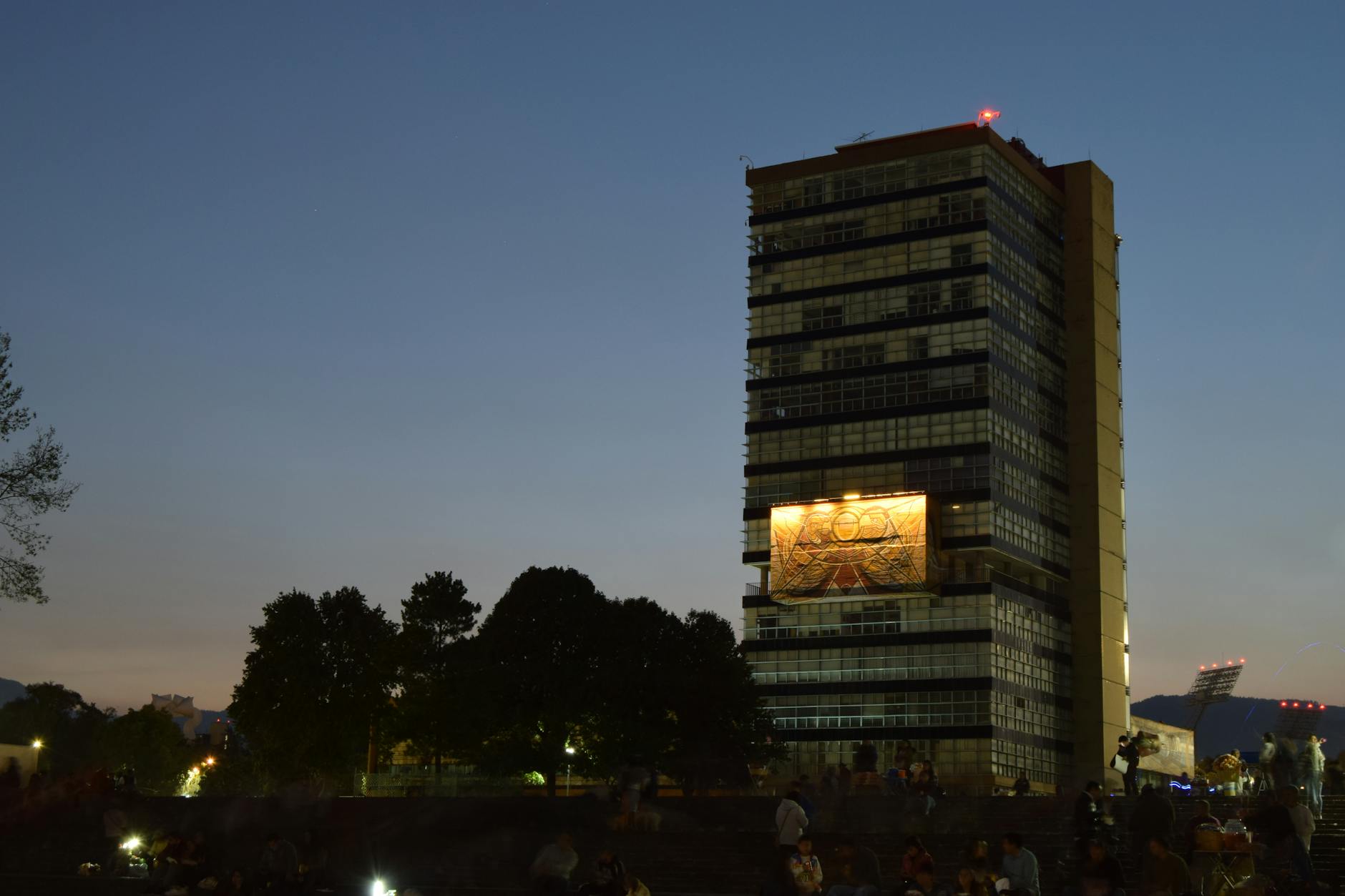
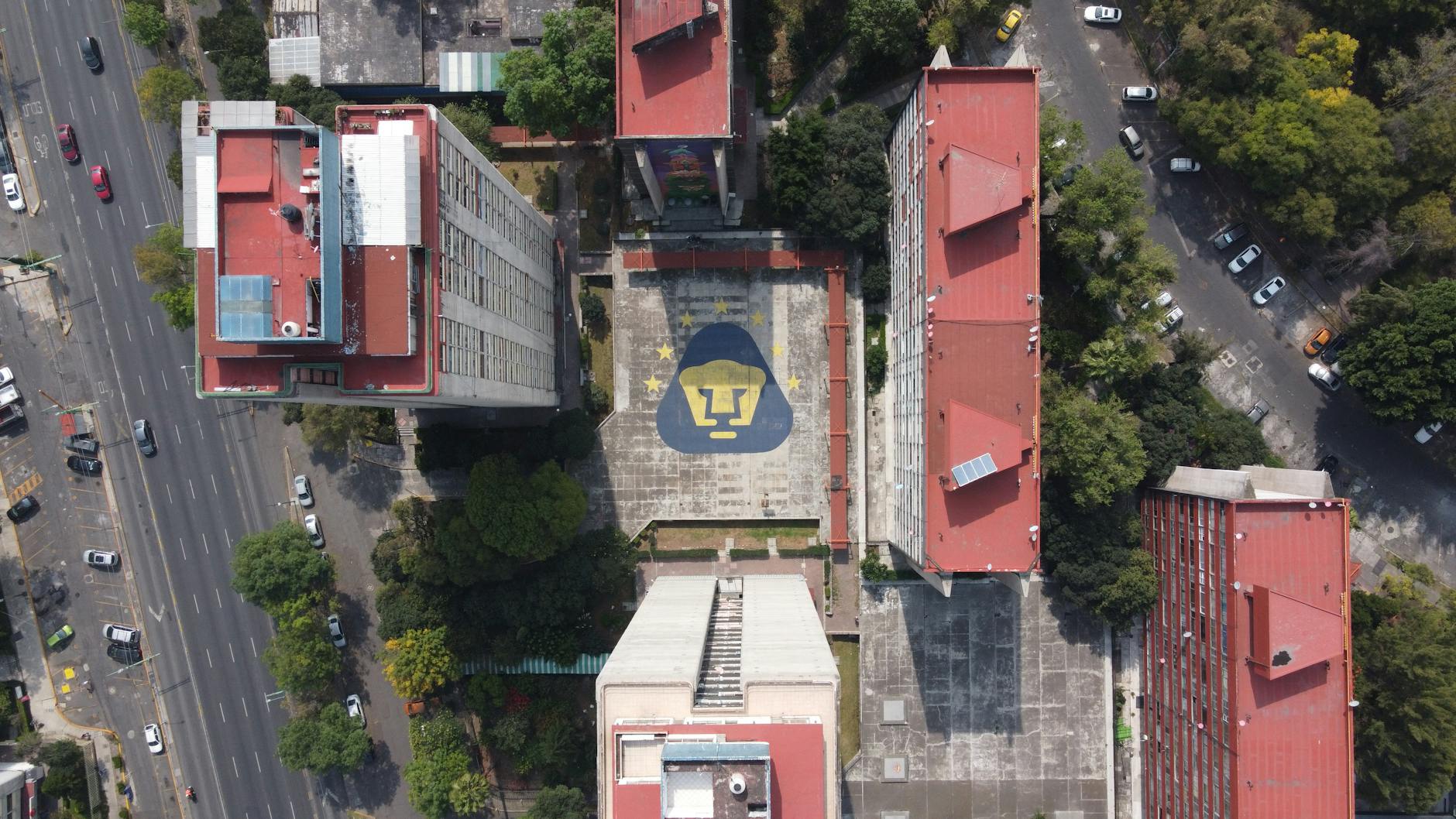
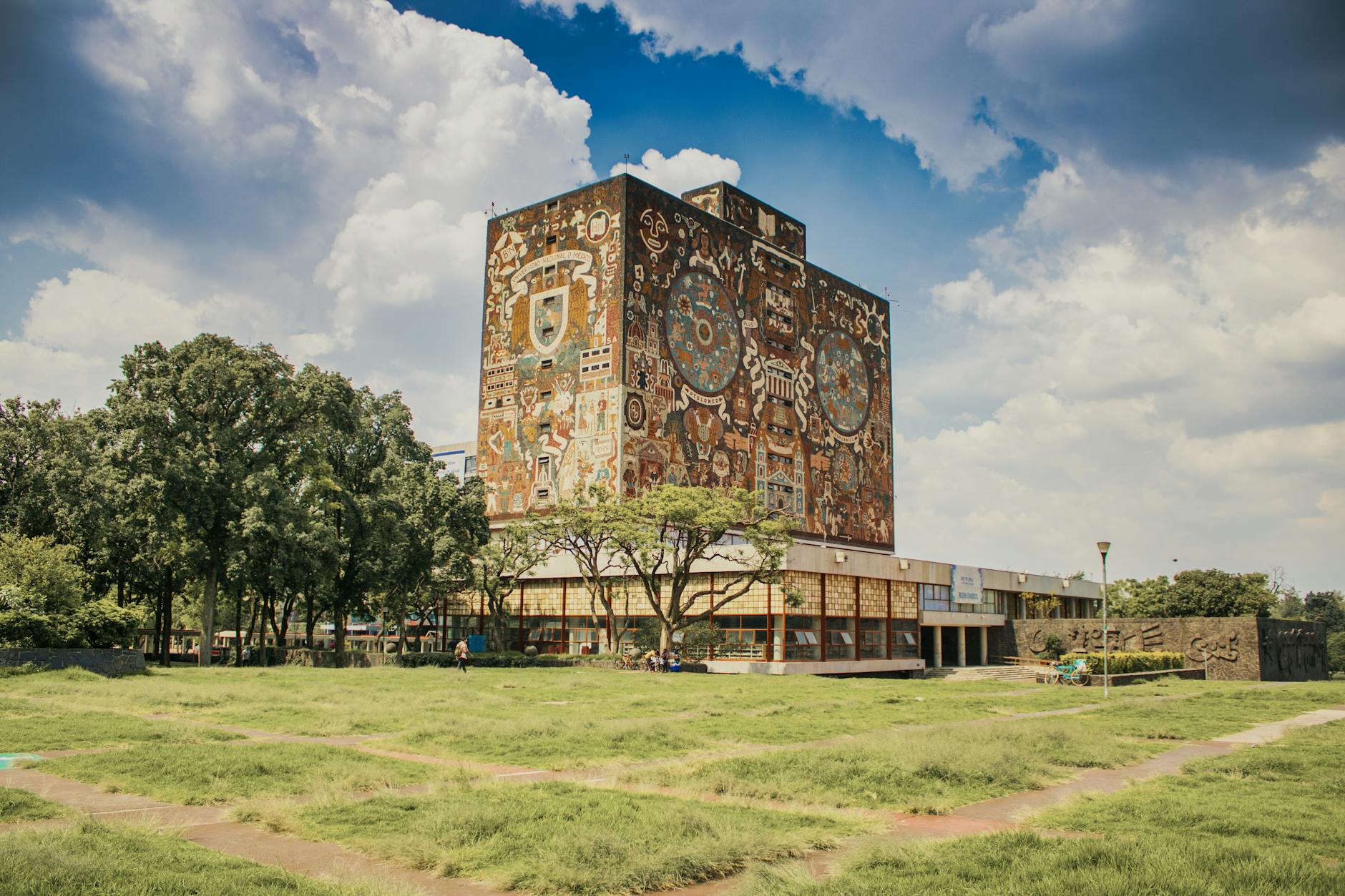
Students should start with the exact program site, not a broad idea of where young travelers like to stay. Mexico City academic activity may center on UNAM, a language school, a private university, a museum, an archive, a hospital, a studio, a nonprofit office, or a rotating set of field sites. Roma, Condesa, Coyoacan, Centro, Polanco, Santa Fe, and campus-adjacent housing all create different daily lives. A good neighborhood can still be wrong if it makes attendance fragile.
The housing question should include commute time, entrance rules, curfew or host-family expectations, kitchen access, laundry, Wi-Fi, quiet study space, group meeting points, and how a student returns after evening activities. Short programs are often intense. A room that makes every morning complicated can damage the academic purpose even if it looks appealing in photos.
- Map the exact classroom, campus gate, fieldwork base, and group meeting point before choosing housing.
- Check commute, Wi-Fi, laundry, quiet study space, curfew rules, kitchen access, and return logistics.
- Do not choose a neighborhood only because it is popular with visitors or other students.
Make daily movement simple and repeatable
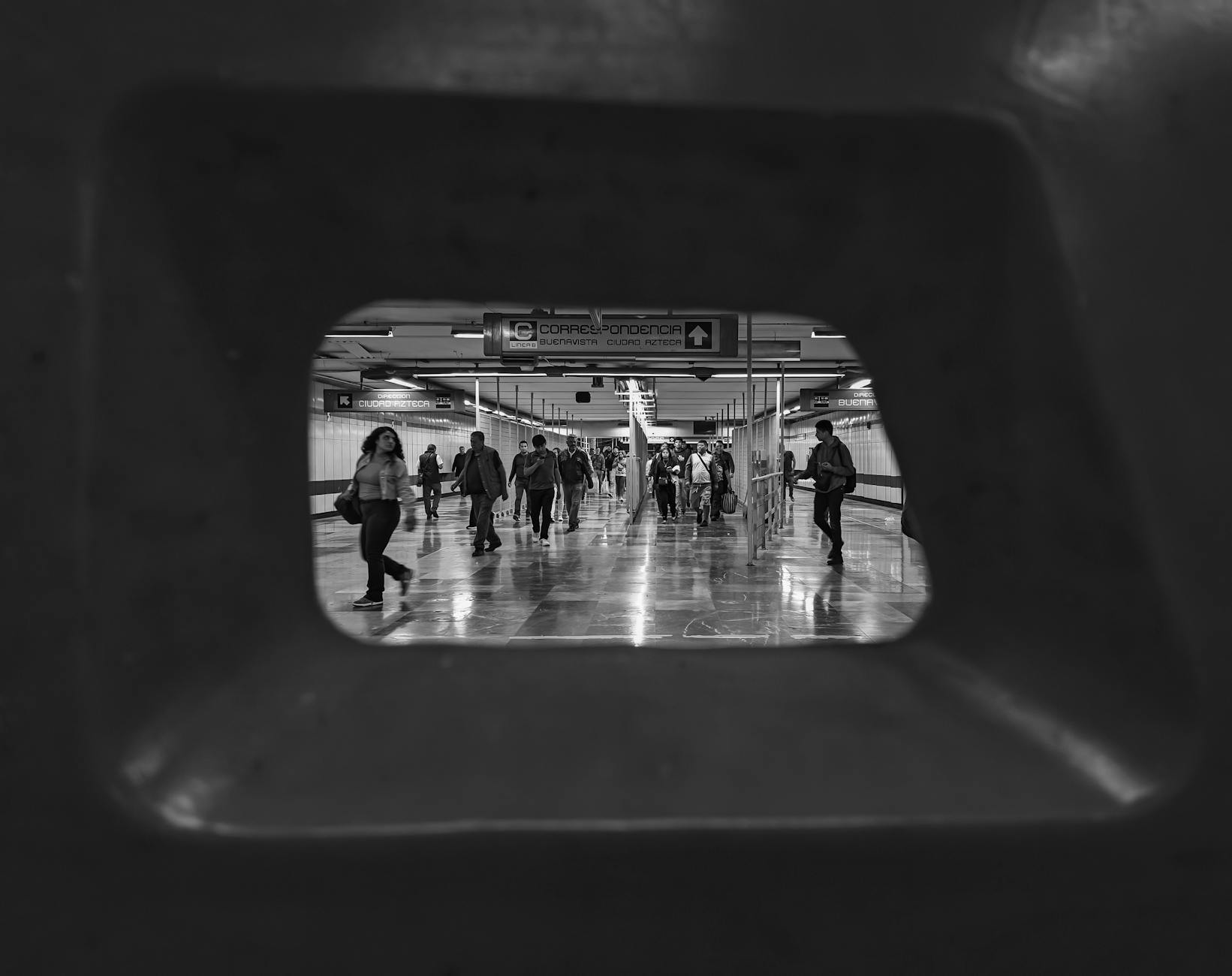
A short program usually depends on showing up on time every day. Mexico City has taxis, ride-hailing, buses, Metro, Metrobús, walking routes, and group transport, but the best option changes by time, route, weather, crowding, and the student's comfort. A daily commute that seems adventurous on day one may feel draining by day four if it requires too many transfers or late returns.
Students should learn one reliable morning route, one backup route, and the program's rule for moving alone or in pairs. They should also know what happens after a late class, museum visit, dinner, or weather delay. If the program provides group transport for field days, students should still understand pickup points, return timing, and what to do if separated from the group.
- Build one primary commute, one backup commute, and a clear late-return plan.
- Follow program rules about solo movement, paired travel, rides, public transport, and meeting points.
- Keep phone battery, local data, emergency contacts, and the housing address available before every movement.
Treat the academic schedule as the fixed frame
The shortest programs often have the least slack. A student may have class in the morning, a required site visit after lunch, a group discussion in the evening, assigned reading, reflection writing, or a final presentation due before departure. It is easy to overbuild free time because Mexico City offers so much, but the program only works if attendance, preparation, and recovery remain intact.
Students should clarify what is mandatory, what is optional, how attendance is recorded, what to do when sick, and when assignments are due. They should also ask which evenings are realistically free. A late night before a field visit or final presentation can cost more than the student expects. Academic travel is still travel, but the class schedule should be treated as the frame rather than an interruption.
- Confirm mandatory sessions, optional activities, attendance rules, illness policy, and assignment deadlines before arrival.
- Protect reading, reflection, group work, and presentation time instead of assuming every evening is free.
- Treat sleep and recovery as part of academic performance, especially during packed short programs.
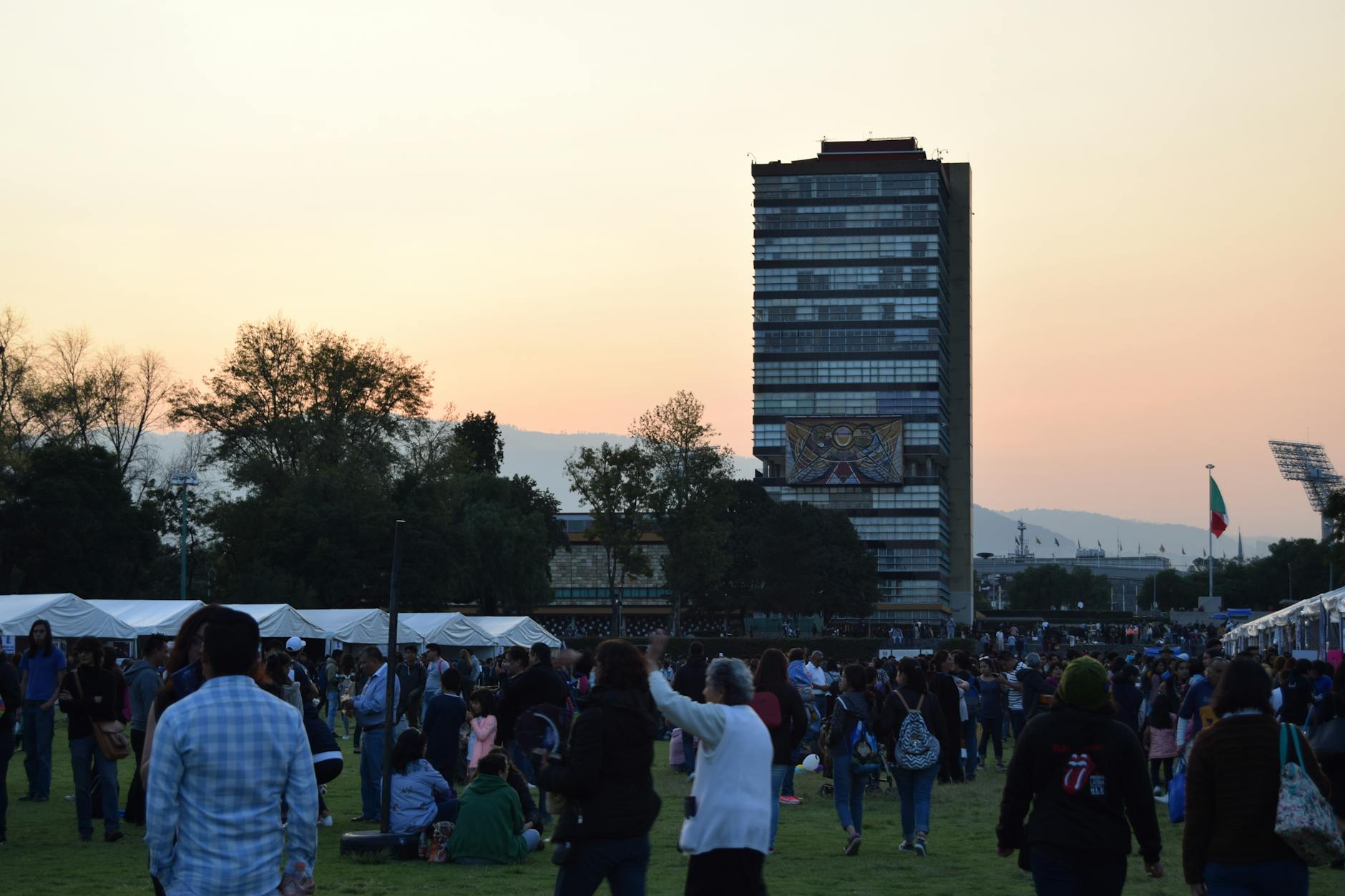
Use fieldwork and cultural visits with structure
Mexico City rewards students who treat museums, archives, neighborhoods, markets, studios, campuses, and public spaces as part of the learning environment. Field visits can be the strongest part of a short program, but they work best when students know the academic purpose before they arrive. A museum visit for a history class, a market walk for an urban studies module, a community meeting, and an archive session all require different behavior and note-taking.
Students should check dress expectations, photography rules, language needs, identification, bag policies, and whether they are representing the host institution. They should also separate required fieldwork from independent exploration. Both can be valuable, but required activities deserve punctuality, attention, and notes that can support assignments later.
- Ask the academic purpose of each field visit before treating it as ordinary sightseeing.
- Check ID, bag, dress, photography, language, and note-taking rules for museums, archives, and community visits.
- Separate required fieldwork from free exploration so assignments do not depend on vague memory.
Control daily budget without shrinking the trip
Student budgets can fail in small increments. Coffee, rides, snacks, bottled water, laundry, museum entries, extra data, group meals, late-night transport, and replacement supplies can quietly consume the money meant for the whole program. Mexico City can be generous to students, but it still requires a daily budget and a reserve for practical problems.
The strongest budget separates fixed costs, daily food, transport, academic costs, social spending, and emergency margin. Students should know when cash is useful, which cards work, whether the program covers group transport or admissions, and how shared costs will be settled. Eating well does not require overspending, but the cheapest option is not always the best choice before a long class or field day.
- Separate fixed costs, meals, transport, academic expenses, social spending, laundry, phone data, and emergency margin.
- Know what the program covers before assuming admissions, group transport, or meals are included.
- Use food and markets intelligently, but keep enough budget for safe returns and unexpected academic needs.

Protect health, documents, and nighttime boundaries
Students on short programs often underestimate how quickly altitude, dehydration, long walking days, unfamiliar food, late nights, and heavy schedules can compound. A mild illness can erase a large share of a one-week or two-week program. Students should bring needed medications, understand insurance or clinic procedures, save emergency contacts, keep copies of passport and visa documents, and tell program staff early when something is wrong.
Nighttime choices deserve the same practical discipline. Mexico City has excellent evening life, but students should follow program rules about check-ins, neighborhoods, transport, alcohol, group movement, and return times. The point is not to make the trip timid. It is to keep one late decision from damaging health, safety, attendance, or the wider group's responsibilities.
- Carry medications, insurance details, emergency contacts, passport copies, and the housing address in usable form.
- Plan for altitude, hydration, walking load, food tolerance, rest, and illness reporting before problems appear.
- Follow program rules on nightlife, group movement, alcohol, check-ins, rides, and return timing.
When to order a short-term travel report
A fully organized faculty-led trip with housing, transport, insurance, and chaperoned activities may not require a custom report for each student. A student traveling independently to a language course, research placement, short exchange, field school, internship module, or partial group program may need more support. Mexico City is manageable, but short programs leave little room to recover from a poor housing choice, confusing commute, weak phone setup, or unclear fieldwork plan.
The report should test program location, housing options, arrival transfer, daily commute, phone and payment setup, food and budget rhythm, health needs, required field sites, museums or archives, nighttime rules, emergency contacts, and weekend options that fit the schedule. The value is a student-specific operating plan that protects the academic purpose while still leaving room to experience the city well.
- Order when housing, commute, fieldwork, health needs, phone setup, or partial independence make mistakes costly.
- Provide program address, housing candidates, schedule, required visits, budget limits, health constraints, and arrival details.
- Use the report to protect attendance and learning first, then make free time easier to use well.