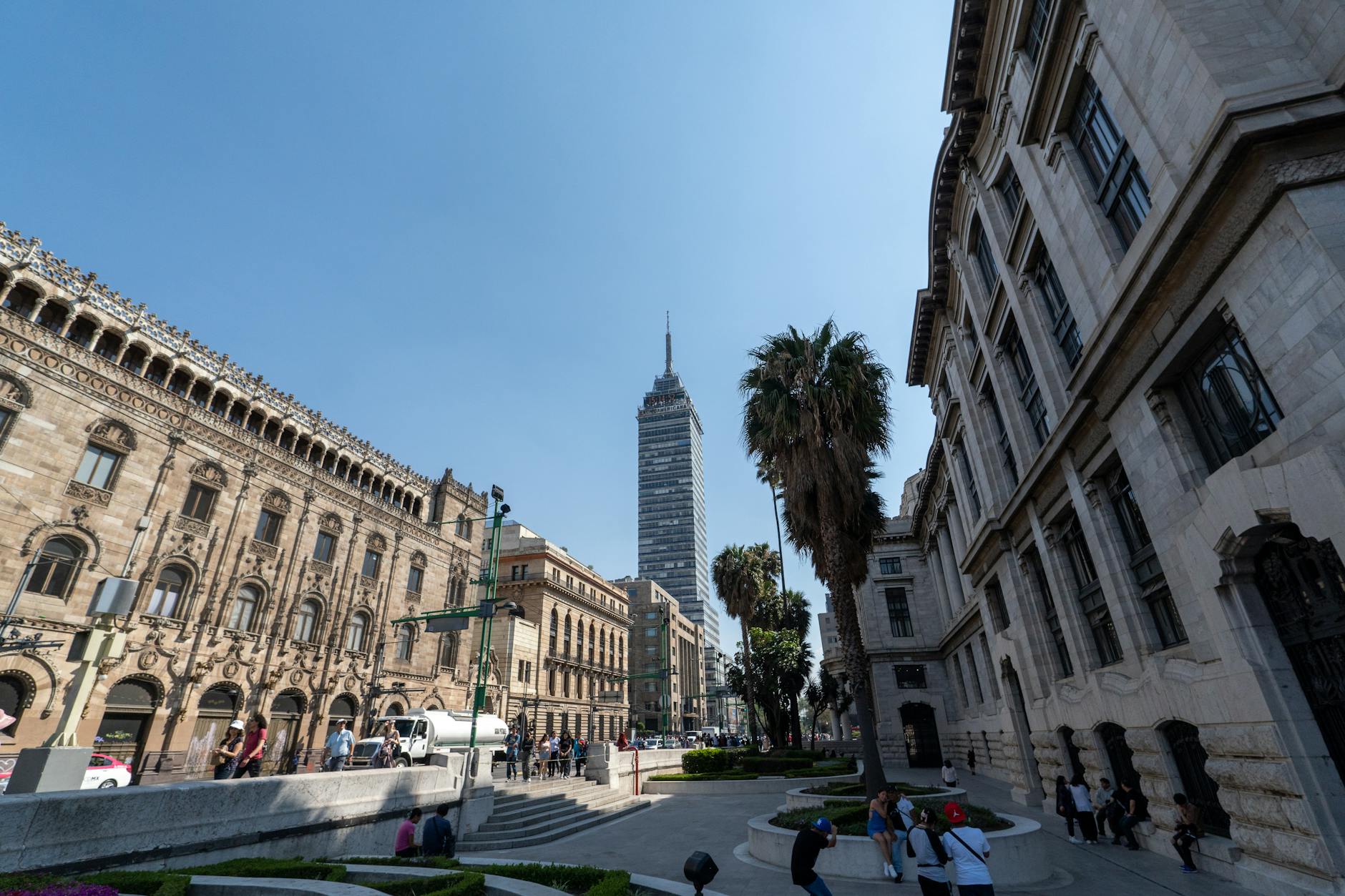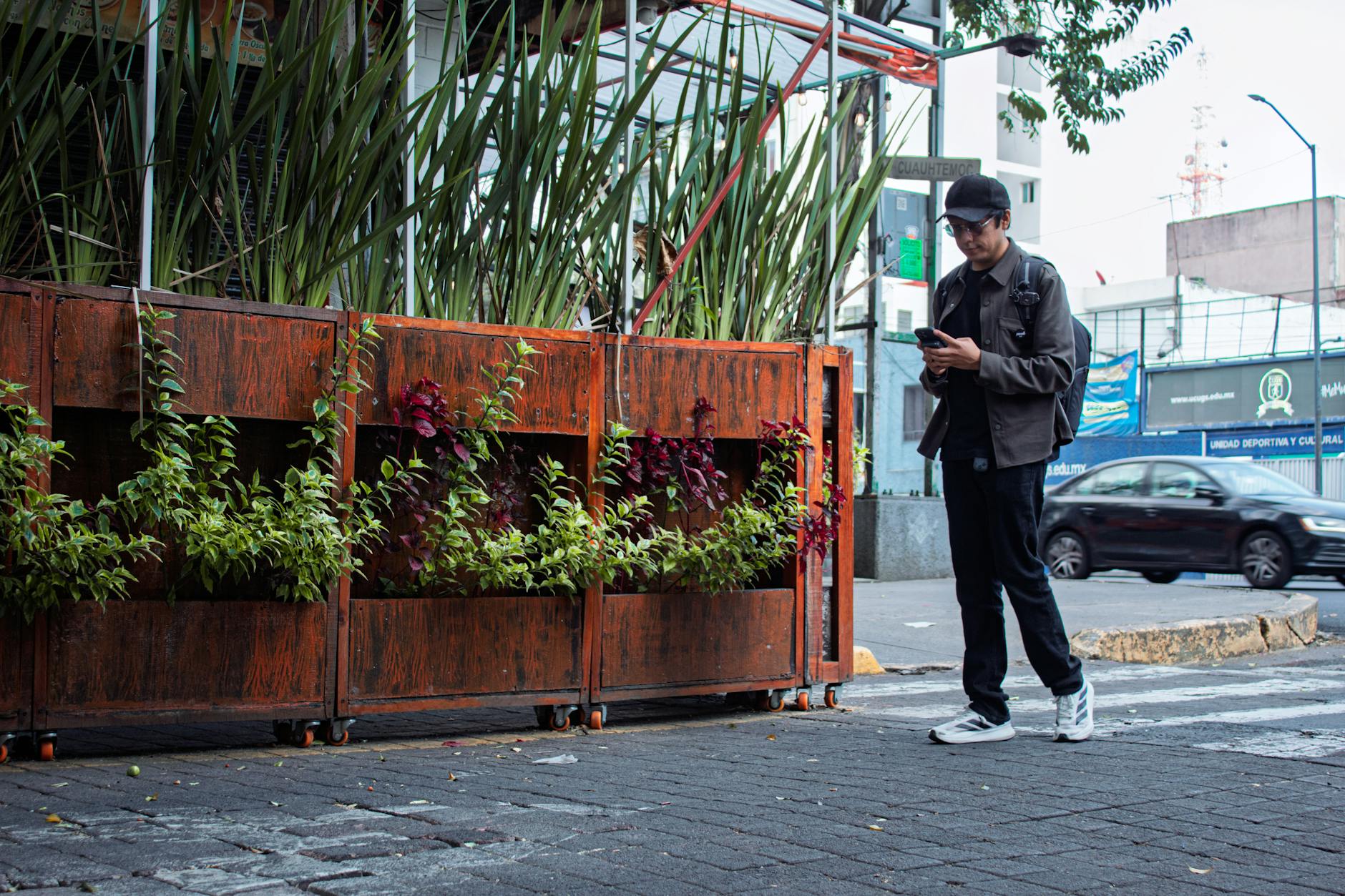
Mexico City can be one of the most rewarding major cities for a solo traveler because it offers neighborhoods that invite wandering, deep museums, serious food, parks, cafes, galleries, and enough transport options to build a trip around individual rhythm. It is also a city where solo travelers need more discipline than couples or groups. A poor hotel base, weak phone plan, vague airport arrival, late cross-town dinner, or distracted street behavior can make the traveler feel exposed faster than the itinerary suggests. The best solo trip is not fearful. It is structured enough to keep freedom intact. The traveler should choose a base that supports easy meals and returns, cluster days by district, protect phone and payment backups, use cars when late or tired, and understand which parts of the city are good for wandering and which are better approached with a route, a guide, or a fixed return plan.
Choose a base that reduces solo friction
The hotel or apartment base matters more when the traveler is alone. Roma and Condesa can work well because they offer cafes, restaurants, parks, walking streets, and a steady social rhythm without requiring every meal or return to become a project. Polanco can be better for polished hotels, museums, shopping, and lower-friction evenings. Reforma can be practical for mixed sightseeing and vehicle access. Centro Historico can be fascinating, but many solo travelers will prefer to visit it deliberately rather than base there without understanding the evening feel.
A solo traveler should test the area around the lodging: late food, ride pickup, lobby or host support, street lighting, nearby pharmacies or shops, and whether the route home feels simple after dinner. Saving money in a distant or poorly connected area can cost the traveler the freedom they came for.
- Choose Roma, Condesa, Polanco, or Reforma when easy meals, returns, and ride pickup matter.
- Treat Centro, Coyoacan, and farther neighborhoods as deliberate day choices unless the base truly fits the trip.
- Check late food, street lighting, lobby support, and pickup points before booking.
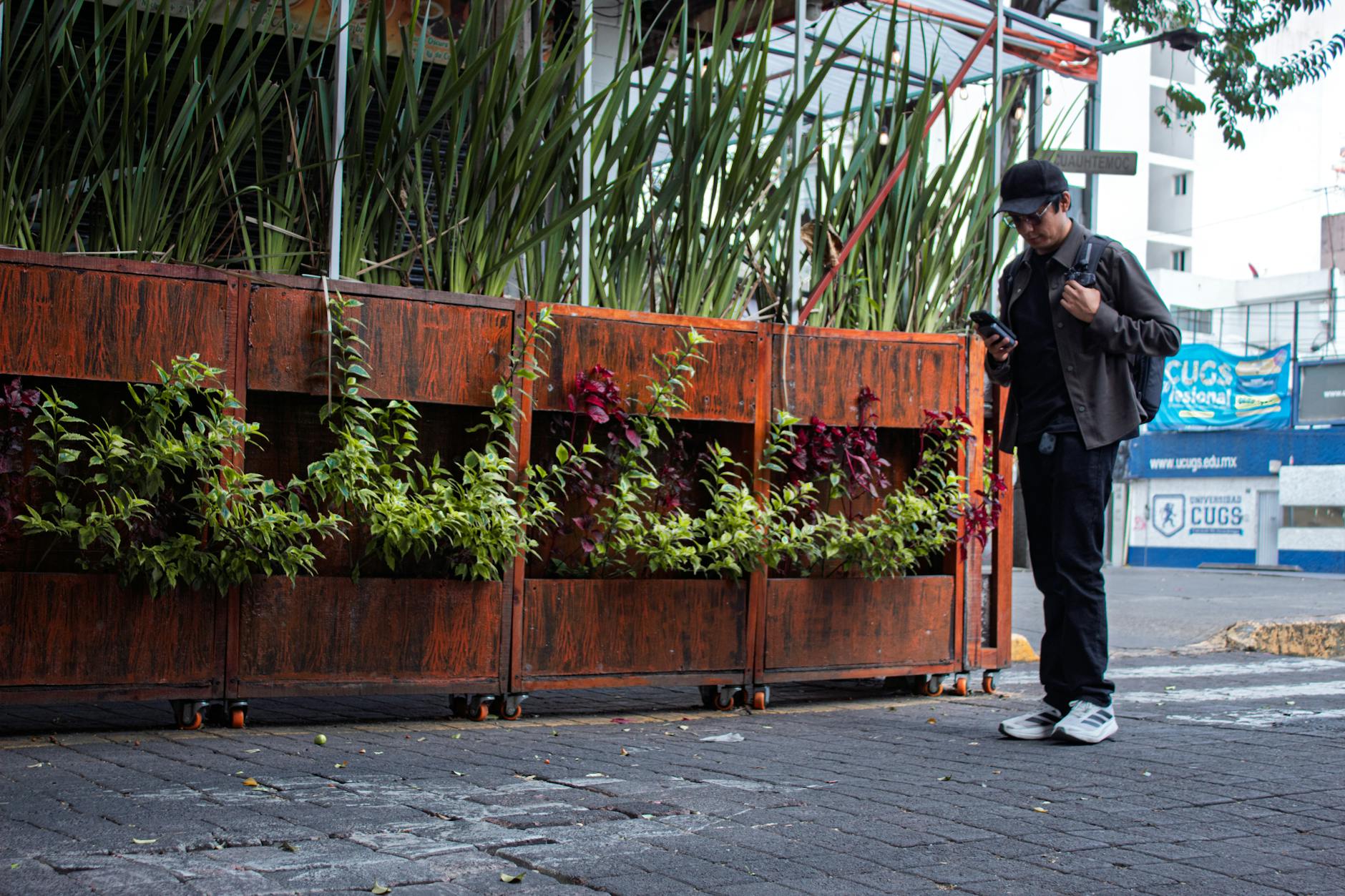
Make arrival boring and phone-dependent systems redundant
A solo arrival should be controlled before the flight lands. Mexico City International Airport and Felipe Angeles create different first legs, and the traveler should know the pickup point, hotel route, approximate travel time, payment method, and backup if the phone does not connect immediately. Late arrivals, checked luggage, low Spanish ability, and fatigue all argue for a more managed transfer rather than curbside improvisation.
The phone is central to solo travel, but it should not be the only safety system. Keep offline hotel details, a secondary payment card, emergency contacts, a map screenshot, and the lodging address accessible outside the ride app. A traveler who loses signal, battery, or a card should still be able to get back to the base.
- Preselect the airport transfer and keep pickup details available offline.
- Carry backup payment, hotel address, emergency contacts, and map screenshots outside the phone app flow.
- Use a more managed arrival when landing late, tired, luggage-heavy, or language-limited.
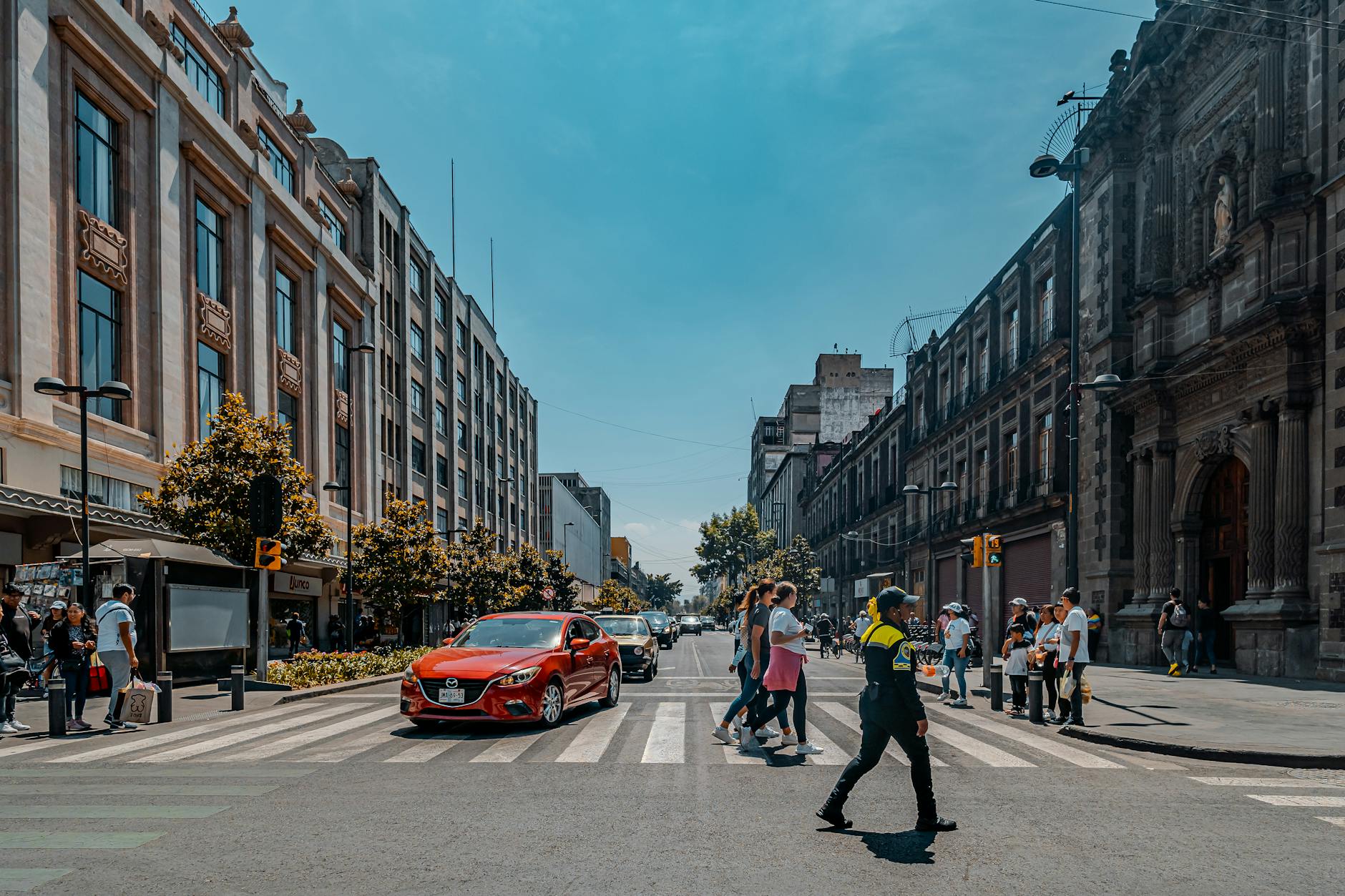
Build days around visible, walkable clusters
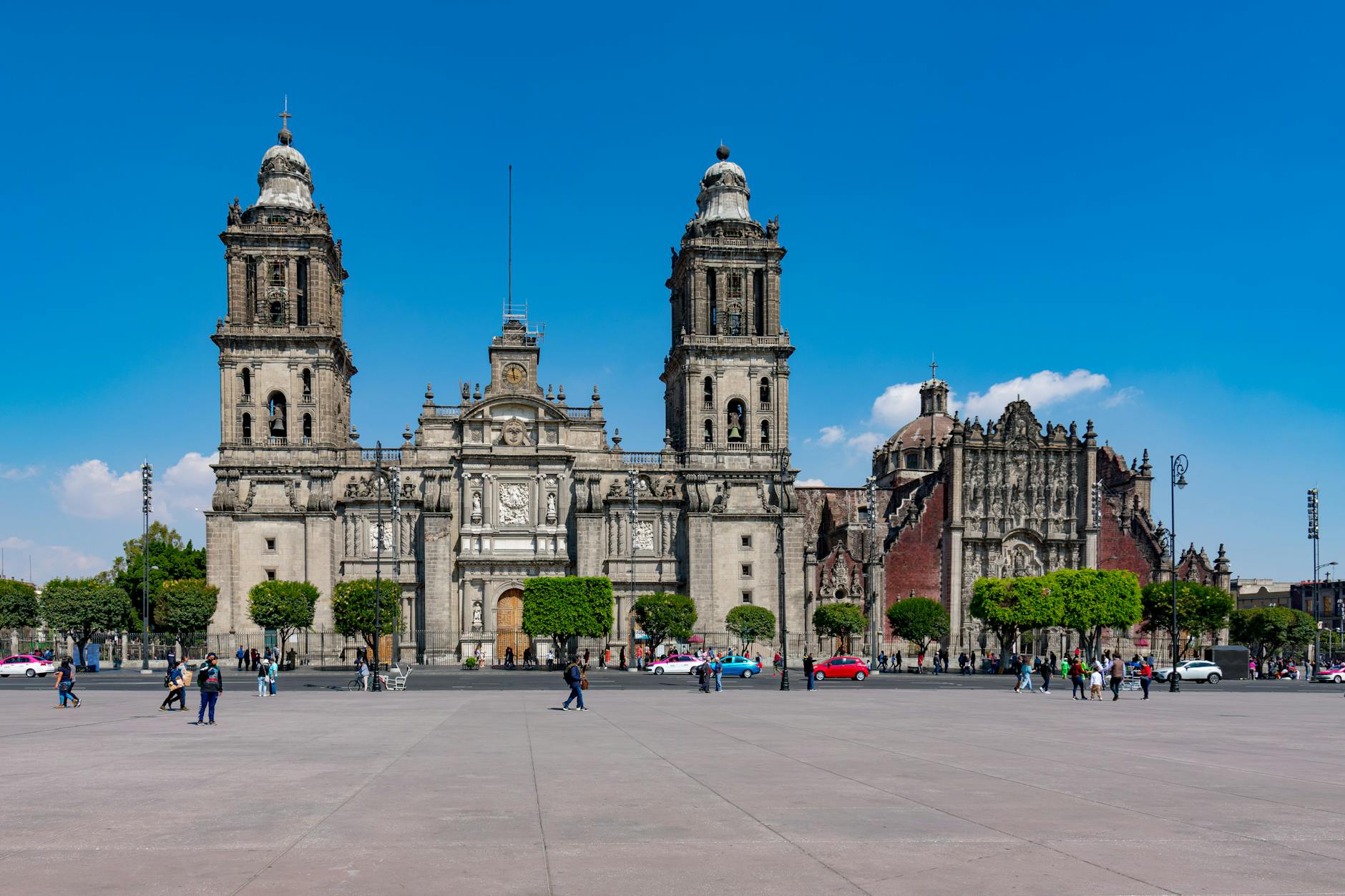
Solo travelers often enjoy Mexico City most when the day has a clear district shape but enough room to follow interest. Centro Historico, Bellas Artes, Alameda, Chapultepec, Polanco, Roma, Condesa, and Coyoacan can all support rewarding solo time. The issue is not whether to explore. The issue is avoiding a day where the traveler is constantly checking maps on curbs, waiting alone in unclear pickup spots, or crossing the city for one isolated stop.
A good solo day might use one anchor, one meal, and one nearby walk. A Centro day can be powerful if the traveler arrives with a route and a known exit. Chapultepec can absorb a museum and park time. Roma and Condesa can carry cafes, design, and low-pressure evening food. The city becomes easier when wandering happens inside a thoughtful boundary.
- Use one district cluster per day instead of isolated stops across the city.
- Keep map checks discreet and step aside before using the phone for route decisions.
- Know the exit route before entering dense areas, markets, or crowded historic streets.
Eat alone without letting meals become logistics problems
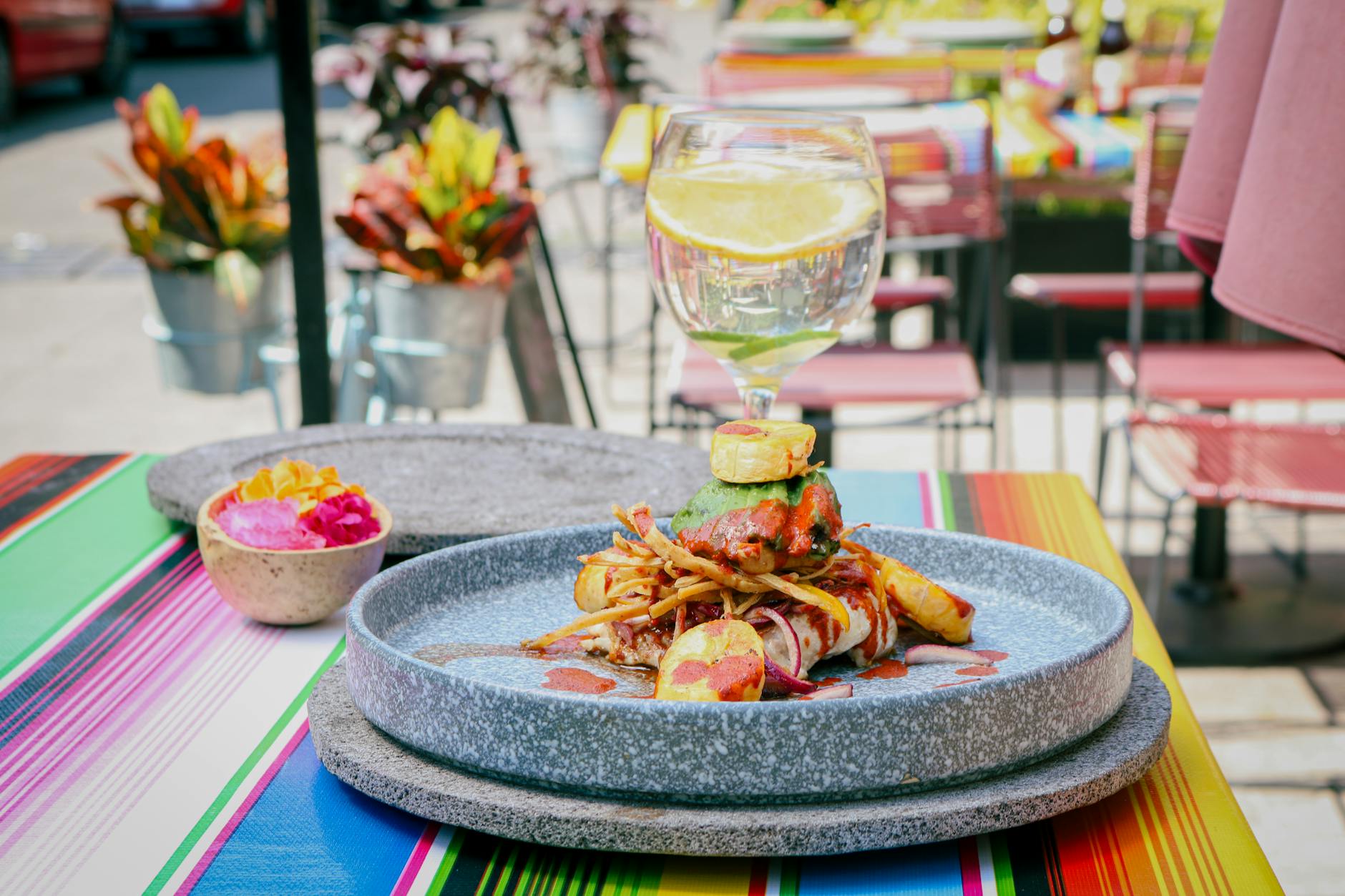
Mexico City is good for solo eating, but the traveler should plan the meal rhythm instead of treating every decision as spontaneous. Cafes, markets, casual restaurants, hotel bars, food halls, and serious dining rooms can all work for one person. The key is to match the meal to the district, the hour, and the return. A solo dinner across town can be worthwhile, but it should have a ride plan and enough margin that the traveler is not waiting tired on an unfamiliar curb.
Solo travelers should also protect energy and appetite. Altitude, dry air, museum walking, and coffee-heavy days can make a late dinner feel harder than expected. A good lunch and a simpler evening meal may produce a better trip than chasing reputation every night.
- Eat by district so meals support the route instead of scattering the day.
- Reserve or plan solo dinners with a clear return and realistic timing buffer.
- Use cafes, casual counters, markets, and hotel bars when flexibility matters more than ceremony.
Treat nightlife and new contacts with boundaries
Solo travel can open good social opportunities in Mexico City: group tours, galleries, cafes, classes, hotel bars, food walks, and conversations with other travelers or locals. The traveler should enjoy that openness without surrendering control of movement. Do not let a new contact choose the next location without checking the district, route, and return. Do not leave a drink or bag uncontrolled. Do not treat a friendly invitation as a reason to abandon the plan for getting back.
Nightlife should be district-specific. Roma, Condesa, Polanco, Juarez, and hotel-linked evenings can work well, but late returns should be handled deliberately. A solo traveler should know when to end the night, how to get back, and what to do if the first ride option falls apart.
- Use group tours, classes, galleries, and hotel bars for social contact without losing route control.
- Keep bags, drinks, phone, and payment under direct control in nightlife and social settings.
- Decide the return plan before the evening begins, not after the traveler is tired or separated from the route.
Use city discipline without shrinking the trip
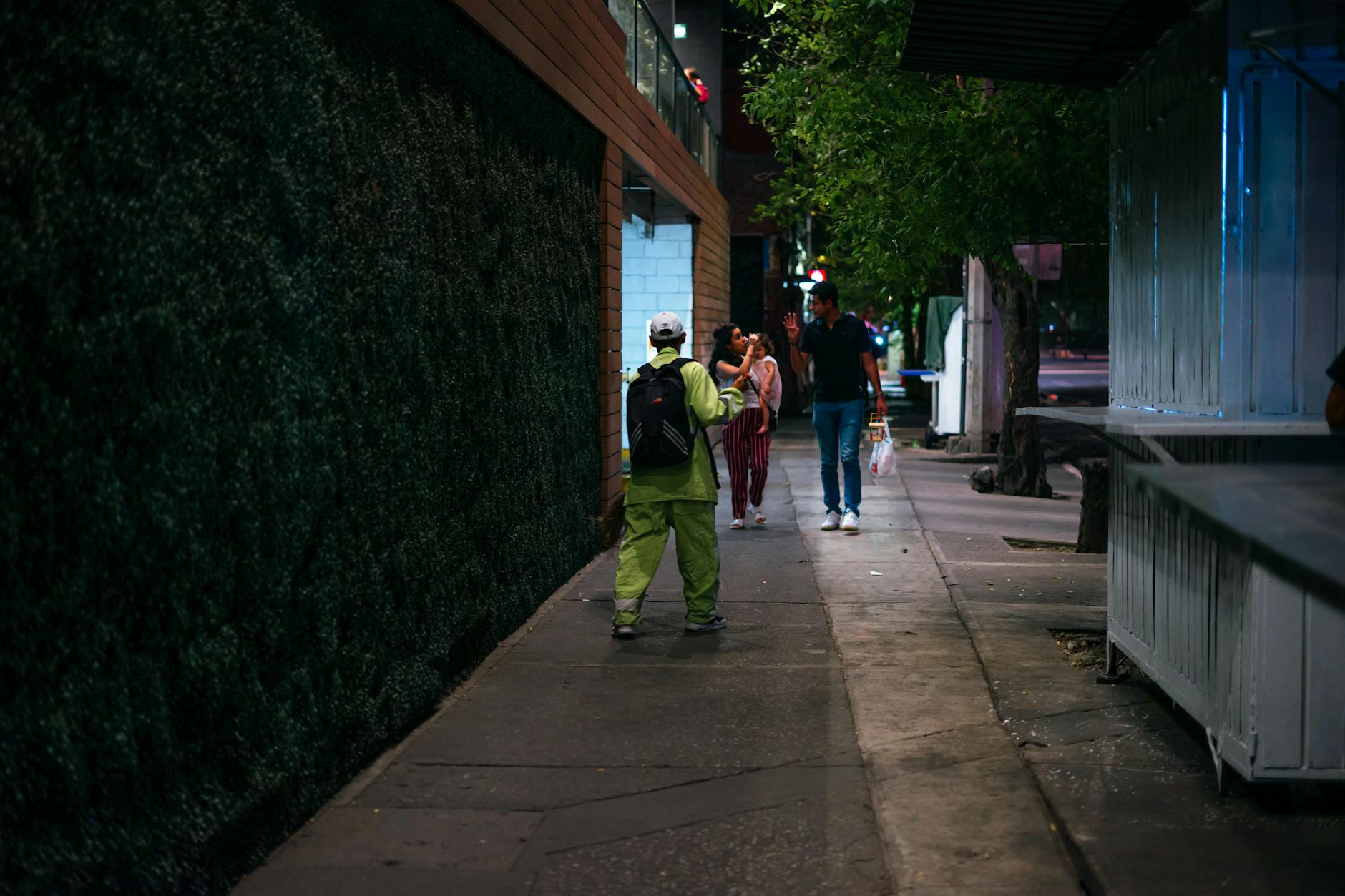
Solo travelers do not need to move through Mexico City as if the city is hostile. They do need ordinary discipline. Keep phones controlled near curbs and in crowds, separate payment methods, avoid flashing cash or valuables, use bags that close, and pause before entering a confusing side street, station, market, or nightlife corridor. Confidence is useful when it is paired with attention.
Transport choices should change with the hour and energy level. Metro or Metrobus can be useful on clear routes and at sensible times, but a car may be better late, tired, luggage-heavy, or after a drink. Walking is one of the pleasures of Roma, Condesa, Polanco, Chapultepec, and parts of Centro, but it should be chosen rather than forced by a poor plan.
- Control phones, bags, payment, and map checks in crowded or unfamiliar settings.
- Use transit, walking, cars, or hotel support according to hour, route clarity, fatigue, and luggage.
- Keep the trip expansive while refusing avoidable exposure.
When to order a short-term travel report
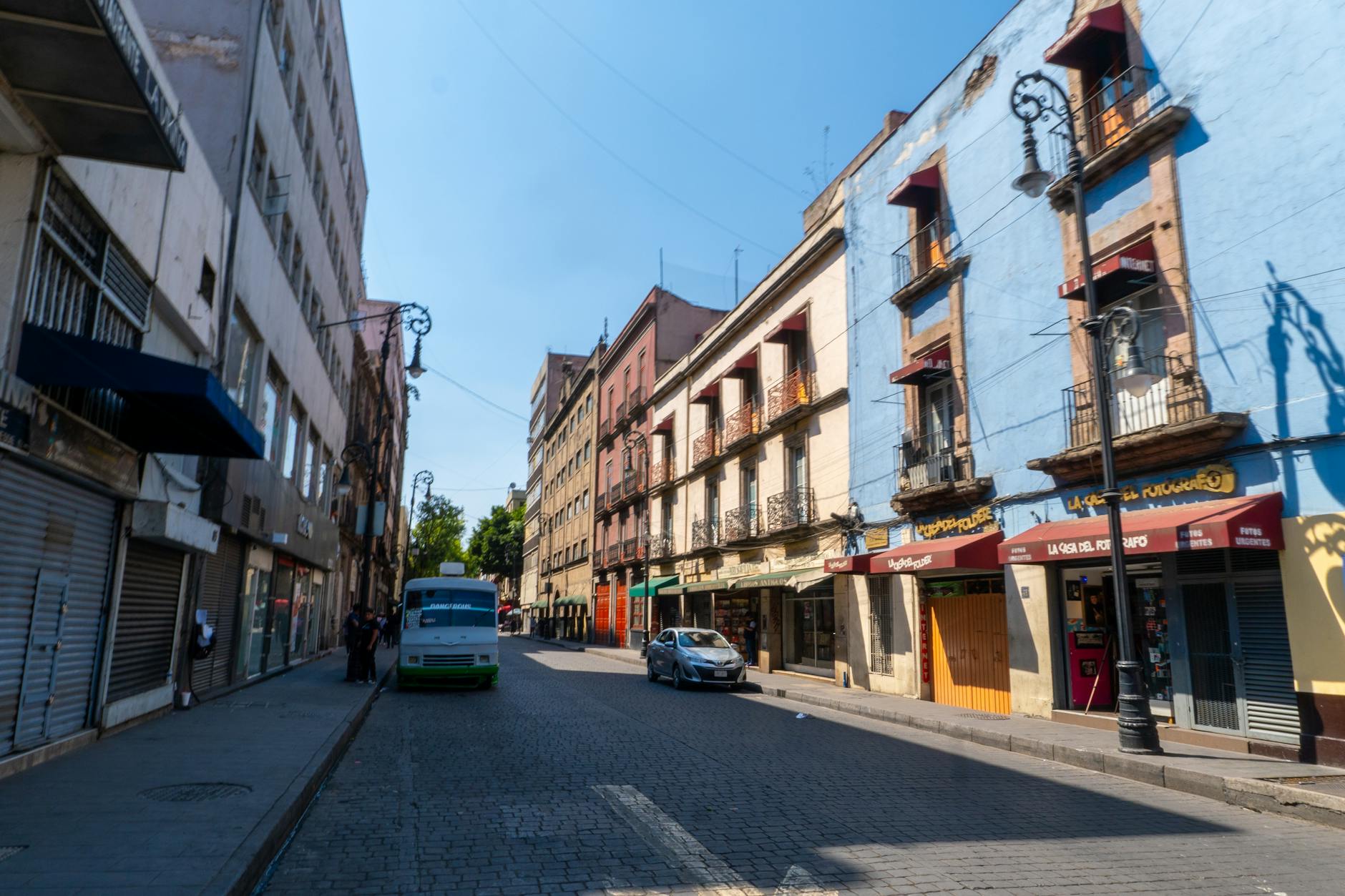
A confident solo traveler with a flexible schedule may not need a custom report. A report becomes useful when the trip is short, first-time, late-arriving, nightlife-heavy, food-focused, budget-sensitive, medically constrained, or built around several districts that the traveler does not yet understand. It is also useful when a traveler is choosing between a hotel, apartment, hostel, or guesthouse and wants to know how that choice changes daily movement.
The report should test the exact lodging, airport arrival, phone and payment backups, neighborhood choice, day clusters, meal strategy, transport habits, evening returns, current local signals, and any personal constraints together. The value is not a generic solo safety checklist. It is a trip that preserves independence while removing the preventable weak points.
- Order when the solo trip is first-time, short, late-arriving, nightlife-heavy, food-led, or hard to redo.
- Provide lodging options, flights, walking comfort, budget, food goals, nightlife plans, and personal constraints.
- Use the report to choose the base, cluster days, set transport rules, and protect evening returns.