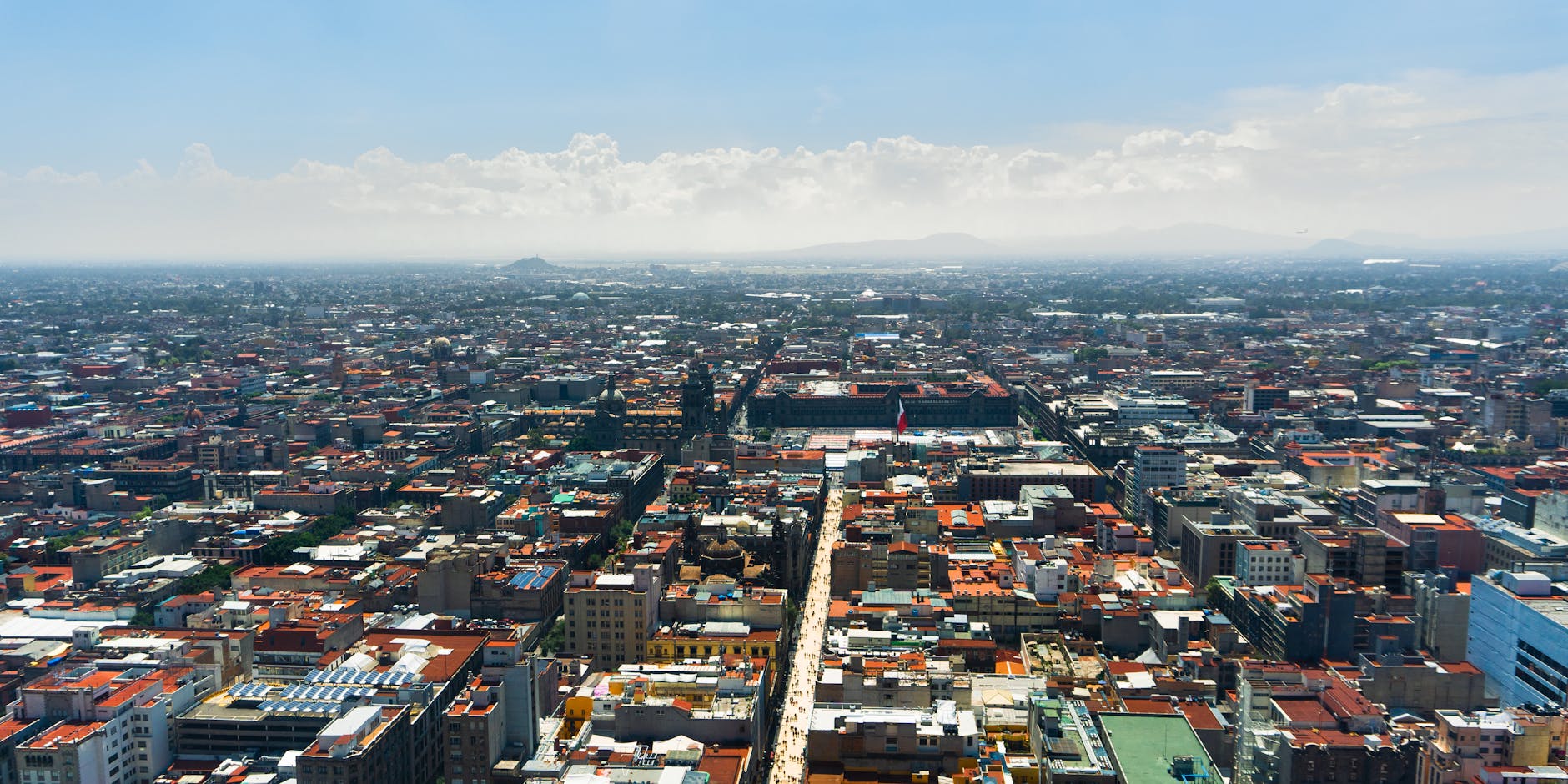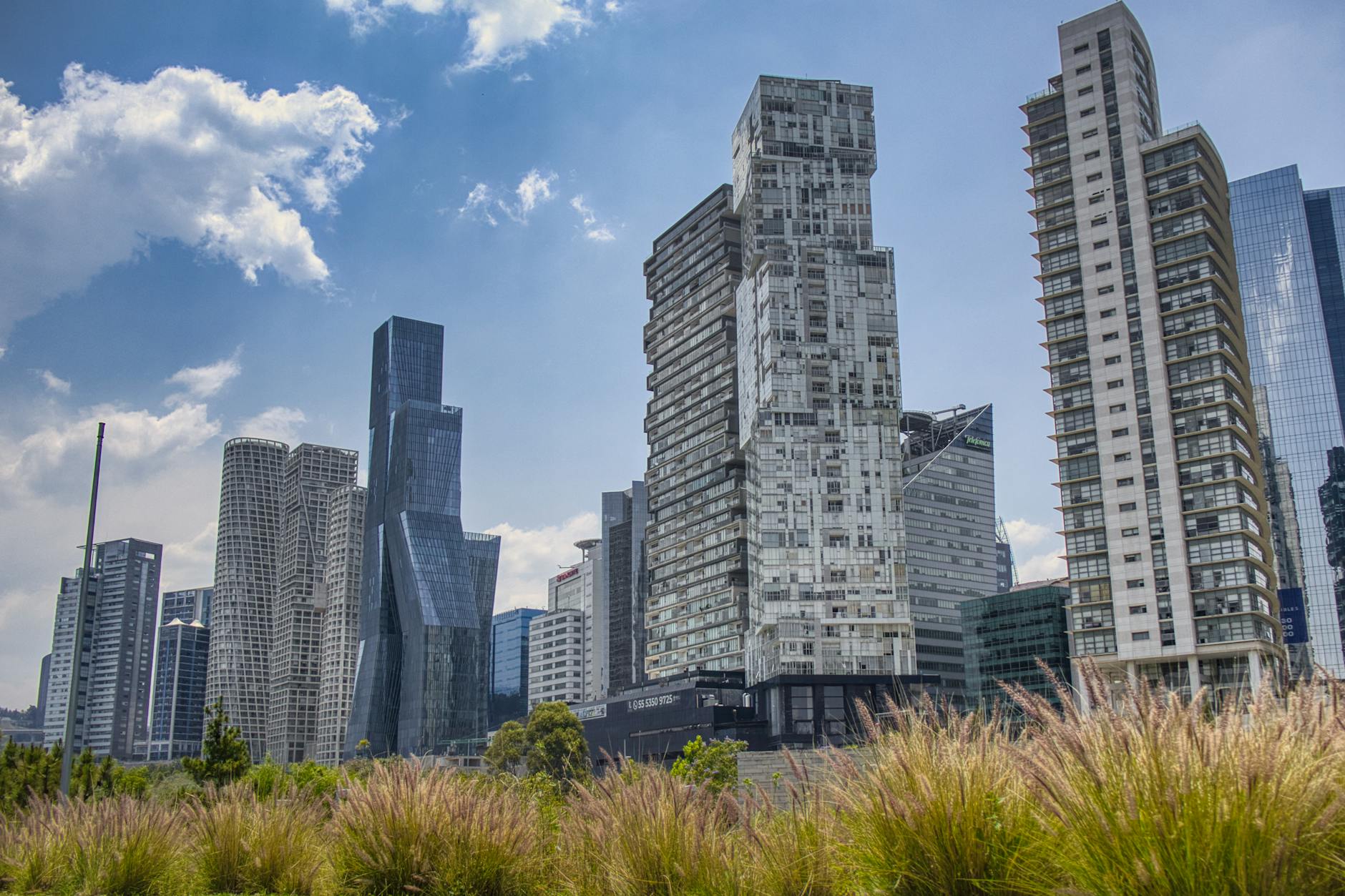
A sales trip to Mexico City can look simple from a distance: fly in, see accounts, take meetings, host a dinner, and fly out. The reality is more geographic and time-sensitive. A buyer in Polanco, a prospect on Reforma, a distributor in Santa Fe, a partner near the airport, a meeting in Roma or Condesa, and a site visit outside the central city can all be legitimate commercial stops, but they do not combine neatly just because they sit inside the same metropolitan area. The sales traveler should build the trip around selling conditions, not just travel convenience. That means protecting punctuality, presentation quality, sample or demo reliability, private pricing conversations, client hospitality, and follow-up discipline. Mexico City rewards a focused sales itinerary that clusters meetings intelligently and leaves enough space to adjust after a strong lead, a delayed buyer, a longer lunch, or a late return across town.
Build the trip around account geography
Sales planning should begin with the exact account map. Mexico City can put valuable clients and prospects in Polanco, Reforma, Santa Fe, Roma, Condesa, Centro, airport corridors, industrial areas, universities, hotels, and distributor offices that feel close on a map but operate as separate sales zones. A route that looks efficient in a CRM export may become weak once traffic, parking, building access, buyer punctuality, and post-meeting follow-up are considered.
The stronger plan ranks meetings by commercial value and clusters them by geography. A high-value buyer may justify a cross-city transfer; a courtesy stop may not. The traveler should know which meetings must happen in person, which can move to video, which should be paired with a meal, and which should be dropped if the day starts slipping. Mexico City is too large for an undisciplined sales sweep.
- Map every account by exact address, entrance, meeting owner, and likely meeting length before booking the day.
- Cluster Polanco, Reforma, Santa Fe, Roma, Condesa, Centro, airport, and outer-area meetings instead of crossing the city casually.
- Rank accounts by commercial value so lower-value calls do not consume the time needed for serious buyers.
Turn the meeting calendar into a movement plan
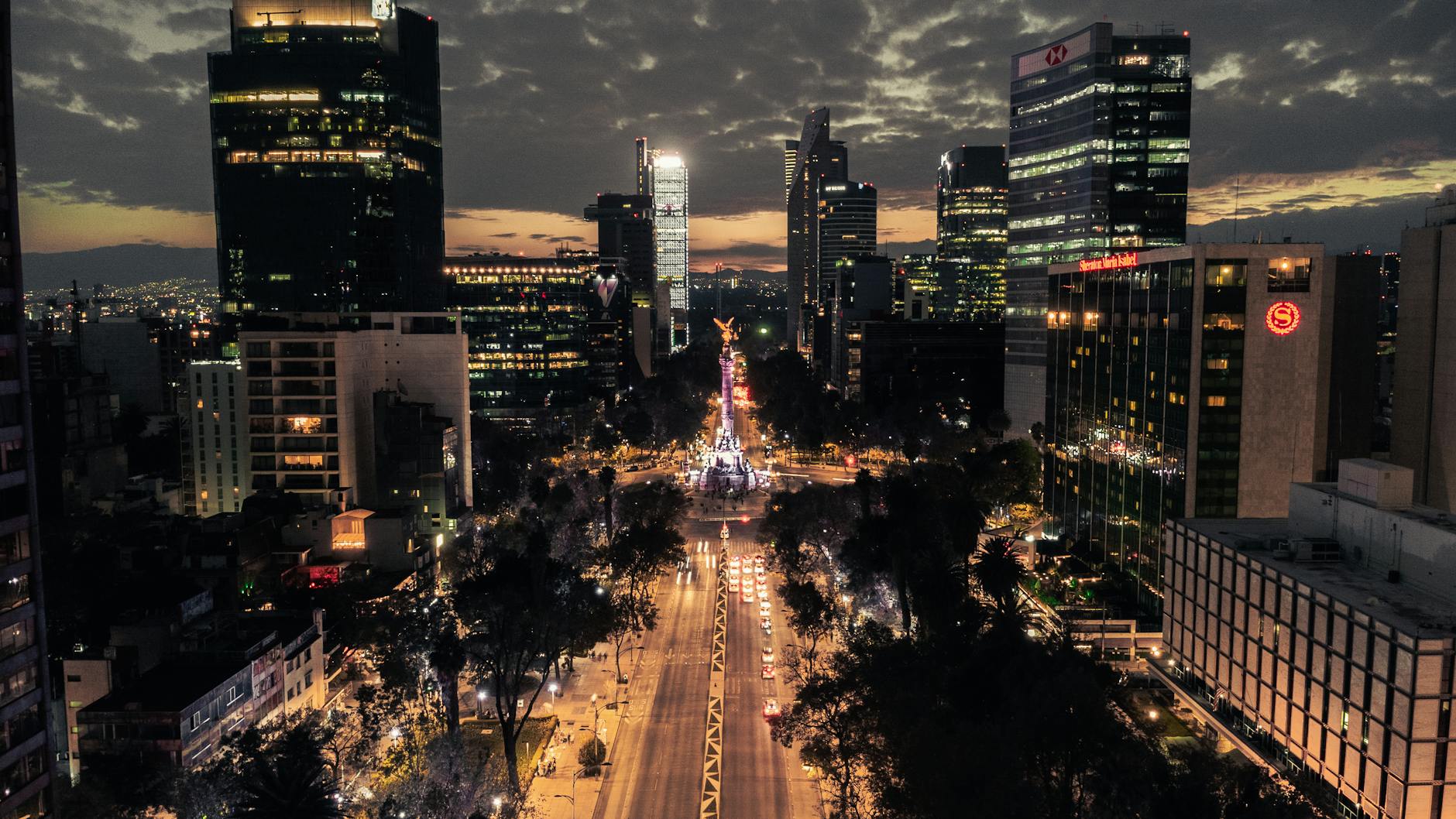
Sales calendars often fail because they treat meetings as fixed blocks and movement as filler. In Mexico City, movement needs its own plan. Airport arrival, hotel check-in, morning pickup, building security, ride availability, rain, roadwork, demonstrations, client delays, and evening traffic can all affect whether the traveler arrives composed or rushed. A late arrival does not only harm courtesy; it can change the tone of the pitch.
The calendar should include buffers, backup routes, and a decision rule for private drivers. A driver may be unnecessary for one central meeting, but useful when the traveler has several account stops, samples, laptops, late client meals, or a hard flight time. The goal is not luxury. It is to keep selling energy on the buyer instead of on navigation and pickup uncertainty.
- Put airport transfer, hotel movement, security checks, pickup time, traffic buffers, and return plans directly into the sales calendar.
- Use a vetted driver when multiple stops, samples, late dinners, or strict flight timing make transfer reliability commercially important.
- Keep one backup route or rescheduling option for each critical buyer meeting.
Choose lodging for work between calls
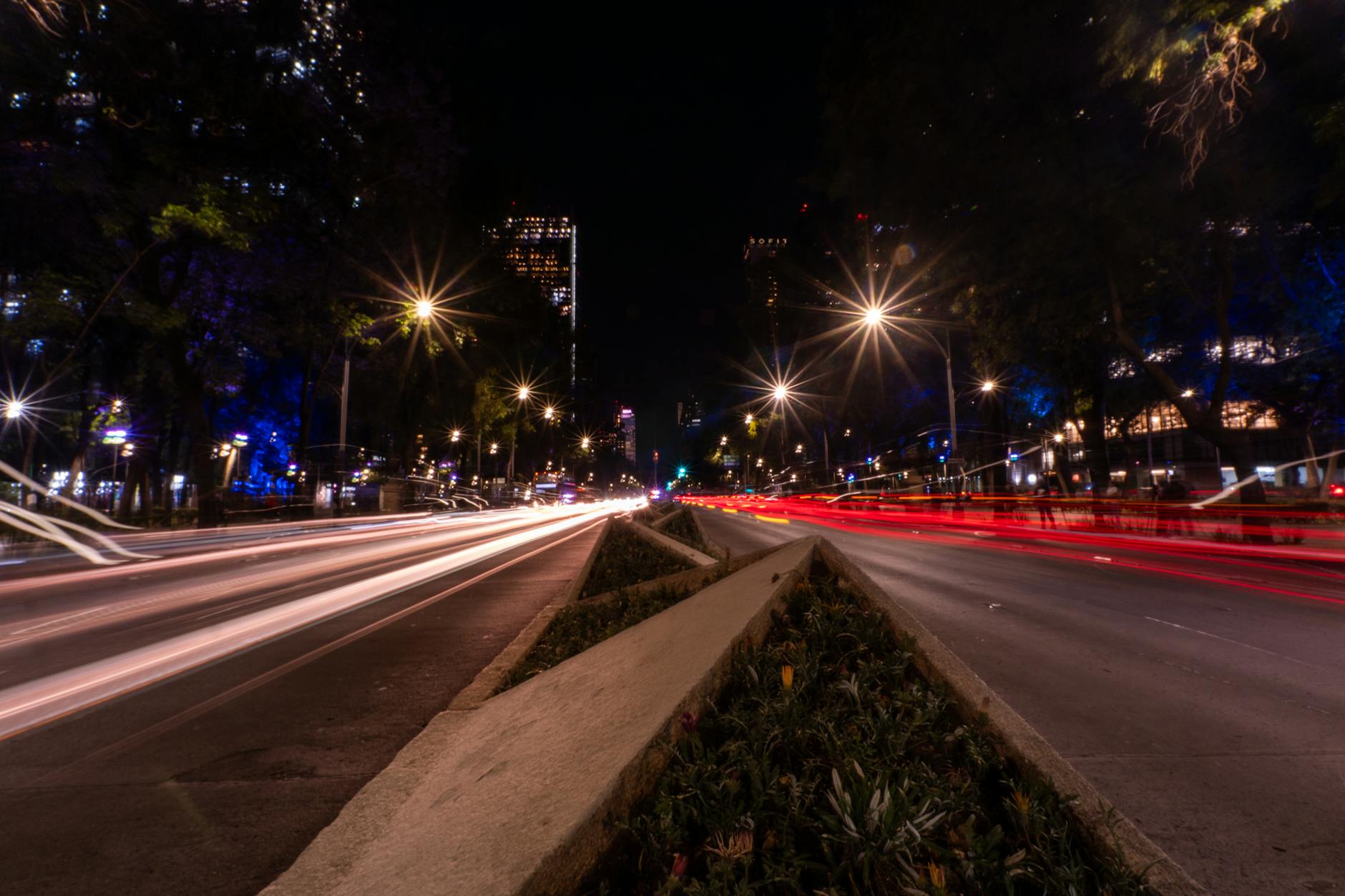
The sales hotel is not only a place to sleep. It may become the base for pre-call preparation, product updates, quote revisions, CRM cleanup, regional calls, internal approvals, and quiet recovery between client meetings. A hotel that looks attractive for leisure can be a poor sales base if it creates fragile routes, weak Wi-Fi, noisy workspaces, slow breakfast, unreliable vehicle pickup, or awkward returns after client dinners.
The right location depends on the account map. A Reforma or Polanco hotel may work well for central meetings and hospitality. Santa Fe may be better for west-side clients but weaker for evening city plans. Airport-area lodging may help a short overnight but weaken relationship-building. Sales travelers should choose the base that reduces friction on the highest-value meetings, then check whether the room can support real work after hours.
- Choose the hotel by account clusters, pickup reliability, work setup, breakfast timing, late food, and return routes.
- Confirm desk, chair, Wi-Fi, outlets, quiet, printing help, luggage storage, and package receipt before relying on the room as a base.
- Avoid choosing a fashionable district if it makes the most important buyer meetings harder to reach.

Manage demos, samples, collateral, and pricing
Sales trips often depend on materials that are easy to underestimate: samples, demo devices, chargers, adapters, printed decks, price sheets, contracts, product photos, QR codes, business cards, local-language collateral, and approval documents. Mexico City adds the usual travel variables of airport handling, hotel storage, vehicle transfers, building access, and long days away from the room. A missing charger or damaged sample can waste a meeting that took weeks to secure.
The traveler should separate what must be carried, what can be shipped, what can be printed locally, and what should remain digital. Pricing and commercial terms need particular care. Do not review sensitive numbers on public screens, in crowded cafes, or in vehicles where visibility is unclear. A sales trip should make buying easier for the client without making confidential information casual.
- List every sample, demo device, charger, adapter, printed deck, contract, QR code, and local-language item before packing.
- Decide what can be shipped, printed locally, carried by hand, or kept digital before the travel day.
- Handle pricing, discount authority, contracts, and buyer notes privately rather than in public workspaces or vehicles.
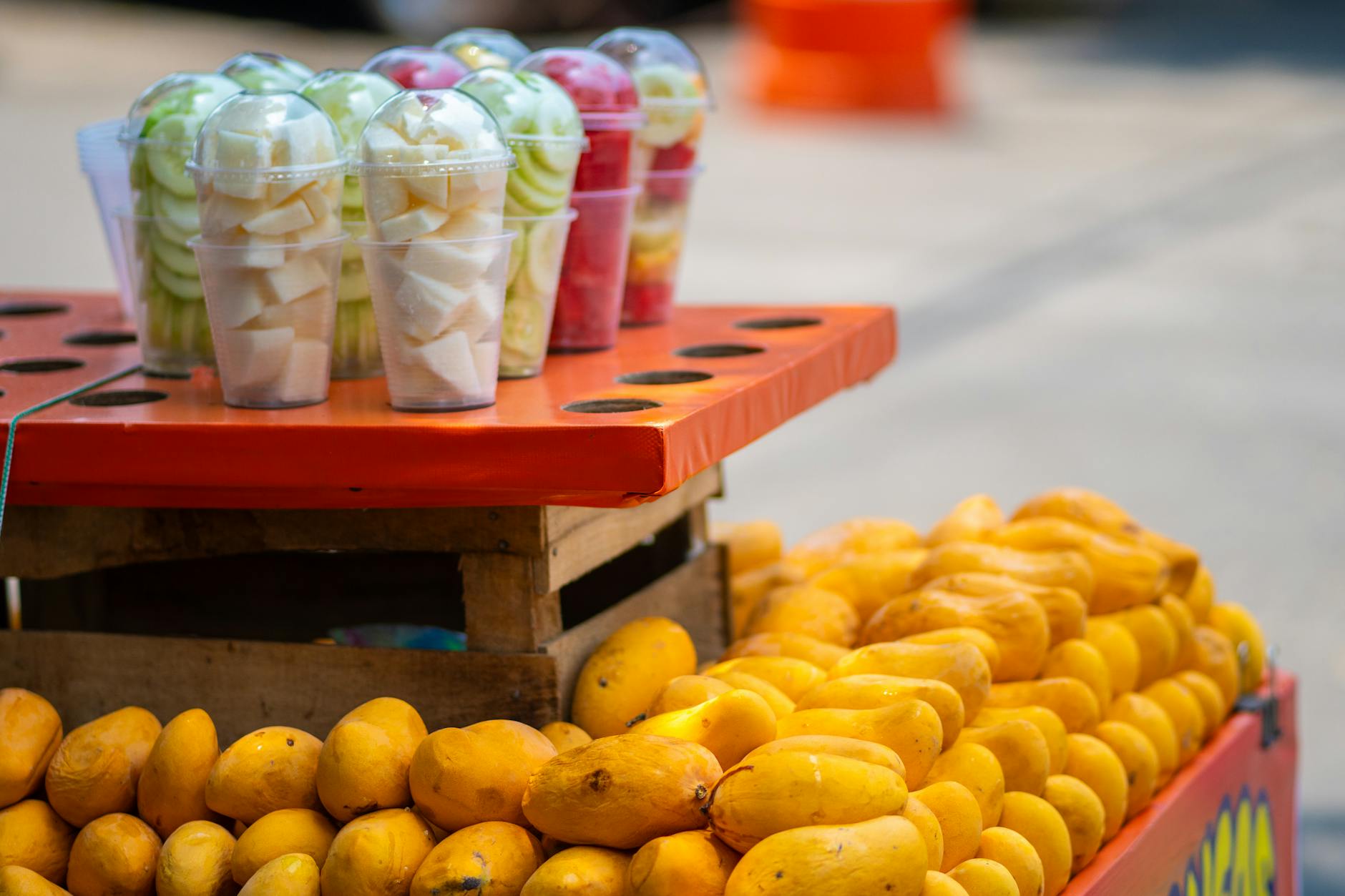
Use client meals without losing the next meeting
Client meals can be one of the best reasons to make the trip. Mexico City supports serious business dining, casual neighborhood meals, hotel breakfasts, coffee meetings, and relationship-building dinners that would be weaker on video. But a sales traveler should choose meals by purpose and geography. A dinner that deepens a real buyer relationship is different from a pleasant but distant meal after an already crowded day.
The best meal plan protects tomorrow's selling. Check travel time, noise, privacy, dietary needs, payment expectations, dress, alcohol, and return logistics before accepting a late or cross-city invitation. Sales travelers often learn the most in informal settings, but they still need enough energy to write notes, send follow-ups, adjust the forecast, and arrive sharp for the next account.
- Use meals for clear purposes: relationship-building, discovery, renewal risk, partner alignment, or recovery between calls.
- Choose restaurants by buyer convenience, noise, privacy, route, return timing, and the next day's schedule.
- Protect follow-up and sleep after client dinners so hospitality does not weaken the next sales day.

Protect follow-up time and sales intelligence
The trip is not complete when the last meeting ends. The traveler still needs to record buyer priorities, decision timing, objections, competitor references, budget signals, stakeholder names, promised materials, and next actions while the details are fresh. Mexico City's strong evening options can make it tempting to defer that work, but sales intelligence decays quickly after a dense day of conversations.
Each day should include a protected follow-up block. That may be at the hotel before dinner, in the car after a meeting if privacy allows, or late in the evening if the schedule is light the next morning. The traveler should also know which follow-ups require internal approval across time zones. A good Mexico City sales trip creates momentum before the traveler leaves, not a pile of vague notes after the flight home.
- Reserve daily time for CRM notes, buyer priorities, objections, commitments, pricing questions, and next actions.
- Send time-sensitive follow-ups before travel fatigue and time zones slow the deal cycle.
- Capture decision-makers, influencers, budget signals, competitor references, and promised materials while details are still precise.
When to order a short-term travel report
A simple one-meeting trip to a familiar Mexico City account may not need a custom report. A sales traveler with new prospects, multiple account zones, samples or demos, distributor visits, high-value dinners, tight airport timing, pricing sensitivity, or uncertain hotel geography should plan more carefully. The trip should be designed around commercial yield, not around a generic business-travel checklist.
The report should test account geography, hotel options, transfer timing, driver strategy, airport risk, sample handling, client meal locations, confidentiality needs, buyer follow-up windows, neighborhood fit, weather and traffic exposure, and fallback sequencing if a meeting moves. The value is a practical sales operating plan: where to stay, how to move, which meetings to protect, and how to keep the trip producing revenue instead of only activity.
- Order when multiple account zones, demos, samples, buyer dinners, tight flights, or pricing sensitivity make mistakes costly.
- Provide account addresses, meeting priority, hotel candidates, materials, dinner plans, flight timing, and follow-up obligations.
- Use the report to protect commercial yield rather than simply to fill gaps between meetings.