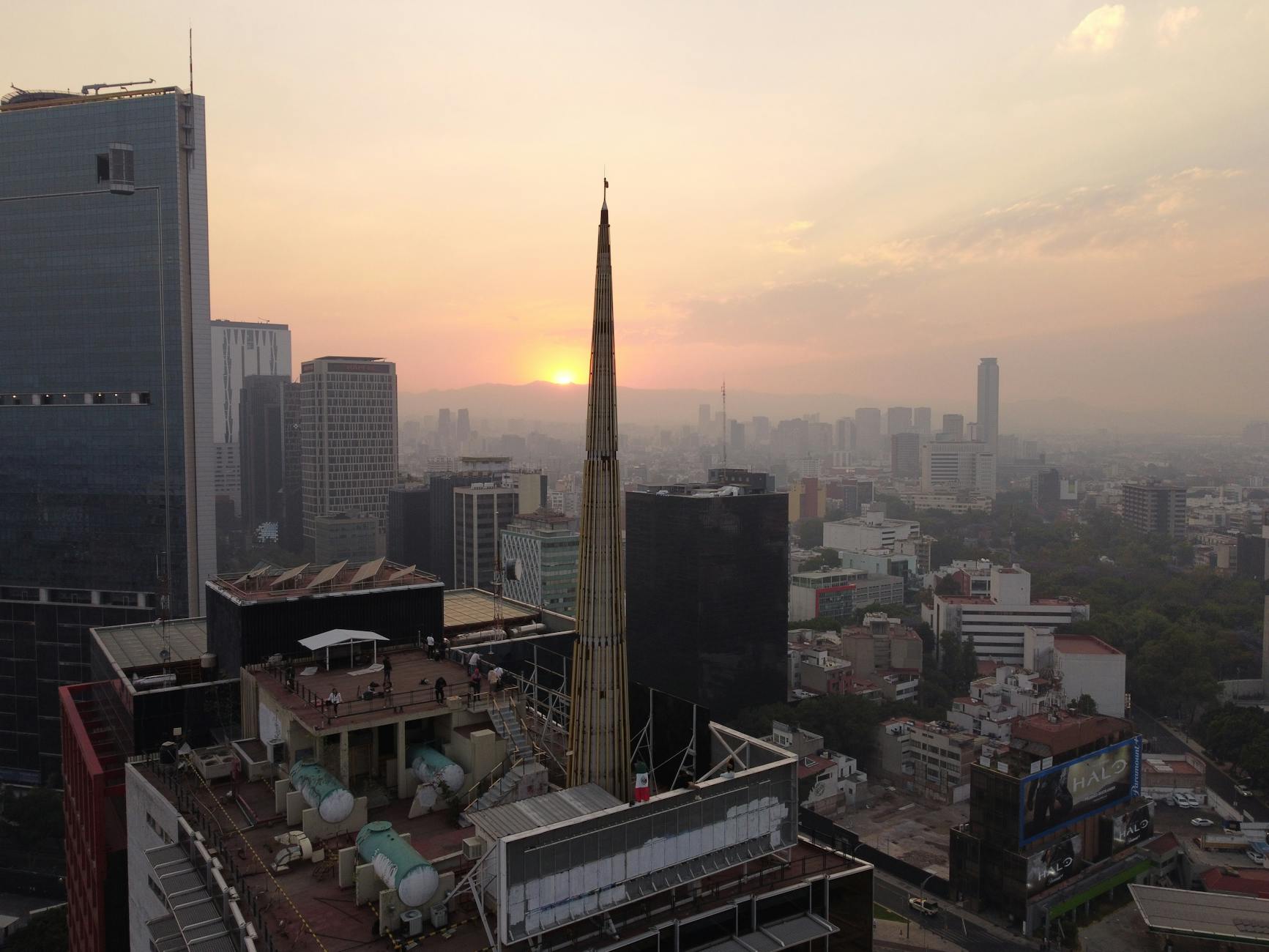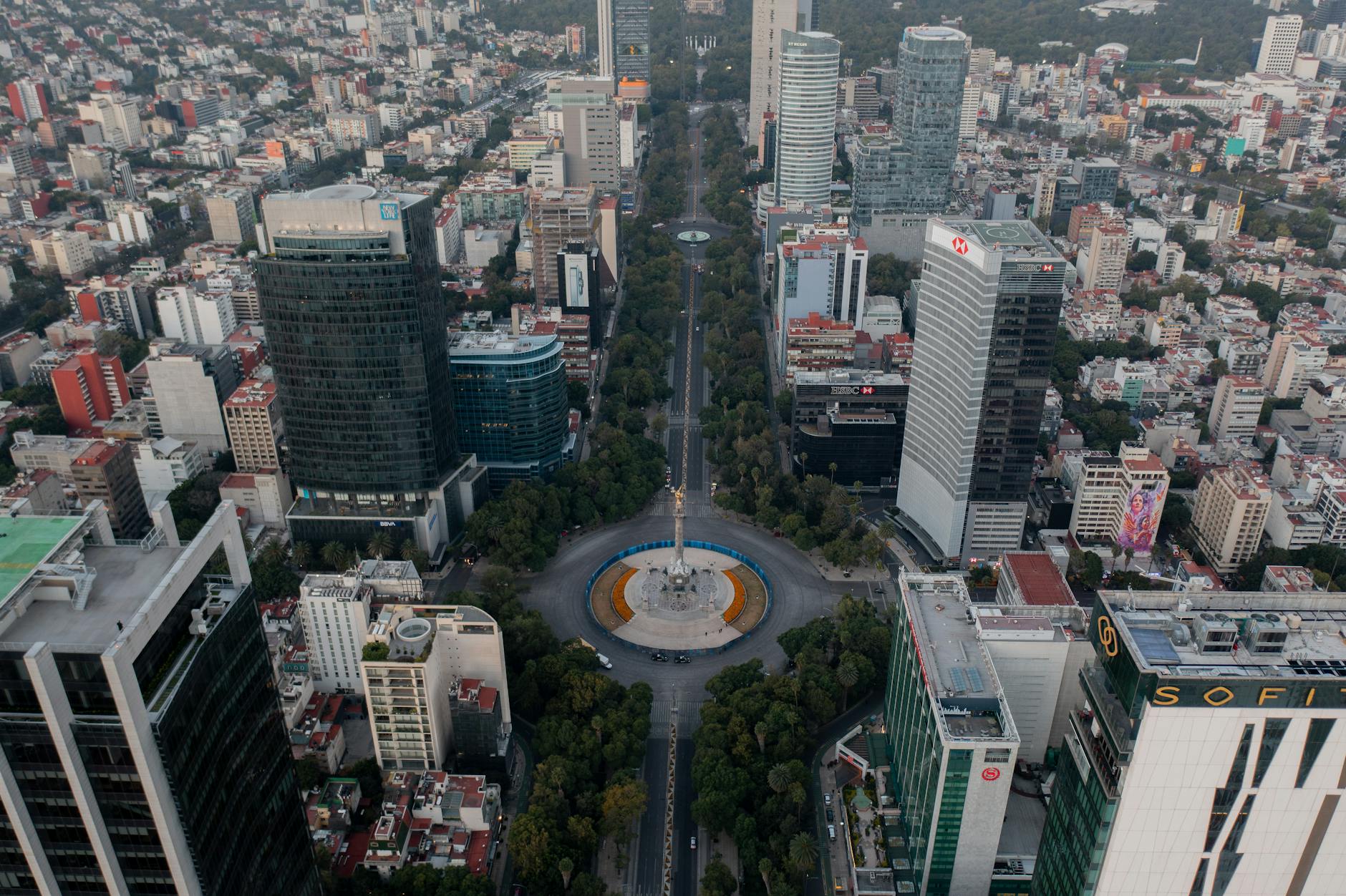
Mexico City can serve luxury travelers extremely well, but the city does not reward a simple spend-more approach. A high-end hotel in the wrong district can create daily traffic friction. A famous restaurant can weaken the evening if the return is improvised. A private guide can be invaluable for one museum day and unnecessary for another. The luxury version of a short Mexico City trip is not just polished rooms and good tables. It is control over movement, timing, recovery, and access. The traveler should decide early what kind of luxury trip this is: Polanco and museums, Roma-Condesa dining and design, Reforma convenience, private cultural access, quiet spa recovery, or a high-touch family or principal visit. Mexico City offers all of that, but it works best when the plan protects arrival, uses drivers intelligently, clusters days by district, manages altitude and traffic, and treats privacy as an operating detail rather than an afterthought.
Define luxury as control over the day
The first decision is what luxury is supposed to solve. In Mexico City, luxury may mean a polished hotel, a serious restaurant reservation, a private driver, a museum guide, a secured pickup, a spa afternoon, or simply a route that avoids wasting two hours in traffic. Those are different forms of value. The visitor who treats them as interchangeable can spend heavily and still end up with a scattered trip.
The strongest luxury plan protects the sequence of the day. It knows when to use a car and when to walk. It knows when to book a guide and when to leave a neighborhood open. It knows when to choose the more convenient hotel over the more glamorous one. In Mexico City, control is often the real luxury: fewer improvised pickups, fewer distant reservations, fewer exposed waits, and more energy spent on the parts of the city that justify the trip.
- Decide whether the trip is about hotels, food, culture, privacy, recovery, family comfort, or client-facing polish.
- Spend on the friction points that actually shape the day: arrival, drivers, reservations, guides, and returns.
- Avoid treating prestige as a substitute for geographic and timing control.
Choose the base by the trip's center of gravity
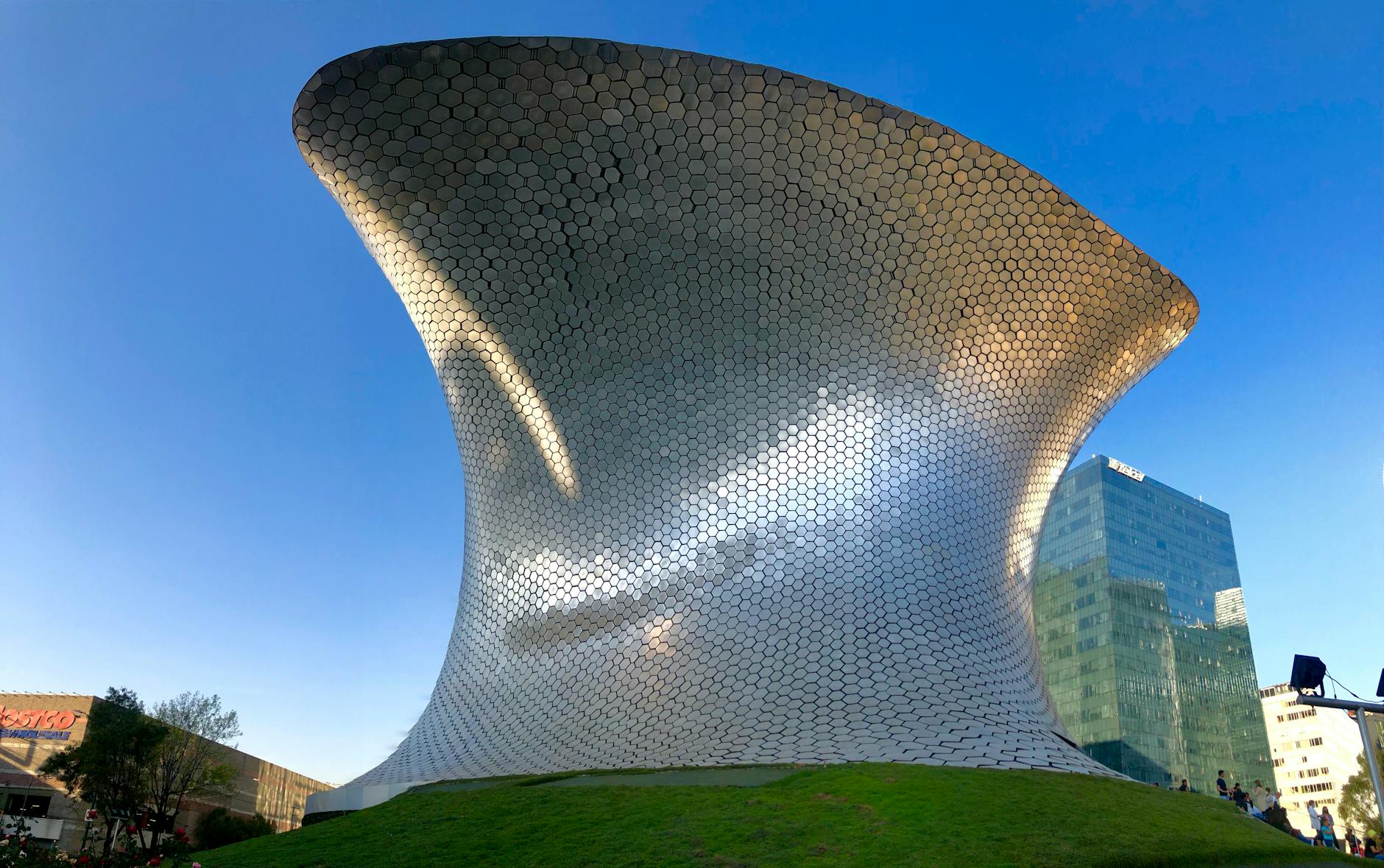
Polanco is often the obvious luxury base because it offers high-end hotels, strong restaurants, shopping, museums, and a quieter operating rhythm than many central districts. It can be the right answer for travelers who want polished service and easy access to Chapultepec, Museo Soumaya, Museo Jumex, and private dining. Reforma can be more practical for mixed business, sightseeing, and arrival movement. Roma and Condesa can better suit travelers who want cafes, design, dining, and a more neighborhood-forward stay.
The wrong base is the one that turns every priority into a transfer. Centro Historico can be powerful for a guided day, but it is not automatically the best luxury base. Coyoacan is charming, but it may be a poor anchor for a short stay unless the trip is built around that side of the city. The hotel should support the traveler's repeated returns, not merely look impressive at check-in.
- Use Polanco when polished hotels, restaurants, museums, and predictable service are the core of the trip.
- Use Reforma for mixed movement, and Roma or Condesa for dining, design, and neighborhood texture.
- Treat Centro and Coyoacan as deliberate day choices rather than default luxury bases.
Arrival and drivers need adult supervision
A luxury trip can feel amateurish in the first hour if airport pickup is vague. Mexico City International Airport, Felipe Angeles, hotel location, luggage, arrival time, and traffic all matter. A premium traveler should know who is meeting them, where the vehicle will be, what happens if the flight is delayed, whether the driver is hotel-arranged or independent, and how the traveler will communicate if phone service is slow to come online.
Daily driver use should be selective and disciplined. A car is valuable for airport arrival, late returns, shopping or luggage, privacy-sensitive movement, and district jumps that would otherwise burn energy. It can be wasteful for short, pleasant neighborhood movement where pickup and traffic create more friction than walking. The plan should distinguish between chauffeur convenience and chauffeur theater.
- Confirm airport, pickup point, driver contact, vehicle standard, delay handling, and luggage plan before departure.
- Use cars for airport legs, late returns, shopping, privacy-sensitive movement, and awkward district transfers.
- Do not use a driver where traffic and pickup friction make walking or a short local movement smarter.
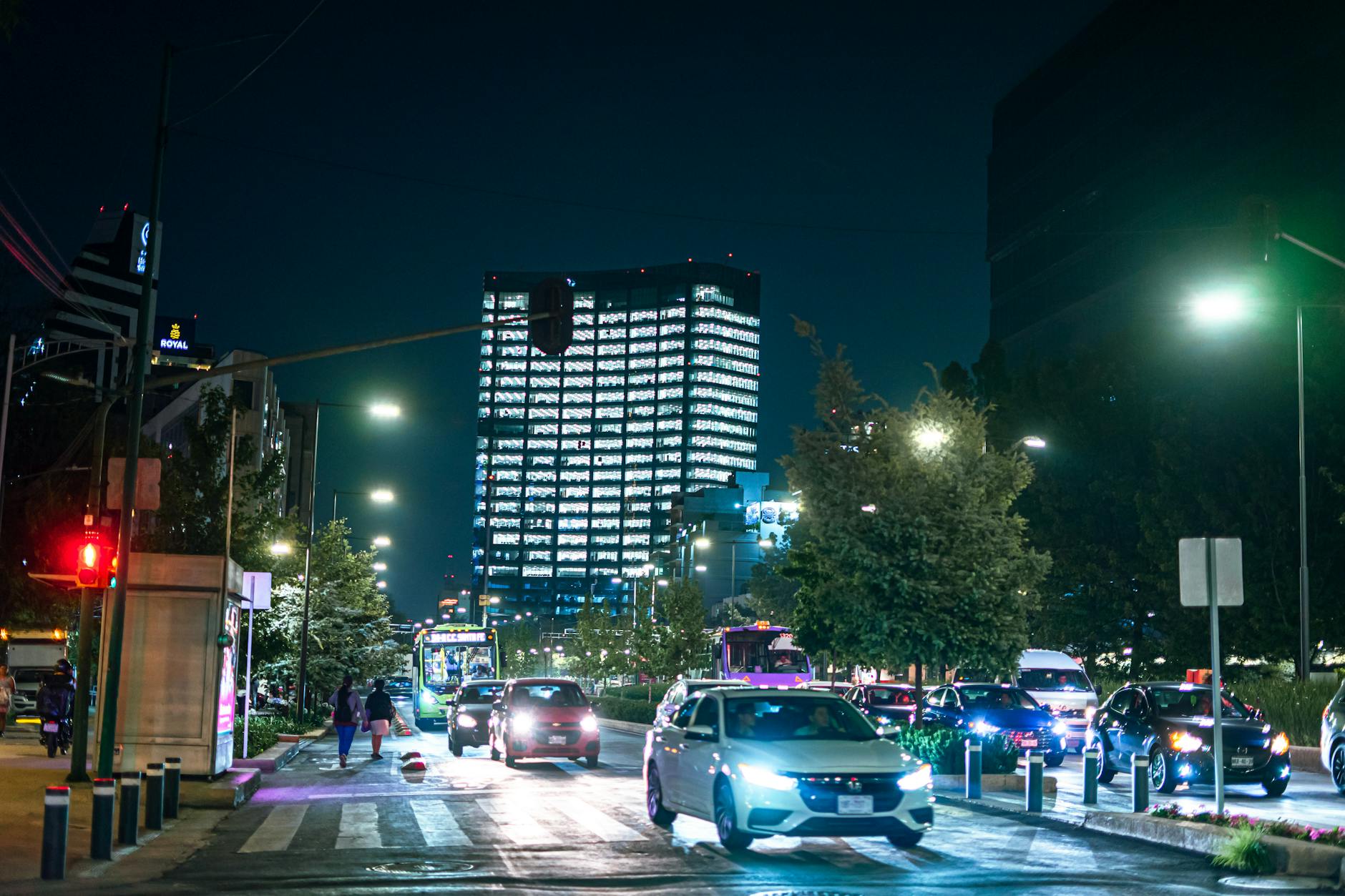
Dining should be routed, not merely reserved
Mexico City is a serious dining destination, and luxury travelers often come with restaurant expectations. The mistake is to build the food list independently from the geography. A high-demand dinner can be worth planning the day around, but it should not be dropped at the end of a distant museum route, a late arrival, or a traffic-heavy cross-town evening without a return plan. The reservation is only one part of the experience.
Food should support the shape of the trip. A Polanco museum day can carry a polished lunch or dinner nearby. Roma and Condesa can support cafe, design, and dinner movement. Centro can work better with a guided day and a planned exit. The luxury traveler should also think about dietary needs, dress, noise, table timing, cancellation terms, and whether the meal is meant to be a showpiece or a recovery point.
- Route restaurant reservations by district, traffic window, and return plan.
- Protect high-demand meals with realistic arrival buffers and a clear vehicle plan afterward.
- Choose some meals for recovery and conversation, not only for reputation.
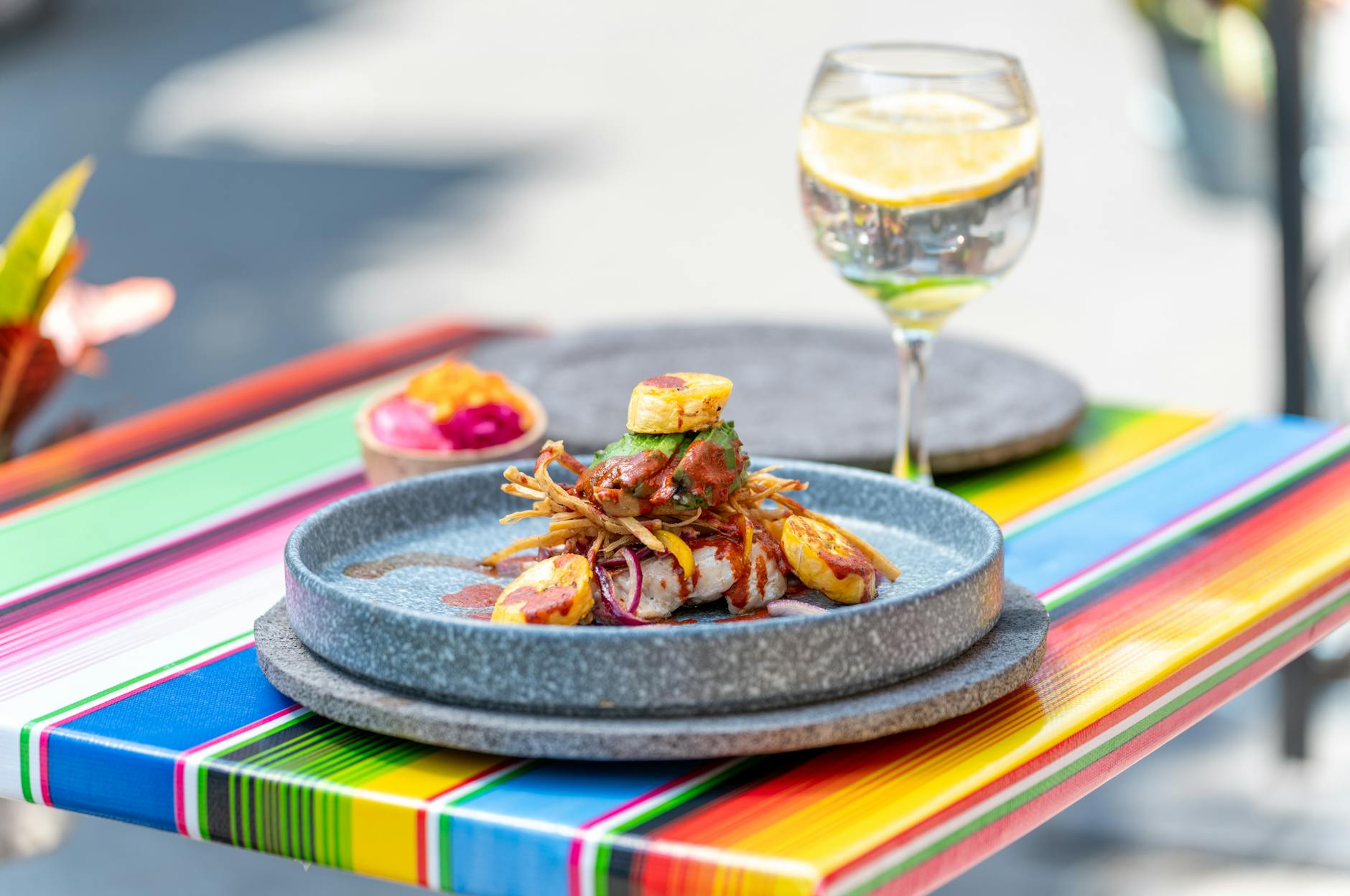
Use private access where it changes the experience
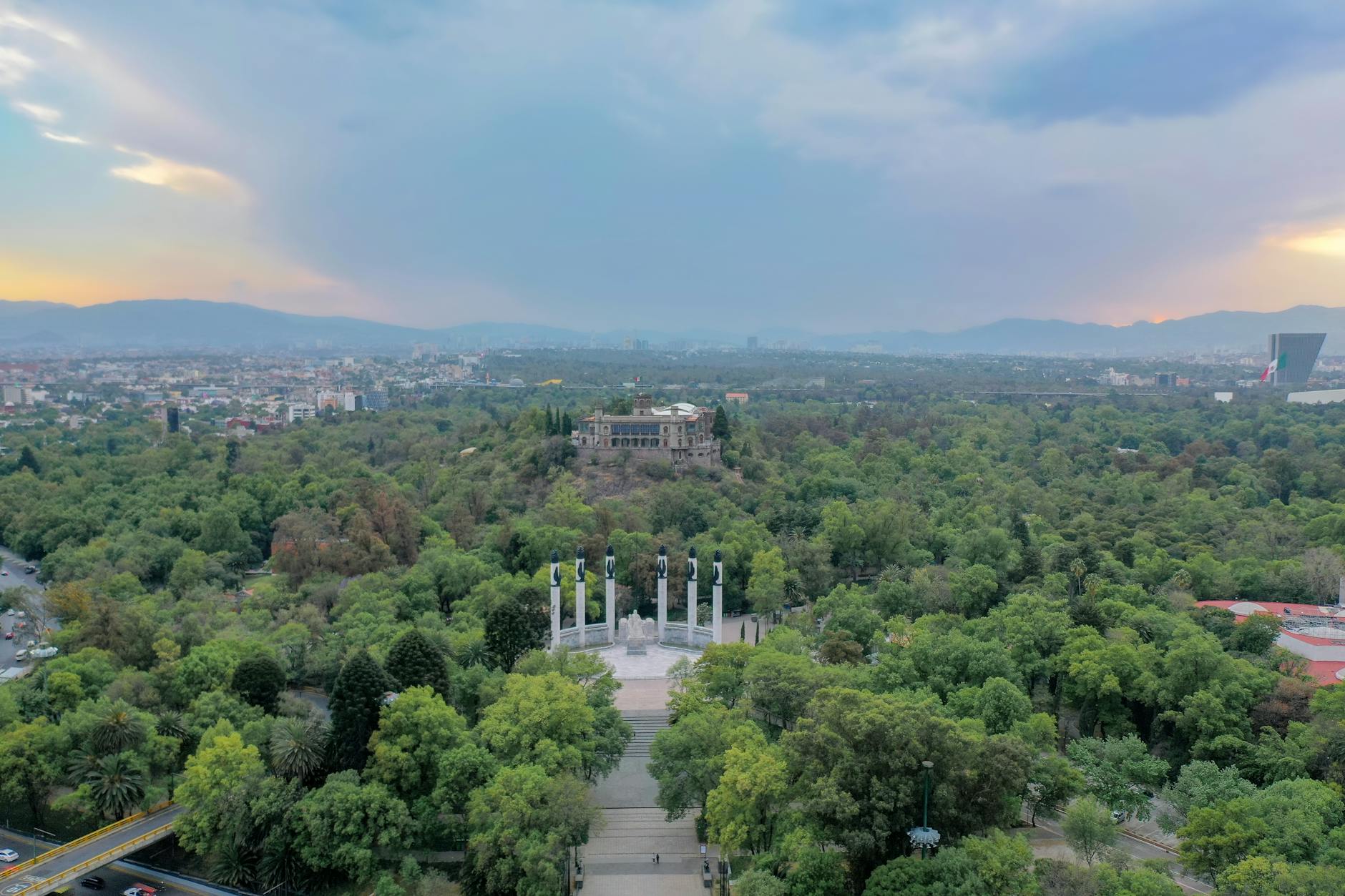
A private guide can improve Mexico City enormously when the day has real complexity: the Anthropology Museum, Centro Historico, Templo Mayor, Chapultepec Castle, architecture, galleries, design, food sourcing, or a family group with different attention spans. A good guide does more than recite facts. They sequence the day, interpret context, shorten confusion, manage pace, and help the visitor avoid wasting energy on poor transitions.
Not every hour needs to be guided. Roma, Condesa, Polanco, a hotel spa afternoon, or a simple shopping block may be better left partly open. The luxury mistake is over-curation: every minute handled, every stop optimized, and no space left for the city to feel personal. Use private access where it creates insight or removes friction, then leave room where the traveler will actually enjoy autonomy.
- Use guides for museums, Centro, architecture, galleries, food sourcing, and complex family or principal days.
- Leave some Roma, Condesa, Polanco, spa, or shopping time unscripted when the district is easy to enjoy.
- Treat private access as a tool for insight and pacing, not as proof that every hour must be managed.
Privacy and nightlife are operational details
Luxury travelers are not automatically high-risk travelers, but privacy can matter. Public phone calls, visible jewelry, loosely handled shopping bags, exposed curb waits, and late-night ride confusion can undermine an otherwise polished trip. This is especially true for principals, public figures, deal teams, high-spend families, or anyone traveling with assistants, drivers, or separate companions who need to stay coordinated.
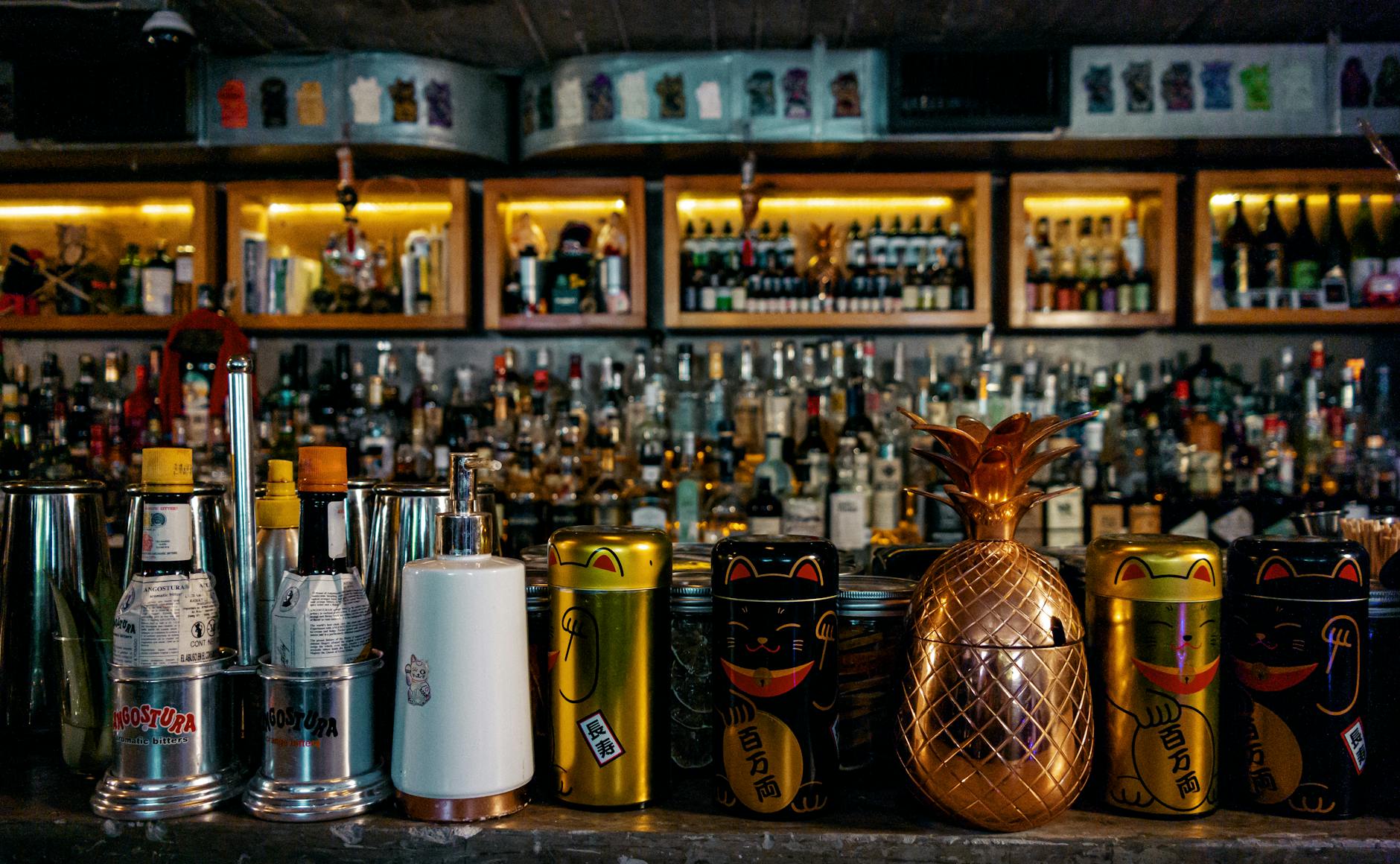
Nightlife should be chosen by tone, district, and exit plan. A hotel bar, private room, rooftop, restaurant lounge, or carefully chosen bar can work well. A vague late-night crawl across unfamiliar districts usually does not. The traveler should decide in advance what is public, what is private, who has the vehicle contact, and how the party will end the evening if plans change.
- Control phones, jewelry, shopping bags, and curb waits in crowded or late-night settings.
- Choose bars, rooftops, lounges, and private rooms by district, tone, and exit logistics.
- Make sure assistants, drivers, companions, and principals share the same return plan.
When to order a short-term travel report
A luxury traveler with a flexible stay, a trusted hotel concierge, and modest goals may not need a custom report. A report becomes useful when the trip is short, expensive, privacy-sensitive, restaurant-heavy, family-heavy, assistant-managed, built around a principal, or dependent on multiple districts. It is also useful when the traveler is choosing between Polanco, Reforma, Roma, Condesa, Centro, and Coyoacan without knowing how those choices will change movement and service quality.
The report should test hotel options, arrival handling, driver plan, restaurant geography, guide needs, cultural priorities, shopping or spa time, privacy concerns, current local signals, and evening return logic together. The value is not another list of luxury places. It is knowing which expensive choices actually improve the trip, which ones add friction, and where the itinerary needs more control before arrival.
- Order when the trip is high-cost, short, privacy-sensitive, family-heavy, principal-led, or hard to repeat.
- Provide hotel candidates, flights, restaurant goals, driver expectations, privacy concerns, and must-do cultural priorities.
- Use the report to decide where to stay, which reservations to protect, when to use guides, and how to control evenings.