A journalist's short-term trip to Mexico City can move quickly from interviews to street reporting, official briefings, neighborhood visits, public demonstrations, cultural coverage, business reporting, sports, arts, politics, or long-form feature work. The city is one of the most important reporting environments in the Americas, but it is not operationally simple. Sources, locations, public events, traffic, weather, language, equipment, deadlines, and legal context can all shape whether the trip produces clean work or avoidable friction. The strongest reporting plan starts with the assignment rather than with a generic city itinerary. Who must be interviewed? Which locations need advance permission? Which sources require privacy? Where can the journalist file safely and on time? What gear can be carried without making the traveler conspicuous or slow? Mexico City rewards journalists who build precise logistics around the reporting purpose and keep enough flexibility to follow a developing story without losing control of movement, files, or personal boundaries.
Build the itinerary around the assignment map
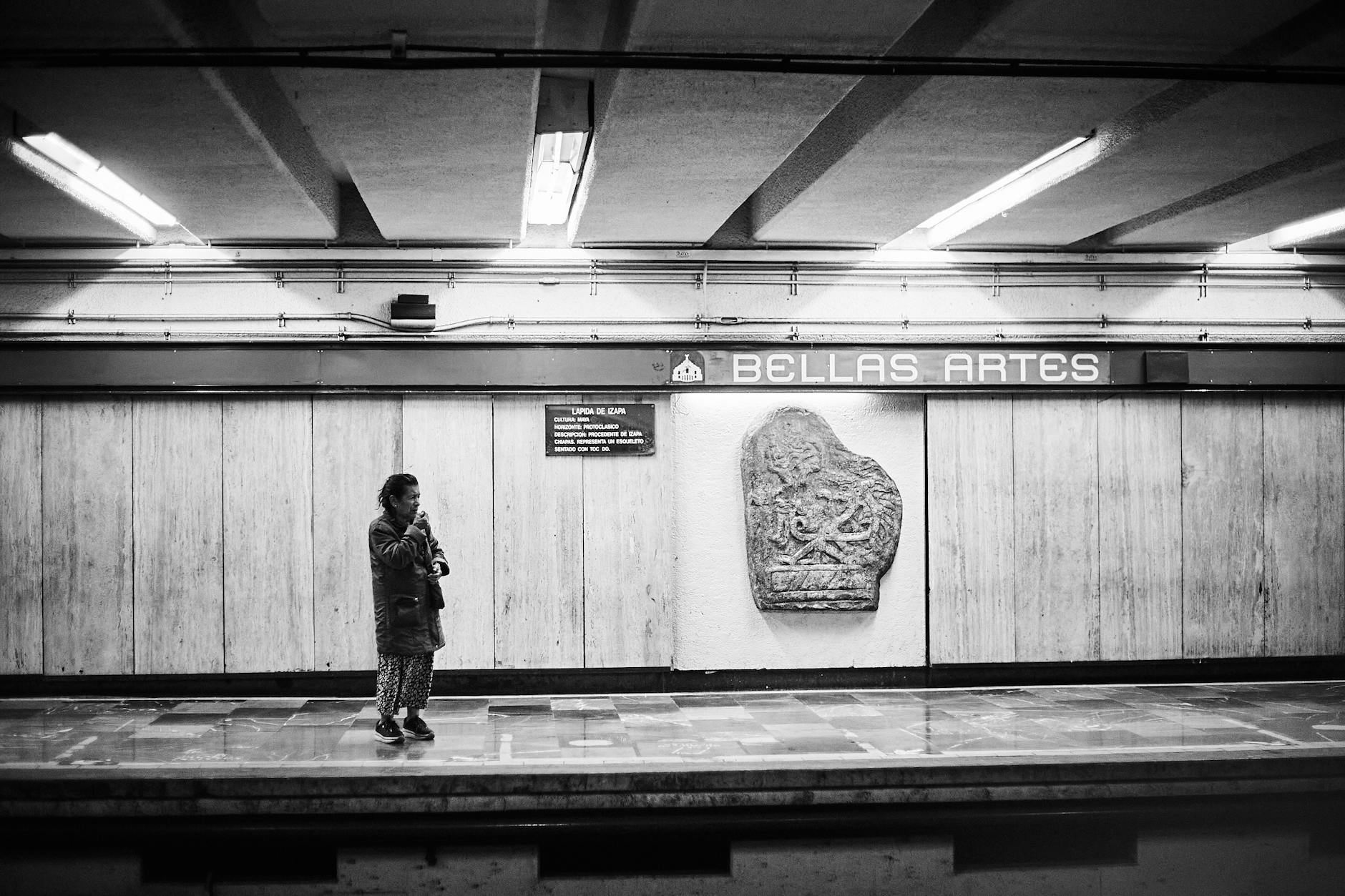
Journalists should begin with the story's geography, not with a preferred hotel district. A reporting trip may require interviews in Polanco, a government-facing meeting near Centro, a neighborhood walk in Roma or Condesa, a university source, a cultural venue, a market, a court or public building, a protest route, or a location outside the central tourist map. Mexico City can make these places look manageable on a map while turning movement into the main pressure on the reporting day.
The itinerary should separate must-get interviews from optional color, background reporting, and personal time. Some source meetings need quiet rooms and punctuality. Others work better as walks, site visits, or meals. The journalist should know which locations need advance permission, which can be covered alone, and which should be approached with a fixer, colleague, or host organization.
- Map interviews, official sites, public events, neighborhood visits, and filing locations before choosing the hotel.
- Rank must-get interviews separately from background, color, and optional reporting stops.
- Identify locations that require permission, accompaniment, local guidance, or a quieter interview setting.
Plan source meetings with privacy in mind
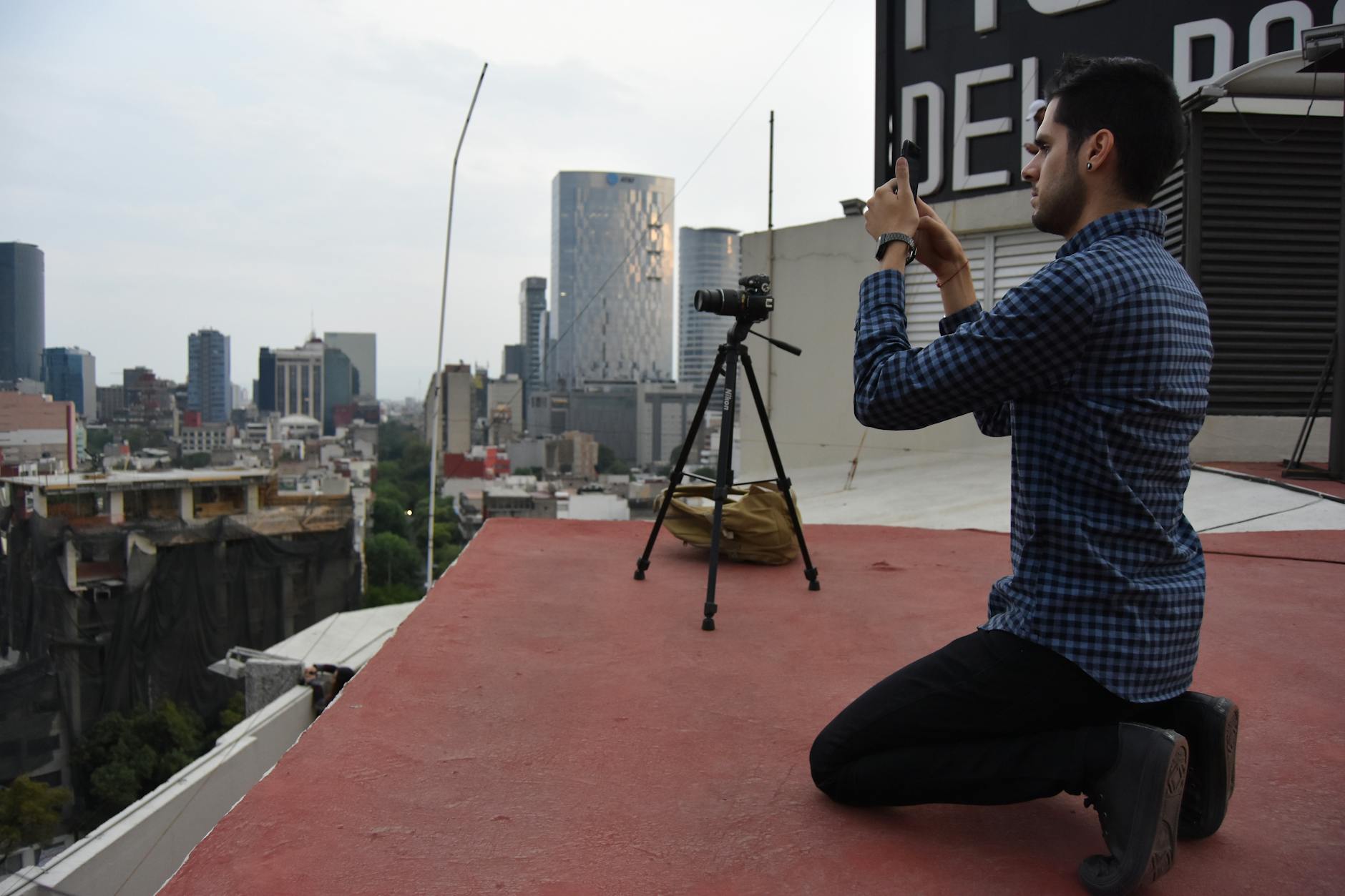
Source protection begins with logistics. A convenient cafe may be too visible or too noisy. A hotel lobby may be unsuitable for a sensitive conversation. A ride, public bench, or crowded restaurant can expose names, documents, recordings, or the simple fact that a meeting happened. Mexico City offers many places to meet, but the right location depends on the story, the source's comfort, and the level of sensitivity.
The journalist should decide how sources will be contacted, whether names should appear in calendars or messages, how recordings and notes will be stored, and whether an interpreter or fixer changes confidentiality. If the story involves vulnerable people, political risk, labor disputes, crime, migration, public health, or advocacy, the meeting plan should be more careful than ordinary business travel.
- Choose source locations by privacy, noise, visibility, transport, and the source's comfort rather than convenience alone.
- Decide how names, messages, recordings, notes, and documents will be protected before the first interview.
- Use extra care when reporting on vulnerable people, politics, labor, migration, crime, advocacy, or public health.
Handle public events and demonstrations deliberately
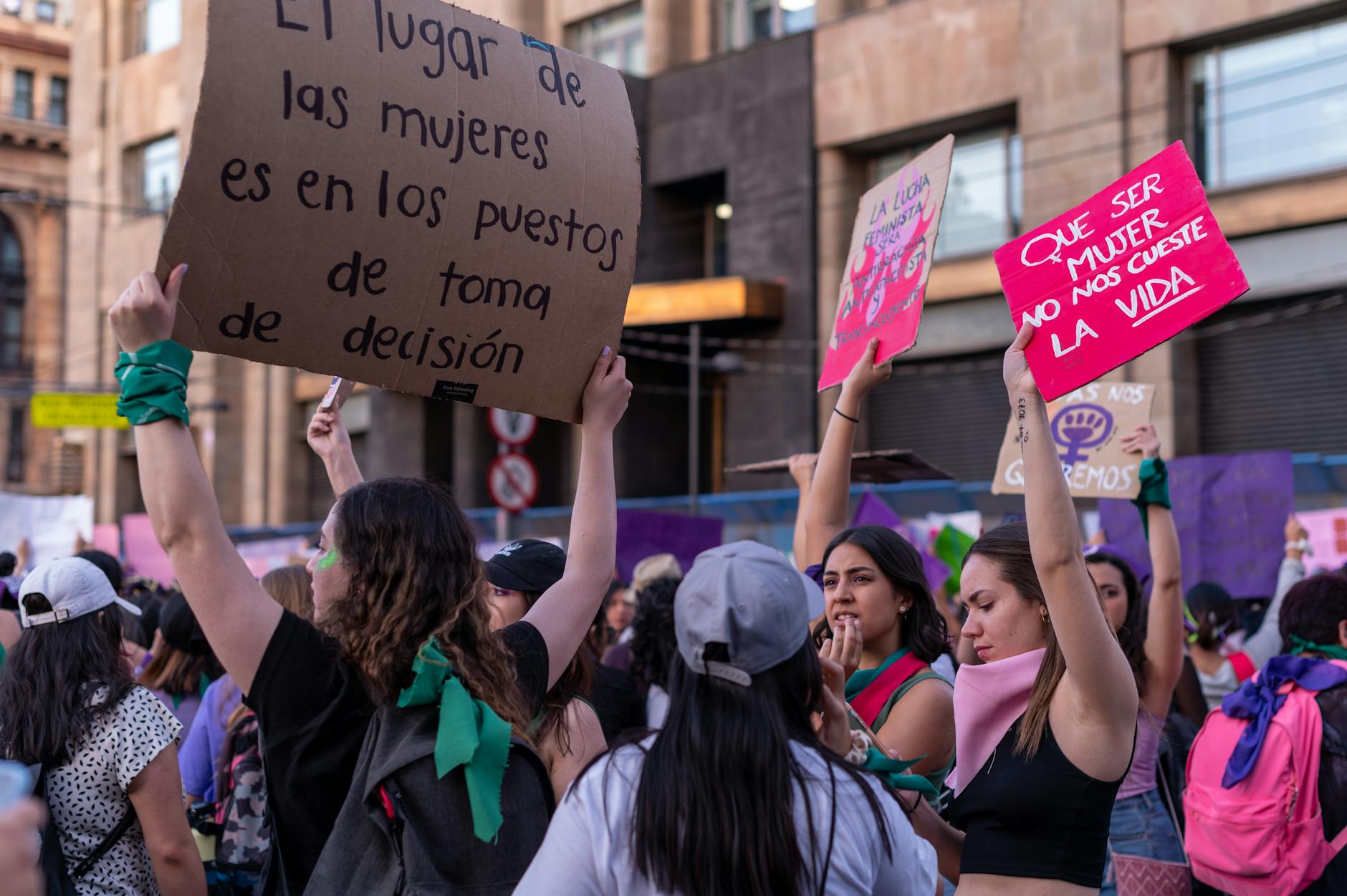
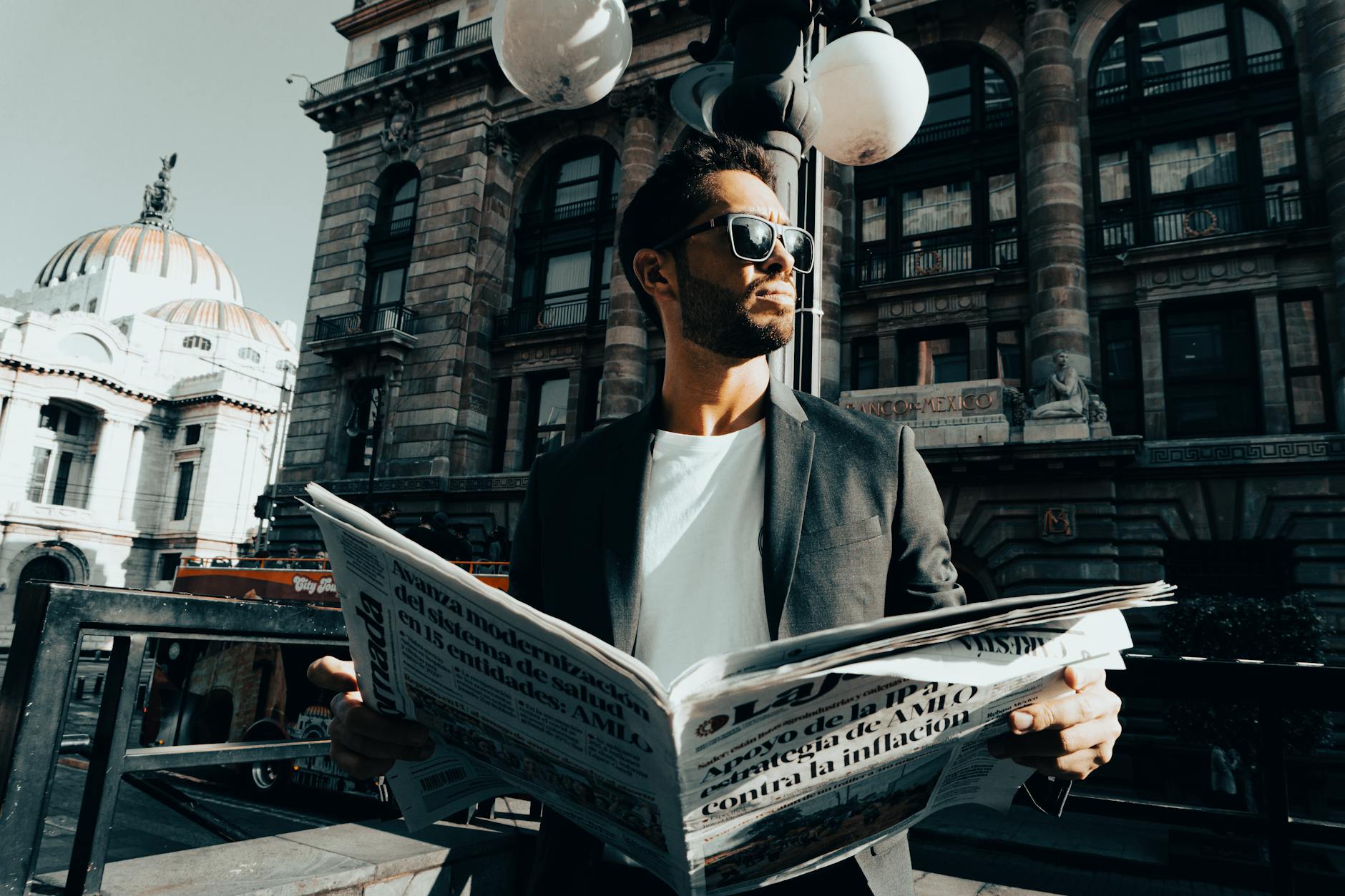
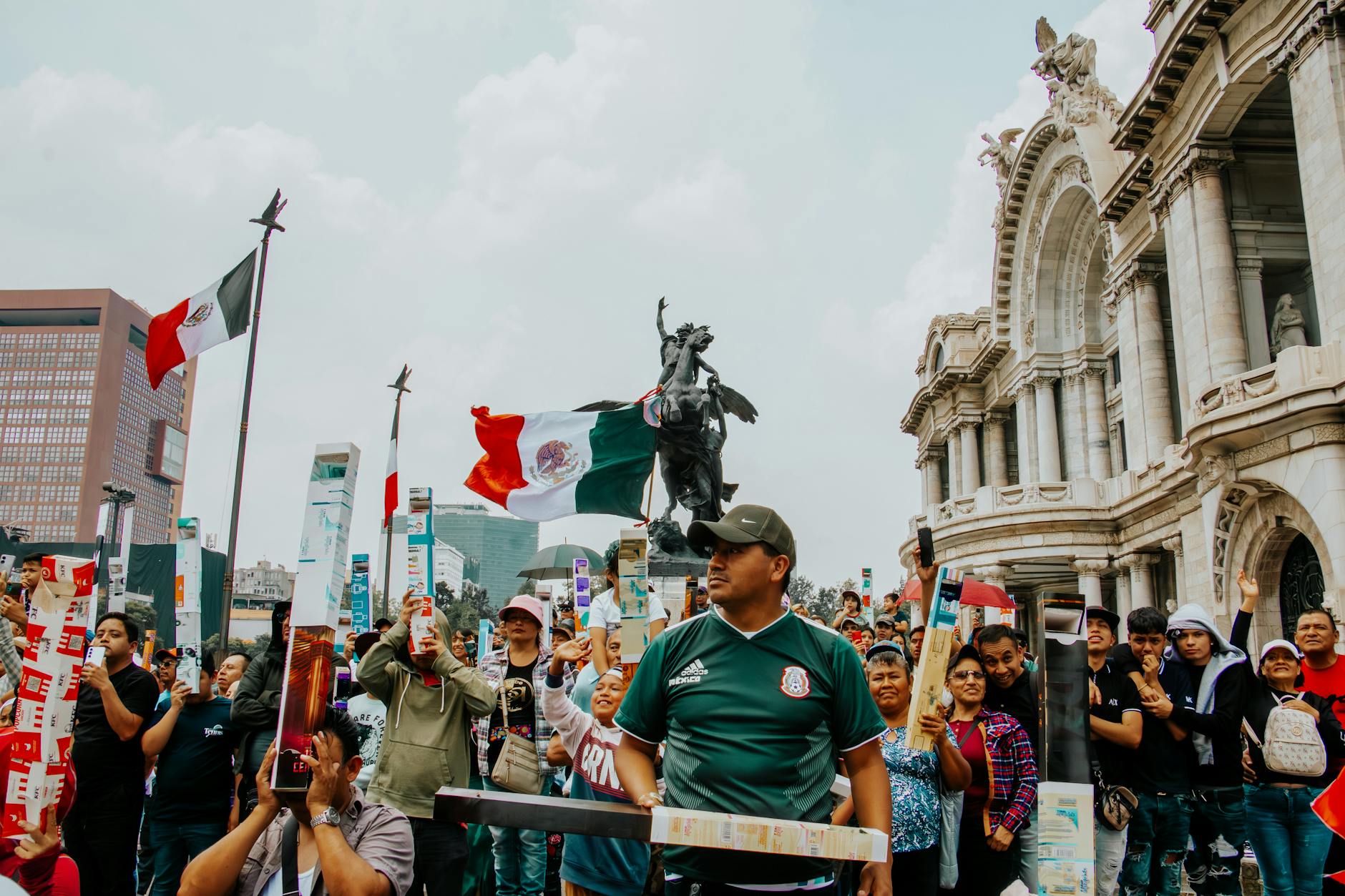
Mexico City has public life that can be central to reporting: celebrations, marches, rallies, cultural events, official ceremonies, sports crowds, and neighborhood gatherings. These settings can produce important material, but they require more than showing up with a camera. The journalist should know the likely route, entrances and exits, police presence, crowd density, weather, transport changes, and where they will go if the situation changes.
Coverage plans should also account for identification, press credentials, consent, and the difference between observing and influencing a scene. A journalist working around demonstrations should avoid getting trapped between groups, should not assume public transport will remain normal, and should have a check-in protocol with an editor, colleague, or local contact. Strong fieldwork is planned enough to stay flexible.
- Check event route, entrances, exits, police presence, weather, crowd density, and transport changes before arrival.
- Carry appropriate identification or credentials and know when displaying them helps or hurts.
- Use check-ins, exit points, and a clear return plan when covering demonstrations or dense public events.
Know what permissions and credentials matter
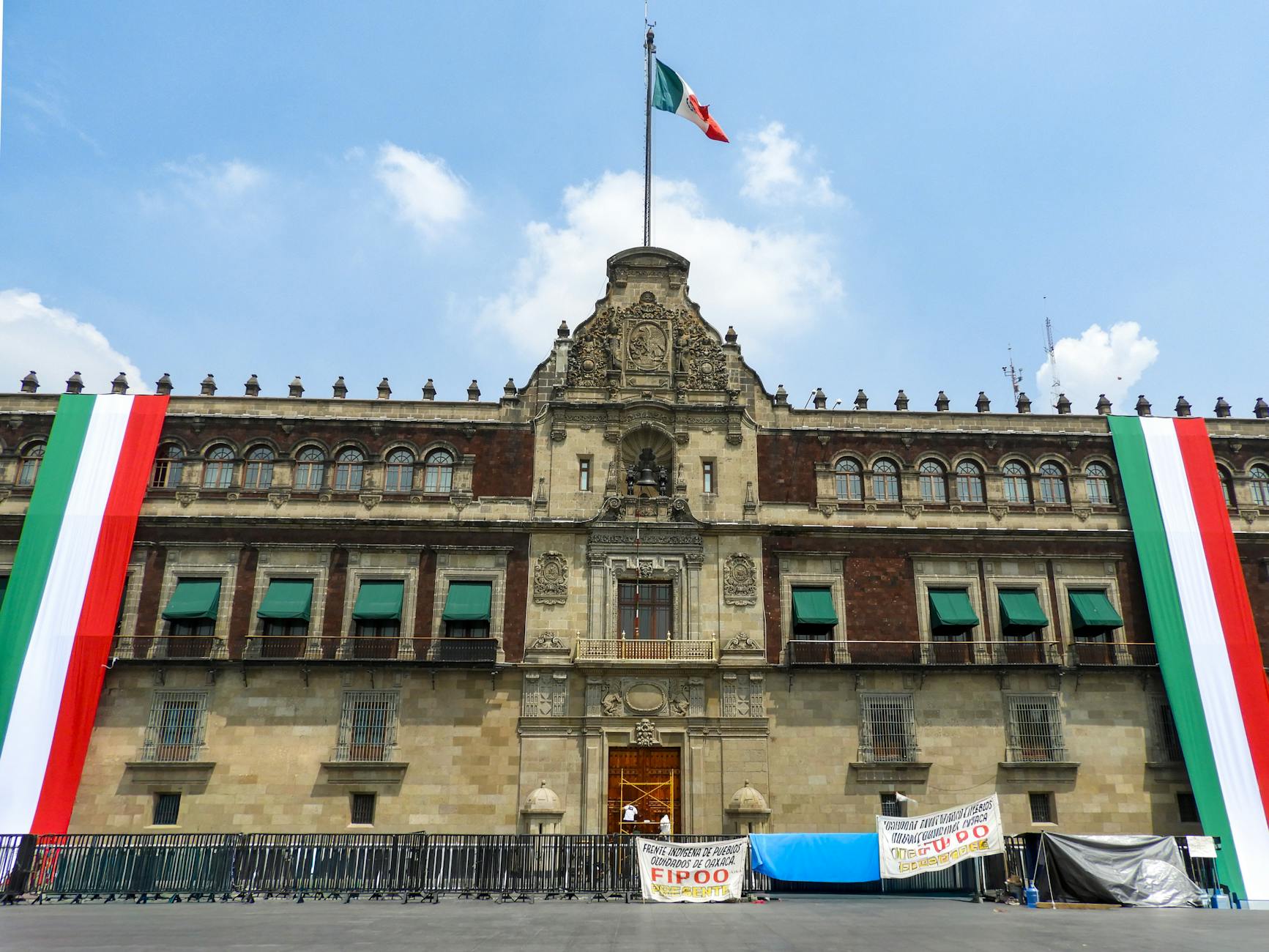
Some Mexico City reporting can be done through ordinary public access. Other work may require press credentials, appointment letters, institutional permissions, venue approval, museum rules, court or government access, event badges, or written consent for filming. The same camera setup that is fine on a public street may be rejected inside a public building, private venue, school, clinic, market, museum, or transit facility.
Before departure, the journalist should separate locations that are open, locations requiring requests, and locations where filming, recording, or photography rules are unclear. They should also know the publication letter, assignment proof, passport copy, insurance, and local contact details they can show when asked. Permissions should not be solved at the door when a deadline is already running.
- Separate public access, press credential, venue approval, government access, and consent-based reporting locations.
- Confirm photography, filming, recording, tripod, drone, and bag rules before relying on a location.
- Carry assignment proof, publication letter, passport copy, insurance details, and local contacts where appropriate.
Choose equipment for mobility and discretion
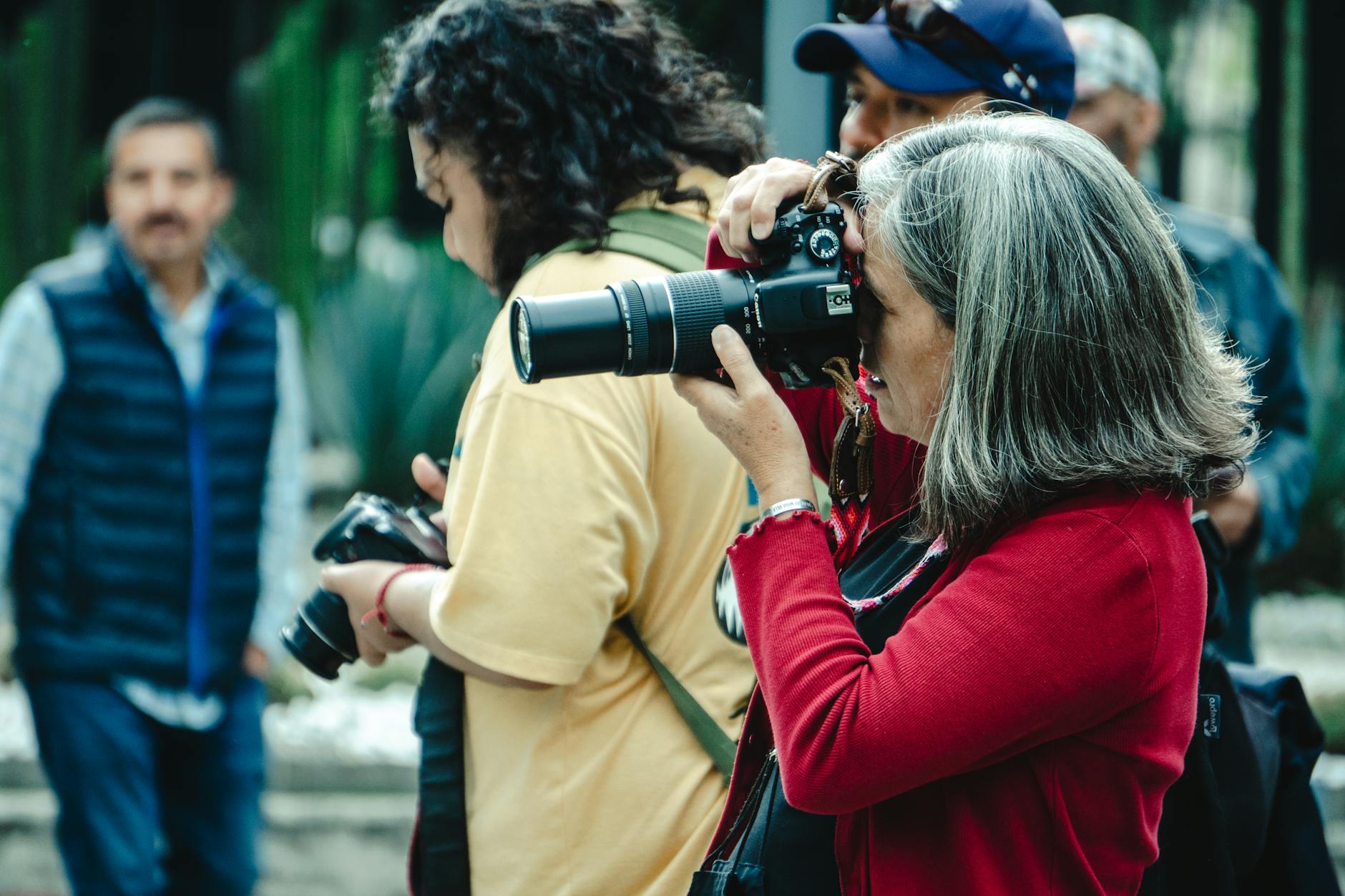
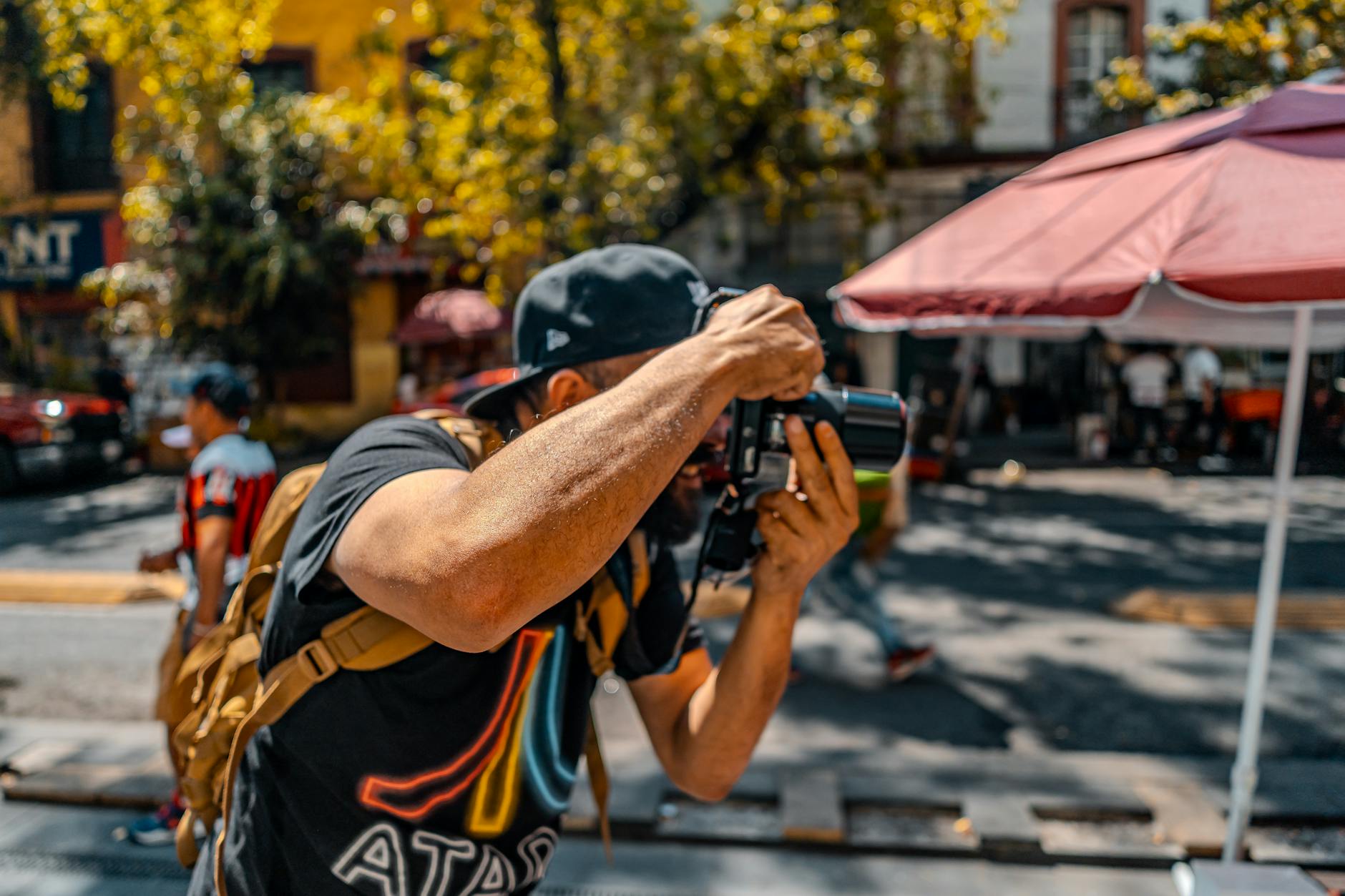
Journalists often want every tool available, but Mexico City rewards equipment choices that match the assignment. A large camera kit, tripod, audio gear, laptop, batteries, hard drives, lights, and backup phone can be necessary for one story and excessive for another. Heavy gear slows movement, changes how people respond, and can complicate security checks, public transport, rain, and late returns.
The traveler should define the minimum viable kit and backup workflow. That includes charging, adapters, memory cards, external drives, cloud backup, local data, device passwords, and what happens if a bag is lost or a phone fails. The right setup lets the journalist work without turning every route and doorway into an equipment problem.
- Match camera, audio, laptop, lighting, tripod, and backup gear to the specific assignment rather than packing everything.
- Plan charging, adapters, batteries, cards, drives, cloud backup, local data, passwords, and lost-device response.
- Keep the kit mobile enough for traffic, public transport, weather, stairs, venue checks, and long reporting days.
Protect filing time, connectivity, and recovery
A reporting trip can fail after the reporting is done if the journalist has nowhere reliable to file. Mexico City hotels, cafes, newsrooms, coworking spaces, and borrowed offices can all work, but each has limits around noise, privacy, outlets, late hours, and connection quality. A journalist under deadline should not discover at midnight that the room desk is unusable or the upload speed is too weak for audio, photos, or video.
The daily plan should include a filing window, backup location, and recovery margin. Altitude, heat, long walks, interviews in Spanish, crowded transit, and late public events can drain attention. If the traveler needs to transcribe, edit photos, write, fact-check, or send material across time zones, the hotel and evening schedule should support that work.
- Confirm Wi-Fi, desk, chair, outlets, quiet, upload speed, and late-hour workspace before relying on the hotel.
- Reserve daily filing time for notes, transcription, photo backup, fact-checking, and editor communication.
- Build in recovery because altitude, walking, language work, crowds, and late events can affect judgment.
When to order a short-term travel report
A simple feature trip with arranged interviews and a flexible deadline may not need a custom report. A journalist covering politics, public demonstrations, courts, vulnerable sources, public health, migration, business disputes, cultural institutions, sports crowds, or fast deadlines should plan more carefully. Mexico City is reportable, but it is too large and too layered for a journalist to rely only on instinct once the assignment is live.
The report should test story geography, source privacy, hotel workability, transport routes, credentials, venue rules, public-event routes, gear load, phone and data setup, filing windows, editor check-ins, legal or ethical constraints, health limits, and fallback plans if an interview moves or a public event changes. The value is not a generic city overview. It is a reporting-specific operating plan that protects the story, the sources, and the journalist's ability to file cleanly.
- Order when sources, credentials, public events, demonstrations, gear, or hard deadlines make logistics consequential.
- Provide assignment details, source locations, venue rules, hotel candidates, gear needs, deadlines, and editor check-in requirements.
- Use the report to protect the story and source handling, not just to make the city easier to navigate.