A short-term deal trip to Mexico City is not just a business visit with nicer hotels. The traveler may be meeting founders, lenders, portfolio company leaders, counsel, bankers, public officials, operating teams, sellers, co-investors, or family office principals. The trip may include management presentations, site visits, diligence interviews, confidential document review, financing discussions, and relationship meals that shape whether the transaction keeps momentum. Mexico City can support that work, but the operating plan needs to respect scale, traffic, security procedures, confidentiality, and the difference between a pleasant neighborhood and a useful deal base. The best plan starts from the transaction calendar. Which meetings cannot move? Which site visits carry the most information value? Who needs a private room? Which conversations should not happen in cars, lobbies, or restaurants? Where will the team revise notes and align internally after management meetings? Mexico City rewards investors who keep the itinerary tight enough to protect deal focus and flexible enough to absorb a late seller, a longer diligence thread, rain, traffic, or a sudden request for a second meeting.
Anchor the itinerary to the deal map
Deal travel should begin with the target geography, not with a generic preference for Polanco, Roma, Condesa, Reforma, Santa Fe, or an airport hotel. A target office, counsel's office, bank meeting, government-facing appointment, manufacturing site, retail location, warehouse, data room session, and investor dinner may sit in different parts of the city. Mexico City can make those points look close enough on a map while turning movement into the main operational risk of the trip.
The team should rank every stop by deal value and sequence the itinerary accordingly. A management presentation and a site visit may deserve the cleanest morning route. A lower-value introductory coffee may be moved, shortened, or converted to a call. The plan should also identify which meetings require the full team and which can be split. A compact deal trip often works better when not every traveler attends every conversation.
- Map target offices, counsel, banks, sites, dinners, and airport movements before choosing the hotel.
- Rank meetings by deal value so the most important diligence moments get the strongest timing and transfer plan.
- Decide where the team can split instead of moving everyone through every low-value stop.
Protect diligence meetings and site visits
The most valuable parts of a deal trip are often the hardest to repeat: a plant walk, warehouse tour, clinic visit, retail walkthrough, management Q&A, lender meeting, legal briefing, or operating review with local leadership. Each setting has practical requirements. A site may require identification, safety shoes, visitor registration, restricted photography, language support, or an escort. A board room may require guest Wi-Fi, screen access, printed materials, privacy, and a quiet break for internal team alignment.
Mexico City traffic makes sequencing especially important. If a site visit is outside the central districts, do not assume it can be squeezed between two central meetings. The team should confirm who owns the agenda, who can answer questions, whether photos are allowed, where notes can be taken, and whether the group needs a private debrief afterward. Diligence value depends on preparation as much as access.
- Confirm visitor rules, IDs, safety requirements, photo limits, language needs, and escorts before site visits.
- Avoid placing high-value site diligence between fragile cross-city meetings.
- Reserve private debrief time after management sessions, operating reviews, and site walks.
Choose a hotel for confidentiality and access
The deal hotel needs to do more than signal status. It may host internal calls, early breakfasts, confidential document review, late model changes, lender coordination, and private conversations after dinner. A beautiful room with poor work surfaces, weak Wi-Fi, thin walls, or noisy public areas can become a problem quickly. A lobby table is not an adequate data room. A crowded restaurant is not a private investment committee prep space.
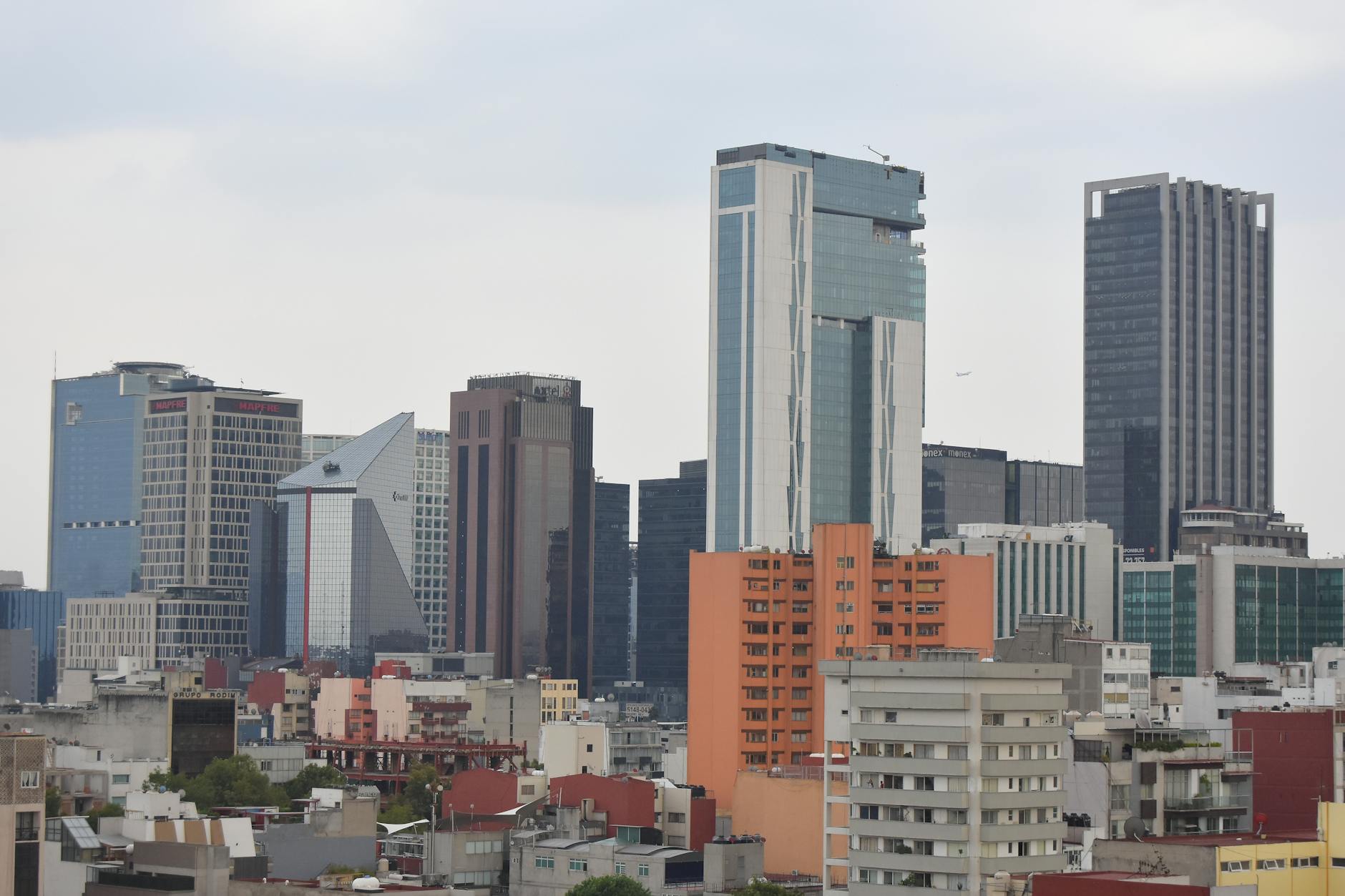
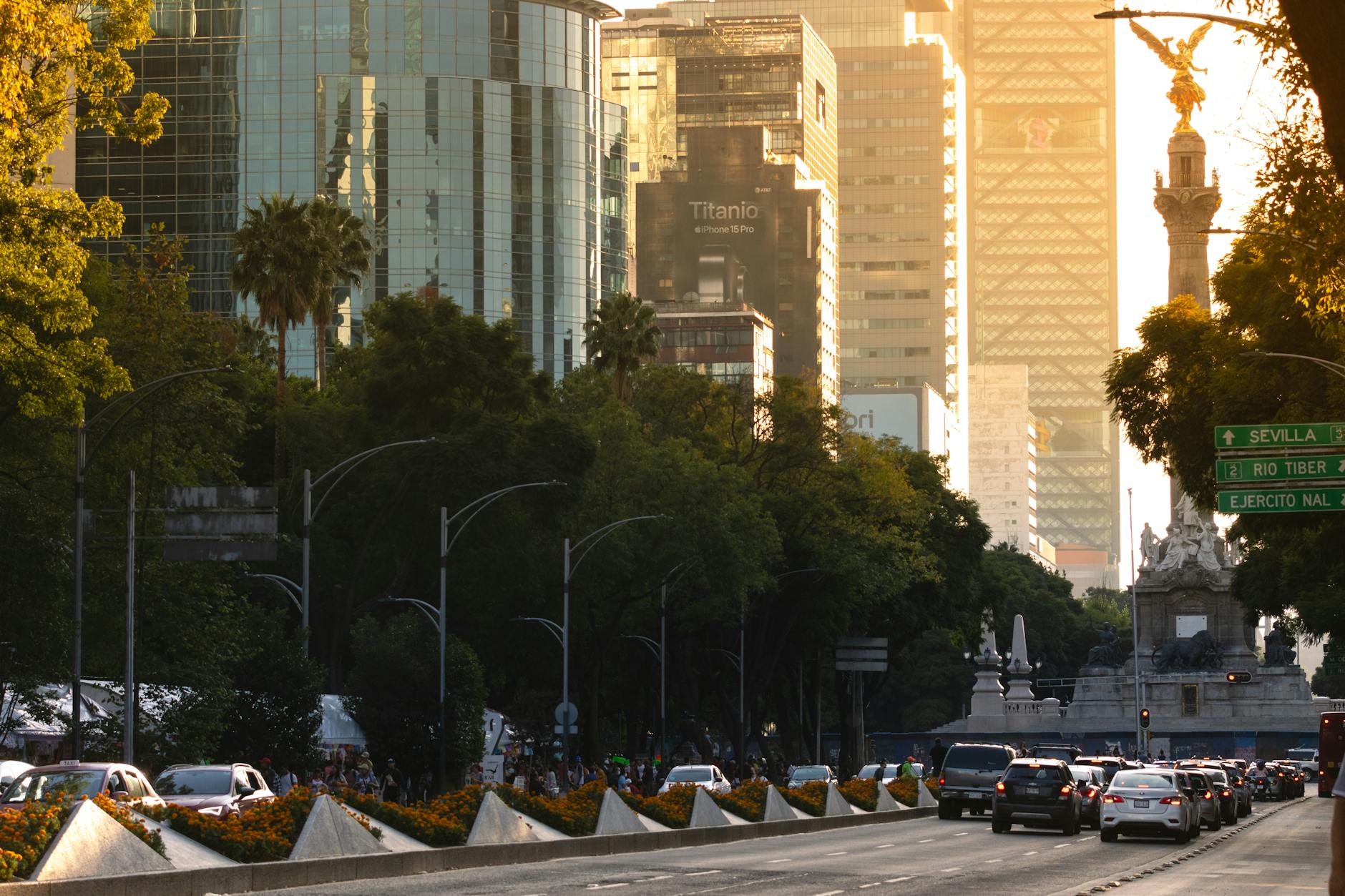
Location should follow the highest-value meetings. Polanco or Reforma may work well for central finance, counsel, and hospitality. Santa Fe may make sense for west-side corporate work. An airport area may be useful for an overnight fly-in but weak for relationship meetings. The team should confirm private meeting rooms, secure Wi-Fi, printing, late food, vehicle coordination, luggage storage, and quiet work conditions before assuming the hotel can support the transaction.
- Choose lodging by meeting geography, private workspace, transfer reliability, and after-hours deal work.
- Confirm meeting rooms, Wi-Fi, printing, quiet rooms, late food, vehicle coordination, and luggage handling.
- Do not rely on hotel lobbies or open restaurants for sensitive calls, models, data room review, or investment committee prep.
Treat documents and devices as deal assets
Investors and deal teams routinely travel with sensitive material: models, draft terms, cap tables, diligence memos, customer lists, legal documents, board materials, financing details, and notes from private conversations. Mexico City is not the special issue; transaction work itself requires discipline. A visible spreadsheet in a cafe, an open laptop in a car, printed notes left in a hotel room, or a confidential call in a lobby can create avoidable exposure.
The team should decide before travel how files will be accessed, which documents can be offline, whether privacy screens are needed, who has local roaming, how multi-factor authentication will work, and where calls can happen. If counsel, bankers, or management need material during the trip, the team should know how it will be shared without improvising from public Wi-Fi or personal messaging apps.
- Define rules for models, cap tables, term sheets, diligence files, board materials, and meeting notes before departure.
- Check VPN, roaming, MFA, offline access, chargers, privacy screens, and secure file sharing before the first meeting.
- Keep sensitive calls, visible screens, printed notes, and data room work out of lobbies, cafes, vehicles, and crowded restaurants.
Use relationship meals deliberately
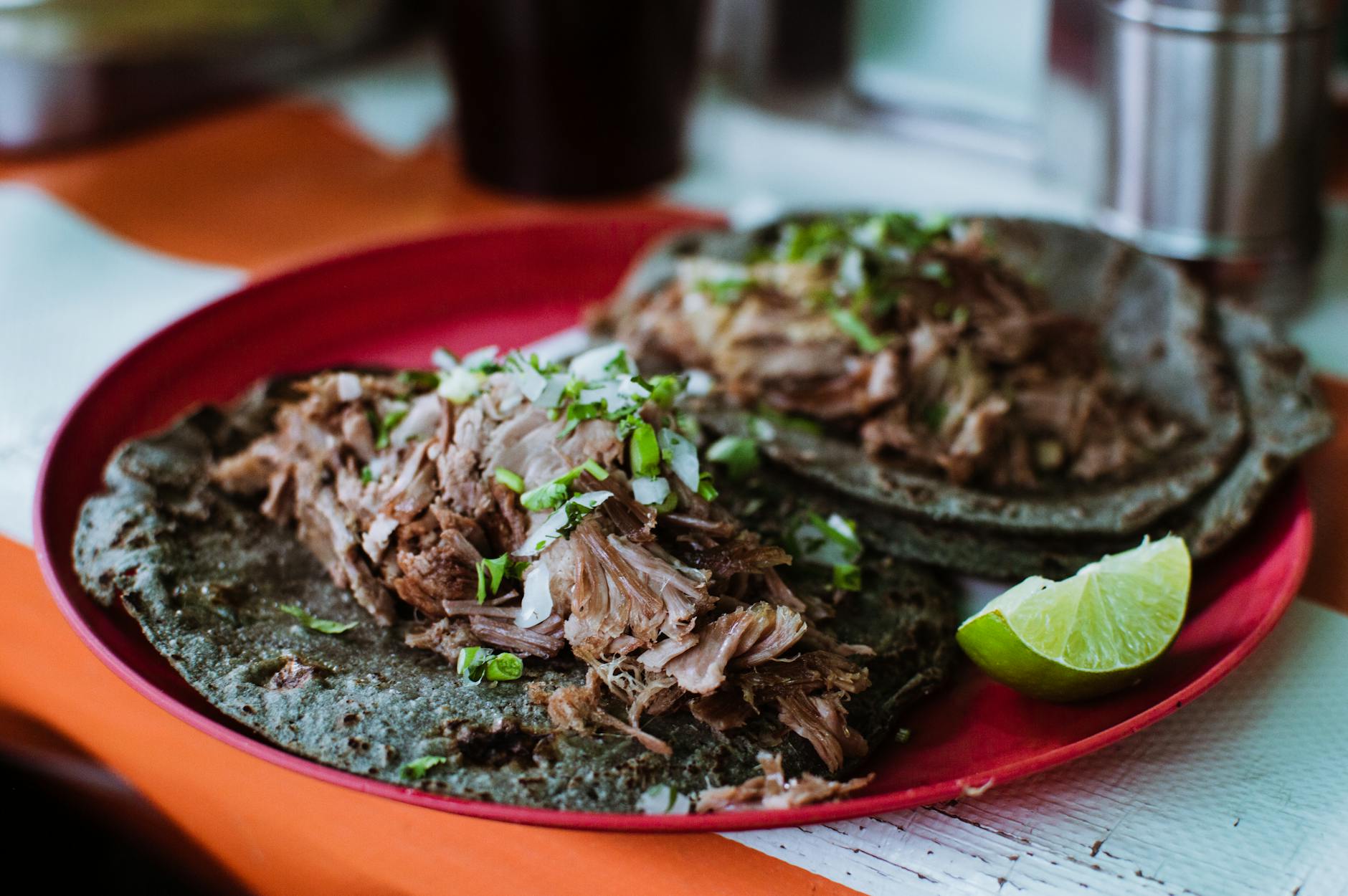
Meals can carry real deal value in Mexico City. A dinner with founders, a breakfast with counsel, a lunch with a seller, a quiet drink with a co-investor, or a management team meal can reveal tone, alignment, fatigue, and trust that formal meetings often hide. But relationship time should not consume the trip by default. A long dinner across town may be worth it; it may also weaken tomorrow's site visit or leave no time for the team to reconcile notes.
The meal plan should match the transaction purpose. Is the goal rapport, negotiation, diligence, renewal of trust, local advice, or simply hospitality? Choose places by privacy, noise, buyer or seller convenience, return route, payment expectations, and schedule impact. Alcohol and late nights should be handled cautiously when the next morning carries important diligence work.
- Separate meals meant for rapport, negotiation, diligence, local advice, and recovery.
- Choose restaurants by privacy, noise, geography, return route, payment expectations, and next-day obligations.
- Leave time after important dinners for internal notes and alignment while the conversation is still fresh.
Account for regulatory and public-sector context
Some Mexico City deal trips touch government, public procurement, regulated sectors, infrastructure, health care, education, energy, real estate, labor, tax, customs, or competition issues. Even when the traveler is not meeting public officials, local institutions and regulatory geography can shape timing, documentation, disclosure, and who needs to be in the room. These issues should not be treated as background if they can alter the investment case.
The team should understand which parts of the schedule require local counsel, translator support, formal identification, additional time at entrances, or stricter conduct rules. Public buildings, government-adjacent meetings, and regulated-site visits may have different expectations than a private corporate office. A short trip can still protect institutional judgment if the team knows where local context is material.
- Identify regulatory, counsel, government, procurement, tax, labor, customs, and disclosure issues before arrival.
- Allow extra time for formal entrances, identification, building rules, and meetings with public-sector or regulated counterparts.
- Use local counsel or advisors where institutional context can affect deal value or execution risk.

When to order a short-term travel report
A familiar one-meeting investor update may not need a custom report. A live transaction, competitive process, management presentation, multi-site diligence day, regulatory meeting, confidential document review, seller dinner, co-investor session, or tight airport turn should be planned more carefully. Mexico City can work very well for deal travel, but only when the plan protects the transaction's highest-value moments and avoids turning movement into the dominant variable.
The report should test meeting geography, hotel fit, airport transfers, driver strategy, site visit sequence, document discipline, private debrief windows, regulatory context, meal geography, team split options, traffic exposure, weather, and fallback choices if a meeting moves or runs long. The value is not a generic city briefing. It is a transaction-specific operating plan that keeps the team punctual, private, rested, and available for judgment.
- Order when live deal timing, site visits, confidential documents, management meetings, or regulatory context make errors costly.
- Provide addresses, meeting priority, hotel candidates, site details, team roles, document needs, flights, and dinner obligations.
- Use the report to protect deal judgment and execution, not just to choose a convenient neighborhood.