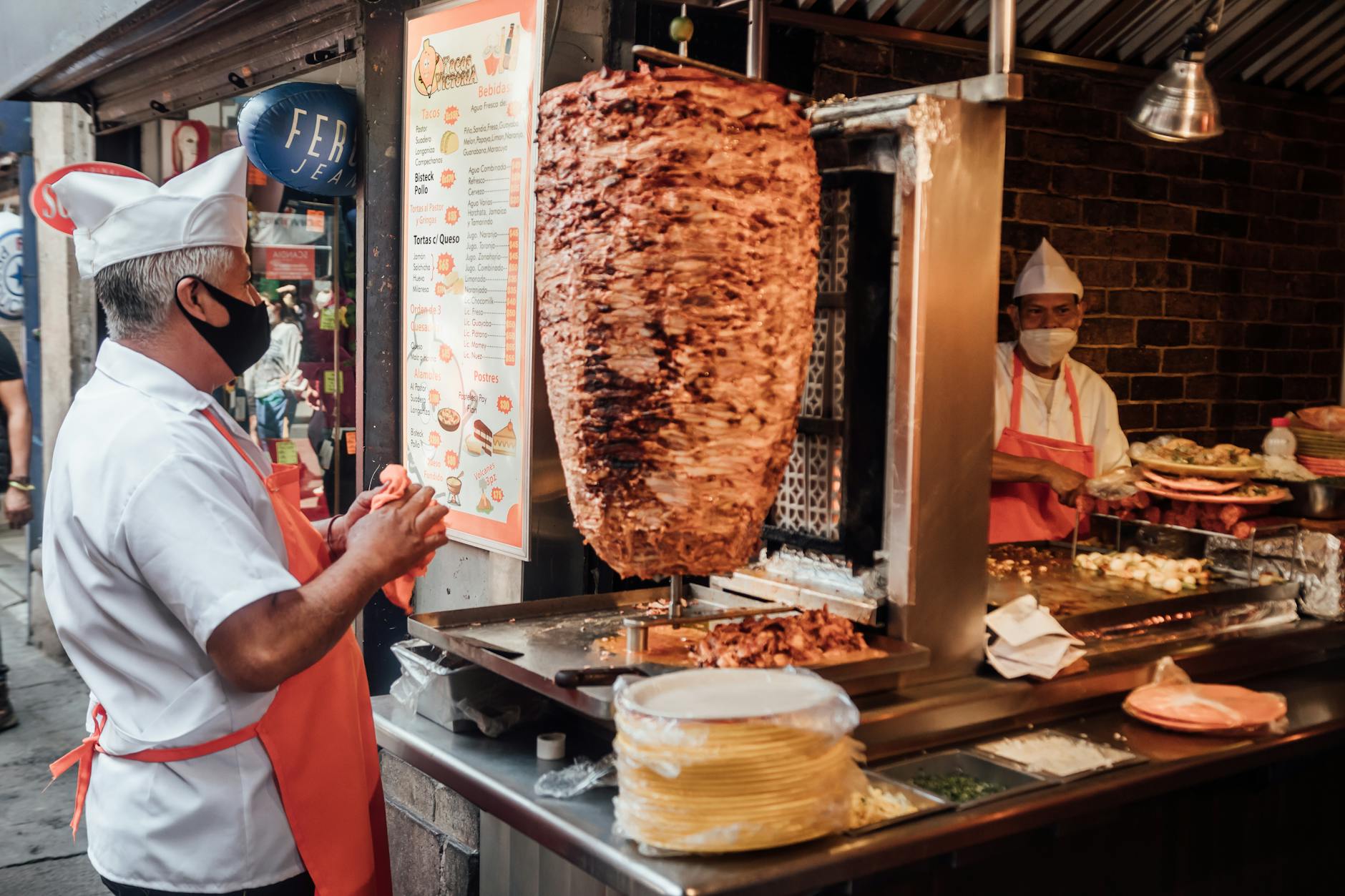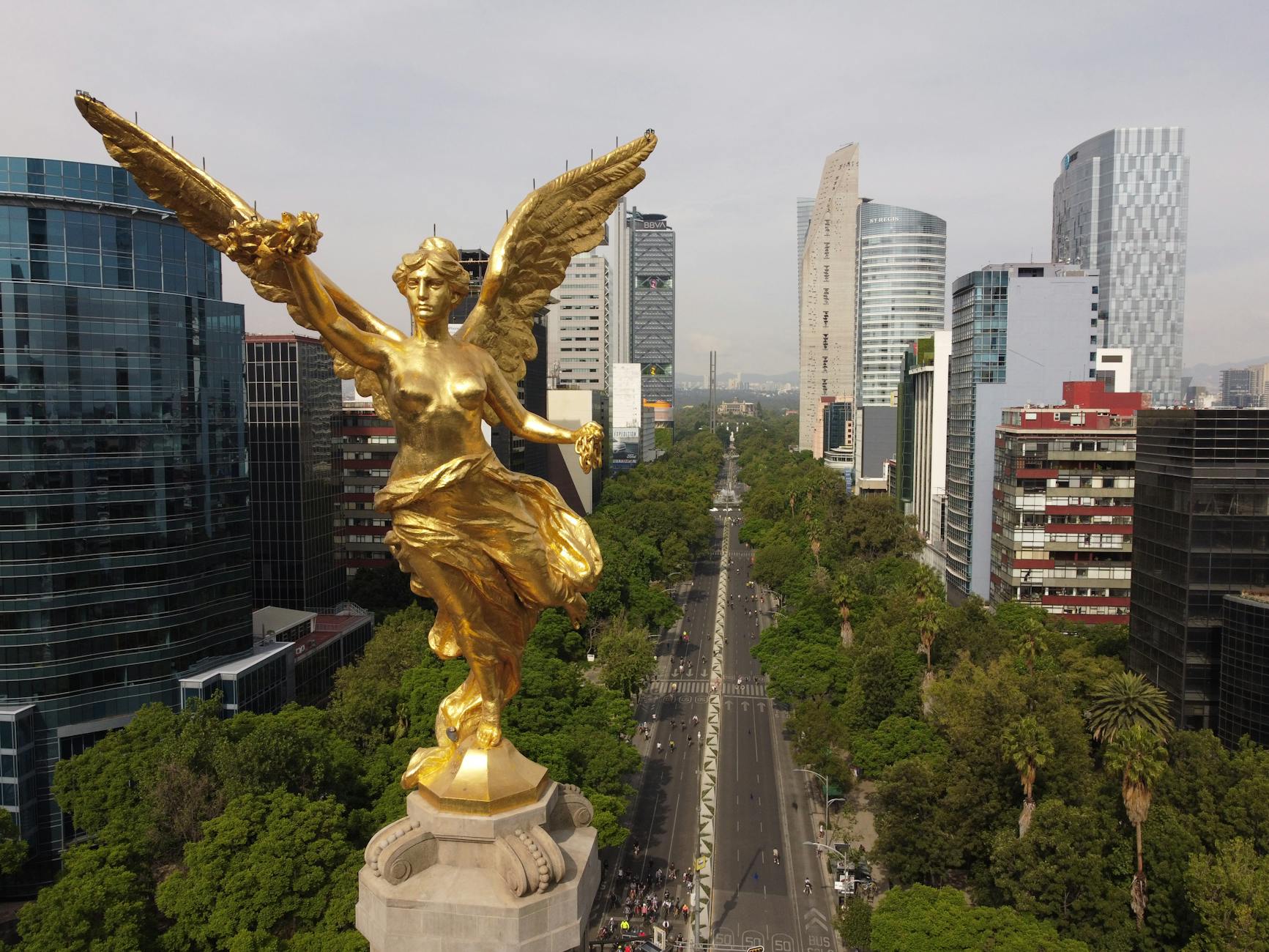
Mexico City is one of the world's great first-visit cities, but it is not a place to approach as one giant capital with everything close enough to improvise. The city is layered, high-altitude, traffic-sensitive, and intensely district-driven. A first-time visitor may want Centro Historico, Reforma, Roma, Condesa, Polanco, Chapultepec, Coyoacan, Xochimilco, markets, museums, food, and nightlife all at once. The city can support that appetite, but not if every day becomes a cross-town scramble. A stronger first trip chooses a base, builds days in clusters, protects the arrival, respects altitude and fatigue, and lets food, parks, and museums pace the visit rather than overwhelm it. Mexico City rewards travelers who are curious and ambitious, but it rewards selection more than conquest.
Do not plan the city as one giant loop
The classic first-time mistake is trying to make one short trip answer the whole city: Zocalo and the cathedral, Bellas Artes, the Anthropology Museum, Chapultepec, Roma and Condesa, Polanco, Coyoacan, Xochimilco, markets, street food, rooftop bars, and a serious restaurant list all fighting for the same days. Mexico City is large enough that this can turn the visit into traffic, late meals, and half-finished neighborhoods.
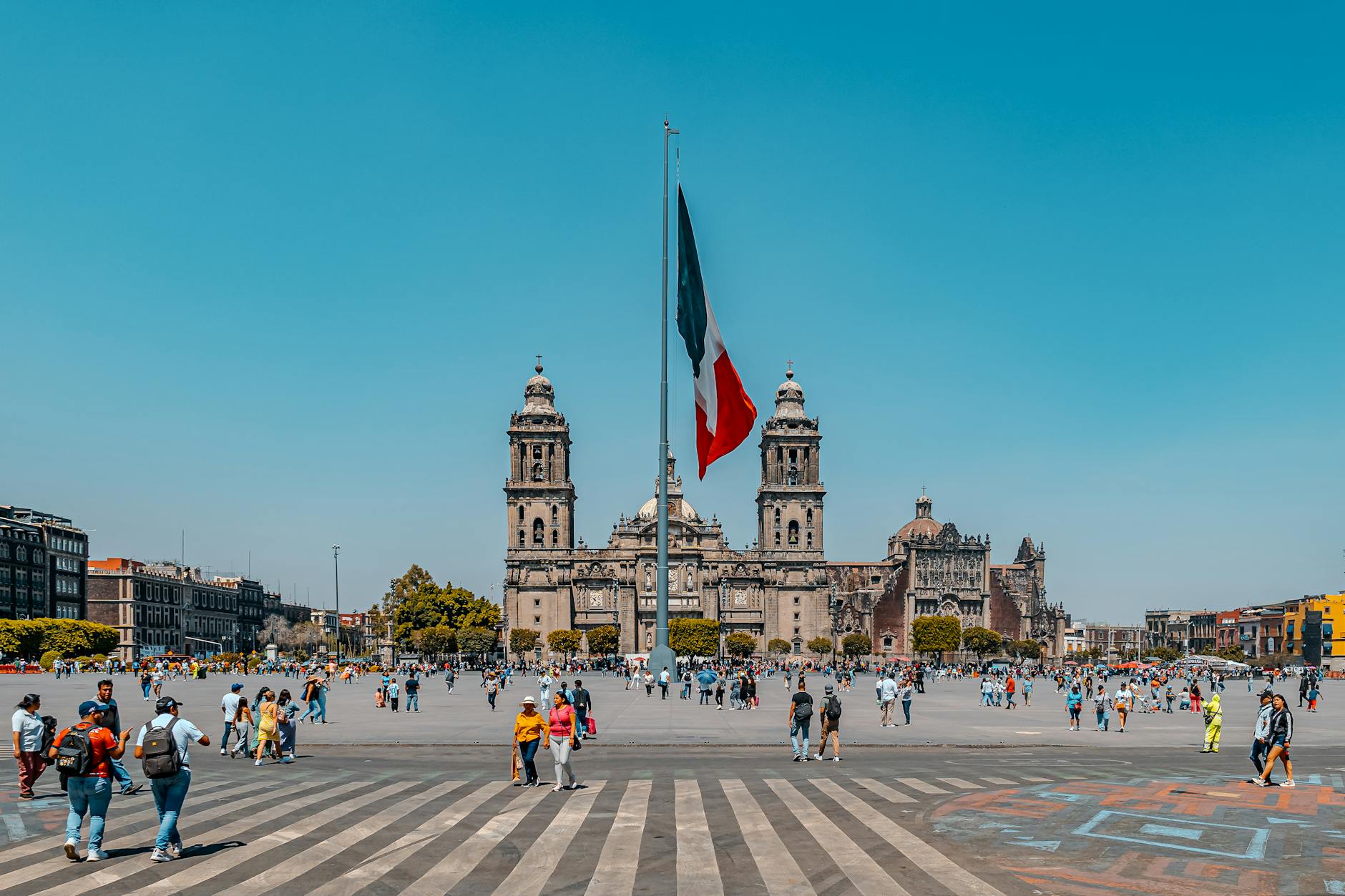
A better first visit chooses a few strong clusters and lets them breathe. Centro and Bellas Artes can form one day. Chapultepec, the Anthropology Museum, and Polanco can form another. Roma and Condesa can carry food, cafes, and evening movement. Coyoacan or Xochimilco may deserve their own half day rather than being treated as an afterthought.
- Build days around district clusters rather than isolated landmarks.
- Give Centro, Chapultepec, Roma-Condesa, Polanco, Coyoacan, and Xochimilco different roles.
- Cut one famous item before the trip becomes a traffic exercise.
Choose the base before choosing every sight
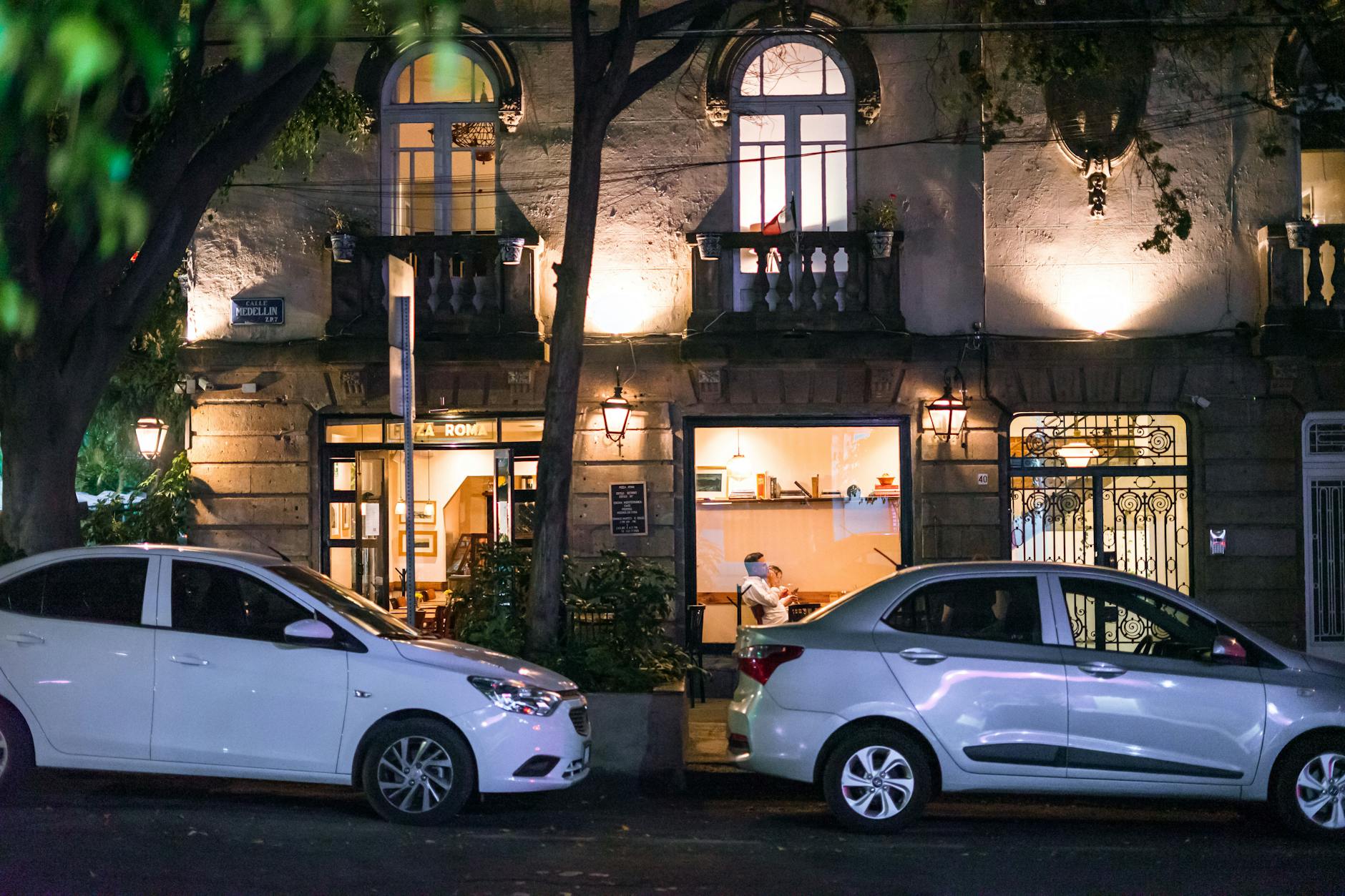
The hotel district shapes the entire first trip. Roma and Condesa can make the city feel leafy, walkable, food-rich, and social. Polanco can make the visit more polished, hotel-forward, and museum-adjacent. Reforma can be practical for mixed sightseeing and business-style movement. Centro can be atmospheric and convenient for historic sights but may not suit every first-time traveler after dark. A weak base can make the city feel harder than it needs to feel.
The right base depends on how the traveler wants mornings, dinners, and returns to work. If the first visit is food and neighborhood heavy, Roma or Condesa may carry the trip. If it is museum and luxury heavy, Polanco can be efficient. If the itinerary is mixed, Reforma may reduce decision load. The hotel should make repeated returns easy, not merely photograph well.
- Choose the neighborhood that matches the trip's daily rhythm, not only the hotel brand.
- Check dinner, walking, and return options near the hotel before committing.
- Avoid saving money in a location that makes every first-visit day harder.
Make arrival boring and respect altitude
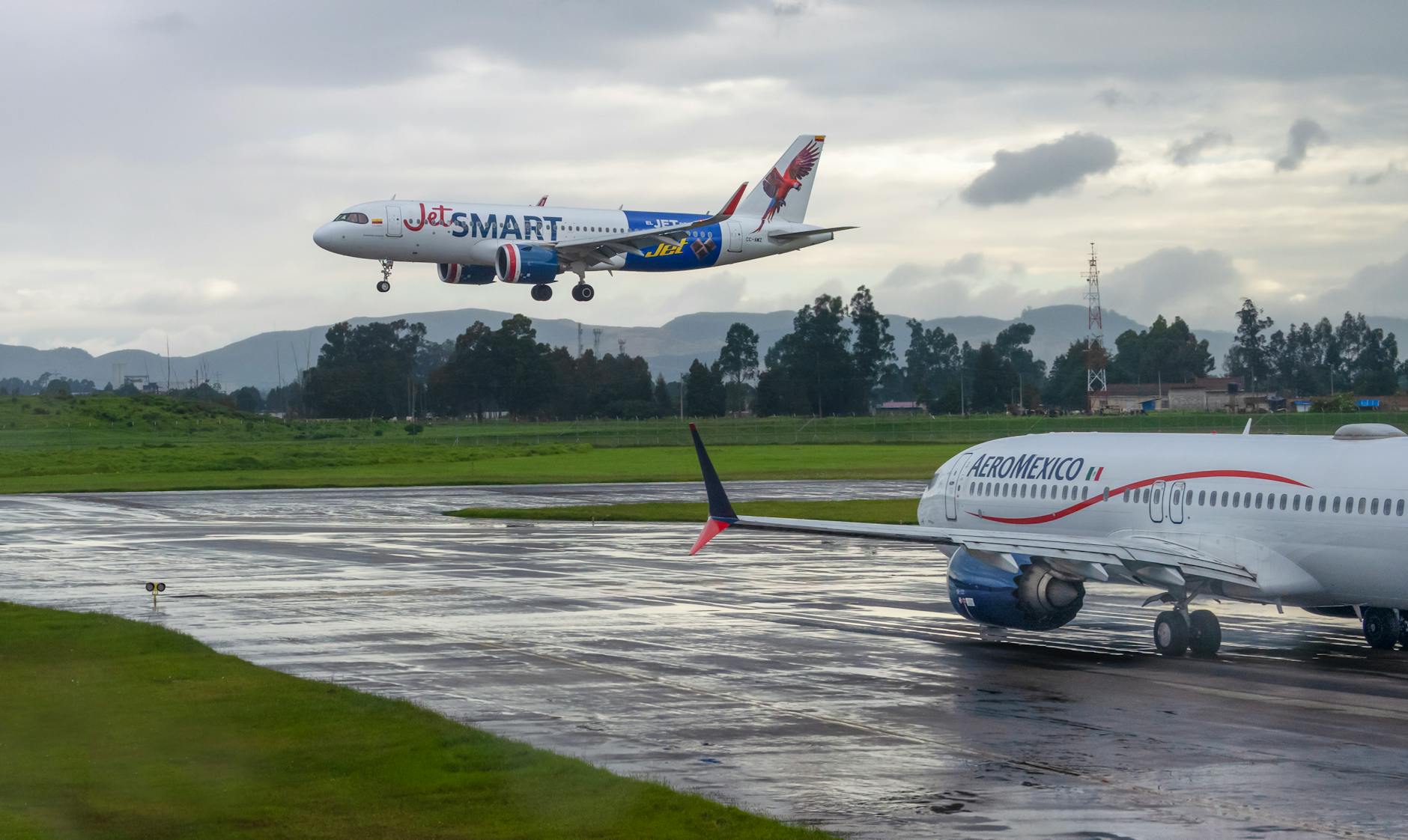
The first leg should be controlled. Mexico City International Airport and Felipe Angeles create different arrival problems, and the transfer should be chosen around hotel location, landing time, luggage, fatigue, and tolerance for uncertainty. A tired first visitor should not be solving pickup points, phone connectivity, payment, and traffic at the curb while trying to protect the first evening.
Altitude and air quality are also part of arrival planning. Some travelers feel fine immediately; others need water, a slower first walk, a lighter dinner, and a real night's sleep before attempting museums and long neighborhood days. The first afternoon should make the city feel legible, not prove how much can be forced into the schedule.
- Choose the airport transfer before departure and keep a backup plan ready.
- Plan the first afternoon lightly after a long flight or late arrival.
- Treat water, sleep, and altitude adjustment as part of the itinerary, not optional comfort.
Use landmark days as anchors, not traps
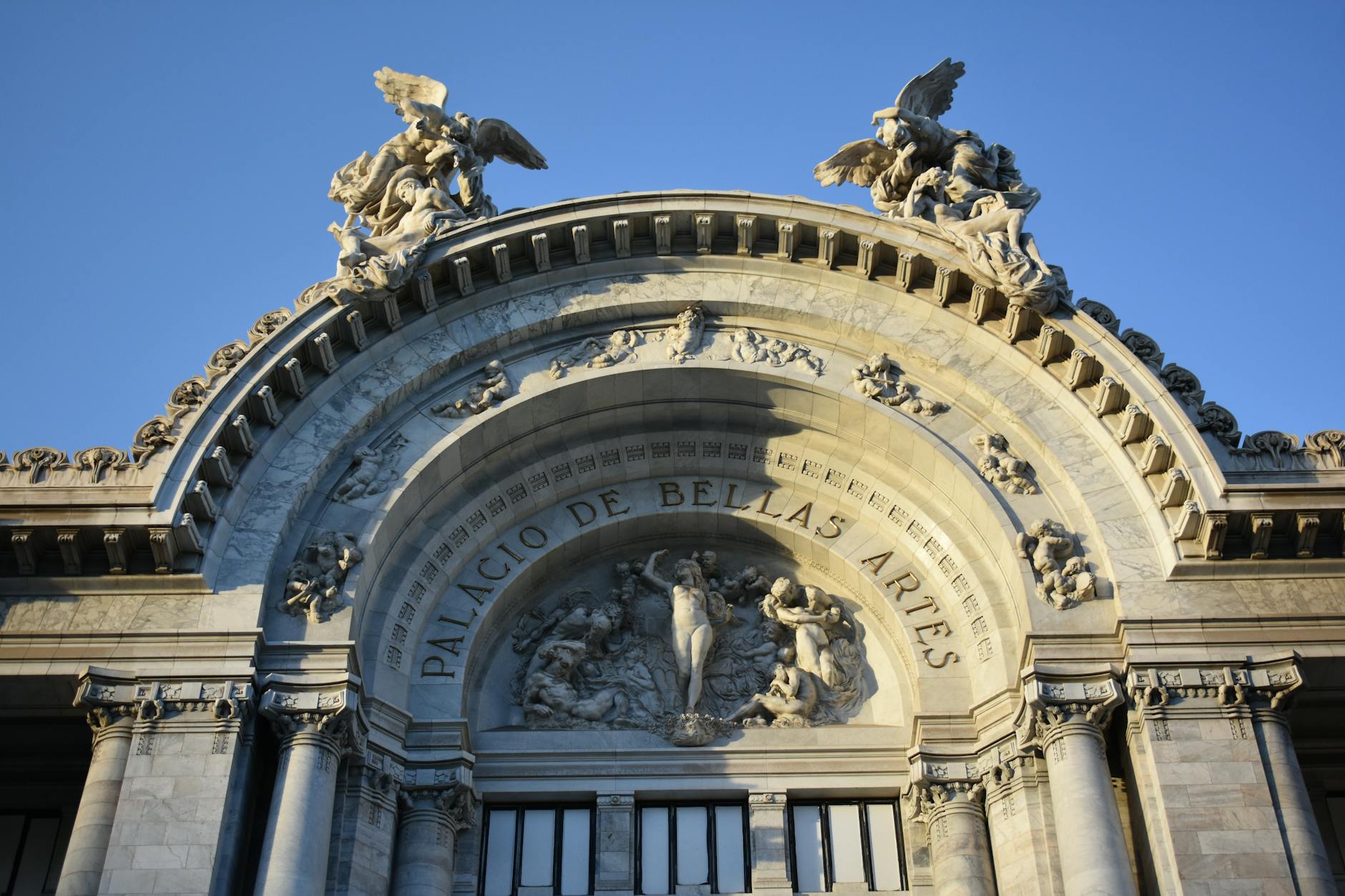
Mexico City has first-time icons that deserve attention: Zocalo, the cathedral, Templo Mayor, Palacio de Bellas Artes, the National Museum of Anthropology, Chapultepec, and the great neighborhood walks. The mistake is stacking them as if they all have the same weight and the same geography. A museum can consume more mental energy than expected. Centro can be dense. A restaurant reservation across town can break an otherwise elegant day.
The better plan uses one anchor and one nearby supporting idea. Bellas Artes can pair with Centro or Alameda. Chapultepec can pair with the Anthropology Museum and Polanco. Roma and Condesa can pair with food, parks, and evening. The day should have a center of gravity.
- Use one major anchor and one nearby supporting idea per day.
- Pair Bellas Artes, Centro, Chapultepec, Polanco, Roma, and Condesa by geography.
- Do not let distant restaurant reservations turn sightseeing into transfers.
Let museums, parks, and food pace the trip
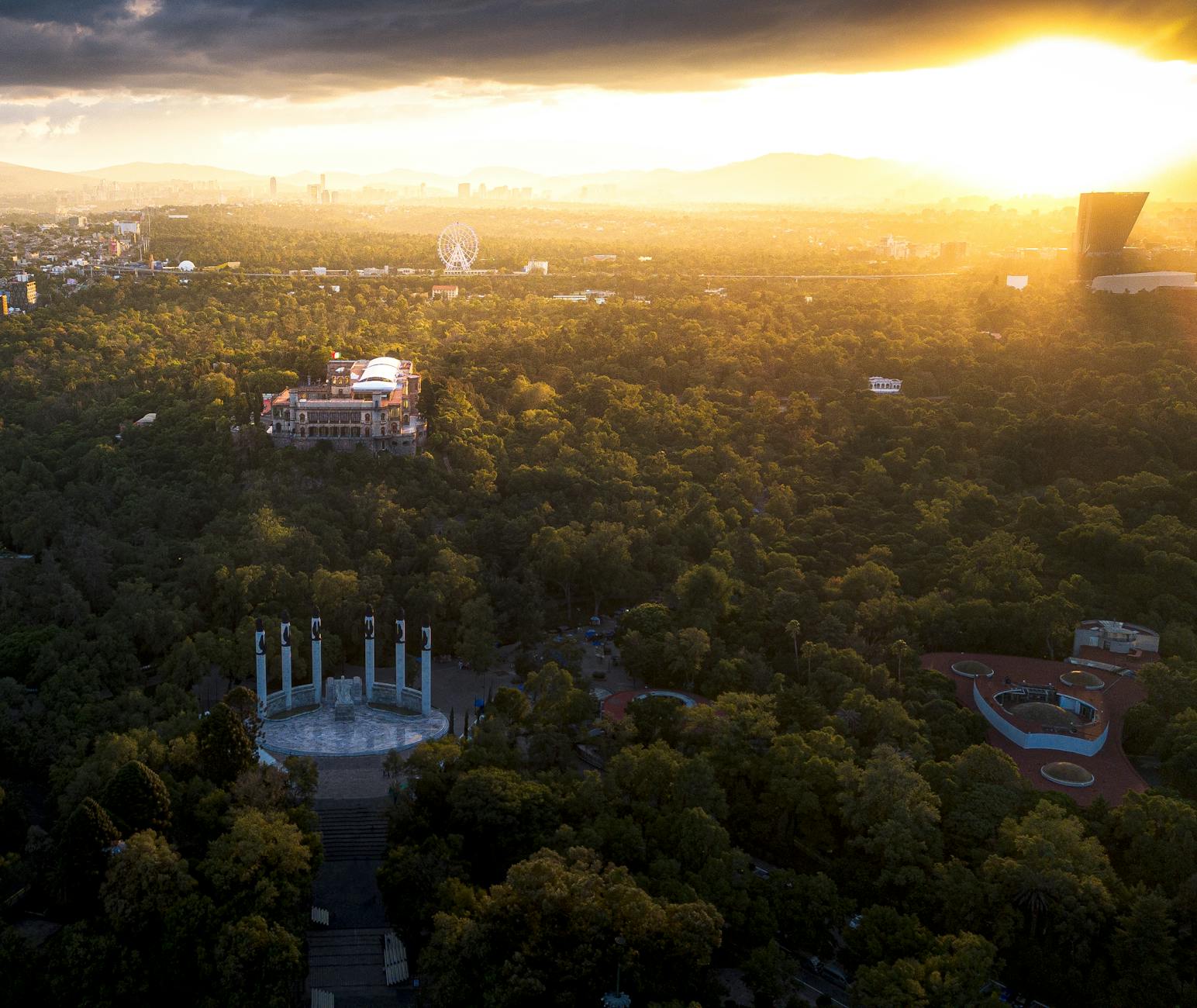
Mexico City can become too dense if every hour is used for another sight. Parks, meals, cafes, and museum pacing are not filler; they are how the first visit stays enjoyable. Chapultepec is especially useful because it combines green space, museums, city views, and a natural pause in the middle of a large urban trip. Food can do the same work when meals follow the district rather than pulling the traveler across town.
First-time visitors should book or plan the high-demand pieces without over-reserving the whole trip. Special restaurants, the Frida Kahlo Museum if Coyoacan is part of the plan, certain museum windows, and peak-period experiences may need advance attention. The rest of the day should leave enough room for traffic, weather, queues, and appetite.
- Use Chapultepec, cafes, meals, and parks as pacing tools, not spare time.
- Book high-demand museums and restaurants early, but leave room around them.
- Eat by district so food improves the route instead of scattering it.
Learn transport habits and street discipline
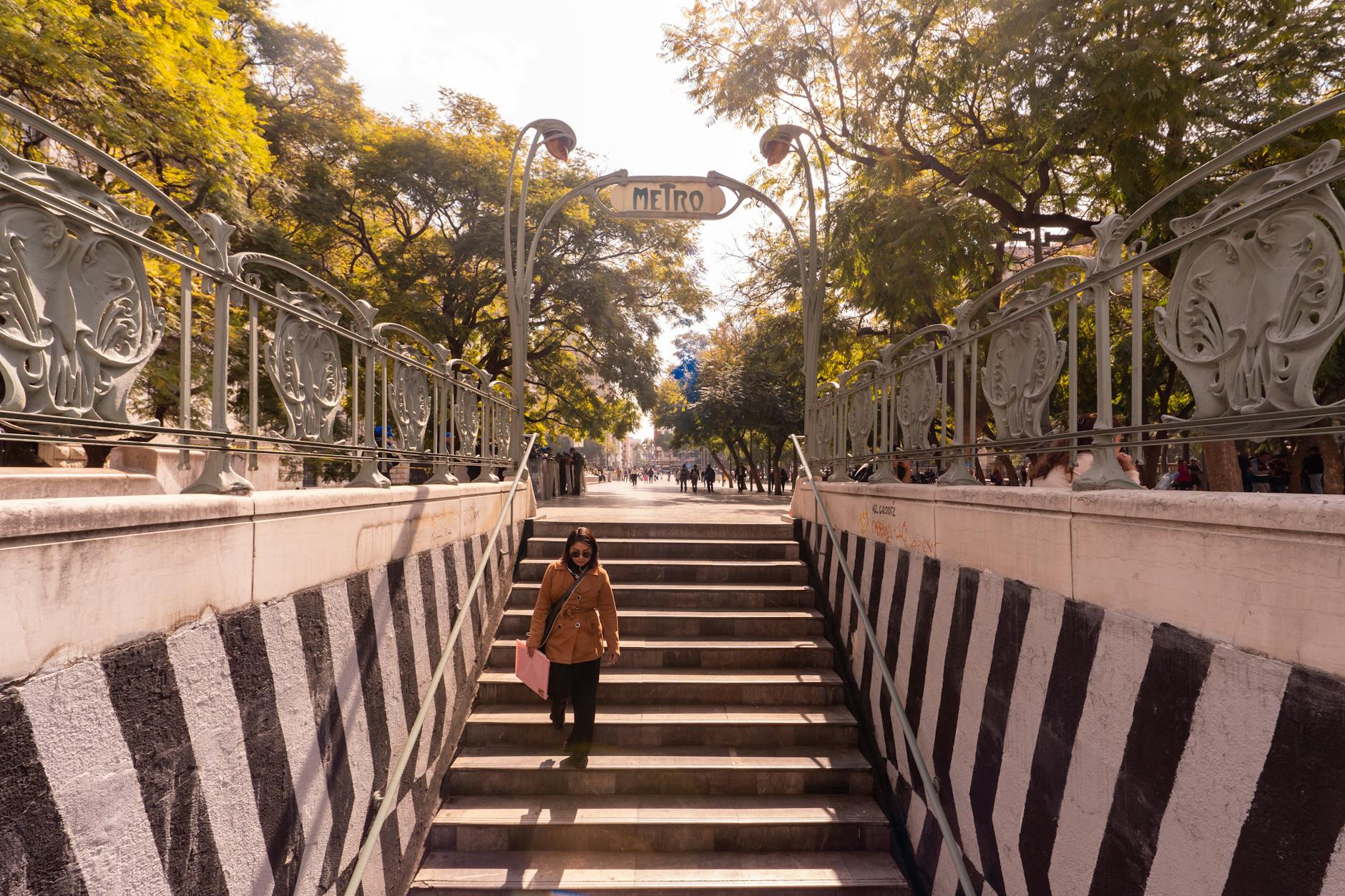
First-time visitors do not need to master the entire city transport system. They need practical habits: know when a car is worth it, when walking is pleasant, when Metro or Metrobús is sensible, and when traffic makes a route fragile. App-based rides can be useful, but pickup points, congestion, and late-night returns matter. The Metro can be efficient, but crowding, valuables, and comfort level should shape the choice.
City discipline is ordinary but important. Keep phones controlled near curbs and in crowds, avoid drifting while reading maps, separate payment backups, and choose late-night returns before dinner starts. Mexico City is not a city to fear by default. It is a city to move through with attention.
- Choose walking, Metro, Metrobús, car, or app-based rides by route, hour, crowding, and fatigue.
- Control phones and bags in markets, stations, crowded streets, and nightlife areas.
- Plan the return from dinner or bars before the evening begins.
When to order a short-term travel report
A confident first-time visitor with flexible dates and a forgiving schedule may not need a custom report. A report becomes useful when the trip is short, expensive, family-heavy, mobility-sensitive, food-led, museum-heavy, late-arriving, or hard to redo. It is also useful when the traveler is choosing between Roma, Condesa, Polanco, Reforma, Centro, and a more hotel-forward base without knowing how those choices will shape the days.
The report should test hotel options, airport arrival, first-day pacing, district clusters, bookings, food priorities, transport choices, evening movement, current local signals, and the traveler's limits together. The value is not a longer list of Mexico City ideas. It is deciding what to keep, what to cut, and how to make the first visit feel rich without becoming scattered.
- Order when the visit is short, high-value, family-heavy, mobility-sensitive, or hard to repeat.
- Provide hotel options, flights, must-see priorities, food interests, mobility needs, and preferred pace.
- Use the report to choose the base, cluster the days, and cut the itinerary before the city does it for you.