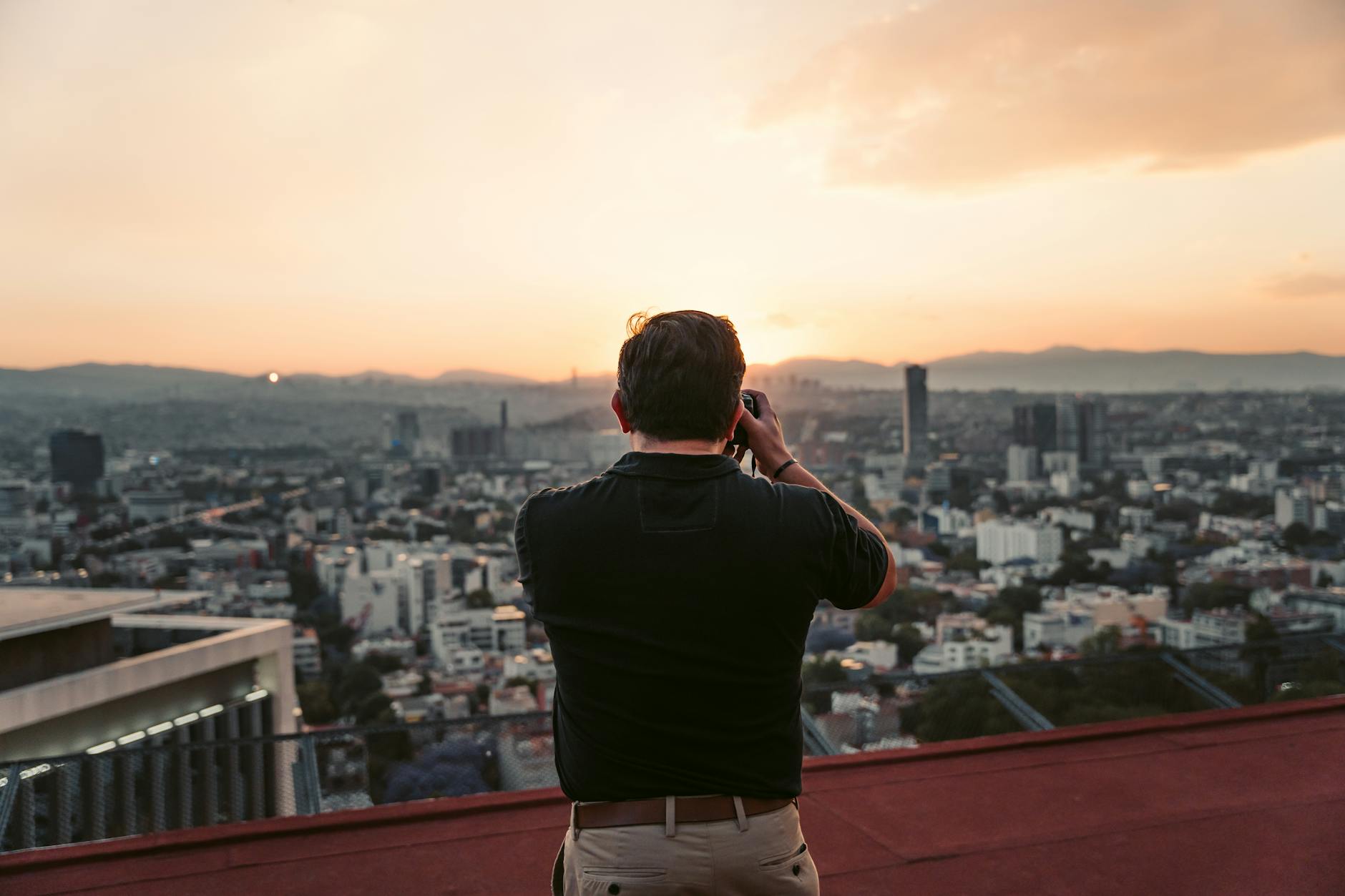
Mexico City can be a strong destination for a short content trip because it offers architecture, food, markets, museums, parks, street scenes, design, nightlife, hotels, public life, and neighborhood contrast in one city. That abundance is also the risk. A creator who arrives with only a list of famous places can waste time crossing town, miss better light, create friction with venues, or produce the same shallow visual sequence everyone else is already posting. The useful question is not simply where to shoot. It is what the trip needs to produce, which locations are appropriate for that work, what can be filmed or photographed without permission, how gear and files will be protected, and how the creator will move between shots without burning the whole day in traffic. Mexico City rewards creators who treat the trip as a working itinerary with ethical limits, not as a spontaneous backdrop.
Build the trip around a clear creative brief
A content trip should start with the deliverables, audience, brand obligations, and editing needs. A food reel, hotel review, street photography essay, fashion shoot, museum guide, business-travel piece, nightlife sequence, or neighborhood story each needs a different Mexico City. The creator should decide what must be captured, what would be useful, and what can be skipped if time or weather turns.
The brief should also identify the tone of the work. Is the city being treated as a cultural subject, a hospitality destination, a visual backdrop, a reporting environment, or a personal diary? That decision affects which places are appropriate, how much narration is needed, and whether the creator needs permissions, local collaboration, translation, or research before publishing.
- Define deliverables, platforms, aspect ratios, brand obligations, captions, edit deadlines, and must-capture shots before arrival.
- Separate essential locations from optional texture so the day can survive weather, traffic, or venue limits.
- Decide whether the work is travel, food, fashion, hotel, culture, neighborhood, or personal content before building the route.
Cluster neighborhoods instead of chasing every backdrop
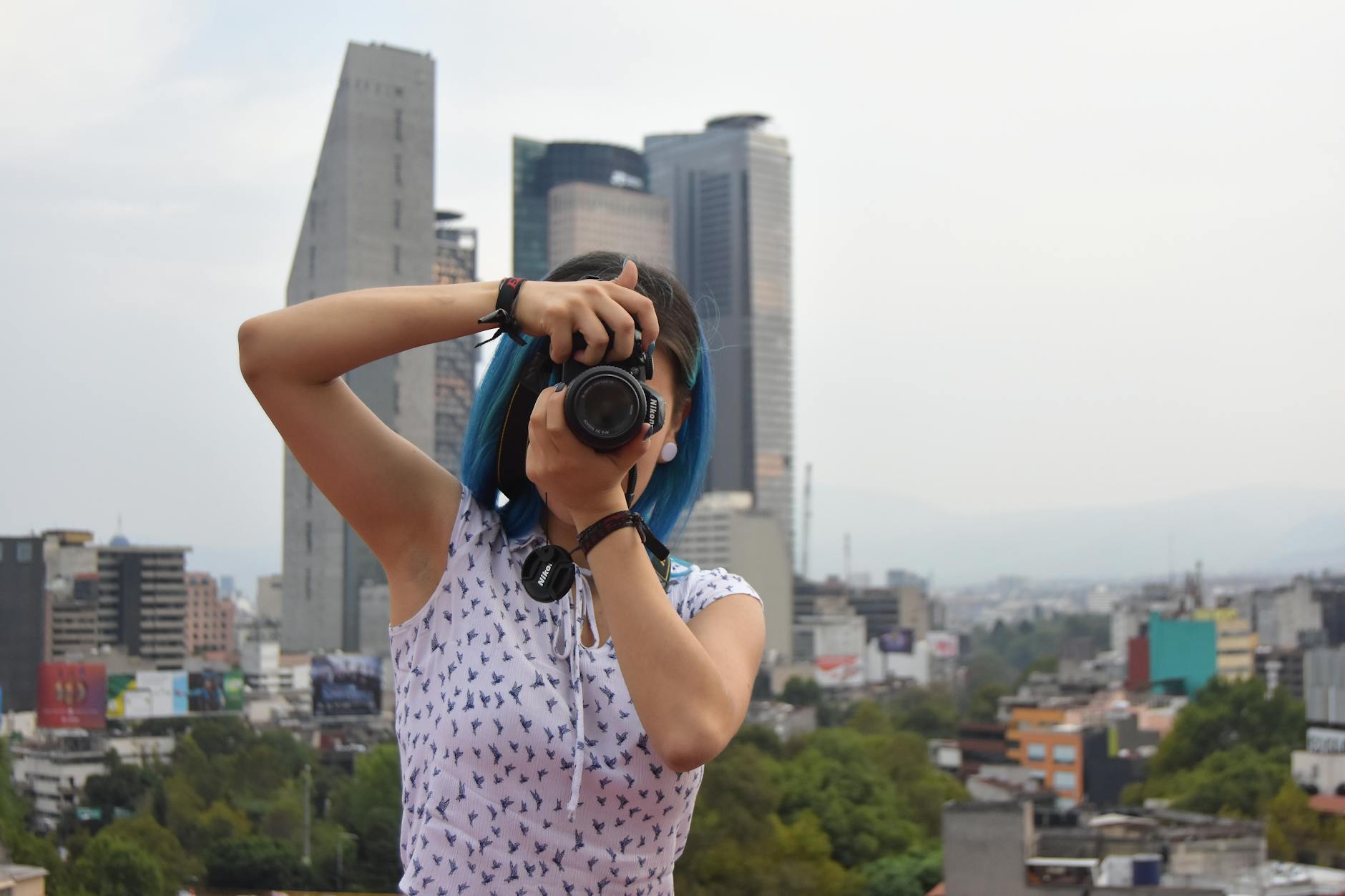
Mexico City is too large for a creator to treat it as one continuous set. Roma, Condesa, Centro, Polanco, Coyoacan, Juarez, Reforma, Chapultepec, Santa Fe, Xochimilco, and museum districts all create different footage and different travel burdens. Trying to collect too many backdrops in one day usually produces shallow work and exhausted movement.
Better days cluster locations by light, opening hours, meal timing, and transport. A Centro architecture day should not be treated like a Polanco hotel day or a Coyoacan market day. Creators should also think about sequencing: wide establishing shots, details, food, people with consent, quiet cutaways, and return routes. The strongest content often comes from staying with one district long enough to understand its rhythm.
- Group locations by district, light, opening hours, meal timing, and return route.
- Avoid building one day around too many distant backdrops just because they are visually famous.
- Plan wide shots, details, food, movement, quiet cutaways, and backup interiors before the day starts.
Handle food and market content with respect
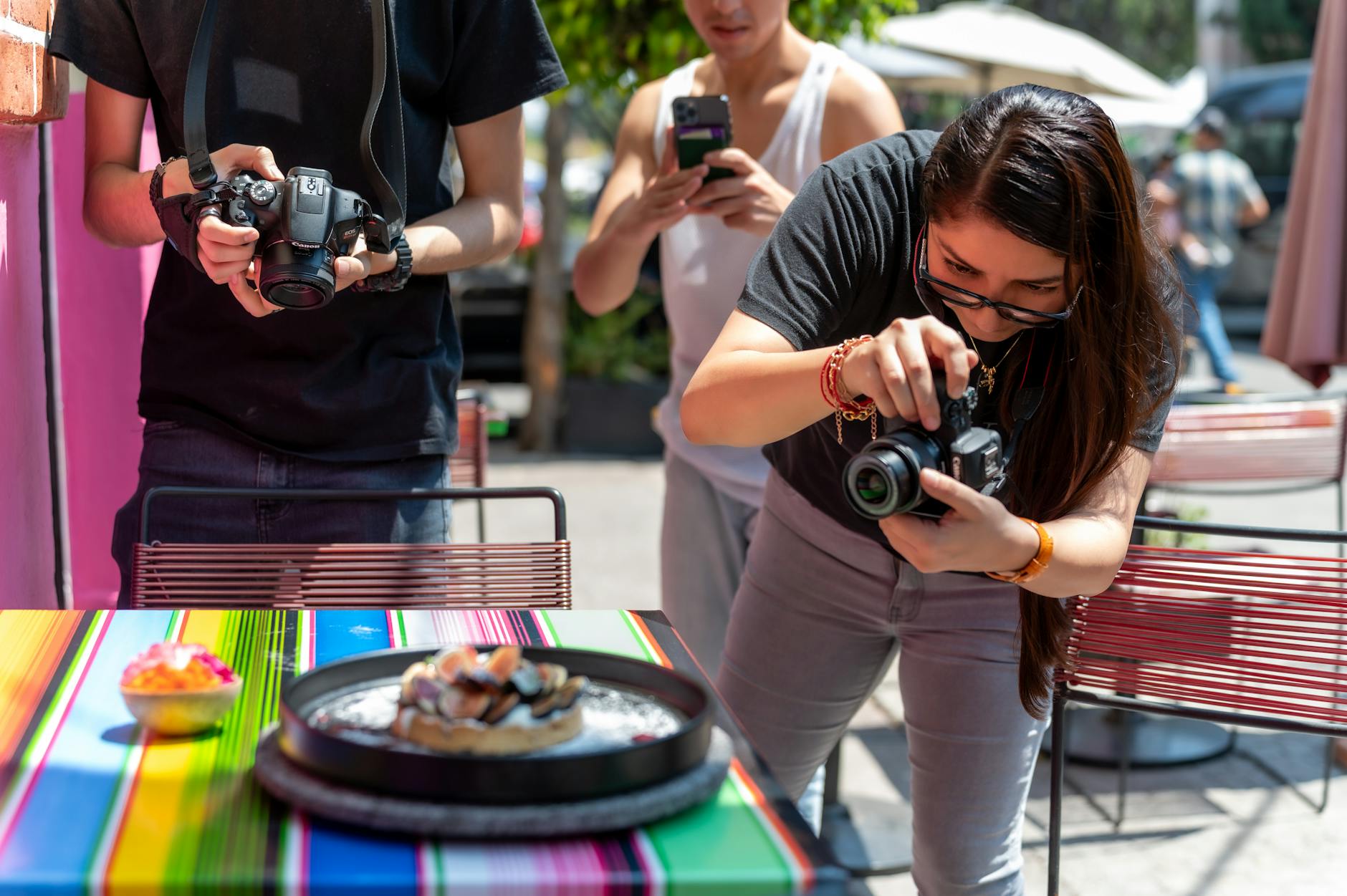
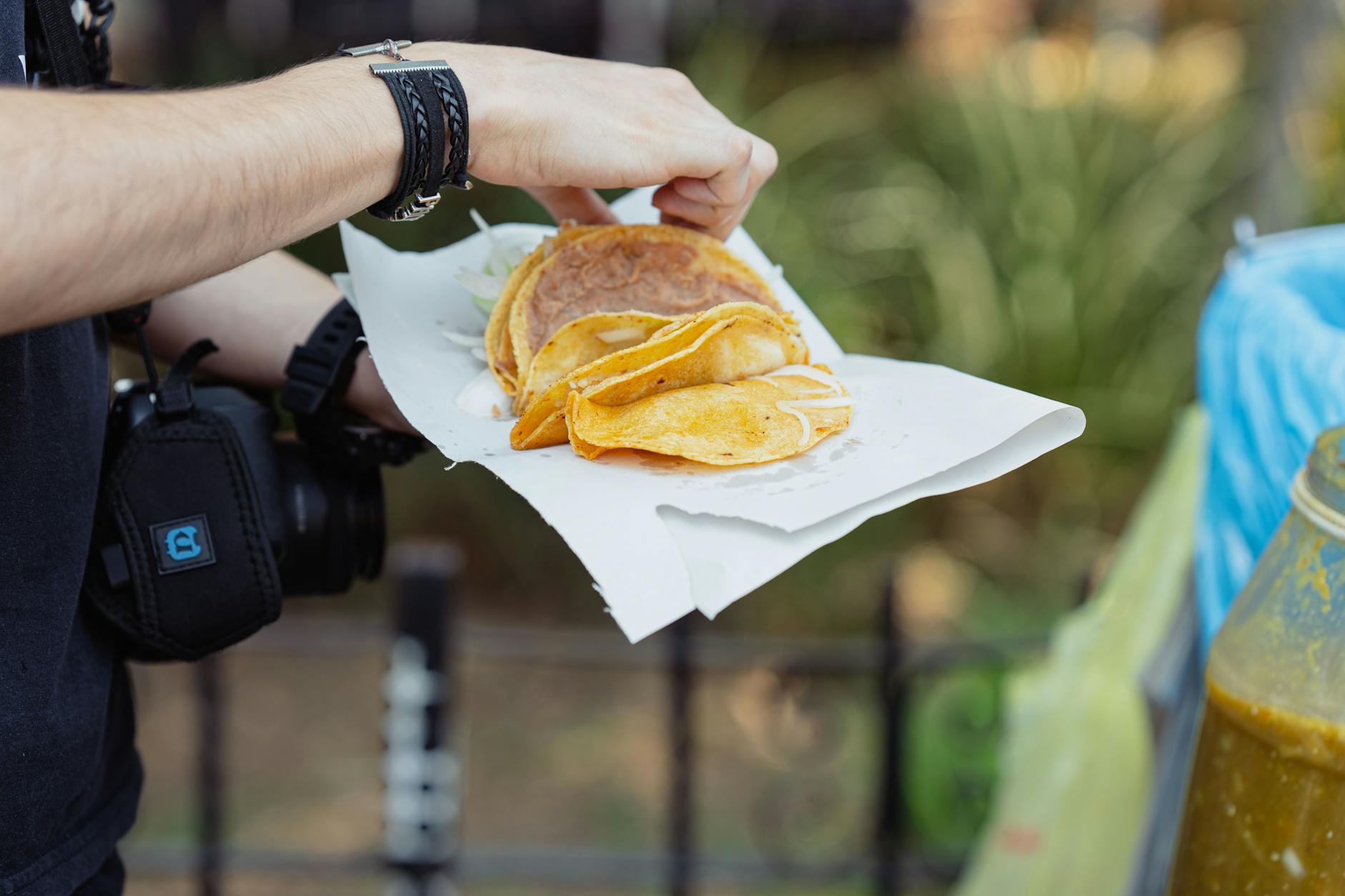
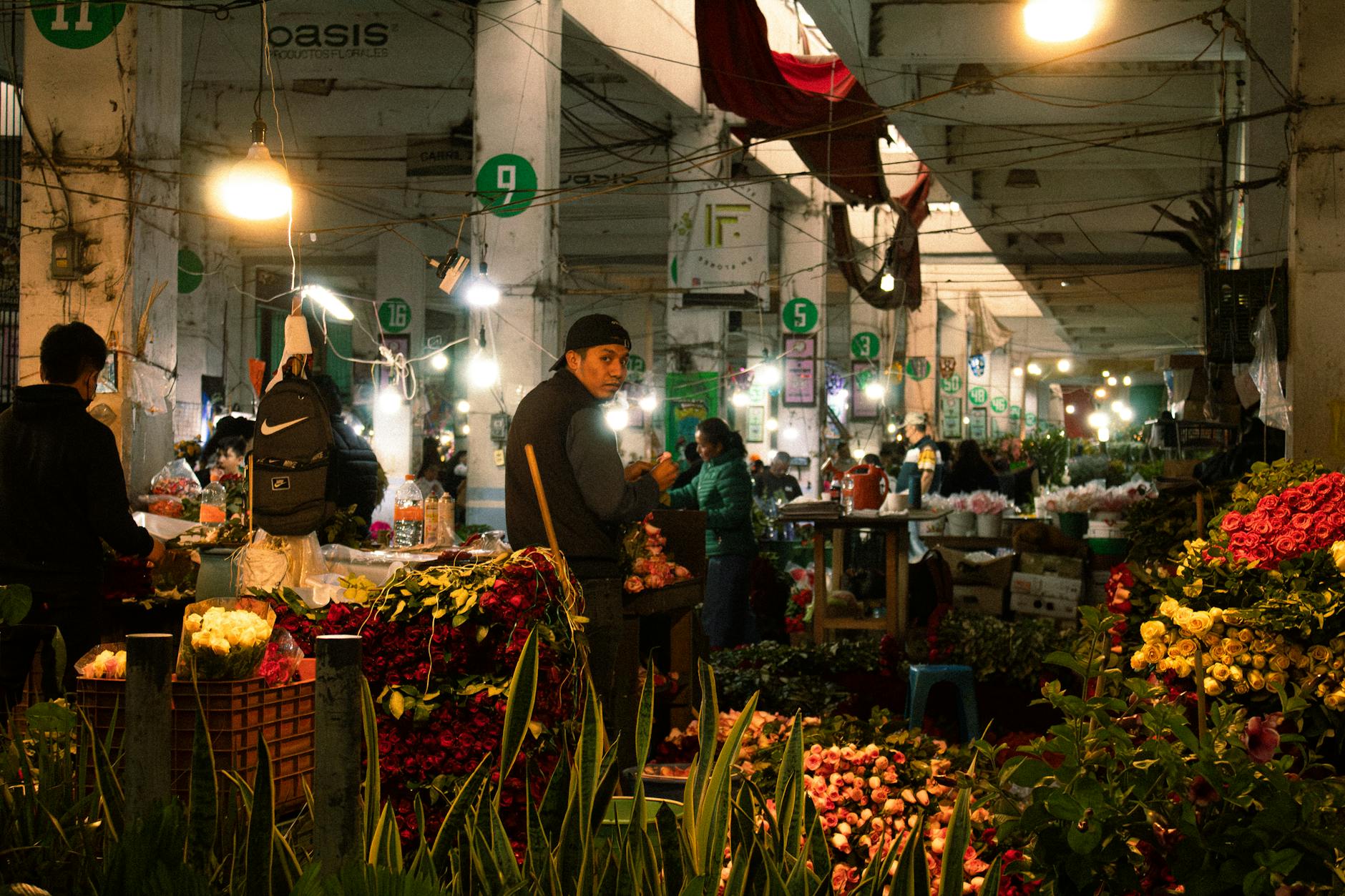
Food and market content can be one of the best reasons to create in Mexico City, but it requires more care than pointing a camera at beautiful plates or vendors. Restaurants may have rules about tripods, flash, table time, kitchen access, staff filming, or sponsored mentions. Markets are working environments, not open sets. A creator should ask before filming people closely, blocking aisles, or handling products for a shot.
The practical plan should include cash, small bills, ordering language, allergy needs, hand hygiene, and enough time to eat rather than only shoot. If the creator is reviewing a place, the terms should be clear. Paid, gifted, invited, and independent visits should not be blurred in the finished work.
- Ask before filming staff, vendors, kitchens, close-up faces, or market stalls in a way that affects their work.
- Check restaurant rules for tripods, flash, table timing, kitchen access, and sponsored disclosure.
- Carry cash, small bills, allergy notes, hand sanitizer, and enough time to eat after capturing the content.
Know where permission matters
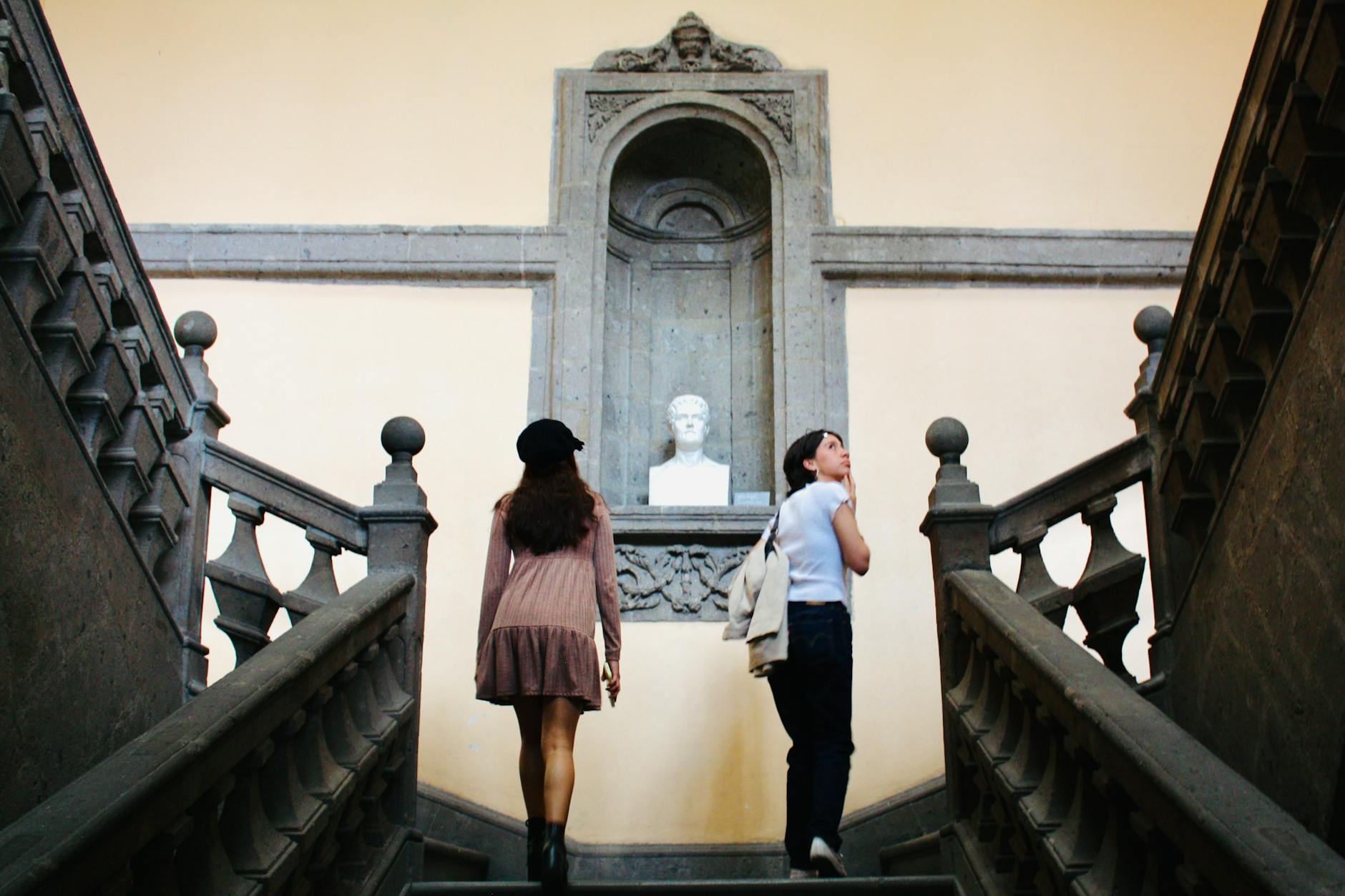
Some Mexico City content can be made in ordinary public space. Other content may require permission from museums, hotels, restaurants, markets, shops, rooftops, religious sites, private courtyards, public buildings, transit areas, or event organizers. The fact that a place is photogenic does not mean it is available for commercial filming. A creator working with a brand, crew, tripod, drone, lighting, model, or paid deliverable should be especially careful.
Before travel, the creator should separate casual personal capture from commercial work. They should confirm venue rules, media contacts, fees, release needs, drone restrictions, and whether a permit or location agreement is required. A denied tripod or closed venue can break a short content schedule if there is no backup plan.
- Separate casual personal capture from sponsored, commercial, crewed, tripod, drone, model, or paid deliverable work.
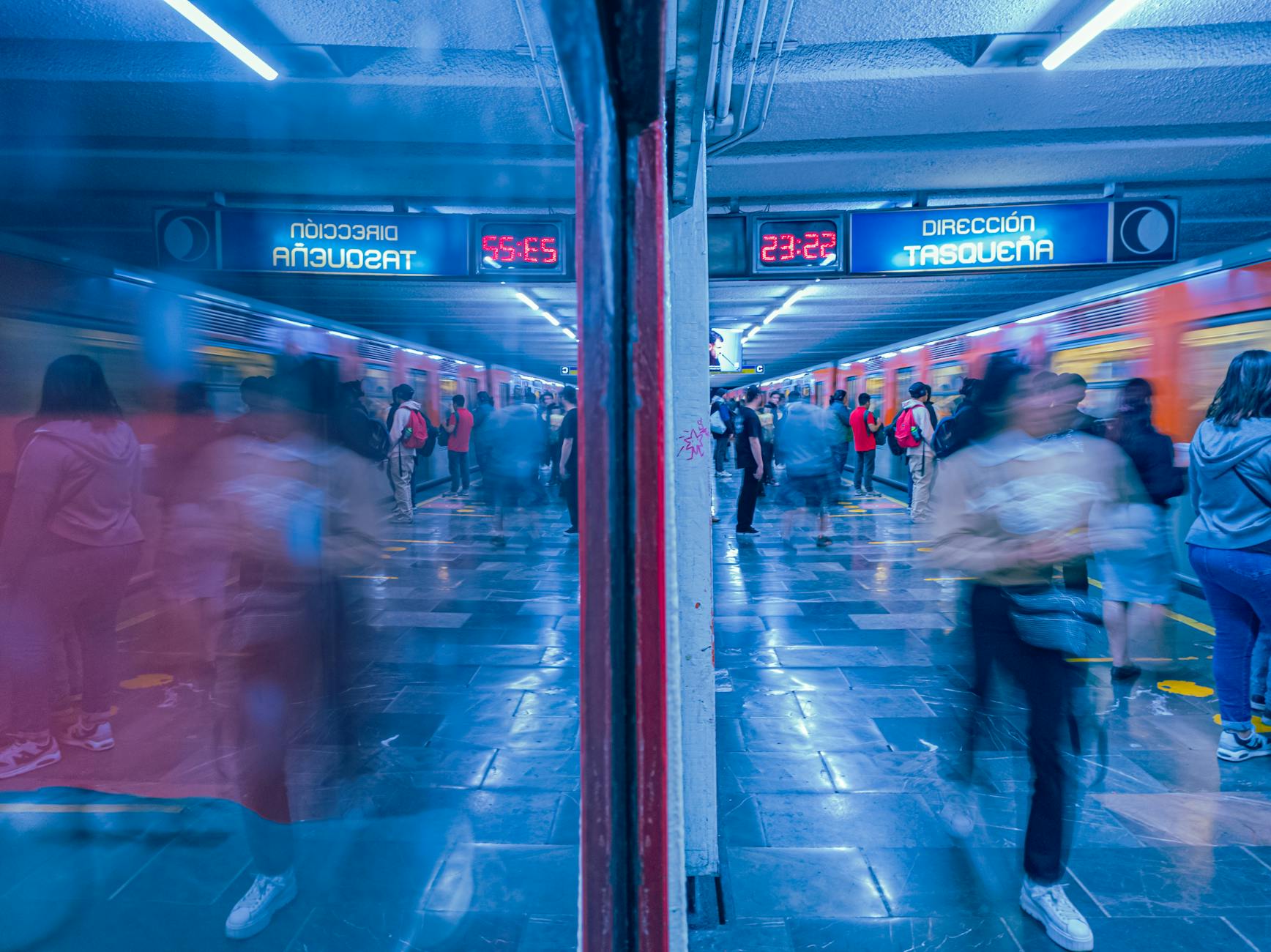
- Confirm rules for museums, hotels, restaurants, rooftops, markets, religious sites, transit areas, and private venues.
- Keep backup locations ready when a venue denies filming, changes hours, or requires permission that was not secured.
Keep gear, files, and workflow under control
A creator's equipment can quickly become the trip's main constraint. Cameras, lenses, microphones, gimbals, lights, drones, laptops, phones, chargers, batteries, cards, hard drives, and props all add weight, visibility, and failure points. Mexico City rewards a kit that matches the day's route. A heavy setup may work in a hotel or studio but become difficult in markets, transit, stairs, rain, or late-night returns.
The creator should define a working kit, a minimal kit, and a backup workflow. That includes charging plans, cable redundancy, card rotation, cloud backup, external drives, phone storage, file naming, and what happens if the creator loses a bag or breaks a phone. Content only matters if it survives the trip.
- Pack a kit that fits the route, not every possible camera, lens, light, microphone, gimbal, laptop, and prop.
- Plan charging, batteries, card rotation, cloud backup, drives, phone storage, file naming, and lost-device response.
- Use lighter setups for markets, transit, stairs, rain, and long walking days.
Protect timing, safety, and online boundaries
Content creators often face pressure to post in real time, tag locations, and show the behind-the-scenes version of the day. In Mexico City, as in any large city, that should be handled deliberately. Real-time posting can reveal where the creator is, where gear is being used, where a hotel is located, or when a person is alone. Some content is better posted later, with less precise location data.
Timing matters physically too. Golden hour, dinner reservations, nightlife, transit, rain, fatigue, and altitude can all affect the quality of the work. Creators should plan safe returns, avoid risky rooftops or ledges, keep emergency contacts available, and know which shots are not worth pursuing. The city offers enough material without forcing unsafe angles.
- Consider delayed posting or vague location tags when real-time updates expose lodging, gear, or solo movement.
- Plan golden hour, meals, rain, transit, nightlife, return routes, and rest as part of production.
- Avoid risky rooftops, ledges, traffic shots, or intrusive filming when the image is not worth the exposure.
When to order a short-term travel report
A casual creator with a flexible schedule may not need a custom report. A creator with brand deliverables, hotel partnerships, restaurant appointments, crew needs, commercial usage, drone questions, museum access, nightlife content, tight posting deadlines, or multiple districts should plan more carefully. Mexico City can produce excellent work, but only if the route, permissions, gear, and timing fit the actual creative brief.
The report should test neighborhood clusters, shot timing, venue permissions, restaurant and market etiquette, hotel workability, transport routes, gear load, backup workflow, phone data, online safety, weather, fatigue, and fallback locations. The value is a production-aware plan that helps the creator make distinctive content without treating the city, its workers, or its residents as uncontrolled props.
- Order when brand work, venues, permits, gear, crew, restaurants, markets, or tight deadlines make mistakes costly.
- Provide deliverables, shot list, hotel candidates, venues, meal plans, gear, posting schedule, and permission needs.
- Use the report to protect the work and local context, not just to collect famous backdrops.